

Free visual inspection and a written scope of work before any mitigation begins - photos, moisture readings, and drying logs go in your claim file
The scope we write is the scope we bill. Anything new gets shown to you, in writing, before we touch it.
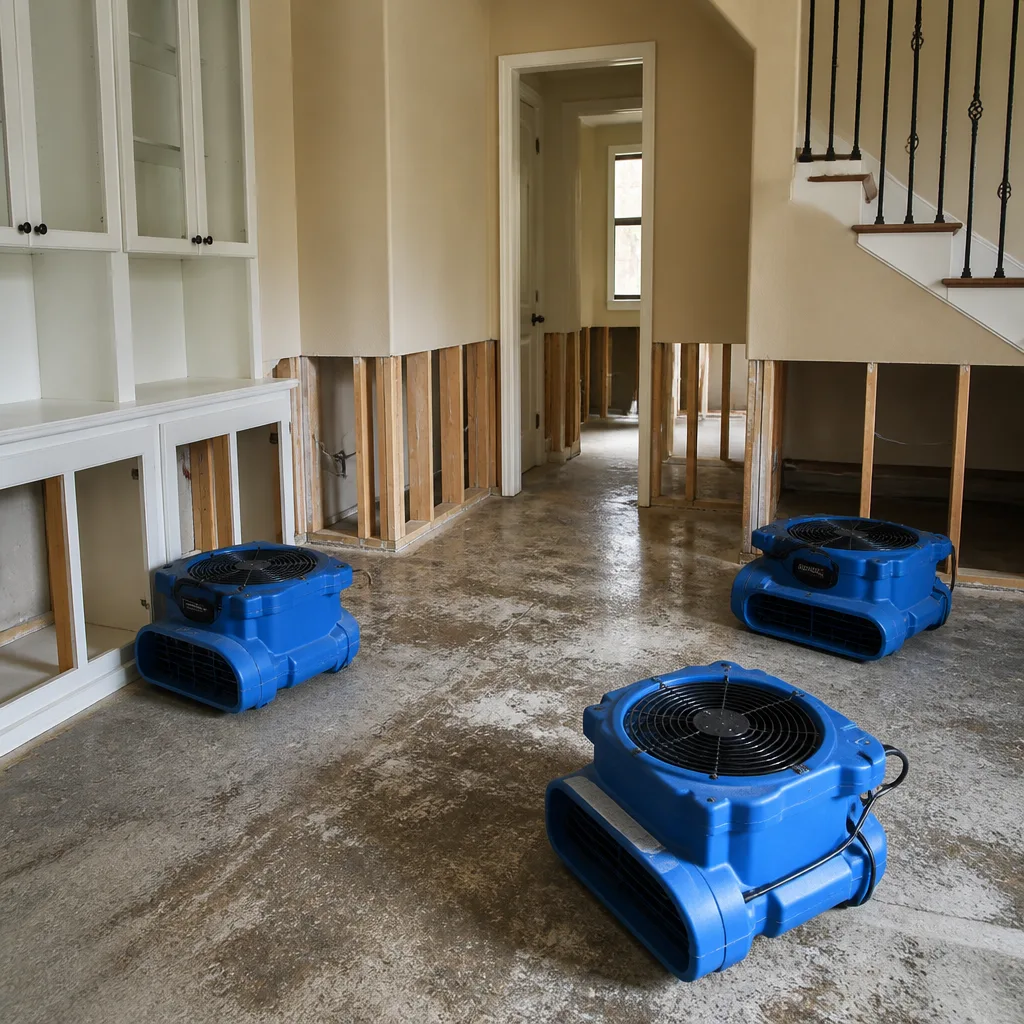
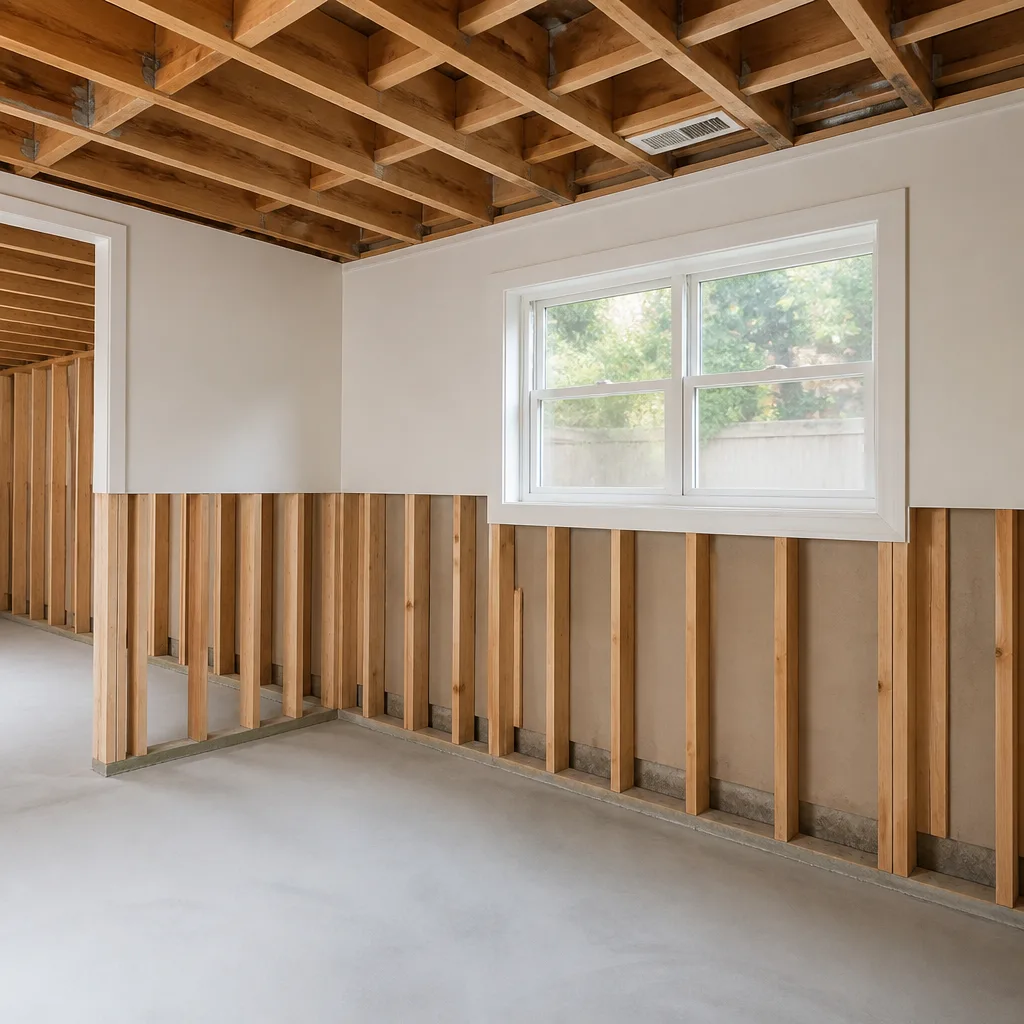
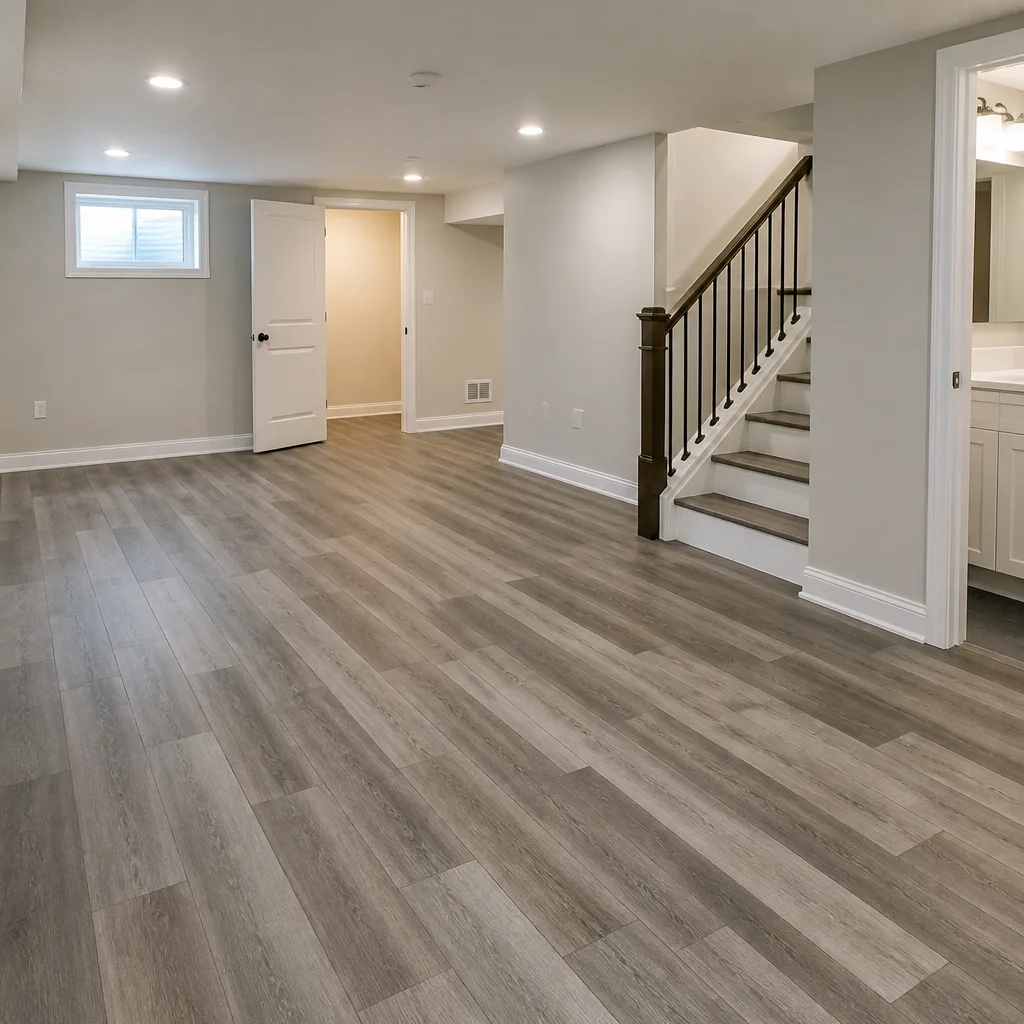
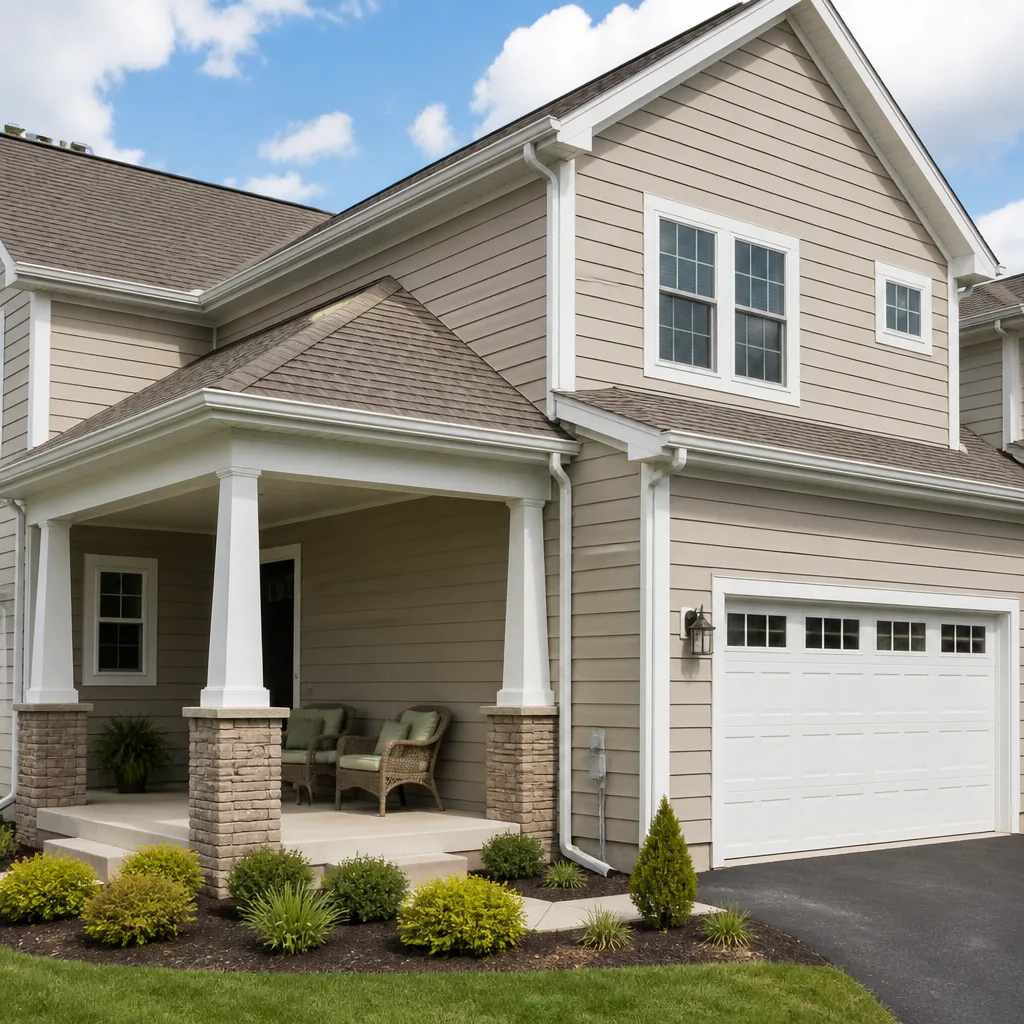
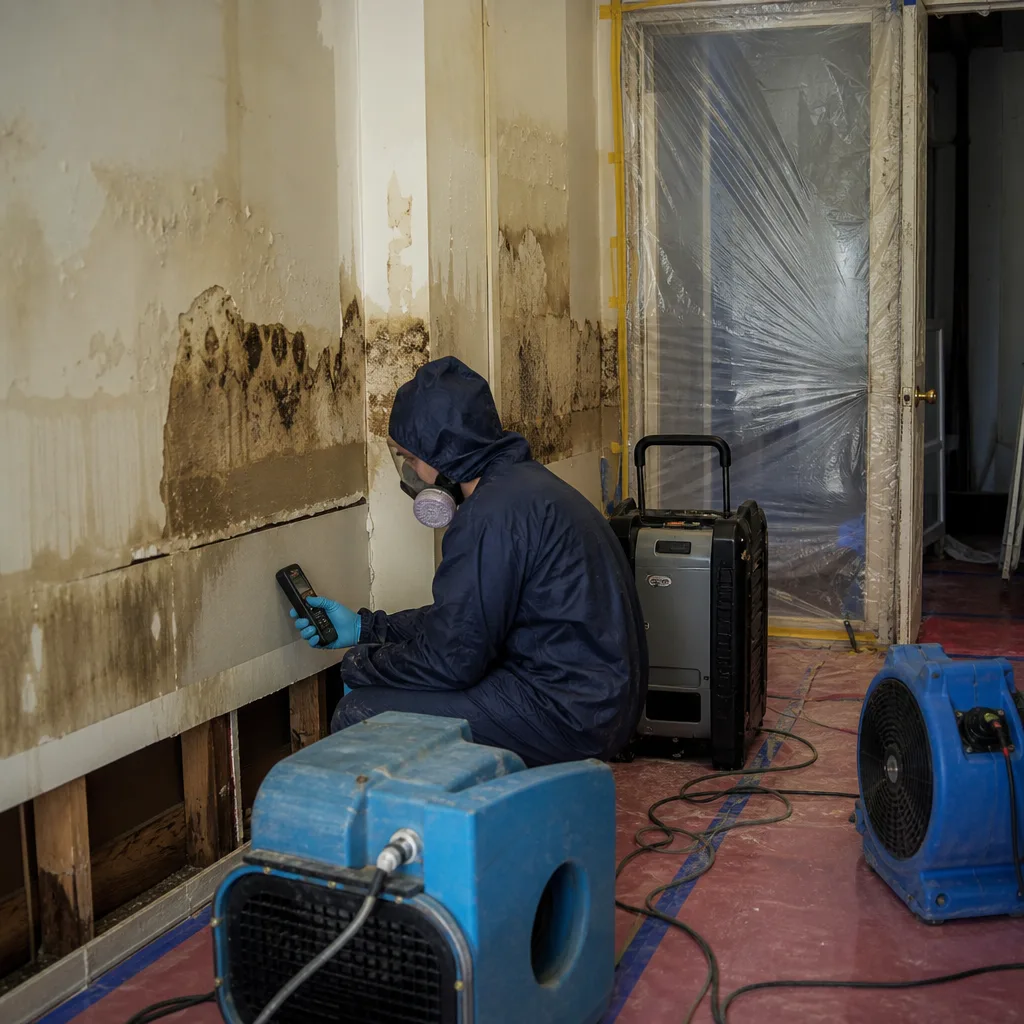 Before
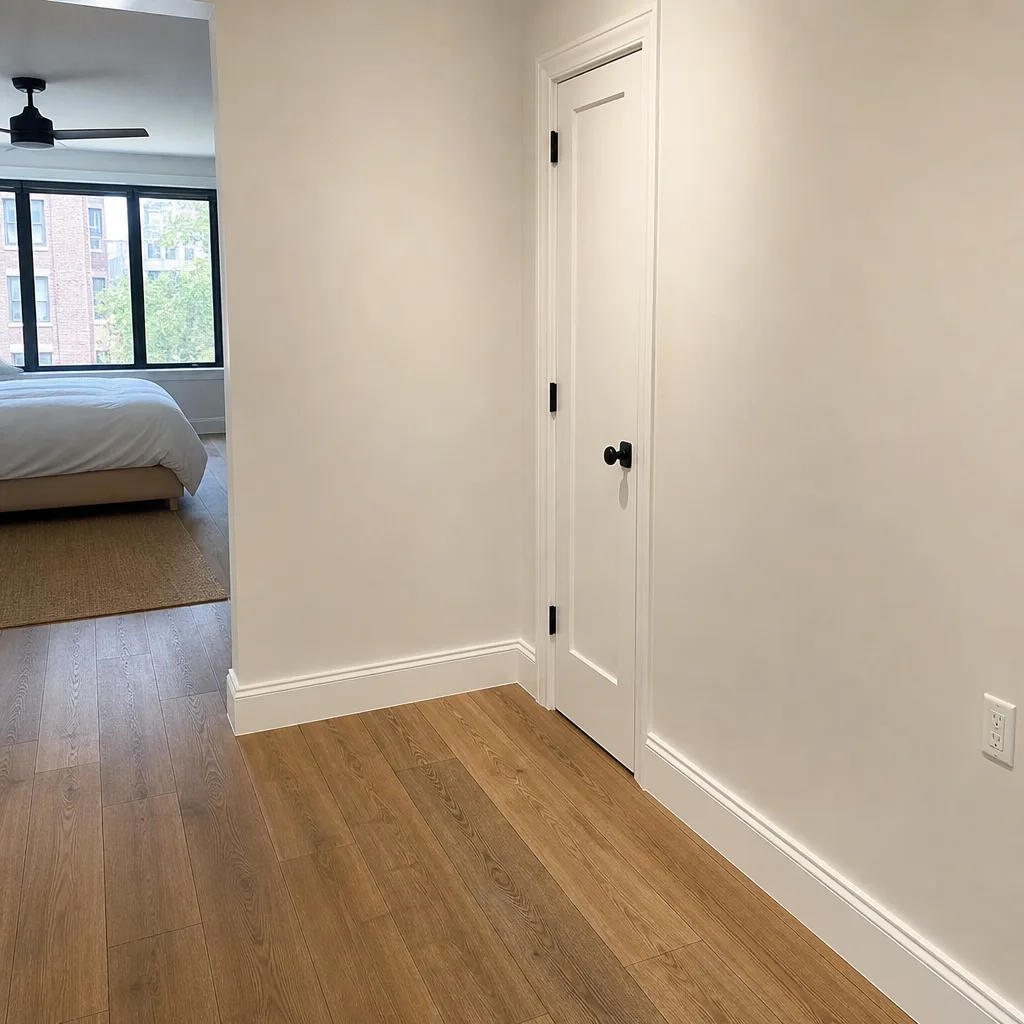 After
After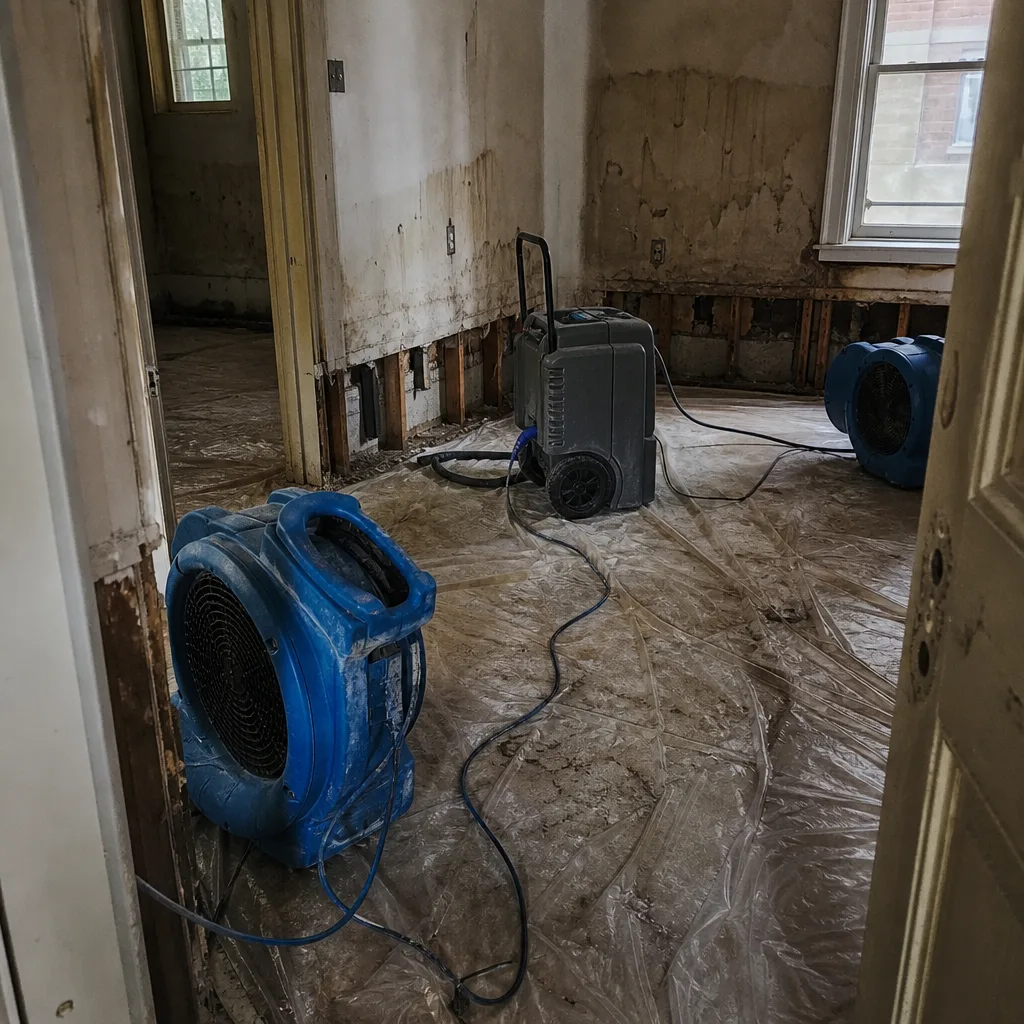 Before
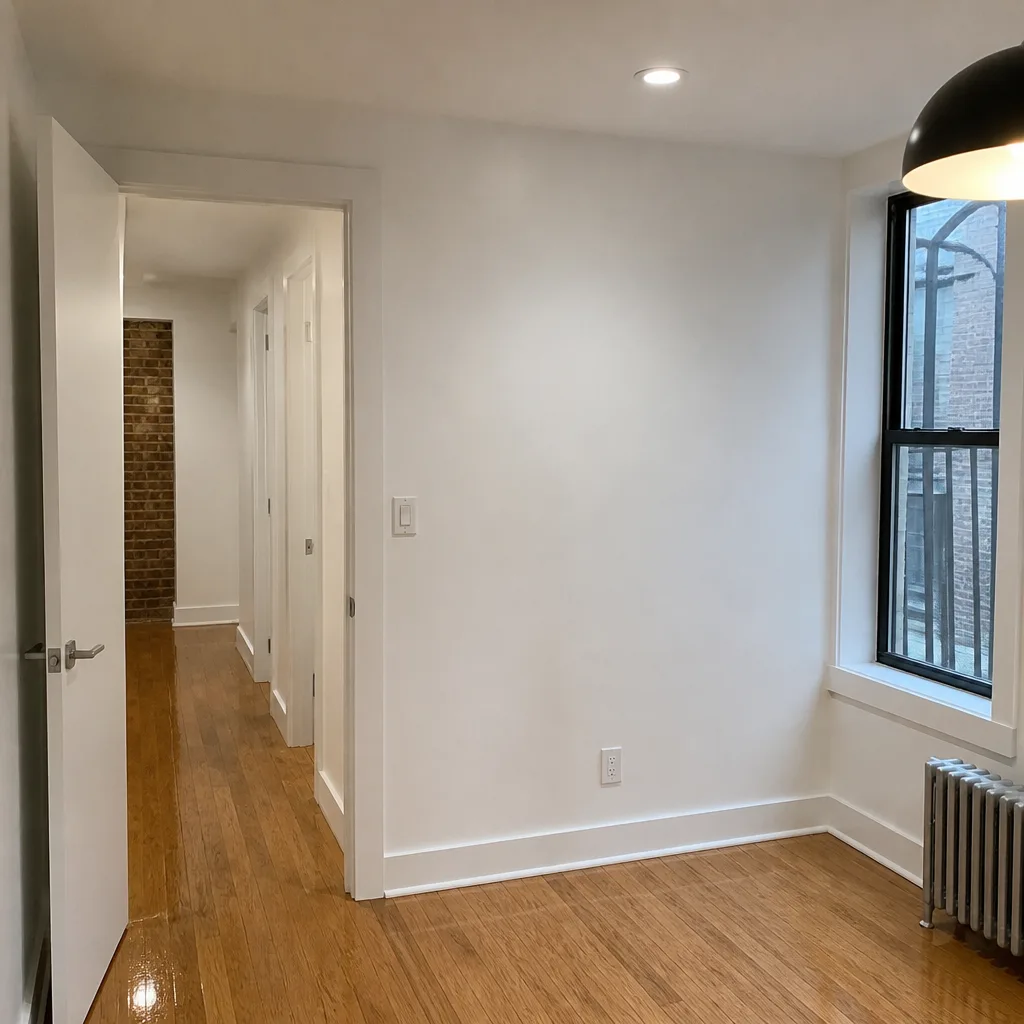 After
After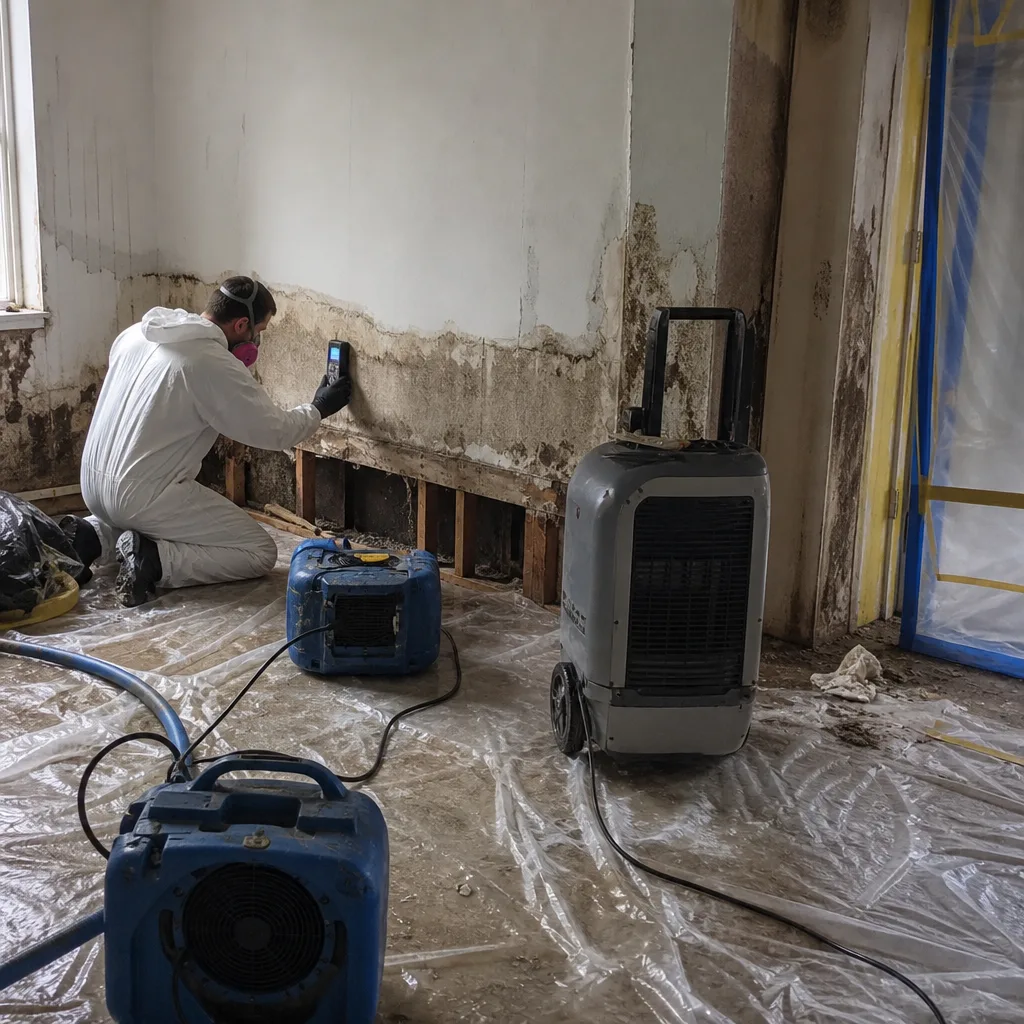 Before
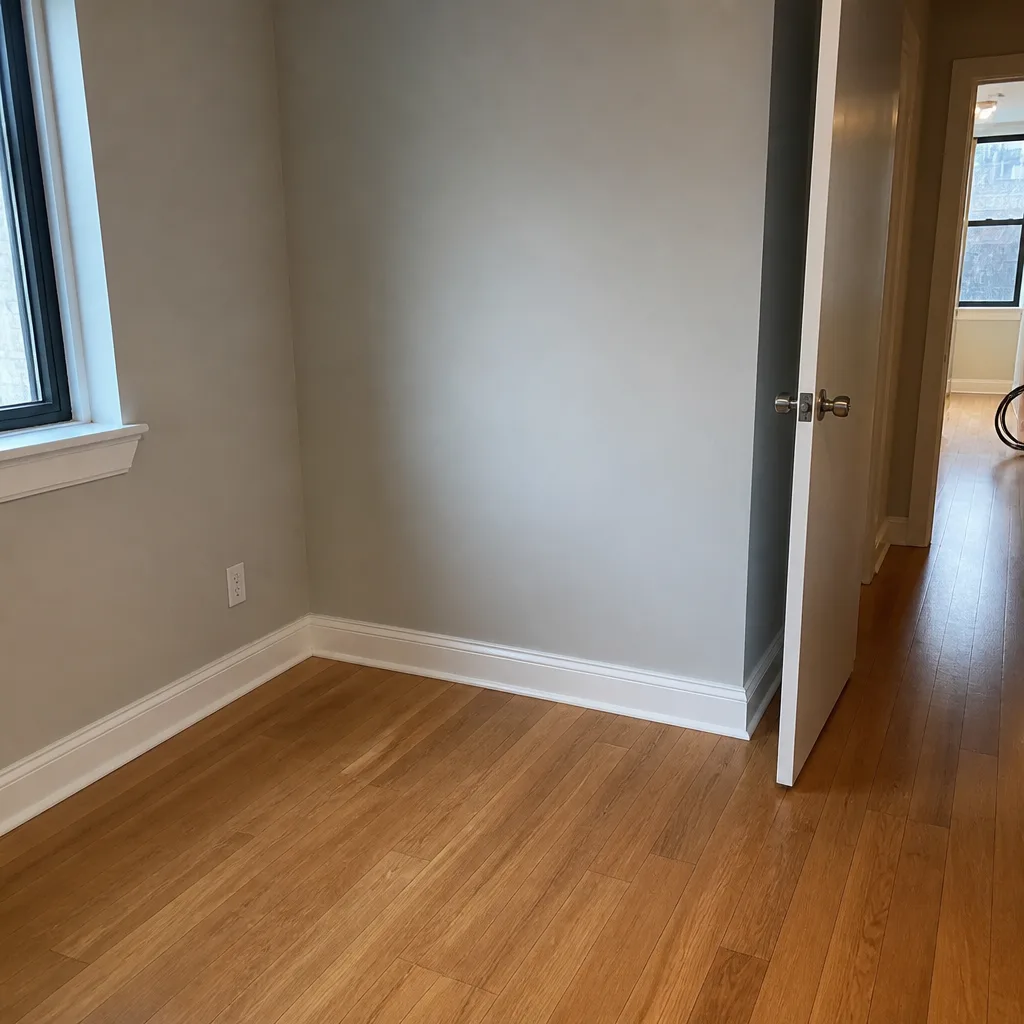 After
After24/7 Emergency Fire & Smoke Damage Restoration in Harlem
Fire and smoke damage restoration in Harlem typically starts with a phone call to (845) 305-5737, and our crews are dispatched into the neighborhood within 45 minutes. Smoke keeps working long after the flames are out, pushing into plaster walls, behind baseboards, and through shared party walls into the brownstone next door. We answer live at any hour, every day, and we send a background-checked, uniformed technician to assess the loss at no charge. The first hour matters because soot from a Harlem kitchen fire turns acidic as it sits, etching glass, corroding metal fixtures, and permanently bonding to painted plaster if it’s not stabilized. You won’t get a call center transfer. You’ll get a live dispatcher who knows Harlem addresses and a crew on the way.
Understanding Fire & Smoke Damage Restoration Severity in Harlem Properties
Not every fire loss in Harlem behaves the same way, and the building itself dictates the severity. A grease fire in a fourth-floor walkup kitchen produces wet, protein-based soot that smears if wiped wrong and bonds hard to painted surfaces. A smoldering electrical fire behind an old-law tenement wall generates dry, fine soot that migrates through every crack and chase, showing up in closets two floors away. Harlem’s housing stock makes this worse: 4 to 6 story old-law and new-law tenements from the 1890s through 1920s share narrow plumbing chases and open stud bays, so smoke travels vertically through the building faster than anyone expects. Brownstone rowhouses on Hamilton Heights blocks carry original plaster over wood lath, and that plaster is porous, holding odor long after surfaces look clean. Severity here is rarely contained to one unit. We scope for smoke migration first, then soot type, then the structural condition of what’s behind the walls.
Why Harlem Property Owners Choose Floodline Restoration Co.
- 45-minute response commitment – We dispatch out of our New York City office and reach Harlem addresses fast, with a live person confirming your cross street on the phone.
- 24/7 live answer, never an answering service – A real dispatcher picks up at 2 a.m. on a February night, not a recording. You’ll know the crew’s ETA before you hang up.
- IICRC-certified fire and smoke technicians – Our crews hold FSRT (Fire & Smoke Restoration Technician) and OCT (Odor Control Technician) certifications, trained for the pre-war conditions we find on every block.
- Free visual inspection with a written scope first – We don’t start work until you’ve seen a line-item scope in writing. No pressure, no surprises on the bill, ever.
- Direct insurance billing – We bill your carrier directly and talk to your adjuster ourselves. You never play messenger between Floodline and the insurance company.
- One team from board-up to finish rebuild – The same certified crew that sets containment on day one handles the structural fire repair and the final coat of paint. No mid-job handoff, no inherited strangers in your home.
Our Fire & Smoke Damage Restoration Process
Inspection & Assessment
We document every room with photo and video, identify soot type (protein, dry, or oily), and map smoke migration paths through walls, chases, and party walls. In Harlem brownstones, we inspect the adjoining property on both sides early.
Extraction & Stabilization
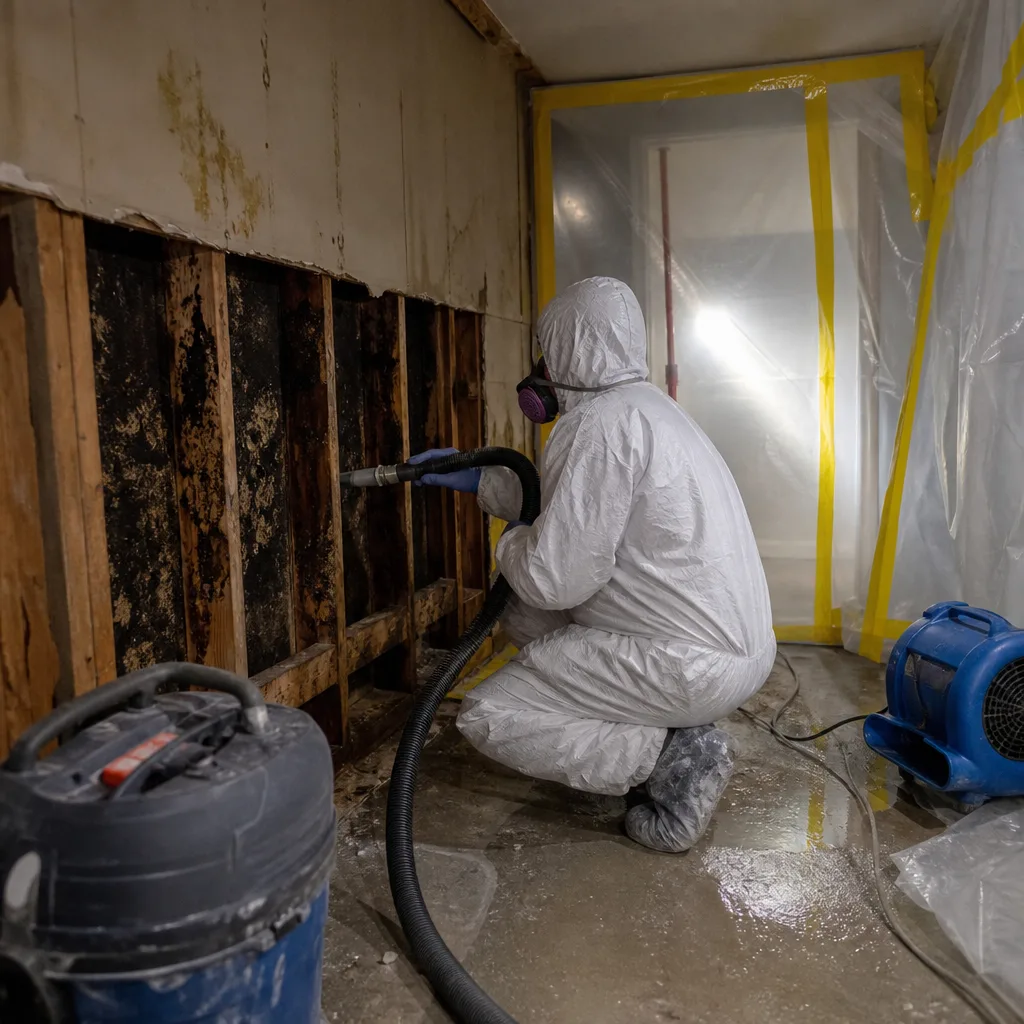
We board up openings, tarp damaged roof sections, and set up negative air containment before demolition starts. Stabilizing the space stops further soot spread and secures the property against weather and entry.
Drying & Dehumidification
Fire suppression leaves water in walls, floors, and ceiling cavities. We run Phoenix and XPOWER air movers with dehumidifiers, taking daily moisture readings with hygrometers and thermal imaging until the dry standard is met.
Cleaning & Sanitization
We clean char, soot, and residue from every surface using dry chemical sponge techniques on plaster, HEPA vacuuming on porous materials, and appropriate cleaning agents on non-porous surfaces like glass and metal.
Odor Removal & Deodorization
For Harlem’s plaster-walled rowhouses and tenement apartments, we use thermal fogging, hydroxyl generators, and cabin-seal treatments. Odor hides in wall cavities and structural lumber, so surface sprays won’t do the job alone.
Repairs & Restoration
Once Dri-Eaz air scrubbers have done their job and containment comes down, we rebuild what needs rebuilding: plaster repair, structural framing, flooring, cabinetry, and paint. One crew, start to finish, backed by the 90-Day Done Right Promise in writing.
Need Emergency Fire & Smoke Damage Restoration in Harlem Now?
Crews minutes away, answering live 24 hours a day. The sooner we start, the less it costs.
Working With Your Insurance Company
Most fire losses in Harlem are covered claims, and the paperwork shouldn’t be your burden. Floodline Restoration Co. documents everything from the first hour: the initial board-up, the containment setup, the smoke migration into adjoining units, the drying logs, the contents inventory. We write industry-standard line-item estimates that your adjuster will recognize, and we talk to them directly, often within 24 hours of loss. If the carrier asks for a second opinion or a re-inspection, we walk our scope with them on site. You get one point of contact and a written scope before work starts. No cash surprises, no “we found more damage” lectures. Just a square deal.
What We Provide Your Insurer
- Thorough documentation of the loss
- Photos of all damage, room by room
- Moisture readings and drying logs
- A detailed, line-item scope of work
- Direct coordination with your carrier
Built for Harlem’s Loss Calendar
Fire and smoke losses in Harlem tend to cluster around specific seasons, and we plan our dispatch around them. January and February bring heating system failures: illegal space heaters in old-law tenements overload aging wiring, and neglected boilers in converted rowhouses push fire risk up during deep freezes. Winter also sees candles left burning during outages in older buildings where Con Edison has load issues. Spring and summer are kitchen-fire season, with grease fires climbing as families cook more at home and ventilation stacks in 1920s buildings pull smoke upward through multiple apartments. Fall brings the first heavy oven use and forgotten food on the stove. Year-round, the pattern holds: Harlem’s pre-war buildings burn hotter through compromised electrical systems and faster smoke spread through original construction. When a fire hits a brownstone on a tight block, it rarely stops at one address.
Fire & Smoke Damage Restoration Across Harlem’s Neighborhoods
Central Harlem’s brownstone blocks between Lenox Avenue and Adam Clayton Powell Jr. Boulevard see kitchen fires that push smoke through shared masonry walls almost every week. These are 20-foot-wide rowhouses with original plaster, and a third-floor fire in one sends soot into the two neighbors flanking it. Hamilton Heights and Sugar Hill, with their larger limestone and brick rowhouses on Convent Avenue and Edgecombe Avenue, more often involve whole-floor fires where smoke reaches the roof decking and attic cavities. Mount Morris Park’s historic district puts nearly every exterior repair under LPC review, which means a small fire there triggers more paperwork than a larger one in a non-landmarked block. East Harlem east of Park Avenue behaves differently again, with taller tenement buildings where smoke rises through shared stairwells and plumbing chases, affecting four or five stacked apartments before the fire department even has the flames down. Our response routes reflect that built reality: we carry different containment configurations for the narrow brownstone on 123rd Street than for the six-story walkup on 116th Street.
Specialized Fire & Smoke Damage Restoration Services We Offer in Harlem
Fire Damage Cleanup
Char removal, structural cleaning, and debris clearing done carefully once the LPC and DEP hold is lifted. In Harlem’s plaster-walled interiors, aggressive scraping does more damage than the fire did, so we work with dry sponges, HEPA vacuums, and controlled demolition in layers. The fire damage cleanup crew that starts the job stays through the finish.
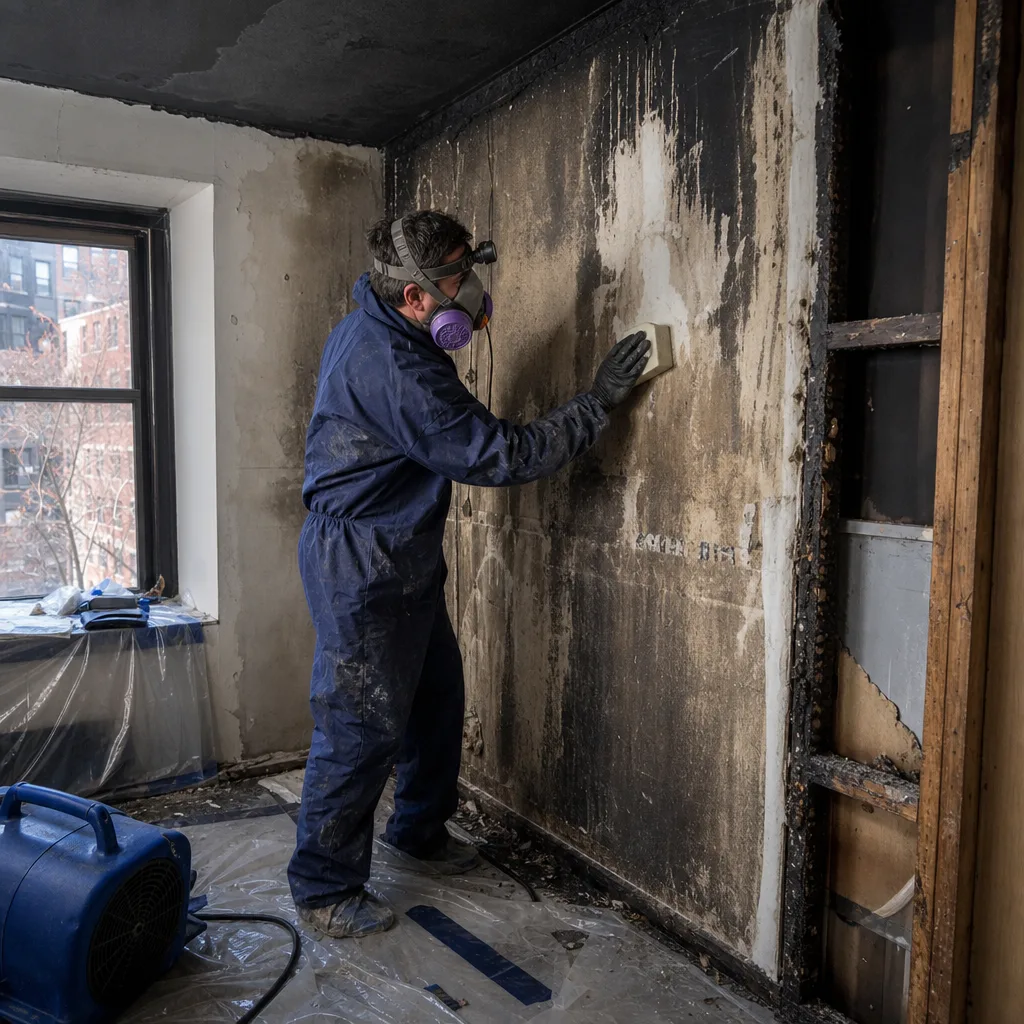
Smoke & Soot Removal
We identify the soot type first because the wrong cleaner on wet protein soot makes it permanent. Dry soot from electrical fires gets vacuumed and wiped with dry chemical sponges. Oily soot from grease fires needs chemical agents and careful agitation. In pre-1940 plaster, we test before we touch, because lead abatement requirements kick in the moment soot has contaminated painted surfaces.
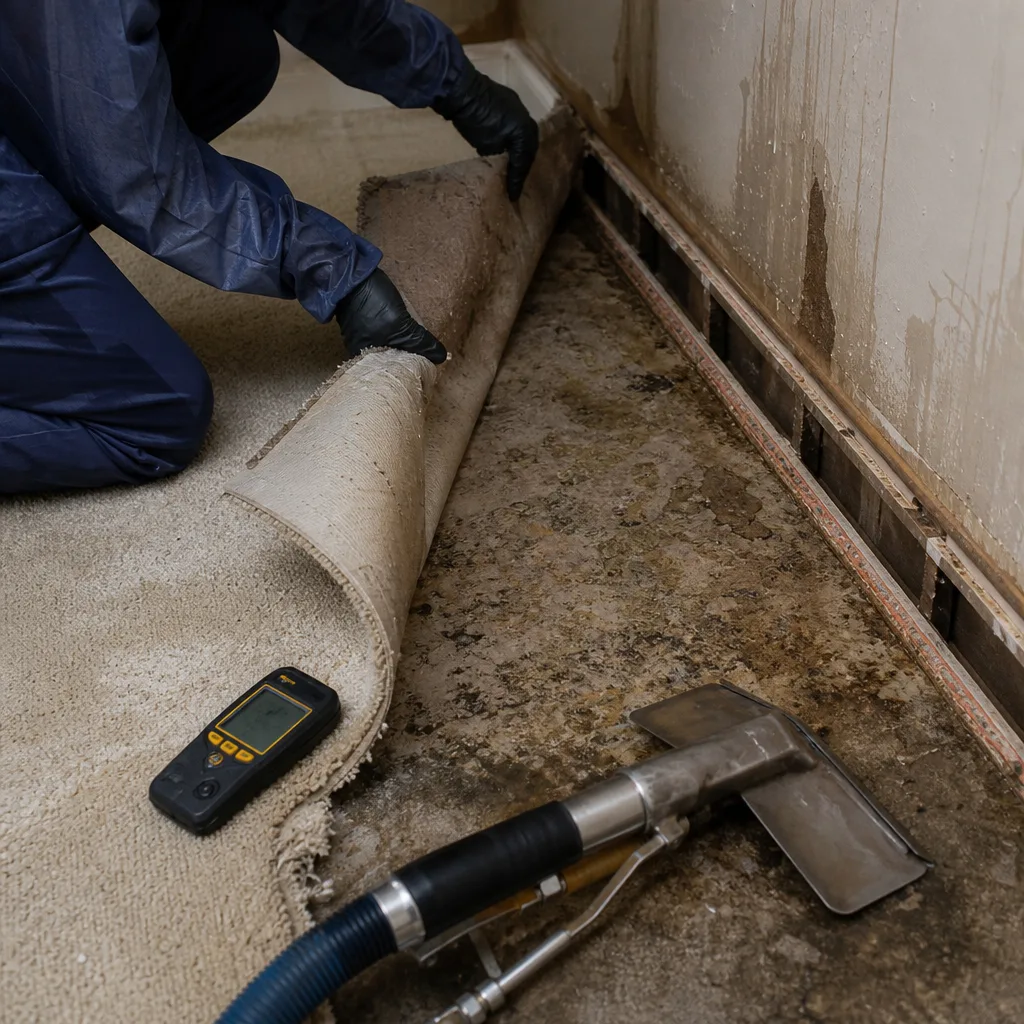
Odor Removal & Deodorization
Smoke odor in a Harlem brownstone lives inside wall cavities, in original wood lath, behind built-in cabinetry, and in the brick party wall itself. We run thermal fogging and hydroxyl generation with the containment sealed, and we treat structural framing with cabin-seal agents before drywall or plaster goes back up. Odor removal isn’t a spray. It’s a process that follows the smoke’s actual migration path.
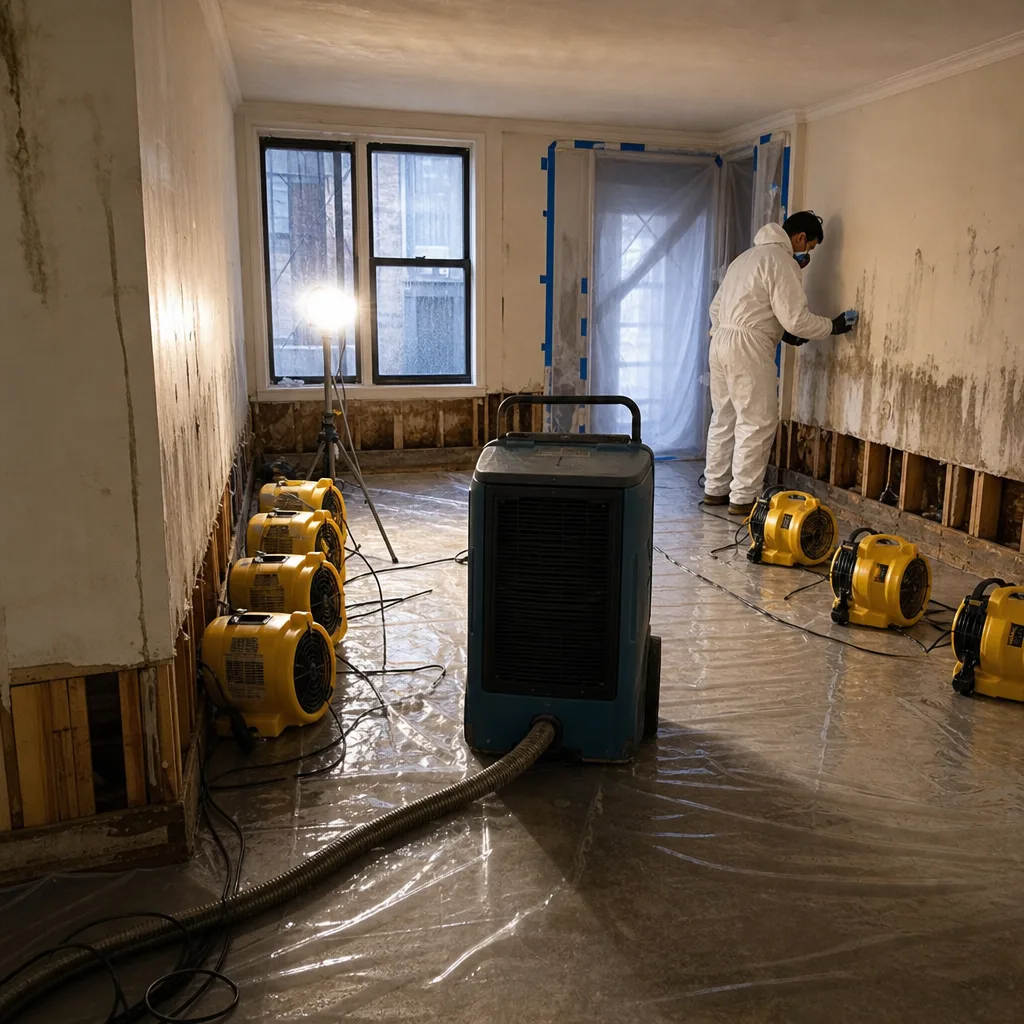
Contents Cleaning & Pack-Out
Clothing, books, kitchenware, photographs, artwork, furniture. We inventory every item, pack out what needs specialized cleaning at our facility, and return it cleaned and deodorized. For Harlem families with heirlooms and original millwork, we work with adjusters on restoration value versus replacement cost, and we treat contents with the same care we give the structure.
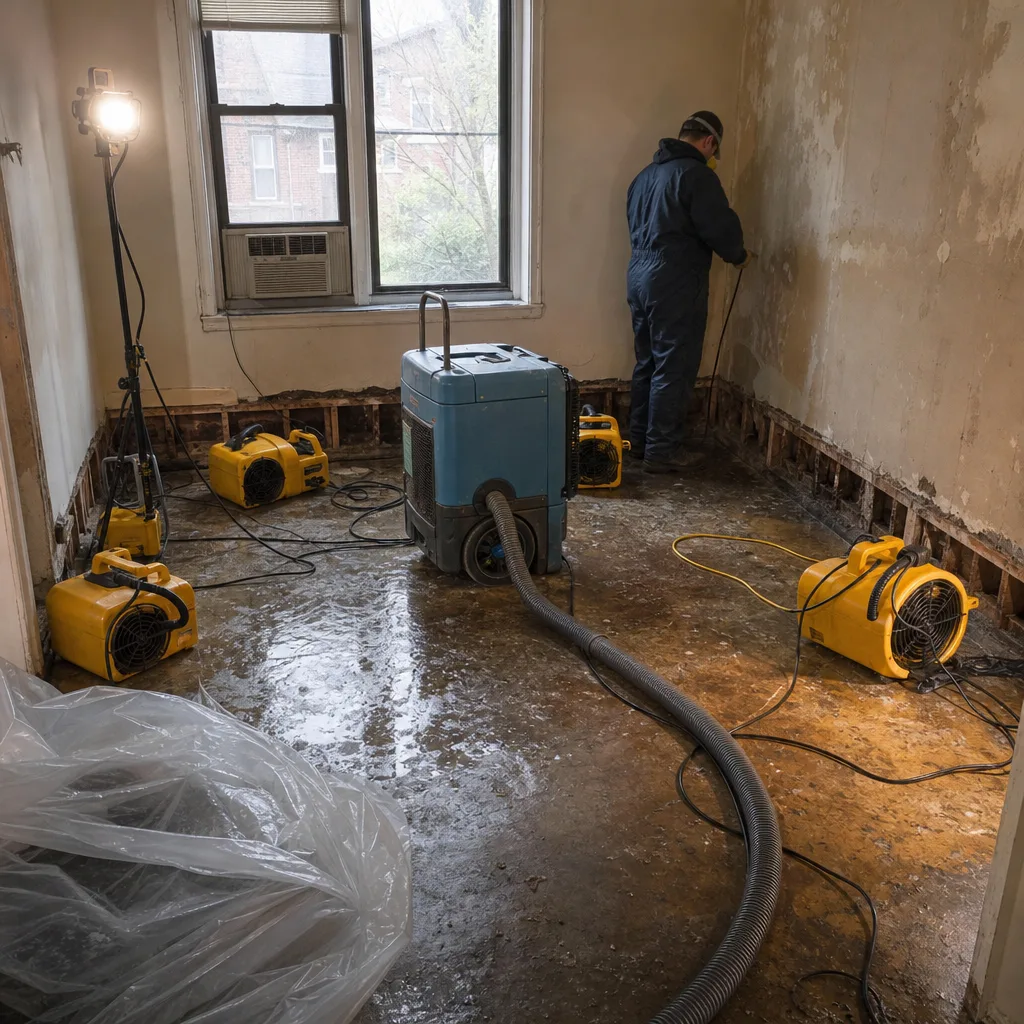
Emergency Board-Up & Tarping
A burned-out window or a fire department ventilation cut on a rowhouse block leaves the building open to weather, squatters, and further loss. We board up and tarp the same day, using fasteners that won’t remove more original masonry than necessary. On Mount Morris Park and Hamilton Heights blocks, we coordinate board-up with LPC requirements so the temporary fix doesn’t create a violation.
What happens when you call
- 1
A real person answersNo phone trees - you reach a local pro.
- 2
You get an upfront price rangeHonest numbers before anyone is dispatched.
- 3
A background-checked tech heads outLicensed & insured, dispatched right away.
- 4
You approve before work beginsNothing starts until you say go.
Fire & Smoke Damage Restoration Costs in Harlem, NY
A typical smoke and soot cleanup in a Harlem one-bedroom apartment runs $1,800 to $4,200, depending on whether containment is needed and how far the smoke traveled. Full fire damage restoration including structural repair in a brownstone rowhouse typically lands between $12,000 and $45,000, and tall-tenement multi-unit losses with vertical smoke migration commonly exceed $60,000. Odor removal alone in a pre-war building with original plaster averages $2,500 to $6,500, because the cavity treatment and cabin sealing take time. Contents cleaning and pack-out runs $3,000 to $15,000 depending on volume. Board-up starts around $400 for a single window opening, with full building securement running higher. Insurance covers most fire losses, with the homeowner responsible for the deductible, typically $1,000 to $5,000. The free visual inspection gives you a firm written scope before you commit. Call (845) 305-5737 and we’ll price it squarely.
We Also Serve Cities Near Harlem
Our crews respond throughout Upper Manhattan, including the Upper West Side, Upper Manhattan, Morningside Heights, and Central Harlem. Same crew, same 45-minute commitment, same written scope before work starts.
Serving Harlem, NY - Our Local Coverage Area
We’re based in the Harlem area and know this community well. Use the map below to see our service coverage - if you’re nearby, we can almost certainly help.
Harlem Fire & Smoke Damage Restoration Questions, Answered
How do NYC Landmarks Preservation Commission rules affect fire damage restoration in a Harlem brownstone?
Any fire repair that touches exterior materials or character-defining interior features in an LPC historic district, including Mount Morris Park, Hamilton Heights, and Jumel Terrace, requires LPC review before work can proceed. We prepare the necessary filings, coordinate with the Commission, and sequence the job so containment and stabilization start immediately while structural repairs wait for the approvals they need.
If smoke from a fire migrates through the shared party wall into my neighbor’s Harlem rowhouse, who handles the cleanup?
Both property owners file claims with their own carriers, but the cleanup has to be coordinated as a single scope. We’ve worked Hamilton Heights blocks where smoke from one kitchen fire pushed through shared masonry into two adjoining brownstones, and we ran one containment plan with three separate adjusters and three signed scopes before demolition began. The neighbor’s carrier pays for the neighbor’s cleanup, but Floodline keeps both jobs moving together.
Why do fire jobs in Harlem’s old-law tenements require lead and asbestos abatement before demolition?
Near-universal pre-1940 construction means NYC DEP assumes lead paint and asbestos in walls, floors, ceilings, and pipe insulation until testing proves otherwise. Disturbing those materials without abatement triggers a stop-work order and fines. Our scope includes lead and asbestos sampling early, and we sequence abatement before demolition so the job never stalls on a DEP violation.
How quickly can you start odor removal after a kitchen fire in a Harlem apartment?
We can have containment set up and air scrubbers running on the same call, with odor treatment beginning once surfaces are stabilized, usually within 24 to 48 hours. But in pre-war plaster buildings, full odor removal takes longer because the smoke odor has worked its way into wall cavities and structural framing. Call (845) 305-5737 and we’ll give you a timeline for your exact building.
What kind of structural fire repair is common in Harlem’s converted rowhouses versus the tall tenements?
Converted rowhouses usually need plaster wall repair, joist replacement where fire cut through flooring, and rebuilding of original staircases or millwork. Tall tenements more often require fire-stopping repairs in vertical chases, corridor restoration, and replacement of fire-rated doors and framing. Both building types in Harlem carry LPC implications when original materials are involved.
What should I do in the first 30 minutes after a fire in my Harlem property?
Call your insurance carrier, then call Floodline at (845) 305-5737. Don’t wipe soot off walls, don’t run ceiling fans, don’t open windows in a way that pushes smoke into adjoining rooms. We’ll send a crew for board-up and containment, and we’ll start documentation while your adjuster is still scheduling their visit.
Will my insurance cover fire and smoke damage restoration in a Harlem rowhouse?
Standard HO-3 policies cover fire and smoke damage to structure and contents, including smoke migration into a neighbor’s property when your policy includes that liability coverage. We bill your carrier directly and walk the adjuster through our line-item scope, so your only out-of-pocket is the deductible. The free inspection gives you a written scope to show your carrier before you commit a dollar.
How long does fire damage restoration take in a typical Harlem apartment?
A contained kitchen fire with smoke damage in a one-bedroom apartment typically takes 5 to 10 working days from board-up to final paint, assuming no LPC or DEP holds. A larger loss in a brownstone with structural fire repair, landmark review, and lead abatement can run 6 to 12 weeks. We give you a written timeline at the inspection, and we hit it.
Fire and smoke damage in Harlem doesn’t wait. Neither do we.
Call now for a free visual inspection and a written scope. A live dispatcher answers, day or night.
Written by Curt Bowman, Owner at Floodline Restoration Co., serving Harlem since 2010.