

Free visual inspection and a written scope of work before any mitigation begins - photos, moisture readings, and drying logs go in your claim file
The scope we write is the scope we bill. Anything new gets shown to you, in writing, before we touch it.
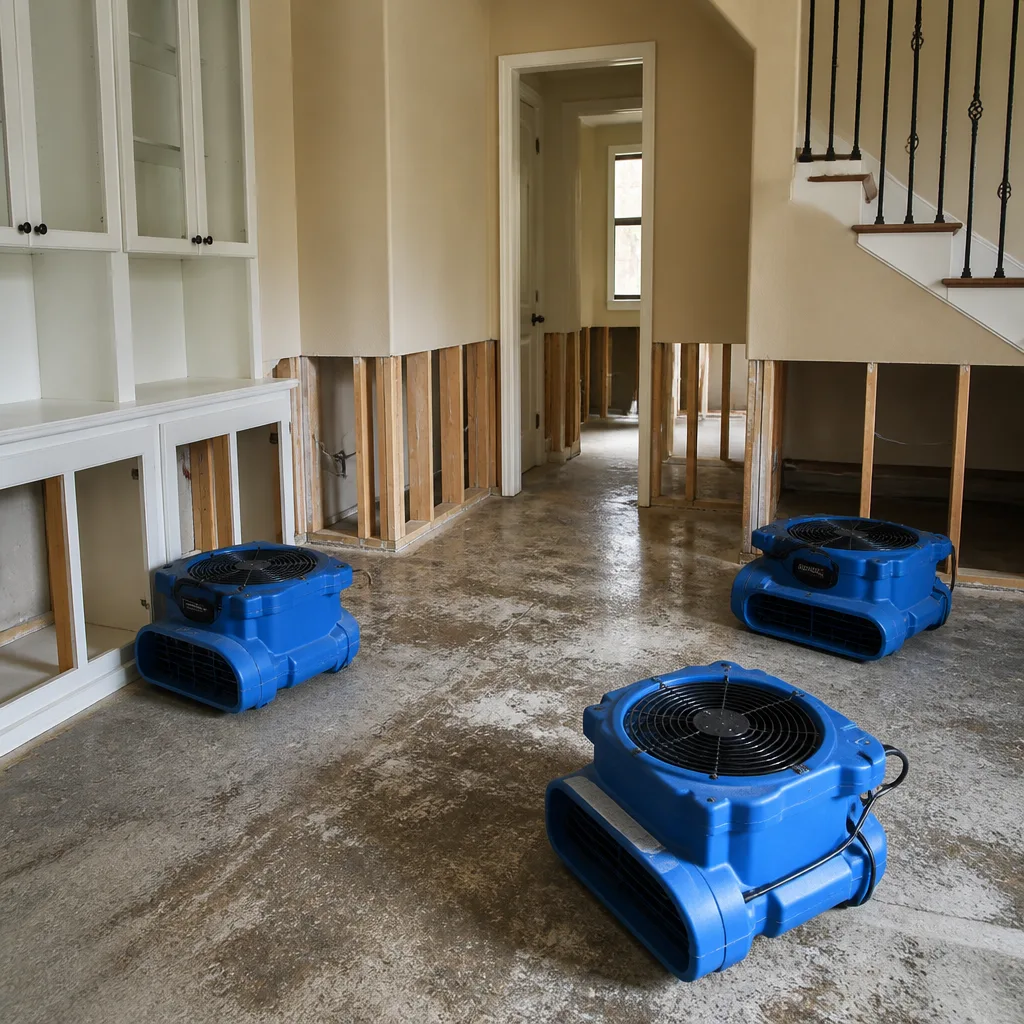
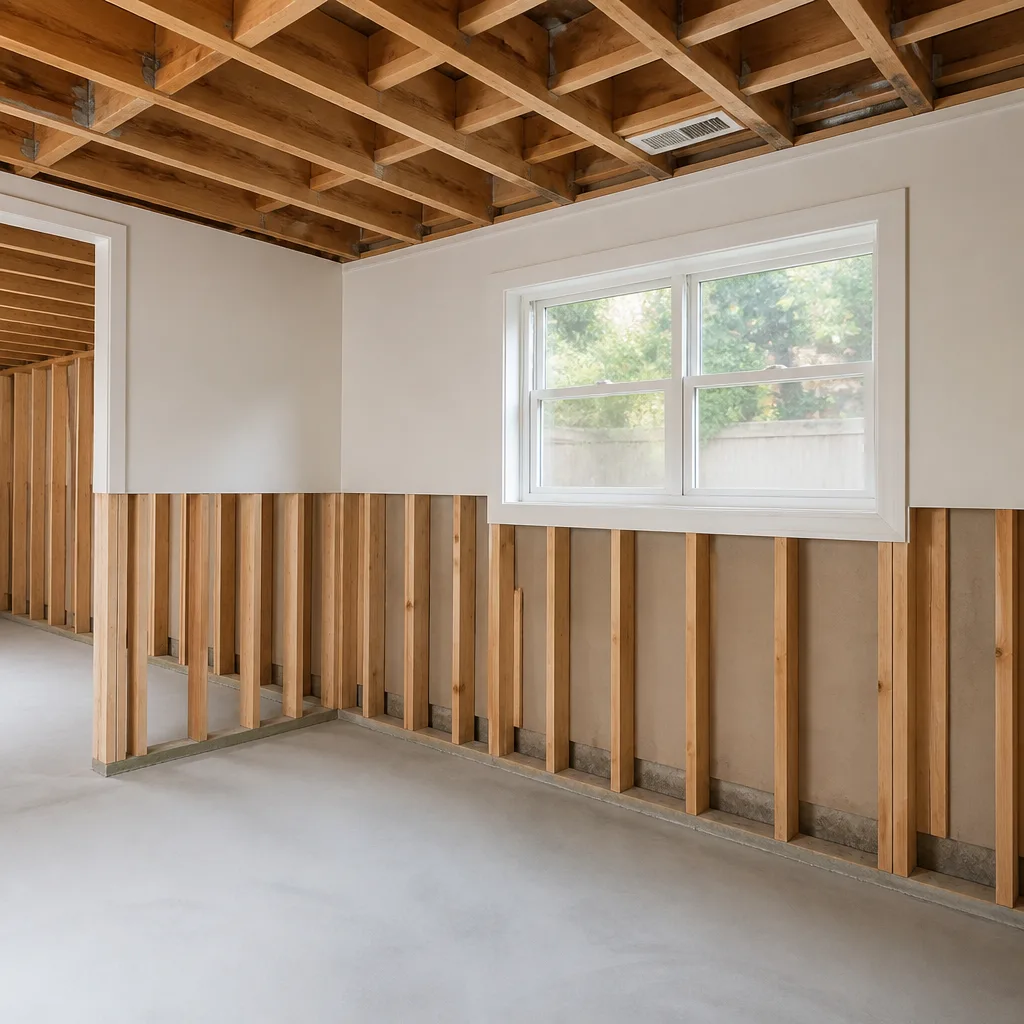
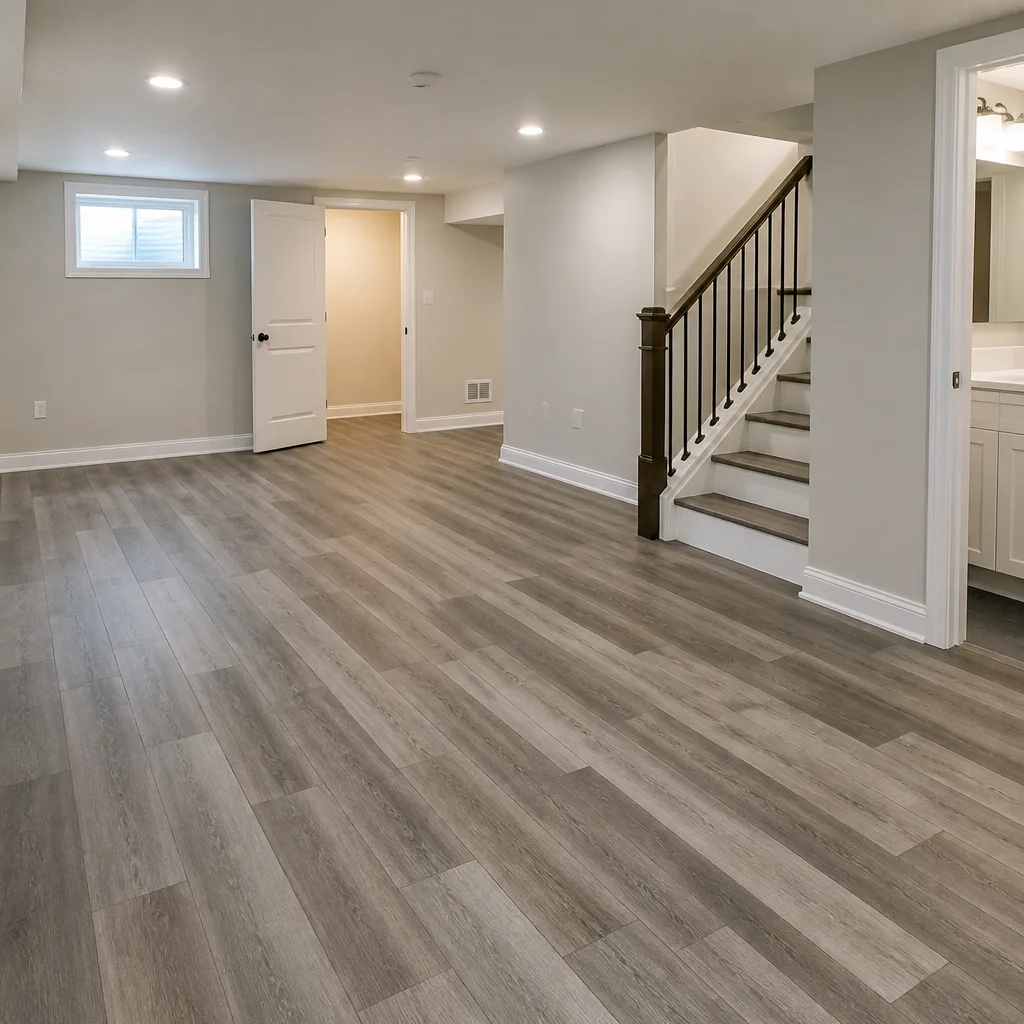
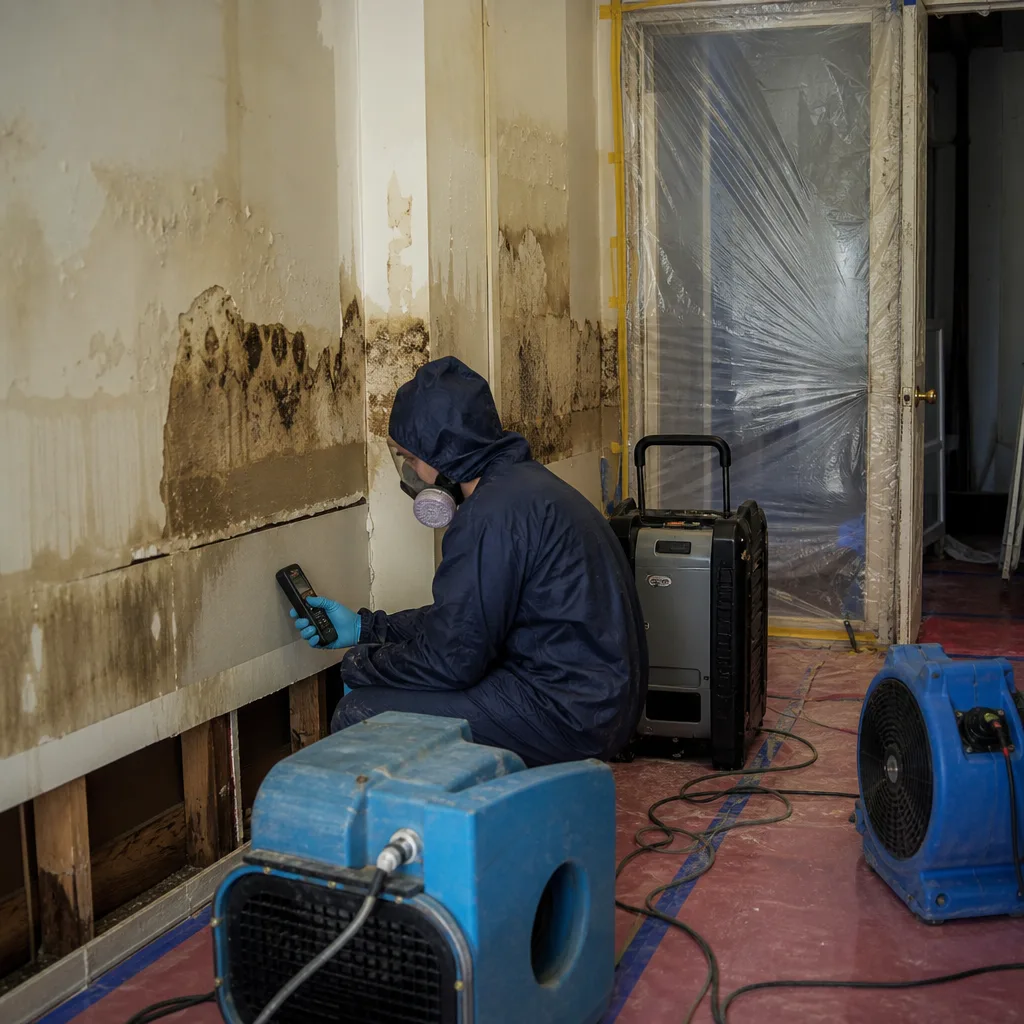 Before
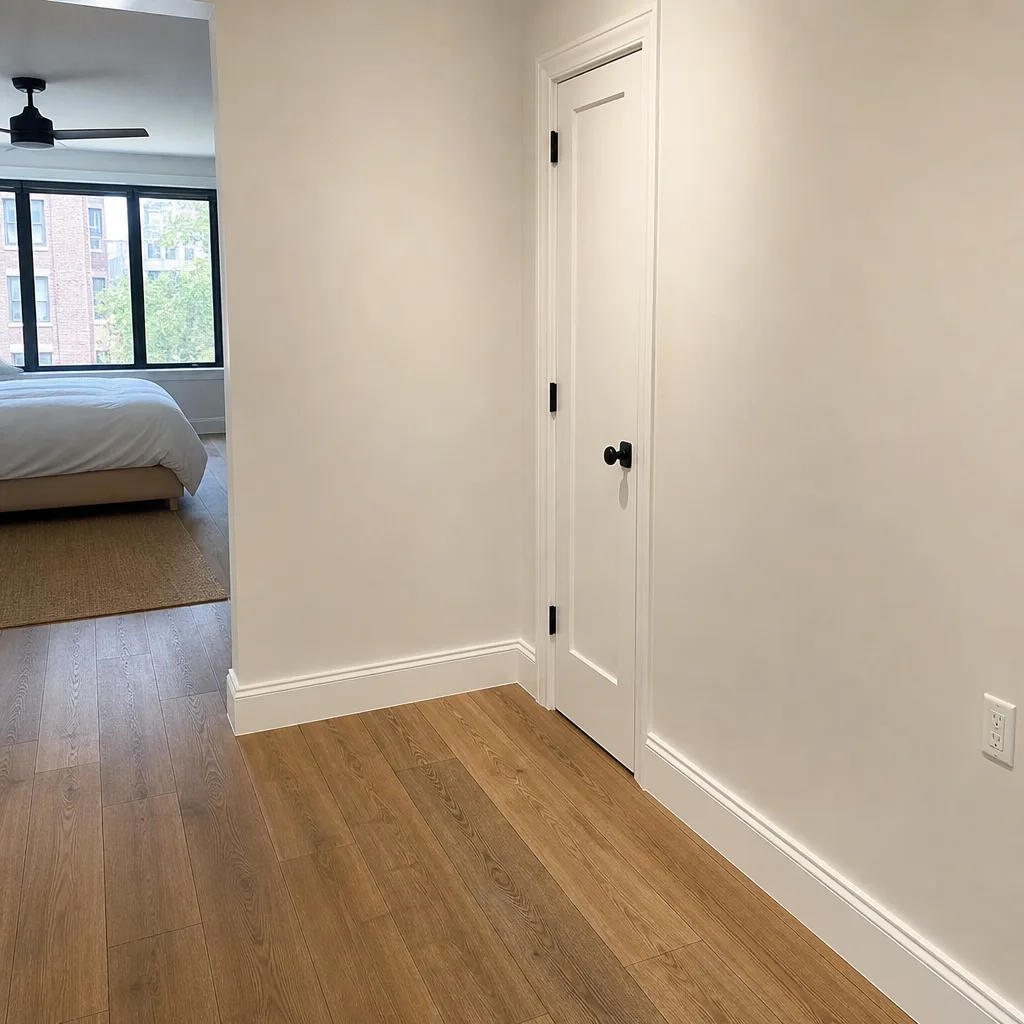 After
After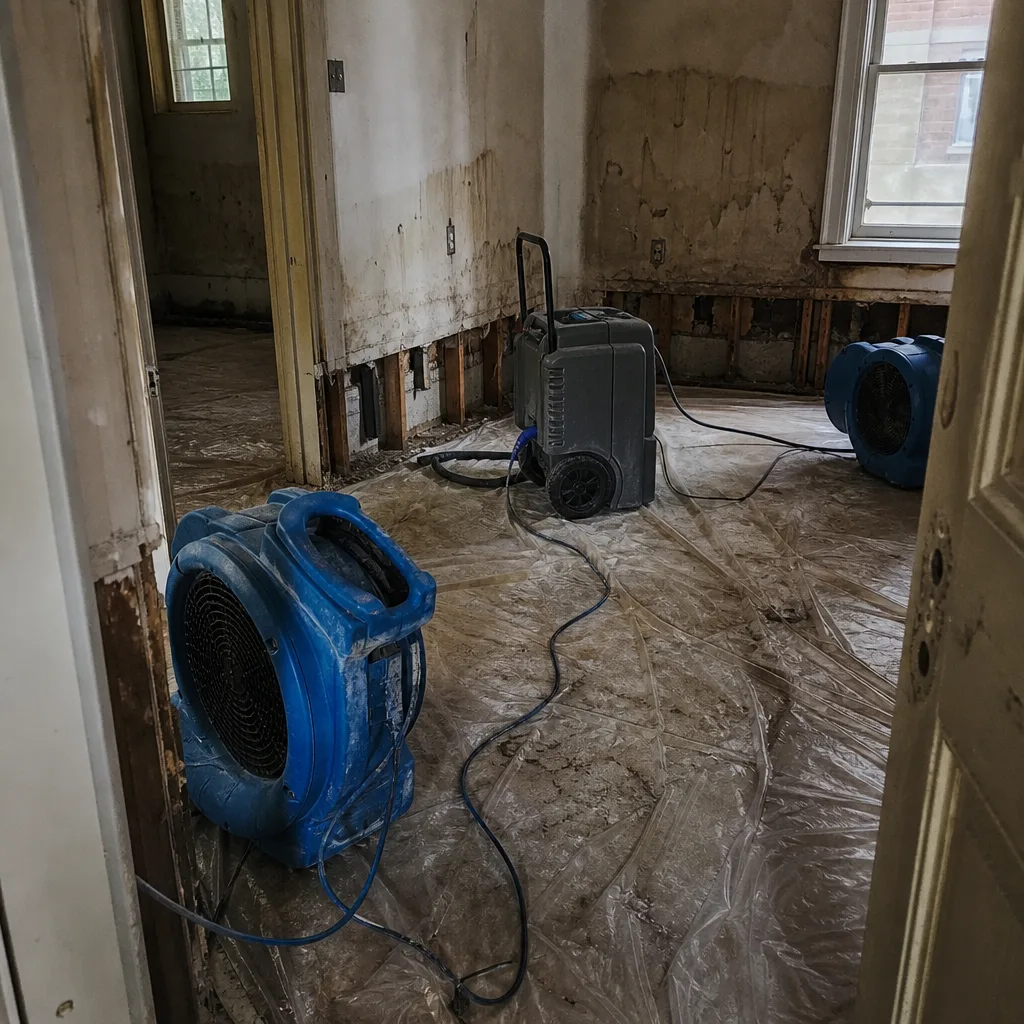 Before
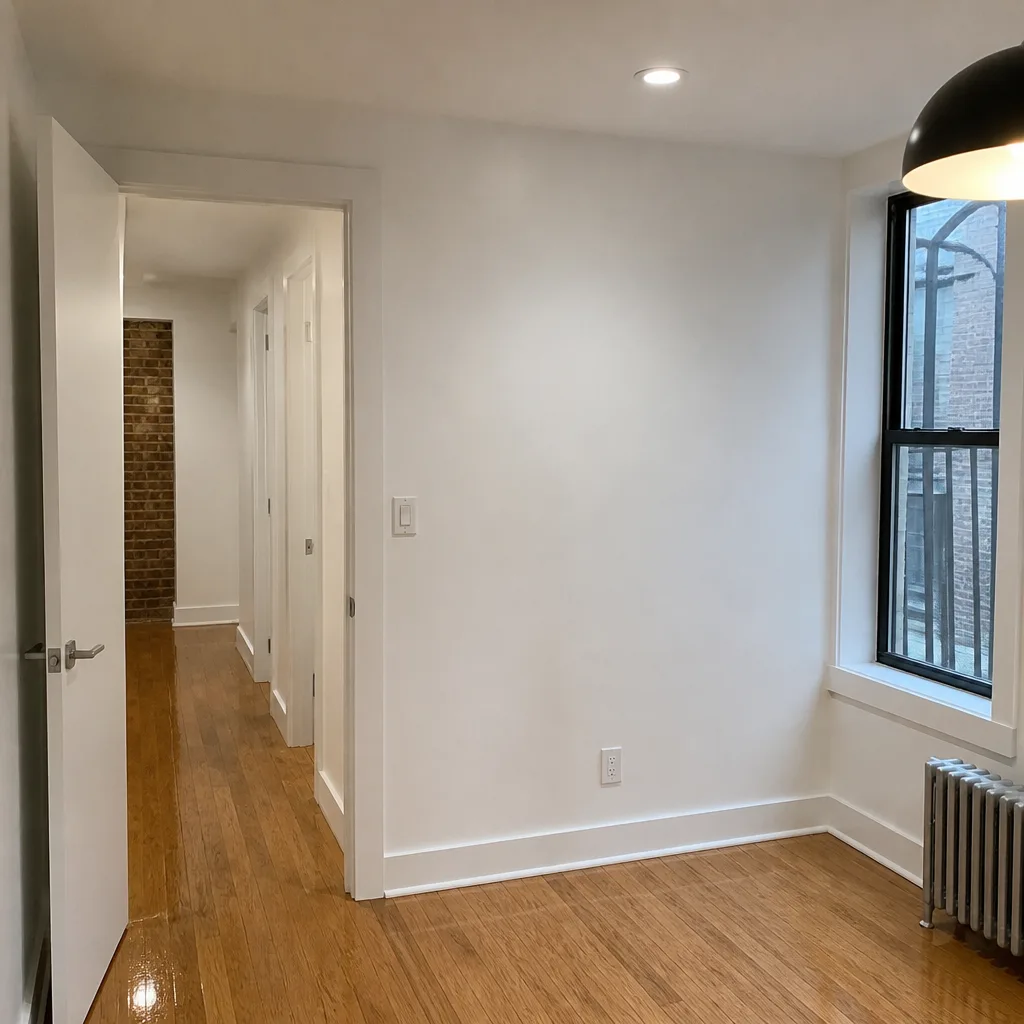 After
After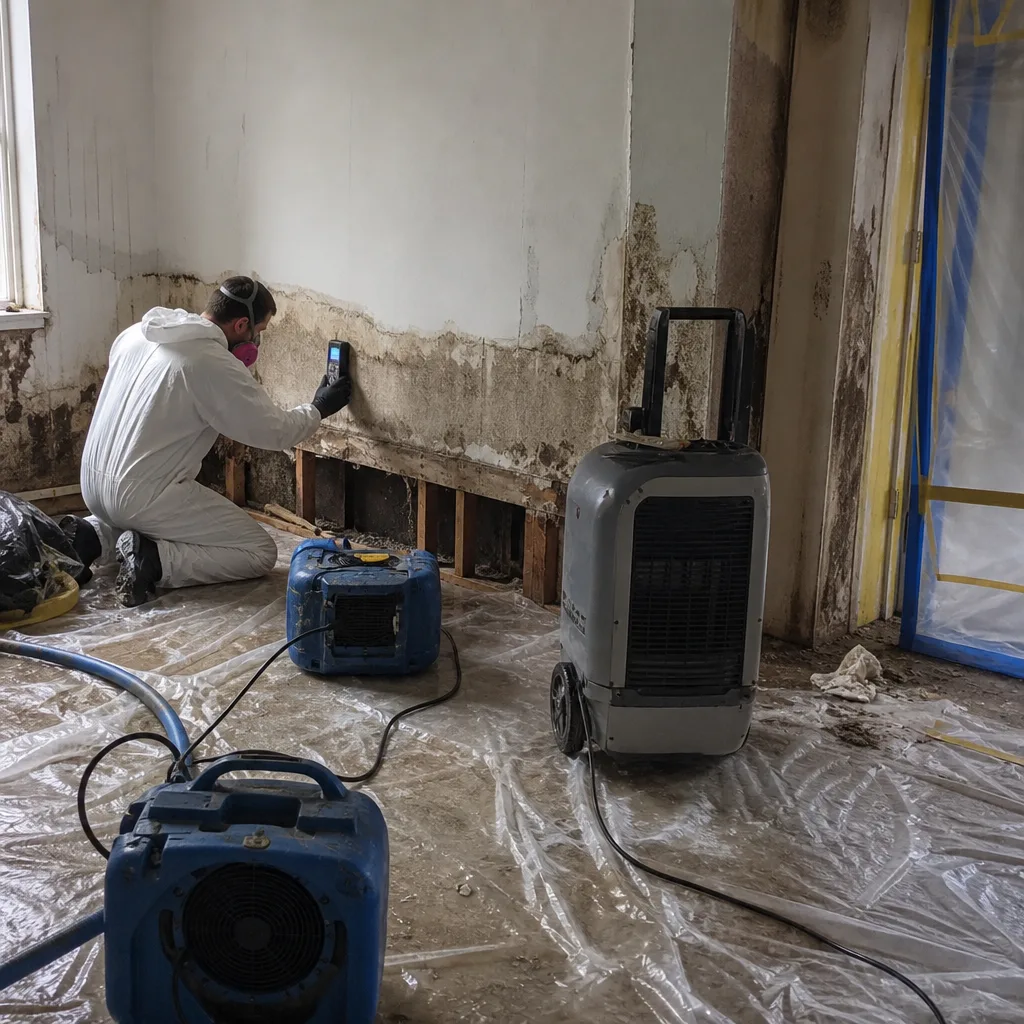 Before
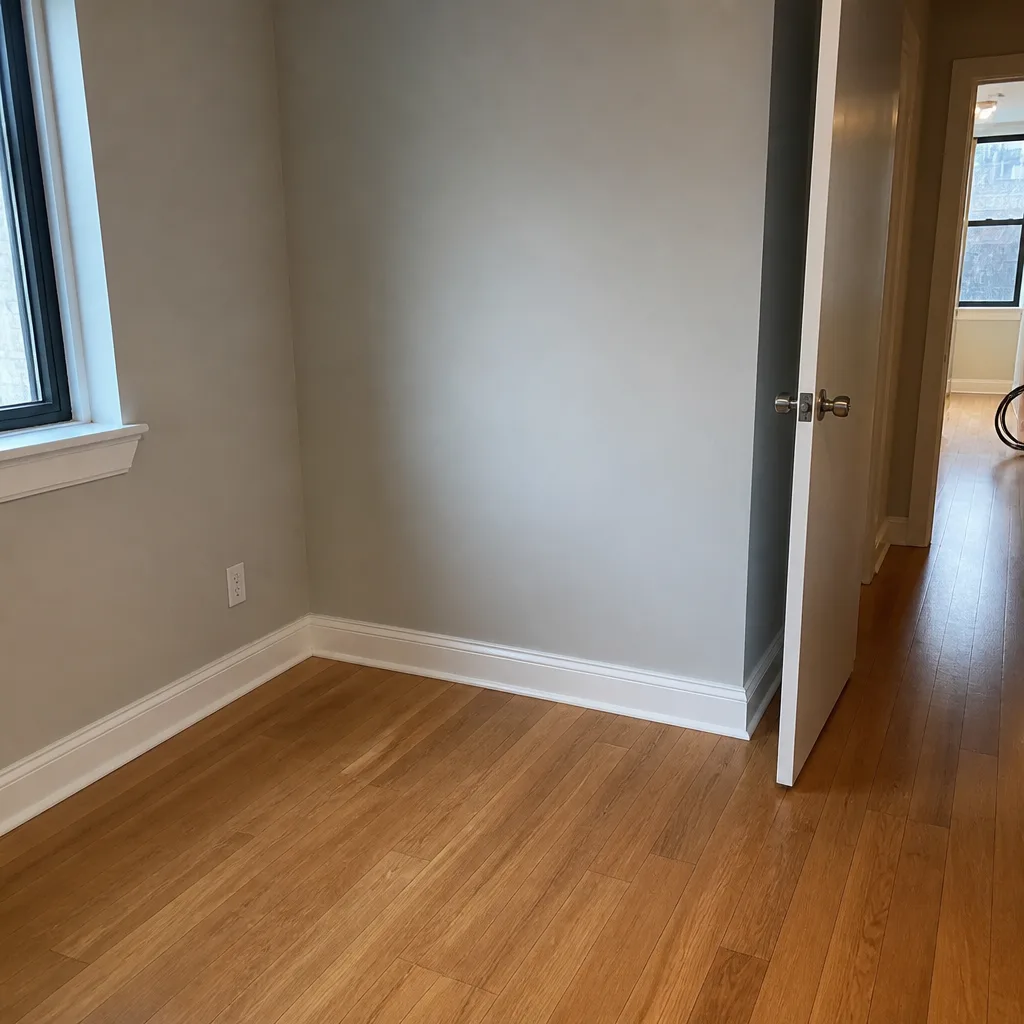 After
After24/7 Emergency Biohazard & Crime Scene Cleanup in Harlem
When a crime scene, trauma, or unattended death occurs in Harlem, the cleanup window is measured in hours, not days. Biohazardous material, blood, and bodily fluids seep into old plaster, hardwood, and shared building cavities fast. In pre-war Harlem tenements and brownstones, that seepage crosses property lines through party walls and chases. You need a crew that answers live at 2 a.m., not a recording. Call (845) 305-5737 now and we’ll have a certified team dispatched to your Harlem address immediately. We work directly with NYPD, the Medical Examiner’s office, and property managers across 10026, 10027, 10030, 10037, and 10039.
Floodline Restoration Co. handles the full scope: crime scene cleanup, trauma and unattended death cleanup, blood and bodily fluid removal, hoarding cleanup, and infectious disease disinfection. Every technician is background-checked, uniformed, and trained to IICRC, RIA, and IFA standards. We use HEPA air scrubbers, negative air machines, hospital-grade disinfectants, and Dri-Eaz moisture meters on every Sanitization Services - Harlem job. The first hour matters because blood and body fluids become a permanent biological hazard once they dry into plaster, lath, and subflooring. We start the clock the moment you call.
Understanding Biohazard & Crime Scene Cleanup Severity in Harlem Properties
Harlem’s housing stock changes the game. Most buildings here went up between 1890 and 1940. That means plaster-and-lath walls, original hardwood over pine subfloor, and cast-iron waste stacks that have been corroding for a century. When blood, body fluids, or decomposition fluids penetrate a pre-1940 floor in Harlem, they don’t sit on top. They migrate. They fall through cracked tile, wick into lath, and travel along joists into the apartment below. In a stacked walk-up off Lenox Avenue, a trauma scene on the fourth floor can produce Category 3 contamination in the ceiling of the third-floor unit before the medical examiner’s team has even finished. This is not a surface cleaning job. It’s a structural contamination event that requires containment, negative air pressure, moisture mapping, and often removal of saturated building material.
Harlem’s rowhouses add another layer. On blocks like Strivers’ Row and Mount Morris Park, adjacent brownstones share party walls. A crime scene in one parlor floor can push biohazardous residue into the masonry and lath of the building next door. That means containment has to happen on both sides of the wall before remediation begins. A national franchise that sends one tech with a sprayer can’t handle that. This is why Harlem property owners call a local team, Biohazard & Crime Scene Cleanup specialists, who know the building types and the corridors.
Why Harlem Property Owners Choose Floodline Restoration Co.
- Live answer, 24/7: A real dispatcher picks up at any hour. No phone tree. No “leave a message.” A certified crew is on the way with a 45-minute response commitment in Harlem.
- IICRC-certified crews: Our technicians hold IICRC certifications including WRT (Water Restoration Technician), FSRT (Fire & Smoke Restoration Technician), and AMRT (Applied Microbial Remediation Technician). We also train to IFA standards for biohazard work.
- Free visual inspection: We walk the scene, assess the contamination, and give you a written scope of work before any equipment is brought in. No obligation.
- Direct insurance billing: We bill your carrier directly. You don’t play messenger between us and the adjuster. We document everything from hour one and handle the claim paperwork.
- One team, start to finish: The same Floodline crew that sets containment handles the drying, the antimicrobial treatment, and the reconstruction. No mid-job handoff to a stranger.
- 90-Day Done Right Promise: Every job is backed in writing. If it’s not done right, we make it right. This is the Keystone Standard, and we don’t argue about it.
Our Biohazard & Crime Scene Cleanup Process
Inspection & Assessment
We enter the scene only after law enforcement or the property owner confirms the space is released. We map the contamination, test suspect plaster for asbestos if pre-1940 material is involved, and document every surface with photos before touching anything.
Containment & Stabilization
We set up containment zones with 6-mil poly sheeting and run HEPA-filtered negative air machines to stop airborne pathogens from spreading. In Harlem rowhouses, we check the party-wall cavities and floor chases for cross-unit migration before containment is finalized.
Extraction & Removal
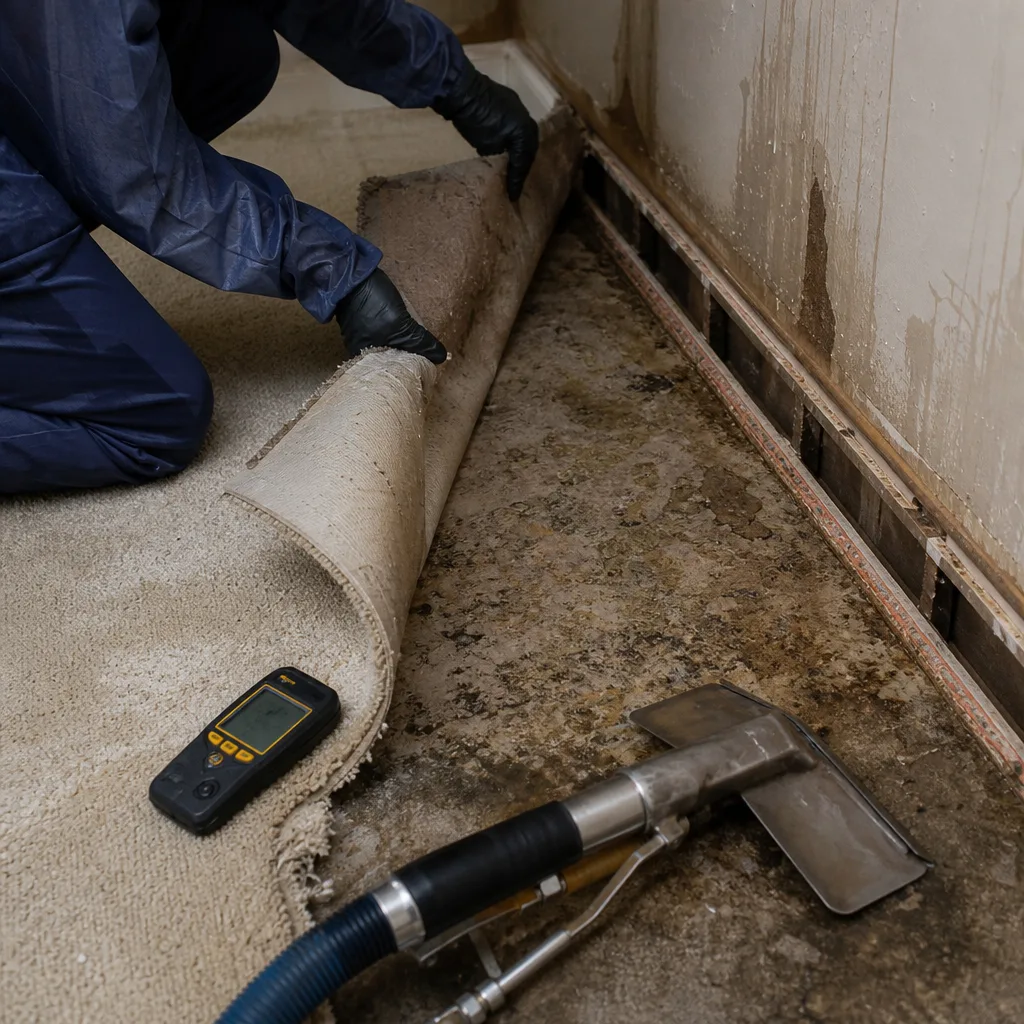
All blood, body fluids, and contaminated porous materials such as carpet, padding, affected plaster, and saturated subfloor are removed and placed in OSHA-compliant biohazard containers. We follow NYC DEP regulations for regulated waste disposal.
Drying & Dehumidification
We position Dri-Eaz and Phoenix air movers and LGR dehumidifiers to dry remaining structural wood and masonry. Daily moisture readings are logged with Dri-Eaz meters until we hit the dry standard, typically below 16% moisture content for dimensional lumber.
Cleaning, Sanitization & Odor Removal
All non-porous surfaces, including studs, joists, and subfloor edges, are cleaned with hospital-grade antimicrobial agents and disinfectants. Hydroxyl generators or ozone treatment handles odor. We document every step with photos for your insurer.
Repairs & Restoration
Floodline Harlem Commercial Restoration rebuilds what was removed: plaster, lath, drywall, flooring, trim. If the building is in an LPC district, we coordinate with Landmarks Preservation Commission review on character-defining materials like crown molding, wainscoting, and original hardwood.
Need Emergency Biohazard & Crime Scene Cleanup in Harlem Now?
Crews minutes away, answering live 24 hours a day. The sooner we start, the less it costs.
Working With Your Insurance Company
Most Harlem homeowner’s policies and landlord policies cover biohazard and crime scene cleanup under the property damage or additional coverage provisions. Some policies require a specific rider for trauma scene cleanup. We know the difference and we know what insurers need. From the first hour, we document contamination with timestamped photos, moisture readings, and a line-by-line scope of work that matches standard insurance estimating formats. We talk directly to your adjuster, so you’re never stuck explaining a Category 3 water migration to a claims department. You get a square deal: no surprises on the bill, and the carrier pays what’s owed.
What We Provide Your Insurer
- Thorough documentation of the loss
- Photos of all damage, room by room
- Moisture readings and drying logs
- A detailed, line-item scope of work
- Direct coordination with your carrier
Built for Harlem’s Loss Calendar
Harlem’s emergency calendar runs on a rhythm that’s older than the buildings themselves. January and February bring the deep freezes that burst cast-iron supply lines and freeze radiators in tenements from Central Harlem to Hamilton Heights. When a frozen line splits in a 1915 walk-up, water cascades through four or five stacked units in minutes. If that water mixes with blood from a medical event or an unattended death in the affected unit, you now have a biohazard situation compounded by Category 3 water migration. Spring thaw brings basement seepage into the shallow cellars of old-law tenements, where compromised sewage lines and biohazard residue can mix. Summer thunderstorms overwhelm the aging combined sewer laterals along Lenox and Adam Clayton Powell Jr. Boulevard, pushing sewage back into basement apartments. Nor’easters in fall and winter test the old roofs and parapets on brownstone rows. Every season has a signature loss here, and our crews know them all. We’ve responded to biohazard events tied to these seasonal failures across Harlem for years.
Biohazard & Crime Scene Cleanup Across Harlem’s Neighborhoods
Central Harlem, roughly from 110th to 125th Street between Fifth Avenue and St. Nicholas, is dense with 1910s and 1920s tenements. Here we see stacked-unit contamination: a fourth-floor trauma scene leaking into the third-floor ceiling, with narrow plumbing chases carrying fluid along the waste stack. Hamilton Heights, up around City College and the 140s, has more limestone and brick rowhouses from the 1890s. In those buildings, original hardwood over diagonal pine subfloor means blood and fluids travel diagonally across the joist bays, making the contamination footprint bigger than the visible stain. Strivers’ Row, on 138th and 139th between Seventh and Eighth Avenues, is one of the few blocks in Harlem with full service alleys behind the rowhouses. That matters for containment: we can run negative air exhaust and equipment through the rear yard without staging waste on the sidewalk in front of a landmarked brownstone. Mount Morris Park, now the Marcus Garvey Park historic district, brings LPC review into play on nearly every structural removal. East Harlem, from 96th to 116th east of Park Avenue, carries the same pre-1940 construction patterns with a higher concentration of post-war public housing interwoven through the blocks.
Specialized Biohazard & Crime Scene Cleanup Services We Offer in Harlem
Trauma & Unattended Death Cleanup
When someone dies alone in a Harlem apartment, decomposition fluids can go undetected for days or weeks. By the time the body is discovered, the fluids have penetrated hardwood, subfloor, and often the ceiling cavity below. In a 4th-floor walk-up off Lenox Avenue, we once found the original cast-iron waste stack had corroded through, letting decomposition fluid and Category 3 water travel into the unit below. Jobs like this require full containment on multiple floors, negative air, and structural drying before any finish work begins.
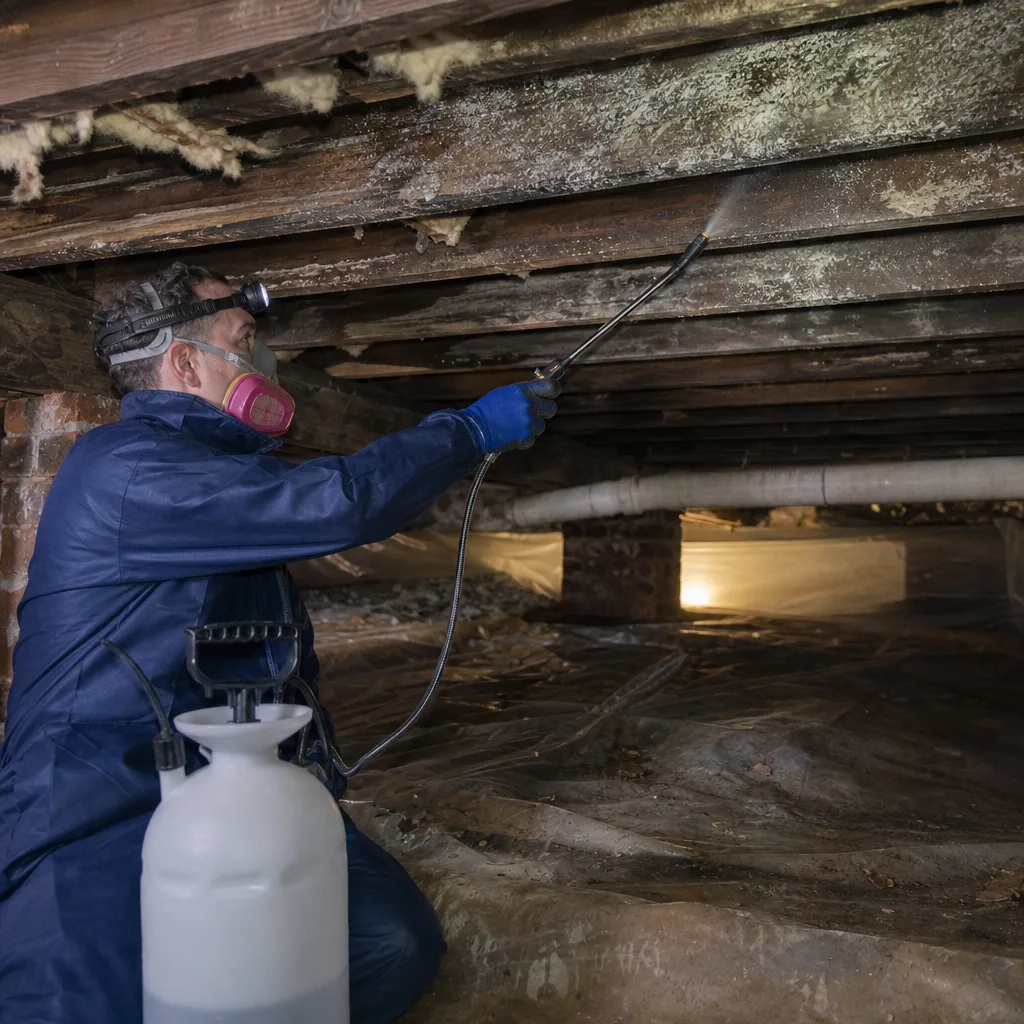
Blood & Bodily Fluid Cleanup
Bloodborne pathogens aren’t just a surface concern in Harlem’s older buildings. Blood on 1920s hardwood wicks into the grain and underneath the boards. Blood on plaster gets into the lime-and-horsehair matrix. We remove and bag affected porous material according to OSHA’s Bloodborne Pathogen Standard, then treat the remaining structure with hospital-grade disinfectants. We follow IFA best practices on every blood job, and we document the entire process for insurance.
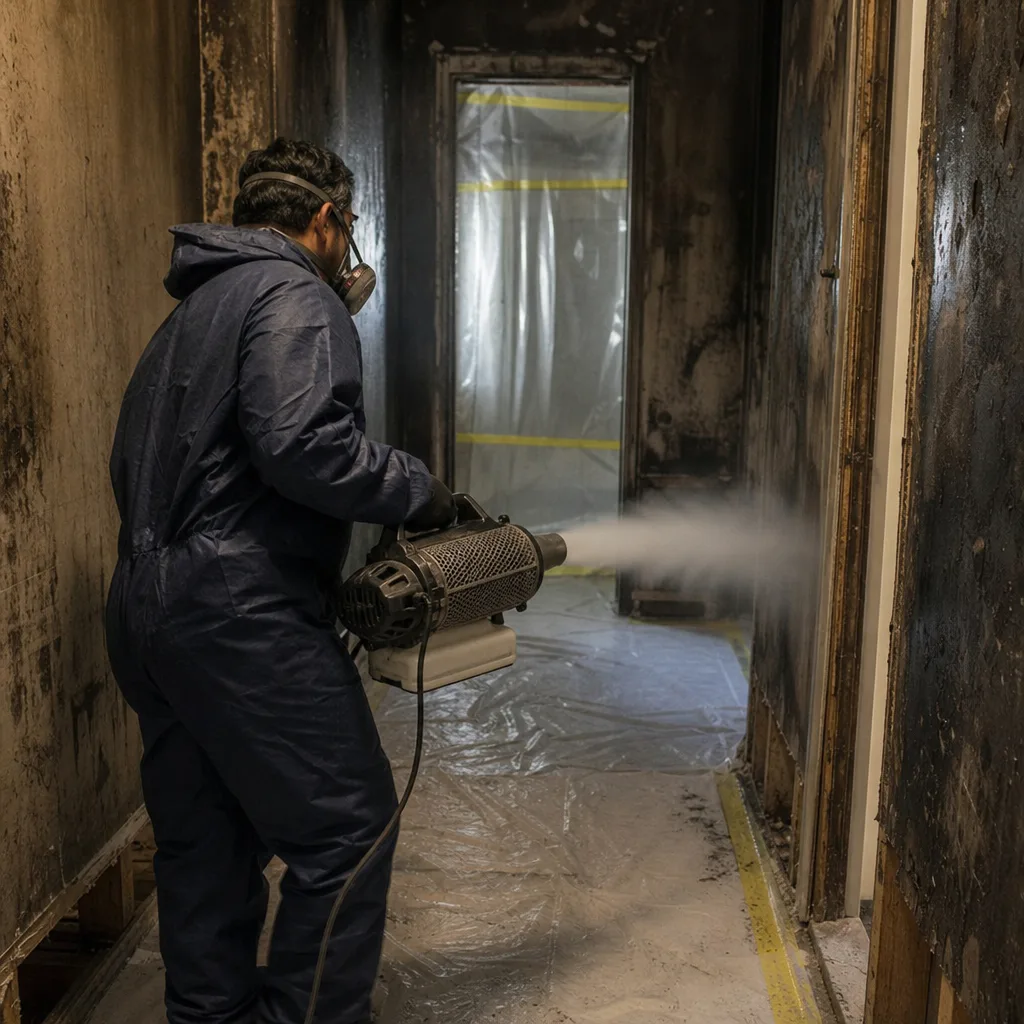
Infectious Disease Disinfection
After a tuberculosis, MRSA, or C. diff exposure in a crowded Harlem tenement, the shared air shafts, stairwells, and railings mean the contamination radius extends beyond one apartment. We fog common areas with EPA-registered disinfectants, treat high-touch surfaces, and run HEPA air scrubbers in the affected unit. For pre-war buildings with central stairwells and shared vestibules, we bring XPOWER air movers to push treated air through the space while maintaining negative pressure in the source unit.
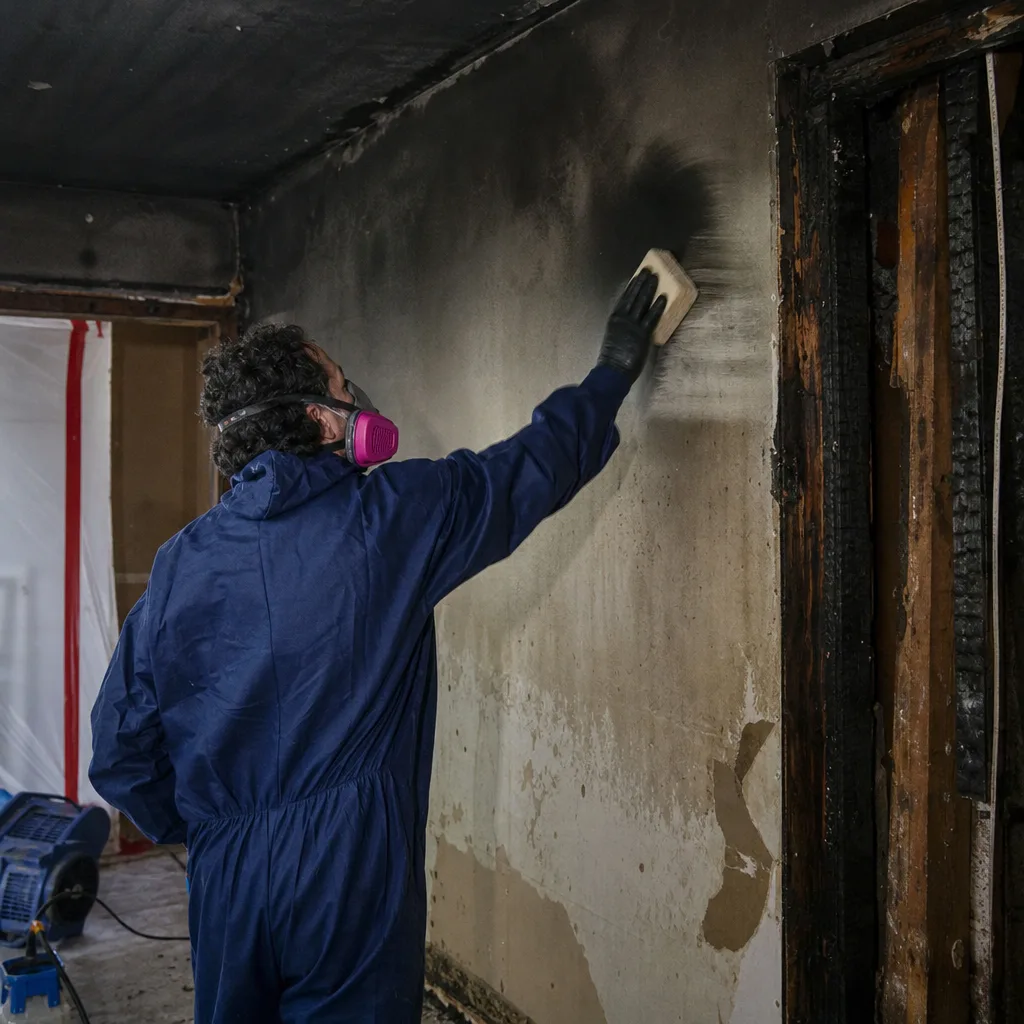
Hoarding Cleanup
Hoarding is a regular call in Harlem’s older buildings, where a lifetime of accumulation in a one-bedroom walk-up can hide plumbing failures, pest infestations, and biological contamination. We work with the occupant or the family, remove the debris, sort salvageable items, and clean the underlying unit. In Hamilton Heights, a hoarding cleanup can turn into hazmat abatement if the accumulation trapped rodent or pigeon waste, crushed asbestos pipe insulation, or lead-painted debris. We handle all of it under one scope of work.
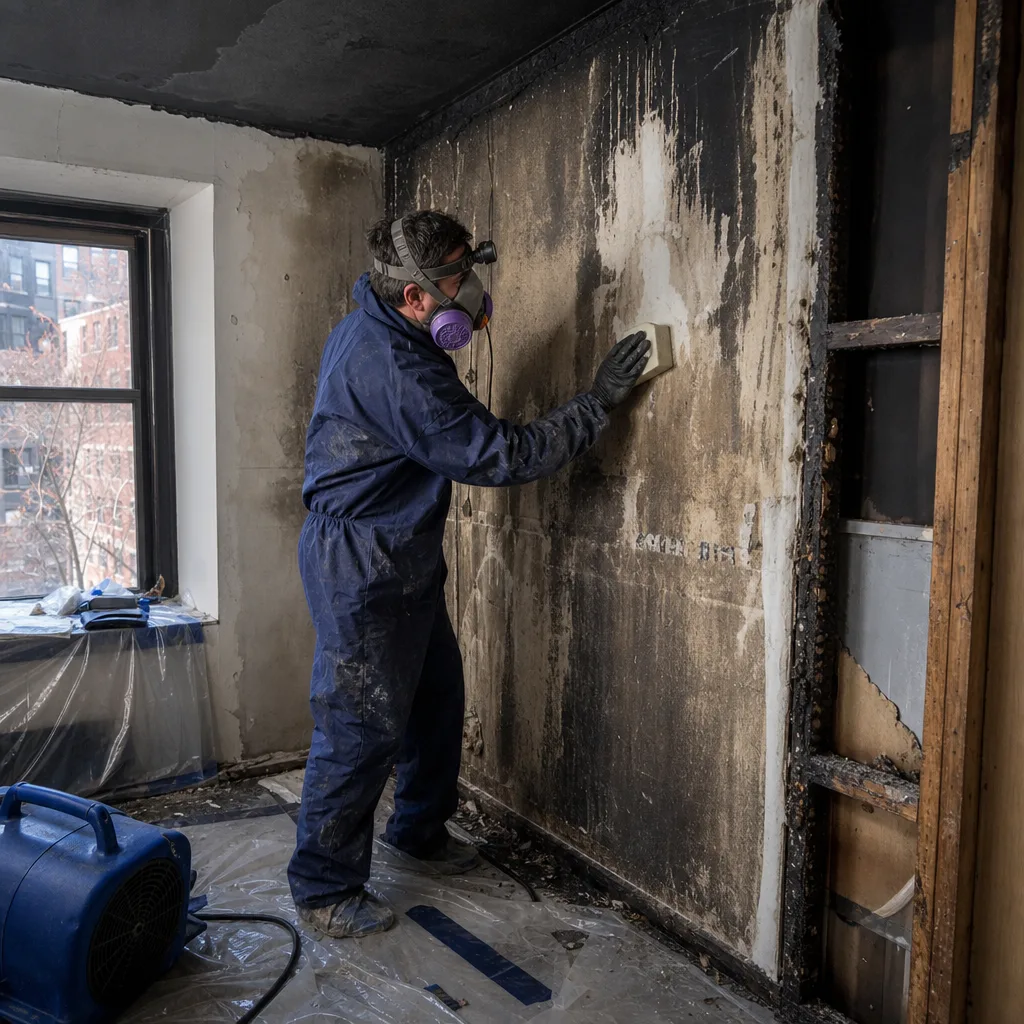
Crime Scene Cleanup
After the NYPD releases a crime scene, the property owner is legally responsible for the cleanup. That’s a hard position to be in. We respond same day, coordinate with your property manager or family, and begin remediation with a written scope and a firm price. In Harlem’s LPC districts, we know which structural removals need review and which don’t, so you don’t get hit with a landmark violation weeks after the job is done.
What happens when you call
- 1
A real person answersNo phone trees - you reach a local pro.
- 2
You get an upfront price rangeHonest numbers before anyone is dispatched.
- 3
A background-checked tech heads outLicensed & insured, dispatched right away.
- 4
You approve before work beginsNothing starts until you say go.
Biohazard & Crime Scene Cleanup Costs in Harlem, NY
Here’s what you can expect to pay in Harlem, based on the jobs we’ve completed across 10026, 10027, and 10030 over the last several years. A contained blood cleanup in a single room, no structural removal, runs $800 to $1,600. An unattended death with decomposition fluids that penetrated the subfloor and ceiling cavity below typically runs $3,500 to $8,000, depending on how many square feet of plaster and flooring must be removed under containment. A full hoarding cleanup in a one-bedroom walk-up ranges from $2,500 to $6,000, with hazmat abatement adding $1,500 to $4,000 if asbestos-containing plaster or lead-painted debris is involved. When LPC review is triggered for character-defining material removal, plan for an additional document and coordination phase that can add one to three weeks to the timeline, not necessarily to the cost. Most Harlem homeowner’s policies cover biohazard cleanup. We provide the free visual inspection first so you get a written scope with real numbers, not a guess. Call (845) 305-5737 for a free estimate.
We Also Serve Cities Near Harlem
Floodline Restoration Co. runs crews into Biohazard & Crime Scene Cleanup in Harlem and the surrounding Manhattan neighborhoods daily. That includes Upper West Side, Upper Manhattan, Morningside Heights, and Central Harlem. If you’re within 20 minutes of 125th Street, our 45-minute response commitment holds.
Serving Harlem, NY - Our Local Coverage Area
We’re based in the Harlem area and know this community well. Use the map below to see our service coverage - if you’re nearby, we can almost certainly help.
Harlem Biohazard & Crime Scene Cleanup Questions, Answered
Do biohazard cleanup jobs in Harlem’s brownstone historic districts always require Landmarks Preservation Commission approval?
No, not always. LPC approval is required only when the cleanup demands removal or replacement of character-defining features: crown molding, original wainscoting, wood window frames, or exterior masonry elements. If blood or decomposition fluids saturated original hardwood or trim inside an LPC district, you likely need sign-off before we pull and replace those materials. We’ve handled enough of these jobs to know exactly which removals trigger review and which don’t. We handle the LPC paperwork so you don’t have to.
How does the shared party wall between Harlem rowhouses affect crime scene cleanup scope?
In rows like Strivers’ Row and Mount Morris Park, adjacent brownstones share structural masonry walls. Blood and body fluids from a violent crime or unattended death can seep through old lime mortar joints or travel along joists that were set into the party wall during construction. That means the contamination zone can extend into the neighboring building even if no visible staining shows on the other side. We assess both sides of the party wall, set containment on both properties when necessary, and document everything for both insurance carriers. This is a Harlem-specific complication that a generic cleanup company won’t catch.
Are there special lead or asbestos rules when removing blood-stained plaster in a Harlem tenement?
Yes. Pre-1940 plaster in Harlem almost always contains asbestos fibers in the base coat. Disturbing that plaster during blood cleanup without testing first can trigger a stop-work order from NYC DEP and fines for the property owner. Our crews test suspect plaster before removal. If asbestos is present, we run full abatement under DEP protocols. Lead paint is a separate issue: if blood-stained surfaces were painted before 1978, removal may disturb lead-painted debris. We handle both hazards under one scope. Call (845) 305-5737 if you’re dealing with a contaminated pre-war unit.
What does a trauma cleanup in a stacked Harlem walk-up typically look like in terms of containing contaminated water?
In a pre-1940 Harlem walk-up, a trauma event often involves blood or body fluids mixing with water from a burst pipe, a toilet overflow, or the building’s fire suppression system, requiring Water Damage Restoration in Harlem. That mixture becomes Category 3 water under IICRC definitions: grossly contaminated and capable of spreading pathogens. Containment means setting up negative air in the source unit, sealing the floor penetrations around the old cast-iron waste stack, and placing plastic sheeting under the ceiling of the unit below. We run HEPA air scrubbers on both floors and use Dri-Eaz moisture meters to track drying in the joist bays. The goal is to stop vertical migration before it reaches a third unit.
Can a hoarding cleanup in Hamilton Heights require hazmat abatement even if no blood is present?
Yes, it happens regularly. Decades of accumulated material in a Hamilton Heights walk-up can conceal crushed asbestos pipe insulation, rodent and pigeon droppings, mold, and lead-painted debris. When we begin a hoarding cleanup and disturbed debris reveals asbestos or high levels of biological contamination, we pause the removal and bring in the hazmat protocols the job now requires. That means sealed containment, HEPA air scrubbing, and possibly a DEP notification. We don’t cut corners on this because the building’s other tenants are relying on the air shaft. We handle the abatement and the cleanup under one written scope.
How fast can you actually get to a Harlem apartment for an emergency biohazard job?
We commit to a 45-minute response in Harlem. Our dispatch board is live 24 hours a day, 7 days a week. When you call (845) 305-5737, a real person answers, takes the address, and sends the nearest certified crew. In most cases, the crew is on site within that 45-minute window. In a dense neighborhood like Central Harlem, being local matters.
Will my insurance cover crime scene and biohazard cleanup in a Harlem rental building?
Most landlord insurance policies in New York cover biohazard cleanup as part of the property damage provision, though some policies require an endorsement for crime scene or unattended death work. Standard HO-3 and HO-6 policies for condo owners also typically cover these costs. We generate the documentation insurers expect: timestamped photos, a line-item scope, and a biohazard-specific report. We bill the carrier directly and handle the adjuster conversations so you’re not stuck in the middle.
Can we stay in the Harlem apartment while cleanup is underway?
Generally, no. During active biohazard remediation, the affected unit is under containment with negative air pressure. The air is being drawn out through HEPA filters, but you shouldn’t be inside breathing the space during the removal of blood-soaked plaster or decomposition-contaminated flooring. In a stacked Harlem building, adjacent units on the same floor may be safe to occupy if containment is properly sealed. We tell you exactly when the unit is safe to re-enter, and we provide clearance documentation when the job is done.
Floodline Restoration Co. has been answering calls in New York City since 2010, and our crews know Harlem’s buildings the way a mechanic knows an old engine. Led by Curt Bowman, we built this company around a dispatch board, not a sales desk. That means a live person answers at 2 a.m., a uniformed technician shows up when we say he will, and the job gets done to a written standard. The 90-Day Done Right Promise is in writing on every job. So are our standing offers: $50 off any repair over $250, the $89 seasonal tune-up, and a 5% discount for seniors and veterans, always. If you’re facing a biohazard situation in Harlem, call (845) 305-5737 now. We’ll be there when we say.
Written by Curt Bowman, Owner at Floodline Restoration Co., serving Harlem and greater New York City since 2010.