

Free visual inspection and a written scope of work before any mitigation begins - photos, moisture readings, and drying logs go in your claim file
The scope we write is the scope we bill. Anything new gets shown to you, in writing, before we touch it.
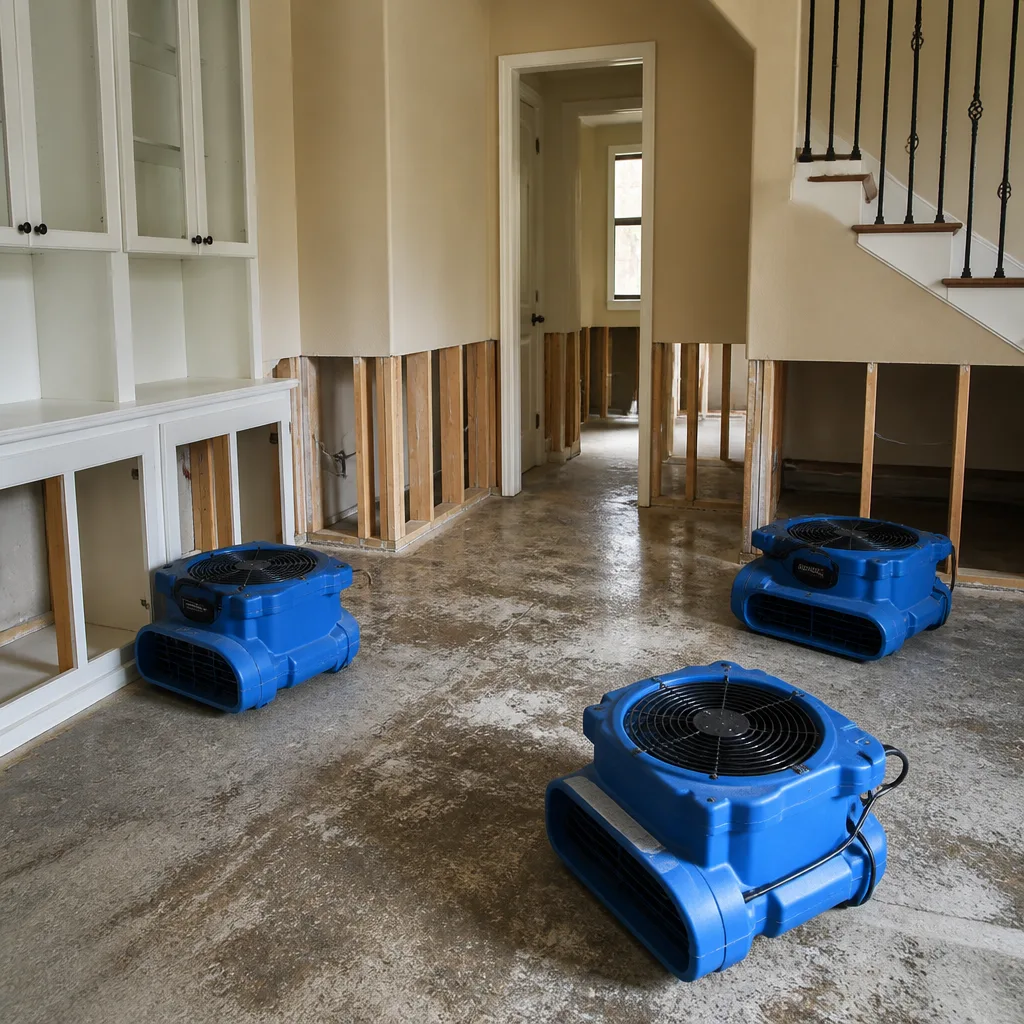
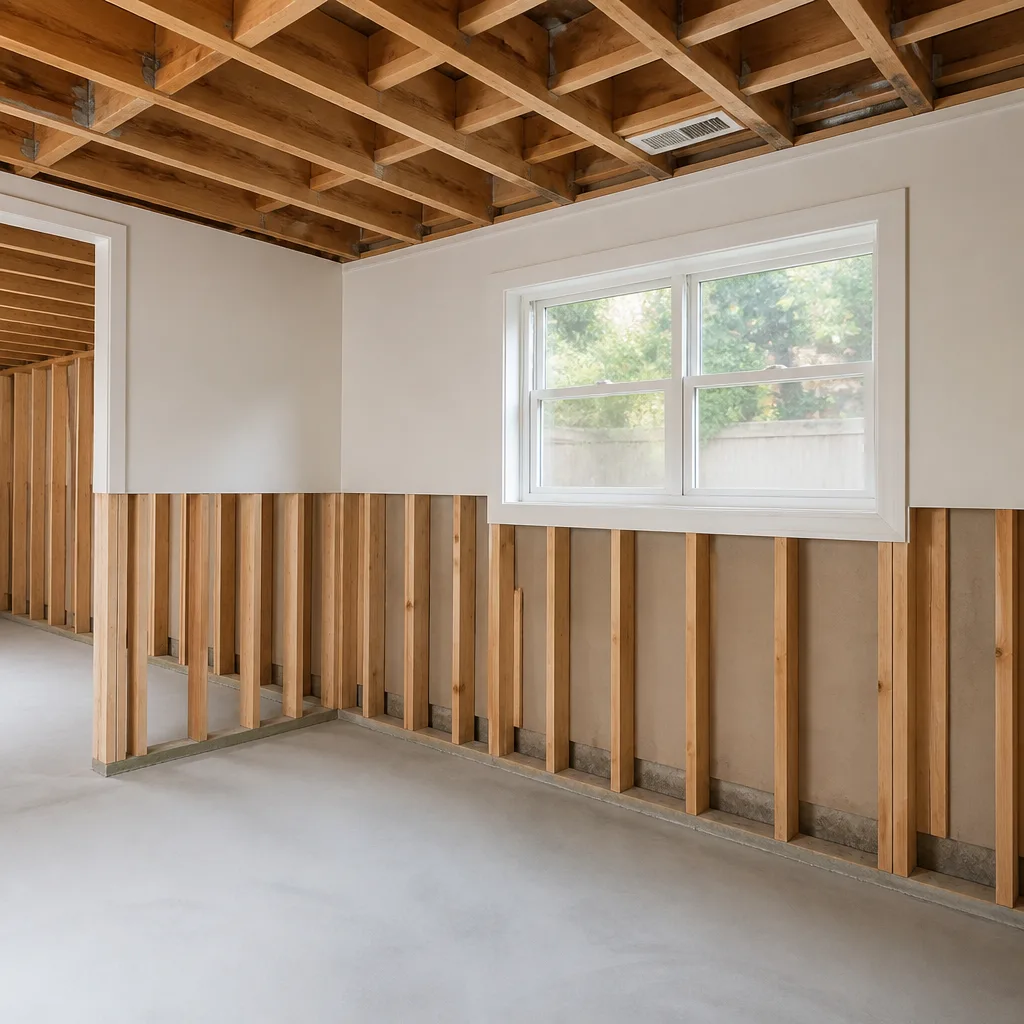
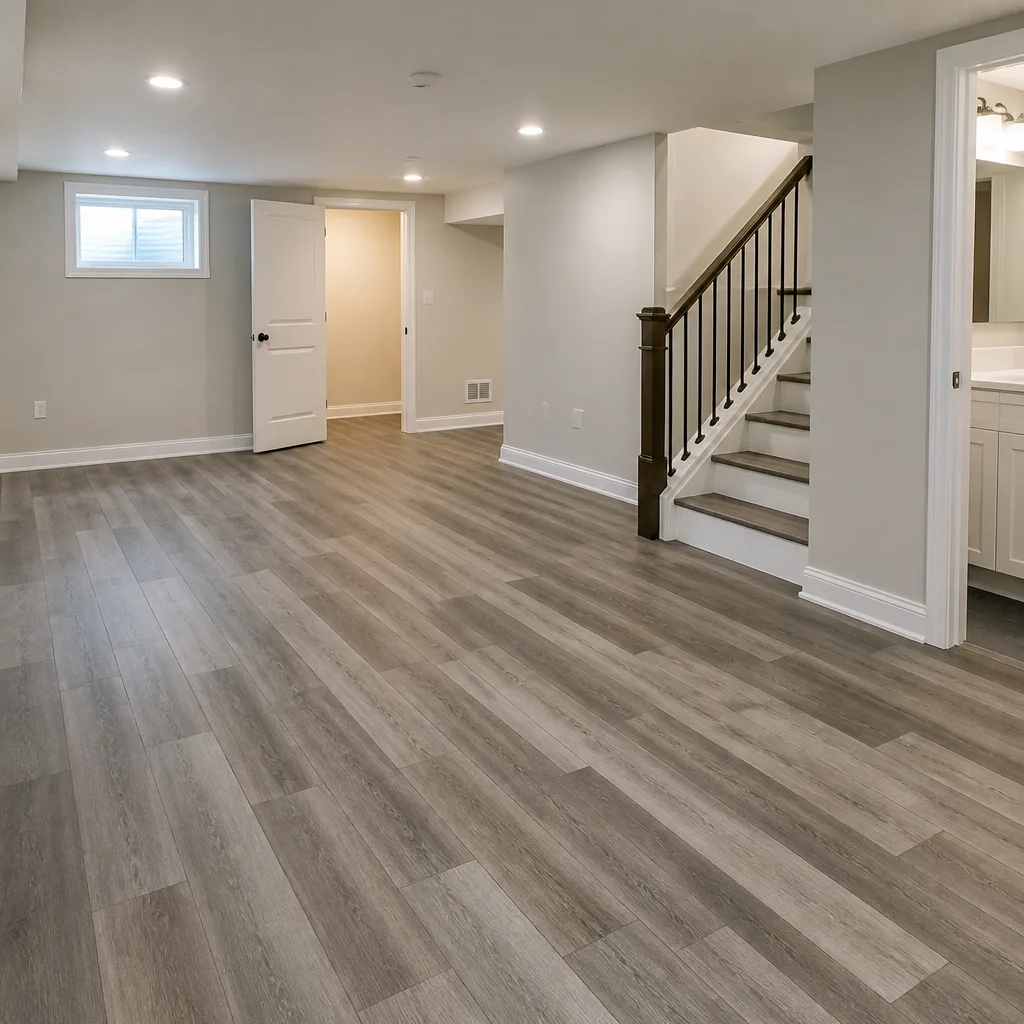
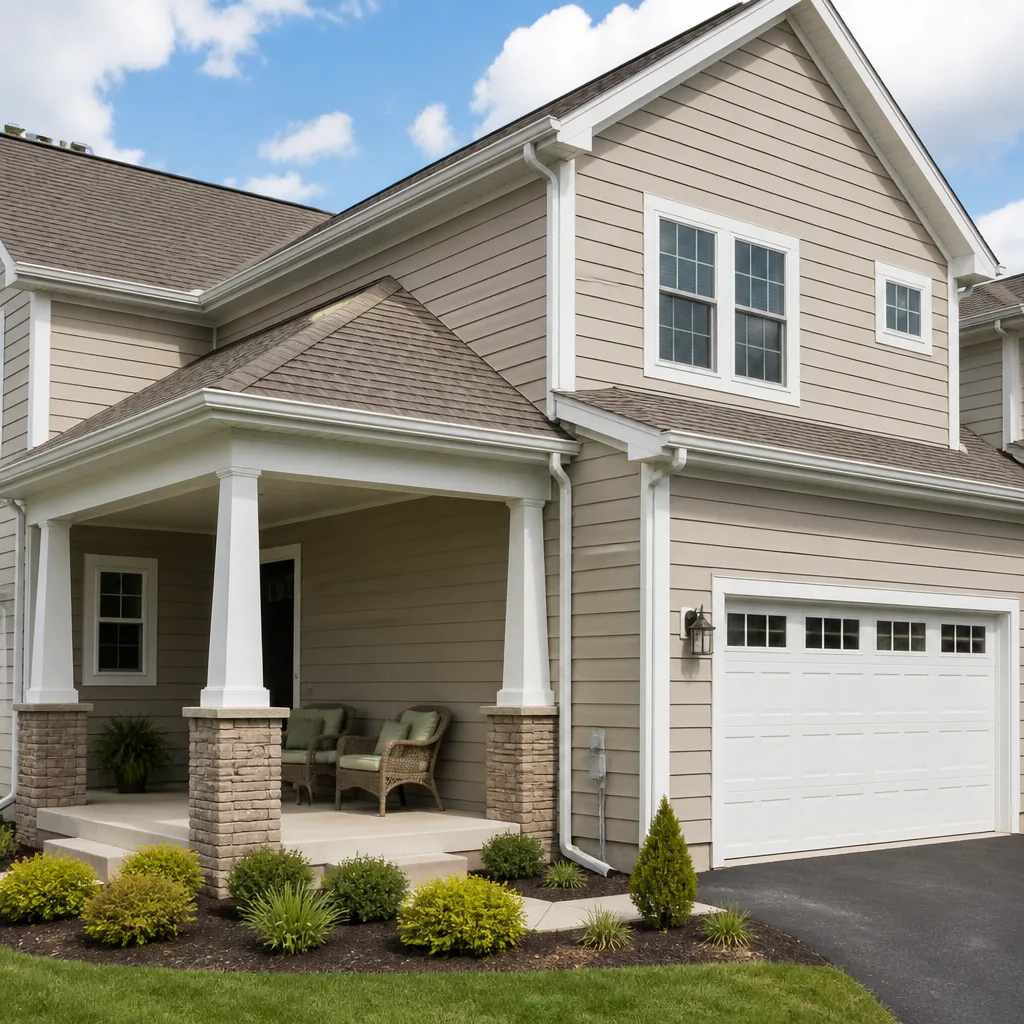
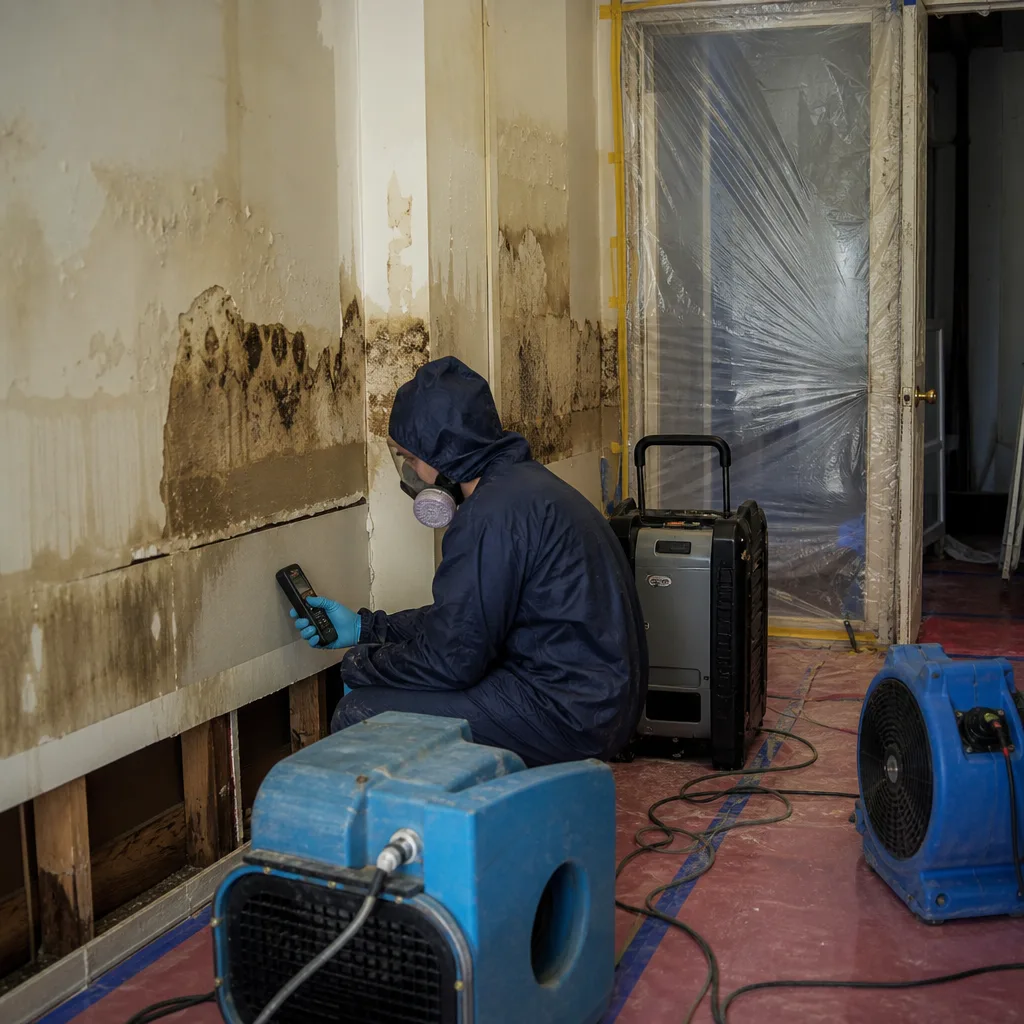 Before
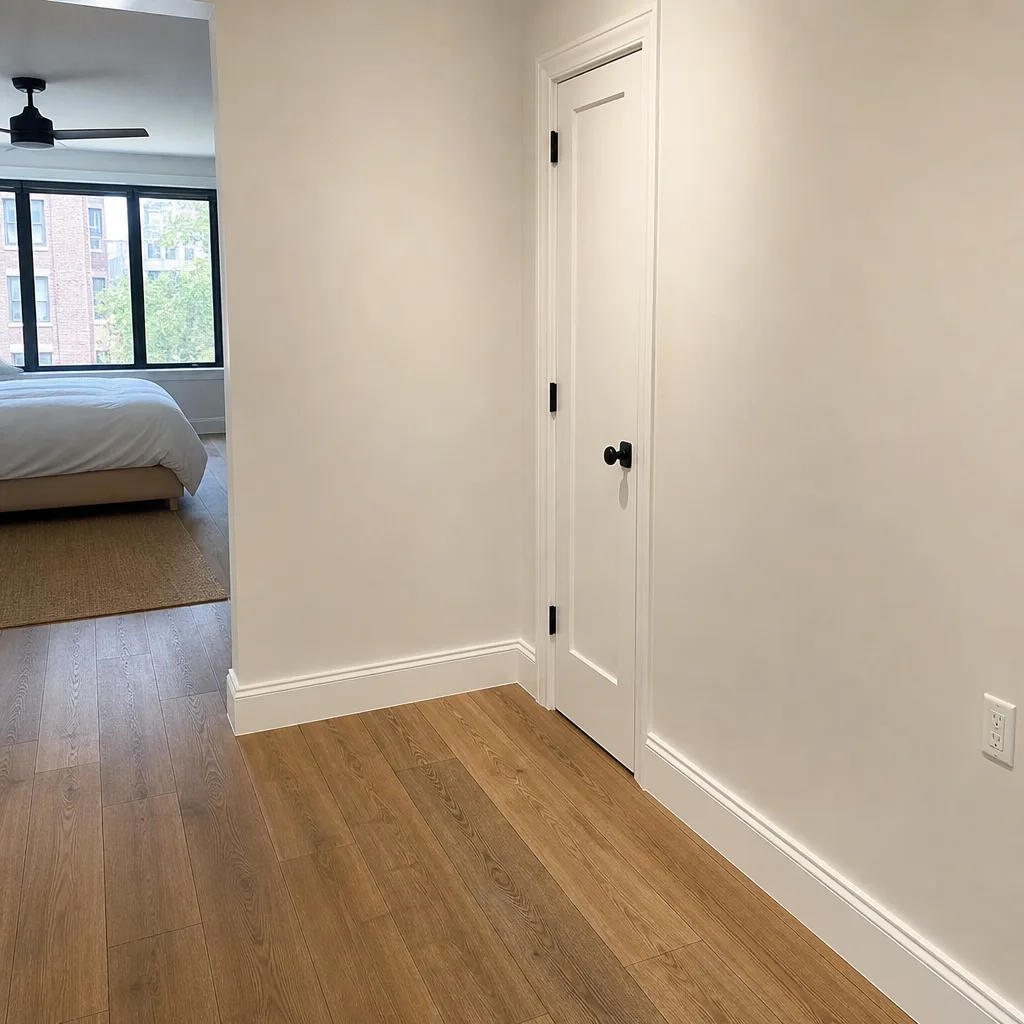 After
After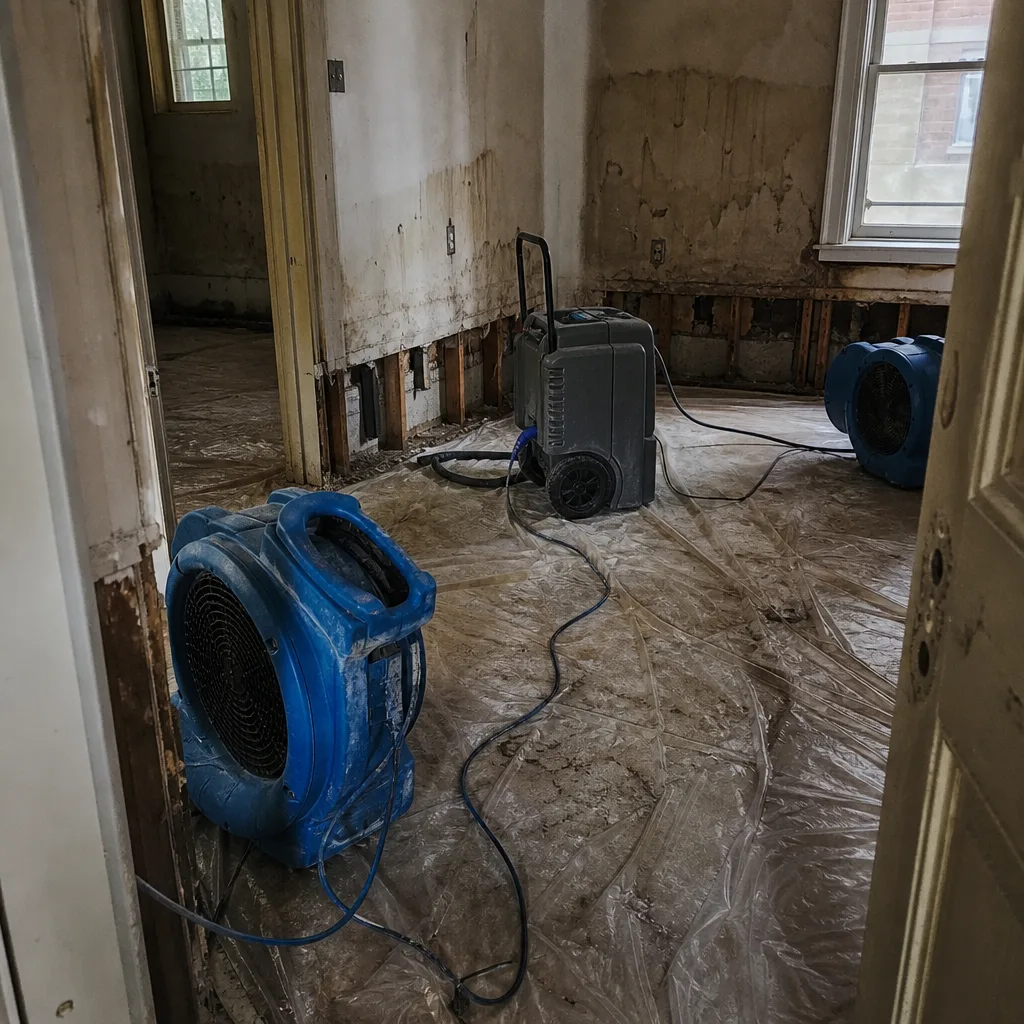 Before
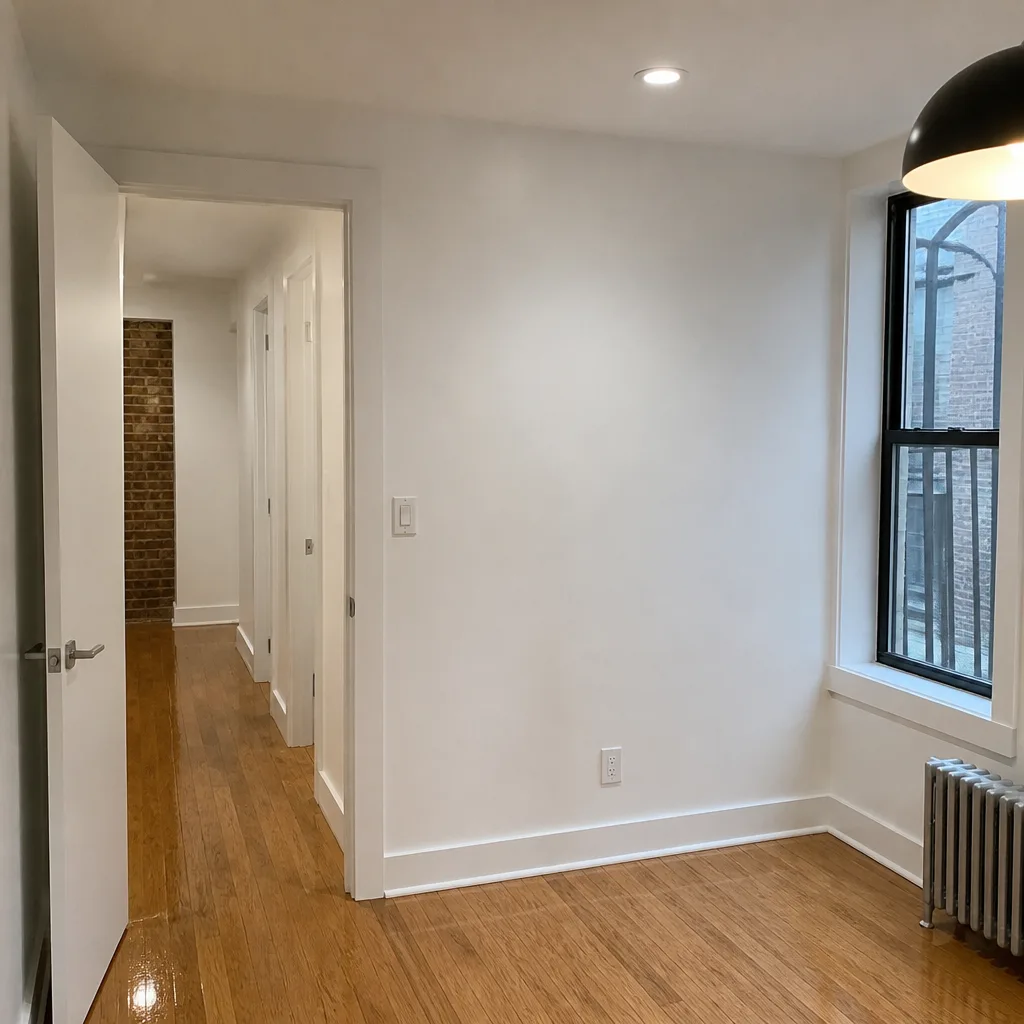 After
After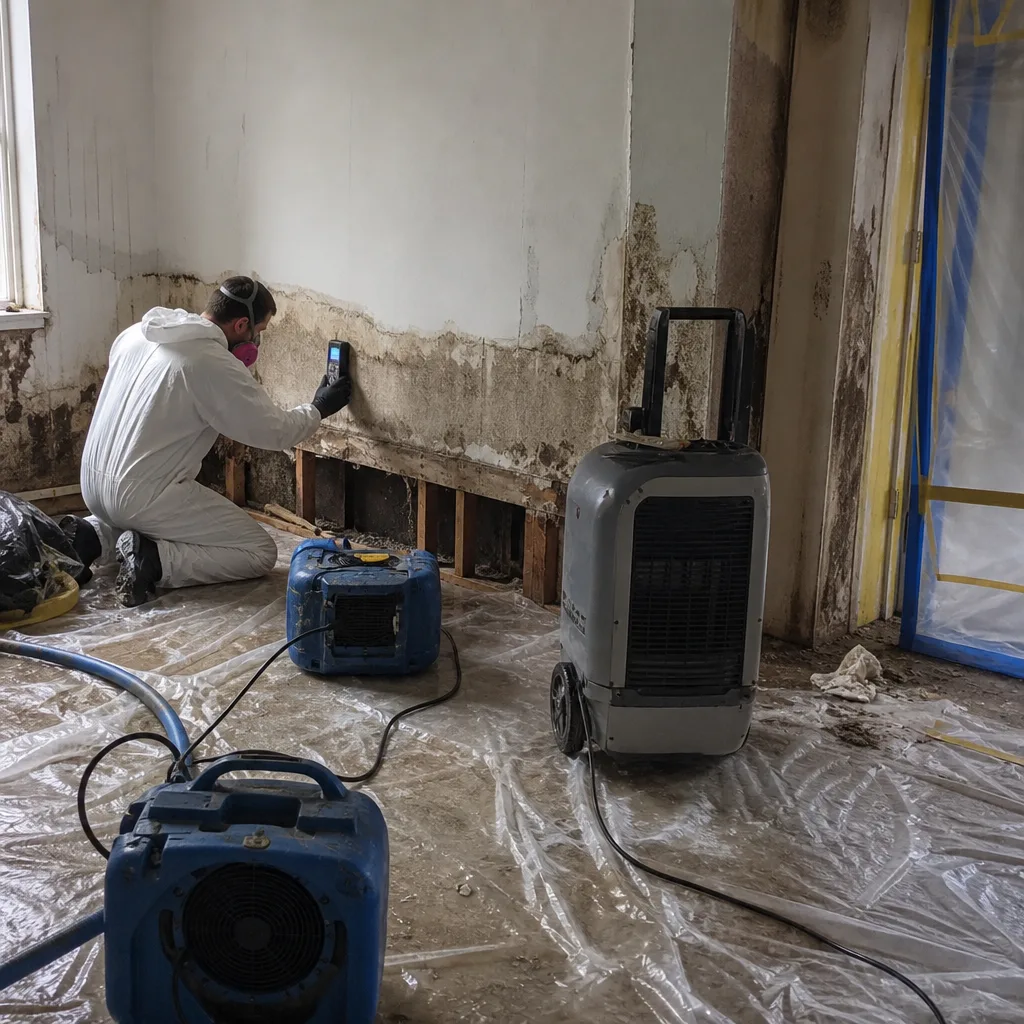 Before
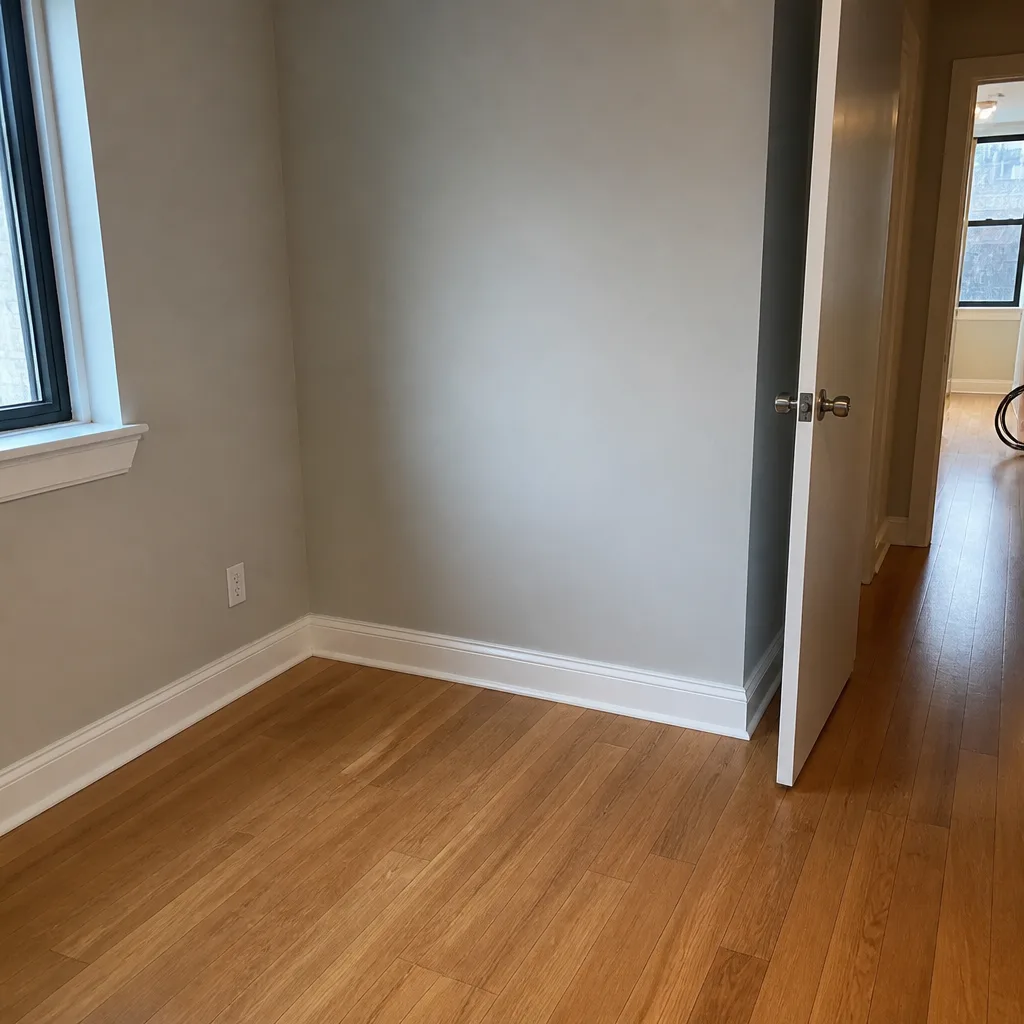 After
After24/7 Emergency Fire & Smoke Damage Restoration in Central Harlem
A kitchen fire in a Central Harlem brownstone rarely stays in the kitchen. Smoke travels through shared party walls, chases, and original cast-iron stacks, and within hours three apartments have soot damage while the odor settles into horsehair plaster. Our crews answer live at (845) 305-5737 around the clock, every day, and we can have a certified team at your door in Central Harlem within 45 minutes. The first hour determines whether we can clean and restore or whether weeks of odor treatment and demolition follow. Call now and a real person picks up, not a recording. We’ll start with a free visual inspection and give you a straight answer about what you’re facing. Waiting to call doesn’t make the soot go away. It gives the soot time to work deeper into the plaster, the wood trim, and the clothes in your closet.
Understanding Fire & Smoke Damage Restoration Severity in Central Harlem Properties
Fire damage restoration in Central Harlem looks different than it does in a drywall-era apartment building. The distinction comes down to soot residue type and smoke migration path. Light, powdery dry soot from a clean-burning oven fire wipes off sealed surfaces, but wet, oily soot from a grease fire or smoldering plastics bonds to plaster, wood, and textiles within minutes. That’s the residue that requires chemical sponges, specialized degreasers, and often full paint encapsulation. Smoke migration in pre-war brownstones is a horizontal problem, not a vertical one. A fire in one unit on West 140th Street presses smoke through the gap between floor joists and into the adjoining apartment through the same party-wall chase. Those shared cast-iron stacks and open wall cavities predate modern fire-stopping, which means soot gets into spaces drywall-era homes simply don’t have. Add fire suppression water to the equation and you now have Category 2 or 3 water trapped behind plaster-on-lath, which dries 30 to 50 percent slower than gypsum drywall. That’s why our crews run thermal imaging and moisture meters on every Central Harlem fire job, even when the visible fire damage looks contained. The real scope is usually behind the wall.
Why Central Harlem Property Owners Choose Floodline Restoration Co.
- 45-minute response commitment across Central Harlem. Our dispatch board is built around moving crews fast. When you call, we commit to a time and we’re there when we say.
- 24/7 live answer, every call. A real dispatcher picks up at two in the morning. You will never reach a voicemail when you need us most.
- IICRC-certified crews on every job. Our technicians hold FSRT and OCT certifications, plus RIA and IFA training, so soot removal and odor mitigation are done to recognized industry standards.
- Free visual inspection with a written scope. No pressure, no vague estimates. We document what we see, explain what needs doing, and give you a line-item scope before any work begins.
- Direct insurance billing and adjuster coordination. We photograph everything, log moisture readings daily, and speak to your carrier directly so you don’t play messenger.
- One team from first extraction to finished rebuild. The same crew that boards up and cleans soot also handles the structural repair and trim restoration. No mid-job handoff, no inherited subcontractors.
Our Fire & Smoke Damage Restoration Process
Inspection & Assessment
We walk the full loss area with thermal imaging and moisture meters. In Central Harlem brownstones, that means checking adjoining units through party walls, not just the fire unit. We identify soot type, smoke migration paths, and any water from fire suppression.
Emergency Board-Up & Stabilization
We secure broken windows, tarp damaged roofs, and seal openings. In a rowhouse on Lenox Avenue, an unboarded window invites weather, pests, and further damage within hours. We stabilize before we clean.
Water Extraction & Structural Drying
Fire hoses can dump hundreds of gallons into a top-floor apartment. We extract standing water, then set Dri-Eaz and Phoenix air movers with dehumidifiers. Plaster-on-lath needs more drying cycles here than drywall does, and we log readings daily until the dry standard is met.
Soot & Smoke Removal
Different soot residues require different techniques and chemistries. We use dry chemical sponges for dry soot and HEPA-vacuum all surfaces before wet-cleaning oily residues. Original wood trim and plaster details get hand-cleaned, not blasted.
Odor Removal & Specialty Treatment
Smoke odor in horsehair plaster doesn’t leave with a surface wipe. We use hydroxyl generators and thermal fogging, and where smoke chased through a shared cast-iron stack, we treat the cavity itself, not just the room.
Repairs & Restoration
Once the space is dry and clean, the same crew handles the rebuild: plaster repair, trim restoration, paint encapsulation, and any structural work. One team, one written scope, one guarantee.
Need Emergency Fire & Smoke Damage Restoration in Central Harlem Now?
Crews minutes away, answering live 24 hours a day. The sooner we start, the less it costs.
Working With Your Insurance Company
Insurance claims in Central Harlem fire losses are often more complicated than the fire itself. A fire in one unit sends smoke through shared walls into three apartments, and suddenly the claim involves multiple policyholders, a building owner, and a carrier that wants everything documented. We start documenting from the first hour: photos of every affected room, soot patterns, moisture readings, and a log of every drying cycle. Our estimates use industry-standard line items, so your adjuster sees a scope they recognize. We speak to your carrier directly, send them the drying logs and the photo file, and remove you from the middle of the negotiation. Curt Bowman built Floodline Restoration Co. around a simple principle: the homeowner should not carry messages between the restoration company and the carrier. We handle that.
What We Provide Your Insurer
- Thorough documentation of the loss
- Photos of all damage, room by room
- Moisture readings and drying logs
- A detailed, line-item scope of work
- Direct coordination with your carrier
Built for Central Harlem’s Loss Calendar
Central Harlem fire and smoke damage tracks a seasonal pattern, and it’s tied to how these pre-war buildings are heated. From December through February, building supers run steam systems at full pressure to meet the city’s 68-degree daytime heat requirement. Radiator valves on original cast-iron supply lines fail under that pressure, dumping steam and condensate into apartments. A radiator that vented steam near a wall outlet or overloaded wiring turns a plumbing failure into a fire. In spring and summer, the pattern shifts: space heaters get pulled out of closets during shoulder-season cold snaps, window air conditioners strain old knob-and-tube circuits, and decades of layered do-it-yourself wiring in reconverted SRO units finally gives way. Summer thunderstorms send water through flat tar-and-gravel roofs that were already cracked by January’s freeze-thaw cycle. Water finds the old wiring. The fire starts where the water met the electric. We see this cycle repeat every year, and we dispatch to Central Harlem accordingly. A cold snap isn’t just weather. It’s a schedule of expected valve failures, and our crews are ready for it.
Fire & Smoke Damage Restoration Across Central Harlem’s Neighborhoods
Central Harlem runs roughly from 110th Street north to 155th Street, and the building stock changes subtly as you move through it. The blocks around Strivers’ Row, between West 138th and West 139th Streets off Adam Clayton Powell Jr. Boulevard, are landmarked brownstones with original woodwork and plaster crown moldings. Fire restoration there means hand-cleaning ornate trim, not replacing it, and our crews train for that. Further north around Sugar Hill, the rowhouses sit on steeper topography, and top-floor fires often involve roof access we need to tarp and board. The area near the 125th Street commercial corridor has mixed-use buildings: stores below, apartments above, and a restaurant-kitchen fire at street level sends smoke straight up through apartments. East of Lenox Avenue, many tenement walk-ups were subdivided and later reconverted, which left wall cavities and plenums that smoke travels through faster than a building’s original layout would suggest. A fire at the north end of Marcus Garvey Park doesn’t just affect one building; the narrow service alleys between rowhouses let smoke push into two or three addresses. We map response routes by block, not just by neighborhood, because a rig has to get down 139th street with parked cars on both sides and a hydrant on the corner.
Specialized Fire & Smoke Damage Restoration Services We Offer in Central Harlem
Fire Damage Cleanup
We remove charred debris, structural remains, and all surface soot. In old Harlem brownstones, cleanup usually means working around original woodwork that the owner wants preserved. We don’t gut a room by default. We clean what can be cleaned and only remove what cannot be restored. That distinction is the difference between a $12,000 cleanup and a $45,000 gut, and we’ll tell you which one your building actually needs.
Smoke & Soot Removal
Soot removal in a pre-war building with shared party walls is never a one-room job. We trace smoke migration through floor joists, wall cavities, and original cast-iron stacks. Soot that came through a common wall from a neighbor’s fire is part of the loss scope, and we document it for the carrier so the whole building gets treated, not just the fire unit. Our goal is to eliminate recurring odor, and recurring odor almost always means soot was left in a cavity we didn’t open.
Odor Removal & Deodorization
The hardest part of fire restoration in Central Harlem isn’t the soot. It’s the smell. Horsehair plaster absorbs smoke odor deeply, and covering it with primer doesn’t kill it, it just hides it until a humid August afternoon releases it again. We use hydroxyl generators, thermal fogging, and cavity injection where needed. When original plaster can’t be saved, we remove it under a pre-scheduled DEP asbestos survey, then treat the framing behind it before restoration. Our Fire & Smoke Damage Restoration team deals with these odor cases every week.
Contents Cleaning & Pack-Out
We clean and restore furniture, clothes, books, and personal property at our facility when needed. Clothes that sat in a smoke-filled apartment on West 135th Street will keep releasing odor unless properly cleaned. We inventory everything, clean what can be cleaned, and store it until your home is ready. We provide the inventory to your carrier. Nothing disappears without a record.
Emergency Board-Up & Tarping
After a fire, a broken window on the third floor of a Central Harlem brownstone is an open invitation to rain, pests, and intrusion. We board up windows and tarp roof damage the same day, usually within hours of the first call. Board-up is the first step of the restoration scope, not a separate service.
What happens when you call
- 1
A real person answersNo phone trees - you reach a local pro.
- 2
You get an upfront price rangeHonest numbers before anyone is dispatched.
- 3
A background-checked tech heads outLicensed & insured, dispatched right away.
- 4
You approve before work beginsNothing starts until you say go.
Fire & Smoke Damage Restoration Costs in Central Harlem, NY
A typical smoke and soot cleanup in a one-bedroom Central Harlem apartment runs $1,800 to $5,500 when the fire is contained to a single room and the soot is dry. Add a kitchen fire with wet, oily soot, and the scope moves to $4,500 to $14,000 because we’re now degreasing cabinets, cleaning cavities, and likely painting. Full structural fire repair in a brownstone floor-through, including plaster repair, trim restoration, and odor treatment, runs $18,000 to $75,000 depending on the extent of the charring and the level of finish. What moves the price most in Central Harlem is the DEP asbestos hold: before we can legally open a wall or ceiling in any pre-1987 building, an asbestos survey must be completed. If that survey wasn’t scheduled before the loss, the job sits and the secondary damage grows. That’s why we advise every building owner and co-op board reading this to pre-schedule DEP asbestos surveys for their building. It costs a few hundred dollars now and saves days of emergency mitigation later. Call (845) 305-5737 for a free visual inspection and a firm, line-item scope before any work starts. The estimate is free, in writing, and there’s no obligation.
We Also Serve Cities Near Central Harlem
Our crews work throughout Upper Manhattan. If you’re in the Upper West Side, Morningside Heights, East Harlem, or further north in Upper Manhattan, call the same number. The same live dispatcher answers, and the same certified crews respond. We serve all of Central Harlem and the surrounding neighborhoods around the clock.
Serving Central Harlem, NY - Our Local Coverage Area
We’re based in the Central Harlem area and know this community well. Use the map below to see our service coverage - if you’re nearby, we can almost certainly help.
Central Harlem Fire & Smoke Damage Restoration Questions, Answered
How does Central Harlem’s plaster-on-lath construction change the drying timeline after fire suppression?
Plaster-on-lath dries 30 to 50 percent slower than modern drywall. Fire hoses can dump hundreds of gallons into a top-floor brownstone apartment, and that water soaks into horsehair plaster, lath strips, and the joist cavities behind them. We run more drying cycles, log moisture readings daily, and don’t stop until the dry standard is met. Stopping too early traps moisture behind the plaster and leads to mold months after the fire is forgotten.
Why is an asbestos survey mandatory before repairing fire damage in a Harlem brownstone?
NYC DEP mandates an asbestos inspection before any wall or ceiling is opened in a building constructed before 1987. Virtually every brownstone and tenement walk-up in Central Harlem falls under that rule. If we open a wall before the survey, the job gets red-tagged, the work stops, and the wet materials sit. We pre-schedule the survey as part of the initial scope so mitigation doesn’t stall.
What happens if a fire in one unit sends smoke through a shared cast-iron stack into my apartment?
Your apartment becomes part of the loss scope. Smoke travels through shared chases, original cast-iron stacks, and open wall cavities between pre-war units. We treat every affected unit, not just the fire unit. The carrier may need documentation tying your soot to the source fire, which is exactly what our photo logs and smoke-tracing give them.
Can you restore original wood trim and plaster details after soot damage without replacing them?
In most cases, yes. Dry soot wipes off sealed woodwork without damage. Wet, oily soot needs chemical cleaning with controlled dwell times, and we hand-clean ornate trim rather than stripping it. Plaster crown moldings can often be cleaned and re-coated. We only remove original details when they’re charred or structurally compromised. Call (845) 305-5737 and we’ll tell you honestly what can be saved.
How do you prevent secondary water damage when fire crews have soaked a top-floor brownstone apartment?
We treat the water as part of the emergency response, not an afterthought. Within the first hour, we’re extracting standing water, pulling saturated materials, and setting air movers and dehumidifiers. In a four-story brownstone, water from a top-floor fire will find its way down through the structure, so we check the units below and in adjacent apartments with thermal imaging and moisture meters. Free visual inspection with every call.
How fast can you actually reach Central Harlem after I call?
We commit to 45 minutes for emergency response anywhere in Central Harlem. The trucks are staged for the neighborhood, and our live dispatcher knows the blocks, the hydrants, and the choke points around Lenox Avenue, Frederick Douglass Boulevard, and West 125th Street. Call (845) 305-5737 now and a real person gives you an arrival time you can hold us to.
Will my insurance cover fire and smoke damage restoration?
Fire and smoke damage is covered under standard homeowners and co-op policies, but the coverage details depend on the source of the fire and your policy’s specific endorsements. We document everything from the first hour, provide direct adjuster communication, and bill your carrier directly. You won’t shop these documents around yourself.
What should I do in the first 30 minutes after a fire in my Central Harlem apartment?
Get everyone out. Have someone call 911 if it’s still active, then call (845) 305-5737. Do not wipe soot off walls with a wet cloth; that pushes oily residue deeper. Do not run your HVAC or ceiling fans; that spreads soot into rooms that weren’t affected. Do not open windows and let cross-flow air drive the smoke into cavities. We’ll board up, stabilize, and start the real work. Call now.
Written by Curt Bowman, Owner at Floodline Restoration Co., serving Central Harlem and Upper Manhattan with live dispatch 24 hours a day, every day.