
Free visual inspection and a written scope of work before any mitigation begins - photos, moisture readings, and drying logs go in your claim file
The scope we write is the scope we bill. Anything new gets shown to you, in writing, before we touch it.
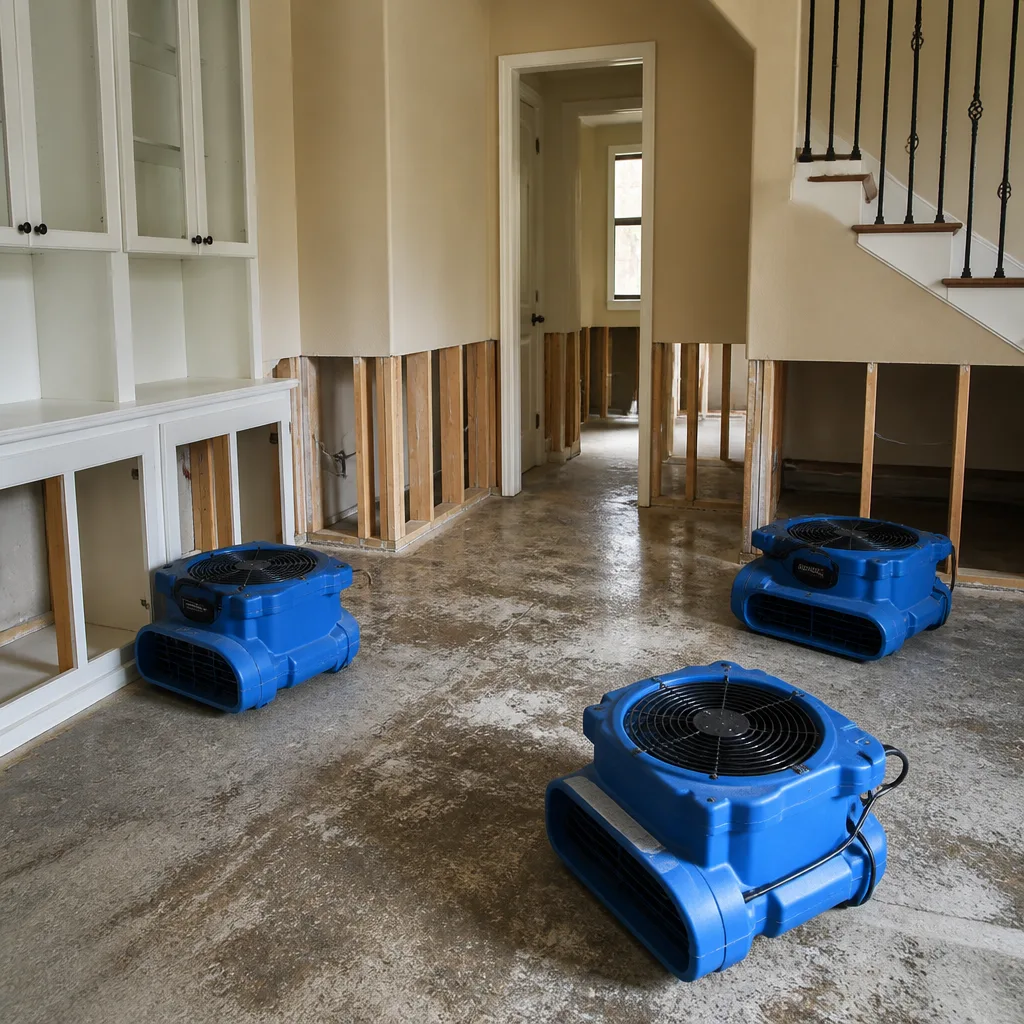
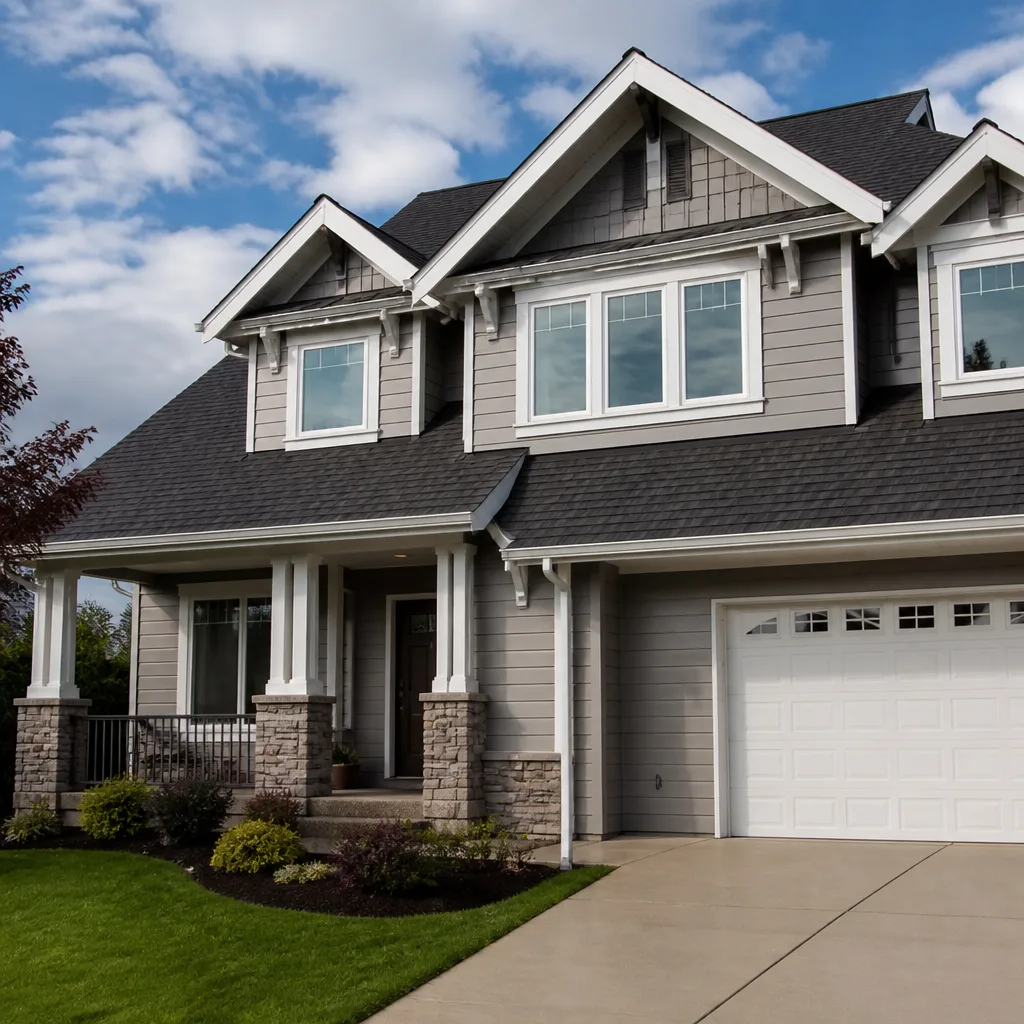
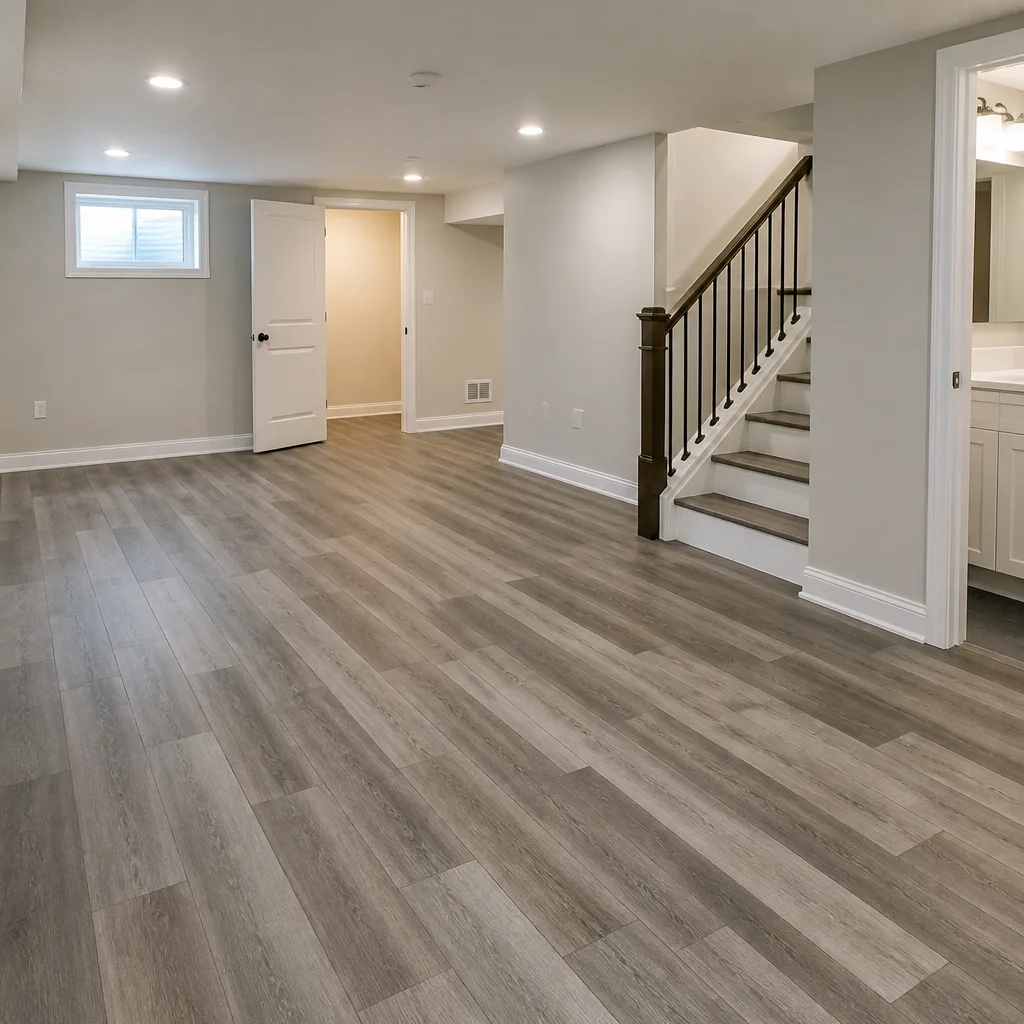
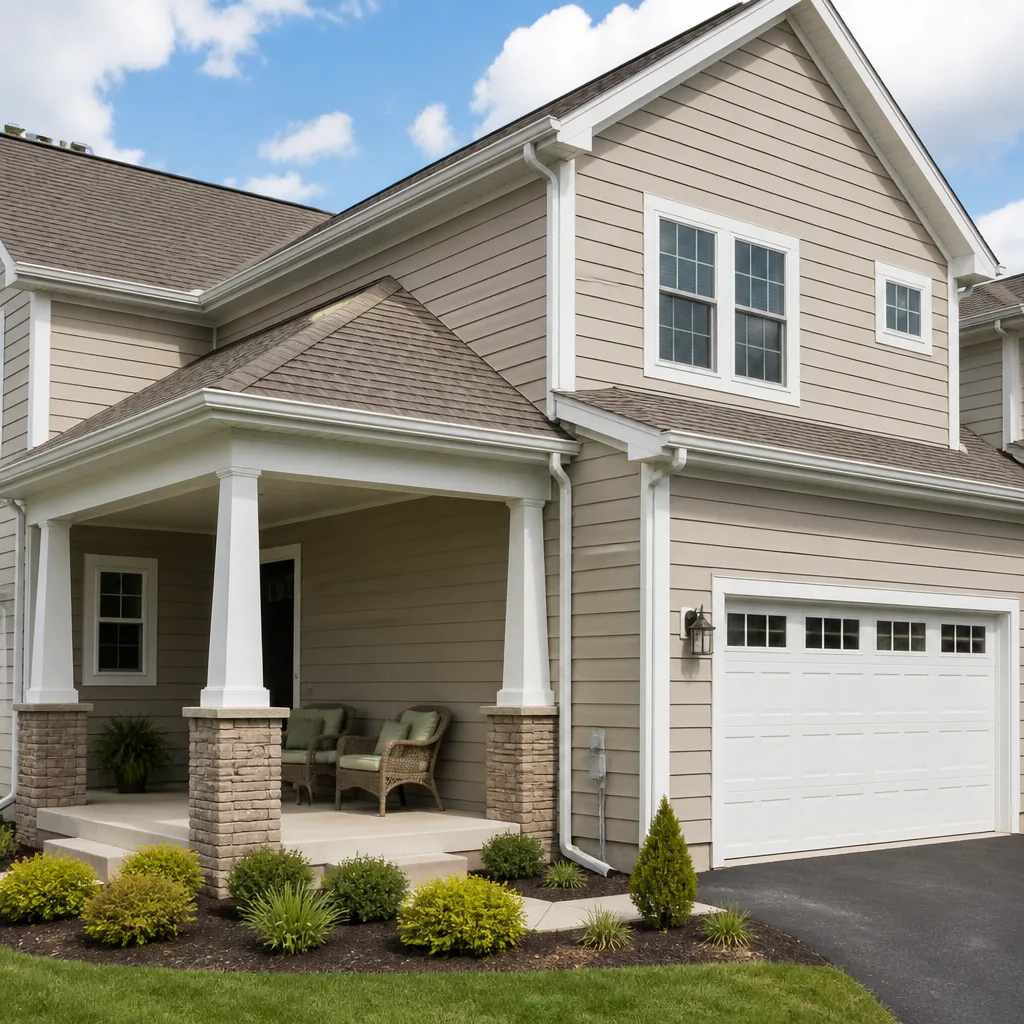
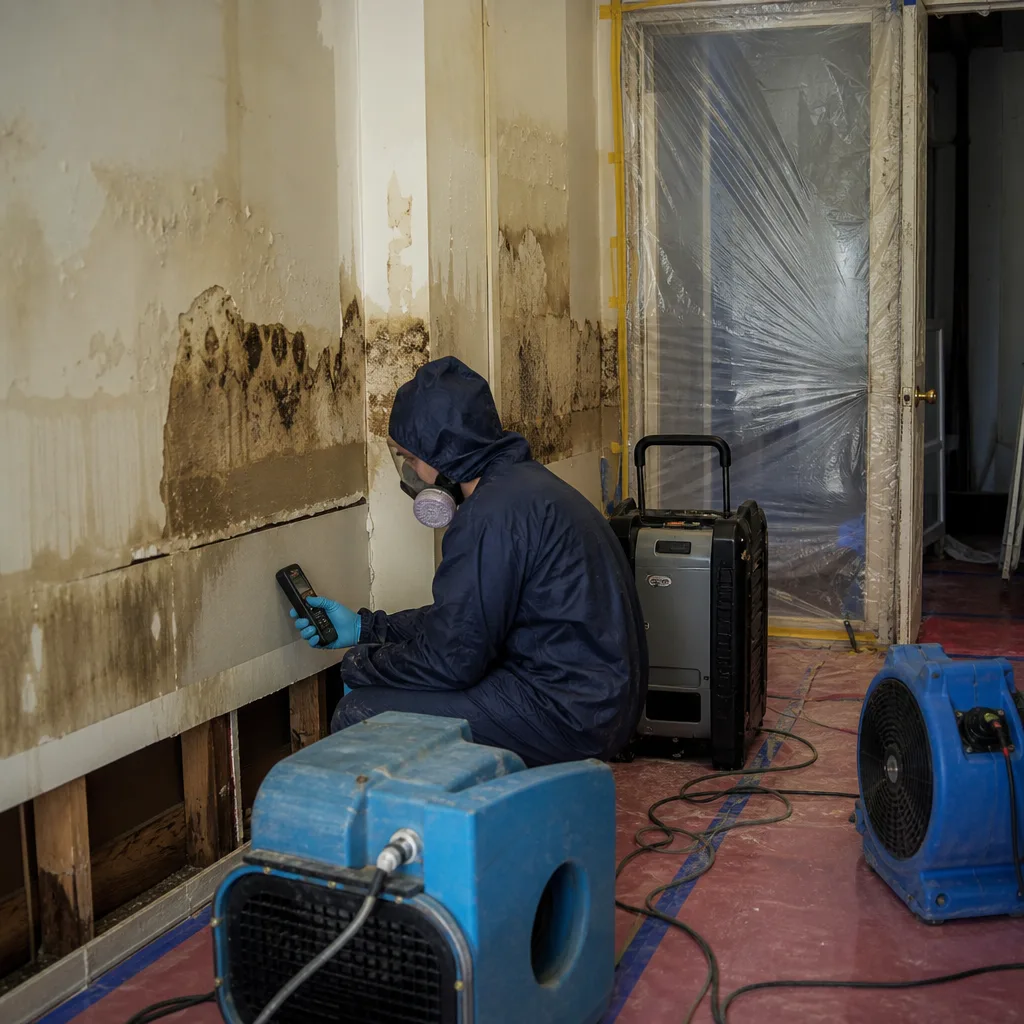 Before
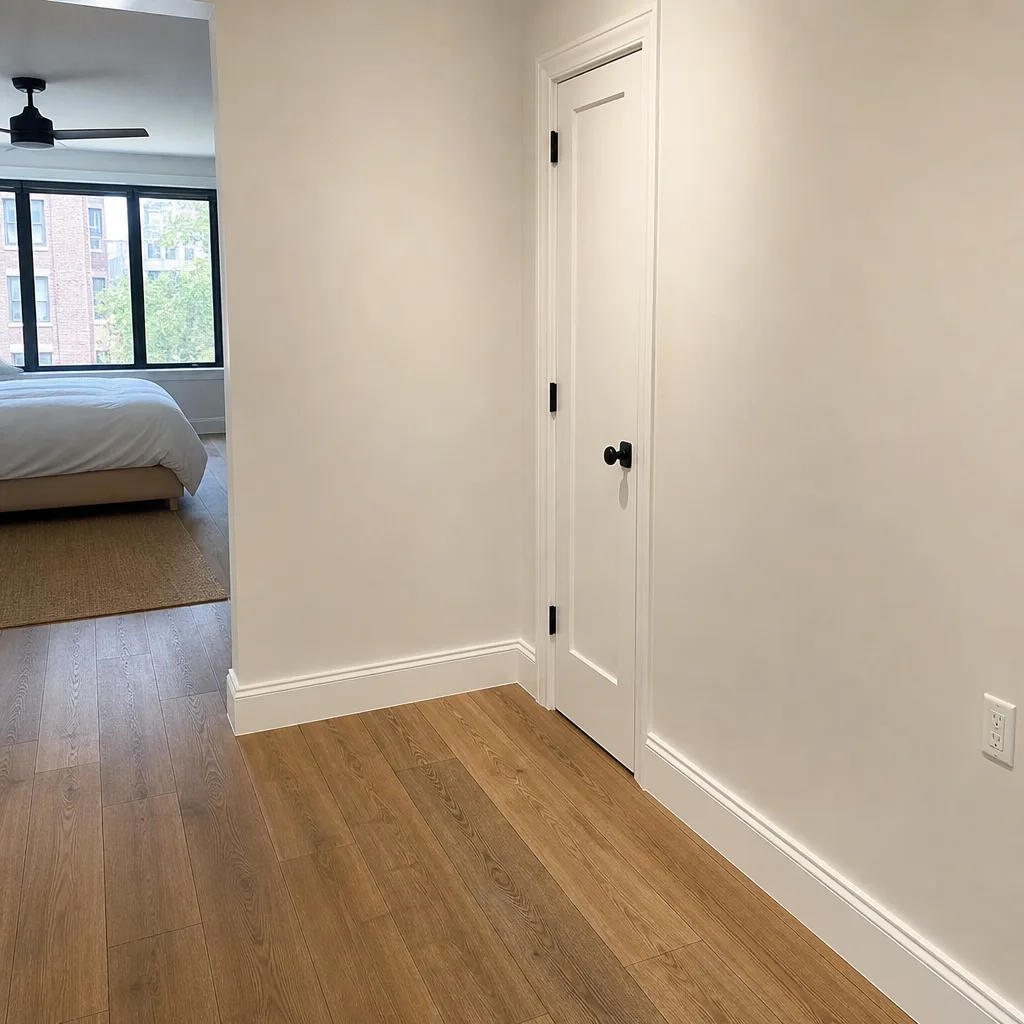 After
After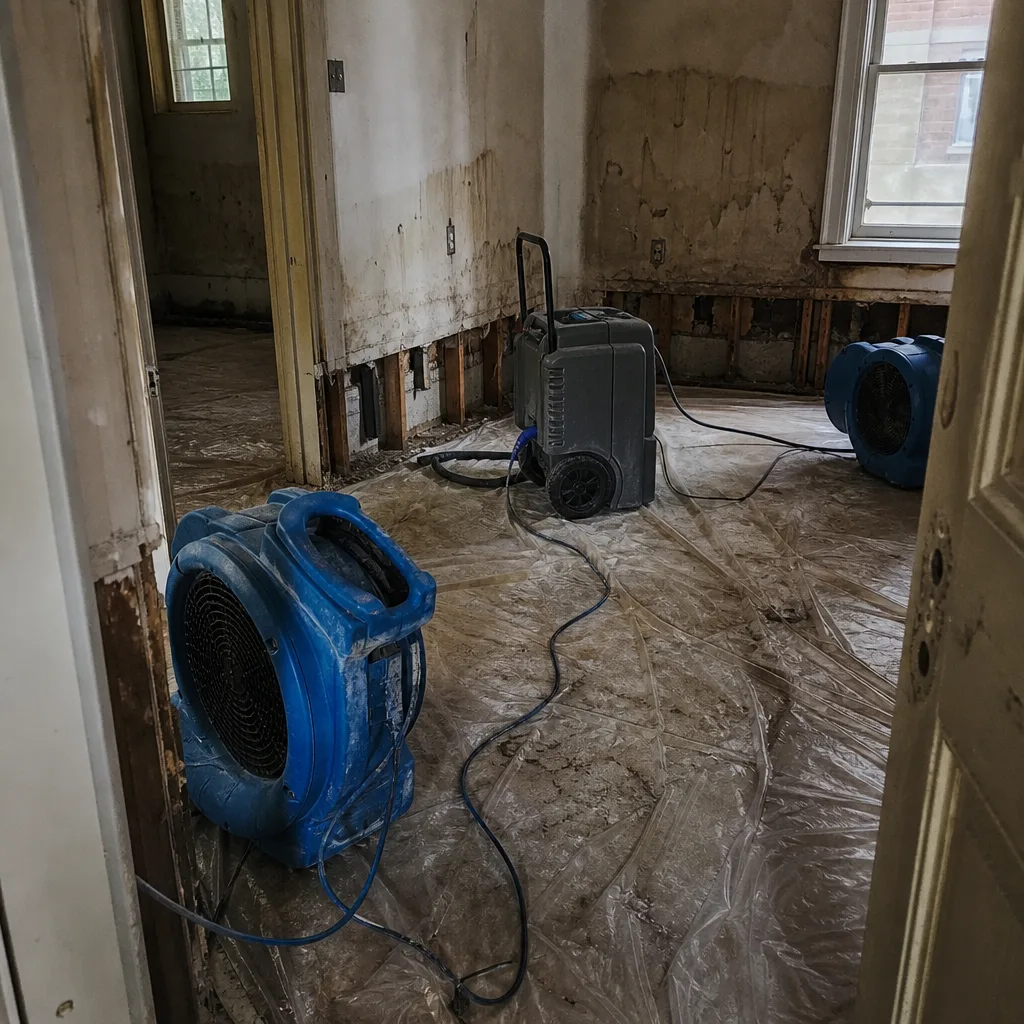 Before
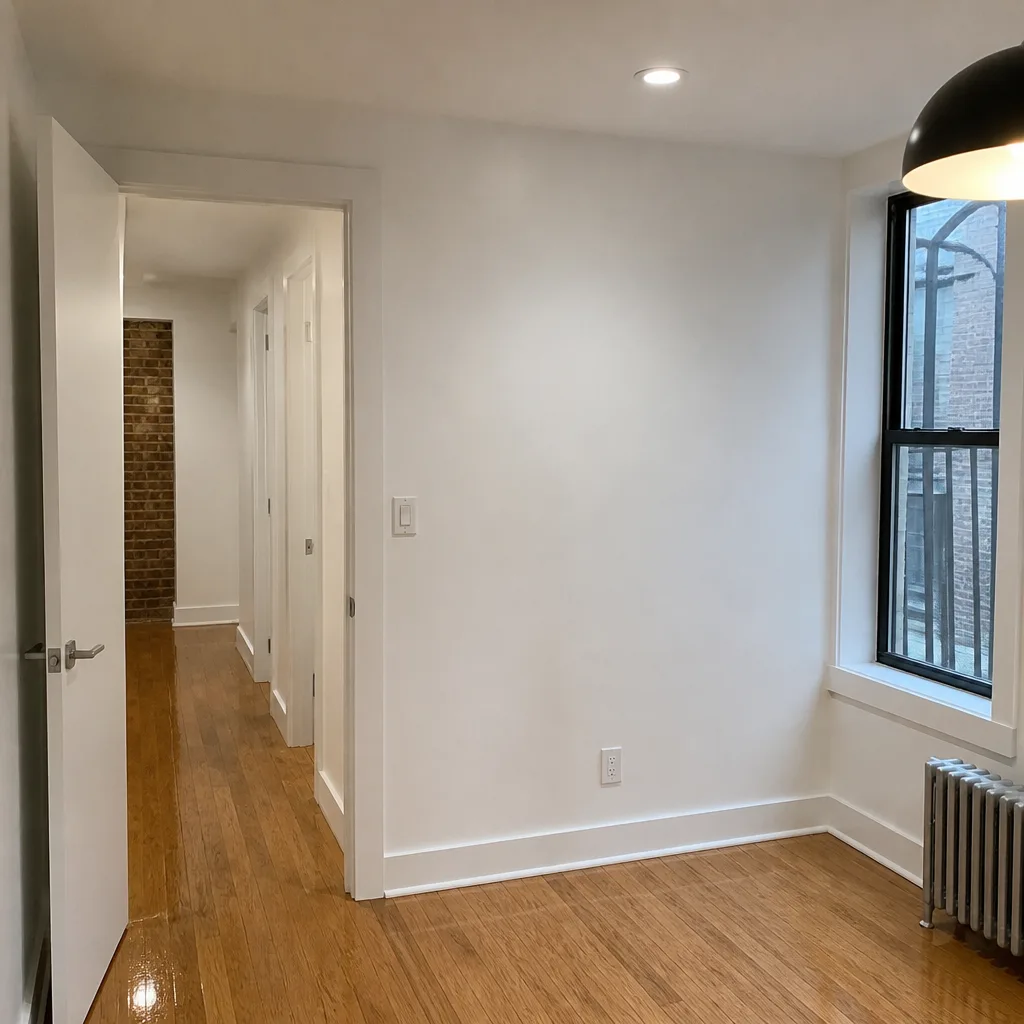 After
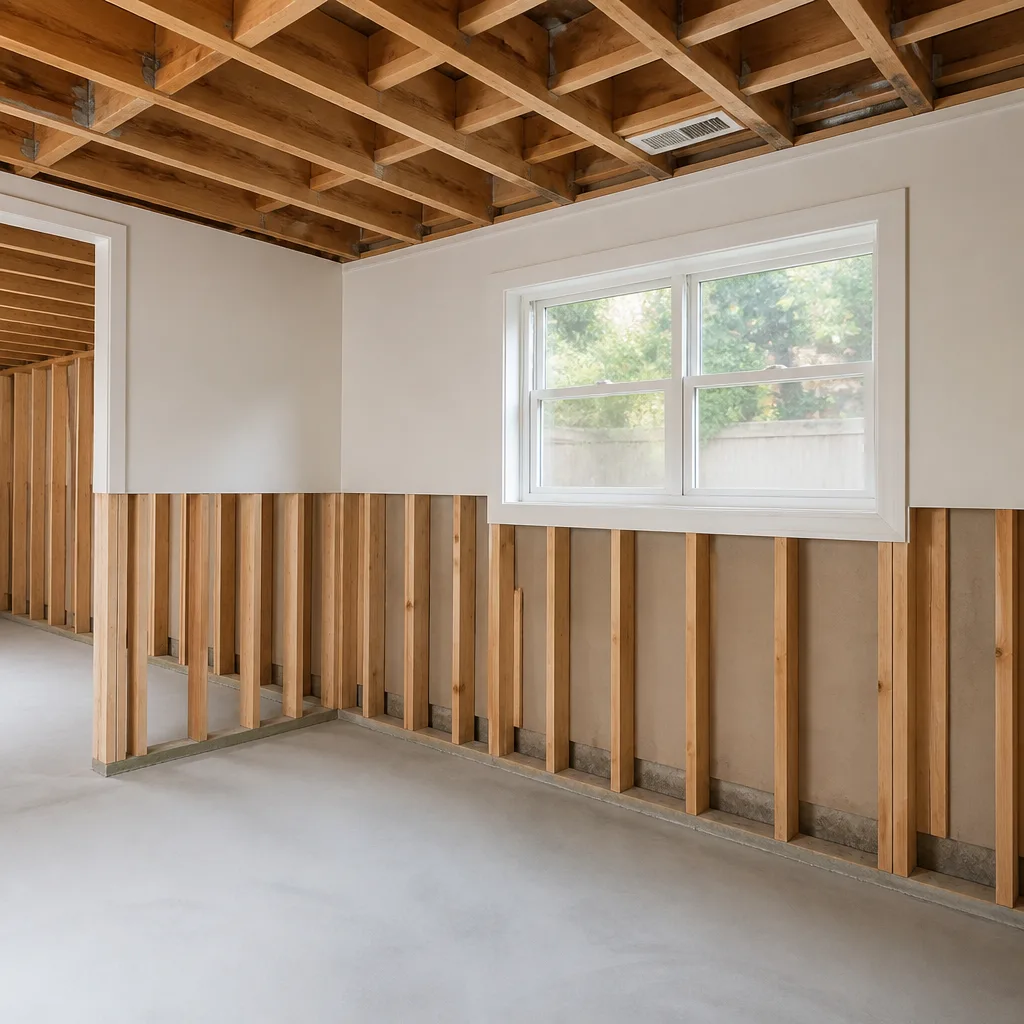
After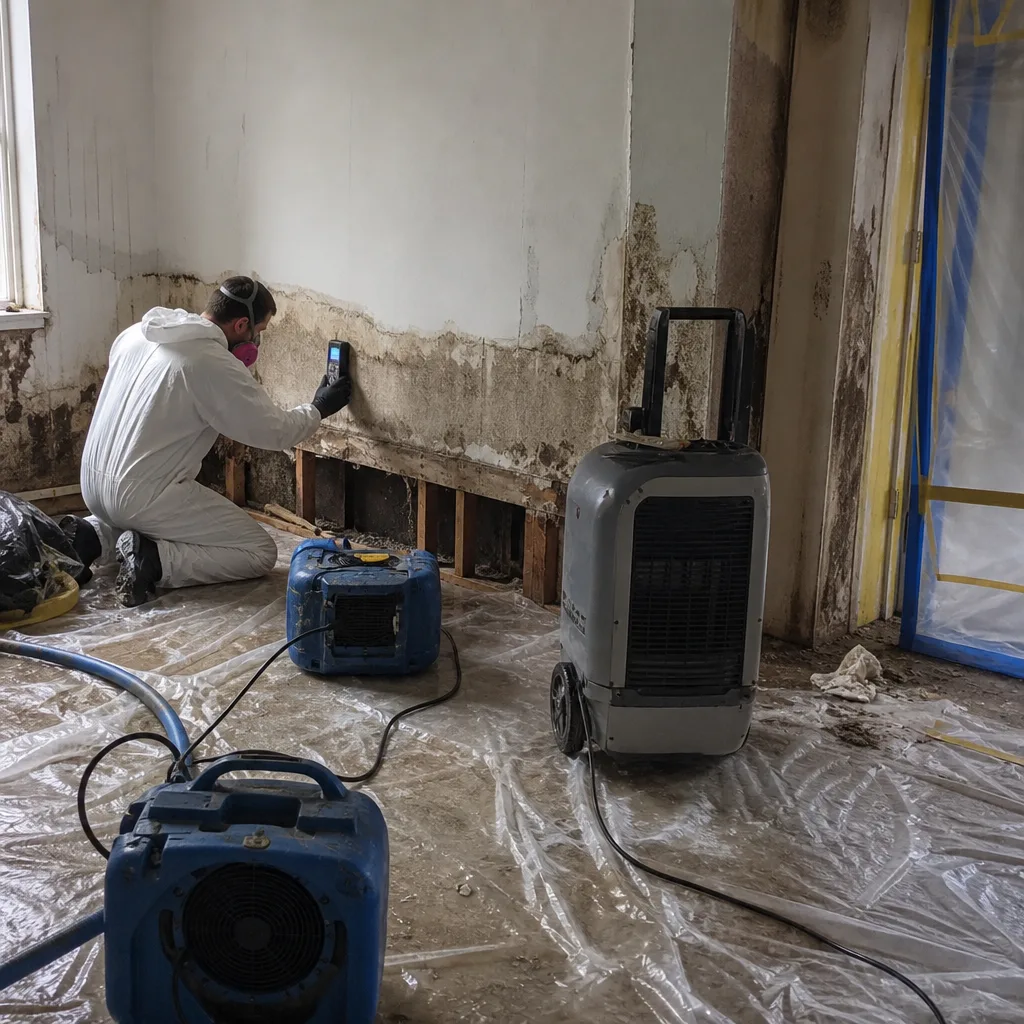 Before
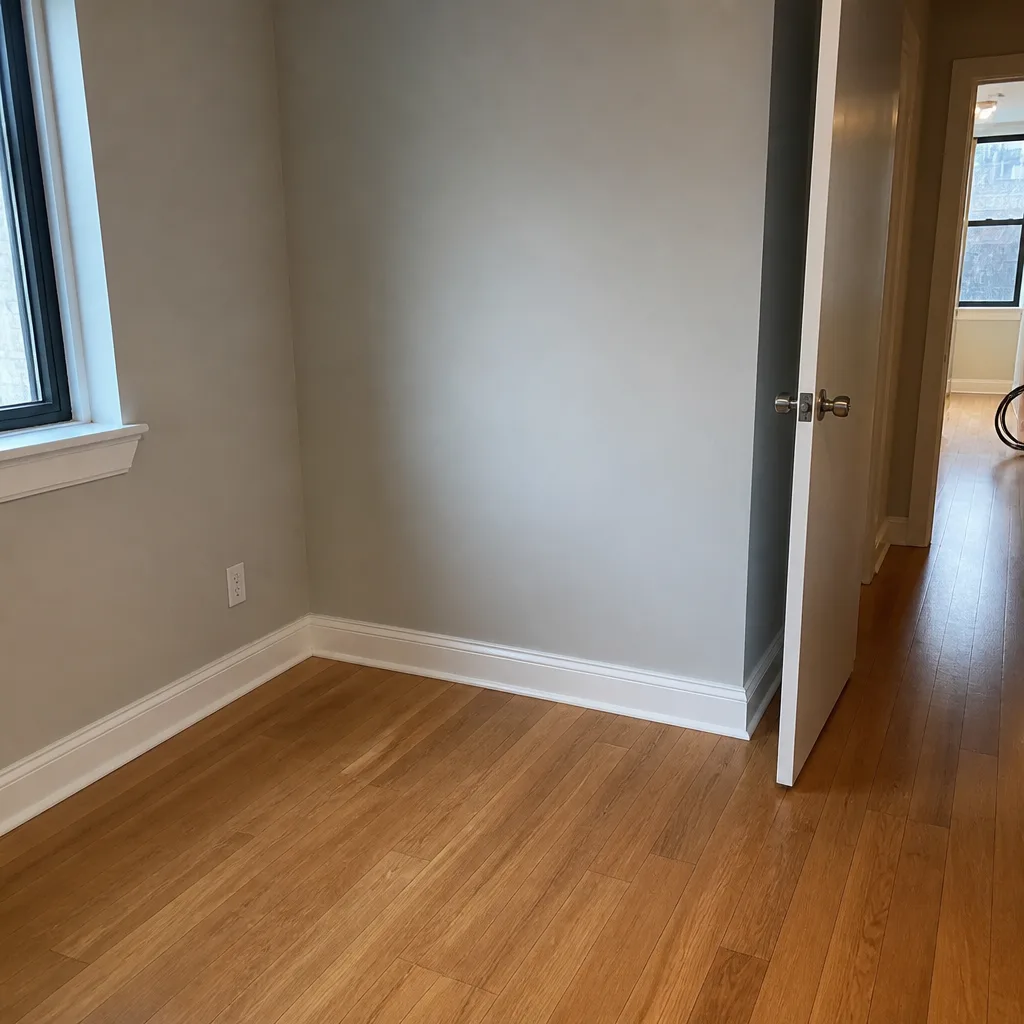 After
After24/7 Emergency Fire & Smoke Damage Restoration in Upper Manhattan
Fire and smoke move fast in Upper Manhattan’s pre-war buildings. The same cast iron stack chases and open floor bays that carried heat in 1910 will carry soot and odor into apartments two floors above the fire source within hours. Our crews answer live at (845) 305-5737 around the clock and dispatch into Harlem, Washington Heights, Inwood, and East Harlem the same call. We start with a free visual inspection, get containment and air scrubbing running the same visit, and give you a written scope before any wall gets opened. The first hour matters because smoke residue is acidic. Left on plaster, brass, or tile, it etches surfaces permanently. Left in wall cavities, odor becomes a building-wide problem, not a one-apartment problem.
Understanding Fire & Smoke Damage Restoration Severity in Upper Manhattan Properties
Not every fire leaves flames that reach every room. But in a 1920s walk-up with horsehair plaster and original cast iron stacks, even a small kitchen fire creates a severity problem most homeowners don’t see coming. We classify damage by soot type and smoke migration path. Dry soot from paper or wood is powdery and easier to lift. Oily soot from cooking fires bonds to plaster and requires chemical sponges and degreasing agents. Protein-based residue from burned food is nearly invisible but carries an odor that clings to every porous surface. Then there’s smoke migration: hot smoke pressurizes and travels through unsealed floor bays, behind baseboards, up through pipe chases. In a Harlem tenement, that means a one-room fire can leave residue in four apartments. We map migration with thermal imaging and hygrometers before we touch a wall. In Upper Manhattan, restoration is almost never single-unit work. It’s vertical work. And that changes the entire scope, the drying plan, and the insurance conversation.
Why Upper Manhattan Property Owners Choose Floodline Restoration Co.
- 45-minute response commitment. We dispatch from our New York City office and stage crews across Upper Manhattan so the first truck reaches your building fast. You’ll get a live call back with an ETA, not a recording.
- 24/7 live answer. A real dispatcher picks up at 2 a.m. At Floodline Restoration Co., the phone is answered by a person who knows restoration, every day of the year.
- IICRC-certified crews. Our technicians hold FSRT and WRT certifications and train to IICRC, RIA, and IFA standards. They’re background-checked and uniformed. You’ll know who’s in your apartment.
- Free visual inspection. Before we suggest a scope, we walk the damage with you. No charge. You get written findings, not a sales pitch.
- Direct insurance billing. We bill your carrier directly and speak with your adjuster so you don’t play messenger. Photo documentation starts on the first visit.
- One team, start to finish. Extraction, drying, pack-out, and rebuild stay with the same certified crew. No mid-job handoff to a subcontractor you’ve never met. The 90-Day Done Right Promise backs the whole job in writing.
Our Fire & Smoke Damage Restoration Process
Inspection & Assessment
We arrive, walk every affected room, and map soot residue type, smoke migration paths, and water damage from extinguishing. In Upper Manhattan, that means checking vertical stack chases and ceiling bays above the fire source. You get a written scope and a straight answer about what’s damaged and what isn’t.
Extraction & Stabilization
Standing water from sprinklers or FDNY hose work gets extracted immediately with truck-mounted and portable Dri-Eaz units. We board up broken windows and tarp open roof or wall penetrations the same visit. Stabilization stops the building from taking on more damage while we work.
Drying & Dehumidification
Firefighting water saturates plaster and subfloor quickly in pre-war construction. We set Phoenix dehumidifiers and Dri-Eaz air movers, log moisture readings daily, and hold them until the dry standard is met. Daily moisture logs go to you and your carrier in writing.
Cleaning & Sanitization
Soot gets removed by type: chemical sponges for dry residue, degreasers for oily soot, and HEPA vacuuming on surfaces and contents. We run HEPA air scrubbers to pull airborne particulates down. In occupied buildings, containment barriers protect shared stairwells and hallways.
Odor Removal & Deodorization
Cleaning alone won’t kill smoke odor trapped in plaster, lath, and insulation. We treat with thermal fogging or hydroxyl generators depending on the building and occupancy. In multi-unit walk-ups, we seal stack penetrations and floor bays to stop odor from returning through original construction gaps.
Repairs & Restoration
We rebuild what was opened: plaster repair, trim, paint, flooring, and cabinetry. The same crew that scoped the job on day one sees it through to the finished walkthrough. If it’s not done right, the 90-Day Done Right Promise means we make it right, in writing, no arguing.
Need Emergency Fire & Smoke Damage Restoration in Upper Manhattan Now?
Crews minutes away, answering live 24 hours a day. The sooner we start, the less it costs.
Working With Your Insurance Company
Fire claims in Upper Manhattan are rarely one policy, one unit. A fire on the fourth floor of a Washington Heights walk-up often involves the tenant’s renter’s insurance, the unit owner’s policy, and the building’s master policy. We’ve handled enough of these to know the documentation standard every carrier expects, and we build it from the first hour. Photos get taken room by room before demo begins. Moisture readings get logged. The scope gets written in line-item detail, not paragraph form. We coordinate directly with your adjuster, including on NYCHA jobs in East Harlem where procurement and remediation standards are stricter. You shouldn’t have to explain soot types to an adjuster at 9 p.m. That’s our job.
What We Provide Your Insurer
- Thorough documentation of the loss
- Photos of all damage, room by room
- Moisture readings and drying logs
- A detailed, line-item scope of work
- Direct coordination with your carrier
Built for Upper Manhattan’s Loss Calendar
Upper Manhattan’s fire restoration calls don’t spread evenly across the year. We see them spike in winter, when space heaters run in rooms that were never wired for them, and extension cords hide under rugs in pre-war living rooms. The same freeze-thaw cycles that burst supply lines in January also crack aging gas lines and overload old electrical systems. Spring brings kitchen fires in buildings where ventilation was built for 1930 and tenants lean on window fans. Summer thunderstorms trip wiring and overload circuits in buildings with original panels. Nor’easters and heavy snow bring down power lines, and candle use during outages finds dry plaster and old varnish. Every season has a pattern. We staff and stage for Upper Manhattan’s pattern, not a national average. That’s why Fire & Smoke Damage Restoration from our team is built around what actually happens in these buildings.
Fire & Smoke Damage Restoration Across Upper Manhattan’s Neighborhoods
In Washington Heights, we work the pre-war elevator buildings along Broadway and Fort Washington Avenue. These are six- and seven-story brick structures with original cast iron stacks and flat membrane roofs. A kitchen fire on the fifth floor moves smoke through the stack chases into apartments above and below, so we scope vertically, not just horizontally. In Harlem, especially the blocks between Adam Clayton Powell Jr. Boulevard and Lenox Avenue, the housing runs to brownstones and row houses with shared party walls. Fire in one unit means checking the party wall cavities for smoke migration into the neighboring building. East Harlem brings the NYCHA complexes with municipal procurement standards and phased scope approvals. We write scopes that survive those reviews the first time. And in Inwood, the walk-ups near Dyckman Street and Sherman Avenue are among the oldest in the borough, with horsehair plaster, gas risers, and lead-paint abatement triggers on nearly every wall opening. Each neighborhood has a different building type and a different claims pattern. We know both.
Specialized Fire & Smoke Damage Restoration Services We Offer in Upper Manhattan
Fire Damage Cleanup
We remove charred materials, clean salvageable structure, and prepare surfaces for restoration. In Upper Manhattan’s pre-war buildings, that often means preserving original plaster and millwork where possible instead of defaulting to gut replacement. The 90-Day Done Right Promise applies here like everywhere else.
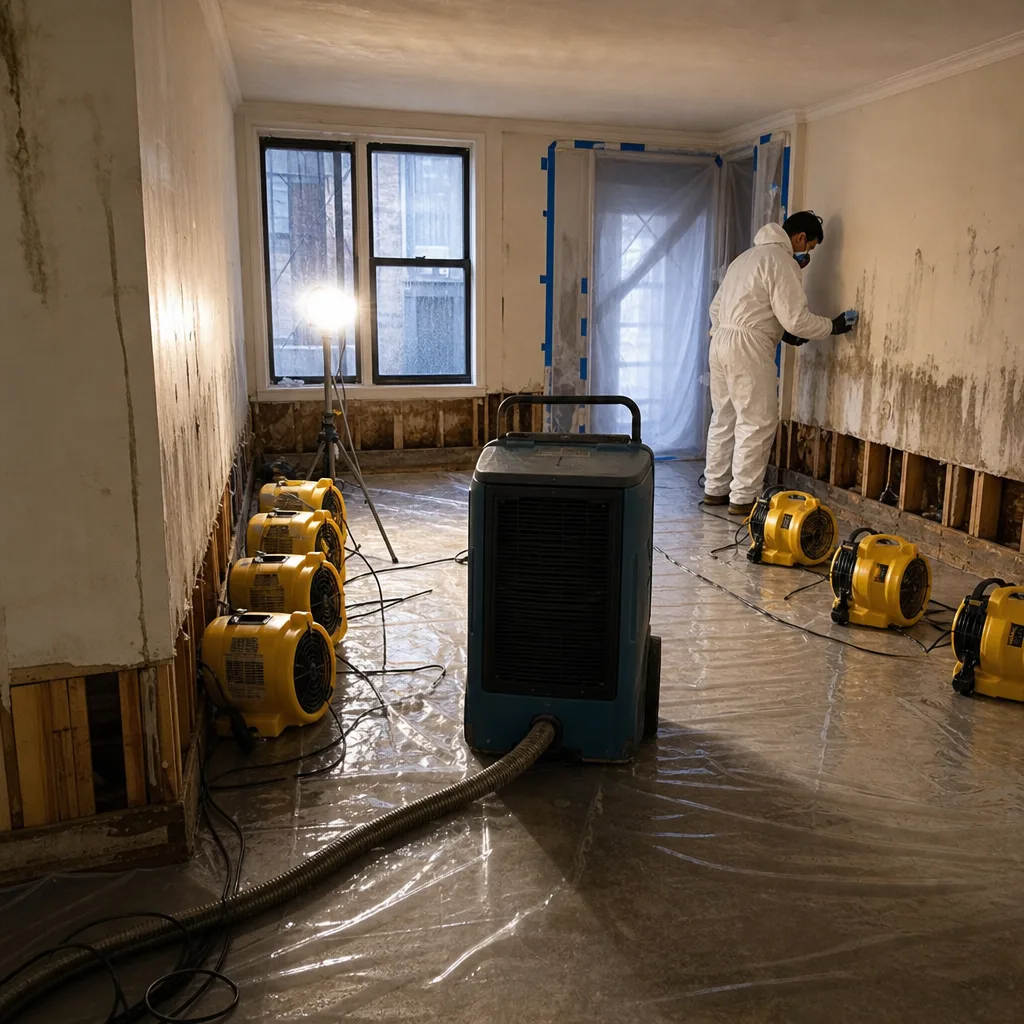
Smoke & Soot Removal
Soot is chemically active. We identify whether it’s dry, oily, or protein-based, then match the cleaning method to the surface and the residue type. We work through apartments room by room, documenting what’s salvageable and what isn’t, so the adjuster sees exactly what we see. Upper Manhattan’s older buildings often have decades of paint and varnish that soot adheres to differently than modern drywall.
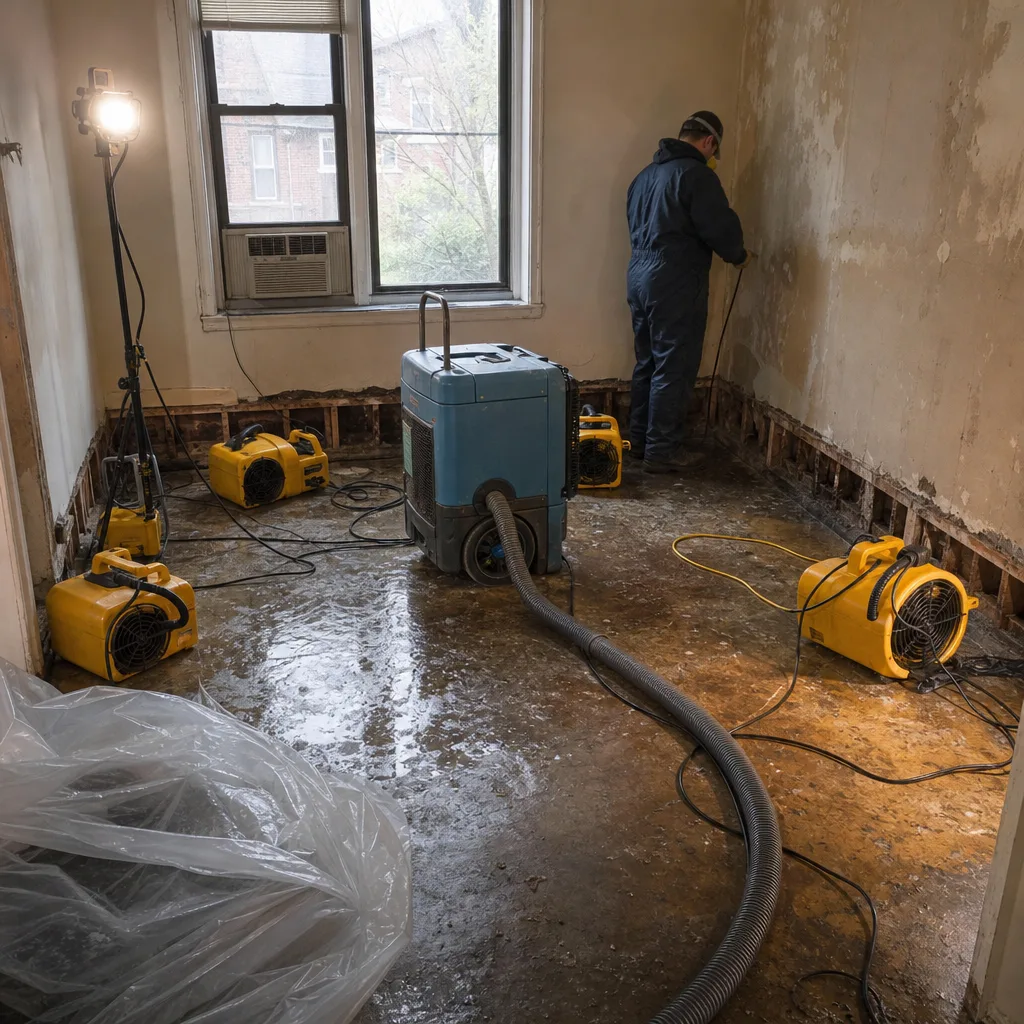
Odor Removal & Deodorization
Cleaning surfaces won’t touch odor trapped in plaster, lath, or the open cavity behind a baseboard. We use thermal fogging where units are vacant and hydroxyl generators where tenants remain, then seal the migration paths through floor bays and pipe chases. In Washington Heights tenements, that sealing matters more than anything else we do.
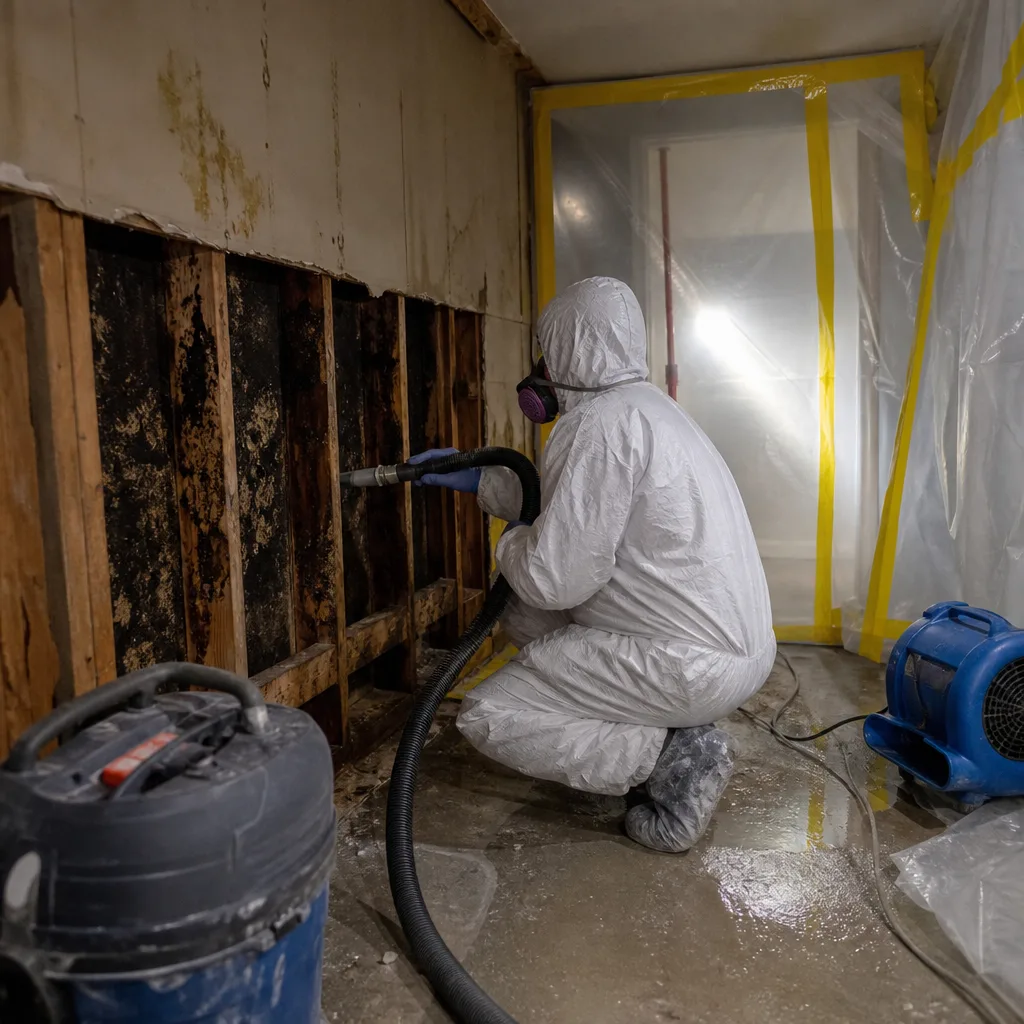
Contents Cleaning & Pack-Out
Furniture, clothing, books, photographs. Soot gets into everything porous. We can clean contents on site or pack them out to our facility for ultrasonic cleaning and ozone treatment. In rent-stabilized apartments, we document an inventory with photos before anything moves, so tenant rights are protected and the insurance scope is indisputable.
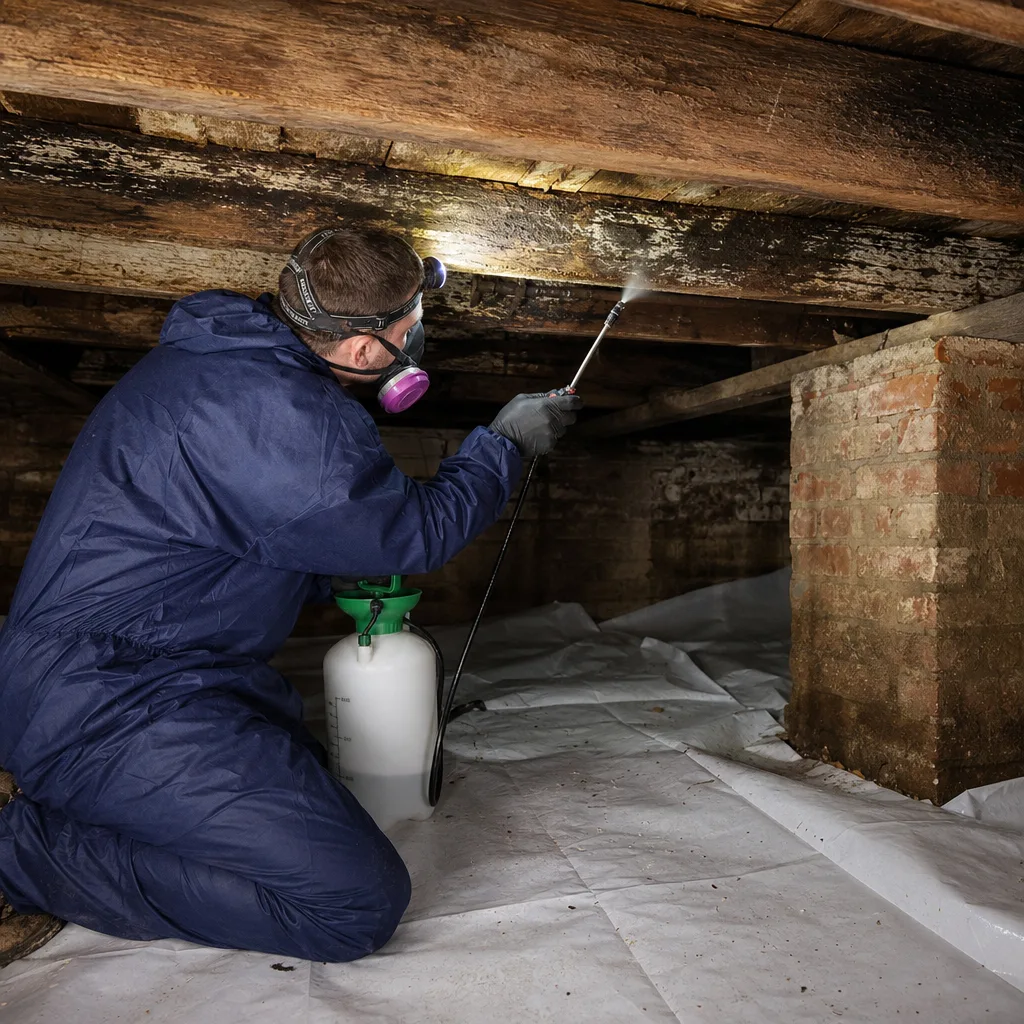
Emergency Board-Up & Tarping
After FDNY clears the scene, a broken window or burned roof opening is an open invitation to weather, theft, and pigeons. We board up and tarp within hours. For Upper Manhattan buildings with street-level exposure on busy avenues, securing the property fast also protects neighbors and pedestrians. This is stabilization work, and it gets done first.
What happens when you call
- 1
A real person answersNo phone trees - you reach a local pro.
- 2
You get an upfront price rangeHonest numbers before anyone is dispatched.
- 3
A background-checked tech heads outLicensed & insured, dispatched right away.
- 4
You approve before work beginsNothing starts until you say go.
Fire & Smoke Damage Restoration Costs in Upper Manhattan, NY
Here are honest ranges for the Upper Manhattan market, based on what we see in pre-war buildings and NYCHA housing. Smoke and soot removal in a single apartment typically runs $2,800 to $6,500, depending on residue type and how many rooms were affected. Full contents pack-out and cleaning for a two-bedroom apartment usually falls between $4,000 and $9,000. Odor removal with sealing of stack chases and floor bays adds $1,500 to $4,000 depending on how many floors smoke traveled. Emergency board-up and tarping runs $800 to $2,500 same day. Structural fire repair is priced by scope, and in this market it often includes lead-safe wall work, which costs more than standard drywall replacement. What moves the price: the fire’s location in the building, how many apartments got smoke, whether lead-paint abatement triggers, and whether NYCHA or private insurance governs the claim. We give free visual inspections, so you get a firm written scope before committing to anything. Call (845) 305-5737 for a no-cost walkthrough and exact numbers.
We Also Serve Cities Near Upper Manhattan
Our Upper Manhattan crews regularly work the adjacent neighborhoods, including the Upper West Side, Morningside Heights, Central Harlem, and East Harlem. If your building sits near the border on 110th Street or along the Harlem River, we’ll get a crew to you just as fast. Same live answer, same written scope, same standard of work.
Serving Upper Manhattan, NY - Our Local Coverage Area
We’re based in the Upper Manhattan area and know this community well. Use the map below to see our service coverage - if you’re nearby, we can almost certainly help.
Upper Manhattan Fire & Smoke Damage Restoration Questions, Answered
Does a fire in a Harlem pre-war walk-up automatically require lead-paint abatement when we open walls for smoke damage?
If the building was built before 1960 and the work disturbs painted surfaces like horsehair plaster, NYC DEP Local Law 1 lead-paint abatement protocols almost always apply. In practice, that means a lead-safe work permit, certified workers, and containment. Many restoration crews skip this. We don’t, because it’s required by law and skipping it exposes you to fines and health risk. Call (845) 305-5737 and we’ll tell you during the inspection whether your building triggers the requirement.
How do you stop smoke odor from migrating through the original cast iron stack chases in a Washington Heights tenement?
Odor travels the same path as the smoke: through unsealed floor bays, around stack penetrations, and inside wall cavities. We seal those pathways with fire-rated materials, then treat the residual odor with thermal fogging or hydroxyl generation. Cleaning alone won’t stop it. The sealing is what prevents the odor from returning in the apartment above yours three weeks later.
Can you pack out and clean contents from a rent-stabilized apartment in Inwood without violating tenant rights?
Yes, and we’ve done it many times. We photograph and inventory every item before it moves, provide copies to the tenant and the landlord, and use a chain-of-custody process for anything that leaves the apartment. The tenant’s rights stay intact because nothing gets disposed of without written approval. This documentation also makes the insurance claim easier to settle.
What’s different about fire damage restoration in a NYCHA building in East Harlem compared to a private co-op?
NYCHA jobs follow municipal procurement and remediation standards with stricter scope documentation and phased approvals. Work that gets rejected for documentation issues delays payment and restoration. We write scopes to NYCHA standards from the start, with line-item detail and daily logs, so the job moves instead of stalling in review. Direct adjuster coordination is standard on these.
After a kitchen fire in a Hamilton Heights brownstone, how fast do you need to start structural drying before mold becomes an issue?
Mold can begin on wet plaster and subfloor within 24 to 48 hours, especially in warm months. In a brownstone with horsehair plaster and original wood joists, the window is about that fast. We aim to have extraction and drying equipment running the same day we’re called. Every day of delay extends the drying time and increases the scope. Call (845) 305-5737 the day the fire happens.
How fast can you actually get to an Upper Manhattan fire damage call?
We commit to a 45-minute response time for emergency calls in Upper Manhattan. Our crews are staged across the area, and our dispatch is live around the clock. In most cases the first truck reaches your building within the hour, and containment or board-up starts the same visit. You’ll speak to a real person the whole time, not an answering service.
Will my insurance cover fire and smoke damage restoration in a pre-war building?
Most policies cover fire and smoke damage, but coverage differs sharply between a condo policy, a co-op’s building policy, a renter’s policy, and NYCHA’s municipal process. The age of the building can raise questions about lead-paint abatement and code upgrades, which some policies exclude. We bill directly, provide room-by-room photo documentation, and speak directly with your adjuster. Call us at (845) 305-5737 and we’ll help you understand what your policy is likely to cover before work starts.
What should I do in the first 30 minutes after a fire in my Upper Manhattan apartment?
First, don’t re-enter until FDNY says the building is safe. Then call your insurer to open a claim, and call us at (845) 305-5737. Don’t wipe soot off walls with water or household cleaners; that can set the residue and make restoration harder. Don’t turn on ceiling fans or HVAC, which spreads soot through the building. Keep foot traffic to a minimum. We’ll handle the rest from the first inspection onward.
Curt Bowman founded Floodline Restoration Co. in 2010 around a dispatch board, not a sales desk. Today the company serves Upper Manhattan with the same steady approach: a live answer, a written scope, a certified crew, and the 90-Day Done Right Promise behind every job. If you’re standing in a smoke-damaged apartment in Harlem, Washington Heights, Inwood, or East Harlem, call (845) 305-5737 for a free inspection. We’ll be there when we say, and we’ll stand behind the work.
Written by Curt Bowman, Owner at Floodline Restoration Co., serving Upper Manhattan, NY.