

Free visual inspection and a written scope of work before any mitigation begins - photos, moisture readings, and drying logs go in your claim file
The scope we write is the scope we bill. Anything new gets shown to you, in writing, before we touch it.
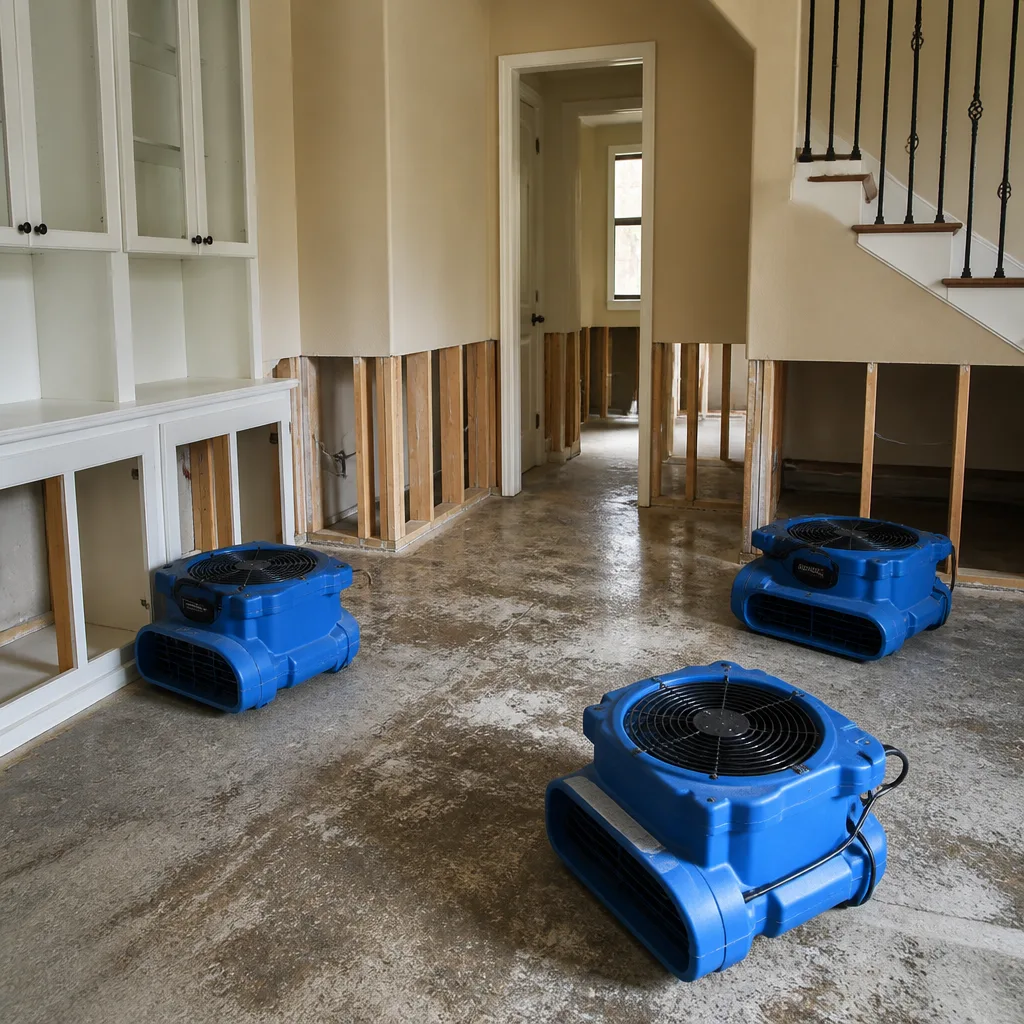
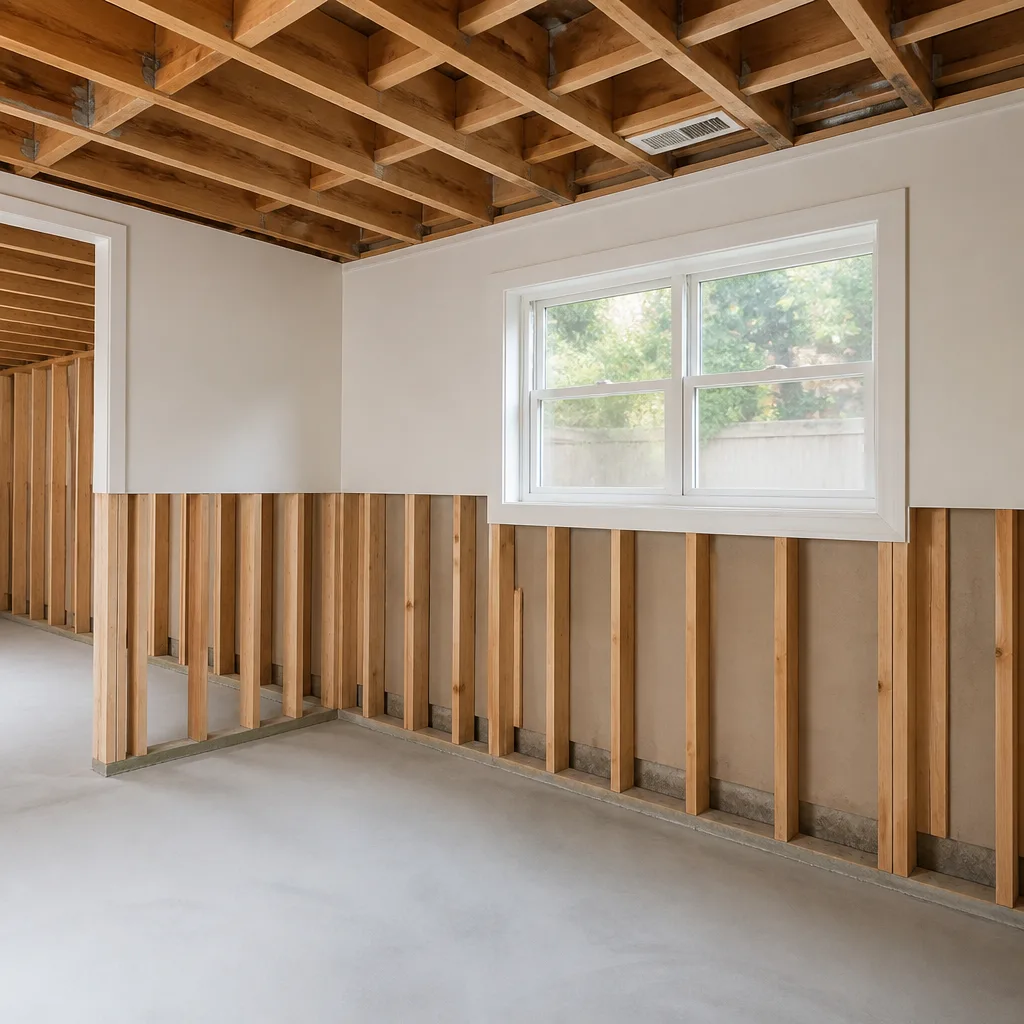
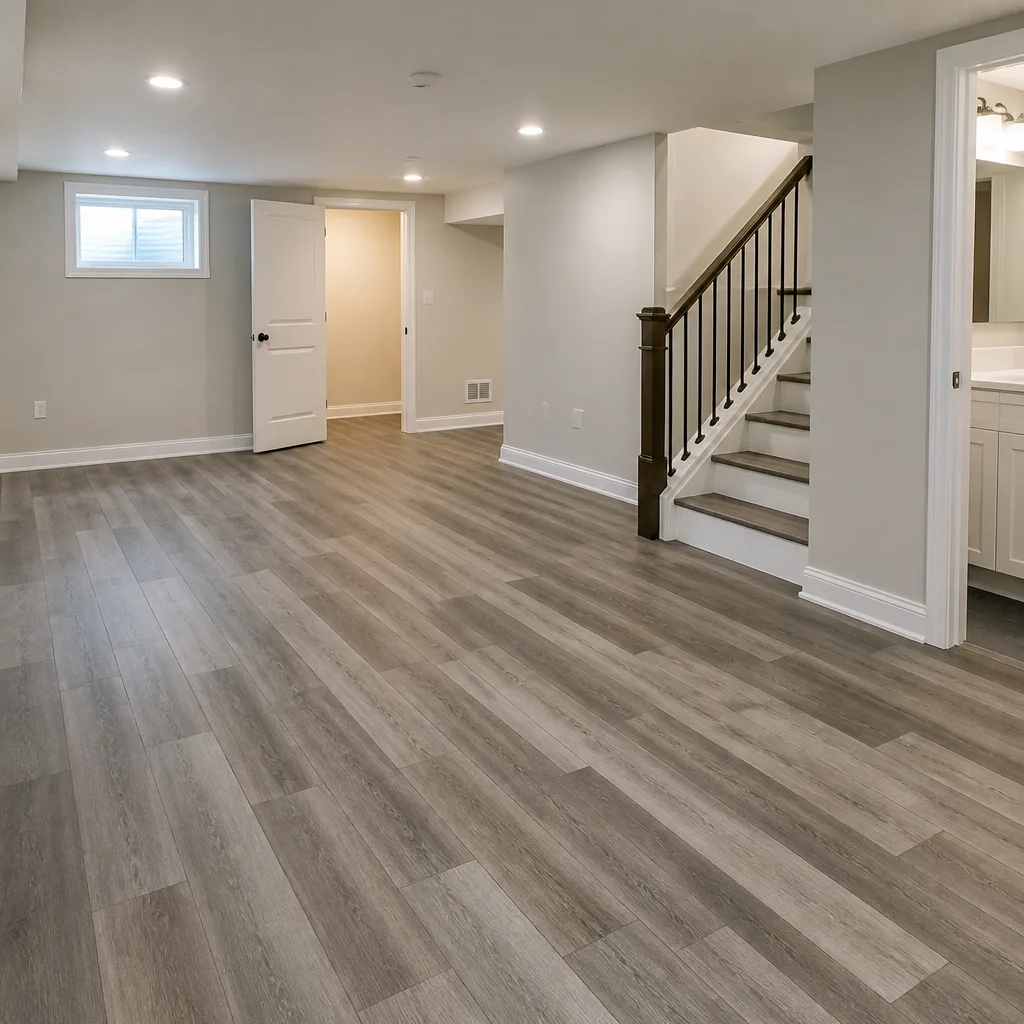
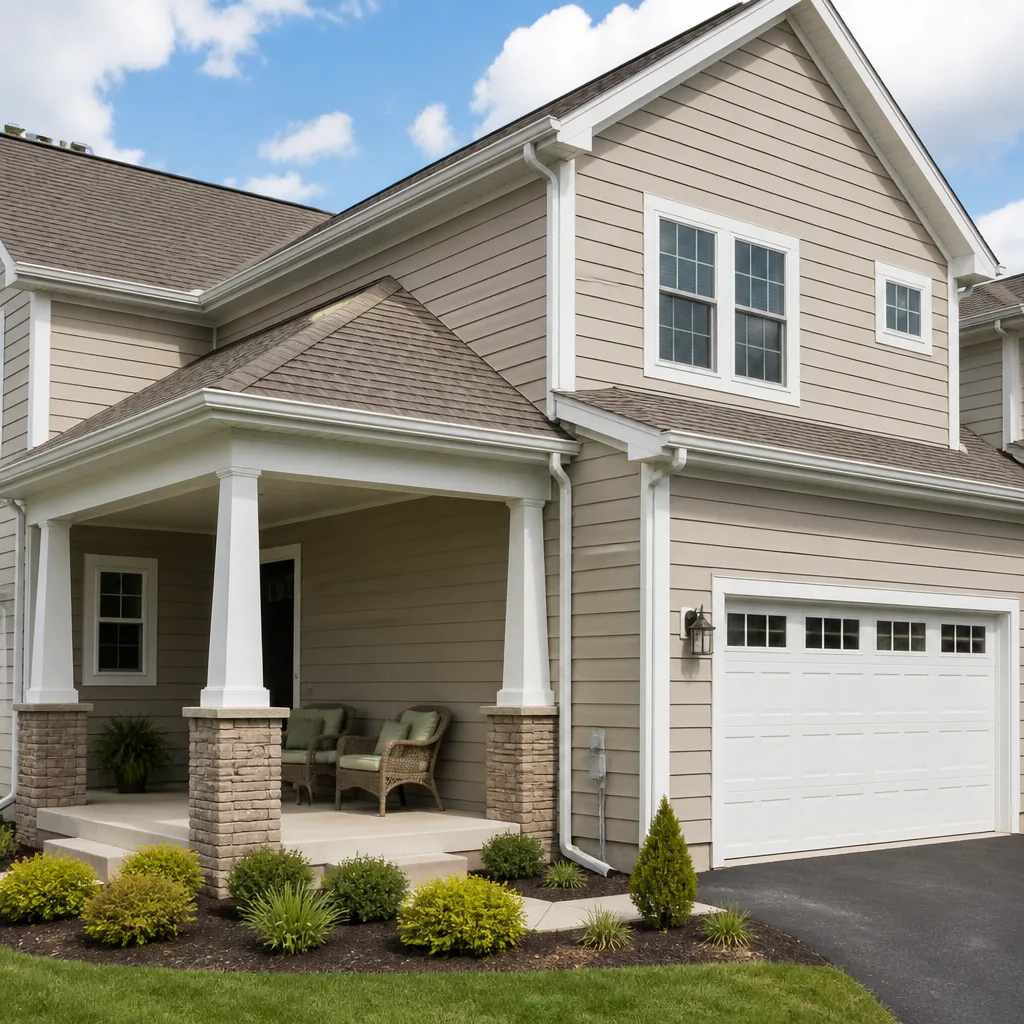
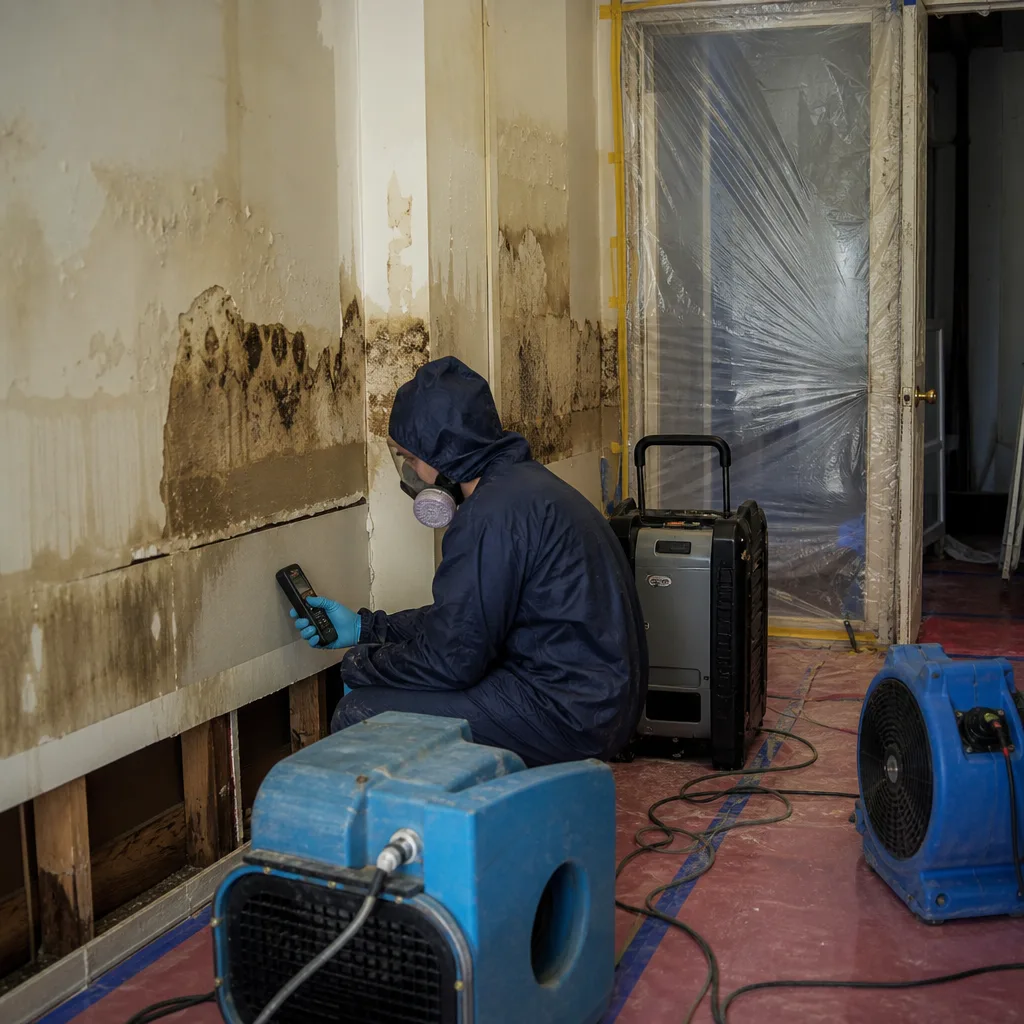 Before
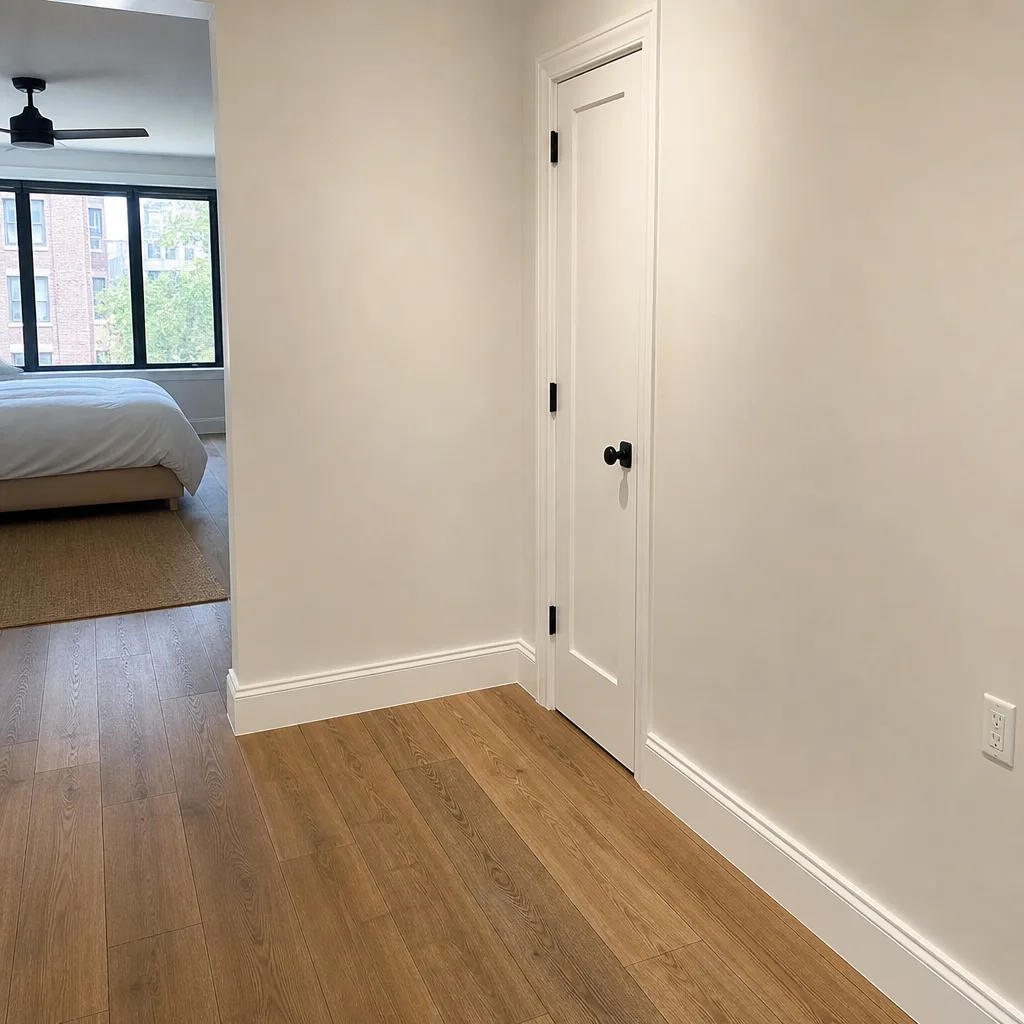 After
After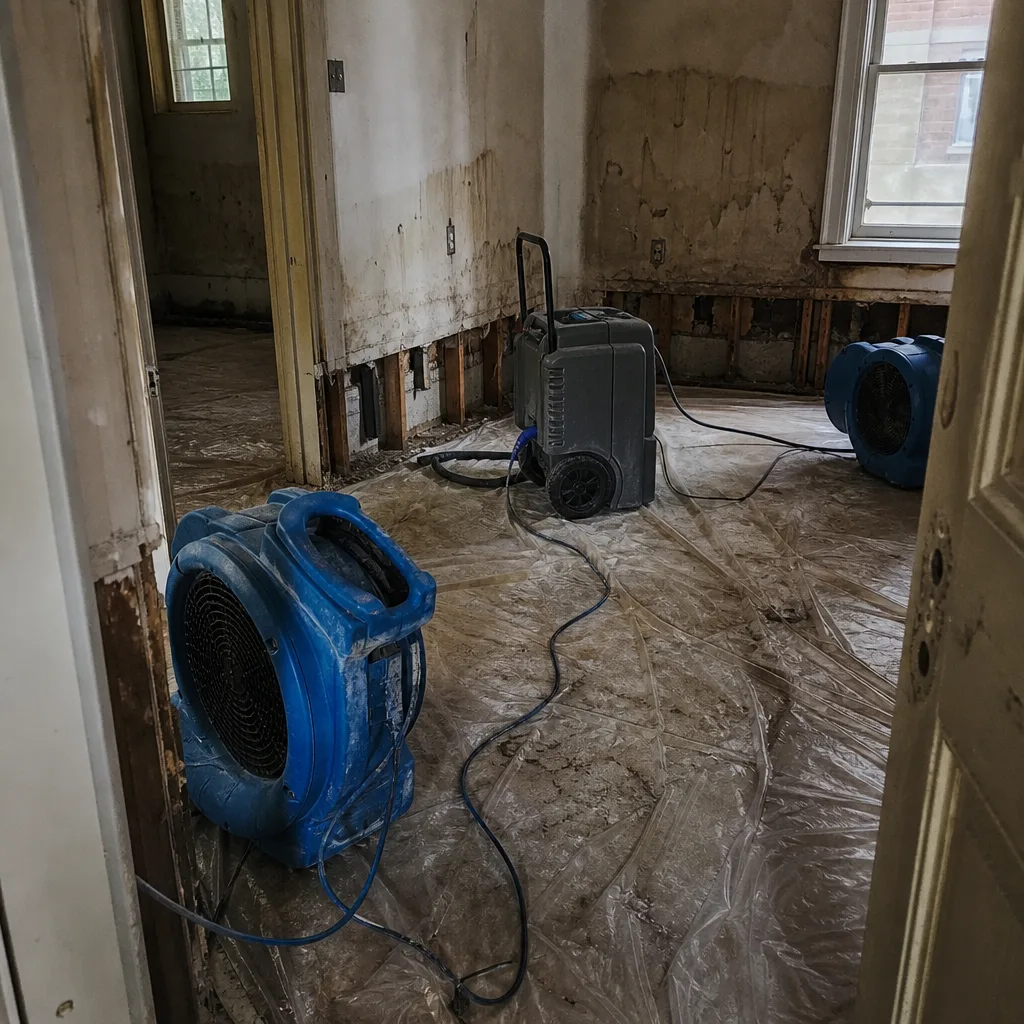 Before
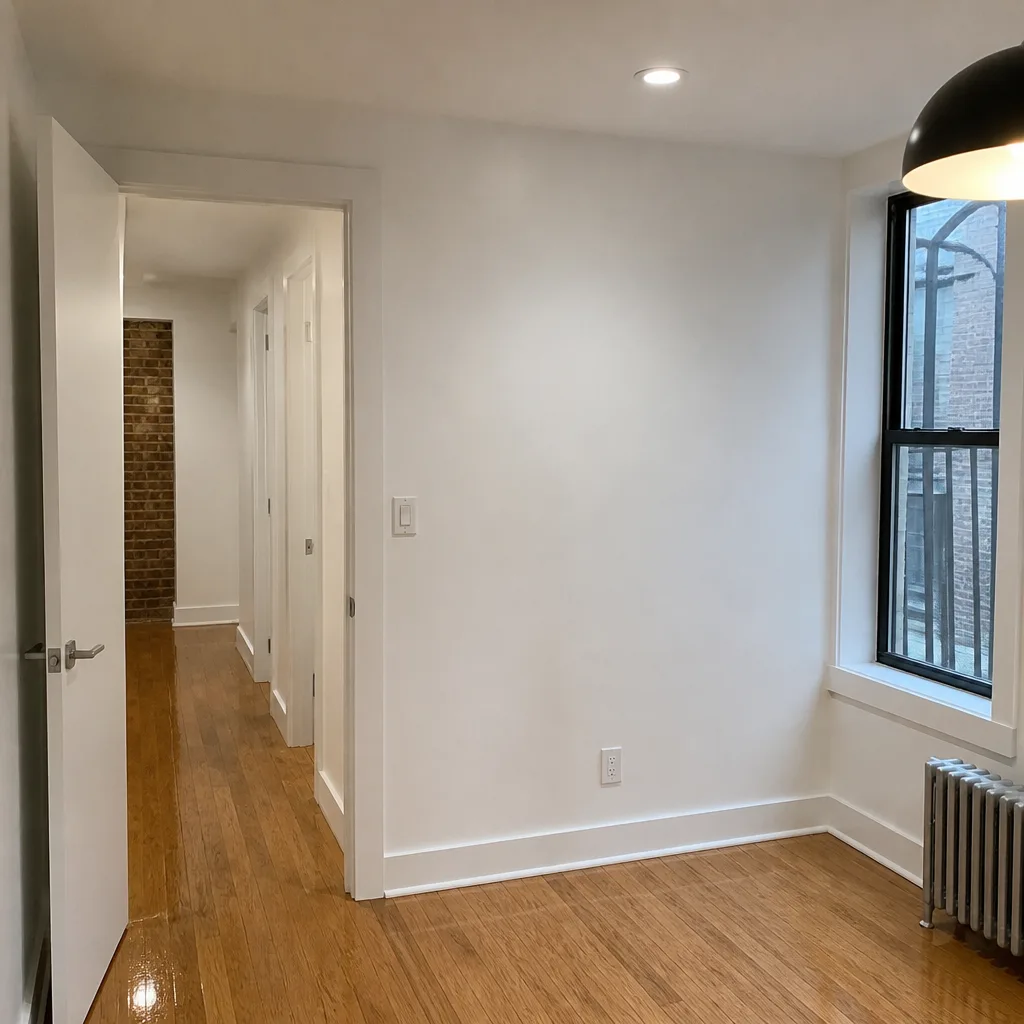 After
After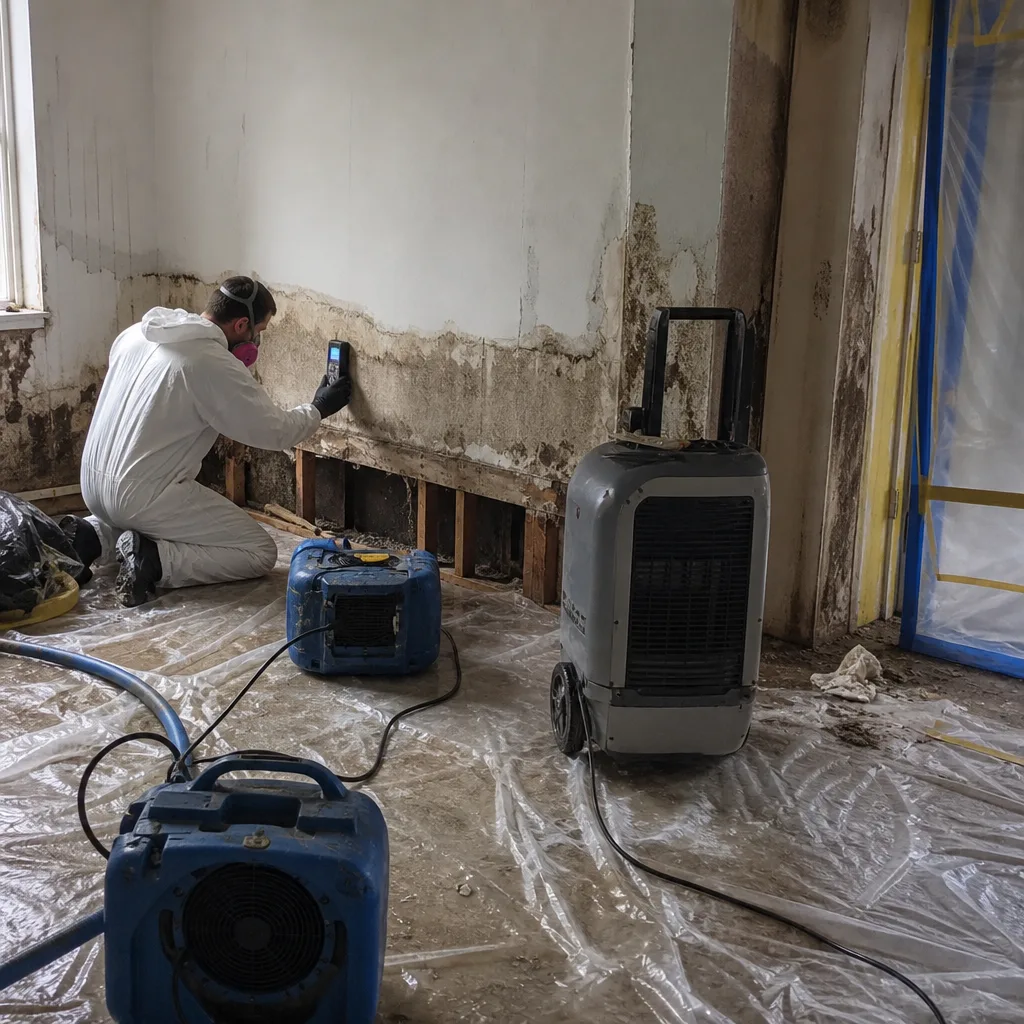 Before
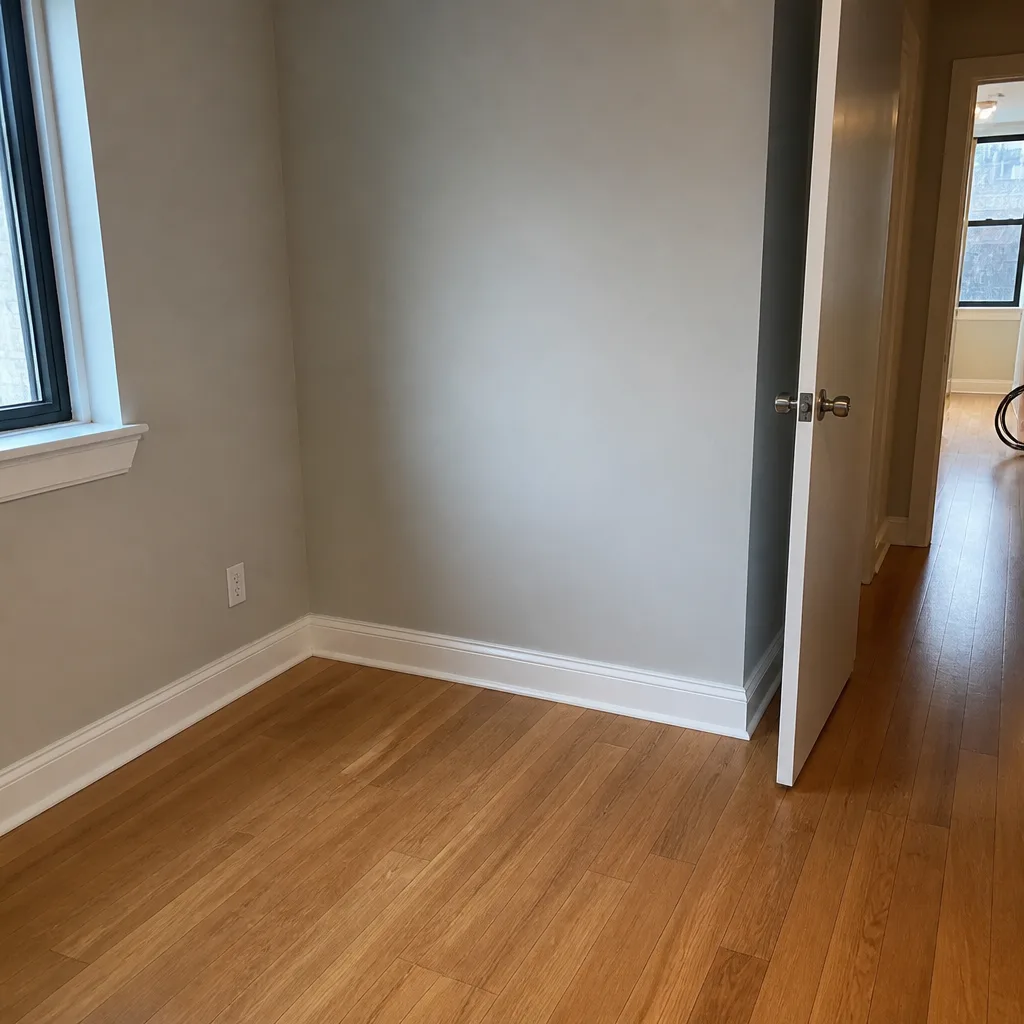 After
After24/7 Emergency Storm & Disaster Restoration in Harlem
Storm damage in Harlem doesn’t wait for business hours, and neither do we. A severe nor’easter or flash flood can tear off roofing, push water through old masonry, and leave a brownstone open to the elements within minutes. That’s why our crews are dispatched across Harlem, from Morningside Heights to Central Harlem, around the clock. Call (845) 305-5737 and a live dispatcher answers, day or night. We’ll have a certified crew on the way immediately, with a free visual inspection before any work begins. When water is moving through a 1920s tenement, the first hour determines whether you’re drying plaster or replacing it.
Understanding Storm & Disaster Restoration Severity in Harlem Properties
Storm damage in Harlem splits into three categories of water, and knowing which one you’re dealing with changes everything about the restoration. Category 1 is clean water from a broken supply line or rainwater entering through a fresh roof breach. Category 2 carries significant contamination from sump failures or gutter overflow pushing soil and debris inside. Category 3 is grossly contaminated water from street flooding, sewage backup, or the Harlem River and Hudson River tributary surge during coastal storms. In a pre-war brownstone or old-law tenement, category 2 or 3 water wicks into plaster walls, climbs through shared plumbing chases, and can migrate into the party wall between rowhouses before anyone realizes the scope. Our technicians use moisture mapping and thermal imaging to trace that migration. It’s the only way to know if the water stopped at your wall or kept going into the building next door. That’s why we don’t do visual-only estimates on water losses in Harlem. The water you can’t see is the water that turns to mold in 48 hours.
Why Harlem Property Owners Choose Floodline Restoration Co.
- 45-minute response commitment: Once your call comes in, a crew from our metro office is dispatched and typically reaches most Harlem addresses within 45 minutes. When water is active, speed is the only thing that limits secondary damage.
- A live person answers, 24/7: No answering service, no automated prompts. A dispatcher who knows restoration picks up at 2 a.m. and starts the response. You’ll never be told to leave a message.
- IICRC-certified crews: Our technicians hold WRT, FSRT, and AMRT certifications through IICRC, with additional training through RIA and IFA. They’re background-checked, uniformed, and they know how to read a 1920s building.
- Free visual inspection: We assess the damage, map the moisture, and walk you through what we found before any invoice is generated. You’ll know the scope and the plan.
- Direct insurance billing: We bill your carrier directly and hand them the documentation they need: photos, moisture logs, line-item scope. You’re never the messenger between us and your adjuster.
- One team, start to finish: The same certified crew that extracts water on day one handles the drying, the reading of moisture maps, and the full reconstruction. No mid-job handoff to a subcontractor you’ve never met.
Our Storm & Disaster Restoration Process
Inspection & Assessment
We arrive, we look, we map. Moisture meters, thermal imaging, and hygrometers tell us exactly where the water went. For a Harlem rowhouse, that means checking party walls, floor cavities, and the back of plaster that looks dry but isn’t. You get a clear, written scope before we touch anything.
Extraction & Stabilization
Standing water comes out first, using truck-mounted extraction units and submersible pumps. We also stabilize the building: emergency board-up, roof tarping, and temporary shoring if wind damage has compromised the structure. This is the step that stops the loss from getting worse.
Drying & Dehumidification
Commercial dehumidifiers and air movers go in, targeting the moisture we mapped. In Harlem’s plaster-walled buildings, this phase takes days, not hours, and it’s dictated by daily moisture readings. We log every reading and share the log with you and your insurer.
Cleaning & Sanitization
After the building reaches dry standard, surfaces get cleaned and sanitized through our Sanitization Services in Harlem. For category 3 water, that includes antimicrobial treatments and controlled demolition of saturated porous materials. HEPA air scrubbers run during this phase to keep airborne contaminants out of your living space.
Mold & Contaminant Control
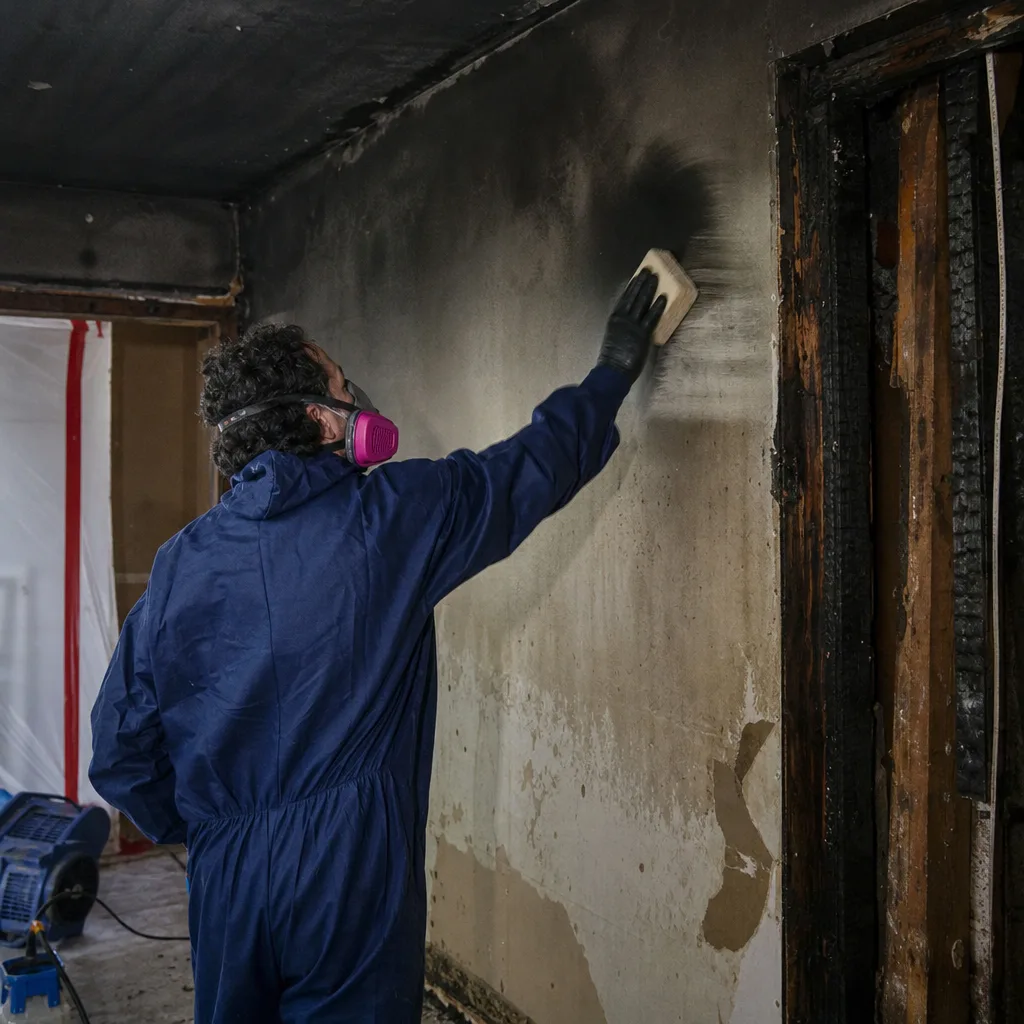
If moisture has sat in a cavity for more than 48 hours, mold is a real possibility. We run containment with negative air pressure, scrub the air, and remove affected materials under protocol. Clearance testing follows, so you know the air is clean before we rebuild.
Repairs & Restoration
This is where most storm restoration companies stop. We don’t. We handle Reconstruction & Cleanup in Harlem, rebuilding the lathe and plaster, replacing cast-iron drain stacks if they failed, re-hanging original wood windows where LPC allows, and bringing your Harlem home back to pre-loss condition. Done right, and backed in writing.
Need Emergency Storm & Disaster Restoration in Harlem Now?
Crews minutes away, answering live 24 hours a day. The sooner we start, the less it costs.
Working With Your Insurance Company
Storm and flood claims in Harlem can get complicated fast, especially when a single loss spans three units and two ownerships, which happens often on our rowhouse blocks. We document from the first hour. Photos of every room, moisture readings, equipment placement, daily drying logs. We build a line-item scope of work in the format adjusters recognize, then we deal with your carrier directly. You don’t chase the adjuster. You don’t translate restoration language for the claims department. We handle it. What we hand your insurer is thorough documentation of the loss, room-by-room photos, moisture readings and drying logs, a detailed line-item scope, and direct communication with your adjuster.
What We Provide Your Insurer
- Thorough documentation of the loss
- Photos of all damage, room by room
- Moisture readings and drying logs
- A detailed, line-item scope of work
- Direct coordination with your carrier
Built for Harlem’s Loss Calendar
Harlem’s storm damage has a seasonal rhythm, and we’ve learned it over 42 years of serving local communities. January and February bring the freeze-thaw cycle that bursts aging galvanized supply lines in pre-war rowhouses, flooding stacked apartments vertically through shared plumbing chases. A single freeze in a Mount Morris Park brownstone can mean water in four or five units before a shut-off valve is found. Spring brings basement seepage as saturated ground pushes into old stone foundations along Adam Clayton Powell Jr. Boulevard and Frederick Douglass Boulevard corridors. Summer thunderstorms deliver flash flooding that overwhelms aging combined sewers in lower-lying blocks, sending category 3 water into basements and garden apartments. Fall and early winter are nor’easter season, with wind-driven rain finding every gap in old cornice work and original roof membranes. This is the calendar we staff for, with crews on standby when the temperature drops and the wind picks up.
Storm & Disaster Restoration Across Harlem’s Neighborhoods
Harlem is not one place. It’s Central Harlem’s commercial corridors and side-street brownstones, Hamilton Heights’ landmarked districts, Morningside Heights’ larger co-op buildings, and the old-law tenements of East and West Harlem. Each has a different loss pattern. Central Harlem rowhouses on 130s side streets share party walls, so one building’s water loss migrates next door. Hamilton Heights and Jumel Terrace sit inside or adjacent to LPC historic districts, meaning any exterior repair or removal of character-defining interior materials requires landmark sign-off before we can do more than stabilize. The tenements along Lenox Avenue and Malcolm X Boulevard are built with narrow, shared plumbing chases; a burst pipe on the fifth floor is a four-unit flood by morning. Our crews route through 125th Street, the West Side Highway, and the Harlem River Drive to cut response time. We know which blocks take 20 minutes to reach and which take 45 at rush hour. That’s local knowledge, and it’s the difference between a wet basement and a rebuilt one.
Specialized Storm & Disaster Restoration Services We Offer in Harlem
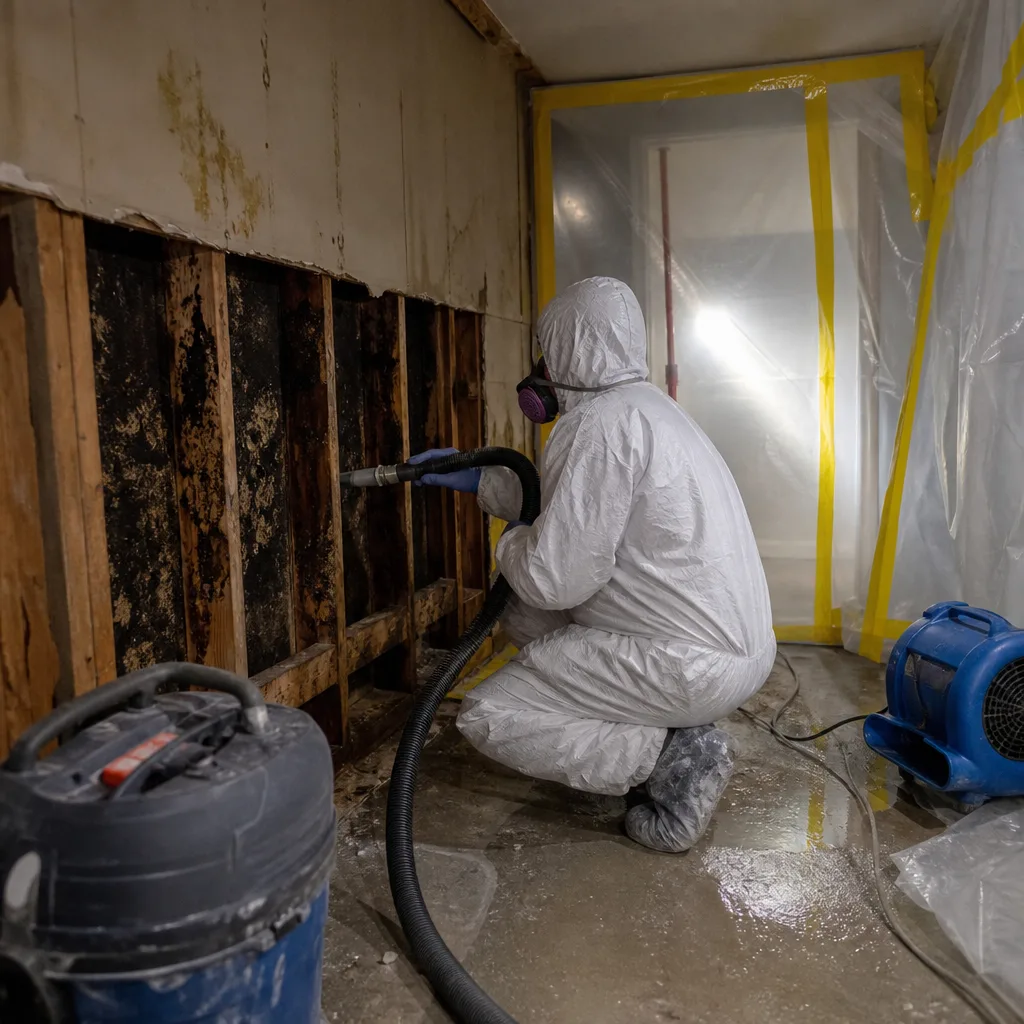
Storm Damage Cleanup
After a nor’easter or severe thunderstorm passes, you’re left with downed tree limbs, broken glass, soaked debris, and water pushed under doors and through masonry. We clear the mess, extract the water, and start drying before mold gets a foothold. In Harlem, that often means navigating narrow side streets with equipment that fits between parked cars and brownstone stoops.
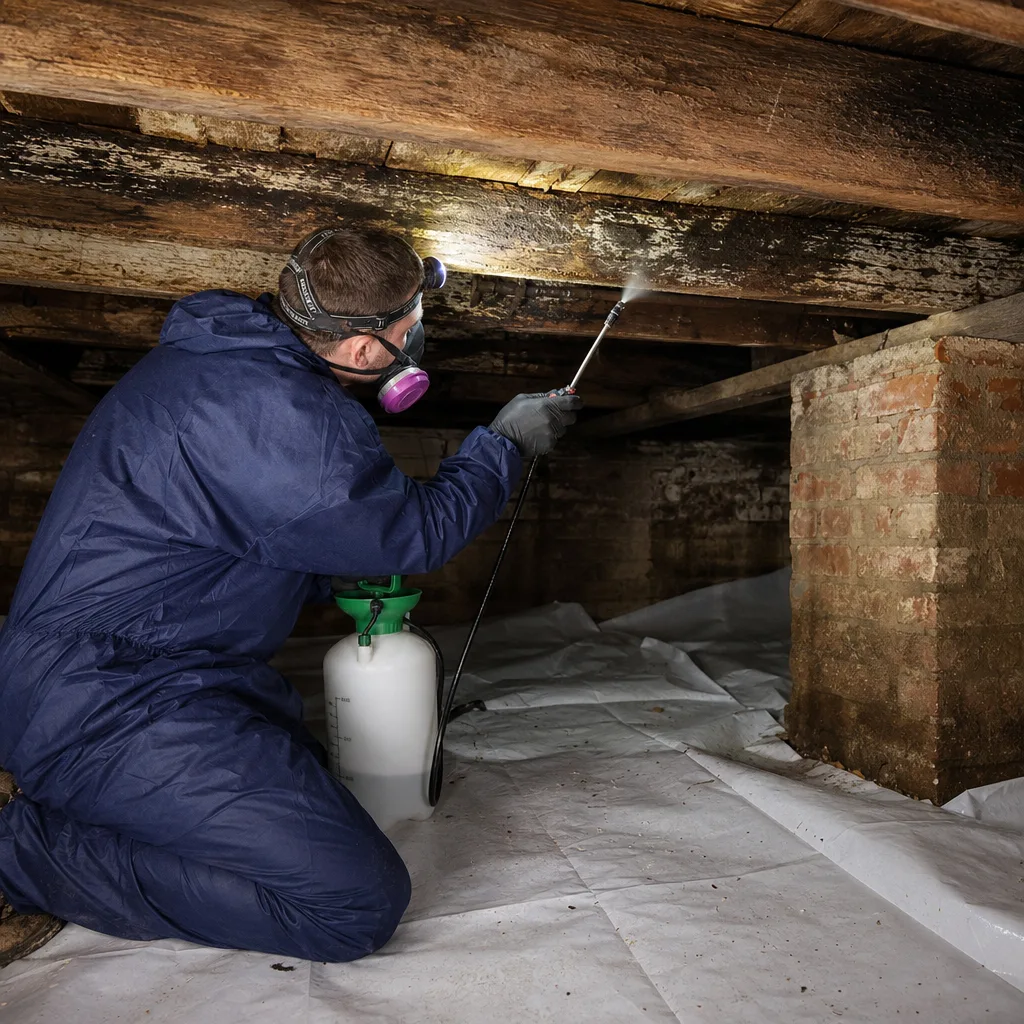
Flood Damage Restoration
Flood water in Harlem is almost never clean. Whether it comes from a Harlem River surge, street flooding, or a failed sump pump in a garden apartment, we treat it as contaminated until testing proves otherwise. Our Storm & Disaster Restoration team extracts, dries, sanitizes, and rebuilds, with daily moisture readings until the dry standard is met.
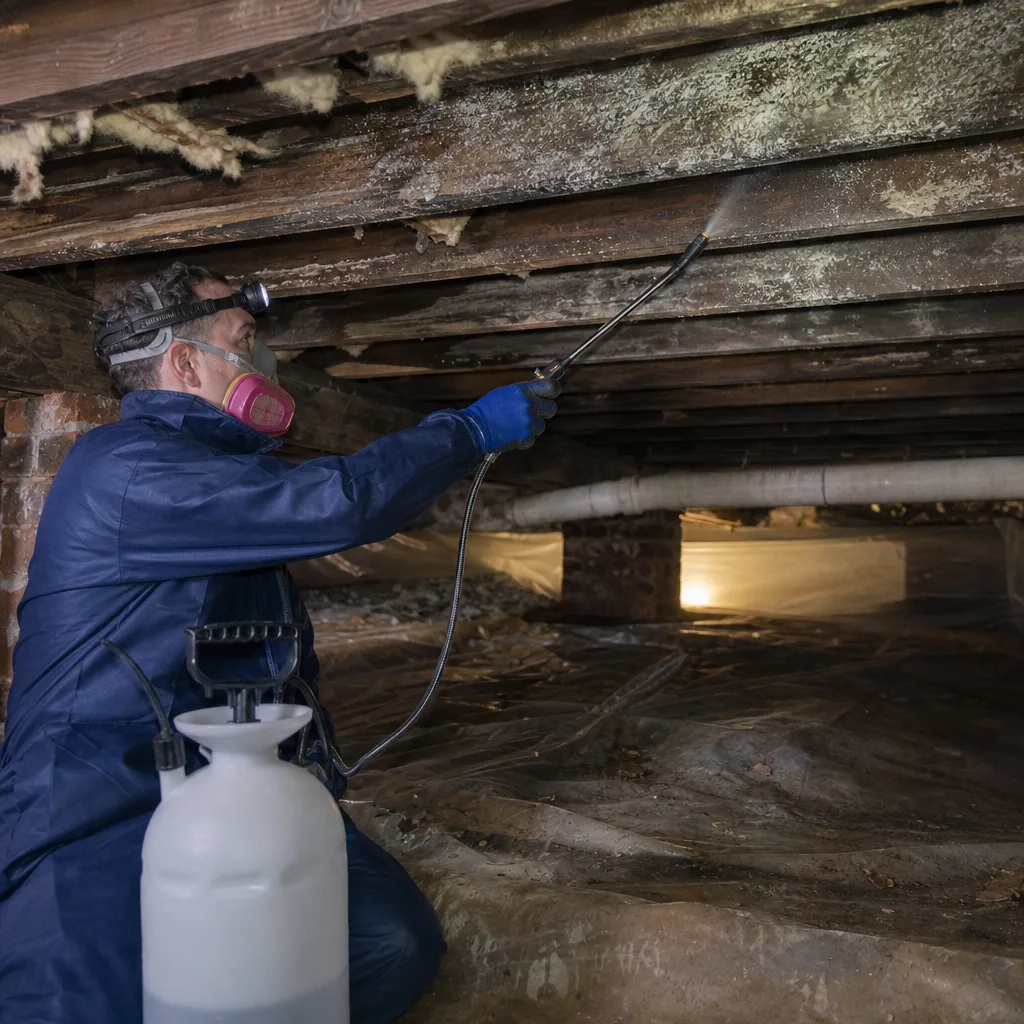
Emergency Board-Up
A broken window on the first floor of a Harlem brownstone is an invitation, and so is a storm-pried door frame. We board up with plywood, secure the opening, and document everything for your insurer. Same visit, same crew. For buildings in LPC districts, we can do this as stabilization without triggering landmark review, because it’s temporary and reversible.
Roof Tarping
Wind damage to old cornice work or flat roof membranes lets water into the top-floor units before anyone sees it. We tarp the roof to stop the active leak, then assess what needs repair. In Harlem’s historic districts, the tarp buys time while LPC reviews the permanent fix. That’s fine. The important thing is that no more water enters the building.
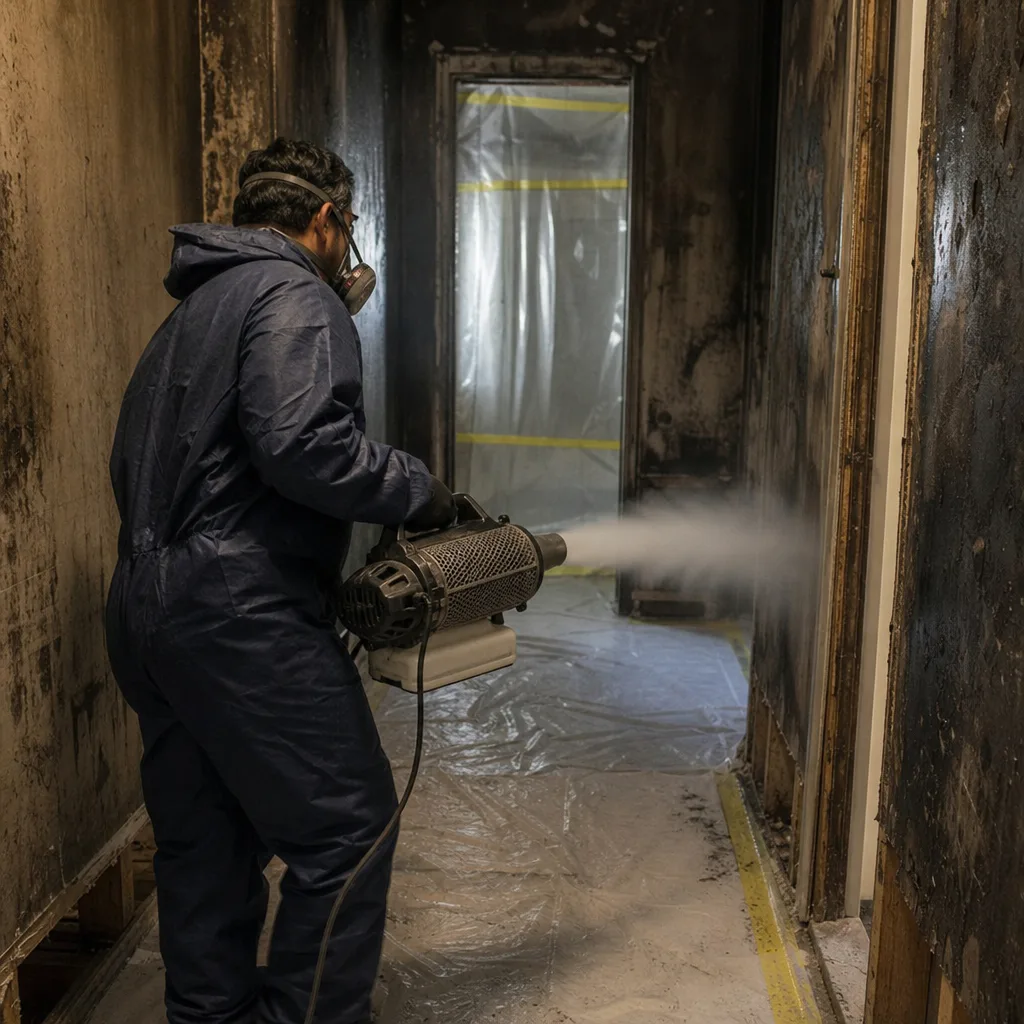
Debris Removal
Fallen masonry, torn-off slate, broken timbers, soaked insulation. Storm debris is more than an eyesore; it’s a hazard and often a code issue. We remove it, sort it where required for lead and asbestos handling, and get your property safe and passable again. In Harlem’s old-law and new-law tenements, debris that sat for decades may be hiding lead paint or asbestos wrap. We handle it properly.
What happens when you call
- 1
A real person answersNo phone trees - you reach a local pro.
- 2
You get an upfront price rangeHonest numbers before anyone is dispatched.
- 3
A background-checked tech heads outLicensed & insured, dispatched right away.
- 4
You approve before work beginsNothing starts until you say go.
Storm & Disaster Restoration Costs in Harlem, NY
You deserve real numbers, so here they are. A basic emergency board-up in Harlem runs $300-$600 depending on the number of openings. Roof tarping runs $500-$1,200 for most brownstone roofs. Debris removal starts around $400 and climbs with volume and whether hazmat handling applies. Flood damage restoration is the big variable: a single-unit water loss with extraction and drying runs $3,000-$8,000. A multi-unit vertical flood in a subdivided tenement can reach $30,000-$80,000 once drying, pack-out, controlled demolition, and reconstruction are counted. What moves the price most in Harlem is the age of the building. Plaster walls are harder to dry than drywall. Cast-iron stacks that crack during the loss become a plumbing job on top of a restoration job. LPC review adds time, and time adds secondary damage if the building isn’t drying while you wait. Your insurance covers most of this in a covered peril. The flat $250 out-of-pocket deductible usually applies. Our free visual inspection gives you a firm scope and a real number before you commit to anything. Call (845) 305-5737 and we’ll walk you through it.
We Also Serve Cities Near Harlem
Our crews work throughout Upper Manhattan and nearby communities, including the Storm & Disaster Restoration in Harlem area, Upper West Side, Morningside Heights, and Central Harlem. If you’re in one of these neighborhoods and water is moving, call us. We’ll be there.
Harlem Storm & Disaster Restoration Questions, Answered
What makes storm and flood restoration in Harlem different from other Manhattan neighborhoods?
Harlem’s housing stock is almost entirely pre-1940 construction, which means nearly every water loss triggers NYC DEP lead and asbestos protocols, and many buildings sit in LPC historic districts like Mount Morris Park, Hamilton Heights, and Jumel Terrace that require landmark review before permanent repairs. A restoration contractor in Harlem has to hold active drying and demolition while waiting for both hazmat clearance and LPC approval. That dual-compliance burden doesn’t exist in most of Manhattan.
How do you handle water migration into adjoining brownstones on a shared party wall?
We moisture-map the party wall, not just the unit where the loss started. If water has migrated into the adjoining property, we document it, notify both owners, and coordinate scopes with both insurance carriers. The damage belongs to two properties, but the drying is one job. We treat it that way from the first hour.
Can category 2 or 3 water damage in old-law tenements be dried without removing plaster?
Sometimes, but not usually. Plaster is not like drywall; it’s thicker, denser, and it traps moisture against the lath and studs behind it. In many Harlem tenements, category 2 or 3 water behind plaster means controlled removal of the plaster, drying of the cavity, and rebuilding. We make that call with moisture meters and thermal imaging, not a guess.
What happens if LPC landmark approval delays are prolonging my Harlem restoration?
You keep drying. LPC review can take weeks, but moisture doesn’t wait. We run stabilization, keep the equipment running, log daily readings, and hold the restoration of character-defining elements until the approval comes through. We coordinate with LPC, your adjuster, and DEP so nothing sits wet while paperwork moves.
Do you need to do asbestos abatement before structural drying in a 1920s Harlem rowhouse?
Not always before drying, but usually before demolition. Asbestos in plaster, pipe wrap, and flooring is common in pre-war Harlem buildings. When we need to open a wall or remove materials, we test first. If asbestos is present, abatement happens before we disturb it. Drying can often proceed alongside, as long as we’re not creating a release hazard.
How quickly can you actually get to my Harlem property?
We commit to a 45-minute response. Most Harlem addresses are within that window from our metro dispatch, but traffic over the 125th Street corridor at rush hour can add time. If water is flowing, we tell you exactly when we’ll be there when you call. And a live person answers the phone every single time.
Is storm damage covered by my insurance?
Wind, hail, and most storm-related damage are covered perils on a standard homeowners policy. Flood damage from rising water requires separate flood insurance. We handle both. We’ll review your policy, document the loss correctly for the covered peril, and bill your carrier directly where coverage applies.
What should I do in the first 30 minutes after storm damage in Harlem?
Call us. Then, if you can do so safely, shut off electricity to affected areas and place a tarp or bucket under active leaks. Don’t use a wet-vac on category 2 or 3 water; you can spread contamination and create a Biohazard & Crime Scene Cleanup - Harlem situation. Don’t open walls. Don’t turn on HVAC if the system may have drawn in contaminated water. We’ll be there fast, and we’ll take it from there.
Serving Harlem, NY - Our Local Coverage Area
We’re based in the Harlem area and know this community well. Use the map below to see our service coverage - if you’re nearby, we can almost certainly help.
The Dual-Compliance Reality of Harlem Restoration
Here’s the thing no generic restoration guide tells you about storm and flood work in Harlem. You’re dealing with two regulatory layers stacked on top of each other, and they don’t move at the same speed. Nearly every Harlem building predates 1940, which means any disturbance of painted surfaces, old pipe wrap, or insulation can trigger NYC DEP’s lead and asbestos abatement requirements. At the same time, if you own in Mount Morris Park, Hamilton Heights, Jumel Terrace, or another LPC historic district, any replacement of exterior materials or character-defining interior elements needs Landmarks Preservation Commission review before it can proceed. So you have a situation where a contractor has to stop active restoration work while waiting for hazmat clearance from one agency and landmark approval from another. That means the building has to be stabilized, kept dry, and held in a state of readiness while the paperwork moves. Most restoration companies aren’t built for that. They want to tear out, dry, and move on. When they hit a stop-work order in an LPC district or a DEP clearance hold, they leave equipment sitting idle and walk away. We don’t. We’ve been doing this long enough to anticipate the regulatory roadblock and sequence the work around it. It’s not about working faster. It’s about knowing what’s coming and planning the job so nothing saturates and molds while you’re waiting on the approval meeting.
We learned this early. During a January freeze-thaw cycle, our crew responded to a burst galvanized supply line in a Mount Morris Park brownstone on 121st Street that had flooded four units vertically through a shared plumbing chase. After emergency water extraction and structural drying, we held restoration of the plaster walls and cast-iron drain stacks while coordinating with DEP abatement and LPC review for the original wood windows and interior lath. We restored the units to pre-loss condition within the agency-mandated timeline. That’s how the work actually goes in Harlem. Not a race to demolition. A sequence that respects the building, the agencies, and the people who live there.
And the party-wall problem is real. On Harlem’s tightly-packed rowhouse blocks, a water loss in one brownstone almost always migrates into the adjoining building. The shared masonry soaks up water and passes it through. We arrive to find two or three separately-owned properties with active damage. That means coordinated scope documents, multi-party insurance adjusters, and negotiated access agreements before demolition can even begin. If the restoration company isn’t used to that, the job stalls and the damage spreads. We’ve handled it more times than we can count. It’s part of working in Harlem.
If you have storm or flood damage in Harlem, don’t wait to see what dries on its own. Call (845) 305-5737 for a free estimate. A live person answers. We’ll be there when we say. And the work will be done right, backed in writing by the 90-Day Done Right Promise.
Written by Curt Bowman, Owner at Floodline Restoration Co., serving Harlem and Upper Manhattan.