
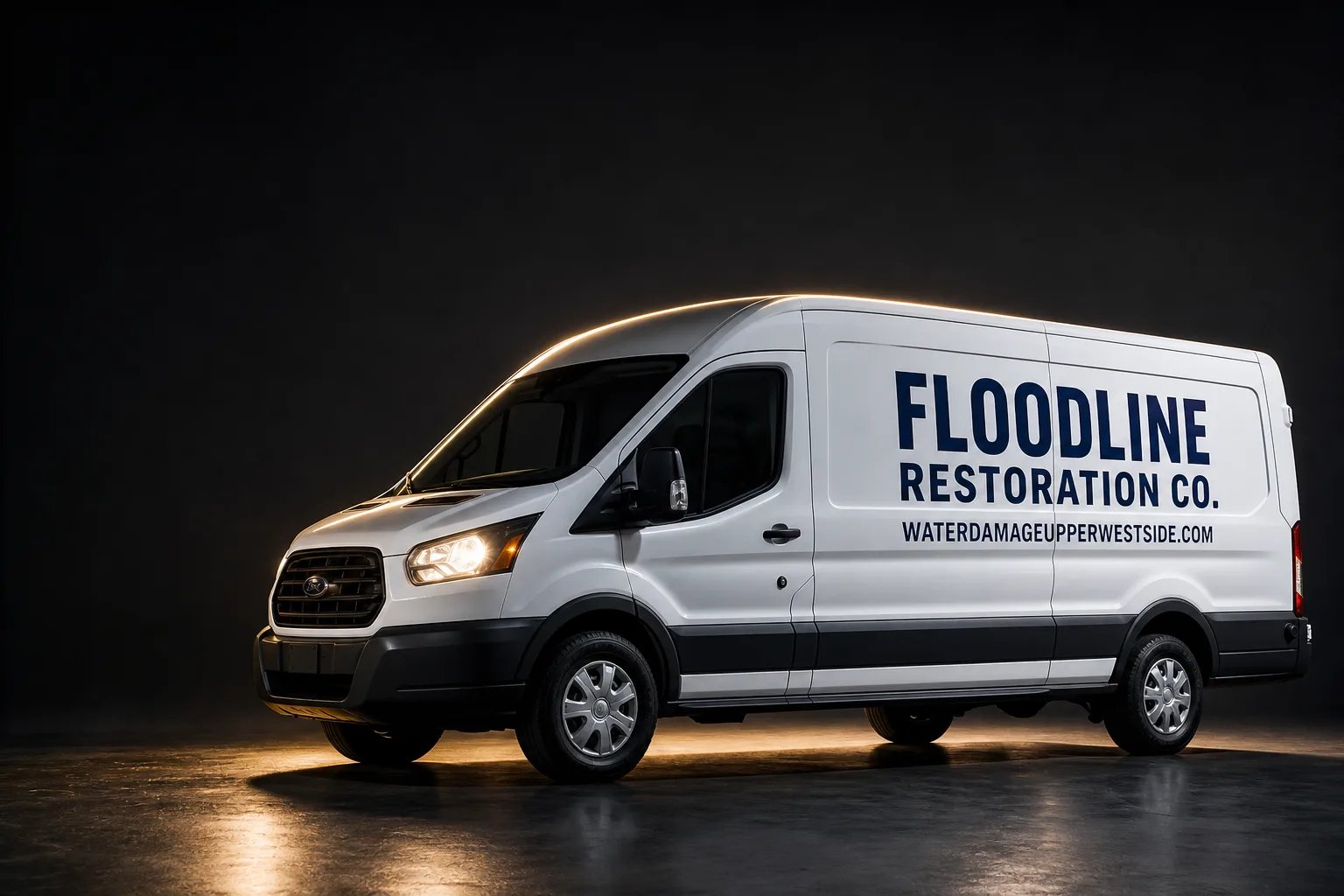
Free visual inspection and a written scope of work before any mitigation begins - photos, moisture readings, and drying logs go in your claim file
The scope we write is the scope we bill. Anything new gets shown to you, in writing, before we touch it.
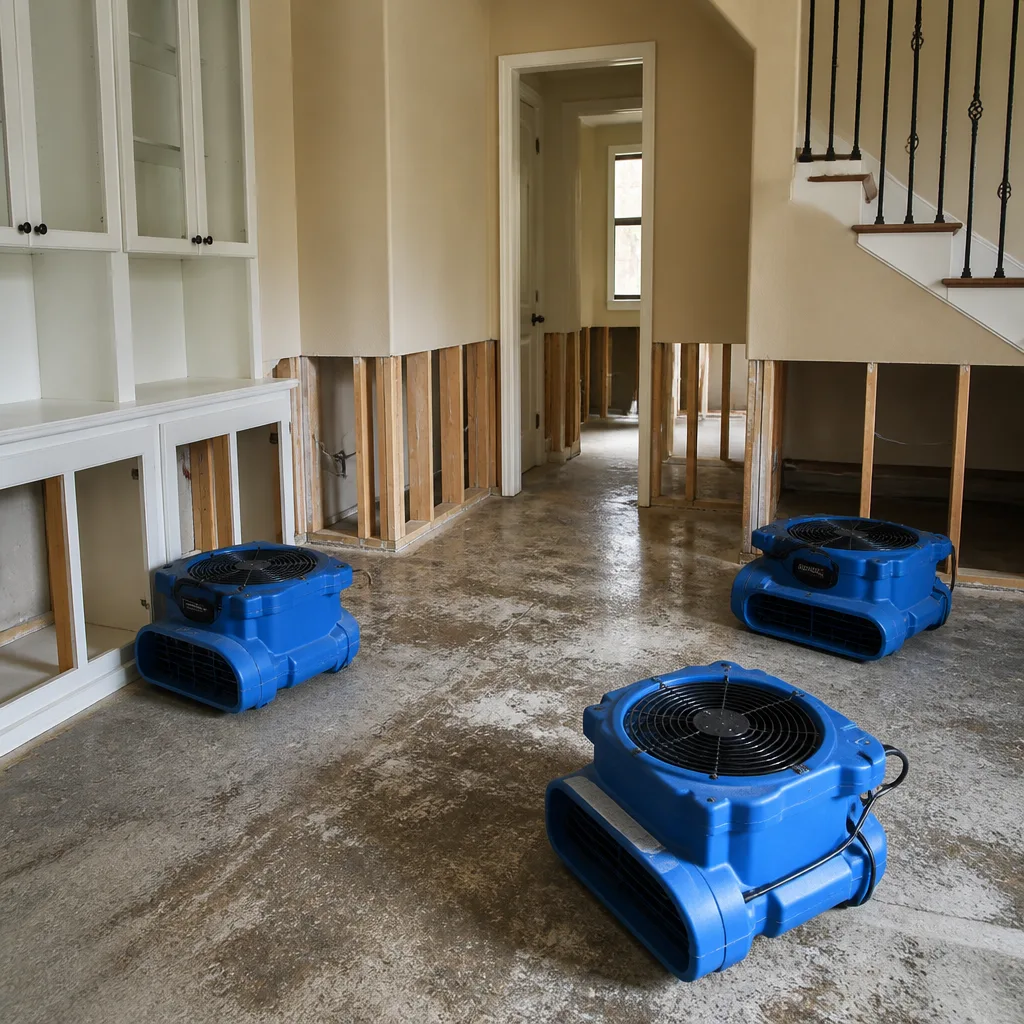
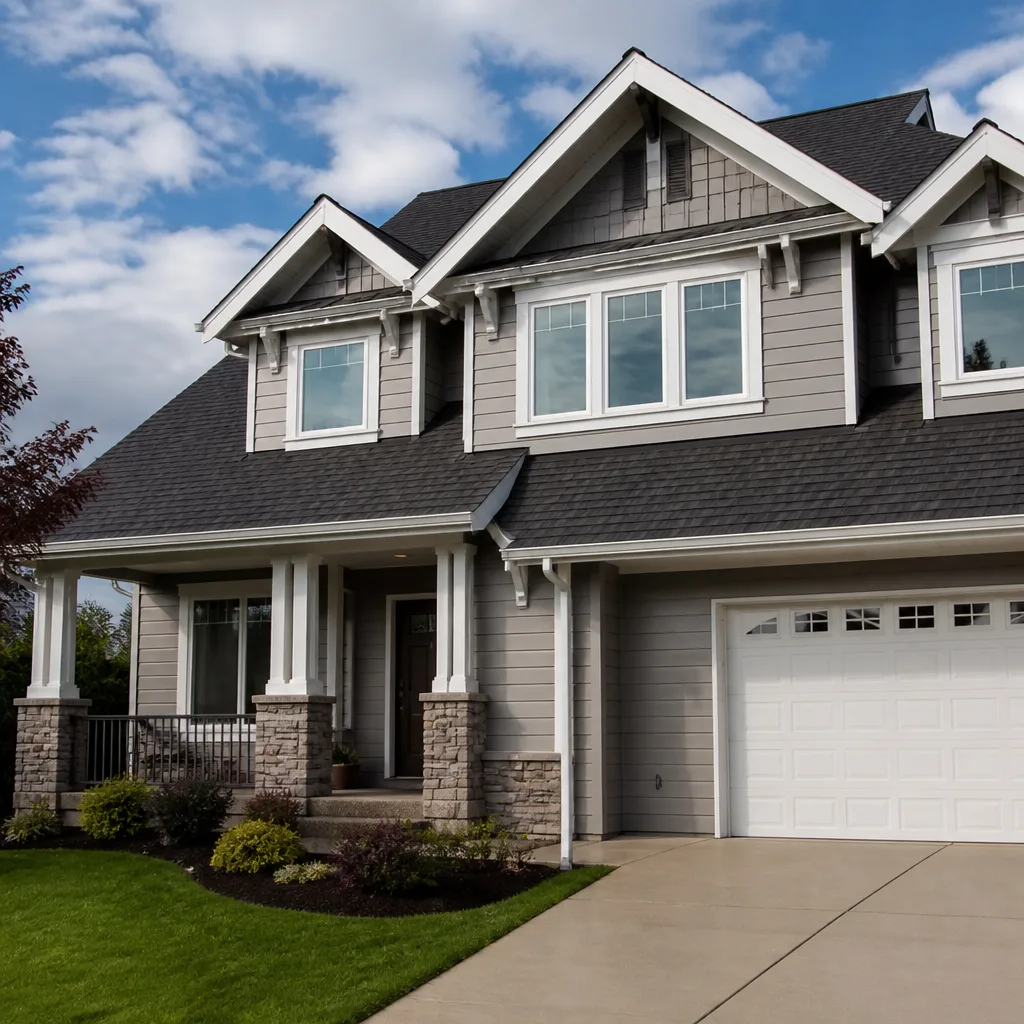
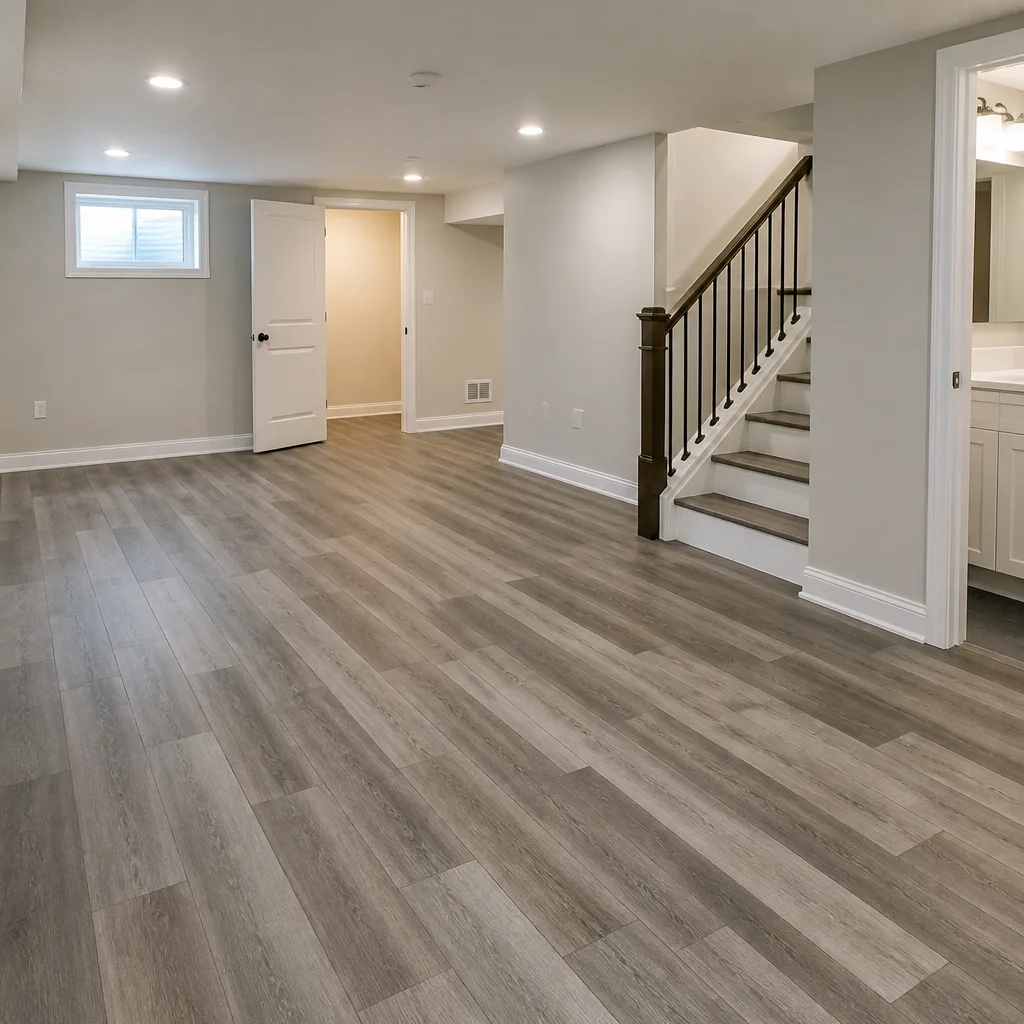
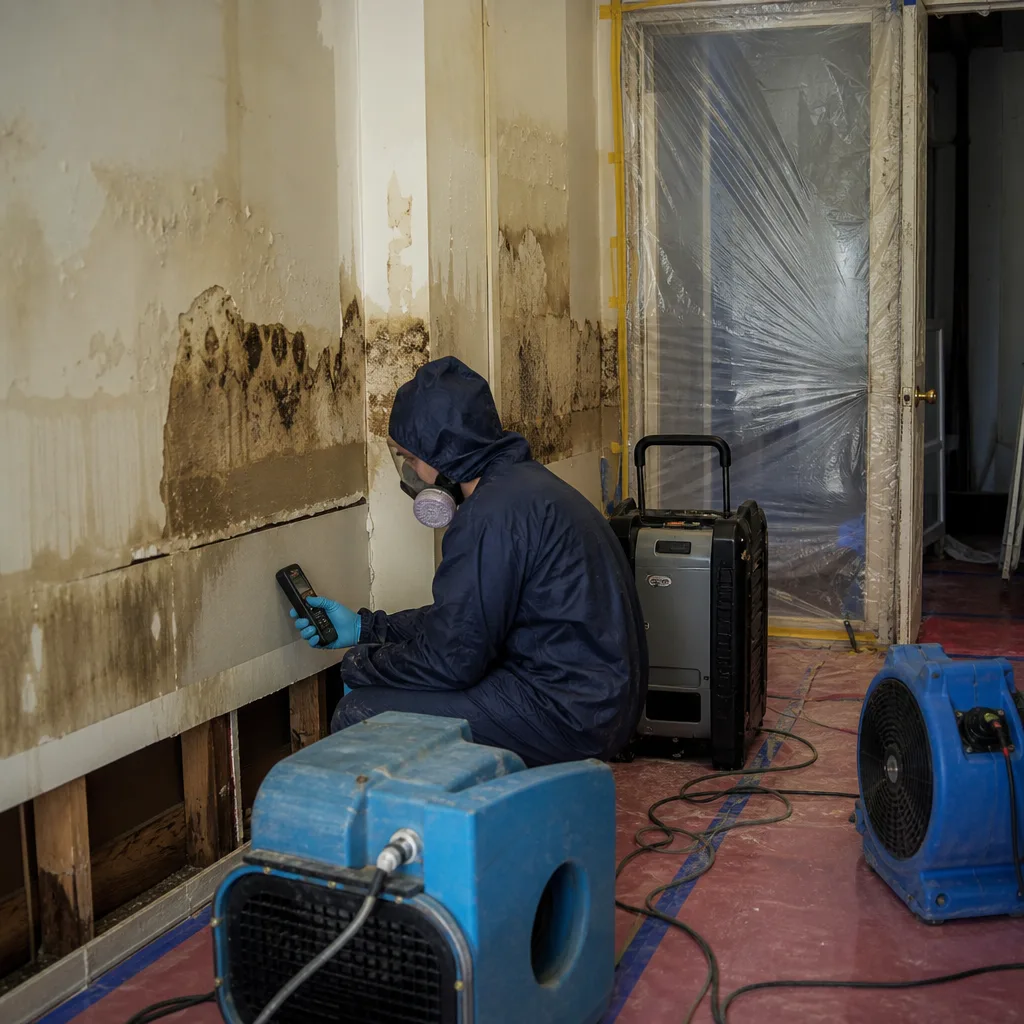 Before
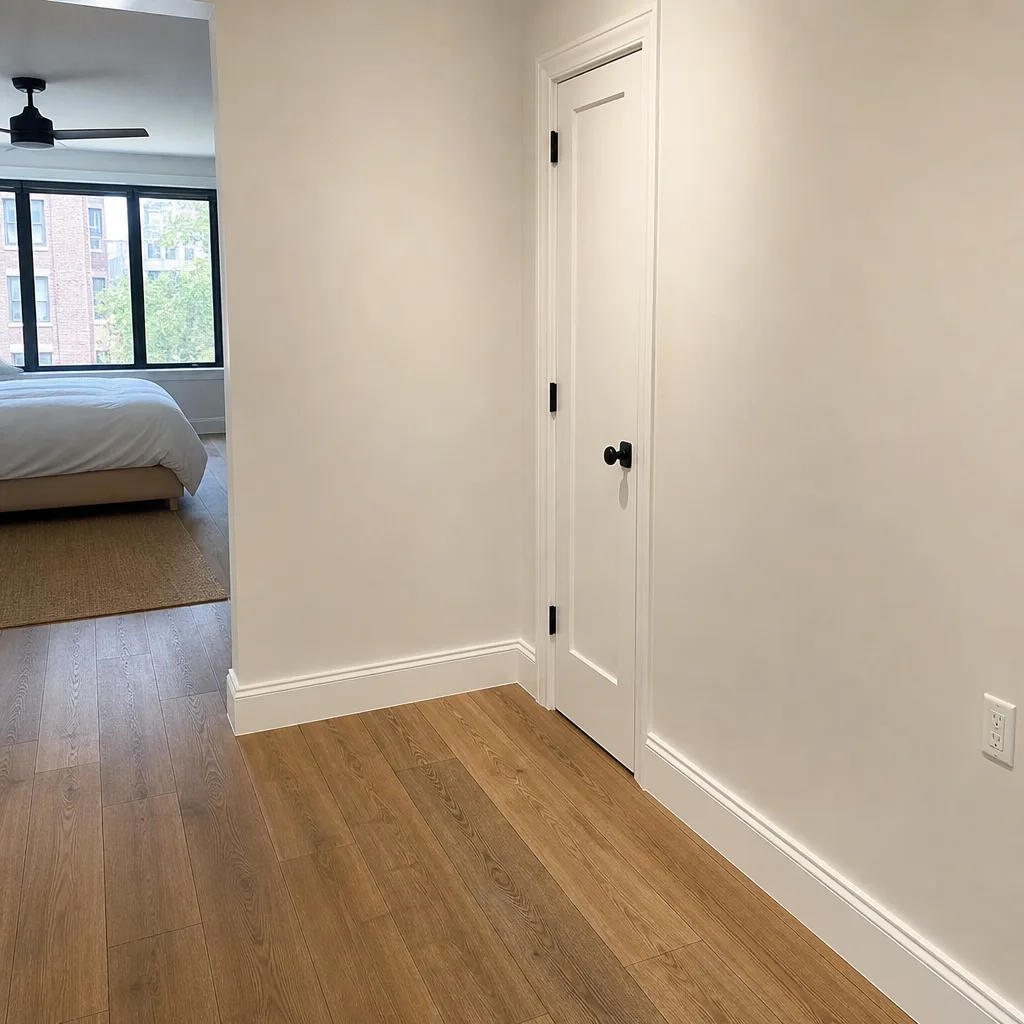 After
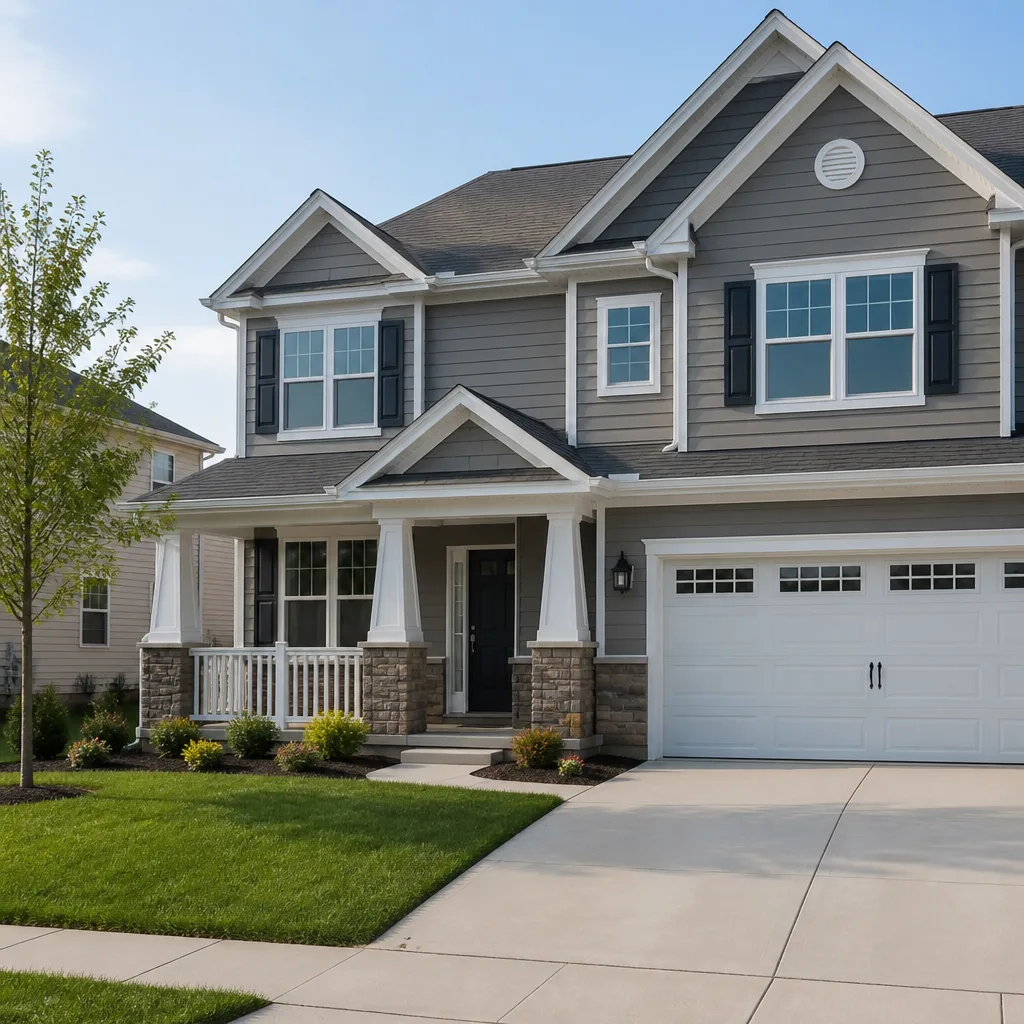
After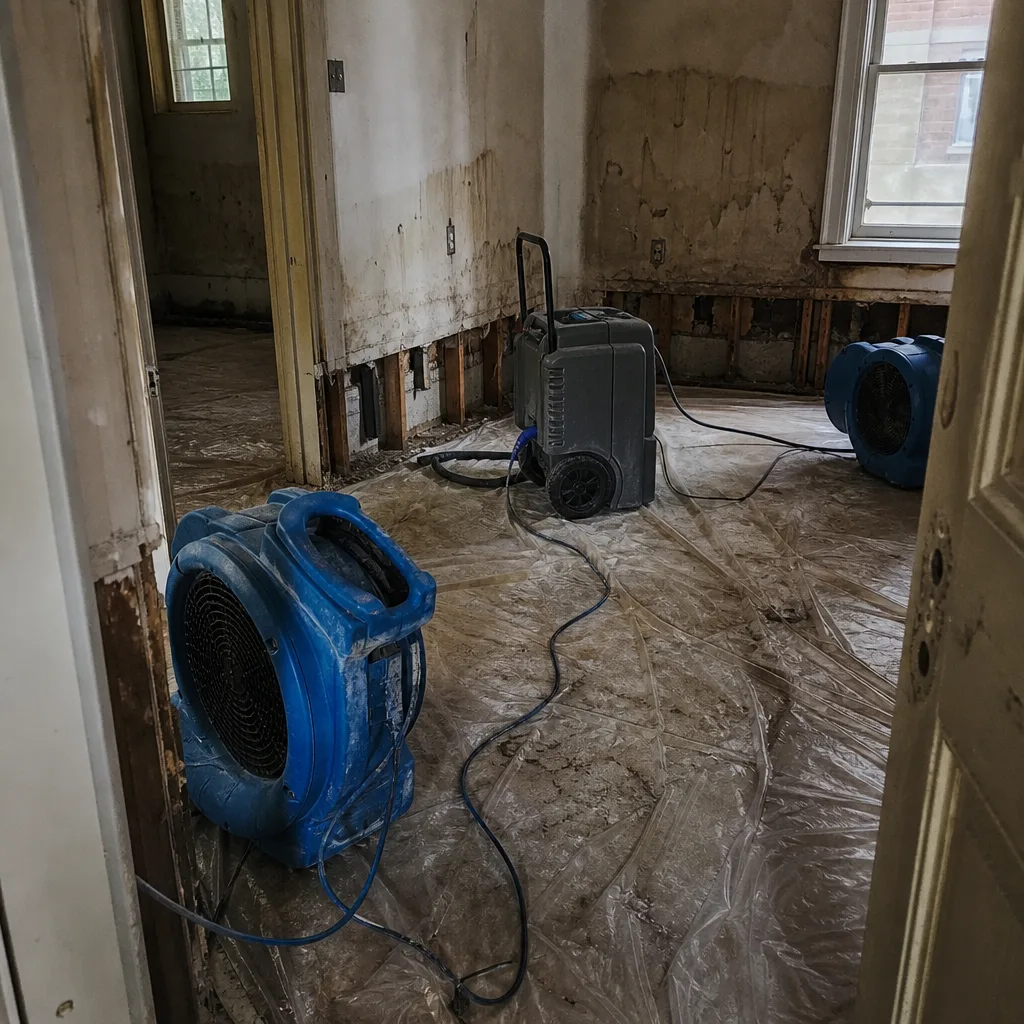 Before
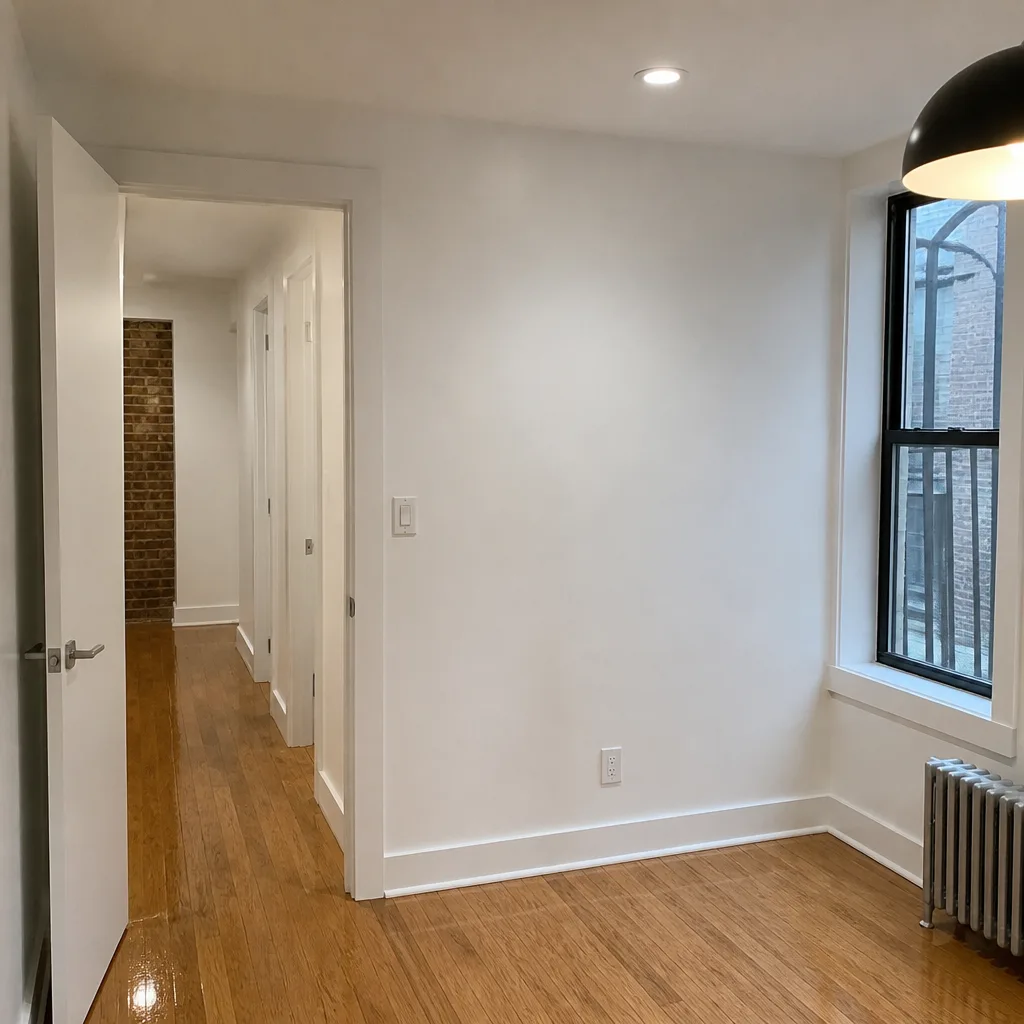 After
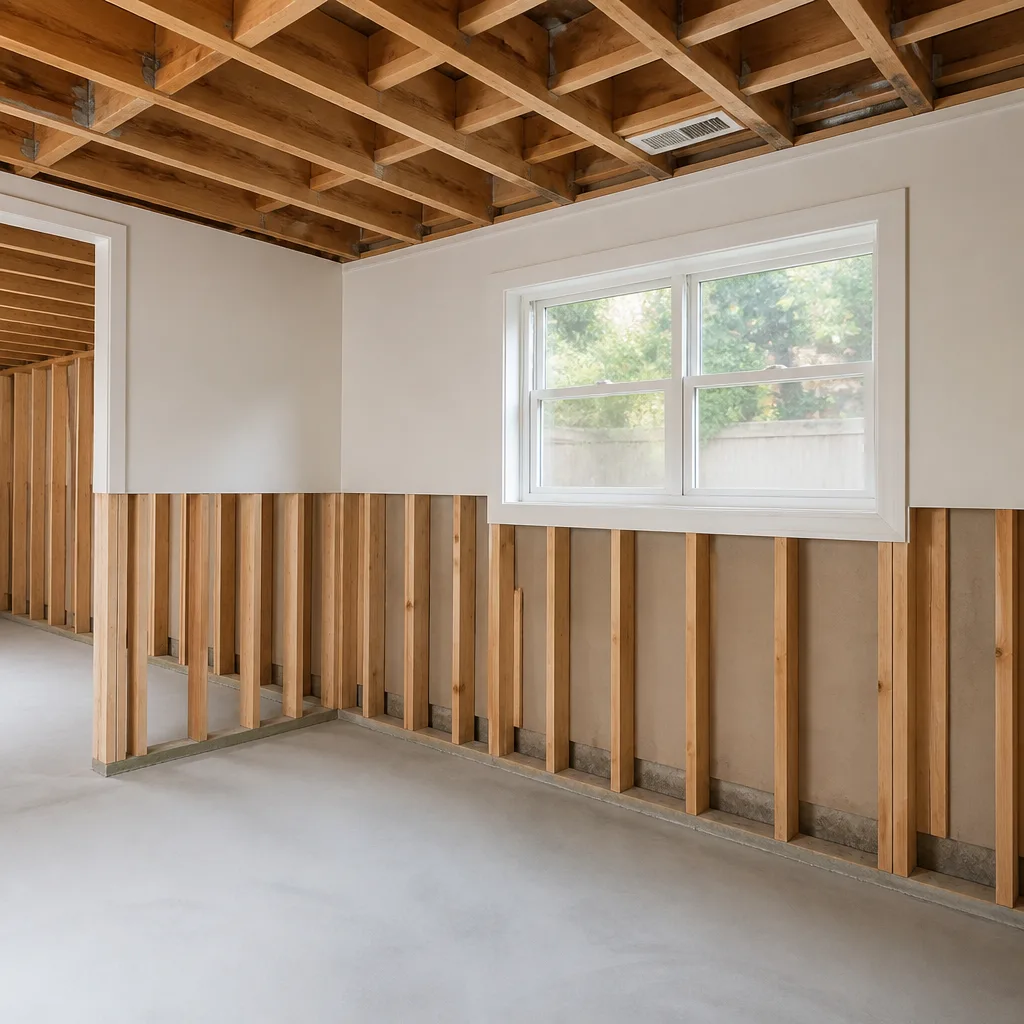
After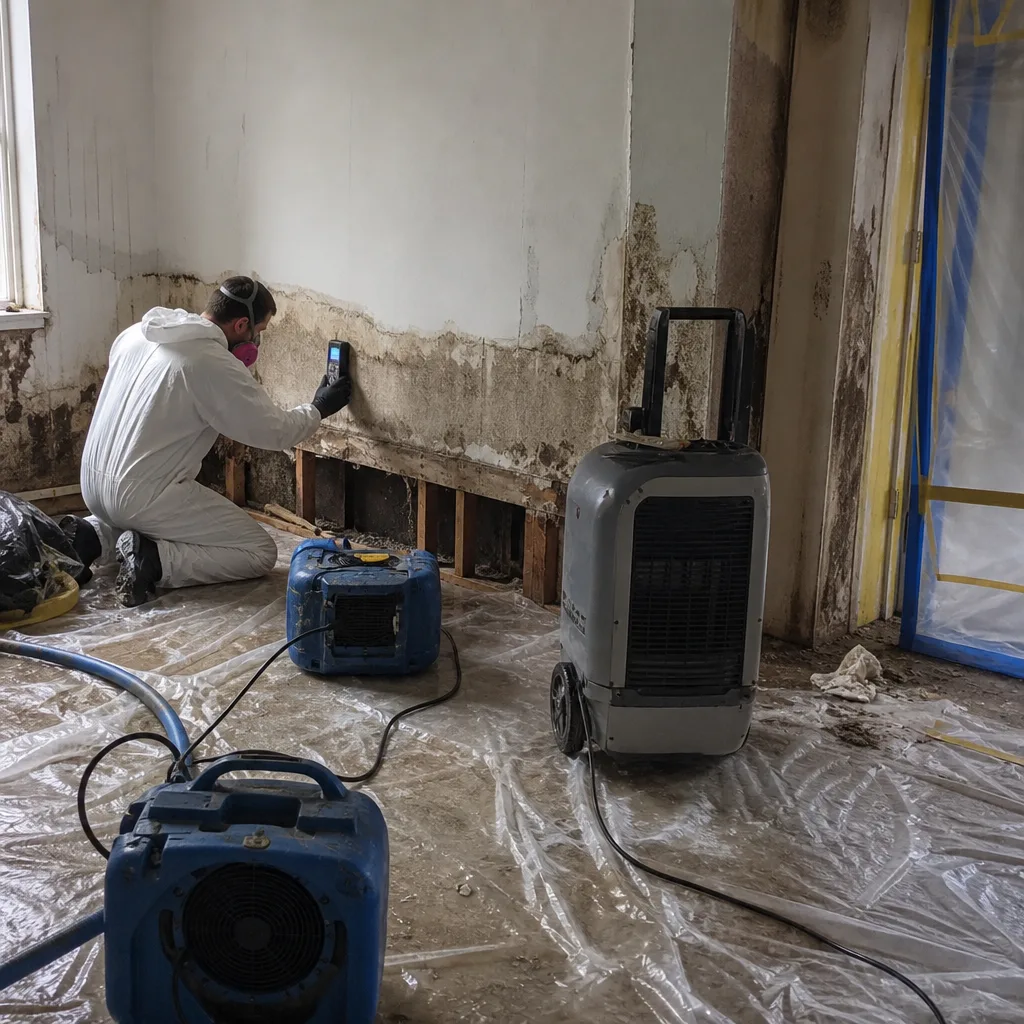 Before
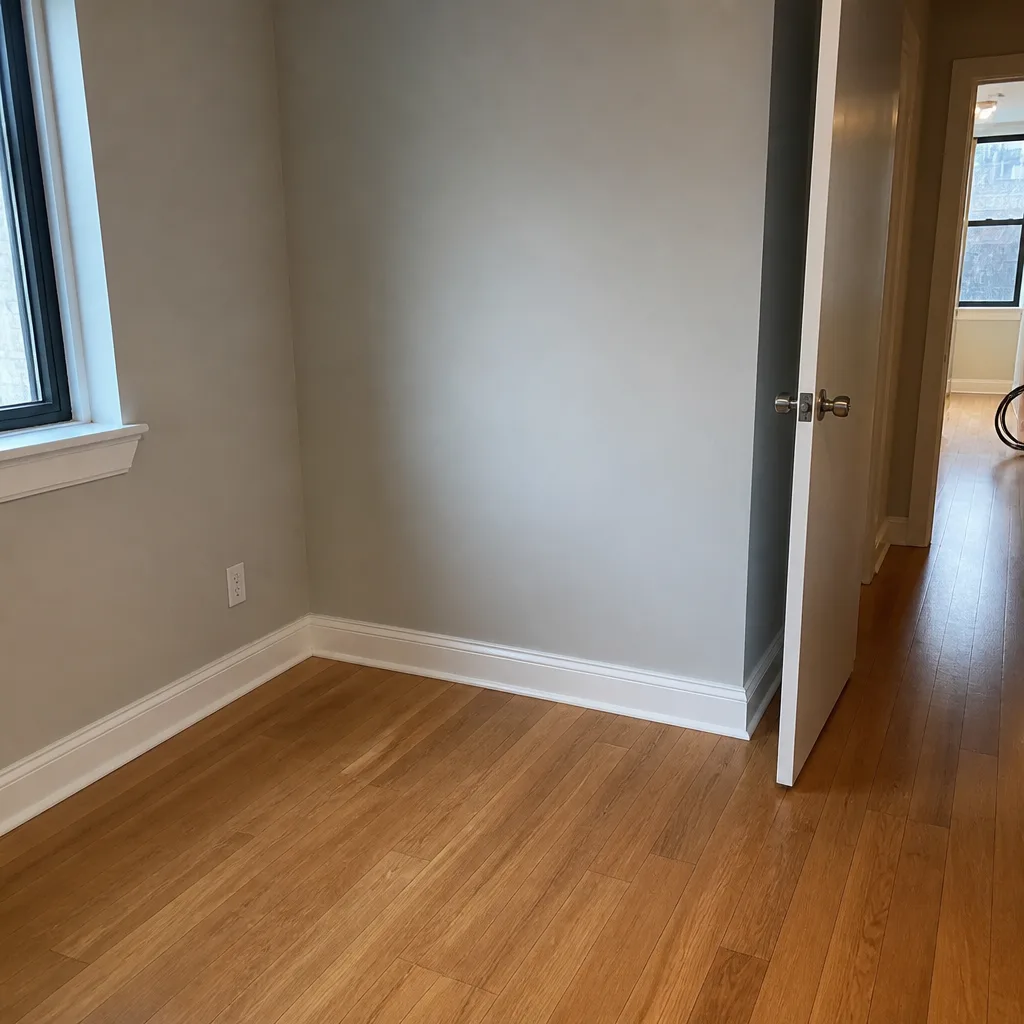 After
After24/7 Emergency Sanitization Services in Harlem
Sanitization services in Harlem typically cost between $275 and $1,900 depending on the square footage, the contamination source, and whether landmark-level documentation is required. When a sewage backup hits a pre-war tenement on 145th Street or a nor’easter leaves standing water in a brownstone basement off Convent Avenue, waiting isn’t an option. We answer live, 24 hours a day, and our crews reach most Harlem blocks within 45 minutes. Call (845) 305-5737 the moment you see water, sewage, or suspect contamination. The first hour determines whether you’re dealing with a cleanup or a rebuild.
Floodline Restoration Co. handles sanitization, disinfection, and decontamination for every kind of property Harlem throws at us: old-law tenements with original plaster, limestone rowhouses in historic districts, storefronts on 125th Street, and converted brownstones with shared party walls. We don’t hand your job to a subcontractor. The same certified crew that sets containment follows through until the air tests clean and the moisture log reads dry.
What happens when you call
- 1
A real person answersNo phone trees - you reach a local pro.
- 2
You get an upfront price rangeHonest numbers before anyone is dispatched.
- 3
A background-checked tech heads outLicensed & insured, dispatched right away.
- 4
You approve before work beginsNothing starts until you say go.
Understanding Sanitization Services Severity in Harlem Properties
Not every sanitization job is the same. We categorize water damage by contamination level. Category 1 is clean water from a burst supply line. Category 2 carries bacteria from washing machines, dishwashers, or sump failures. Category 3 is grossly contaminated, typically sewage or street water that backed up through Harlem’s aging cast-iron drain stacks. Category 3 requires full containment, antimicrobial treatment, and HEPA air scrubbing before anyone re-enters the space without protective gear.
Harlem’s housing stock makes severity assessment trickier than in newer neighborhoods. Most buildings date from the 1890s through 1930s, with plaster walls over wood lath. Plaster behaves differently than drywall. It holds moisture longer, hides mold behind original finishes, and cracks when dried too aggressively. In a four-story old-law tenement, a single Category 2 leak on the top floor routinely migrates down through shared plumbing chases and party walls. By the time we arrive, three or four occupied units may need sanitization, not one. That’s why we run moisture mapping with thermal imaging and hygrometers before we touch a wall. Hidden moisture behind plaster is the leading cause of recurring odor complaints in Harlem rowhouses six months after the initial cleanup.
Why Harlem Property Owners Choose Floodline Restoration Co.
- 45-minute response commitment. We dispatch from our New York City office and keep crews staged for Harlem’s street grid. You won’t wait hours while damage spreads through plaster and original wood flooring.
- 24/7 live answer, never an automated system. Call at 2 a.m. on a January night when a pipe freezes in a vacant unit on Strivers’ Row. A real dispatcher answers, takes the address, and starts moving a crew.
- IICRC-certified crews trained to WRT, FSRT, and AMRT standards. Sanitization isn’t spraying bleach. Our technicians understand water categories, mold containment, and post-treatment clearance testing.
- Free visual inspection. Before we quote a dollar amount, we assess the damage, map the moisture, and explain exactly what needs sanitization and why. No pressure. No upselling.
- Direct insurance billing. We coordinate with your adjuster, provide line-item scopes and photo logs, and bill the carrier directly where coverage applies. You don’t play messenger.
- One team from extraction to reconstruction. We don’t sanitize, then hand you off to a “rebuild guy.” Floodline extracts, dries, sanitizes, and rebuilds with the same uniformed, background-checked crew.
Our Sanitization Services Process
Inspection & Assessment
We start with a visual walkthrough and moisture mapping using thermal imaging cameras and hygrometers. In Harlem, this step includes checking for lead paint and asbestos if the building predates 1940. We also identify whether the property sits in an LPC historic district.
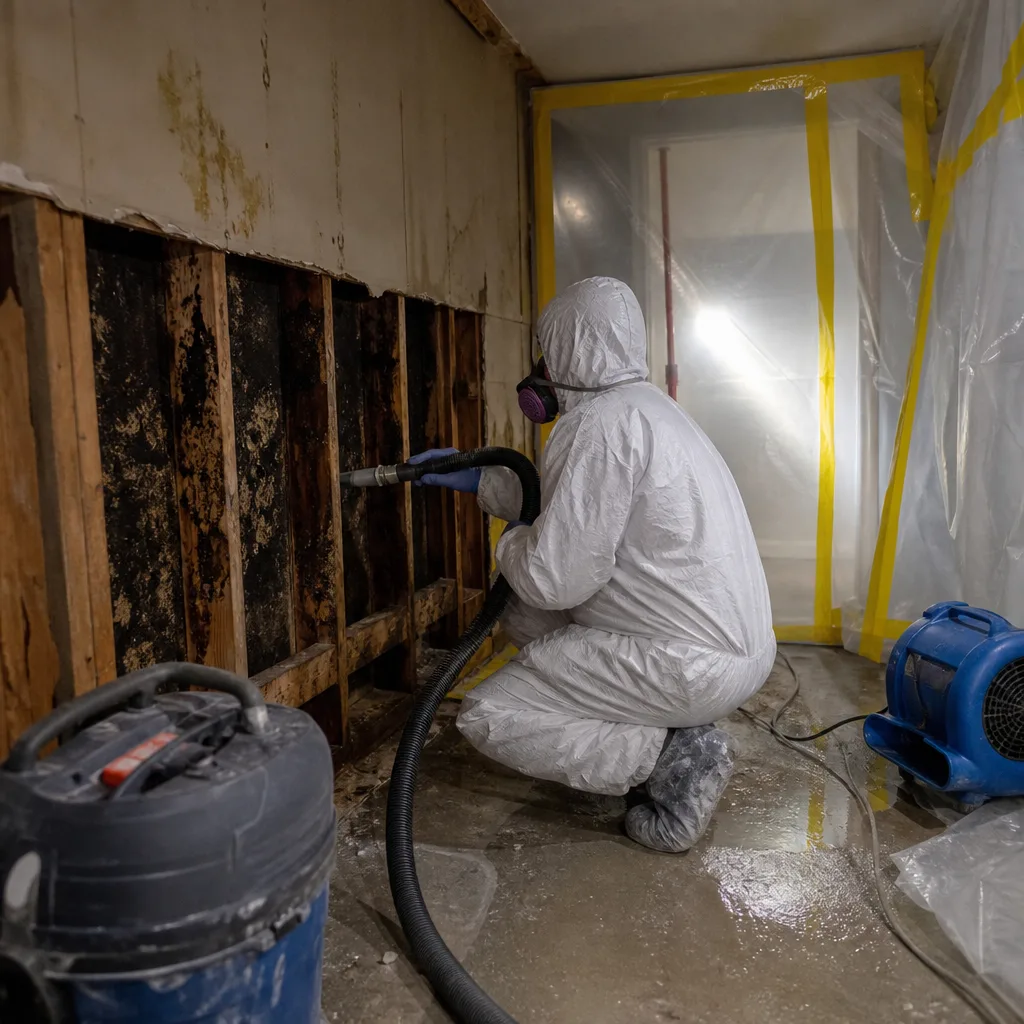
Extraction & Stabilization
For Category 2 or 3 water, we extract immediately using truck-mounted and portable extraction units. In tight Harlem basements and narrow stairwells, we use compact XPOWER equipment to remove standing water without damaging original doors or trim.
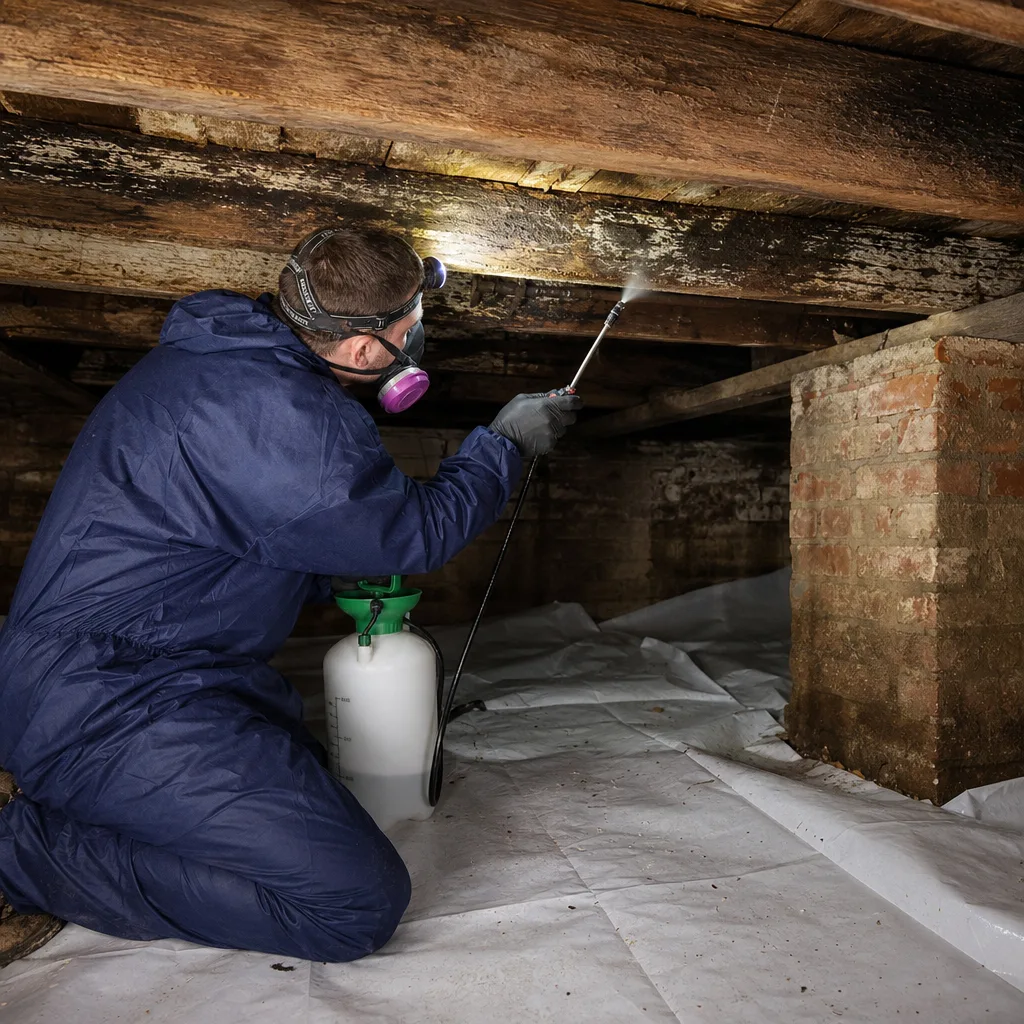
Drying & Dehumidification
Phoenix dehumidifiers and Dri-Eaz air movers create airflow engineered for plaster and original wood. We take daily moisture readings and log them until the dry standard is met. Documentation matters, especially when insurers or LPC consultants ask for proof.
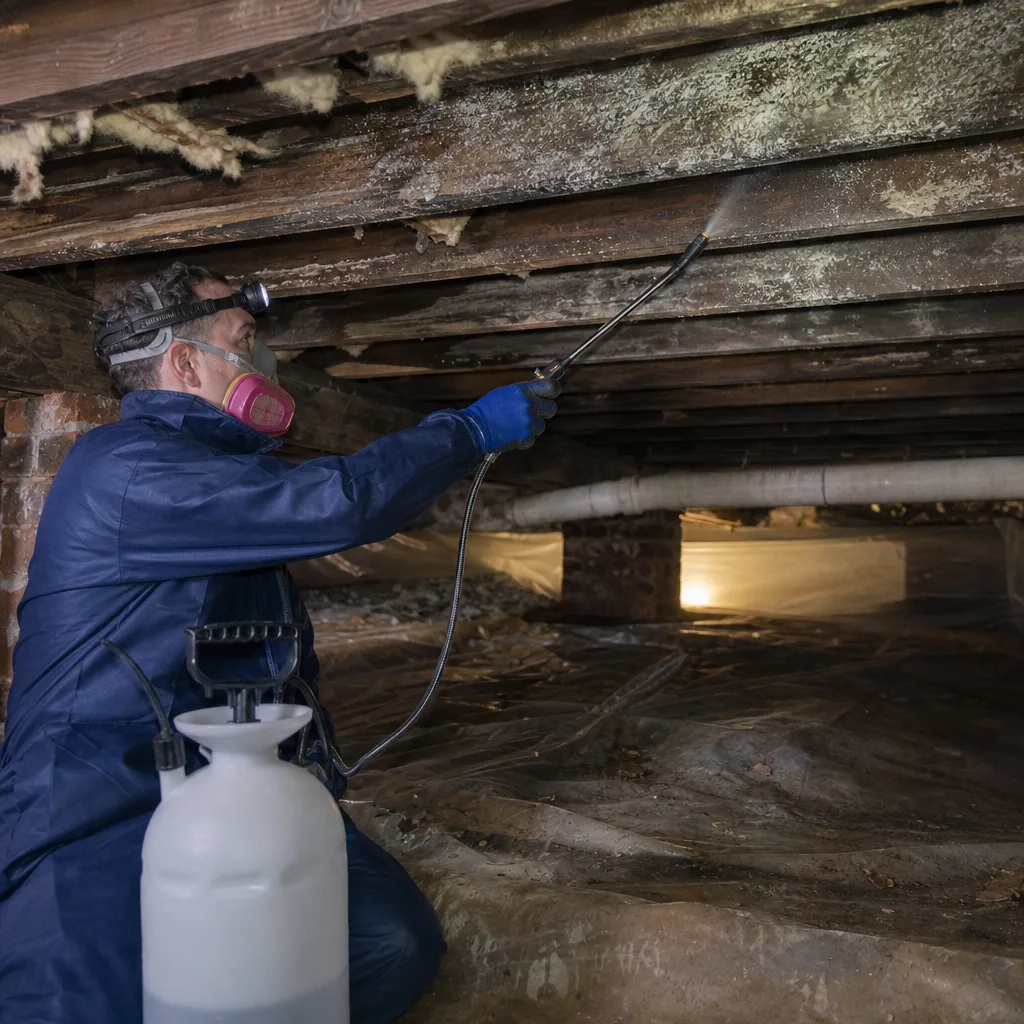
Cleaning & Sanitization
We apply EPA-registered antimicrobials appropriate to the contamination category. Fogging, wipe-downs, and direct application reach surfaces, cavities, and air paths. In occupied brownstones, we sequence this so families aren’t displaced longer than necessary.
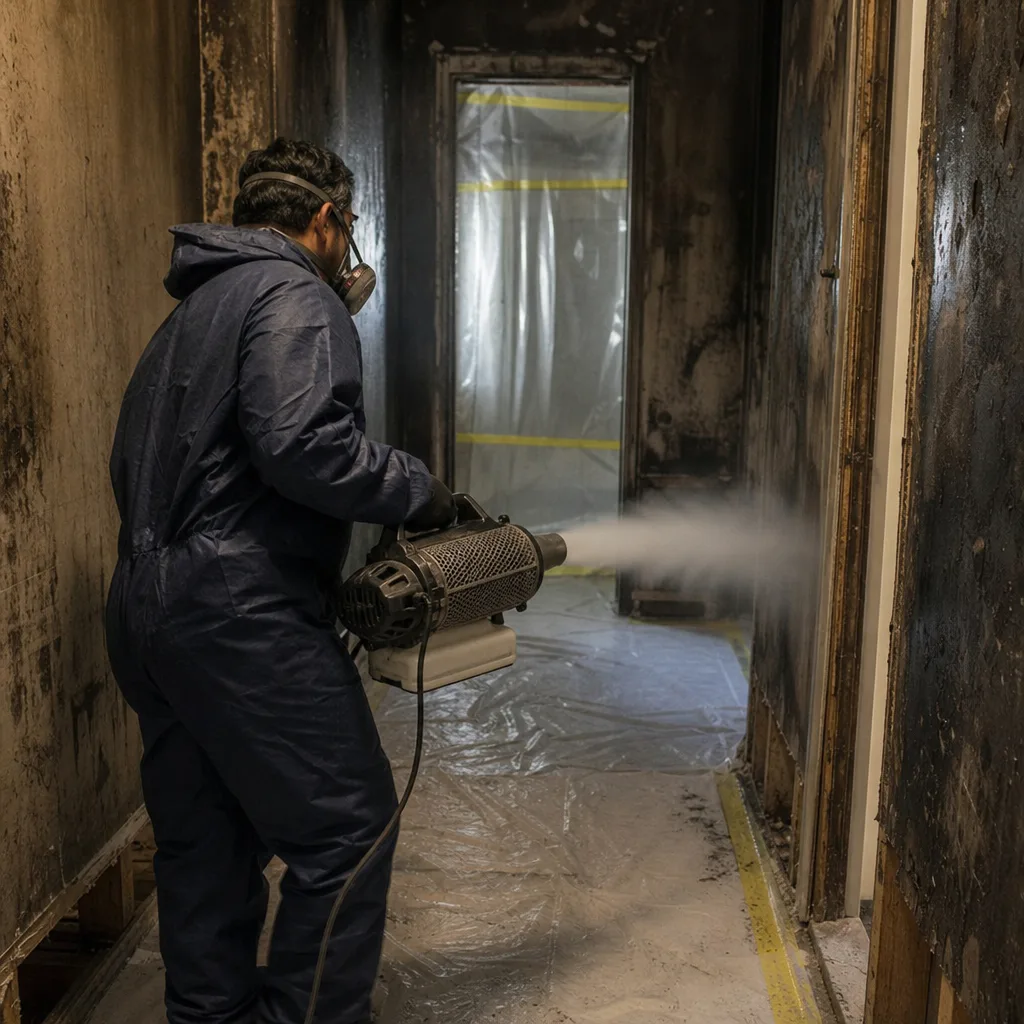
Air Duct Sanitization & Odor Neutralization
Harlem’s pre-war buildings often share ventilation paths through floor joists and chimney chases. We sanitize accessible duct runs and use odor counteractants that bind odor molecules rather than masking them. This step matters when musty smells keep returning weeks after the visible cleanup.
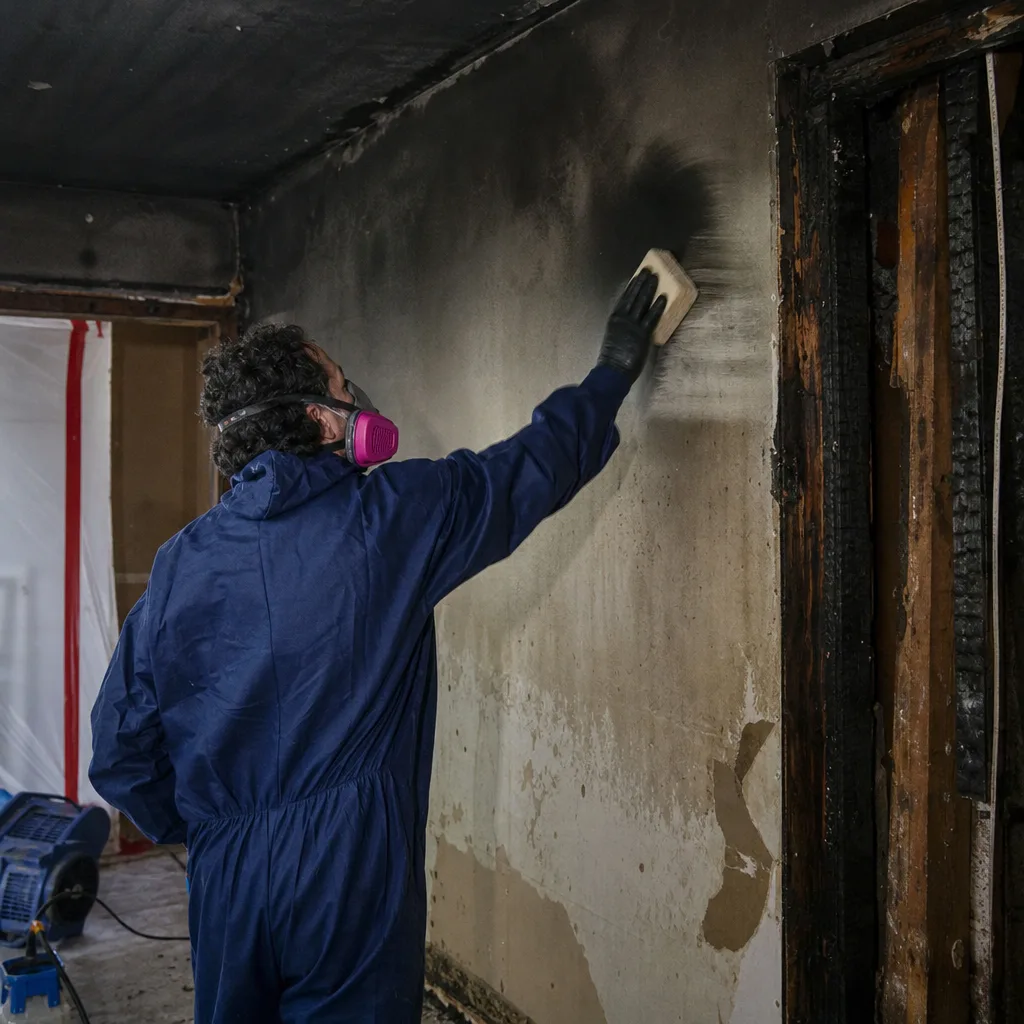
Repairs & Restoration
Once moisture and contamination are controlled, we rebuild what needs rebuilding: plaster patching, baseboard replacement, trim work, or full wall reconstruction. The same crew handles it, so the scope never changes hands.
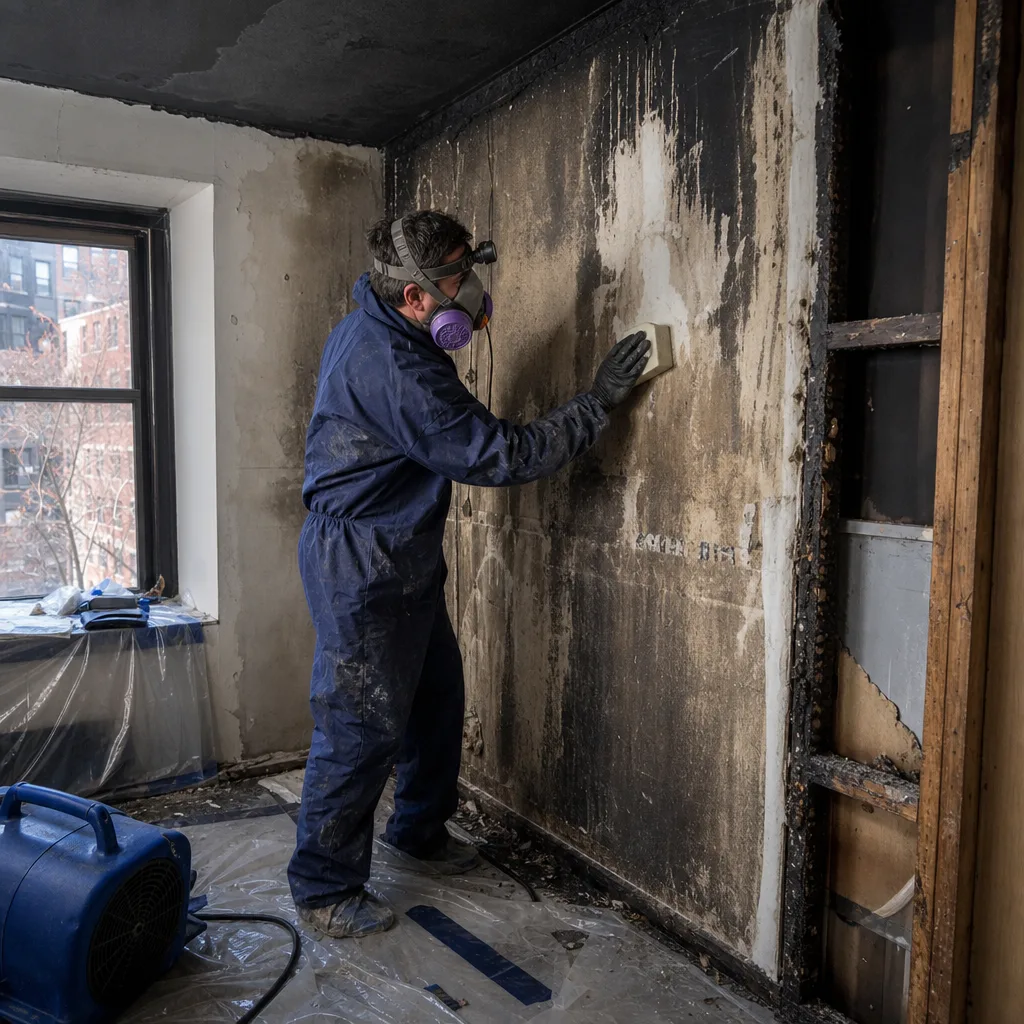
Need Emergency Sanitization Services in Harlem Now?
Crews minutes away, answering live 24 hours a day. The sooner we start, the less it costs.
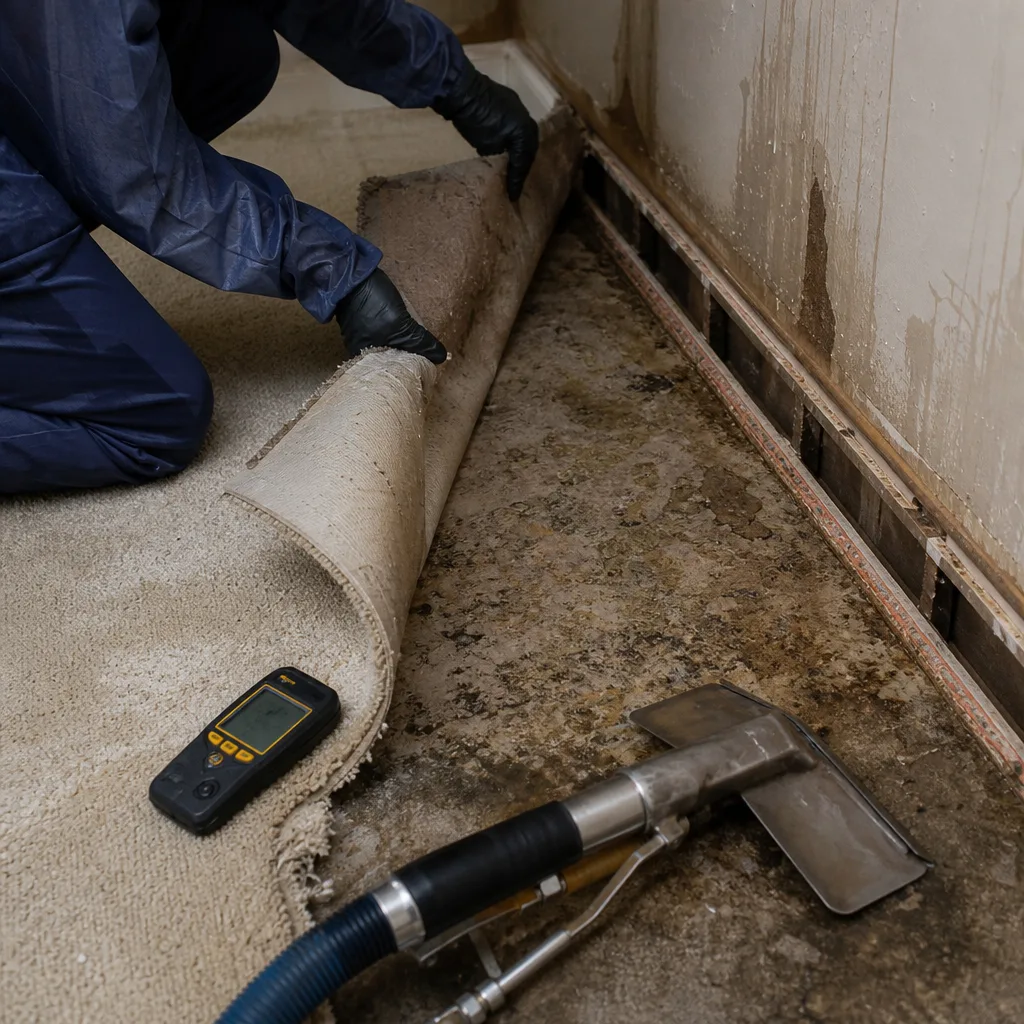
Working With Your Insurance Company
Sanitization claims in Harlem often involve more than one adjuster. In a shared-brownstone loss where Category 3 water migrated through a party wall, you may have your own carrier, the neighbor’s carrier, and in some cases the landlord’s policy all involved. We’ve handled those files. From the first hour, we document everything: photos room by room, moisture readings, containment logs, and drying charts. We write line-item scopes in the format the industry expects, and we talk directly with adjusters so you don’t have to translate technical findings over the phone. Direct insurance billing is standard practice on our jobs. If your policy covers sanitization and decontamination, we bill the carrier. You see the same scope of work the adjuster sees. That’s the square deal.
What We Provide Your Insurer
- Thorough documentation of the loss
- Photos of all damage, room by room
- Moisture readings and drying logs
- A detailed, line-item scope of work
- Direct coordination with your carrier
Built for Harlem’s Loss Calendar
Harlem’s sanitization needs follow a seasonal pattern that anyone who’s lived here twenty years knows by heart. January and February bring the deep freezes that burst supply lines in aging tenements, especially in partially vacant converted rowhouses where heat isn’t running consistently on every floor. When pipes freeze behind original plaster on a 119th Street old-law tenement, the water doesn’t stop at drywall. It chases gravity through cast-iron chases and puddles in the units below. March and April bring spring thaw and heavier rain, which pushes groundwater into brownstone cellars through fieldstone foundations that have been settling for a century. Summer thunderstorms overwhelm Harlem’s combined sewer system within minutes. A cloudburst over Hamilton Heights can send Category 3 water surging up through floor drains in basement apartments along Amsterdam Avenue. Late summer and fall are quieter, though deferred maintenance catches up; bathtub traps rust through, washing machine hoses fail, and radiator valves leak. Whatever the season, sanitization in Harlem means doing it while respecting the building.
Sanitization Services Across Harlem’s Neighborhoods
We run sanitization jobs in every corner of Harlem, and the work changes block by block. In Central Harlem, the tight-packed rowhouses along Strivers’ Row and the blocks around 135th Street mean water and odors share party walls. A sewage backup in one brownstone sends contamination into the neighbor’s foundation wall, and we coordinate access agreements before cutting anything open. In Hamilton Heights and Sugar Hill, the limestone and terra-cotta rowhouses sit inside the Hamilton Heights Historic District. Sanitization there means sequencing antimicrobial fogging with the LPC consultant’s review schedule. On Morningside Heights, the cooperatives and pre-war apartment houses near Columbia University require sanitization protocols that respect continuous occupancy; we set containment so residents can stay in place where clearance testing allows. Around East Harlem and along 125th Street, the mix of storefronts and upper-floor apartments means sanitizing a commercial space above occupied residential units, which takes careful scheduling and HEPA-filtered negative air to prevent cross-contamination.
Specialized Sanitization Services Services We Offer in Harlem
Our Sanitization Services team handles the full range of decontamination and disinfecting work, but three services get called for most often in Harlem. Here’s how each one works in buildings like yours.
Air Duct Sanitization
Pre-war Harlem buildings rarely have modern ductwork. Instead, air moves through joist bays, chimney chases, and gaps around cast-iron risers. After a water loss or sewage backup, odor and microbial spores settle in those hidden paths. We sanitize accessible duct runs, vents, and plenums using EPA-registered products delivered through fogging and direct application. On rowhouses with original plaster walls, we open only what’s necessary and reconstruct faithfully afterward. No ripping out a ceiling to “get at” a duct that can be treated in place.
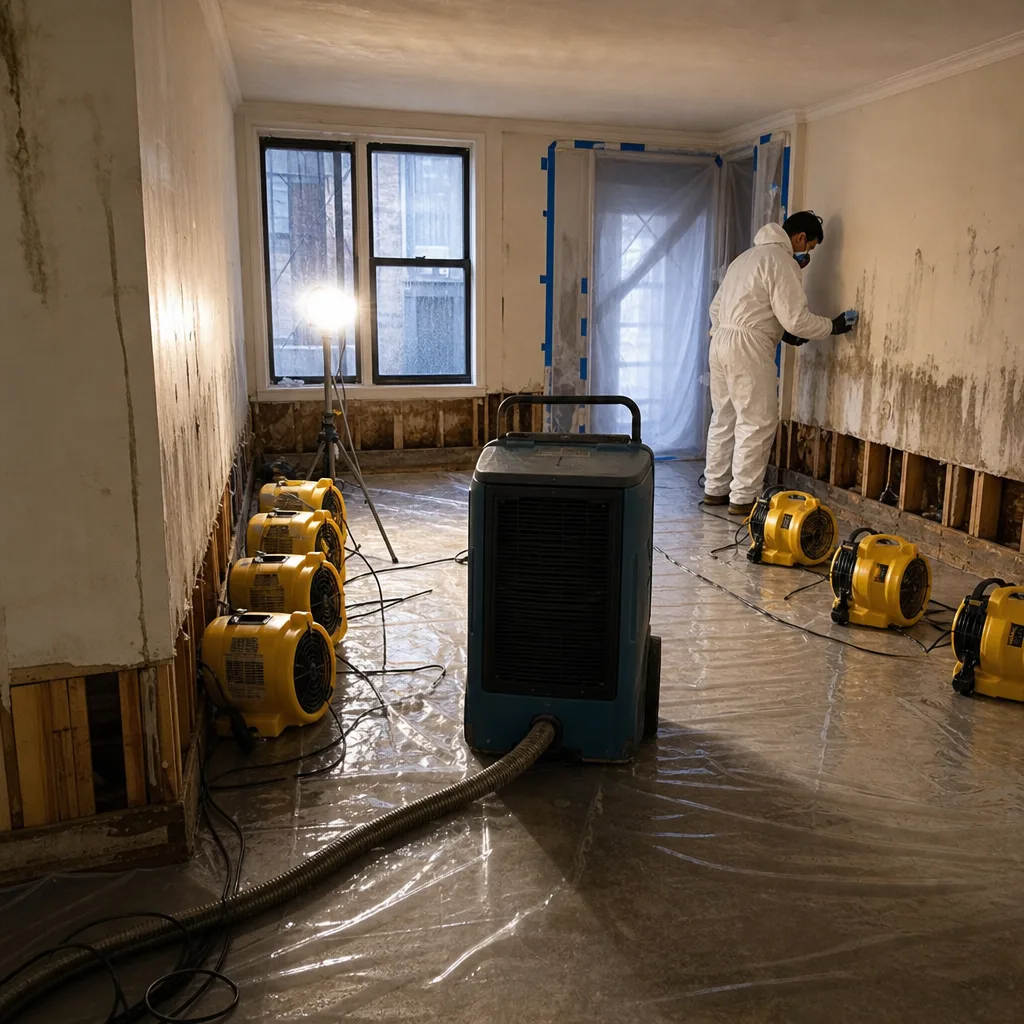
Commercial-Grade Fogging
Fogging reaches surfaces you can’t wipe down: the back of a radiator, the inside of a closet, the underside of a stair stringer. In Harlem’s old-law tenements, those surfaces are everywhere, and they’re almost always painted with lead-based finishes. That’s why we fog with containment and PPE in place, especially in buildings that trigger DEP lead protocols. Fogging is also the right tool after a fire in a third-floor walkup, where smoke residue settles into every crevice of original woodwork.
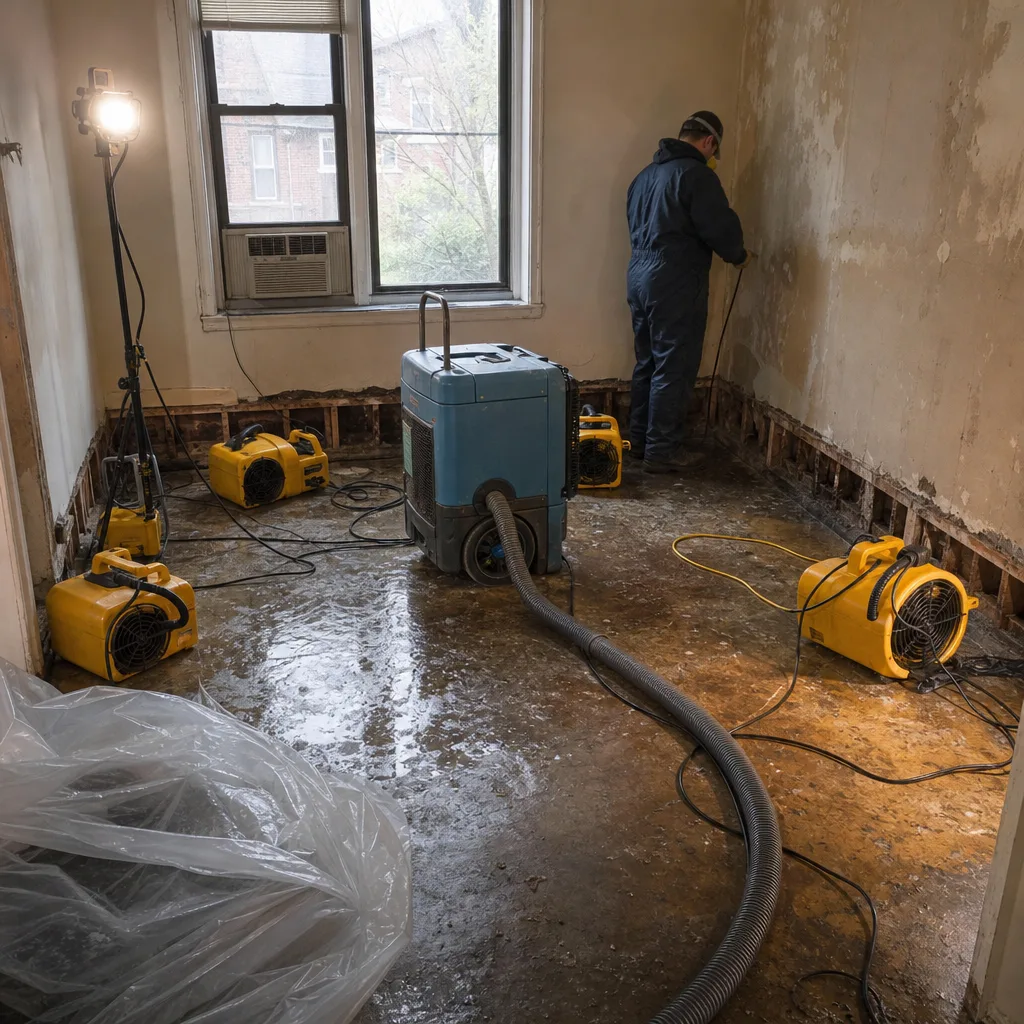
Odor Neutralization
Odor in Harlem’s limestone rowhouses isn’t a surface problem. It lives in the plaster, the lath, the original wood floors, and the shared wall cavities. Masking it with air freshener doesn’t fix it. We use thermal fogging, hydroxyl generators, and odor counteractants that chemically bind odor molecules at the source. If a musty smell returns weeks after another company “cleaned up,” the moisture wasn’t fully dried. Our drying logs and post-treatment clearance testing are designed so it doesn’t return.
Virus, Bacteria & Deep Disinfection
After illness, hoarding conditions, or an unattended death, surfaces need more than a cleaning. We apply hospital-grade disinfectants rated for the pathogens at hand, using dwell times that actually kill, not just wipe. In occupied Harlem apartment buildings, we coordinate with building management so hallways and stairwells are treated at hours that don’t disrupt residents more than necessary. Background-checked, uniformed technicians do this work with discretion.
Sanitization Services Costs in Harlem, NY
Here’s what sanitization actually costs in Harlem’s market, based on the jobs we’ve completed across the neighborhood this year. A single-room Category 2 cleanup with drying and antimicrobial treatment on a brownstone parlor floor typically runs $275 to $650. Full apartment sanitization after a sewage backup, with containment, extraction, fogging, and clearance testing, runs $900 to $1,900 depending on square footage and whether lead or asbestos protocols apply. Air duct sanitization in a pre-war rowhouse runs $400 to $1,100. Commercial-grade fogging after a fire or odor event runs $500 to $1,500 per floor. The variables: contamination category, square footage, accessibility, whether the building sits in an LPC historic district, and how much demolition and reconstruction is required. Insurance covers much of this when the loss was sudden and accidental, which is why we document everything from hour one and bill your carrier directly. The free visual inspection gives you a firm written scope before any work begins.
We Also Serve Cities Near Harlem
Our crews respond throughout Upper Manhattan and the surrounding area. We regularly serve the Upper West Side, Upper Manhattan, Morningside Heights, and Central Harlem. If you’re a few blocks outside the neighborhood line, call us. Dispatch will route the nearest available certified crew.
Harlem Sanitization Services Questions, Answered
Does sanitizing a Harlem rowhouse in the Mount Morris Park district require Landmarks Preservation Commission approval?
Interior sanitization itself, meaning cleaning, fogging, and antimicrobial application that doesn’t alter finishes or remove original materials, typically does not require LPC review. What triggers LPC review is any demolition or replacement of character-defining interior or exterior features: original plaster walls, wood floors, window trim, stair parts. If sanitization reveals that mold remediation requires cutting into original lath and plaster or replacing baseboard, the LPC consultant gets involved before we open the wall. We coordinate that sequencing. Skipping it triggers stop-work orders and delays. A flat “yes” or “no” is the wrong answer; the honest answer is that sanitization is fine, but the repairs sanitization reveals often are not.
How do you handle sanitization in a Harlem old-law tenement where a burst pipe flooded five stacked apartments?
First, we contain each affected unit separately while using the stairwell and plumbing chase as the shared access path. Category 2 water that ran from a fourth-floor pipe down to the second floor picks up contaminants as it travels, so we treat each apartment according to its own water category, not one blanket label. We run HEPA air scrubbers in the common areas, extract from every floor, and set drying equipment sized for plaster and original wood. Because Harlem tenements share narrow plumbing chases, we also inspect behind chase walls with borescopes. Then we dry, log the moisture readings, and coordinate with the landlord’s insurance carrier. Five stacked apartments is a management problem as much as a technical one; we’ve done it on 119th Street between Lenox and Fifth, and we’ll do it again.
Can you sanitize air ducts in a pre-war brownstone without disturbing original plaster walls?
In most cases, yes. The majority of Harlem brownstones don’t have modern sheet-metal ductwork. Air moves through open joist bays, gaps around pipes, and old chimney flues. We sanitize those accessible pathways using fogging equipment and flexible applicators that reach into cavities through existing gaps or small access points. We don’t open a plaster wall unless there’s confirmed microbial growth behind it that can’t be treated in place. When access is needed, we cut as small an opening as the work requires, treat the cavity, then repair the plaster to match the original. The goal is to sanitize without turning your parlor wall into drywall.
What’s different about odor neutralization after a water loss in Harlem’s limestone rowhouses compared to other NYC neighborhoods?
Limestone and brownstone are porous. They absorb moisture and odor differently than brick or concrete. When water saturates plaster walls attached to limestone party walls, odor molecules penetrate deep into the masonry. A surface treatment won’t touch it. Our approach in Harlem’s limestone rowhouses uses thermal fogging plus hydroxyl generation over a longer dwell period, because the stone holds and releases odor slowly. We also read moisture in the masonry, not just the plaster surface. If the stone still holds moisture, the odor is going to return, and no amount of masking will change that. This is a Harlem-specific complication that rowhouses in other boroughs simply don’t have to the same degree.
How quickly can you sanitize after a sewage backup in a Harlem tenement with lead paint and asbestos concerns?
We can often begin emergency extraction and containment within 45 minutes of your call. The sanitization and decontamination of the sewage itself doesn’t require lead or asbestos abatement unless demolition is needed. When we do need to cut into walls, floors, or ceilings in a pre-1940 building, we first check lead paint and asbestos status. In many Harlem buildings, those materials are present. We bring in a licensed environmental firm for sampling, set up full containment, and proceed once the proper notices are filed. The DEP protocols don’t stop us from extracting sewage and applying antimicrobials; they govern what happens when we start cutting. We’ll explain exactly where the line falls on your specific job.
What should I do in the first 30 minutes after a water or sewage loss in my Harlem apartment?
First, stop the source if you safely can: shut the valve, turn off the breaker, close the main. Second, call us at (845) 305-5737. Third, move small items out of the water path if you can do it without stepping in contaminated water. Don’t use a household vacuum to pick up water. Don’t turn on ceiling fans in a sewage-affected area. Don’t open walls yourself, especially in a pre-war building. The first 30 minutes determine whether Category 1 water stays Category 1 or becomes Category 2, and whether a contained spill becomes a multi-unit contamination event. Let us do the extraction and sanitization properly.
Are your technicians certified for sanitization and decontamination work?
Yes. Our technicians are background-checked, uniformed, and trained to IICRC standards, including WRT for water damage, FSRT for fire and smoke, and AMRT for applied microbial remediation. We also carry RIA and IFA training on the team. Curt Bowman, who founded Floodline Restoration Co. in 2010, set the standard that everyone on a sanitization job has the certifications to back up the work we do. That’s not a marketing line; it’s the documentation your insurance company sees.
Can we stay in our Harlem brownstone during sanitization?
It depends on the contamination category and where the damage sits. Category 1 clean-water losses usually allow you to stay, provided drying equipment noise and airflow are acceptable to you. Category 2 sometimes does. Category 3, sewage or street water, usually requires vacating the affected floor until extraction, antimicrobial treatment, and clearance testing are complete. In a multi-floor brownstone, we can often isolate the damage with containment so the rest of the house remains liveable. We’ll give you a clear answer during the free inspection, not a vague “maybe.”
Serving Harlem, NY - Our Local Coverage Area
We’re based in the Harlem area and know this community well. Use the map below to see our service coverage - if you’re nearby, we can almost certainly help.
Harlem’s Regulatory Reality: What It Means for Your Sanitization Job
Here’s what no generic sanitization page will tell you, because it’s true almost nowhere else in Manhattan. In Harlem, two separate regulatory layers apply to the same address at the same time. Nearly all the housing stock predates 1940. That means any sanitization job that requires demolition, repair, or material replacement in a pre-war building triggers NYC DEP lead and asbestos abatement protocols. No exceptions. At the same time, significant swaths of Harlem sit inside Landmarks Preservation Commission historic districts: Mount Morris Park, Hamilton Heights, Jumel Terrace. In those districts, any replacement of character-defining interior or exterior materials requires LPC review before work proceeds. This means a sanitization job in a Hamilton Heights limestone rowhouse isn’t just about killing mold and drying plaster. It’s about sequencing: extract and sanitize everything that can be treated in place, document everything, then pause any demolition until hazmat clearance and LPC review are both in hand. Contractors who skip the LPC review get stop-work orders. Contractors who skip DEP protocols get violations that follow the property. We don’t skip either. We hold active restoration while clearance is pending, and we keep drying logs and containment in place the entire time. It’s slower and more deliberate than a suburban job. It’s also the only legal way to do it.
Our crew was called to a four-story old-law tenement on 119th Street between Lenox and Fifth after a frozen pipe burst in a vacant third-floor unit during a January cold snap. We set up containment with Dri-Eaz air scrubbers and HEPA-filtered negative air in the tight stairwell, using XPOWER air movers and a Phoenix dehumidifier to dry the plaster walls and original wood floors. Because the building sits in the Mount Morris Park Historic District, we coordinated antimicrobial treatment and Category 2 water extraction with the landlord’s LPC consultant before any demolition, keeping drying logs to document progress toward pre-loss condition.
Written by Curt Bowman, Owner at Floodline Restoration Co., serving New York City since 2010.
Why Harlem Chooses Floodline Restoration Co.
We set the standard for sanitization services in Harlem.
Documented for Your Claim
Every job is photographed before, during and after, with moisture logs where they apply. We hand the full file to your adjuster and bill your insurance directly - you are never the one relaying it.
Licensed & Insured
Fully certified technicians who meet all local and state licensing requirements.
Upfront Pricing
No hidden fees, no surprises. You approve the price before any work begins.
Guaranteed Work
Every repair and installation is backed by our workmanship warranty and satisfaction guarantee.
How It Works in Harlem
Getting your sanitization services handled is simple and fast.
Call or Request a Free Estimate
Tell us about your sanitization services needs and we provide an upfront, transparent quote - no obligation, no hidden fees.
Licensed Technician Dispatched
A background-checked, certified technician arrives in Harlem - typically within 30-60 minutes, with parts stocked on the truck.
Problem Solved, Guaranteed
We complete the job to your full satisfaction, backed by our warranty and 100% satisfaction guarantee.
What happens when you call
- 1A real person answersNo phone trees - talk to a local sanitization services pro.
- 2You get an upfront price rangeHonest numbers before anyone is dispatched. No surprises.
- 3We come out and measureLicensed & insured, at a time that suits you - the visit and the quote are both free.
- 4You get the price in writingLine-itemed, yours to keep, and nothing starts until you say go.
What Harlem Customers Say
Trusted by homeowners across Harlem and surrounding areas.
"Kitchen fire, more smoke than flame. They boarded the broken window the same day, ran air scrubbers for the smell, and got the smoke out of the whole house including the closets upstairs. They dealt with the adjuster directly so I never once had to relay anything."
"We had a musty smell in the hall closet for months. He tested first, found the leak inside the wall, sealed the area off with plastic before opening anything, and put the whole scope in writing before asking for a signature."
"Another company told me the whole attic needed mold remediation at a terrifying price. These guys tested, showed me it was surface growth on one sheet of plywood, and charged me for a cleaning instead. That kind of honesty buys a customer for life."
Our Work in Harlem
A look at recent damage restoration projects across Harlem and surrounding areas.
Ready for Sanitization Services in Harlem?
Call now for a free estimate - or request one below. Licensed, insured, and here with fast after-hours help in Harlem.
(845) 305-5737Request a Free Estimate in Harlem
Tell us about your sanitization services needs - we'll respond within the hour.