
Free visual inspection and a written scope of work before any mitigation begins - photos, moisture readings, and drying logs go in your claim file
The scope we write is the scope we bill. Anything new gets shown to you, in writing, before we touch it.
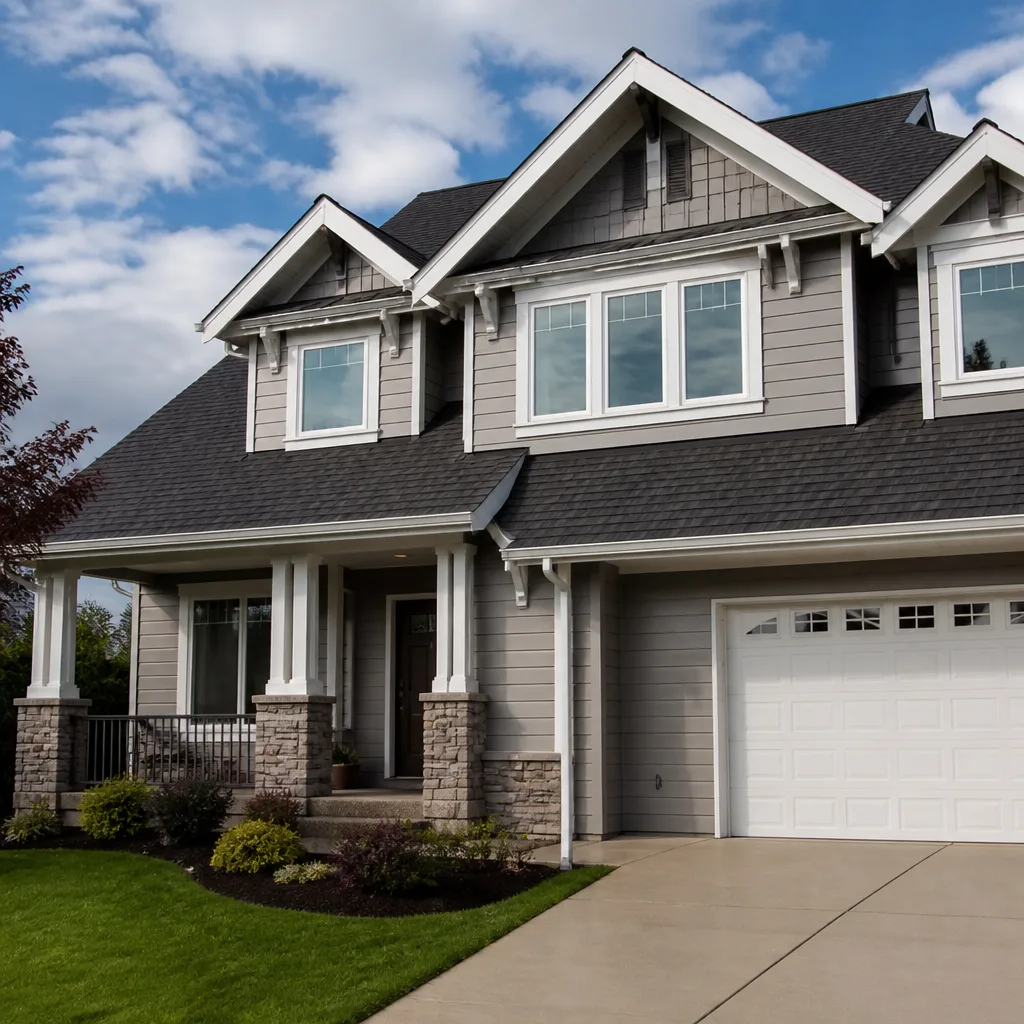
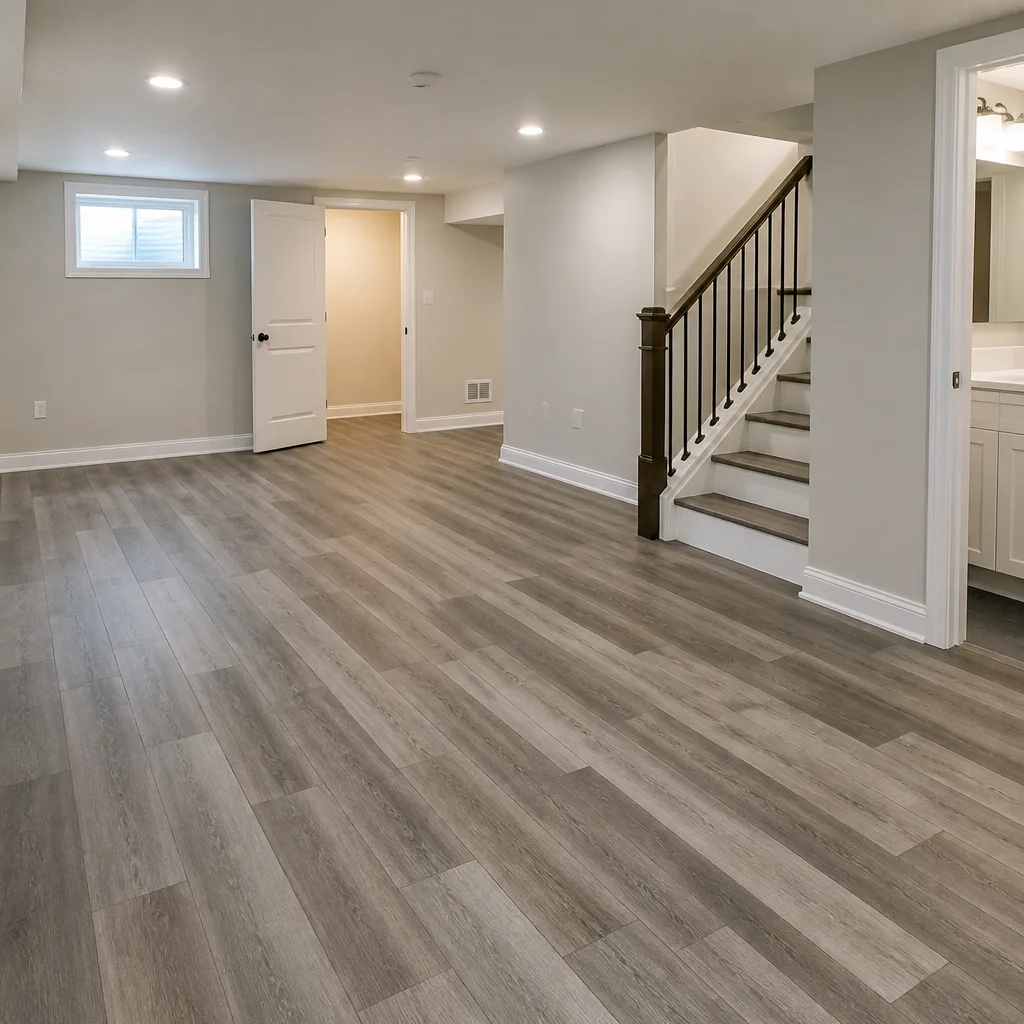
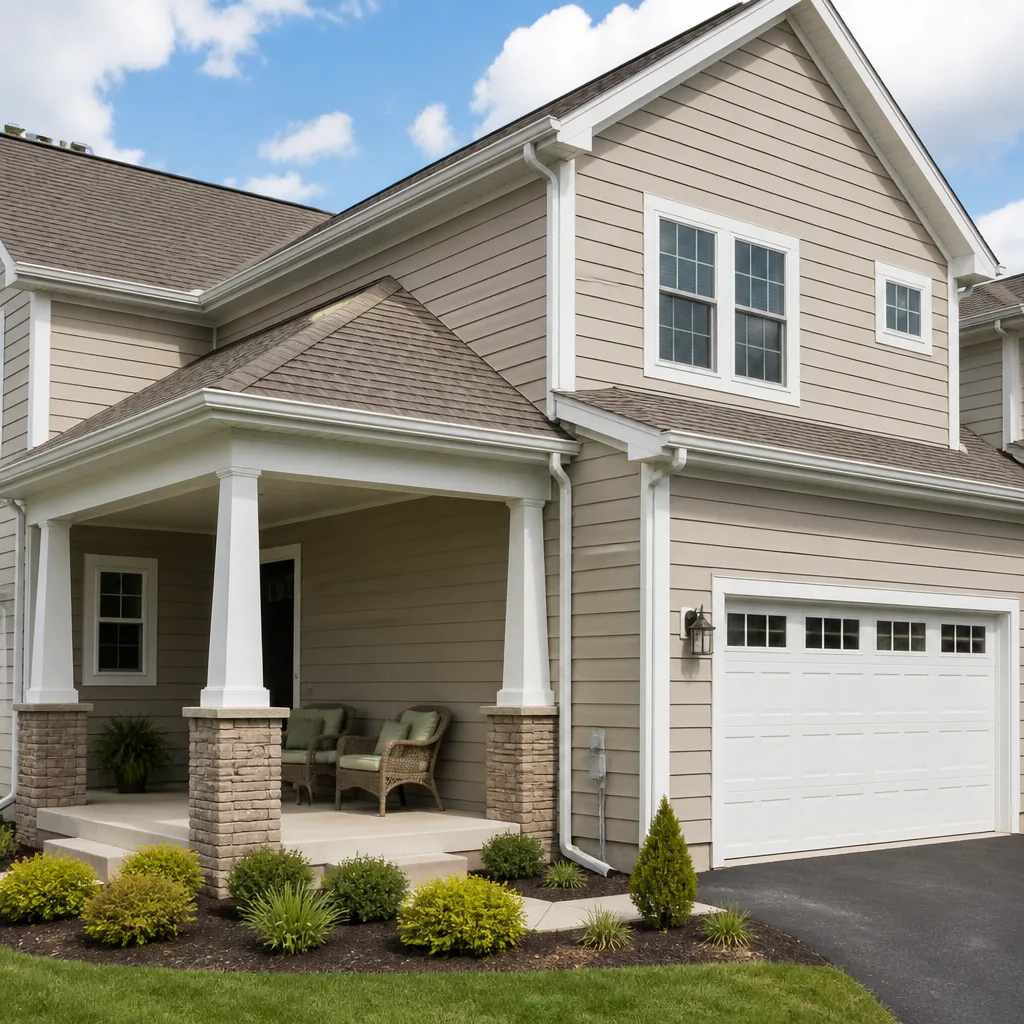
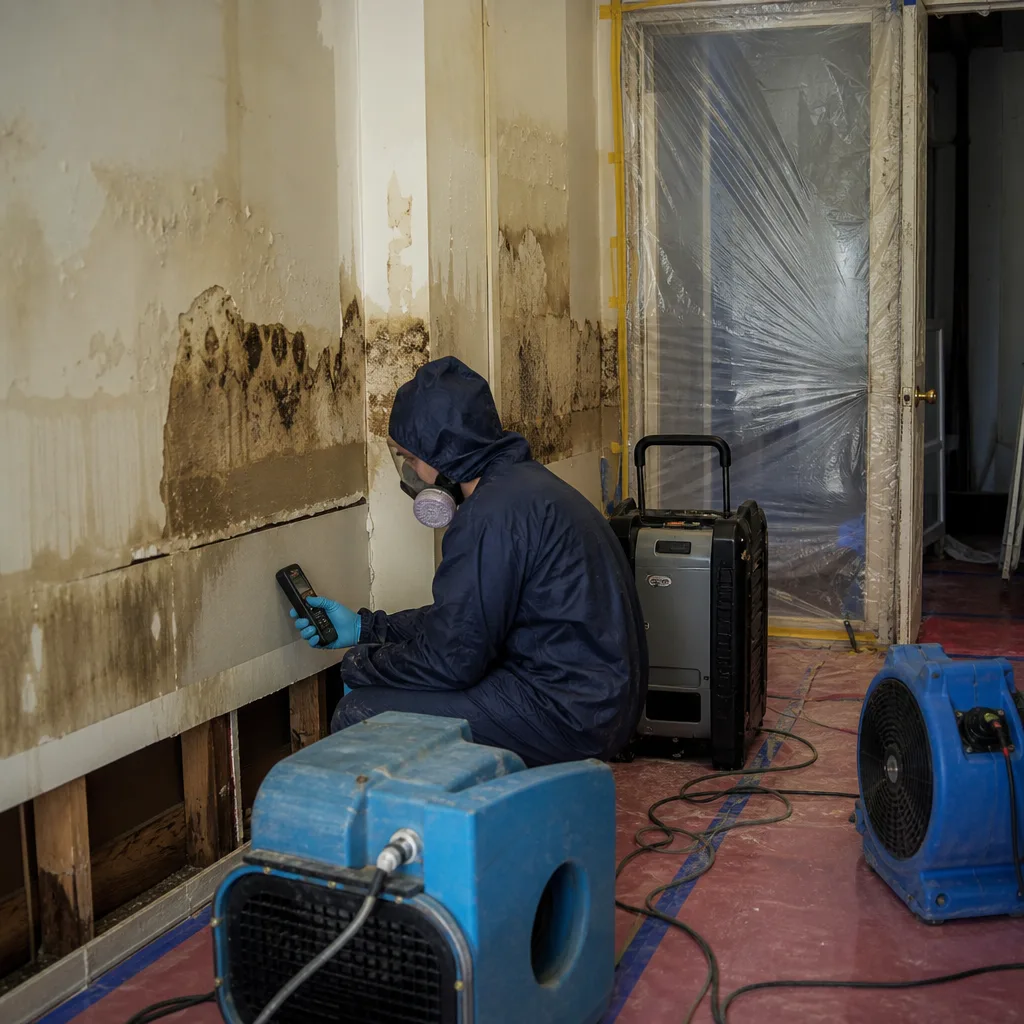 Before
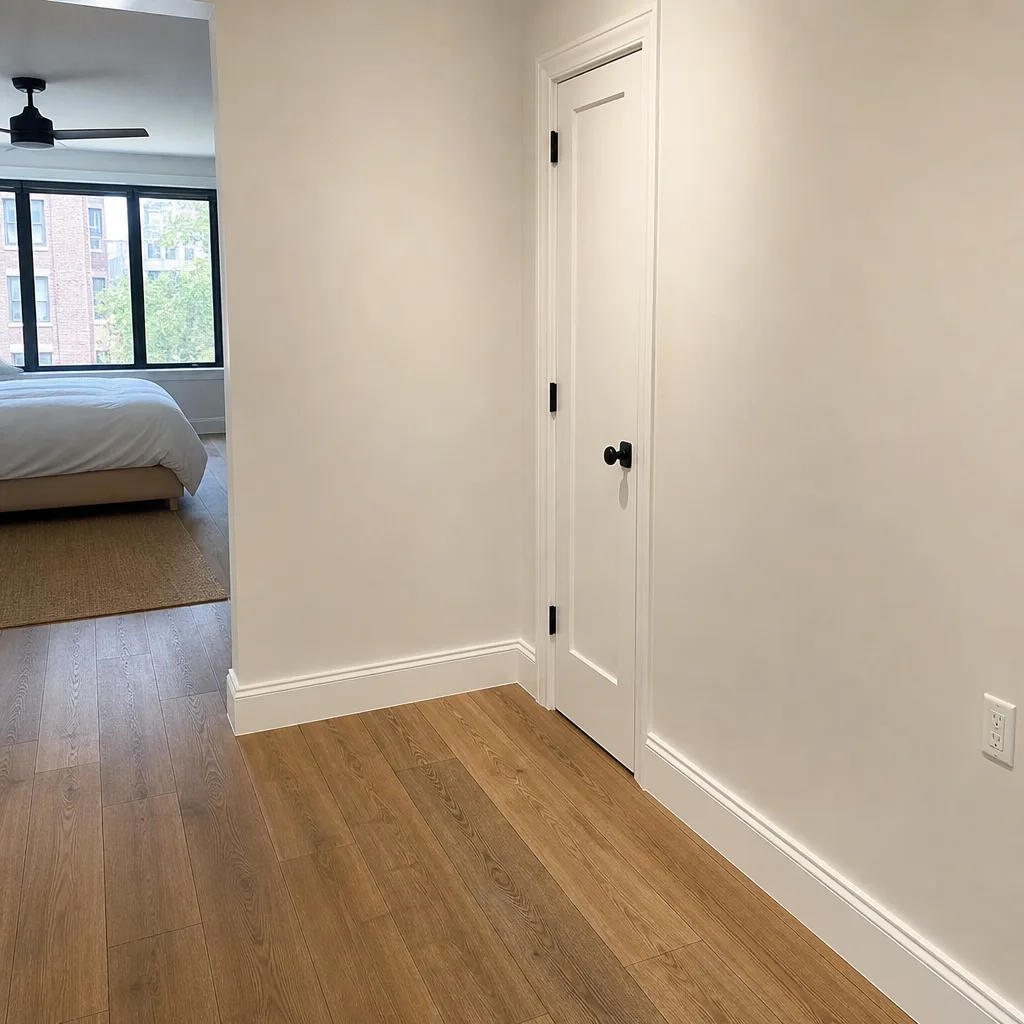 After
After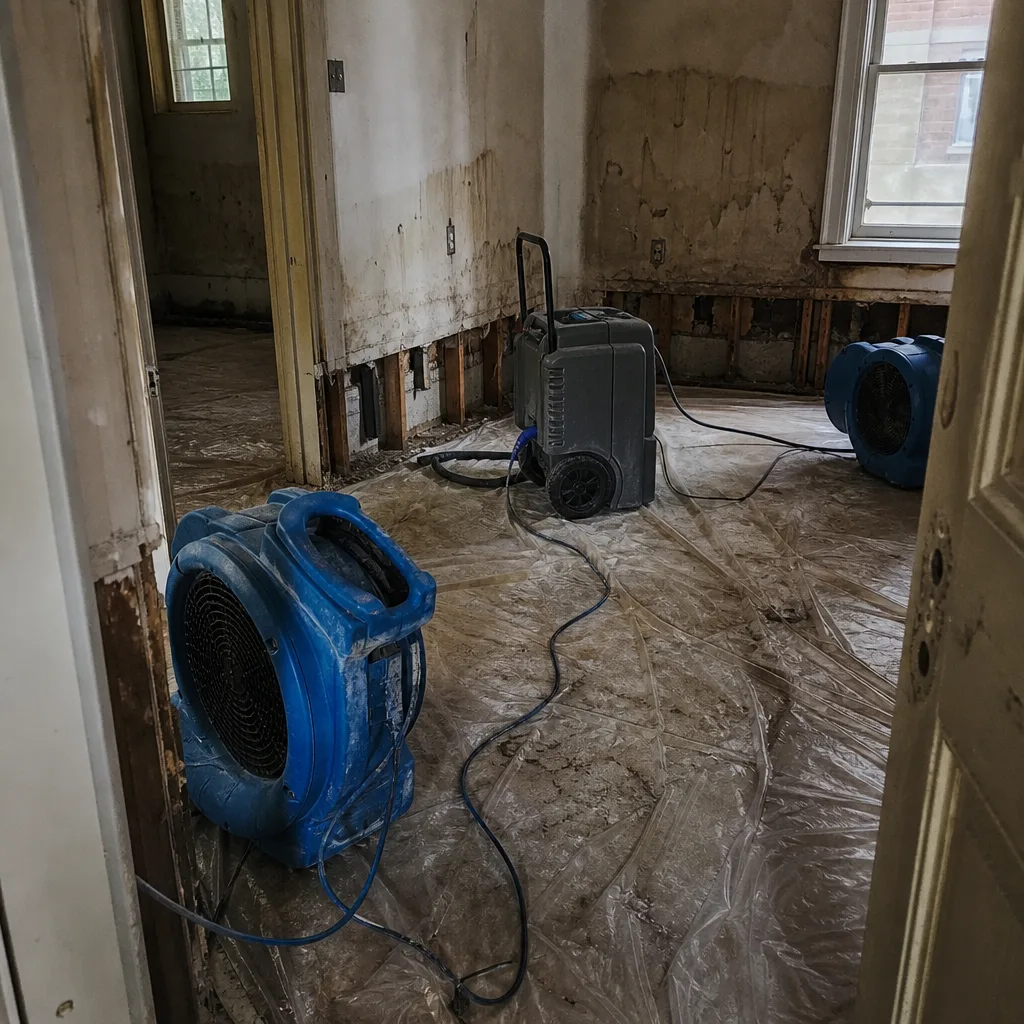 Before
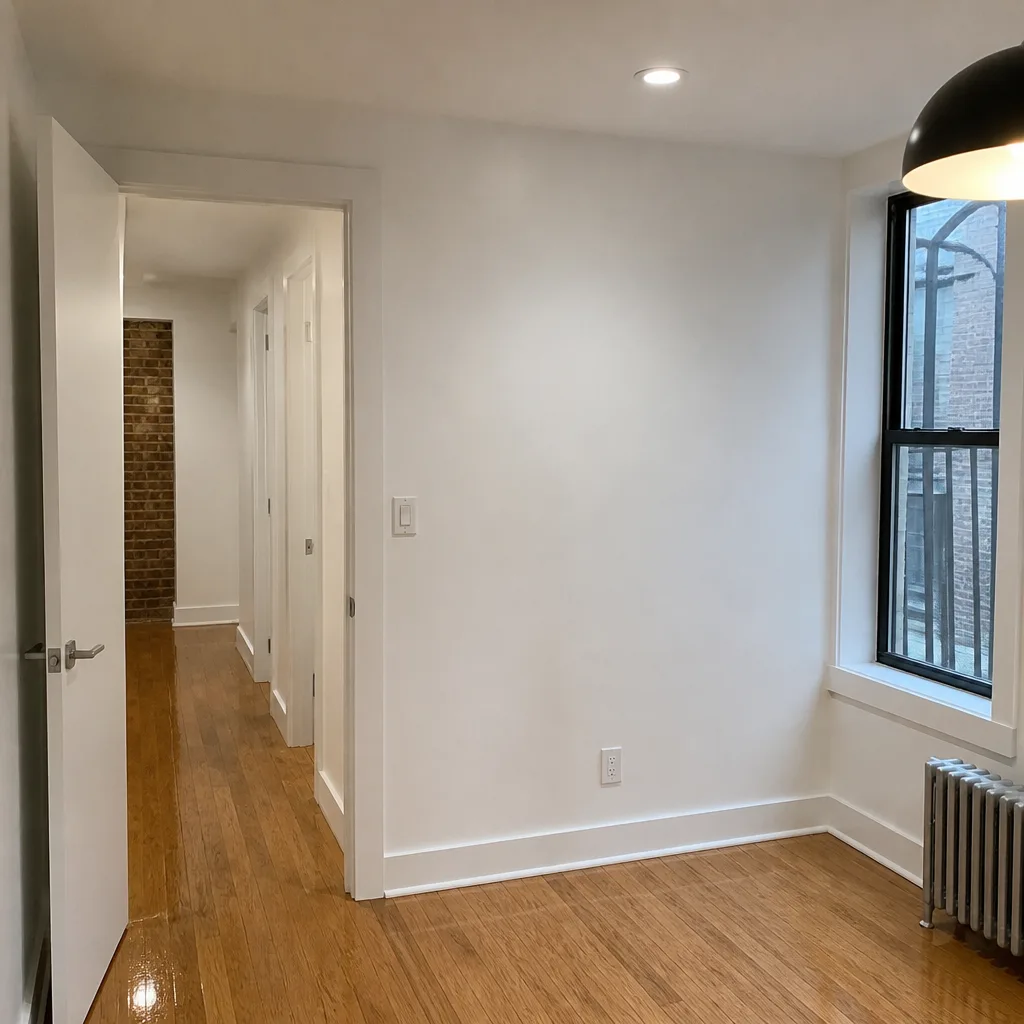 After
After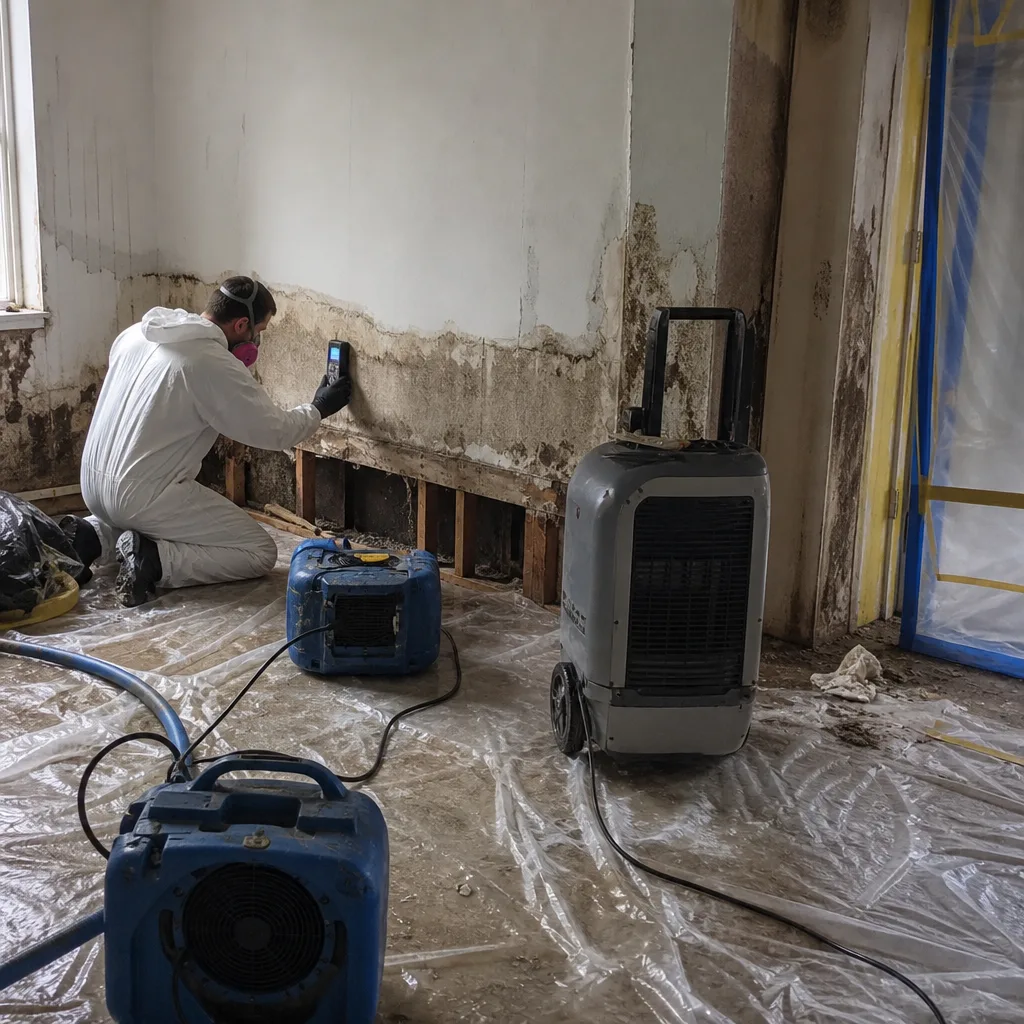 Before
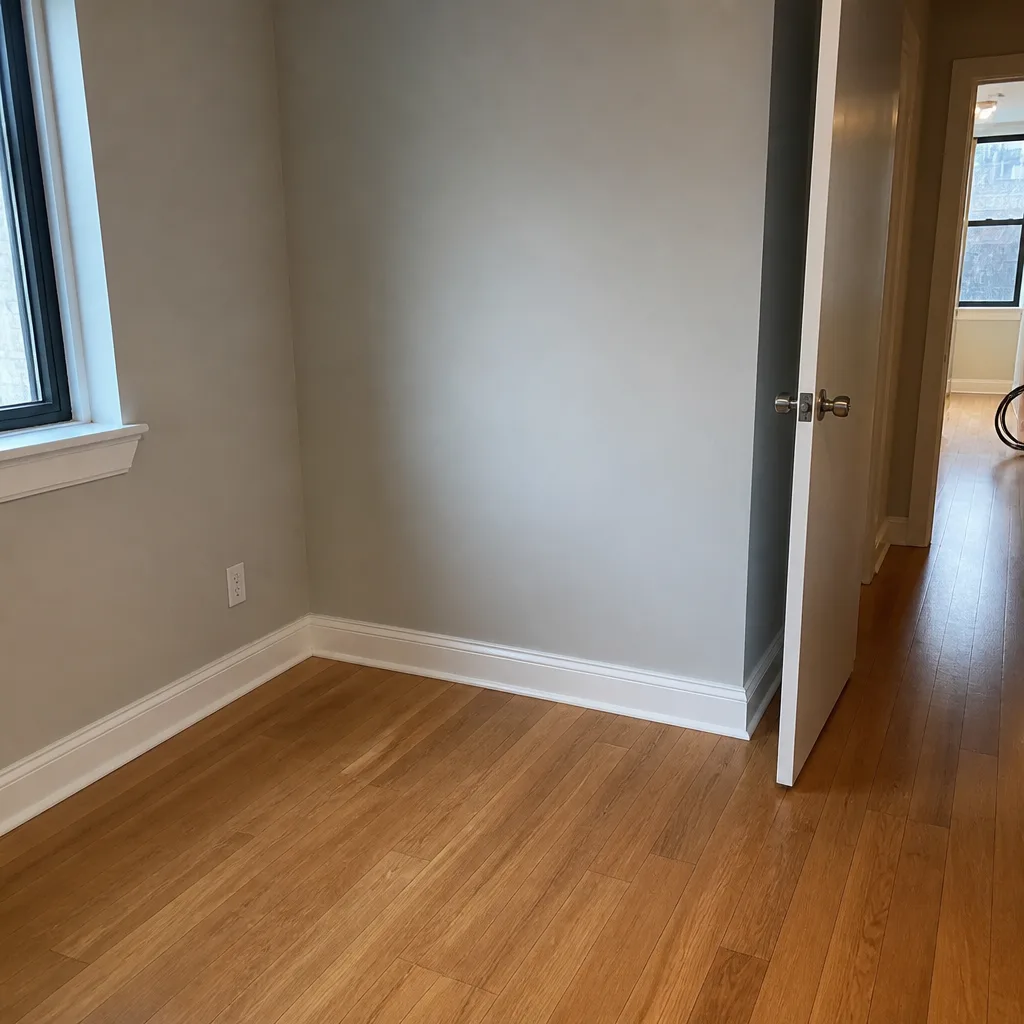 After
After24/7 Emergency Storm & Disaster Restoration in East Harlem
Storm & disaster restoration in East Harlem moves on a clock, and not a loose one. A nor’easter that tears a roof membrane over the Wagner Houses or a January freeze that bursts a supply line in a pre-war tenement on 116th Street stops being a building problem and becomes a people problem within the hour. Water finds the path of least resistance, and in five- and six-story brick walk-ups built between the 1890s and 1920s, that path runs straight down through plaster ceilings, flooring, and the shared cast iron drain stacks six floors of families rely on. Call Floodline Restoration Co. at (845) 305-5737 and a live dispatcher answers. Not a recording. Not a callback queue. A person who can route a certified crew to East Harlem immediately, same visit, extraction running. The first hour determines whether you’re drying a room or replacing half a building. We’re here 24 hours a day, every day, with a free visual inspection and a clear scope before anything gets torn out.
Understanding Storm & Disaster Restoration Severity in East Harlem Properties
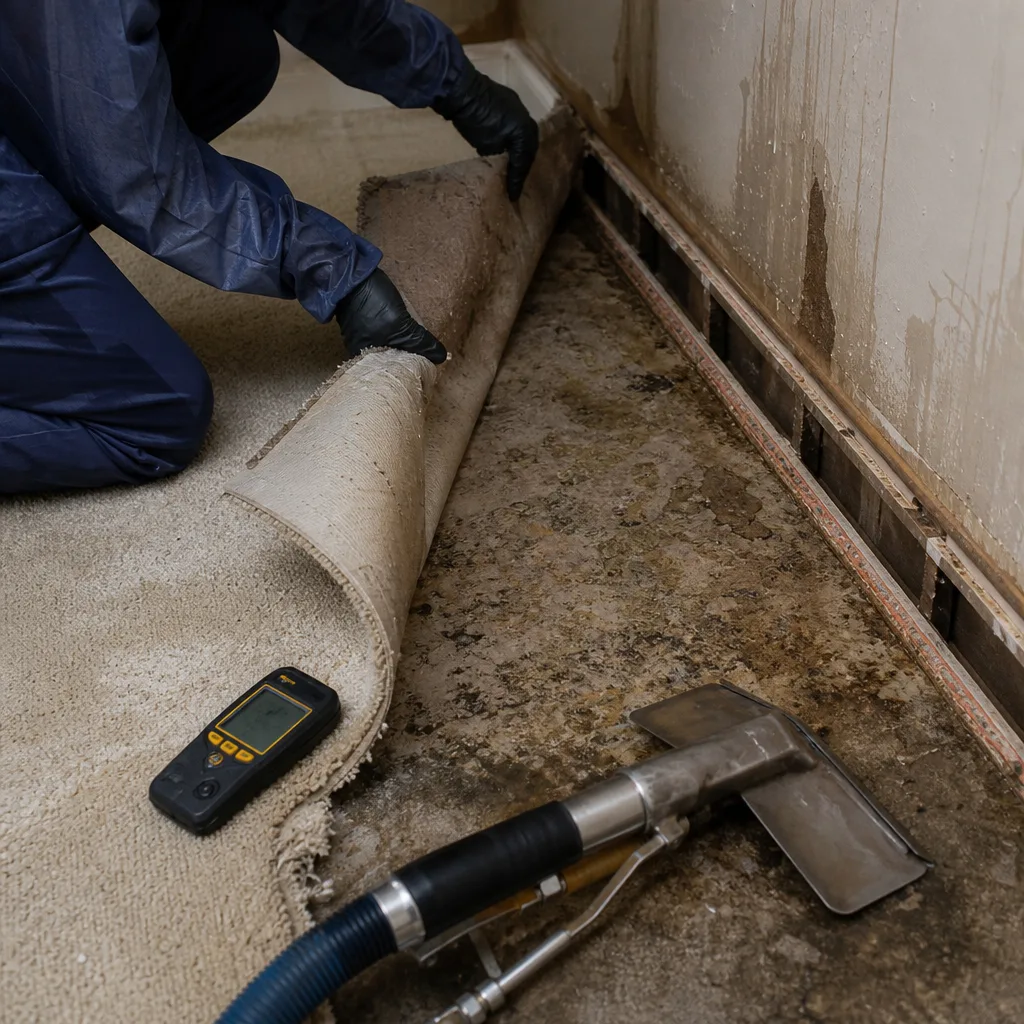
Storm damage in East Harlem is rarely as simple as a leak. The neighborhood’s private housing stock is dominated by unreinforced brick tenements built between the 1890s and 1920s. Those buildings share vertical plumbing stacks, which means an upper-floor pipe failure sends Category 2 water, and often Category 3 from a sewage line, cascading through multiple units. Once a corroded cast iron soil stack on the sixth floor backs up, every bathroom on that line is in play. Category 1 water from a supply line is clean. Category 2 contains contaminants. Category 3 is grossly unsanitary, carrying sewage and pathogens that require full containment, antimicrobial treatment, and aggressive structural drying with the right equipment. In East Harlem’s older buildings, the drying problem is compounded by original lath and plaster walls. Moisture hides behind plaster for weeks before a stain or odor appears, so moisture mapping with thermal imaging and hygrometers is not optional, it’s the only way to know the true boundary of what’s wet. Mold can establish behind those walls within 48 hours when humidity stays elevated, and East Harlem’s proximity to the East River keeps ambient humidity higher than most of Manhattan year-round. We read the moisture, map it, dry it to the standard, and log every reading.
Why East Harlem Property Owners Choose Floodline Restoration Co.
- 45-minute response commitment. When you call with storm or flood damage, we commit to a certified crew rolling toward East Harlem within 45 minutes. The clock starts when the live dispatcher picks up.
- 24/7 live answer, never an automated system. At 2 a.m. during a nor’easter, a real person answers. That’s been true since Curt Bowman founded Floodline Restoration Co. in 2010, and it’s built into how we dispatch.
- IICRC-certified crews, trained to the codes that matter. Our technicians carry WRT, FSRT, and AMRT certifications. They show up background-checked and uniformed. The person doing the work knows what a category 3 event requires.
- Free visual inspection with no obligation. We walk the damage with you, explain what we’re seeing in plain language, and give you a written scope before anything gets torn out. No surprises on the bill.
- Direct insurance billing. We document the loss from the first hour, communicate directly with your adjuster, and bill the carrier directly. You are not the messenger.
- One team from extraction to reconstruction. The same crew that reads the moisture map on day one handles the daily drying readings, the demolition, the rebuild, and the final walkthrough. No mid-job handoff, ever.
Our Storm & Disaster Restoration Process
Inspection & Assessment
We arrive, walk every affected area, and document the loss. Thermal imaging and moisture meters map the true water boundary, even behind the plaster. The scope is written before we touch anything.
Extraction & Stabilization
Standing water comes out first. Professional-grade extraction equipment runs while we stabilize the structure. Emergency board-up or roof tarping happens immediately if the building envelope is breached.
Drying & Dehumidification
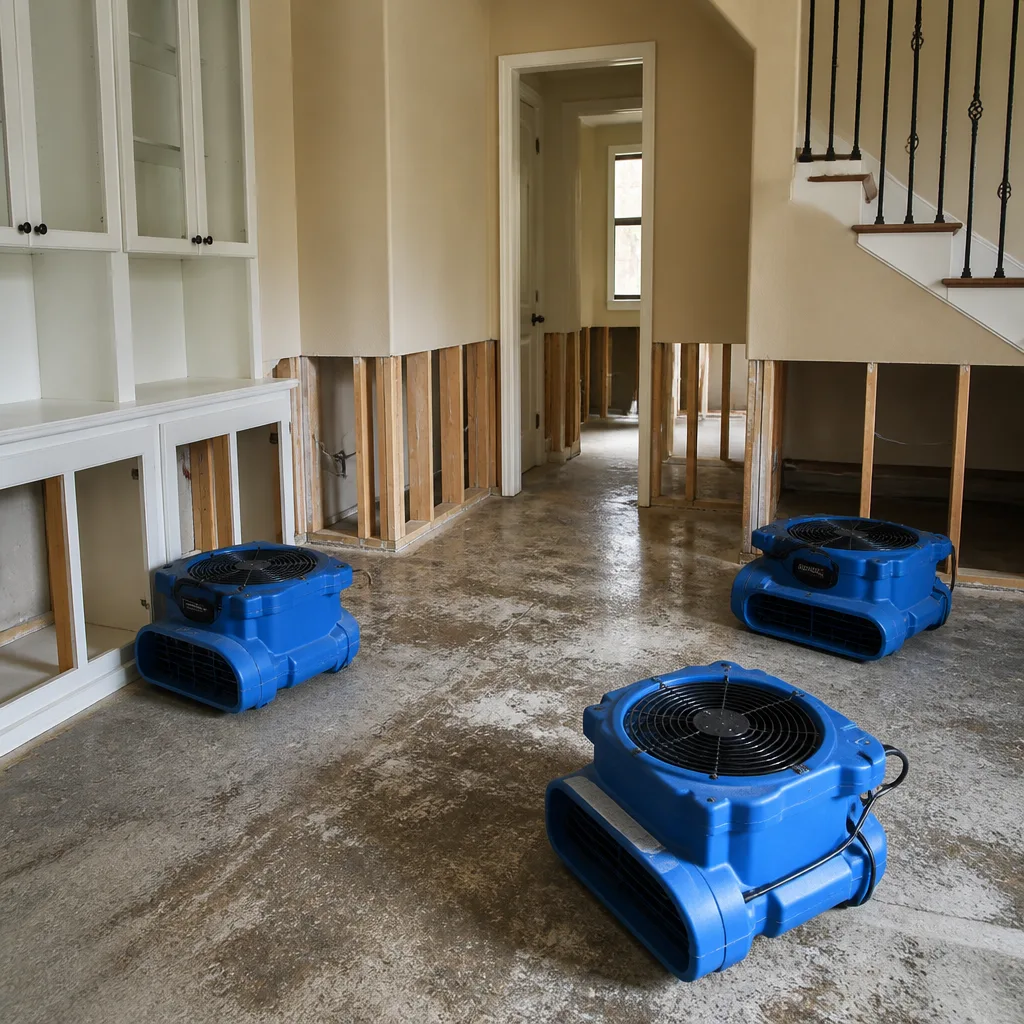
We place air movers and dehumidifiers, including Dri-Eaz and Phoenix units, positioned to dry the structural cavity, not just the surface. Daily moisture readings are logged until the dry standard is met.
Cleaning & Sanitization
For category 2 or 3 water, full containment goes up and antimicrobial treatments are applied before drying completes. HEPA air scrubbers run to keep spores and contaminants from spreading to unaffected areas.
Storm-Specific Treatment
Storm damage brings wind-driven rain, sewage backup, and debris. We handle contaminated material removal, structural decontamination, and content pack-out. The treated area is fixed, not just dried.
Repairs & Restoration
We rebuild what storm and water took out. Drywall, plaster, flooring, millwork, paint. The finish line is a completed job with the 90-Day Done Right Promise in your hand.
Need Emergency Storm & Disaster Restoration in East Harlem Now?
Crews minutes away, answering live 24 hours a day. The sooner we start, the less it costs.
Working With Your Insurance Company
Insurance claims after a storm in East Harlem are more complicated than in most Manhattan neighborhoods. That’s because the damage often spans two jurisdictions: NYCHA-owned buildings where the housing authority is the responsible party, and adjacent private tenements where your carrier writes the check. Our team does not leave you to navigate either one alone. From the first hour, we document everything: photos room by room, moisture readings, a line-item scope, and a moisture log that follows the readings day by day until the dry standard is reached. When your adjuster calls, our crew answers. When NYCHA’s claim process stalls a mitigation, we document the delay so secondary damage is covered. You should never be the person relaying messages between a crew and an insurance carrier. That’s our job. It has been for over 42 years, and we do it without drama.
What We Provide Your Insurer
- Thorough documentation of the loss
- Photos of all damage, room by room
- Moisture readings and drying logs
- A detailed, line-item scope of work
- Direct coordination with your carrier
Built for East Harlem’s Loss Calendar
Storm and disaster restoration in East Harlem follows a seasonal rhythm that we know from years of working this exact grid. January and February bring deep freezes that burst supply lines in uninsulated exterior walls, the same freeze-thaw cycles that eat away at aging brick mortar joints and let moisture intrude behind plaster all winter. Spring thaw turns that hidden moisture into visible mold and soft drywall. Summer brings sudden thunderstorm flash flooding that overwhelms the aging storm drains along the FDR corridor and pushes water into lower-floor apartments and basement boiler rooms. The fall nor’easter season is the heavy hitter: wind damage to roof membranes, breached building envelopes on the taller pre-war facades, and water intrusion migrating down through multiple floors. In the NYCHA superblocks along the East River, roof membrane failures have pushed lateral water into adjacent private tenements more times than any spreadsheet can count. Losses here do not arrive politely. They arrive in waves, and we staff for them.
Storm & Disaster Restoration Across East Harlem’s Neighborhoods
The response pattern differs block by block. In the NYCHA superblocks around the Wagner Houses and Jefferson Houses along First Avenue and Second Avenue, storm and disaster restoration work often starts with a documented condition report that supports a NYCHA claim, then moves into mitigation of the private unit’s damage. Along 116th Street and Lexington Avenue, the pre-war tenements dominate, and a single storm-driven sewage backup can affect every unit on a shared soil stack. Over near the James Weldon Johnson Houses at 112th Street and Park Avenue, roof membrane work frequently ties into water intrusion claims in top-floor apartments. In the lower blocks around 96th and 97th Street, wind-driven rain through failed lintels and old window frames is a recurring source of storm damage. Each area demands a slightly different order of operations: board-up first near the FDR, tarping first on flat-roof walk-ups, containment always on category 3 events. We run the same moisture mapping and the same drying standards everywhere we go in East Harlem.
Specialized Storm & Disaster Restoration Services We Offer in East Harlem
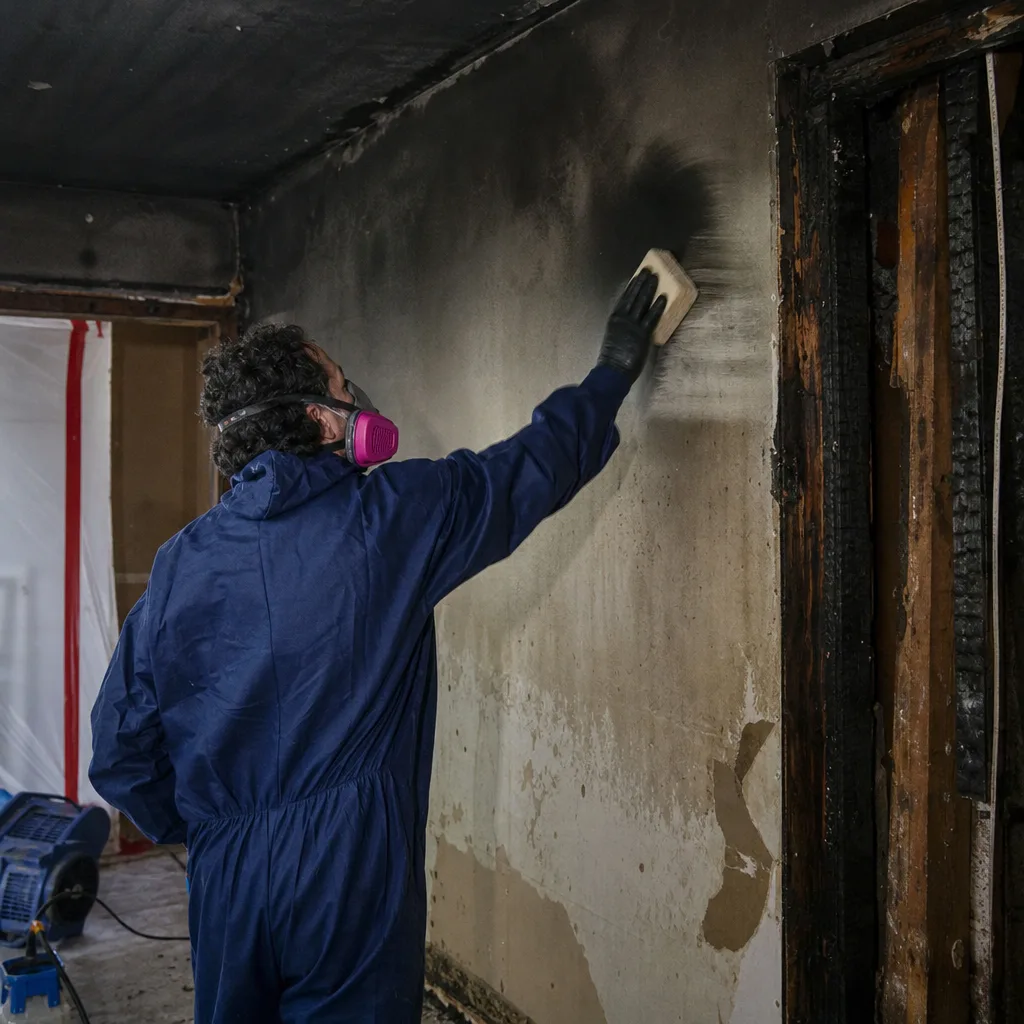
Storm Damage Cleanup
Wind, rain, and flying debris leave a mess that goes deeper than the surface. We remove wet drywall, saturated insulation, and storm debris, then stabilize the area and dry the structure. On East Harlem’s older brick tenements, cleanup usually means discovering what the storm revealed about decades of deferred maintenance.
Flood Damage Restoration
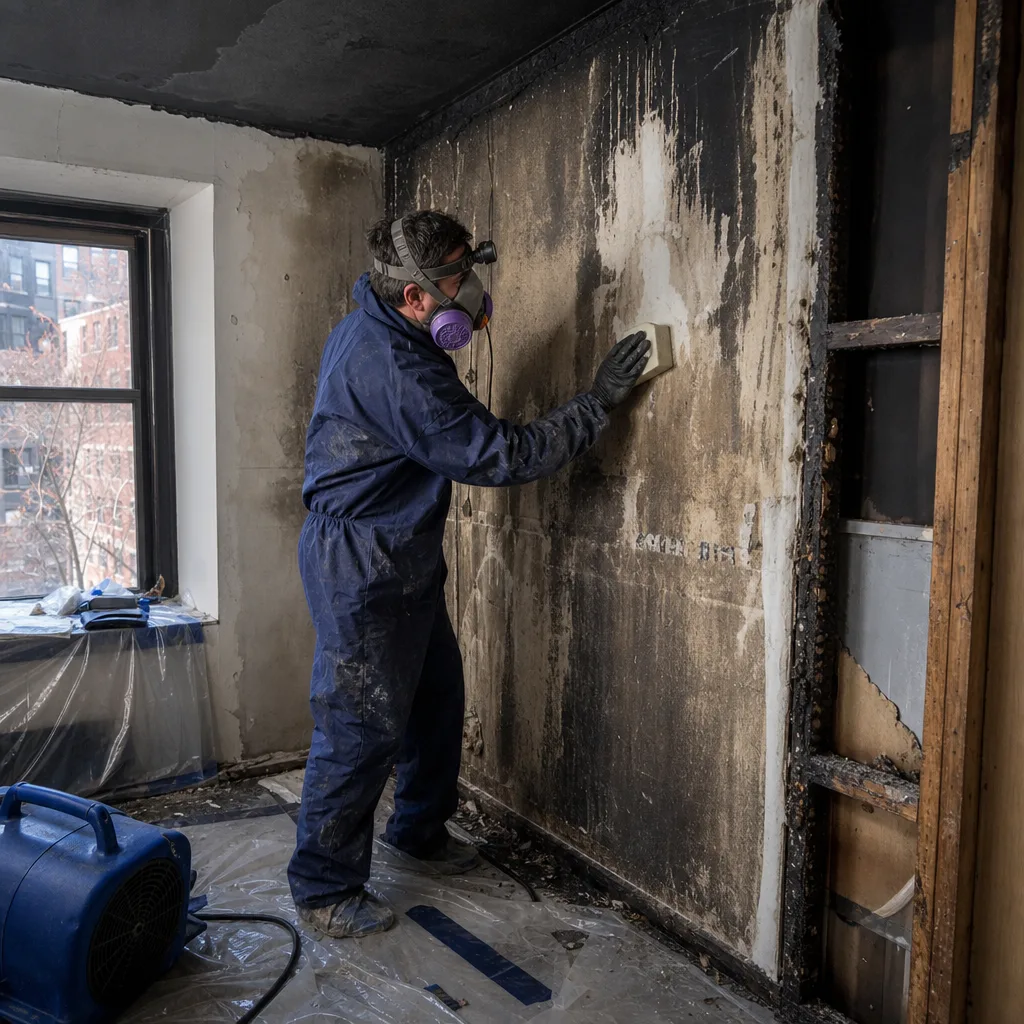
Flooding in East Harlem comes from burst supply lines, sewage backups, and storm surge near the FDR. We extract, dry, sanitize, and rebuild. Category 3 water gets full containment and antimicrobial treatment, because in a five-story tenement the last thing anyone needs is a contaminated airstream moving between units.
Emergency Board-Up
When storm winds take out windows or doors on 116th Street or Lexington Avenue, an open building invites more damage and more trouble. Our crews board up fast, using secure fastening that keeps the building envelope tight. Board-up is temporary, but it buys the time to do mitigation properly.
Roof Tarping
Flat and low-slope roofs on East Harlem’s pre-war walk-ups fail during nor’easters. We tarp breaches quickly and securely, which stops active water intrusion before it migrates down through the building. Once tarped, we coordinate with the property’s contractor or handle the rebuild ourselves.
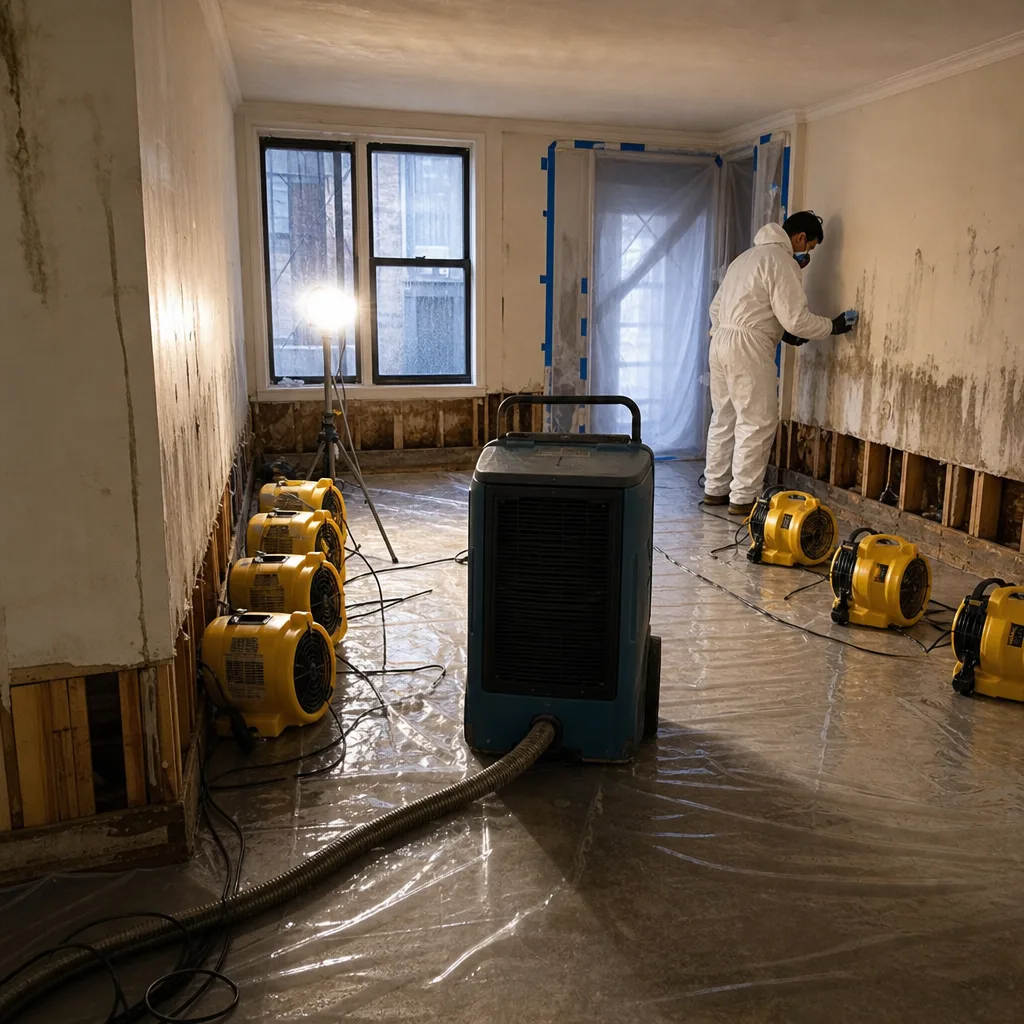
Debris Removal
Storm debris is not just a nuisance. It hides water and creates tripping hazards. We clear it as part of the initial stabilization, then dispose of everything properly. On NYCHA-adjacent properties, debris removal often needs to be documented as part of the claim file. We handle that paperwork too.
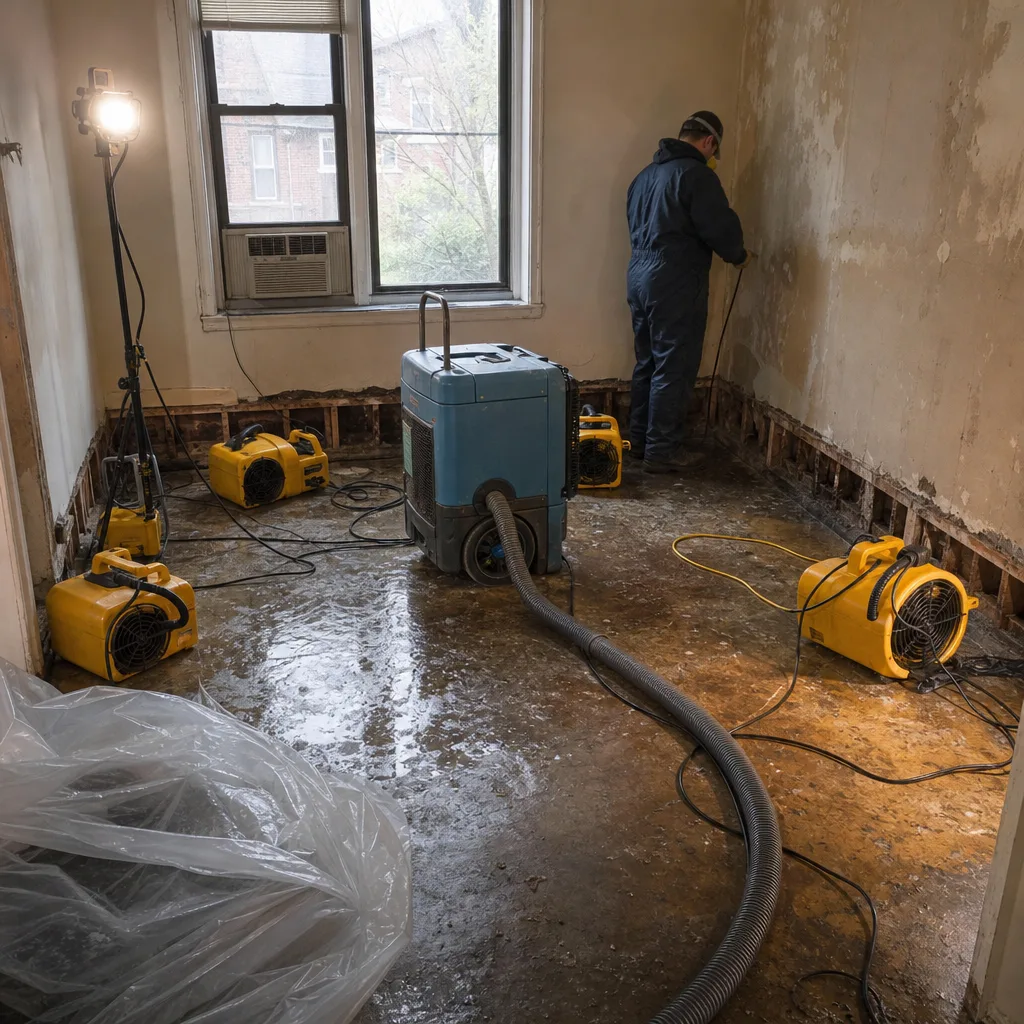
What happens when you call
- 1
A real person answersNo phone trees - you reach a local pro.
- 2
You get an upfront price rangeHonest numbers before anyone is dispatched.
- 3
A background-checked tech heads outLicensed & insured, dispatched right away.
- 4
You approve before work beginsNothing starts until you say go.
Storm & Disaster Restoration Costs in East Harlem, NY
What does storm and disaster restoration cost in East Harlem? The answer depends on how quickly the damage is addressed and how deep it goes, but we can give you honest ranges based on years of work in this exact building stock. Emergency board-up in East Harlem typically runs $400-$900, depending on the number of openings and whether security fasteners are required. Roof tarping on a pre-war flat roof runs $750-$1,800, with larger superblock or multi-building losses running higher. Storm damage cleanup for a typical one- or two-room intrusion runs $1,500-$4,500, including extraction, drying, and removal of damaged materials. A full category 3 sewage backup affecting multiple units on a shared stack can run $8,000-$35,000+, especially when floor-to-ceiling contents require pack-out. The fastest way to a firm number is the free visual inspection. We write the scope, you approve it, and we start. No surprises on the bill.
We Also Serve Cities Near East Harlem
Floodline Restoration Co. runs crews into every neighborhood around East Harlem, including Upper West Side, Upper Manhattan, Morningside Heights, and Central Harlem. From pre-war walk-ups to mid-rise co-ops, the same 45-minute response commitment and the same 90-Day Done Right Promise apply.
Serving East Harlem, NY - Our Local Coverage Area
We’re based in the East Harlem area and know this community well. Use the map below to see our service coverage - if you’re nearby, we can almost certainly help.
East Harlem Storm & Disaster Restoration Questions, Answered
Why do East Harlem’s pre-war tenements routinely produce multi-unit water damage claims from a single storm event?
Because they share vertical plumbing stacks and original cast iron drain lines. When one pipe fails on the upper floor, water and sewage travel down the same stack into every unit below. We have responded to a single category 3 backup off 116th and Lexington where one corroded soil stack generated five separate restoration scopes under one roof. That’s the norm in these buildings, not the exception.
Does working in NYCHA buildings like Wagner or Jefferson Houses change how Storm & Disaster Restoration is handled?
Yes. NYCHA claims work on a different timeline and requires specific documentation from the first hour. We handle that paperwork, but residents in authority buildings should know that mitigation may be delayed by the claim process. We document delays so secondary damage is covered. For private units adjacent to NYCHA buildings, lateral water intrusion from authority risers or roof membranes means the private carrier may need to coordinate with NYCHA. We manage both sides.
How quickly must category 2 or 3 water be addressed in East Harlem’s high-humidity pre-war buildings?
Within 48 hours. East Harlem’s proximity to the East River keeps ambient humidity high, which accelerates mold growth. In the original plaster walls of pre-war tenements, mold can establish within two days of a category 3 event. We treat contamination promptly with containment and antimicrobials, then dry to the standard with Dri-Eaz and Phoenix equipment.
What does EPA RRP and NYC Local Law 1 compliance mean for storm restoration tear-outs in East Harlem?
Virtually every tear-out in East Harlem’s older buildings triggers EPA RRP and Local Law 1 protocols, because the buildings carry lead paint and asbestos from decades of layered renovations. Our technicians are certified for this work. We set up the proper containment and follow the required procedures, so your project stays compliant with city and federal rules.
Why is emergency board-up critical after storm damage on streets like 116th and Lexington?
An open window or broken door on a busy commercial corridor invites further damage to the structure and attracts unwelcome entry. Board-up secures the building fast, which is important when the property is unoccupied or when the breach is on a ground-floor commercial space. We secure the opening and move on to mitigation.
How fast can a crew actually get to East Harlem?
We commit to a 45-minute response window. A live dispatcher answers 24 hours a day and routes the nearest certified crew. In practice, East Harlem’s grid and our local staging mean we are usually on site faster than that.
Will insurance cover storm and disaster restoration in East Harlem?
Most policies cover storm and flood damage, but the dual-sector dynamic here creates complications. If the damage originates from a NYCHA riser or roof membrane, the claim may involve the housing authority. If it originates in a private pre-war building, your carrier is the primary. We document everything from the first hour and communicate directly with the adjuster, whichever entity that is.
What should I do in the first 30 minutes after storm damage?
Call (845) 305-5737. While you wait, shut off the water if the source is a burst pipe. Do not enter standing water if electrical outlets are submerged. Do not attempt to dry category 3 water yourself. The fastest way to reduce the total cost is to start extraction quickly. Call Floodline Restoration Co. and a live dispatcher will have a crew rolling toward East Harlem immediately.
Written by Curt Bowman, Owner at Floodline Restoration Co., serving East Harlem since 2010.