
Free visual inspection and a written scope of work before any mitigation begins - photos, moisture readings, and drying logs go in your claim file
The scope we write is the scope we bill. Anything new gets shown to you, in writing, before we touch it.
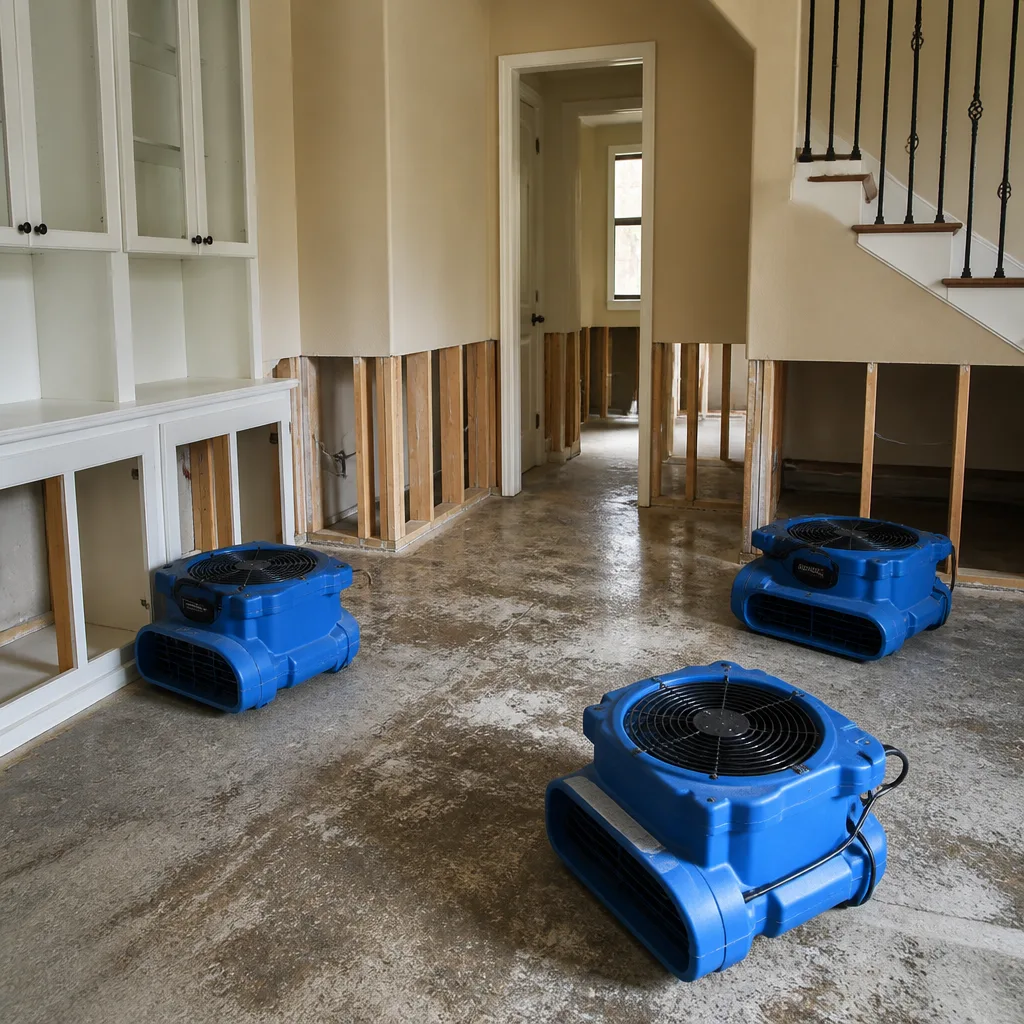
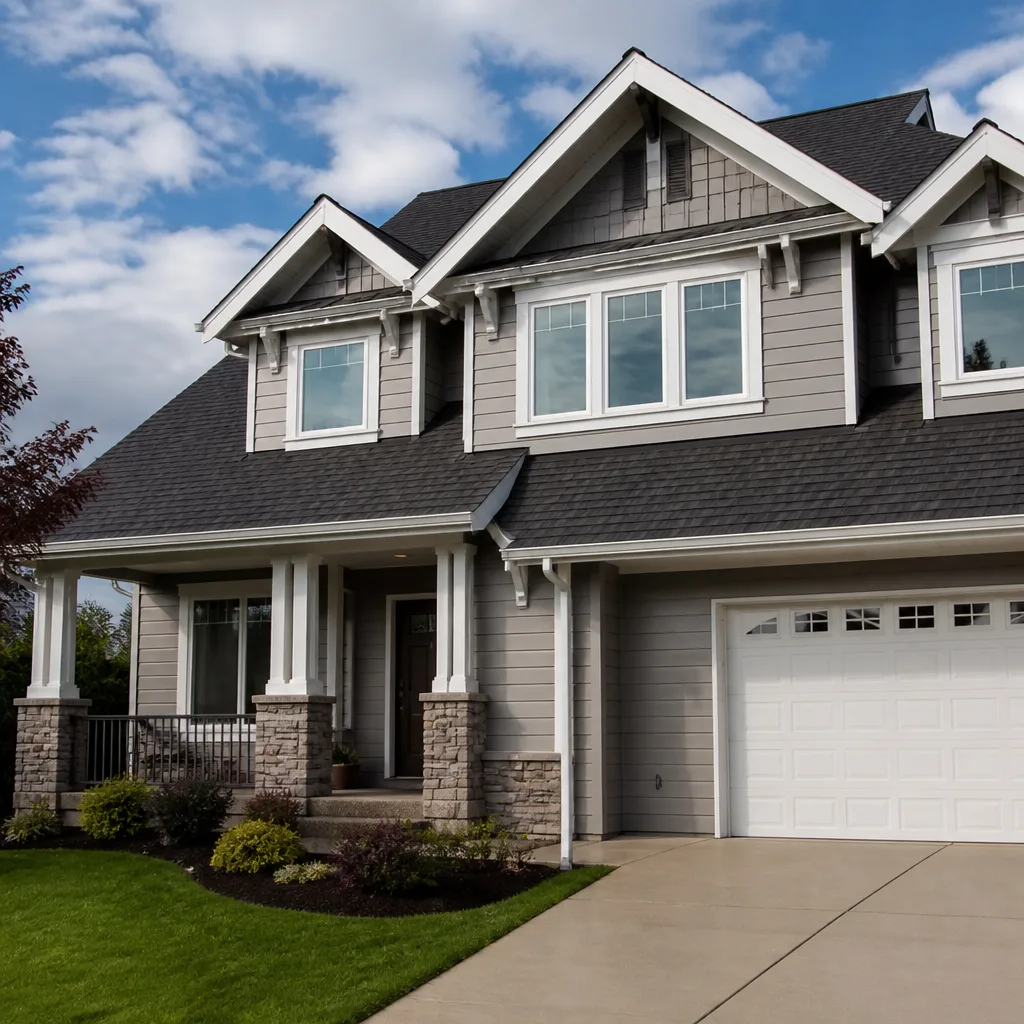
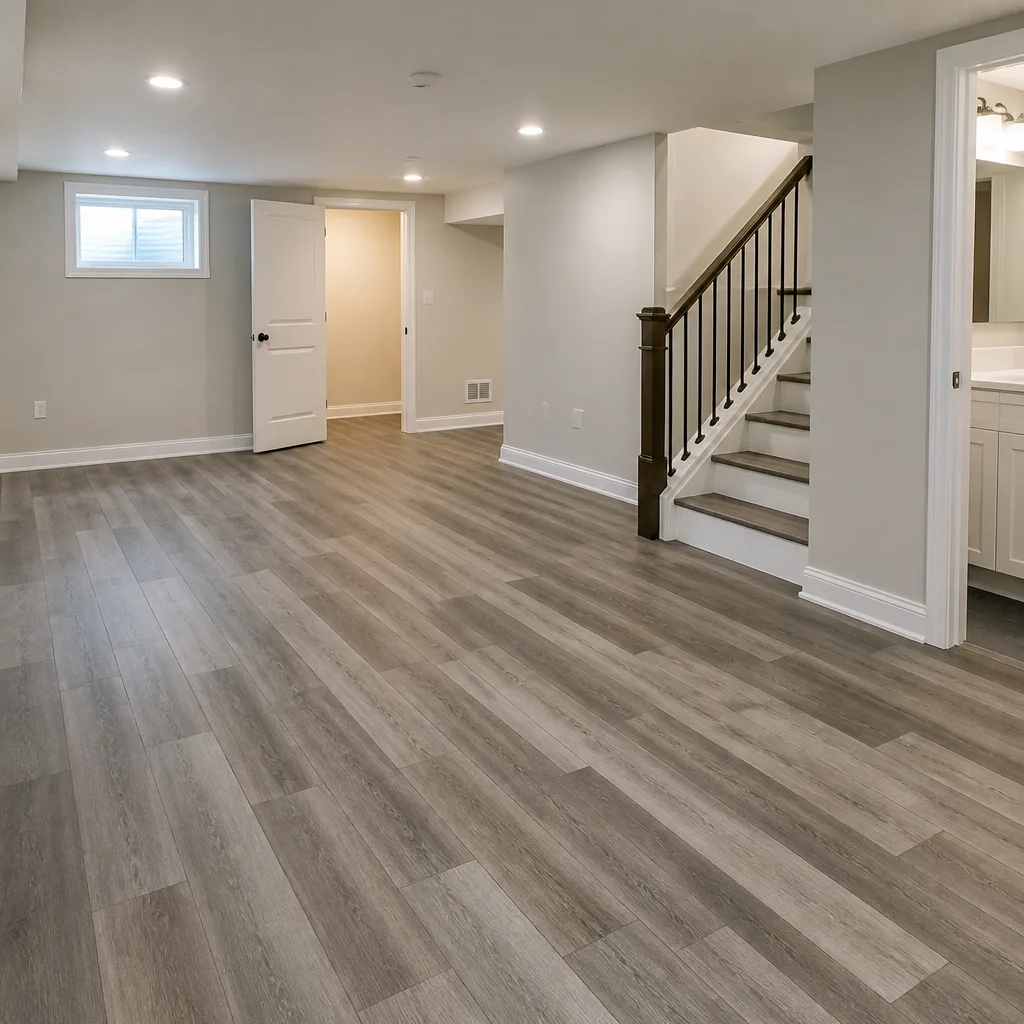
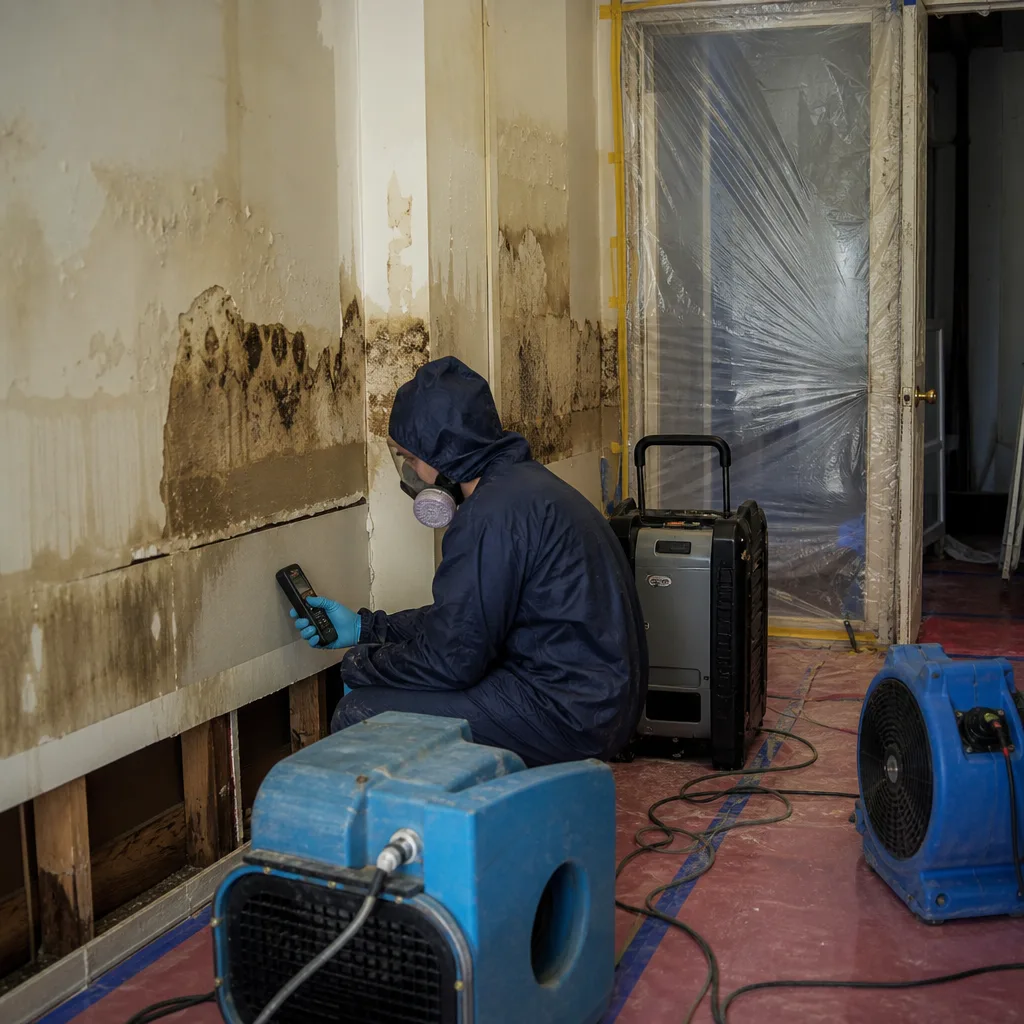 Before
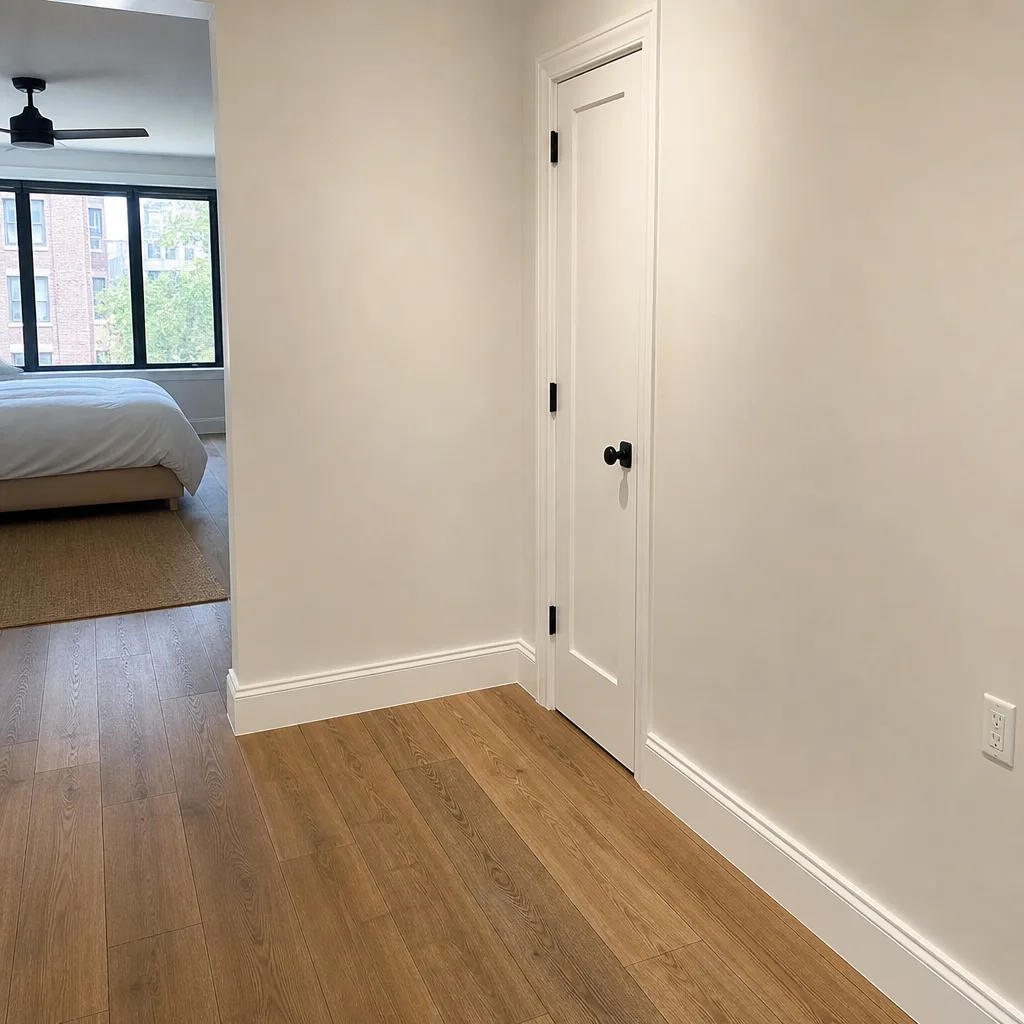 After
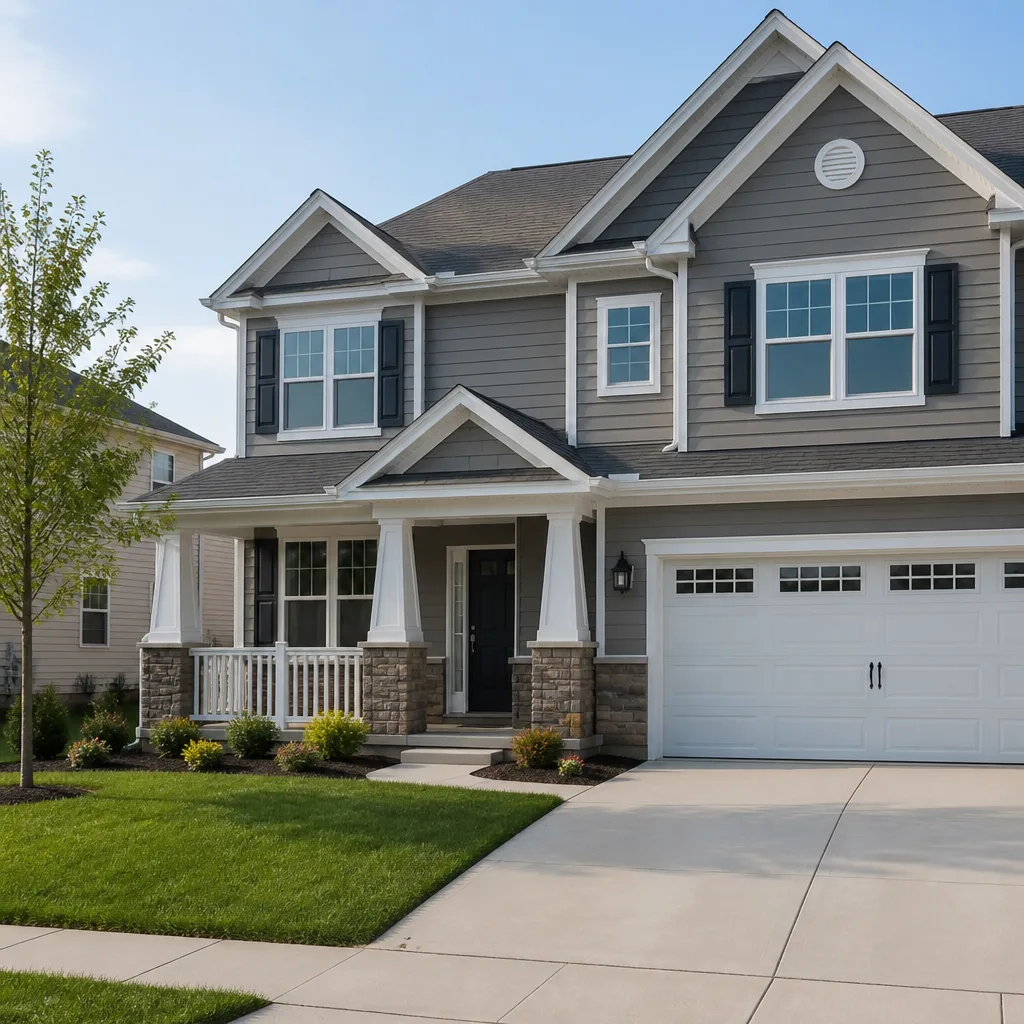
After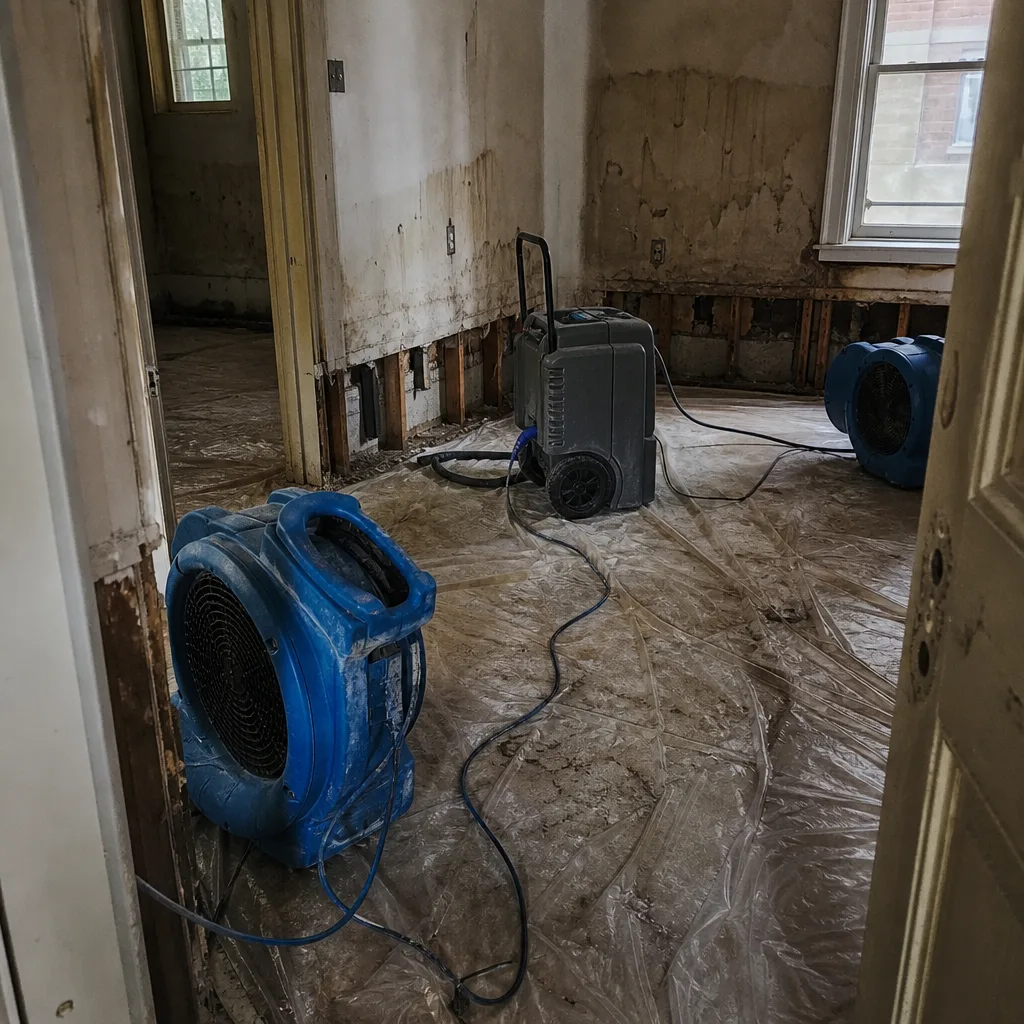 Before
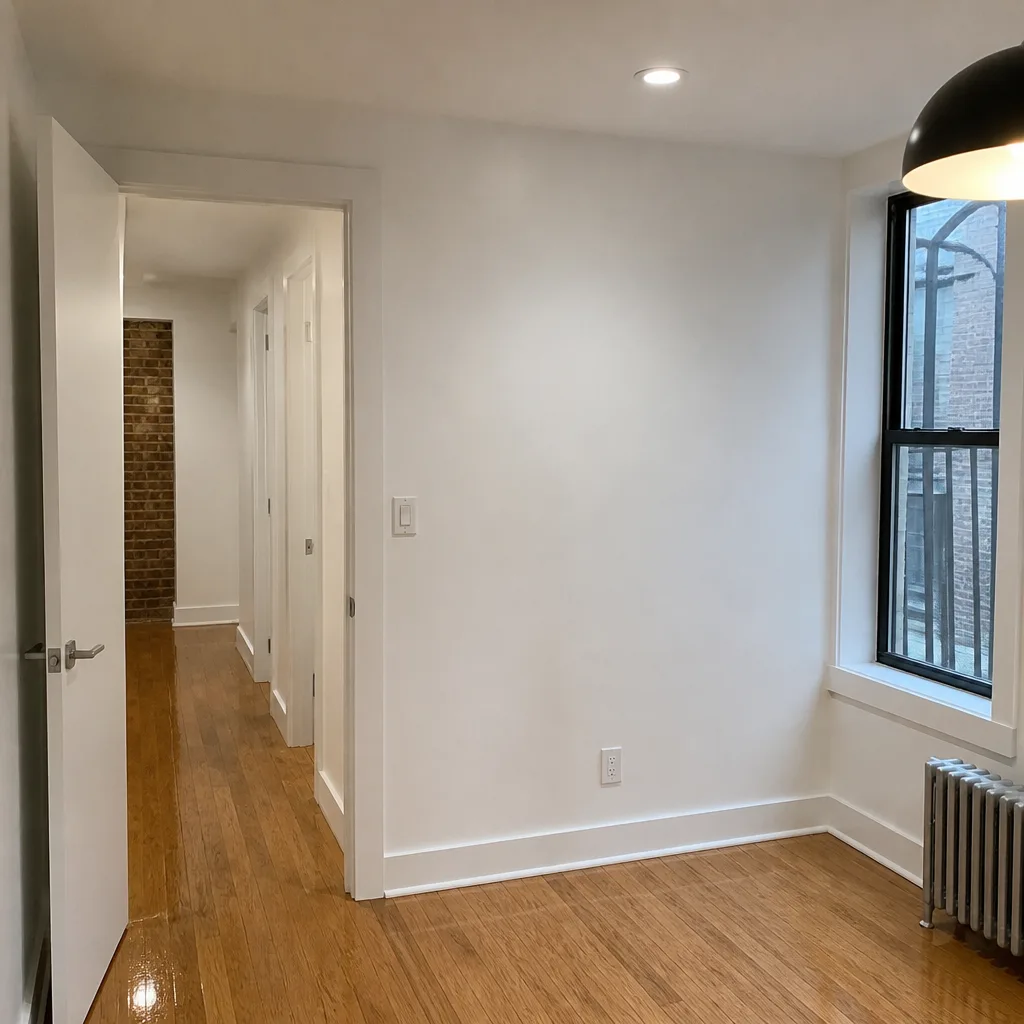 After
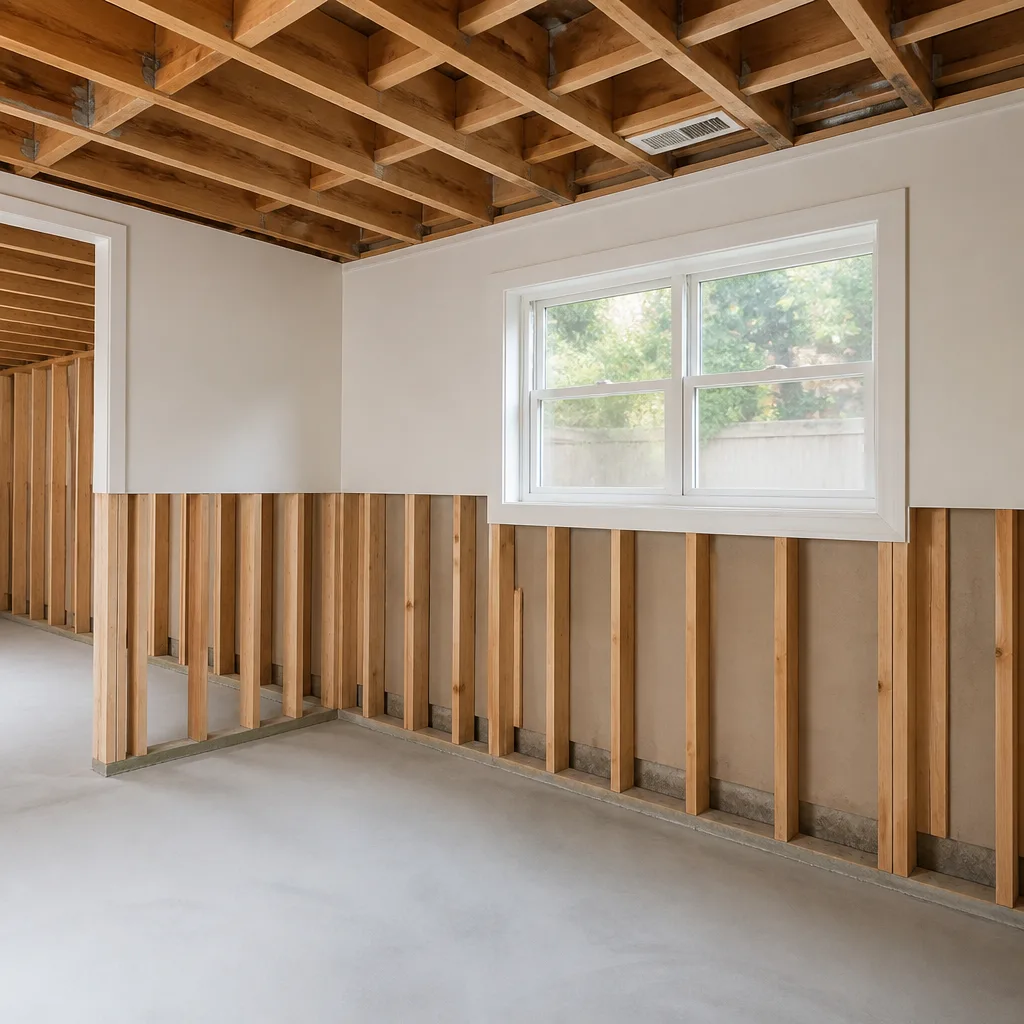
After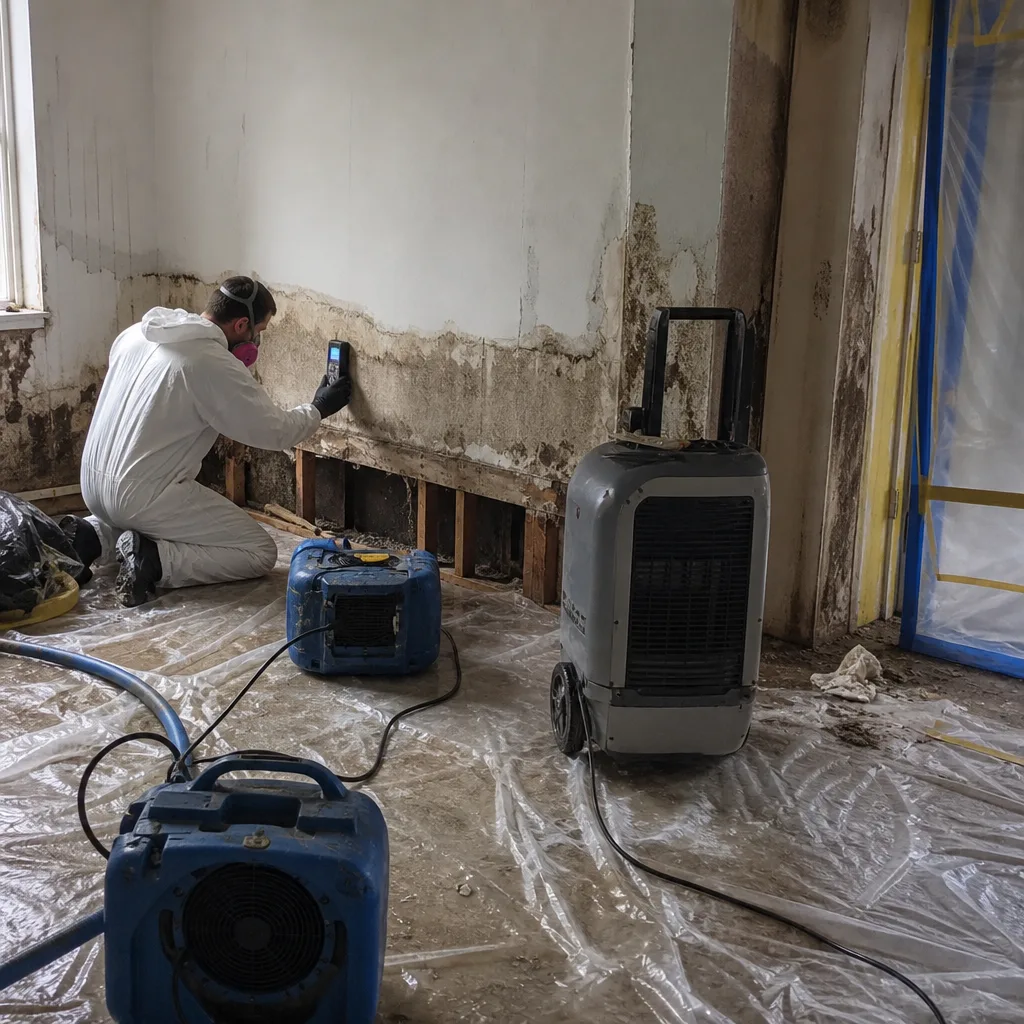 Before
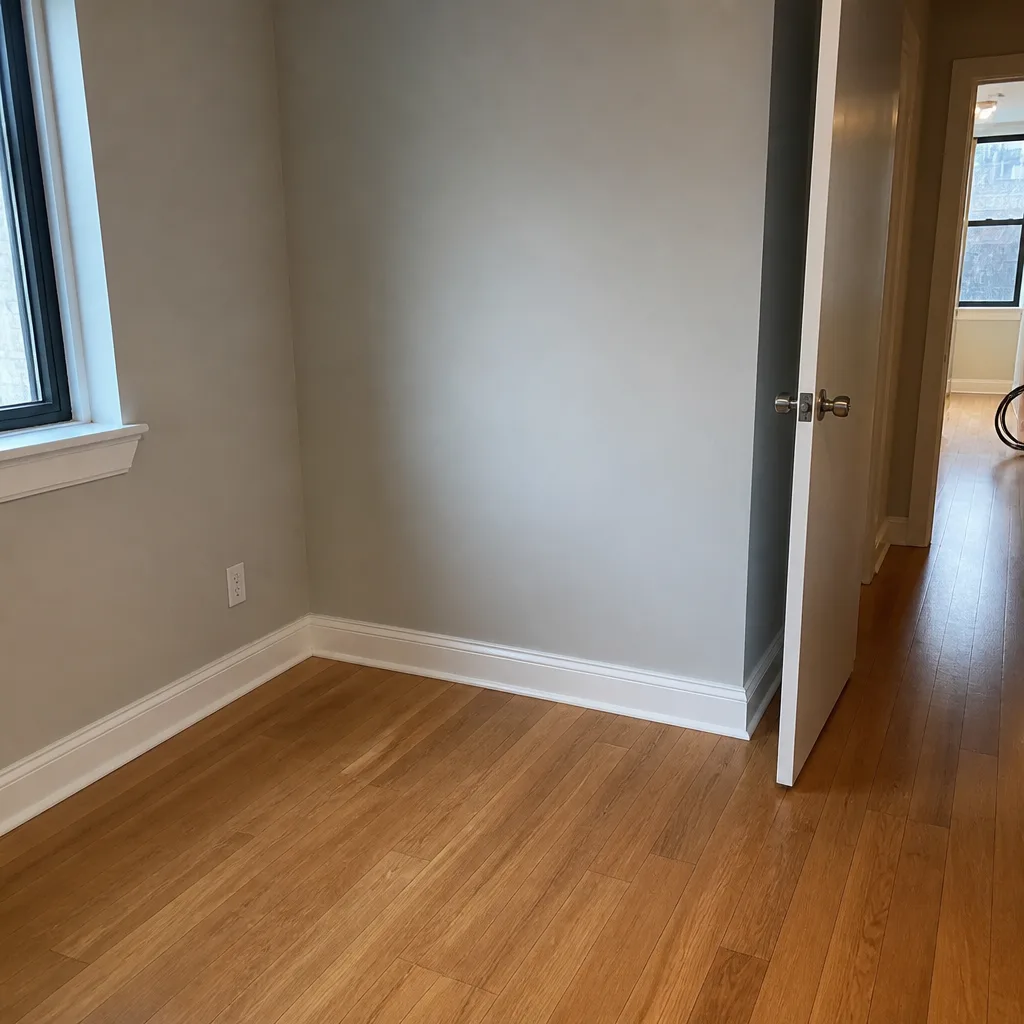 After
After24/7 Emergency Storm & Disaster Restoration in Upper Manhattan
Storm and disaster restoration in Upper Manhattan never waits for business hours, and neither do we. When a nor’easter tears a parapet off a Harlem tenement or a January freeze bursts a riser in Washington Heights, the first hour determines how much plaster survives, how far water travels, and how many units get pulled into the claim. Floodline Restoration Co. answers live at (845) 305-5737 around the clock, every day of the year. A certified crew reaches Upper Manhattan fast, starts extraction the same visit, and gives you a straight written scope before any wall gets opened.
Understanding Storm & Disaster Restoration Severity in Upper Manhattan Properties
Severity in Upper Manhattan turns on one fact: most of the housing stock went up between 1890 and 1940, and it was never designed for the storms we’re getting now. We classify water losses the way the IICRC teaches: Category 1 is clean water from a burst supply line; Category 2 carries contaminants from appliances or sump overflow; Category 3 is grossly contaminated, the kind that comes up from sewers or down from a flooded roof carrying pigeon waste, tar, and decades of rooftop debris. In a five-story pre-war walk-up, a Category 2 loss on the top floor routinely becomes a Category 3 event by the time it hits floor two, because water picks up plaster dust, rodent droppings, and paint chips on the way down. That’s why we moisture-map every affected surface with Dri-Eaz meters and thermal imaging before we touch a wall. Old horsehair plaster hides saturation differently than drywall. It holds water longer, dries slower, and tells lies to a visual inspection. Severity here is a structural question, not just a wetness question.
Why Upper Manhattan Property Owners Choose Floodline Restoration Co.
- 45-minute response commitment: A live dispatcher confirms your address, and a certified crew is rolling toward Upper Manhattan within the hour, not the next morning.
- 24/7 live answer, always a person: Two in the morning, a holiday, the middle of a nor’easter: a real human picks up at (845) 305-5737. Never a recording.
- IICRC-certified crews: Our techs carry WRT and ASD credentials and train to RIA and IFA standards, so the moisture readings an adjuster sees are defensible.
- Free visual inspection: We assess the loss, map the moisture, and tell you what’s wet and what isn’t before anyone signs anything.
- Direct insurance billing: We coordinate with your carrier from day one and bill them directly. You don’t play messenger between our scope and their desk.
- One team, start to finish: Extraction, drying, lead-safe abatement coordination, and rebuild. The crew that reads the moisture map on day one is the crew that finishes the job.
Our Storm & Disaster Restoration Process
Inspection & Assessment
We arrive with thermal imaging and Dri-Eaz moisture meters, map every affected surface, and classify the water by IICRC category. In a pre-war building we’re also checking what’s behind the plaster: lead paint rules apply to most Upper Manhattan walls opened after a storm.
Extraction & Stabilization
Standing water comes out first, with truck-mounted and XPOWER portable extraction units sized for stairwell-accessed units. We stabilize ceilings with drywall shoring and identify any structural hazard before anyone works beneath it.
Drying & Dehumidification
Professional-grade Phoenix desiccant dehumidifiers and B-Air air movers run on a calculated layout, not a guess. Daily readings go into a log you and your carrier can see. Horsehair plaster gets longer run times than drywall because it releases water slowly.
Cleaning & Sanitization
We clean Category 2 and 3 affected areas with appropriate biocides, HEPA-vacuum surfaces, and dispose of non-salvageable plaster and finishes in sealed, labeled containment bags per NYC waste rules.
Storm-Specific Specialty Treatment
Roof tarping, emergency board-up, and debris removal happen as needed. For wind-driven rain and parapet failures we seal the building envelope before interior drying starts, so we’re not drying an open wound.
Repairs & Restoration
The same Floodline crew performs reconstruction. We rebuild plaster or replace with code-compliant materials, coordinate any NYC DEP lead-paint abatement requirements, and stand behind the result with the 90-Day Done Right Promise in writing.
Need Emergency Storm & Disaster Restoration in Upper Manhattan Now?
Crews minutes away, answering live 24 hours a day. The sooner we start, the less it costs.
Working With Your Insurance Company
Insurance adjusters in Upper Manhattan see a lot of water claims, and they respond to paperwork that’s been done honestly and early. We photo-document from the first hour, run moisture readings on a schedule, and give your carrier a line-item scope in industry-standard Xactimate estimates. We communicate directly with your adjuster, so you don’t have to translate a drying goal into insurance language. The 90-Day Done Right Promise isn’t a marketing line; it’s a written guarantee we hand you, and if anything isn’t right, we make it right without a paperwork battle.
What We Provide Your Insurer
- Thorough documentation of the loss
- Photos of all damage, room by room
- Moisture readings and drying logs
- A detailed, line-item scope of work
- Direct coordination with your carrier
Built for Upper Manhattan’s Loss Calendar
The storm and disaster restoration calendar in Upper Manhattan is predictable if you’ve been reading buildings here as long as we have. January and February bring deep freezes that split exposed rooftop risers and unheated parapet scuppers on flat-roof tenements. March thaws push water under membrane laps and through unlocked brick coursing. Summer thunderstorms dump an inch of rain in an hour, and combined sewer backups follow. Then comes September and October: nor’easters and hurricane remnants that rip coping stones off Washington Heights rooflines and drive wind-blown rain into window jambs on East Harlem’s east-west streets. We plan capacity around these waves because the loss pattern is as regular as the winter heating season. A pre-war building with original cast iron drain stacks doesn’t just leak in January: it floods in a specific way, on a specific schedule, and the owner who knows that is the one who calls us before the fifth unit gets involved.
Storm & Disaster Restoration Across Upper Manhattan’s Neighborhoods
The neighborhoods of Upper Manhattan share housing stock but not the same failure profile. Washington Heights concentrates five- and six-story elevator buildings with flat membrane roofs and rooftop mechanical rooms; most of our freeze-burst riser calls come from there between January and March. Harlem’s brownstone rows and six-story walk-ups put us in stairwell-lugged extraction jobs, where the first floor takes water from a fourth-floor bath overflow and the Category 2 loss travels through plaster ceilings four ways before anyone smells it. Hamilton Heights carries a lot of 1920s co-op buildings with original cast iron stacks and galvanized supply branches: a pinhole leak at a gasket becomes a plaster saturation event on three floors. Inwood’s older walk-ups near the Broadway corridor face wind-driven rain off the Hudson, and we get more storm water intrusion through exposed facades than freeze damage. We dispatch to every corner of Upper Manhattan, from East Harlem’s avenues to Central Harlem’s blocks, knowing the building tells us what to expect before we open the door.
Specialized Storm & Disaster Restoration Services We Offer in Upper Manhattan
Our Storm & Disaster Restoration work in Upper Manhattan covers the full cycle. Here’s what that means in a pre-war neighborhood:
Flood Damage Restoration
Flood water in Upper Manhattan is rarely clean. We classify it, extract it, and dry the structure with professional-grade Dri-Eaz and Phoenix equipment, logging daily readings until the dry standard is met. We don’t declare a building dry because it feels dry; we prove it with numbers.
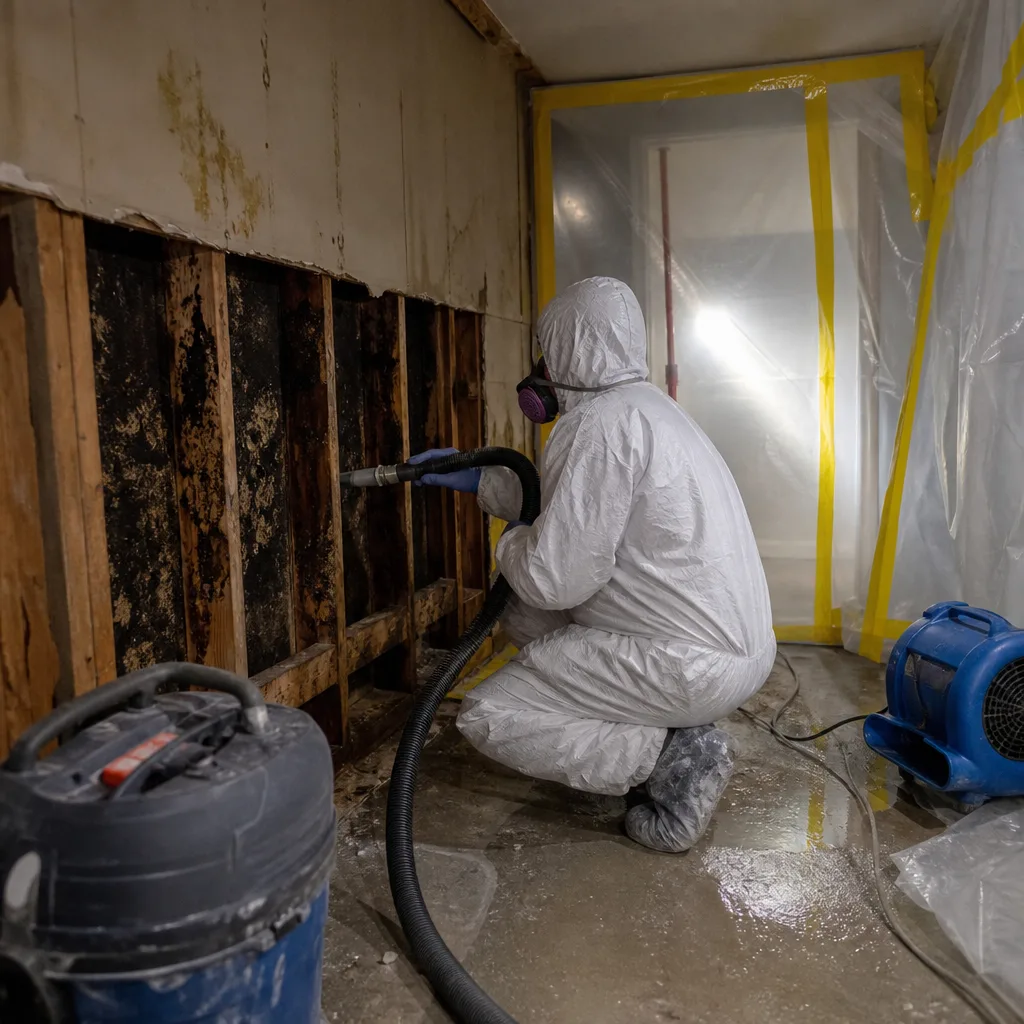
Emergency Board-Up
Broken windows from wind-thrown debris, compromised entry doors after a storm, or a torn roof opening need a same-day board-up. We secure the envelope with code-compliant materials so the building doesn’t keep taking on water while the claim gets processed.
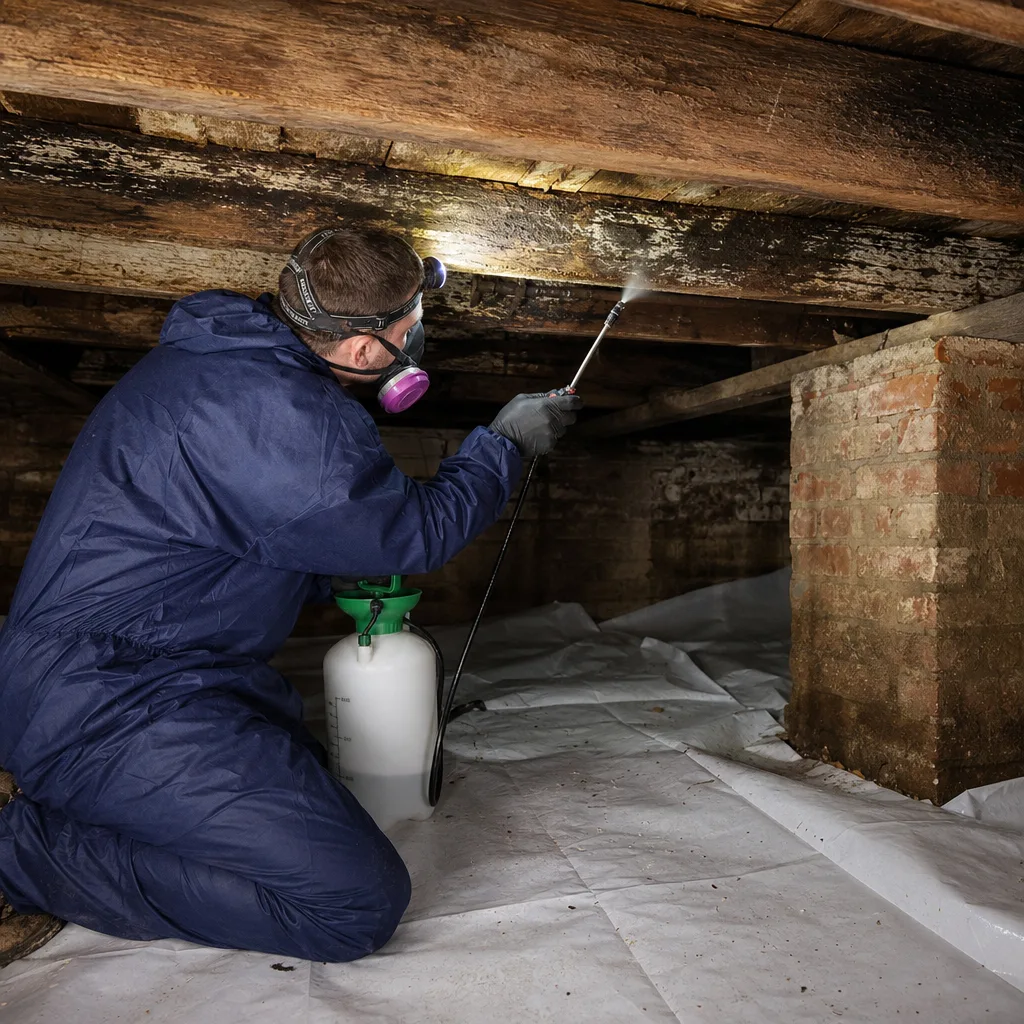
Roof Tarping
A torn section of membrane on a Washington Heights flat roof exposes every unit below it. We tarp same-day, seal the penetration, and buy the time needed to plan a real repair without water spreading down through the building.
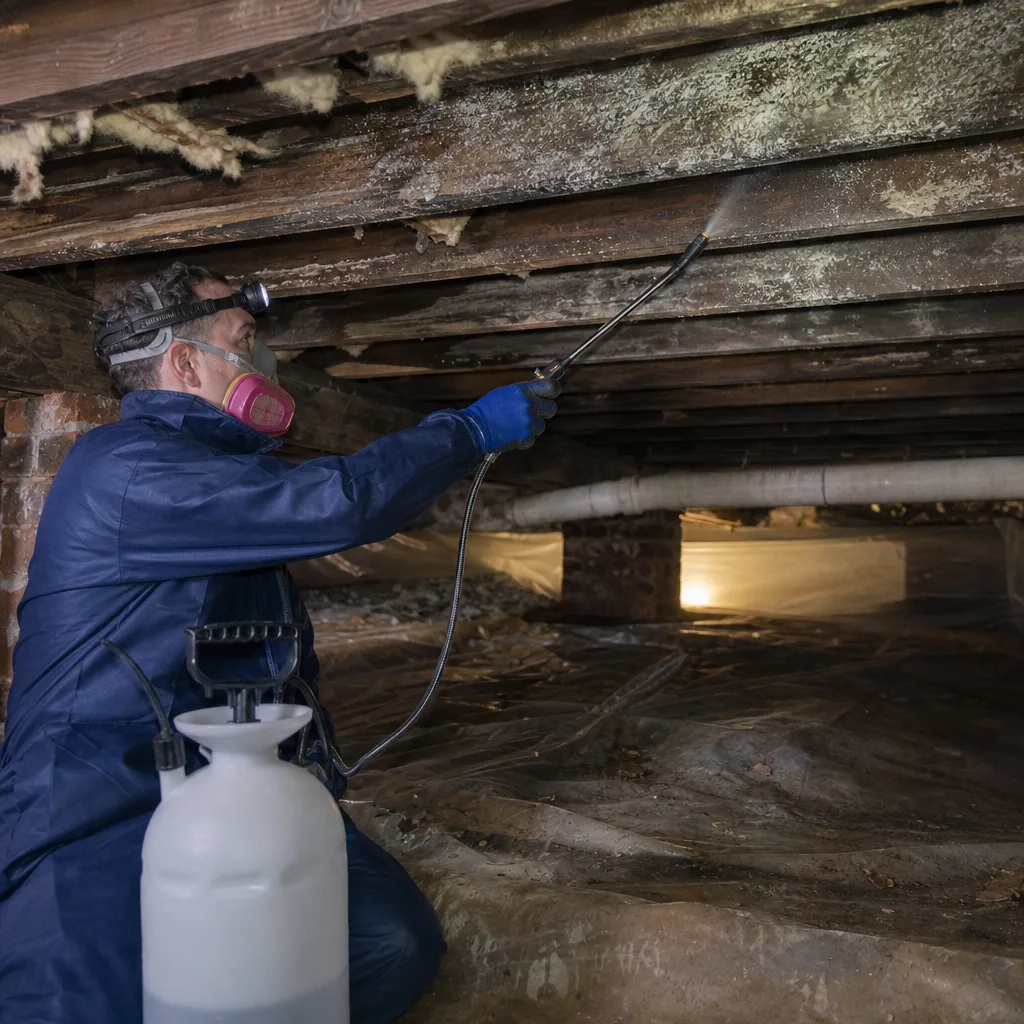
Storm Damage Cleanup
Debris removal and wind-driven litter are the visible layer. What matters is what’s behind: water that followed a broken window through the plaster, into the floor joist, and down to the unit below. We scope the whole path, not just the obvious puddle.
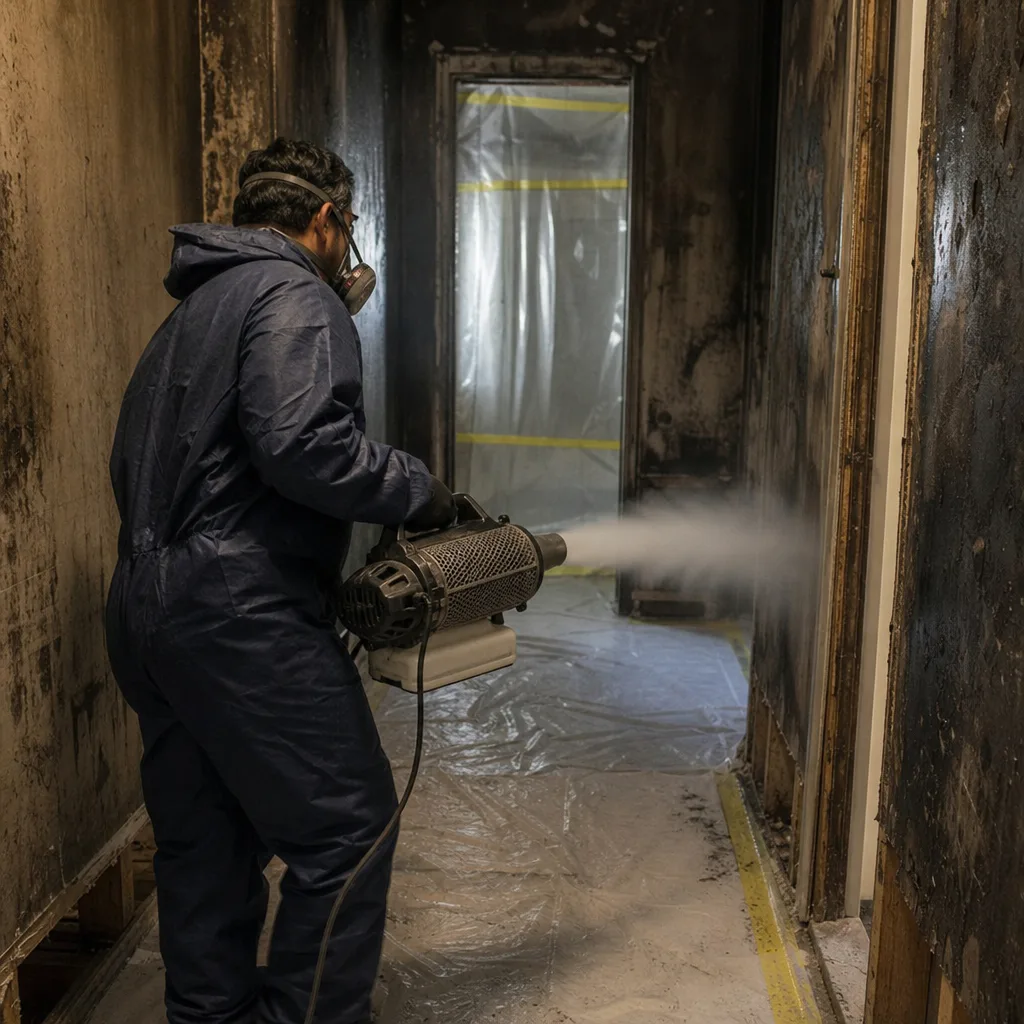
Debris Removal
Storm debris on Upper Manhattan rooftops and in airshafts isn’t cosmetic. Blocked drains mean ponding, and ponding means a roof leak two weeks later. We remove the debris, clear the scuppers, and document the condition of the drainage system.
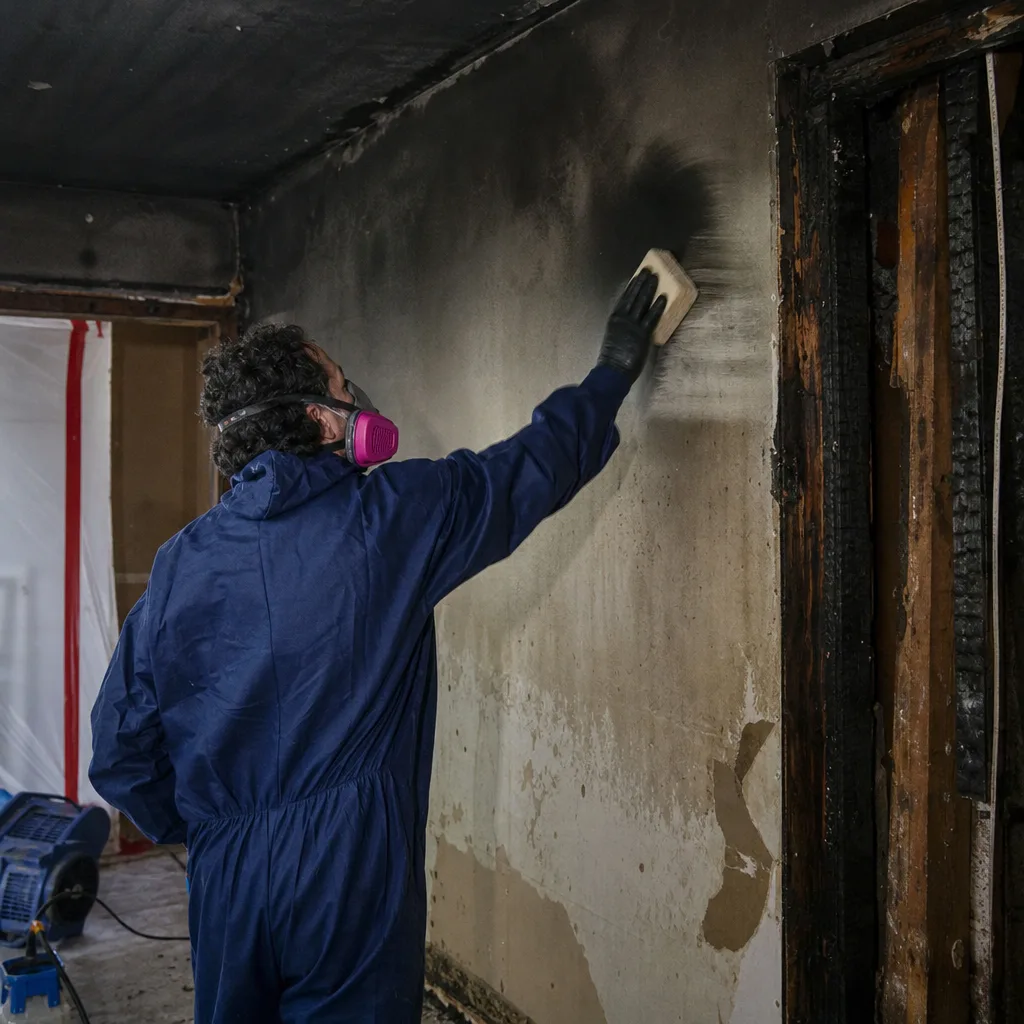
What happens when you call
- 1
A real person answersNo phone trees - you reach a local pro.
- 2
You get an upfront price rangeHonest numbers before anyone is dispatched.
- 3
A background-checked tech heads outLicensed & insured, dispatched right away.
- 4
You approve before work beginsNothing starts until you say go.
Storm & Disaster Restoration Costs in Upper Manhattan, NY
Storm damage restoration in Upper Manhattan runs higher than in Queens or the Bronx for a simple reason: every wall you open in a pre-1960 building is likely lead-regulated. Here are honest ranges. Emergency water extraction in a one-unit Harlem brownstone apartment: $1,800-$4,200. A five-story stack failure scoped across four apartments: $14,000-$38,000 once abatement, drying, and plasterwork are included. Roof tarping on a Washington Heights flat roof: $900-$2,200 for a same-day emergency seal. Emergency board-up for broken windows and a door: $450-$1,600. Full Category 3 mitigation with containment and plaster disposal: $8,000-$25,000 depending on units affected. The free visual inspection gives you a firm written scope before anyone swings a hammer. Insurance covers most storm-related losses; the deductible is usually far less than the repair.
We Also Serve Cities Near Upper Manhattan
Our crews regularly run to the Upper Manhattan blocks and the surrounding area. You’ll see us on the wet side of the West Side Highway, in Morningside Heights, around Central Harlem, and up through East Harlem, handling the same pre-war building losses that define this whole part of Manhattan.
Upper Manhattan Storm & Disaster Restoration Questions, Answered
How does a freeze-burst riser in a Washington Heights tenement turn into a multi-story disaster restoration?
A freeze-burst riser on the roof sends water down the entire stack, and in a five-story building that means every floor below the break takes water through the pipe chase. By the time we arrive, Category 3 water has often saturated plaster ceilings on floors two through four and the building needs containment, extraction, and structural drying on every floor plus a lead-paint abatement scope for every wall we open. Call (845) 305-5737 right away; the first hour changes the scope.
Do I need a NYC DEP lead-paint permit just to open a wall for water damage mitigation in Harlem?
Yes, for most pre-1960 buildings in Harlem, any wall or ceiling opening during mitigation triggers NYC DEP lead-paint abatement protocols. Crews that start without the permit face stop-work orders. We handle the abatement coordination as part of the scope, so restoration and compliance move together.
What’s the difference between a Category 2 and Category 3 water loss in a Hamilton Heights apartment building?
Category 2 water has significant contamination from sources like sump overflow or dishwasher discharge. Category 3 is grossly contaminated: sewage, flood water that crossed a roof membrane, or water that picked up rodent waste and lead-tainted plaster dust traveling down the building. Category 3 requires full containment, removal of saturated plaster, and more aggressive sanitization and drying, which changes both timeline and cost.
How do restoration crews handle a five-unit water loss in a rent-stabilized building in Inwood?
We treble the coordination: separate drying plans for each apartment, separate access schedules for each tenant, separate documentation for each insurance policy. We work with rent-stabilized tenants’ rights in mind, which means written notice, cautious containment, and zero shortcuts on lead-safe work. One crew coordinates all of it end to end.
Why does mold behind old plaster in East Harlem require different drying than modern drywall?
Horsehair plaster holds water longer, releases it slower, and hides saturation where the eye can’t see it. Modern drywall fails visibly and dries relatively fast; old plaster needs extended low-grain refrigerant or desiccant dehumidification, daily moisture probes, and sometimes controlled demolition to dry the lath behind. Cutting drying time on a pre-war plaster wall is how mold colonies get established behind the wall.
How fast can someone actually get to Upper Manhattan?
The 45-minute commitment stands. We staff crews for Upper Manhattan neighborhoods specifically, so a live dispatcher confirms your address and a certified crew is mobile within the hour. The sooner extraction starts, the less plaster gets cut out and the smaller the lead-paint abatement scope becomes.
Can we stay in the home during restoration?
That depends on the water category and containment loads. Category 1 and limited Category 2 losses often allow tenants to remain in dry rooms. A Category 3 event, especially one involving multiple units and an open stairwell, usually means temporary relocation for affected floors while we contain and dry. We tell you straight, in writing, on the first visit, so you can plan without surprises.
Who deals with my adjuster?
We do. We bill direct, send the photo log and moisture readings to your carrier, and coordinate scope revisions with the adjuster. You get a copy of everything and a written scope before work starts. That’s how Floodline keeps the job whole without you playing messenger.
Serving Upper Manhattan, NY - Our Local Coverage Area
We’re based in the Upper Manhattan area and know this community well. Use the map below to see our service coverage - if you’re nearby, we can almost certainly help.
Ready to Start? Call Upper Manhattan’s Storm & Disaster Restoration Team
A storm doesn’t wait for morning, and neither do we. If water is moving through your building, call (845) 305-5737 now. A live dispatcher answers, a certified crew heads to Upper Manhattan, and you get a written scope before any wall gets opened. Free inspection, direct insurance billing, and the 90-Day Done Right Promise on every job. We’ll be there when we say.
Written by Curt Bowman, Owner at Floodline Restoration Co., serving Upper Manhattan and the surrounding New York City area since 2010.