

Free visual inspection and a written scope of work before any mitigation begins - photos, moisture readings, and drying logs go in your claim file
The scope we write is the scope we bill. Anything new gets shown to you, in writing, before we touch it.
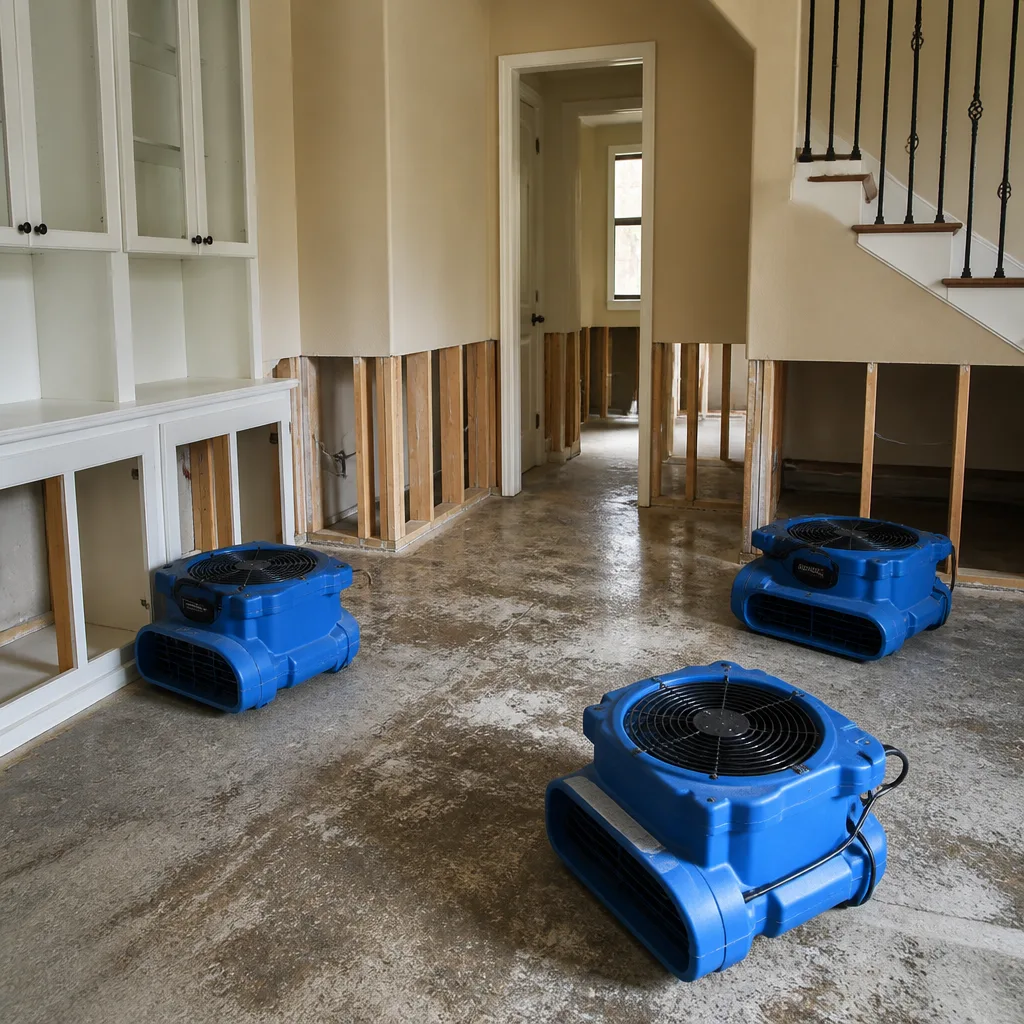
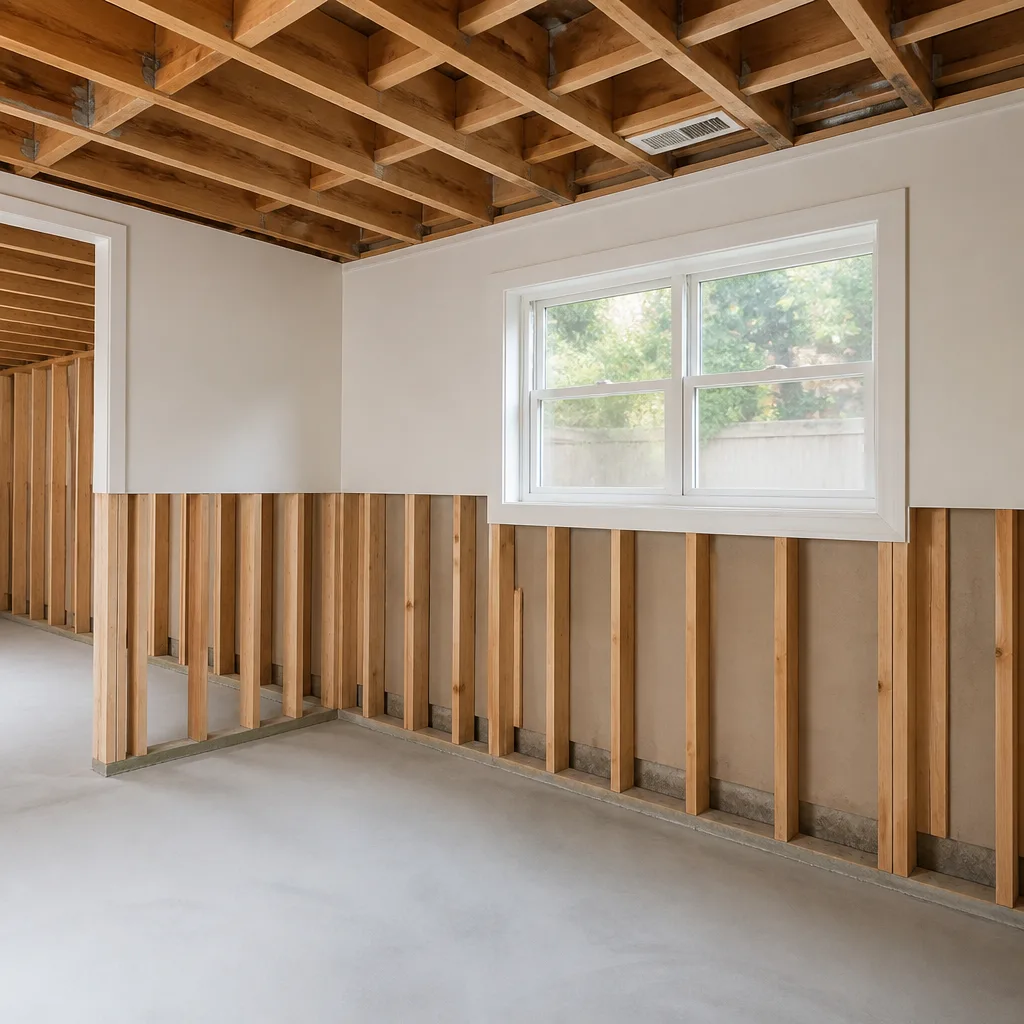
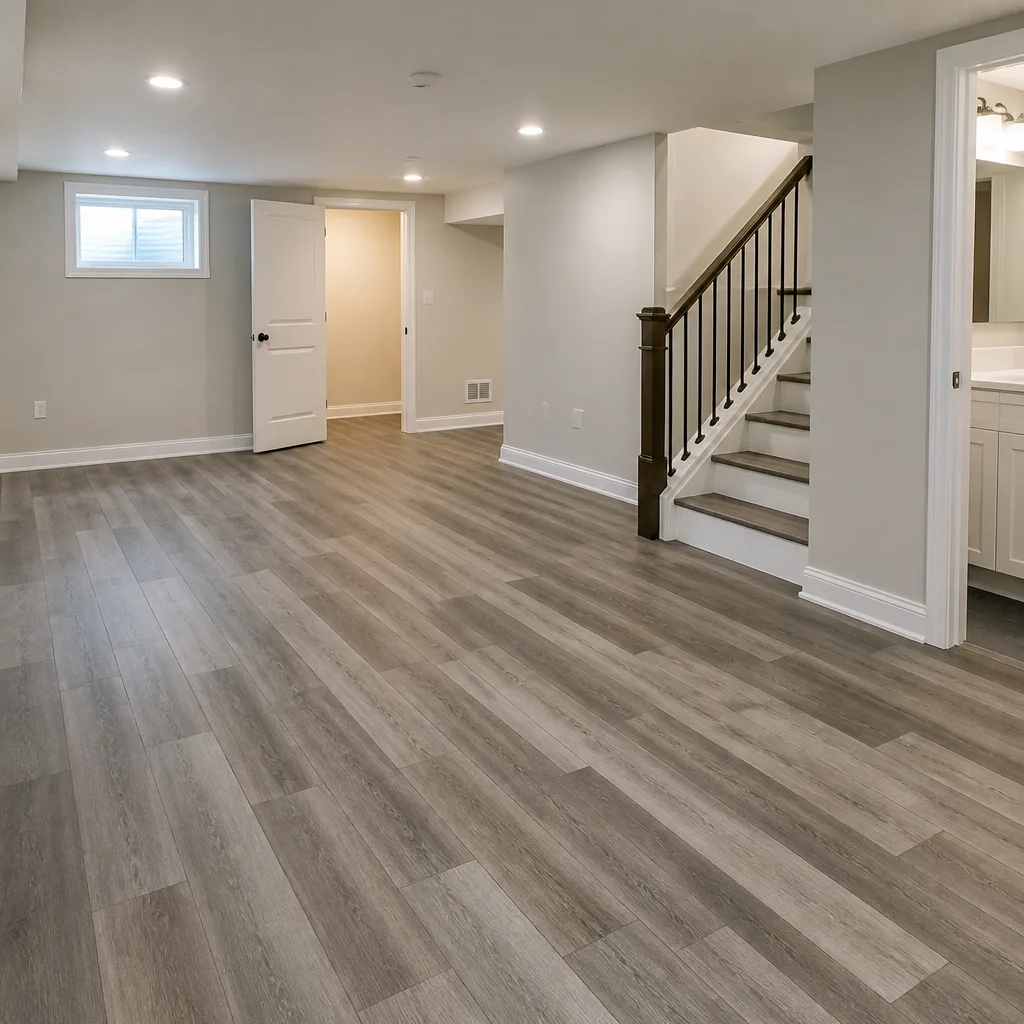
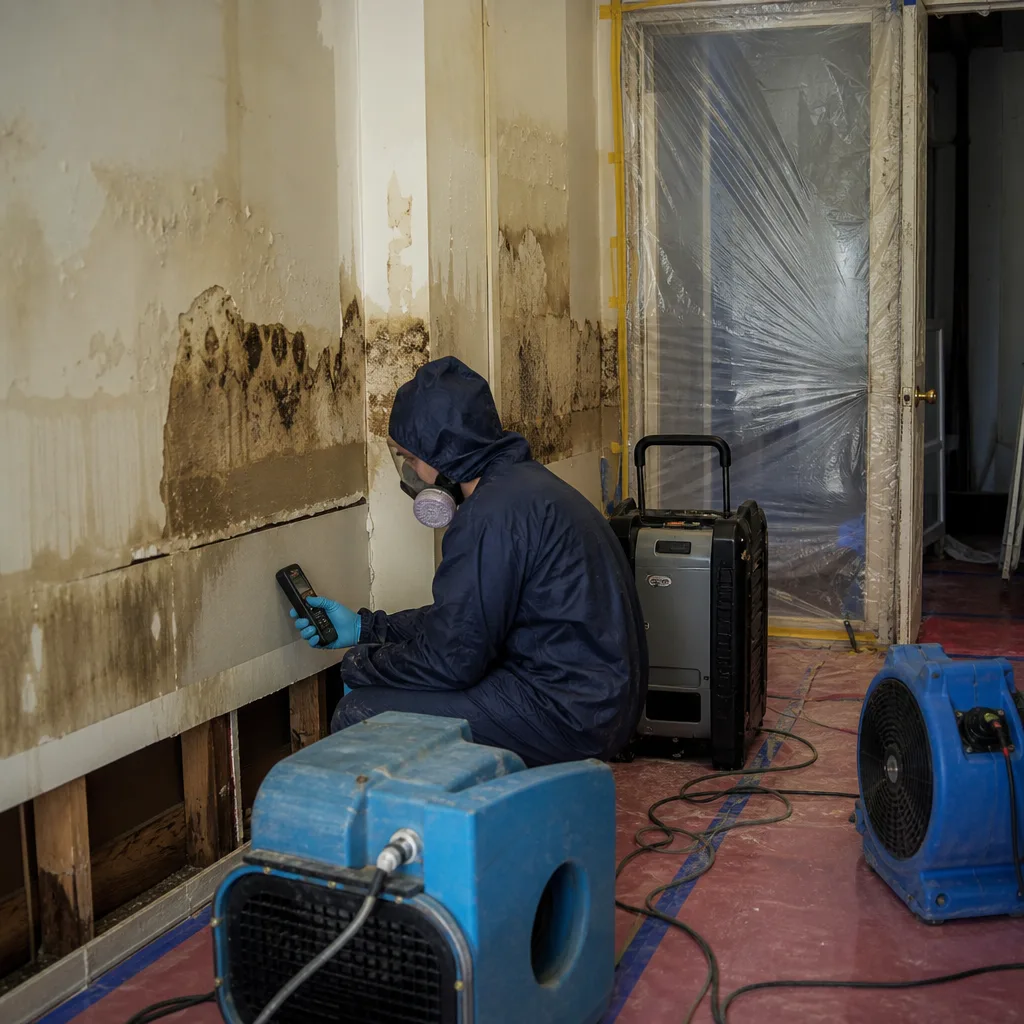 Before
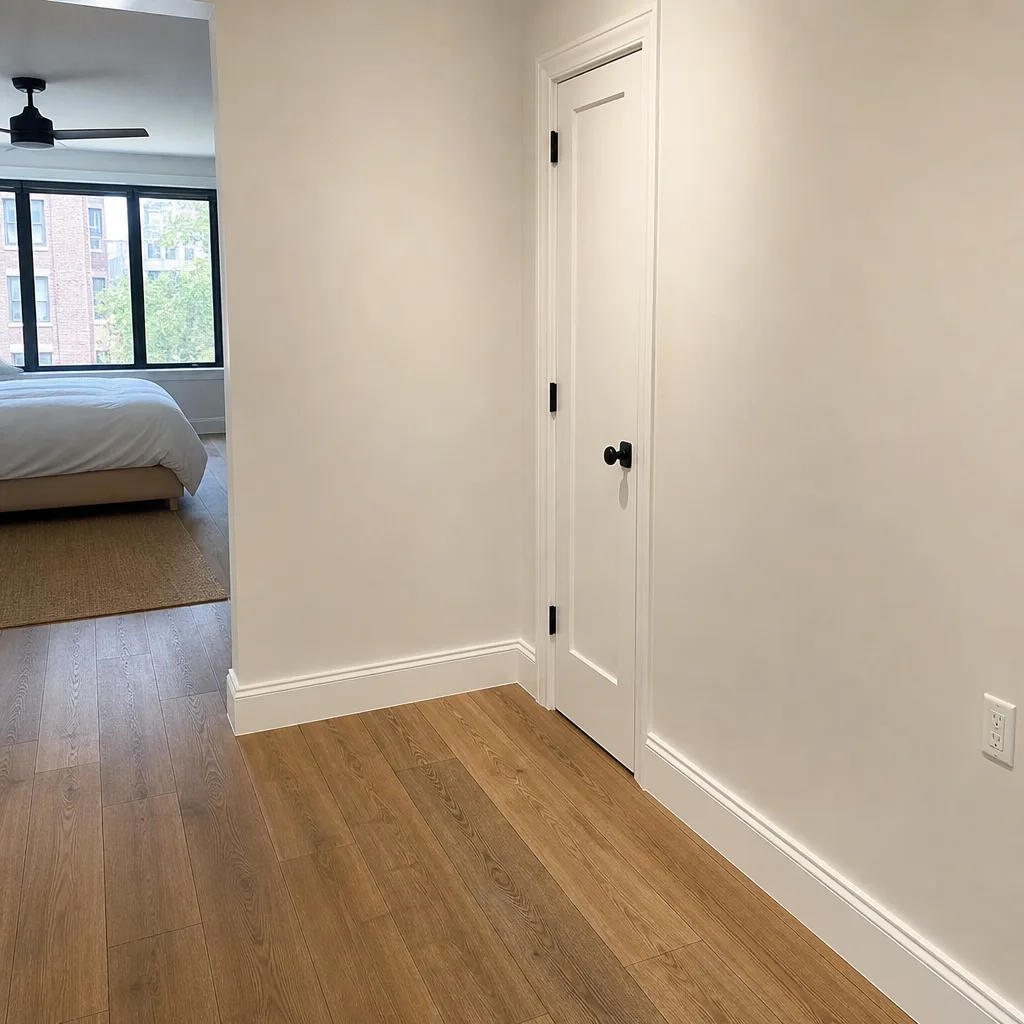 After
After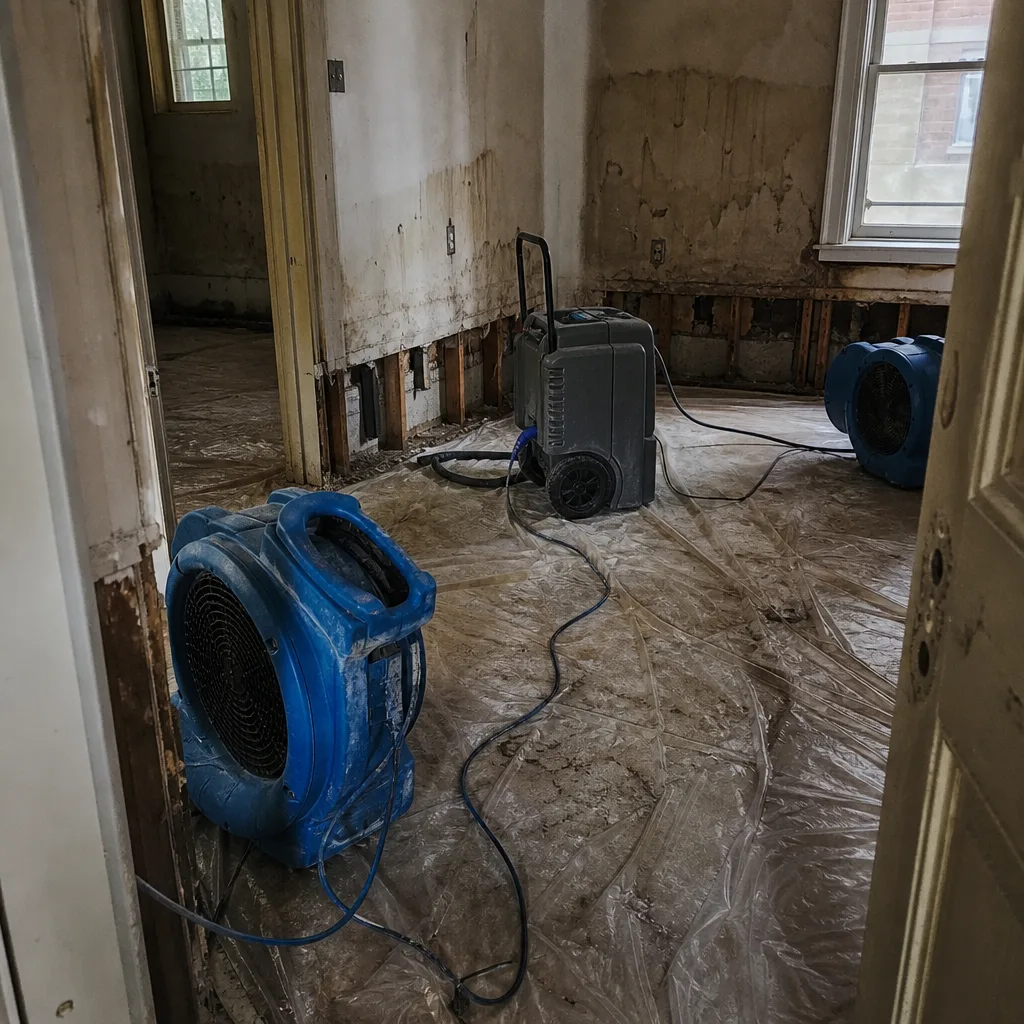 Before
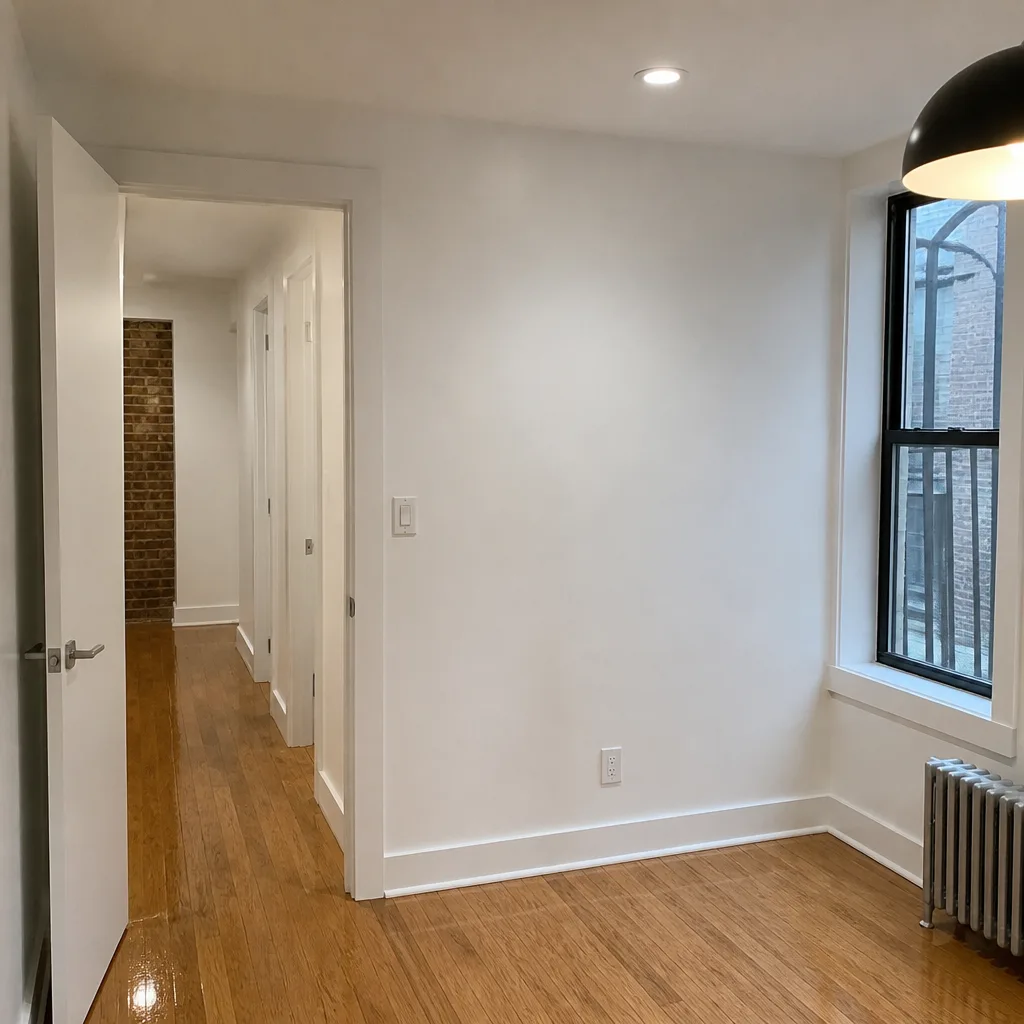 After
After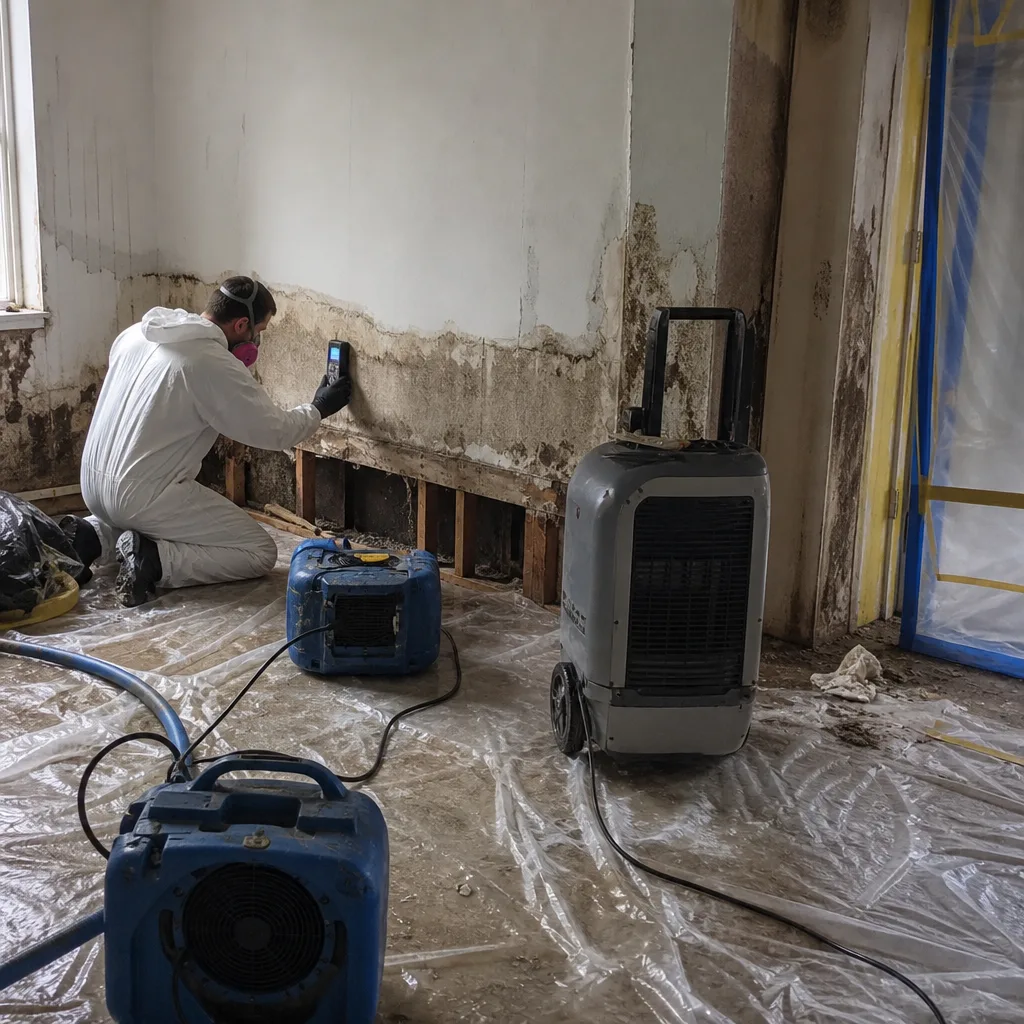 Before
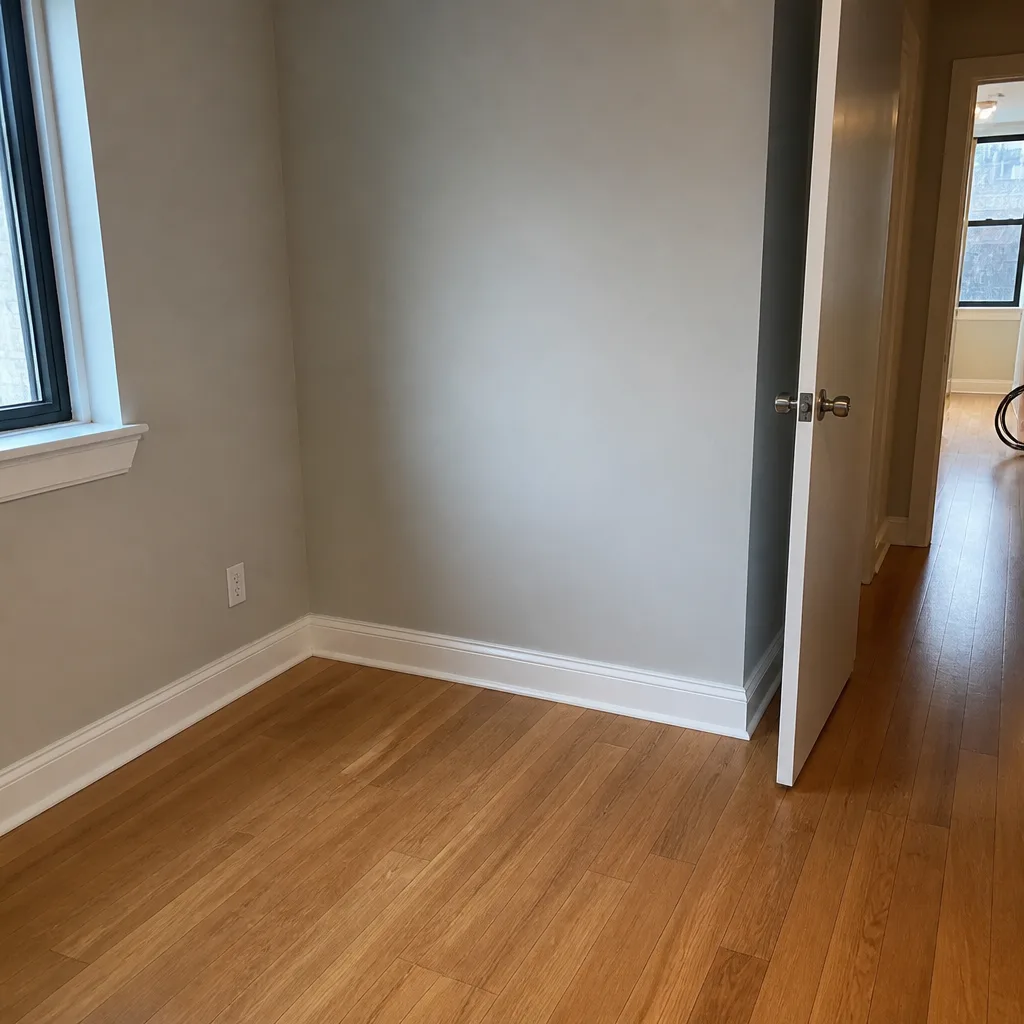 After
After24/7 Emergency Biohazard & Crime Scene Cleanup in East Harlem
When a trauma, unattended death, or sewage catastrophe hits an East Harlem apartment, the scene requires immediate professional containment, not just a thorough scrubbing after the fact. Our Biohazard & Crime Scene Cleanup crews answer live around the clock and dispatch into East Harlem within 45 minutes, because bloodborne pathogens and category 3 water don’t wait for business hours. Call (845) 305-5737 now and a real person will walk you through the first steps while a team is already on the way.
We handle the full scope: crime scene residue, unattended death decomposition fluids, hoarding conditions, sewage-borne pathogens, and infectious disease disinfection. The first hour matters. Every minute that passes allows biological material to soak deeper into plaster, subflooring, and the shared vertical plumbing stacks that run through East Harlem’s pre-war tenements. Free visual inspection. Direct insurance billing. Done right, and backed in writing by the 90-Day Done Right Promise.
Understanding Biohazard & Crime Scene Cleanup Severity in East Harlem Properties
East Harlem’s building stock makes biohazard work uniquely unforgiving. The five- and six-story brick tenements built between the 1890s and 1920s share vertical plumbing stacks, original cast iron drain lines, and plaster-and-lath walls that wick fluids across floors. Blood, decomposition fluids, and category 3 sewage water behave differently in these buildings than in modern drywall construction: the porous plaster acts as a reservoir, and the shared stacks give pathogens a highway between units.
A trauma scene on the fourth floor of a East Harlem tenement off Lexington Avenue doesn’t stay on the fourth floor. Fluids migrate down through ceiling joists, behind transom window frames, and into the apartments below. That’s why our severity assessment always includes moisture mapping and thermal imaging across adjacent units, not just the room where the incident occurred. We test for bloodborne pathogens, set up full containment with HEPA air scrubbing, and document every reading before tear-out begins. In buildings with layered renovation histories, we also check for lead paint and asbestos-containing plaster, because disturbing those materials during cleanup without NYC Local Law 1 and EPA RRP protocols creates a second hazard worse than the first.
Why East Harlem Property Owners Choose Floodline Restoration Co.
- 45-minute response commitment - a live dispatcher picks up at 2 a.m., and a certified crew is rolling into East Harlem within the hour, not the next morning.
- 24/7 live answer, no recordings - you’ll speak with a person who knows biohazard work, not an automated menu.
- IICRC-certified crews - trained to WRT, FSRT, and AMRT standards, with background checks and uniforms on every job.
- Free visual inspection - we walk the scene, explain what’s needed, and hand you a written scope before any work begins.
- Direct insurance billing - we document everything from the first hour and coordinate with your adjuster so you’re not playing messenger.
- One team from containment to reconstruction - no mid-job handoff, no inherited crew, no finger-pointing. The same technicians who seal off the scene rebuild it.
Our Biohazard & Crime Scene Cleanup Process
Inspection & Assessment
We start with a full visual sweep, thermal imaging, and moisture readings across the affected unit and any adjacent apartments sharing walls or plumbing stacks. Severity is classified, containment zones are mapped, and a written scope is prepared before any material is disturbed.
Containment & Stabilization
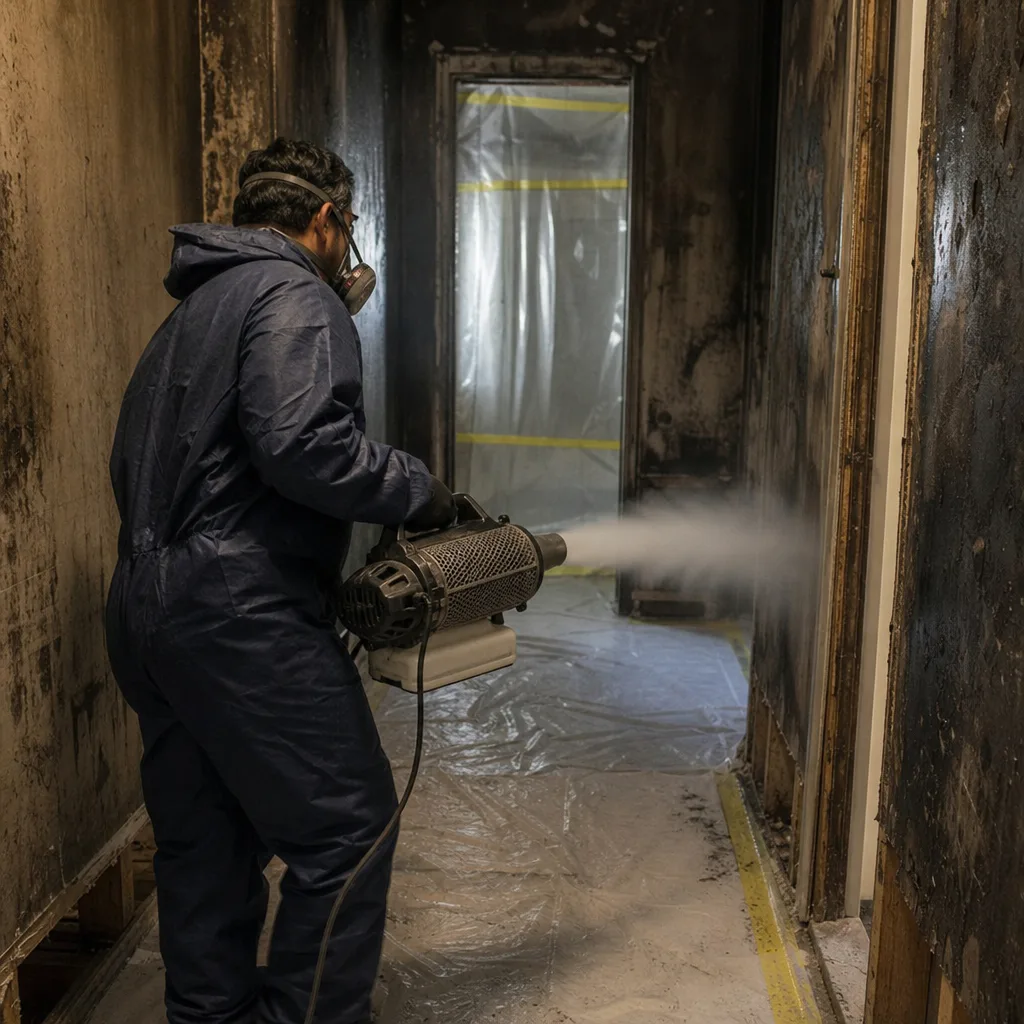
HEPA air scrubbers go in, negative air pressure is established, and poly containment seals off the work area from hallways and neighboring units. In East Harlem tenements, this step is critical: a single shared stairway or open transom can spread pathogens floor to floor in hours.
Removal of Biohazardous Material
Blood, tissue, decomposition fluids, contaminated porous materials, and saturated plaster are removed under strict protocols. Everything is bagged, sealed, and disposed of as regulated medical waste through licensed channels, with chain-of-custody documentation.
Cleaning & Antimicrobial Treatment
All surfaces are cleaned with hospital-grade disinfectants, then treated with antimicrobial agents designed for the specific pathogens present. Hard non-porous surfaces are wiped, flooded, and dwell-tested. Porous materials that can’t be fully disinfected are removed.
Deodorization & Air Scrubbing
Decomposition odors and sewage gases require more than air freshener. We run hydroxyl generators and HEPA filtration until the air clears third-party testing standards, logging readings throughout the process.
Clearance Testing & Restoration
Before we call the job done, ATP surface testing verifies biological contamination is gone. Then the same crew handles any reconstruction: plaster repair, flooring replacement, repainting. The 90-Day Done Right Promise covers the entire scope, in writing.
Need Emergency Biohazard & Crime Scene Cleanup in East Harlem Now?
Crews minutes away, answering live 24 hours a day. The sooner we start, the less it costs.
Working With Your Insurance Company
Biohazard claims in East Harlem are complicated by the neighborhood’s building age and ownership structure. Rent-stabilized tenants, condo owners, and landlords all have different policy obligations, and a wrong move before documentation can leave you holding the bill. We’re not adjusters, but we’ve handled enough claims here to know what carriers require: photos from the first hour, line-item scopes that separate contamination from pre-existing conditions, and moisture logs that prove the drying standard was met. Our team photographs every surface before, during, and after, coordinates directly with your adjuster, and bills the carrier for covered work so you’re not fronting thousands of dollars and hoping for reimbursement.
What We Provide Your Insurer
- Thorough documentation of the loss
- Photos of all damage, room by room
- Moisture readings and drying logs
- A detailed, line-item scope of work
- Direct coordination with your carrier
Built for East Harlem’s Loss Calendar
Biohazard work in East Harlem follows a rhythm tied to the neighborhood’s aging infrastructure and Manhattan’s seasons. January deep freezes burst supply lines in uninsulated pre-war walls, and the resulting water damage breeds mold behind plaster that’s been absorbing moisture for a hundred years. Spring thaw sends groundwater into basements that haven’t been waterproofed since the Eisenhower administration. Summer thunderstorms overwhelm the combined sewer system, and when storm surge backs up into the lateral lines, every apartment on the lower floors of a tenement can get category 3 water simultaneously.
But the biggest biohazard driver in East Harlem isn’t weather. It’s the deferred maintenance on NYCHA’s risers, boiler rooms, and roof membranes at the Wagner, Jefferson, Johnson, and James Weldon Johnson Houses. When a NYCHA riser fails, raw sewage pushes laterally into adjacent private tenements, creating biohazard conditions that require immediate containment while the bureaucratic claim process grinds forward. We’ve been on those calls. We know how to document the source, preserve the evidence, and begin cleanup without jeopardizing the claim. The line the water left is where we start.
Biohazard & Crime Scene Cleanup Across East Harlem’s Neighborhoods
East Harlem isn’t one neighborhood; it’s a patchwork of distinct corridors, each with its own building typology and response profile. Along 116th Street between Lexington and Third Avenue, the five-story walk-ups with original cast iron soil stacks are the weak points: one corroded stack fails, and six floors of bathrooms back up at once. Up in the 100s around Pleasant Avenue, the narrow alleyways and basement entrances to pre-war tenements create containment challenges that require careful staging. Further east toward the FDR Drive, lower-floor units in buildings exposed to river humidity contend with year-round ambient moisture that accelerates decomposition and spore growth after any biohazard event.
Around the Jefferson Houses and Wagner Houses, the calls we get are often cascade events: a NYCHA riser failure or boiler-room flood that pushes sewage into adjacent private buildings. At the Johnson Houses near 112th Street, the density of units means containment has to be set up fast to keep contaminants from migrating through shared hallways. And in the commercial strips along 125th Street and Lexington, retail spaces with rear service entrances onto narrow courts have their own access and disposal logistics. We know these blocks. We know which buildings have original asbestos wraps, which have updated plumbing, and which are likely to have lead paint under every layer of latex. That local knowledge means we arrive prepared, not learning on the clock.
Specialized Biohazard & Crime Scene Cleanup Services We Offer in East Harlem
Crime Scene Cleanup
After law enforcement releases a scene, the biological material left behind is a health hazard and a biohazard liability. Blood, tissue, and bodily fluids carry bloodborne pathogens including hepatitis B, hepatitis C, and HIV. We remove contaminated materials, disinfect all surfaces, and restore the space to a condition where it can be used again. In East Harlem’s rent-stabilized tenements, this work often requires coordination with landlords, tenants, and insurance carriers simultaneously.
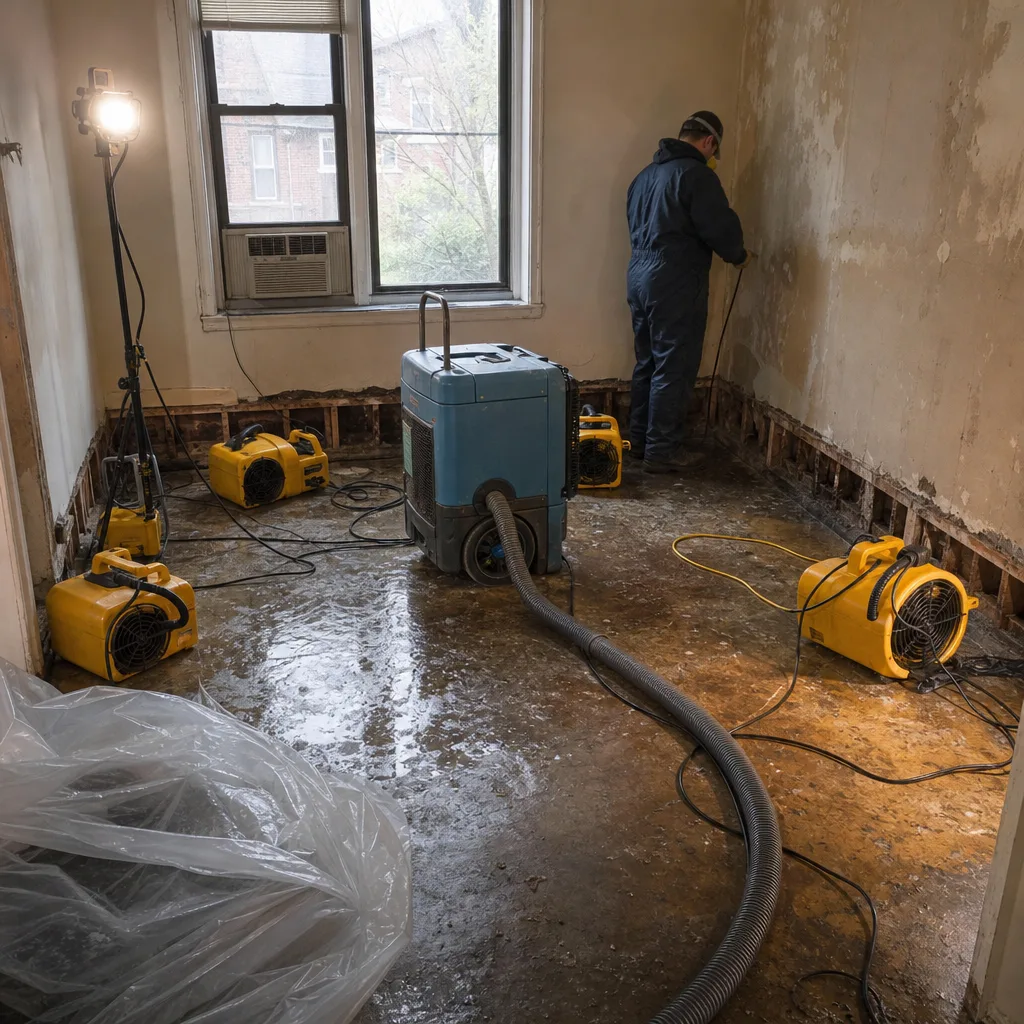
Trauma & Unattended Death Cleanup
Decomposition fluids penetrate porous materials fast. In a pre-war East Harlem apartment with hardwood floors and plaster walls, those fluids can soak through the subfloor and into the ceiling of the unit below within 24 to 48 hours. Our crews handle the removal of affected materials, complete antimicrobial treatment, and deodorization that actually clears the air, not just masks the odor. We treat every scene with the discretion it deserves, arriving in unmarked vehicles when requested.
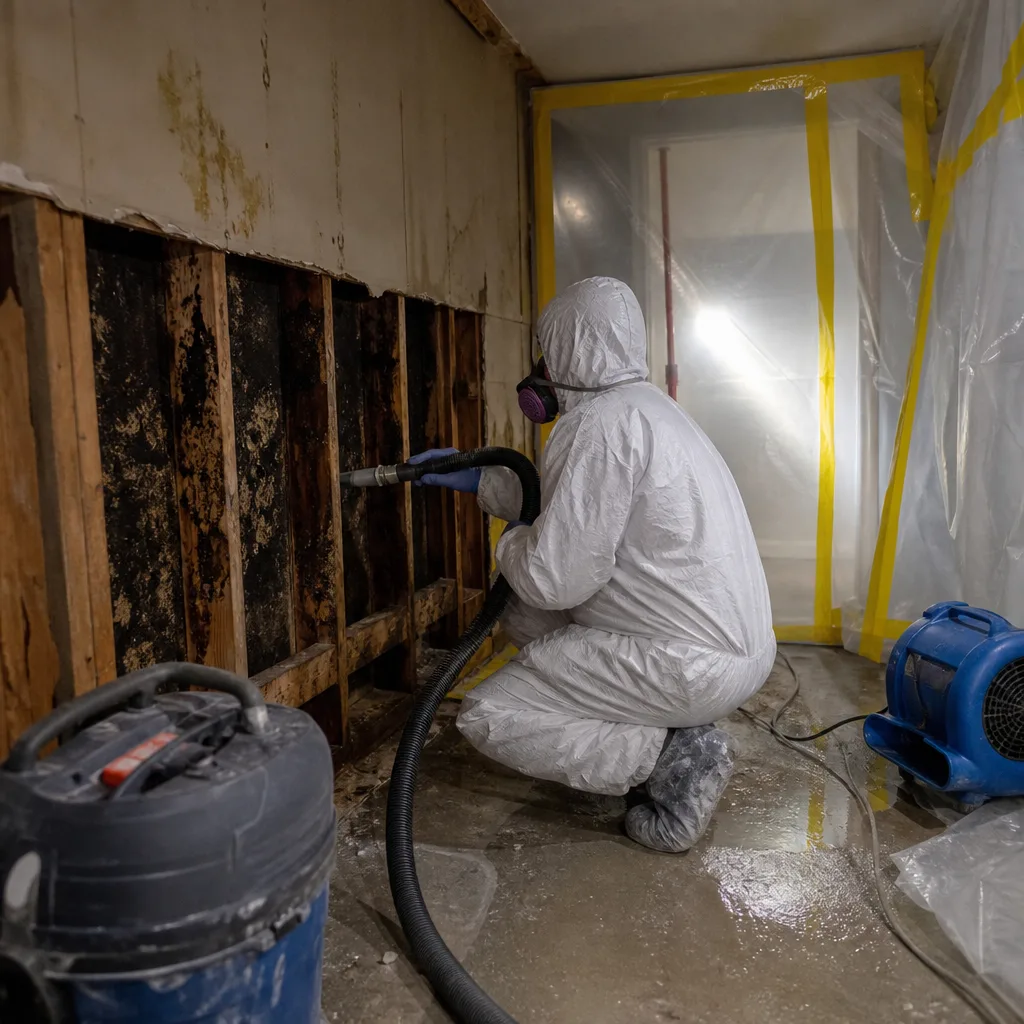
Hoarding Cleanup
Hoarding situations in old East Harlem tenements carry compounded risks: decades of accumulated belongings, often intertwined with the building’s original lead paint and asbestos layers. We sort, pack out, and dispose of materials under controlled conditions, then perform the biohazard remediation needed to make the unit habitable again. In buildings subject to NYC Local Law 1, we handle lead-safe work practices as a matter of course, not an add-on.
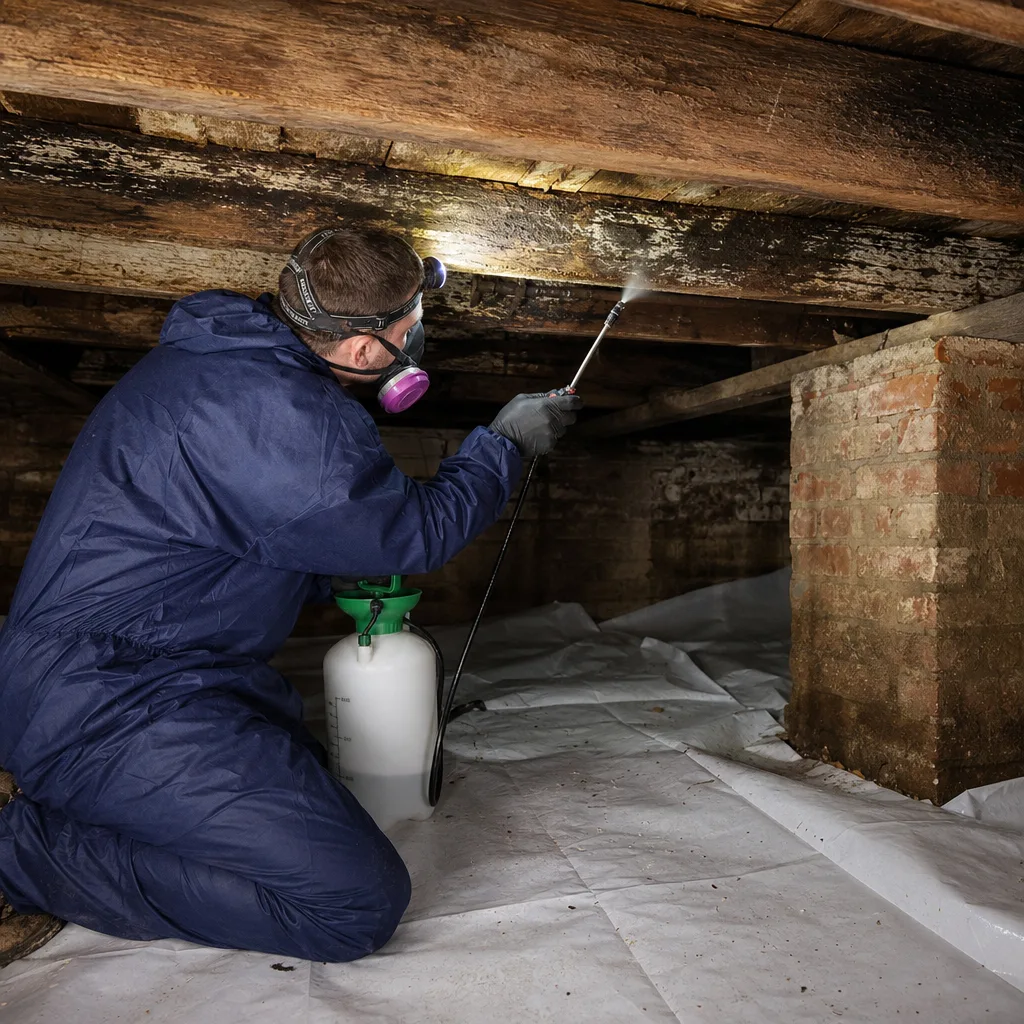
Blood & Bodily Fluid Cleanup
Beyond trauma scenes, blood contamination happens in medical emergencies, accidents, and violent incidents. We follow OSHA bloodborne pathogen standards, using approved disinfectants with documented dwell times and ATP surface testing to verify cleanliness. No hepa-filtered vacuum or household cleaner can do this. It requires regulated medical waste disposal and a written clearance record.
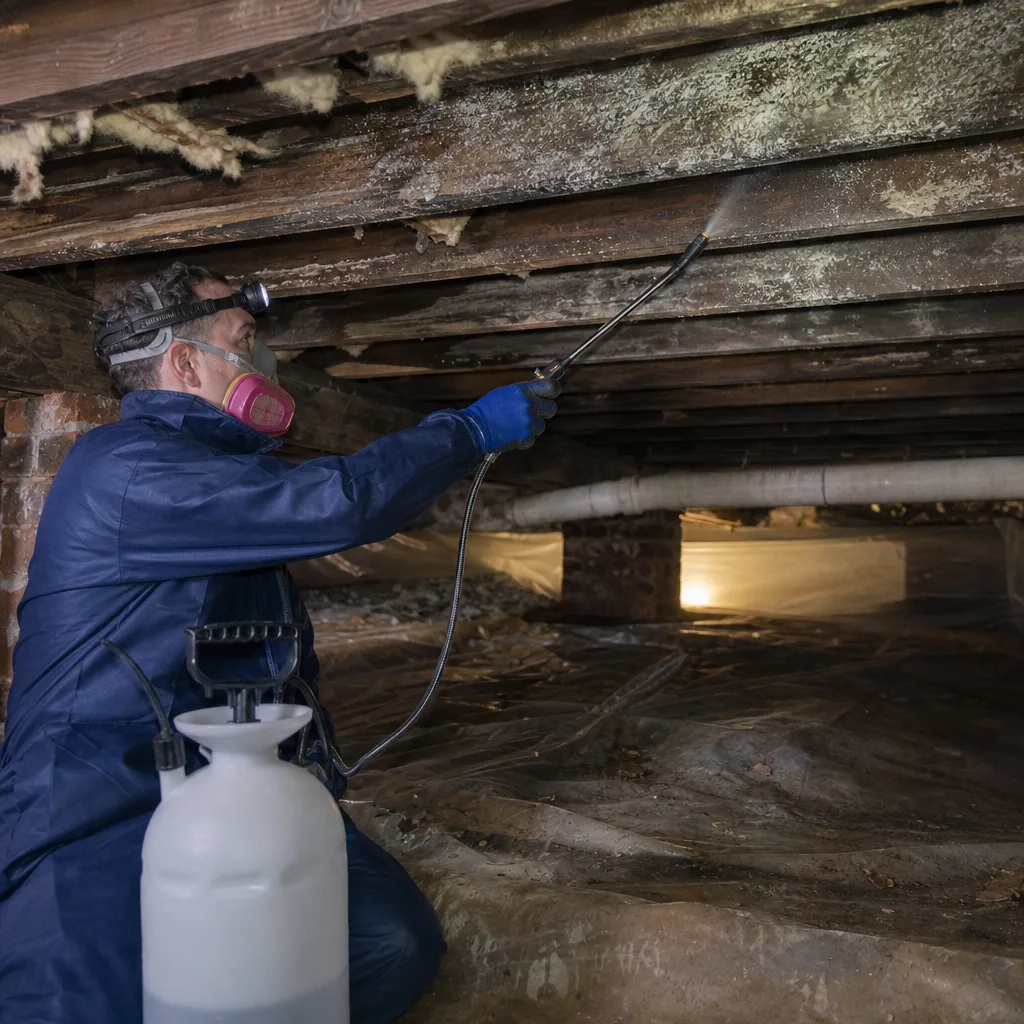
Infectious Disease Disinfection
When a tenant or occupant has a communicable disease, especially one that spreads through contact or droplets, the affected unit and shared spaces need professional disinfection. In East Harlem’s close-quartered tenements, where hallways and stairwells are shared, that often means treating common areas as well as the unit itself. We use EPA-registered disinfectants with proven kill claims against the specific pathogens involved, fogging and wiping surfaces, then verifying with ATP testing. This work matters for landlords protecting other tenants and for families protecting themselves after an illness.
What happens when you call
- 1
A real person answersNo phone trees - you reach a local pro.
- 2
You get an upfront price rangeHonest numbers before anyone is dispatched.
- 3
A background-checked tech heads outLicensed & insured, dispatched right away.
- 4
You approve before work beginsNothing starts until you say go.
Biohazard & Crime Scene Cleanup Costs in East Harlem, NY
Biohazard and crime scene cleanup in East Harlem typically runs $1,500 to $5,000 for a contained single-unit incident like a suicide or unattended death with moderate decomposition. Hoarding cleanouts with biohazard layers start around $3,000 and can exceed $15,000 depending on the volume of material, the presence of lead or asbestos, and the level of structural contamination. A sewage backup from a failed soil stack that affects four to six units will often fall between $8,000 and $25,000, because containment, pack-out, tear-out, antimicrobial treatment, drying, and reconstruction all compound. Infectious disease disinfection for a single apartment runs $800 to $2,500 depending on square footage and the pathogen involved. Blood cleanup from a contained incident ranges $1,200 to $3,500.
What moves the price in East Harlem specifically: the age of the building, whether original plaster and lath must be removed, whether lead paint or asbestos is present, access constraints (a fifth-floor walk-up with no elevator adds labor), and whether the scope crosses multiple units. Insurance covers most of these scenarios when the cause is a covered peril, and we handle the documentation from the first hour to support the claim. Call (845) 305-5737 for a free visual inspection and a written scope before any work begins. A square deal: no surprises on the bill.
We Also Serve Cities Near East Harlem
Our crews serve East Harlem and the surrounding Manhattan neighborhoods daily: Upper West Side, Upper Manhattan, Morningside Heights, and Central Harlem. If you’re outside these boundaries, call anyway. We’ll tell you honestly whether we can reach you in time.
Serving East Harlem, NY - Our Local Coverage Area
We’re based in the East Harlem area and know this community well. Use the map below to see our service coverage - if you’re nearby, we can almost certainly help.
East Harlem Biohazard & Crime Scene Cleanup Questions, Answered
Does Floodline Restoration Co. handle biohazard cleanup inside NYCHA buildings in East Harlem, or only private tenements?
We work in both. Inside NYCHA authority buildings, the process is complicated by the housing authority’s claim requirements and approval protocols. We document the source, the contamination pattern, and the scope of work in a format adjusters accept, so cleanup can begin without jeopardizing the claim. For residents in authority buildings, we’ll help you navigate the NYCHA documentation requirements while we do the work. Call (845) 305-5737 and we’ll explain your specific situation.
How do you prevent cross-contamination between apartments when a sewer backup hits every bathroom on the line in an East Harlem tenement?
Containment starts before we touch the contaminated material. We seal off each affected unit with poly containment, establish negative air pressure with HEPA air scrubbers, and treat shared hallways and stairwells as transit zones that get disinfected between uses. In buildings with shared vertical plumbing stacks, we also seal floor drains and toilet flanges in unaffected units to prevent sewer gases from migrating during the remediation. The goal is to make sure the problem doesn’t spread through the building’s shared air and plumbing pathways.
What happens if a hoarding situation in an East Harlem pre-war building uncovers asbestos or lead paint during biohazard cleanup?
We stop, contain, and call in the required protocols. Buildings built between the 1890s and 1920s in East Harlem almost universally have lead paint layers and often have asbestos-containing plaster or pipe wraps. When our initial assessment flags those materials, the scope includes EPA RRP lead-safe work practices and, where asbestos is present, coordination with a licensed asbestos abatement contractor. We don’t cut corners on this. NYC Local Law 1 compliance isn’t optional, and neither is the liability exposure if it’s ignored.
How quickly can you respond to an unattended death or trauma scene in East Harlem, and what does the process look like?
Our commitment is 45 minutes from the moment you call (845) 305-5737 to a certified crew arriving at your East Harlem address, day or night. The process starts with a full assessment of the scene, including adjacent units if the building is a pre-war tenement. Containment goes up first. Then we remove biohazardous materials, treat surfaces with hospital-grade disinfectants, deodorize, and run clearance testing before the unit is released for reconstruction. You’ll get a written scope before we begin and a written clearance after we’re done.
Will your biohazard cleanup work in my East Harlem apartment affect the other tenants on my floor?
We work to make sure it doesn’t. Containment barriers, negative air pressure, and HEPA filtration keep pathogens and odors out of shared hallways and neighbors’ units. We schedule pack-out and material removal through service entrances or windows when possible to avoid tracking through common areas. The other tenants on your floor will know work is happening, because a crew in protective equipment will be visible, but they won’t be exposed to the contamination. In our experience, neighbors are relieved when containment goes up fast.
How much does biohazard cleanup cost compared to nearby areas like the Upper West Side or Central Harlem?
East Harlem pricing is generally middle-of-the-road for Manhattan, but the building conditions here add cost factors that nearby neighborhoods don’t have in the same concentration: pre-war plaster and lath, original cast iron stacks, lead paint, asbestos, and fifth-floor walk-up access. A single-unit trauma cleanup in East Harlem typically runs $1,500 to $5,000, similar to Central Harlem but often slightly higher than new construction buildings further downtown. The free visual inspection gives you a firm number before you commit.
How long does biohazard remediation actually take in a typical East Harlem apartment?
A contained single-unit scene, like an unattended death with moderate decomposition, usually takes 8 to 16 hours of on-site work spread over one to three days, including clearance testing. Sewage backups affecting multiple units in a pre-war tenement can run three to seven days, because containment, pack-out, tear-out, drying, antimicrobial treatment, and reconstruction all happen in sequence. We’ll give you a timeline in writing after the initial inspection.
What should I do in the first 30 minutes after discovering a biohazard situation in East Harlem?
Don’t touch anything. Don’t attempt to clean it. Blood and bodily fluids carry pathogens that survive on surfaces for days, and improper cleaning spreads contamination further. Close the door to the affected area if possible, keep other people and pets out, and call (845) 305-5737. We’ll walk you through what to do while a crew is on the way. If the situation involves sewage backup, shut off water to the building if you have access, and avoid flushing any toilets or running any water.
When the worst happens in East Harlem, you need a crew that knows the buildings, knows the hazards, and answers the phone at two in the morning. We’ve been doing this work long enough to know that the first hour decides the final cost, and that cutting corners on containment or documentation creates a bigger problem than the original scene. Call (845) 305-5737 for a free visual inspection and a written scope. Done right, and backed in writing.
Written by Curt Bowman, Owner at Floodline Restoration Co., serving East Harlem and the surrounding Manhattan neighborhoods.