

Free visual inspection and a written scope of work before any mitigation begins - photos, moisture readings, and drying logs go in your claim file
The scope we write is the scope we bill. Anything new gets shown to you, in writing, before we touch it.
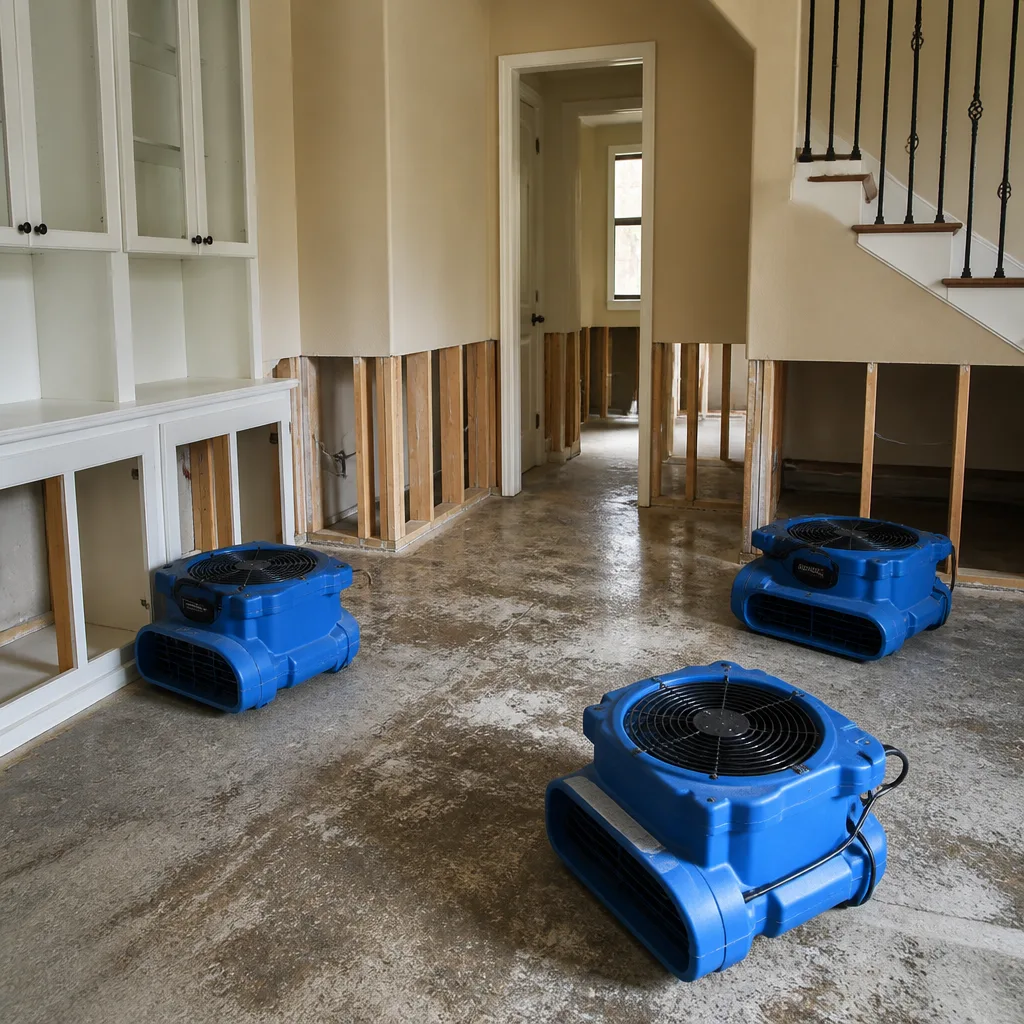
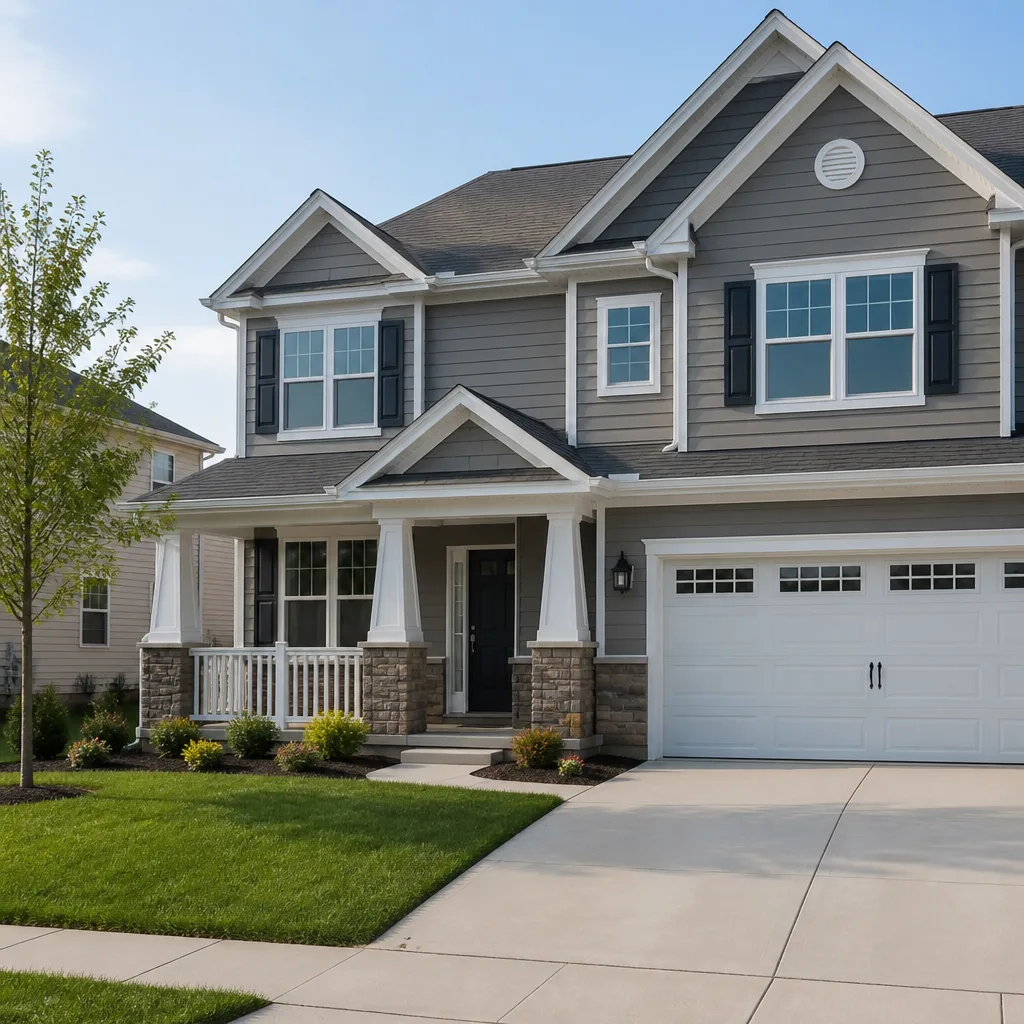
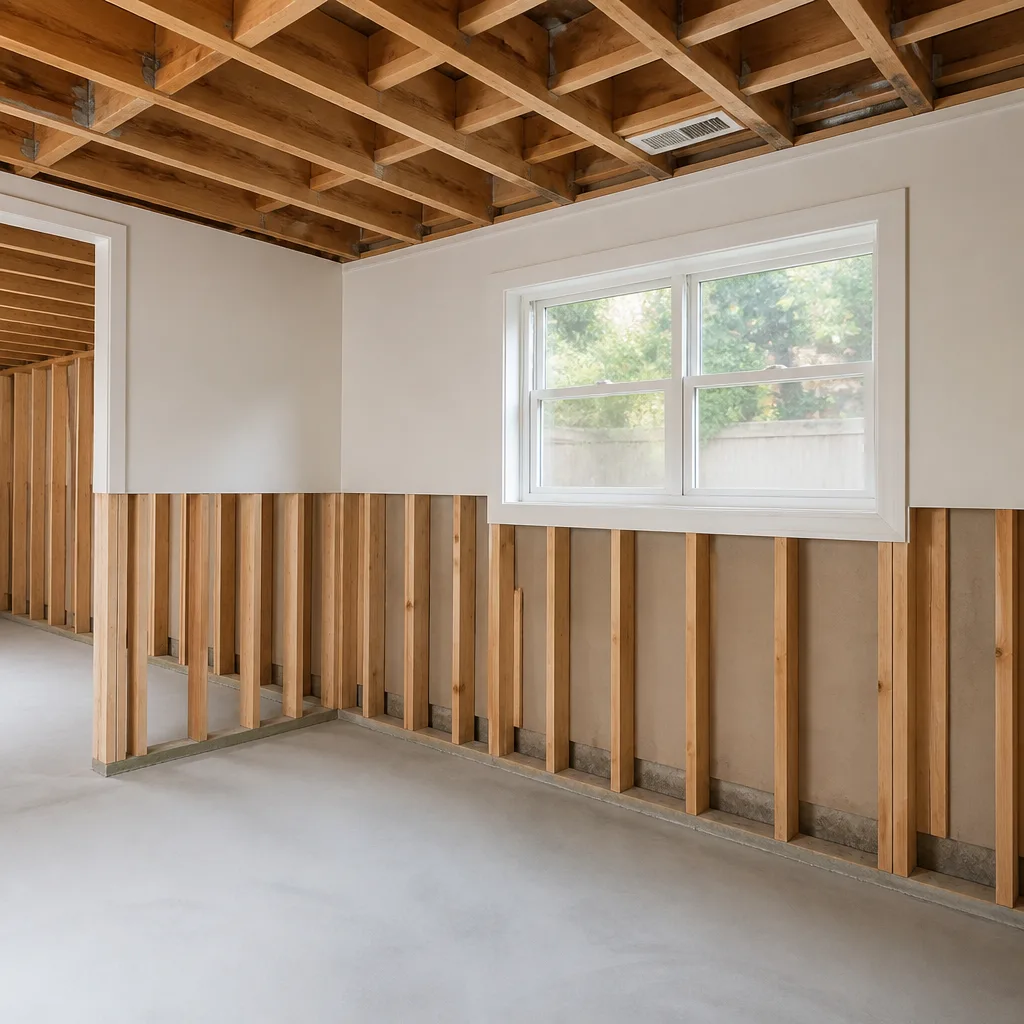
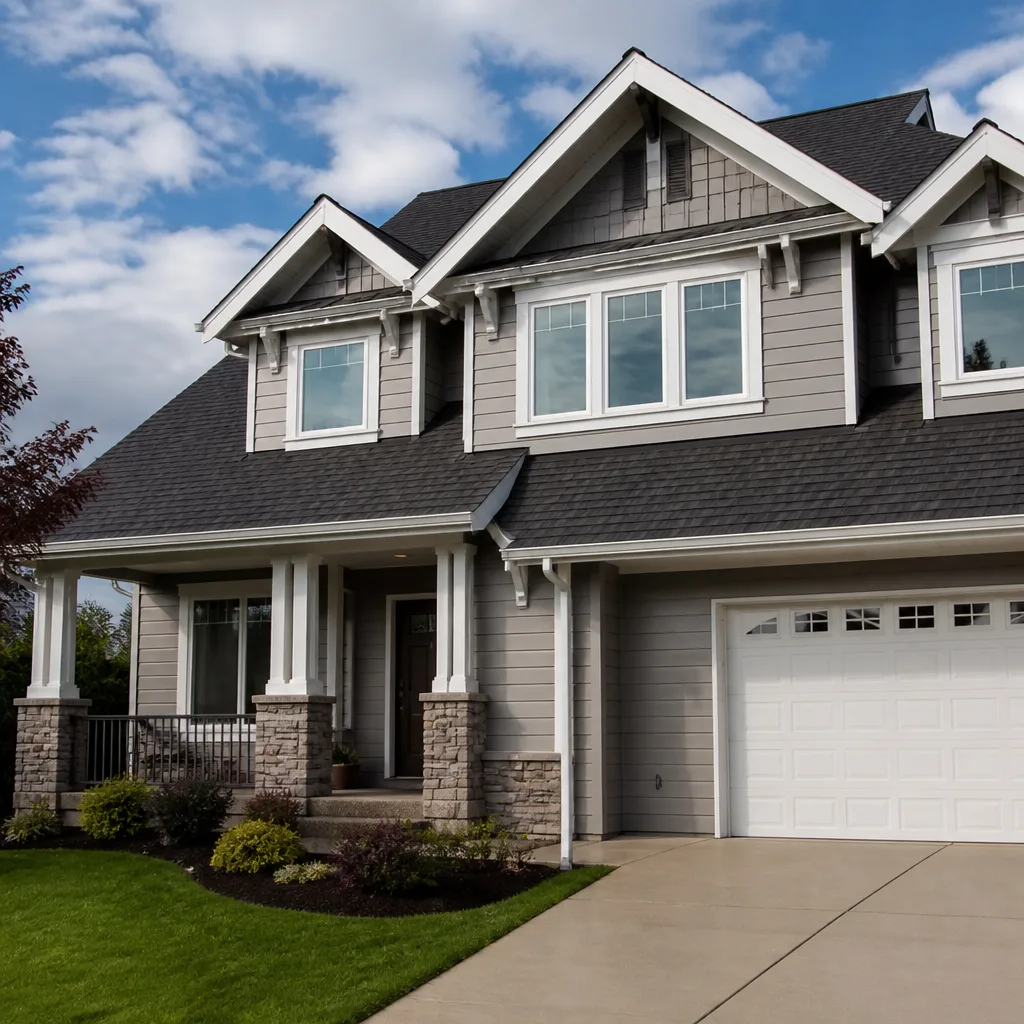
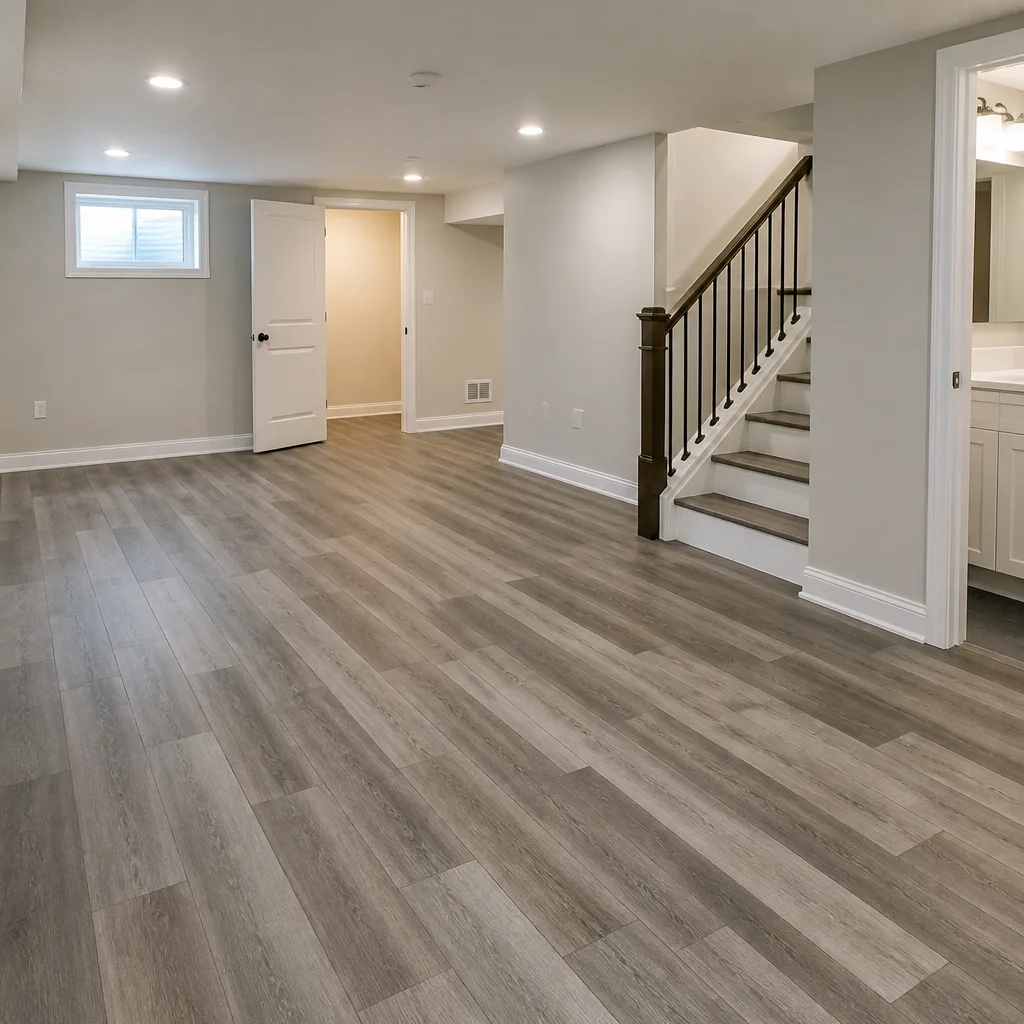
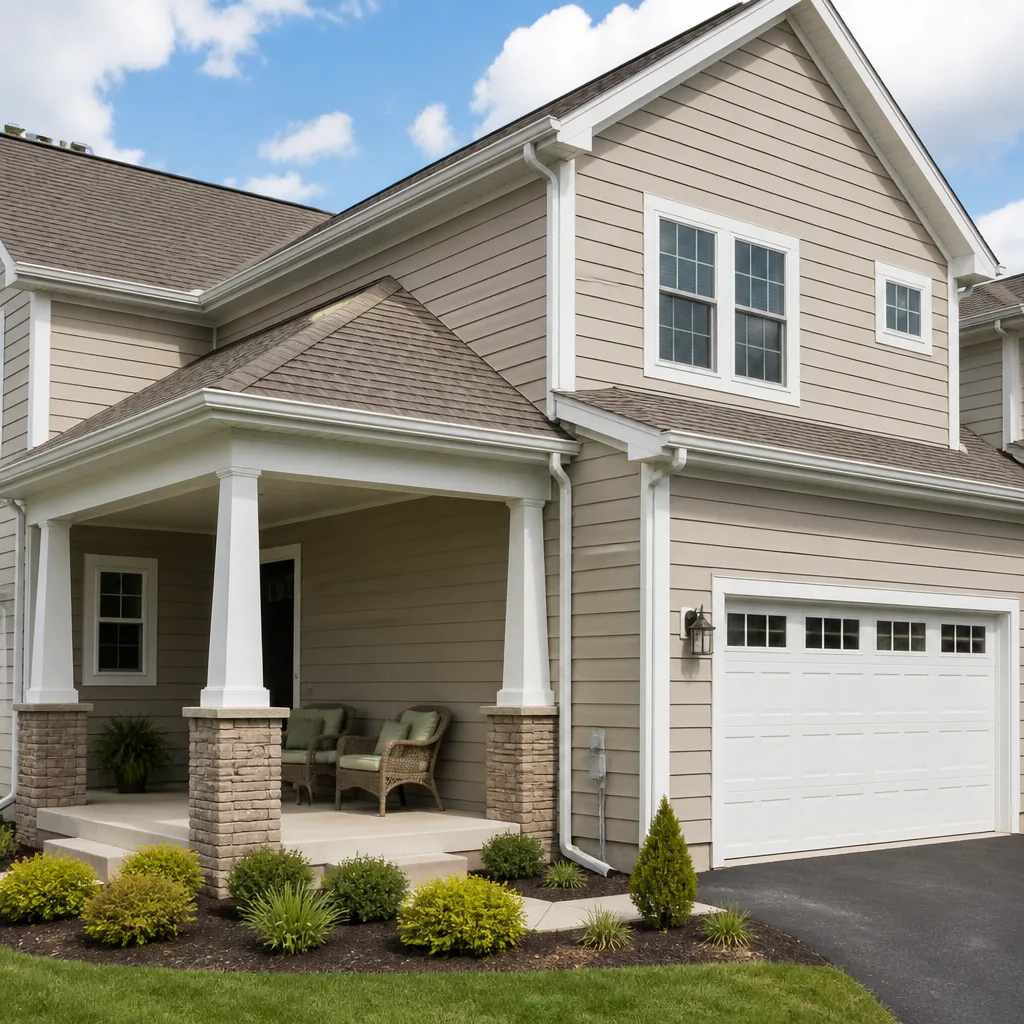
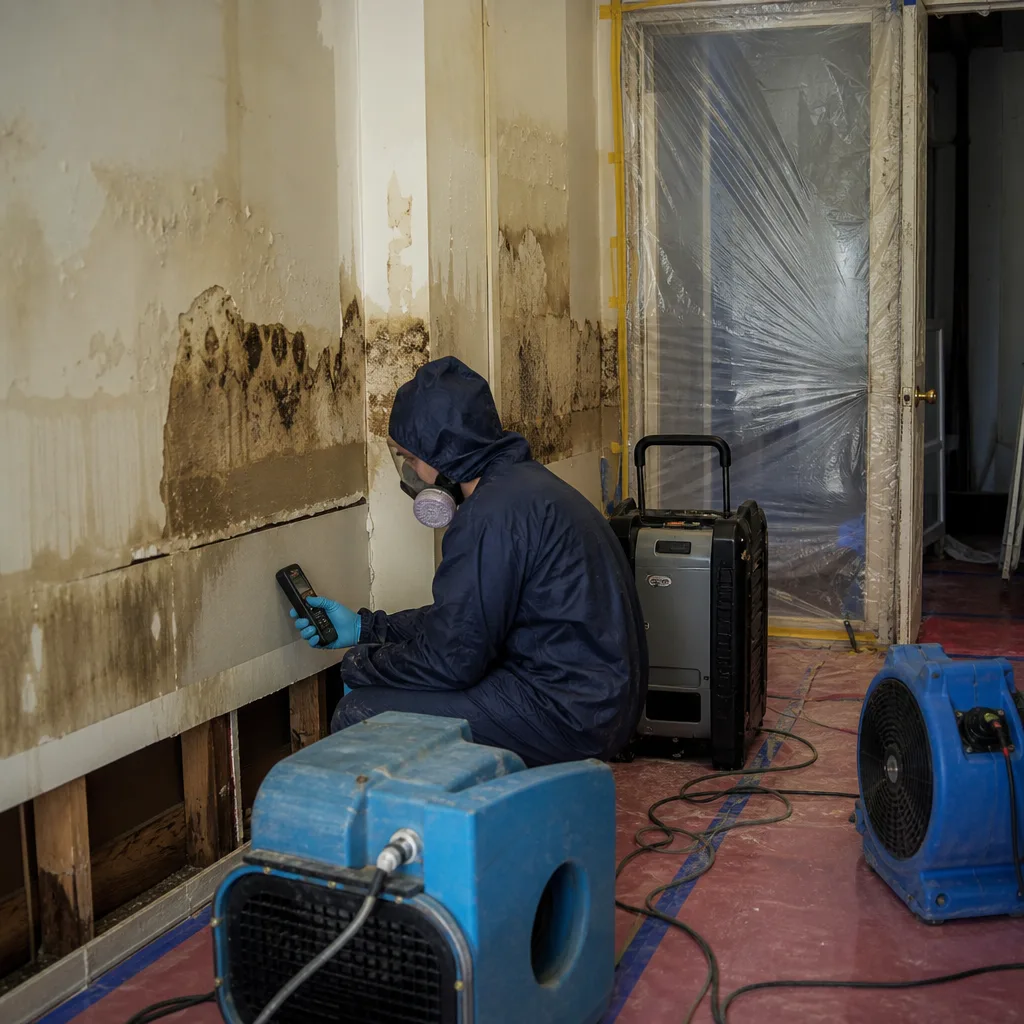 Before
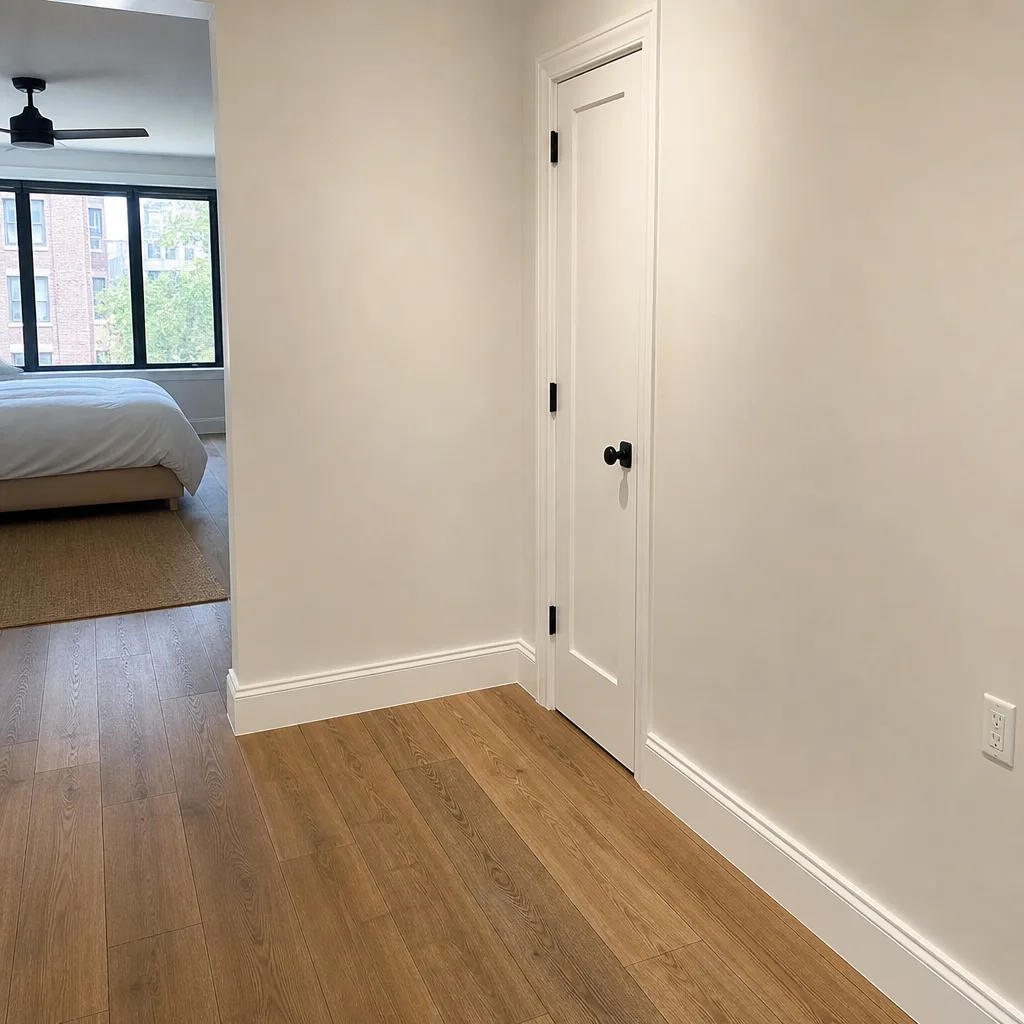 After
After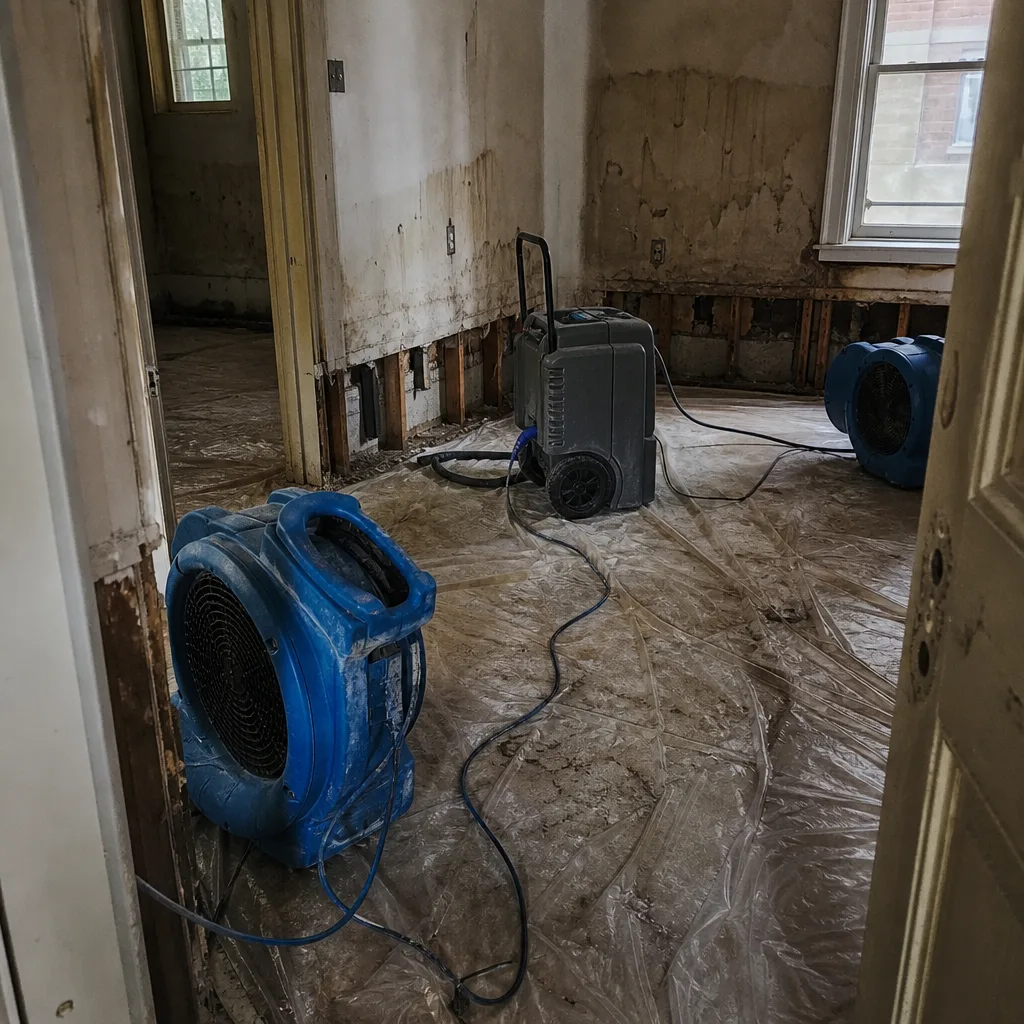 Before
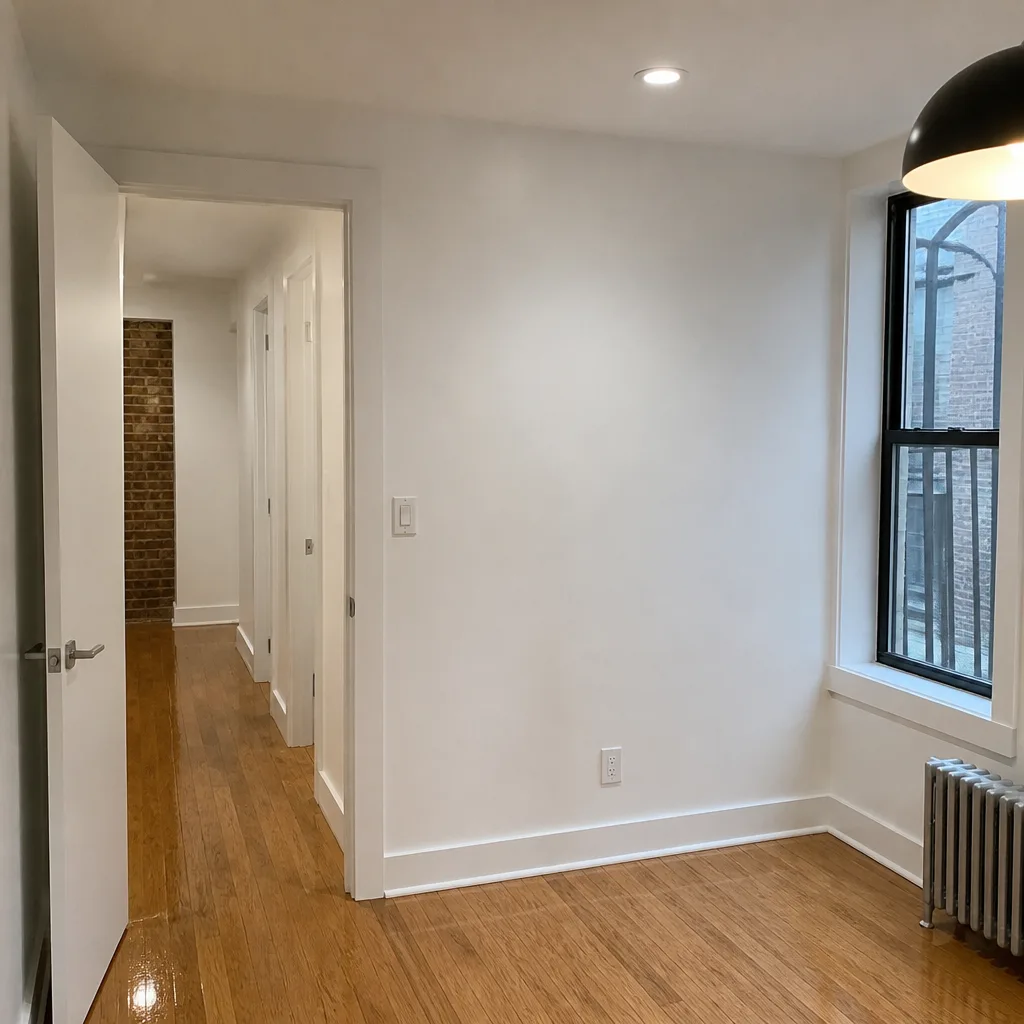 After
After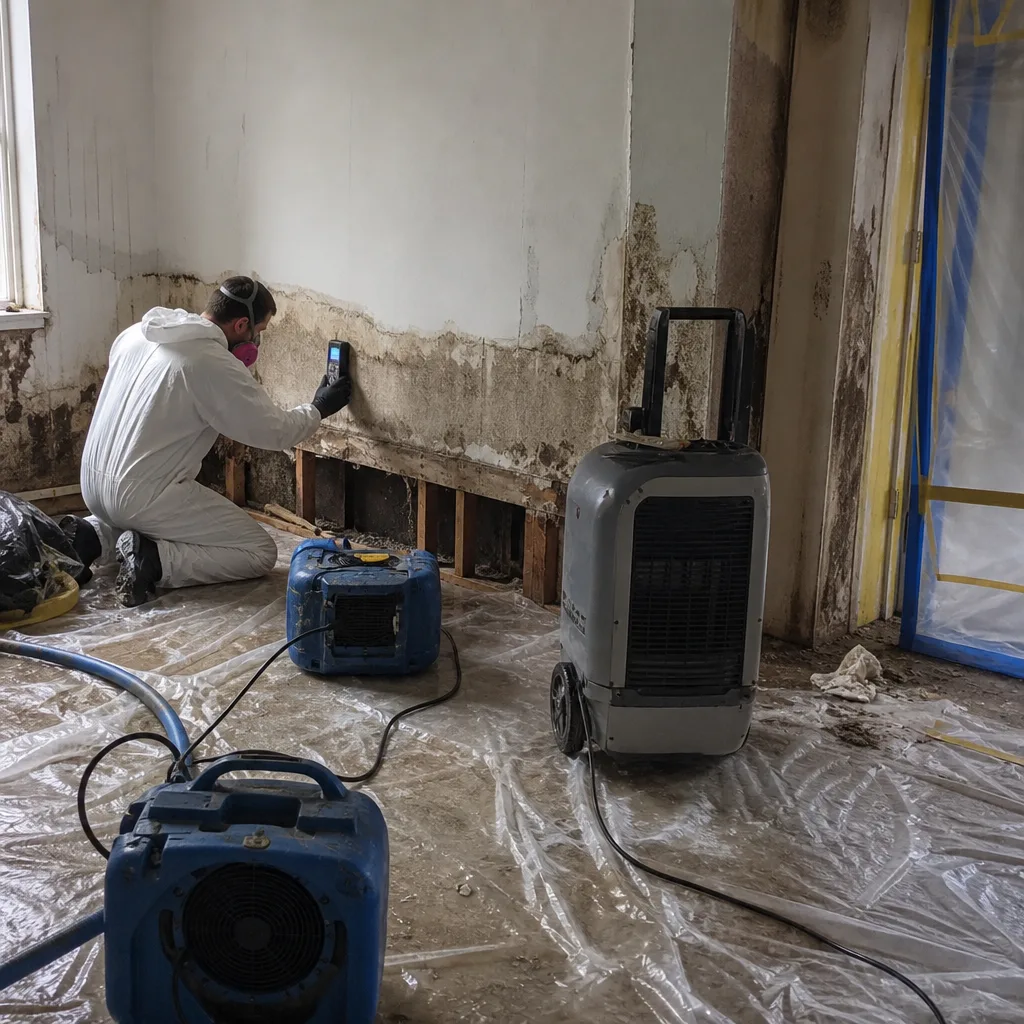 Before
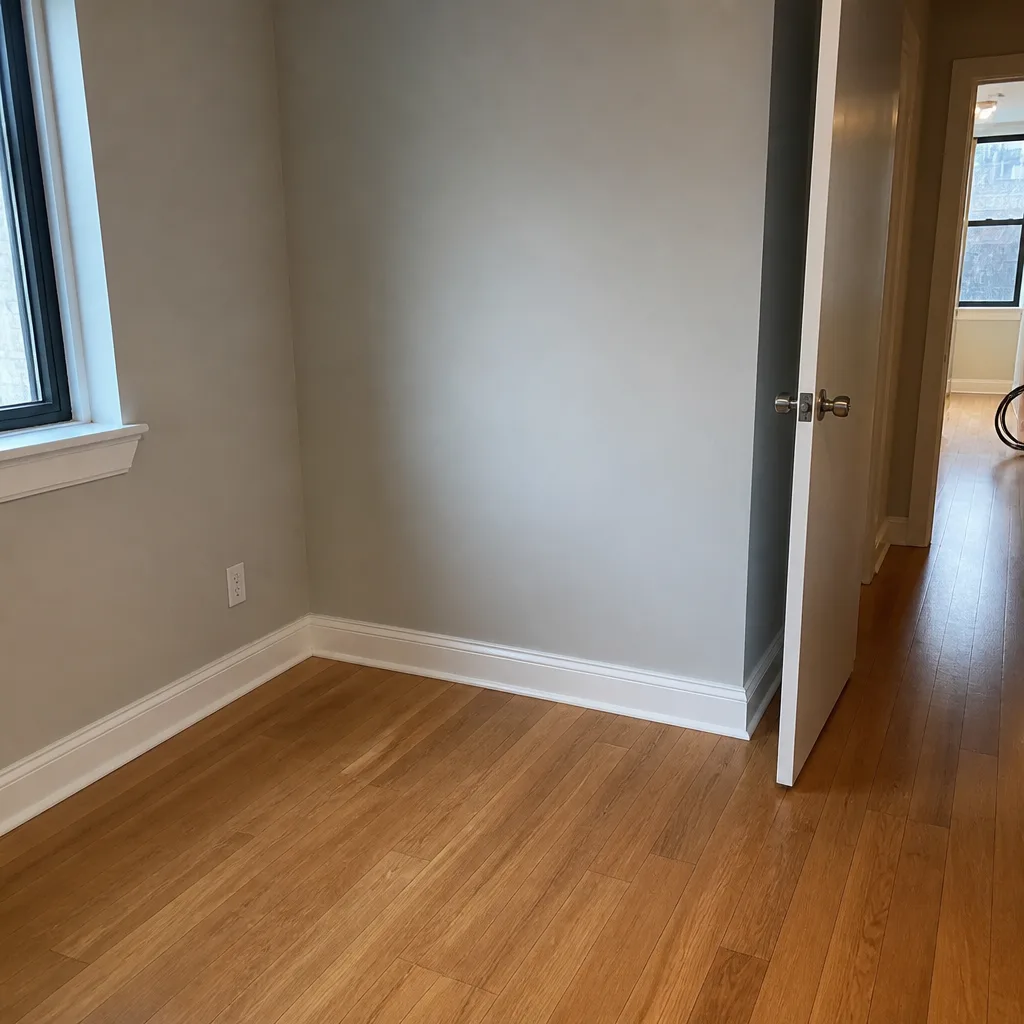 After
After24/7 Emergency Storm & Disaster Restoration in Central Harlem
Storm and disaster restoration in Central Harlem means moving fast on two fronts: stopping active water intrusion and navigating the borough’s oldest building rules before demolition can begin. We answer live, 24 hours a day, at (845) 305-5737, and a crew can reach most Central Harlem blocks within 45 minutes. The first hour after a roof membrane fails or a frozen stack lets go determines whether you’re facing a dry-out or a full plaster rebuild, so we get someone to your door with a moisture meter and a thermal camera the same visit you call. Free visual inspection, direct insurance billing, one crew from extraction to finished repair.
Understanding Storm & Disaster Restoration Severity in Central Harlem Properties
Central Harlem’s housing stock is overwhelmingly pre-war: brownstones, rowhouses, and tenement walk-ups built between 1880 and 1920. Those buildings hide problems that a 1990s drywall apartment never will. A leaking flat tar-and-gravel roof may not announce itself with a drip. Instead, water travels along original cast-iron stacks, soaks into horsehair plaster and wooden lath, and re-emerges two floors below the actual breach. By the time you see the stain, mold has often been growing behind the wall for weeks. Water from a failed steam radiator or supply line in these buildings is typically Category 2, meaning it carries significant contamination from pipe scale and contact with building materials. Left unaddressed for 48 hours, it degrades toward Category 3. Moisture mapping with penetrating meters and thermal imaging tells us where the water actually is, not just where it surfaced, before any containment goes up or any wall gets opened. That matters because in Central Harlem, opening a wall triggers a regulatory hold that a suburban job never faces.
Why Central Harlem Property Owners Choose Floodline Restoration Co.
- 45-minute response commitment – a live dispatcher picks up at 2 a.m., and a certified crew is rolling toward Central Harlem that same call, not the next morning.
- 24/7 live answer – never an automated tree, never a recording. The person who answers is trained to assess storm damage severity and dispatch accordingly.
- IICRC-certified crews – our technicians hold WRT and ASD certifications and are trained to RIA and IFA standards, with the documentation to prove it.
- Free visual inspection – we walk the damage and tell you honestly what needs to happen, with no charge and no pressure.
- Direct insurance billing – we prepare the estimate, send it to your carrier, and talk to the adjuster directly. You don’t play messenger.
- One team, start to finish – extraction, drying, and rebuild are handled by the same Floodline crew, so the moisture log from day one informs the reconstruction plan at the end.
Our Storm & Disaster Restoration Process
Inspection & Assessment
We arrive with thermal imaging, penetrating and non-penetrating moisture meters, and hygrometers to map the full spread of water through plaster, lath, and structural framing. In Central Harlem, this includes identifying whether a DEP asbestos survey will be required before any wall penetration can legally occur.
Extraction & Stabilization
Standing water comes out first with truck-mounted extraction, then the source is isolated: a roof tarp, a capped line, a shut main. For storm damage with open envelope breaches, we board up and tarp immediately to prevent further wind-driven rain entry.
Drying & Dehumidification
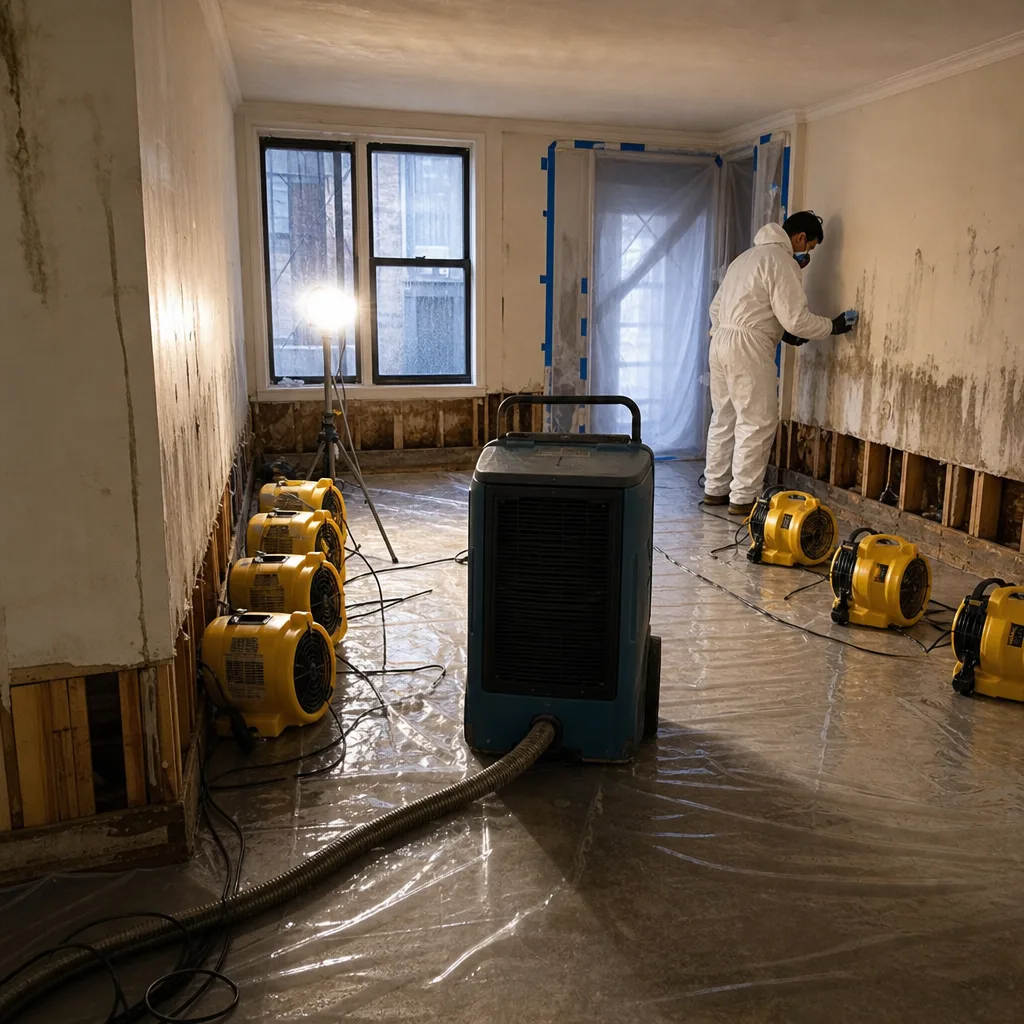
Plaster-on-lath walls demand patience. We run Phoenix desiccant dehumidifiers, Dri-Eaz air movers, and XPOWER axial fans on longer cycles than drywall jobs demand, taking daily moisture readings until pre-loss dry standard is met and logged.
Cleaning & Sanitization
Category 2 water means disinfecting surfaces that came into contact with contaminated water. We clean with professional-grade antimicrobials appropriate for plaster, wood, and the original finishes often found in Harlem brownstones.
Mold Prevention & Treatment
Horsehair plaster and wooden lath are prime mold hosts. We apply antimicrobial barriers to at-risk surfaces and run HEPA air scrubbers with negative air pressure where containment is required, protecting the rest of the building.
Repairs & Restoration
The same crew that extracted the water rebuilds the room. Plaster repair, lath replacement where needed, refinishing, and painting. We hand you a moisture log and a written 90-Day Done Right Promise before we leave.
Need Emergency Storm & Disaster Restoration in Central Harlem Now?
Crews minutes away, answering live 24 hours a day. The sooner we start, the less it costs.
Working With Your Insurance Company
Insurance claims for storm damage in Central Harlem get complicated quickly, especially when multiple units in a pre-war building share a common stack or party wall. The carrier wants to know exactly what happened, exactly what got wet, and exactly why the scope is what it is. We build that case from the first hour. Every inspection is photographed room by room, every moisture reading is logged with time and location, and the scope of work we submit is line-item detailed against industry-standard estimating software. Our team talks directly to your adjuster, so you are not relaying messages between a contractor and an insurance desk. Curt Bowman founded Floodline Restoration Co. to keep the job whole: one restoration team, one claim, one point of accountability. After 42 years in this work across New York, we have learned that the carrier respects documentation more than argument.
What We Provide Your Insurer
- Thorough documentation of the loss
- Photos of all damage, room by room
- Moisture readings and drying logs
- A detailed, line-item scope of work
- Direct coordination with your carrier
Built for Central Harlem’s Loss Calendar
Central Harlem’s storm season follows a rhythm that anyone who has owned a brownstone for twenty years knows by heart. January and February are when original steam risers and radiator valves fail under full building pressure, sending Category 2 water through stacked apartments overnight. March arrives with freeze-thaw cycles that crack flat tar-and-gravel roofs, and the first spring rain drives water into plaster ceilings two floors below the actual breach. July and August bring the flash thunderstorms that overwhelm aging roof drains on low-pitched or flat roofs, ponding water until it finds a seam. Late summer into autumn is nor’easter season, when wind damage peels back roof membranes and siding, and every exposed inch of original cast-iron becomes a liability. Pre-war buildings respond to each season in predictable ways, which is why our Storm & Disaster Restoration crews in Central Harlem keep roof tarping supplies and desiccant dehumidifiers staged and ready year-round.
Storm & Disaster Restoration Across Central Harlem’s Neighborhoods
Response to a burst steam line on West 138th Street looks different from a roof tear on a brownstone south of 125th. Buildings along Strivers’ Row, with their landmarked facades and original ornamental cornices, require protocols that preserve 1908-era details while drying proceeds. A six-story walk-up near Lenox Avenue with a single cast-iron stack serving every unit demands building-wide moisture mapping before any individual apartment can be released as dry. Over toward Morningside Park, the streets slope toward the park and older rowhouses with below-grade entries take on water during heavy downpours, which means sump and drain work often accompanies storm cleanup. On the blocks around Adam Clayton Powell Jr. Boulevard, many rowhouses were subdivided mid-century and later reconverted, leaving non-standard plumbing branches that complicate leak tracing. A free visual inspection in any of these areas includes identifying the building’s original systems, because in Central Harlem, the 1912 pipe is almost always the first suspect, not the last.
Specialized Storm & Disaster Restoration Services We Offer in Central Harlem
Flood Damage Restoration
When a steam riser lets go in a tenement walk-up on West 141st Street, the water moves down faster than anyone can mop. Our flood crews extract standing water, map moisture through plaster and lath, and set up professional grade drying equipment the same visit. In Central Harlem’s plaster-on-lath buildings, that means planning for 30 to 50 percent more drying cycles than a drywall apartment would need, and we log every reading for your carrier.
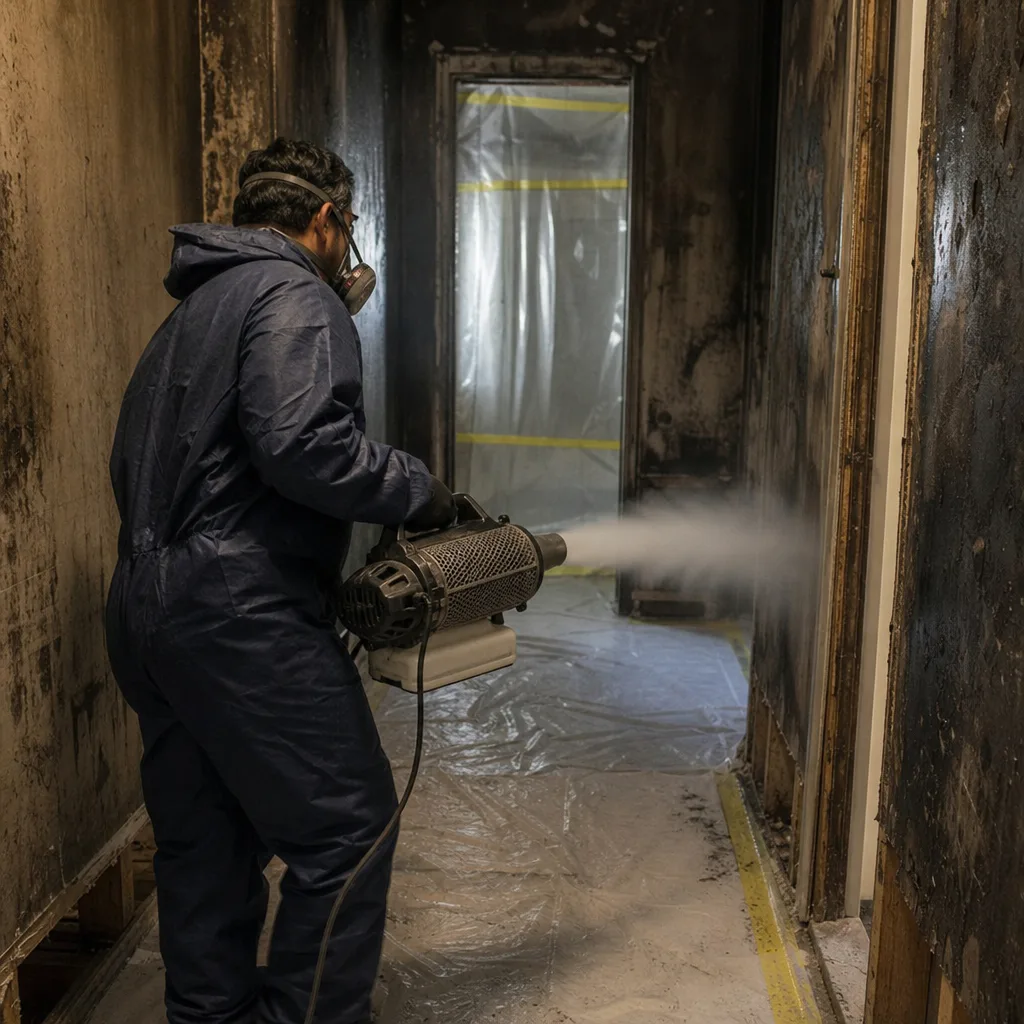
Storm Damage Cleanup
Wind-driven rain through a damaged roof or broken window soaks horsehair plaster, ruins refinished floors, and starts mold behind walls within days. We remove wet debris, clean and sanitize affected surfaces, and dry the structure to pre-loss condition. Because most Central Harlem structures predate 1987, we sequence the work so that any required NYC DEP asbestos survey runs in parallel with mitigation, not after it.
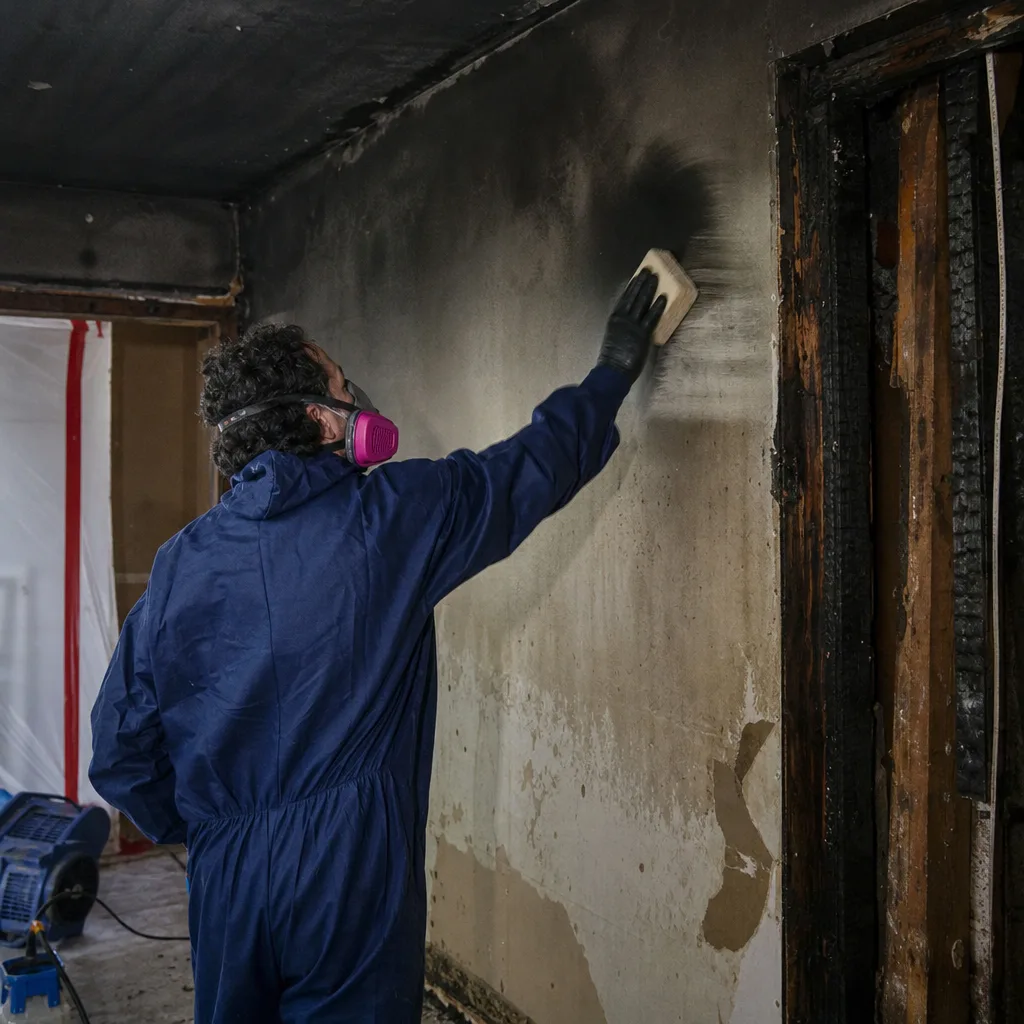
Emergency Board-Up
After a nor’easter tears off a section of membrane or a tree limb goes through a top-floor window, the building is open to weather and theft. We board up and secure the envelope with plywood and fasteners sized for masonry and brick. On landmark-protected facades like those along Strivers’ Row, our crews are trained to anchor protection without damaging original limestone or terra-cotta details.
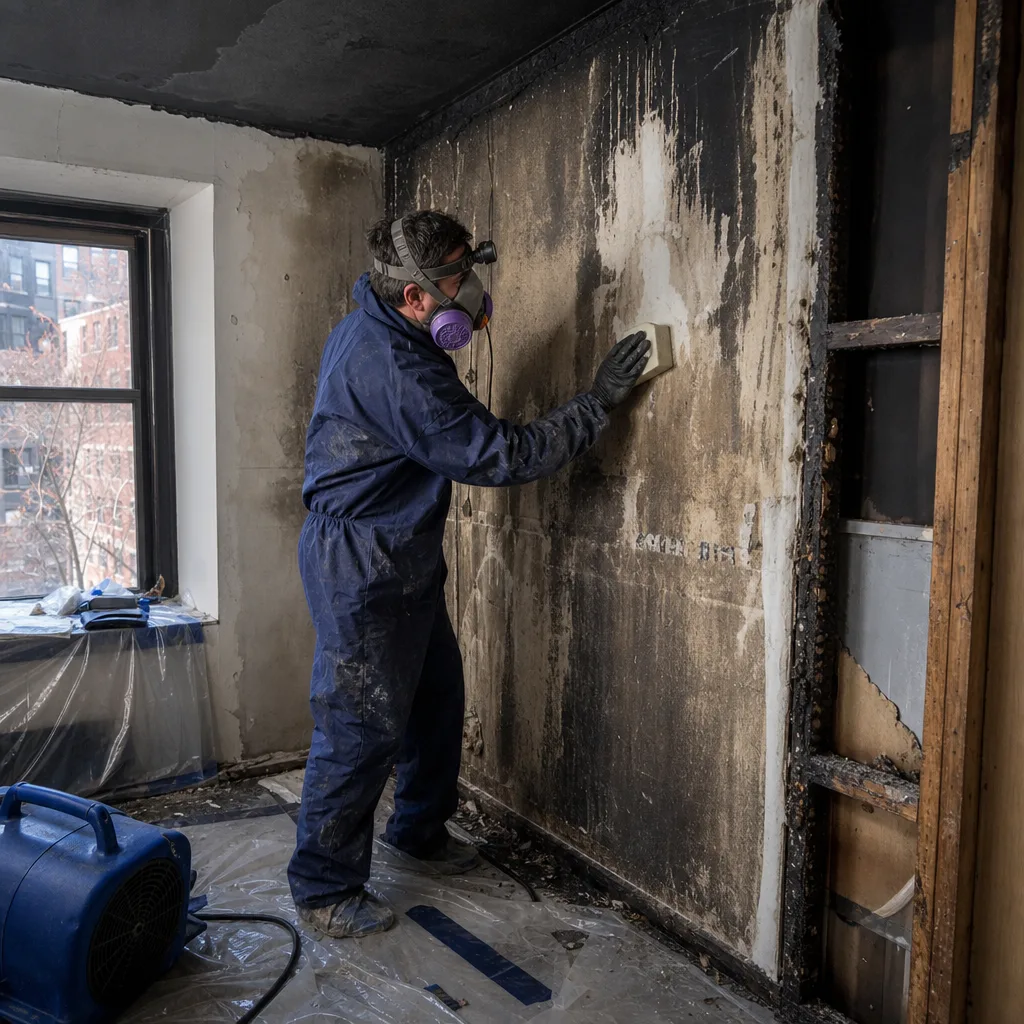
Roof Tarping
A flat roof with a cracked membrane will take on water with every rain until it is sealed. We tarp flat tar-and-gravel roofs common across Central Harlem, weighting and sealing the tarp so it holds through wind and repeated storms. Tarping buys you the weeks needed to schedule full membrane replacement without letting the interior get wetter while you wait.
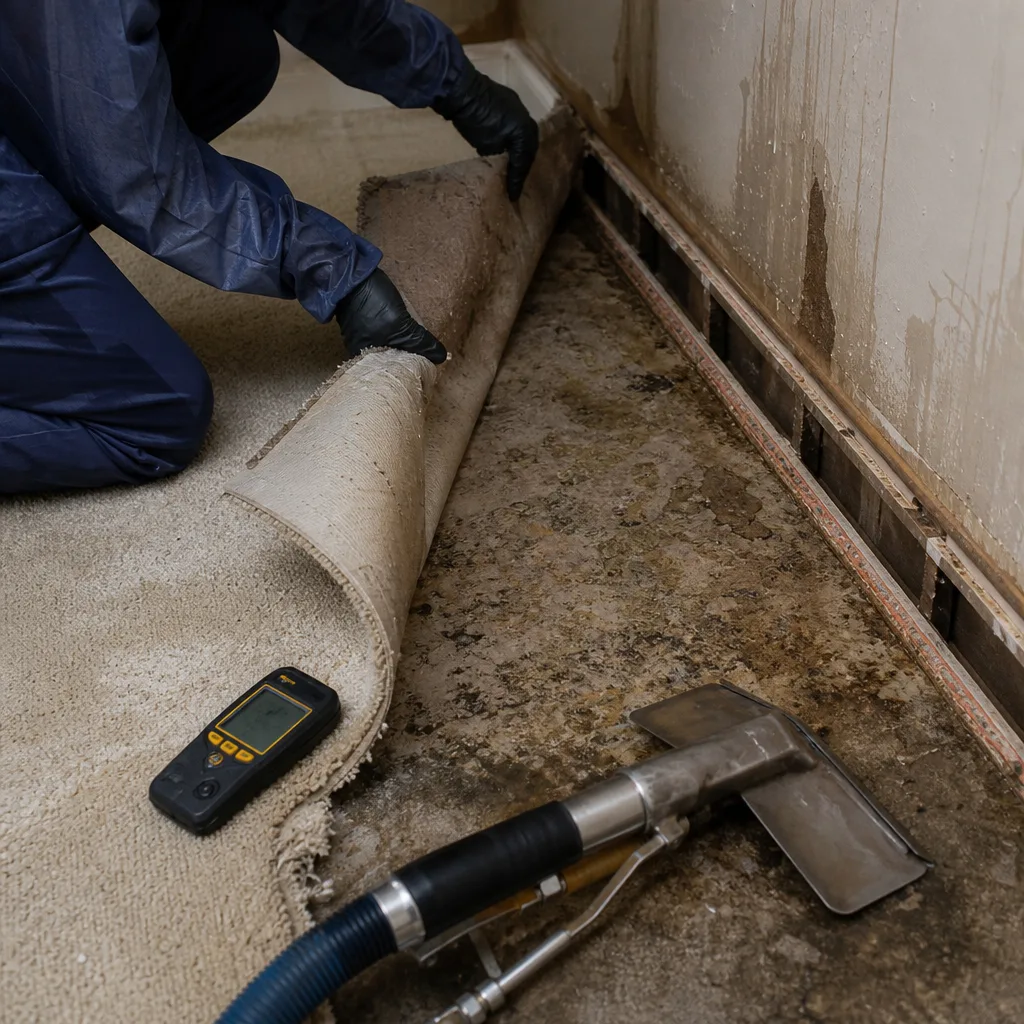
Debris Removal
Storm damage often leaves behind saturated insulation, broken lath, spoiled plaster, and damaged personal property. We remove it all, separating salvage from refuse, and we coordinate disposal with the building’s superintendent where applicable. In co-ops and multi-family buildings, we can scope debris removal by unit and provide line-item documentation for each shareholder or owner.
What happens when you call
- 1
A real person answersNo phone trees - you reach a local pro.
- 2
You get an upfront price rangeHonest numbers before anyone is dispatched.
- 3
A background-checked tech heads outLicensed & insured, dispatched right away.
- 4
You approve before work beginsNothing starts until you say go.
Storm & Disaster Restoration Costs in Central Harlem, NY
Storm damage restoration in Central Harlem runs a wide range because a simple tarp job and a full plaster dry-out are different worlds. Roof tarping typically starts around $450 to $850 for a standard flat brownstone roof section, depending on access and membrane condition. Water extraction and structural drying in a single damaged room usually lands between $2,800 and $6,500 when plaster walls and lath are involved. A full-floor flood restoration across multiple stacked units, with containment, asbestos coordination, and plaster repair, can run from $12,000 to $30,000 or more. The variables that move the number most: how many plaster surfaces are saturated, whether a DEP asbestos hold delays demolition, and whether original millwork or ornamental details require restoration-grade repair. Most storm losses are covered under standard homeowners and building policies, subject to your deductible. We provide a free visual inspection and a detailed written scope before any work begins, so you know the number up front. Call (845) 305-5737 for a free estimate.
We Also Serve Cities Near Central Harlem
Our Storm & Disaster Restoration crews also respond throughout Upper Manhattan: Upper West Side, Morningside Heights, Hamilton Heights, and East Harlem. If your building sits near the Central Harlem border, we’ll get there just as fast. Same live answer, same written guarantee.
Serving Central Harlem, NY - Our Local Coverage Area
We’re based in the Central Harlem area and know this community well. Use the map below to see our service coverage - if you’re nearby, we can almost certainly help.
Central Harlem Storm & Disaster Restoration Questions, Answered
How does the NYC DEP asbestos hold work when water is actively damaging a Central Harlem brownstone’s plaster walls?
Any wall or ceiling opening in a building constructed before 1987 requires a NYC DEP asbestos survey before demolition or repair work that disturbs plaster can legally proceed. In practice, if your pipe bursts on a Saturday, a licensed inspector may not arrive until Monday. We work around the hold by running extraction, containment, and initial drying without cutting plaster, using moisture probing and pack-out of wet contents to limit secondary damage while you wait. Call (845) 305-5737 and we’ll walk you through the timing on your specific building.
What category of water usually comes from a failed steam radiator in Central Harlem tenement walk-ups?
Failed steam radiators and original supply lines in Central Harlem typically release Category 2 water, meaning it carries significant contamination from pipe scale, dissolved minerals, and contact with building materials. It is not clean Category 1 like a fresh supply line. Category 2 water requires disinfection and careful drying of affected surfaces to prevent microbial growth, which is exactly what our IICRC-certified crews do. The cost of proper treatment is far less than the cost of an untreated Category 2 loss turning into a Category 3 black water event.
Why does a brownstone with plaster walls need more drying cycles than a newer drywall apartment after a storm leak?
Horsehair plaster and wooden lath absorb and hold water differently than gypsum drywall. Plaster is denser and lath creates a network of tiny pockets where moisture hides, so structural drying often requires 30 to 50 percent more drying cycles with desiccant dehumidifiers and air movers than a comparable drywall space. Rushing this process leaves hidden moisture behind the wall, which is how mold gets established without ever showing a stain. We run daily moisture readings and log them until pre-loss dry standard is reached.
When does it make sense to tarp a Central Harlem flat roof instead of starting interior demolition after a wind storm?
If the membrane on your flat tar-and-gravel roof is breached but the interior is only partially wet, tarping the breach is almost always the right first move. It stops further water entry immediately, costs a fraction of full demolition, and lets you schedule membrane replacement or roof repair on a realistic timeline. Demolishing interior plaster while the roof is still leaking just means drying the same space twice. We tarp on the same visit and advise you honestly on next steps.
Can your crew trace a hidden leak through original cast-iron stacks without tearing out every plaster wall in a Central Harlem brownstone?
Yes. Thermal imaging cameras and penetrating moisture meters let us follow water migration along original cast-iron stacks and through lath without opening every wall. We map the path, identify the lowest and wettest points, and only recommend plaster removal where the moisture readings confirm it is necessary. In a 1908 brownstone, this often means one or two controlled openings instead of gutting three rooms, which saves thousands in restoration cost and preserves original plaster where it can be saved.
How fast can someone actually get to a Central Harlem address after a storm hits?
Most Central Harlem locations get a crew on site within 45 minutes of your call, 24 hours a day. Our dispatch is coordinated from the brand’s New York City office, with crews staged to serve Central Harlem locally. The sooner we start extraction and drying, the lower the final restoration cost, particularly in plaster buildings where secondary mold moves fast.
Will my insurance cover storm damage restoration, and who deals with the adjuster?
Most standard homeowners and co-op policies cover sudden storm-related water intrusion, roof damage, and wind-driven rain, minus your deductible. Flood damage from rising water may require a separate flood policy. We photograph everything from the first hour, build a line-item estimate, and handle adjuster communication directly, so you spend your time on your family, not on insurance paperwork.
What should I do in the first 30 minutes after I notice storm water coming into my Central Harlem home?
Call (845) 305-5737 first. Then, if safe to do so, note where the water is entering and where it is traveling. Do not cut or open any plaster wall yourself. In a pre-war building, opening a wall can expose hidden asbestos materials and creates a regulatory problem that slows the professional response. Move small valuables out of the water’s path, and let the crew handle the rest. The first 30 minutes determines the scope of the claim.
Written by Curt Bowman, Owner at Floodline Restoration Co., serving Central Harlem and the surrounding boroughs.