

Free visual inspection and a written scope of work before any mitigation begins - photos, moisture readings, and drying logs go in your claim file
The scope we write is the scope we bill. Anything new gets shown to you, in writing, before we touch it.
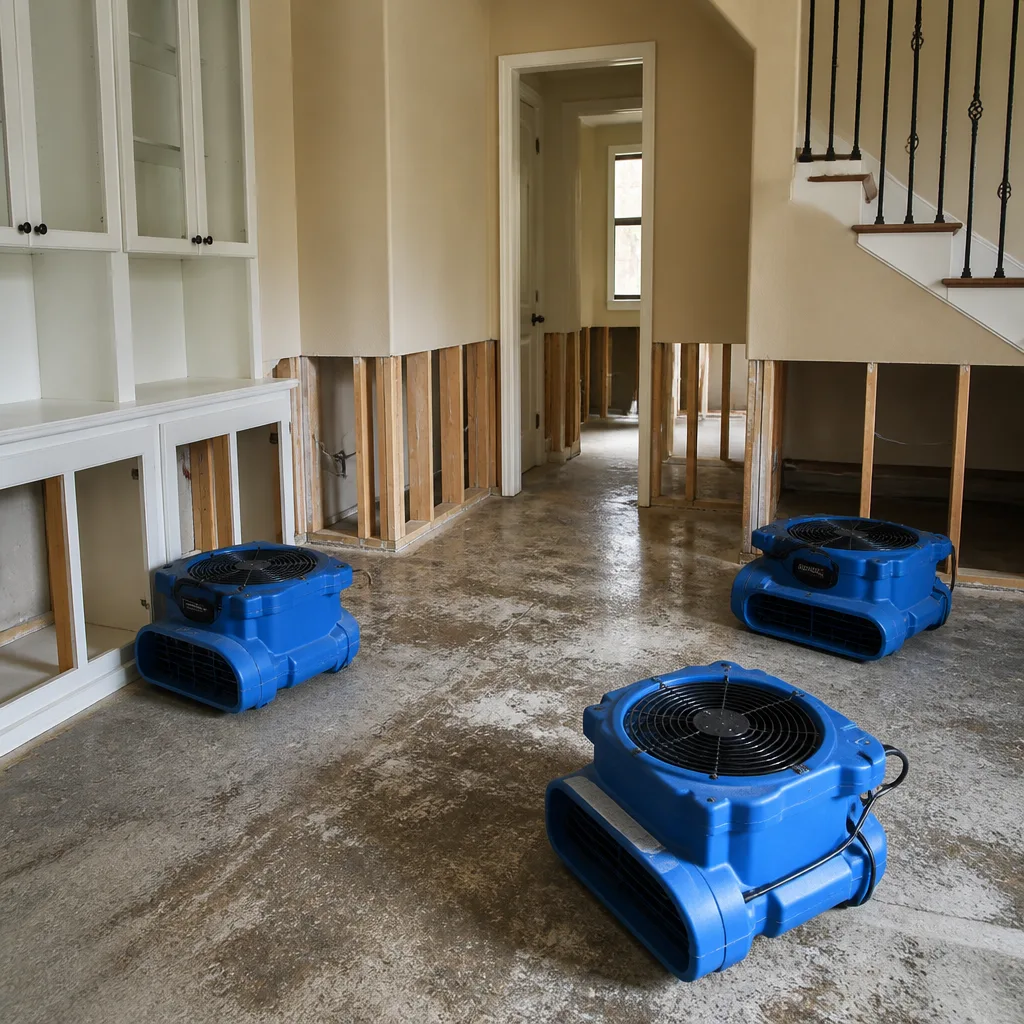
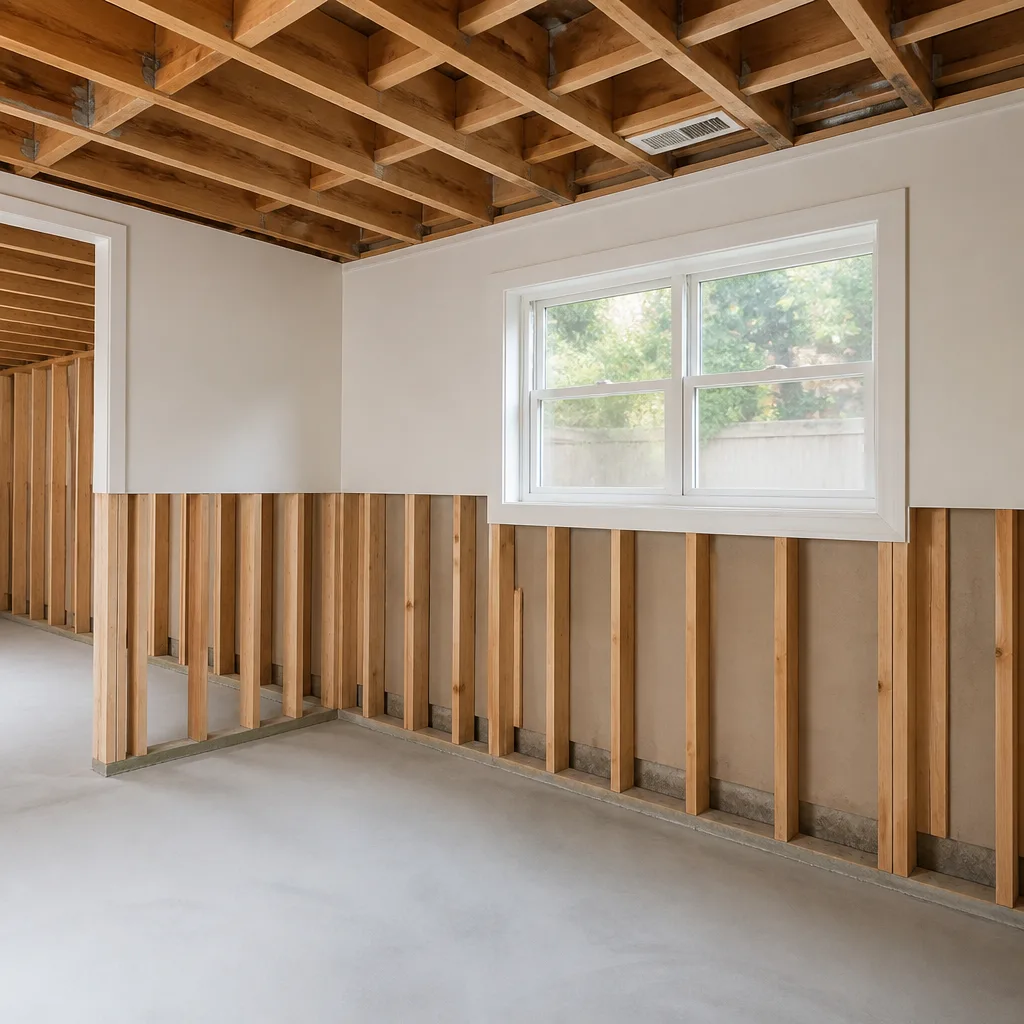
 Before
 After
After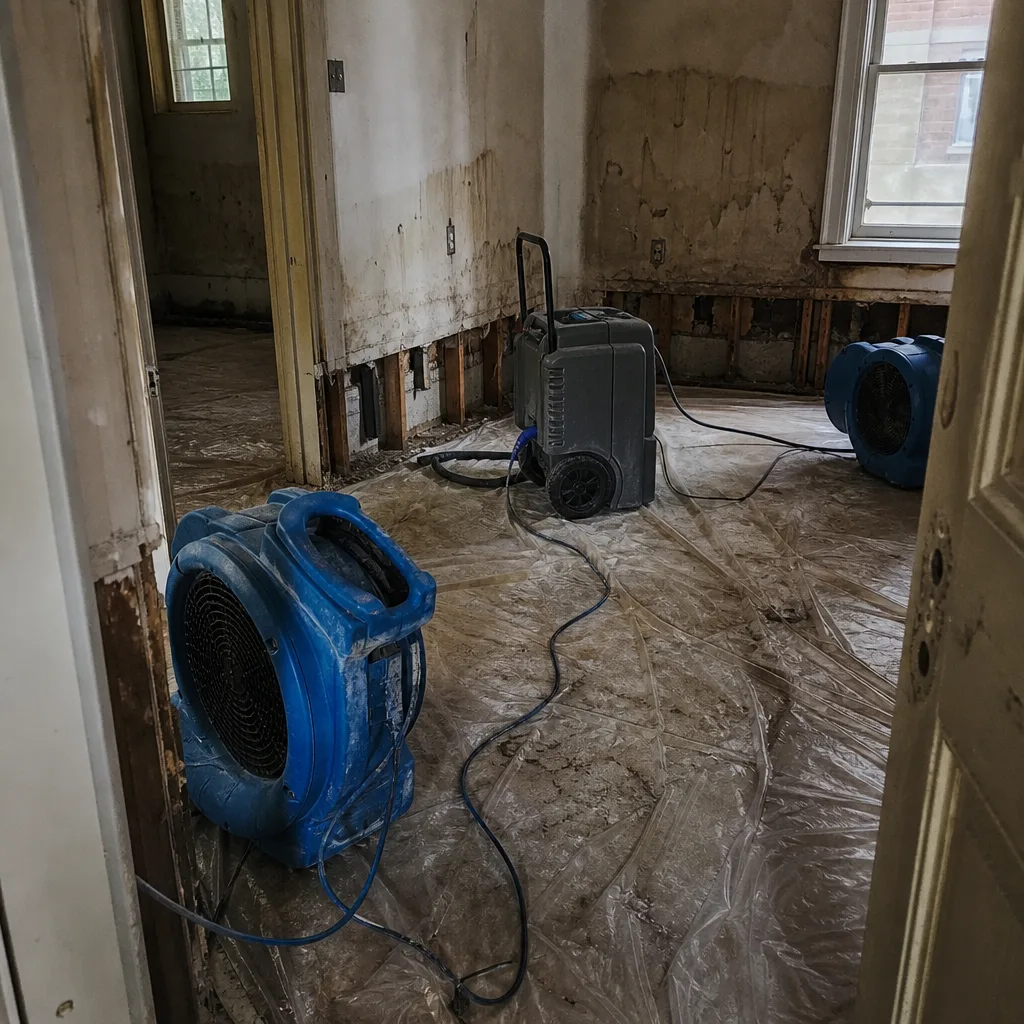 Before
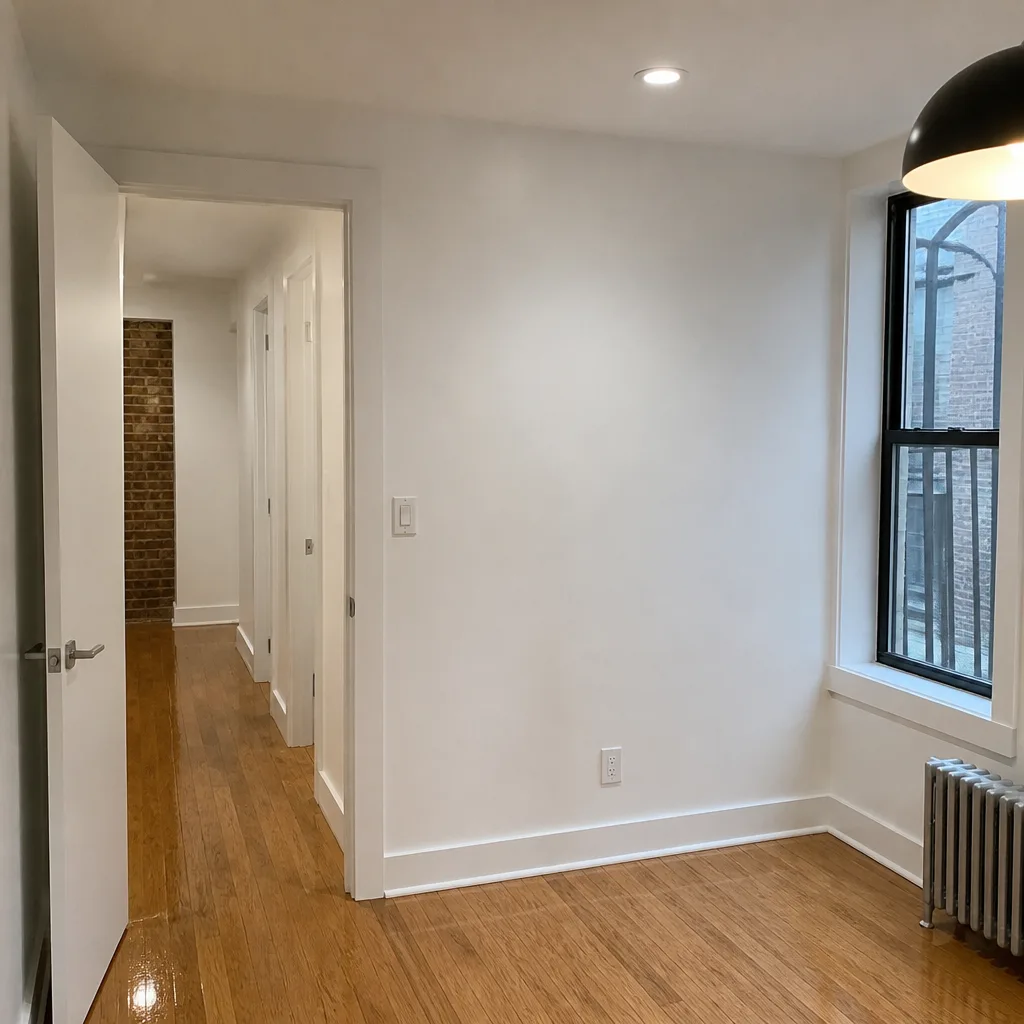 After
After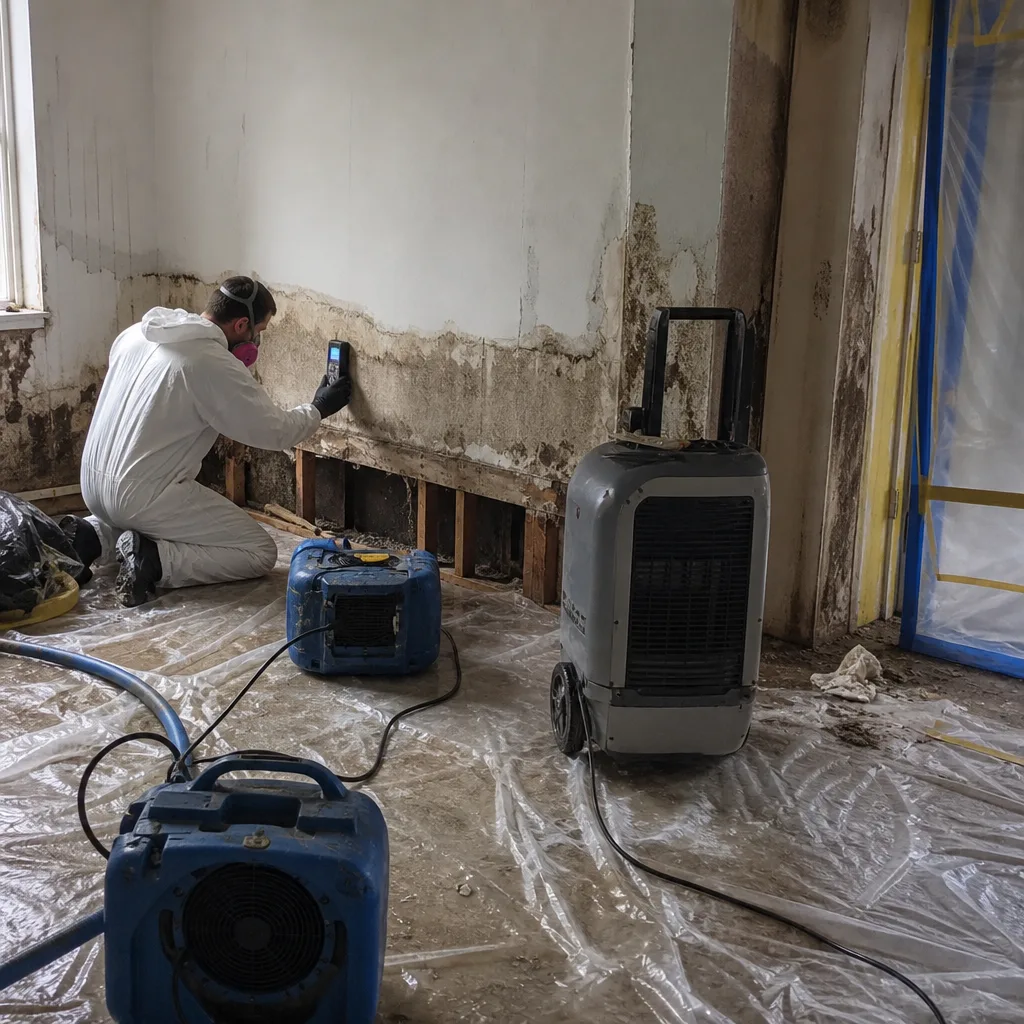 Before
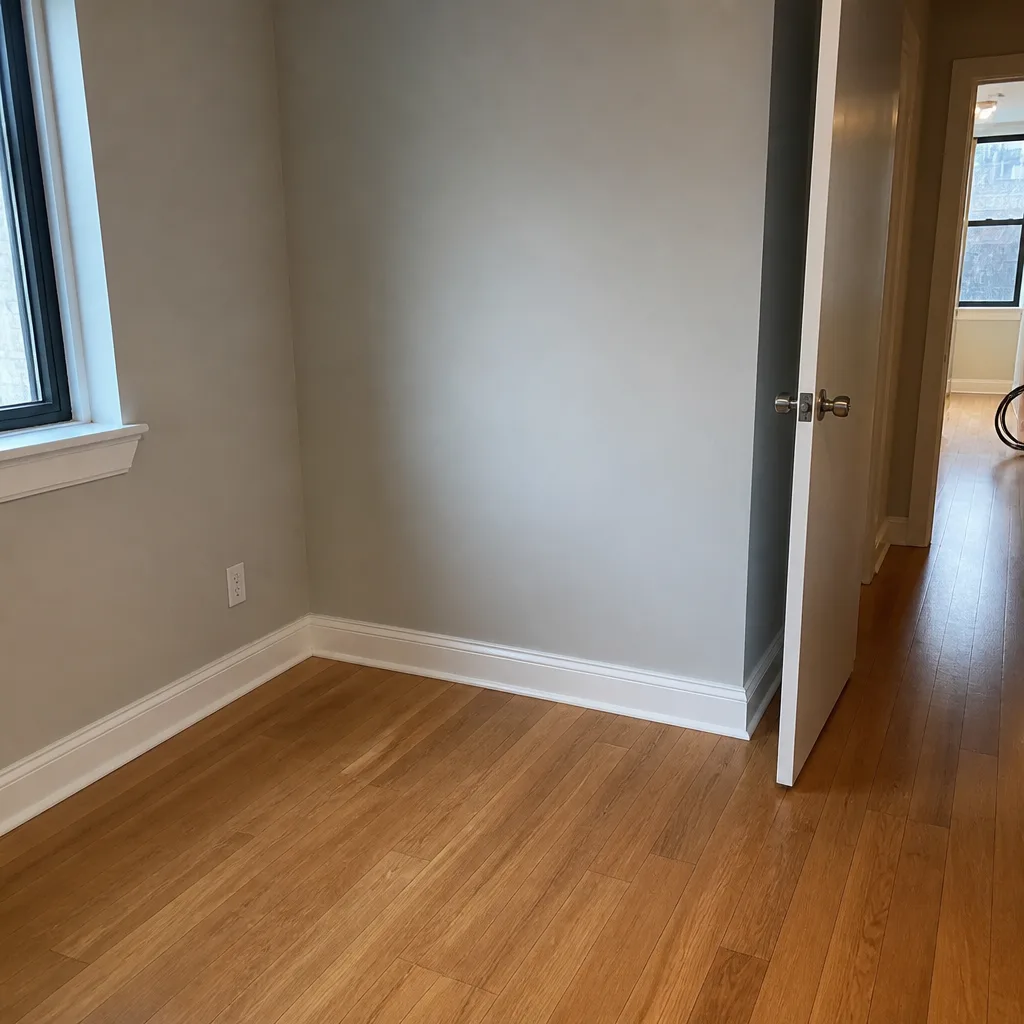 After
After24/7 Emergency Commercial Restoration in Central Harlem
A burst steam pipe in a Central Harlem brownstone office doesn’t wait for business hours, and neither do we. Floodline Restoration Co. answers live around the clock with crews dispatched inside Central Harlem, typically within 45 minutes. The first hour determines whether you’re dealing with a contained cleanup or a multi-floor pack-out with secondary mold. Call (845) 305-5737 the moment water, smoke, or sewage appears. We’ll have eyes on the damage fast, give you a free visual inspection, and start extraction the same visit if you need it.
Central Harlem’s pre-war buildings punish delay. Plaster wicks water upward, cast-iron stacks hide failures inside party walls, and every hour of saturation pushes Category 2 water toward Category 3. We know this because we work these buildings every week, not because we read about them in a manual.
Understanding Commercial Restoration Severity in Central Harlem Properties
Commercial water damage falls into three categories. Category 1 is clean water from a supply line or failed valve. Category 2 carries contaminants, the kind you get when a steam radiator blows or a condensate line lets go. Category 3 is sewage, storm backup, or anything that’s picked up biological waste. In Central Harlem, the category matters more than in most markets because so many buildings share party walls and stacked plumbing. A Category 2 line break on the third floor of a Lenox Avenue walk-up becomes a Category 3 problem in the basement by the time it finishes traveling down.
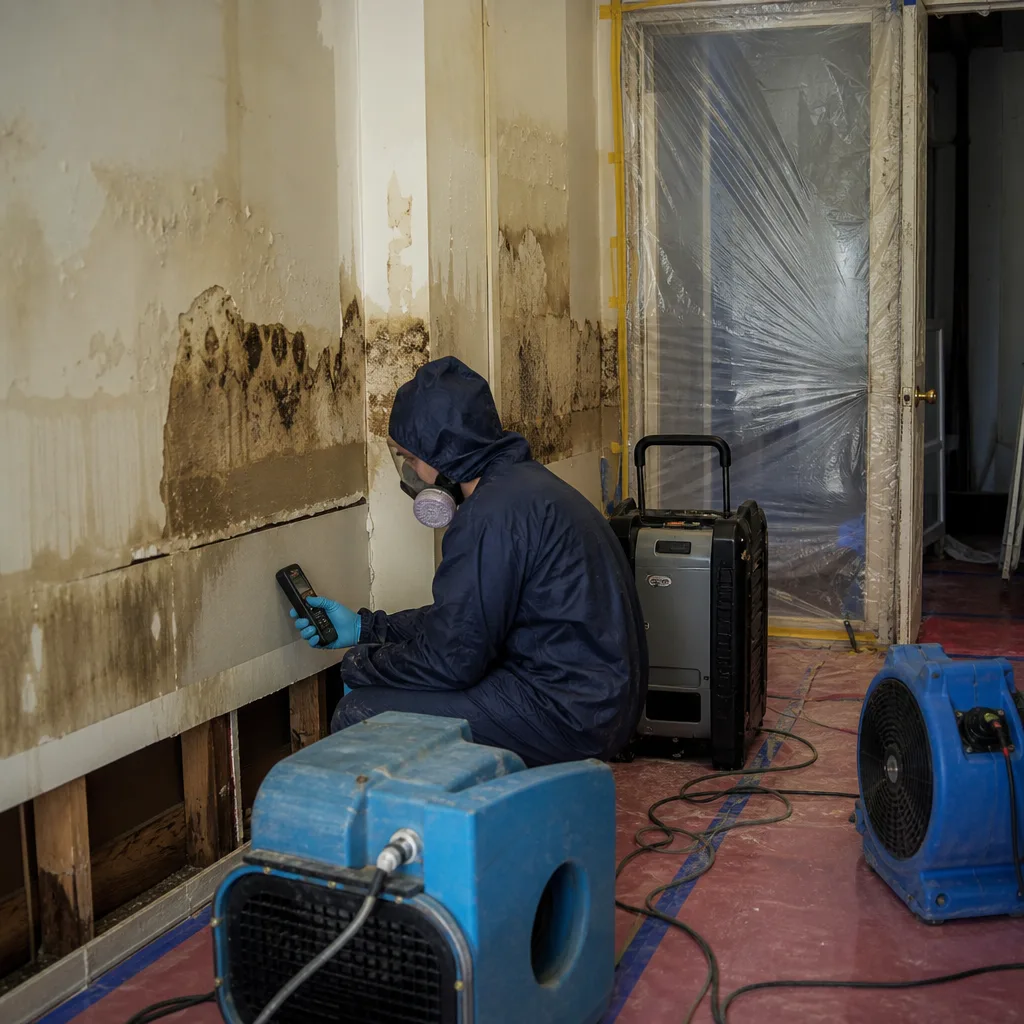
We use moisture mapping and thermal imaging, not guesswork, to find where water has actually gone. Horsehair-and-plaster walls hide moisture deep behind the surface. Drying those assemblies takes 30 to 50 percent more cycles than drywall, and the readings have to be logged daily until the dry standard is met. Cutting corners on drying in Central Harlem means reopening walls in six months for mold that should never have been allowed to establish.
Why Central Harlem Property Owners Choose Floodline Restoration Co.
- 45-minute response commitment: We dispatch crews from within Central Harlem’s service area immediately, not after a call-back from a regional office.
- Live answer, 24/7: A real person picks up at 2 a.m., not a recording. You tell us what happened, we tell you what happens next.
- IICRC-certified crews: Our technicians hold WRT, FSRT, and AMRT certifications and they’re background-checked and uniformed on every job.
- Free visual inspection: We assess the loss before you commit to anything, and you get a written scope of work before equipment rolls in.
- Direct insurance billing: We handle the carrier communication and documentation. You don’t play messenger between us and your adjuster.
- One team, start to finish: Extraction, drying, mitigation, and reconstruction all handled by Floodline crews, not subcontracted out to someone you’ve never met.
Our Commercial Restoration Process
Inspection & Assessment
We document every affected area with photos and thermal imaging. We map moisture across walls, floors, and hidden cavities. You get a written scope before we open a single wall.
Extraction / Stabilization
Standing water comes out with truck-mounted extraction units. We isolate the affected zone with containment to protect neighboring offices and retail units from cross-contamination.
Drying & Dehumidification
Air movers and dehumidifiers go in, sized to the cubic footage and the wall assemblies, not off a chart. In plaster buildings we plan for the 30-50% longer dry times that Central Harlem’s construction demands.
Cleaning & Sanitization
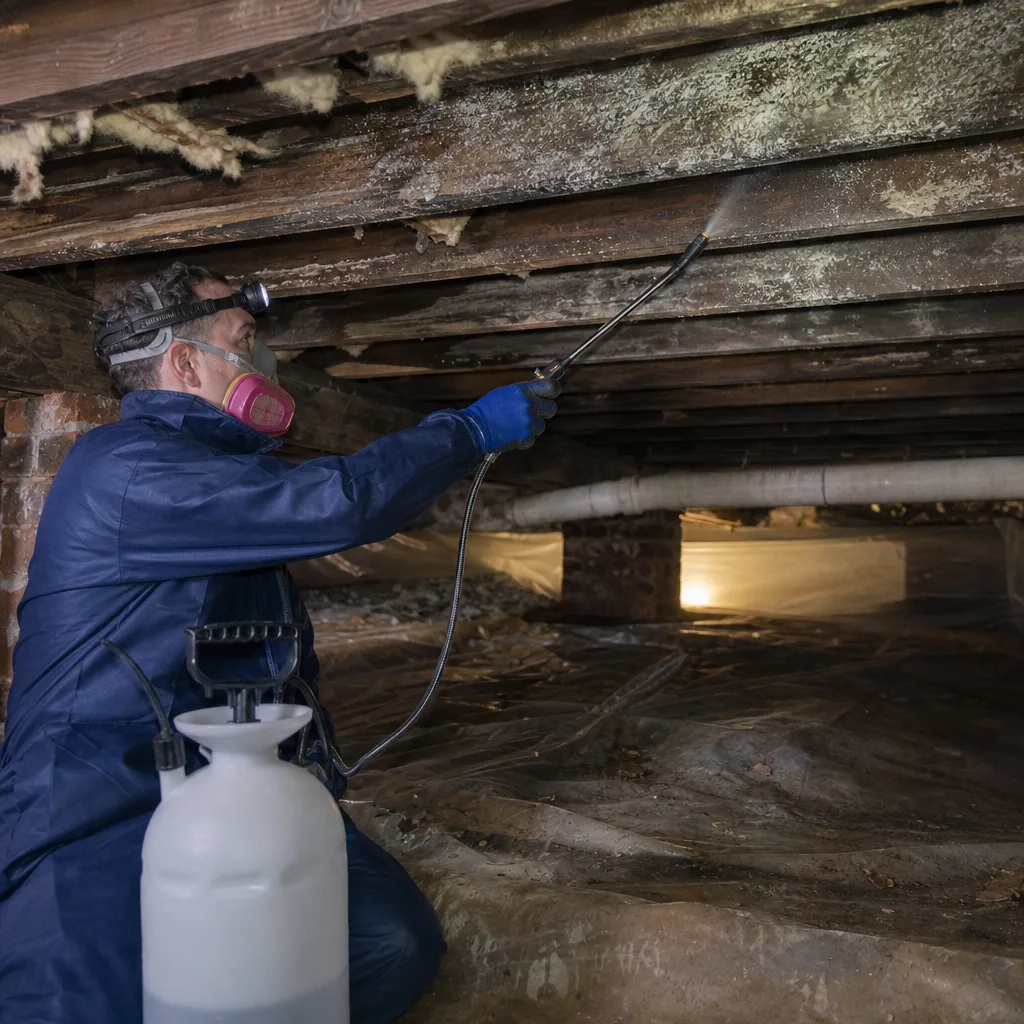
Category 2 and 3 losses get antimicrobial treatment on affected surfaces. We scrub the air with HEPA filtration and log every step so the carrier sees what was done and why.
Asbestos Survey Hold & Specialty Treatment
For Central Harlem pre-war buildings, NYC DEP mandates an asbestos survey before any wall or ceiling can be opened. We manage the hold, schedule the inspector, and keep drying running so you aren’t losing additional days.
Repairs & Restoration
Plaster patching, structural drying confirmation, finish work, and final clearance. The same Floodline crew that pulled the water rebuilds the space. No handoff, no new faces, no scope creep.
Need Emergency Commercial Restoration in Central Harlem Now?
Crews minutes away, answering live 24 hours a day. The sooner we start, the less it costs.
Working With Your Insurance Company
Commercial restoration claims in Central Harlem get complicated fast, especially when a loss crosses property lines or when an HOA is involved. We document everything from the first hour: photos before anything is moved, moisture readings from day one, drying logs updated daily, and a line-item scope that matches industry-standard estimating software your adjuster recognizes. We talk to your carrier directly and provide what they ask for before they ask for it. If an adjuster needs another reading or a specific photo angle, we produce it. The 90-Day Done Right Promise goes in writing. If something isn’t done right, we make it right, no arguing.
What We Provide Your Insurer
- Thorough documentation of the loss
- Photos of all damage, room by room
- Moisture readings and drying logs
- A detailed, line-item scope of work
- Direct coordination with your carrier
Built for Central Harlem’s Loss Calendar
January through March, deep freezes crack cast-iron and galvanized supply lines across Central Harlem. Building supers crank steam systems to meet NYC’s 68-degree daytime heat requirement, and old radiators and condensate returns fail under the pressure. Those failures send water into stacked apartments and ground-floor retail spaces, behind plaster, across party walls. April and May bring roof leaks as the freeze-thaw cycle opens membrane tears in flat tar-and-gravel roofs, the standard on Harlem brownstones. Summer thunderstorms drop enough water in 30 minutes to overwhelm aging roof drains and send water into stairwells and lower commercial units. Autumn nor’easters test roofs and basement sumps. Every season in Central Harlem has a signature failure mode, and our Commercial Restoration team plans drying capacity around that calendar. If you’re managing a multi-unit building or a retail space in a pre-war structure, a pre-loss moisture assessment is the cheapest insurance policy nobody tells you about.
Commercial Restoration Across Central Harlem’s Neighborhoods
Central Harlem isn’t one building type and it isn’t one loss pattern. Along Strivers’ Row, you’re looking at high-end brownstones converted to professional offices, where a failed steam valve sends water through original plaster medallions and mahogany trim. Around the Lenox Avenue commercial corridor, ground-floor retail sits beneath residential units with original waste stacks, so a Category 3 backup in the basement impacts both a storefront and the tenants above it. The blocks around 125th Street and Adam Clayton Powell Jr. Boulevard carry heavy retail traffic, which means business interruption costs climb by the hour, not the day. The side streets off Frederick Douglass Boulevard hold the subdivided tenement walk-ups, where non-standard plumbing from mid-century SRO conversions makes leak tracing a forensic exercise. And the Mount Morris Park Historic District adds landmark restrictions that slow reconstruction permits. We route crews through these streets every week, and we know which buildings on which blocks are going to present asbestos holds, which have steam heat, and which have already been gutted to the studs once. That local knowledge shapes our drying plans and our scopes before we ever set up the first air mover.
Specialized Commercial Restoration Services We Offer in Central Harlem
Office & Retail Restoration
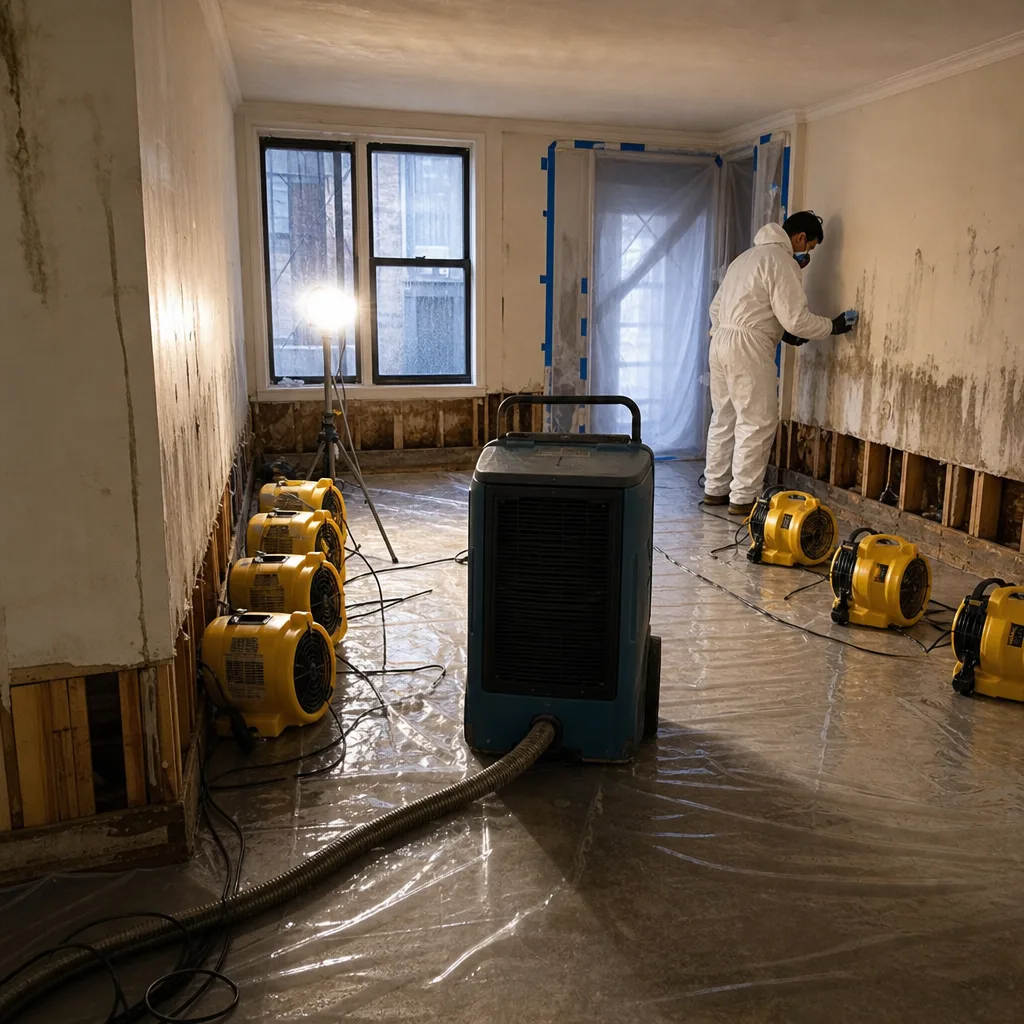
A burst pipe above a Central Harlem storefront doesn’t just soak the merchandise. It closes your doors during the exact hours you should be earning. We prioritize inventory recovery, document drying, and structural drying in a single coordinated push. Your staff gets a clear timeline, your adjuster gets the documentation, and your business gets back open.
Multi-Unit & HOA Restoration
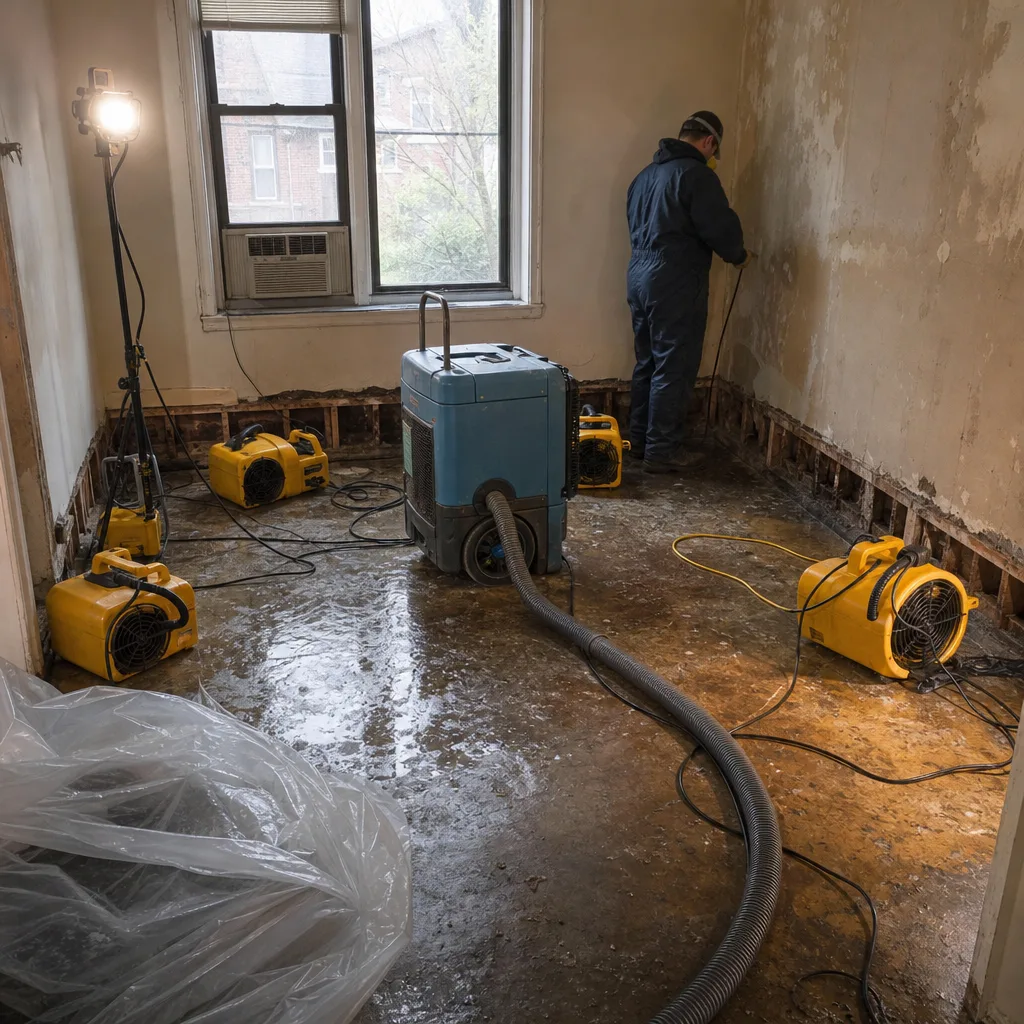
Central Harlem’s row houses and tenements share walls, floors, and often plumbing risers. That means one unit’s leak is never just one unit’s leak. We handle the containment, the neighbor notifications, the HOA documentation, and the shared-area damage. The goal is to stop the loss from becoming a board meeting that drags on for three months.
Industrial Facility Cleanup
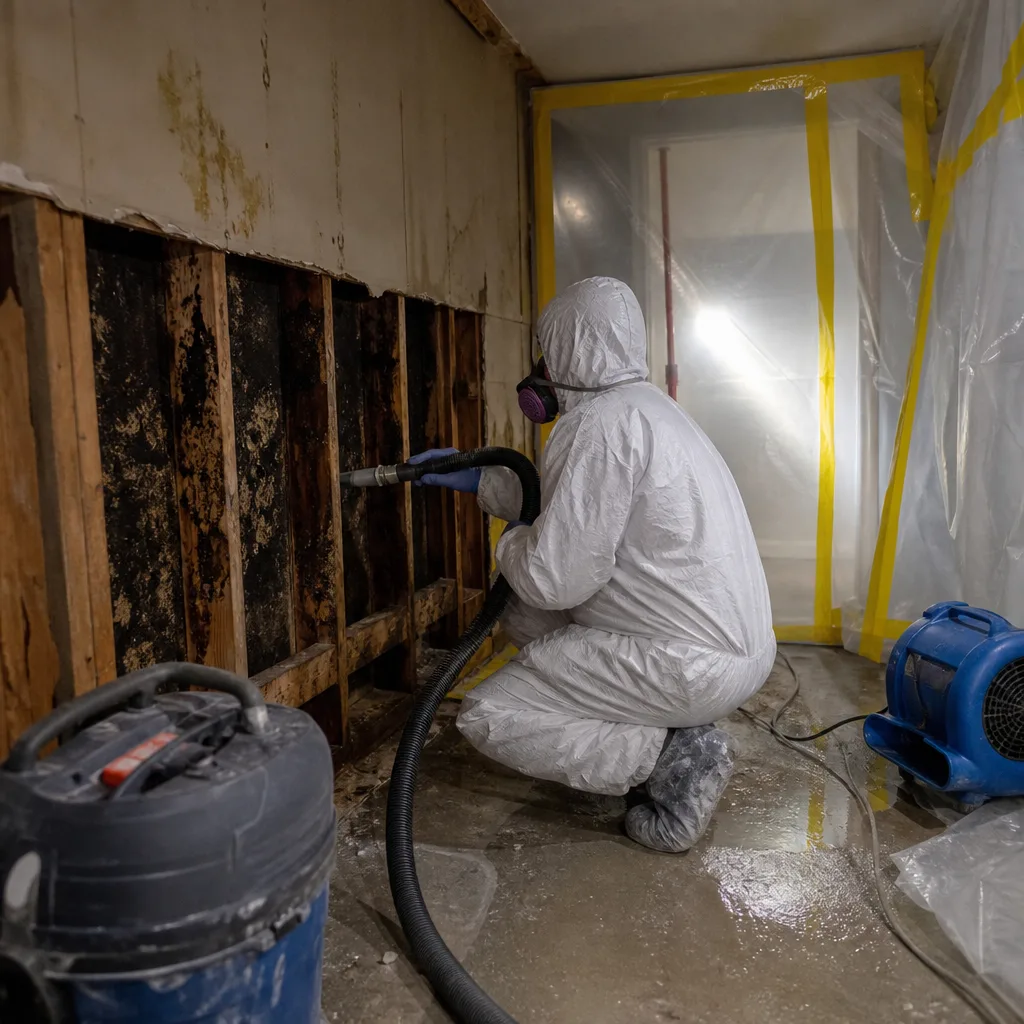
Warehouse and light industrial space in Central Harlem presents its own problems, large open areas, concrete floors that hide moisture below the slab, and equipment that can’t just be unplugged and moved. We use Phoenix and Dri-Eaz drying technology sized for large cubic footage and map the full moisture profile before declaring the space dry.
Large-Loss Response
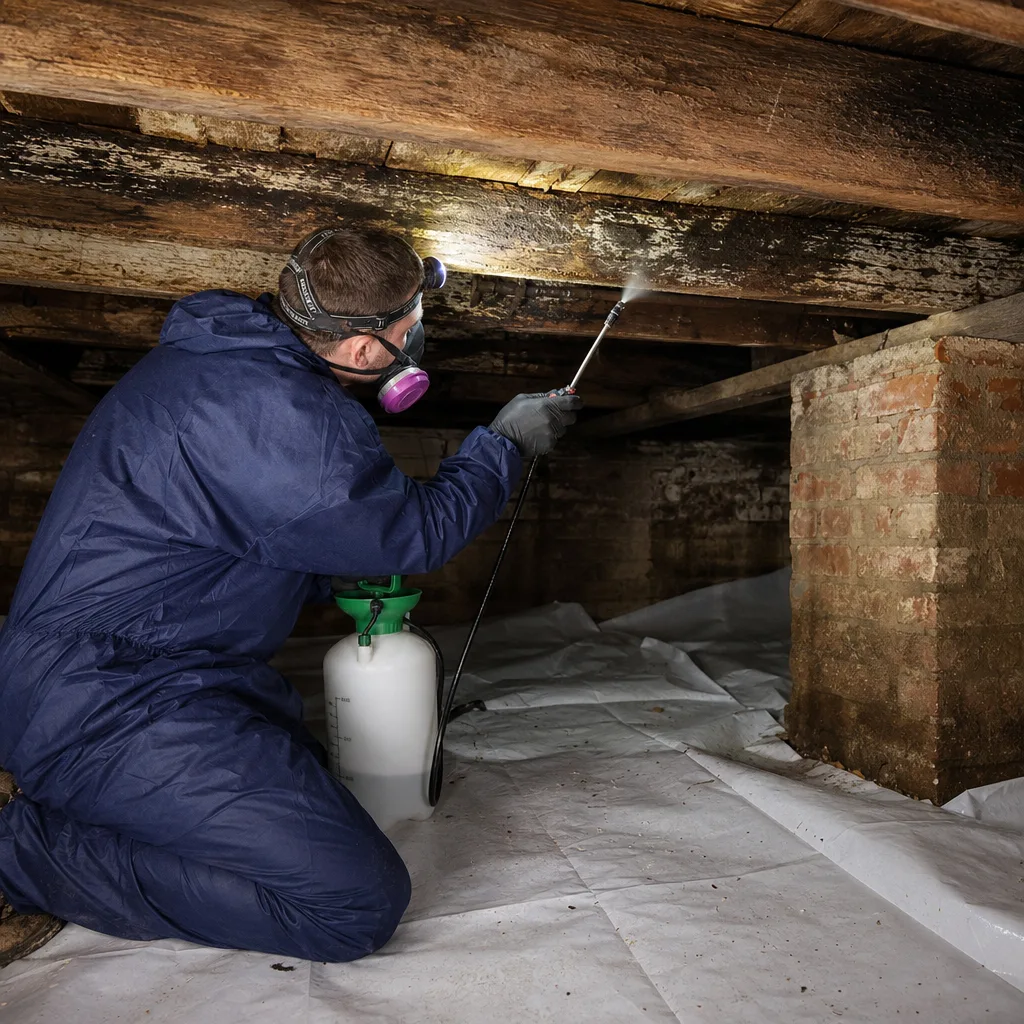
When a whole floor of a Central Harlem building floods or a fire burns through a rowhouse, you need more than a crew. You need a response plan. We scale up with additional certified technicians, industrial dehumidification, and a dedicated project lead who talks to you and your adjuster daily. Caps on drying thresholds, containment zoning, and a written day-by-day schedule keep the loss from expanding.
Business Interruption Minimization
Every hour your Central Harlem business is closed is revenue you don’t get back. We work backward from your reopening date and build the mitigation plan to hit it. Sometimes that means running drying overnight. Sometimes it means isolating a section of the space so you can keep operating in the rest. The insurance claim covers the restoration; the clock is what we manage best.
What happens when you call
- 1
A real person answersNo phone trees - you reach a local pro.
- 2
You get an upfront price rangeHonest numbers before anyone is dispatched.
- 3
A background-checked tech heads outLicensed & insured, dispatched right away.
- 4
You approve before work beginsNothing starts until you say go.
Commercial Restoration Costs in Central Harlem, NY
Small Category 1 water extraction from a supply line break in a Central Harlem retail space typically runs $3,500 to $7,500. A Category 2 steam pipe failure affecting multiple floors of a brownstone office usually lands between $12,000 and $35,000, depending on plaster saturation and containment needs. Category 3 sewage or storm losses with pack-out and full sanitization in a multi-unit building run $25,000 to $75,000 or more. The asbestos survey hold Central Harlem buildings face due to pre-1987 construction adds $800 to $2,500 in inspection fees and anywhere from two to five business days of delay. What moves the price most: how much plaster is involved, whether the loss crossed a party wall, and how fast we got there. Insurance covers most commercial restoration claims when the documentation is right, and our free visual inspection gives you a firm written scope before you spend anything. Call (845) 305-5737 for an exact number on your situation.
We Also Serve Cities Near Central Harlem
Floodline Restoration Co. runs crews into Upper West Side, Upper Manhattan, Morningside Heights, and East Harlem from our New York City dispatch office. If your property is just outside Central Harlem, call us and we’ll tell you honestly whether we’re the closest crew or whether you should call someone else. More often than not, we’re already nearby.
Central Harlem Commercial Restoration Questions, Answered
Our Central Harlem office is in a pre-war brownstone with plaster walls. Why does the restoration estimate include an asbestos survey hold and how long will it delay our reopening?
Because your building was constructed before 1987, NYC DEP requires an asbestos survey before any wall or ceiling can be legally opened. In practice, that means a burst pipe on a Friday often waits until a licensed inspector can access the space on Monday. The hold typically adds two to five business days to a Central Harlem commercial restoration, depending on inspector availability and lab turnaround. We keep drying running during that window so you aren’t losing additional time, but the delay is real and unavoidable in pre-1987 construction. Call (845) 305-5737 and we’ll explain exactly how the hold applies to your building.
We had a steam pipe burst in our Central Harlem brownstone office. The plumber called the water “Category 2.” What does that mean for what gets dried versus replaced?
Category 2 water carries significant contamination, in a steam system that typically means rust, sediment, and dissolved metals picked up from inside old cast-iron pipes and radiators. Porous materials that got saturated, carpet, upholstered furniture, unsealed wood, are usually replaced. Non-porous surfaces can be cleaned, sanitized, and kept. In Central Harlem’s plaster buildings, the answer for walls depends on how deep the water wicked: surface dampness can be dried and refinished; deep saturation into the lath usually requires controlled demolition. We give you the dry-versus-replace list in the written scope, not after the work is underway.
Our Harlem storefront is in a subdivided brownstone with shared party walls and non-standard plumbing. How do you prevent cross-contamination to neighboring businesses during a Category 3 loss?
We set up containment zones with negative air pressure before any material is disturbed. HEPA-filtered air scrubbers run continuously in the containment zone. Technicians follow IICRC cross-contamination protocols, meaning separate entry paths, disposable PPE, and decontamination before leaving the affected area. In Central Harlem’s attached brownstones, this matters enormously, because your sewage backup is inches from your neighbor’s drywall. We also document the containment setup for the carrier, so the neighboring unit’s claim doesn’t get denied because of contamination that should have been prevented.
I own a small office in a Central Harlem tenement with original cast-iron stacks. What are the warning signs that a stack is about to fail, and should I invest in a pre-loss moisture assessment?
Watch for slow drains, gurgling sounds in walls, water stains on ceilings below bathrooms, and a persistent musty smell you can’t place. Cast-iron stacks from 1880 to 1920 are at the end of their designed service life, and when they crack inside a party wall, the leak goes unnoticed behind plaster until mold blooms and the HOA is demanding a full pack-out. A pre-loss moisture assessment costs a fraction of a Category 3 restoration and gives you a documented baseline for what’s wet, what’s dry, and where your risk sits.
Our Central Harlem commercial space has horsehair plaster ceilings. Why does drying take so much longer than the drywall in our other office in Queens?
Horsehair plaster is denser and more water-retentive than gypsum drywall. Water moves through it more slowly, but it also holds water against the lath and studs far longer. In our Central Harlem mitigation work we routinely see structural drying times 30 to 50 percent longer in plaster assemblies than in drywall spaces of the same square footage. That’s not a process failure; it’s physics. Cutting corners on that extended drying schedule is exactly how mold gets established in a wall that looked dry on the surface. Our daily moisture readings document the full drying curve, and we don’t call the job done until the dry standard is met, not when the schedule says it should be done.
How fast can you actually get to our Central Harlem building?
Our commitment is 45 minutes or less to any address in Central Harlem, and most days we beat that. A live dispatcher takes your call 24/7, and the crew nearest your building is routed immediately. For large-loss events like a floor-level flood or a fire, we can have a temporary command center set up in a parking lane or sidewalk vault area the same hour. Call (845) 305-5737 and we’ll tell you exactly which crew is closest and when they’ll be on site.
What certifications do your Central Harlem technicians hold?
Our technicians are background-checked, uniformed, and certified to IICRC, RIA, and IFA standards. For water restoration work that means WRT (Water Damage Restoration Technician), for fire damage FSRT (Fire and Smoke Restoration Technician), and for mold AMRT (Applied Microbial Remediation Technician), along with the applicable EPA lead-safe and asbestos awareness credentials for pre-war buildings. We don’t send an apprentice to run a Central Harlem brownstone mitigation solo; every job has a certified lead tech on site.
What should we do in the first 30 minutes after a commercial water loss in Central Harlem?
Shut off the water at the nearest valve. Kill the power to the affected area if water is near outlets or panels, but don’t stand in water to reach a breaker. Move electronics, documents, and inventory away from the water. Take photos with your phone before anything is moved. Then call (845) 305-5737. Don’t open walls yourself, don’t run space heaters, and don’t try to vacuum standing water with a shop vac. The first 30 minutes set the ceiling on your total claim: what gets dried, what gets replaced, and how long you’re closed. The faster we get moisture mapping started, the more we save you.
Serving Central Harlem, NY - Our Local Coverage Area
We’re based in the Central Harlem area and know this community well. Use the map below to see our service coverage - if you’re nearby, we can almost certainly help.
Ready to Get Your Central Harlem Business Back Open?
Call (845) 305-5737 now for a free visual inspection and a written scope. Whether you’re dealing with an active water loss right now or you want a pre-loss assessment before the next freeze-thaw cycle, our Commercial Restoration team knows Central Harlem buildings the way only crews who work them every week can. We answer live. We show up fast. We document everything for your carrier. And we stand behind the work in writing.
Written by Curt Bowman, Owner at Floodline Restoration Co., serving Central Harlem commercial properties for over a decade.