

Free visual inspection and a written scope of work before any mitigation begins - photos, moisture readings, and drying logs go in your claim file
The scope we write is the scope we bill. Anything new gets shown to you, in writing, before we touch it.
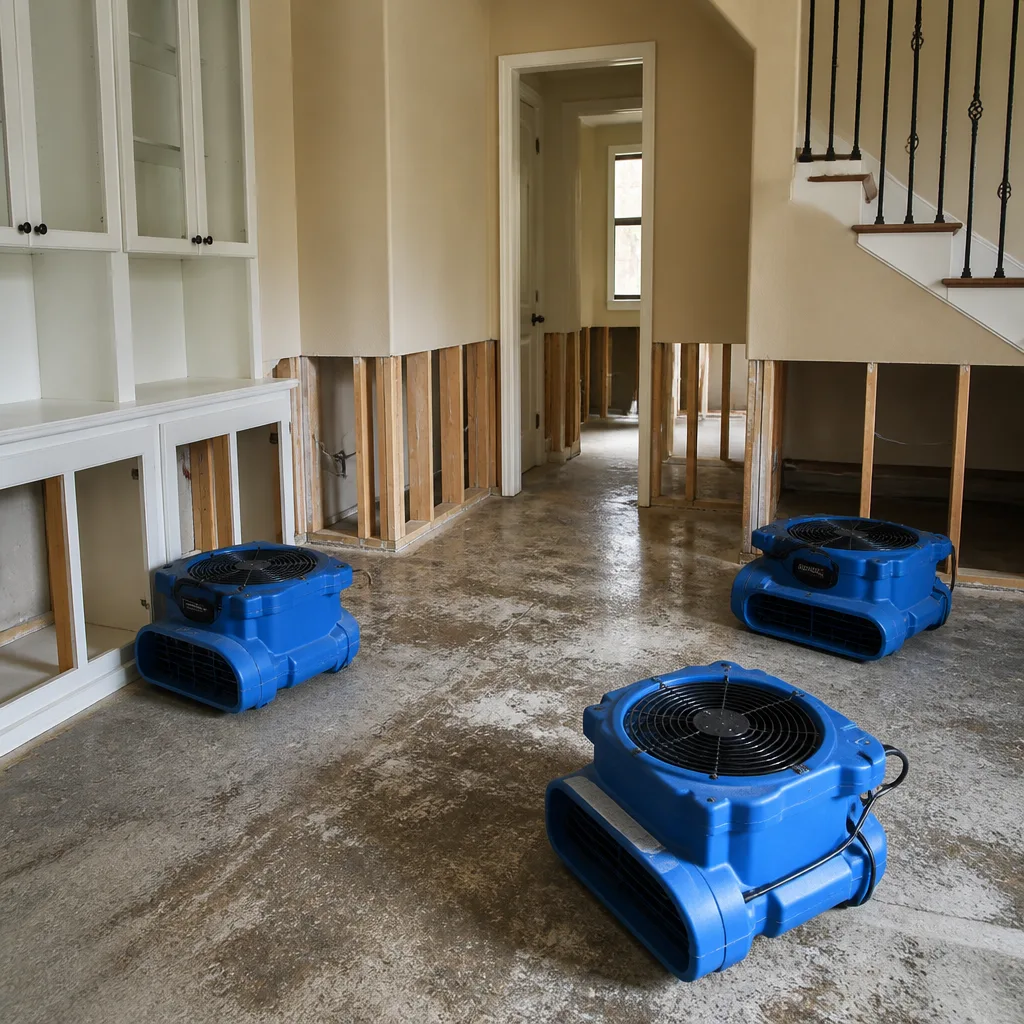
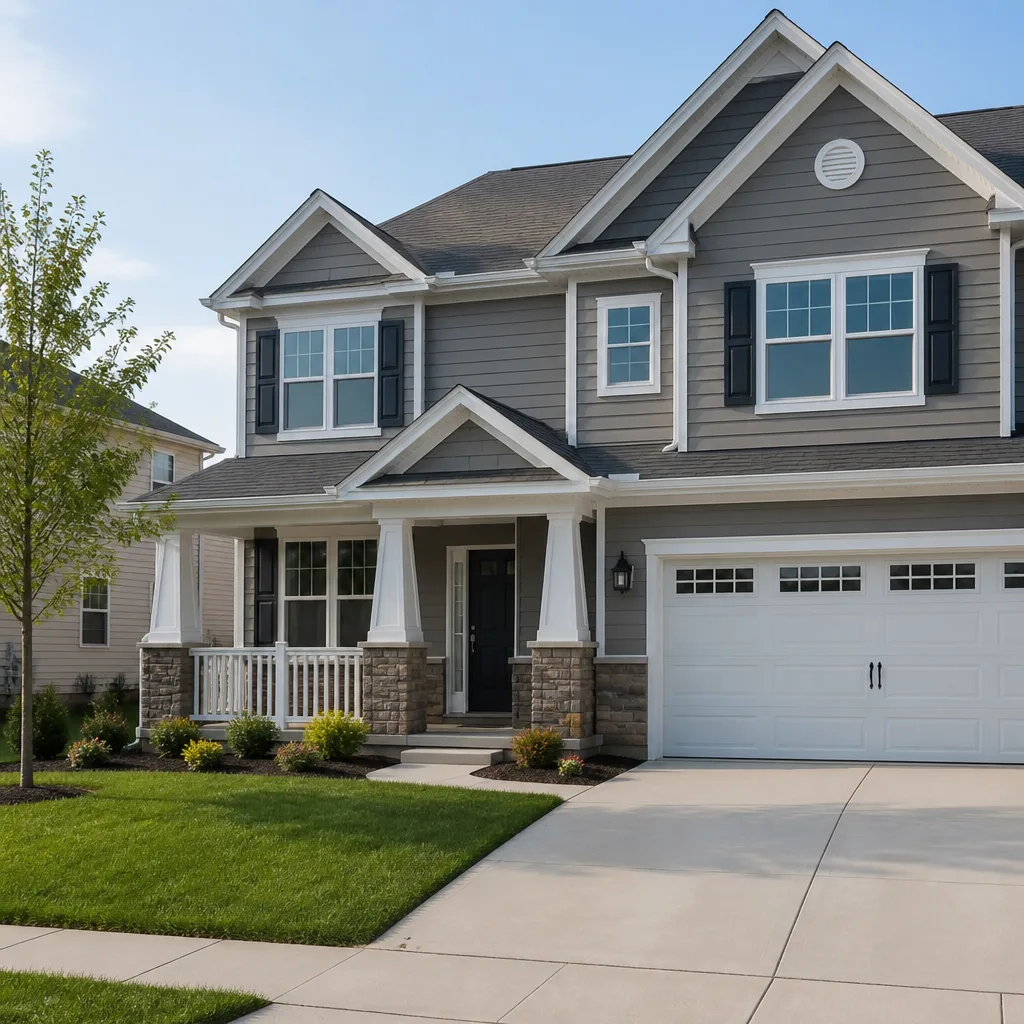
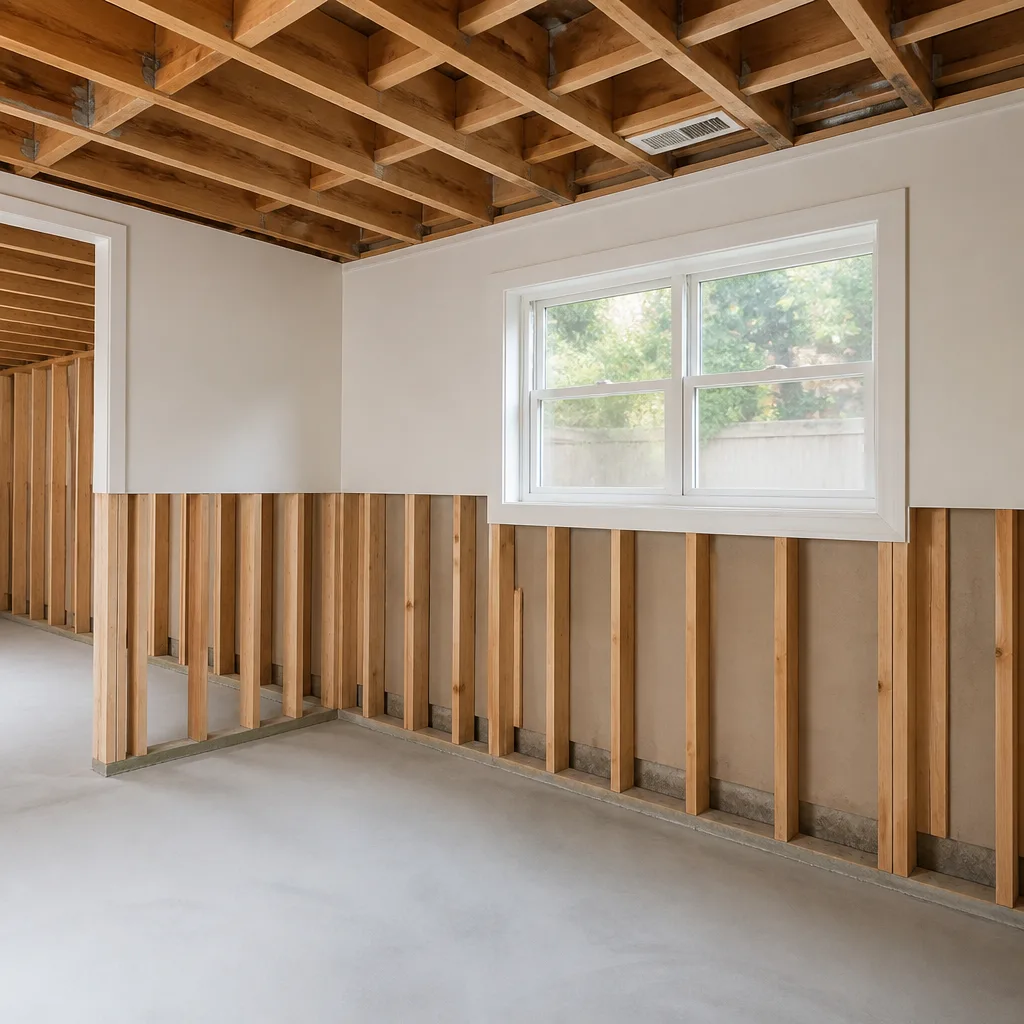
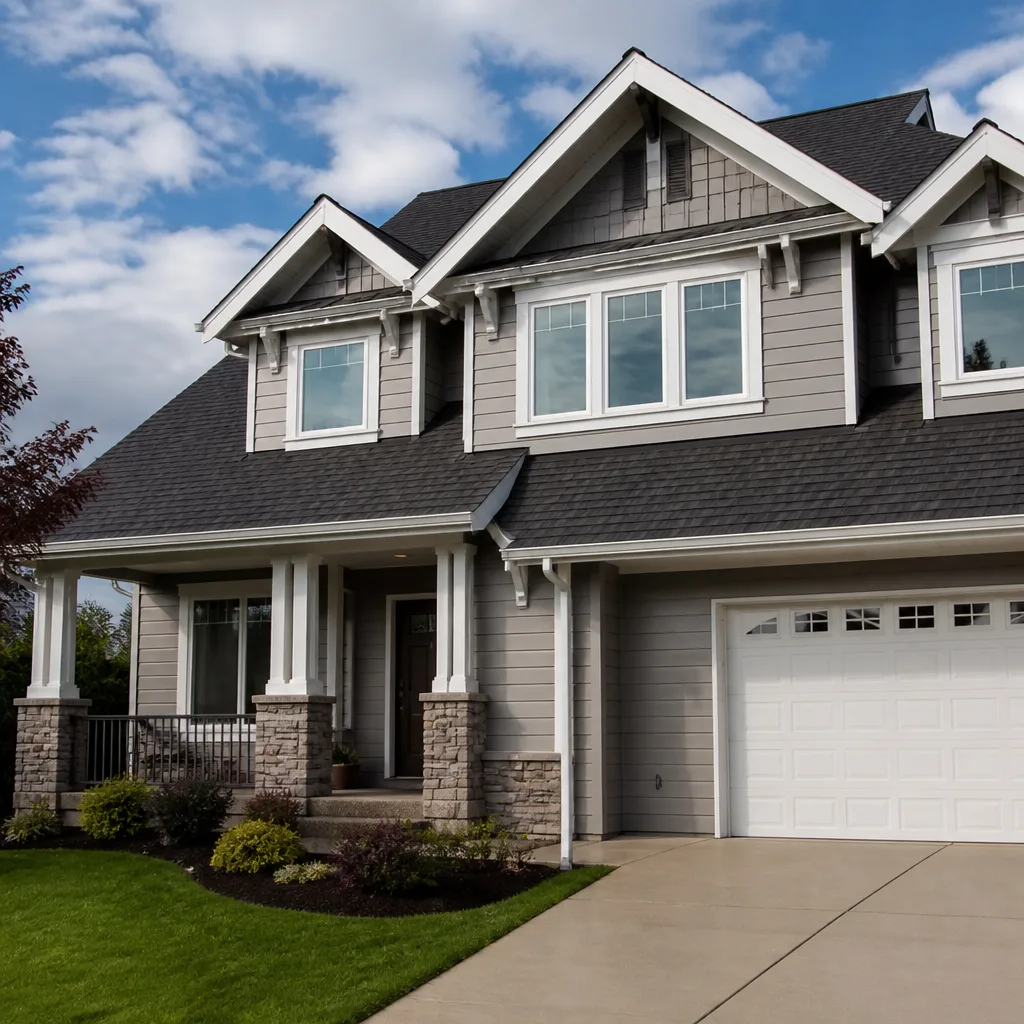
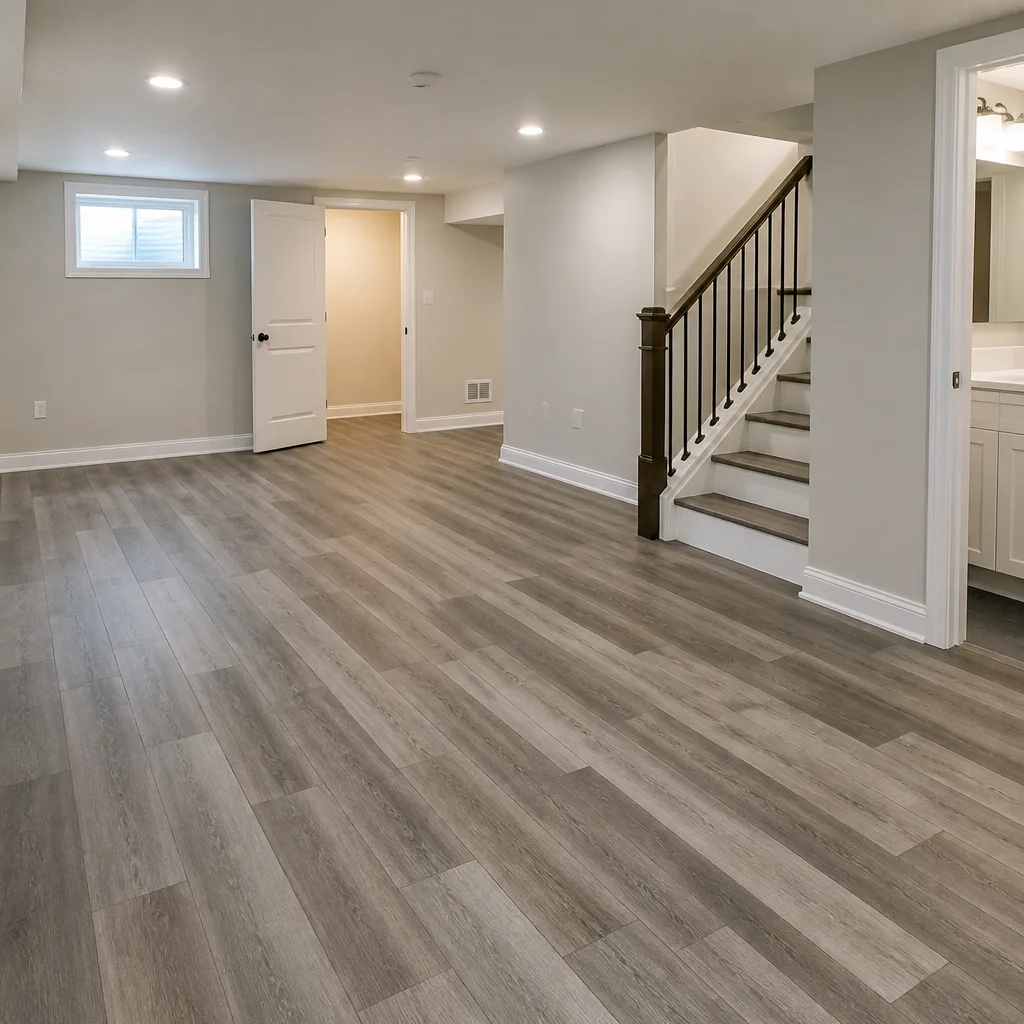
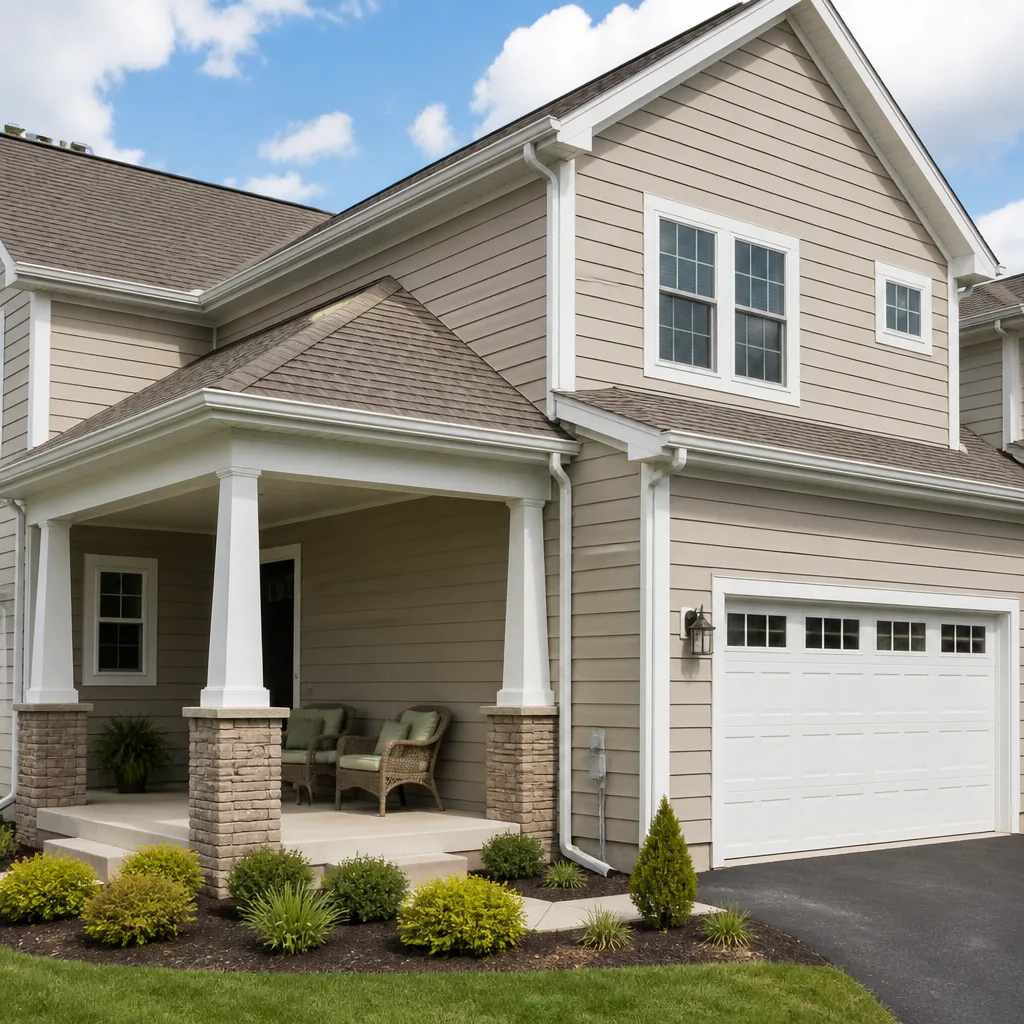
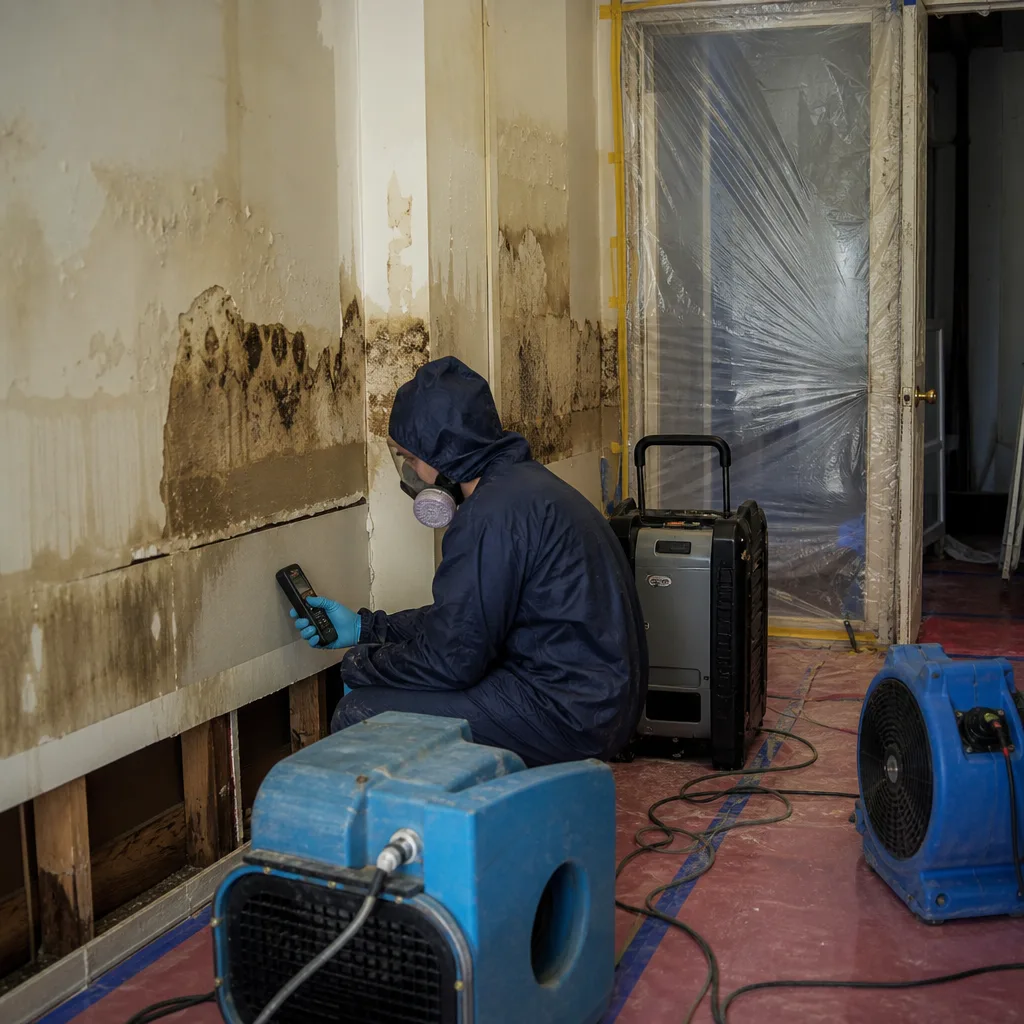 Before
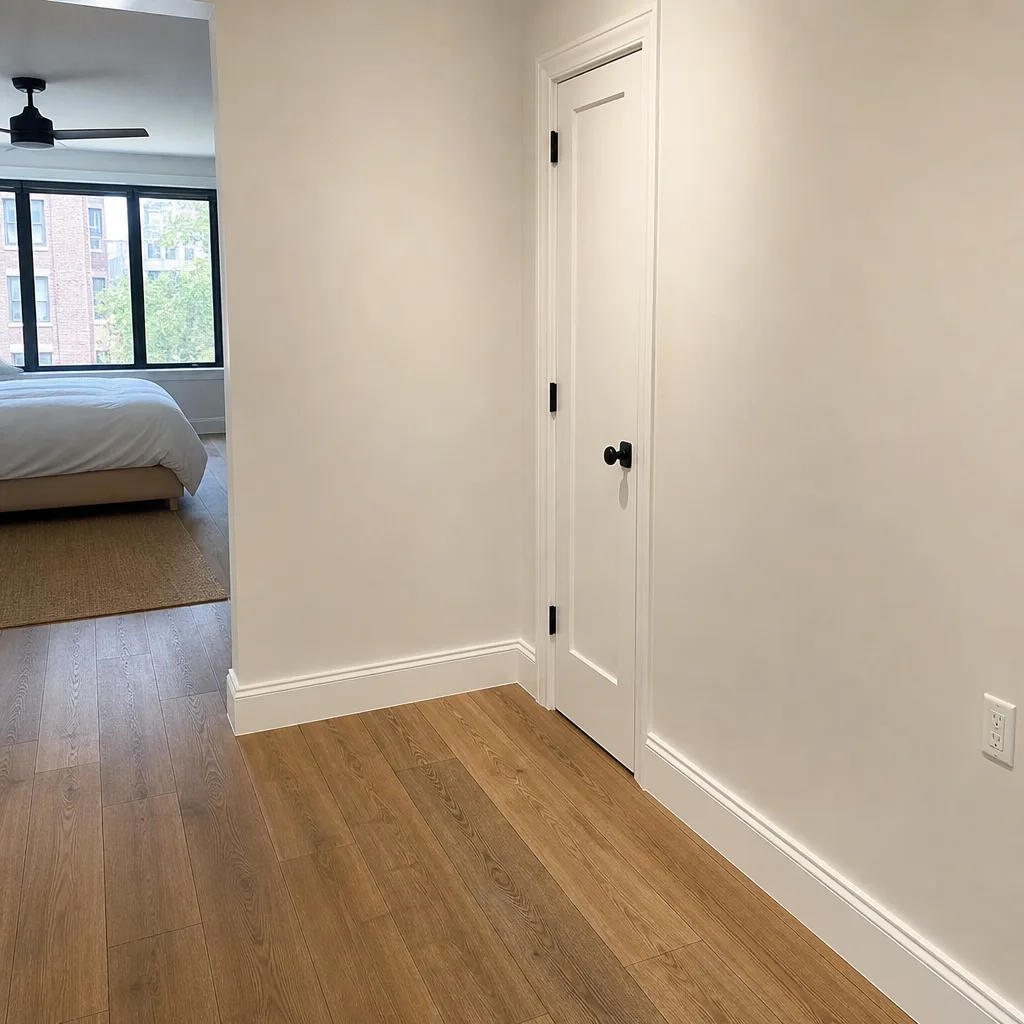 After
After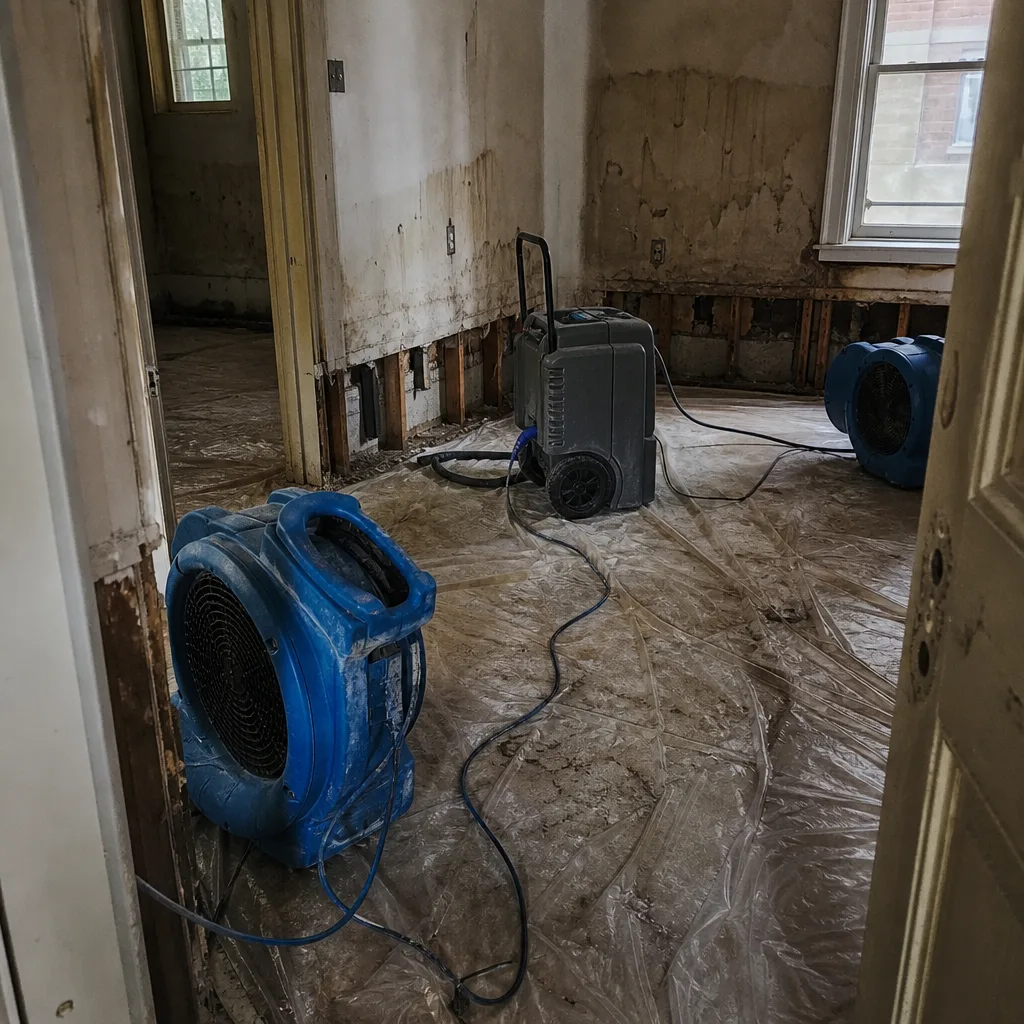 Before
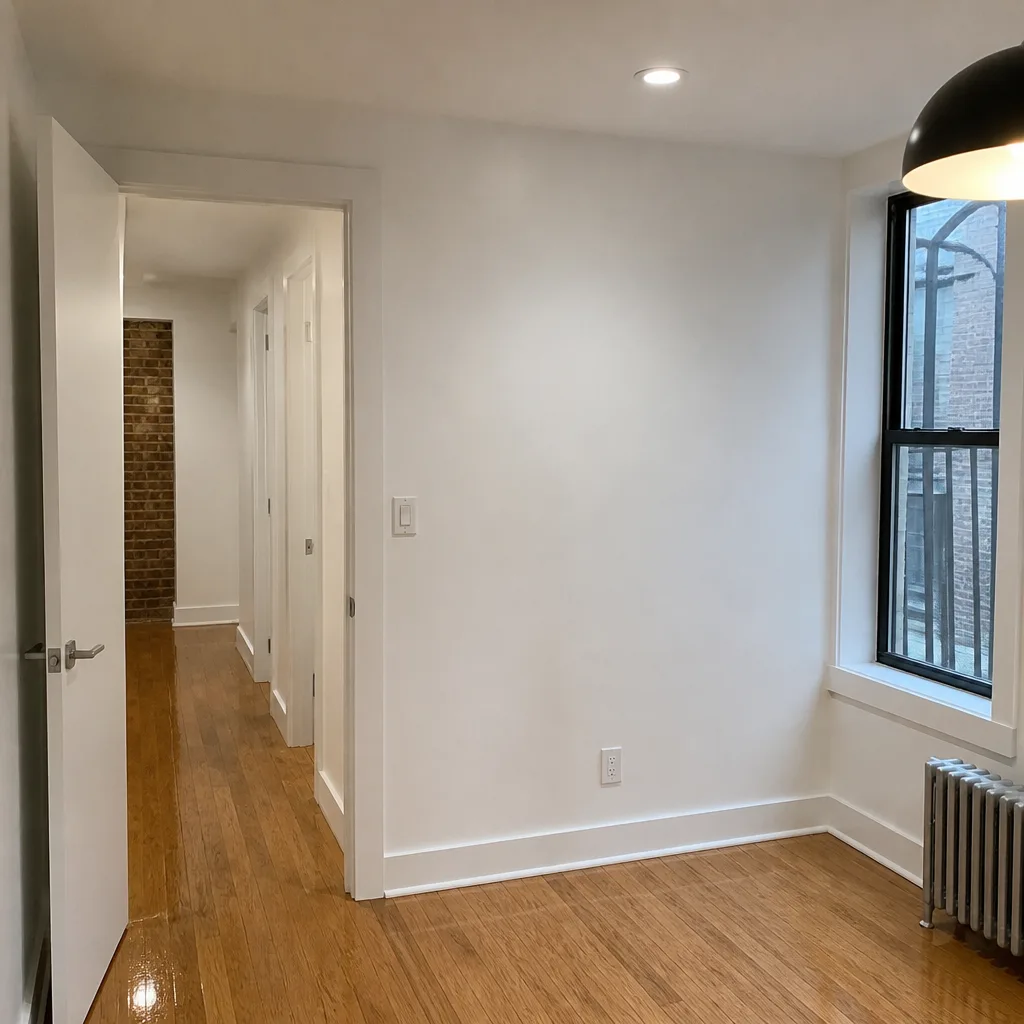 After
After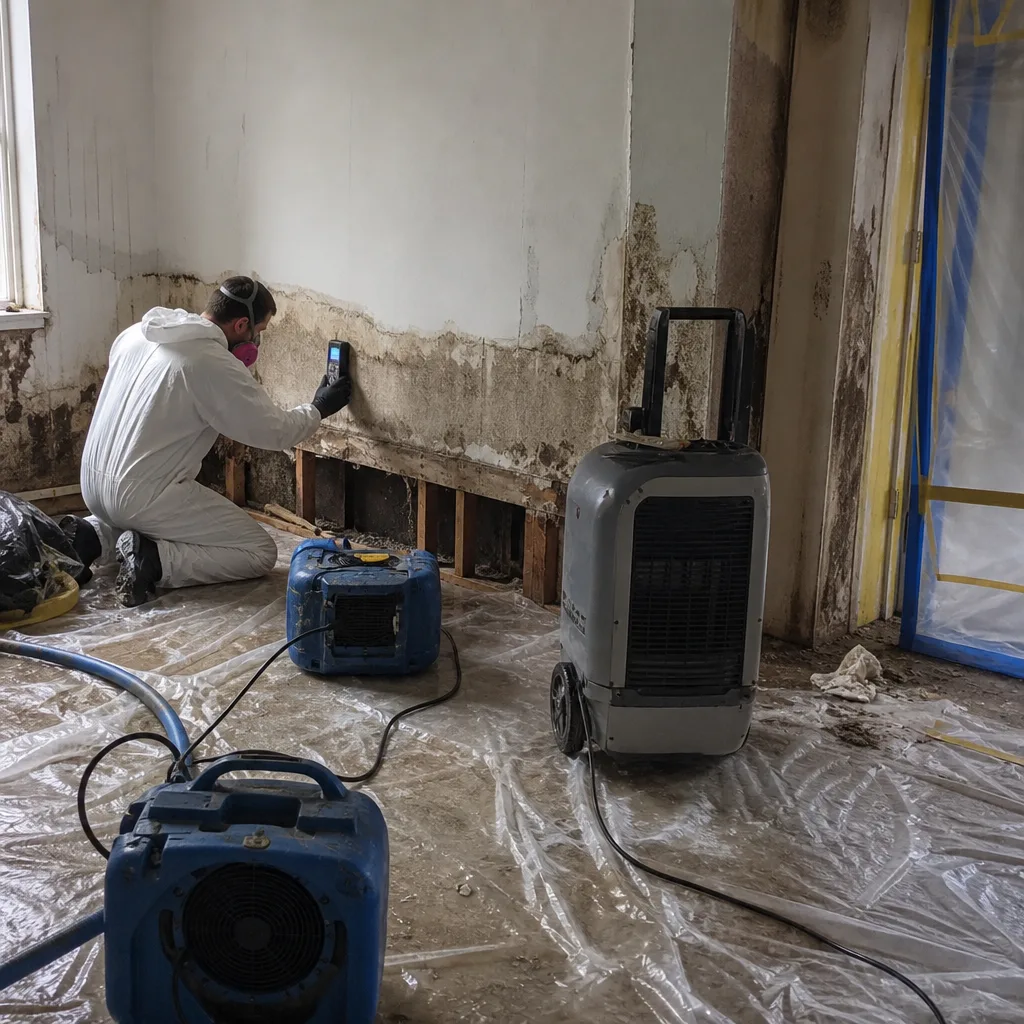 Before
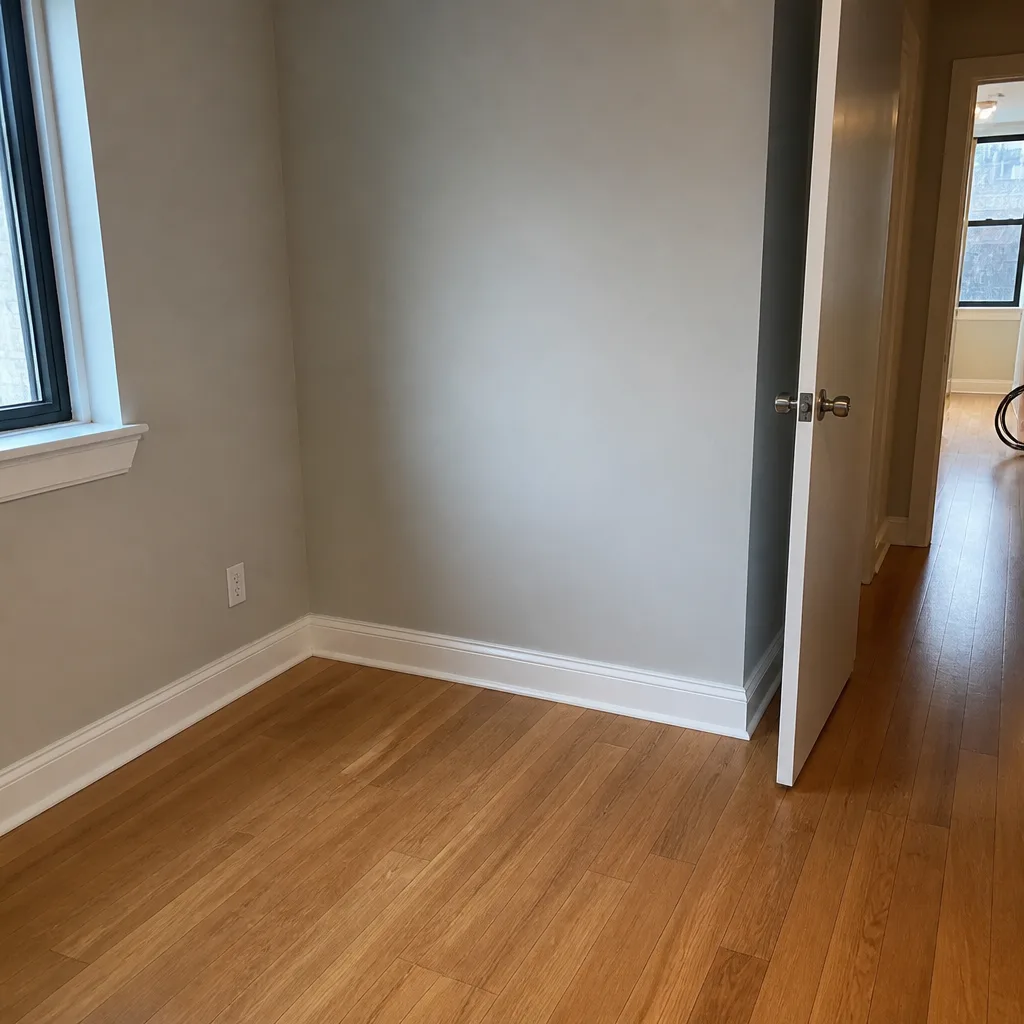 After
After24/7 Emergency Water Damage Restoration in Harlem
If water is spreading through your Harlem property right now, call (845) 305-5737. A live dispatcher answers around the clock, every day of the year, and a certified crew can reach most Harlem blocks within 45 minutes. The first hour matters more than most homeowners realize: standing water moves laterally across old-growth hardwood, wicks up plaster walls, and saturates the shared masonry cores that connect Harlem rowhouses to their neighbors. Should the damage stem from a fire suppression system or smoke residue, we also provide Fire & Smoke Damage Restoration in Harlem. Extraction running the same visit is the difference between a contained loss and a building-wide mold problem. We arrive, assess at no charge, and start pulling water the same night. That is how we have worked since Curt Bowman founded this company in 2010, and it is how we still work in Harlem today.
Understanding Water Damage Restoration Severity in Harlem Properties
Harlem’s water damage rarely behaves the way it does in newer construction. The housing stock, mostly 1890s to 1920s old-law and new-law tenements plus brownstone and limestone rowhouses, was built with plaster-on-lath walls, original cast-iron drain stacks, and galvanized supply pipes that are now decades past their intended lifespan. Water follows gravity through those narrow plumbing chases, so a single burst riser routinely sends water into four or five stacked apartments before anyone gets the valve shut. We classify the water the moment our technicians walk in. Category 1 is clean supply water. Category 2 carries soaps, cooking residue, or other contaminants. Category 3 is sewage, flood water, or anything that has sat long enough to support bacterial growth. Harlem’s pipe bursts land in Category 1 or 2 more often than 3, but once that water soaks plaster and old framing for 48 hours, the damage classification worsens regardless of the original source. That is why our crews run moisture mapping before touching a single wall, using hygrometers and thermal imaging to find what has soaked in where you cannot see it yet.
Why Harlem Property Owners Choose Floodline Restoration Co.
- 45-minute response commitment. Our dispatch board is built around Harlem response routes, and a live person confirms the crew’s ETA before you hang up.
- A real person answers, 24/7. At 2 a.m. on a January freeze, you get the dispatcher who knows exactly which pumps to load for a tenement riser burst, not a voicemail.
- IICRC-certified crews. Our technicians hold WRT and ASD certifications and follow IICRC, RIA, and IFA standards on every job, from first extraction to final clearance.
- Free visual inspection. Before any work starts, you see the scope in writing. No one touches a wall until you know what we found and what it costs.
- Direct insurance billing. We talk to your carrier so you do not have to, and our documentation meets adjuster requirements from the first hour.
- One team from water to rebuild. The same crew that runs extraction on day one handles the structural drying, the scope revisions, and the finished reconstruction. No mid-job handoff.
Our Water Damage Restoration Process
Inspection & Assessment
We walk every affected room, including the units above and below in tenement buildings. Thermal imaging and penetrating moisture meters find water inside wall cavities and under flooring. You get a written scope and a firm price before we cut or extract anything.
Extraction & Stabilization
We pull standing water with truck-mounted and portable extraction units, then remove saturated materials that cannot be saved. In Harlem rowhouses, this includes checking party walls for migration from the adjoining property.
Drying & Dehumidification
Professional-grade Dri-Eaz, Phoenix, and XPOWER air movers get placed on a calculated layout based on our moisture map. Low-grain refrigerant dehumidifiers pull water vapor from the air and structure. We log daily readings until the dry standard is met.
Cleaning & Sanitization
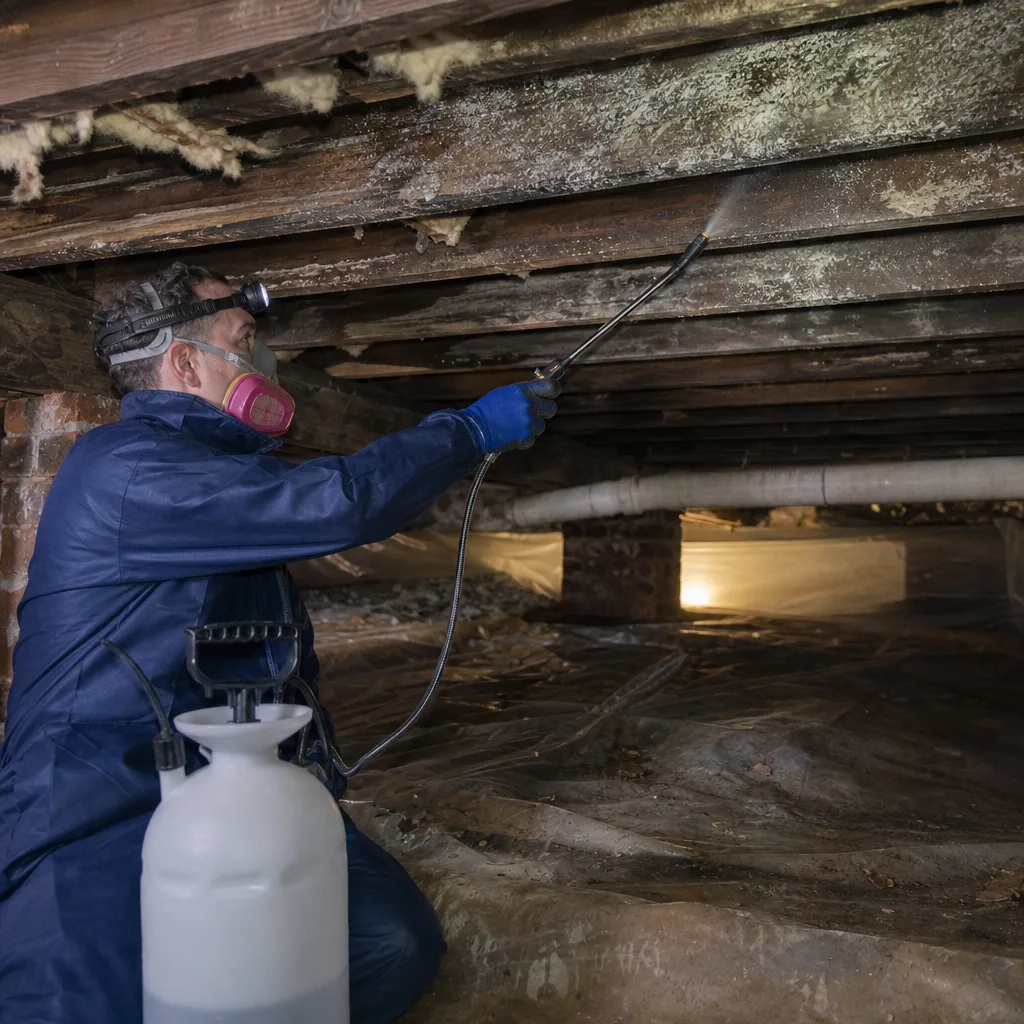
Antimicrobial treatments get applied to affected framing and salvageable surfaces. HEPA air scrubbers run during any work that disturbs pre-1978 paint or plaster, which matters in virtually every Harlem building.
DEP & Landmarks Coordination
If lead paint or asbestos abatement clearance is required, we pause active demolition and document the delay in our drying logs. For properties in Mount Morris Park, Hamilton Heights, or Jumel Terrace historic districts, we coordinate with your Landmarks Preservation Commission filing before touching character-defining materials.
Repairs & Restoration
Once the structure is dry and inspected, we rebuild what was removed: plaster patches, flooring, trim, cabinetry, paint. The finished job carries the 90-Day Done Right Promise in writing, no exceptions and no arguing.
Need Emergency Water Damage Restoration in Harlem Now?
Crews minutes away, answering live 24 hours a day. The sooner we start, the less it costs.
Working With Your Insurance Company
Insurance carriers respect documentation more than adjectives. We build the claim file starting the moment our technician steps through your door: photos of every affected room before and after extraction, moisture readings taken on a daily schedule, drying logs showing each reading until the structure hits the dry standard, and a line-item scope of work in the format adjusters expect. Direct billing means we submit to your carrier ourselves, keep you copied on correspondence, and adjust the scope with the adjuster when hidden damage emerges during drying. You pay what your policy says you owe. Nothing more.
What We Provide Your Insurer
- Thorough documentation of the loss
- Photos of all damage, room by room
- Moisture readings and drying logs
- A detailed, line-item scope of work
- Direct coordination with your carrier
Built for Harlem’s Loss Calendar
Harlem’s water damage season hits hardest in January and February, when freeze-thaw cycles snap galvanized supply lines in buildings where heat service has been chronically inconsistent. A cold snap after a thaw is brutal on old-law tenements: water freezes inside supply risers, expands, and splits the pipe longitudinally. The thaw that follows releases it. Spring brings basement seepage as saturated ground presses against brownstone foundation walls and finds every old mortar joint. Summer thunderstorms overwhelm flat-roof drains on pre-war buildings and leak down through multiple floors. Nor’easters in the fall and winter tests aging cornices, parapets, and roof membranes, sending water into top-floor apartments along West 135th and Adam Clayton Powell Jr. Boulevard. We schedule our crews around this calendar every year, but the phone never stops ringing at 2 a.m. in a January thaw.
Water Damage Restoration Across Harlem’s Neighborhoods
Central Harlem and the blocks around Marcus Garvey Park are dense with old-law tenements where vertical plumbing chases put four or five units in the path of a single burst riser. Our response there starts with checking the apartments above and below, not just the one that called. Hamilton Heights and the area around City College carry more limestone and brick rowhouses with original cast-iron stacks, and the roof-to-cellar distance means water has time to do more damage before anyone notices. East Harlem, though more mixed in its building ages, still has plenty of 1920s walk-ups where the plumbing has been patched for generations. Mount Morris Park and Jumel Terrace add the historic district layer: LPC review on cornices, original plaster, and window casings can pause active drying while water sits in the walls. We know the difference between a West 138th Street tenement chase and a Strivers’ Row brownstone party wall, and we sequence the work accordingly. Our Water Damage Restoration team has run hundreds of Harlem jobs, and we keep local material suppliers and abatement contractors on speed dial. This is our Harlem service area, and we know its buildings the way you know your block.
Specialized Water Damage Restoration Services We Offer in Harlem
Emergency Water Extraction
Extraction in Harlem goes beyond dumping standing water. A burst riser in a West 140s tenement sends water into the units below through the pipe chase, so we extract each affected floor, not just the one where the break happened. We pull what we can before demolition begins, which keeps the DEP compliance window from becoming a mold event.
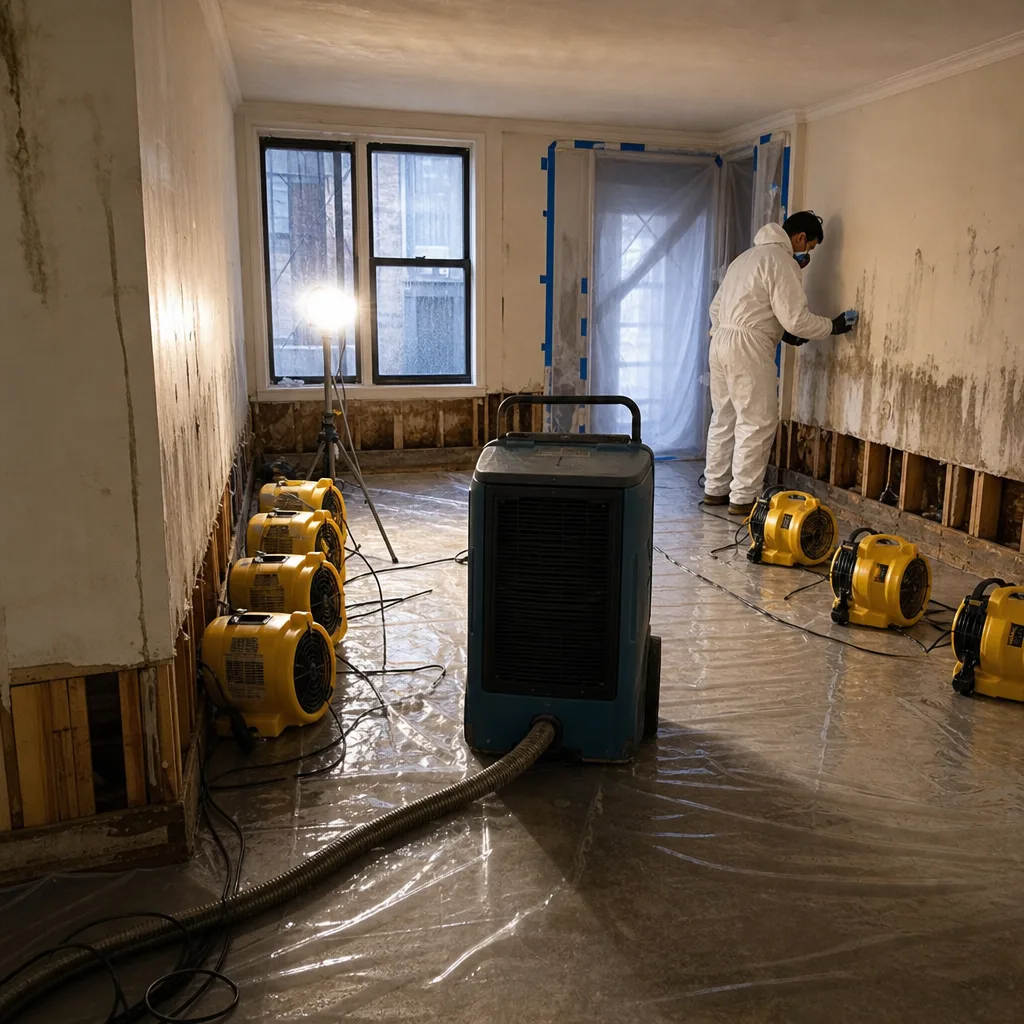
Structural Drying & Dehumidification
Harlem plaster walls hold water differently than drywall. Plaster is dense, alkaline, and slow to release moisture, which extends drying schedules compared to modern construction. We set Dri-Eaz and Phoenix air movers on calculated airflow paths, run low-grain dehumidifiers, and take daily moisture readings until the log shows the dry standard has been met. In old rowhouses, that means reading the party wall too, not just your side.
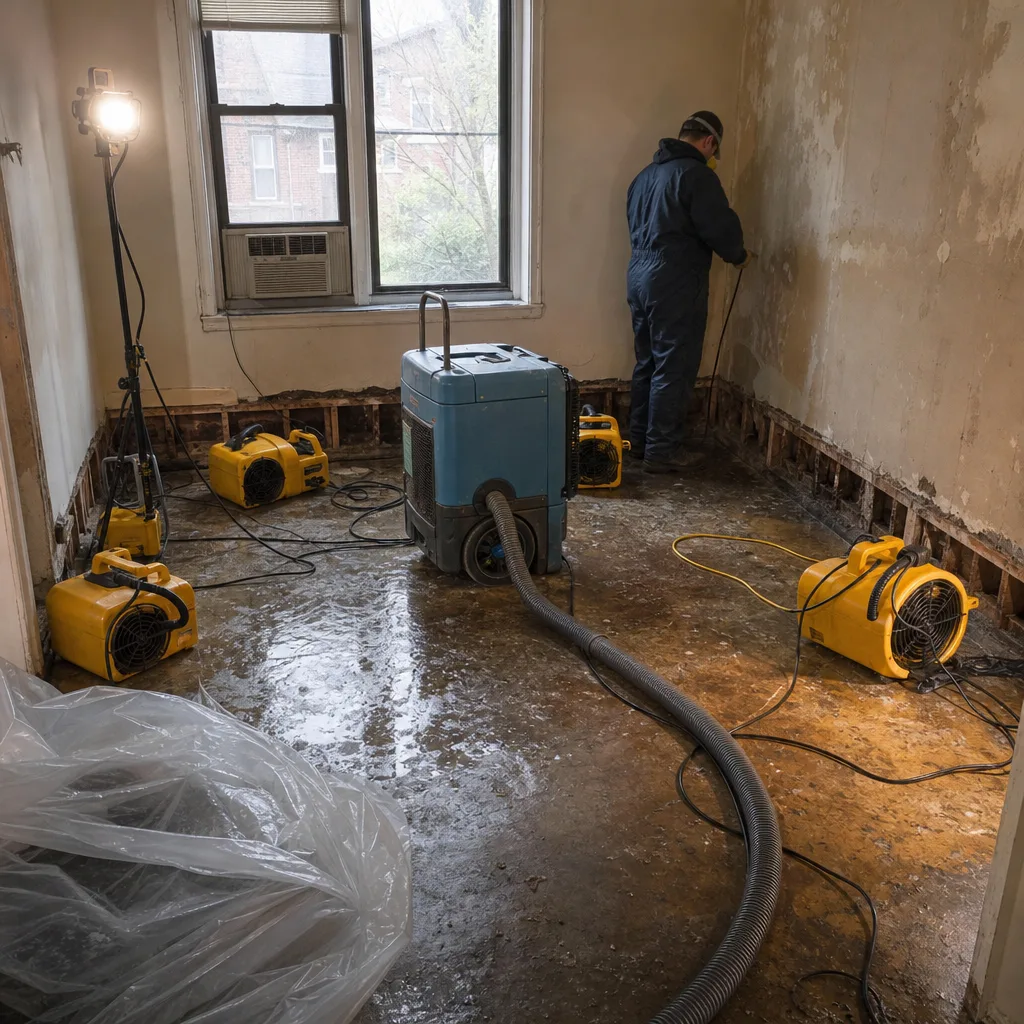
Burst Pipe Restoration
Most January and February calls in Harlem start with a burst galvanized supply line or a frozen copper branch line. The fix is not just water removal. We trace the full path the water traveled, check the plumbing chases in adjacent units, and work with your plumber while we dry. If the pipe is original and failed once, our scope often includes a note that the remaining original sections are on borrowed time.
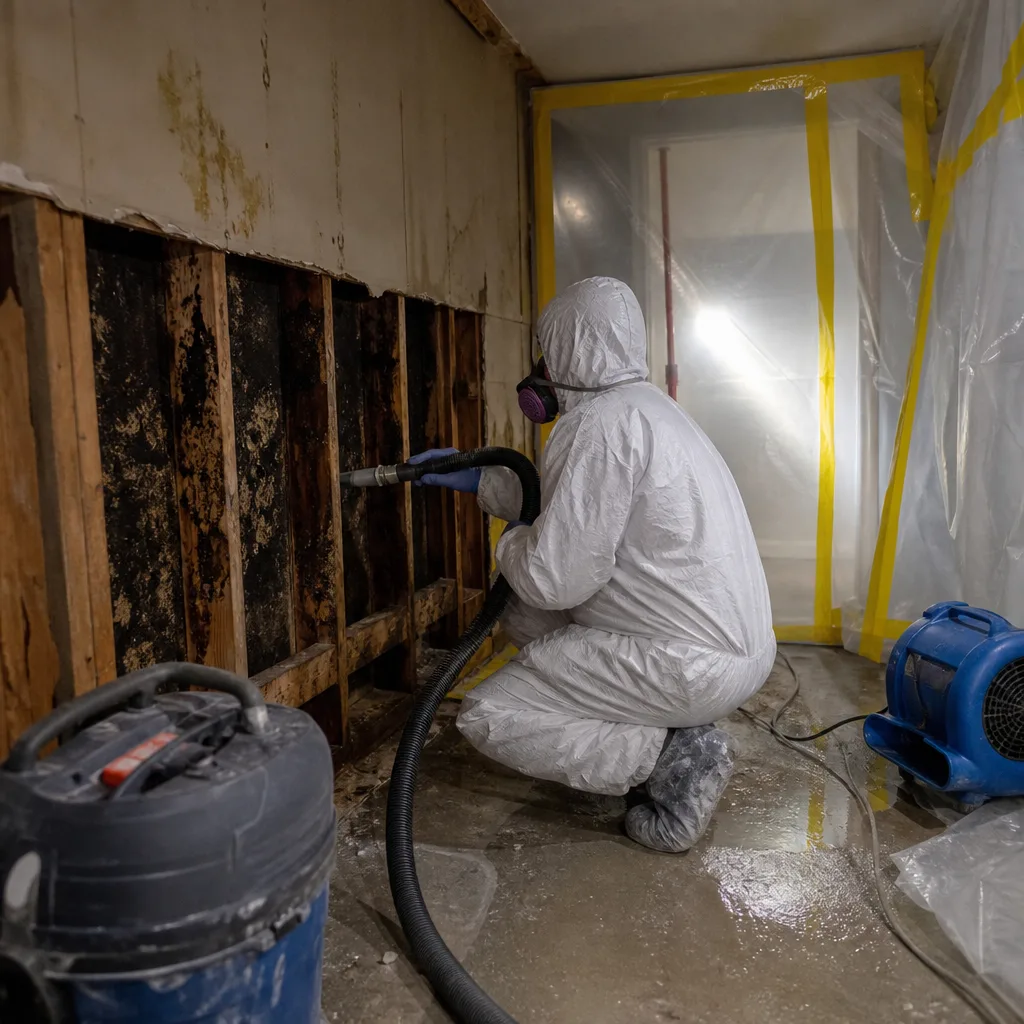
Flood Cleanup
When summer thunderstorms or a nor’easter sends water into a ground-level Harlem apartment or retail space, we extract, disinfect, and dry. Flood water is Category 3 by default, which means containment and antimicrobial treatment come before drying. We have handled basement floods in Central Harlem where the water carried more than just rain into the space.
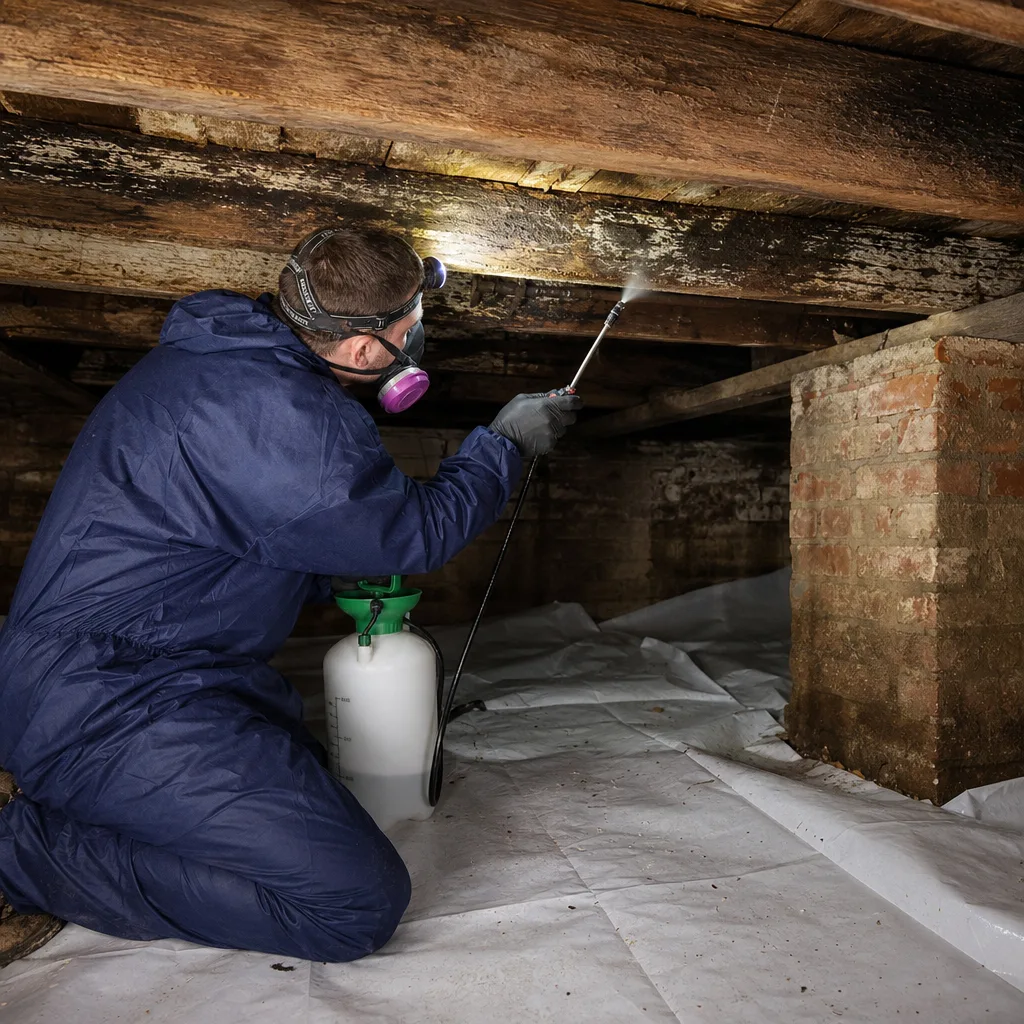
Basement Water Removal
Harlem basements in pre-1910 rowhouses have fieldstone or brick foundation walls with original lime mortar. Water seeps through those joints during spring and after heavy rain. We pump, then dry the structure, but we also flag the long-term drainage issues that will put water back in the same spot if left unaddressed.
What happens when you call
- 1
A real person answersNo phone trees - you reach a local pro.
- 2
You get an upfront price rangeHonest numbers before anyone is dispatched.
- 3
A background-checked tech heads outLicensed & insured, dispatched right away.
- 4
You approve before work beginsNothing starts until you say go.
Water Damage Restoration Costs in Harlem, NY
Harlem pricing runs higher than the national averages because of the compliance layers, the age of the buildings, and the density of the blocks. Here is what we see: emergency water extraction alone typically runs $800-$1,400 for a standard tenement apartment with water in two or three rooms. Structural drying with equipment and daily monitoring adds $1,200-$2,800 depending on square footage and how many floors are affected. Burst pipe restoration, including extraction, drying, and moderate repairs, lands between $3,500 and $8,000 when the pipe break is contained. Full mitigation with demolition, drying, abatement coordination, and rebuild in a historic district rowhouse can reach $20,000-$45,000, especially when LPC-approved materials are required. Insurance covers most pipe-burst losses under standard homeowner policies, and we bill your carrier directly. Call (845) 305-5737 for a free visual inspection and a written scope before any money changes hands. The estimate is free, and it includes the compliance reality check, so you know what you are actually facing in Harlem specifically.
We Also Serve Cities Near Harlem
Our water damage restoration crews cover the blocks around Water Damage Restoration in Harlem as well as the Upper West Side, Upper Manhattan, Morningside Heights, and Central Harlem. If you are anywhere in those areas, call the same number: (845) 305-5737.
Serving Harlem, NY - Our Local Coverage Area
We’re based in the Harlem area and know this community well. Use the map below to see our service coverage - if you’re nearby, we can almost certainly help.
Harlem Water Damage Restoration Questions, Answered
Does a water damage job in Harlem really need NYC DEP lead and asbestos clearance before my contractor can dry the walls?
Yes, if the water affects walls, ceilings, or floors painted before 1978, or materials that may contain asbestos, NYC DEP rules require clearance before demolition and sometimes before certain drying steps. In practice, almost every Harlem building built before 1940 triggers this, so we build DEP coordination into our scope from day one rather than discovering it mid-job.
How do Harlem’s historic district rules delay water damage restoration on a brownstone?
In Mount Morris Park, Hamilton Heights, and Jumel Terrace, the Landmarks Preservation Commission must review any exterior or character-defining interior material replacement. If your original plaster cornice, window casings, or front door is water-damaged, we cannot simply swap it with an off-the-shelf replacement. LPC review can take days or weeks, and we document that pause in our drying logs so your insurance claim stays clean while you wait.
Why does a burst pipe in one Harlem rowhouse so often flood the building next door?
Harlem rowhouses share party walls, which are structural masonry that runs from foundation to roof without a real moisture break between properties. When water soaks into your side of the party wall, capillary action moves it into the neighbor’s side. We have arrived at brownstones on West 137th where one unit’s burst supply line showed moisture readings in two adjoining properties. That requires coordinated scope documents and, often, access agreements with the neighbors before demolition can start.
What category of water is typical in a Harlem tenement pipe break, and does it change what you do?
A burst supply riser that has been leaking clean water is Category 1. If it has run through occupied apartments picking up soap residue, food, or floor contaminants, it degrades to Category 2. Category 2 water calls for antimicrobial treatment before drying, and affected porous materials get treated differently. We classify the water at first inspection, and we document that classification in the claim file.
Can you dry original plaster and lath walls from the 1890s without having to replace them?
Often yes. Original plaster that has not started to delaminate from its lath can be saved with careful drying, antimicrobial treatment, and reattachment where needed. Plaster dries slowly, so the schedule runs longer than drywall, but saving it keeps the character of a Harlem brownstone and avoids LPC review on interior finishes. If the plaster has turned to powder or separated from the lath, we have to remove and rebuild that section, using period-appropriate materials where the district requires it.
How fast can you actually get to a Harlem address?
Most Harlem addresses are within 45 minutes of our New York City dispatch, and often sooner. On a January freeze-thaw night when tenement pipes are popping across the city, that window can stretch, but a live dispatcher will tell you the real ETA when you call (845) 305-5737. We do not leave you wondering.
Will my insurance cover water damage from a burst pipe in a Harlem building?
Standard homeowner policies cover sudden and accidental pipe bursts, including the resulting water damage and necessary access. They do not cover long-term leaks or damage from deferred maintenance. If a chronic heat-service outage caused the freeze, the claim may involve the building owner or managing agent. We document the cause and the damage in the format adjusters expect, and we bill your carrier directly.
What should I do in the first 30 minutes after discovering water damage?
Shut off the water at the nearest valve or the building main if you can do so safely. Cut electrical power to the affected area if water is near outlets. Move what you can lift. Take photos. Then call (845) 305-5737. Do not start cutting into walls yourself, especially in a pre-1940 Harlem building where lead and asbestos are presumed present until tested.
Written by Curt Bowman, Owner at Floodline Restoration Co., serving Harlem with certified water damage restoration, mold remediation, and reconstruction crews since 2010.