
Free visual inspection and a written scope of work before any mitigation begins - photos, moisture readings, and drying logs go in your claim file
The scope we write is the scope we bill. Anything new gets shown to you, in writing, before we touch it.
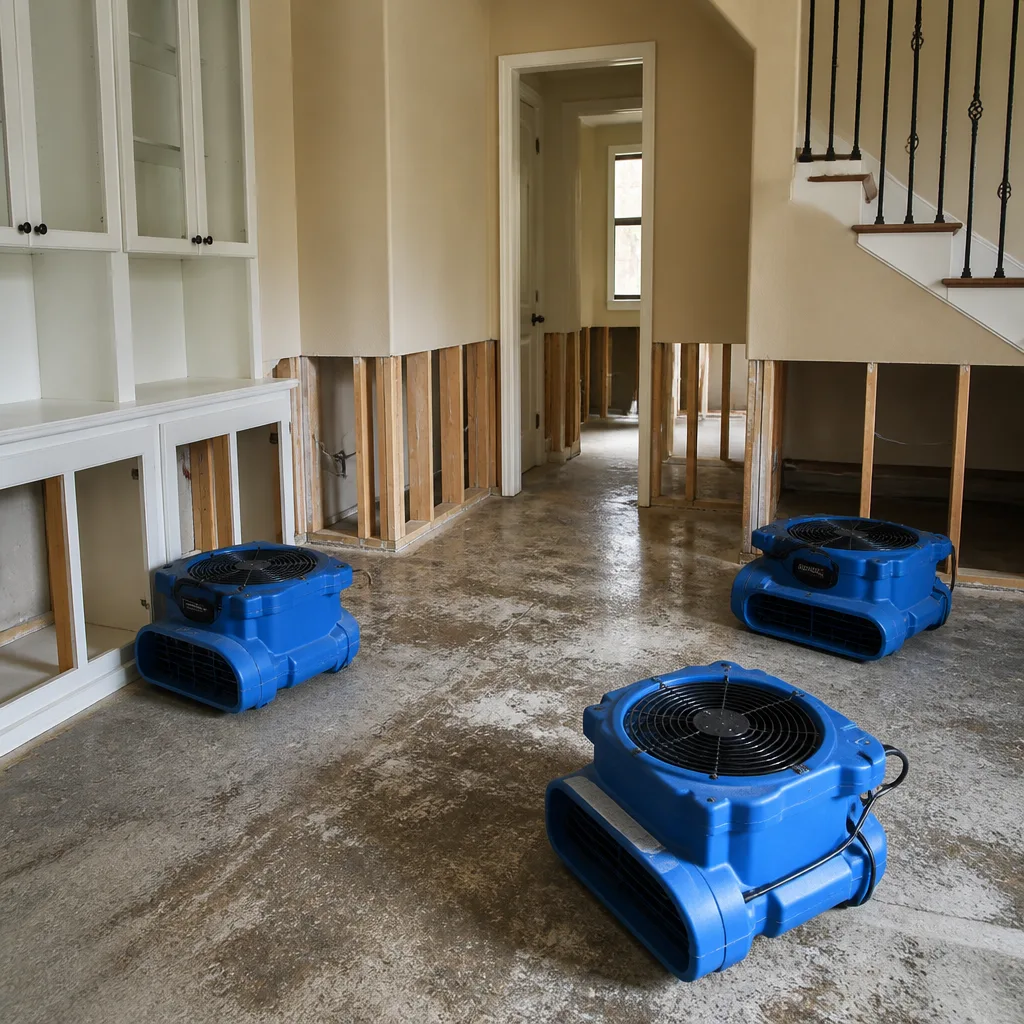
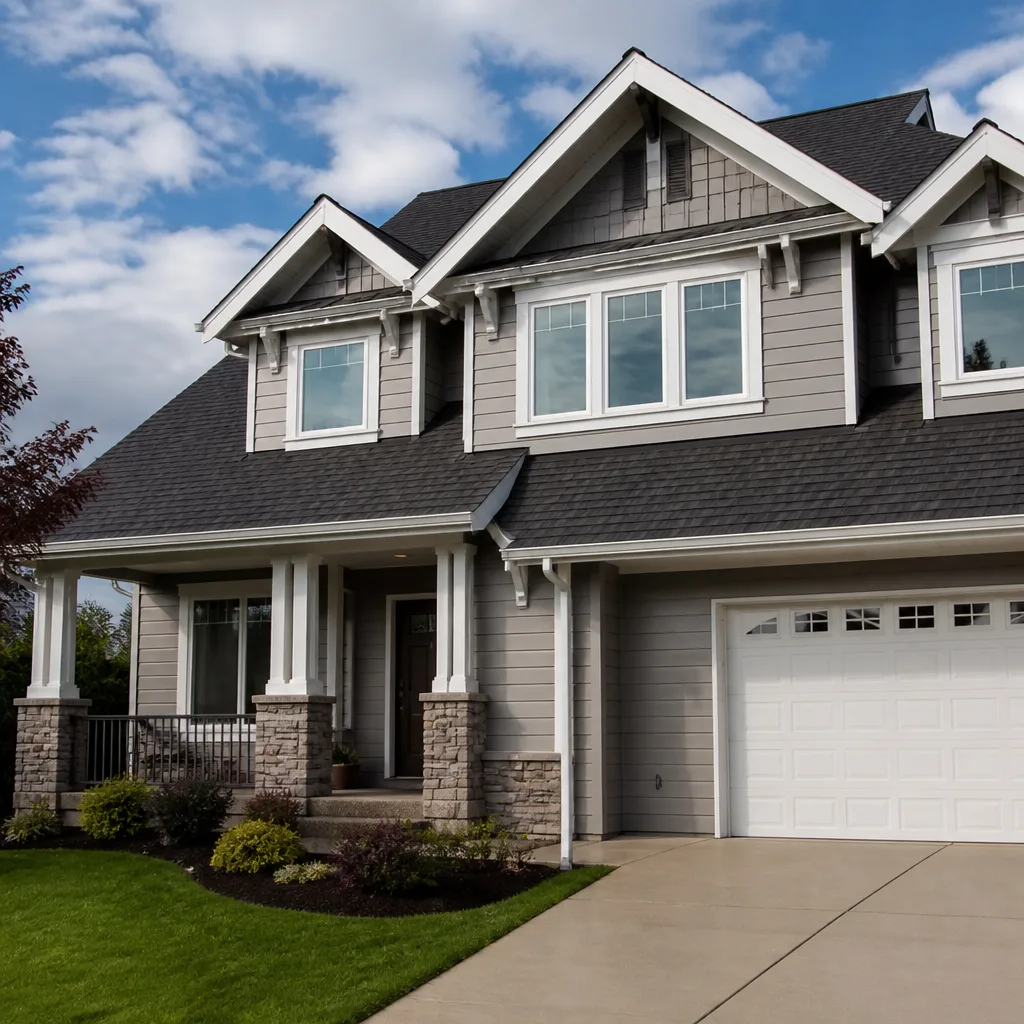
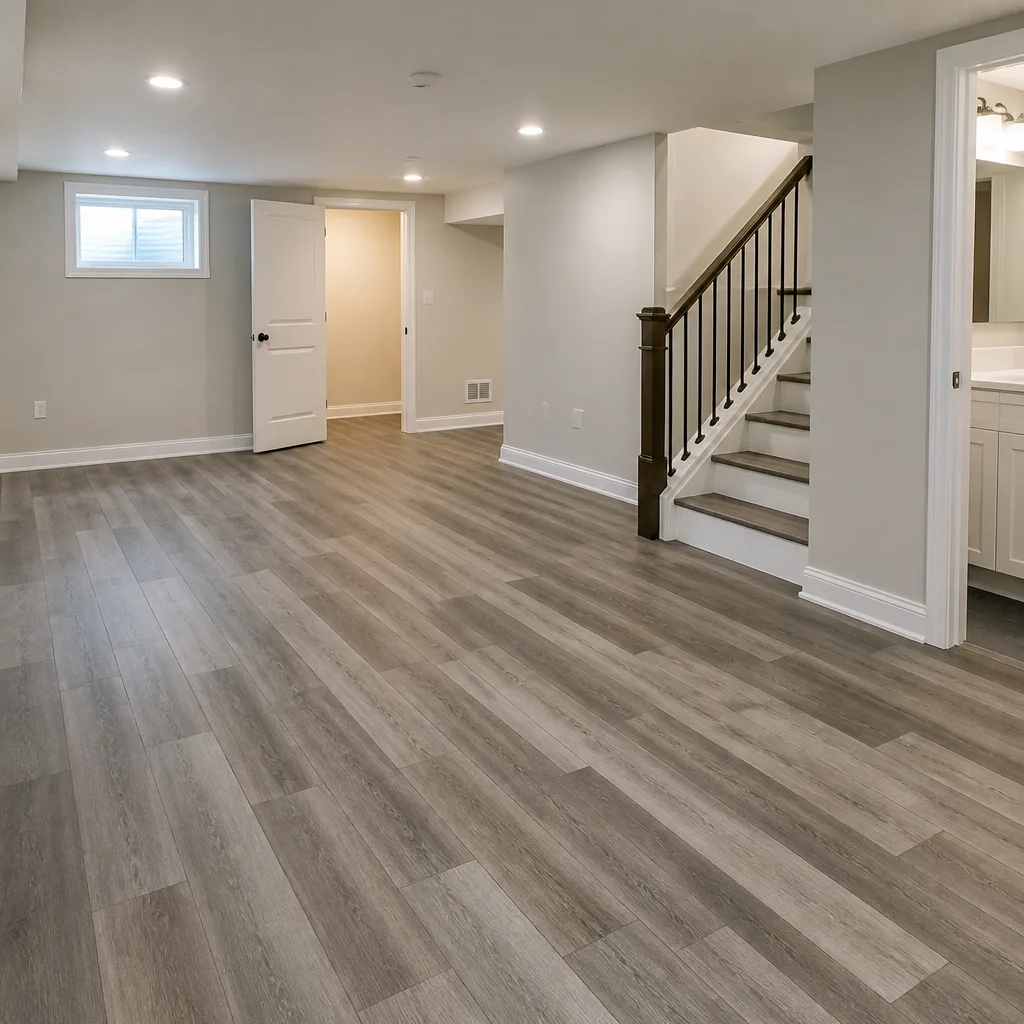
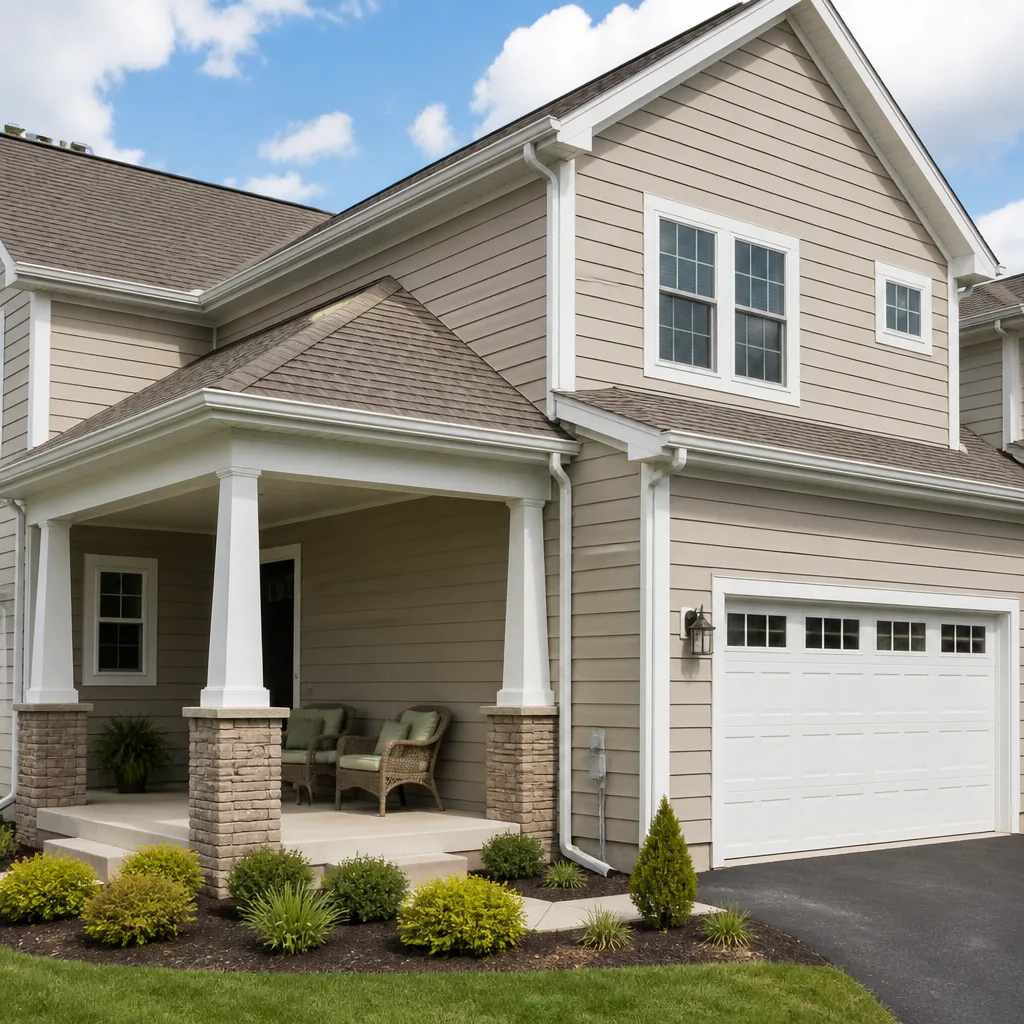
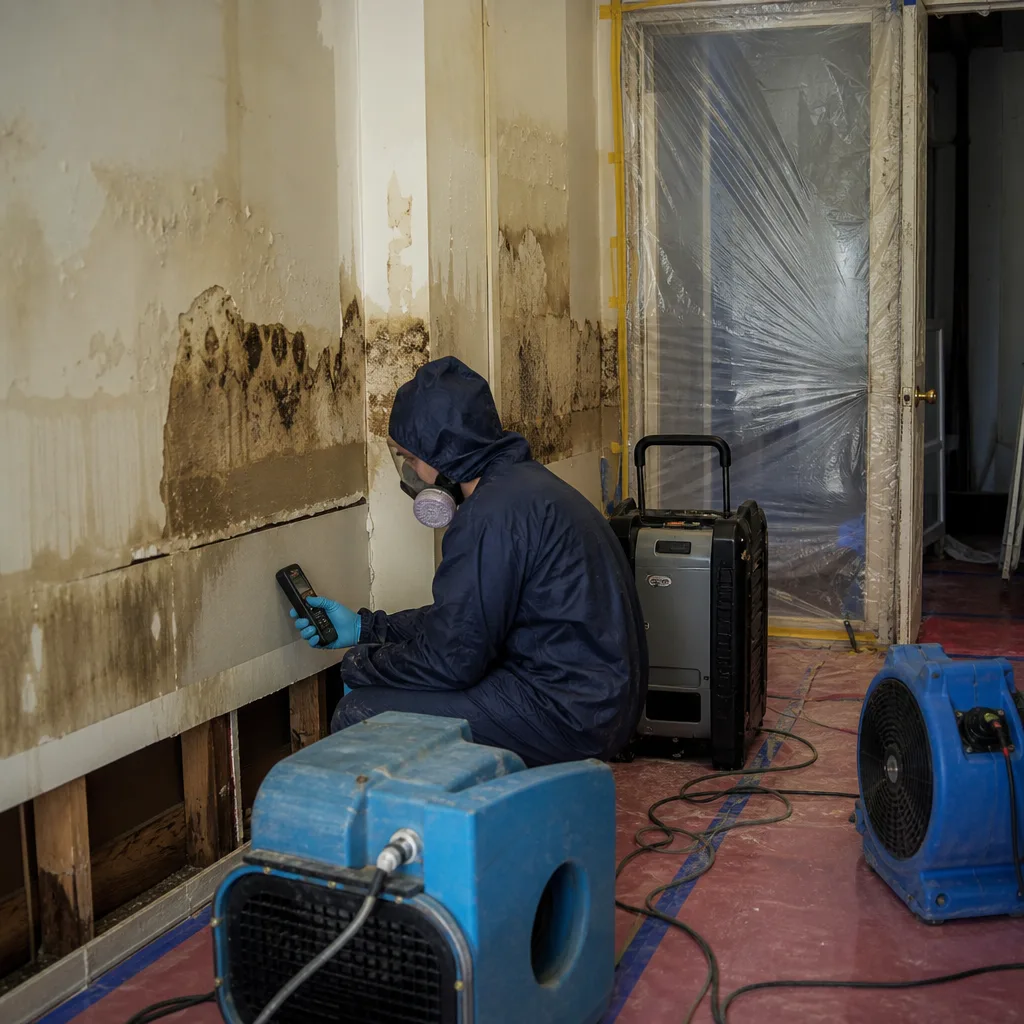 Before
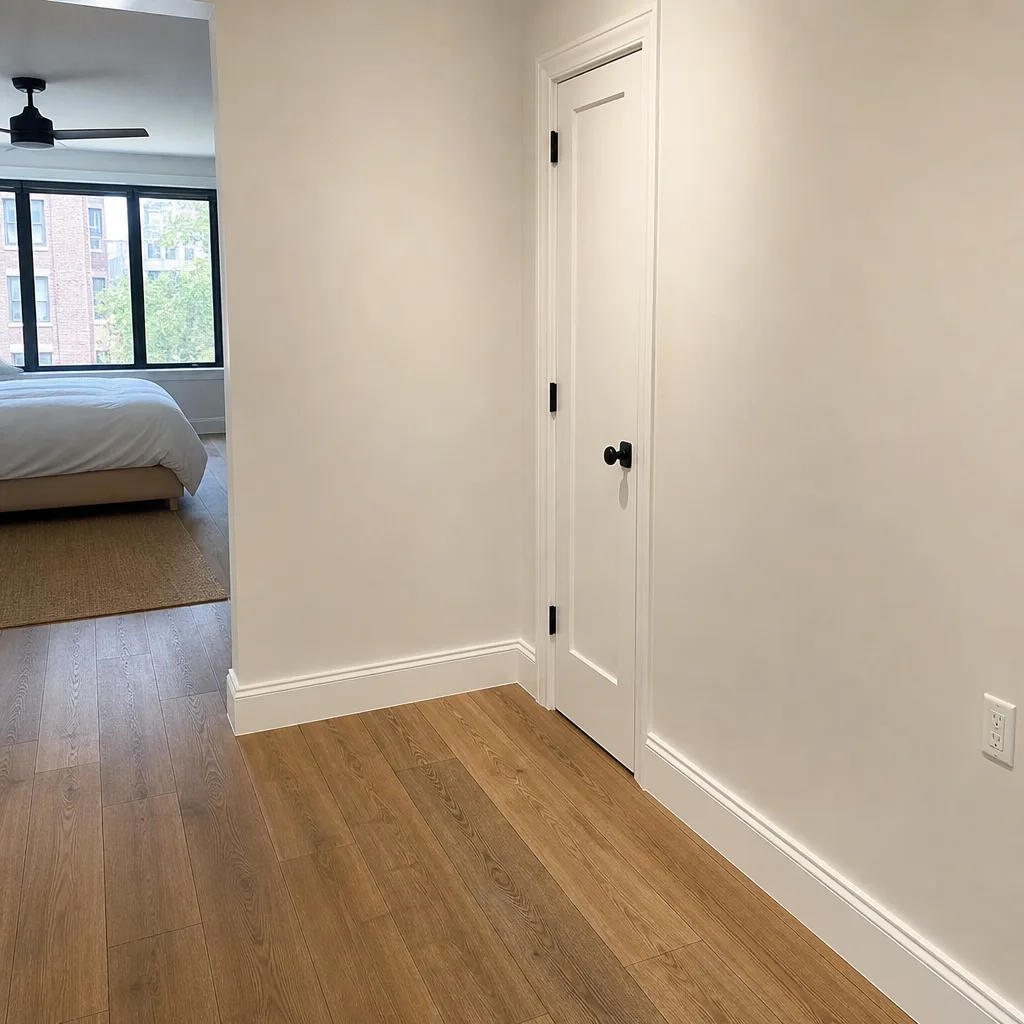 After
After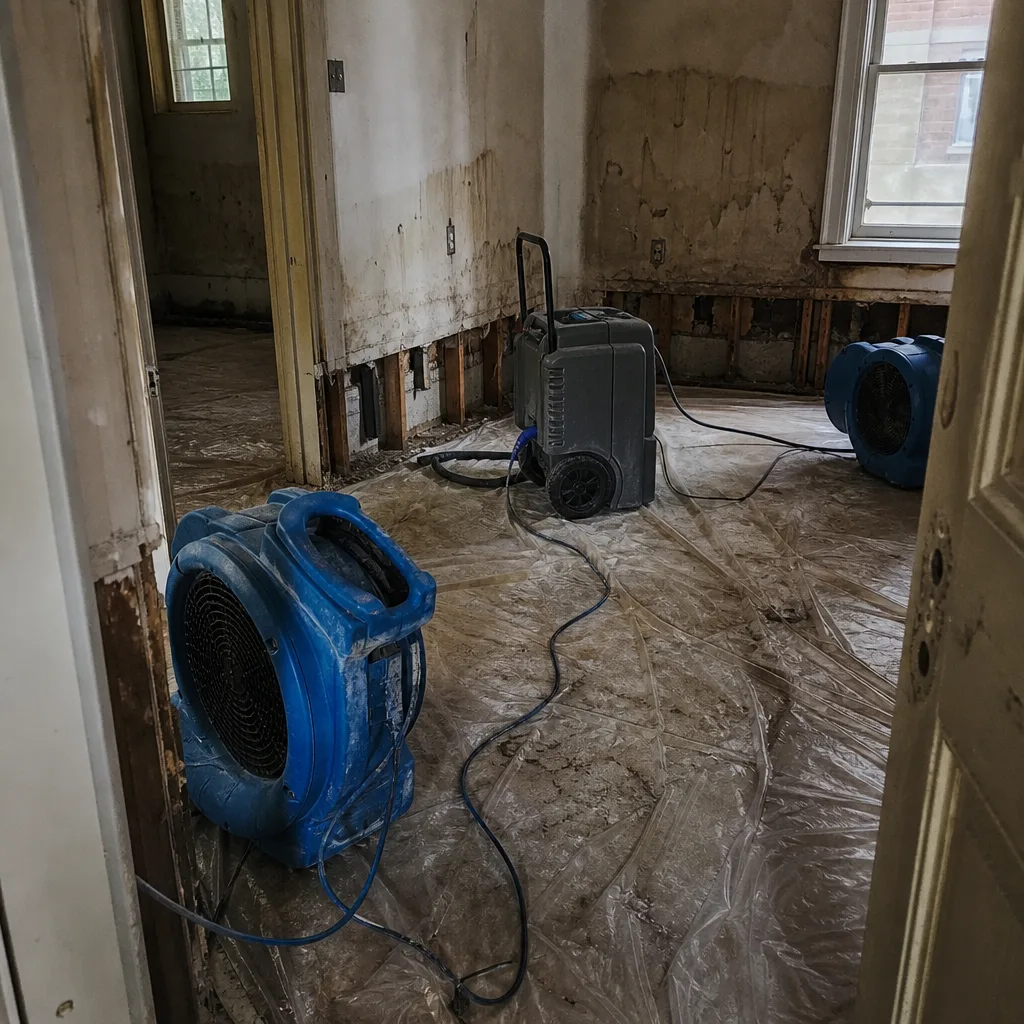 Before
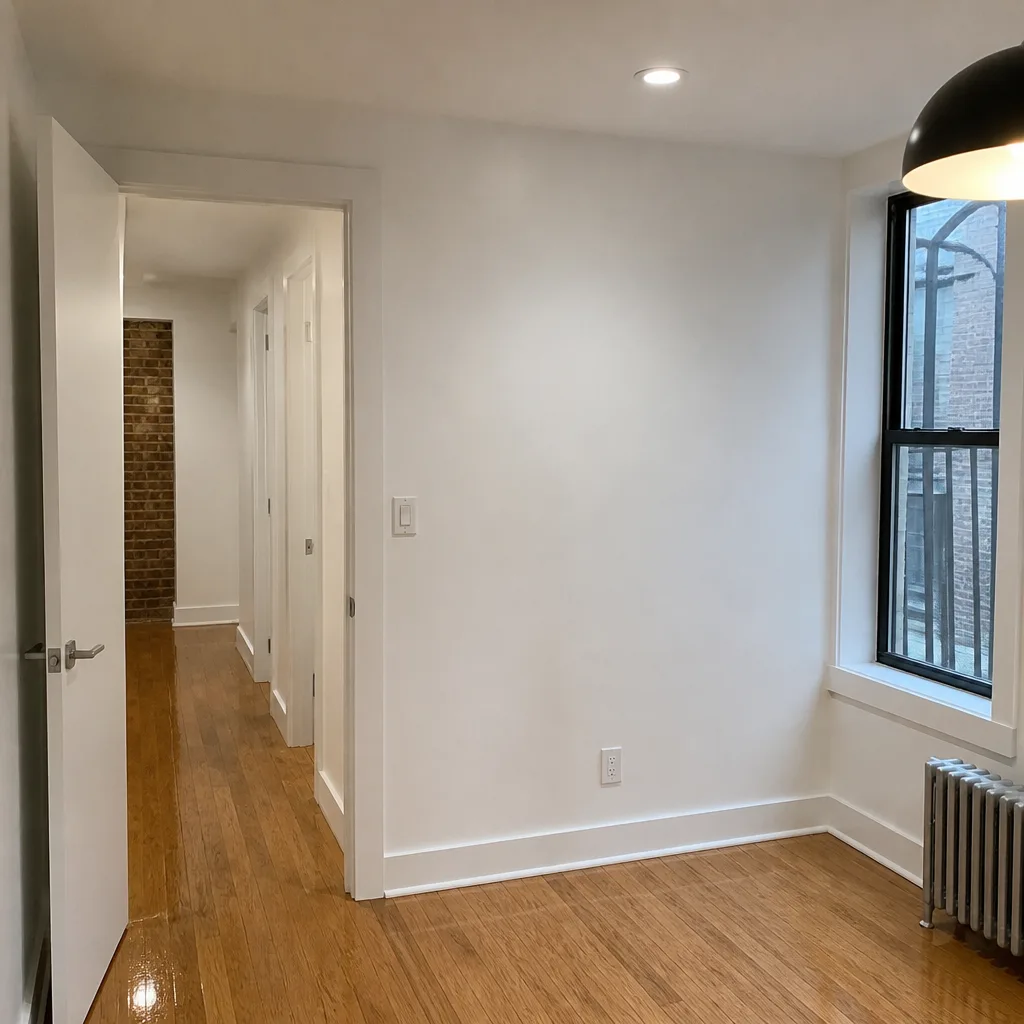 After
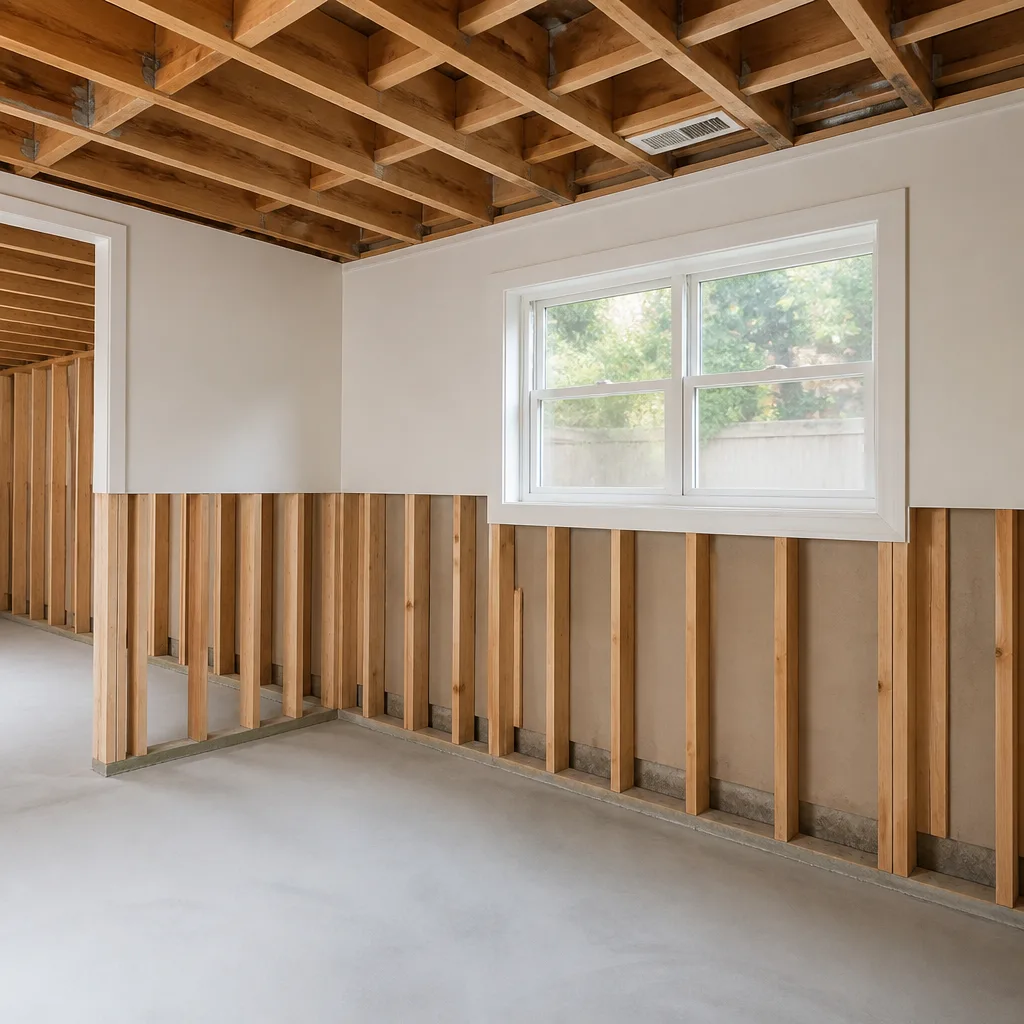
After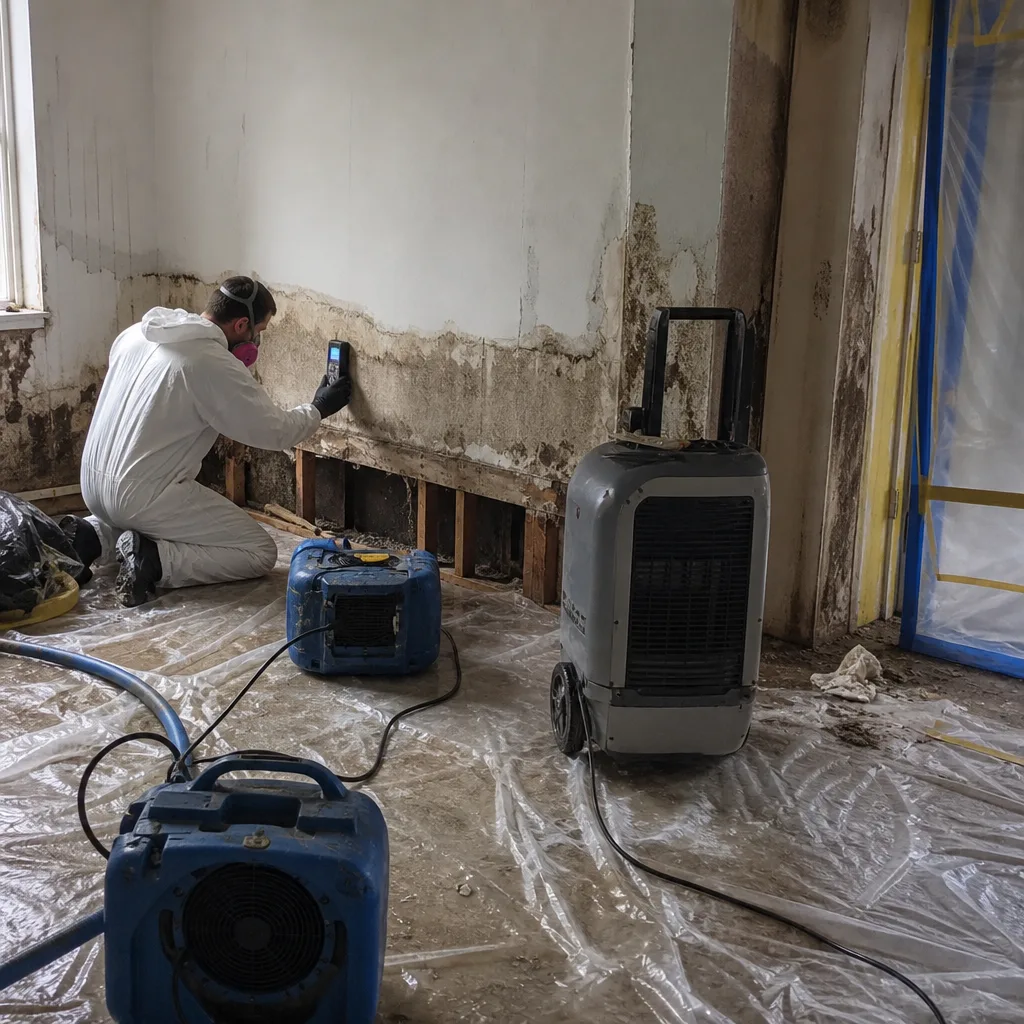 Before
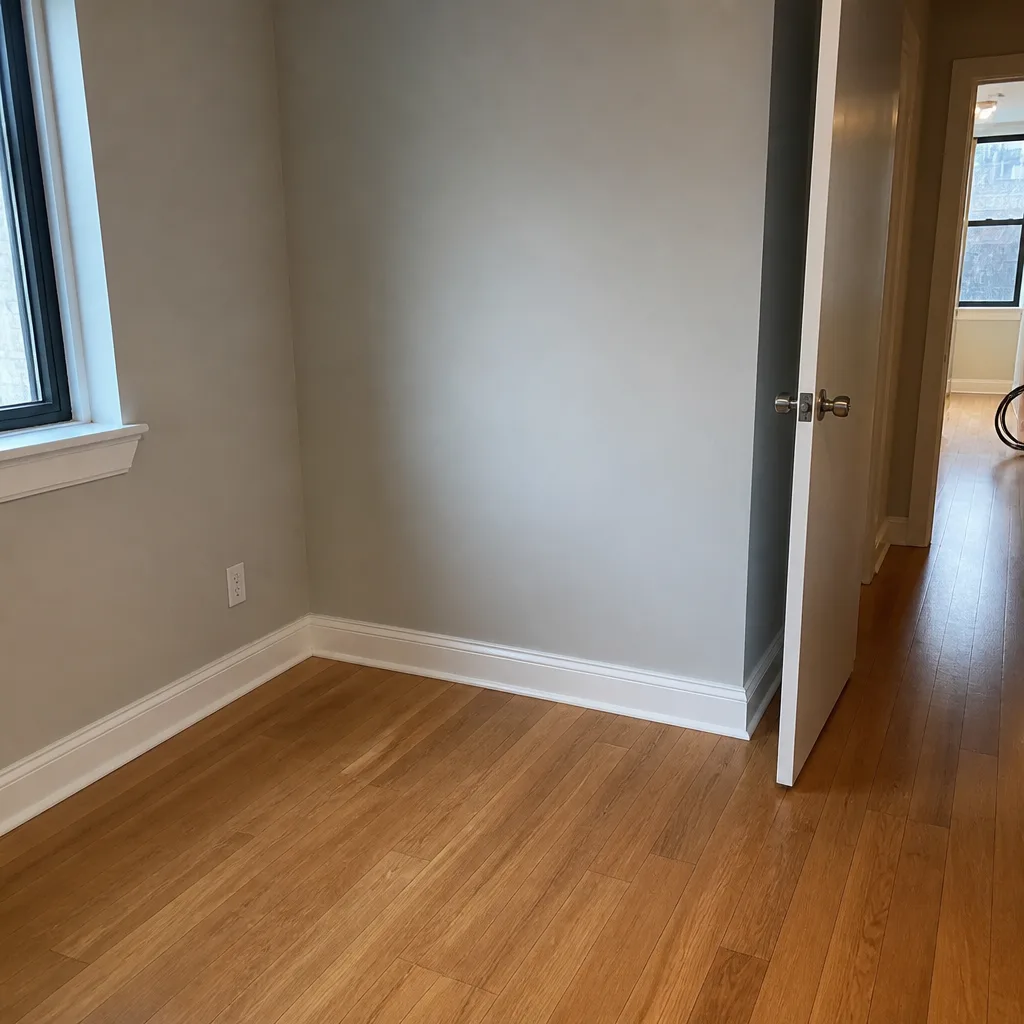 After
After24/7 Emergency Storm & Disaster Restoration in Upper West Side
Storm damage on the Upper West Side moves fast, and so do we. When wind tears a cornice loose off a pre-war building on West 86th or a nor’easter drives water through a rooftop bulkhead, you need a crew that answers the phone at 2 a.m. and gets extraction running the same visit. We do. Floodline Restoration Co. dispatches certified storm restoration crews throughout the Upper West Side 24 hours a day, 7 days a week. A live dispatcher picks up when you call (845) 305-5737, and a background-checked, uniformed team reaches your co-op, brownstone, or high-rise within 45 minutes. The first hour after storm water enters a pre-war building is when the damage either stops or spreads. We perform a free visual inspection, stabilize what’s compromised, and hand you a written scope before any repair work begins. That’s the square deal, and it’s been our standard since 2010.
Understanding Storm & Disaster Restoration Severity in Upper West Side Properties
Storm water in the Upper West Side is rarely clean. Wind-driven rain entering through a failed roof membrane picks up decades of dust and soot from old building cavities. We classify it by IICRC standards: Category 1 starts clean, Category 2 carries significant contamination, and Category 3 contains pathogens from sewage or ground runoff. The distinction drives everything we do next. A basement flood from a combined sewer backup on West End Avenue is almost always Category 3. We use moisture mapping with thermal imaging and hygrometers to track how far water wicked into original strip-oak floors and behind horsehair-plaster walls. Drying isn’t guesswork. We log daily readings from Dri-Eaz and Phoenix equipment until the structure hits the dry standard. In Upper West Side pre-war buildings, those thick plaster walls and wood lath hold moisture longer than modern drywall, and ambient humidity from the Hudson River slows evaporation. If a restoration crew skips containment or fails to treat light-court-facing storage rooms with antimicrobials, mold colonizes within 48 hours. That’s not a warning; it’s a timeline we see repeatedly in courtyard buildings from Riverside Drive to Central Park West.
Why Upper West Side Property Owners Choose Floodline Restoration Co.
- 45-minute response commitment: Storm damage spreads downward through stacked co-op units. A crew from our Manhattan dispatch reaches your building fast, often before water reaches the unit below.
- 24/7 live answer, always a person: No automated phone trees, no “leave a message.” A real dispatcher picks up at 2 a.m. and starts the response immediately.
- IICRC-certified crews: Our technicians hold WRT, FSRT, and AMRT certifications and know pre-war steam-heat systems well enough to coordinate with your building’s super.
- Free visual inspection: We assess storm damage at no cost, then give you a written scope and a firm number before any work starts.
- Direct insurance billing: We bill your carrier directly and coordinate with your adjuster. You don’t play messenger between Floodline and the insurance company.
- One team, start to finish: The same certified crew that extracts water also handles drying, plaster matching, and reconstruction. No mid-job handoff to a subcontractor you’ve never met.
Our Storm & Disaster Restoration Process
Inspection & Assessment
We walk the loss site top to bottom, tracing water migration through floors, walls, and shared risers. Thermal imaging and moisture meters map exactly where the storm water went, including areas you can’t see.
Extraction & Stabilization
High-capacity extraction units pull standing water from floors and subfloor cavities. We tarp roofs, board up broken windows, and secure loose cornices or flashing so the building doesn’t take on more water overnight.
Drying & Dehumidification
Dri-Eaz and Phoenix air movers and dehumidifiers run continuously, sized to the square footage and the moisture load. In tight pre-war rooms, we position equipment around original radiators and steam pipes without damaging them.
Cleaning & Sanitization
Storm water from sewer backups requires full antimicrobial treatment. We clean surfaces with professional-grade agents and run HEPA air scrubbers where Category 3 water contacted materials.
Plaster Matching & Specialty Treatment
For LPC-designated buildings, our carpenters match original ornamental moldings and horsehair-plaster profiles rather than slapping in drywall. This is Upper West Side-specific work that most restoration firms skip.
Repairs & Restoration
We rebuild what storm damage destroyed, from parquet floor sections to ceiling cornices, and hand you a moisture log and written close-out documentation for your co-op board and carrier.
Need Emergency Storm & Disaster Restoration in Upper West Side Now?
Crews minutes away, answering live 24 hours a day. The sooner we start, the less it costs.
Working With Your Insurance Company
Storm damage claims on the Upper West Side get complicated fast. A single nor’easter can produce multi-unit cascade claims in a pre-war co-op, with each shareholder filing against their own policy while the building’s master policy covers common areas. We’ve handled hundreds of these. Our documentation starts in the first hour: photos of every affected room, moisture readings logged daily, and a line-item scope of work that speaks the carrier’s language. We coordinate directly with your adjuster, send documentation to the desk, and answer their questions so you don’t have to. The 90-Day Done Right Promise applies to every storm restoration job we complete. If something isn’t right, we make it right. In writing, no arguing. That’s the Keystone Standard, and we’ve backed it since the day Curt Bowman founded the company.
What We Provide Your Insurer
- Thorough documentation of the loss
- Photos of all damage, room by room
- Moisture readings and drying logs
- A detailed, line-item scope of work
- Direct coordination with your carrier
Built for Upper West Side’s Loss Calendar
Storm restoration on the Upper West Side follows the weather, and the weather here has a rhythm. January deep freezes crack supply lines in unheated cellar spaces and burst radiator elbows in pre-war steam systems. The damage often goes unnoticed for days because water travels down inside walls and along cast-iron drain stacks before it breaks through a ceiling. Spring thaw brings basement seepage as saturated soil presses against century-old foundation walls, and the aging combined sewer infrastructure along the Hudson can’t always handle the load. Summer thunderstorms dump an inch of rain in an hour, overwhelming roof drains on flat-roofed co-ops and flooding light-court-facing units. Nor’easters between October and March are the big ones: wind-driven rain through aging mortar joints, failed parapet flashing, and broken skylights over top-floor apartments. Each season produces a different loss pattern, and our crews know all of them. If you live on Riverside Drive, you know what a November nor’easter does to west-facing windows. We do too.
Storm & Disaster Restoration Across Upper West Side’s Neighborhoods
Riverside Drive’s pre-war co-ops face the Hudson and take the brunt of coastal storm winds. We see roof membrane failures and water intrusion through aging window frames there more than anywhere else. On West End Avenue, the big courtyard buildings mean a single roof drain clog sends water down through stacked kitchens and bathrooms across four or five floors. Central Park West historic district buildings carry LPC designations that require plaster matching and ornamental moldings restored to original profile. Streets like West 72nd and West 79th hold rows of 19th-century brownstones where shared party walls and cornices mean exterior storm damage in one unit migrates to the neighbor within a day. Around Lincoln Square and the blocks near Broadway, mixed-use buildings put retail flooding and residential damage in the same claim. Our crews know the response routes, the co-op board protocols, and the parking realities of each stretch. We plan for tight access before we arrive, not after.
Specialized Storm & Disaster Restoration Services We Offer in Upper West Side
Storm Damage Cleanup
Wind and rain leave debris, soaked drywall, ruined plaster, and standing water in Upper West Side apartments and common areas. We remove the debris, extract the water, and dry the structure to IICRC standards. For pre-war buildings, cleanup includes assessing original plaster and wood lath instead of assuming everything gets pulled out.
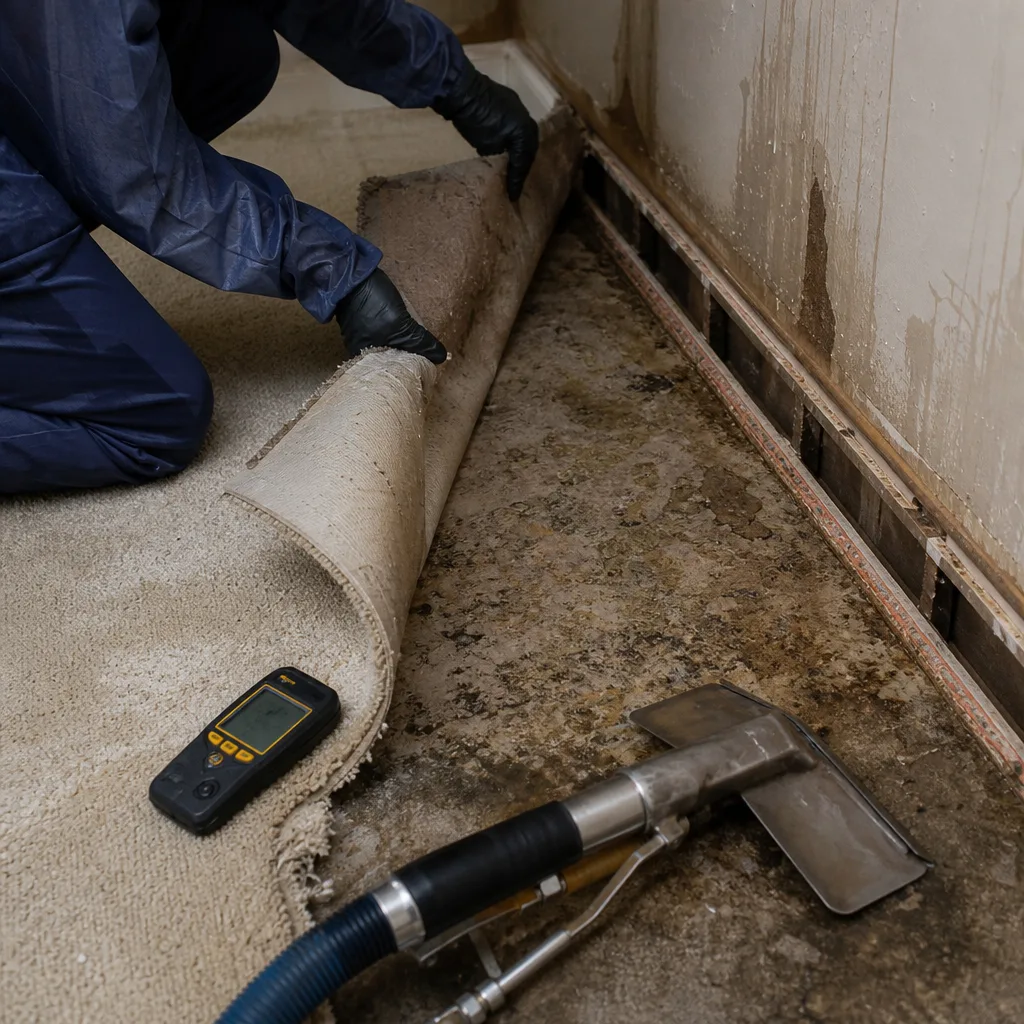
Flood Damage Restoration
Basement flooding from combined sewer backups affects ground-floor units and cellar storage across entire UWS blocks at once. This water is Category 3 and requires antimicrobial treatment, full extraction, and structural drying. We handle the entire process, from the first pump-out to the final moisture reading, and we log everything for your board and carrier.
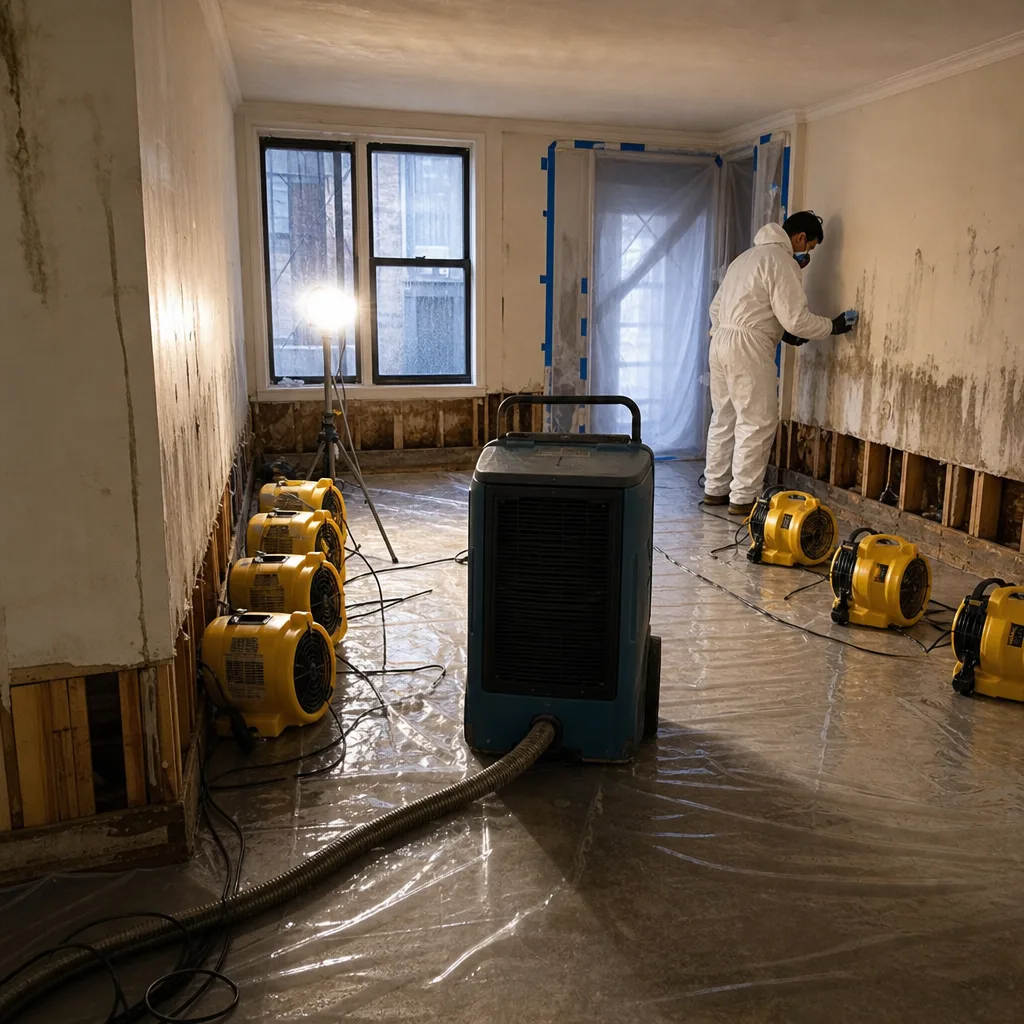
Emergency Board-Up
A broken window on the 14th floor of a West End Avenue co-op is a security risk and an open door for more storm water. We board up damaged openings with weather-rated materials until permanent repairs are scheduled. The same applies to wind-damaged doors and skylights on brownstone rooftops.
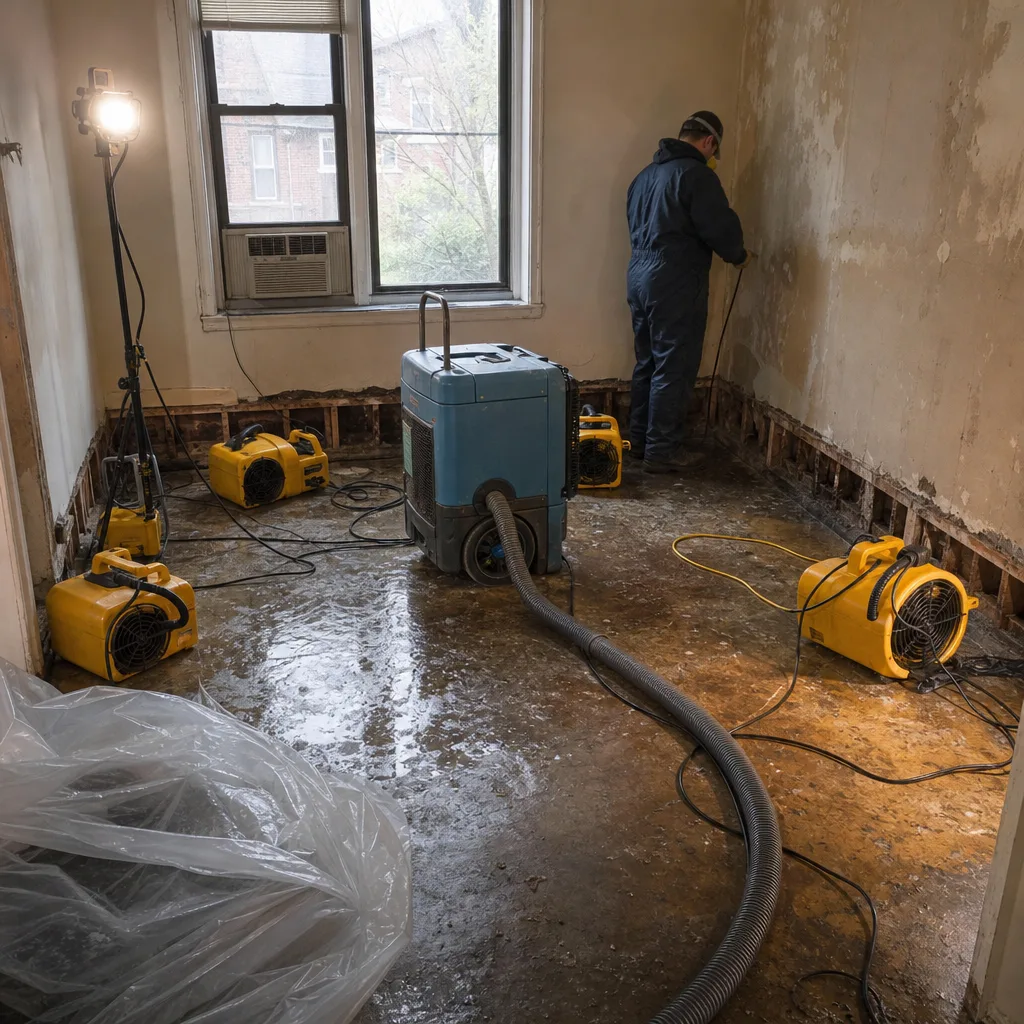
Roof Tarping
When a nor’easter tears a section of roof membrane off a flat-roofed pre-war building, water keeps coming in until the roof is covered. We tarp the damaged area with heavy-duty, wind-rated material and secure it properly. Roof tarping is a temporary stabilization, not a permanent fix, but done right it stops active water intrusion the same day.
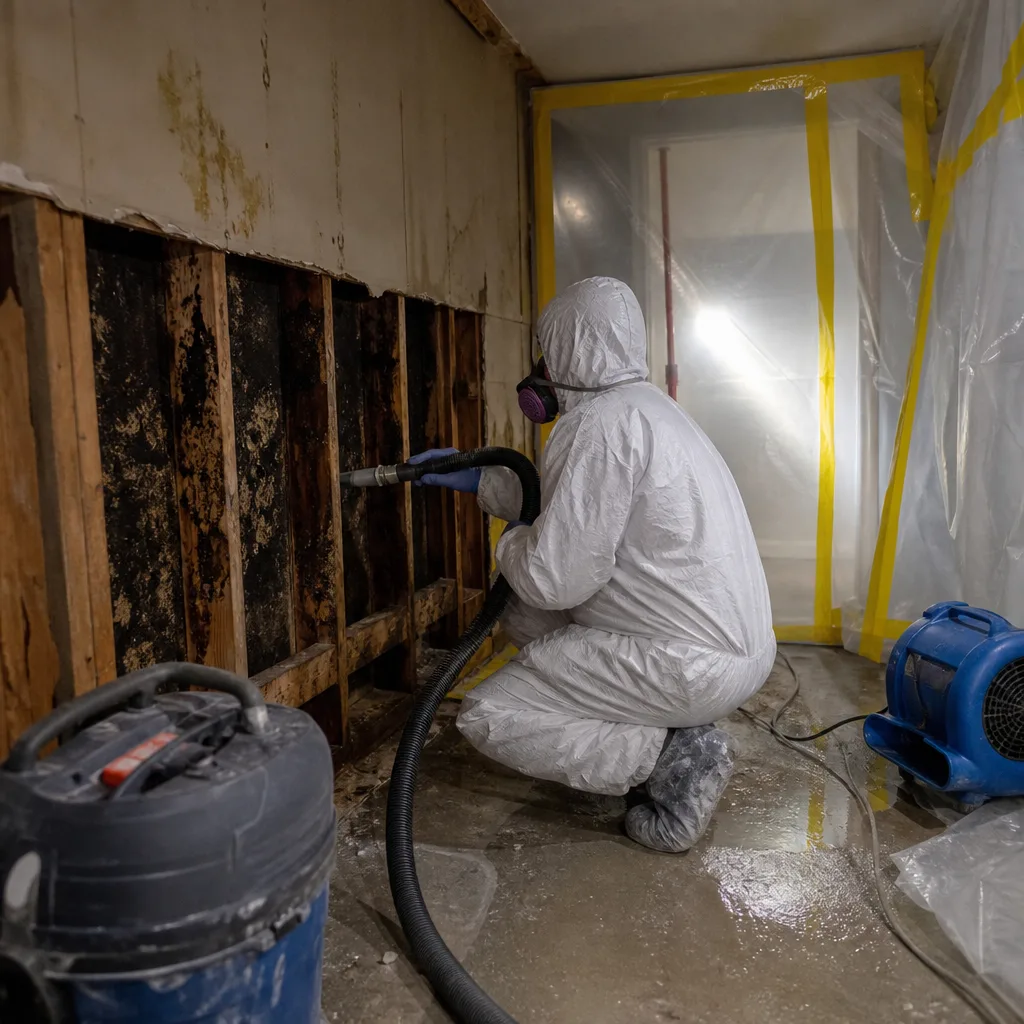
Debris Removal
Storm debris on the Upper West Side often includes broken cornice pieces, slate shingles, tree limbs from sidewalk plantings, and chunks of old parapet. We clear it from sidewalks, airshafts, rooftops, and interior spaces. In historic districts, we document what was removed so LPC sign-off goes smoothly.
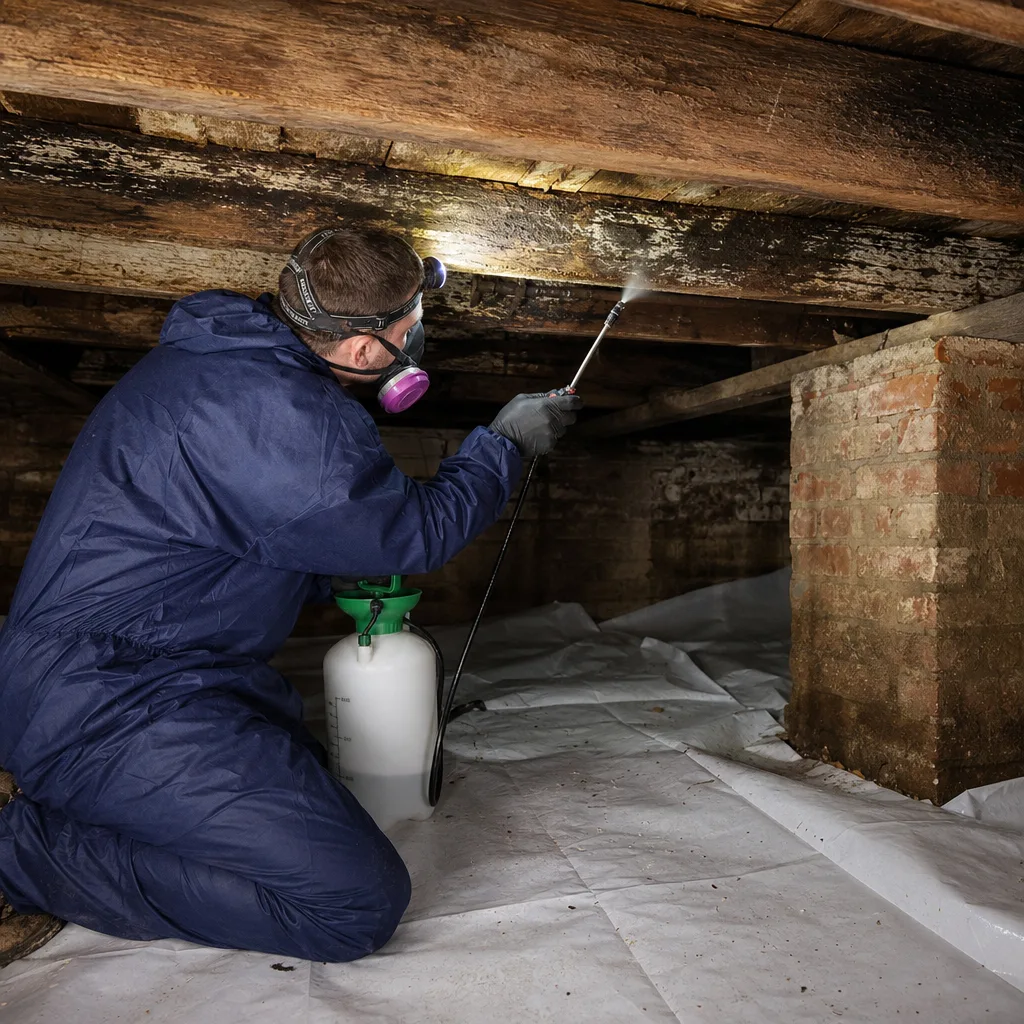
What happens when you call
- 1
A real person answersNo phone trees - you reach a local pro.
- 2
You get an upfront price rangeHonest numbers before anyone is dispatched.
- 3
A background-checked tech heads outLicensed & insured, dispatched right away.
- 4
You approve before work beginsNothing starts until you say go.
Storm & Disaster Restoration Costs in Upper West Side, NY
Storm restoration pricing on the Upper West Side reflects the building stock. Emergency board-up for a broken apartment window typically runs $275 to $650 depending on size and floor height. Roof tarping on a pre-war co-op usually lands between $1,200 and $3,500 for a single storm event. Basement flood extraction from a sewer backup starts around $1,800 and climbs to $6,000 or more when Category 3 water sat long enough to require antimicrobial treatment and drywall removal. Full storm damage cleanup with drying equipment in a two-bedroom apartment ranges $4,000 to $12,000. LPC-compliant plaster ceiling restoration adds $2,000 to $8,000 per room depending on the molding profile and how much of the original plaster survives. Insurance covers most storm damage when the loss is sudden and accidental. Your out-of-pocket portion depends on your deductible and policy limits. We give you a free visual inspection, a written scope, and a firm number before any work starts. Call (845) 305-5737 for an exact quote.
We Also Serve Cities Near Upper West Side
Our Storm & Disaster Restoration crews respond throughout the Upper West Side and into surrounding Manhattan neighborhoods. We serve Upper Manhattan, Morningside Heights, Central Harlem, and East Harlem with the same 45-minute response commitment and the same 90-Day Done Right Promise. If your building is in one of these areas and you’ve taken storm damage, call the number and a live dispatcher starts the response.
Serving Upper West Side, NY - Our Local Coverage Area
We’re based in the Upper West Side area and know this community well. Use the map below to see our service coverage - if you’re nearby, we can almost certainly help.
Upper West Side Storm & Disaster Restoration Questions, Answered
How do you get approval to start storm damage mitigation in a pre-war Upper West Side co-op when the building’s super works limited evening hours?
We start the work that can’t wait and document everything else. In co-ops, the board’s approval chain matters, but active water intrusion can’t pause for a super’s schedule. We perform emergency extraction and stabilization to stop ongoing damage, then coordinate formal sign-off with the super and board through the building’s management company the next business day. Our documentation gives the board what they need to approve the rest without delay.
Can you dry original parquet floors after a water leak without tearing them out when multiple floors above are still wet?
Yes, when we reach them in time. Original herringbone-parquet and strip-oak floors can often be salvaged with targeted drying systems like Injectidry mats placed over the affected sections, pulling moisture through the wood before it warps and cups. If the floors above are still actively leaking, we coordinate with the super to isolate the riser or steam line first. The key is speed: parquet that sits wet for three days usually delaminates and needs replacement.
What does Landmarks Preservation Commission compliance mean for storm damage ceiling repair in a Central Park West historic district building?
LPC compliance means the repaired ceiling must match the original plaster profiles, molding profiles, and materials rather than being replaced with flat drywall. We take photos and measurements of the surviving ornament, have our plaster carpenters replicate the profiles, and provide documentation for LPC sign-off. This process costs more and takes longer than drywall replacement, but skipping it creates violations and failed co-op inspections.
Will your pack-out service fit large furniture through the narrow doorways and tight turns in a pre-war elevator co-op on West End Avenue?
We’ve done it hundreds of times. Pre-war elevator co-ops on West End Avenue have narrow entry doors, tight foyers, and elevators that won’t fit a sofa. Our pack-out crews disassemble furniture when needed, pad and wrap everything, and remove it piece by piece without damaging walls or moldings. We coordinate freight elevator use with the super and photograph everything before and after.
How do you handle basement storm flooding from a combined sewer backup that affects ground-floor units and cellar storage across an entire UWS block?
This is a Category 3 event. We extract the standing water, remove contaminated materials, run antimicrobial treatments, and dry the structure with professional-grade Dri-Eaz and Phoenix equipment. Because sewer backups affect multiple buildings on the same block simultaneously, our Manhattan dispatch stages extra crews for block-wide events. We document every unit separately so each shareholder’s claim and the building’s master policy claim stay clean.
How fast can a crew actually get to my Upper West Side apartment after I call?
You’ll reach a live dispatcher immediately, and a certified crew is typically on site within 45 minutes. We maintain response crews throughout the Upper West Side, so a team is usually staging nearby when you call. During major nor’easters, response times can stretch, but we work block by block and tell you honestly when we’ll arrive.
Will my insurance cover storm damage restoration in a New York co-op?
Most sudden and accidental storm damage is covered, but co-ops split coverage between your individual policy and the building’s master policy. Storm water entering through the building envelope, like a failed roof or common pipe, often falls under the master policy. Damage to your unit’s interior finishes falls under your policy. We bill both appropriately and coordinate directly with adjusters on both sides so you don’t carry paperwork between them.
What should I do in the first 30 minutes after storm water enters my apartment?
Call (845) 305-5737 first, then if it’s safe, move valuables up off the floor and place towels under doorways to slow water spreading to other rooms. Don’t touch electrical outlets or appliances in wet areas. Don’t try to extract large amounts of water yourself; pre-war floors and walls hold far more moisture than they show on the surface. The sooner a certified crew starts professional extraction and drying, the more of your original floors and plaster we can save.
Written by Curt Bowman, Owner at Floodline Restoration Co., serving the Upper West Side since 2010.