
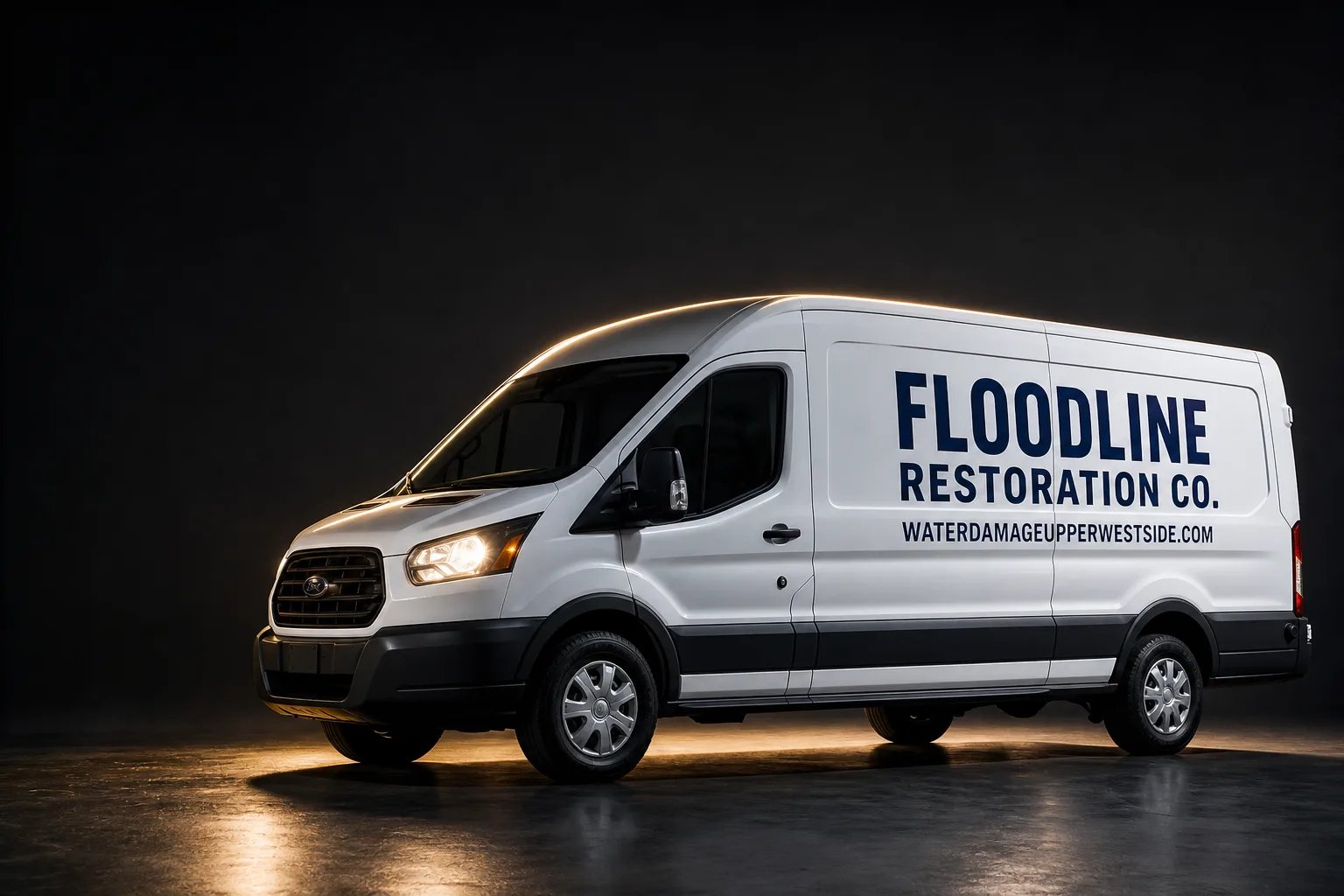
Free visual inspection and a written scope of work before any mitigation begins - photos, moisture readings, and drying logs go in your claim file
The scope we write is the scope we bill. Anything new gets shown to you, in writing, before we touch it.
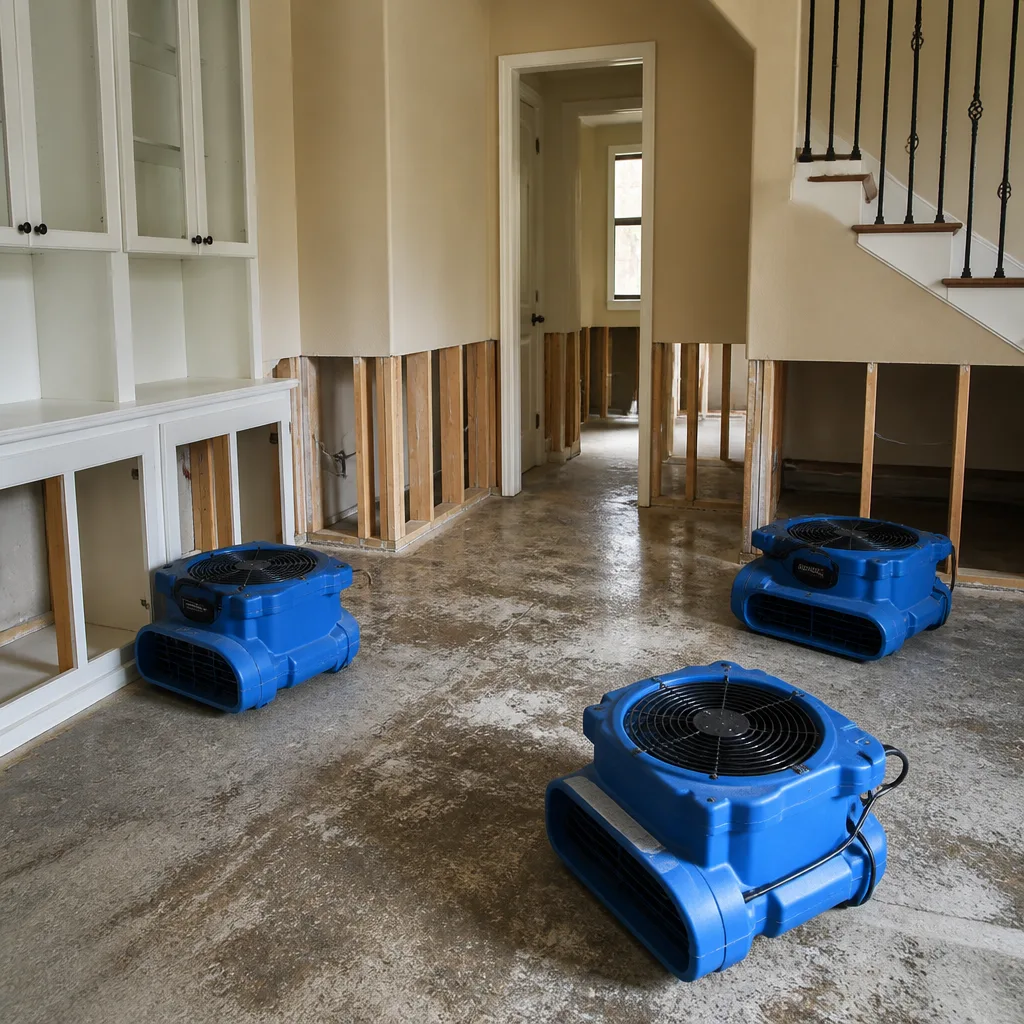
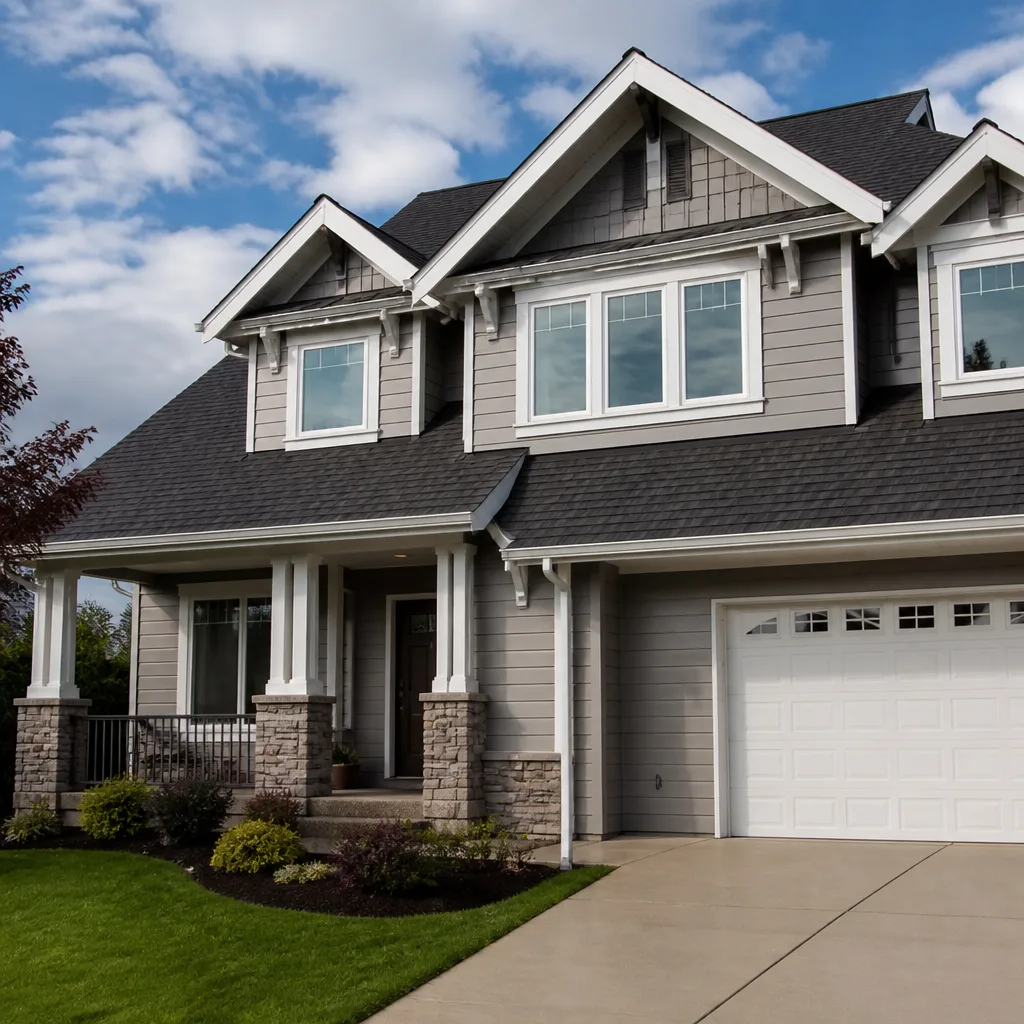
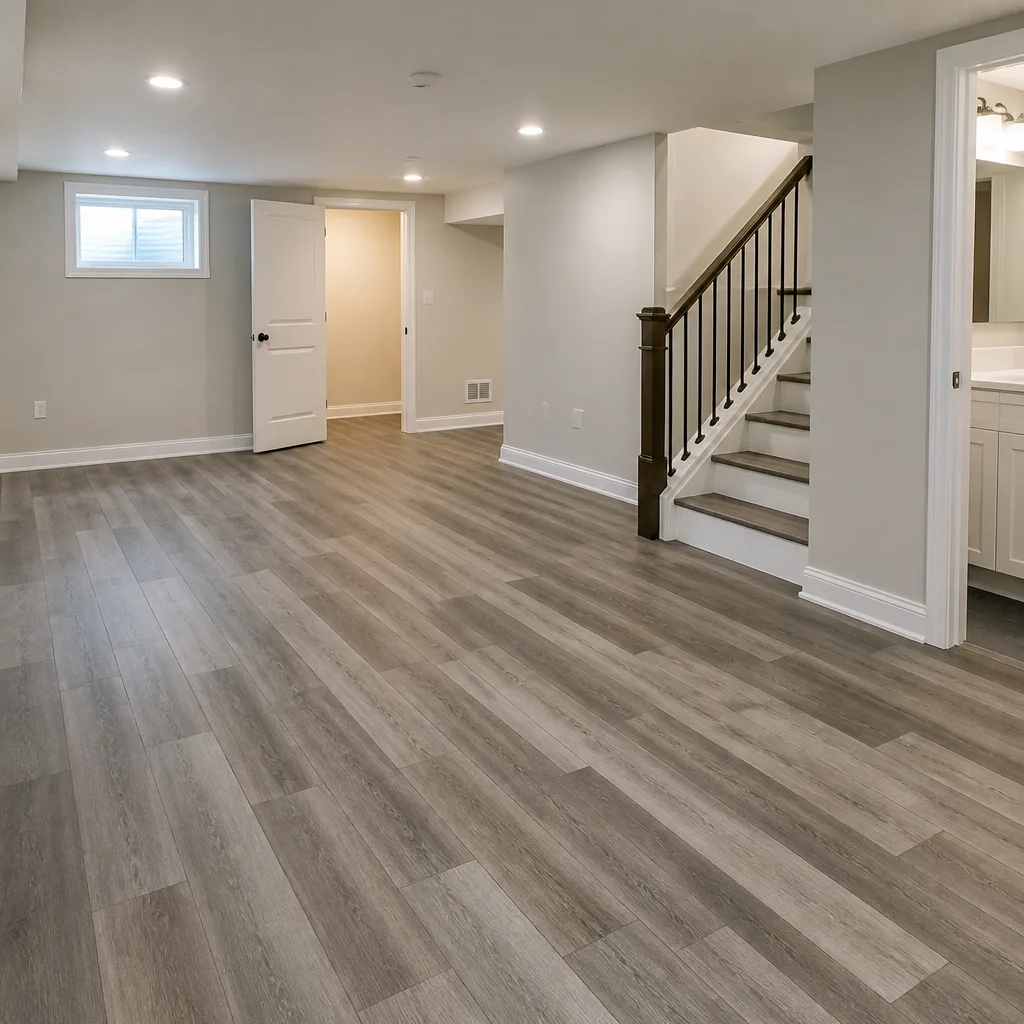
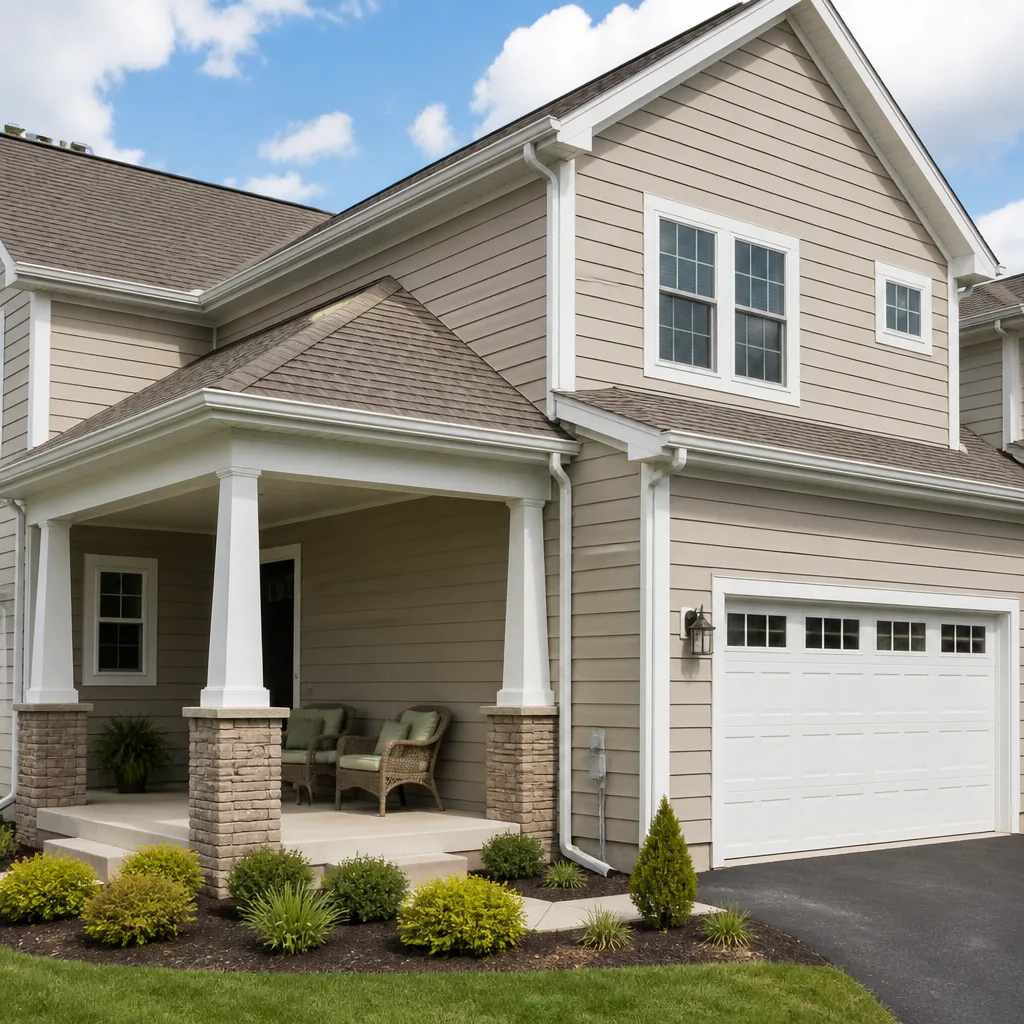
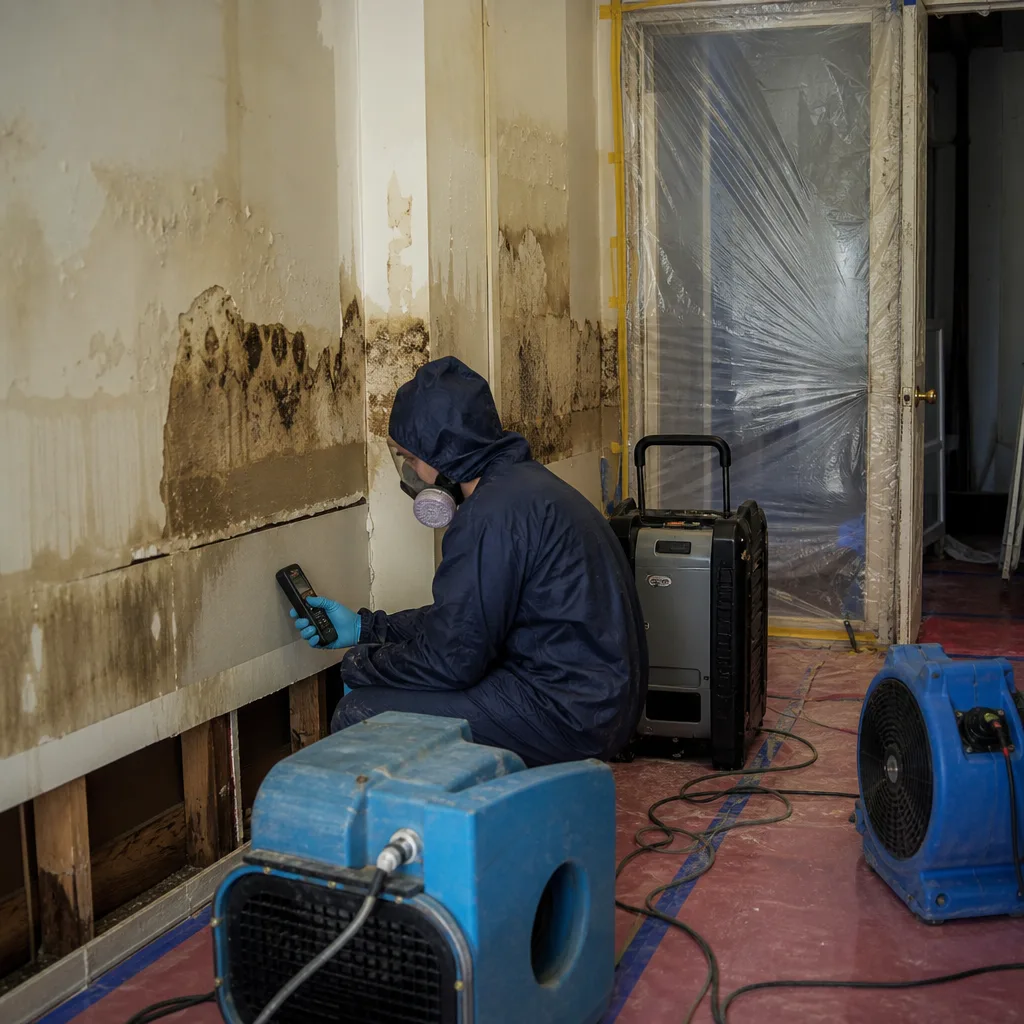 Before
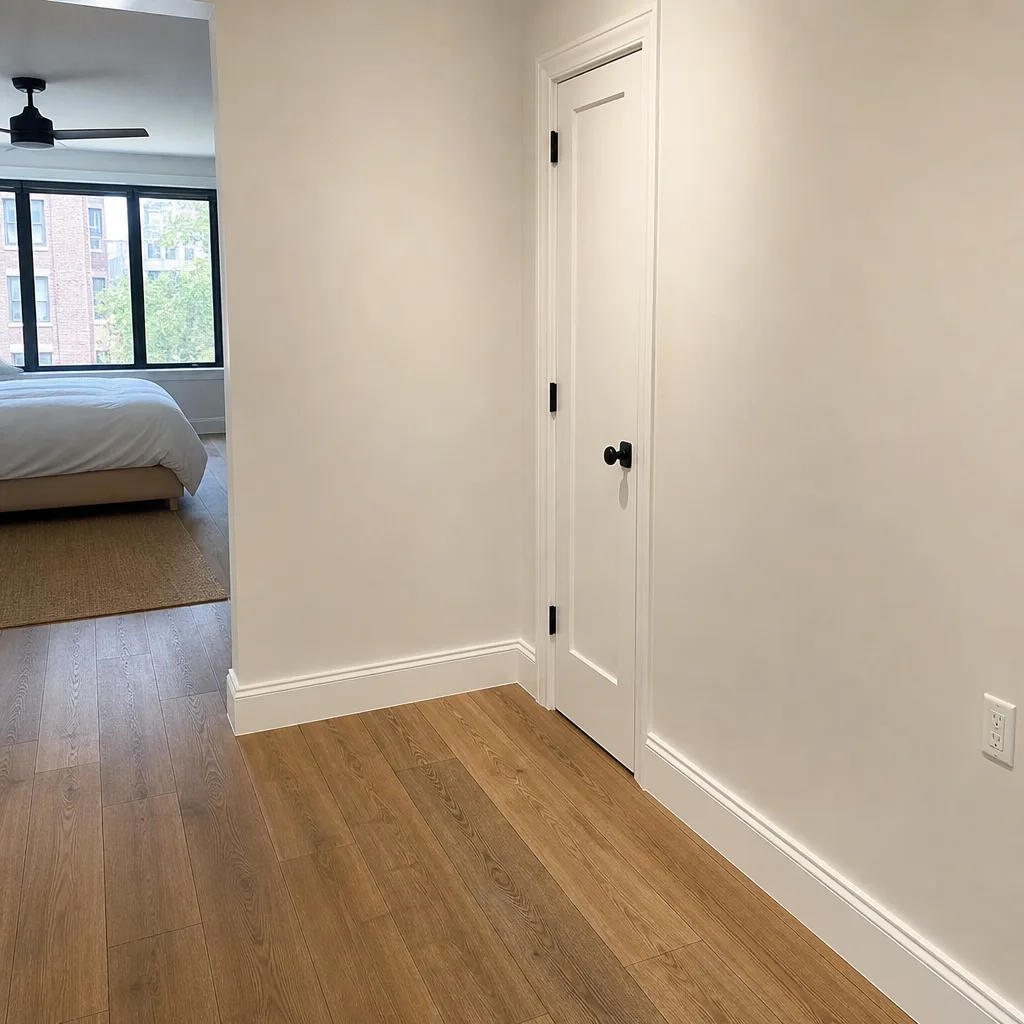 After
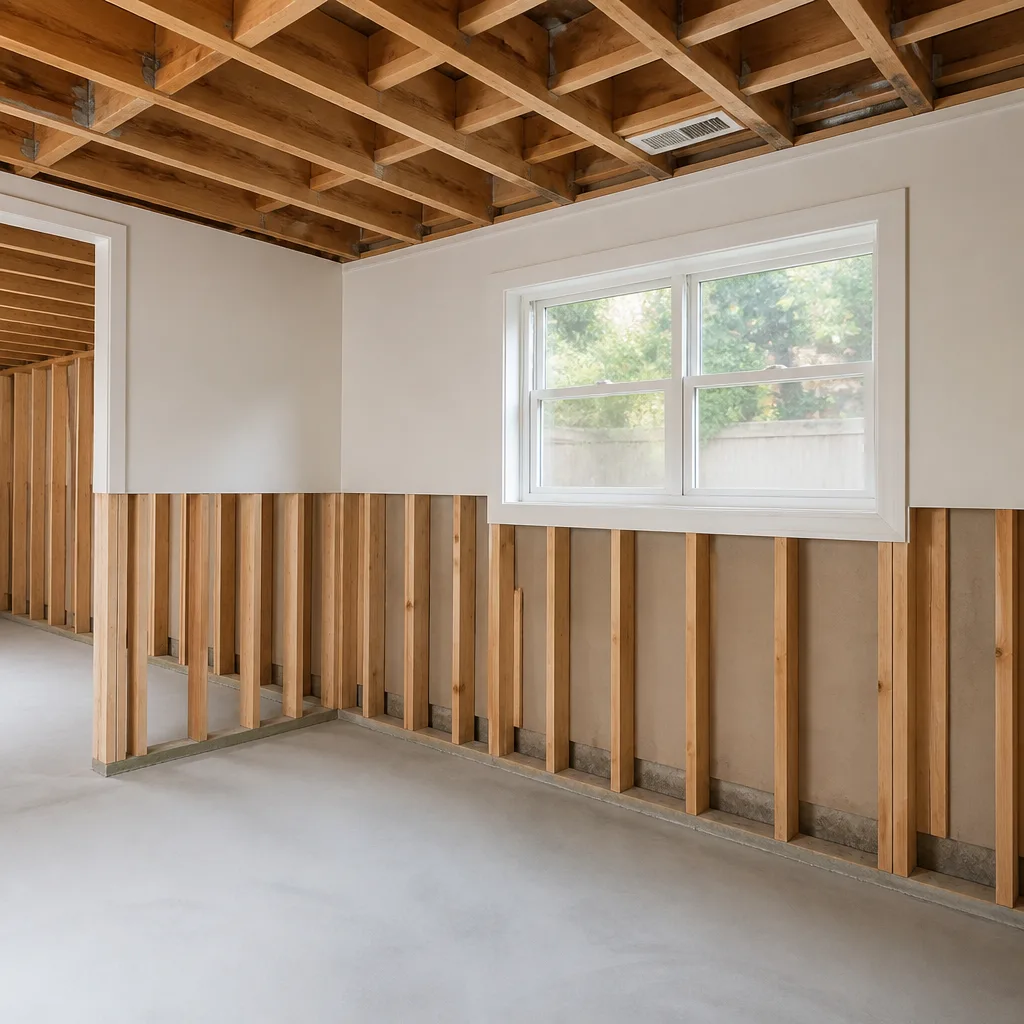
After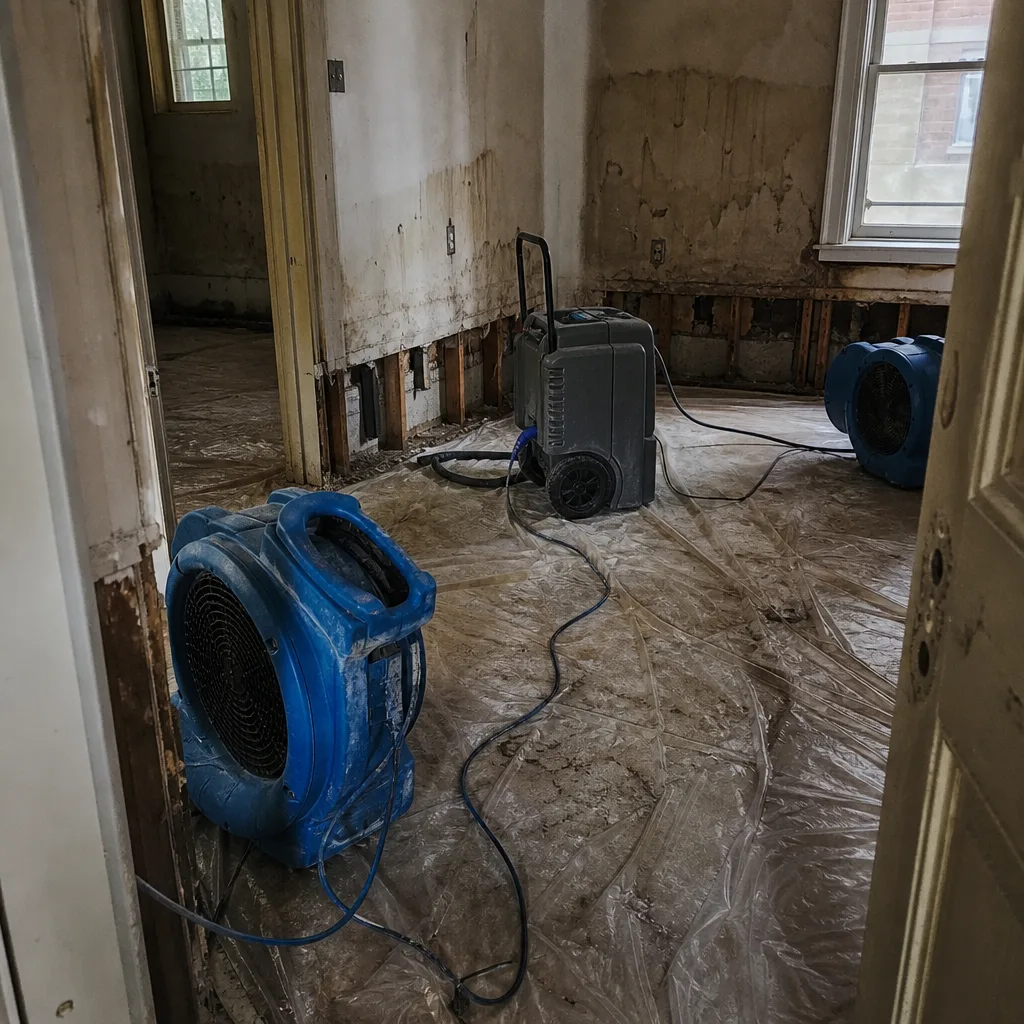 Before
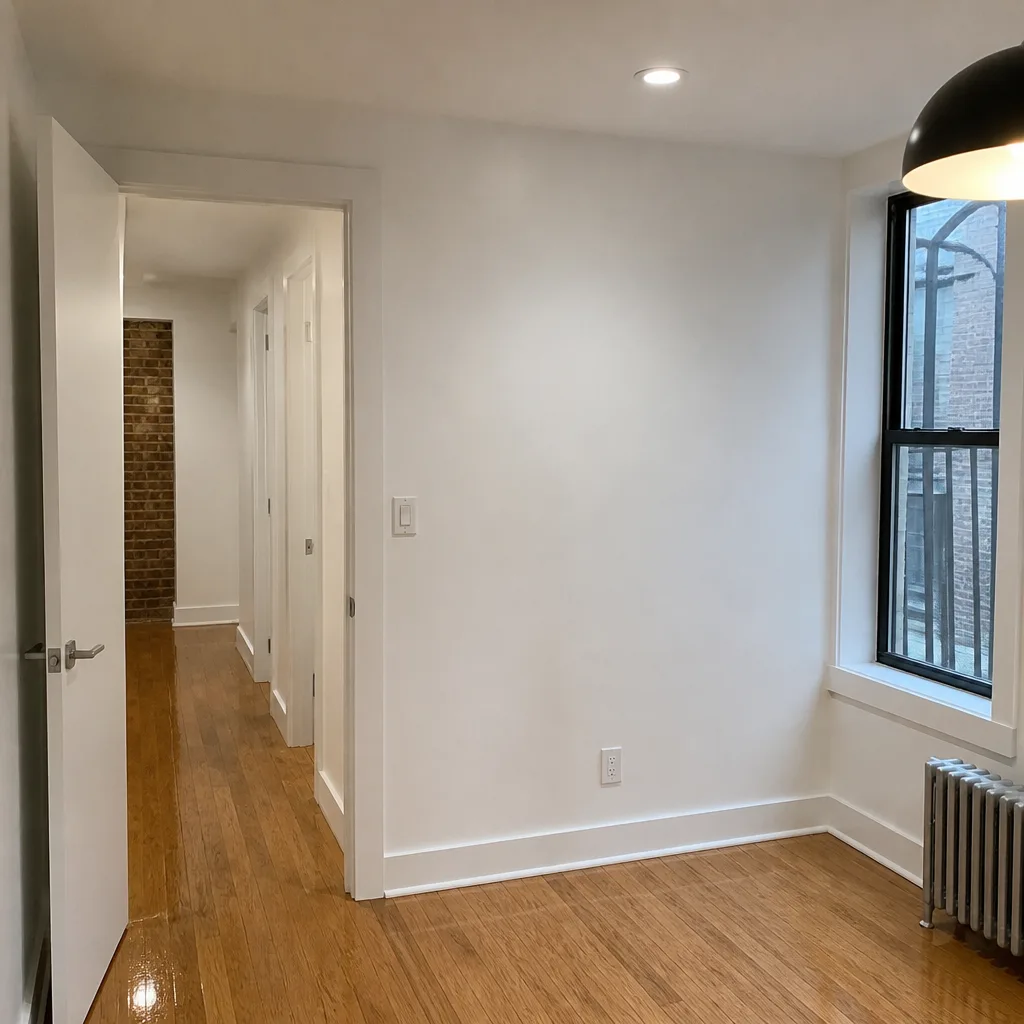 After
After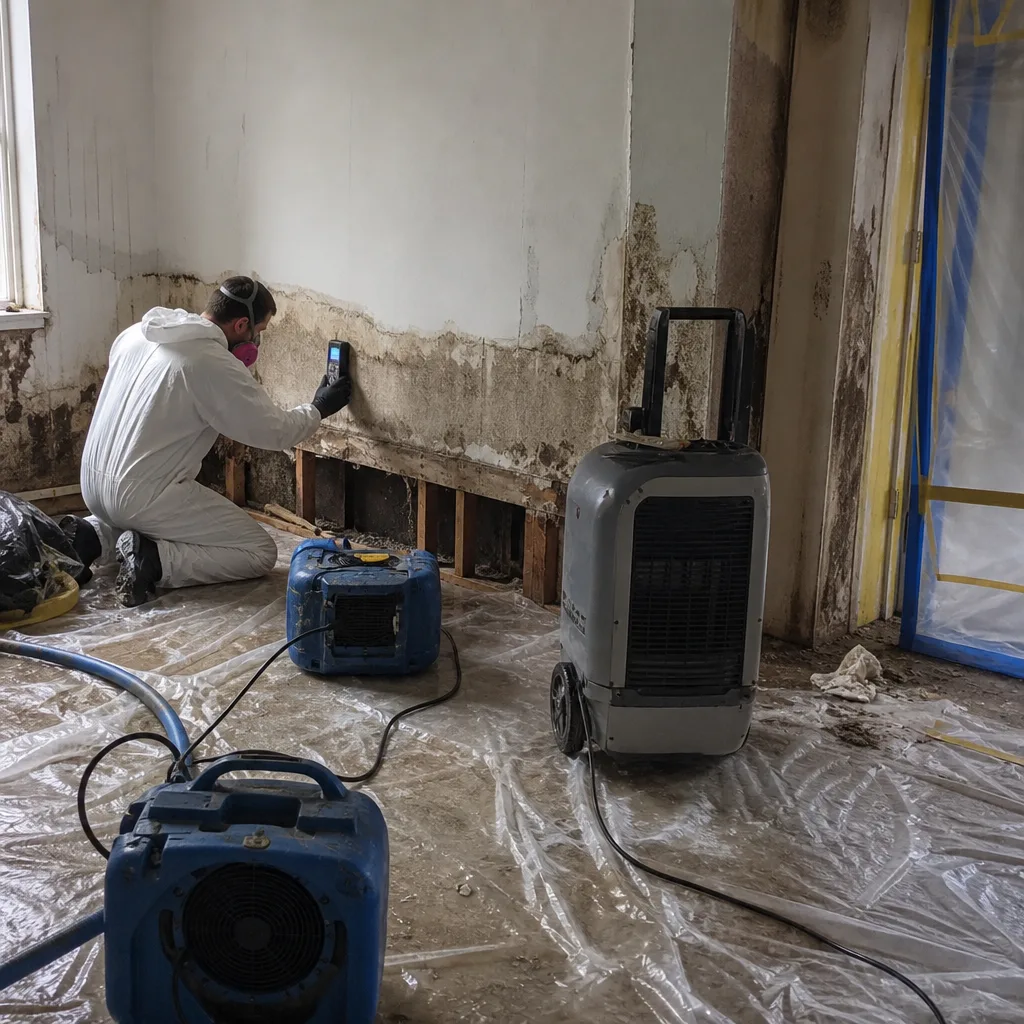 Before
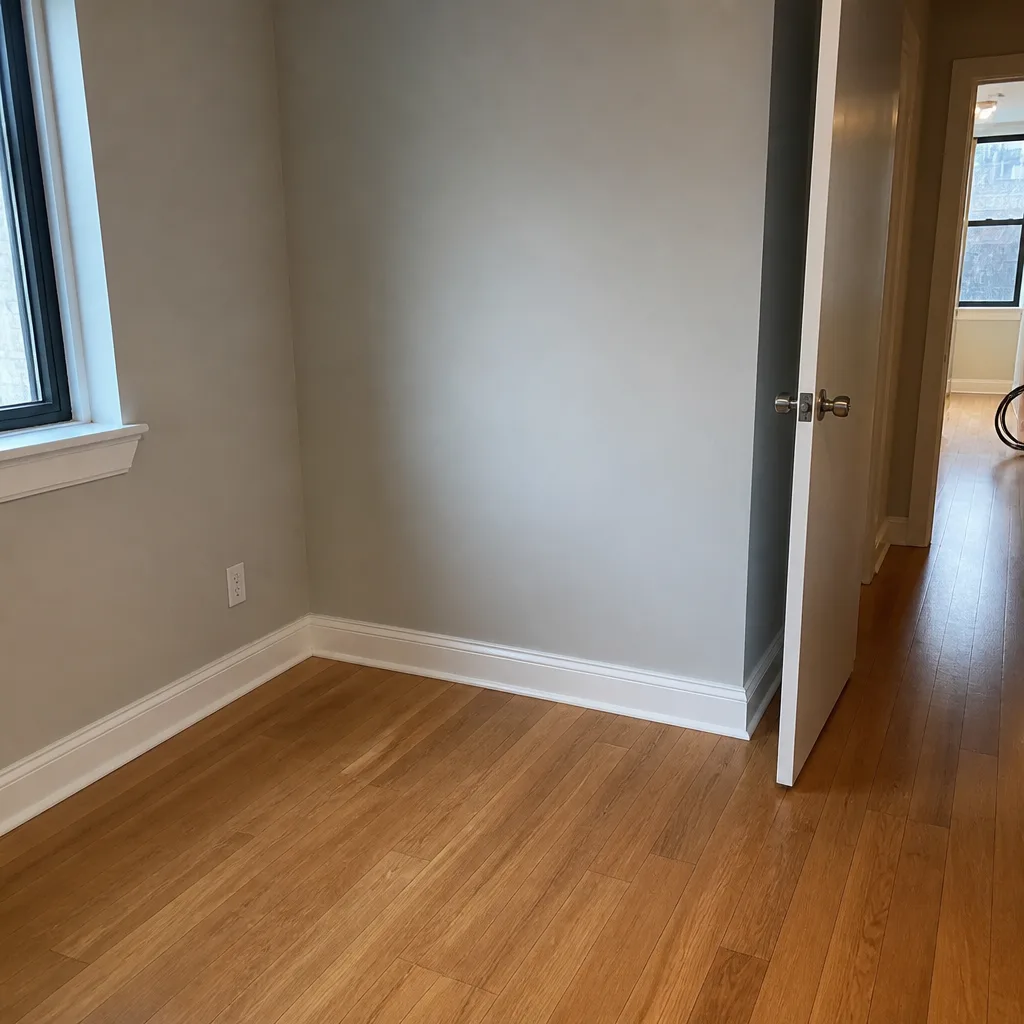 After
After24/7 Emergency Storm & Disaster Restoration in Upper East Side
Storm damage in Upper East Side moves fast, and the first call you make matters. Our crews are dispatched from our New York City office and reach Upper East Side properties quickly, around the clock. A live person answers at (845) 305-5737 at 2 a.m. the same way they do at noon. We do a free visual inspection, identify the source, and start extraction the same visit when it’s safe. In prewar co-ops off Park Avenue and East End Avenue, water travels down through stacked units within minutes. The first hour determines how much plaster, parquet, and millwork survives. That’s the honest measure we work to.
Understanding Storm & Disaster Restoration Severity in Upper East Side Properties
Storm damage in Upper East Side isn’t a single problem. It’s a sequence, and severity follows the water. Category 1 water from a broken supply line or blown-in rain is clean at first but degrades fast once it sits in horsehair-and-lath plaster. Category 2 carries contaminants from failed risers or detergent-laden appliance overflows. Category 3 arrives with storm surge, sewage backup, or river flooding near East End Avenue. Our technicians classify the water, map moisture with thermal imaging and hygrometers, and build the drying plan from that classification. In 1900-1940 co-ops, plaster absorbs moisture slowly and holds it deep. Ornamental moldings and herringbone parquet conceal water for days before visible staining appears. That’s why we don’t rely on visual checks alone. We read the walls.
Why Upper East Side Property Owners Choose Floodline Restoration Co.
- 45-minute response commitment: When weather hits Upper East Side, we move crews toward affected blocks before you finish dialing. Our dispatch board, not a sales desk, routes the nearest certified technicians.
- 24/7 live answer, always a person: No phone tree. No voicemail at 3 a.m. A dispatcher answers, takes the address, and starts the clock. You’ll hear a voice, not a recording.
- IICRC-certified crews: Our technicians hold WRT and FSRT certifications, with AMRT training for storm-related mold exposure. They’re background-checked and uniformed on every job.
- Free visual inspection: We assess the damage before any work is authorized. You get a clear written scope and a firm price before equipment enters your home.
- Direct insurance billing: We bill your carrier directly and hand you the documentation. No messenger role for you between Floodline and the adjuster.
- One team, extraction to reconstruction: The same crew that reads the moisture map on day one handles daily readings and rebuilds what needs rebuilding. No mid-job handoff. No inherited strangers.
Our Storm & Disaster Restoration Process
Inspection & Assessment
We walk the loss site, classify the water, map moisture across every affected surface, and mark the floodline. In co-ops, we identify which units are affected and how far water has traveled through riser chases and party walls. You get a written scope before any equipment starts.
Extraction & Stabilization
Standing water comes out first. Our team uses truck-mounted and portable extraction units to pull water from floors, baseboards, and saturated plaster. If storm damage has opened the envelope, we board up windows and tarp the roof to stop further intrusion.
Drying & Dehumidification
We position Dri-Eaz and Phoenix air movers and dehumidifiers based on the moisture map, not guesswork. In prewar Upper East Side buildings, drying cycles run longer because plaster and parquet release moisture slowly. Daily readings are logged and shared with you and your carrier.
Cleaning & Sanitization
Contaminated surfaces get treated with antimicrobial agents appropriate to the water category. HEPA air scrubbers run where storm debris or mold spores are present. We clean, don’t just dry. The difference matters in enclosed co-op hallways and air shafts.
Storm-Specific Treatment
Storm losses on the Upper East Side often bring wind-driven rain, roof leaks, and debris impact. We address the intrusion point itself: ridge vents, parapet flashing, terrace drains, skylight gaskets. Drying the interior without sealing the exterior means the problem returns with the next storm.
Repairs & Restoration
Once the dry standard is met, the same crew rebuilds. That means matching ornamental plaster profiles, sourcing compatible herringbone parquet, and coordinating with Landmarks Preservation Commission requirements where buildings fall under historic district oversight. We finish what we started.
Need Emergency Storm & Disaster Restoration in Upper East Side Now?
Crews minutes away, answering live 24 hours a day. The sooner we start, the less it costs.
Working With Your Insurance Company
Storm and disaster claims on the Upper East Side involve more than one policy more often than people expect. In co-ops, the building’s master policy may cover common infrastructure like risers and roof membranes, while your HO-6 policy picks up finishes, personal property, and loss assessment. We document from the first hour so both carriers see the same facts. Our team photographs every affected room, records moisture readings at each visit, and writes a line-item scope that adjusters recognize. We speak with them directly. You don’t carry messages between Floodline and the carrier. If the adjuster needs a drying log in a specific format, we provide it.
What We Provide Your Insurer
- Thorough documentation of the loss
- Photos of all damage, room by room
- Moisture readings and drying logs
- A detailed, line-item scope of work
- Direct coordination with your carrier
Built for Upper East Side’s Loss Calendar
The Upper East Side sees distinct storm-related damage by season, and the buildings themselves shape how that damage moves. January deep freezes crack aging galvanized risers and uninsulated supply lines in prewar walls. The thaw comes in March and April, when rooftop water-tank housings and parapets that froze all winter finally leak into top-floor units. Summer thunderstorms overwhelm terrace drains along Fifth Avenue and Park Avenue, sending water through roof membranes and down interior chases. Nor’easters in fall and winter drive wind-blown rain against east-facing facades on York and East End Avenues, where chronic East River humidity already keeps basements and mechanical rooms damp. Each season has a signature. We’ve learned them from running calls in this neighborhood, building by building.
Storm & Disaster Restoration Across Upper East Side’s Neighborhoods
Response routes matter. We know the difference between a call near the Metropolitan Museum of Art and one off Yorkville’s quieter side streets. Around Carnegie Hill and the historic district boundary, restoration often involves Landmarks Preservation Commission compliance, and material matching dictates the rebuild as much as the drying plan. Along East End Avenue, buildings sit close to the East River and battle elevated humidity year-round, so stormwater intrusion doesn’t evaporate on its own. In Lenox Hill, mid-rise co-ops with central elevator banks may restrict equipment movement to freight elevators with scheduled windows. Around the 10028 and 10075 zip codes, dense high-rise buildings mean one broken riser affects ten or more stacked units, and we sequence drying across all of them at once. That’s not a national-franchise playbook. It’s Upper East Side restoration.
Specialized Storm & Disaster Restoration Services We Offer in Upper East Side
Flood Damage Restoration
Flooding in Upper East Side co-ops rarely stays on one floor. A failed cast-iron riser off East End Avenue can saturate horsehair-and-lath plaster across five or more stacked units before anyone notices. Our Storm & Disaster Restoration team maps moisture in every affected unit, runs Dri-Eaz dehumidifiers and Phoenix air movers within board-approved work hours, and logs readings to satisfy both the building’s master policy carrier and each shareholder’s HO-6 adjuster.
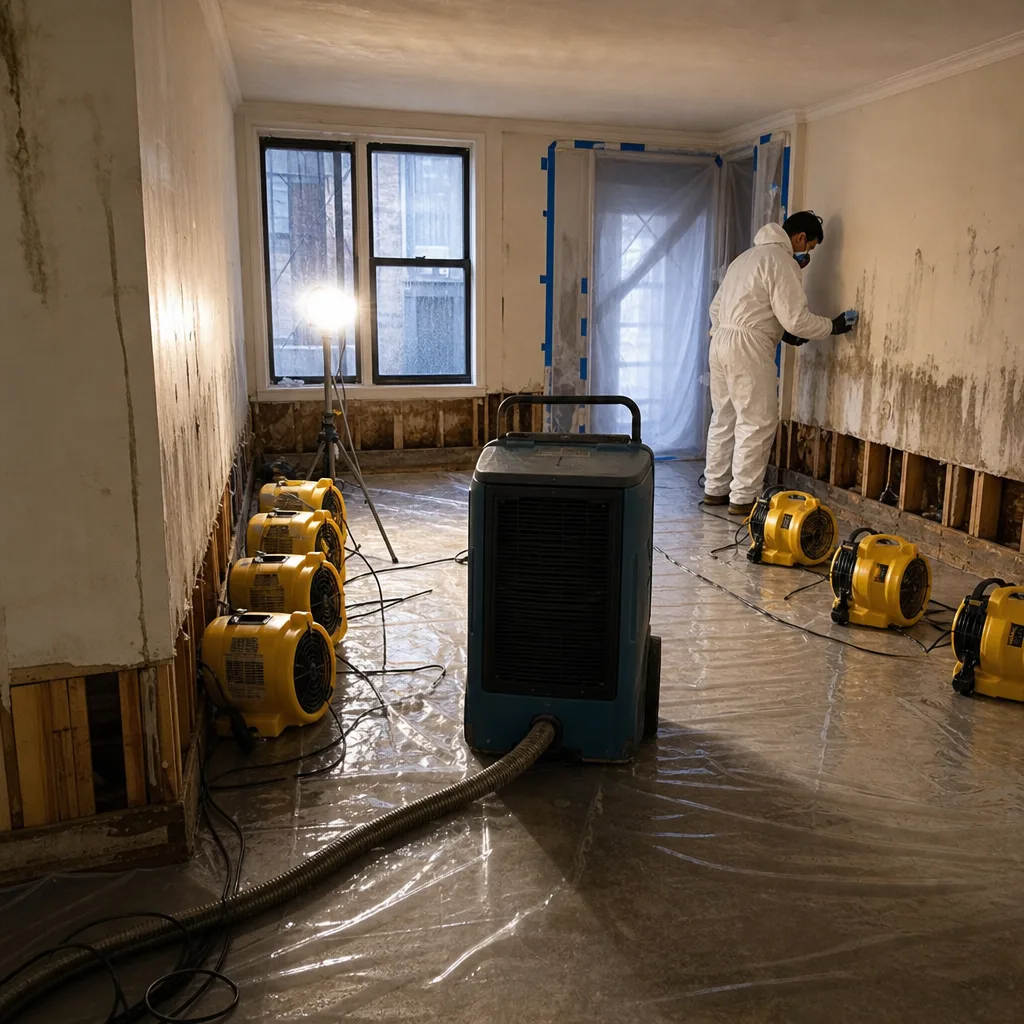
Storm Damage Cleanup
Debris, water, and wind-blown soot leave more than mess. We remove storm-blown debris, extract standing water, and clean surfaces before mold has a chance to establish. In prewar buildings with shared air shafts, contaminants from one unit can circulate through the stack. We treat affected areas with antimicrobials and run HEPA air scrubbers where needed.
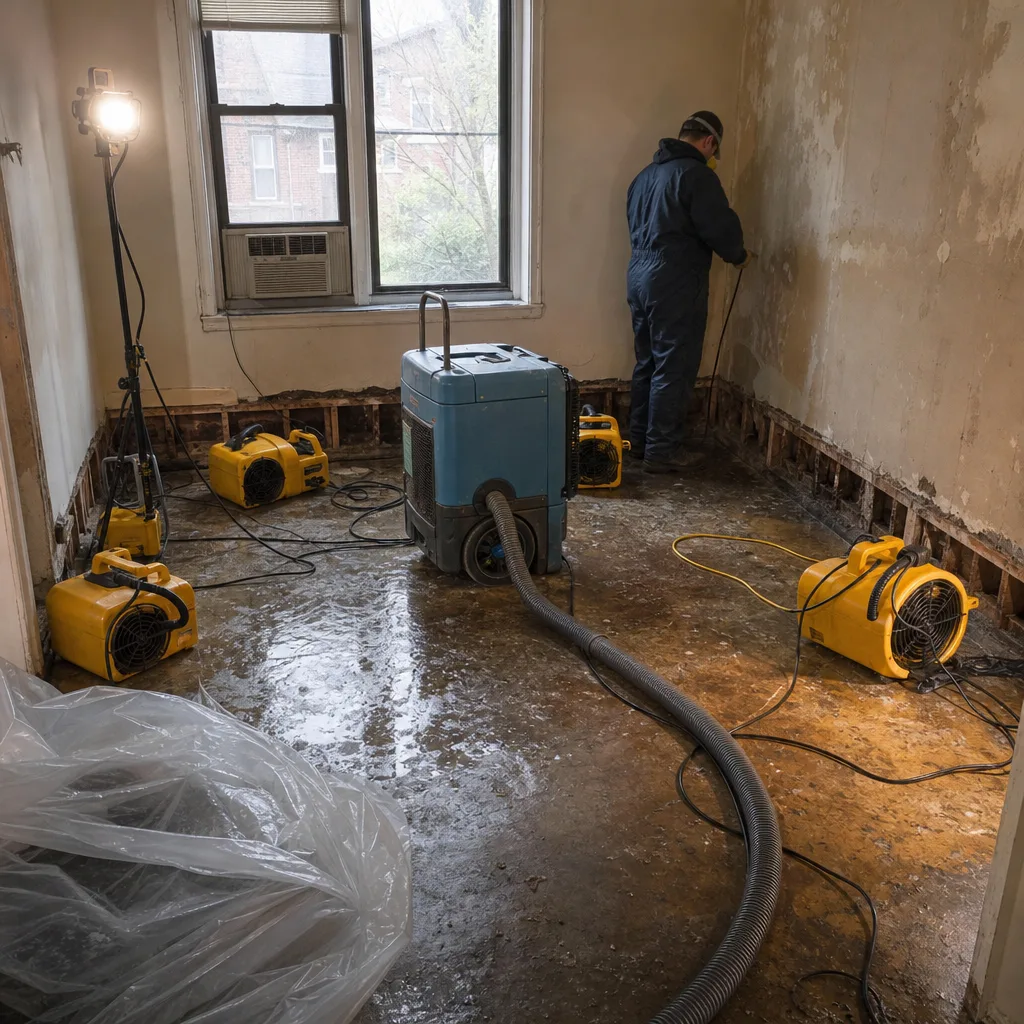
Emergency Board-Up
A broken window on the 14th floor of an Upper East Side high-rise isn’t a DIY job. We board up storm-broken windows, skylights, and terrace doors to stop further water intrusion and secure the unit. In co-ops, we coordinate building access and work-hour restrictions with the super and board before crews arrive, so the job doesn’t stall at the service entrance.
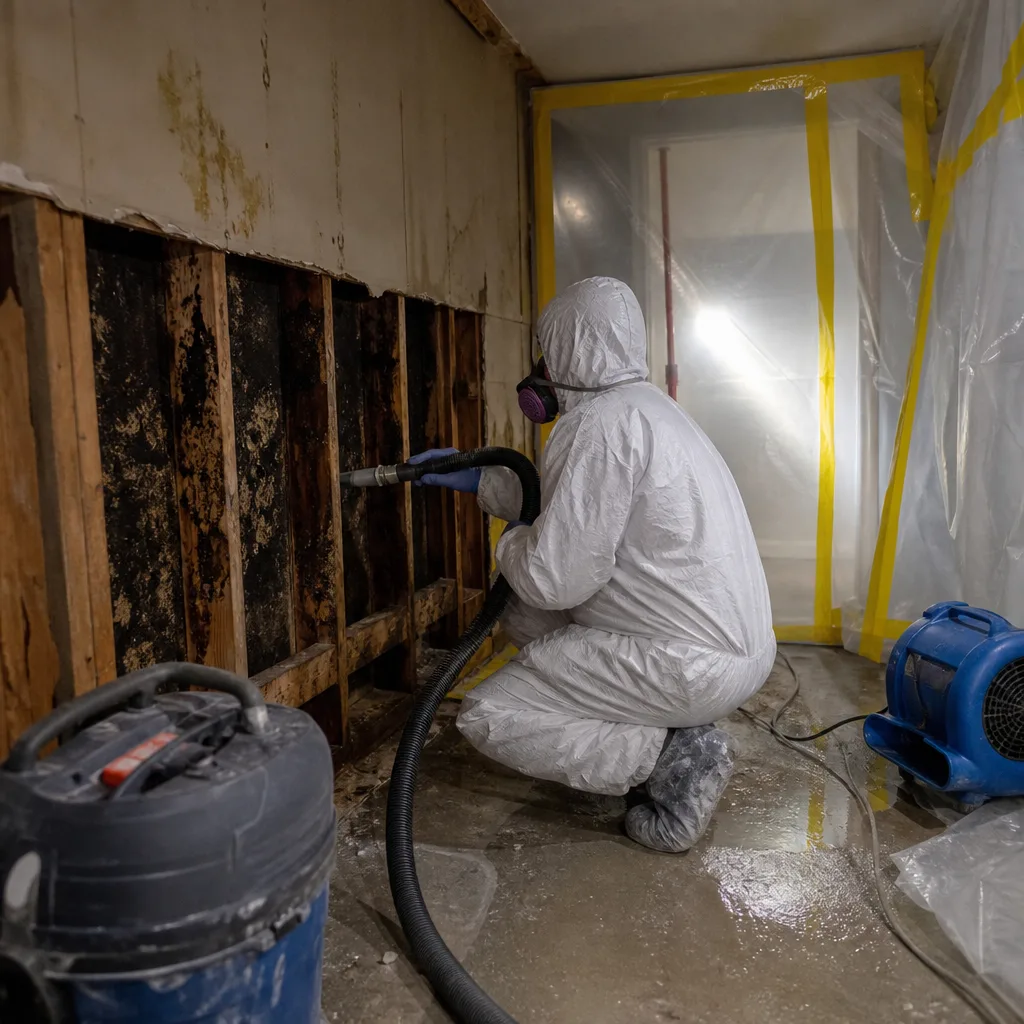
Roof Tarping
When wind tears membrane off a roof or parapet flashing fails, water enters through the top and travels down. We tarp affected roof sections the same day, anchored securely against East River winds. The tarp buys time for a permanent repair while we dry the interior. In historic buildings near Fifth Avenue, we use non-invasive anchoring that doesn’t damage existing roofing or masonry.
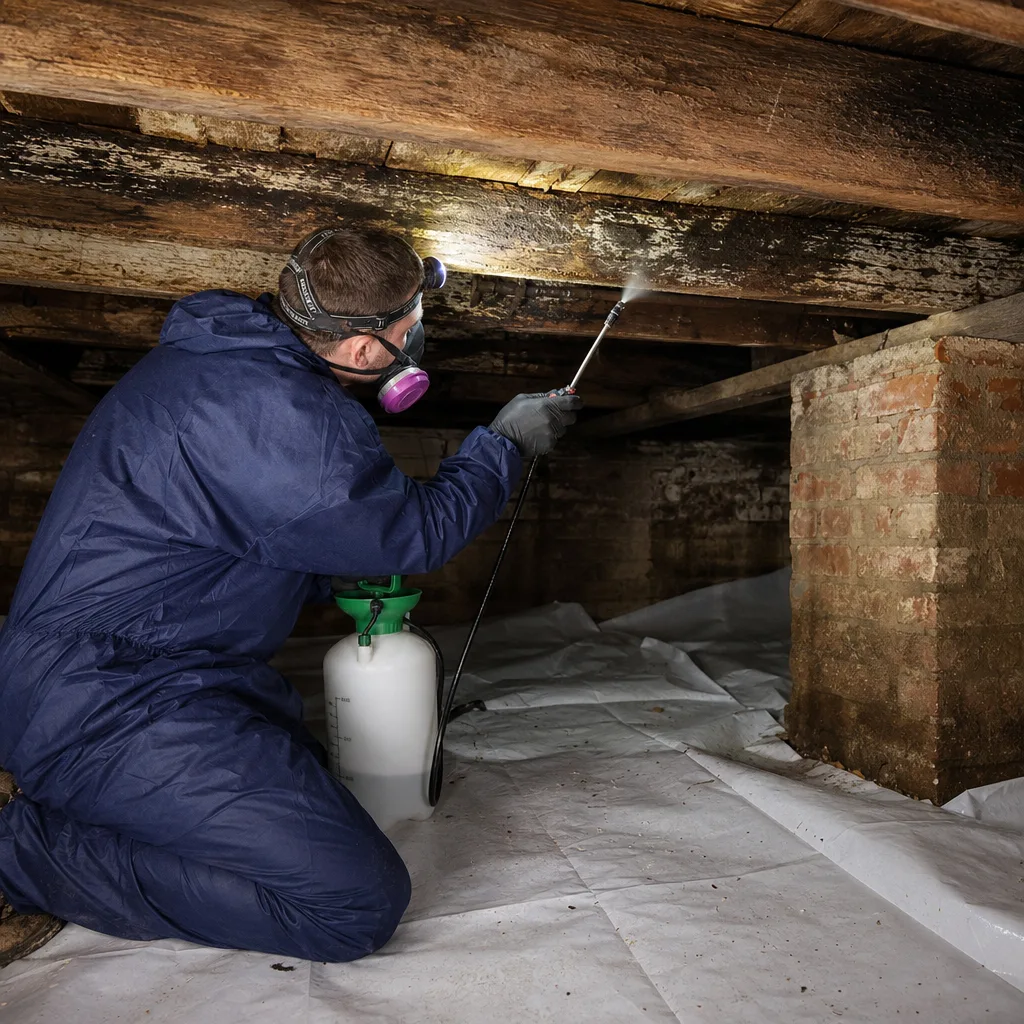
Debris Removal
High winds and falling ice send tree limbs, signage, and construction debris onto Upper East Side facades and terraces. We remove debris, assess impact damage, and document everything for your carrier. Safety comes first. Our crews wear proper PPE and secure the area before starting. When debris has breached the building envelope, we stabilize the opening and move to interior drying immediately.
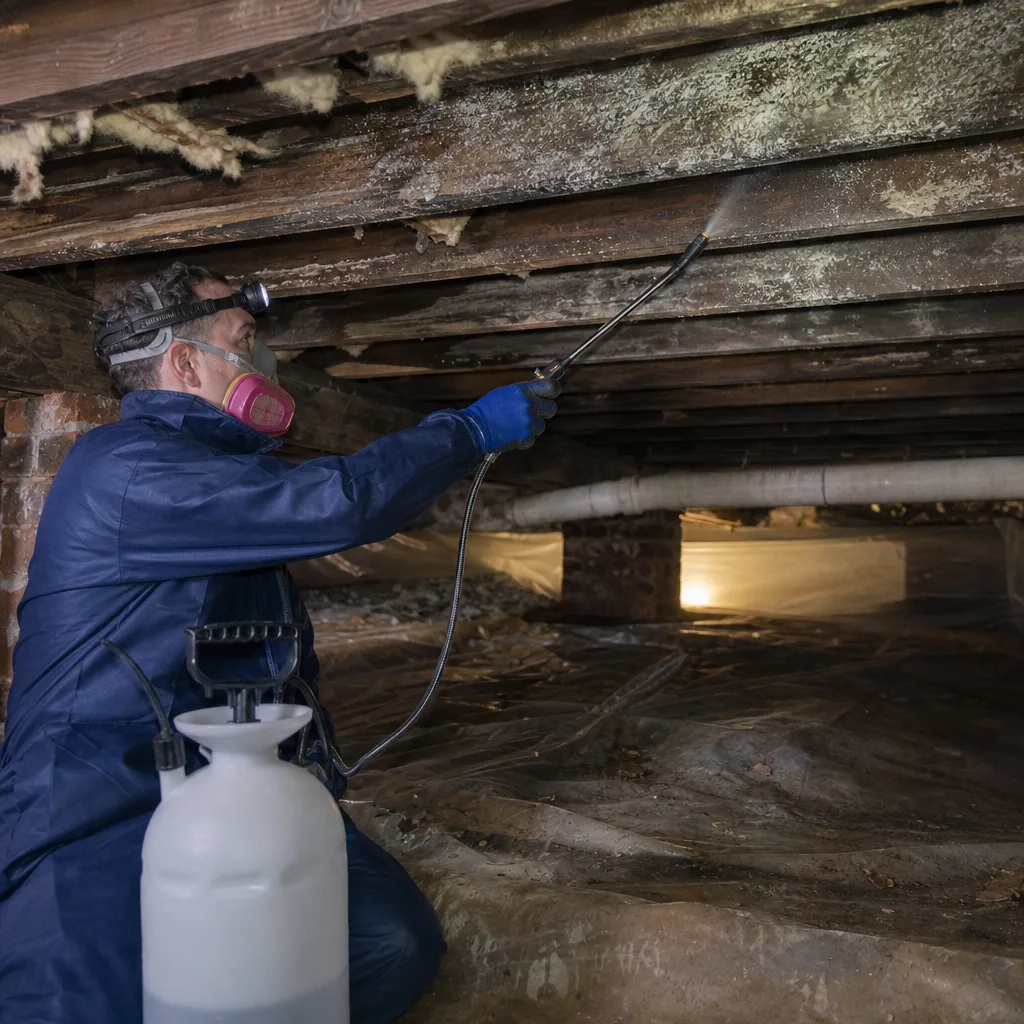
What happens when you call
- 1
A real person answersNo phone trees - you reach a local pro.
- 2
You get an upfront price rangeHonest numbers before anyone is dispatched.
- 3
A background-checked tech heads outLicensed & insured, dispatched right away.
- 4
You approve before work beginsNothing starts until you say go.
Storm & Disaster Restoration Costs in Upper East Side, NY
Storm and disaster restoration in Upper East Side runs higher than outer-borough pricing, and the building stock explains most of it. Horsehair-and-lath plaster dries slower than drywall, so equipment runs longer. Board rules restrict work hours, compressing the schedule but extending the calendar. In a typical 1,200-square-foot co-op apartment, flood damage restoration from a burst riser or overflow typically runs $4,500-$9,800 for extraction, drying, and basic finish repair. Category 3 water from a storm surge or sewage backup pushes higher, commonly $8,000-$18,000, with full reconstruction above that when ornamental plaster or herringbone parquet must be matched. Roof tarping after wind damage starts around $1,200-$2,500 for a standard terrace or partial roof section. Emergency board-up runs $600-$1,400 depending on window count and floor height. A free visual inspection gets you a firm written scope before any work begins. Call (845) 305-5737 and we’ll walk the property with you.
We Also Serve Cities Near Upper East Side
Our crews respond throughout the surrounding borough. If you’re in Storm & Disaster Restoration in Upper East Side or nearby, we cover Upper West Side, Upper Manhattan, Morningside Heights, and Central Harlem with the same 24/7 live dispatch and IICRC-certified crews. The building stock differs from block to block, but the standard doesn’t.
Serving Upper East Side, NY - Our Local Coverage Area
We’re based in the Upper East Side area and know this community well. Use the map below to see our service coverage - if you’re nearby, we can almost certainly help.
Upper East Side Storm & Disaster Restoration Questions, Answered
How do Upper East Side co-op work-hour rules affect the drying timeline after a storm or riser leak?
Upper East Side co-op boards commonly prohibit restoration work before 8 a.m. and after 5 p.m. on weekdays, and many ban weekend work entirely. That compresses the daily drying window to roughly nine hours. The timeline stretches longer than a suburban job, but the drying standard doesn’t change. We run multiple air movers and dehumidifiers simultaneously across affected units during allowed hours and document moisture readings densely enough that the adjuster sees continuous progress despite the restricted schedule. Call (845) 305-5737 to discuss your building’s specific rules.
Who is responsible for water damage restoration in an Upper East Side co-op-the building or the shareholder?
It depends on where the water originated and what it damaged. In most co-ops, the building corporation’s master policy covers common infrastructure like risers, roof membranes, and exterior walls. The shareholder’s HO-6 policy covers interior finishes, personal property, and often betterments. A burst galvanized riser inside a wall may be the building’s responsibility at the pipe, while the saturated plaster and parquet in your unit fall under your HO-6. We document the source and the spread so both carriers see a clear picture, and we bill directly. Contact us for a free visual inspection if you’re unsure where the line falls.
Can restoration work in a Carnegie Hill Historic District building use standard materials like drywall?
In a Carnegie Hill Historic District building, standard drywall and modern finishes may trigger Landmarks Preservation Commission violations. Replacement materials must usually match the original condition: ornamental plaster profiles, compatible parquet, period-appropriate moldings. We assess what’s present before demolition begins and coordinate with the board and, where required, the LPC. Matching materials is slower and costs more, but it’s the only path that keeps your co-op compliant and your unit’s value intact. We’ve done this work on Fifth and Madison Avenue buildings under active LPC oversight.
How do you handle category 2 or 3 water from a failed cast-iron riser in a prewar UES high-rise?
Category 2 or 3 water from a failed riser carries contaminants. We treat it as a contaminant event, not a clean-water extraction. That means personal protective equipment for our crew, antimicrobial treatment on affected surfaces, and HEPA air scrubbing where the water has aerosolized into shared air shafts or chases. Horsehair-and-lath plaster does not get a surface wipe and a pass. We map the moisture deep into the wall cavity, dry to the standard, and remove materials that can’t be salvaged. In stacked-unit riser failures, we sequence work across all affected apartments simultaneously. This is the work we do regularly off East End Avenue and York Avenue.
Why do East End Avenue and York Avenue buildings have recurring basement moisture problems even without a storm?
Buildings along East End Avenue and York Avenue sit close to the East River on former marshland. The water table stays high, and the river pushes ambient humidity through foundation walls and basement mechanical rooms year-round. Older buildings with brick or stone foundations wick groundwater through capillary action, keeping basement walls damp even in dry weather. During storms, the problem compounds: saturated ground plus high humidity means basement spaces don’t dry naturally. We address it with perimeter drying, dehumidification, and, where needed, vapor barrier intervention, always documented against the dry standard so the carrier sees a measurable outcome.
How fast can you actually reach an Upper East Side property during a storm?
Our dispatch board tracks crew locations across Manhattan in real time. When a storm hits Upper East Side, we’re routing toward affected blocks immediately. Most calls get a crew on site within 45 minutes of the phone call, traffic and building access permitting. A live person answers at (845) 305-5737 and starts the clock. In a co-op, we coordinate with the super or doorman while en route so the service elevator and access are ready when we arrive. For rooftop and terrace breaches, we tarp the opening the same visit.
Do I need full restoration or just a cleanup after a storm?
It depends on the water category and how deep it traveled. A small window leak that hit tile and was extracted within hours may need only cleaning and drying. A riser break or storm surge that saturated plaster and parquet needs full structural drying, material removal where necessary, and rebuild. We don’t oversell. Come do a free visual inspection, we map the moisture, and we tell you exactly what’s needed. If cleanup is enough, that’s what we recommend. We put it in writing before any work starts, and our 90-Day Done Right Promise backs the result.
What should I do in the first 30 minutes after storm damage in my Upper East Side apartment?
Call us first. While we’re en route, shut off power to affected areas if water is near outlets, move small valuables and rugs to dry areas, and take photos with your phone for your own record. Don’t attempt to unplug appliances in standing water. Don’t open walls or pull up flooring yourself; you may damage salvageable materials or disturb LPC-protected finishes. In a co-op, notify your super and building staff so they can shut off riser valves if needed. Then let us handle it. We’re answering live at (845) 305-5737.
We responded to a burst galvanized riser in a prewar co-op off East End Avenue, where category 2 water had saturated horsehair-and-lath plaster and herringbone parquet across five stacked units. Our techs ran air movers and dehumidifiers continuously between 8 a.m. and 5 p.m. weekdays only, per board rules, while documenting moisture readings every four hours and coordinating pack-out of custom millwork to meet the adjuster’s drying log requirements for pre-loss condition. That’s what Upper East Side restoration actually looks like. Done right, and backed in writing.
Written by Curt Bowman, Owner at Floodline Restoration Co., serving Upper East Side with 24/7 storm and disaster restoration.