

Free visual inspection and a written scope of work before any mitigation begins - photos, moisture readings, and drying logs go in your claim file
The scope we write is the scope we bill. Anything new gets shown to you, in writing, before we touch it.
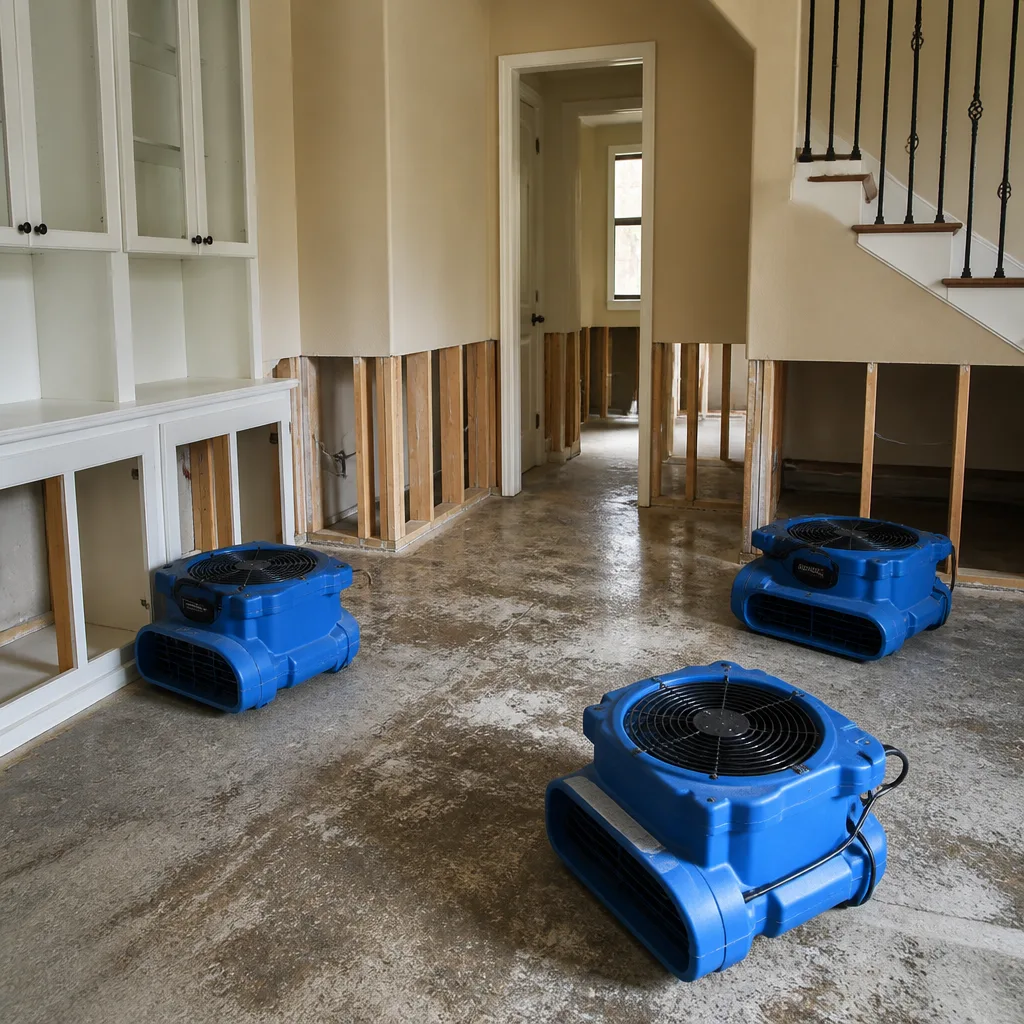
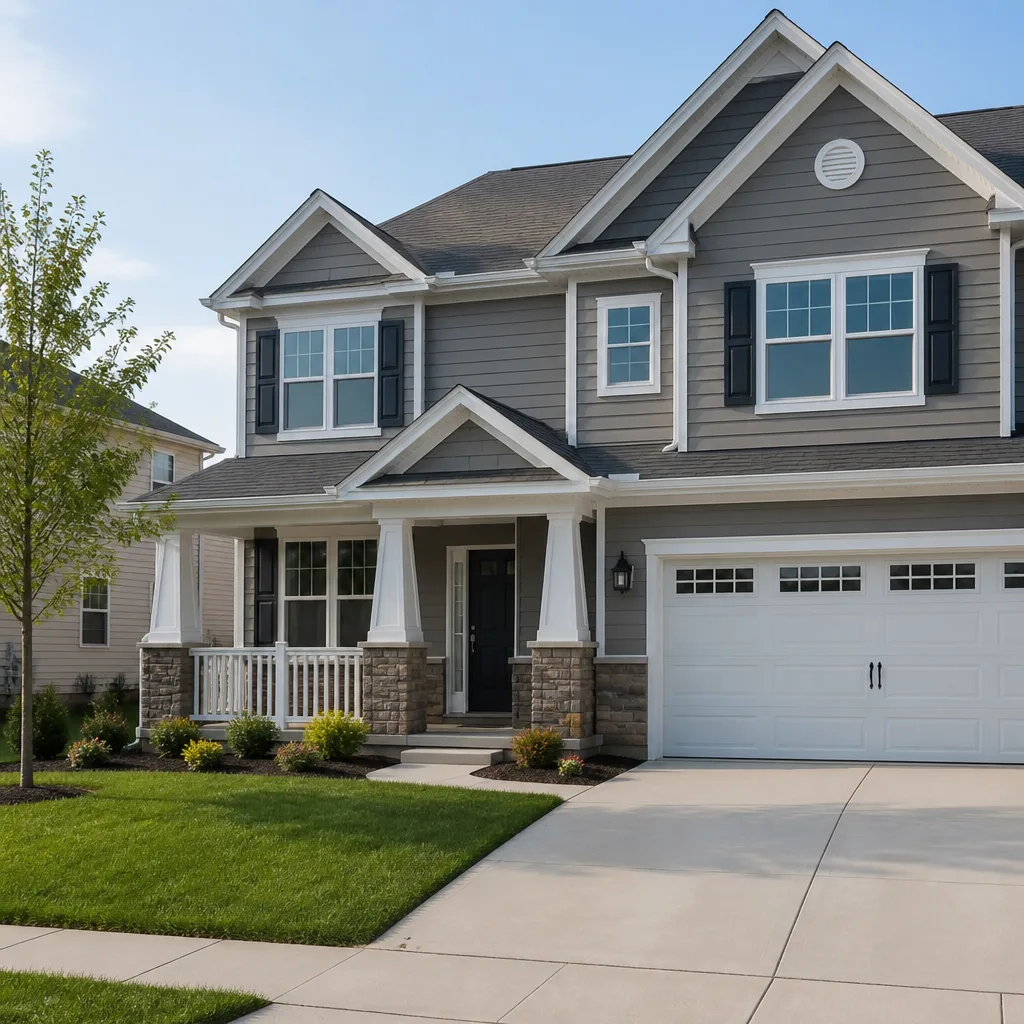
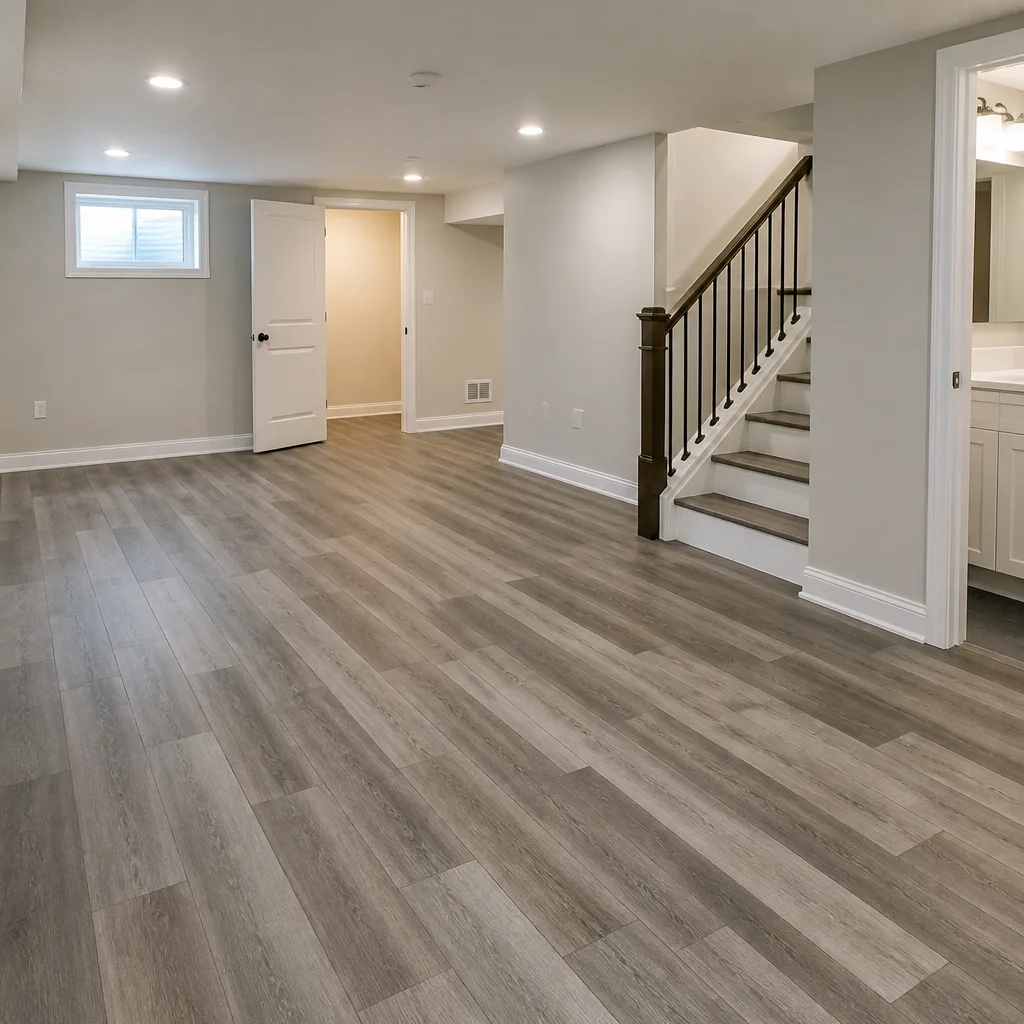
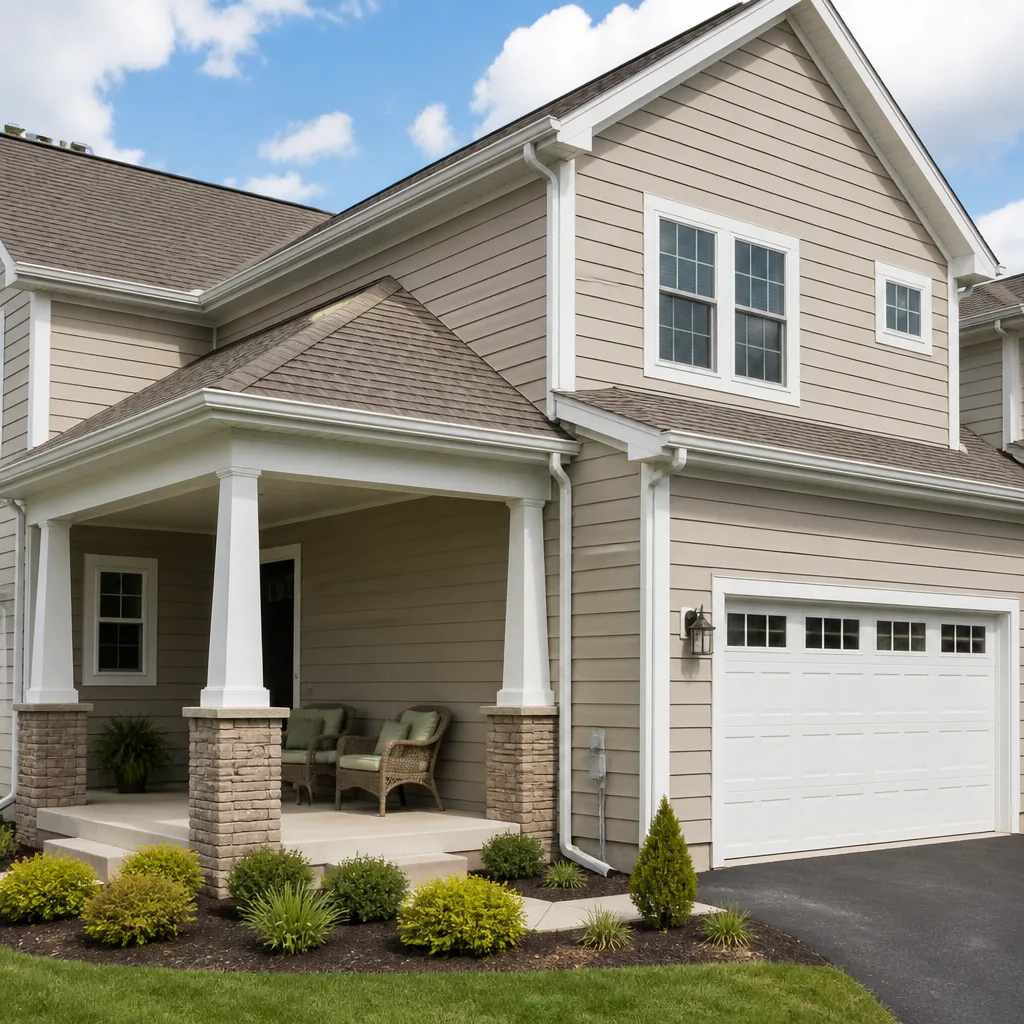
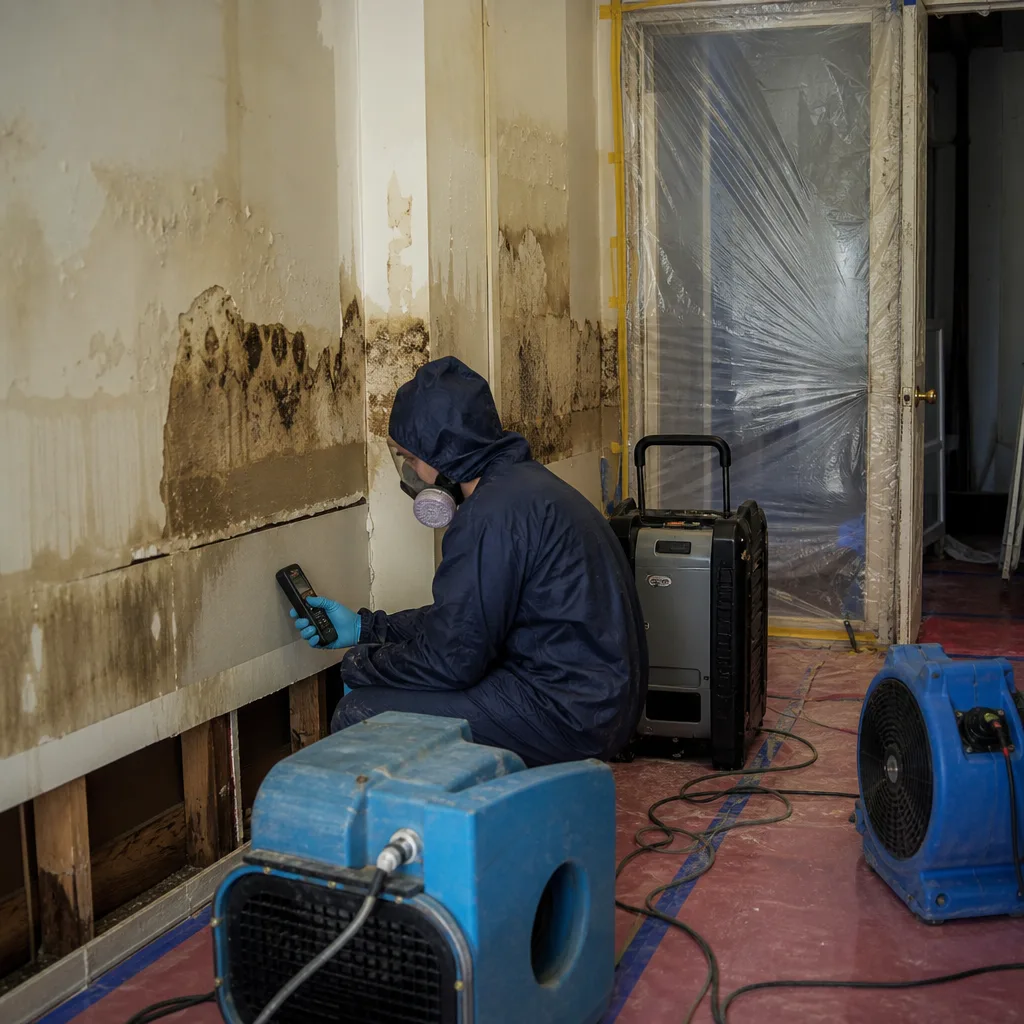 Before
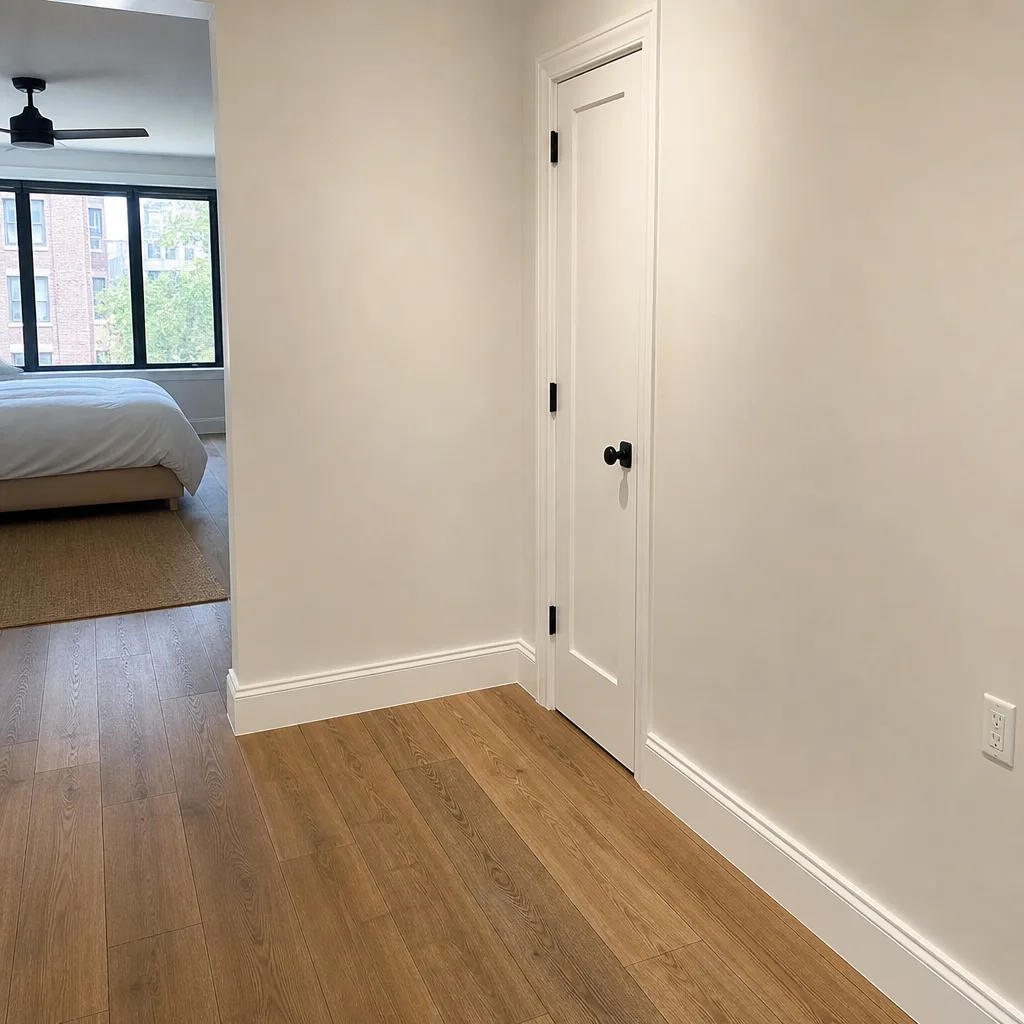 After
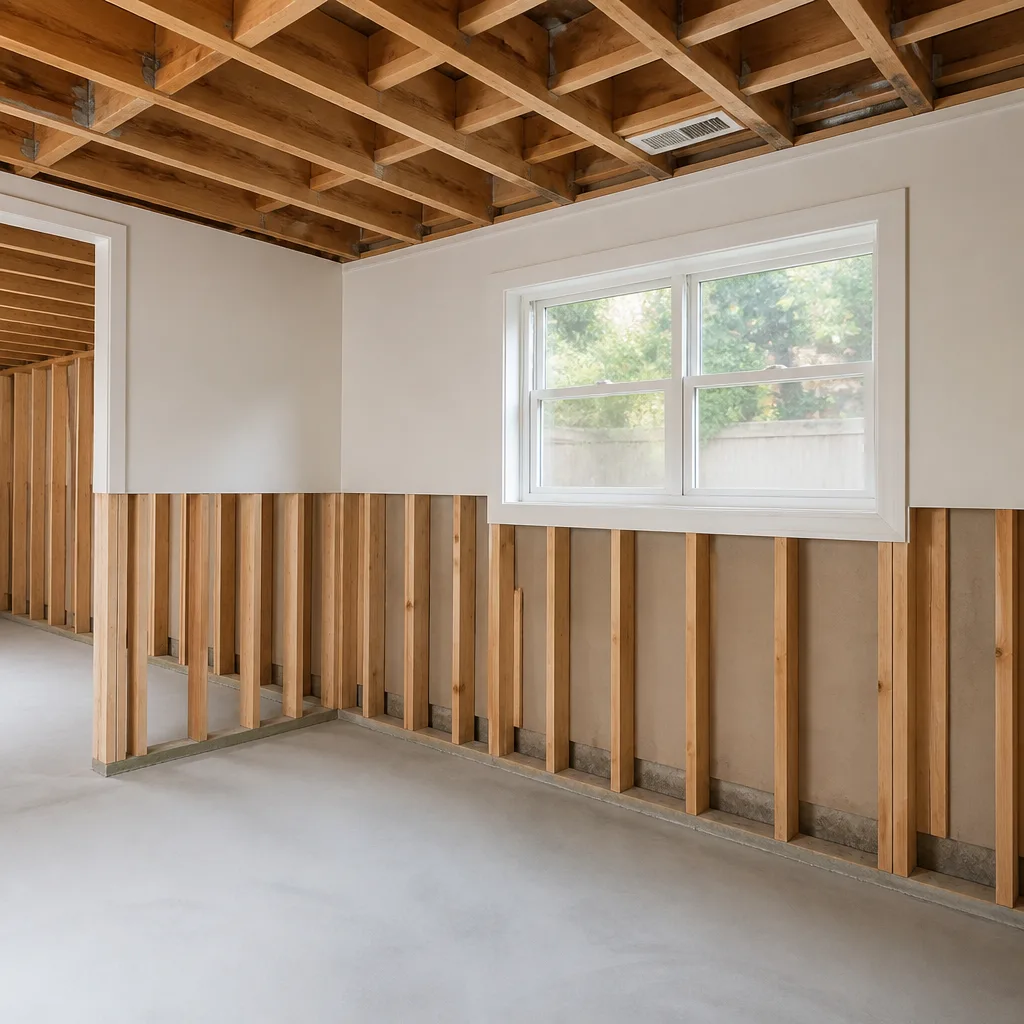
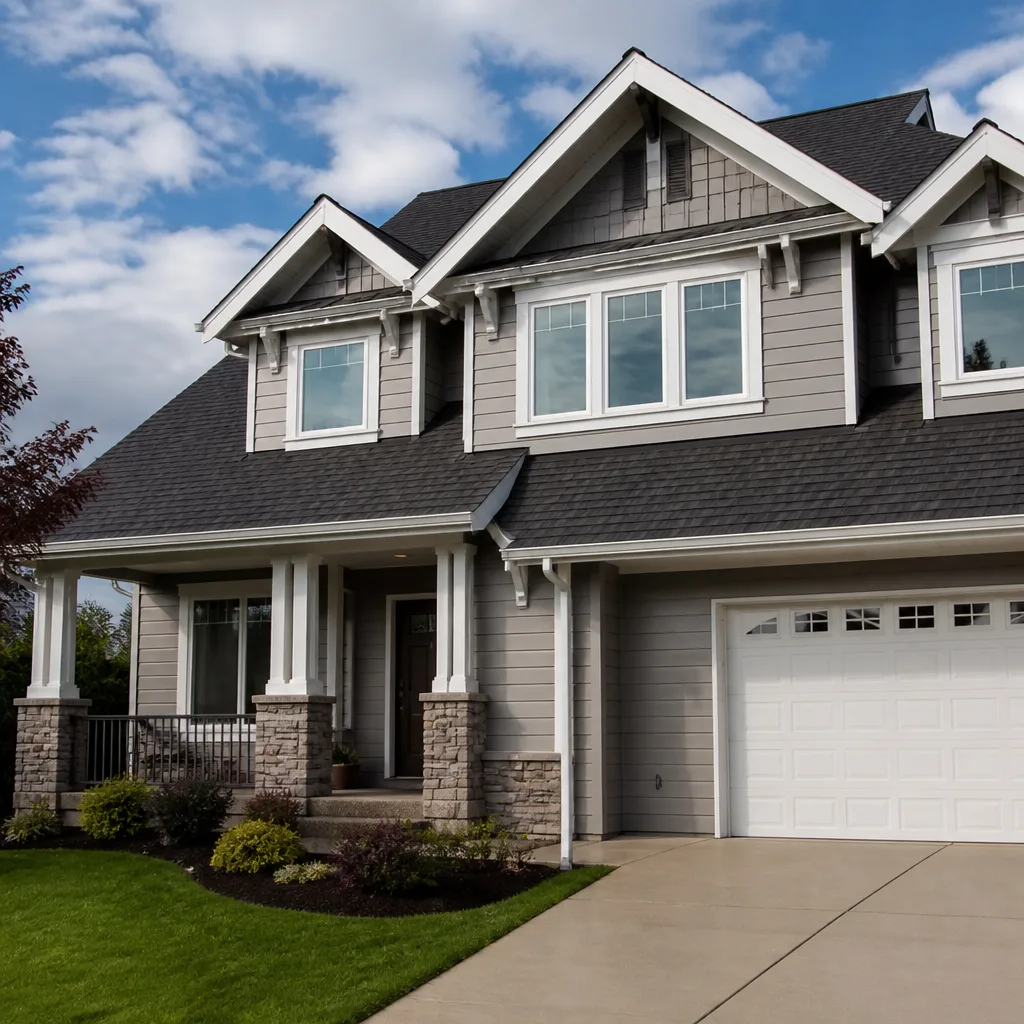
After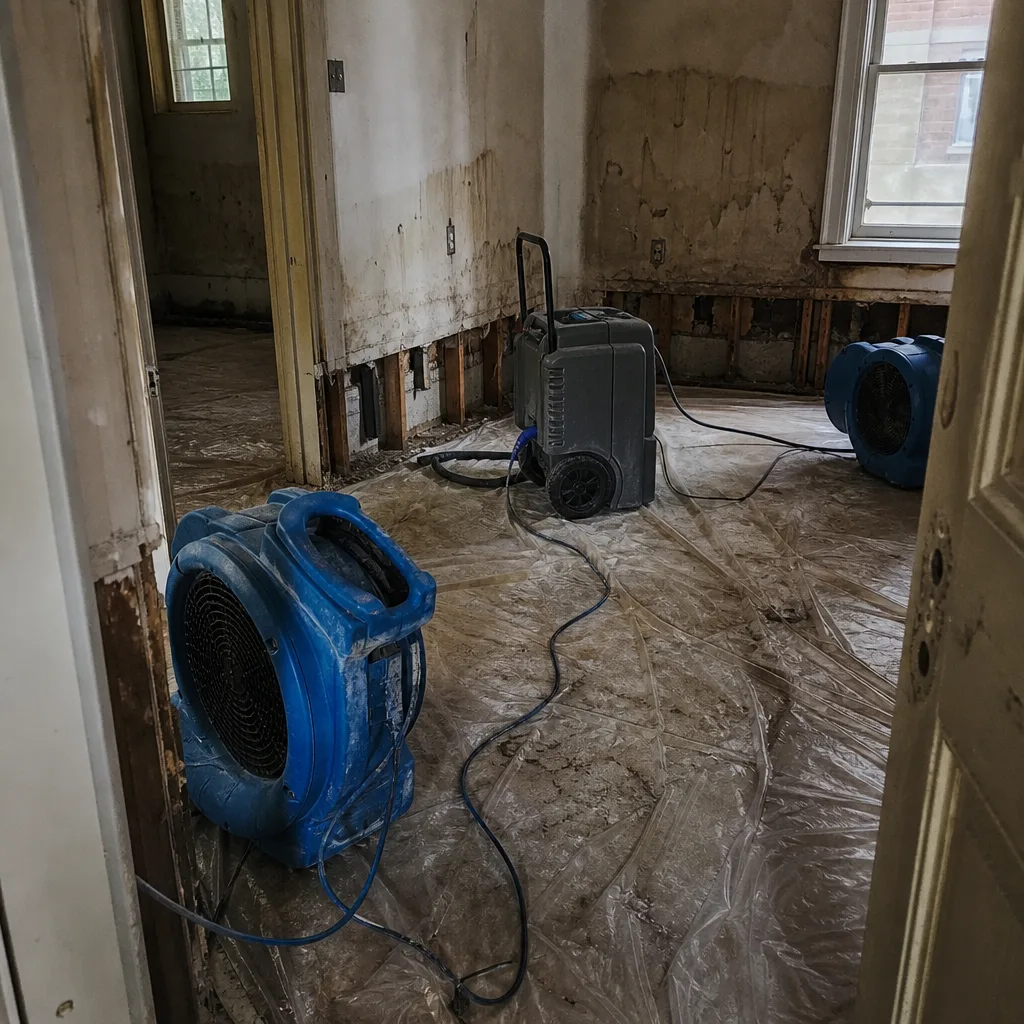 Before
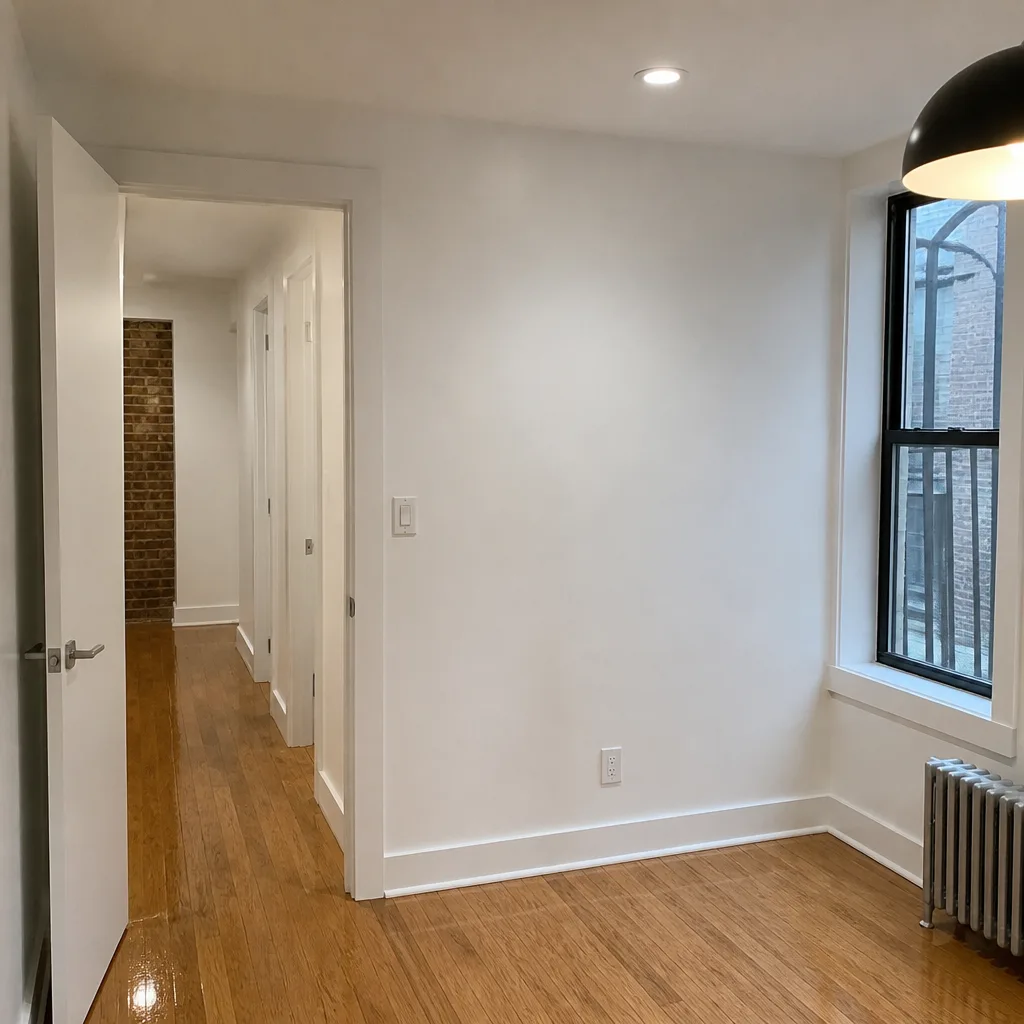 After
After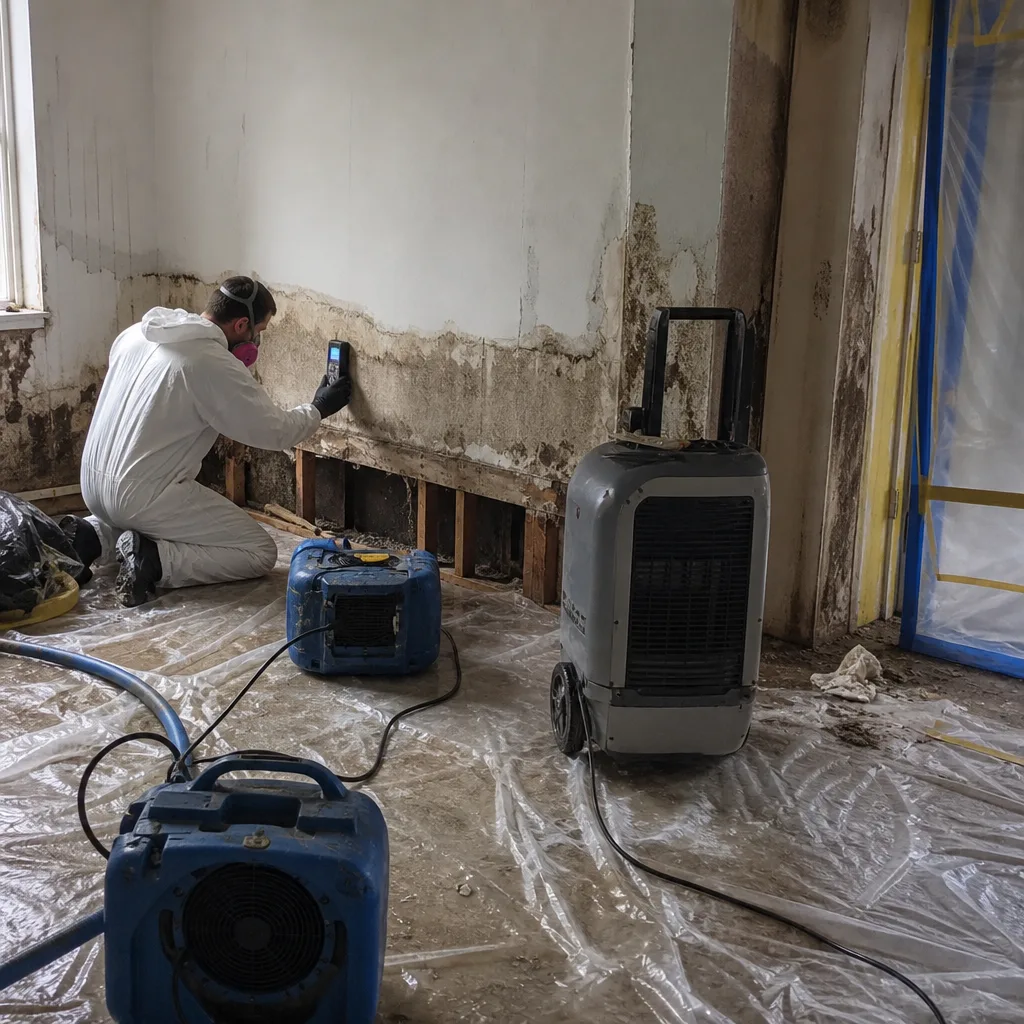 Before
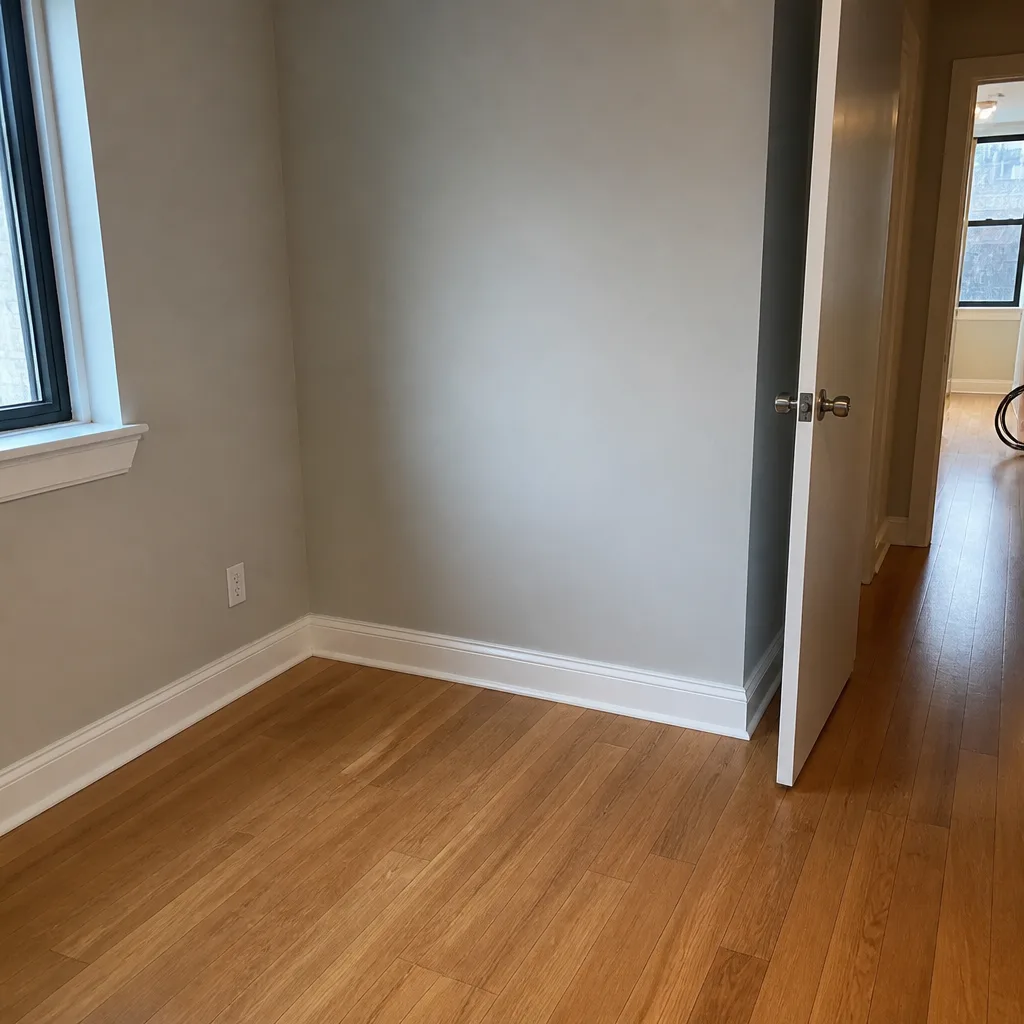 After
After24/7 Emergency Storm & Disaster Restoration in Morningside Heights
Storm and disaster restoration in Morningside Heights usually starts with a call at the worst possible hour. A live dispatcher answers (845) 305-5737 day or night, and a certified crew is dispatched into the neighborhood immediately. The first hour determines whether you’re looking at quick extraction and drying or a gut to the studs, because water moves fast through pre-war plaster and chases the same channels as the original plumbing risers. We arrive, assess the damage honestly, and start containment right away. The inspection is free, and we’ll tell you exactly what you’re facing without making it sound worse than it is.
Understanding Storm & Disaster Restoration Severity in Morningside Heights Properties
The age and construction of Morningside Heights buildings change how we classify every loss. A Category 1 break from a supply line in a 1920s six-story co-op becomes Category 2 the moment it passes through a plaster ceiling, picking up decades of dust, horsehair, and whatever settled in the original lath cavity. A Category 3 loss here typically comes from the common-area drains in older basements, where a storm surge backs up the building’s original cast-iron waste line and pushes sewage-tainted water across flooring systems that were never designed for any water at all. We don’t guess. We moisture-map every affected cavity with thermal imaging and hygrometers, because a pin-type meter calibrated for drywall misreads plaster and lath badly. This is why so many “dried” pre-war walls in Morningside Heights come back with hidden mold nine months later.
Why Morningside Heights Property Owners Choose Floodline Restoration Co.
- 45-minute response commitment – our dispatch board is built around getting a certified crew in a marked vehicle to your Morningside Heights building within 45 minutes of the call, not scheduling you in for “sometime tomorrow.”
- 24/7 live answer, never an automated system – a real person picks up at 2 a.m. on Thanksgiving. You’ll never sit through a phone tree while water spreads through a bedroom on 112th Street.
- IICRC-certified crews, including WRT and ASD – every technician is trained to Water Restoration Technician and Applied Structural Drying standards, and certified to IICRC, RIA, and IFA benchmarks.
- Free visual inspection – we walk the space, give you a straight answer about what’s wet and what’s not, and you decide before any charge is created.
- Direct insurance billing – we bill your carrier directly and hand them the documentation they need, so you never play messenger between us and a claims desk.
- One team from extraction to reconstruction – the same certified crew that sets air movers on day one handles the rebuild, so there’s no mid-job handoff to a subcontractor you never approved.
Our Storm & Disaster Restoration Process
Inspection & Assessment
We arrive, tour the damage with you, and map every affected area with thermal imaging and moisture meters. For storm damage, this includes checking the roof, parapet walls, window seals, and any exterior penetrations that let wind-driven rain into the masonry.
Extraction & Stabilization
Water extraction starts the same visit, not after paperwork. We also stabilize anything that’s actively dangerous: tarping a damaged roof section, boarding up a blown-out window on a 116th Street apartment, or shoring up saturated ceiling plaster before it collapses.
Drying & Dehumidification
Professional-grade Dri-Eaz and Phoenix air movers and dehumidifiers go in only after we’ve established a dry-standard target for your building’s plaster, lath, and flooring. We take daily moisture readings and log them, and we don’t pull equipment until the structure actually meets dry standard, not when a lease or a committee deadline says it should.
Cleaning & Sanitization
Contaminated materials are removed under containment and every affected surface is cleaned with professional-grade antimicrobials. HEPA air scrubbers run during work in occupied pre-war buildings where shared riser air can carry spores between units.
Specialty Treatment for Storm & Disaster Restoration
Storm water brings more than water. We treat asphalt-shingle debris, saturated blown-in insulation, and contaminated plaster with the appropriate remediation protocols, including antimicrobial application and odor control.
Repairs & Restoration
The same crew that dried the framing now rebuilds what was removed: plaster repairs, new lath where needed, flooring, trim, paint. We hand you a written scope before any rebuild work starts, and the final walk-through happens only when you say it’s done right.
Need Emergency Storm & Disaster Restoration in Morningside Heights Now?
Crews minutes away, answering live 24 hours a day. The sooner we start, the less it costs.
Working With Your Insurance Company
Insurance is nearly always in the room after a storm hits a Morningside Heights pre-war building, even when nobody says it out loud. We document everything from the first hour: photos of every room before we move anything, moisture readings from the first day and every day after, and a line-item scope of work written to industry standards that carriers recognize. Our team talks directly with your adjuster, so you don’t spend your evenings explaining what a plaster key is to a claims processor in another time zone. The written scope we give you before work starts is the same scope we stand behind in the 90-Day Done Right Promise. If it’s not done right, we make it right, with no paperwork battles and no arguing.
What We Provide Your Insurer
- Thorough documentation of the loss
- Photos of all damage, room by room
- Moisture readings and drying logs
- A detailed, line-item scope of work
- Direct coordination with your carrier
Built for Morningside Heights’s Loss Calendar
Morningside Heights has its own storm season rhythm, and it’s tied directly to the age of the building stock. January through March is when freezing temperatures stress the original cast-iron supply lines and steam risers in the 1900-1940 apartment houses along Claremont Avenue and 116th Street. A burst riser on an upper floor sends water down through five or six apartments before the shut-off can happen, because the riser serves every floor at once. April and May bring the thaw, and with it seepage into basements and sub-grade common spaces through original frost-shattered foundation mortar. The summer thunderstorm season in July and August dumps water fast, and the flat and low-slope roofs on many pre-war buildings here don’t shed that volume quickly, so we get interior ceiling damage in top-floor units. Nor’easters from September through December produce wind-driven rain that finds every failed parapet cap, every cracked brick, every worn window lintel. This is the actual loss calendar for Storm & Disaster Restoration in Morningside Heights, and we schedule crews to be ready for it.
Storm & Disaster Restoration Across Morningside Heights’s Neighborhoods
Morningside Heights runs roughly from 110th Street to 125th Street, bounded by Riverside Drive on the west and Morningside Park on the east. The response routes and loss patterns change block by block. Riverside Drive and the blocks east of it are dominated by large pre-war co-ops and rental buildings from the 1910s through the 1940s, many with original plumbing and steam systems, where a storm’s real damage isn’t visible until the next day’s ceiling stain appears two floors below the leak. The blocks around 116th Street and Broadway, anchored by Columbia University and Barnard, are where we work most closely with institutional facilities offices and their documentation requirements before any drying equipment gets placed. Along Amsterdam Avenue and the side streets from 110th to 120th, the mix includes smaller 1920s elevator buildings and walkups with original galvanized drain lines that storm surges overload. North of 120th Street and over toward Morningside Park, many buildings sit closer to the grade change, which means basement-level water intrusion after heavy rain, particularly where the original foundation drains have silted shut over eighty years. The Cathedral of St. John the Divine area sees its share of wind-driven leaks where scaffolding and aging parapet walls meet. On the blocks between 110th and 116th around Broadway, the older elevator buildings mean longer vertical runs for drying equipment and a different air-mover layout than a single-family rowhouse in Central Harlem.
Specialized Storm & Disaster Restoration Services We Offer in Morningside Heights
Flood Damage Restoration
Flood damage in Morningside Heights isn’t usually a rising river. It’s a failed roof drain, a broken riser, a failed sump in a Columbia-managed basement, or a torrential storm that overwhelms the city’s combined sewer and backs up into the building’s original drain lines. We handle it from first extraction to final rebuild, with daily moisture logs that stand up to any institutional review.
Storm Damage Cleanup
When a nor’easter tears through Riverside Park and sends debris through a courtyard window, we get the space safe and clean. That includes removing wet insulation, dealing with wind-driven contamination, and drying the cavity properly before any cosmetic repair.
Emergency Board-Up
A blown-out window on a 117th Street sixth floor needs to be secured before birds, rain, or people find their way through. We board up within hours, using proper fasteners that don’t destroy the original brick or wood lintel, and we photograph every step for your carrier.
Roof Tarping
A damaged flat roof on a Morningside Heights pre-war building can’t wait for a roofing crew’s next open slot. We install water-tight tarping anchored against Manhattan wind loads, give you a written plan for what the tarp covers, and coordinate with your permanent roofing contractor or handle the rebuild ourselves.
Debris Removal
Storm debris from a damaged courtyard, roof, or air shaft isn’t a “bag it and leave it” job. We identify what’s contaminated, what’s salvageable, and what the building’s co-op board or Columbia’s facilities office needs to document before we haul anything out. Recyclable metals, saturated drywall, and biohazard-tinged debris each get their own handling path.
What happens when you call
- 1
A real person answersNo phone trees - you reach a local pro.
- 2
You get an upfront price rangeHonest numbers before anyone is dispatched.
- 3
A background-checked tech heads outLicensed & insured, dispatched right away.
- 4
You approve before work beginsNothing starts until you say go.
Storm & Disaster Restoration Costs in Morningside Heights, NY
Honest numbers help you make a fast decision. A typical storm-related water extraction and drying job in Morningside Heights runs $2,500 to $6,500, depending on how many rooms and floors are wet. A full Category 3 cleanup of a basement after a sewer backup in one of the Amsterdam Avenue buildings runs $4,000 to $12,000, because it requires proper removal of contaminated plaster and lath, not just a mop and a fan. Emergency board-up for a single window runs $250 to $700; a full storefront or multiple-window board-up after a severe storm can run $1,500 to $4,500. Roof tarping typically starts around $800 for a small area and runs up to $3,500 for a full flat-roof section. Debris removal runs $500 to $2,500 depending on volume and what got wet. These are Morningside Heights market rates, influenced by the access challenges of pre-war buildings, the documentation requirements of Columbia-owned properties, and the cost of disposing saturated plaster and lath properly. Insurance covers the bulk of most storm-related work in this neighborhood, so the number that matters to you is often the deductible, not the whole scope. That’s why our free visual inspection matters: we give you a firm, written scope before any work starts, and you know what the carrier will see before they see it. Call (845) 305-5737 for an exact quote.
We Also Serve Cities Near Morningside Heights
Our crews are staged within minutes of the surrounding neighborhoods. We serve the Storm & Disaster Restoration needs of property owners in Upper West Side, Upper Manhattan, Central Harlem, and East Harlem as well. Same live dispatch, same written scope, same 90-Day Done Right Promise. If the water line is anywhere in upper Manhattan, we’ll be there.
Serving Morningside Heights, NY - Our Local Coverage Area
We’re based in the Morningside Heights area and know this community well. Use the map below to see our service coverage - if you’re nearby, we can almost certainly help.
Morningside Heights Storm & Disaster Restoration Questions, Answered
How does Columbia University’s facilities approval process change the timeline for flood restoration in a Morningside Heights apartment?
It adds a documentation gate before drying equipment goes in. The university’s central facilities office at 116th Street requires moisture mapping, a structural drying plan, and a scope of work before authorizing a single air mover in a Columbia-managed unit. This can add 24 to 72 hours to a job that would otherwise start the same day. We’re experienced with this process and submit documentation in the format Columbia’s facilities coordinators expect, which keeps the delay as short as it can be. Call (845) 305-5737 and mention you’re in a Columbia-managed building so we can start the paperwork early.
What’s different about drying 1930s plaster-and-lath walls after a steam-pipe burst in Morningside Heights?
Plaster and lath dries much slower than modern drywall and the cavities are different shapes. A pin-type moisture meter calibrated for drywall will give false “dry” readings on old plaster, which leads contractors to pull equipment too soon and leave hidden moisture behind the plaster keys. We use thermal imaging and plaster-calibrated probes to get real numbers, and we set drying targets that account for the original horsehair binder and the open cavities. That’s why our drying logs sometimes show longer run times than your neighbor with drywall had last year. It’s not overkill. It’s what actually works.
If water from an upper-floor radiator overflow cascades into my Morningside Heights apartment, which category of water is it?
Usually Category 2, not Category 1. The water starts as clean steam condensate or a supply-line break, but by the time it passes through a 1930s plaster ceiling, a century of dust, soot, and whatever lives in the lath cavity has contaminated it. We treat it as Category 2 and adjust our drying and cleaning protocol accordingly. We don’t do this to inflate the scope. We do it because treating it as Category 1 leaves contamination in the wall cavity, and you’ll be dealing with the consequences months later. It’s a square deal: we tell you what the water actually carries.
Do I need the building super’s permission before starting emergency water extraction in a Morningside Heights pre-war co-op?
Yes, and this is one of the most common delays we see. In co-ops and Columbia-managed buildings, the super or facilities coordinator holds the access and authorization keys. We need them to confirm the water source is shut off before extraction starts. We handle that communication for you, and in true emergencies we can begin containment and document the need to extract while we’re reaching the right person. The important thing is to call us first at (845) 305-5737, because the call itself starts the clock on the documentation the building will require.
What kind of debris removal is required after a storm damages a Morningside Heights pre-war courtyard or roof?
It depends what the storm carried in. Saturated roof membrane, broken slate, and torn flashing from a Riverside Drive co-op roof need to be hauled as construction debris. A courtyard that collected wind-driven trash and contaminated standing water needs a different handling path, because whatever was in the water is now in the debris. We separate recyclables, construction debris, and anything that might be biohazard-tinged, photograph it, and log the disposal method for your carrier. No loose bags left for the super to deal with.
How fast can someone actually get to my Morningside Heights apartment after I call?
Our commitment is a 45-minute response for emergency storm and water calls in Morningside Heights. That means a certified, uniformed technician at your door, not a call center promising you a window. The crew that arrives can begin extraction and containment the same visit. Call (845) 305-5737 right now and a live person will give you the real ETA.
Will my insurance cover storm and disaster restoration in a pre-war Morningside Heights co-op?
Most policies cover storm-related water damage and the resulting restoration, but the specifics depend on your policy’s named-peril language and the deductible. Co-ops add a layer: the building’s master policy may cover some structural elements while your unit-owner policy covers what’s inside the four walls. We document everything with daily moisture logs, photos, and a line-item scope that both the building’s carrier and yours can read without friction. We bill carriers directly and talk to adjusters on your behalf.
What should I do in the first 30 minutes after a storm floods my Morningside Heights apartment?
Shut off the water source if you can reach it safely. Move anything you care about out of the water’s path. Then call us at (845) 305-5737. Don’t wait to see if it “dries on its own.” In a pre-war apartment, the water is already traveling into the cavities and down the riser chase. The first call you make is the cheapest move you’ll make all week.
Written by Curt Bowman, Owner at Floodline Restoration Co., serving Morningside Heights and the surrounding upper Manhattan neighborhoods with full-cycle storm and disaster restoration.