

Free visual inspection and a written scope of work before any mitigation begins - photos, moisture readings, and drying logs go in your claim file
The scope we write is the scope we bill. Anything new gets shown to you, in writing, before we touch it.
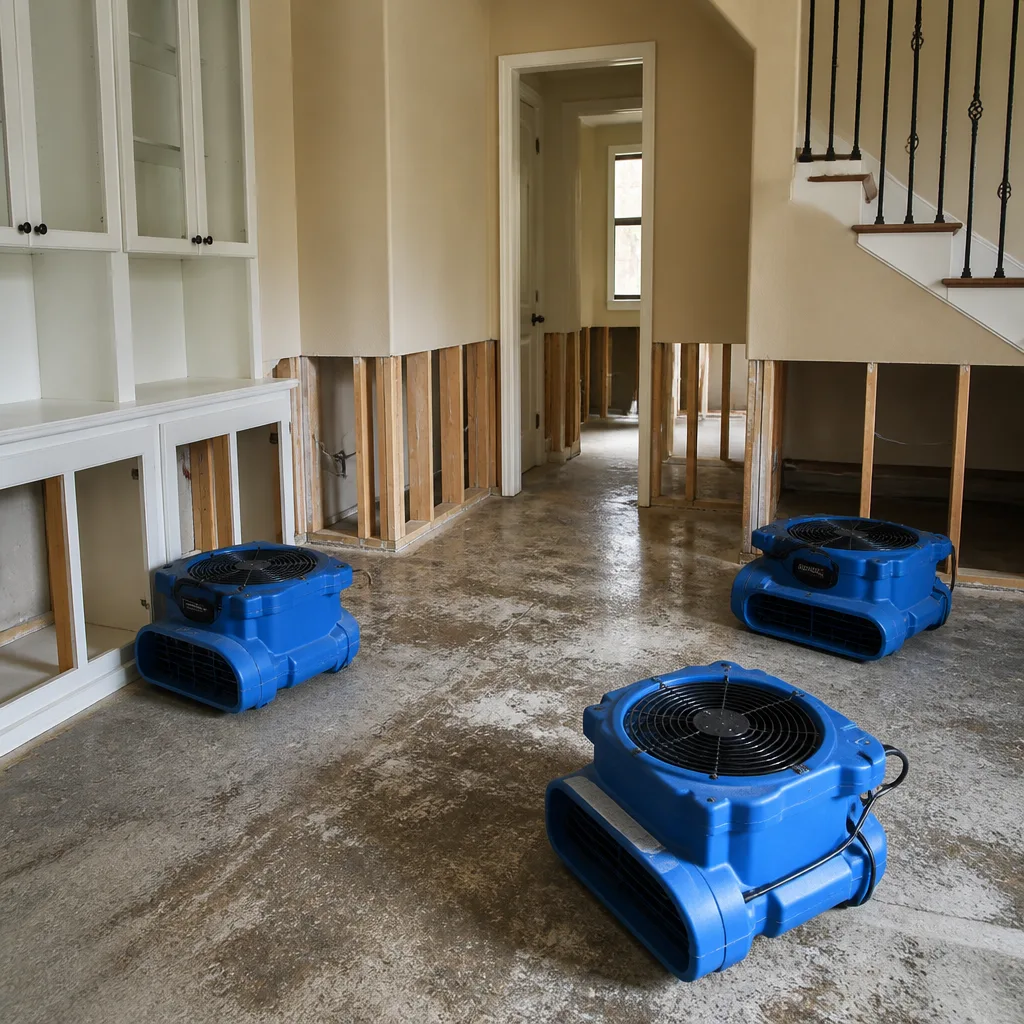
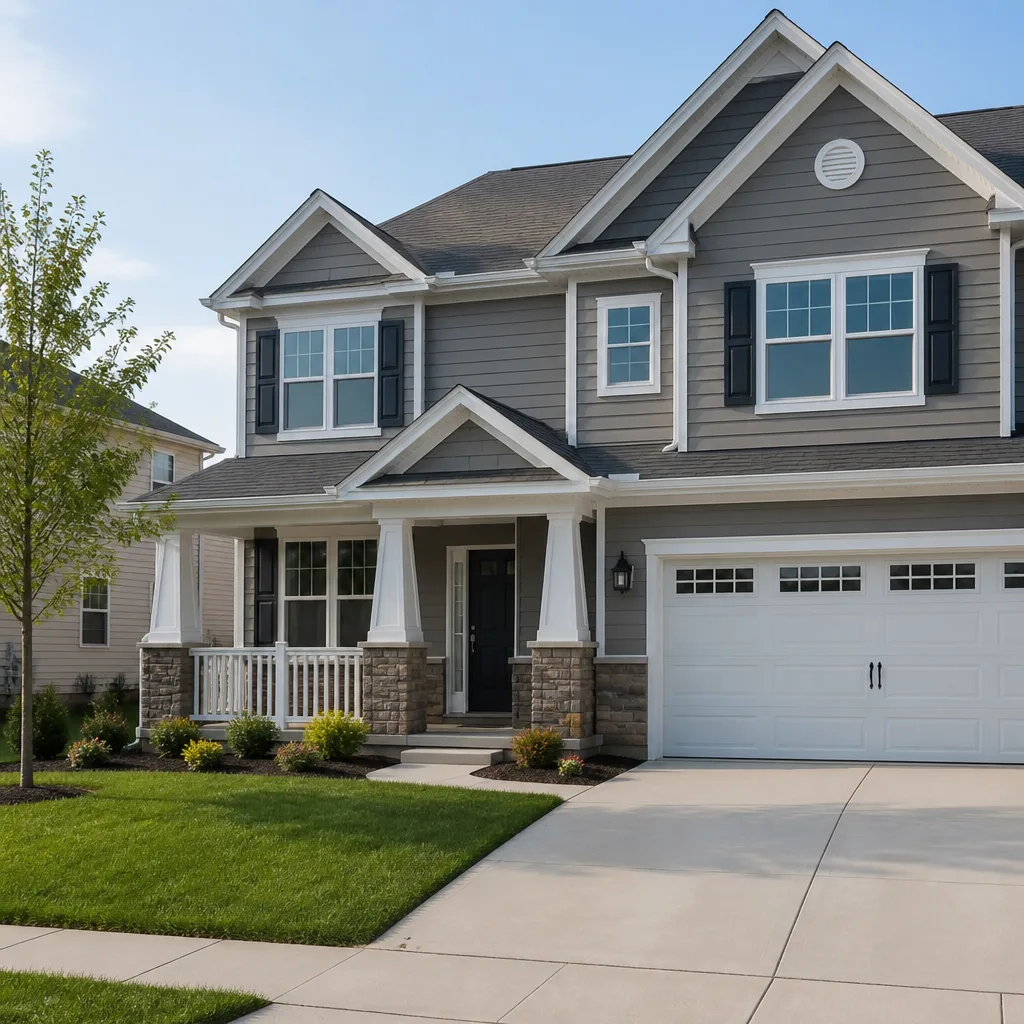
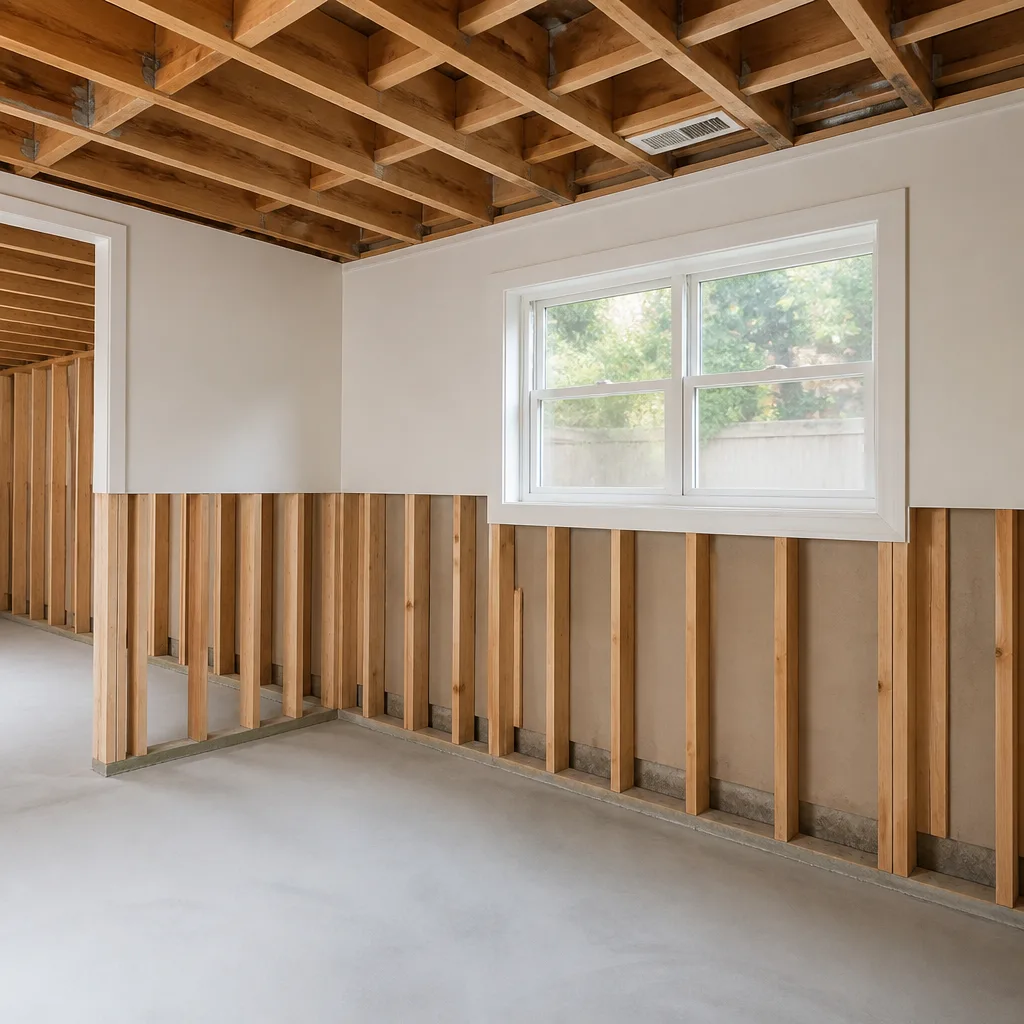
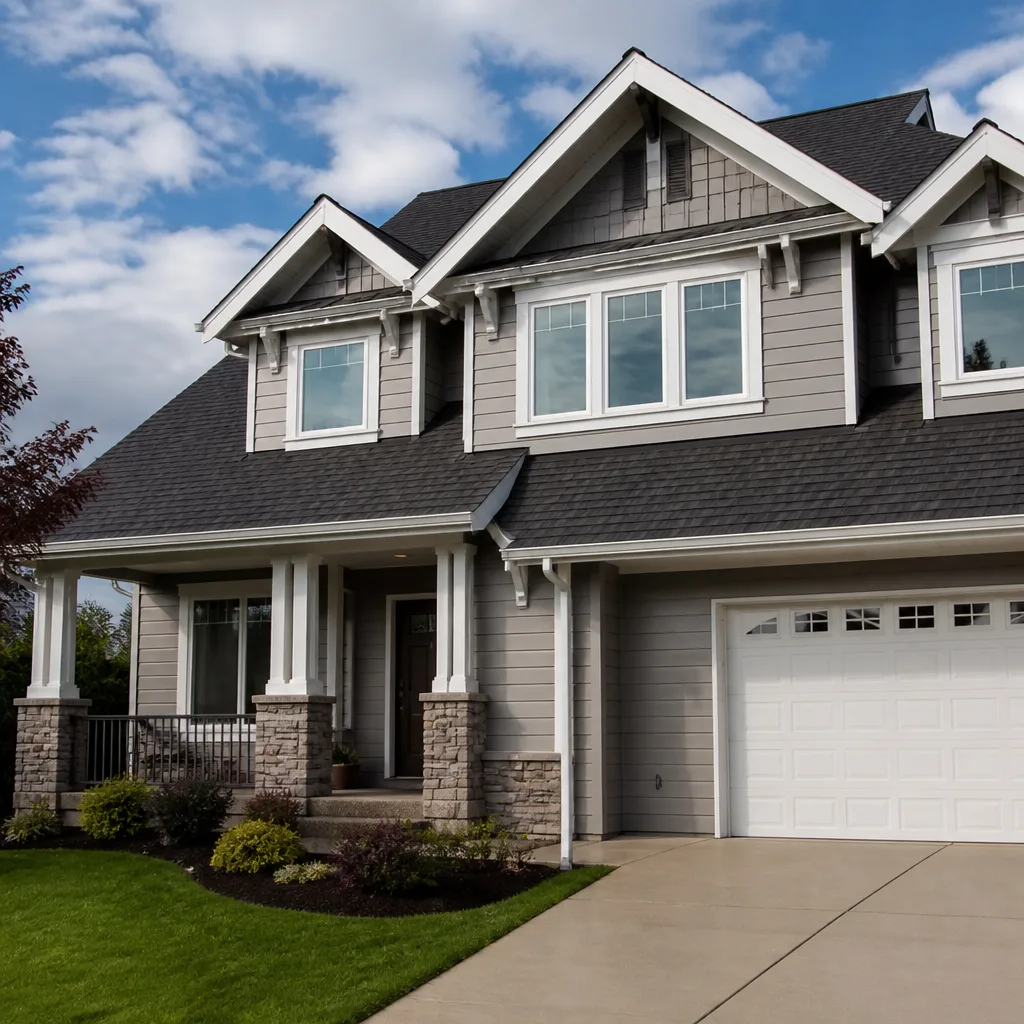
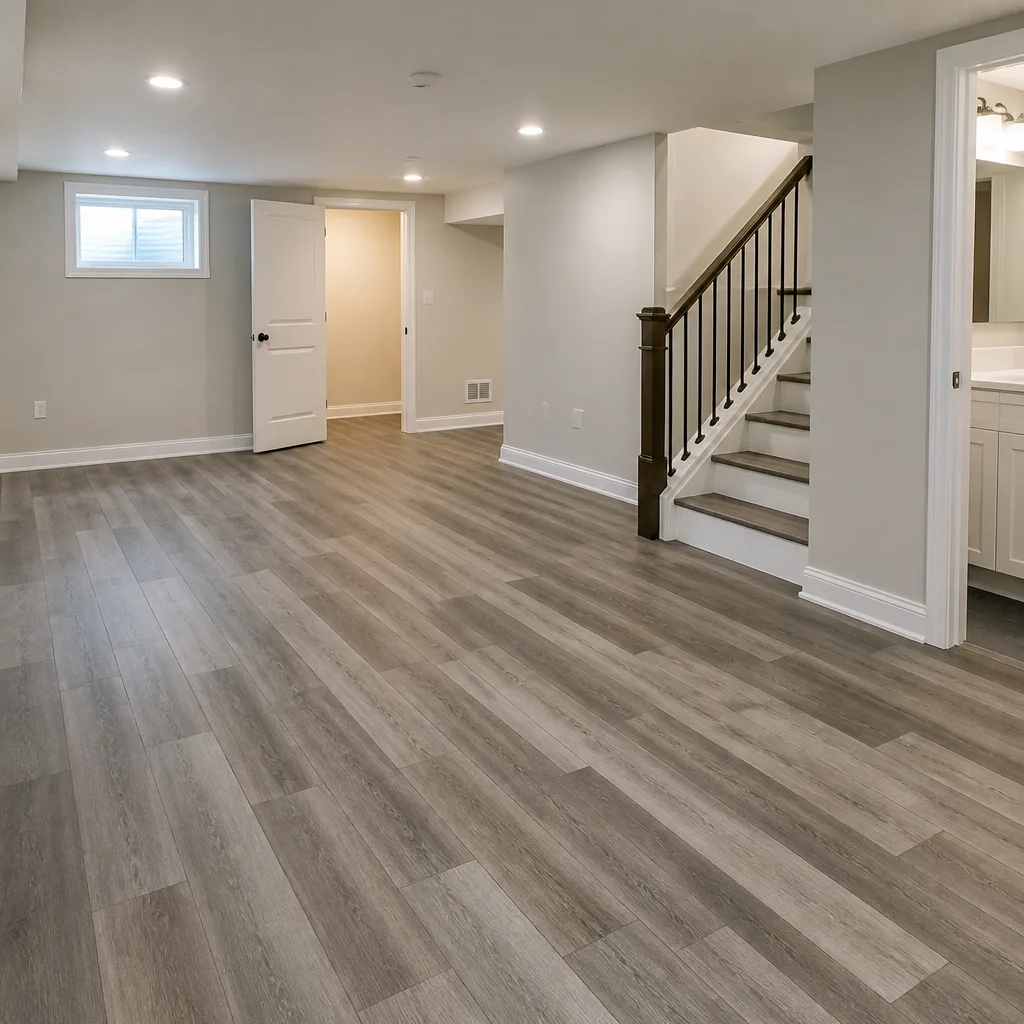
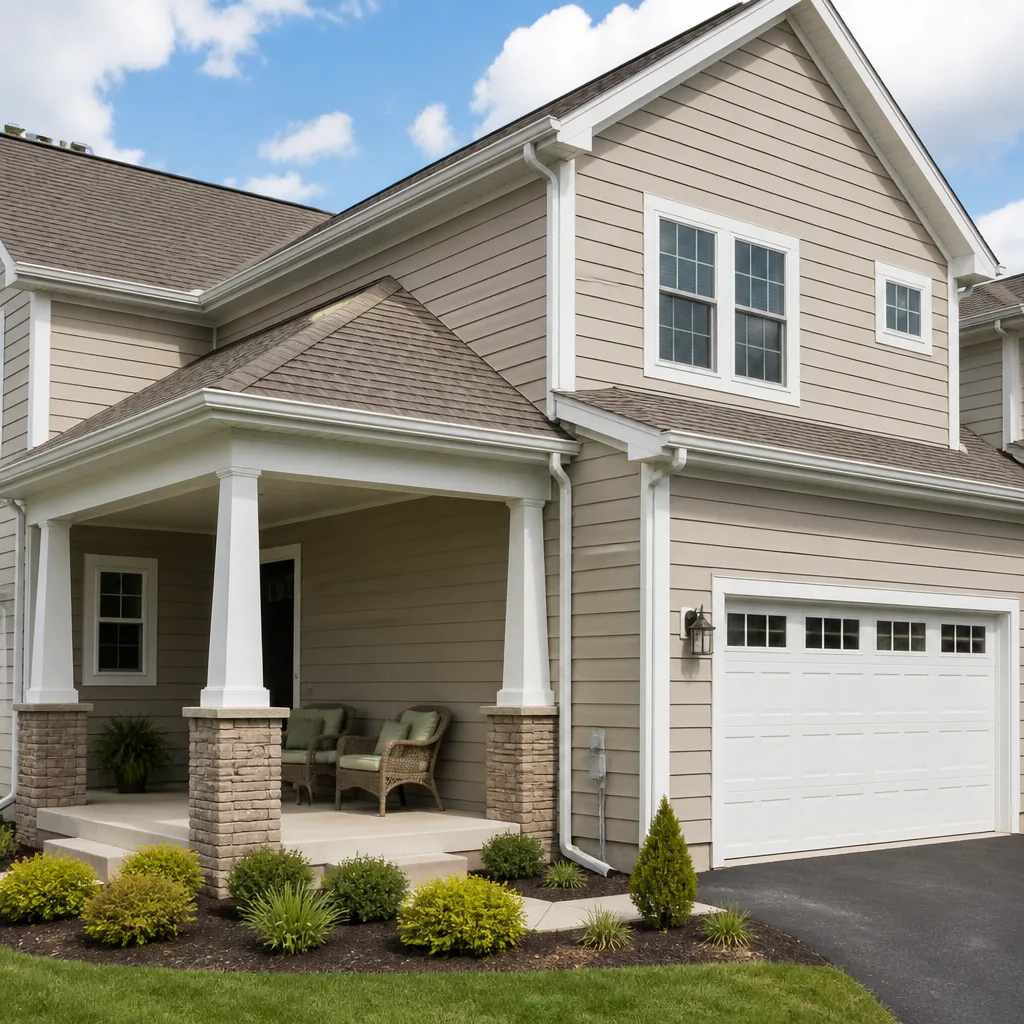
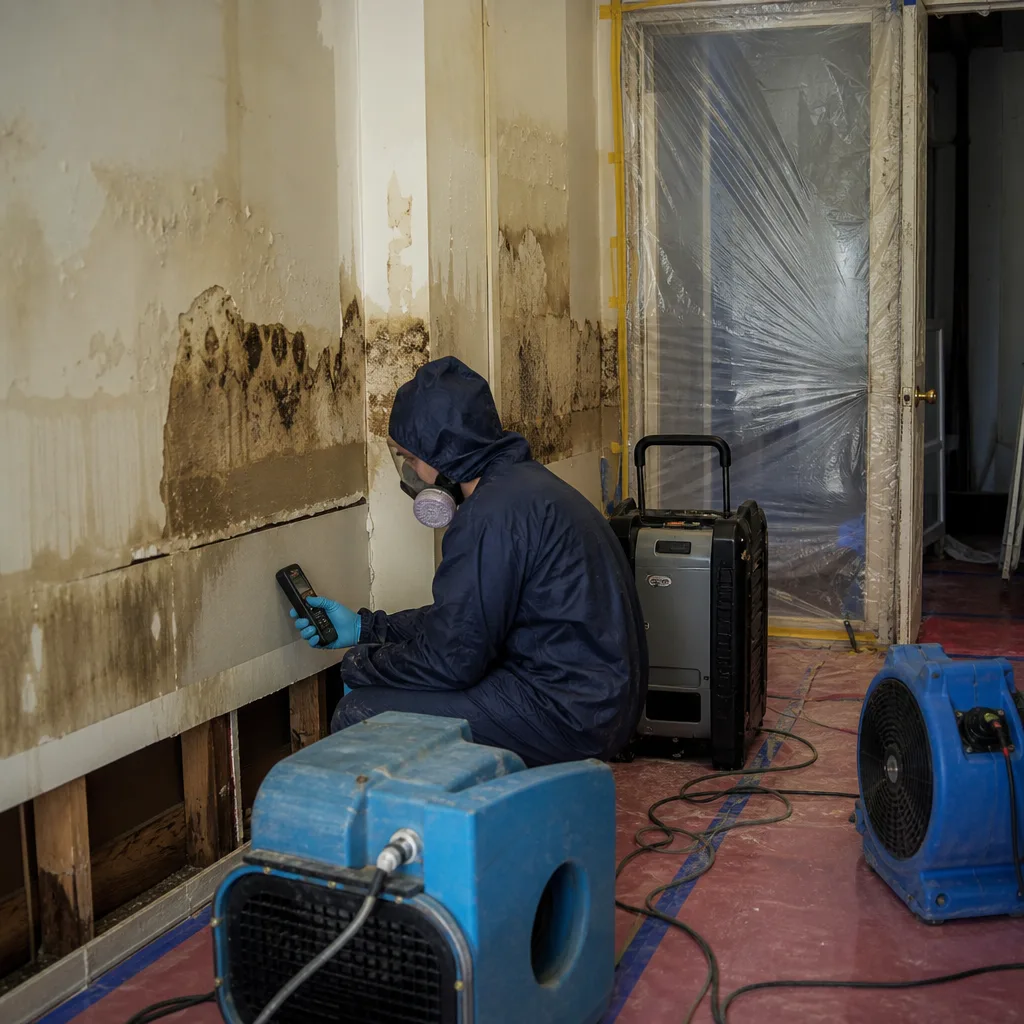 Before
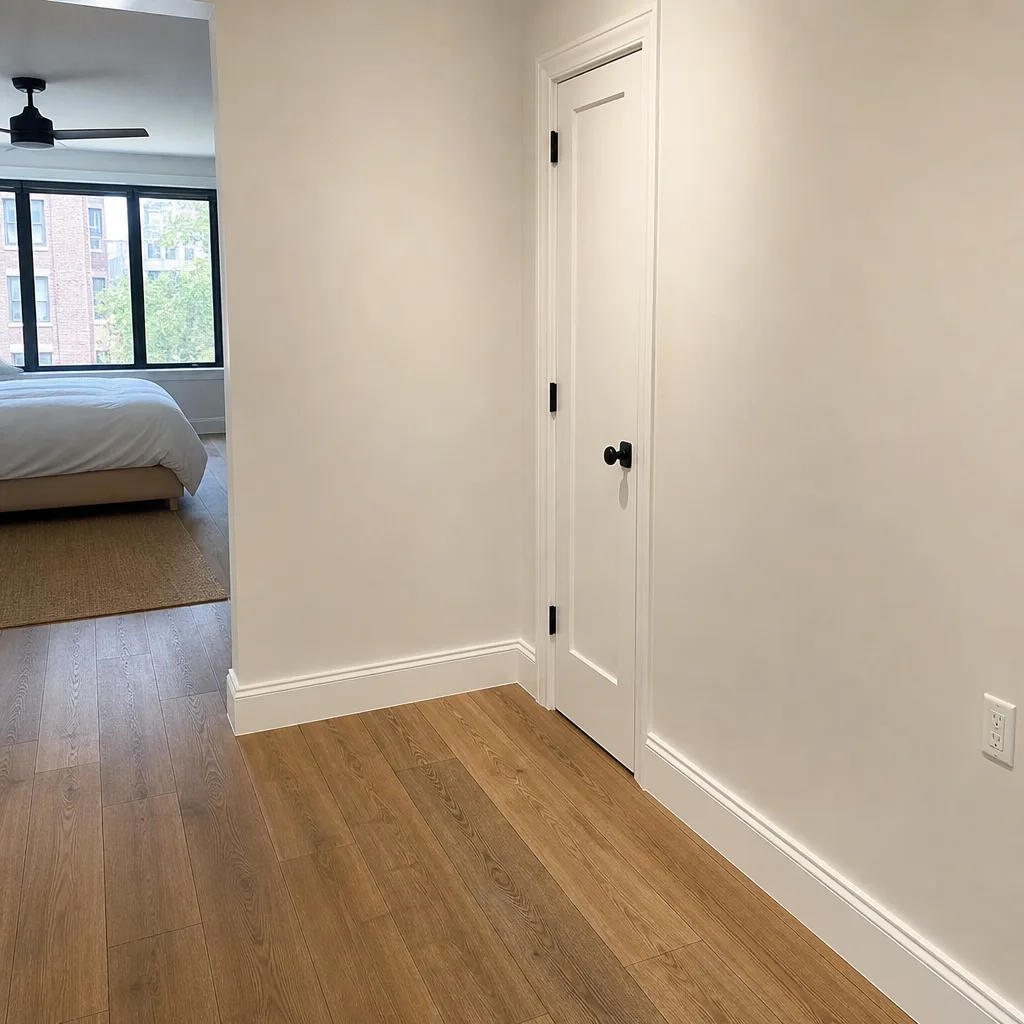 After
After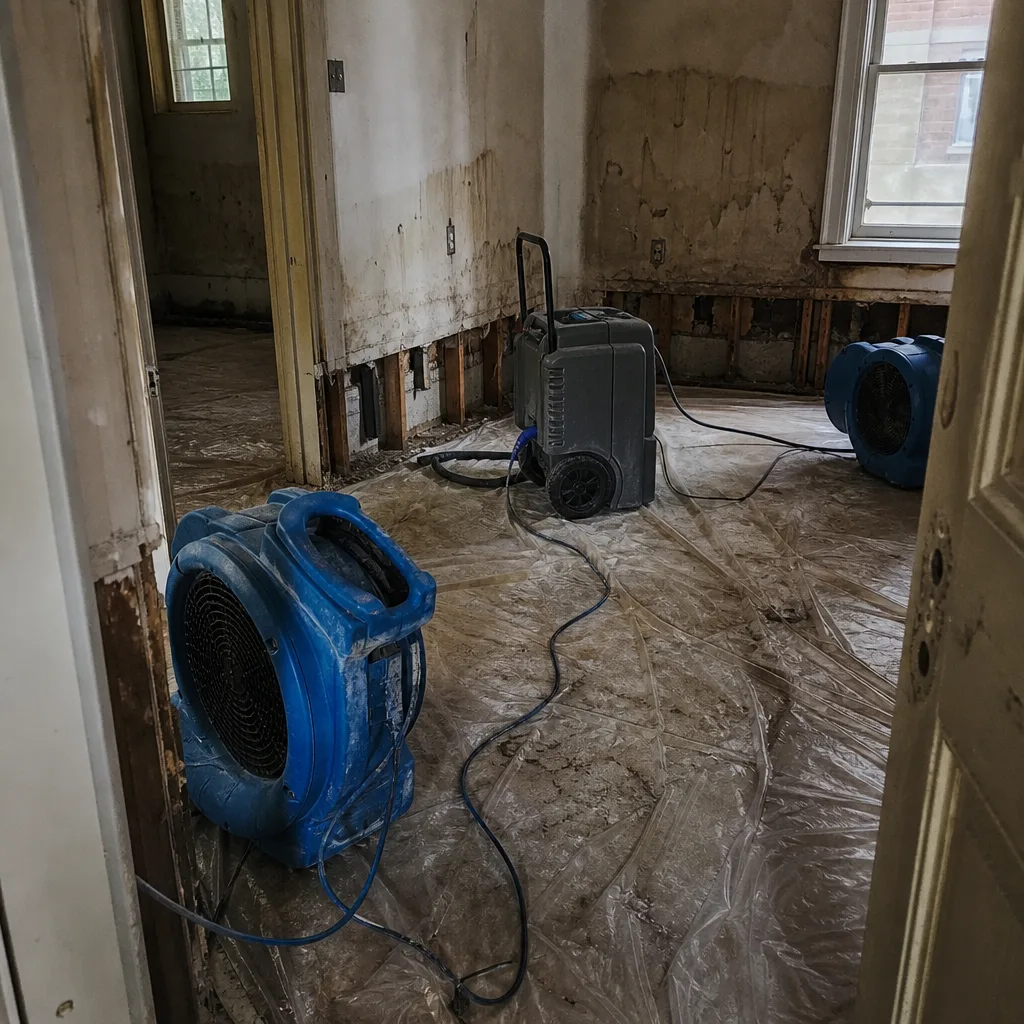 Before
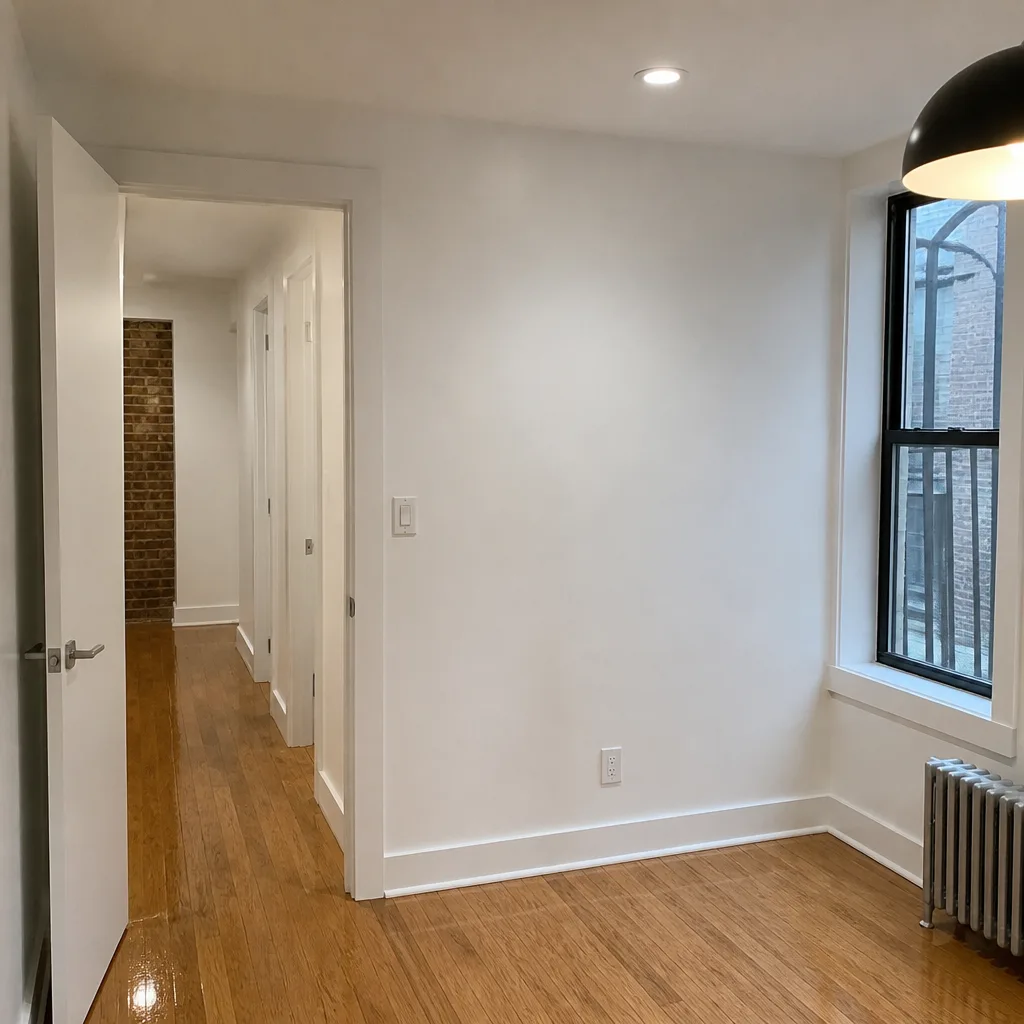 After
After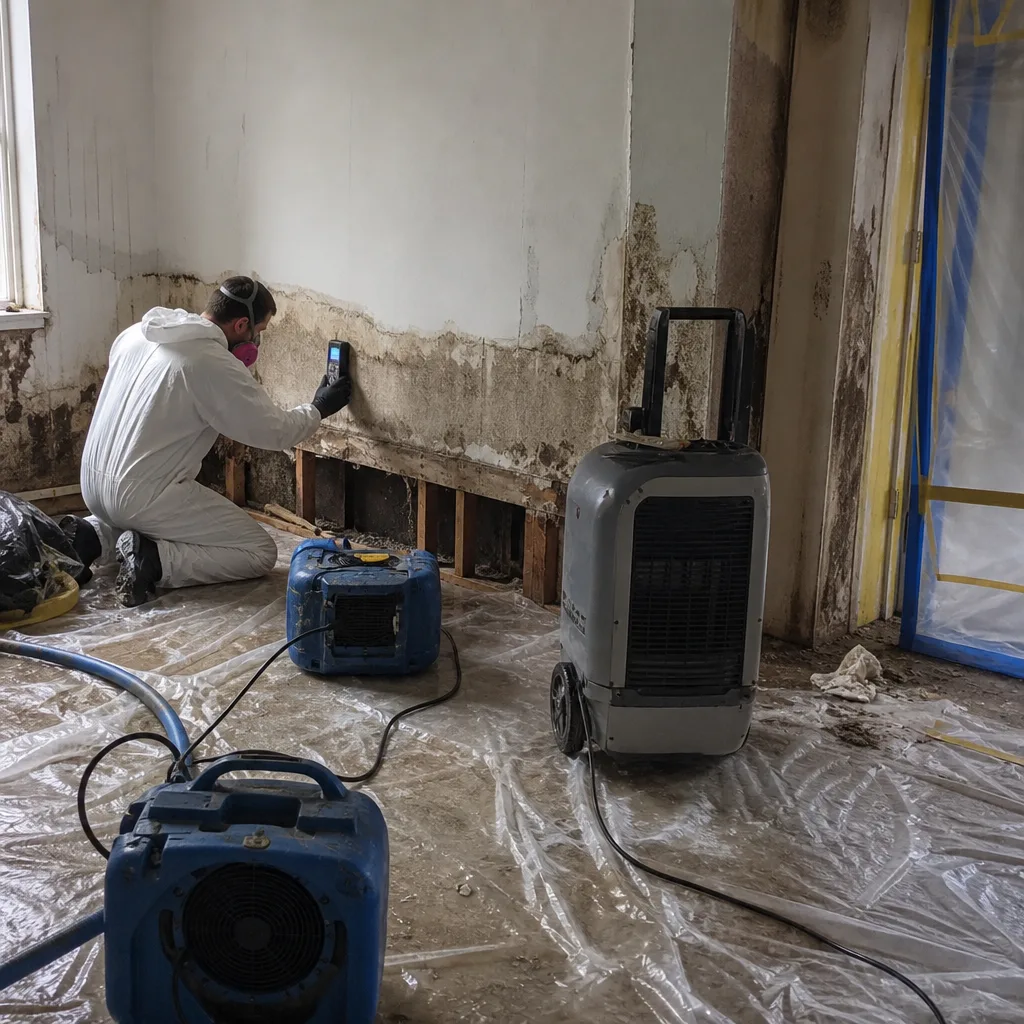 Before
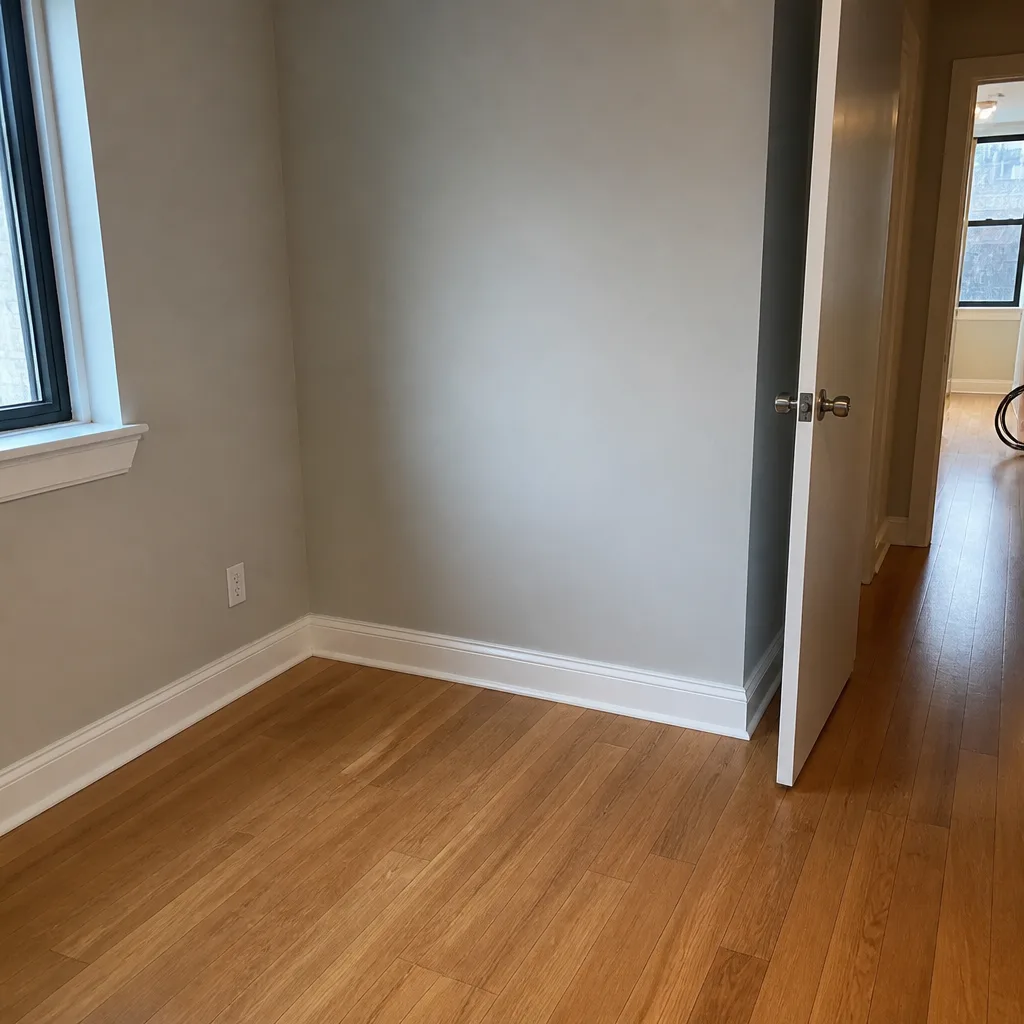 After
After24/7 Emergency Sewage Cleanup in Harlem
Sewage backup in a Harlem brownstone or pre-war tenement is a Category 3 water emergency, and the first call you make should be to a crew that answers live and moves fast. Floodline Restoration Co. dispatches certified sewage cleanup crews into Harlem at all hours, every day of the year. We answer the phone with a person, not a recording, and our technicians start extraction the same visit. Call (845) 305-5737 now for a free visual inspection. The longer raw sewage sits in a plaster-walled Harlem apartment, the deeper it wicks into lath, joists, and shared masonry, and the harder it becomes to get that building clean again.
Understanding Sewage Cleanup Severity in Harlem Properties
Sewage cleanup in Harlem almost always involves Category 3 water, the most contaminated classification in the restoration trade. This is water carrying feces, pathogens, and sometimes chemical runoff from building drains. In a five-story old-law tenement on Lenox Avenue, a failed cast-iron stack sends that water through multiple apartments before a single shut-off can stop it. In a limestone rowhouse on West 122nd Street, a sewer line backing up through a basement floor drain spreads contamination across original plank subflooring, brick party walls, and storage areas nobody has opened in years.
The severity question is not just about what got wet. It is about what the water passed through and where it sat. Category 3 water in a modern building with plastic drain lines and gypsum board is a confined problem. In Harlem’s housing stock, the water moves through 100-year-old bellies in cast-iron stacks, into plaster-and-lath assemblies that wick moisture laterally, and behind apartment partitions that were built before modern plumbing codes existed. We scope every Harlem sewage job with thermal imaging and moisture meters before we cut anything, because the contamination path in these buildings rarely follows a straight line.
Why Harlem Property Owners Choose Floodline Restoration Co.
- 45-minute response commitment in Harlem: We maintain local dispatch coverage so a certified crew reaches Central Harlem, Hamilton Heights, and Mount Morris Park within 45 minutes of your call, day or night.
- 24/7 live answer, always a person: A live dispatcher picks up at 3 a.m. on a February morning. No answering service, no callback queue, no wasted hour while sewage keeps rising.
- IICRC-certified crews, WRT and ASST trained: Our technicians hold IICRC Water Restoration Technician and Applied Structural Drying certifications, with sewage-specific applied microbial remediation training (AMRT) on every Category 3 response.
- Free visual inspection with a written scope: Before any work begins, you get a plain-English scope of work in writing. You know what we will do, what it costs, and what your insurer will see, line by line.
- Direct insurance billing: We bill your carrier directly and handle adjuster communication. You never relay documents between Floodline and your insurer.
- One team from first extraction to finished rebuild: The same background-checked, uniformed crew that removes contaminated material rebuilds what came out. No mid-job handoff, no second contractor, no inherited crew you have never met.
Our Sewage Cleanup Process
Inspection & Assessment
We map the full contamination path with thermal imaging and penetrating moisture meters, tracing where Category 3 water traveled through plaster, flooring, and shared building chases. In Harlem pre-wars, this means checking adjacent units and the floor below, because vertical plumbing chases seldom confine a loss to one apartment.
Extraction & Stabilization
Certified technicians remove standing sewage using truck-mounted extraction and submersible pumps. We contain the affected areas with negative air pressure so airborne contaminants do not spread into clean rooms while work continues.
Drying & Dehumidification
We place Dri-Eaz dehumidifiers and high-volume air movers sized to the cubic footage, not the square footage. In Harlem’s plaster-walled apartments with closed-off rooms and minimal cross-ventilation, we run daily moisture readings and log them until the dry standard is met, not guessed at.
Cleaning & Sanitization
All affected surfaces are cleaned with EPA-registered antimicrobials and HEPA-vacuumed as part of our Sanitization Services in Harlem. Porous materials that absorbed sewage, including carpet, pad, upholstered furniture, and saturated plaster, are cut out and disposed of under containment.
Specialty Treatment for Category 3 Water
We apply specialized sewage remediation protocols: broad-spectrum disinfection, flood-cutting of saturated walls, and clearance verification as part of Harlem Reconstruction & Cleanup. On Harlem jobs where DEP lead or asbestos protocols apply, we hold demolition until clearance is in hand, then proceed under the required work practices.
Repairs & Restoration
Our reconstruction team replaces removed drywall or plaster, flooring, trim, and cabinetry, and rebuilds to match the existing character of your Harlem property. The same crew that started the job finishes it, with the Sewage Cleanup team’s complete documentation handed to you and your insurer.
Need Emergency Sewage Cleanup in Harlem Now?
Crews minutes away, answering live 24 hours a day. The sooner we start, the less it costs.
Working With Your Insurance Company
Most Harlem homeowners and building owners carry coverage for sudden sewage backup, but how the claim lands depends heavily on what gets documented in the first hours. We photograph every affected surface before demolition, record moisture readings room by room, and write a line-item scope that matches the language adjusters expect. Then we send that packet to your carrier and keep talking to them directly, so you do not spend your week transcribing emails between an adjuster and a project manager on our Commercial Restoration in Harlem. If the carrier requires a second opinion or a re-inspection, we coordinate that too. Curt Bowman built Floodline Restoration Co. on a simple discipline: the claim file is built from the first visit, not reconstructed later from memory.
What We Provide Your Insurer
- Thorough documentation of the loss
- Photos of all damage, room by room
- Moisture readings and drying logs
- A detailed, line-item scope of work
- Direct coordination with your carrier
Built for Harlem’s Loss Calendar
Harlem’s sewage and water losses follow a predictable seasonal rhythm, and we staff for it. January and February bring freeze-thaw cycles that crack cast-iron drain lines and cold-water supply lines in unheated basements across old-law tenements. When temperatures swing from single digits to the 40s inside a week, old cast-iron and original galvanized piping expand and contract until something lets go. February losses in Harlem are disproportionately multi-unit: a frozen line bursts on the fourth floor, and Category 3 water runs down through three more apartments before anyone finds the shut-off.
Spring and summer bring a different pattern. Heavy thunderstorms overwhelm combined storm-sanitary sewers in older Harlem blocks built before separated systems, forcing sewage back through basement floor drains in rowhouses along the lower avenues. Add in aging private sewer laterals under brownstone front yards, and basement backups become a July-through-September event, not a January one. We know the Harlem calendar because we work it every year, including Sewage Cleanup in Harlem jobs that start as a routine basement backup and end as two-unit contamination events when party-wall chases are involved.
Sewage Cleanup Across Harlem’s Neighborhoods
Central Harlem’s brownstone blocks between Frederick Douglass Boulevard and Fifth Avenue carry a specific risk profile: original terra-cotta sewer laterals from the 1890s, shared party walls, and basement mechanical rooms set below sidewalk grade. Sewage backups here tend to involve tree-root intrusion in the lateral, which sends Category 3 water through the floor drain and into finished basement apartments. Our response route through West 130s and 140s puts us on scene quickly, but the complication is rarely the extraction; it is gaining access to the shared chase behind the neighbor’s wall.
Over in Hamilton Heights and Sugar Hill, the building stock tilts toward larger pre-war co-ops and converted rowhouses with cast-iron stacks that have corroded at the bell joints over eighty winters. When those fail, the sewage runs behind walls for days before anyone notices. Around Mount Morris Park and Jumel Terrace, the Landmarks Preservation Commission adds a second layer: cutting out a sewage-saturated plaster ceiling in a designated historic district requires LPC review before replacement materials go in. We have worked all of these neighborhoods enough to know the building types and the approval paths before we walk in the door.
Along 125th Street’s commercial corridor and the residential blocks just north of Morningside Park, mixed-use buildings add another variable: sewage loss in a ground-floor storefront that migrates into the apartments above. Our crews coordinate access with store owners, residential tenants, and building management, and we write scopes that separate each unit’s damage. In Harlem, a Harlem sewage cleanup is almost never a one-apartment job.
Specialized Sewage Cleanup Services We Offer in Harlem
Sewage Backup Cleanup
A backed-up floor drain in a Harlem basement apartment is never a mop-and-bleach job. We extract the Category 3 water, remove affected porous materials, disinfect every contacted surface, and run containment until air clearance confirms the space is safe to reoccupy. In rowhouses with finished basements, we also scope the lateral for the backup cause so cleanup is not just cosmetic.
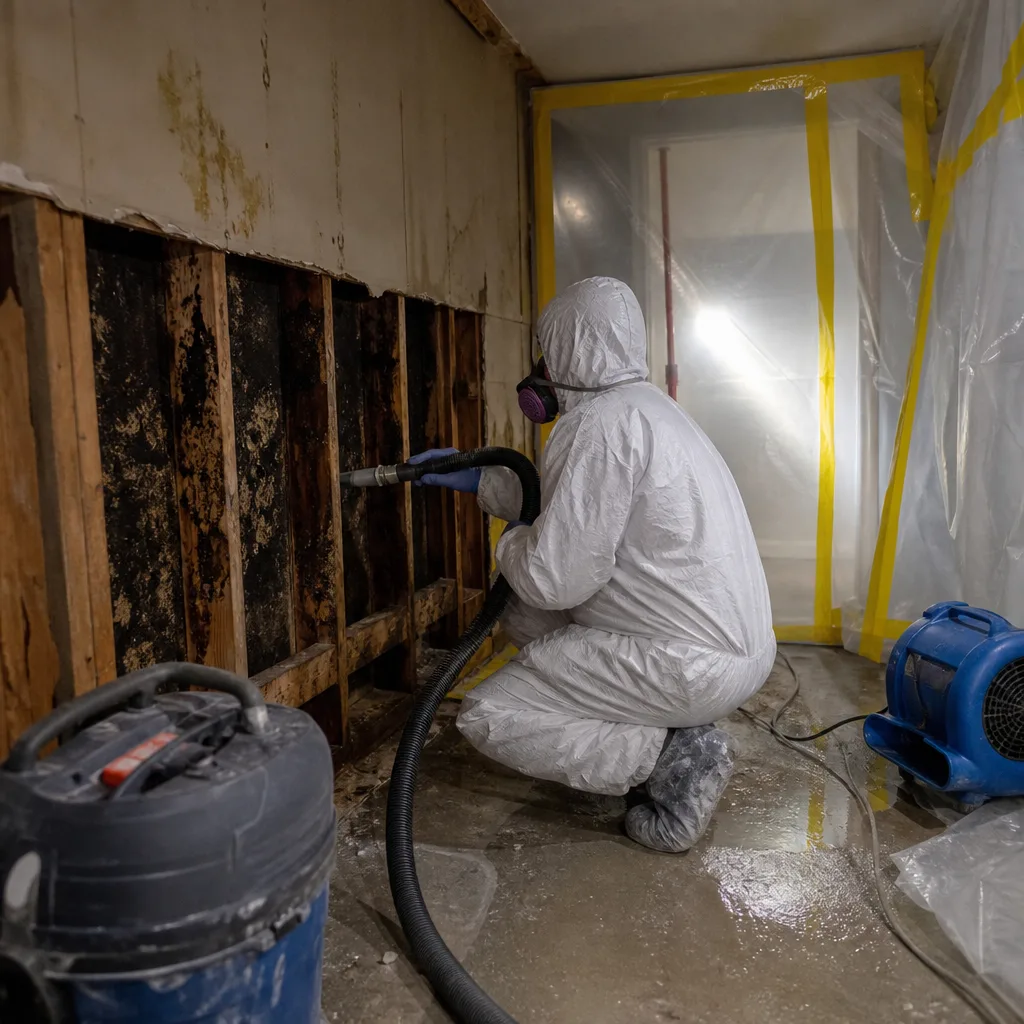
Toilet Overflow Cleanup
Overflow from a clogged toilet reaches baseboards, flooring, and often the unit below in Harlem’s stacked pre-war apartments. We contain the immediate path, cut saturated drywall or plaster to the flood line, and sanitize before drying begins. When the overflow originated on an upper floor, we inspect the ceiling cavity below before closing anything back up.
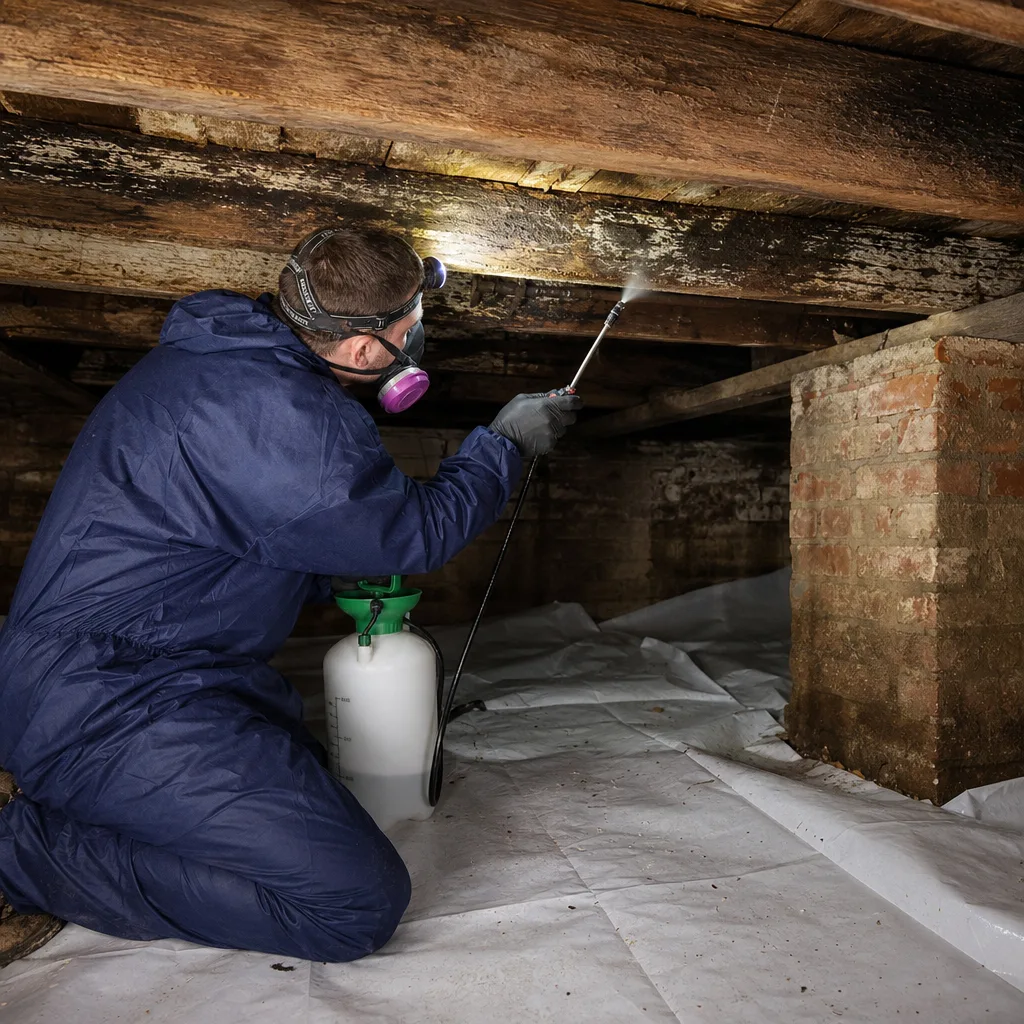
Septic Failure Cleanup
Harlem has scattered private septic systems on older rowhouse properties and in some converted ground-floor units. When a tank fails or a leach field backs up, the cleanup starts with full pumping and removal, then disinfection and structural drying. We coordinate with septic contractors where needed and stay on the job until the building is clean and dry.
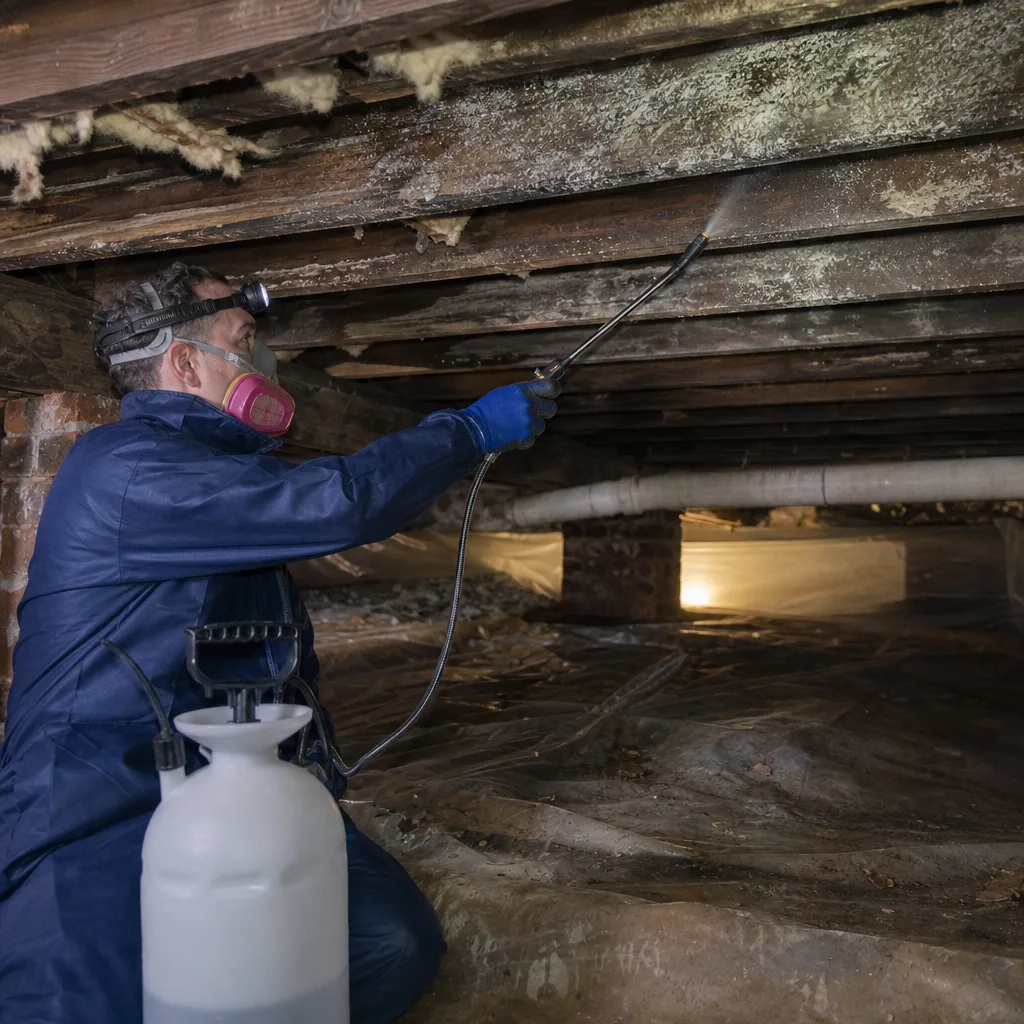
Black Water Extraction
Category 3 black water from a sewage line carries pathogens that cannot be dismissed with a fan. Our crews use truck-mounted extraction, submersible pumps, and HEPA-filtered air scrubbing to remove standing water and airborne contamination. In Harlem’s older buildings with minimal clearance between joists and low basement ceilings, we bring compact extraction equipment and run it hard.
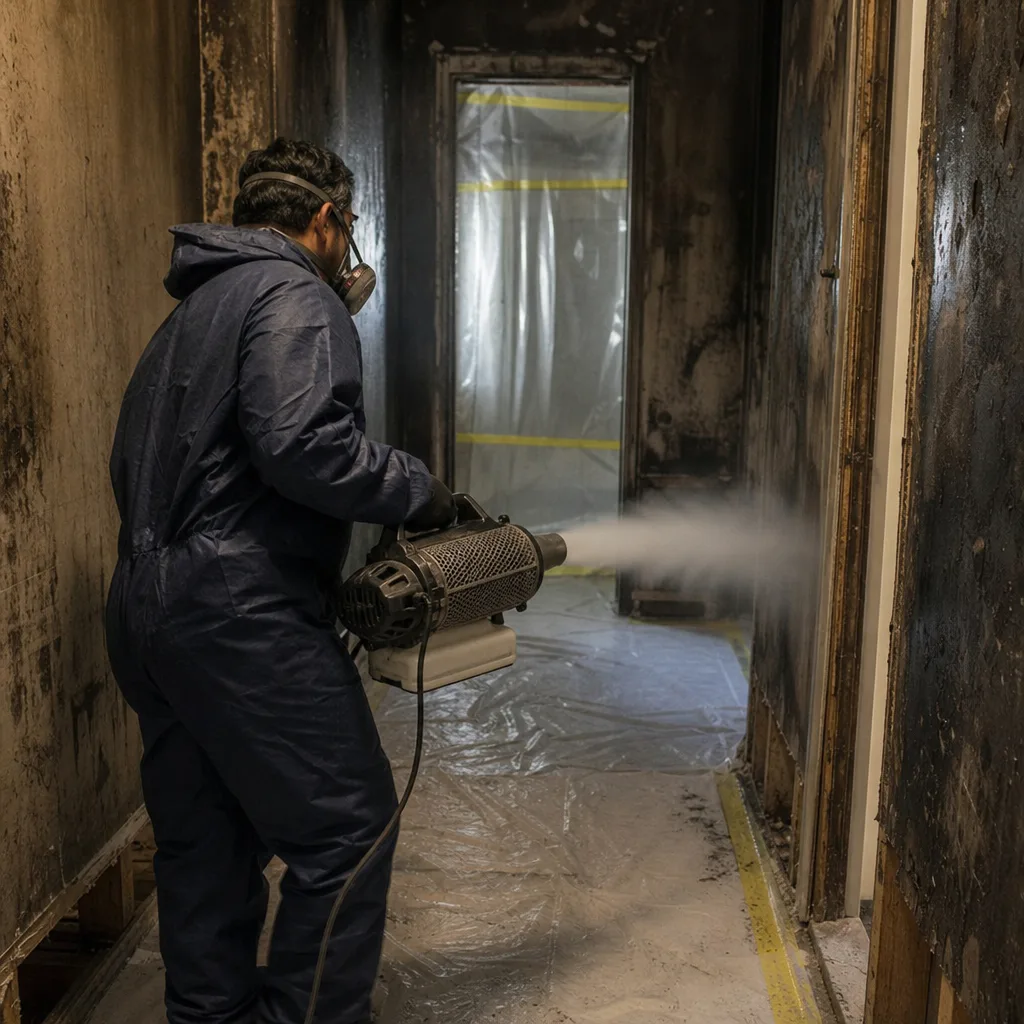
Sanitization & Disinfection
Every sewage job in Harlem ends with broad-spectrum disinfection applied to all affected surfaces and cavities. We use EPA-registered antimicrobials, fogging where appropriate, and HEPA vacuuming of every opened wall cavity. The goal is not to mask the smell; it is to make the space biologically clean and verify that it is clean before anyone sleeps there again.
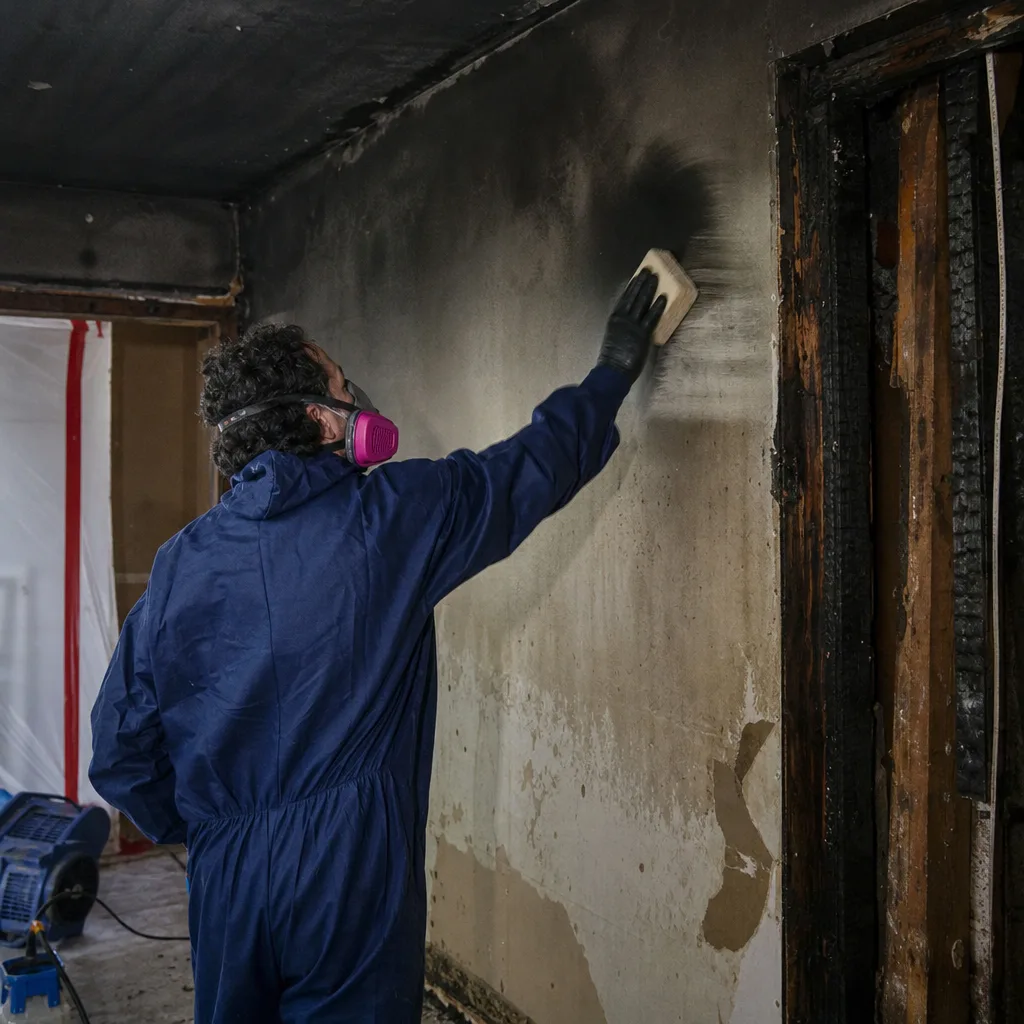
Crawl Space Sewage Removal
Some Harlem rowhouses have dirt-floor crawl spaces between the basement slab and the first floor joists. When sewage finds its way in, it soaks into soil and insulation and becomes a persistent odor problem. We remove contaminated soil, replace insulation, sanitize framing, and seal the point of entry. This is slow, unpleasant work, but cutting corners here leaves a building that smells like sewage on every warm day.
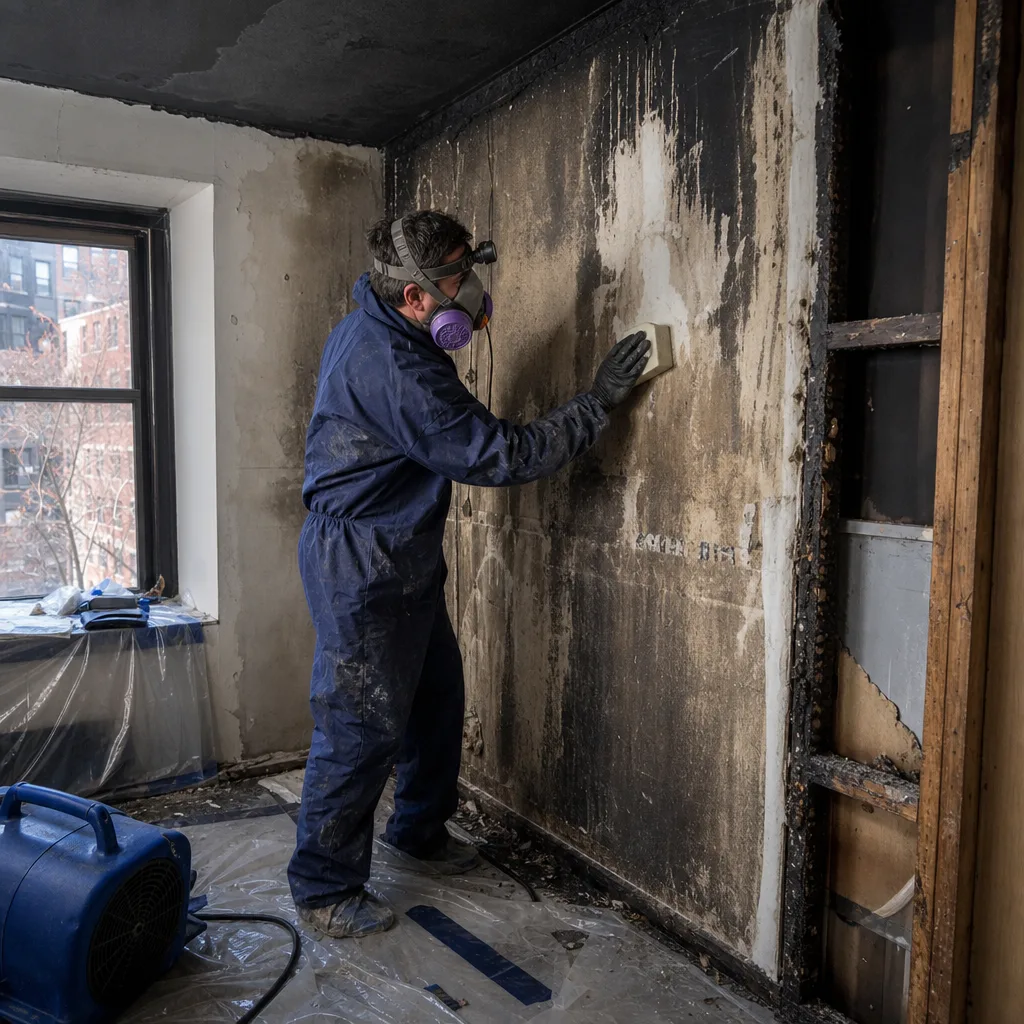
What happens when you call
- 1
A real person answersNo phone trees - you reach a local pro.
- 2
You get an upfront price rangeHonest numbers before anyone is dispatched.
- 3
A background-checked tech heads outLicensed & insured, dispatched right away.
- 4
You approve before work beginsNothing starts until you say go.
Sewage Cleanup Costs in Harlem, NY
Sewage cleanup in Harlem typically runs between $4,200 and $11,500 for a single-unit backup involving extraction, containment, cutting out contaminated plaster or drywall, sanitizing, and drying. A small toilet overflow contained to one bathroom may run $1,800 to $3,400. A multi-floor Category 3 event in a five-story tenement with four affected apartments, DEP lead/asbestos protocols, and LPC review can push past $28,000, especially when ornate plaster ceilings must be removed and reproduced. The variables are straightforward: how many units are involved, whether hazardous material clearance is required, whether LPC approval applies, how much porous material must be cut out, and how long drying takes in a building with no real ventilation. Your insurer will want a line-item scope before approving anything. We provide that scope free after a visual inspection. Call (845) 305-5737 and we will get a certified technician to your building to see exactly what you are facing.
We Also Serve Cities Near Harlem
Floodline Restoration Co. responds to sewage cleanup calls throughout Upper Manhattan and the surrounding area. Our crews regularly work in Upper West Side, Upper Manhattan, Morningside Heights, and Central Harlem. Call (845) 305-5737 and a live dispatcher will route the nearest available crew.
Serving Harlem, NY - Our Local Coverage Area
We’re based in the Harlem area and know this community well. Use the map below to see our service coverage - if you’re nearby, we can almost certainly help.
Harlem Sewage Cleanup Questions, Answered
In a Harlem old-law tenement with original cast-iron drains, how do you determine if a sewage backup requires lead abatement before cleanup begins?
We determine lead abatement requirements based on the age of the building surfaces and finishes being disturbed during sewage cleanup. In a Harlem old-law tenement built before 1940, any painted plaster, trim, or wall surface we need to cut, remove, or disturb triggers a lead-paint protocol review under NYC DEP rules. If the affected areas contain lead-based paint or original asbestos-containing plaster, our crews cannot legally begin demolition until clearance testing is complete and the required abatement controls are in place. This does not stop our initial containment and extraction; we can pull standing Category 3 water immediately while hazmat testing runs in parallel. The distinction matters more in Harlem than nearly anywhere else in Manhattan because so little of the housing stock post-dates 1940. Call us before you open a wall yourself; a stop-work order from DEP will delay your cleanup past the 24-hour mold window and complicate your insurance claim.
My Mount Morris Park brownstone shares a party wall with a neighbor who won’t let your crew access a sewage-damaged pipe chase. Can you still sanitize?
We can sanitize and fully clean your side of the wall, but resolving the contamination source on the neighbor’s side requires access, and we will not cut into a shared party wall without the abutting owner’s consent and a written access agreement. In Harlem’s rowhouse blocks, this is one of the most common delays. What we do in the meantime: we set containment on your side, run negative air so contaminants do not migrate, and extract and disinfect every surface we can legally reach. We also document the refusal of access for your insurer and, with your permission, communicate directly with the neighbor or building management to resolve negotiations. Party-wall sewage losses in Harlem routinely involve two or three separately owned properties, and the solution is a coordinated scope across all affected units, not a one-sided patch. Call (845) 305-5737 and we will start the sanitation we can lawfully perform now.
For a Category 3 sewage loss in a Harlem rowhouse plaster ceiling, when is it safe to dry in place instead of removing the plaster?
The short answer: almost never after sewage has saturated the plaster, because the lath behind it will hold contaminated moisture and feed mold growth indefinitely. The longer answer depends on what the plaster sits on and how wet it got. A surface splash that hit painted plaster and was extracted within an hour can sometimes be dried in place with aggressive dehumidification and air movement. But once Category 3 water has wicked into the lath keys and the joist pockets of a Harlem rowhouse ceiling, drying in place is a false economy. We will open a small inspection port, read the moisture content of the lath and joist pocket with a penetrating meter, and show you the number. If it is over 20 percent wood moisture equivalent, the plaster and lath need to be cut out. If you are in an LPC-designated district, we will document the existing condition photographically before removal so reconstruction can match the original profile.
A frozen sewer line flooded four stacked apartments in a Hamilton Heights tenement. What is the biggest delay in getting sanitization started?
The biggest delay in Hamilton Heights and most of Harlem is almost never the cleanup work itself; it is hazmat clearance and, where applicable, Landmarks Preservation Commission review before demolition can legally begin. A frozen sewer line that ruined four stacked apartments in a pre-1940 tenement will likely require NYC DEP lead and asbestos testing on the plaster, paint, and pipe insulation we need to disturb. Until that clearance is in hand, we cannot legally cut out saturated walls or ceilings. We can, however, extract standing sewage, set containment, run air scrubbers, and begin sanitizing exposed hard surfaces immediately. Every hour of delay before those initial measures start pushes you closer to the 24-48 hour mold colonization window. That is why we answer the phone live and dispatch on the same call, around the clock.
Your Harlem sewage removal crews service Dri-Eaz and Phoenix equipment. Does that matter for a job in a pre-war building with no elevator and narrow stairwells?
It matters more than homeowners expect. Harlem’s pre-war buildings frequently have stairwells under 30 inches wide, no freight elevator, and tight foyers that cannot accept large truck-mounted equipment. Compact, professional-grade dehumidifiers and air movers carry up stairs by hand and sit in small rooms. Dri-Eaz and Phoenix units are compact enough to fit through narrow doorways and light enough for two technicians to carry up four flights. They also deliver the drying power needed for plaster and lath, which hold moisture far longer than modern drywall. We size the equipment to the cubic footage of the space and the type of material that got wet. A big box-store dehumidifier cannot dry a sewage-saturated plaster wall in a fifth-floor walk-up. Our equipment can, and we haul it up the stairs ourselves.
How long does sewage cleanup take in a Harlem apartment building?
Most single-unit sewage cleanups in Harlem take three to five days from first response to final clearance, assuming no hazmat or Landmarks complications. Extraction and initial sanitization happen on day one, often within hours of your call. Drying typically runs two to four days, depending on the building’s ventilation and the materials involved. Removal of contaminated materials takes one to two days once demolition clearance is in hand, and final disinfection plus clearance testing adds another day. When DEP lead abatement or LPC review applies, add days, not weeks, if the paperwork starts immediately. Our longest Harlem delays come from access disputes between neighbors, not from the work itself. We will give you a written timeline after the inspection, and we hit it. We stand behind that.
Can we stay in our Harlem home during sewage cleanup?
In a single-unit loss confined to a basement or one bathroom, you can usually remain in the unaffected portions of the home, provided we can isolate the work area with containment and maintain negative air so contaminated air does not travel into living spaces. In a multi-unit or multi-floor loss where sewage traveled through walls, ceilings, or shared chases, we generally recommend vacating the affected unit for two to four days while cutting and drying occur. The decision is made case by case after the visual inspection and moisture mapping. Your insurer will want this information, and we document it clearly in the scope.
What do I do in the first 30 minutes after discovering a sewage backup in Harlem?
First, stop using any water in the building if you can identify the source shut-off. Do not flush toilets, run sinks, or run a washing machine, because that only pushes more water into the backup. Second, keep people and pets out of the affected area; Category 3 water carries pathogens that cause serious illness. Third, turn off electricity to the affected area at the breaker if the panel is safe to reach and not standing in water. Fourth, call a certified sewage cleanup company, and call your insurer. Floodline Restoration Co. answers live 24 hours a day at (845) 305-5737. Do not attempt to vacuum or pump sewage with household equipment, and do not open walls or ceilings yourself. In Harlem’s older buildings, what you cannot see behind the plaster is usually worse than what is on the floor.
Written by the team at Floodline Restoration Co., led by Curt Bowman, serving Harlem with certified sewage cleanup, extraction, sanitization, and full reconstruction since 2010. Every job backed by the 90-Day Done Right Promise, in writing.