

Free visual inspection and a written scope of work before any mitigation begins - photos, moisture readings, and drying logs go in your claim file
The scope we write is the scope we bill. Anything new gets shown to you, in writing, before we touch it.
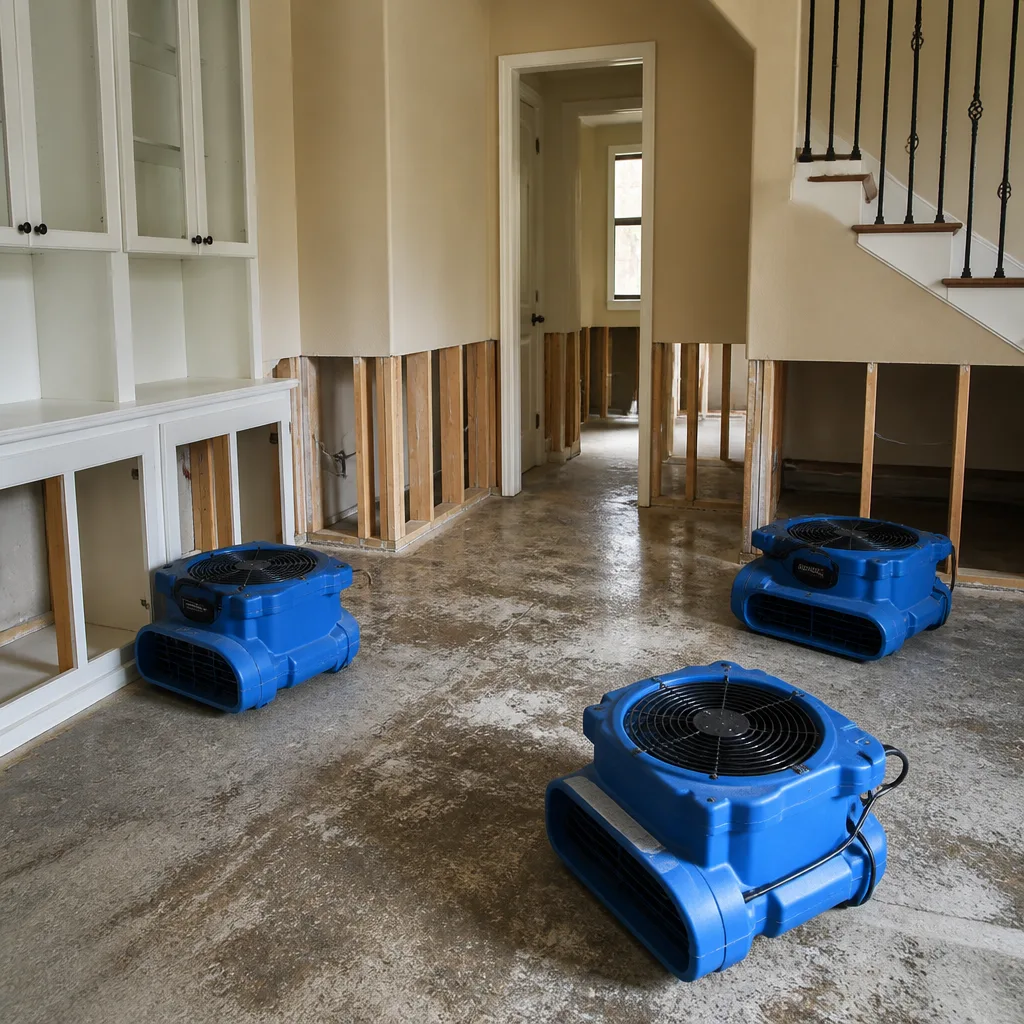
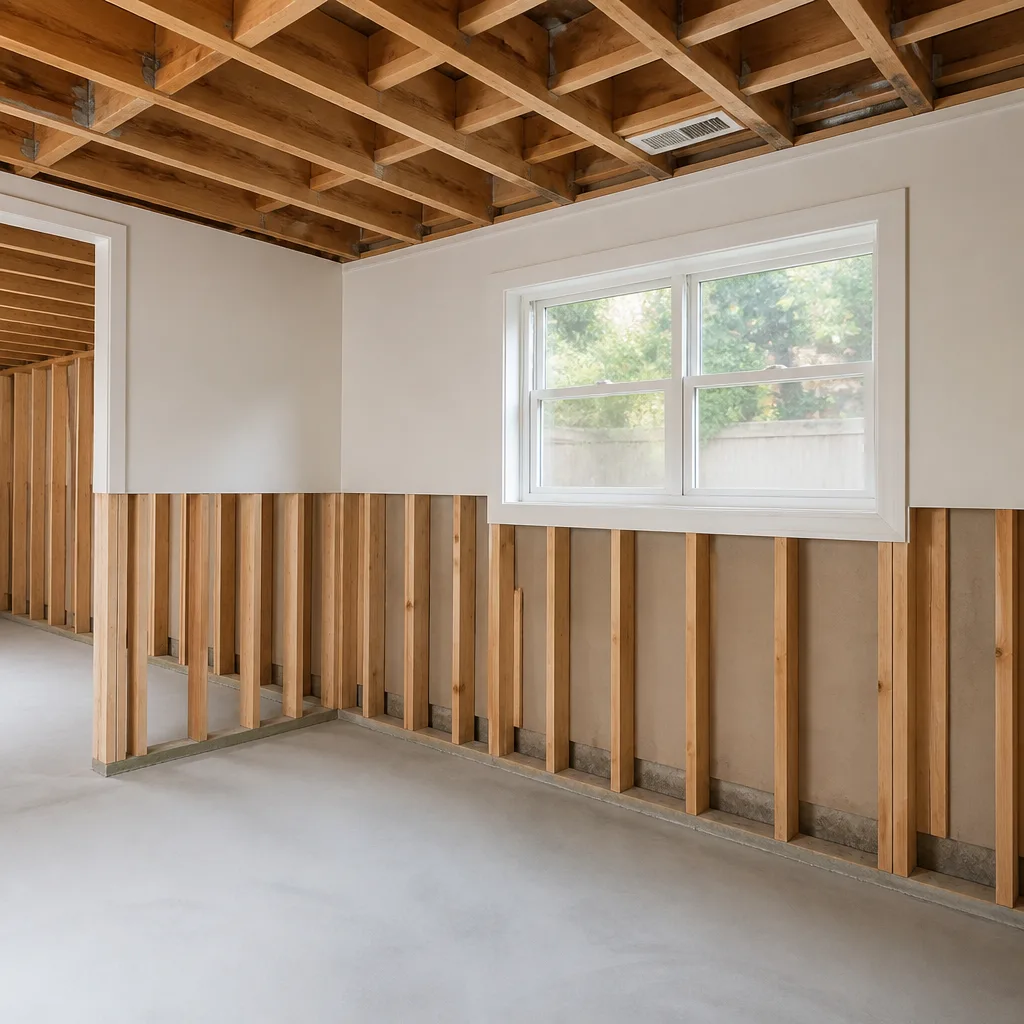
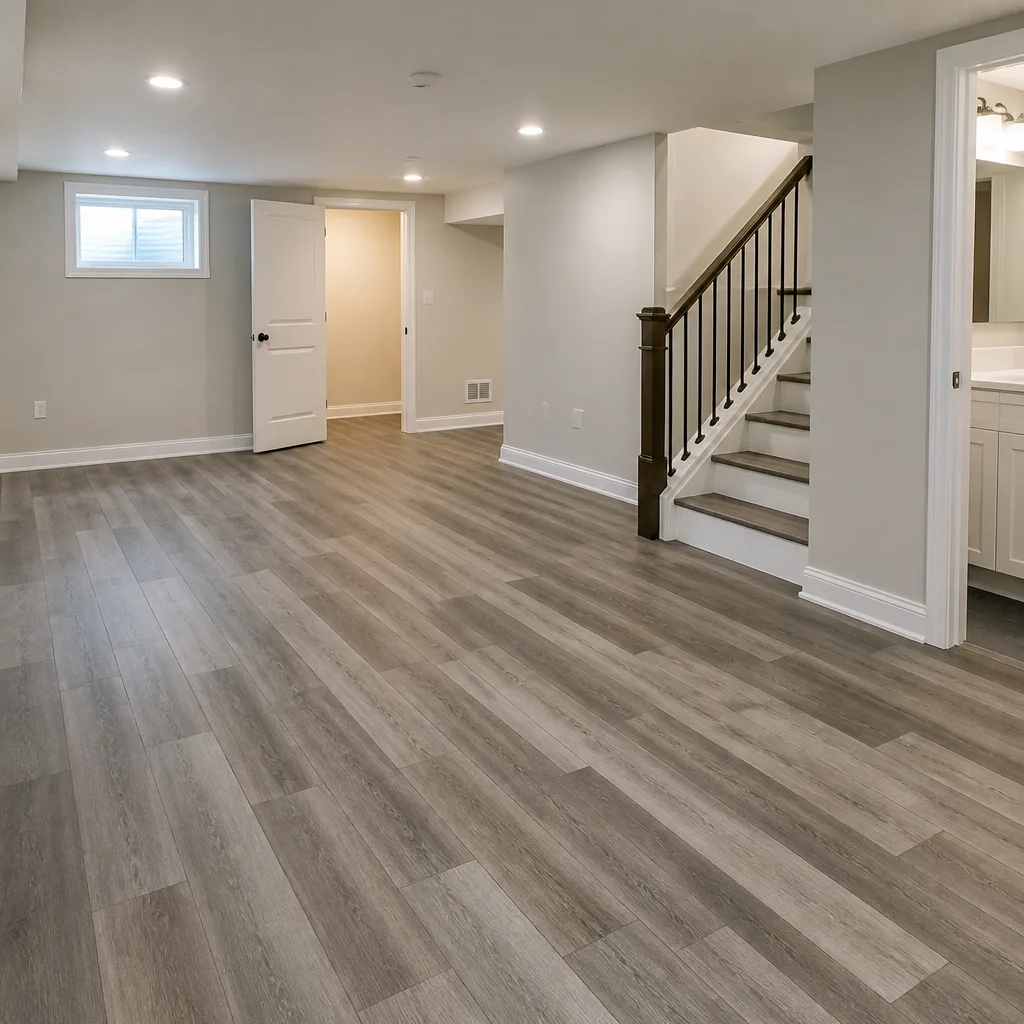
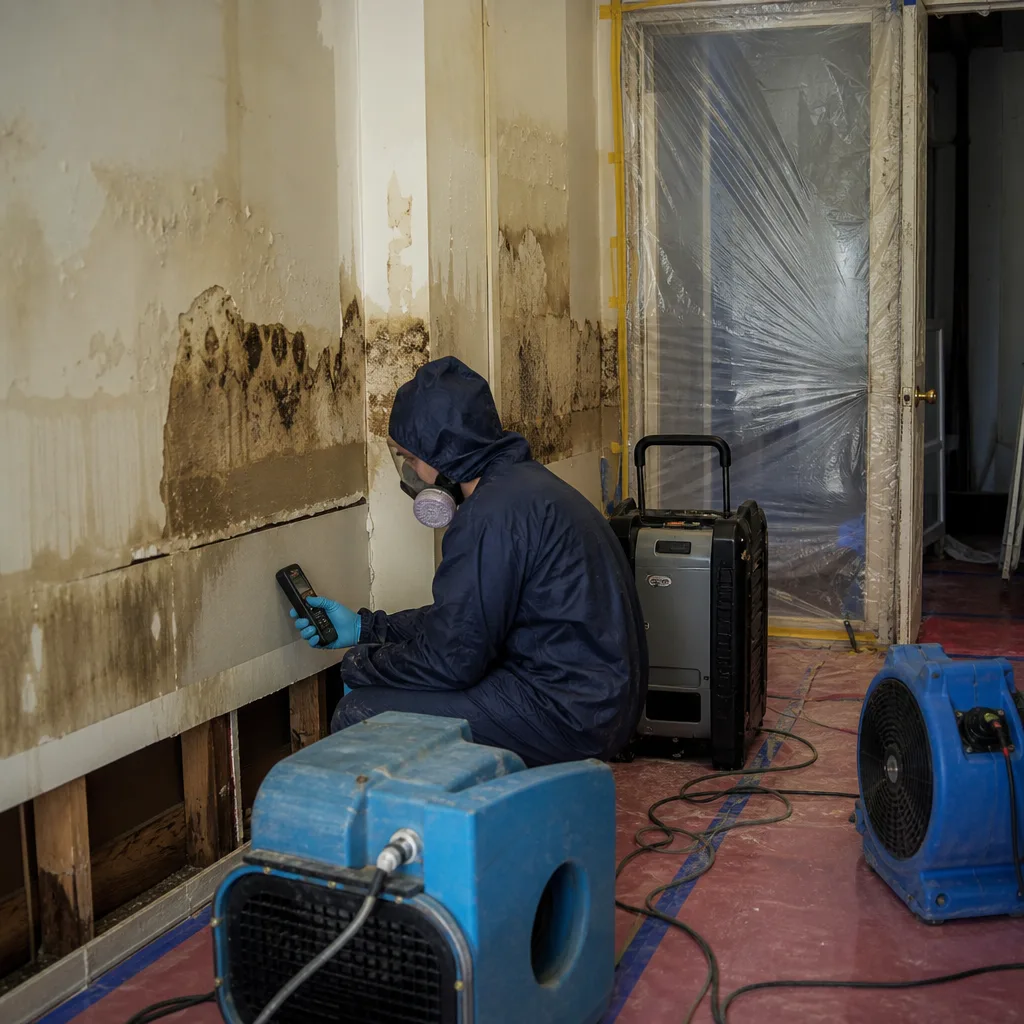 Before
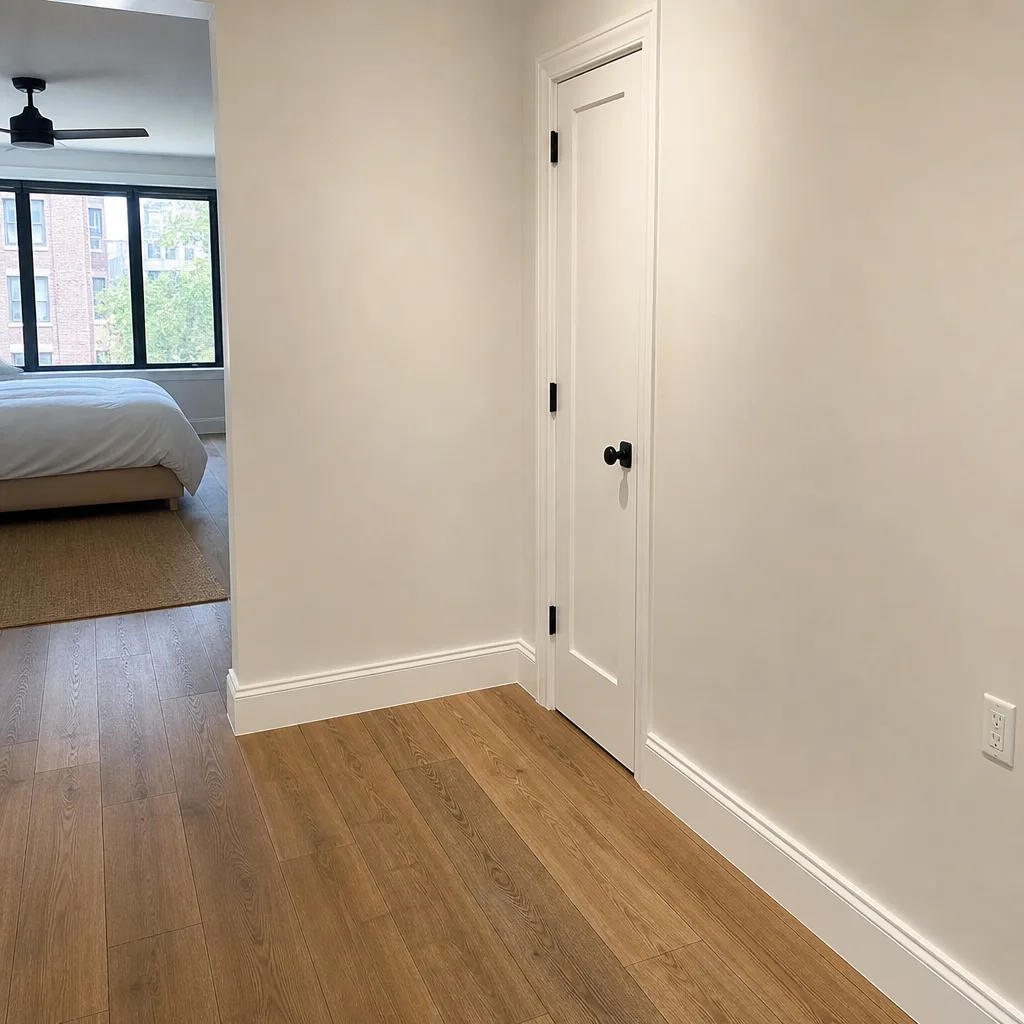 After
After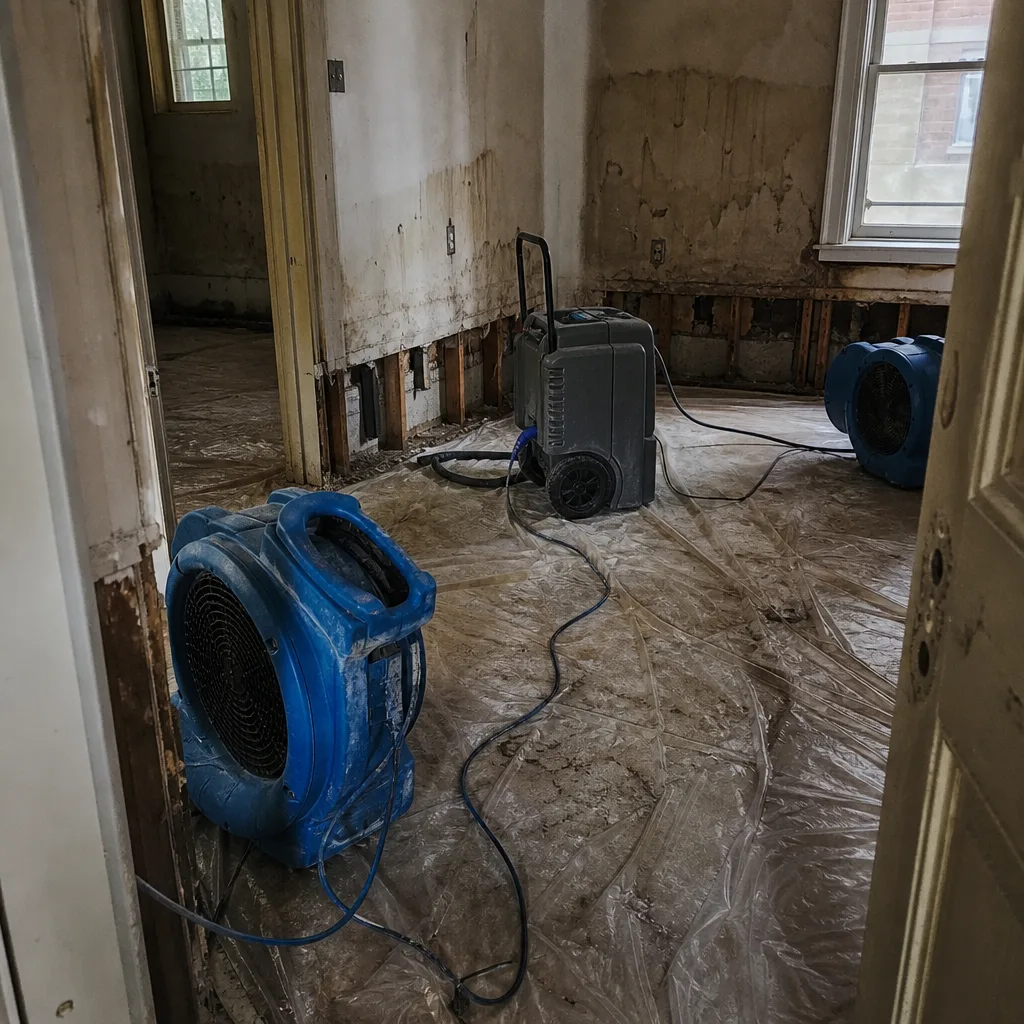 Before
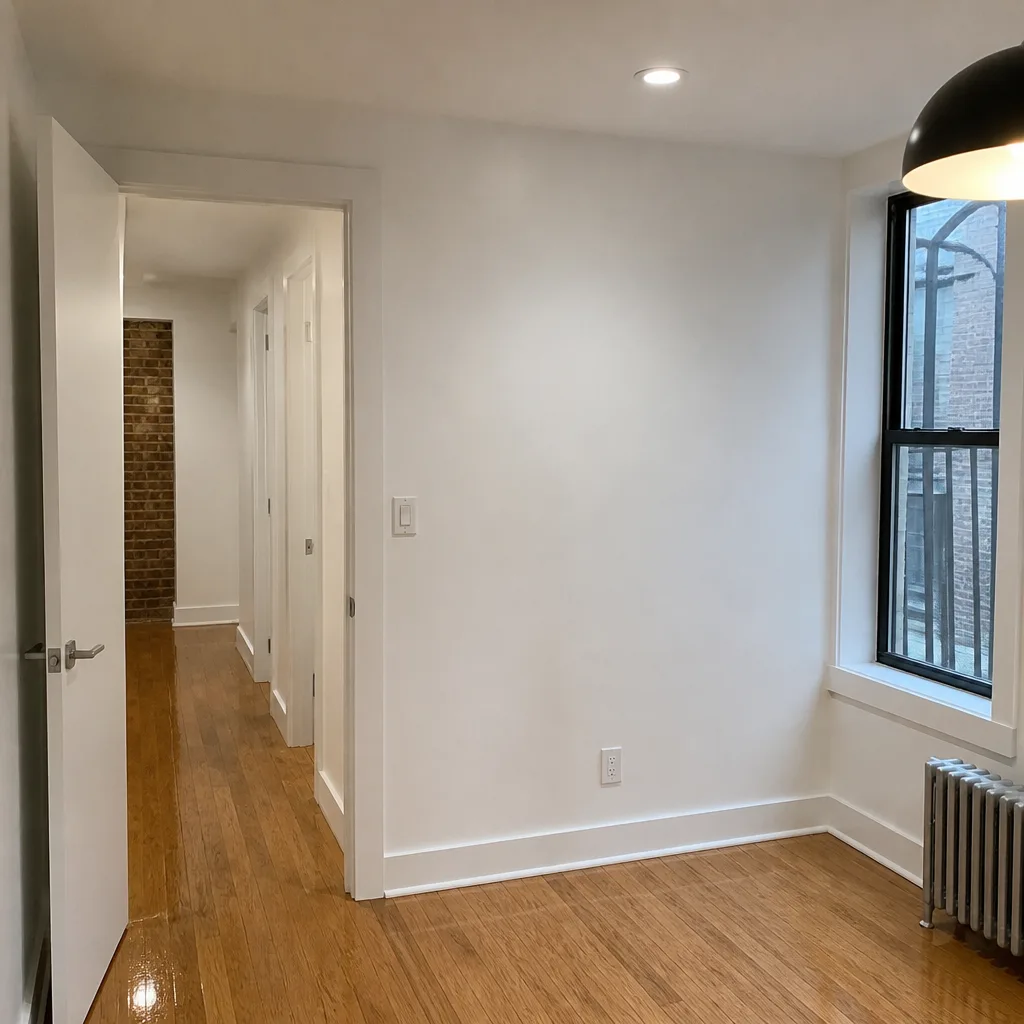 After
After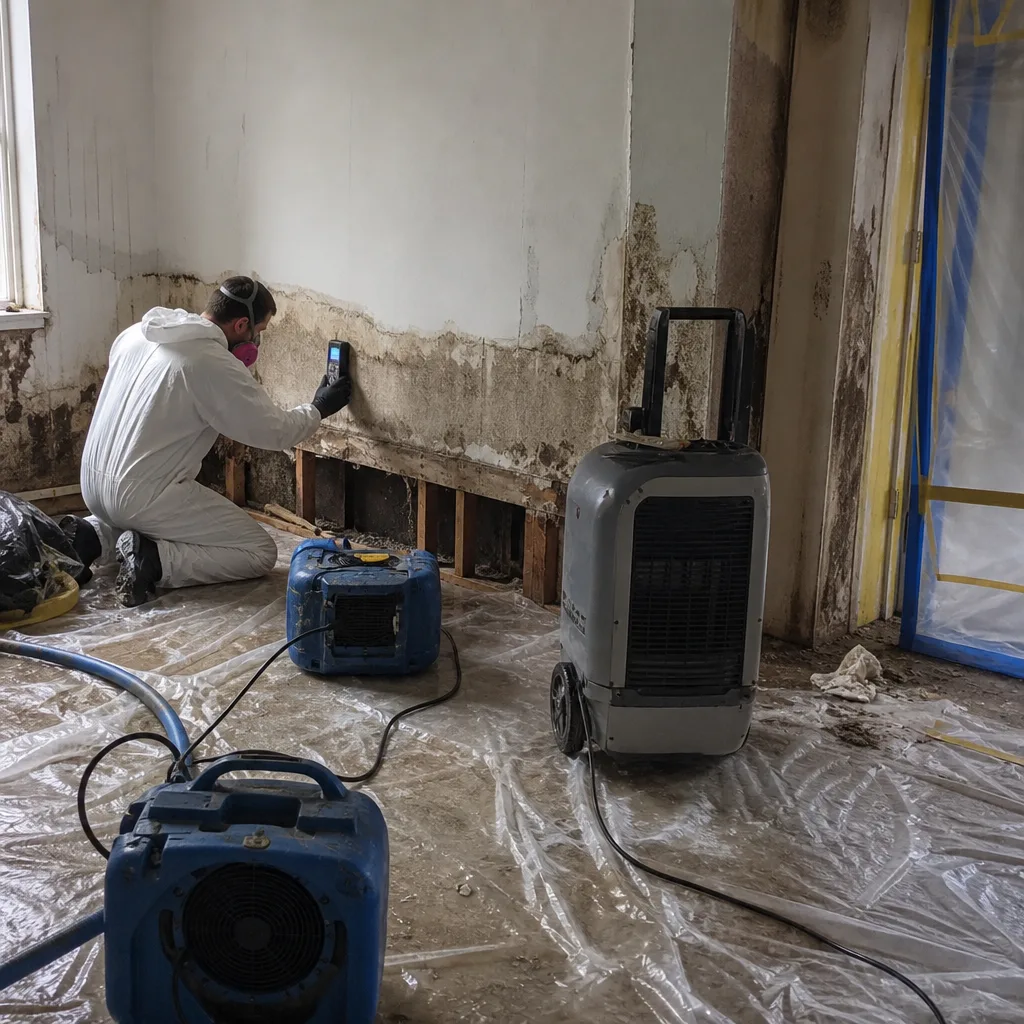 Before
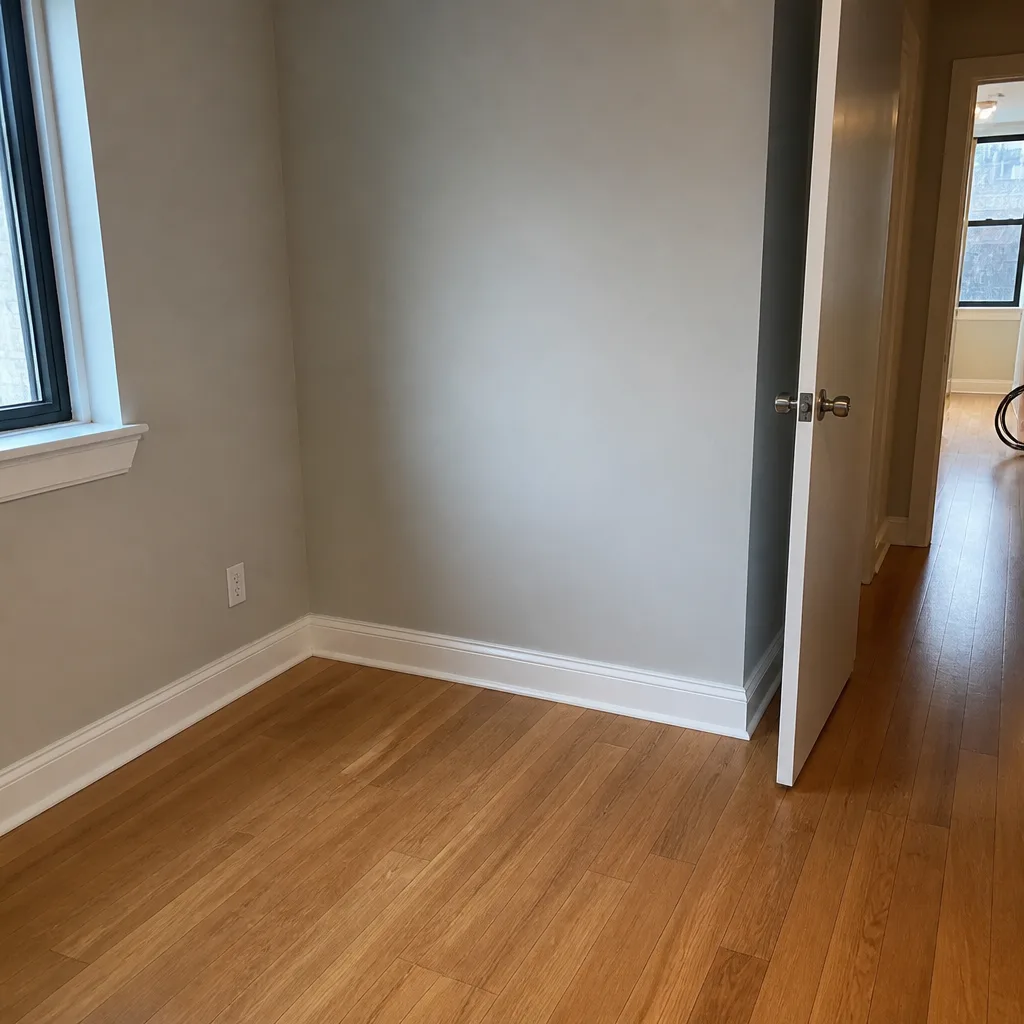 After
After24/7 Emergency Mold Remediation in Central Harlem
Mold remediation in Central Harlem typically costs $1,800-$6,500 depending on square footage, the DEP asbestos hold timeline, and how far moisture has traveled through plaster walls. Most jobs we handle start with a 45-minute dispatch window and a free visual inspection. If you’ve spotted discoloration bleeding through a ceiling on West 138th or caught a musty smell in a walk-up off Lenox Avenue, call (845) 305-5737 now. A live dispatcher answers at 2 a.m. the same way they answer at 2 p.m. That matters because a wet horsehair-plaster wall in a pre-war brownstone doesn’t wait for business hours. Mold colonies double every 24 to 48 hours in the right conditions, and Central Harlem’s steam-heated buildings provide exactly those conditions from October through April.
Understanding Mold Remediation Severity in Central Harlem Properties
Central Harlem’s housing stock changes how we classify every mold job. The four- to six-story brownstones and tenement walk-ups built between 1880 and 1920 have plaster-on-lath walls, not drywall. That single fact drives severity ratings, drying timelines, and cost. A Category 1 clean-water leak that would take three days to dry in a sheetrock apartment can require five to seven days of structural drying in a Harlem brownstone because plaster holds moisture differently. Plaster is denser, older, and often layered over original wood lath that acts like a sponge. When hidden moisture sits in that assembly, we classify it as Category 2 at minimum. If a steam riser or cast-iron drain stack has leaked wastewater, we’re in Category 3 territory, which requires containment, full antimicrobial treatment, and often pack-out of affected materials. Air scrubbing with HEPA filtration runs through the entire process, and we don’t clear a unit until post-remediation air samples come back within normal ranges. In Central Harlem, clearance testing isn’t a formality. Building supers, co-op boards, and insurance adjusters all want the same document: a third-party lab result showing spore counts are back to ambient levels.
Why Central Harlem Property Owners Choose Floodline Restoration Co.
- 45-minute dispatch commitment. Our Central Harlem crews stage from the metro office and reach addresses along Adam Clayton Powell Jr. Boulevard, Frederick Douglass Boulevard, and St. Nicholas Avenue inside 45 minutes, with live dispatch confirming ETA the whole way.
- A real person answers, day or night. No phone tree, no voicemail, no “press 2 for emergencies.” Curt Bowman built Floodline around a dispatch board, not a sales desk, and that hasn’t changed since 2010.
- IICRC-certified crews. Our technicians hold WRT and AMRT certifications and train to IICRC, RIA, and IFA standards. They’ve done this work in Central Harlem’s plaster-walled buildings enough to know what’s behind the wall before opening it.
- Free visual inspection. We walk the unit, map moisture with thermal imaging and hygrometers, and tell you what’s actually happening. No charge, no obligation, no scare tactics.
- Direct insurance billing. You don’t play messenger between us and your carrier. We document, photograph, and bill directly. Adjusters get our line-item scope the same day we write it.
- One team, start to finish. The crew that sets containment and runs drying logs is the same crew that handles demolition and rebuild. You never inherit a stranger mid-job, and our 90-Day Done Right Promise stays in writing no matter what.
Our Mold Remediation Process
Inspection & Assessment
We map moisture with thermal imaging cameras and hygrometers, test air quality where needed, and identify the moisture source. In Central Harlem pre-war buildings, that often means tracing a roof membrane crack, a steam condensate line, or a cast-iron stack from the roof down through three floors.
Containment & Stabilization
We set 6-mil poly containment barriers and establish negative air pressure with HEPA air scrubbers before anyone opens a wall. In Central Harlem, this is also the moment we confirm whether a DEP asbestos inspection must precede demolition. If it does, containment keeps spore counts from rising while the regulatory clock runs.
Drying & Dehumidification
Dri-Eaz and Phoenix air movers and dehumidifiers run continuously, with daily moisture readings logged against a drying plan. Plaster-on-lath assemblies in Harlem brownstones routinely need 30-50% more drying cycles than drywall, so we plan accordingly from day one.
Cleaning & Sanitization
HEPA vacuuming, antimicrobial treatment, and air scrubbing remove established mold and prevent recolonization. We treat affected framing, lath, and plaster surfaces once drying goals are met, using EPA-registered antimicrobials applied by certified technicians.
Moisture Source Correction
Mold returns if the water does. We repair the source, whether that’s a roof membrane patch, a radiator valve replacement, or a drain stack repair. In Central Harlem, source correction and remediation are one continuous job, not two separate phone calls.
Clearance & Restoration
Post-remediation air samples go to a third-party lab. Once clearance passes, we rebuild what was removed: plaster patching, paint, trim, flooring. The job ends when your unit looks like the mold never happened, not when the drying equipment leaves.
Need Emergency Mold Remediation in Central Harlem Now?
Crews minutes away, answering live 24 hours a day. The sooner we start, the less it costs.
Working With Your Insurance Company
Mold claims in Central Harlem carry extra documentation weight because the DEP asbestos hold adds a line item most adjusters haven’t seen before. We handle that. From the first hour on site, we photograph every affected surface, log moisture readings daily, and write a scope that separates mold remediation from asbestos abatement from reconstruction. Your adjuster gets the same drying log we keep, updated every day. No summaries, no gaps. If a carrier pushes back on plaster demolition costs or extended drying cycles, we send them the moisture readings from our Dri-Eaz hygrometers and explain why a 1910 brownstone wall dries differently than a 2005 sheetrock partition. Direct billing means the check goes where it’s supposed to, and you’re not financing repairs out of pocket while waiting on a claims decision.
What We Provide Your Insurer
- Thorough documentation of the loss
- Photos of all damage, room by room
- Moisture readings and drying logs
- A detailed, line-item scope of work
- Direct coordination with your carrier
Built for Central Harlem’s Loss Calendar
Central Harlem’s mold season tracks the heating calendar. From December through February, building supers run steam systems at full pressure to hit the city’s 68°F daytime heat requirement, and old radiator valves fail under that load. Condensate lines drip, air vents spit water, and moisture wicks into horsehair plaster behind radiators that have sat against the same wall for a century. We see a spike in corner-wall mold behind radiators every January. March through April brings Manhattan’s freeze-thaw cycle. Flat tar-and-gravel roofs on brownstones crack as temperatures swing, and slow leaks feed mold above top-floor ceilings for months before anyone notices the brown ring spreading across the plaster. Summer thunderstorms cause flash runoff that finds basement walls and sub-grade units near Morningside Park. But the biggest single driver in Central Harlem is age: original cast-iron stacks and galvanized supply lines that have corroded from the inside out. A pinhole leak behind a kitchen wall can bloom black mold for a year before the plaster finally softens enough to notice.
Mold Remediation Across Central Harlem’s Neighborhoods
Central Harlem’s mold patterns shift block by block. Along West 138th and West 139th Streets between Frederick Douglass and Adam Clayton Powell Jr. Boulevards, we see the classic brownstone roof-membrane leak: party walls shared by stacked units, top-floor ceilings holding moisture for months, and DEP holds complicating every repair. South of 125th Street, the older tenement walk-ups carry more original cast-iron drain stacks, and we routinely find hidden mold rings at every floor penetration where a stack passes through a ceiling chase. The co-op buildings along Lenox Avenue and St. Nicholas Avenue often have building-wide steam riser issues, meaning one valve failure can send condensation down a wall that borders an entire vertical line of units. Over near Marcus Garvey Park and the blocks around Strivers’ Row, many brownstones have been gut-renovated inside while keeping original plaster exteriors, which creates a different problem: modern drywall layered over original lath with a hidden cavity between them. Moisture loves that gap, and mold grows unseen where the two systems meet. Our techs know to check for that hybrid construction pattern anywhere in Central Harlem.
Specialized Mold Remediation Services We Offer in Central Harlem
Mold Inspection & Testing
In Central Harlem, a visual inspection isn’t enough. We use thermal imaging to find temperature differences that indicate hidden moisture behind plaster, and we run air and surface samples through third-party labs when clearance or scope decisions need hard numbers. Given the DEP asbestos requirement on most pre-war buildings, a documented inspection report is often the first document a co-op board or insurance adjuster asks for. Our reports spell out exactly what’s wet, what’s contaminated, and what needs to happen before work begins.
Mold Removal
Mold removal in Central Harlem brownstones means working inside containment, behind plaster, and around original framing you don’t want to lose. We remove affected plaster and lath only where needed, HEPA-vacuum everything inside the containment zone, and treat remaining surfaces with antimicrobials. The goal is always material salvage where possible. A 1905 brownstone has framing you can’t replace with lumber from a big-box store, and we treat that original material accordingly.
Black Mold Remediation
Stachybotrys chartarum, what most people call black mold, grows on high-cellulose materials that have been continuously wet for weeks. In Central Harlem, that’s usually the back side of plaster, old lath, or subflooring under a slow leak. Black mold remediation requires full containment, personal protective equipment, and post-remediation clearance testing. We handle it the same way regardless of species: safe containment, complete drying, antimicrobial treatment, and lab-verified clearance before we rebuild.
Air Quality Restoration
After mold is removed, the air in the unit still carries spores until it’s scrubbed clean. We run HEPA air scrubbers with negative air pressure during remediation and after, then take post-remediation air samples to verify spore counts are back to normal background levels for Central Harlem’s outdoor air. For residents with respiratory conditions, that clearance report is the difference between breathing comfortably and wondering if the job was actually finished.
Crawl Space Treatment
Some Central Harlem brownstones and rowhouses have shallow crawl spaces or sub-basement areas that rarely get inspected. Moisture accumulates there, especially after heavy rain or a sewer backup, and mold grows on the underside of floor joists. We treat crawl spaces with the same containment and drying protocols as any interior space, addressing the moisture source first so the problem doesn’t return in six months.
Moisture & Humidity Control
Central Harlem’s steam heat creates humidity cycles all winter. If your unit runs wet in winter and dry in summer, the mold problem is likely tied to condensation, not a leak. We install and calibrate dehumidification strategies, check ventilation in bathrooms and kitchens, and map moisture to find where humid air is condensing on cold plaster surfaces. A $89 seasonal tune-up catches most of these issues before mold appears.
What happens when you call
- 1
A real person answersNo phone trees - you reach a local pro.
- 2
You get an upfront price rangeHonest numbers before anyone is dispatched.
- 3
A background-checked tech heads outLicensed & insured, dispatched right away.
- 4
You approve before work beginsNothing starts until you say go.
Mold Remediation Costs in Central Harlem, NY
Honest numbers for Central Harlem’s market. A small contained mold job, like a bathroom ceiling behind a failed radiator valve, typically runs $1,800-$3,200. A full wall or ceiling assembly in one room with DEP asbestos inspection, containment, drying, and rebuild lands between $4,500 and $6,500. A stacked-unit party wall or multi-room remediation with cast-iron stack replacement can reach $8,000-$12,000 when structural work is involved. What moves the price: whether the DEP hold requires licensed asbestos abatement before demolition, how many drying cycles the plaster needs, and whether we can salvage original framing or must replace it. Insurance covers much of this when the trigger is a sudden event like a pipe burst or roof leak. Slow leaks and long-standing humidity issues fall into maintenance territory your carrier may contest, which is exactly why a free inspection with documented moisture mapping matters. You get a firm scope in writing before work starts. No surprises on the bill, and we bill the carrier directly when coverage applies. Call (845) 305-5737 for a free estimate, or ask about our standing offers: $50 off any repair over $250 and a 5% discount for seniors and veterans, always.
We Also Serve Cities Near Central Harlem
Floodline Restoration Co. serves the broader Upper Manhattan area with the same live dispatch and certified crews. That includes Upper West Side, Upper Manhattan, Morningside Heights, and East Harlem. If your building sits on the neighborhood line or you manage properties across the area, one call covers every location.
Serving Central Harlem, NY - Our Local Coverage Area
We’re based in the Central Harlem area and know this community well. Use the map below to see our service coverage - if you’re nearby, we can almost certainly help.
Central Harlem Mold Remediation Questions, Answered
Why can’t my Harlem brownstone just start mold removal the same day as a family across the bridge in Queens?
Because your building predates 1987, and NYC DEP requires an asbestos inspection before anyone opens a wall or ceiling. In Central Harlem, that means a burst pipe on a Saturday can sit wet until a licensed inspector arrives Monday, adding 2-3 days before structural drying or demolition can legally begin. A 1990s garden apartment in Queens has no such hold. We set containment and run drying equipment during that wait to prevent mold from spreading, but the regulatory timeline is real and non-negotiable. Call (845) 305-5737 and we’ll explain exactly what applies to your building.
The plaster in my top-floor unit is wet but looks fine-should I just wait for it to dry?
No. Plaster-on-lath hides moisture for months, and by the time discoloration bleeds through the painted surface, mold has usually been growing behind it for weeks. In a Central Harlem brownstone, that wet plaster needs active drying with dehumidification and air movement, not passive waiting. Waiting converts a Category 1 job into a Category 2 or 3 job, and the cost difference runs into thousands. Call us for a free visual inspection and moisture mapping before it worsens.
Why does a bathroom leak in my Harlem walk-up affect the apartment below and the one next door?
Central Harlem’s tenement walk-ups share party walls and floor assemblies built from horsehair plaster and continuous lath, not isolated drywall panels. Water from one bathroom travels down inside the wall cavity and across floor joists into the adjacent unit’s ceiling. Original cast-iron drain stacks running vertically through the building create another pathway. One leak, multiple units, and a co-op board or landlord who’s now part of the claim. We handle multi-unit scopes and direct billing for buildings all over Central Harlem.
How do I know if the mold in my basement is from humidity or a broken sewer line?
Humidity mold typically appears as a uniform surface growth on walls and stored items without a strong sewage odor. Sewer-related mold follows a pipe path, smells distinctly of sewage, and often shows up as rings around a floor drain or where a cast-iron stack penetrates the basement ceiling. In Central Harlem buildings with original drain stacks, the two often coexist. We map moisture and inspect the stack visually to determine the source before recommending a remediation scope.
Will replacing my old steam radiator stop the mold in my Harlem apartment’s corner wall?
Replacing the radiator addresses the valve or trap failure that caused the leak, but it won’t remove mold that’s already established inside the plaster. The corner wall needs inspection, moisture mapping, and likely containment and antimicrobial treatment before you patch and repaint. In Central Harlem, radiator valve failures spike every December through February when supers push steam pressure to hit the city’s 68°F requirement. We fix the leak source and remediate the wall in one continuous job.
How fast can a crew reach my Central Harlem address?
Our dispatch commitment for Central Harlem is 45 minutes from the time you call (845) 305-5737. A live dispatcher takes your call, confirms your address, and contacts the nearest available certified crew. We serve addresses along Frederick Douglass Boulevard, Adam Clayton Powell Jr. Boulevard, Lenox Avenue, St. Nicholas Avenue, and every cross street between 110th and 155th.
Will my insurance cover mold remediation in Central Harlem?
Most policies cover mold remediation when the trigger is a sudden event: a burst pipe, a roof leak from storm damage, or a steam riser failure. Slow leaks and long-term humidity issues often fall under maintenance exclusions. What matters is documentation. We photograph everything from the first hour, log daily moisture readings, and write a line-item scope your adjuster can approve. Direct billing means we handle the carrier communication, not you.
Can I stay in my unit during mold remediation?
For contained in-room jobs where we set negative air pressure and HEPA air scrubbers, residents can usually stay elsewhere in the same unit, especially with co-op and brownstone layouts common in Central Harlem. For multi-room or Category 3 jobs with extensive pack-out, we recommend relocating until clearance testing passes. Our crew will tell you honestly what applies to your situation during the free inspection.
What should I do in the first 30 minutes after finding mold in my Harlem apartment?
Call (845) 305-5737. Turn off the water source if you can identify it. Don’t sand, scrape, or blow air across the area, which spreads spores. Don’t paint over it. If the mold is in a ceiling below a wet plaster assembly, move anything you care about out of the room. Our dispatch will walk you through immediate steps and get a crew to you within 45 minutes.
Written by Curt Bowman, Owner at Floodline Restoration Co., serving Central Harlem since 2010.