
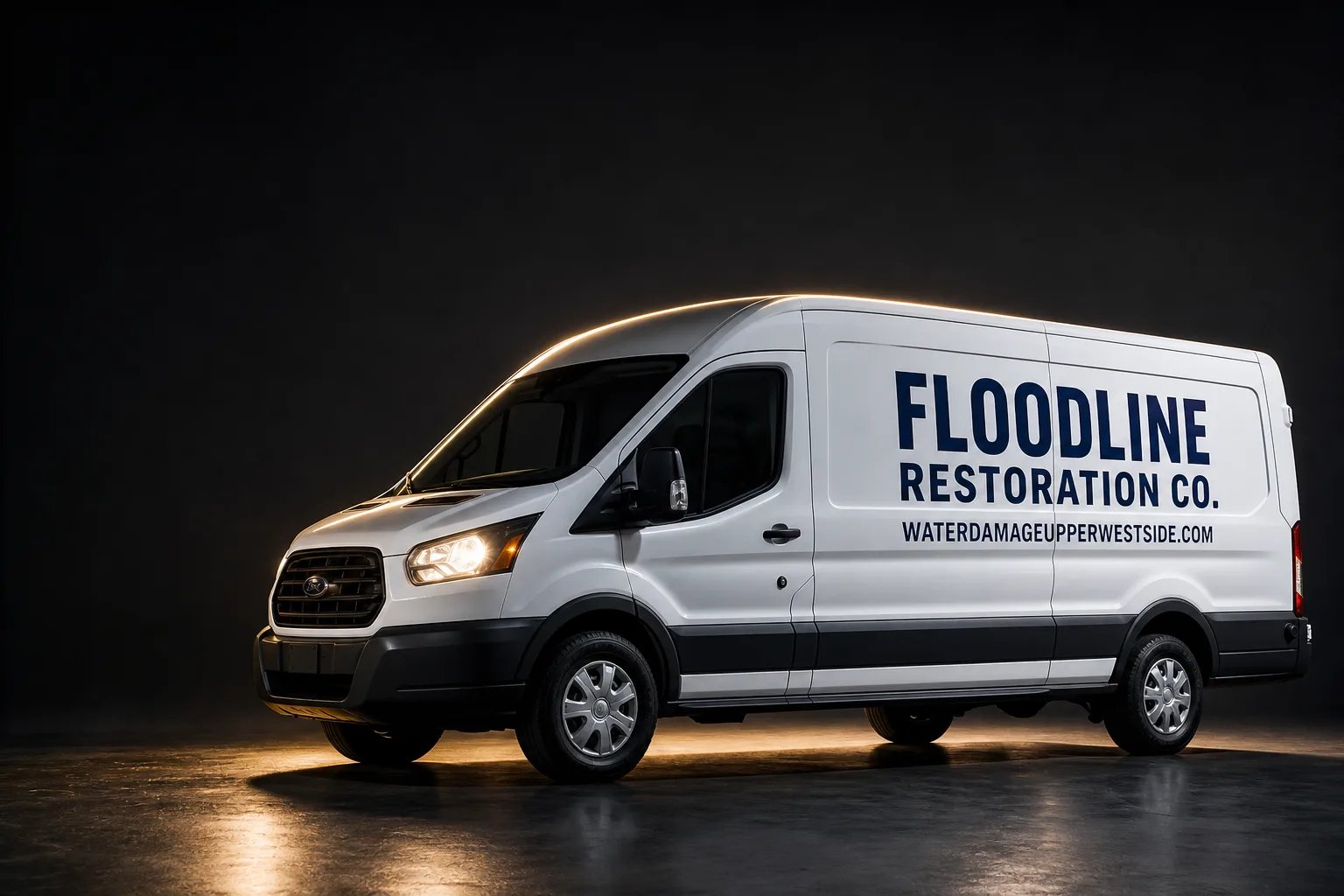
Free visual inspection and a written scope of work before any mitigation begins - photos, moisture readings, and drying logs go in your claim file
The scope we write is the scope we bill. Anything new gets shown to you, in writing, before we touch it.
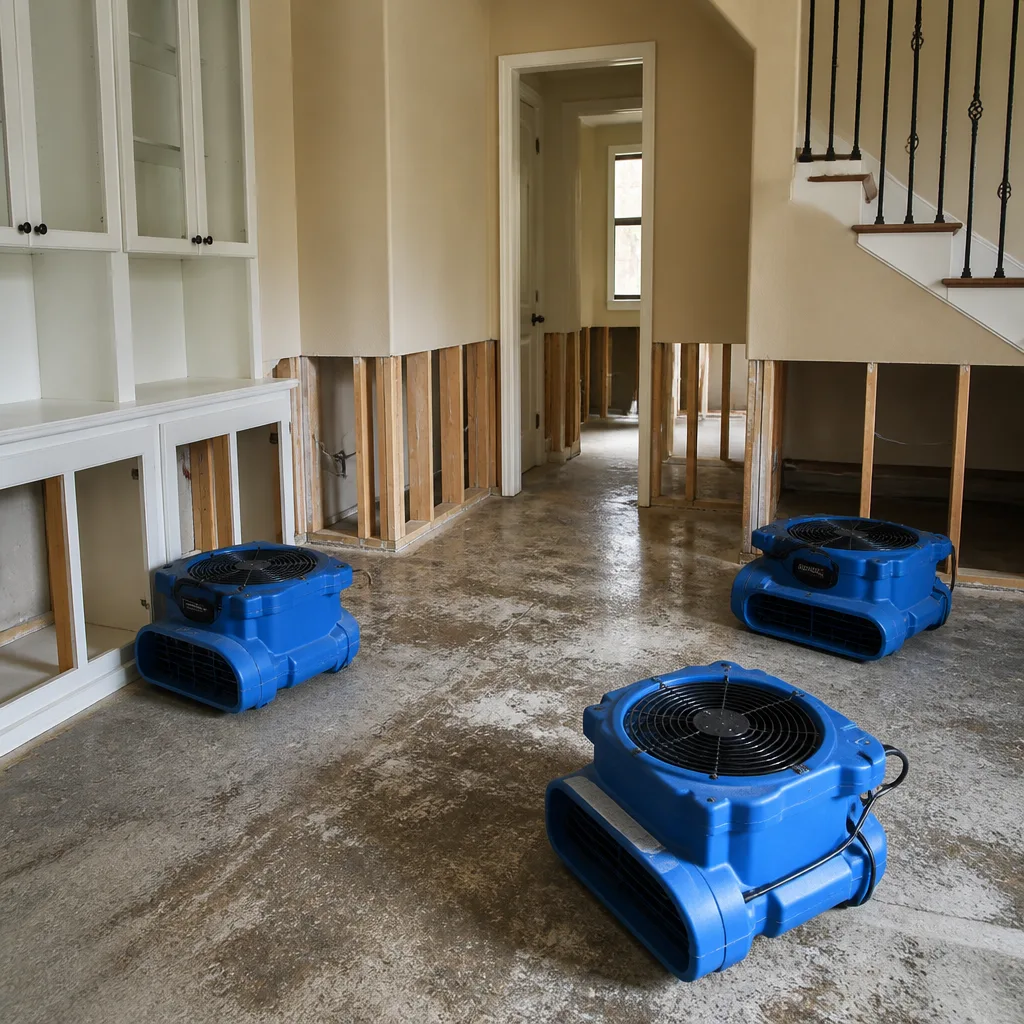
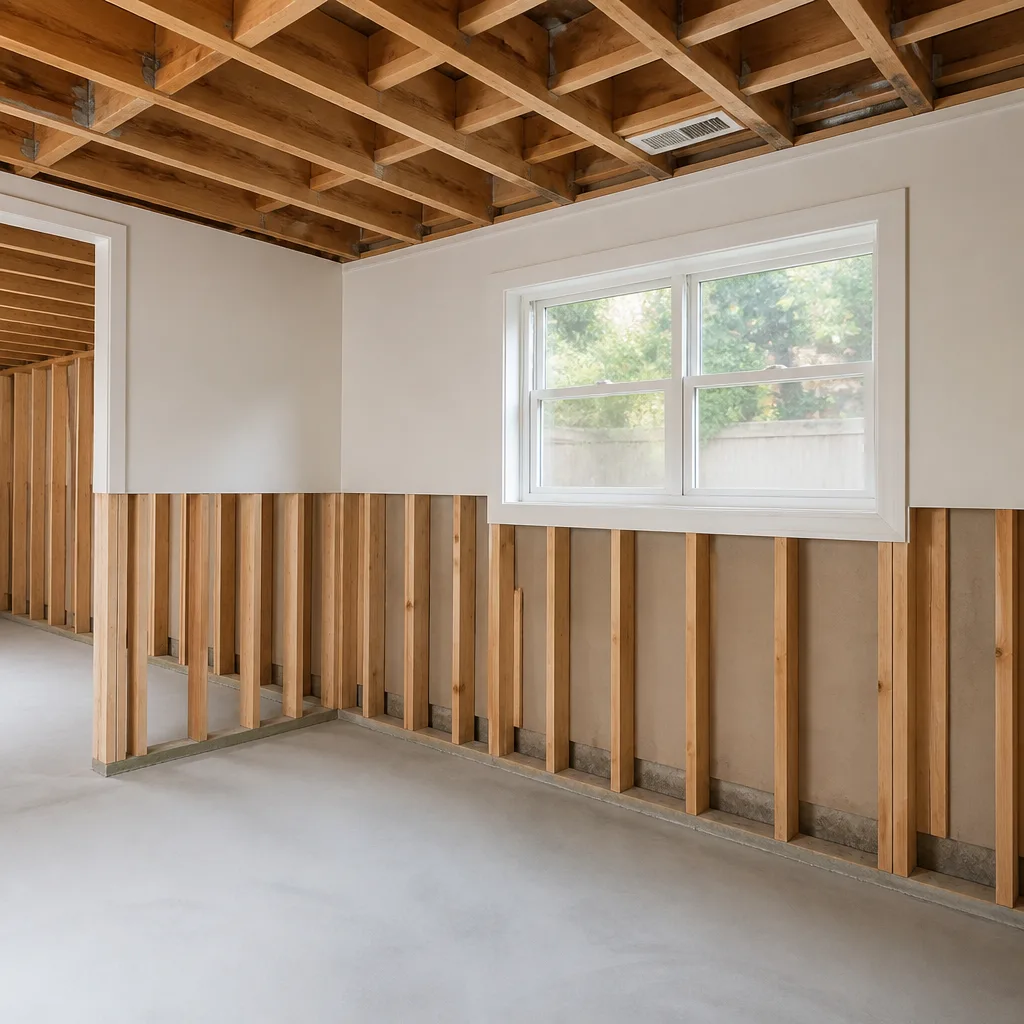
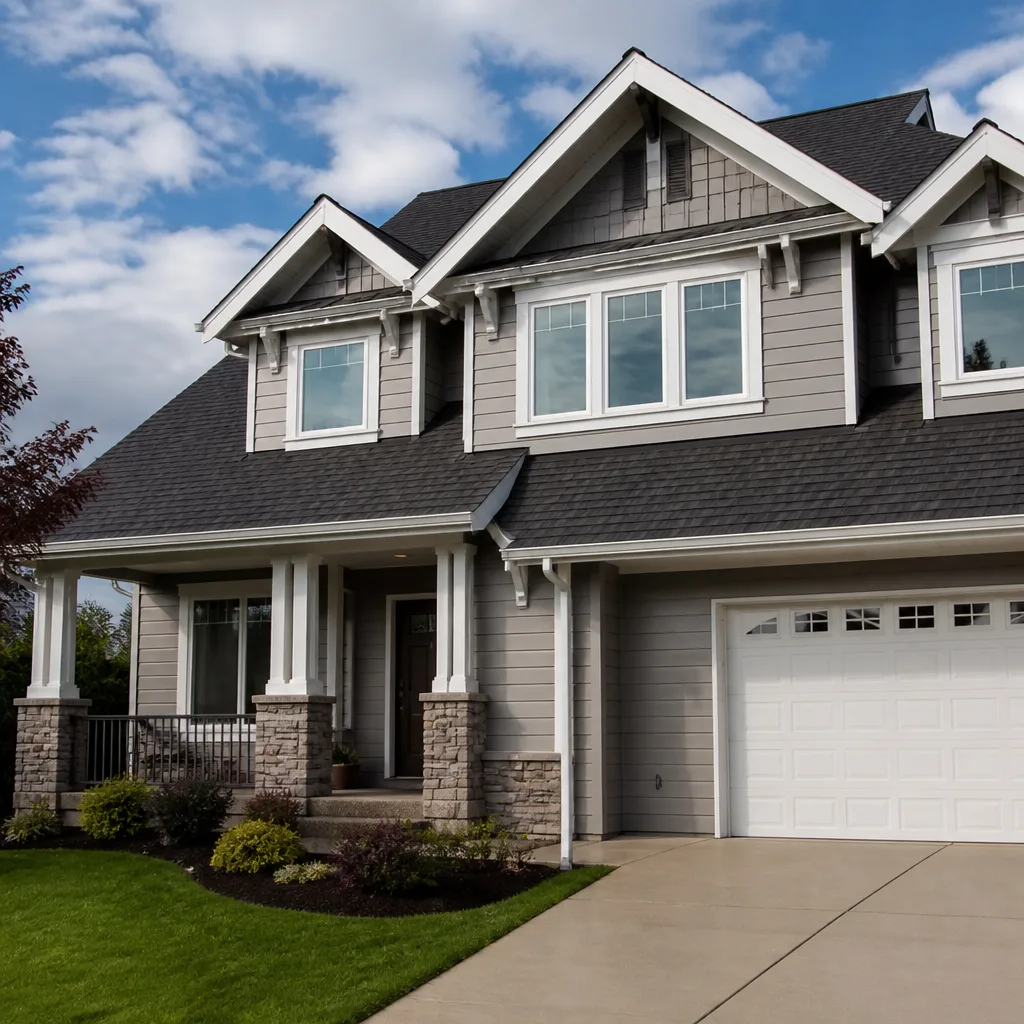
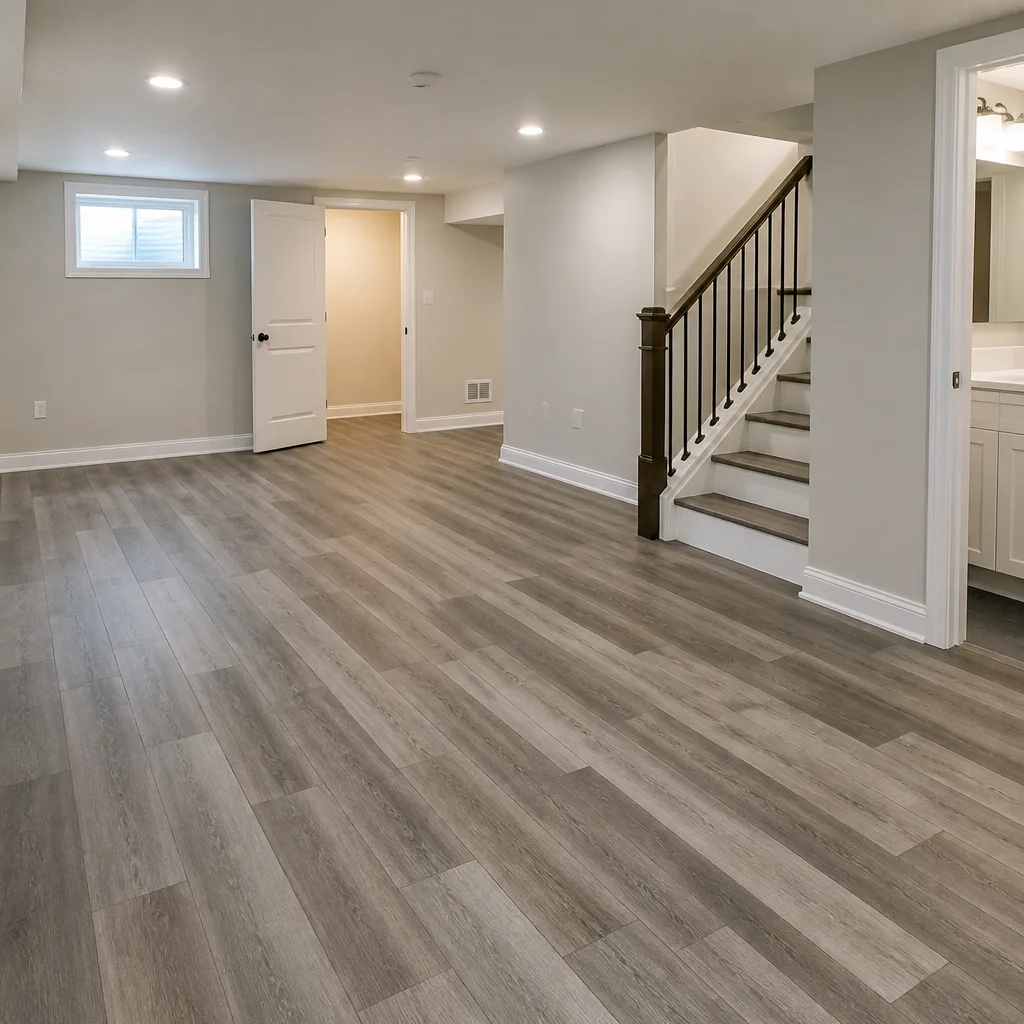
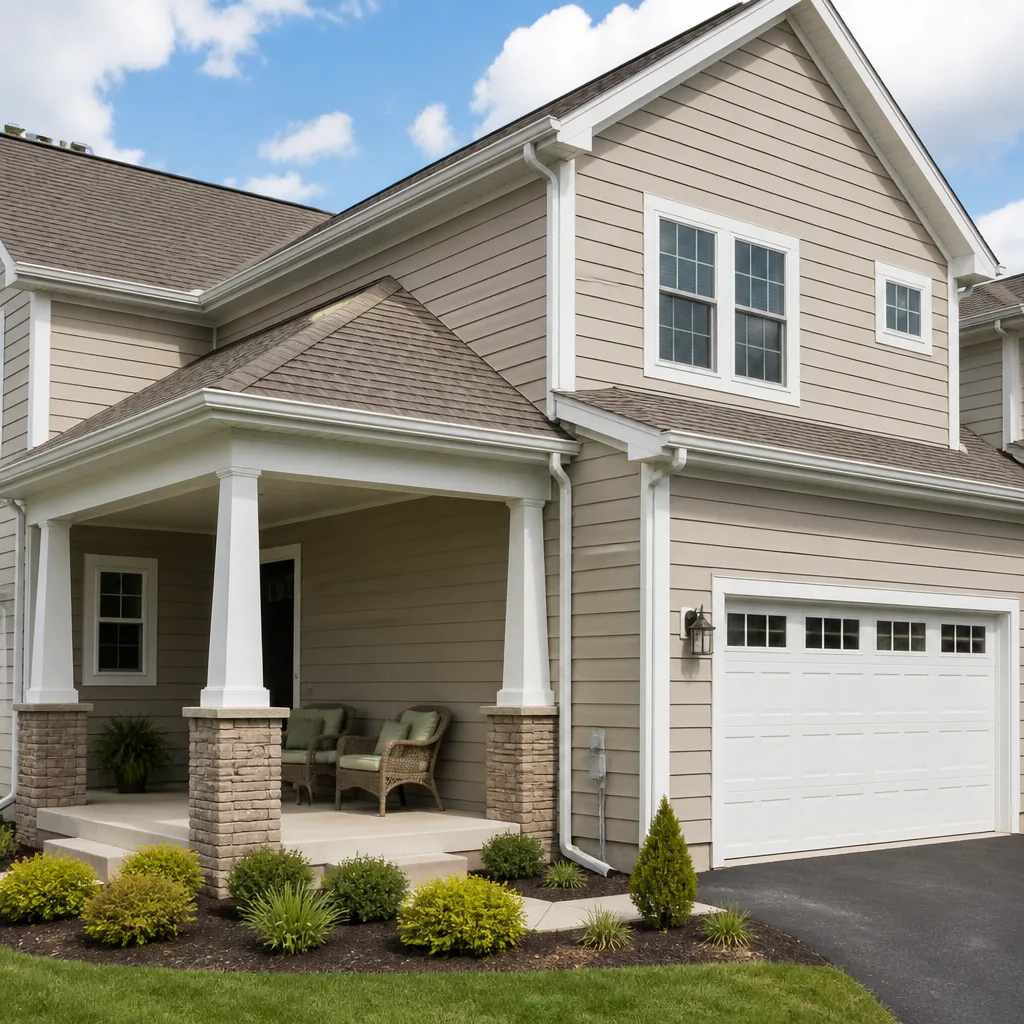
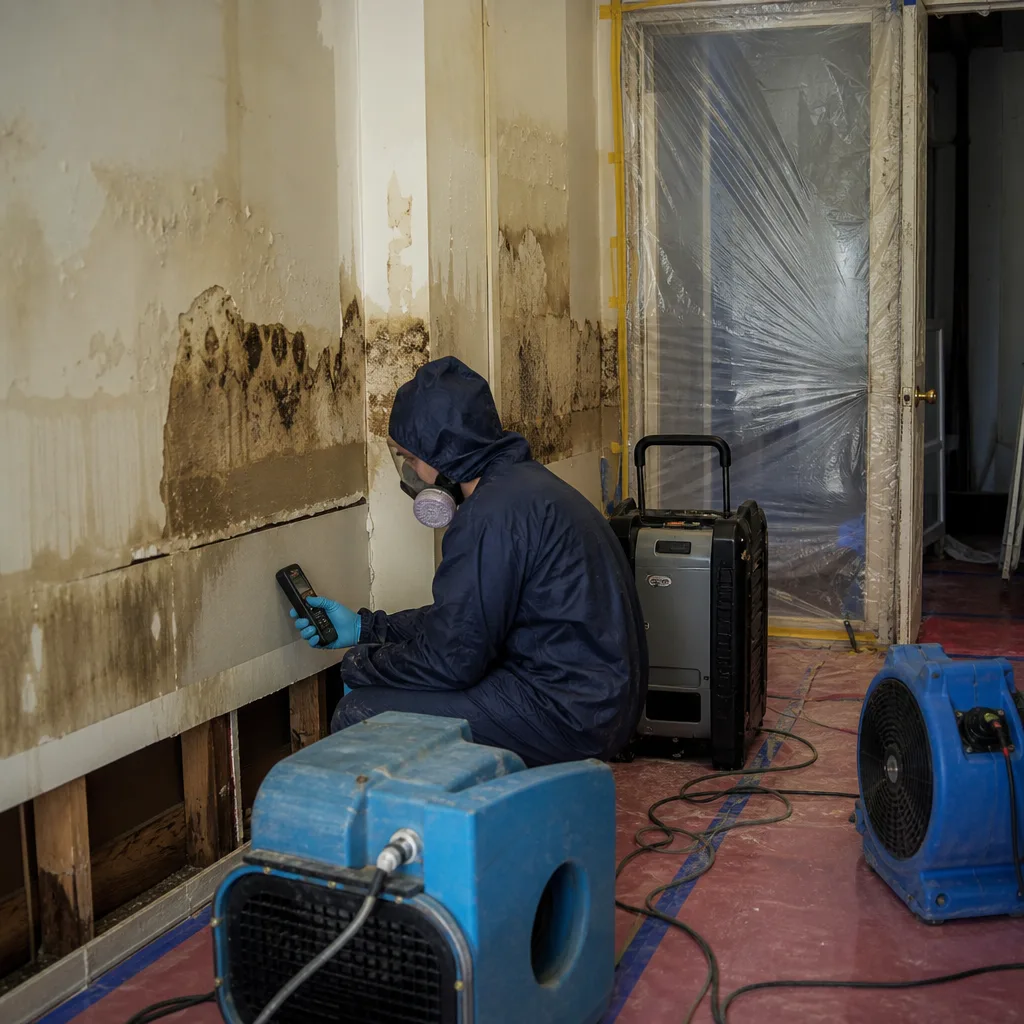 Before
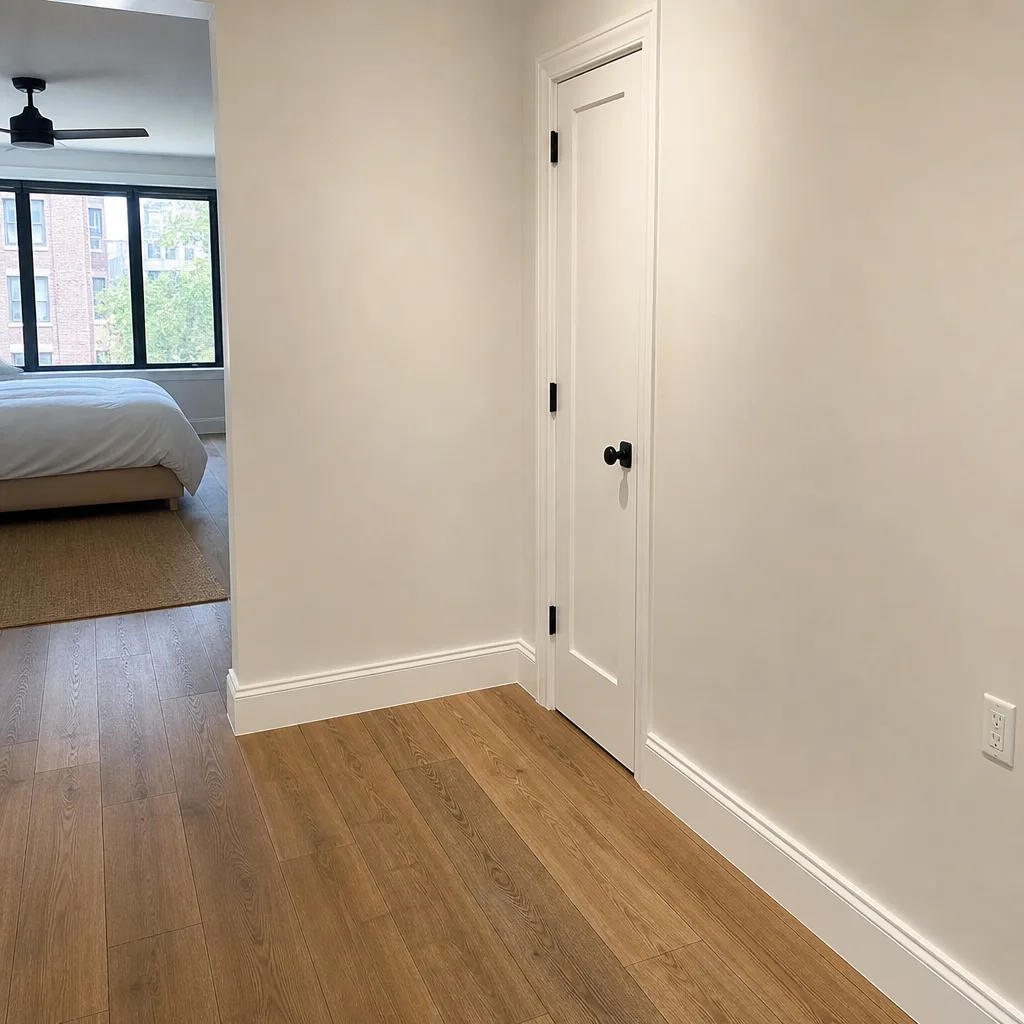 After
After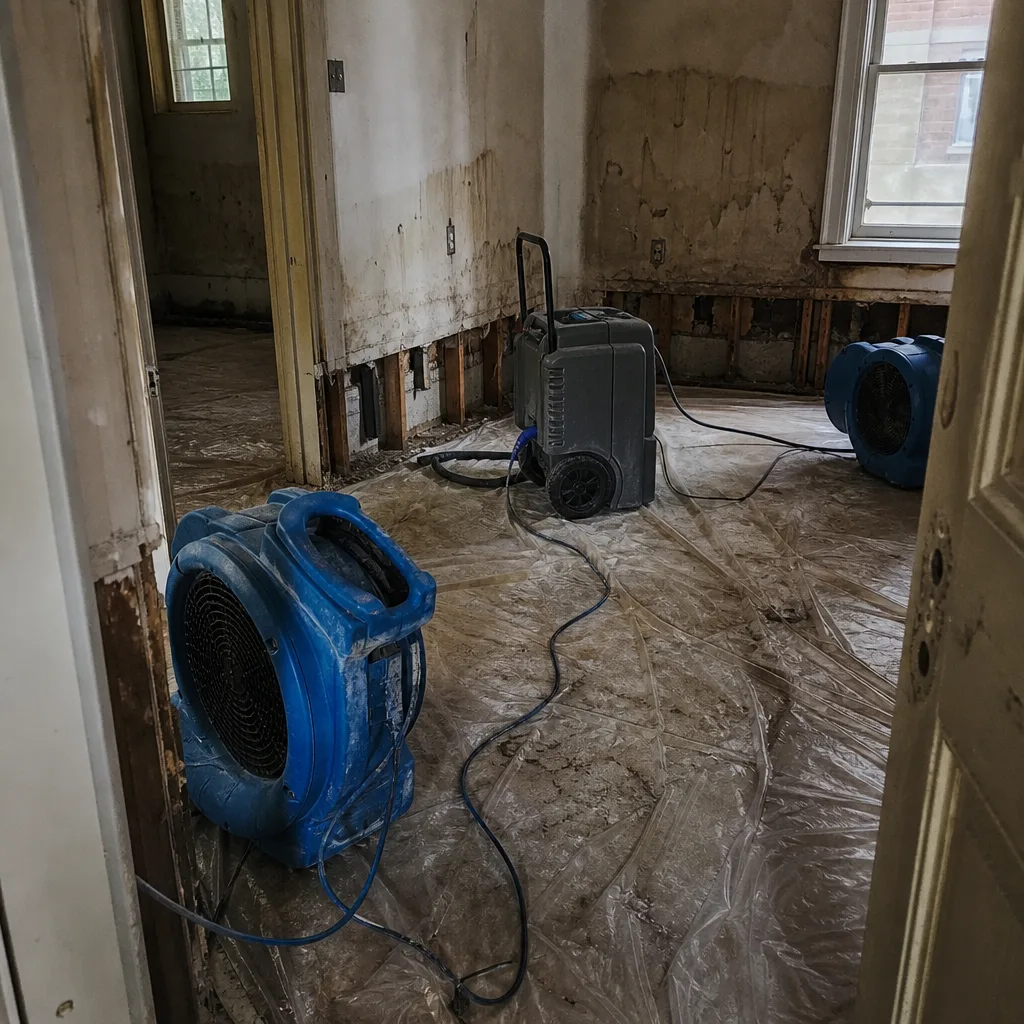 Before
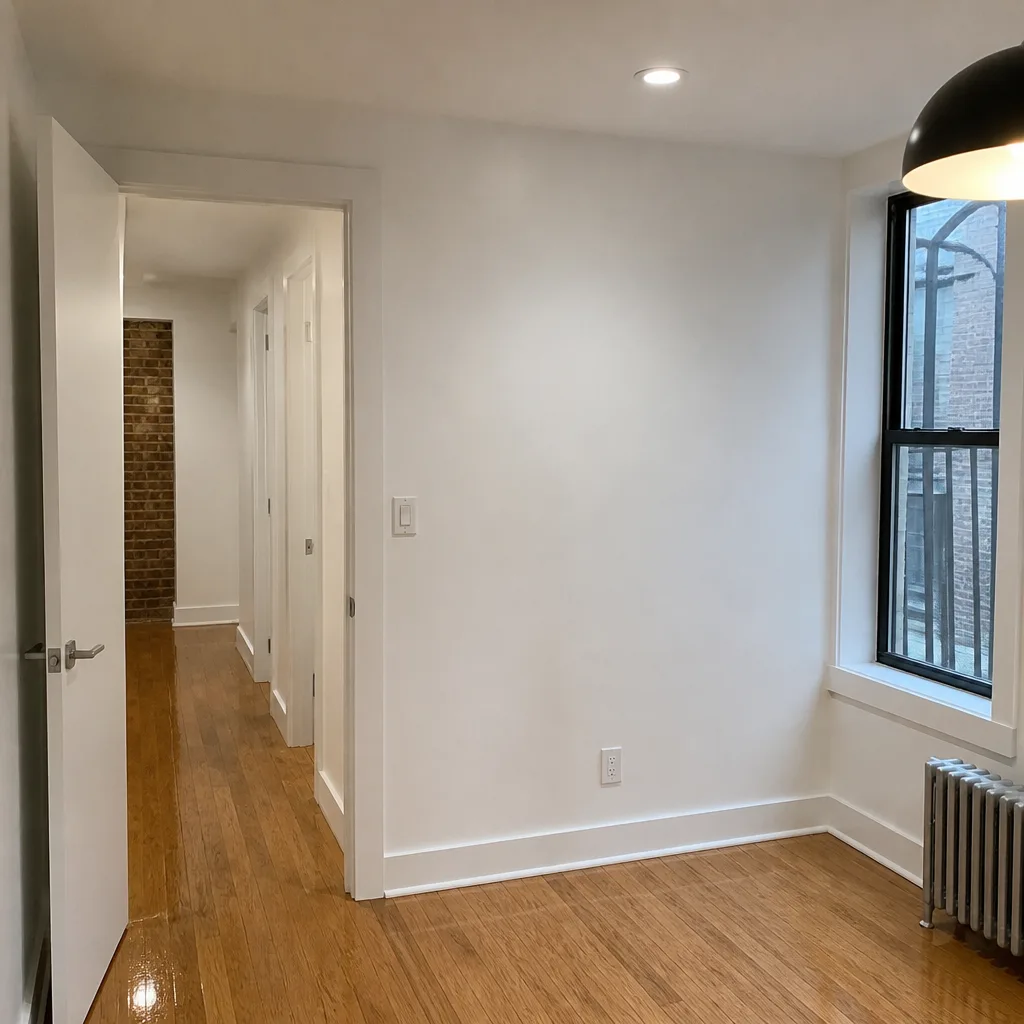 After
After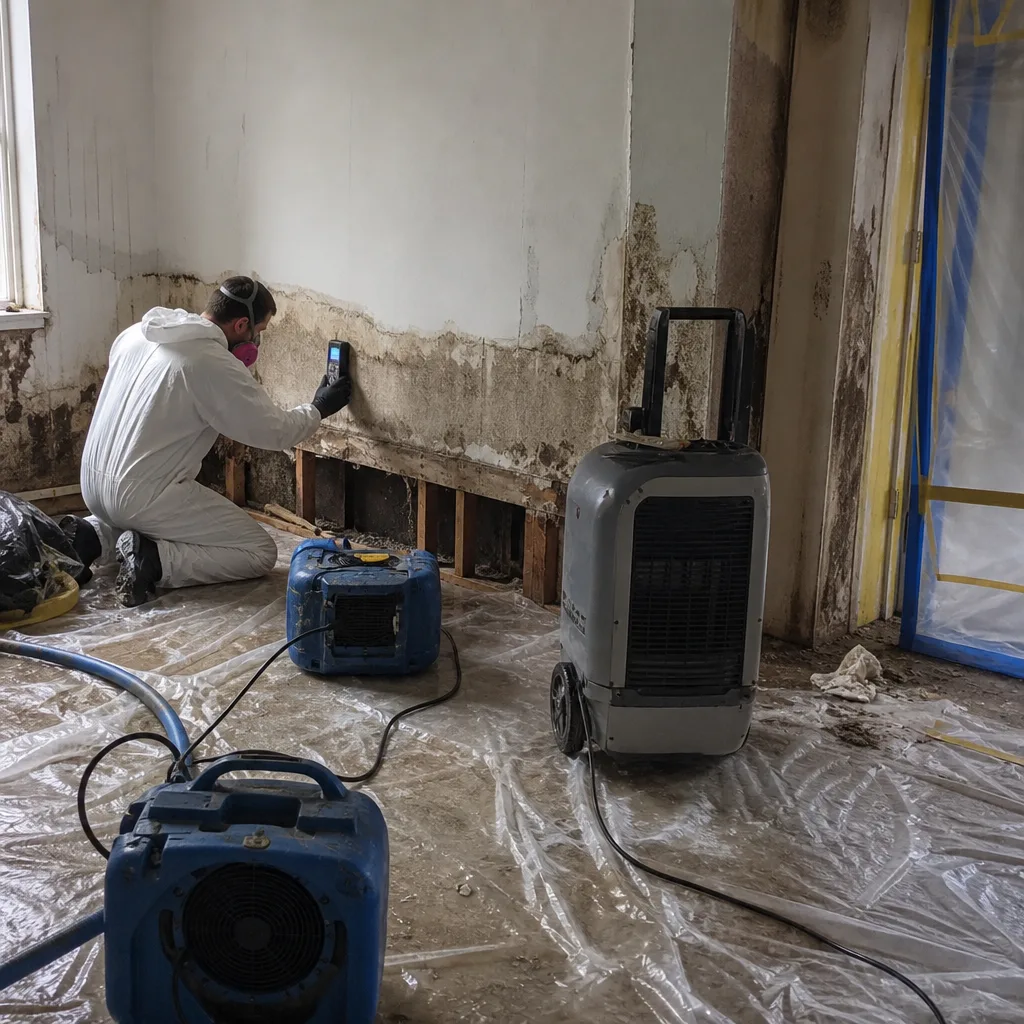 Before
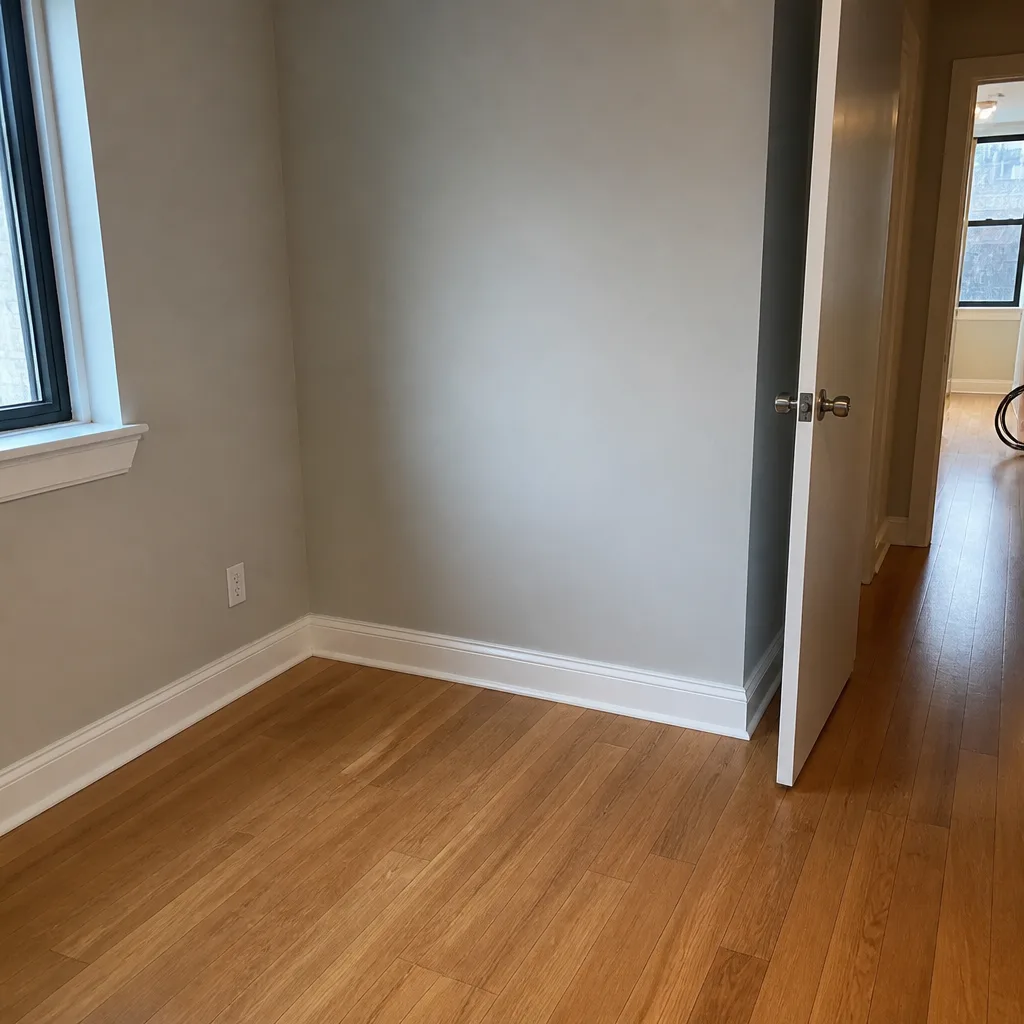 After
After24/7 Emergency Mold Remediation in East Harlem
Mold remediation in East Harlem typically costs between $1,800 and $6,500 depending on how far the colony has spread behind walls and whether the source is a plumbing leak, roof infiltration, or sewage backup. We answer live at (845) 305-5737 around the clock, and crews reach most East Harlem addresses within 45 minutes. Mold doubles its footprint every 24 to 48 hours once it has moisture and warmth, so the first call is genuinely the cheapest call you’ll make this week. In a pre-war tenement on 116th Street, we’ve seen a single toilet overflow colonize two adjacent apartments in under a week because the plaster walls and shared floor joists moved moisture laterally faster than anyone expected. Don’t wait for the musty smell to travel next door. Call (845) 305-5737 and a live person picks up, not a recording.
Understanding Mold Remediation Severity in East Harlem Properties
Mold severity in East Harlem is rarely a matter of square footage alone. It’s a matter of how old the building is, what the walls are made of, and how long moisture has been moving through them. East Harlem’s five- and six-story brick tenements, most built between the 1890s and 1920s, have plaster-over-lath walls and original cast iron drain lines. Plaster holds moisture differently than drywall. It wicks it upward and sideways, and it can hide a mold colony for months behind paint that looks fine. We classify every job by the water source first: clean water from a supply line, gray water from a washing machine or sink, or black water from sewage. Black water jobs in shared-stack buildings, where one soil stack serves six floors of bathrooms, demand full containment, HEPA air scrubbing, and antimicrobial treatment before any tear-out begins. When the source is a sewage backup, our Sewage Cleanup in East Harlem crews handle the initial extraction and sanitation so mold remediation can proceed safely. The proximity of East Harlem to the East River FDR corridor doesn’t help. Lower-floor units in older buildings hold ambient humidity year-round, which means even a small leak becomes a mold problem faster here than in a newer high-rise a few blocks west. Severity also depends on whether the moisture source is still active. We don’t remediate mold against an active leak. We find the source, stop it, then treat the mold. In East Harlem, that source is often a corroded riser, a failed roof membrane, or a deteriorated mortar joint letting winter moisture into a brick facade, not a visible pipe you can point to.
Why East Harlem Property Owners Choose Floodline Restoration Co.
- 45-minute response to most East Harlem addresses. Our dispatch board, not a sales desk, routes the nearest crew the moment you call. We’ll be there when we say.
- A live person answers, 24/7. At 2 a.m. on a Sunday, a dispatcher picks up. No phone tree, no “leave a message.” You talk to a human who can send a crew.
- IICRC-certified technicians. Our crews hold WRT, FSRT, and AMRT certifications and train to RIA and IFA standards, so containment, air scrubbing, and drying are done to code.
- Free visual inspection before any work begins. We look, we explain what we found in plain language, and we hand you a written scope. No pressure, no surprises.
- Direct insurance billing. We document everything from hour one, bill your carrier directly, and handle the adjuster conversation so you don’t have to play messenger.
- One crew from first extraction to final rebuild. The same team that sets containment on day one hands you the dry standard log and rebuilds the wall. No mid-job handoff to a subcontractor you’ve never met.
Our Mold Remediation Process
Inspection & Assessment
We walk the property room by room, map moisture with thermal imaging and hygrometers, and identify the water source. In East Harlem pre-war buildings, this often means checking shared stacks, transom windows, and the roof or parapet before we ever talk about mold removal.
Containment & Stabilization
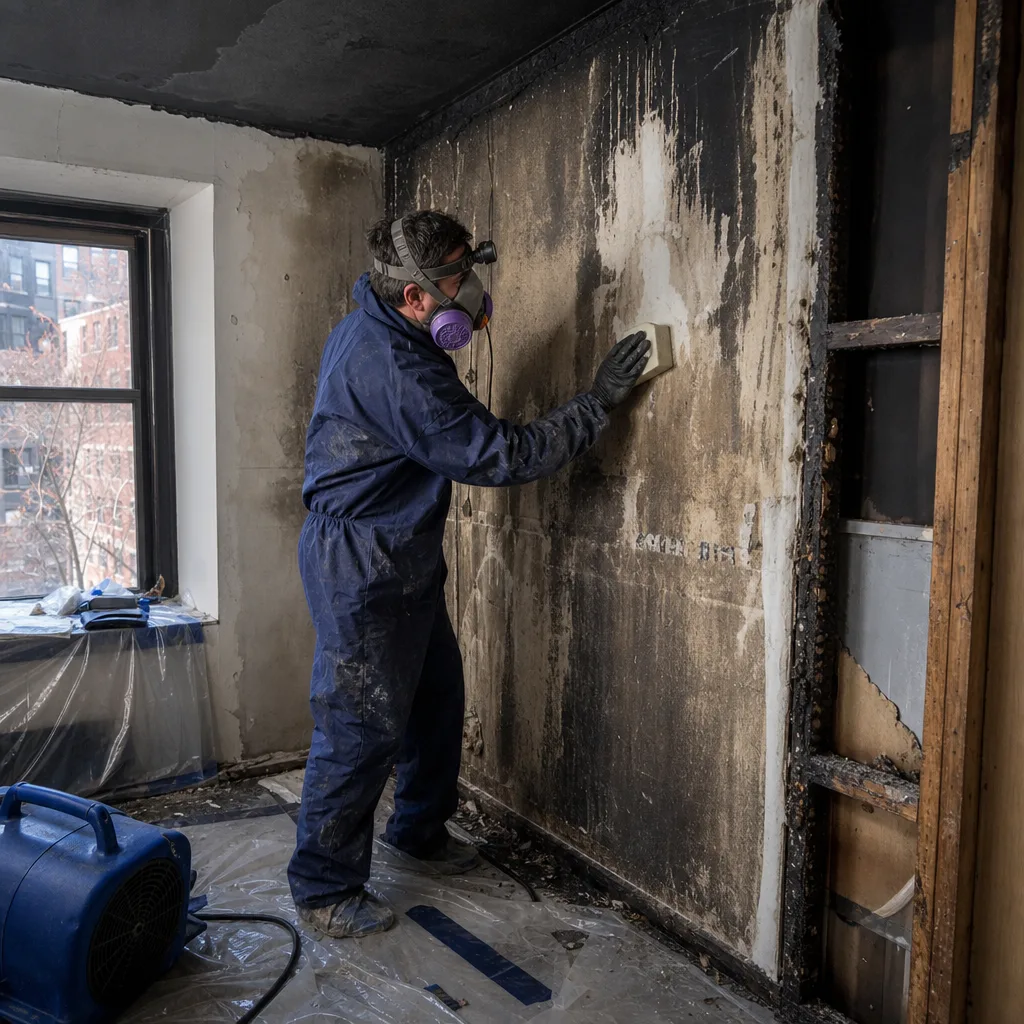
We seal the affected area with 6-mil poly sheeting and run HEPA air scrubbers to create negative air pressure. This keeps spores from moving into hallways, neighboring units, and the rest of your apartment during tear-out.
Drying & Dehumidification
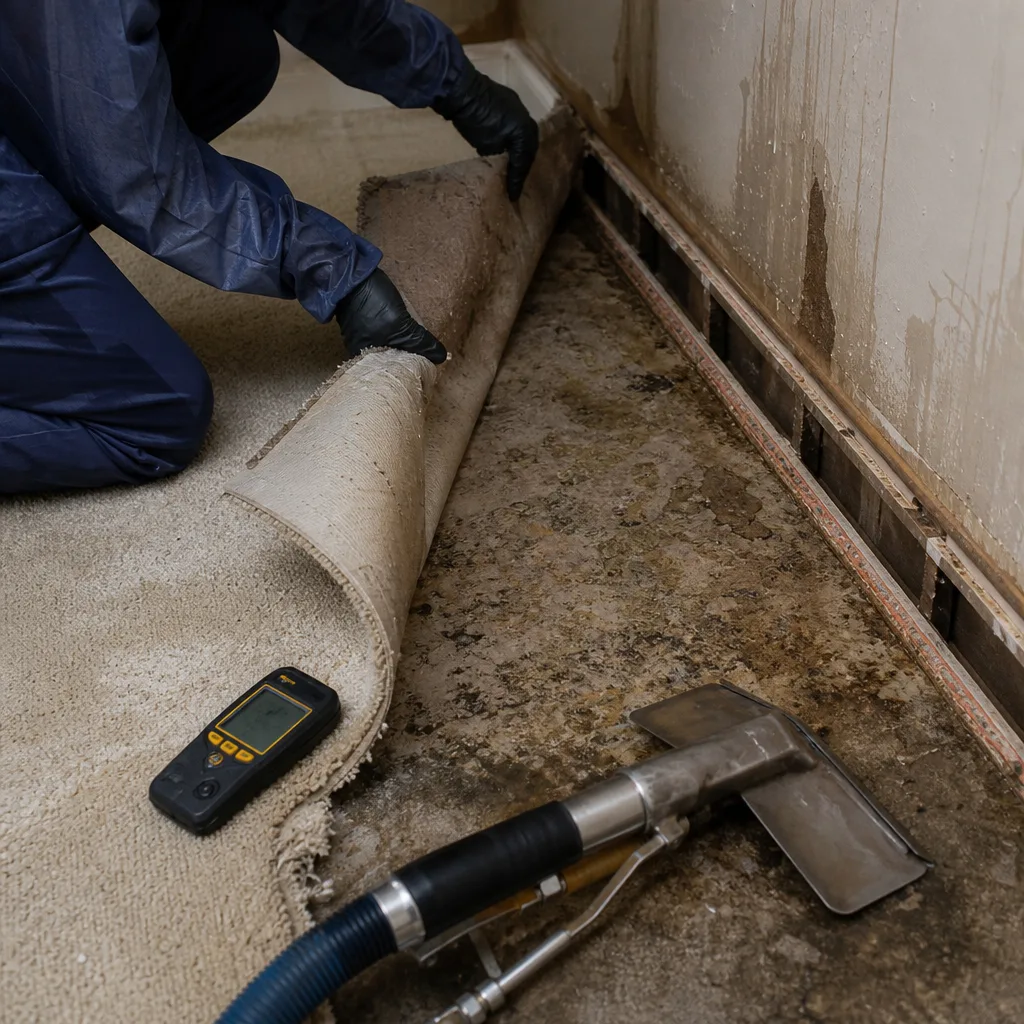
Professional-grade Dri-Eaz and Phoenix dehumidifiers and air movers pull moisture from plaster, framing, and subflooring. We log daily moisture readings until every cavity hits the dry standard. The moisture log is yours, and your carrier gets a copy.
Cleaning & Sanitization
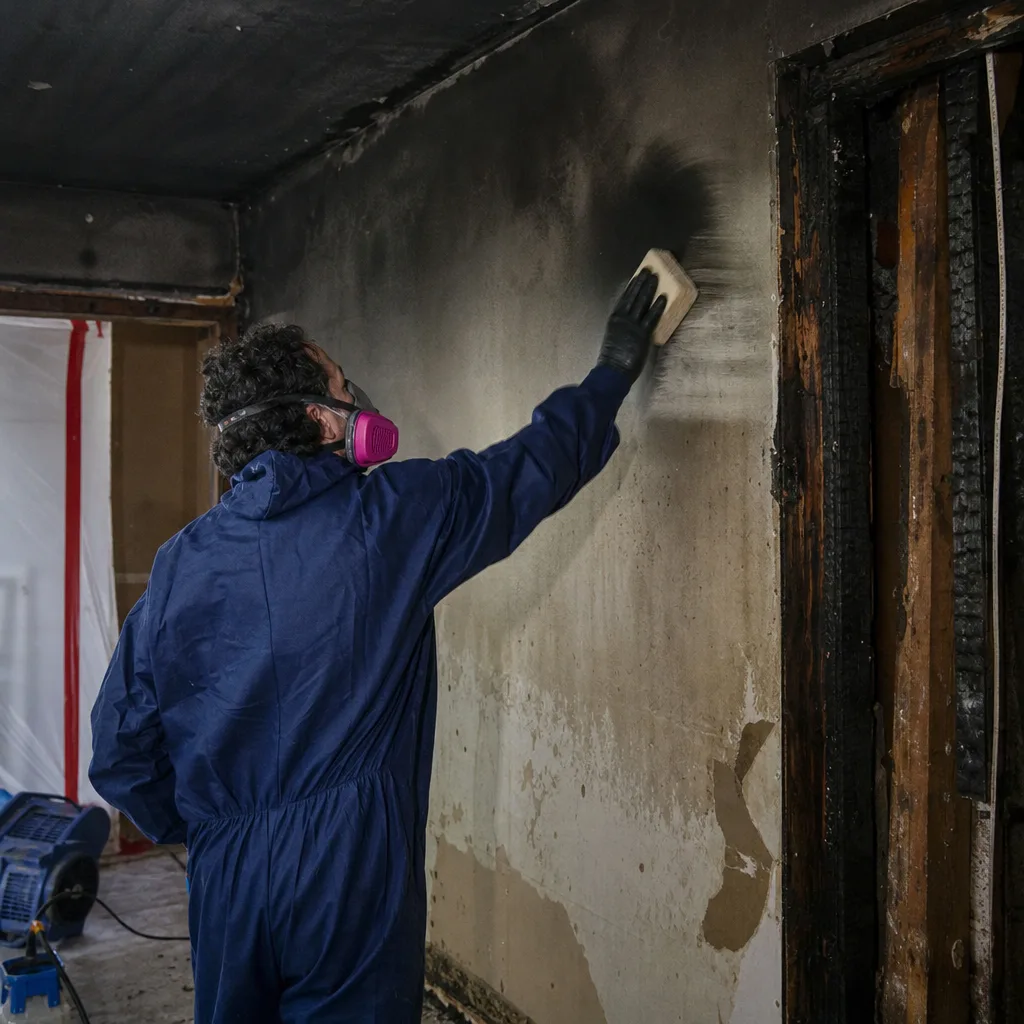
Mold-affected materials are removed under containment. Remaining surfaces are HEPA-vacuumed, wire-brushed where needed, and treated with antimicrobial agents. We don’t paint over mold. We remove it.
Air Quality Restoration & Clearance
After remediation, we run the scrubbers until air samples confirm spore counts have returned to background levels and, where required, pass clearance testing so you can walk back in with confidence.
Repairs & Restoration
We rebuild what was removed: plaster, baseboard, flooring, paint. The same crew that opened the wall closes it. Done right, and backed in writing by the 90-Day Done Right Promise.
Need Emergency Mold Remediation in East Harlem Now?
Crews minutes away, answering live 24 hours a day. The sooner we start, the less it costs.
Working With Your Insurance Company
Most East Harlem mold claims trace back to a covered water event: a burst supply line, a sewage backup, a roof leak. The carrier’s question is never whether you have mold. It’s whether the mold resulted from a covered loss and whether the scope is reasonable. We answer both from the first hour. Our techs photograph every room before touching anything. We log moisture readings daily. We write a line-item scope that your adjuster can read without a translator. And because we’ve handled NYCHA-adjacent claims, private tenement losses, and everything between, we know how to present a file that moves. You never play messenger between us and the carrier. We speak to your adjuster directly. We’ve been doing that since Curt Bowman founded Floodline Restoration Co. in 2010, and it remains the reason most of our East Harlem work comes from referrals and repeat calls.
What We Provide Your Insurer
- Thorough documentation of the loss
- Photos of all damage, room by room
- Moisture readings and drying logs
- A detailed, line-item scope of work
- Direct coordination with your carrier
Built for East Harlem’s Loss Calendar
East Harlem’s mold season doesn’t follow a single calendar. It follows the building. January and February bring deep freezes that burst supply lines in uninsulated pre-war walls, and the water travels down through four floors before anyone notices the stain on the second-floor ceiling. March and April bring thaw cycles that push snowmelt into deteriorated mortar joints, behind brick facades, and straight into plaster walls. May through August, the East River humidity settles into lower-floor units near the FDR corridor and gives every small leak a running start. Then come the late-summer thunderstorms and the occasional nor’easter that overloads hundred-year-old roof drains and sends water down interior walls. In NYCHA-adjacent private tenements, the calendar is different again: a failed riser or boiler-room pipe in the authority building next door can push water laterally into an adjacent walk-up at any time of year. That’s the dual-sector reality of Mold Remediation in this neighborhood. We dispatch to East Harlem every month, and the pattern never surprises us anymore. But it should not surprise you. If you see a stain, smell must, or notice peeling paint in a corner that was fine last month, call. The problem does not self-correct.
Mold Remediation Across East Harlem’s Neighborhoods
Response routes matter in a neighborhood as dense as East Harlem. From the Wagner Houses off First Avenue to the tenements along Lexington and Third, our crews know which buildings have shared stacks, which have original cast iron drains, and which have roof membranes that should have been replaced a decade ago. The Jefferson and Johnson Houses sit just north of 112th Street, and the water damage that migrates from their aging plumbing into adjacent private walk-ups is a claim pattern we’ve handled more times than we can count. The James Weldon Johnson Houses near 115th and Lexington sit across from exactly the kind of six-story brick tenements where a single sewage event on the top floor produces four or five restoration scopes under one roof. Along 116th Street near Lexington, we recently opened a wall for what looked like a small bathroom mold patch and found moisture mapping showed lateral migration through three wall cavities from a corroded soil stack. Along Pleasant Avenue, closer to the river, lower-floor units fight year-round humidity. Along Park Avenue’s elevated viaduct, the shadowed side of the street holds dampness longer after rain. No two blocks in East Harlem behave the same, but the pattern is consistent: older brick buildings, shared infrastructure, and deferred maintenance mean mold moves faster and hides longer than in newer construction. Our crews know where to look because they’ve worked every corridor from 96th to 125th Street.
Specialized Mold Remediation Services We Offer in East Harlem
Mold Inspection & Testing
In East Harlem, mold hides behind plaster, under original hardwood floors, and inside wall cavities no one has opened since the Coolidge administration. We inspect with thermal imaging and moisture meters, and when testing is warranted, we sample air and surfaces and send them to an independent lab. A pre-war tenement on 116th Street with a musty smell but no visible mold is exactly the kind of job that pays for testing before a single wall is opened.
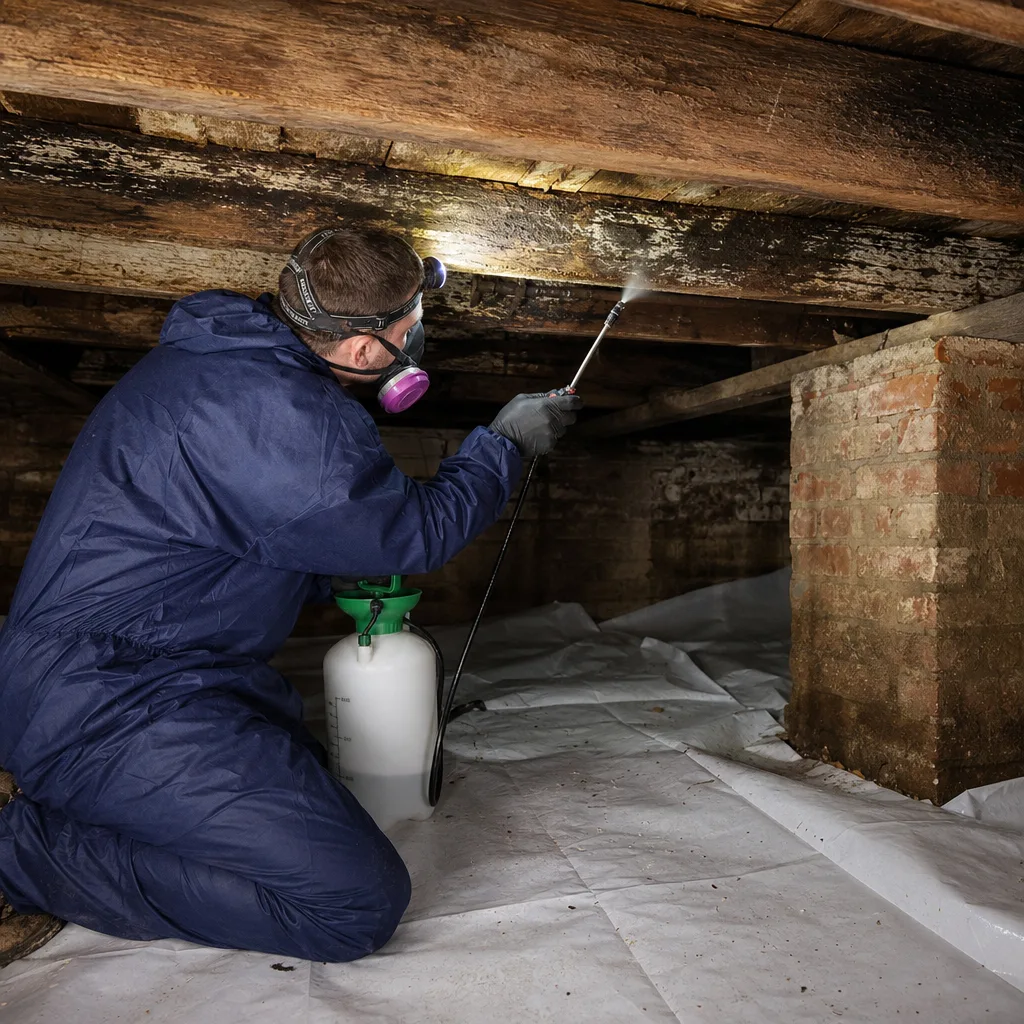
Mold Removal
Removal in East Harlem means full containment, HEPA air scrubbing, and physical removal of mold-affected plaster, lath, and framing, not spraying bleach on drywall and calling it done. Because many of these buildings carry lead paint and asbestos from decades of layered renovations, removal almost always runs through NYC Local Law 1 and EPA RRP protocols. Our crews are trained to handle both.
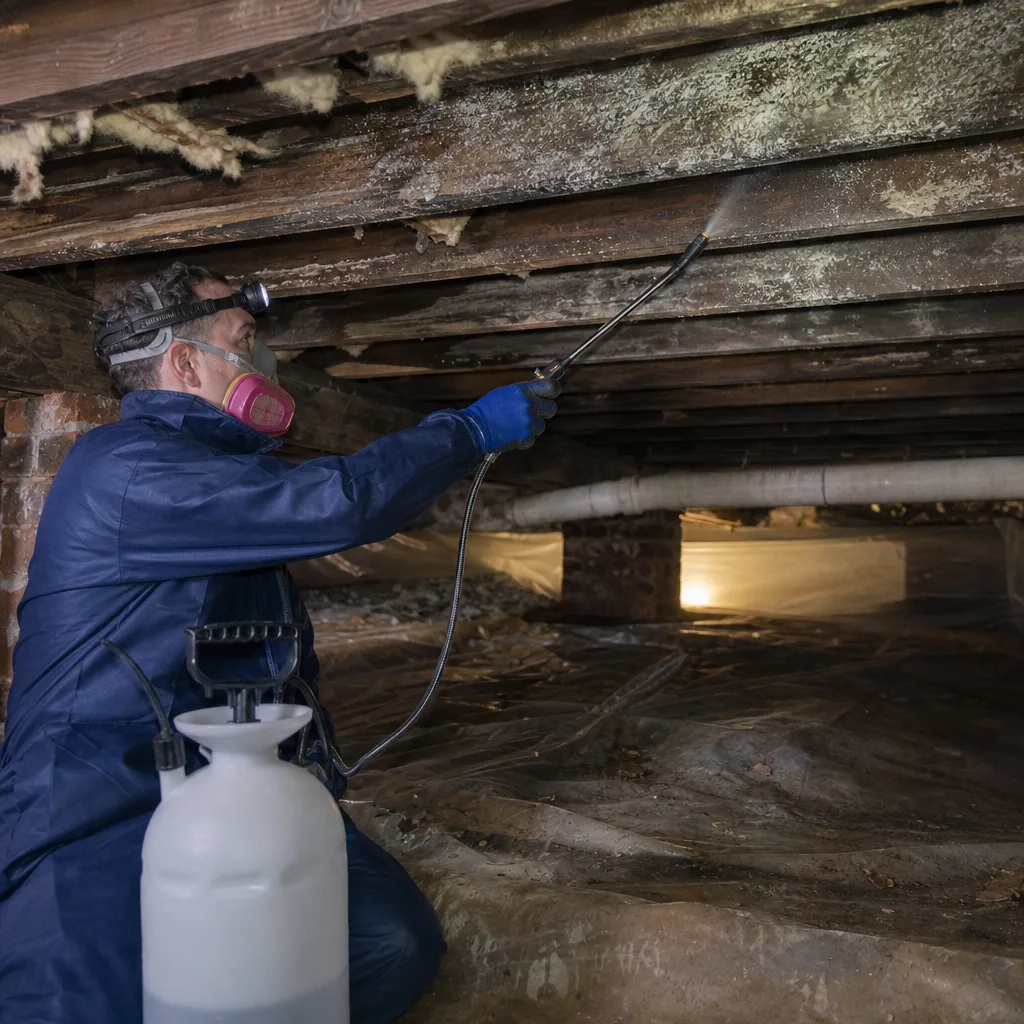
Black Mold Remediation
Black mold, or Stachybotrys, gets the headlines, but the reality is that any mold colony in a damp wall cavity is a respiratory irritant and a structural problem. In East Harlem’s pre-war housing, black mold typically appears in bathrooms and kitchens where cast iron drain lines have been sweating or leaking for years. We treat every colony as a health and building issue, not a scare tactic, and we remove it fully, with clearance testing at the end.
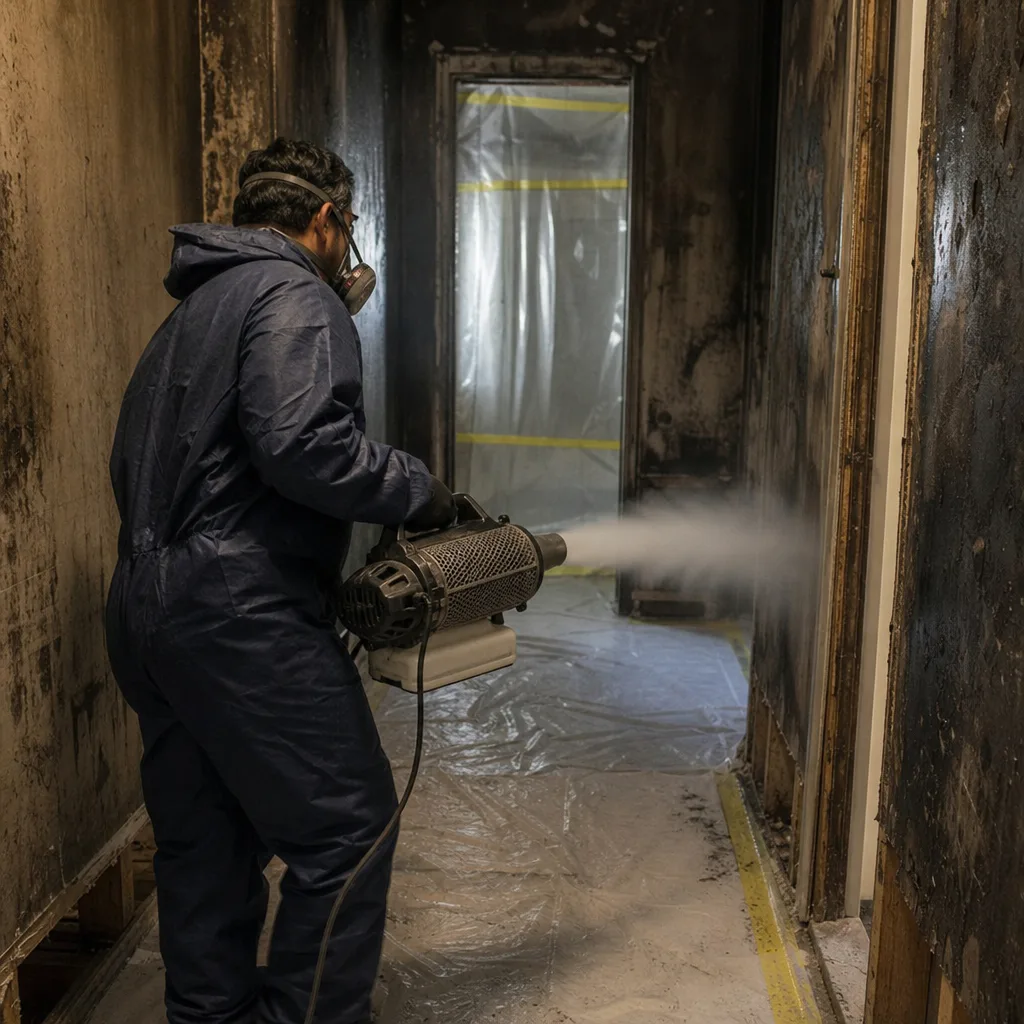
Air Quality Restoration
Mold spores travel. In a shared-stack East Harlem tenement, they travel through pipe chases, transom windows, and hallway air returns. After remediation, we run HEPA scrubbers until air samples confirm the indoor environment is clean, not just visually. For lower-floor units near the FDR corridor, we also recommend year-round dehumidification as part of the finish, because the ambient humidity here never really takes a season off.
Crawl Space Treatment
Not every East Harlem building has a crawl space, but the ones that do, usually the older rowhouses and a handful of converted brownstones on the neighborhood’s southern edge, hold moisture close to the first floor joists. We encapsulate, dehumidify, and treat crawl spaces so the first floor stops acting like a sponge. The mold you see on your living room baseboard often starts below, in the space no one checks.
Moisture & Humidity Control
This is the part most remediation firms skip in East Harlem, and it’s the part that determines whether the mold comes back. We identify the moisture source, whether it’s a leaky riser, a roof membrane, a failed lintel, or ambient humidity, and we recommend the fix. Dehumidification after mold removal is not optional near the East River. It’s the difference between a one-time remediation and a recurring problem.
What happens when you call
- 1
A real person answersNo phone trees - you reach a local pro.
- 2
You get an upfront price rangeHonest numbers before anyone is dispatched.
- 3
A background-checked tech heads outLicensed & insured, dispatched right away.
- 4
You approve before work beginsNothing starts until you say go.
Mold Remediation Costs in East Harlem, NY
A small, contained mold job in East Harlem, a single bathroom wall, an inspection with lab testing, typically runs $1,800 to $3,200. A multi-unit sewage backup with Class 3 water, containment, structural drying, and antimicrobial treatment across several rooms runs $4,500 to $9,000. A full tear-out triggered by a roof leak or NYCHA-adjacent water migration, with Local Law 1 lead and asbestos compliance, can run $8,000 to $15,000. The variables are the square footage of hidden moisture, the building’s construction, and whether lead or asbestos abatement is triggered. Insurance covers most mold claims tied to a covered water event, and we bill your carrier directly. For out-of-pocket work, we offer $50 off any repair over $250, and a 5% discount for seniors and veterans, always. The best way to get a real number is a free visual inspection. We come, we look, we explain, and we hand you a written scope before anything starts. Call (845) 305-5737 and we’ll set a time that same day.
We Also Serve Cities Near East Harlem
Our crews regularly run mold remediation in East Harlem and the surrounding neighborhoods: Upper West Side, Upper Manhattan, Morningside Heights, and Central Harlem. If your building sits on the border or your property manager handles multiple addresses, one call covers it.
Serving East Harlem, NY - Our Local Coverage Area
We’re based in the East Harlem area and know this community well. Use the map below to see our service coverage - if you’re nearby, we can almost certainly help.
East Harlem Mold Remediation Questions, Answered
How does NYCHA building proximity affect mold remediation in East Harlem private tenements?
Water damage from NYCHA buildings’ aging risers, roof membranes, and boiler-room plumbing often migrates laterally into adjacent private tenements, which means the mold in your private walk-up may have a source next door. We see this constantly around the Wagner, Jefferson, and Johnson Houses. Remediation requires finding the actual water path, not just treating the visible mold, and often means coordinating with both your carrier and the authority’s claim process. Call (845) 305-5737 and we’ll walk the building with you.
Why do single sewage backups in East Harlem pre-war buildings create multiple mold scopes?
Because one cast iron soil stack serves six floors of bathrooms, a single backup floods every bathroom on the line at once. Recently on 116th Street near Lexington, our techs handled exactly that: a corroded stack backed up into every bathroom, and because tenants had lived there for decades with belongings stacked floor-to-ceiling, one event became four separate restoration scopes under one roof. If your pre-war building shares a stack, assume water moved farther than you can see.
How do freeze-thaw cycles on East Harlem brick facades lead to hidden mold?
Manhattan’s freeze-thaw cycles push water into deteriorated mortar joints and failed lintels on East Harlem’s unreinforced brick tenements. The moisture sits inside the wall cavity behind plaster and, over winter months, colonizes into mold that never shows on the surface. By the time you see a stain, the colony has been growing for months. We identify envelope leaks during inspection, not after remediation, because treating surface mold without fixing the leak means the mold returns next winter.
What role does Local Law 1 and EPA RRP play in East Harlem mold tear-outs?
East Harlem’s pre-war housing stock carries extensive lead paint and asbestos from decades of layered renovations. Any tear-out that disturbs painted surfaces or old insulation triggers NYC Local Law 1 lead-safe work practices and EPA RRP protocols. Our crews are certified and equipped for both. This affects cost and timing, but skipping it is illegal and dangerous. We do it right, every time, and document compliance for your records.
Why do lower-floor units near the FDR corridor need year-round dehumidification after mold removal?
The East River’s ambient humidity never really leaves East Harlem’s lower floors, especially in older buildings without modern vapor barriers. After mold removal, that ongoing moisture load gives any remaining spore a place to regrow. We recommend permanent dehumidification in ground-floor and below-grade units near the FDR corridor as standard finishing work after remediation. It’s not an upsell. It’s the physical reality of the neighborhood’s geography.
How fast can you reach East Harlem for a mold inspection?
Most East Harlem addresses get a crew on site within 45 minutes for emergency calls, and we schedule free visual inspections the same day you call. A live dispatcher answers at (845) 305-5737 24 hours a day. We’ll tell you honestly whether you need full remediation or a targeted cleanup, and you’ll have a written scope before any work begins.
Can I stay in my home during mold remediation?
It depends on the size of the affected area and whether it’s behind containment. For small, contained jobs, you can typically stay. For multi-room tear-outs or any job involving sewage, we recommend leaving the affected unit during active work. We’ll tell you straight what’s safe, and we’ll sequence the work so you’re not displaced a day longer than necessary.
What should I do in the first 30 minutes after discovering mold in East Harlem?
Don’t disturb it. Don’t scrub it, don’t bleach it, don’t run a fan on it. Disturbing mold releases spores into the air and spreads the problem. Close the door to the affected room if you can, turn off the HVAC if it serves that area, and call (845) 305-5737. We’ll walk you through the next steps over the phone and get a crew rolling. The sooner we contain it, the smaller the job stays.
Mold in East Harlem doesn’t announce itself. It moves through old plaster walls, shared stacks, and forgotten crawl spaces until the smell or the stain forces the conversation. When it does, you want a crew that knows this neighborhood’s buildings, this neighborhood’s claim patterns, and this neighborhood’s codes. Floodline Restoration Co. has been answering the phone live and showing up fast since 2010. We’re licensed, insured, and our technicians are background-checked, uniformed, and certified to IICRC, RIA, and IFA standards. Every job is backed by the 90-Day Done Right Promise, in writing. That’s the Keystone Standard, and we don’t soften it. Call (845) 305-5737 for a free visual inspection and a written scope. Done right, and backed in writing.
Written by Curt Bowman, Owner at Floodline Restoration Co., serving East Harlem and the surrounding New York City metro since 2010.