
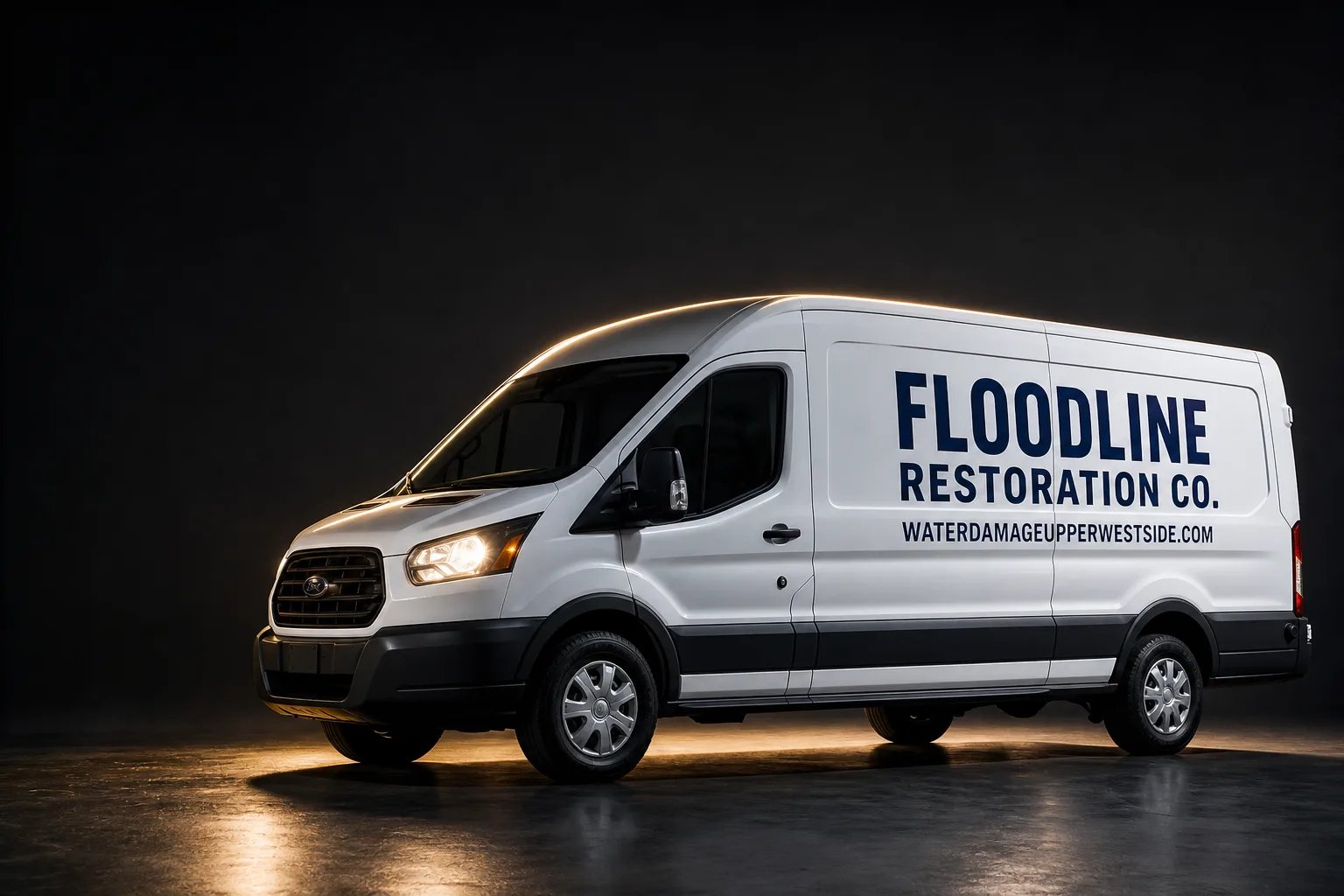
Free visual inspection and a written scope of work before any mitigation begins - photos, moisture readings, and drying logs go in your claim file
The scope we write is the scope we bill. Anything new gets shown to you, in writing, before we touch it.
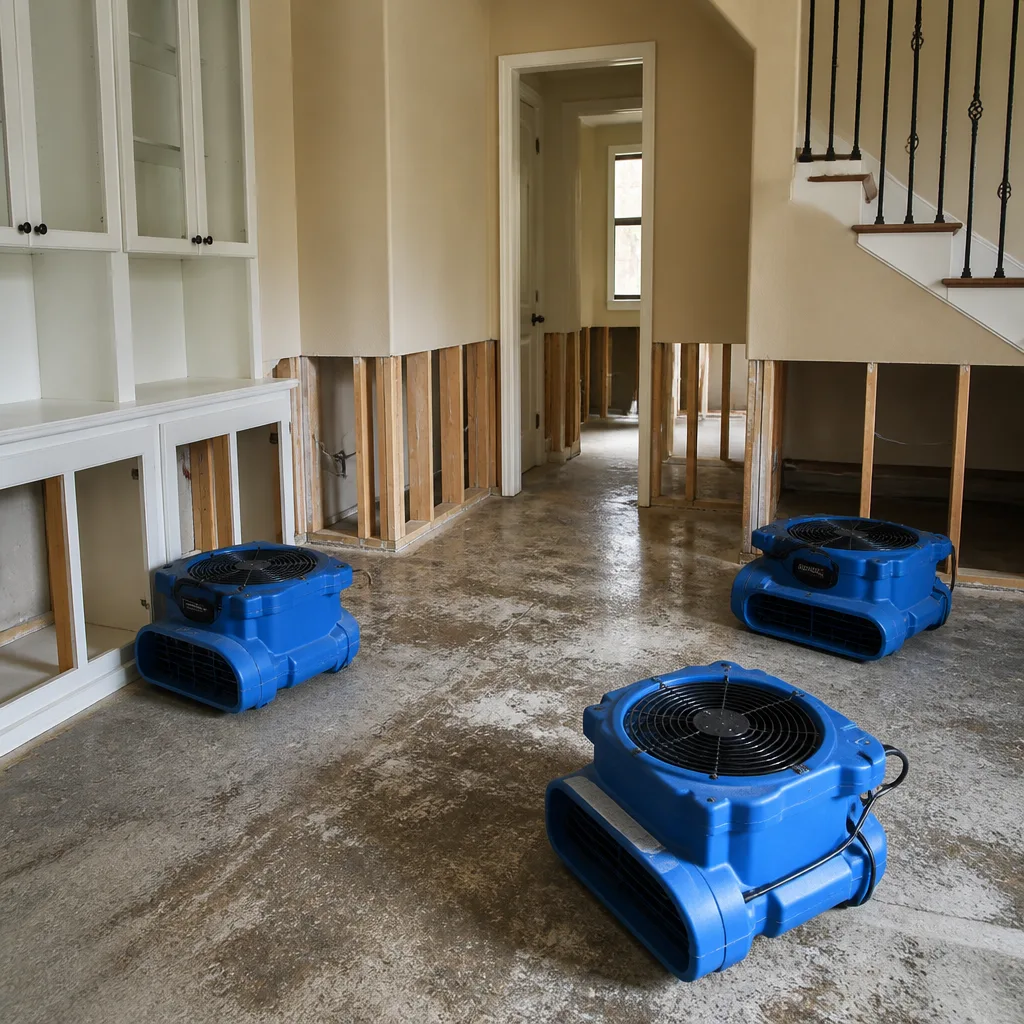
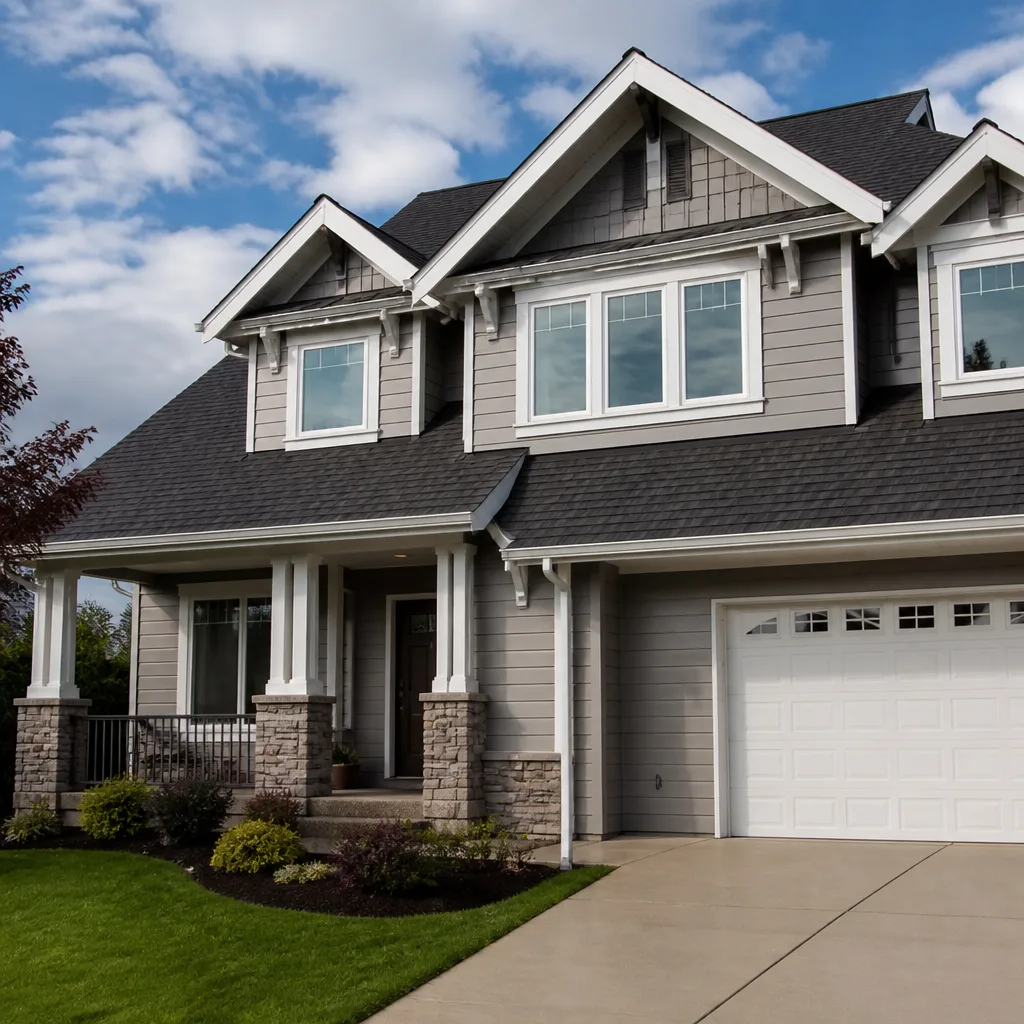
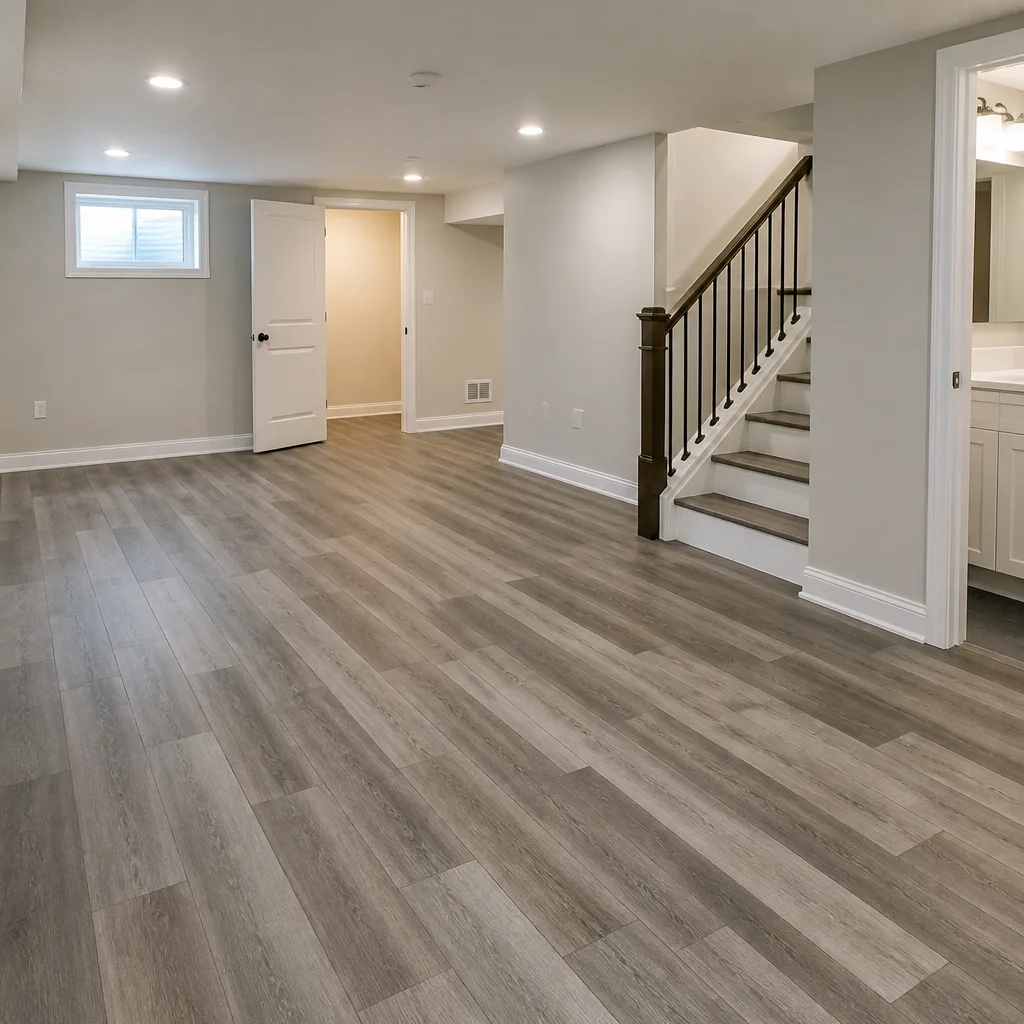
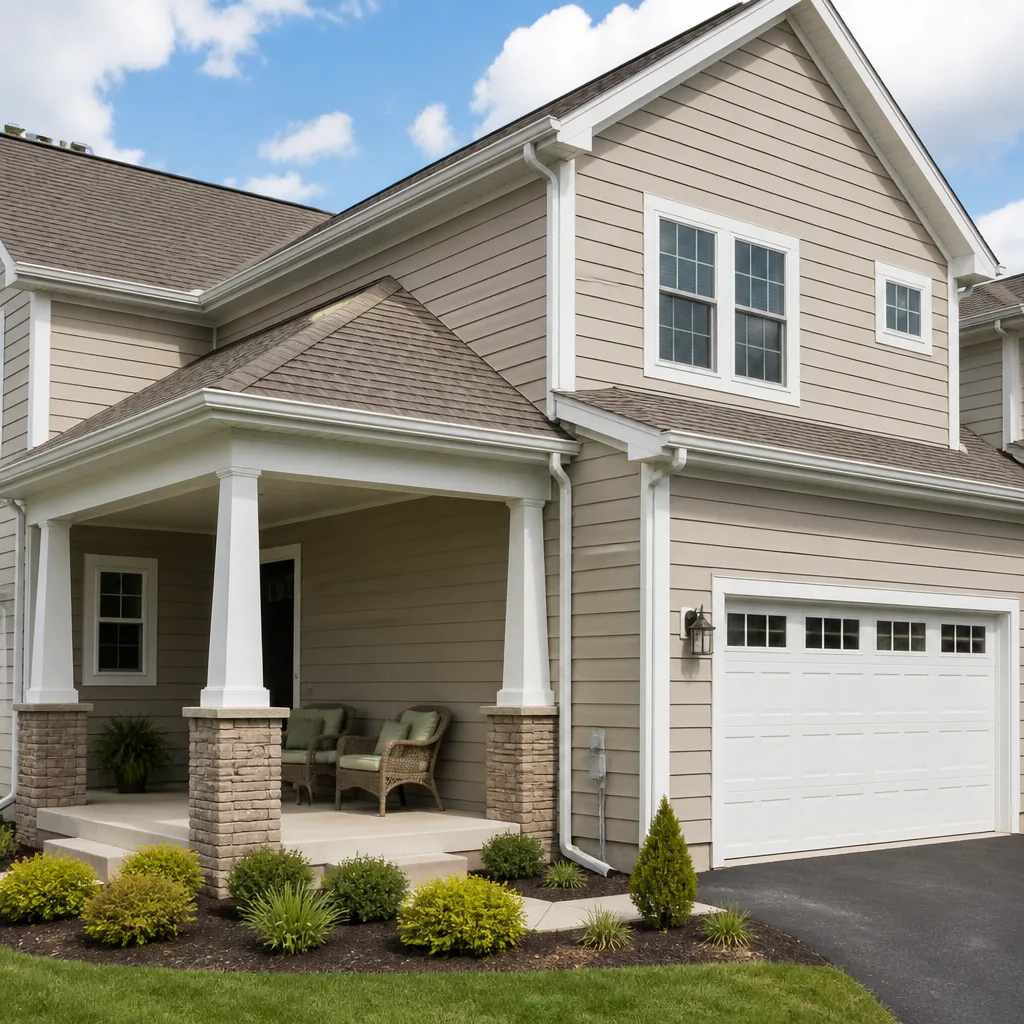
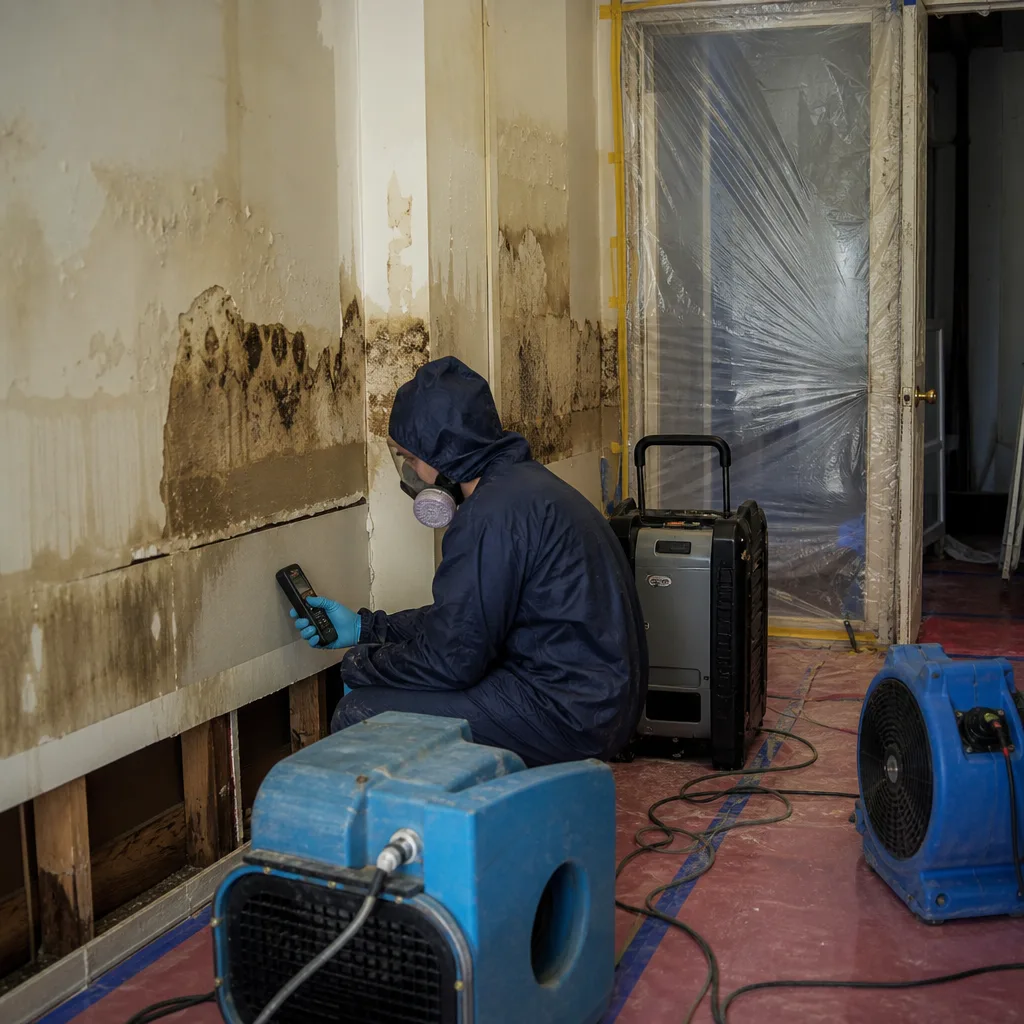 Before
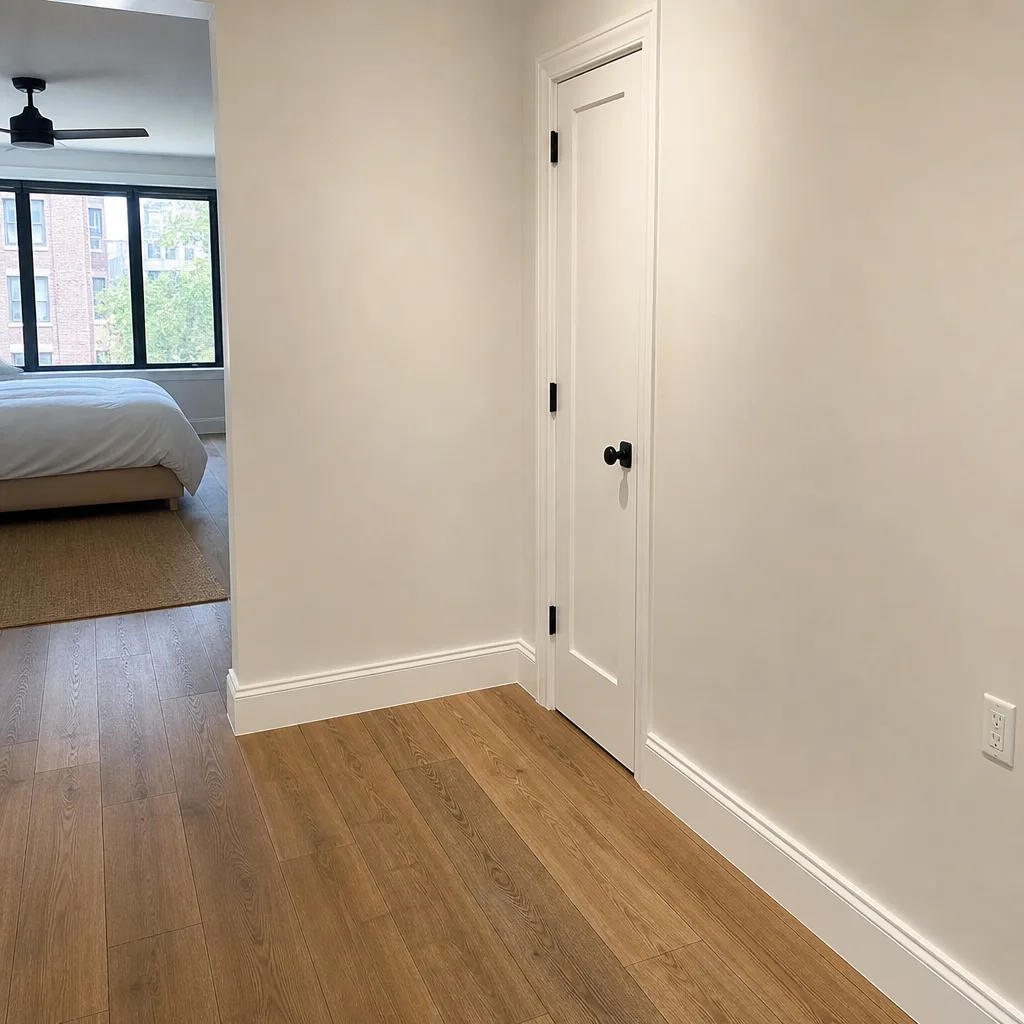 After
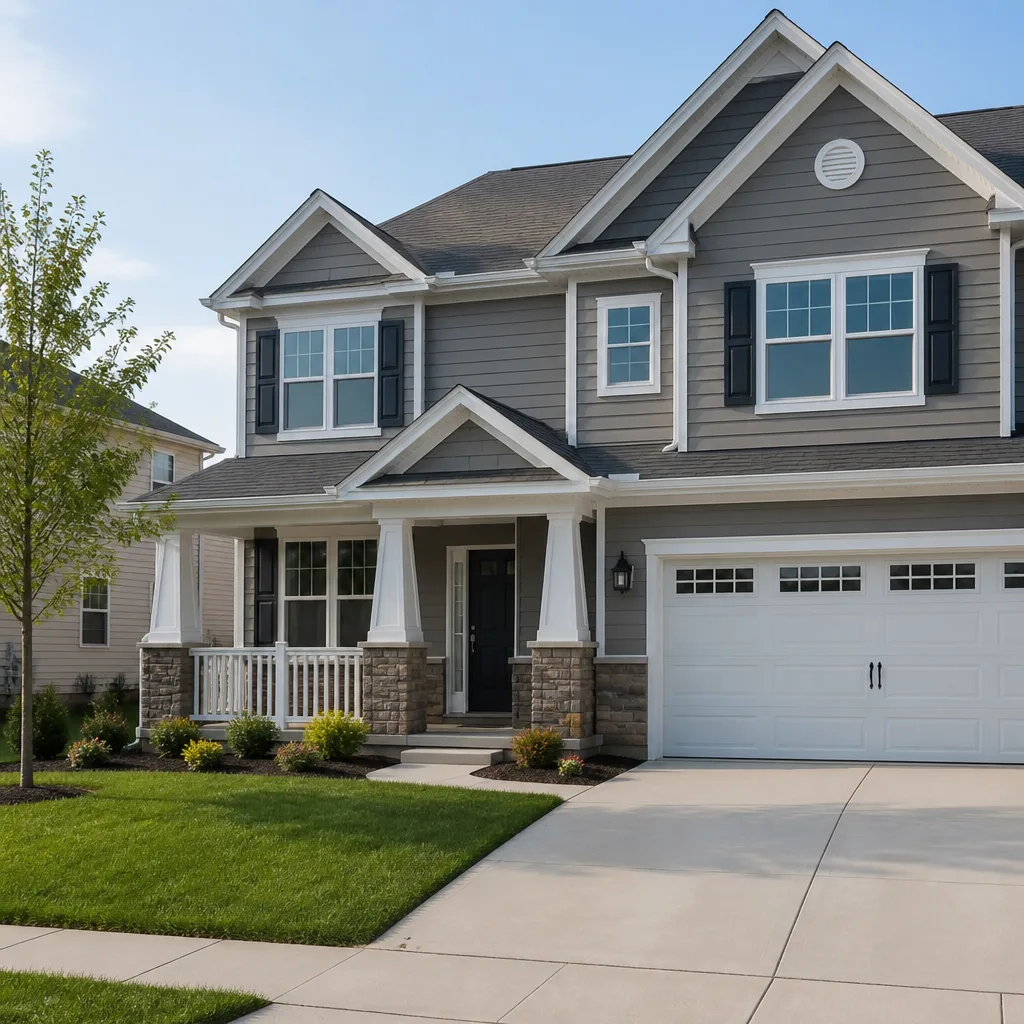
After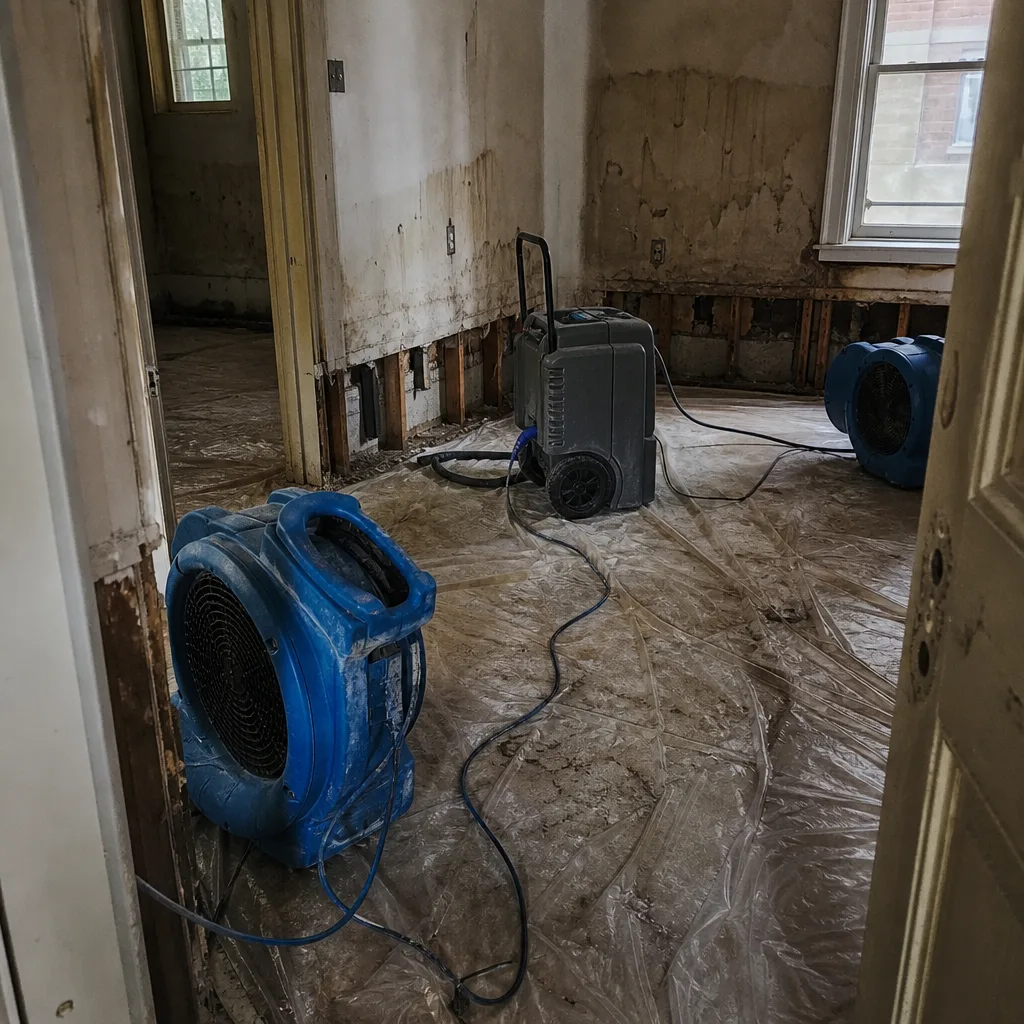 Before
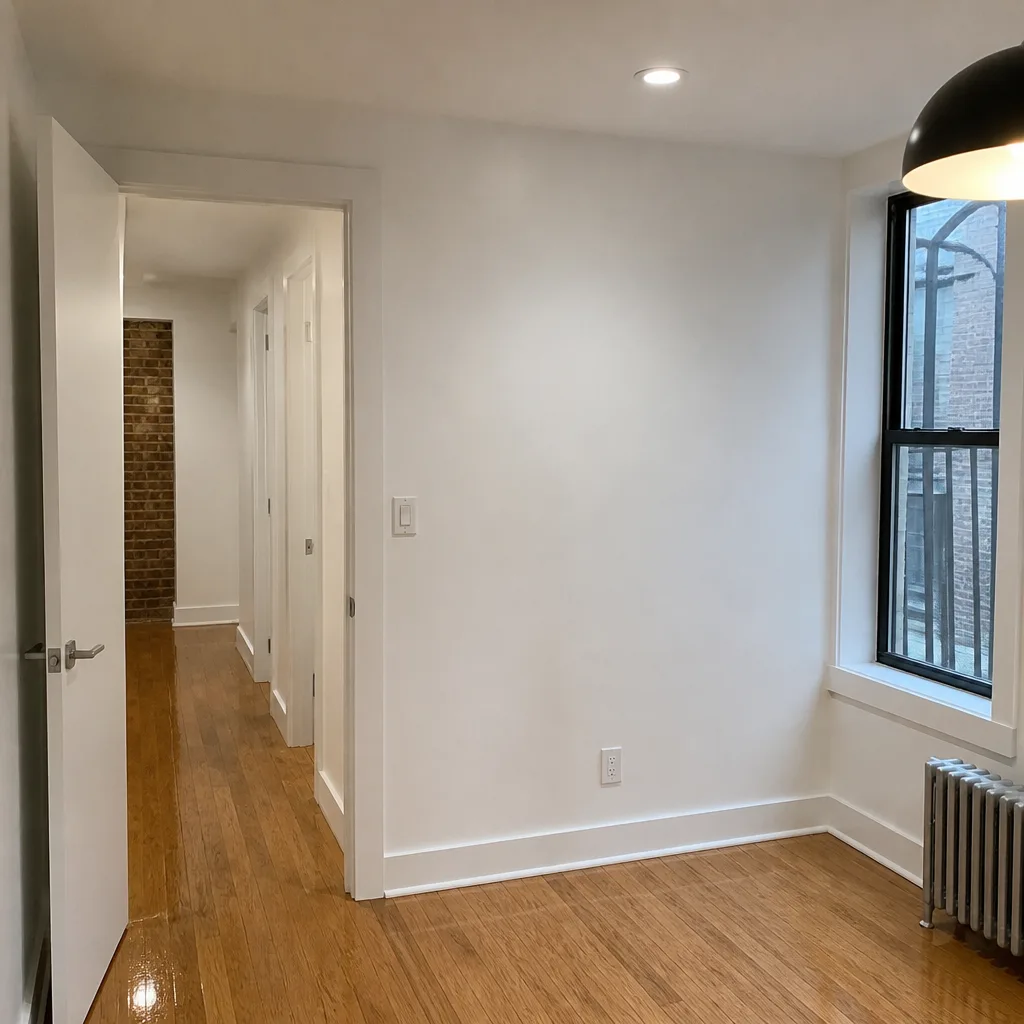 After
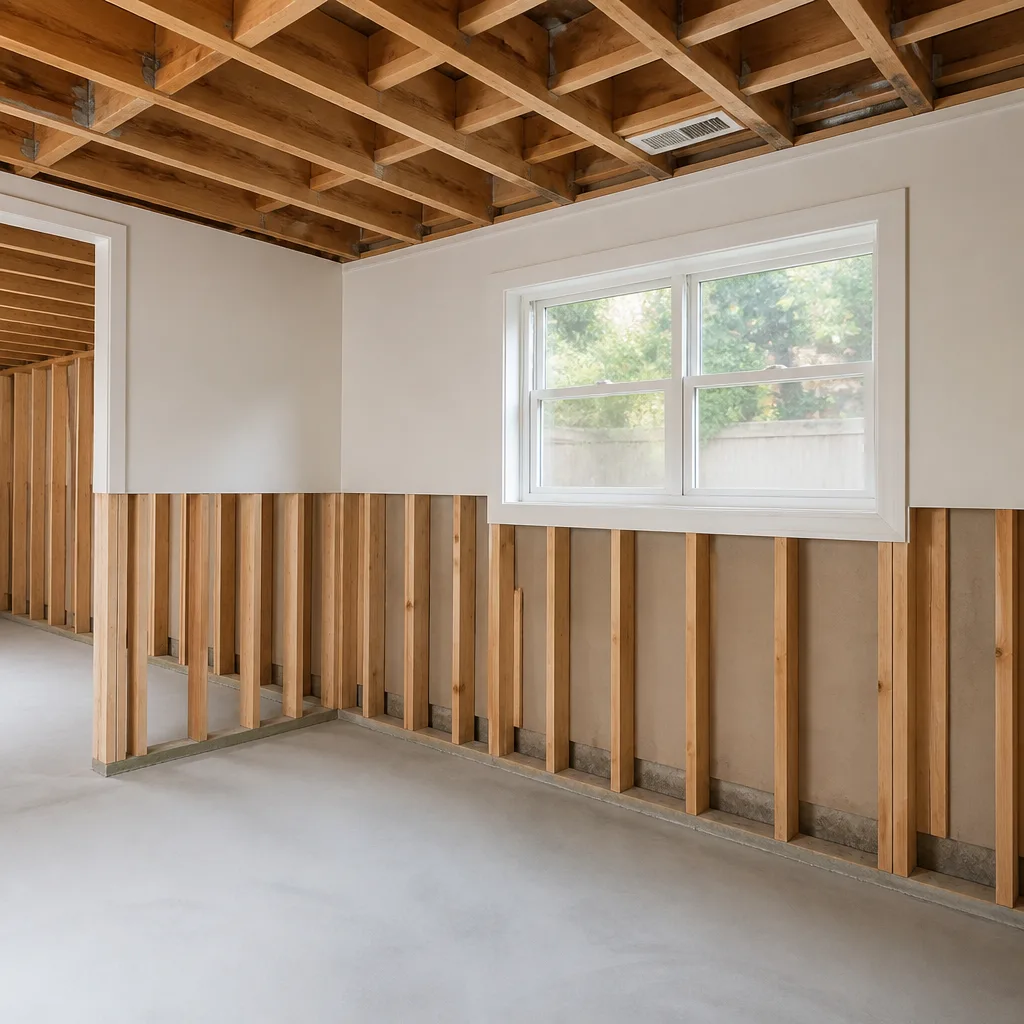
After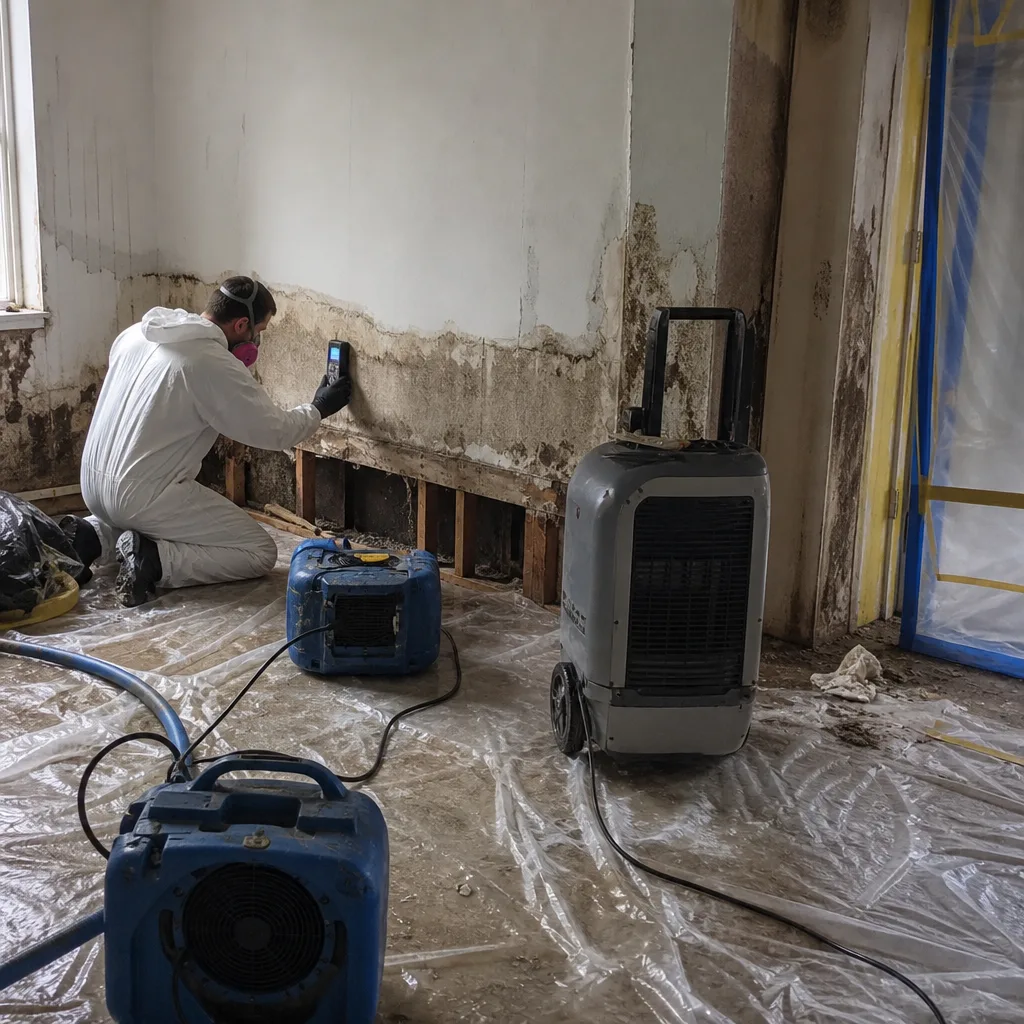 Before
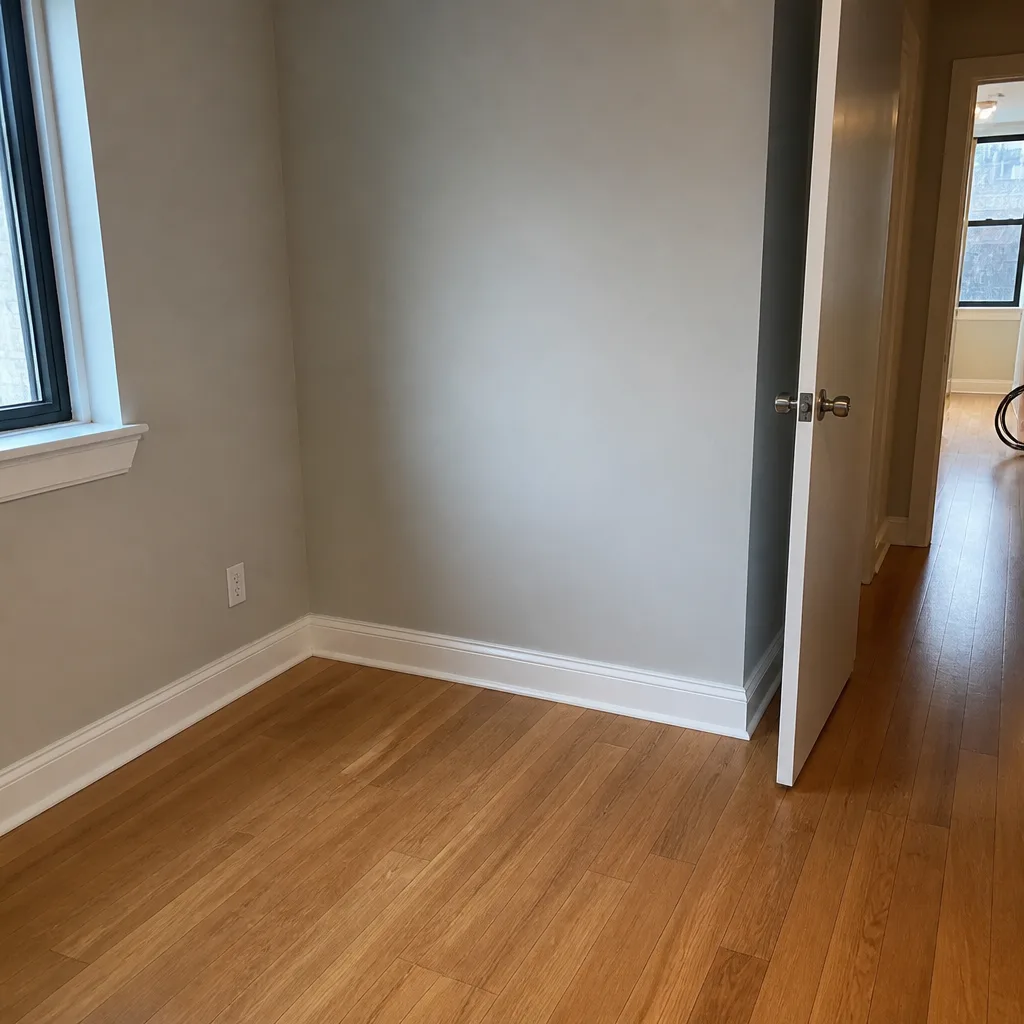 After
After24/7 Emergency Fire & Smoke Damage Restoration in Upper West Side
Fire damage in an Upper West Side pre-war building moves fast, and every hour of delay pushes soot deeper into plaster walls, parquet floors, and the shared chases between apartments. A kitchen fire on West 88th or a wiring fault in a Riverside Drive co-op can send smoke through dumbwaiter shafts and pipe chases into units three floors away before the Fire Department even clears the scene. Floodline Restoration Co. answers live at (845) 305-5737 around the clock. Our crews are dispatched from the New York City office and reach Upper West Side addresses within 45 minutes on emergency calls. The first visual inspection is free, and we start containment and air scrubbing the same visit so the damage stops compounding.
Understanding Fire & Smoke Damage Restoration Severity in Upper West Side Properties
Fire damage falls into distinct categories, and Upper West Side building stock makes each one behave differently than it would in a newer or suburban property. Light smoke residue from a stovetop fire leaves a thin, oily film that clings to walls and fabrics but responds well to HEPA vacuuming and dry-sponge cleaning. Moderate soot from a smoldering electrical fire moves farther, driven by thermal pressure into closets, behind radiators, and up stairwells. Heavy soot from a structural fire embeds itself in the pores of horsehair plaster, original millwork, and unfinished joist bays in buildings constructed between 1900 and 1940. Add the water from fire suppression and the equation changes again: category 2 water from a cracked riser or steam line saturates lathe and plaster, and in a 12-story courtyard building between West End Avenue and Riverside Drive, that water travels down through stacked kitchens and baths for hours before anyone sees it. We read the damage by type, by surface, and by building construction method, because a brownstone on West 76th behaves nothing like a 1928 elevator building on Central Park West.
Why Upper West Side Property Owners Choose Floodline Restoration Co.
- 45-minute response commitment across the Upper West Side. Live dispatchers know the neighborhood’s street grid and can route a crew around the 7-9 a.m. parking restrictions that slow down out-of-town companies.
- A real person answers, 24 hours a day. You will never reach a recording at 2 a.m. The dispatcher on the phone is the same person who sends the crew.
- IICRC-certified crews. Our technicians carry FSRT (Fire and Smoke Restoration Technician) and WRT (Water Damage Restoration Technician) certifications, trained to RIA and IFA standards.
- Free visual inspection before any work begins. We look, we document, we give you a written scope. No pressure, no open-ended estimate.
- Direct insurance billing. We bill your carrier directly and handle adjuster communication so you are not the messenger between two offices.
- One team from board-up to finished rebuild. The crew that sets containment on day one is the crew that replaces the plaster crown molding on day thirty.
Our Fire & Smoke Damage Restoration Process
Inspection & Assessment
We walk the full affected area, including the floors above and below the fire line. Thermal imaging and hygrometers tell us where heat and moisture migrated, and we map every surface that needs treatment. In a pre-war co-op, that means inspecting chase walls, pipe penetrations, and the light court face of the building.
Stabilization & Emergency Board-Up
Broken windows, burned door frames, and compromised entry points are secured before anything else. On Upper West Side side streets, that means coordinating with the super and the co-op board so board-up materials match building requirements without triggering a stop-work issue.
Soot Removal & Surface Cleaning
We run HEPA air scrubbers to pull airborne particulate, then work surface by surface with dry sponges and specialized soot-removal compounds. Original plaster and ornamental moldings get gentler treatment than painted drywall; we adjust by substrate, not by convenience.
Drying & Dehumidification
Fire-suppression water and cracked riser leaks need structural drying. We use Dri-Eaz dehumidifiers and Phoenix axial air movers, take daily moisture readings, and log everything. The dry standard is a number, not an opinion, and we do not stop until the building hits it.
Odor Removal & Deodorization
Smoke odor in a pre-war building hides in plaster, behind baseboards, and inside the dumbwaiter shaft. We treat it with thermal fogging, hydroxyl generators, and targeted sealants so the smell does not come back with the first humid week of July.
Repairs & Restoration
We rebuild what the fire damaged: plaster, millwork, flooring, and finishes. On Landmarks-designated buildings, that means sourcing period-appropriate materials and matching original profiles, not slapping up drywall and calling it done.
Need Emergency Fire & Smoke Damage Restoration in Upper West Side Now?
Crews minutes away, answering live 24 hours a day. The sooner we start, the less it costs.
Working With Your Insurance Company
Most Upper West Side fire and smoke claims involve the building’s master policy, the shareholder’s individual policy, and sometimes the co-op board’s own coverage. We have walked through hundreds of these situations with Manhattan adjusters. From the first hour on site, we photograph every room, document the loss in writing, and build a line-item scope using industry-standard estimating software. We send the adjuster daily drying logs, not a summary at the end. If the carrier needs a second look at the original plaster molding or a discussion about matching a 1920s herringbone floor, we speak with them directly. You get a square deal: we bill the carrier, we coordinate the paperwork, and you get a written scope before any work starts.
What We Provide Your Insurer
- Thorough documentation of the loss
- Photos of all damage, room by room
- Moisture readings and drying logs
- A detailed, line-item scope of work
- Direct coordination with your carrier
Built for Upper West Side’s Loss Calendar
Fire and smoke events on the Upper West Side follow a rough seasonal clock, and knowing that clock matters when crews and equipment need to move fast. January and February bring space-heater fires in older brownstones and radiator-pipe ruptures in steam-heat buildings: the leak soaks original parquet and plaster, and the smoke from the overheating boiler travels up the same pipe chases the water uses on the way down. Spring thunderstorms flood light courts and back up the combined sewer lines that run under Amsterdam and Columbus Avenues, leaving cellar storage units soaked and electrical systems compromised, which is where smoldering wire fires start. Summer means window-unit AC overloads on the neighborhood’s aging wiring, and a small electrical fire in one unit can push acrid smoke through party walls into three neighboring apartments. Nor’easter season brings roof and cornice damage to the 19th-century brownstones along West End Avenue and Riverside Drive, where water follows fire and smoke damage quickly. Every season has a pattern here, and our crews know what they are walking into before they knock.
Fire & Smoke Damage Restoration Across Upper West Side’s Neighborhoods
Response routes and building conditions shift block by block on the Upper West Side. Along Central Park West, the grand pre-war co-ops between 72nd and 96th carry strict Landmarks Preservation Commission rules, and any fire restoration has to satisfy the building’s architect and the LPC before a single section of ornamental plaster comes down. Over on Riverside Drive and West End Avenue, the loaded corridors of 15-to-20-story brick and limestone towers mean most calls involve stacked-unit smoke migration through bath and kitchen risers. The side streets between Broadway and Amsterdam, especially in the 80s and 90s, hold rows of 19th-century brownstones where party walls and shared cornices let soot and water pass into the neighboring townhouse within hours. Around Lincoln Square and the 60s, you find more mixed stock, including mid-rise postwar buildings with drywall construction that responds differently to smoke damage than horsehair plaster. And in the Morningside Heights border zone near 110th, the larger institutional buildings and converted pre-war apartment houses create their own access and containment challenges. We stage our crews and trucks according to the building type and the block, because one size does not fit this neighborhood.
Specialized Fire & Smoke Damage Restoration Services We Offer in Upper West Side
Smoke & Soot Removal
Soot from a kitchen fire or a malfunctioning boiler does not just sit on surfaces. It moves, carried by the building’s natural stack effect up stairwells, through dumbwaiter shafts, and into closets. In Upper West Side pre-war buildings, we commonly find soot staining on the walls directly above the radiator valve and inside the baseboard cavities between apartments. We remove it with HEPA vacuuming, dry-sponge cleaning, and surface-specific compounds so the finish is not etched or smeared.
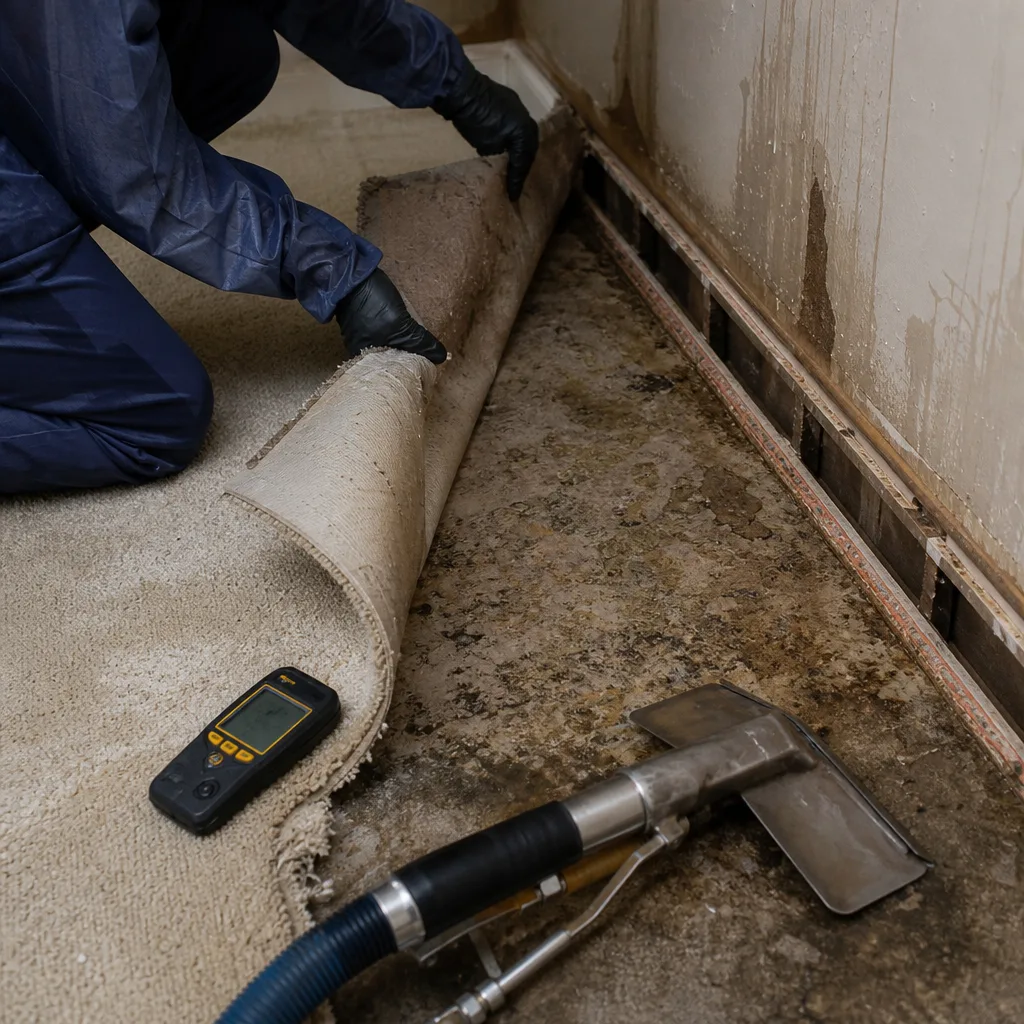
Emergency Board-Up & Tarping
After a fire, broken windows and burned entry doors leave a building open to weather, pests, and curious passersby. On Upper West Side side streets where a 26-foot box truck cannot make the turn, our crews arrive in smaller vehicles and carry materials to the site by hand if needed. We board and tarp to match the building’s security needs while keeping egress routes clear, and we coordinate with the super and the co-op board before we secure anything permanently.
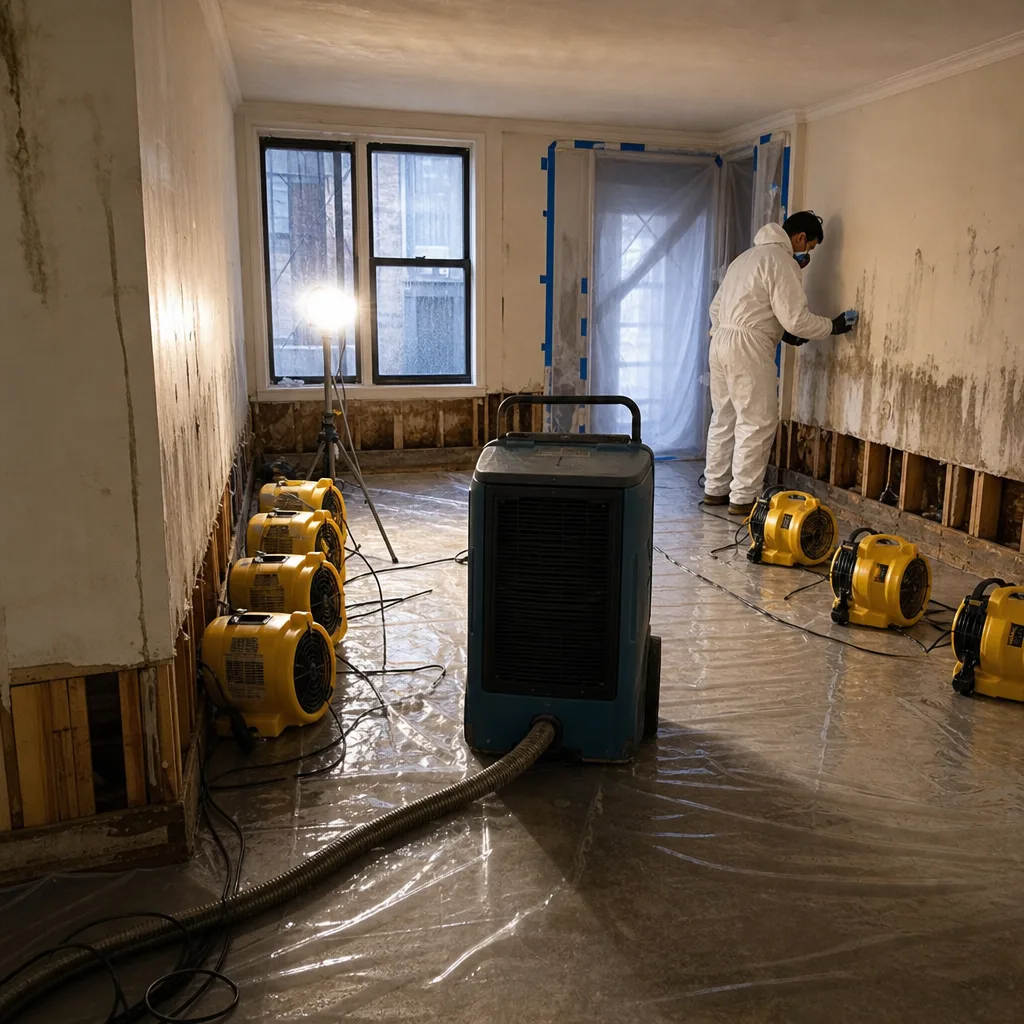
Contents Cleaning & Pack-Out
Most Upper West Side apartments are small. That means smoke reaches nearly everything: clothes, books, furniture, rugs. We inventory, photograph, and pack out affected contents, then clean and store them while the apartment itself is restored. For co-op shareholders, we coordinate with the building’s storage rules and the board’s moving restrictions, so pack-out does not become a second fight.
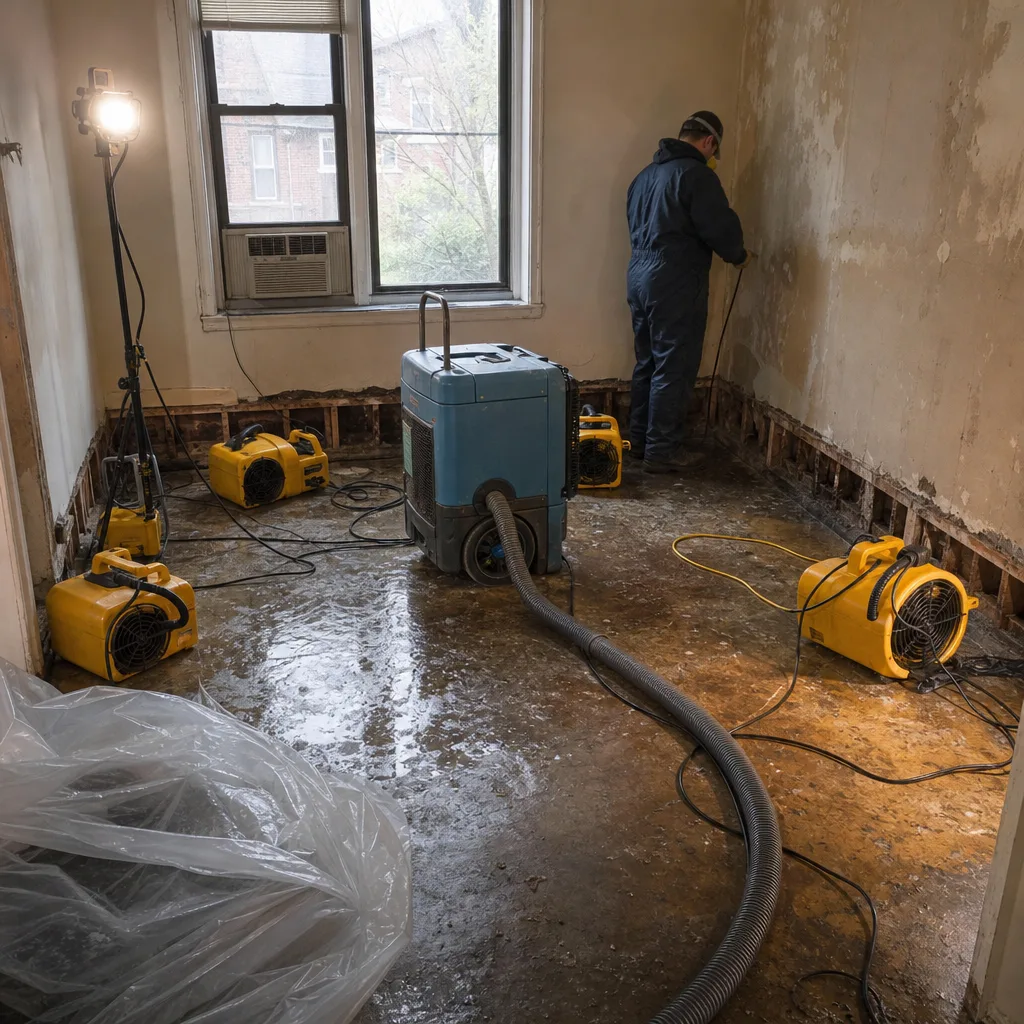
Odor Removal & Deodorization
Smoke odor lives in plaster, in parquet floors, and in the original door and window trim that a Landmarks building cannot replace. We use hydroxyl generators and thermal fogging, paired with surface sealing where needed, to neutralize odor at the source. On a West 88th Street job, after a stovetop fire pushed smoke up a dumbwaiter chase, we set containment on four floors and ran HEPA scrubbers around the clock until the air readings cleared.
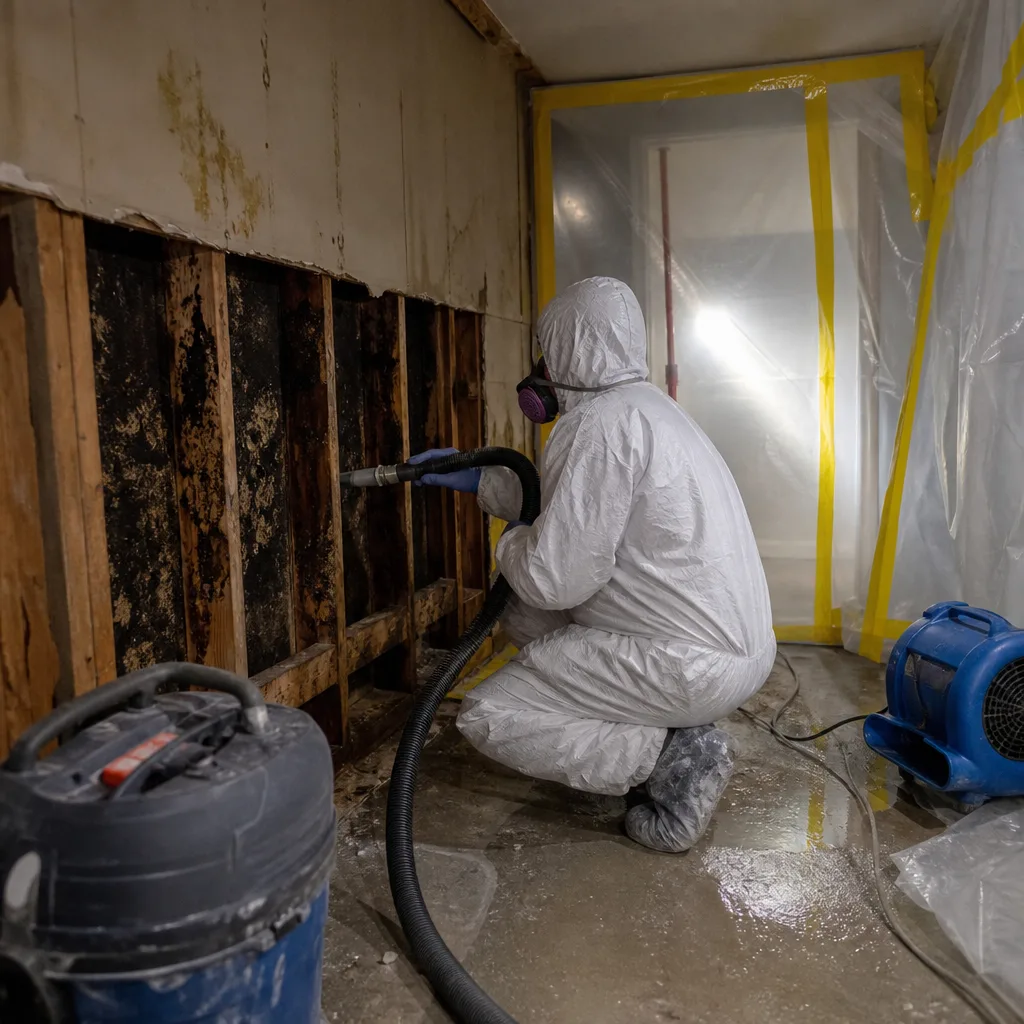
Fire Damage Cleanup
This is the first pass after the fire is out: removing charred materials, cleaning salvageable surfaces, and setting up containment so soot does not spread further during the work. In Upper West Side co-ops, that means establishing negative air pressure in the affected unit and protecting the common stairwells and elevator lobbies from cross-contamination.
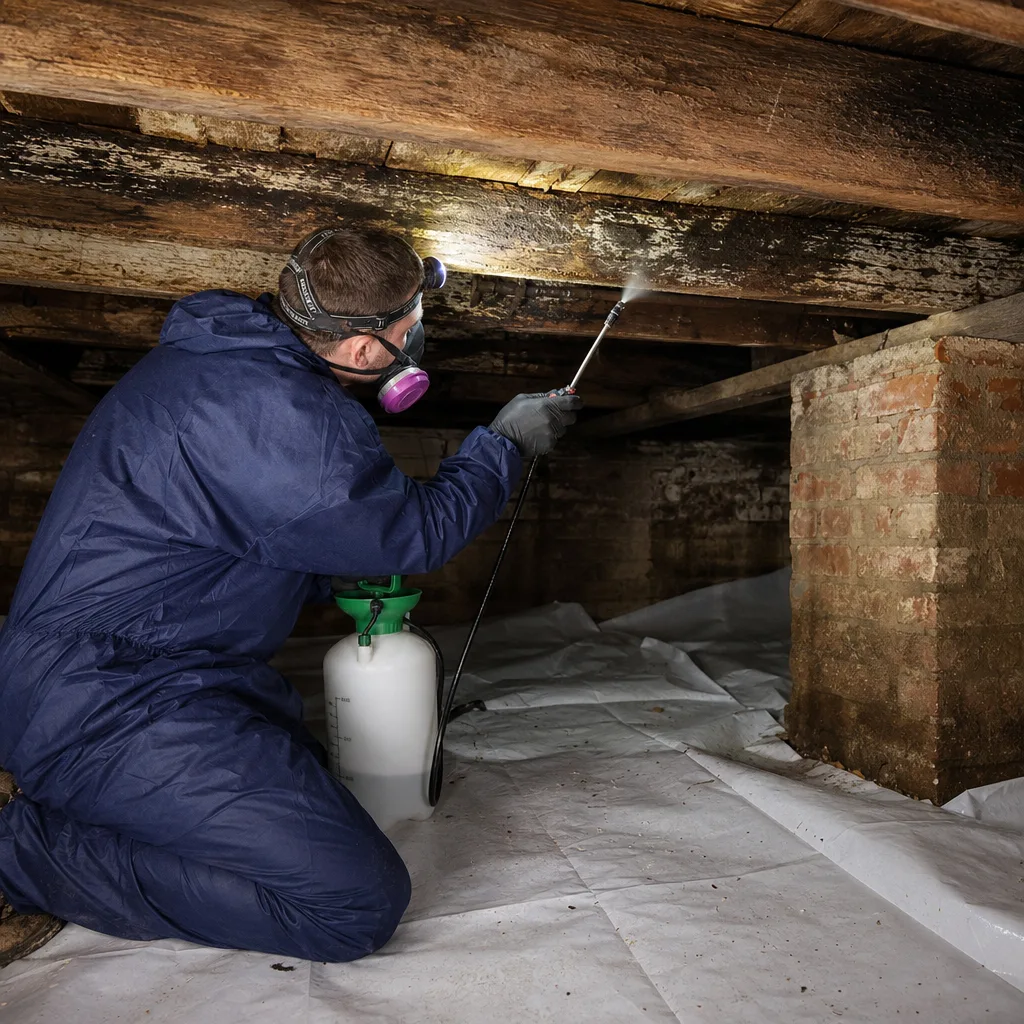
Structural Fire Repair
When fire or fire-suppression water has compromised joists, studs, or plaster, we repair to code and to the building’s original construction. On Landmarks-designated buildings, we match existing materials and profiles rather than substituting modern equivalents. The 90-Day Done Right Promise backs every repair in writing.
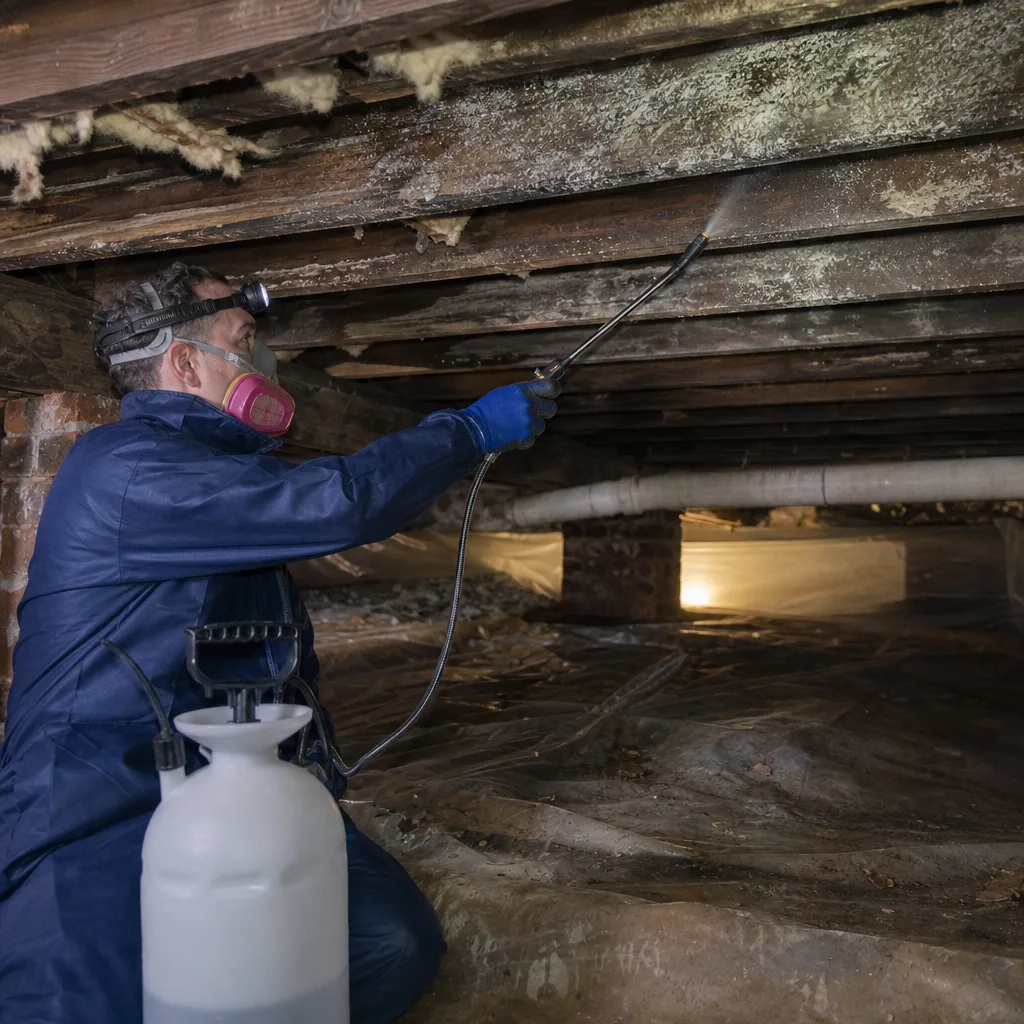
What happens when you call
- 1
A real person answersNo phone trees - you reach a local pro.
- 2
You get an upfront price rangeHonest numbers before anyone is dispatched.
- 3
A background-checked tech heads outLicensed & insured, dispatched right away.
- 4
You approve before work beginsNothing starts until you say go.
Fire & Smoke Damage Restoration Costs in Upper West Side, NY
Prices here reflect the neighborhood’s building stock, not a national average. A light smoke cleanup in a one-bedroom co-op, with HEPA air scrubbing, surface cleaning, and deodorization, typically runs $1,200 to $3,200. Moderate soot removal across three or four rooms, including contents cleaning, lands between $4,000 and $9,000. A heavy fire with structural damage, pack-out, drying, and finish restoration on Landmarks-grade plaster routinely reaches $25,000 to $80,000 or more, depending on the extent and the LPC requirements. In most Upper West Side cases, the building’s master policy covers fire damage to the unit’s structure and the shareholder’s policy covers contents and betterments; our free visual inspection and direct insurance billing give you a firm number and a clear path before you commit. Call (845) 305-5737 for an exact quote. Estimates are free.
We Also Serve Cities Near Upper West Side
Our crews respond throughout Upper Manhattan, including Morningside Heights, Central Harlem, and East Harlem. If you own or manage property in any of those areas, the same 45-minute response commitment applies, and the same live dispatcher answers the phone. Call us at (845) 305-5737 and a crew will be on the way.
Serving Upper West Side, NY - Our Local Coverage Area
We’re based in the Upper West Side area and know this community well. Use the map below to see our service coverage - if you’re nearby, we can almost certainly help.
Upper West Side Fire & Smoke Damage Restoration Questions, Answered
How do you handle smoke odor in an Upper West Side pre-war apartment where the original plaster walls and parquet floors can’t be torn out?
We treat odor in place using hydroxyl generators, thermal fogging, and odor-sealing primers applied only where they will not damage original finishes. Plaster and parquet are porous, so we run air scrubbers long enough to pull trapped odor molecules from the substrate, then take air and surface samples to confirm clearance before cleaning is considered done. Call (845) 305-5737 for a specific plan for your building.
What if the building’s super can’t be reached to shut off the water after a fire on the Upper West Side?
We start containment and extraction immediately, even if the riser or main valve is still open. Our technicians regularly work in pre-war buildings where the shutoff is behind a locked superintendent’s closet, and we coordinate with the building’s management and the FDNY to get the source stopped. Meanwhile, we protect the floors below with plastic sheeting and water extraction equipment so the damage does not continue spreading.
Can you match the original ornamental plaster moldings damaged by fire water on a Central Park West co-op?
Yes. We work with period-appropriate plaster suppliers and fabricators to match existing crown moldings, medallions, and cornice profiles. On Landmarks Preservation Commission-regulated buildings, we document existing conditions before removal and submit the required materials and methods to the co-op board and the LPC, so restoration moves forward without a stop-work order.
How do you manage sidewalk and alley access for trucks and drying equipment on narrow Upper West Side side streets?
Our crews run smaller vehicles than the big national franchises, and we stage equipment on the sidewalk or in the service alley when needed, always respecting the building’s rules and the city’s street-use requirements. We know the 7-9 a.m. parking restrictions and plan around them, and we carry equipment by hand into courtyard buildings where a truck cannot pull up.
After a kitchen fire in a brownstone, how do you prevent soot from spreading through shared party walls to the neighboring townhouse?
We set negative-air containment on the affected floor immediately, seal penetrations in the party wall, and pressurize the neighboring unit if the owner will permit access. In brownstones, soot travels through the gaps around floor joists and pipe chases that run between the two buildings, so we treat the wall cavity and the joist bays as part of the contained area from the first day. Call (845) 305-5737 and we will walk you through the containment plan.
How fast can a crew actually get to an Upper West Side address?
Our commitment is 45 minutes from the time you hang up the phone. On emergency fire and smoke calls after hours, a live dispatcher routes the nearest available crew, and we have crews stationed across Manhattan specifically to keep Upper West Side response times short. For non-emergency inspections, we schedule the same day or next morning in most cases.
Will my insurance cover fire and smoke damage restoration in a co-op or brownstone?
Most co-op master policies cover damage to the building’s structure, including fire-suppression water and soot cleanup, while the shareholder’s individual policy covers contents, betterments, and sometimes the co-op’s deductible. We photograph everything, bill the carrier directly, and send the adjuster our moisture logs and line-item scope, so you are not left reconstructing what the policy says on your own.
What should I do in the first 30 minutes after a fire on the Upper West Side?
Get everyone out and call the Fire Department. Once they clear the scene, call Floodline Restoration Co. at (845) 305-5737. Do not wipe soot off walls yourself; that can grind it into porous plaster and make removal harder. Open no windows unless the FD tells you to, because airflow can pull smoke deeper into the building. We will be on site within 45 minutes and take it from there.
Written by Curt Bowman, Owner at Floodline Restoration Co., serving Upper West Side with 24/7 live dispatch and crews who know the neighborhood’s pre-war buildings, LPC rules, and the difference between a steam riser and a supply line.