
Free visual inspection and a written scope of work before any mitigation begins - photos, moisture readings, and drying logs go in your claim file
The scope we write is the scope we bill. Anything new gets shown to you, in writing, before we touch it.
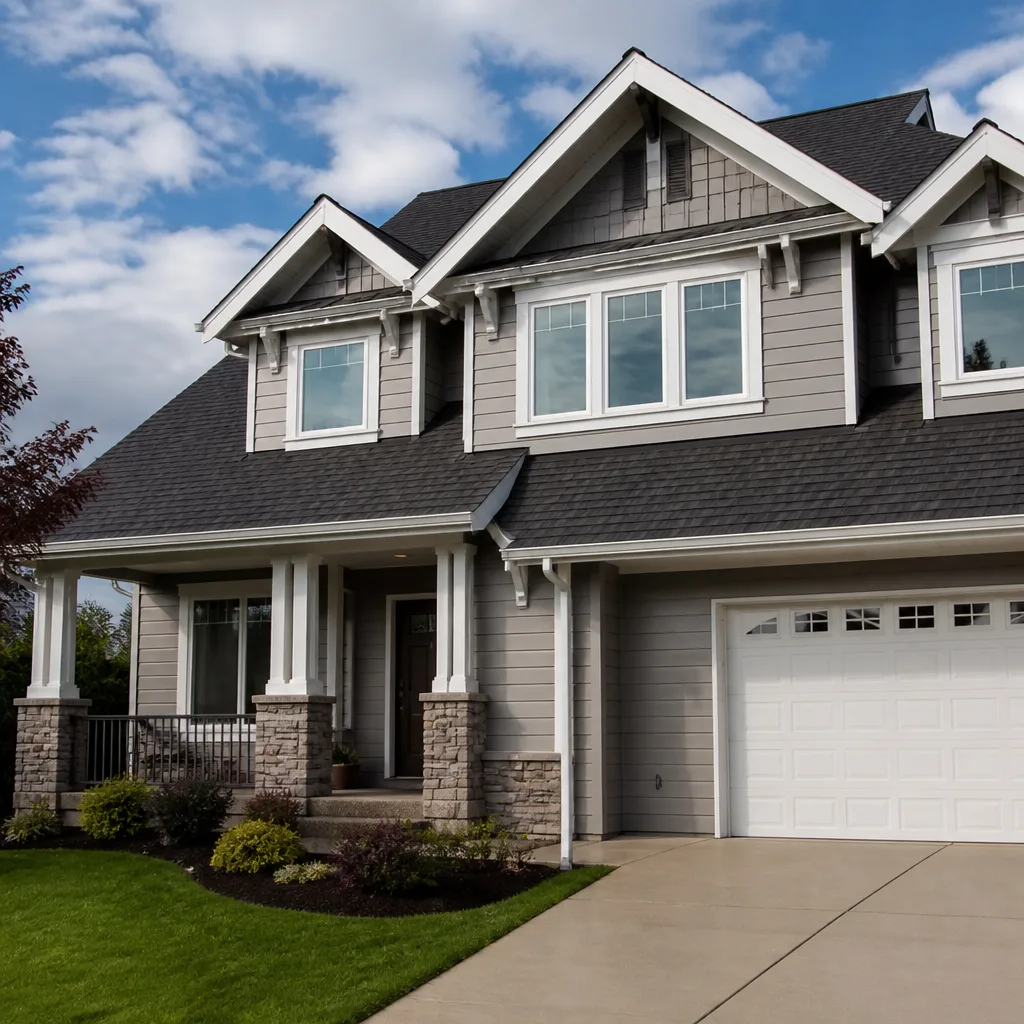
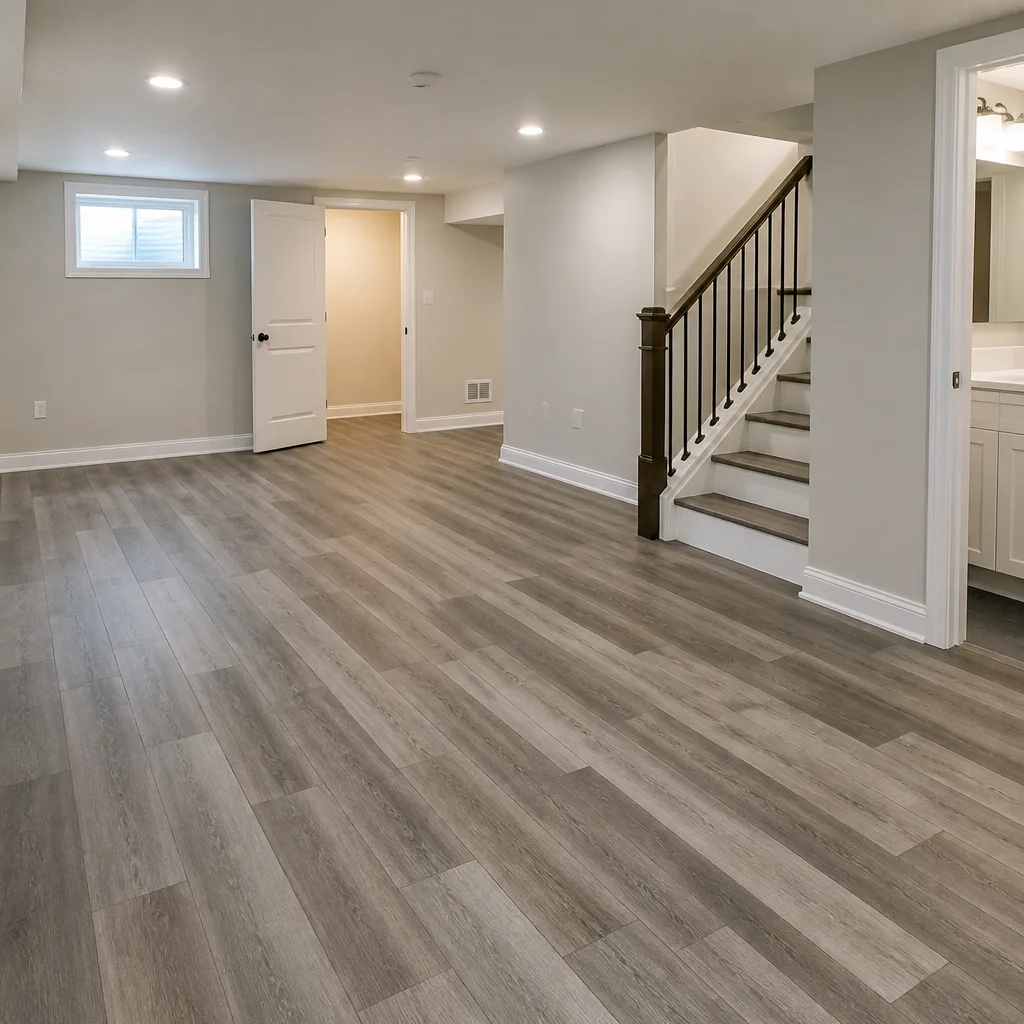
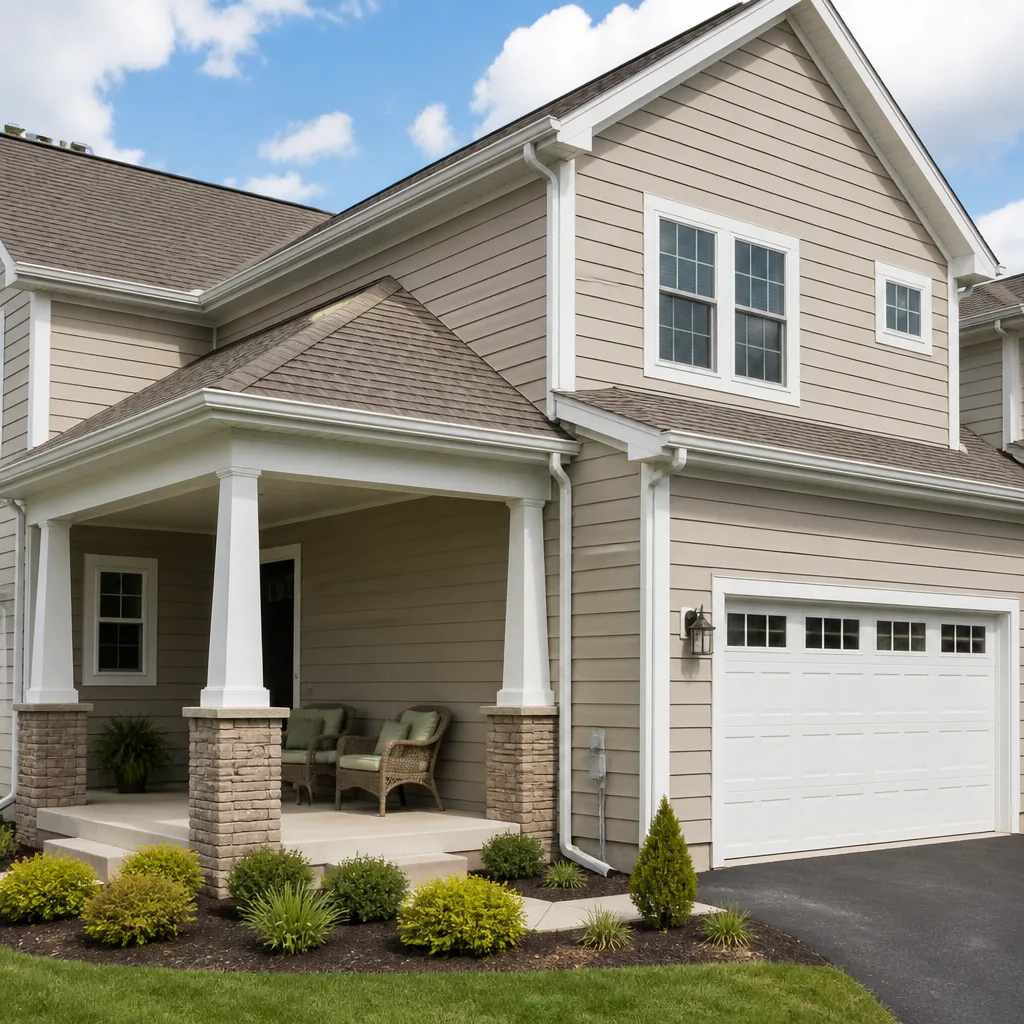
 Before
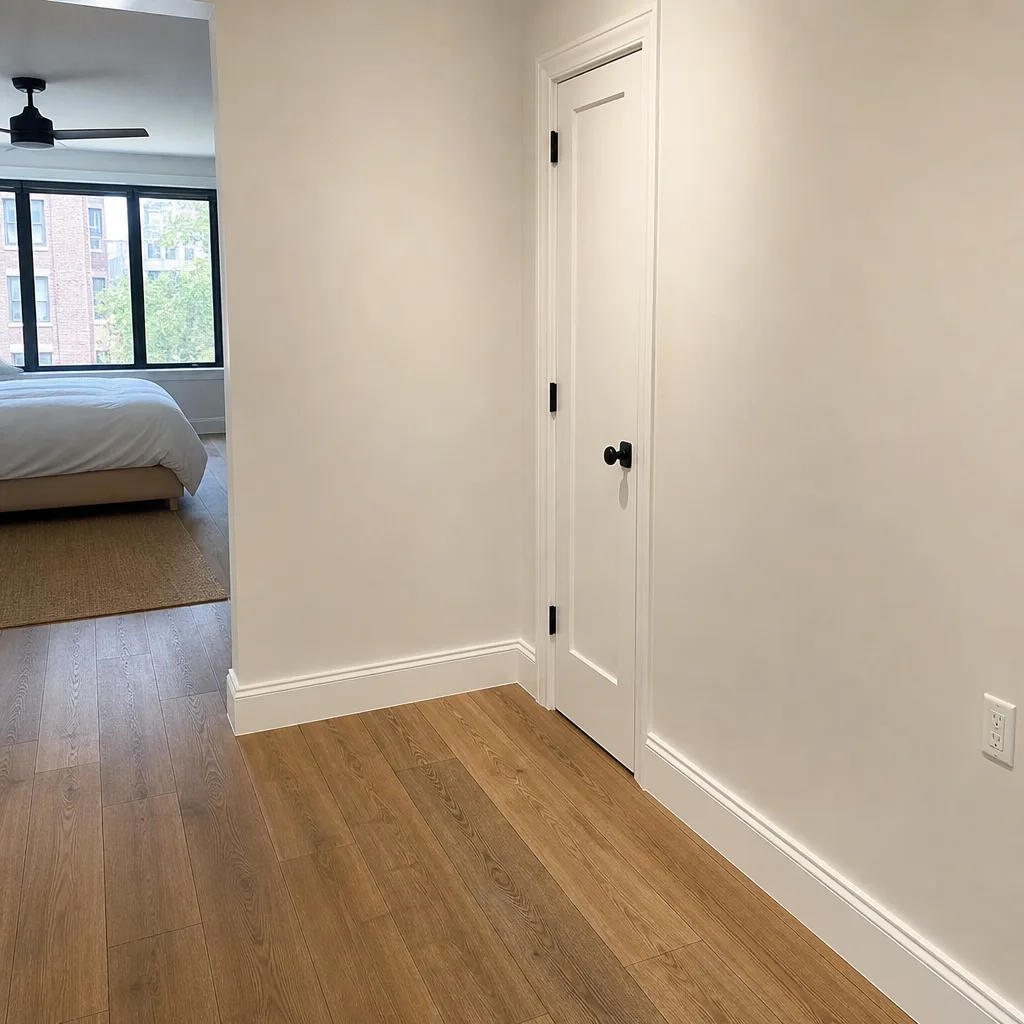 After
After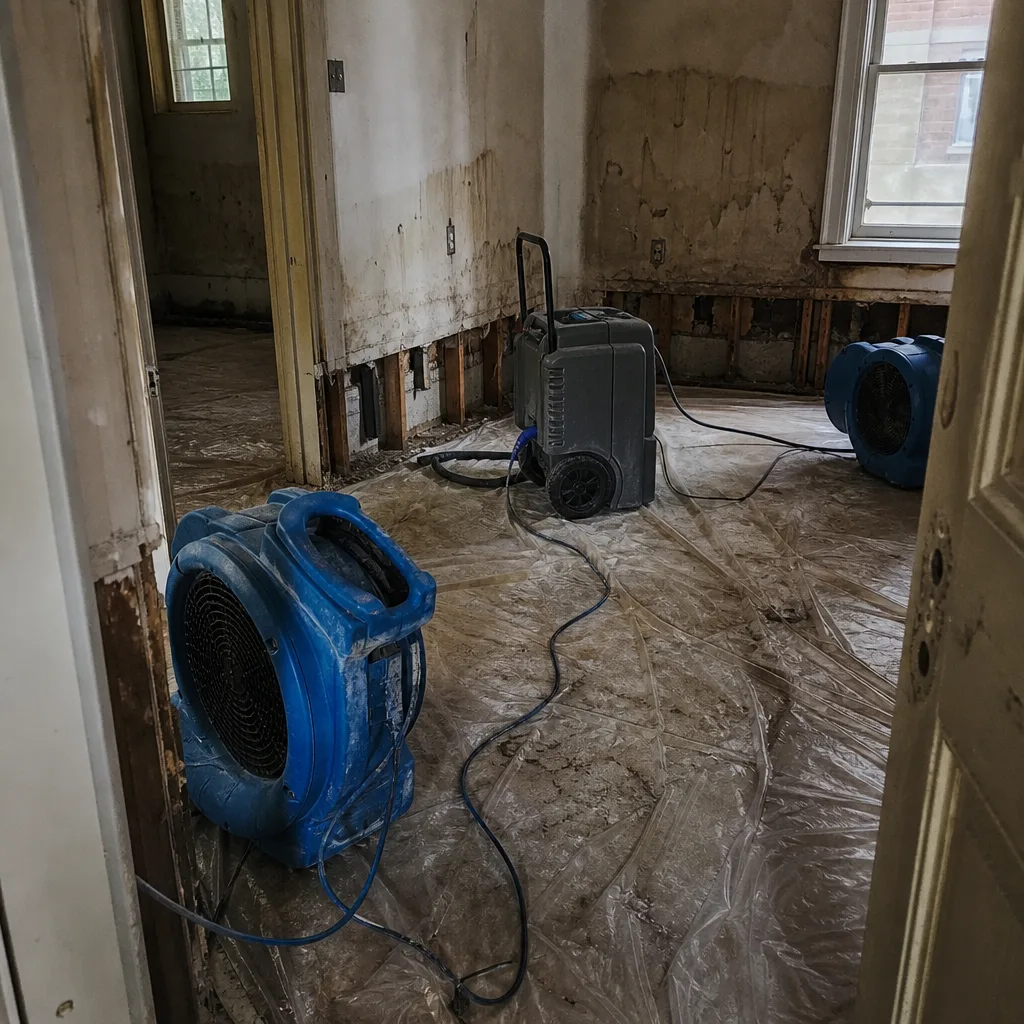 Before
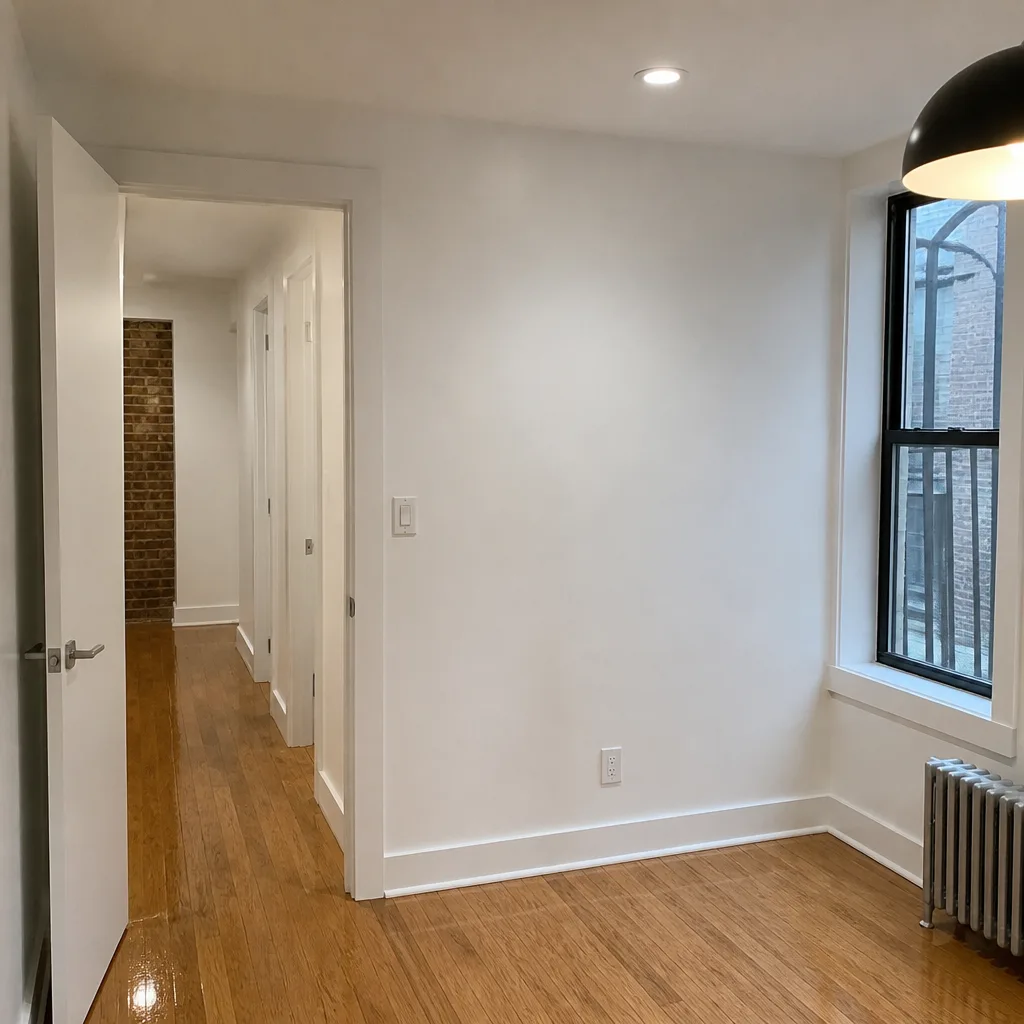 After
After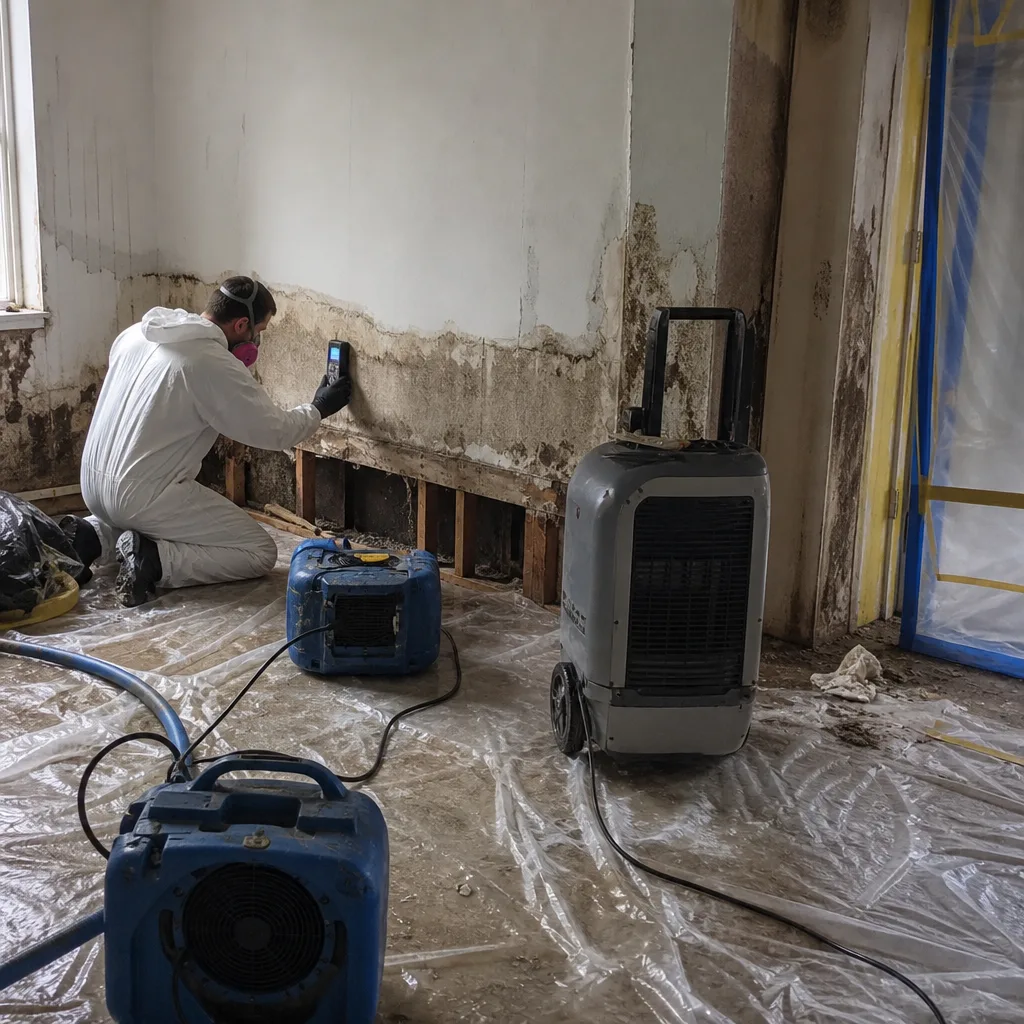 Before
 After
After24/7 Emergency Water Damage Restoration in Midtown West
Water damage restoration in Midtown West typically costs $1,800 to $6,500 depending on how far the water traveled and whether walls must be opened. We answer live at (845) 305-5737 every hour of every day, and a Floodline Restoration Co. crew can be on site inside 45 minutes. The first hour after a pipe lets go is the difference between drying stud cavities and replacing them. If you’re standing in water right now, shut the water at the nearest valve, kill power to the wet area if you can do it safely, and call. We start extraction on the first visit, and your visual inspection is free.
Understanding Water Damage Restoration Severity in Midtown West Properties
We classify water damage in three categories before a single air mover runs. Category 1 is clean supply water from a burst pipe or radiator line. Category 2 carries contaminants, the gray water from a washing machine overflow or a sink backup that has traveled through a floor assembly. Category 3 is black water, sewage or floodwater from outside, and it changes the entire scope. In Midtown West’s pre-war stock, the bigger variable is what the water soaked into. Plaster and lath walls hold moisture differently than drywall. A Category 1 leak into a 1920s tenement wall cavity on West 51st Street can require more drying days than a Category 2 incident in a modern Hudson Yards tower, simply because the old construction traps water. We use thermal imaging and in-wall moisture probes to read what the surface never shows. Without moisture mapping, you’re guessing. We don’t guess.
Why Midtown West Property Owners Choose Floodline Restoration Co.
- 45-minute response commitment. We track our dispatch times, and crews staging near the West Side Highway and 10th Avenue reach most Midtown West addresses fast.
- 24/7 live answer. A real dispatcher picks up at 2 a.m., not a recording. You’ll speak to a person who can send a crew that night.
- IICRC-certified crews. Our technicians hold WRT and ASD certifications, and every job is overseen by Curt Bowman, who founded Floodline Restoration Co. in 2010.
- Free visual inspection. We assess the loss before anyone touches a tool, so you know the scope before you spend a dollar.
- Direct insurance billing. We document from hour one, bill your carrier, and talk to your adjuster so you don’t have to play messenger.
- One team from extraction to reconstruction. No handoff to a sub you’ve never met. The same certified crew that pulls the water rebuilds what it damaged.
Our Water Damage Restoration Process
Inspection & Assessment
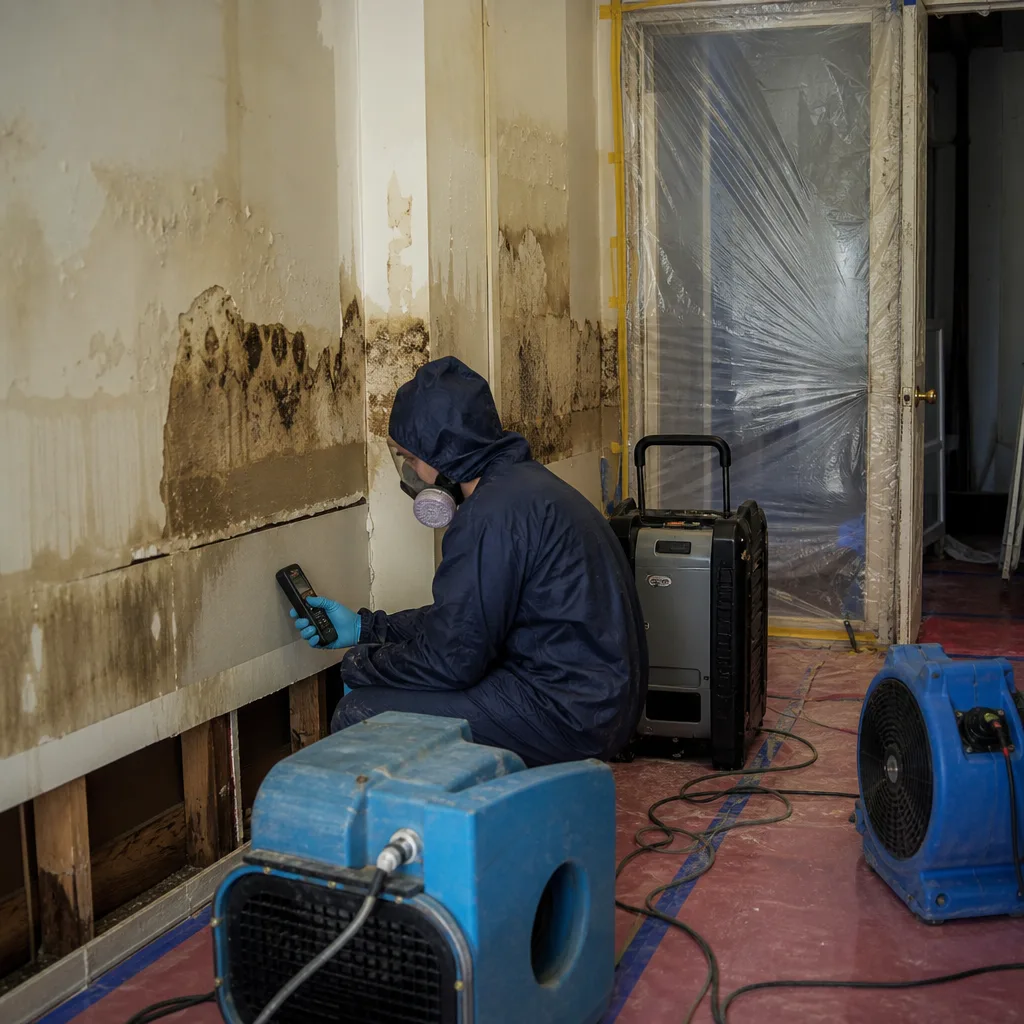
We walk the full loss with moisture meters and a thermal camera. Before anyone opens a wall, we check the building’s construction type and known asbestos conditions. In Hell’s Kitchen pre-war stock, that check is not optional.
Extraction & Stabilization
We pull standing water with truck-mounted and portable extraction units, then stabilize the site. If asbestos abatement is required before wall cavities can be accessed, we sequence that work with management and file the DOB paperwork first.
Drying & Dehumidification
Professional-grade Dri-Eaz and Phoenix dehumidifiers and air movers go in with a written drying plan. In curtain-wall Hudson Yards towers, we adjust the plan for tighter air barriers and hotter interiors so millwork doesn’t crack.
Cleaning & Sanitization
We clean, disinfect, and apply antimicrobial treatment where the loss requires it. Category 3 water means full containment and controlled demolition of affected materials.
Specialty Treatment: Structural Drying
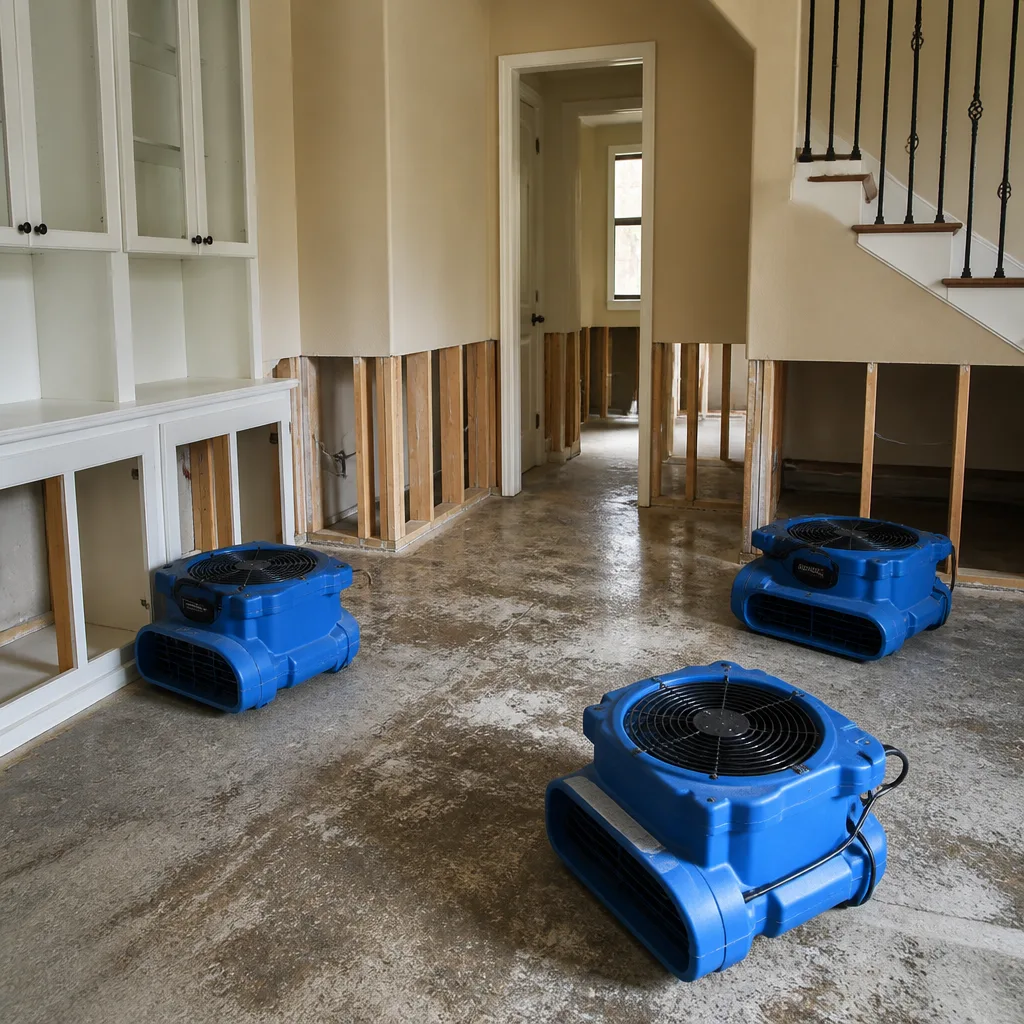
Plaster and lath dry slower than drywall. XPOWER axial air movers and Injectidry systems push air into closed cavities, and we log daily moisture readings until the dry standard is met and signed off.
Repairs & Restoration
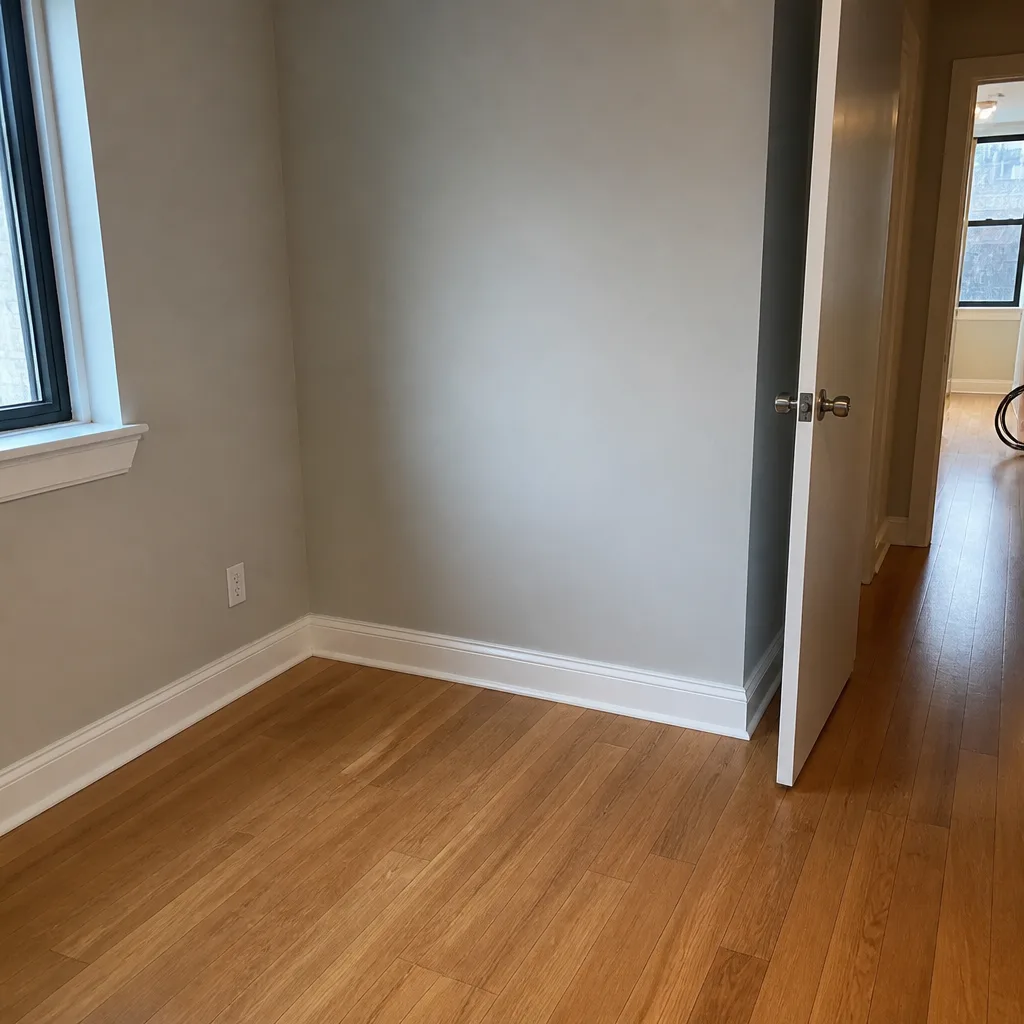
Our own carpenters and finishers rebuild what came out. That means plaster repair, paint, baseboards, and flooring are all done by the same Floodline crew that pulled the water on day one. Done right, and backed in writing.
Need Emergency Water Damage Restoration in Midtown West Now?
Crews minutes away, answering live 24 hours a day. The sooner we start, the less it costs.
Working With Your Insurance Company
Most Midtown West water damage claims are covered by homeowners or building insurance, but the paperwork decides how much and how fast. We photograph every step from the first hour, write line-item scopes using industry-standard pricing, and send the drying log to your adjuster without being asked. If the claim involves a shared riser leak across five stacked units, we document each unit separately so no one fights about whose damage is whose. Our team has handled hundreds of Water Damage Restoration claims in Manhattan, and we know what carriers need to approve work without dragging.
What We Provide Your Insurer
- Thorough documentation of the loss
- Photos of all damage, room by room
- Moisture readings and drying logs
- A detailed, line-item scope of work
- Direct coordination with your carrier
Built for Midtown West’s Loss Calendar
Water losses in Midtown West don’t spread evenly across the year. January and February are the brutal months for burst pipes, when a cold snap drops temperatures on the West Side and century-old galvanized supply lines in pre-war buildings like those between 9th and 11th Avenues finally give out. Spring brings roof leaks, because the flat and low-slope roofs on Hell’s Kitchen walkups take a beating from freeze-thaw cycles all winter, and the first sustained thaw lets water through failed membrane seams around roof penetrations. Summer thunderstorms hammer older buildings hard; clogged roof drains on five-story tenements send water down stairwells and through ceiling cavities. Nor’easters in the fall do the same with wind-driven rain. A team that knows how each season hits this neighborhood gets a jump on the scope before the first extraction hose goes in. We’ve been running that calendar for over 42 years across the New York metro.
Water Damage Restoration Across Midtown West’s Neighborhoods
Midtown West is not one building type, and it’s not one response pattern. In Hell’s Kitchen and Clinton, the classic scenario is a burst riser line in a pre-war walkup. Water travels down from a fifth-floor unit into the apartments below, and suddenly you have a 5-10 unit job with freight elevator coordination and abatement sequencing. On the blocks along 10th and 11th Avenues, lower-level mechanical rooms and residential lobbies sit close to the Hudson River, and buildings there saw real flood surge during Hurricane Sandy. Those lower floors need different drying and contamination protocols than a third-floor unit leak. Over in Hudson Yards, the towers east of the rail yards are new construction with curtain walls and sophisticated MEP systems. A water loss there is usually contained faster by the building’s own systems, but the finishes are expensive and the management requirements are strict. We work directly with building management in all three environments. In the blocks around Times Square and 8th Avenue, mixed-use buildings put residential units above retail and restaurant spaces, which means a commercial kitchen line break can put Category 2 water into the apartment ceilings below. Each zip code from 10036 to 10018 has its own failure profile, and our crews know them. This is Water Damage Restoration in Midtown West as we live it, not as a franchise template imagines it.
Specialized Water Damage Restoration Services We Offer in Midtown West
Emergency Water Extraction
Standing water in a pre-war apartment is never just standing. It’s wicking into oak flooring, soaking through plaster, and following gravity down the walls. Our extraction units move hundreds of gallons per hour, and we’re running them inside 45 minutes of your call to Midtown West.
Structural Drying & Dehumidification
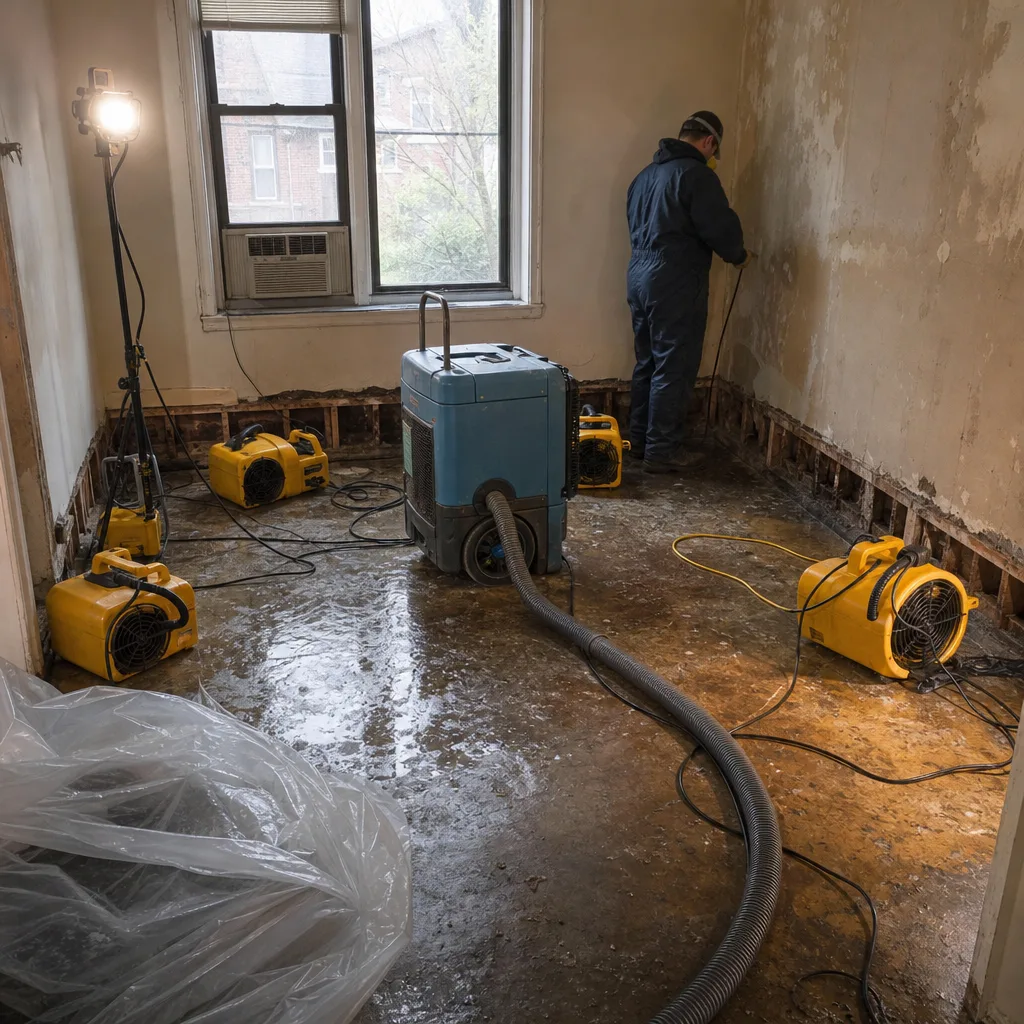
This is the skill that separates real restoration from a guy with a shop vac. Plaster walls, lath, and old-growth framing dry on a different curve than gypsum board. We build a drying chamber, set the dehumidifier count to the cubic footage and the moisture load, and log readings every day. In Hudson Yards towers, we dial back standard air movement to protect millwork and wood veneers. The dry standard gets met before we sign off, not after you’ve moved back in.
Flood Cleanup
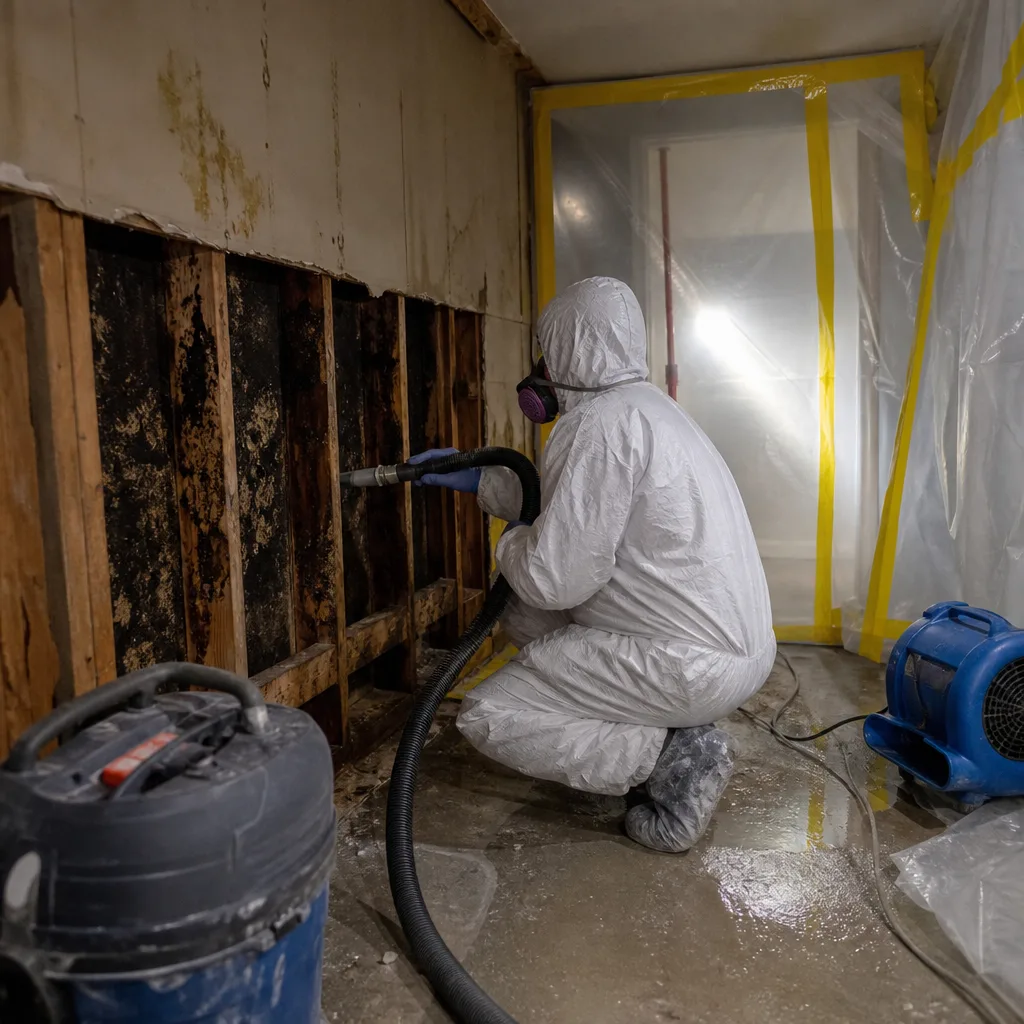
Hudson River surge flooding, storm sewer backup, or a summer downpour that overwhelmed a roof drain. Flood water is Category 3, which means contaminants. We contain the area, remove the wet materials that can’t be saved, disinfect the structure, and dry what remains. Then we rebuild it.
Burst Pipe Restoration
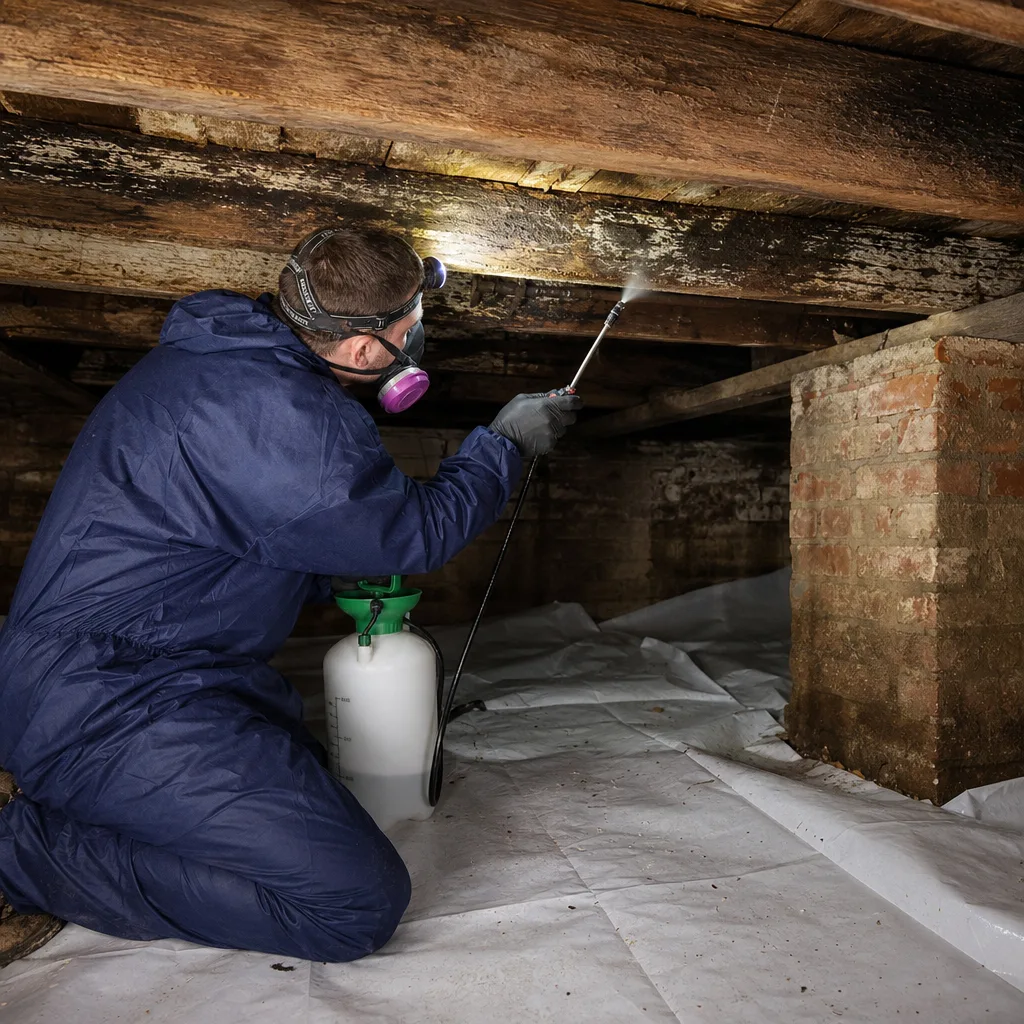
The freeze-thaw cycles that hit Midtown West every winter are murder on old supply lines. When a line goes, water under street pressure fills a wall cavity in minutes. We shut it down, open the wall safely, extract, dry, and restore. If the wall contains asbestos as most Hell’s Kitchen pre-war stock does, we sequence abatement before we open anything.
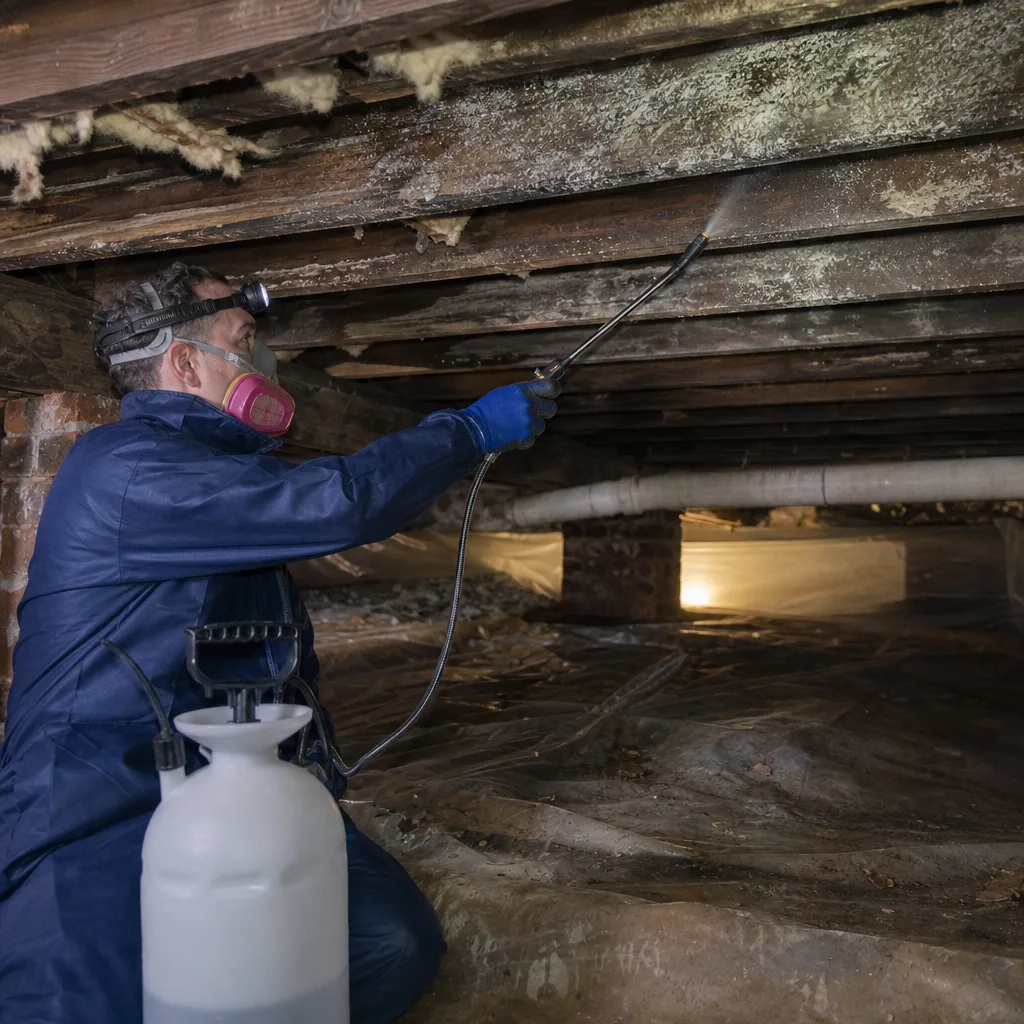
Basement Water Removal
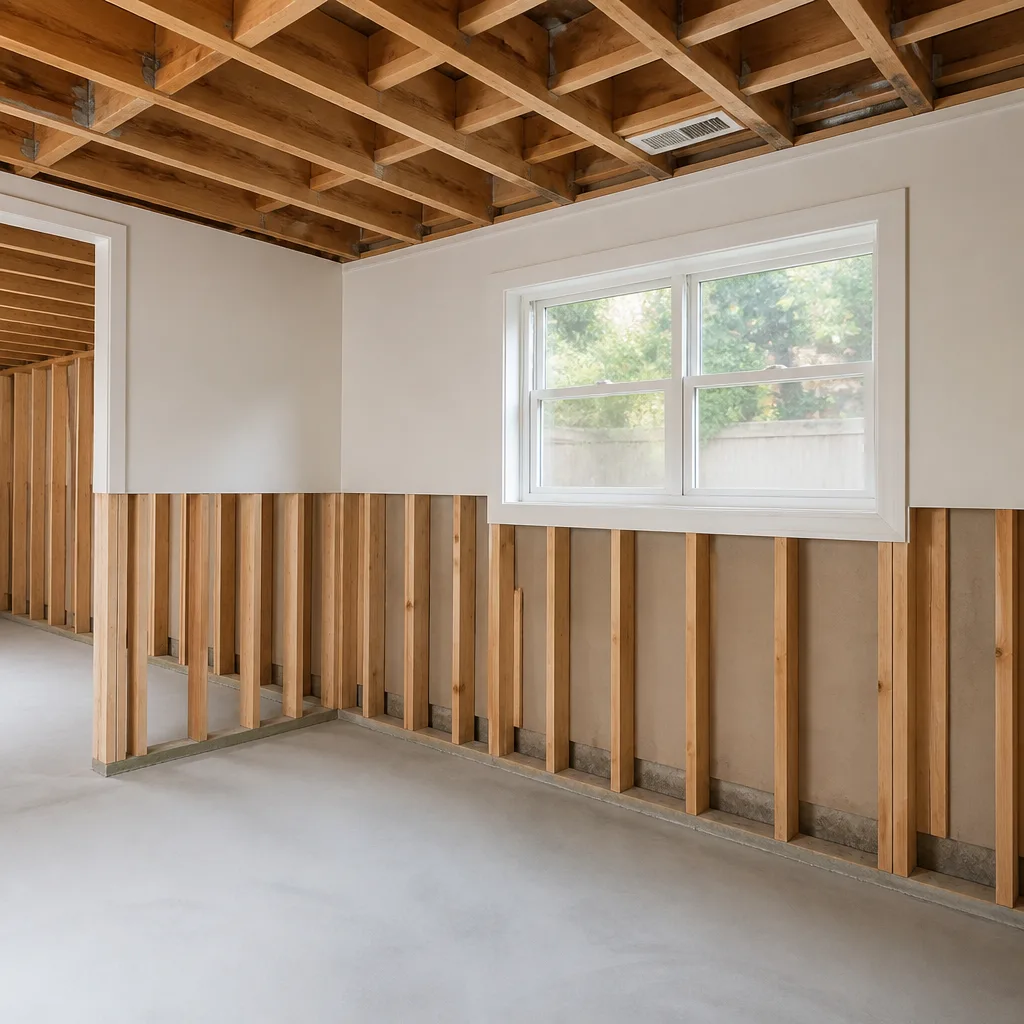
Basements under the tenements and brownstones of Clinton and Hell’s Kitchen flood from rise water, sump failure, or a backed-up floor drain. We remove the water, inspect the foundation and mechanicals, and set drying equipment sized for below-grade spaces that don’t naturally ventilate.
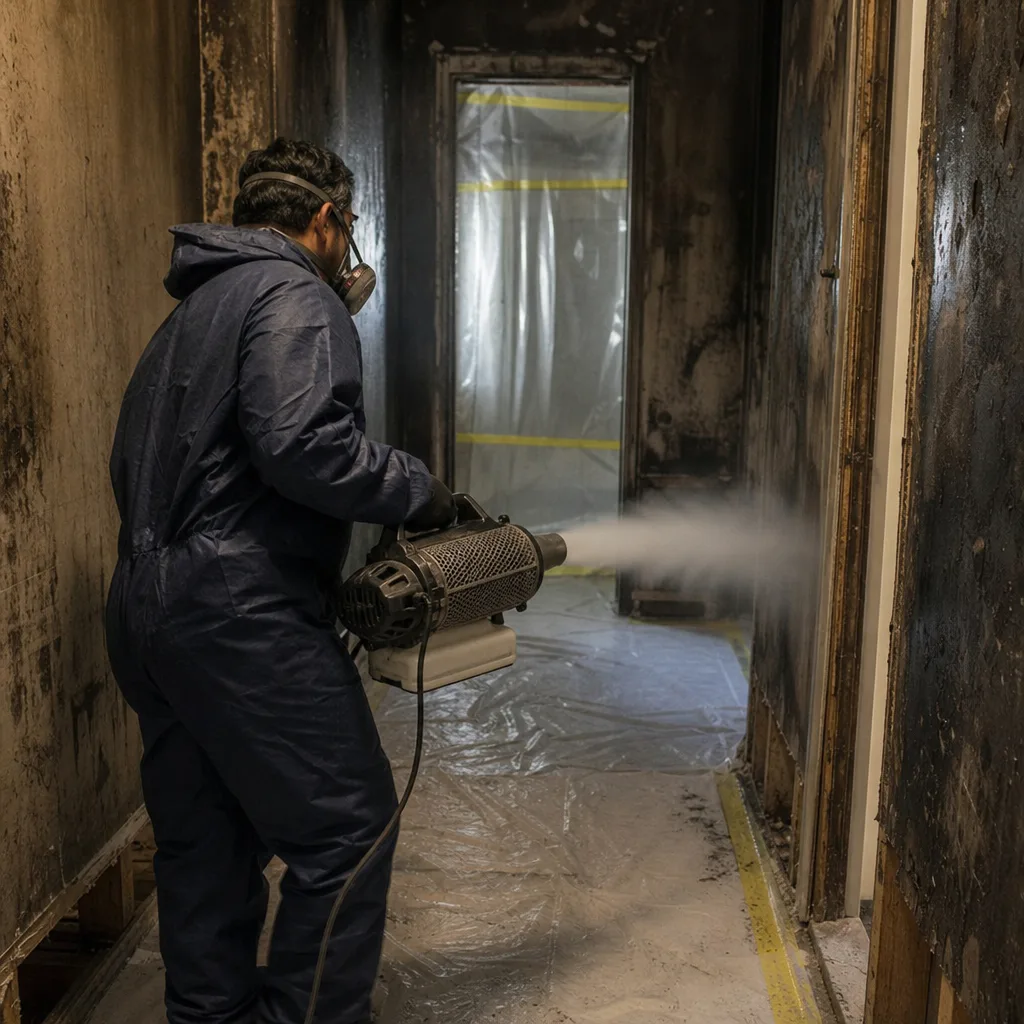
Ceiling & Roof Leak Water Damage
Flat roofs on Midtown West pre-war buildings leak after freeze-thaw cycling. Water follows the deck, travels along a beam, and shows up 20 feet from where it entered. We trace the path, dry the ceiling cavity, and repair the plaster or drywall so it doesn’t sag or mold.
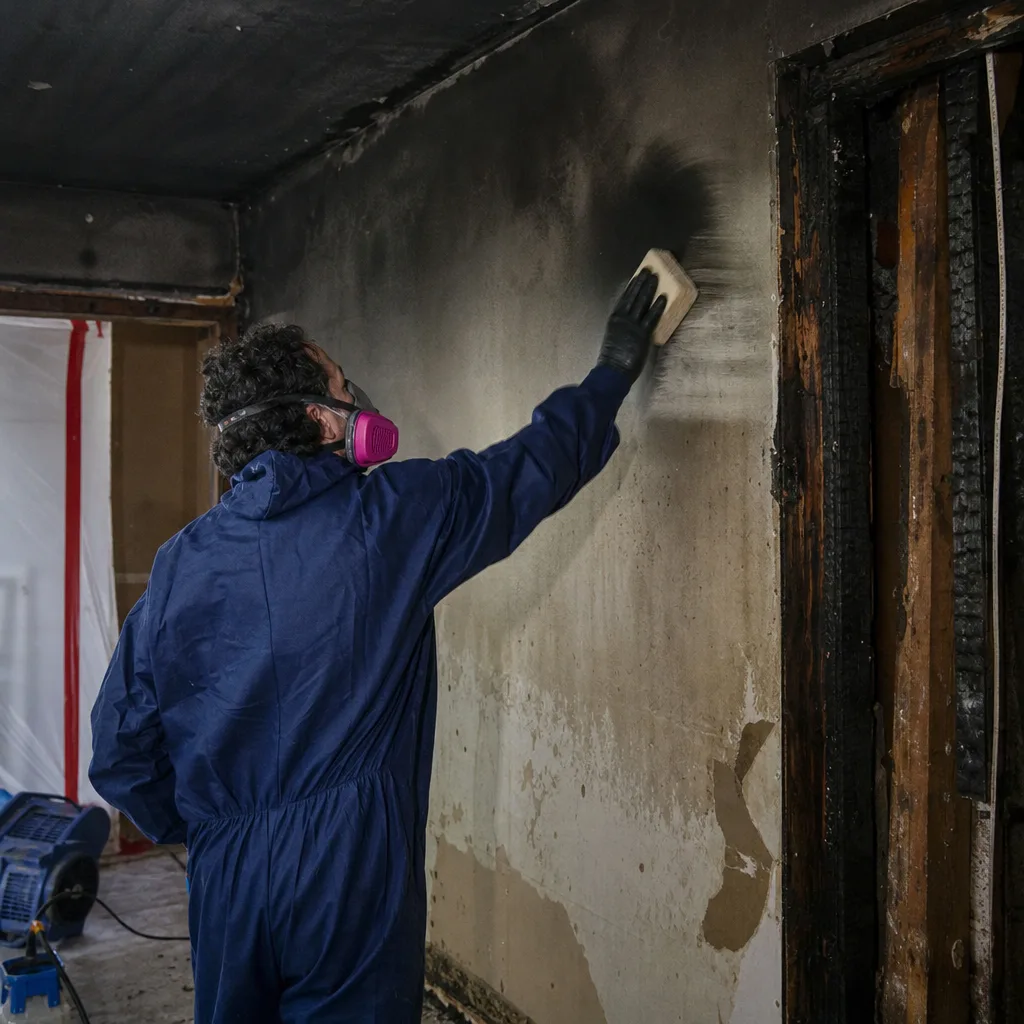
What happens when you call
- 1
A real person answersNo phone trees - you reach a local pro.
- 2
You get an upfront price rangeHonest numbers before anyone is dispatched.
- 3
A background-checked tech heads outLicensed & insured, dispatched right away.
- 4
You approve before work beginsNothing starts until you say go.
Water Damage Restoration Costs in Midtown West, NY
Here’s what we see in Midtown West today. Emergency water extraction alone runs $600 to $1,400 for a single unit. Structural drying with professional-grade equipment runs $1,800 to $4,000 depending on square footage, construction type, and how many days the equipment stays in. Burst pipe restoration in a pre-war plaster wall, including abatement coordination, runs $3,500 to $8,000 or more if multiple rooms are involved. Ceiling leak damage from a roof penetration runs $1,200 to $3,200. At the high end, a stack-wide riser leak across five to ten units in a Clinton tenement can run $15,000 to $45,000 total, and that’s before reconstruction finishes. Insurance covers most of these if the loss is sudden and accidental. We inspect free, write a scope in writing, and bill your carrier directly. The 90-Day Done Right Promise backs every dollar. Our three standing offers apply to Midtown West work: $50 off any repair over $250, the $89 seasonal tune-up, and a 5% senior and veteran discount, always.
We Also Serve Cities Near Midtown West
Our crews run regular routes into Upper West Side, Upper Manhattan, Morningside Heights, and Central Harlem. Same live answer, same 45-minute response commitment, same written scope before work starts.
Midtown West Water Damage Restoration Questions, Answered
Does a water leak in a Hell’s Kitchen pre-war rental always require asbestos abatement before you can start drying?
Not always, but often. If the water damage requires opening a wall or ceiling cavity in a pre-war building and the plaster scratch coat or pipe insulation tests positive for asbestos, EPA and OSHA rules require abatement before any restoration work that disturbs those materials can proceed. We test first, then sequence accordingly. Call (845) 305-5737 to schedule an inspection and we’ll walk you through what your building likely has.
How do you sequence freight elevator access when multiple stacked units in a Midtown West building have water damage at the same time?
We coordinate with building management to book freight elevator windows for equipment moves, and we schedule extraction and drying by floor so crews aren’t fighting for the same hoist. In a five-unit stack, we stage equipment on the lowest affected floor first, then work upward. It’s a logistics exercise most suburban restoration companies never face. We do it every month.
Are roof leaks from freeze-thaw damage on low-slope roofs a common water source in Midtown West?
Yes. The flat and low-slope roofs on Hell’s Kitchen pre-war buildings crack at membrane seams every winter. When the thaw comes, water enters at the roof penetration and travels through ceiling cavities far from the actual leak point. We trace the path with moisture meters before we cut anything.
What makes structural drying different in Hudson Yards luxury towers compared to Hell’s Kitchen walkups?
Hudson Yards towers have curtain-wall construction, tighter air barriers, and hotter interior temperatures. The drying plan uses fewer air movers and more dehumidification, or the wood millwork and veneers crack from over-drying. It’s a different formula. We adjust the equipment and the daily reading targets for each building type.
If water damage affects a shared vertical riser in a pre-war Midtown West building, do all stacked units need to be dried at the same time?
Usually yes. Water that travels down a riser wicks through floor assemblies and shows up as moisture in units that never had standing water. Drying only the visible damage leaves adjacent apartments damp, and mold appears within 48 hours. We dry the full stack with per-floor containment and a single drying log so no one’s unit gets missed. Call us at (845) 305-5737 and we’ll inspect the full run.
How fast can you actually get to a Midtown West address?
Our dispatch commitment is 45 minutes or less for emergency water extraction. Crews stage near the West Side Highway and on 10th Avenue specifically to reach Midtown West fast. A live person answers the phone at any hour, so you’ll know exactly when the truck rolls.
Will my insurance cover water damage restoration in Midtown West?
Sudden and accidental water damage, like a burst pipe or a roof leak, is generally covered. Flooding from outside, like Hudson River surge, is usually a separate flood policy. Gradual leaks that were ignored may not be. We document everything and talk to your adjuster directly, and our claim-ready paperwork makes the process faster.
What should I do in the first 30 minutes after a water leak in Midtown West?
Shut the water at the nearest valve or the building’s main. Kill electricity to the wet area if you can reach the panel safely. Move what you can lift. Then call us at (845) 305-5737. Don’t wait on a building super. The first hour decides how much gets replaced.
Serving Midtown West, NY - Our Local Coverage Area
We’re based in the Midtown West area and know this community well. Use the map below to see our service coverage - if you’re nearby, we can almost certainly help.
One Team, One Standard, One Call
Water damage in Midtown West is never simple. Whether it’s a burst riser in a Clinton tenement, a roof leak in a Hudson Yards tower, or a flood surge near 11th Avenue, the work requires more than extraction. It requires knowing this neighborhood’s buildings, its rules, and its rhythms. Floodline Restoration Co. has that. We were founded in 2010 by Curt Bowman, and we built this company around a dispatch board, not a sales desk. We answer at (845) 305-5737 with a person, every time. The estimate is free. The scope is written before we start. The work is backed by the 90-Day Done Right Promise. The line the water left is where we start.
Written by Curt Bowman, Owner at Floodline Restoration Co., providing water damage restoration across the New York metro since 2010.