
Free visual inspection and a written scope of work before any mitigation begins - photos, moisture readings, and drying logs go in your claim file
The scope we write is the scope we bill. Anything new gets shown to you, in writing, before we touch it.
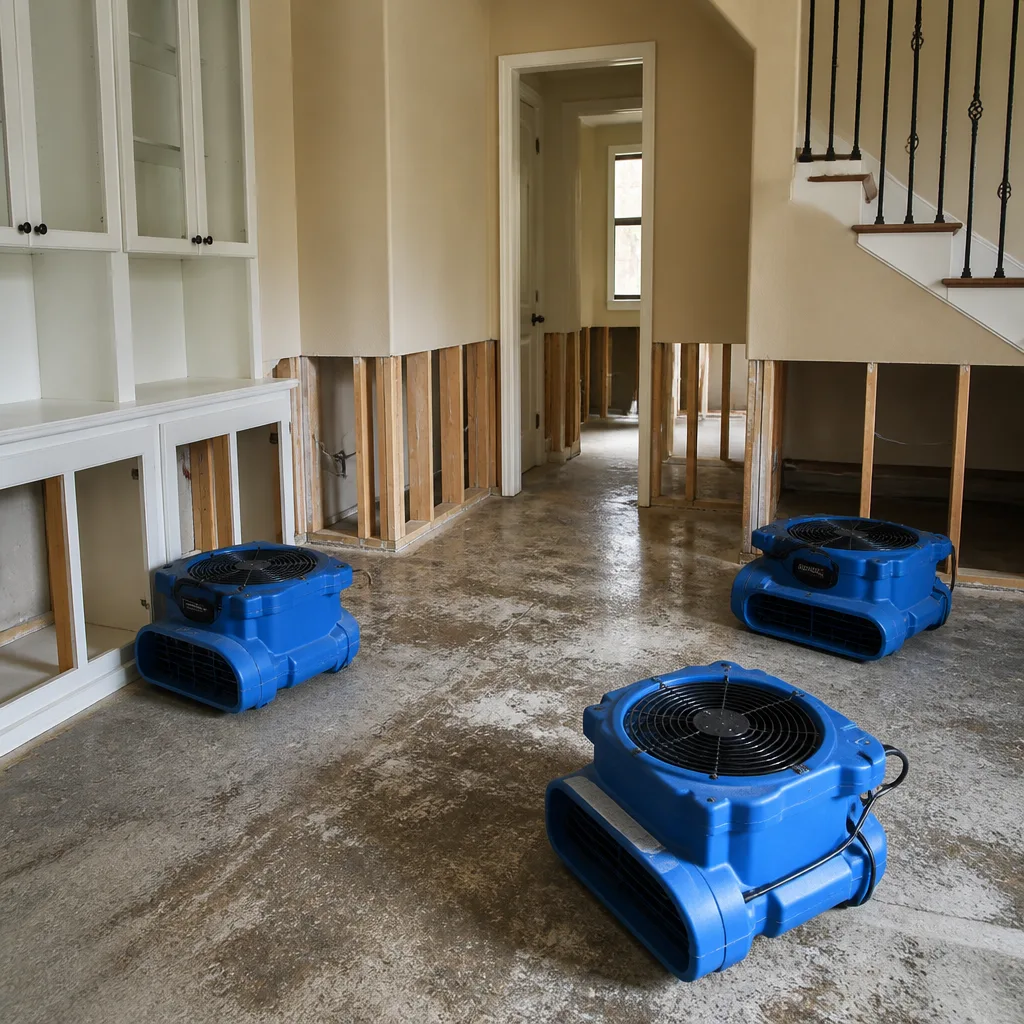
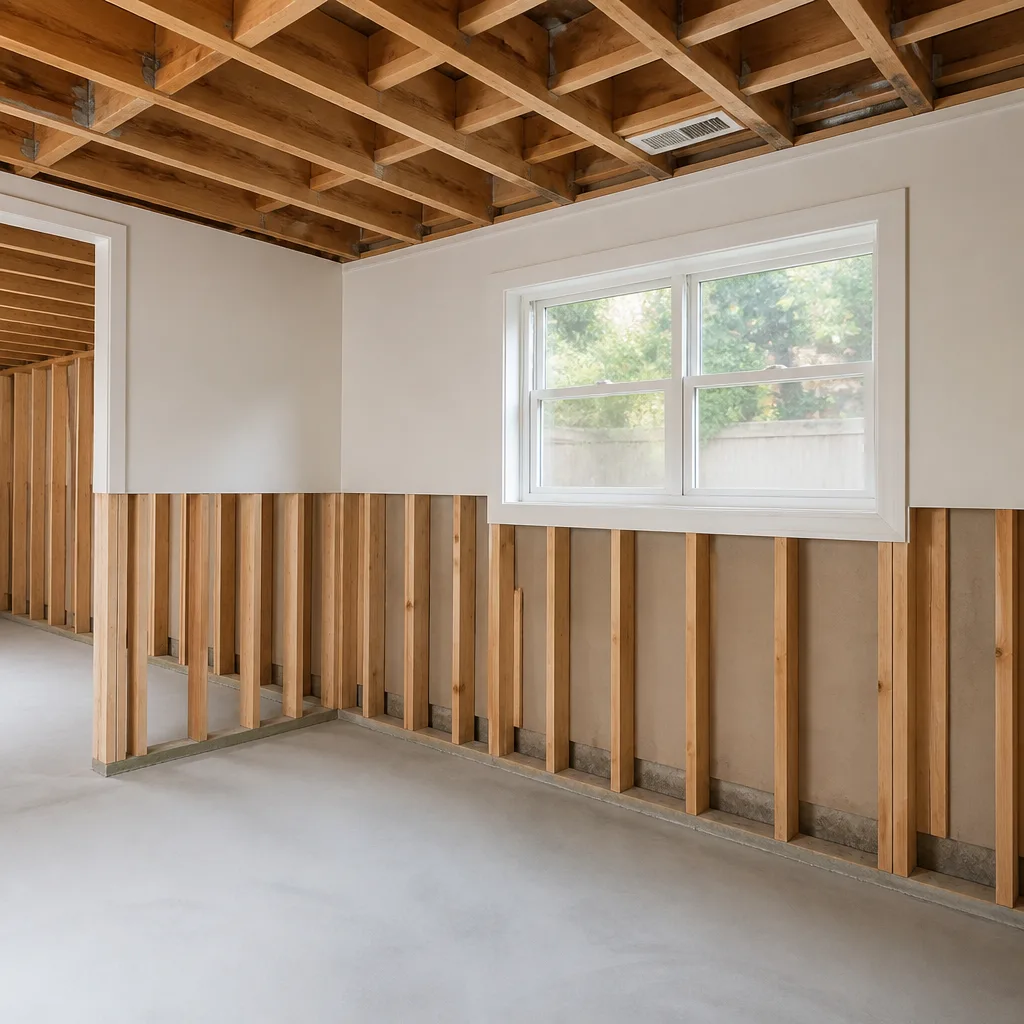
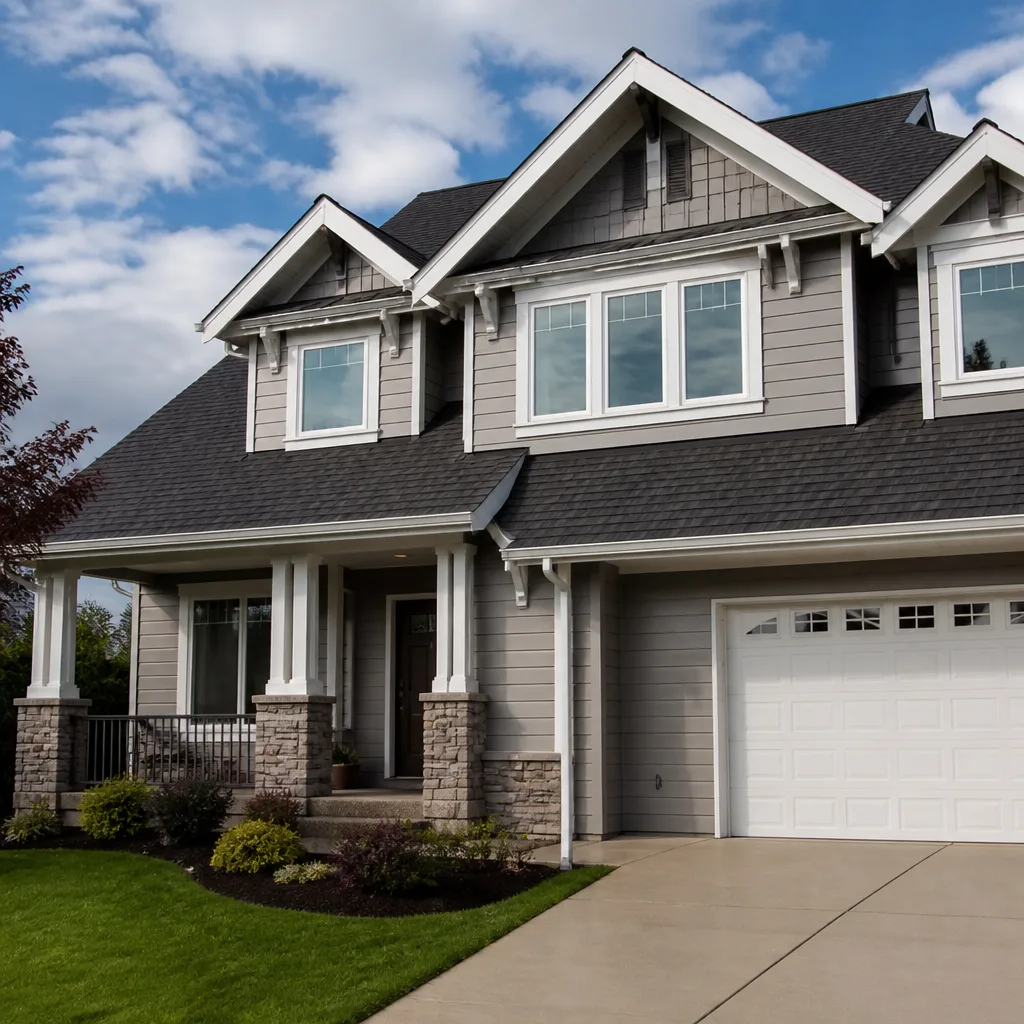
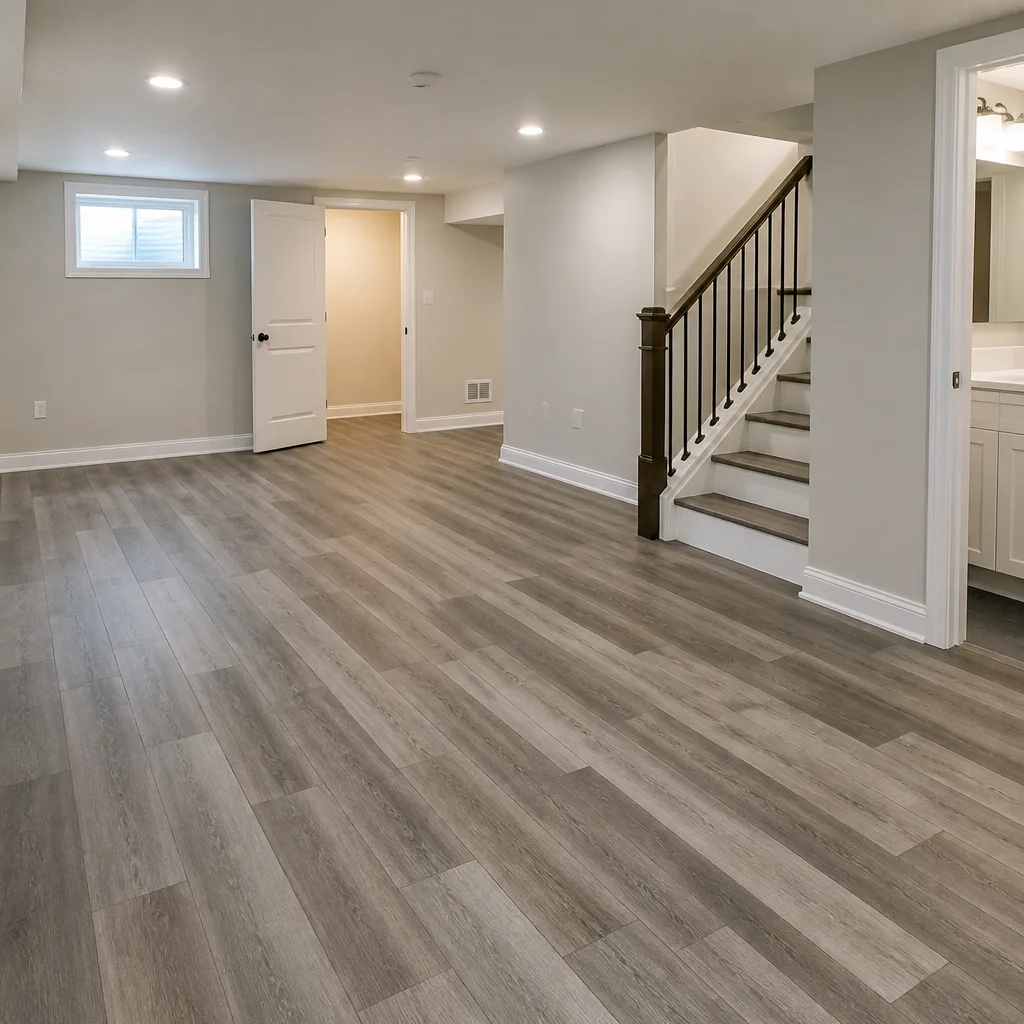
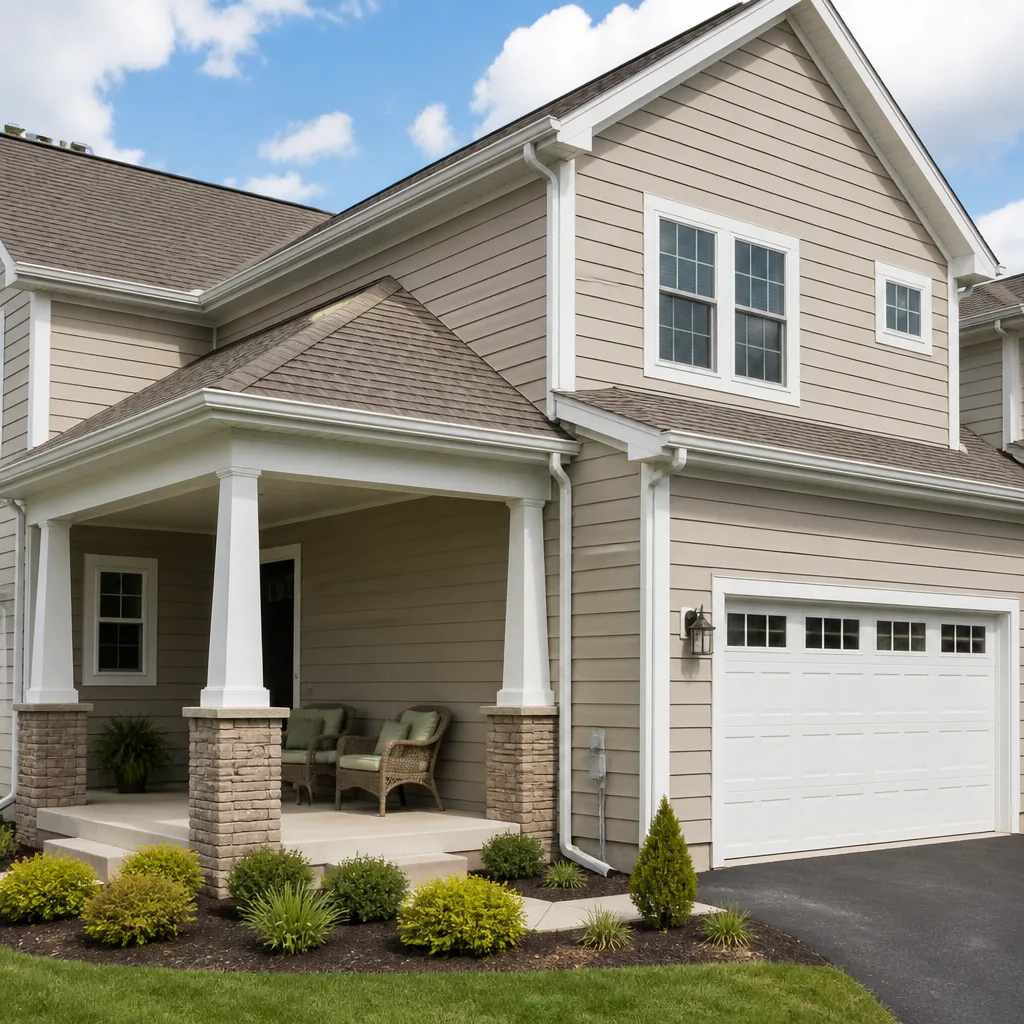
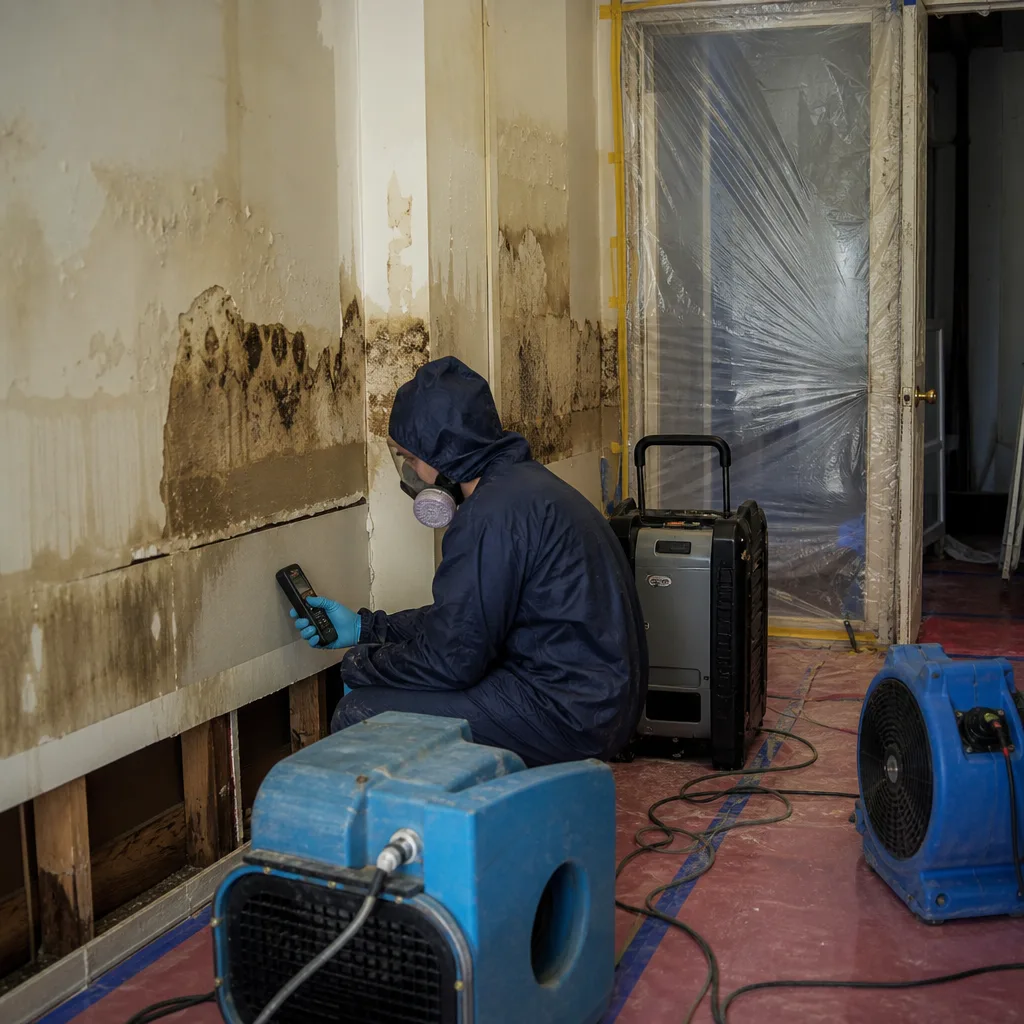 Before
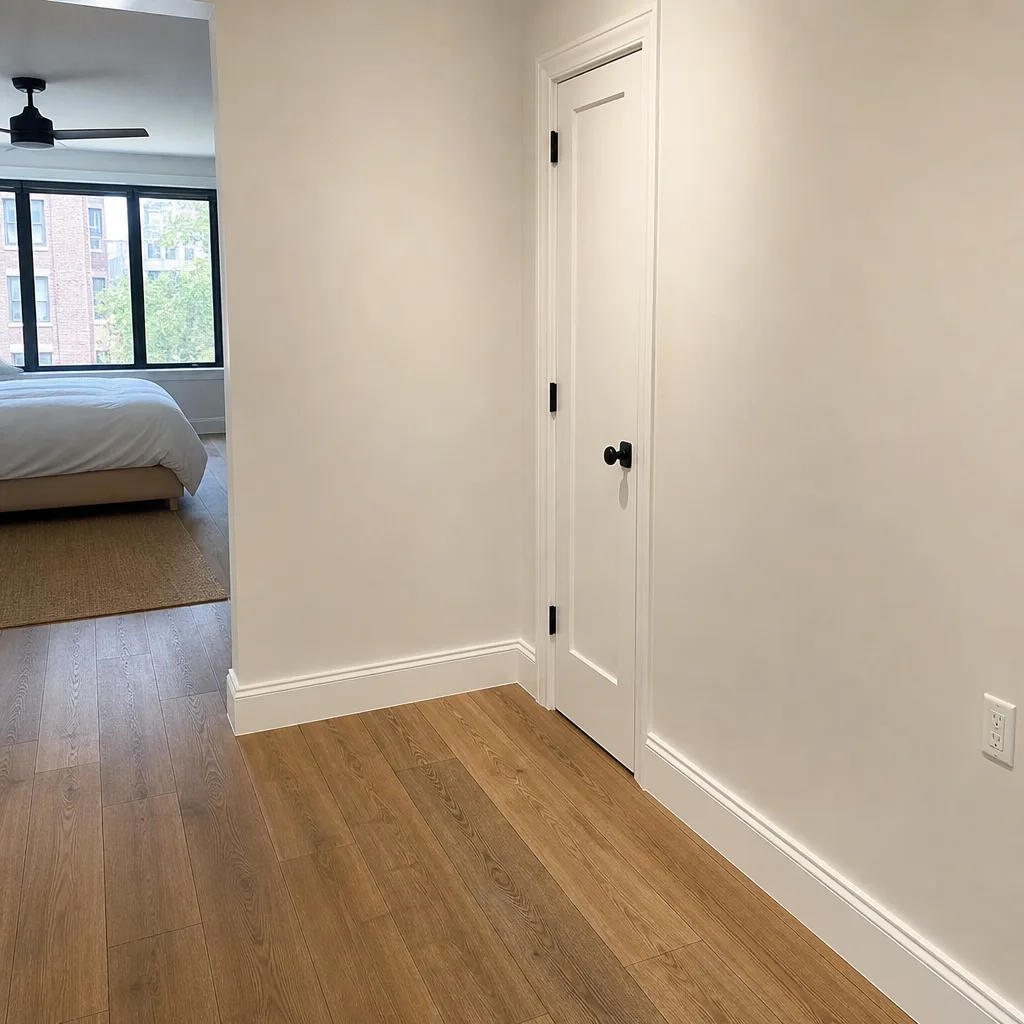 After
After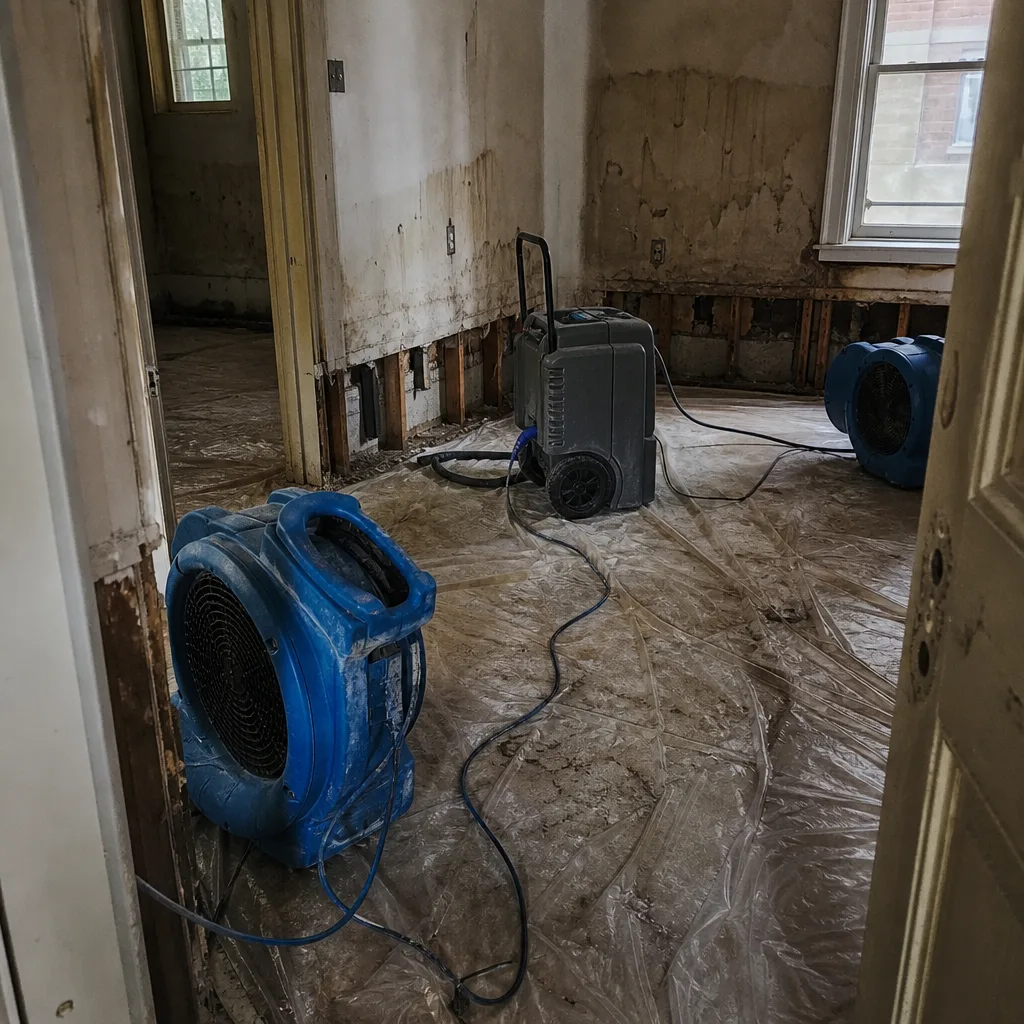 Before
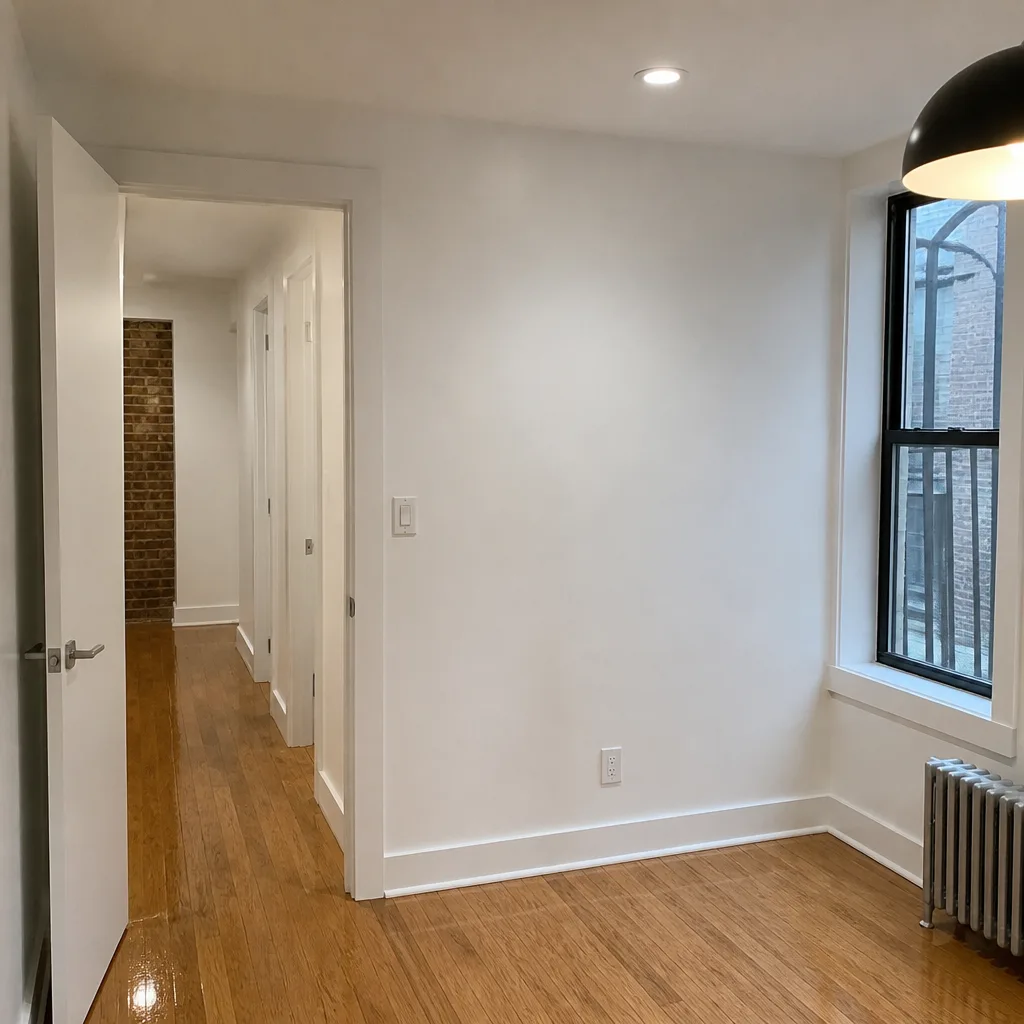 After
After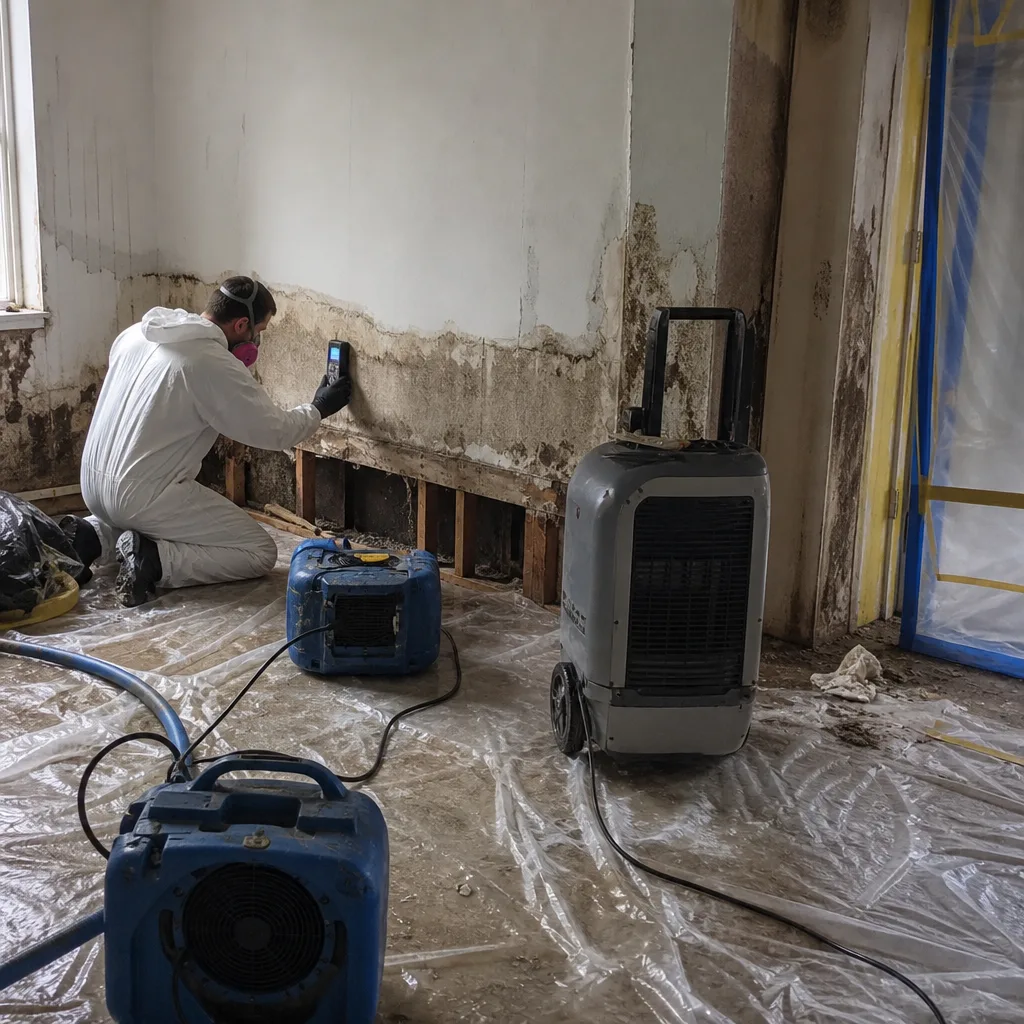 Before
 After
After24/7 Emergency Sewage Cleanup in Midtown West
Sewage cleanup in Midtown West can’t wait for business hours. A toilet overflow or sewer backup inside a Hell’s Kitchen tenement moves through shared risers and wall cavities within minutes, and the longer category 3 water sits, the deeper it wicks into plaster and subfloor. Our crews answer live at (845) 305-5737 around the clock and dispatch into Midtown West immediately, because the first hour determines whether you’re dealing with extraction and drying or a full gut to the studs. We’ve handled sewage backups on 52nd Street, west of 9th Avenue, inside 46th Street walkups, and throughout the residential blocks between 8th and 11th Avenues. The pattern in this neighborhood is always the same: the water moves down. By the time you see it on your floor, four units below you may already be wet.
Understanding Sewage Cleanup Severity in Midtown West Properties
Category 3 water, what restoration crews call black water, contains pathogenic bacteria, viruses, and parasites. It comes from toilet backflows, sewer line breaks, and rising water from floor drains connected to the sanitary stack. In Midtown West’s pre-war stock, the distinction between a contained spill and a building-wide contamination event often comes down to one thing: cast-iron waste risers. These vertical pipes, original to buildings constructed between roughly 1900 and the 1940s, crack with age. When a lower floor backs up, black water doesn’t just pool in one bathroom, it follows the interior wall cavities along the riser and presents in the units stacked above and below. Plaster-and-lath construction makes this worse. Plaster wicks moisture aggressively and holds it, and the lathe strips create hundreds of small voids where contaminated water hides. Standard drywall-commercial drying timelines don’t apply here. A Hell’s Kitchen walkup with a sewage backup needs moisture mapping across every affected floor, cavity drying behind plaster, and often asbestos testing before any demolition begins.
Why Midtown West Property Owners Choose Floodline Restoration Co.
- 45-minute response commitment: When you call about sewage cleanup in Midtown West, a certified crew is dispatched immediately. We arrive fast because black water doesn’t pause, and neither does the damage.
- 24/7 live answer: A real dispatcher picks up at 2 a.m., not a recording. Founder Curt Bowman built Floodline around a dispatch board, not a sales desk, and that hasn’t changed.
- IICRC-certified crews: Our technicians hold WRT and AMRT certifications and are trained to RIA and IFA standards. Background-checked and uniformed, they know exactly what they’re walking into in a Midtown West pre-war building.
- Free visual inspection: We assess the damage, map the moisture, and give you a written scope before any work starts. No obligation, no pressure.
- Direct insurance billing: We coordinate with your carrier from the first hour, send adjusters our documentation, and bill them directly. You never play messenger.
- One team, start to finish: Extraction, drying, sanitization, and rebuild are handled by the same Floodline crew. No handoff to a subcontractor who’s never seen the moisture map.
Our Sewage Cleanup Process
Inspection & Assessment
We arrive, identify the source, and classify the water. In Midtown West walkups, that means checking the waste riser, testing affected surfaces, and determining whether building management and an asbestos abatement team need to be brought in before we touch a wall.
Extraction & Stabilization
Black water is extracted using truck-mounted and portable extraction units. We remove contaminated materials that can’t be salvaged, including saturated carpets, pad, and any porous contents that absorbed category 3 water.
Drying & Dehumidification
Professional-grade Phoenix and Dri-Eaz dehumidifiers and XPOWER air movers are placed according to a moisture map. Daily readings are logged. Plaster walls in Hell’s Kitchen buildings dry slower than drywall, so we monitor until the dry standard is met, not until it looks dry.
Cleaning & Sanitization
All affected surfaces are cleaned with EPA-registered antimicrobials. HEPA filtration runs continuously to capture airborne contaminants. This step is non-negotiable for sewage. A surface that looks clean can still carry E. coli, hepatitis A, and other pathogens.
Specialty Treatment: Asbestos & Cavity Drying
Where pre-war plaster tests positive for asbestos, a licensed abatement contractor clears the area before we proceed. Then we use Injectidry wall cavity drying systems to pull moisture from behind intact plaster faces without unnecessary demolition.
Repairs & Restoration
If walls were opened, subfloors removed, or cabinets pulled, our reconstruction crew rebuilds to pre-loss condition. Original details are matched where possible, and every job carries the 90-Day Done Right Promise in writing.
Need Emergency Sewage Cleanup in Midtown West Now?
Crews minutes away, answering live 24 hours a day. The sooner we start, the less it costs.
Working With Your Insurance Company
Sewage cleanup in Midtown West is generally covered under most homeowners and commercial property policies when the backup originated within the insured property. Some policies require a specific sewer backup endorsement, and pre-war buildings with shared stacks can raise questions about which policy responds. That’s not a question you need to solve alone. From the first hour, we document everything: the source of the loss, the category of water, the extent of migration, and the condition of every affected surface. Our team communicates directly with your adjuster, provides industry-standard estimates in the format carriers expect, and handles the paperwork so you can focus on getting your home or unit back. Floodline bills your carrier directly where coverage applies. If there’s a gap, we’ll tell you before work starts, not after.
What We Provide Your Insurer
- Thorough documentation of the loss
- Photos of all damage, room by room
- Moisture readings and drying logs
- A detailed, line-item scope of work
- Direct coordination with your carrier
Built for Midtown West’s Loss Calendar
Sewage backups in Midtown West don’t follow one season, they follow the infrastructure. January and February bring deep freezes that crack aging cast-iron waste lines where they pass through unheated shafts and exterior chases. February and March, the freeze-thaw cycles that compromise rooftops also stress the building envelope, and meltwater finds its way into mechanical rooms and plumbing chases. Summer thunderstorms overwhelm the city’s combined sewer system, and when the municipal sewers back up during a heavy downpour, the lowest drains in a Hell’s Kitchen building are the first to release black water. Hudson Yards towers have modern backflow prevention on their MEP systems, but the pre-war walkups between 42nd and 59th Streets often rely on original plumbing with limited protection. Fall brings nor’easter storm surge, and buildings near 11th Avenue sit close enough to the Hudson to feel it. We’ve responded to sewage backups in Midtown West in every month of the year, and we know what each season tends to produce before we walk through the door.
Sewage Cleanup Across Midtown West’s Neighborhoods
The response to a sewage backup on West 52nd Street is different from one on West 44th Street, and a block makes a difference. In Hell’s Kitchen between 8th and 10th Avenues, we’re typically working in five-to-six-story walkups with no service elevator and narrow stairwells, so our crews stage equipment tight and run hoses through windows where building management allows. Over near Times Square and the Theater District, sewage backups often hit restaurants and storefronts at street level, where a backed-up floor drain at 8 p.m. means a closure, not just a cleanup, and the priority is getting the business back open. In the high-rise co-ops along Central Park South near Columbus Circle, a sewage backup in a stack affects multiple floors, and the building requires freight elevator reservations, insurance certificates, and work-hour restrictions before anyone carries in a dehumidifier. West of 10th Avenue toward the Hudson River, older industrial conversions along 11th Avenue have basement-level mechanical rooms and parking that sit low in relation to the street and are prone to slab-level sewage intrusion during heavy rain events. And in Hudson Yards, the towers operate under developer-run management companies with strict protocols: our crews coordinate with building engineers, submit method statements in advance, and work within MEP access windows that the management company assigns. Our Sewage Cleanup team knows these buildings because we work in them monthly. When you call Floodline for Midtown West sewage cleanup, you get a crew that has already navigated your building type.
Specialized Sewage Cleanup Services We Offer in Midtown West
Sewage Backup Cleanup
When a waste line backs up into a Midtown West unit, the source matters more than the mess. In pre-war buildings, the culprit is often a cracked cast-iron soil stack or a blocked building main, not anything the occupant did. We trace the backup to its source, coordinate with building management where shared lines are involved, and extract contaminated water while we determine which units are affected. If the riser is compromised, we’ll tell you before we tear out anything, because fixing the pipe is step one.
Black Water Extraction
Black water extraction in a Hell’s Kitchen walkup is not a carpet cleaning situation. Category 3 water requires full PPE, containment, HEPA air scrubbing, and careful removal of all saturated porous materials. We run Dri-Eaz HEPA 500 air scrubbers to control airborne pathogens, and we extract with truck-mounted equipment where building access allows or portable extraction units where a freight elevator isn’t available. Nothing that absorbed black water is left in place and simply dried. Carpet, pad, wallpaper, and any porous furniture that wicked sewage are removed and disposed of according to local regulations.
Sanitization & Disinfection
After extraction and removal, every surface in the affected area is treated. In Midtown West apartments, that means floors, baseboards, lower wall sections behind where water pooled, and any plumbing fixtures that were in contact with the backup. We use EPA-registered antimicrobials, and we hold containment in place while we work so that residents in adjacent units aren’t exposed to contaminants. This is the step that determines whether your home is actually safe to live in, not just dry. We log every treatment so you and your insurer have a record.
What happens when you call
- 1
A real person answersNo phone trees - you reach a local pro.
- 2
You get an upfront price rangeHonest numbers before anyone is dispatched.
- 3
A background-checked tech heads outLicensed & insured, dispatched right away.
- 4
You approve before work beginsNothing starts until you say go.
Sewage Cleanup Costs in Midtown West, NY
A typical toilet overflow sewage cleanup in a Midtown West walkup runs $1,800 to $4,500 when the damage is contained to one bathroom and the adjacent hallway. A sewage backup affecting multiple rooms or units, where black water has followed a shared riser, typically runs $6,000 to $18,000 or more depending on the number of affected units and whether asbestos abatement is required. Black water extraction alone in a single-unit backup generally runs $900 to $2,200. Sanitization and disinfection for a post-extraction scope runs $600 to $1,800 per affected room. What moves the price in Midtown West specifically: freight elevator availability, asbestos testing and abatement, plaster wall drying versus drywall replacement, and whether the scope involves shared building infrastructure. If insurance covers the loss, your out-of-pocket is typically your deductible plus anything excluded by policy language. Every project starts with a free visual inspection, after which we provide a written scope with a firm number before we begin. Call (845) 305-5737 and we’ll tell you what you’re looking at in plain language, not a range that widens once we’re inside.
We Also Serve Cities Near Midtown West
Floodline Restoration Co. handles sewage cleanup across Upper West Side, Upper Manhattan, Morningside Heights, and Central Harlem, with the same 24/7 live dispatch and the same crews you’ll see in Midtown West. The buildings differ, but the process doesn’t: document, extract, dry, sanitize, and stand behind the work.
Serving Midtown West, NY - Our Local Coverage Area
We’re based in the Midtown West area and know this community well. Use the map below to see our service coverage - if you’re nearby, we can almost certainly help.
Midtown West Sewage Cleanup Questions, Answered
Do I need building management approval before sewage cleanup starts in a Midtown West pre-war rental?
Yes, almost always. In Midtown West pre-war rentals, building management controls access to building systems, the freight elevator, and often the water shutoff for the affected riser. We coordinate with them directly, submit certificates of insurance, and work within their access windows, so you don’t have to negotiate anything.
How do you handle asbestos in Hell’s Kitchen plaster walls during a sewage backup cleanup?
We test before we open anything. If the scratch coat or pipe insulation tests positive, a licensed asbestos abatement contractor clears the affected area before our crew proceeds with demolition or cavity drying. Skipping this step in a pre-war Midtown West building can shut down the project, expose residents, and trigger fines.
What’s the difference between a sewage backup in a Hudson Yards luxury tower and a Hell’s Kitchen walkup?
The water is the same category 3. The logistics are not. Hudson Yards buildings have dedicated maintenance staff, modern MEP rooms, and strict access protocols that we coordinate through a building engineer. Hell’s Kitchen walkups have narrow stairs, no service elevator, original plumbing, and often asbestos in the walls. Our crew plans differently for each.
How fast can you start sewage cleanup in Midtown West after a toilet overflow?
We dispatch within the hour and typically arrive within 45 minutes anywhere in Midtown West. Extraction starts on the first visit. The faster black water is pulled out and drying begins, the less demolition is needed, and the lower the final scope.
Will you need to remove my tenants’ belongings during sewage cleanup in a pre-war rental?
We remove what the water touched and what stands in the way of drying. Contaminated porous items are inventoried and discarded if unsalvageable. Unaffected belongings are moved, not thrown out, and we document everything for your insurer. We work around occupied units when it’s safe, and we tell tenants plainly when an overnight relocation is the right call.
Does homeowners insurance cover sewage cleanup in Midtown West?
Most standard policies cover sudden and accidental sewage backup within the unit. Some policies require a specific sewer backup endorsement, particularly if the source is a shared building line. We’ll help you sort out coverage with your carrier before we do anything beyond emergency mitigation.
How long does sewage cleanup and drying take in a pre-war Midtown West apartment?
A contained single-unit toilet overflow typically takes 3 to 5 days for extraction, drying, and sanitization. A multi-unit backup with shared risers and plaster cavity drying can run 7 to 14 days. Plaster dries slower than drywall, and we won’t sign off until moisture readings meet the dry standard.
What should I do in the first 30 minutes after a sewage backup in Midtown West?
Stop using water, shut off the fixture if you know how and can do so safely, keep people and pets out of the affected area, and call (845) 305-5737. Don’t run fans or HVAC systems, which can push contaminated air into other rooms and units. The quicker our crew starts extraction, the smaller the repair scope.
When sewage backs up in a Midtown West pre-war building, the clock starts before you even notice the water. Call Floodline Restoration Co. at (845) 305-5737 and talk to a live dispatcher who can have a certified crew at your door fast. Curt Bowman built this company on the simple understanding that water, left alone, only makes things worse. We’ll be there when we say, we’ll give you a written scope before we start, and we’ll stand behind the work with the 90-Day Done Right Promise. Done right, and backed in writing.
Written by Curt Bowman, Owner at Floodline Restoration Co., serving Midtown West and greater New York City since 2010.