
Free visual inspection and a written scope of work before any mitigation begins - photos, moisture readings, and drying logs go in your claim file
The scope we write is the scope we bill. Anything new gets shown to you, in writing, before we touch it.
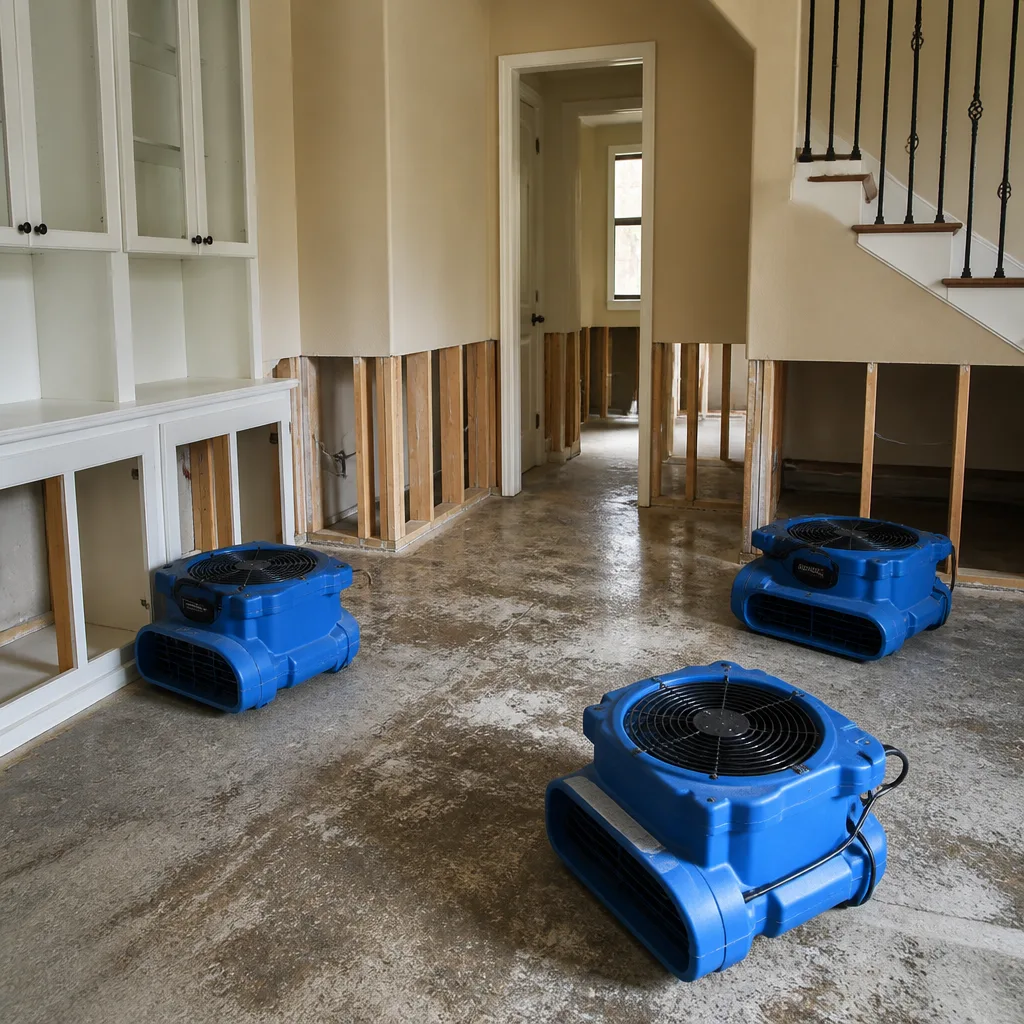
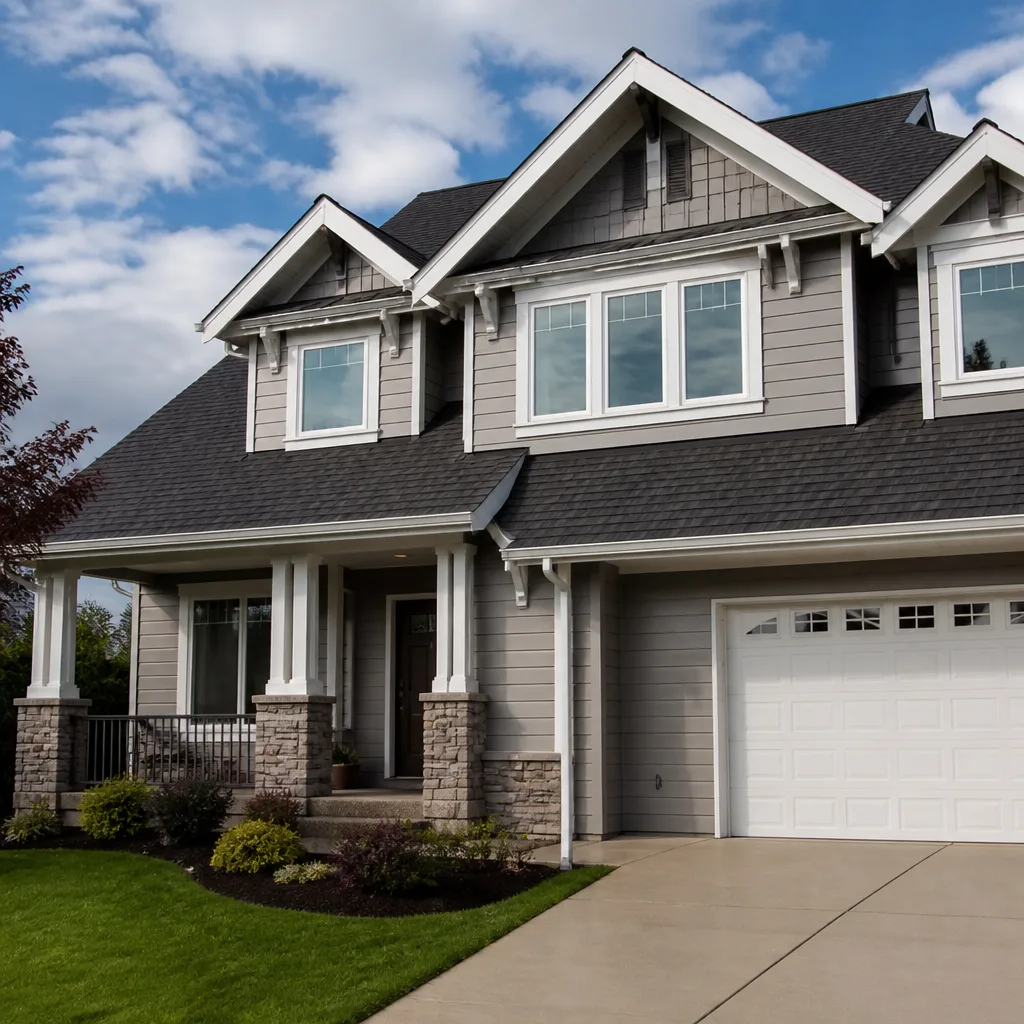
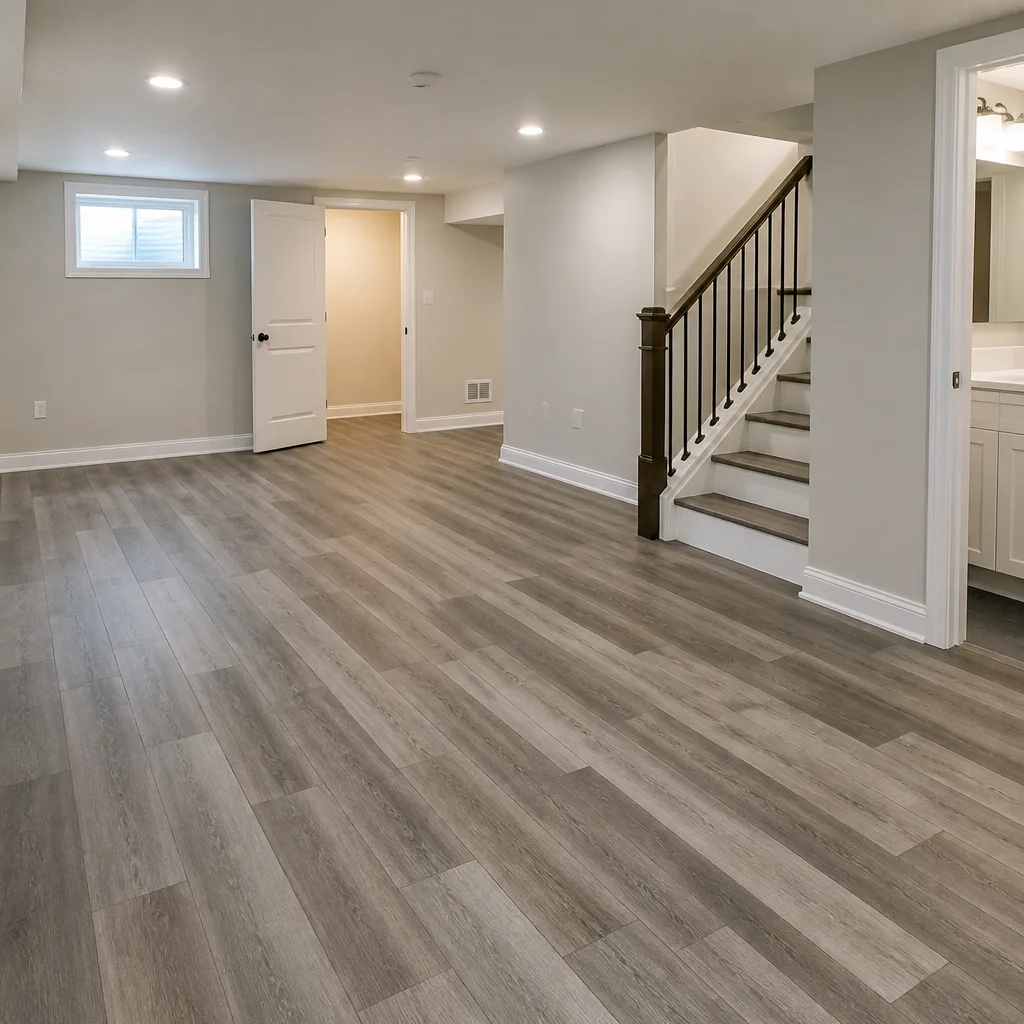
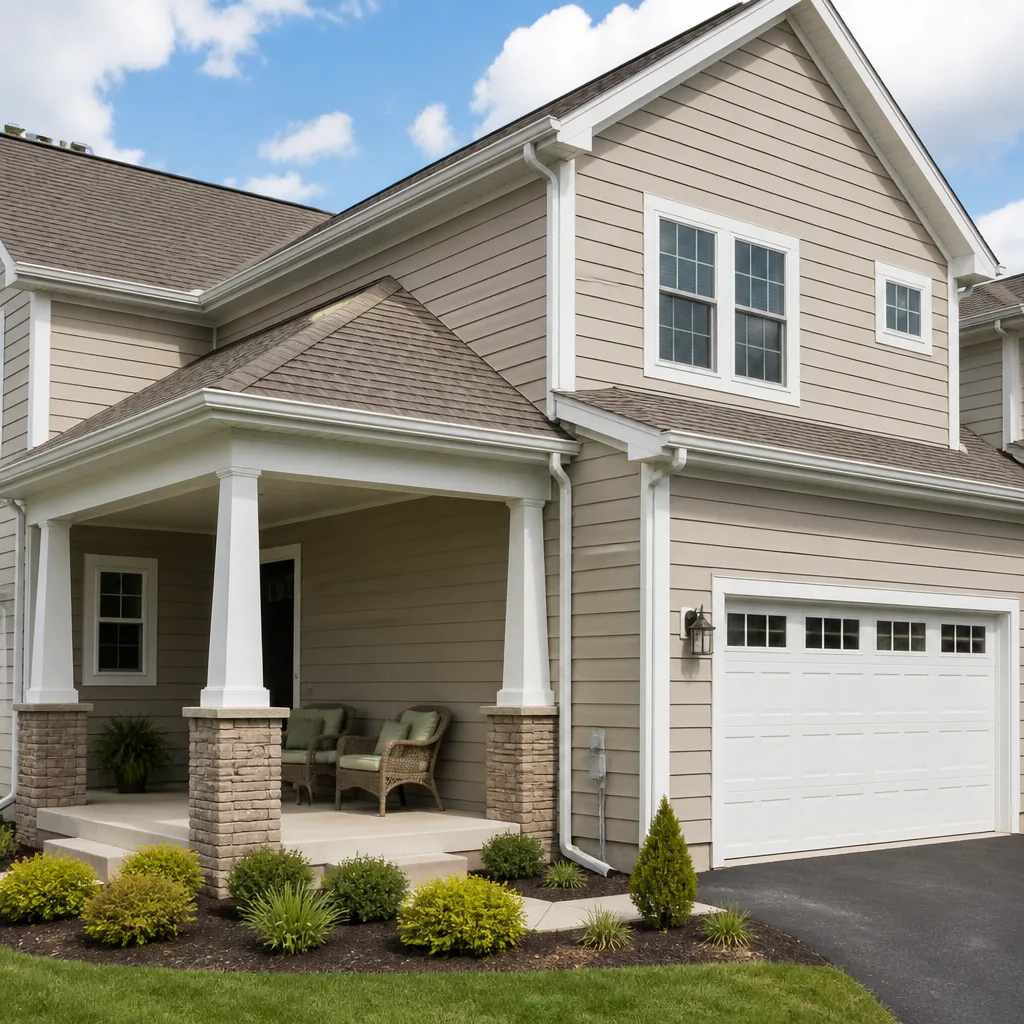
 Before
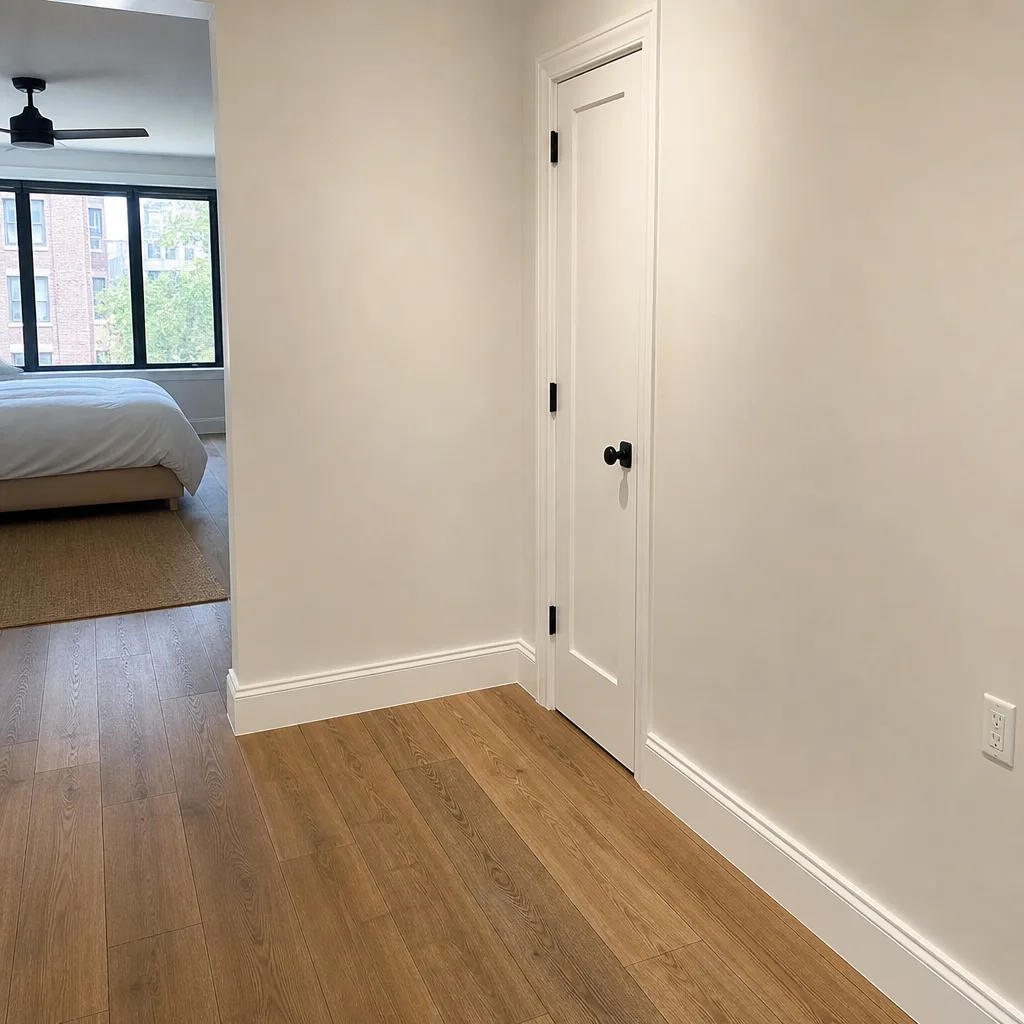 After
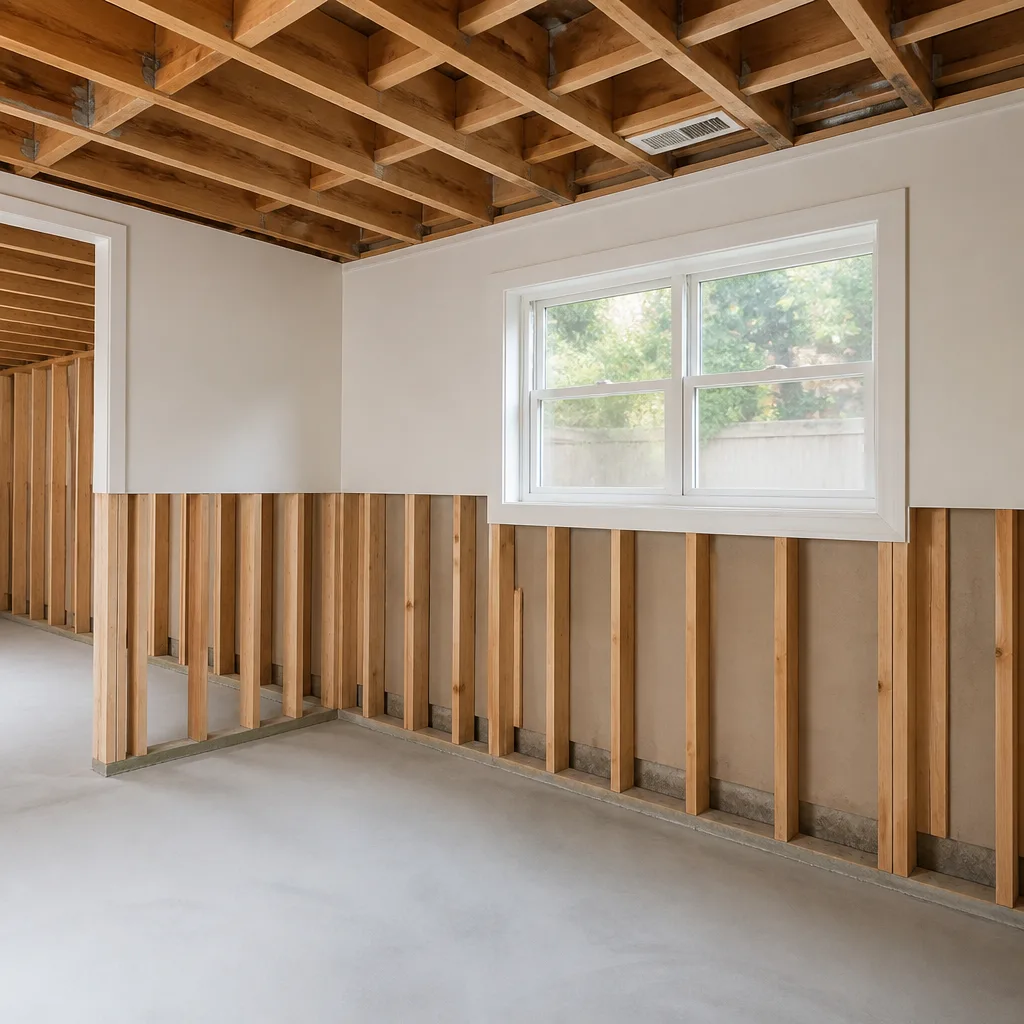
After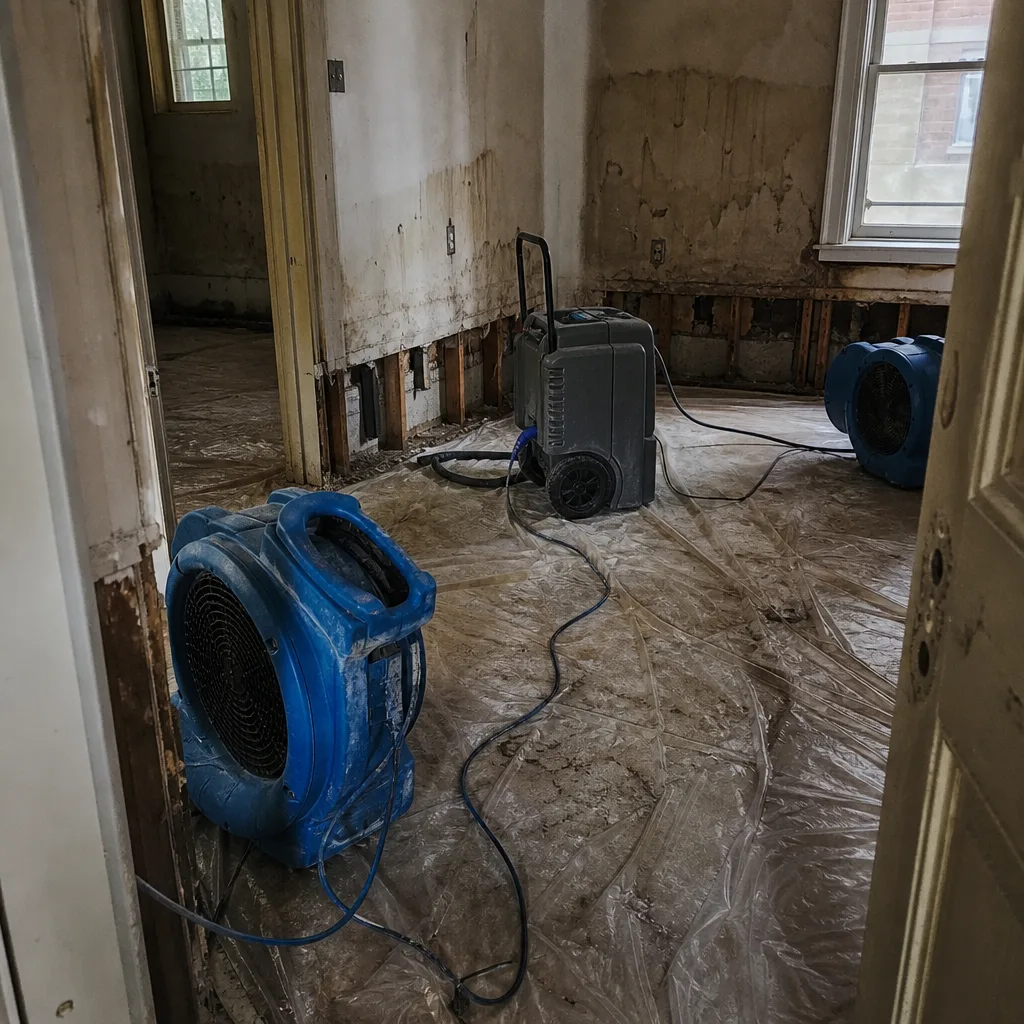 Before
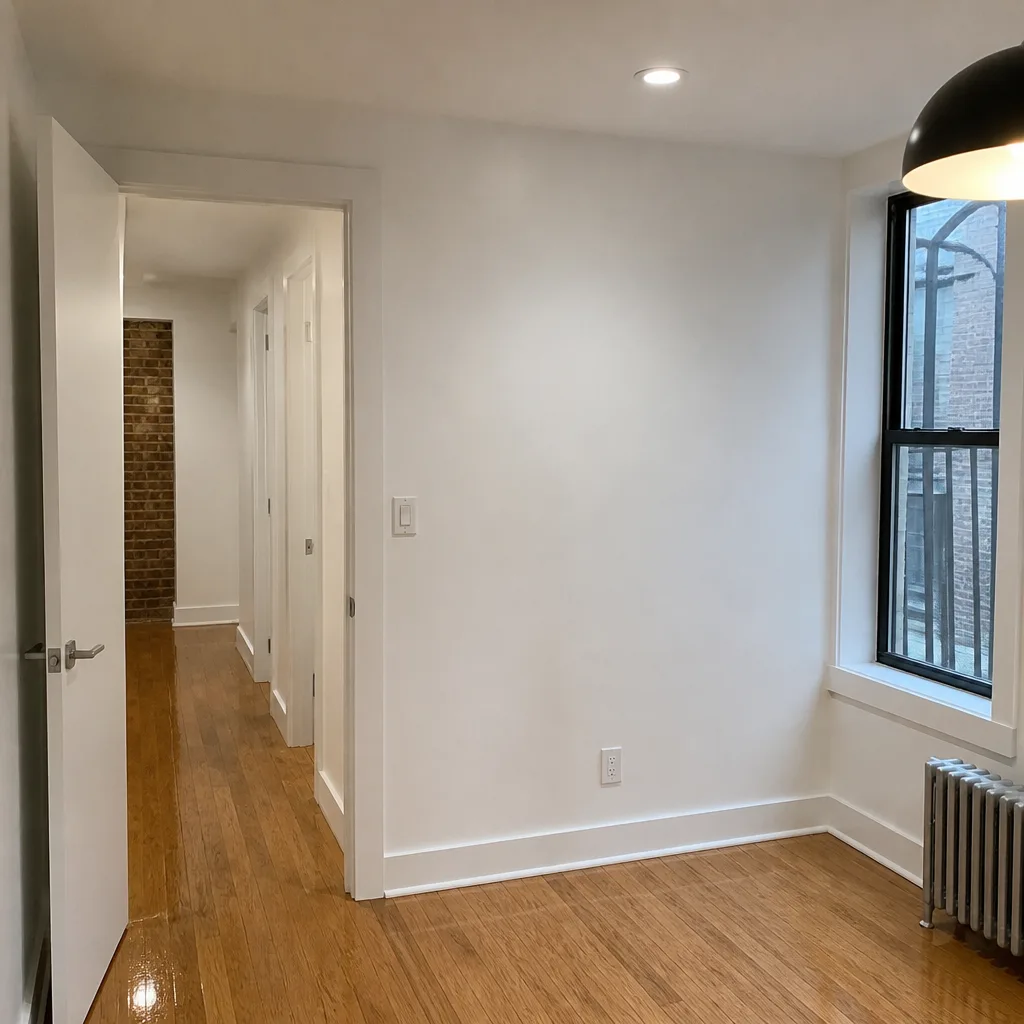 After
After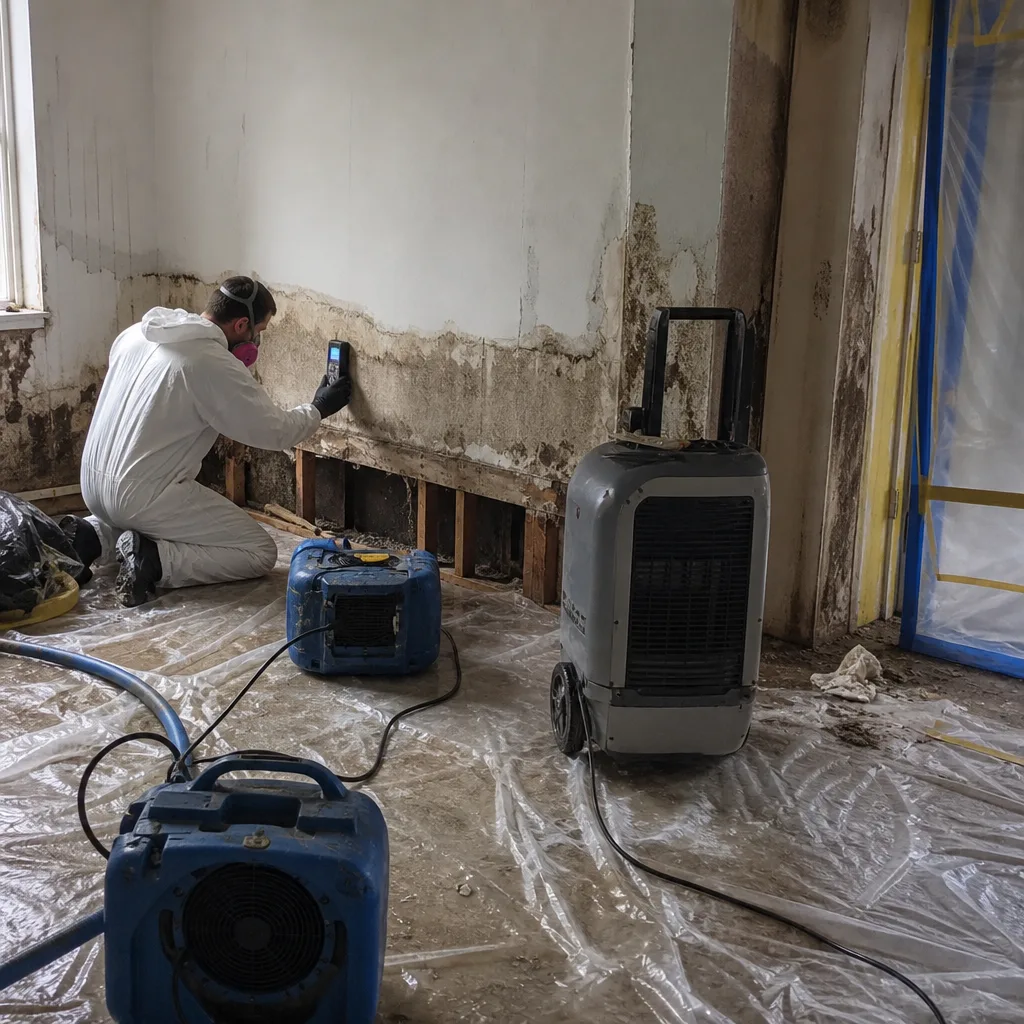 Before
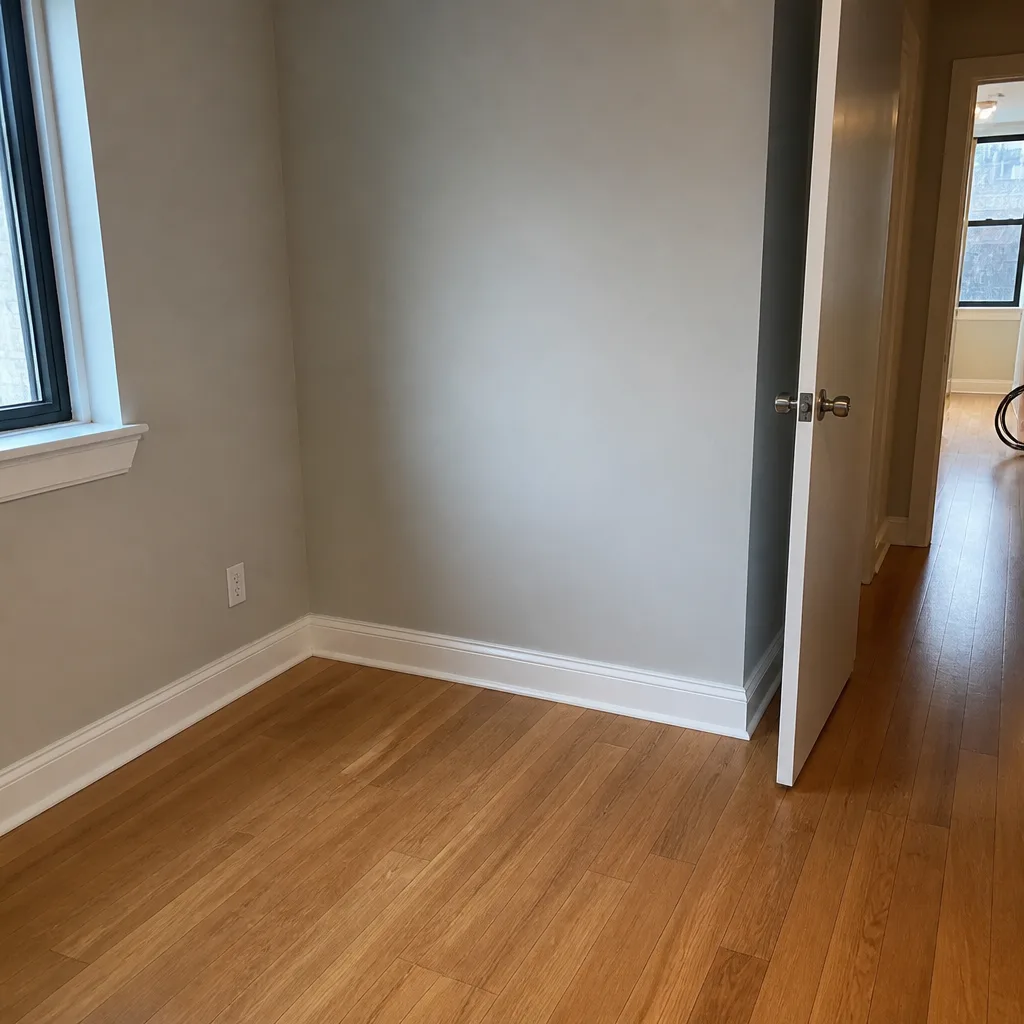 After
After24/7 Emergency Storm & Disaster Restoration in West New York
Storm damage in West New York moves fast, and so do we. Floodline Restoration Co. answers live around the clock at (845) 305-5737, and our certified crews dispatch into West New York within 45 minutes of your call. If you’re looking at a flooded ground-floor unit, a nor’easter pushing water into a basement, or a wind-damaged window on a third-floor walk-up off Bergenline Avenue, the first hour determines how much we can save. A free visual inspection puts a real scope of work in your hands before anything gets torn out. The line the water left is where we start.
Understanding Storm & Disaster Restoration Severity in West New York Properties
West New York’s housing stock changes the math on every storm loss. Most buildings here went up between 1900 and 1940: brick courtyard apartments, walk-ups, and attached tenements with original cast-iron risers and shared floor-ceiling assemblies. That means water from a single unit doesn’t stay in one unit. Category 1 water from a busted supply line can turn Category 2 within hours as it picks up contaminants from old building materials, and a Hudson River surge event brings Category 3 water, the kind that carries bacteria from sewage and harbor sediment. Structural drying in these buildings requires moisture mapping across joist bays, not just the wet room. We log readings daily until the dry standard is met, because in a 1920s walk-up, what looks dry on the surface is often still wicking through plaster and original wood framing two floors down.
Why West New York Property Owners Choose Floodline Restoration Co.
- 45-minute response commitment for storm and flood calls anywhere in West New York. We’ll be there when we say.
- A live person answers, 24/7. Not a recording, not a callback queue. A dispatcher picks up at 2 a.m. and starts the crew moving.
- Certified, background-checked technicians. Our people hold IICRC certifications in Water Damage Restoration (WRT), Fire & Smoke Restoration (FSRT), and Applied Microbial Remediation (AMRT), with RIA and IFA training layered on top.
- Free visual inspection. We document the loss, map the moisture, and hand you a written scope before work begins. No pressure, no surprises.
- Direct insurance billing. Floodline talks to your carrier and your adjuster. You don’t play messenger between us and the claim.
- One team from extraction to reconstruction. The same certified crew that runs the drying logs rebuilds what needs rebuilding. No mid-job handoff to a subcontracting stranger.
Our Storm & Disaster Restoration Process
Inspection & Assessment
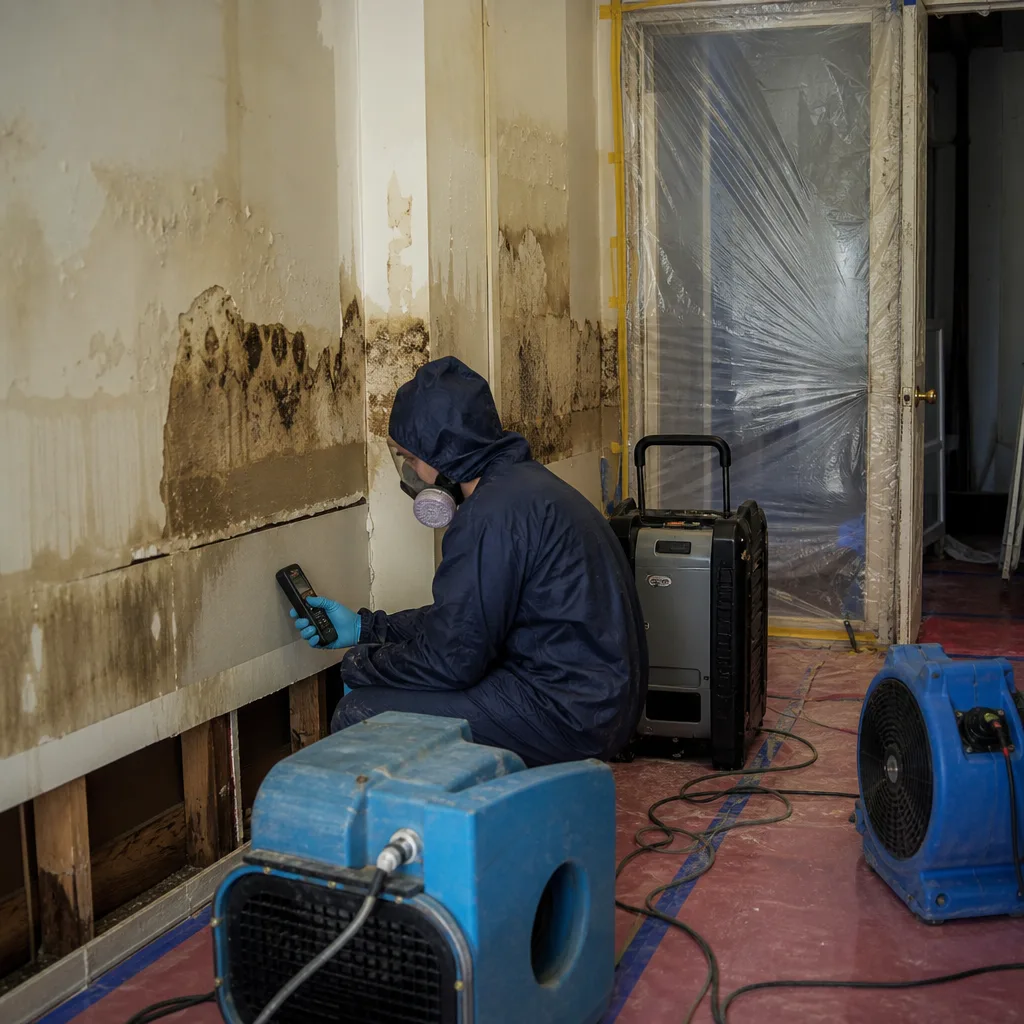
We arrive, walk the loss with you, and run thermal imaging and moisture meters across the affected floor-ceiling assemblies. In West New York, that means checking the units below and behind yours, not just the room that’s wet. You get a written scope before the first wall is opened.
Extraction & Stabilization
We pull standing water with truck-mounted and portable extraction units, then install emergency board-up or roof tarping if the building envelope is compromised. For storm surge and sewage, we set containment before air movement starts so contaminants don’t spread through your apartment.
Drying & Dehumidification
Dri-Eaz dehumidifiers and Phoenix air movers go in on staggered cycles tied to a daily moisture log. In pre-war buildings with lath and plaster, we dry to the structural standard, not the surface standard. That’s the difference between a clean rebuild and mold six months later.
Cleaning & Sanitization
HEPA air scrubbers run throughout, and we apply EPA-registered antimicrobials where the IICRC S520 standard calls for them. Every affected surface gets documented, cleaned, and cleared before reconstruction begins.
Storm-Specific Specialty Treatment
For storm events, this step covers what’s specific to your loss: debris removal from window wells and courtyard drains, antimicrobial fogging after sewage backup, structural drying of original joist bays that got wet from roof runoff, and corrosion control on exposed building systems.
Repairs & Restoration
We rebuild to match what was there, which in West New York means sourcing pre-war profiles for baseboard, plaster repair that matches original textures, and finishes that clear HOA and ARB review. The job isn’t done until the 90-Day Done Right Promise is in your hands, in writing.
Need Emergency Storm & Disaster Restoration in West New York Now?
Crews minutes away, answering live 24 hours a day. The sooner we start, the less it costs.
Working With Your Insurance Company
In a dense West New York building, a single storm loss can involve your carrier, your landlord’s carrier, the condo association’s policy, and sometimes the unit below you. We’ve handled that stack of paperwork more times than we can count, and we handle it directly. From the first hour on site, we’re photographing, logging, and building the file your adjuster needs. Our estimates follow industry-standard line items, and we coordinate with your adjuster by phone and in person. You get a square deal: no surprises on the bill.
What We Provide Your Insurer
- Thorough documentation of the loss
- Photos of all damage, room by room
- Moisture readings and drying logs
- A detailed, line-item scope of work
- Direct coordination with your carrier
Built for West New York’s Loss Calendar
West New York’s storm losses follow a predictable rhythm, and we staff for it. January and February bring deep freezes that split supply lines in uninsulated brick cavities and send water cascading down stairwells. Spring thaw and heavy March rains move water through old foundation walls and into basement units along Park Avenue and the numbered streets running down toward Boulevard East. Summer brings the flash floods: intense convective storms that overwhelm the combined sewer system and send street water into ground-floor entries. And from September through November, nor’easters drive Hudson River surge into the low-lying blocks west of River Road while roof runoff channels down the Palisades slope into the older building stock. If you live in West New York long enough, one of these finds you. When it does, call earlier rather than later. Water in a shared floor-ceiling assembly is a clock, not a puddle.
Storm & Disaster Restoration Across West New York’s Neighborhoods
West New York isn’t one neighborhood. It’s a set of distinct building patterns, and each has its own loss profile. Along Boulevard East, the pre-war co-ops and rentals sit directly on the Palisades edge, where nor’easter winds press rain against windows and roof runoff channels down into lower floors. The blocks around Bergenline Avenue are dense commercial-over-residential, so a flooded storefront means a flooded apartment above, and you’re often dealing with a commercial carrier on one floor and a residential carrier on the next. Near Donnelly Memorial Park and the west side of town, the older tenements have basement utility rooms below grade, and those are the first places that take storm surge and sewer backup when the system overtops. Down by the waterfront along River Road, ground-floor units face Hudson River surge risk that inland blocks never see. The 07093 ZIP covers all of it, and our crews know the response routes from the Palisades down to the river by heart. A building on 60th Street and Park Avenue doesn’t flood the same way one on 55th and Boulevard East does, and we don’t treat them the same way either.
Specialized Storm & Disaster Restoration Services We Offer in West New York
Storm Damage Cleanup
Wind and rain rip through West New York’s older window frames and rooflines fast. We clear broken glass, wet insulation, fallen ceiling sections, and storm-blown debris, then stabilize the opening so the building envelope is sealed again. In a pre-war apartment, that means working carefully around original trim and finishes, and documenting everything for the claim.
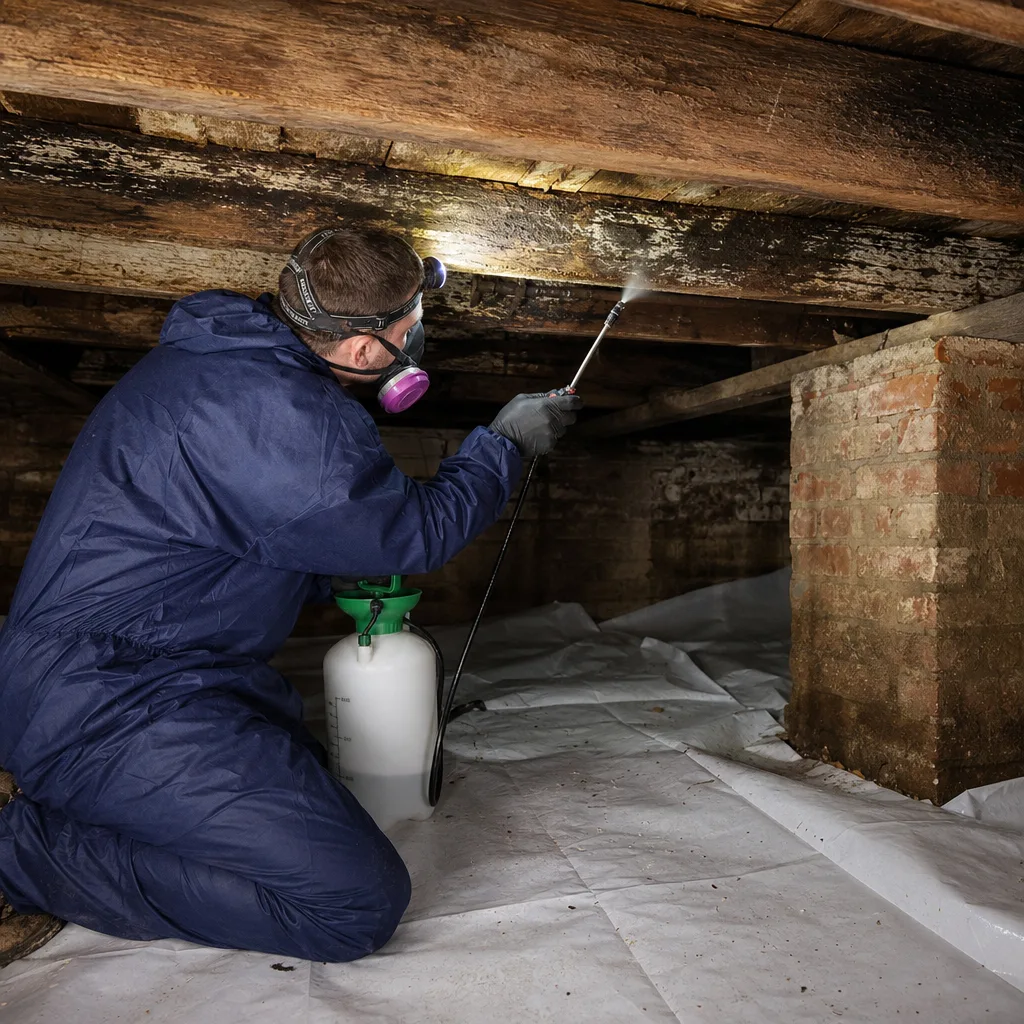
Flood Damage Restoration
Ground-floor and basement units in West New York eat the worst of Hudson River surge and sewer backup. Our Storm & Disaster Restoration team extracts category 3 water under full containment, sanitizes per IICRC S520, and dries to the structural standard before any rebuild starts. If your building is on the low blocks west of River Road, this is the service that matters most. We’ve handled West New York flood losses in buildings that took Sandy’s surge head-on.
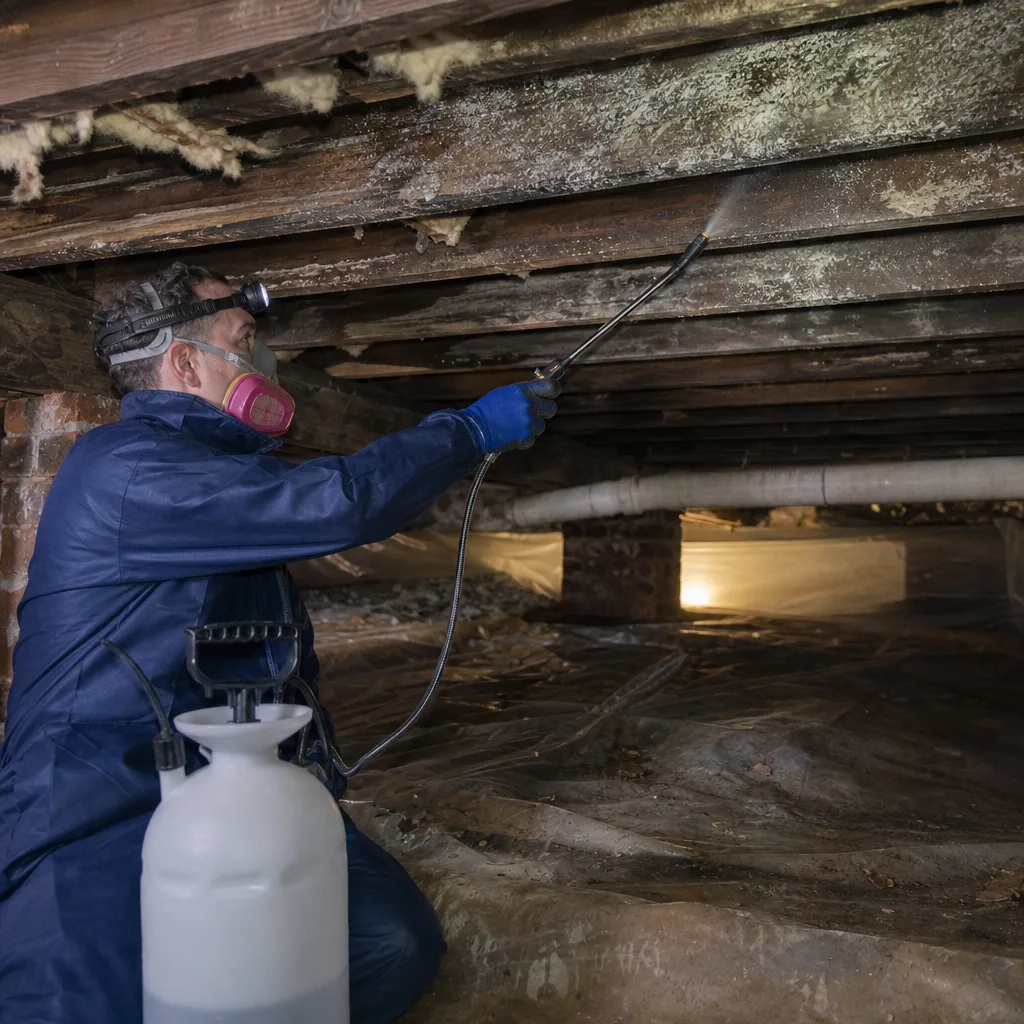
Emergency Board-Up
When storm wind takes out a window or a door frame in the middle of the night, you need the opening sealed before water and pests get in, and before mold gets a foothold. We board up with weather-rated plywood, secure the opening, and document it for your carrier. In multi-unit buildings, we also coordinate with the super or HOA so the board-up meets building code and doesn’t trigger a violation.
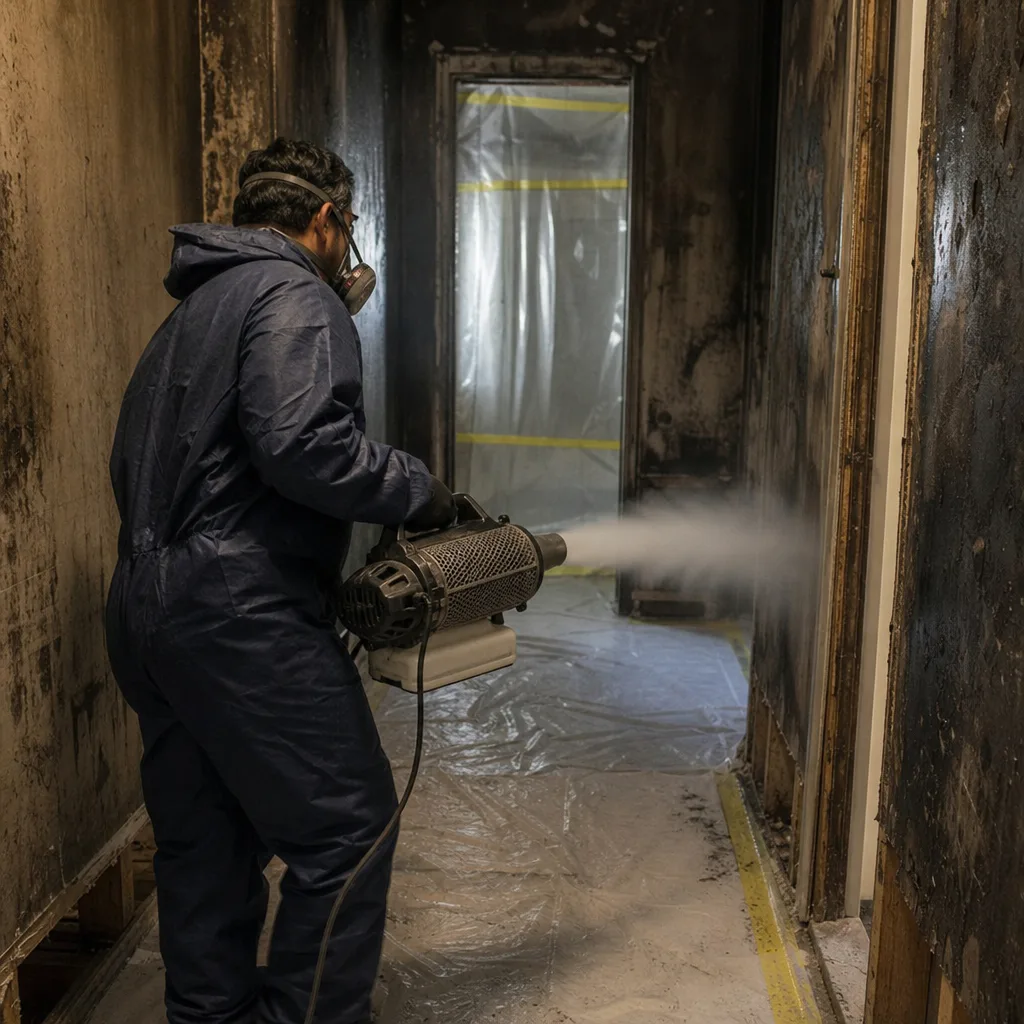
Roof Tarping
Flat and low-slope roofs on West New York’s older apartment buildings are especially exposed to nor’easter wind uplift. We tarp damaged roof sections fast, using weighted and fastened systems that hold through the next storm. The goal is keeping water out of the top-floor units while your roofer, your carrier, and the building ownership figure out the permanent repair.
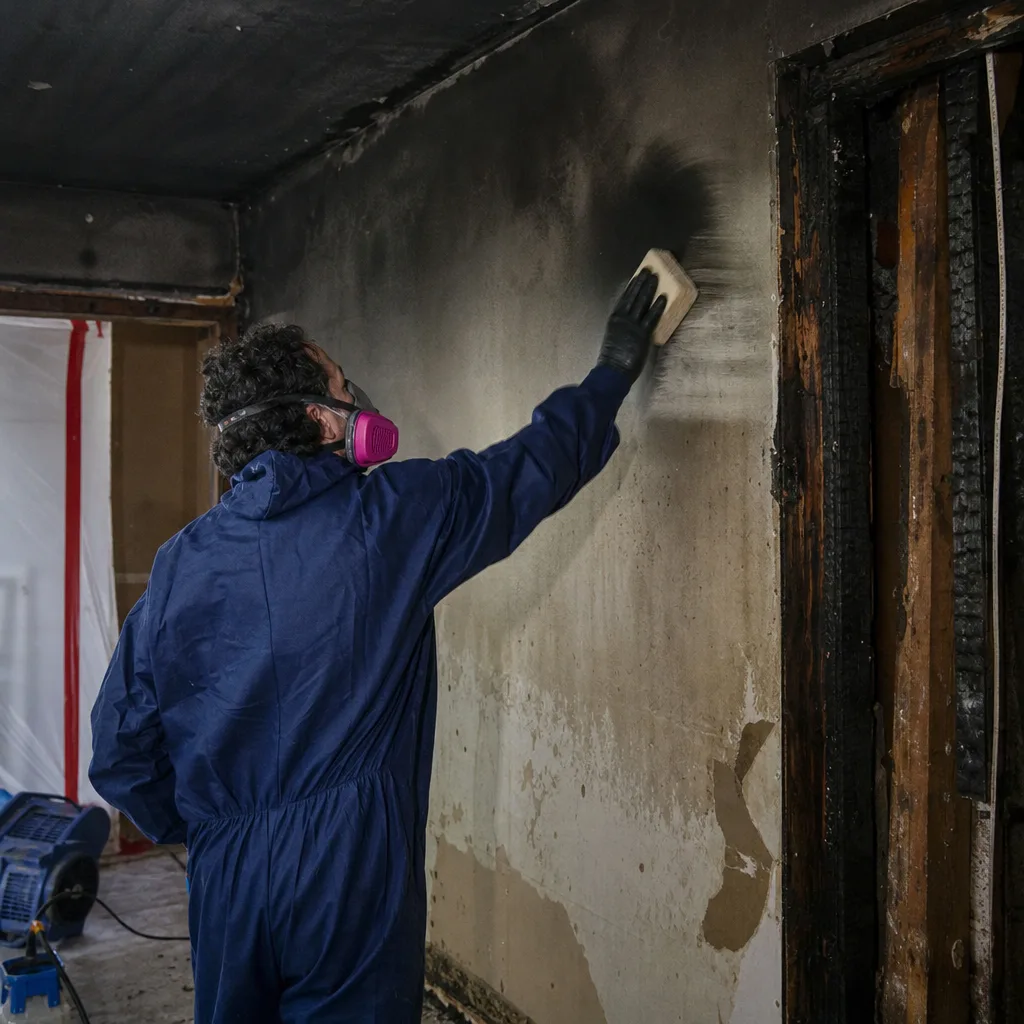
Debris Removal
Storm debris doesn’t just sit in the yard here, because most people in West New York don’t have a yard. It clogs courtyard drains, blocks entryways, and piles into stairwells and basement window wells. We remove it, inspect the drains that got overwhelmed, and document what we found so the claim reflects the full loss.
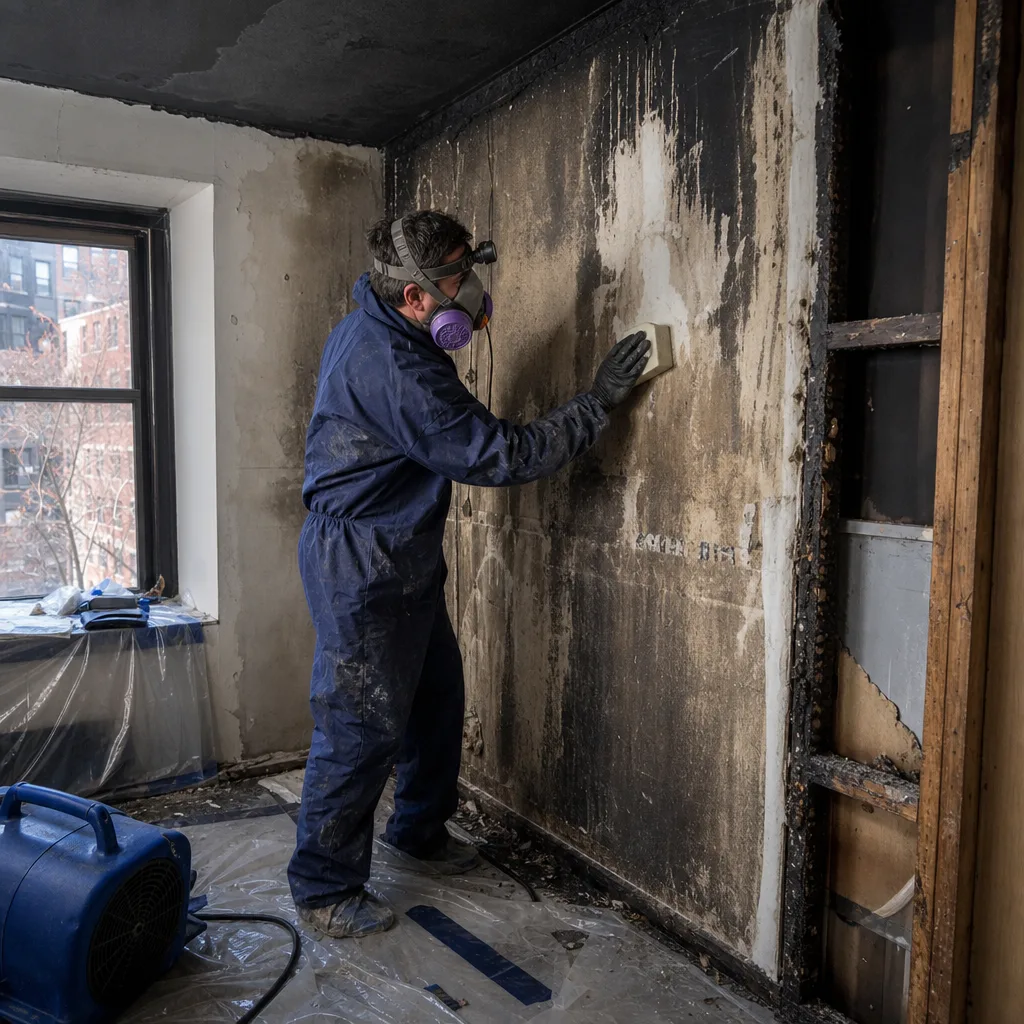
What happens when you call
- 1
A real person answersNo phone trees - you reach a local pro.
- 2
You get an upfront price rangeHonest numbers before anyone is dispatched.
- 3
A background-checked tech heads outLicensed & insured, dispatched right away.
- 4
You approve before work beginsNothing starts until you say go.
Storm & Disaster Restoration Costs in West New York, NJ
In West New York, a typical flood damage restoration on a single-unit loss runs $3,500 to $12,000, depending on how many floor-ceiling assemblies got wet and whether category 3 contamination requires full containment. Emergency board-up typically runs $400 to $900 per opening, and roof tarping falls between $800 and $2,500 depending on the damage footprint and roof access. Debris removal after a storm usually costs $300 to $1,200 for a standard residential job. What moves the price is what’s behind the walls: original plaster that needs matching, hidden water in joist bays, HOA-mandated finishes, and whether the loss crossed into neighboring units. Insurance covers most storm and flood losses, less your deductible, and we bill the carrier directly. The fastest way to a firm number is a free visual inspection, which we do on-site in West New York before any work starts.
We Also Serve Cities Near West New York
Our Storm & Disaster Restoration crews also serve Edgewater, Weehawken, and North Bergen, with the same 45-minute response commitment and the same live 24/7 dispatch line.
Serving West New York, NJ - Our Local Coverage Area
We’re based in the West New York area and know this community well. Use the map below to see our service coverage - if you’re nearby, we can almost certainly help.
West New York Storm & Disaster Restoration Questions, Answered
How fast can you actually get to West New York for a storm emergency?
We commit to a 45-minute response time for storm and flood calls anywhere in West New York, including the waterfront blocks and up the Palisades slope. A live dispatcher answers 24/7 and starts the crew moving on the first call. Call (845) 305-5737 and you’ll be talking to a person, not a recording.
West New York’s waterfront buildings took storm surge. Can you restore a ground-floor unit flooded with category 3 water without tearing out the original plaster details?
Yes, often, and we do it regularly. Category 3 storm surge water means full containment and antimicrobial treatment, but the plaster itself can frequently be dried and stabilized if we get in before it fully saturates and delaminates. We map moisture across the wall assembly first, then make the call on what gets saved and what gets cut. In our experience, original pre-war plaster that gets to a proper dry standard can often stay. Call (845) 305-5737 for an on-site assessment.
A nor’easter pushed roof runoff down the Palisades slope into our basement. Is that storm damage or a groundwater claim?
This is a real distinction in West New York, and it matters for coverage. Surface and runoff water that enters through walls, foundations, or basement entries is generally covered under standard flood or storm provisions only if you carry specific endorsements. A roof or building-envelope failure that lets water in from above is typically a different coverage path. We document the source of entry carefully and work directly with your adjuster to present it accurately. Call (845) 305-5737 and we’ll walk the loss with you.
We have three landlords and two condo associations in one West New York building after a sprinkler discharge. Can your crew handle the scope for all of them?
Yes. This is a standard job for us, not an exception. We document each unit separately, maintain separate moisture logs where the drying affects different ownership interests, and coordinate with whichever adjusters and property managers are in play. One crew, one process, clean boundaries between the claims. Call (845) 305-5737 and our dispatch will get a project lead on the line.
How long does storm damage drying and remediation take in West New York’s older buildings?
Most residential storm losses in West New York dry in three to five days under professional equipment, assuming the building’s shared floor-ceiling assemblies are properly mapped and dried. Category 3 losses with full containment usually run a day or two longer because of the sanitization step. Pre-war plaster and original joist bays can extend drying if water migrated far from the visible loss. We log moisture readings daily and you get the log.
Can we stay in our West New York apartment during storm damage restoration?
It depends on the category of water and the extent of structural drying. Category 1 and clean Category 2 losses often allow you to stay in unaffected rooms while we run containment and drying in the loss area. Category 3 storm surge or sewage backup means we recommend temporary relocation for the affected unit during cleanup and drying. We’ll tell you straight, based on the actual conditions, not a script.
What certifications do your West New York storm restoration crews actually hold?
Our technicians are certified to IICRC standards, including Water Damage Restoration (WRT), Fire & Smoke Restoration (FSRT), and Applied Microbial Remediation (AMRT), with additional RIA and IFA training. Every tech on a West New York job is background-checked and wears a uniform, so you know who’s in your building.
What should I do in the first 30 minutes after a storm or flood in my unit?
Call (845) 305-5737 first, because a live dispatcher will start our crew moving while you’re still getting your bearings. If safe, shut off the water at the supply valve, and move electronics and valuables up off the floor. Don’t run fans or open walls yourself. Don’t walk through pooled water if it could be category 3. Then wait for us. We’ll be there inside 45 minutes.
Written by Curt Bowman, Owner at Floodline Restoration Co., serving West New York and the Hudson County waterfront with certified storm and disaster restoration. 90-Day Done Right Promise, in writing, every job.