

Free visual inspection and a written scope of work before any mitigation begins - photos, moisture readings, and drying logs go in your claim file
The scope we write is the scope we bill. Anything new gets shown to you, in writing, before we touch it.
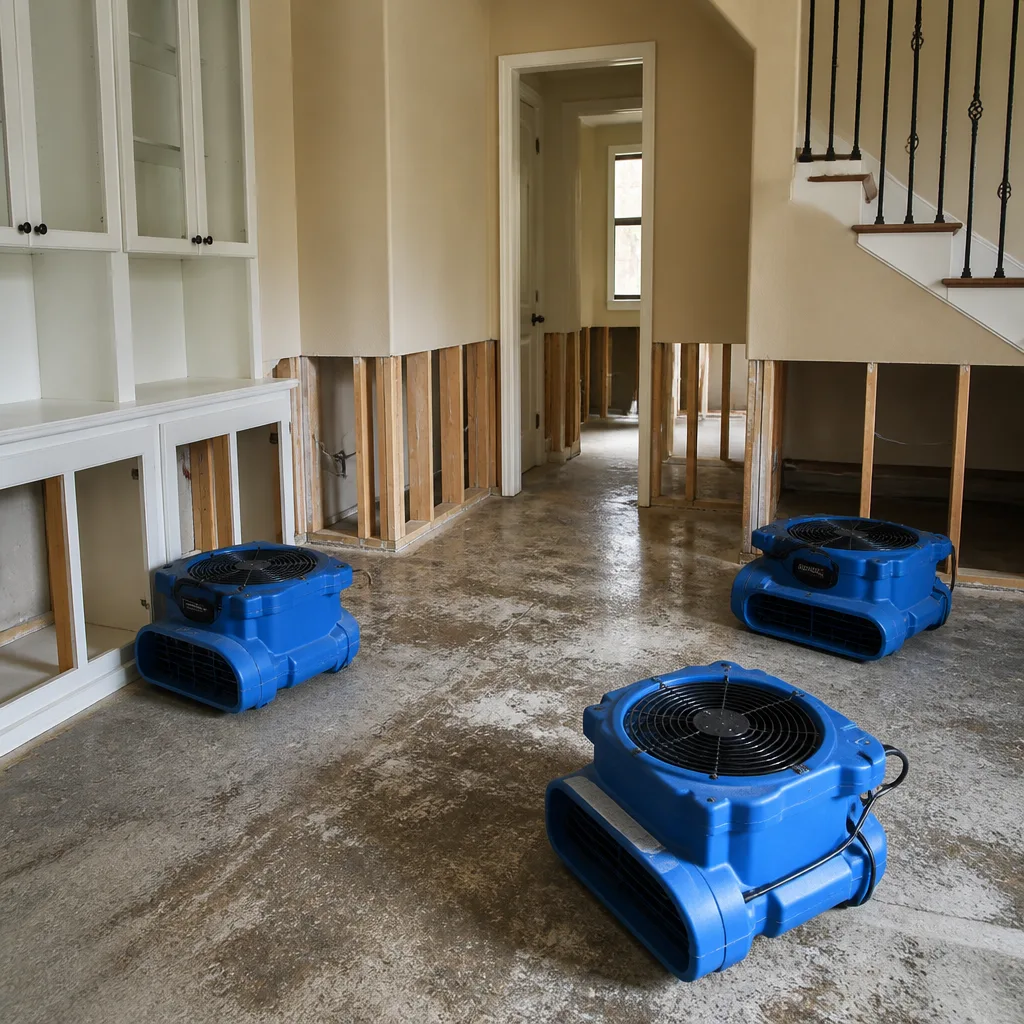
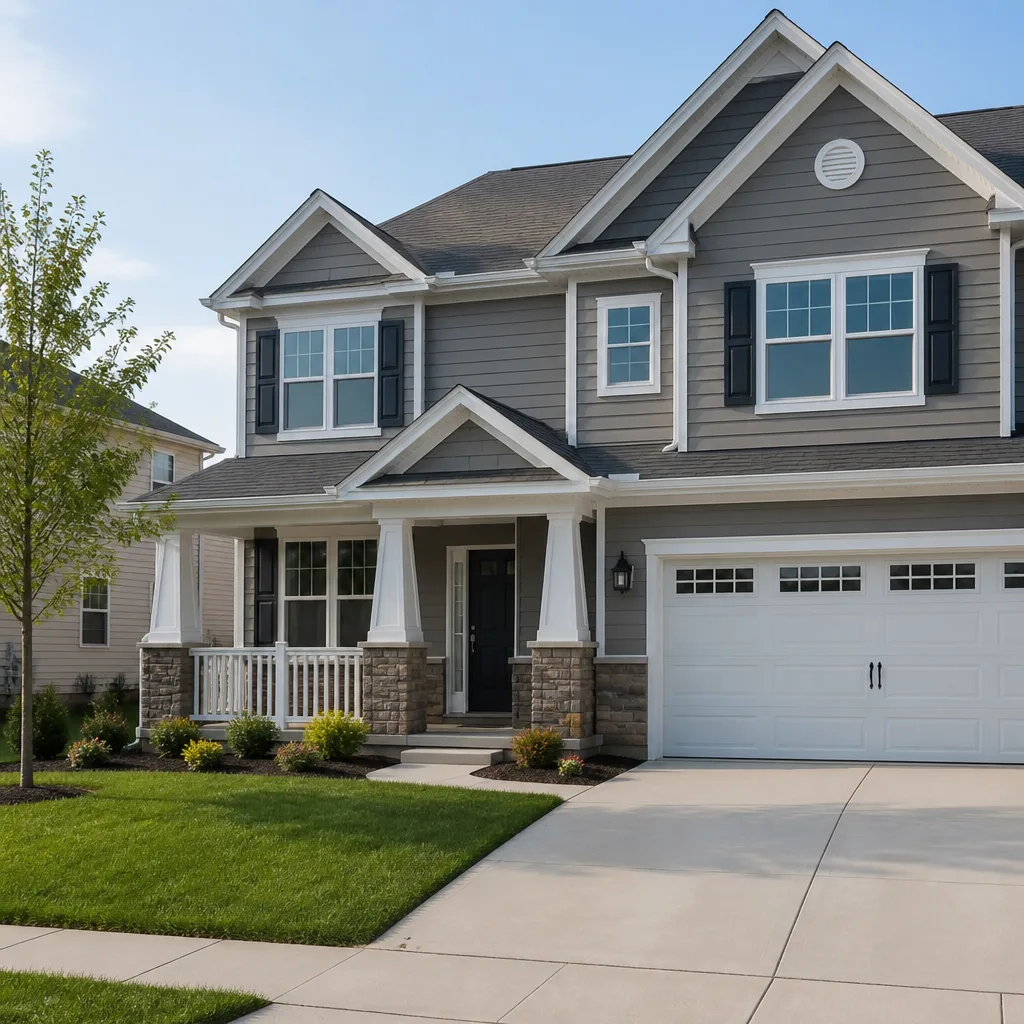
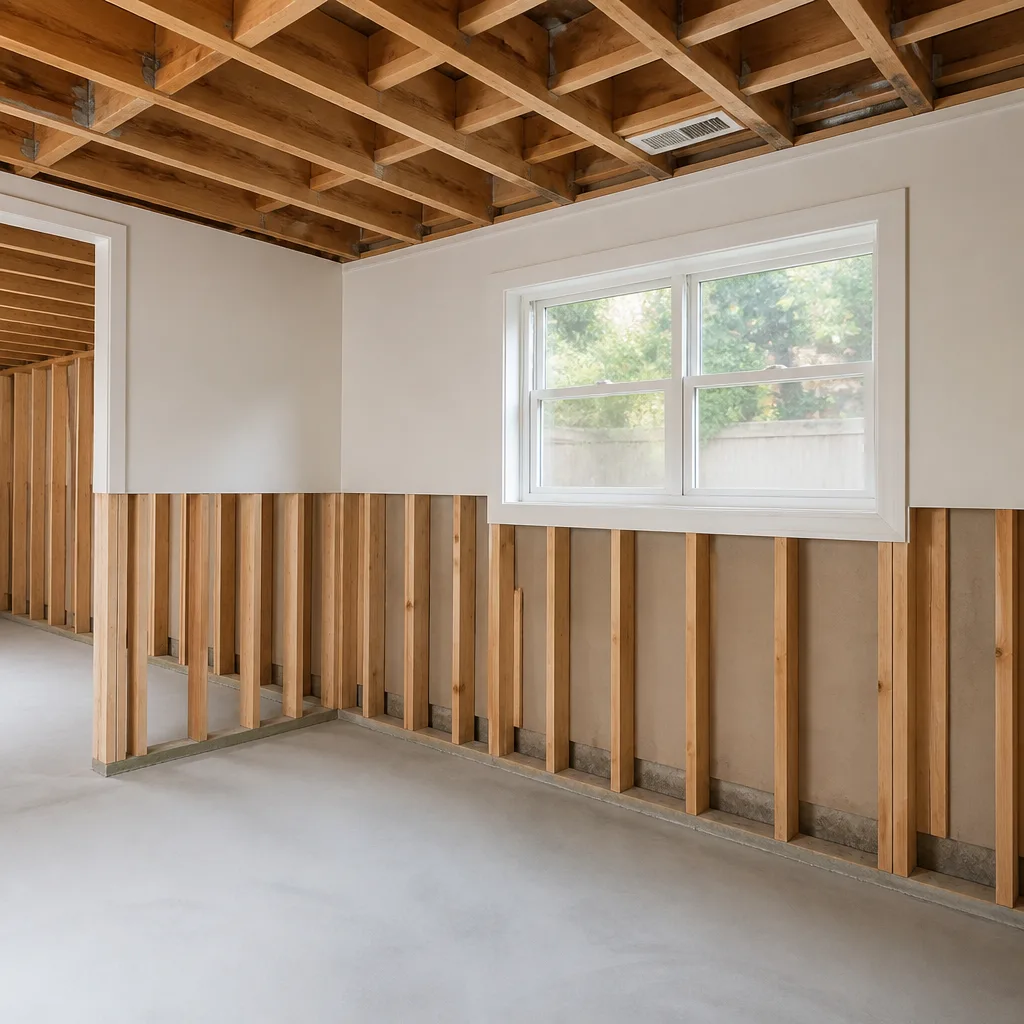
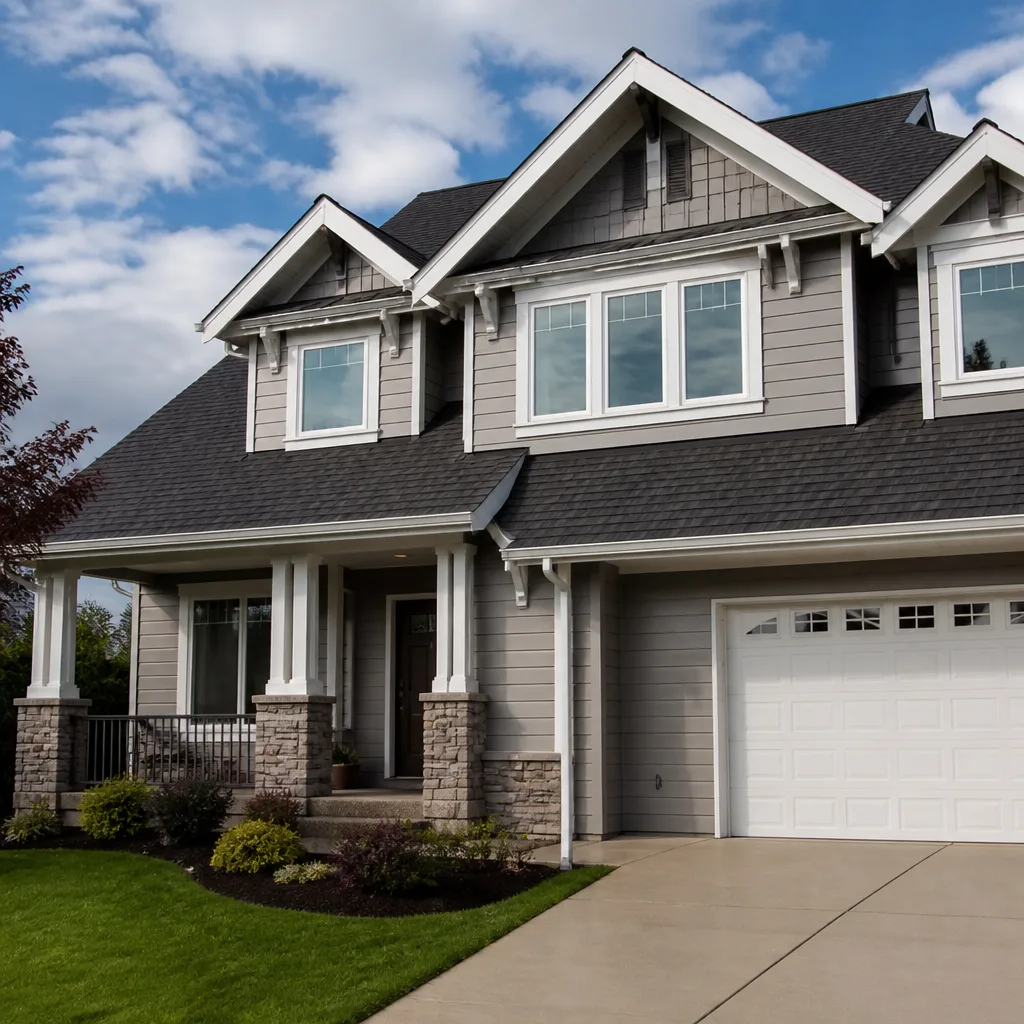
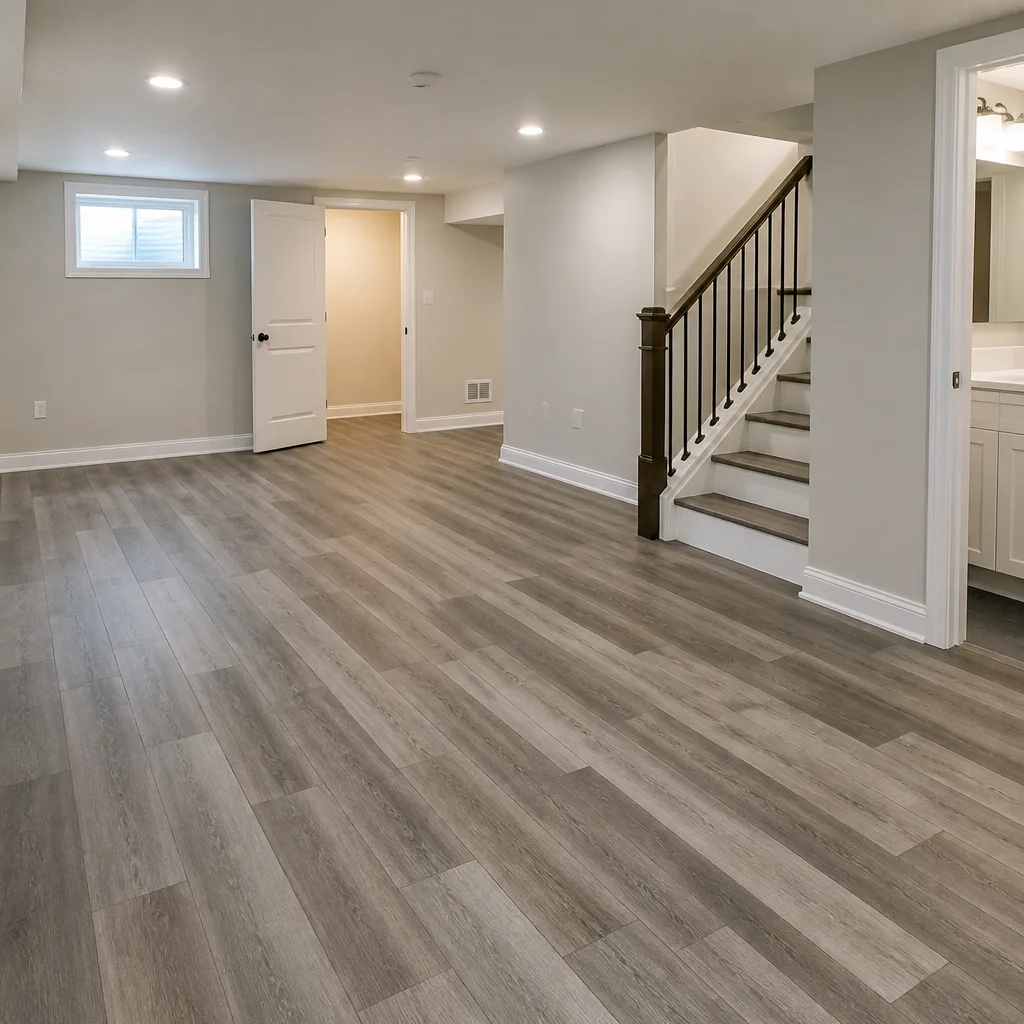
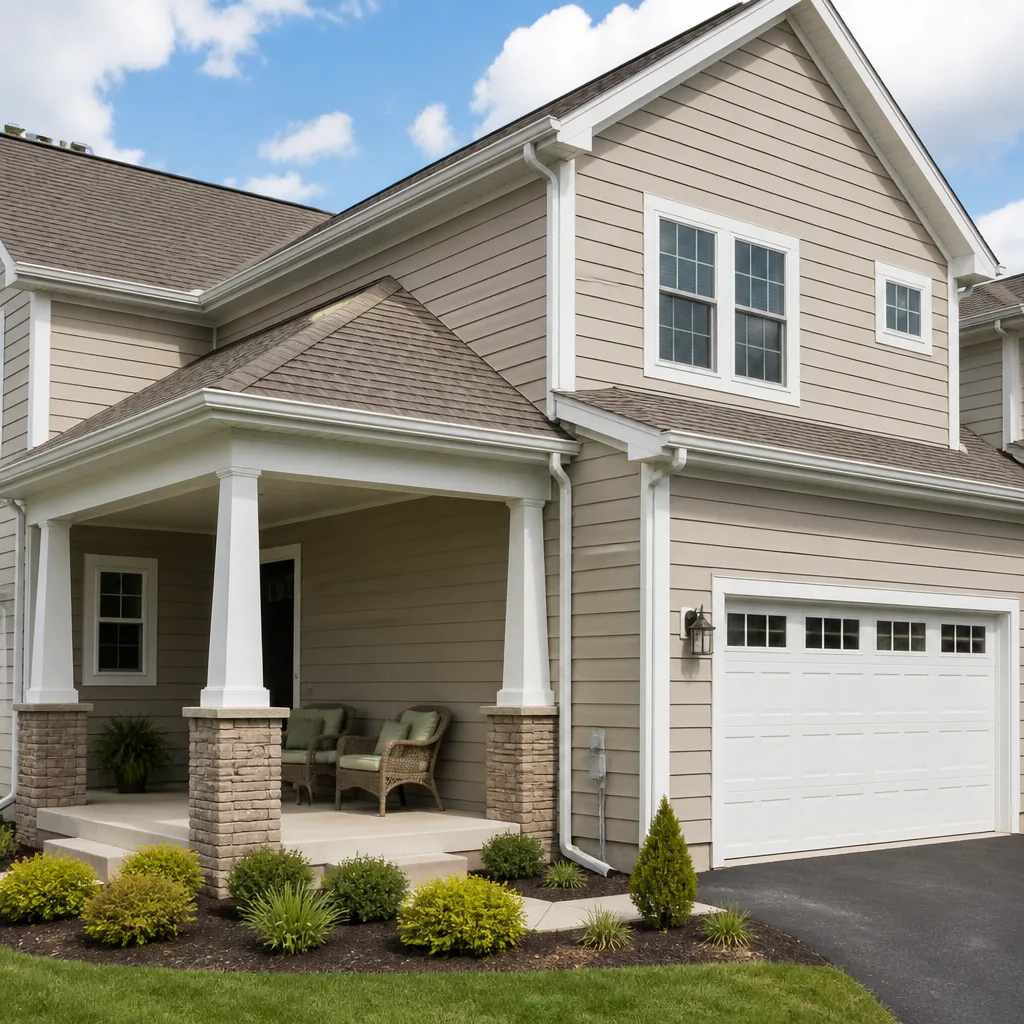
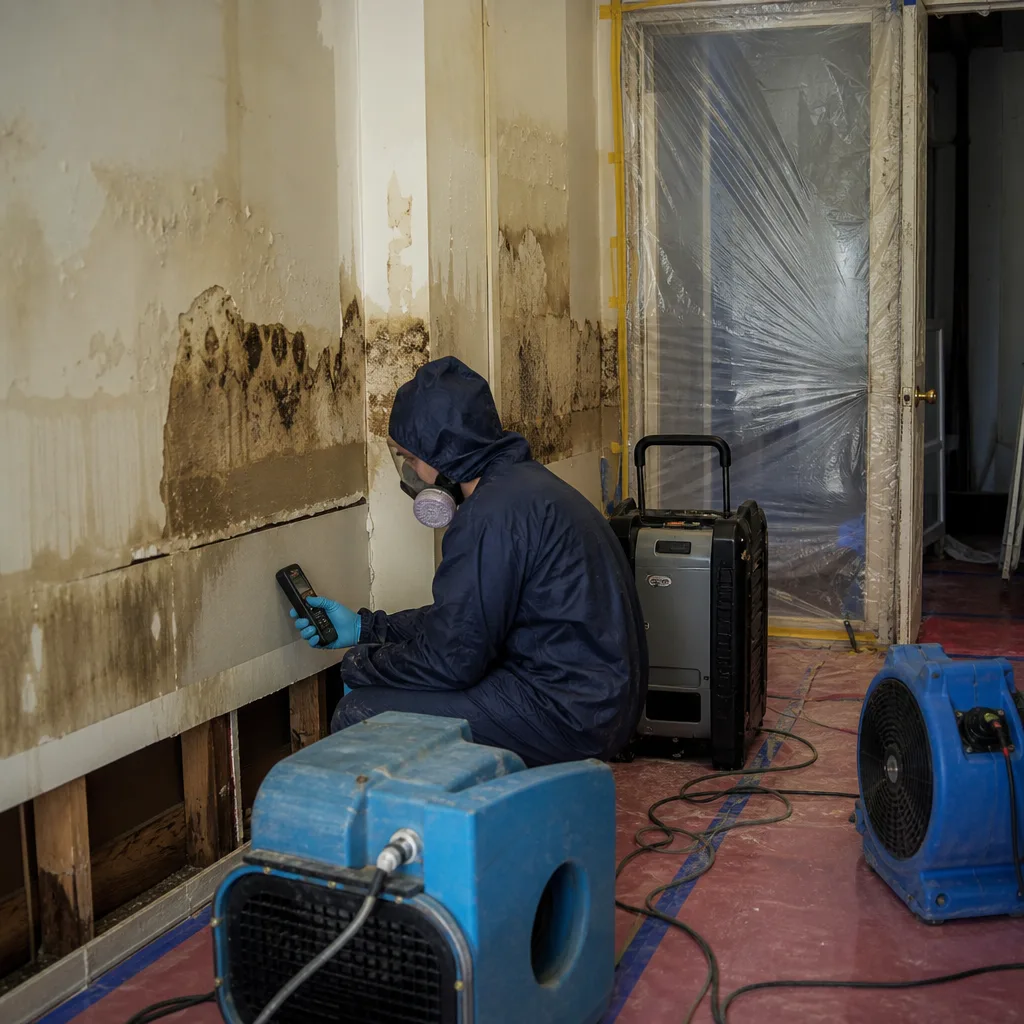 Before
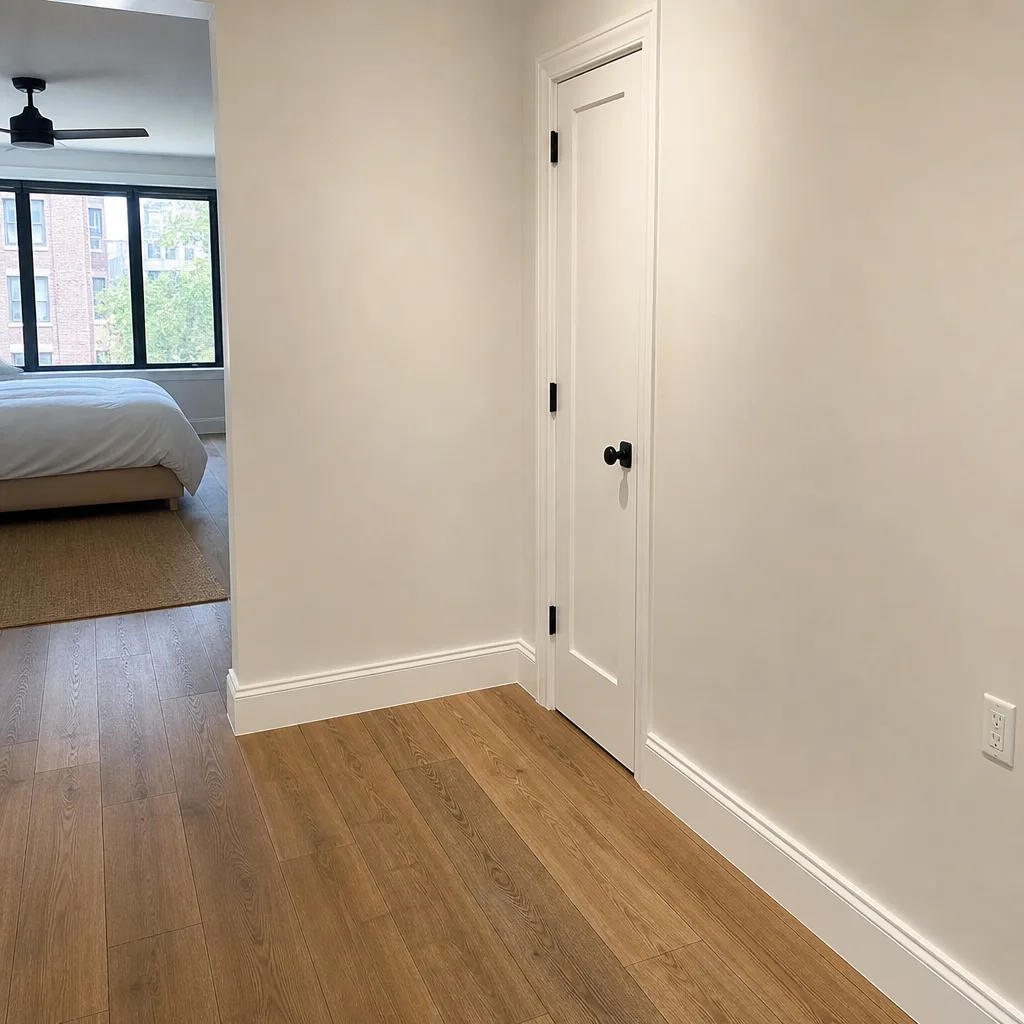 After
After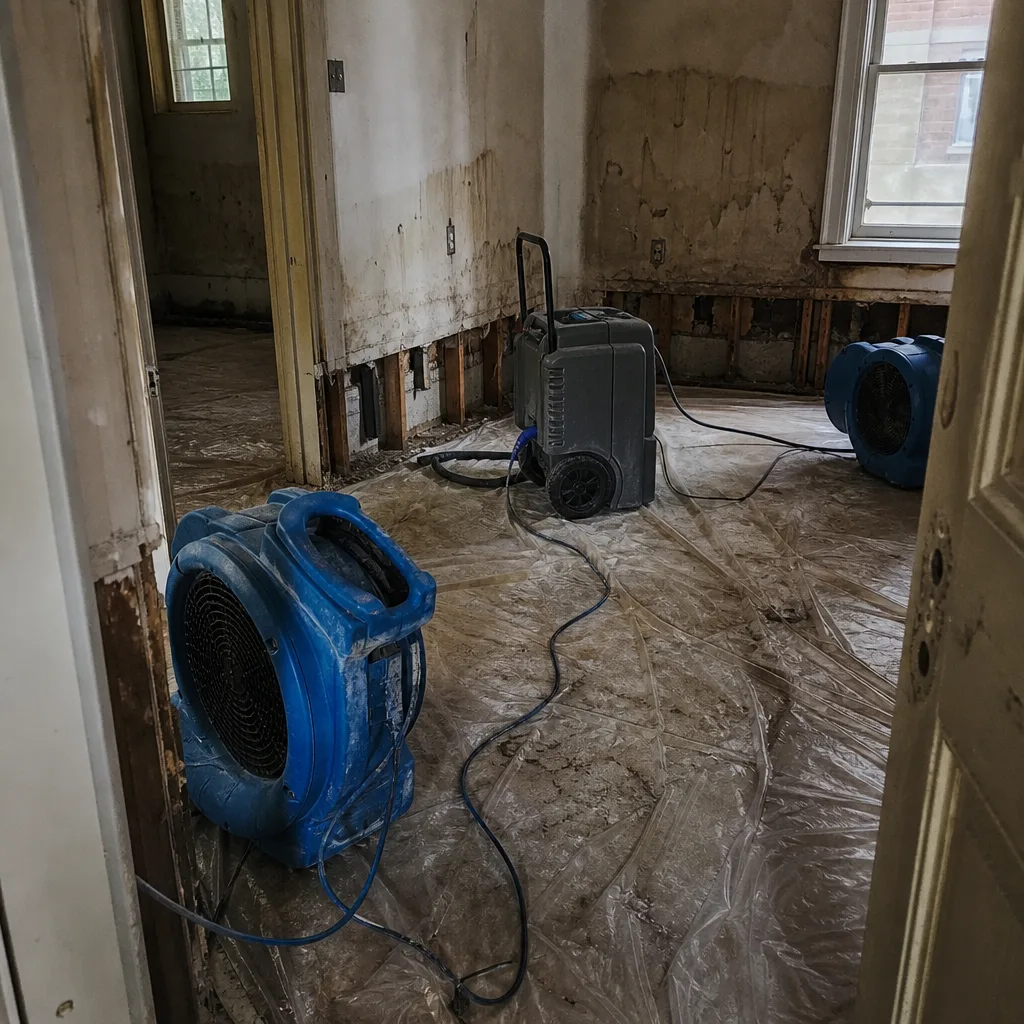 Before
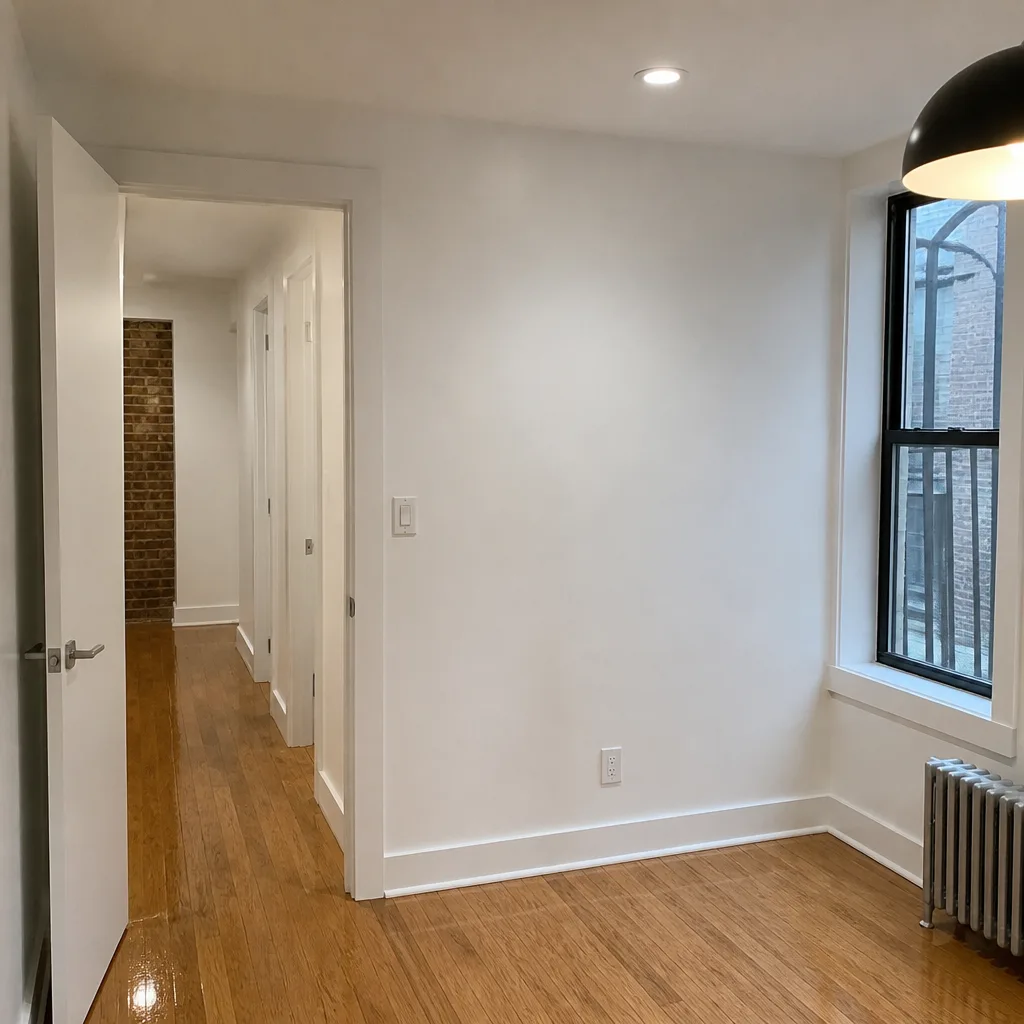 After
After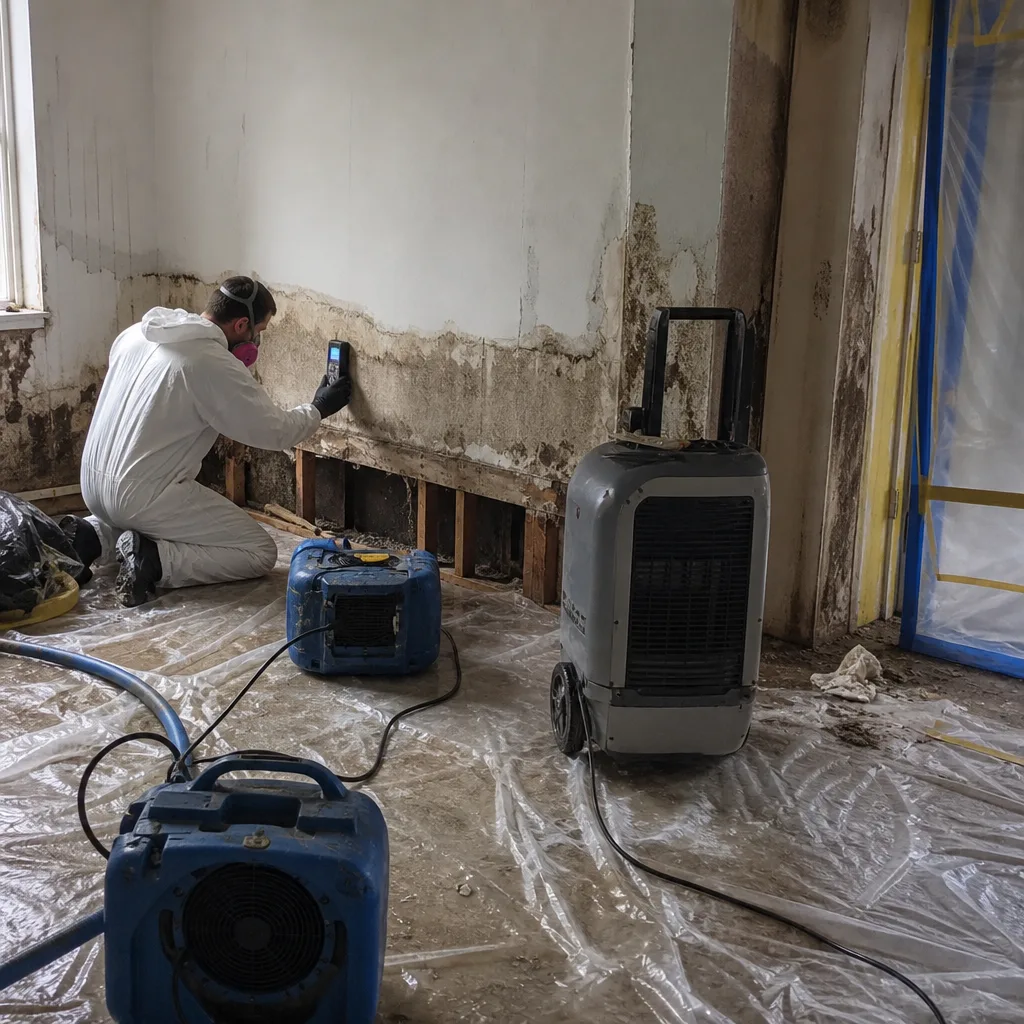 Before
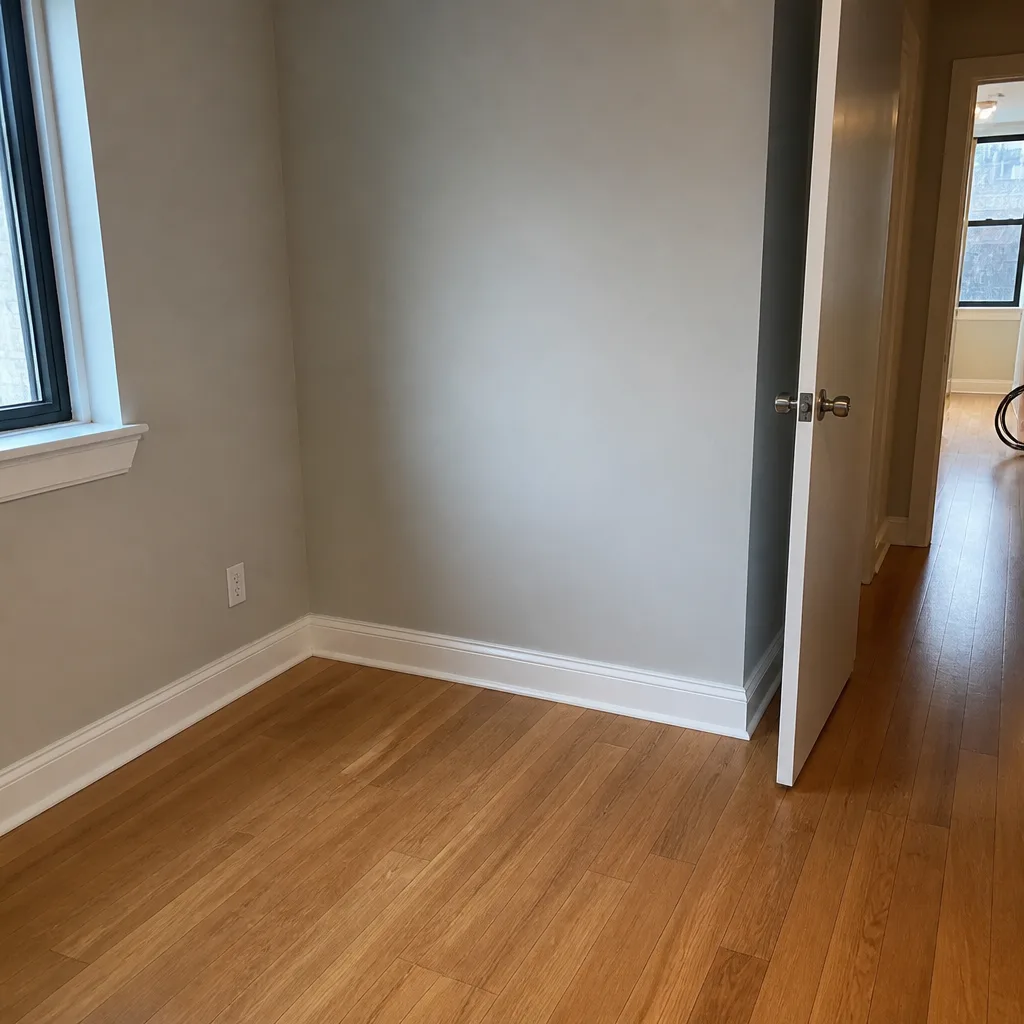 After
After24/7 Emergency Storm & Disaster Restoration in Weehawken
Storm & disaster restoration in Weehawken means moving fast when water is still moving. Our crews reach Weehawken properties within 45 minutes of your call, and a live dispatcher answers (845) 305-5737 at any hour, every day. The first hour after a nor’easter or flash flood decides whether you’re drying a basement or replacing a finished room. We start with a free visual inspection, get extraction running the same visit, and document everything for your carrier. When Weehawken’s Palisades escarpment funnels stormwater into a 1920s brick row home basement, waiting until morning is not an option.
Understanding Storm & Disaster Restoration Severity in Weehawken Properties
Storm water in Weehawken falls into three categories, and knowing the difference changes everything. Category 1 is clean water from a broken supply line or wind-driven rain through a damaged roof. Category 2 carries contaminants, which is what we typically see when Hudson River surge or stormwater sheets down the Palisades and enters basements as gray water. Category 3 is black water: sewage, river water, or anything that sat long enough to grow bacteria. Weehawken’s upper-bluff row homes and multi-families, many built between 1900 and 1940, have basements pressed directly against the diabase rock face. That bedrock is mostly impermeable, so prolonged rain forces groundwater laterally into foundation walls and up through slab cracks. On the lower Port Imperial waterfront, high-rise condominiums in FEMA flood zones can take saltwater into mechanical rooms and lobbies, and salt is a different animal than fresh water: it corrodes electrical conduit and elevator components even after visible water is gone. Both patterns require moisture mapping, structural drying with hygrometer readings, and daily logs until the dry standard is met. Guessing is how mold gets a 24-to-48-hour head start.
Why Weehawken Property Owners Choose Floodline Restoration Co.
- 45-minute response commitment: We dispatch crews from nearby staging so someone is on-site in Weehawken fast, not “sometime tomorrow.”
- 24/7 live answer: A real dispatcher picks up at 2 a.m., not a recording. You’ll never leave a voicemail during an emergency.
- IICRC-certified crews: Our technicians hold WRT, FSRT, and AMRT certifications and follow IICRC standards on every storm job.
- Free visual inspection: We assess the damage before any work starts, and you get a written scope agreed to before equipment comes off the truck.
- Direct insurance billing: We coordinate with your adjuster and bill the carrier directly. You’re not the messenger.
- One team, start to finish: The same certified crew handles extraction, drying, and rebuild. No mid-job handoff to strangers.
Our Storm & Disaster Restoration Process
Inspection & Assessment
We walk the entire property with thermal imaging and moisture meters to map where water traveled. On Weehawken bluff homes, we specifically check the uphill foundation wall, because bedrock-driven intrusion tracks differently than plumbing failures.
Extraction / Stabilization
Submersible pumps and truck-mounted extraction units remove standing water. We board up windows, tarp damaged roofs, and shut off compromised electrical circuits before drying begins.
Drying & Dehumidification
Dri-Eaz dehumidifiers and air movers go in same-visit, with daily hygrometer readings logged until the dry standard is reached. Weehawken’s high humidity near the Hudson means drying takes longer than inland, and we account for that.
Cleaning & Sanitization
Affected surfaces get antimicrobial treatment, and salvageable contents are cleaned and documented. HEPA air scrubbers run during demolition and cleaning to control airborne particulates.
Specialty Storm Treatment
For Weehawken’s coastal high-rises, we inspect mechanical rooms, elevator pits, and electrical conduit for saltwater corrosion. For bluff row homes, we address lateral groundwater pathways, not just the visible water.
Repairs & Restoration
We rebuild what was removed: drywall, flooring, trim, and finishes. The same crew that ran drying does the reconstruction, and the 90-Day Done Right Promise applies to every phase.
Need Emergency Storm & Disaster Restoration in Weehawken Now?
Crews minutes away, answering live 24 hours a day. The sooner we start, the less it costs.
Working With Your Insurance Company
Storm claims in Weehawken get complicated fast, especially when the same nor’easter causes both wind damage on the bluff and surge flooding at Port Imperial. We document from the first hour. Photos of every room, moisture readings on day one, daily drying logs, and a line-item scope of work in the format carriers expect. Our team speaks directly with your adjuster so you’re not translating between a contractor and an insurance company. If your carrier has questions about whether water came from storm surge or a failed sump pump, our documentation answers them. We’ve handled Weehawken claims through every major carrier, and we bill directly. You never play messenger.
What We Provide Your Insurer
- Thorough documentation of the loss
- Photos of all damage, room by room
- Moisture readings and drying logs
- A detailed, line-item scope of work
- Direct coordination with your carrier
Built for Weehawken’s Loss Calendar
Weehawken’s storm damage follows a Hudson County rhythm. January and February bring deep freezes that burst supply lines in uninsulated upper-bluff row homes and in waterfront high-rise mechanical rooms. March and April thaw brings saturated ground, and the Palisades bedrock starts shedding meltwater laterally into foundation walls along Boulevard East and the side streets running downhill. July and August thunderstorms dump inches in an hour, overwhelming the borough’s storm drains and sending sheet water down the cliff face faster than sump pumps can keep up. September through November is nor’easter season: sustained wind off the Hudson peels roofing on bluff homes while storm surge pushes the river into lower Weehawken’s FEMA flood zones. We’ve spent 42 years in this region, and Curt Bowman’s crews schedule for this calendar, not a generic one. That’s why our Storm & Disaster Restoration team keeps equipment staged for rapid Weehawken dispatch through the whole storm season.
Storm & Disaster Restoration Across Weehawken’s Neighborhoods
Upper Weehawken, around Gregory Avenue and Highwood Terrace, is dense with attached brick row homes from the 1920s and 1930s. These basements share party walls, and water moves between them during heavy rain. A neighbor’s failed downspout becomes your basement problem within hours. Down toward Boulevard East, the apartment buildings and condos sit behind the Palisades edge where wind loads are highest on roofs and windows. At the base of the cliff, the Port Imperial and Lincoln Harbor waterfront corridor is a different world: 1990s-to-2000s high-rise towers with below-grade parking, mechanical rooms, and storm shutters facing the Hudson. When surge comes, it doesn’t just flood floors, it wicks up through elevator shafts and electrical conduits. Crews that only dry the floor slab leave corrosion hidden inside the building’s systems. Weehawken’s 07086 zip code packs all of this into one square mile, and restoration here requires reading each building’s construction. Our Storm & Disaster Restoration team serving Weehawken trains on all three profiles.
Specialized Storm & Disaster Restoration Services We Offer in Weehawken
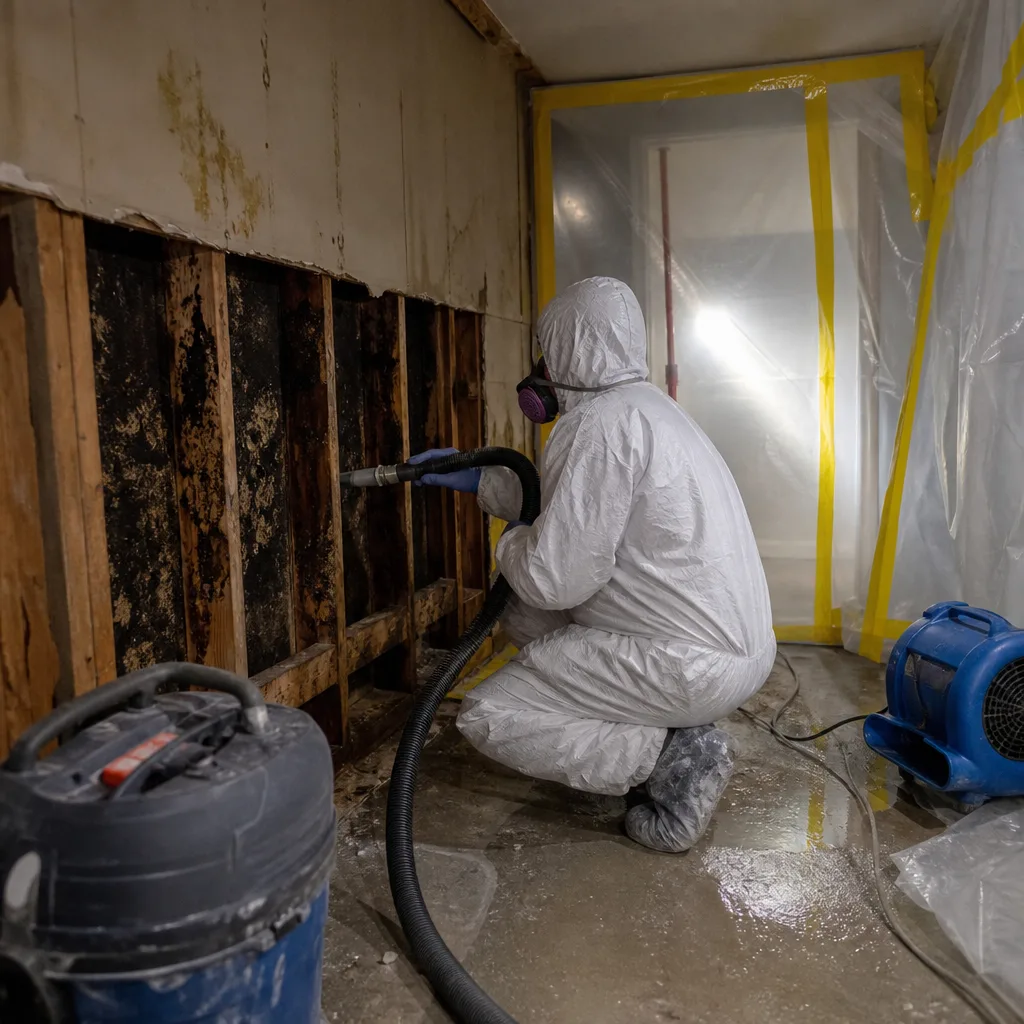
Storm Damage Cleanup
Wind-driven rain, tree branches through windows, and surge water all leave debris, saturated materials, and contamination. We remove damaged drywall, insulation, and flooring, and we haul the debris same-visit. On bluff row homes, cleanup includes checking for water that traveled along the shared party wall into the adjoining unit.
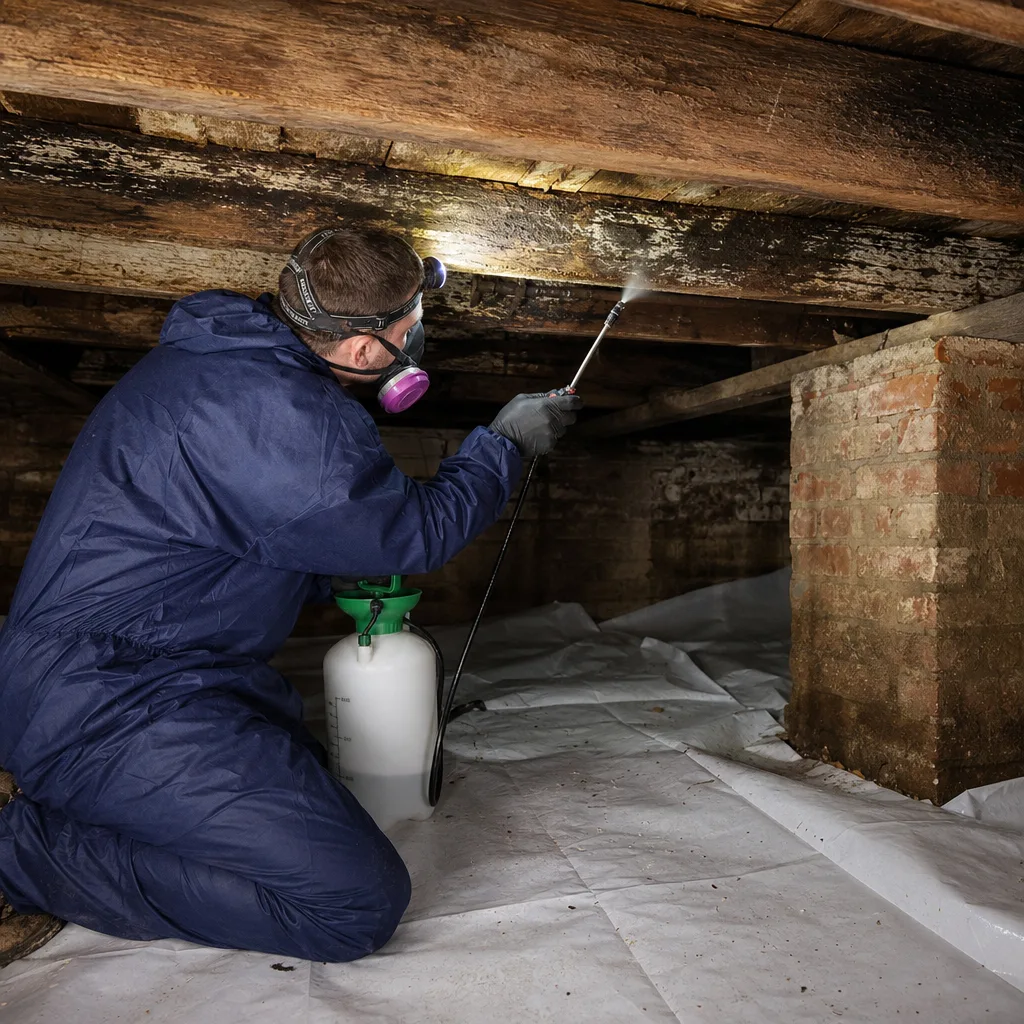
Flood Damage Restoration
Flooding in Weehawken comes in two forms: Hudson River surge on the waterfront and groundwater intrusion on the upper bluff. Each needs a different drying strategy. We extract first, map moisture with thermal imaging, then run Dri-Eaz and XPOWER equipment until the dry standard is met. Daily readings get logged and shared with your insurer.
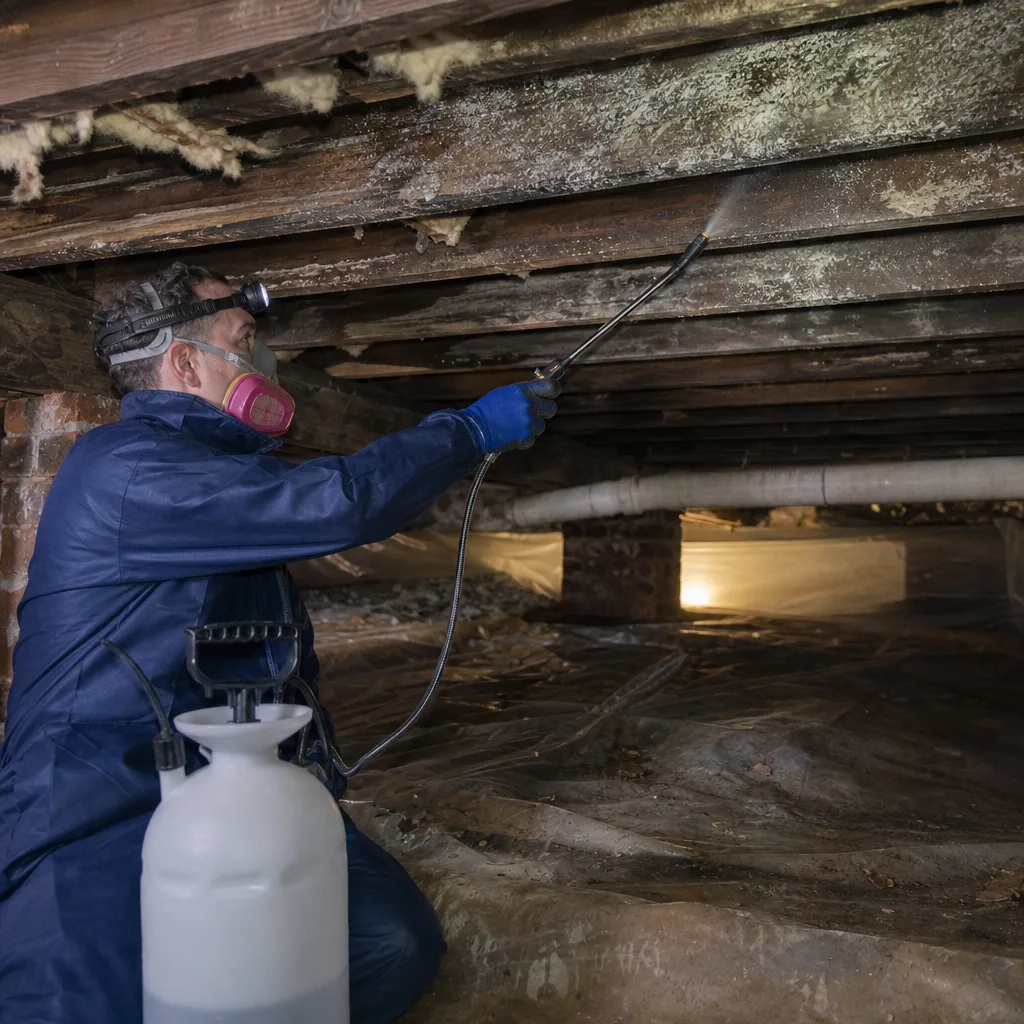
Emergency Board-Up
Broken windows and compromised doors after a windstorm invite looting and further weather damage. We board up openings with plywood and secure entry points within hours of your call. On Weehawken’s bluff streets where homes sit tightly together, we also check for glass and debris that fell into neighboring properties.
Roof Tarping
A nor’easter can peel sections of roofing off in minutes. We tarp damaged areas to stop water from entering before repairs are scheduled. Upper-bluff homes built before modern roofing codes often have flat or low-slope roofs that pond water quickly; we size tarps to cover the full damaged section plus overlap.
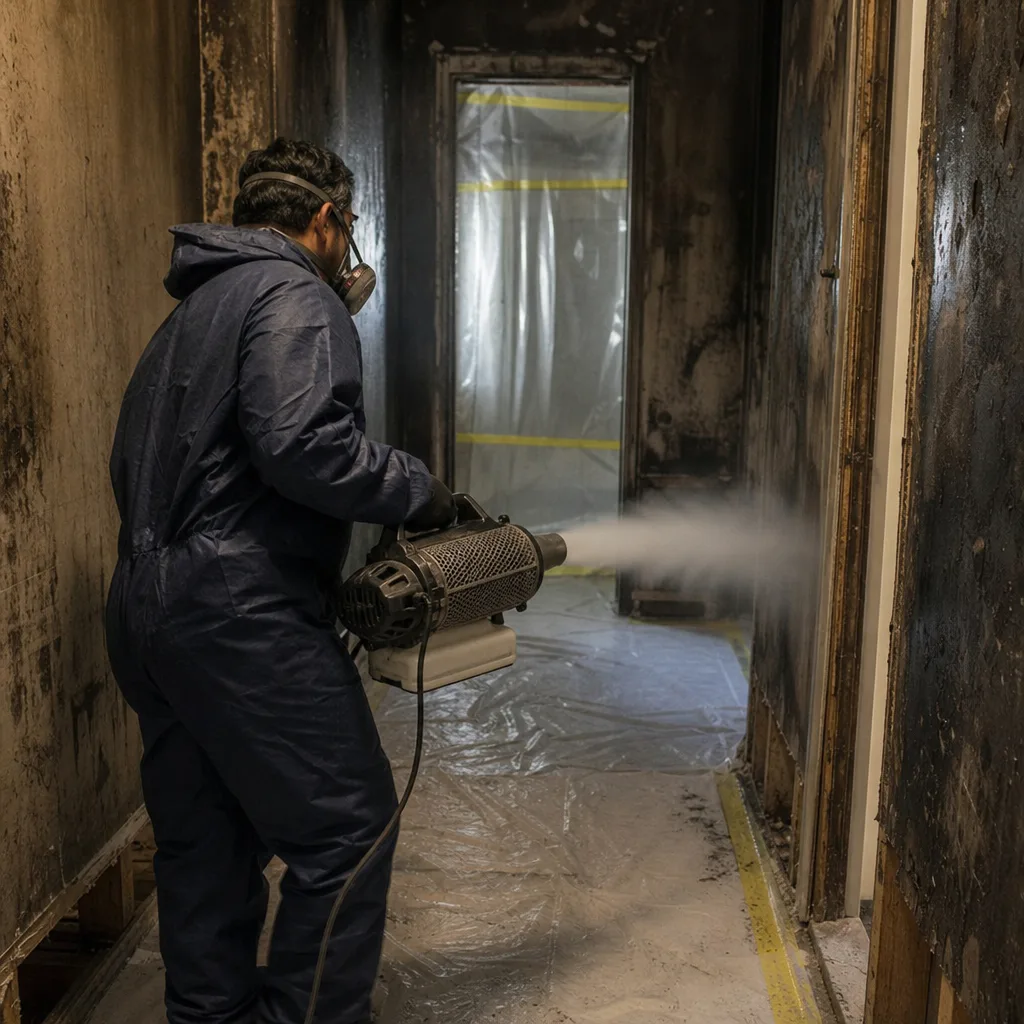
Debris Removal
Storm debris in Weehawken ranges from fallen tree limbs on side streets to construction materials blown off waterfront high-rise balconies. We remove, sort, and dispose of debris, and document everything for your claim. If the debris is from an adjacent property, we document origin and condition before removal.
What happens when you call
- 1
A real person answersNo phone trees - you reach a local pro.
- 2
You get an upfront price rangeHonest numbers before anyone is dispatched.
- 3
A background-checked tech heads outLicensed & insured, dispatched right away.
- 4
You approve before work beginsNothing starts until you say go.
Storm & Disaster Restoration Costs in Weehawken, NJ
Honest numbers help you plan. Storm debris removal and board-up in Weehawken typically runs $350-$900. Roof tarping on a bluff row home runs $450-$1,200 depending on roof slope and height. Flood extraction and drying for a single basement runs $2,800-$6,500, but a Port Imperial condo with saltwater in a mechanical room can run $8,000-$20,000 when electrical and elevator components need corrosion treatment. What moves the price: category of water, square footage affected, how long water sat before extraction, and whether structural demolition is needed. Many storm losses are covered by homeowner’s insurance, minus your deductible. The free visual inspection gives you a firm, written scope before any work starts, so you know the number before you commit. Call (845) 305-5737 and we’ll come out.
We Also Serve Cities Near Weehawken
Our storm and disaster restoration crews regularly serve North Bergen, where the same Palisades escarpment creates similar uphill basement intrusion patterns, and Edgewater, where Hudson River surge meets a dense waterfront condo corridor. If you own property in either town, the same certified team can be on-site fast.
Serving Weehawken, NJ - Our Local Coverage Area
We’re based in the Weehawken area and know this community well. Use the map below to see our service coverage - if you’re nearby, we can almost certainly help.
Weehawken Storm & Disaster Restoration Questions, Answered
How fast can you reach a Weehawken property in an emergency?
We commit to 45 minutes or less for emergency response anywhere in Weehawken’s 07086 zip code, including the upper bluff and the Port Imperial waterfront. A live dispatcher takes your call at (845) 305-5737 and crews are staged for rapid deployment throughout the storm season.
Why do stormwater backups recur in upper Weehawken basements even after interior waterproofing?
The Palisades escarpment is largely impermeable diabase bedrock. When rain falls on the cliff face, water doesn’t percolate down through it; it migrates laterally into foundation walls and up through slab cracks. Interior waterproofing on the floor doesn’t stop water entering through the uphill foundation wall. Our Storm & Disaster Restoration team identifies the intrusion pathway and addresses it directly, rather than just drying the result. That’s part of why our Storm & Disaster Restoration work on the bluff differs from standard basement waterproofing.
How quickly does mold start growing in a flooded Weehawken waterfront condo after a storm surge?
Mold spores germinate within 24 to 48 hours in warm, wet conditions. Hudson River saltwater slows that slightly, but once fresh rainwater mixes in, growth accelerates. We start extraction and air movement the same day, because every hour you wait extends drying time and increases the scope of demolition.
What is the difference between category 1, 2, and 3 water in a Weehawken storm claim?
Category 1 is clean water from a supply line break or wind-driven rain through a roof. Category 2 is gray water: stormwater that picked up soil and contaminants, typical of upper-bluff basement intrusion. Category 3 is black water: sewage, Hudson River surge, or flood water that sat long enough to grow bacteria. Categories 2 and 3 require full antimicrobial treatment and often more extensive demolition. We document the category for your insurer, because it directly affects the claim.
Does coastal salt air in Weehawken damage storm shutters or garage doors even without flooding?
Yes. Lower Weehawken’s waterfront high-rises sit close enough to the Hudson that salt air accelerates galvanic corrosion on garage door springs, hinges, rollers, and tracks. We regularly see snapped springs on waterfront condos within two to three years of installation, even in buildings that never flooded. We check storm shutters and garage systems as part of any waterfront restoration, and we use coated or stainless hardware when replacing components.
After a windstorm on the bluff, should we tarp our roof even if we only see missing shingles?
Yes. Wind damage on Weehawken’s upper bluff often lifts the adhesive seal on shingles even when they look intact from the street. The next rain lets water underneath, and by then you have interior damage. A tarp costs a fraction of the ceiling replacement and drywall repair you’d need after a weekend of rain. We tarp same-day and schedule the permanent repair once conditions allow.
Will my insurance cover storm damage restoration in Weehawken?
Most homeowners’ policies cover wind and storm damage, including hurricane and nor’easter losses, minus your deductible. Flood damage from Hudson River surge typically requires a separate NFIP flood policy. Weehawken’s waterfront properties in FEMA flood zones are most exposed, and many carry flood insurance. We document everything and bill your carrier directly, and we’ll help you understand exactly what your policy covers before work begins.
What should I do in the first 30 minutes after storm damage in Weehawken?
Call (845) 305-5737. Then, if safe, shut off electricity at the panel, especially if water is near outlets or appliances. Don’t walk through standing water if there’s any chance it’s category 3, including surge water. Take photos from a safe distance for your claim. If you see roof damage, put a bucket or tarp down if you can reach it safely, but don’t climb onto a damaged roof. We’ll handle the rest when we arrive.
Floodline Restoration Co. handles Storm & Disaster Restoration across Weehawken with the same certified crews from first extraction to finished rebuild. If water is moving through your home right now, call (845) 305-5737. A live person answers, day or night, and a crew will be on the way within 45 minutes.
Written by Curt Bowman, Owner at Floodline Restoration Co., serving Weehawken and the surrounding region since 2010.