

Free visual inspection and a written scope of work before any mitigation begins - photos, moisture readings, and drying logs go in your claim file
The scope we write is the scope we bill. Anything new gets shown to you, in writing, before we touch it.
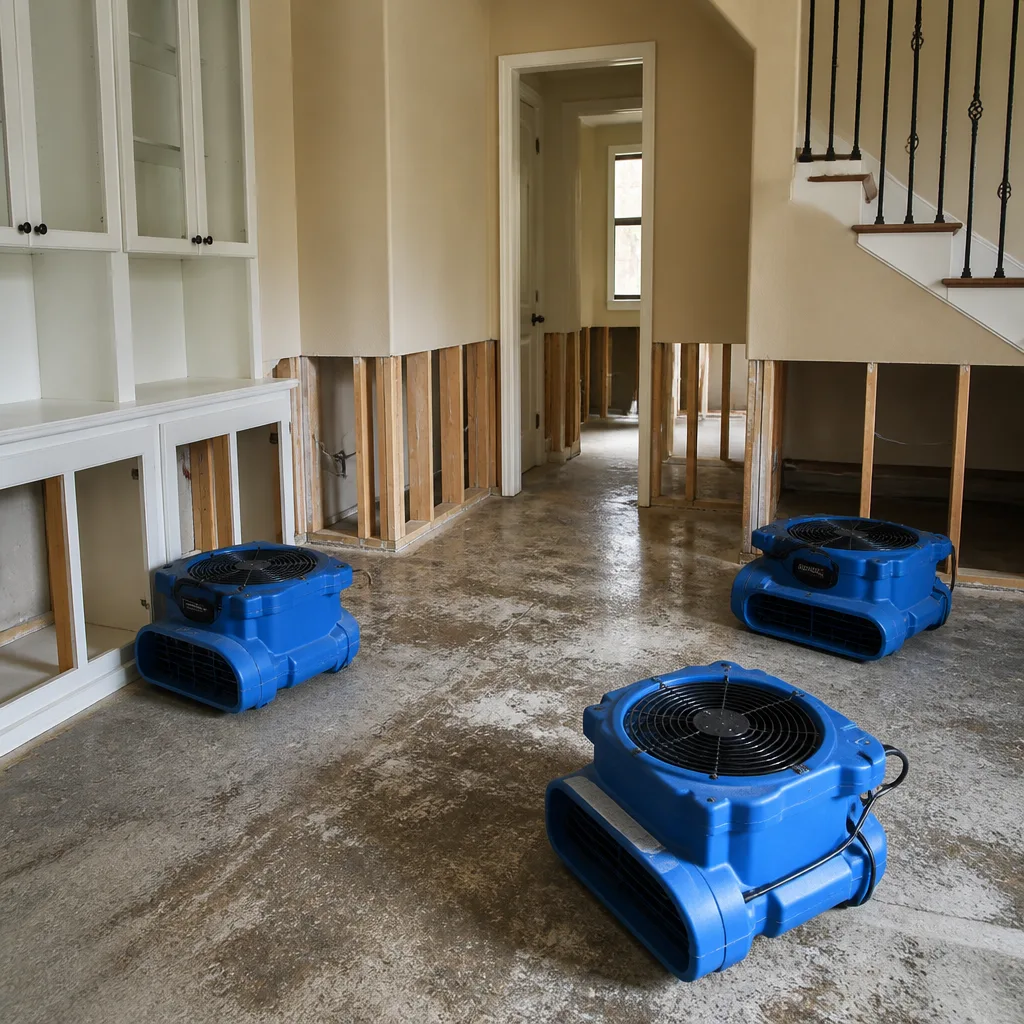
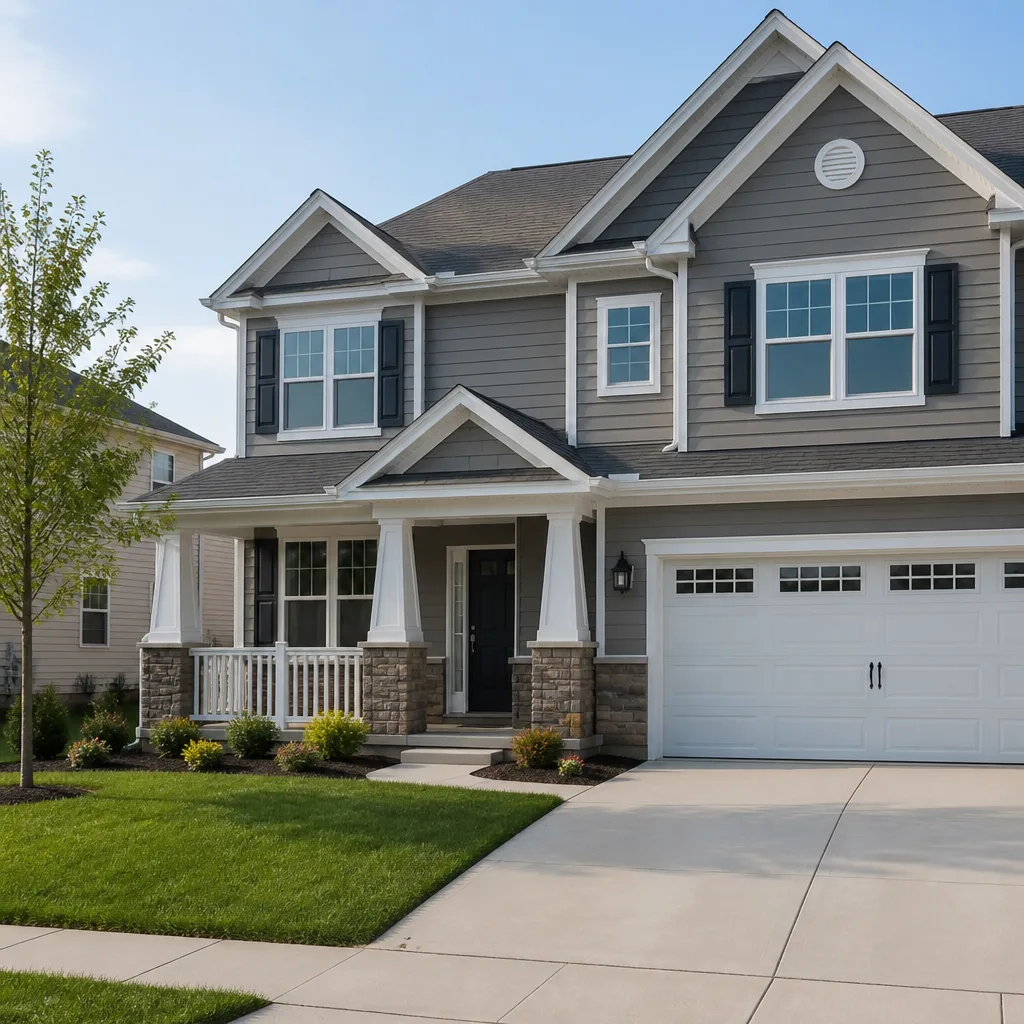
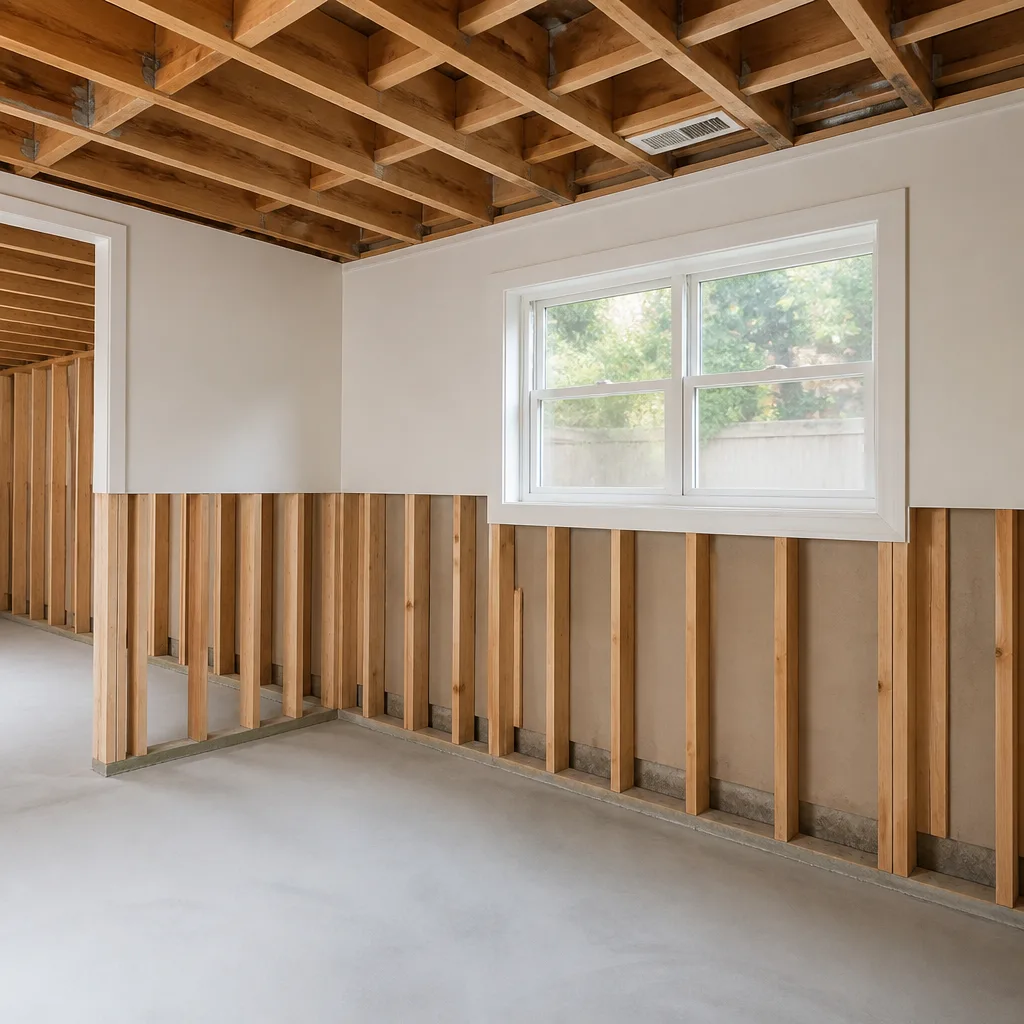
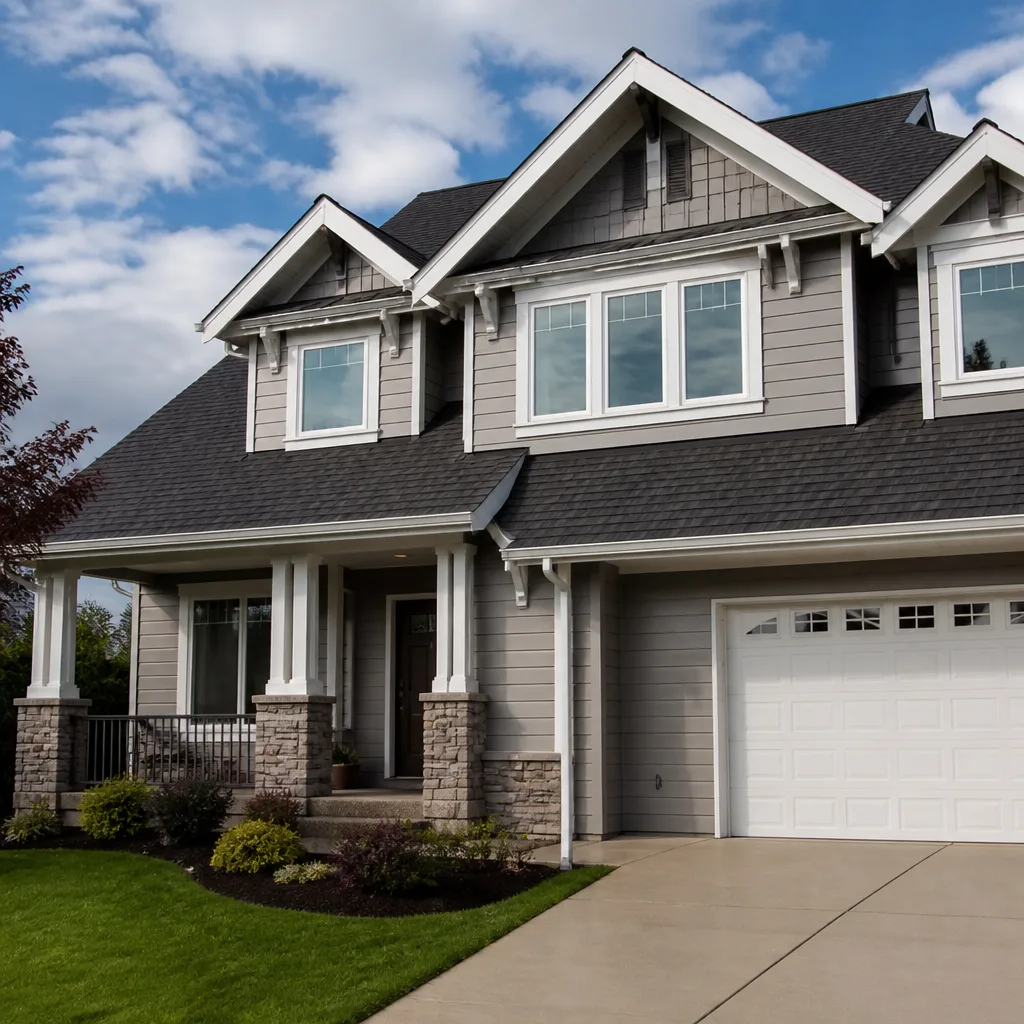
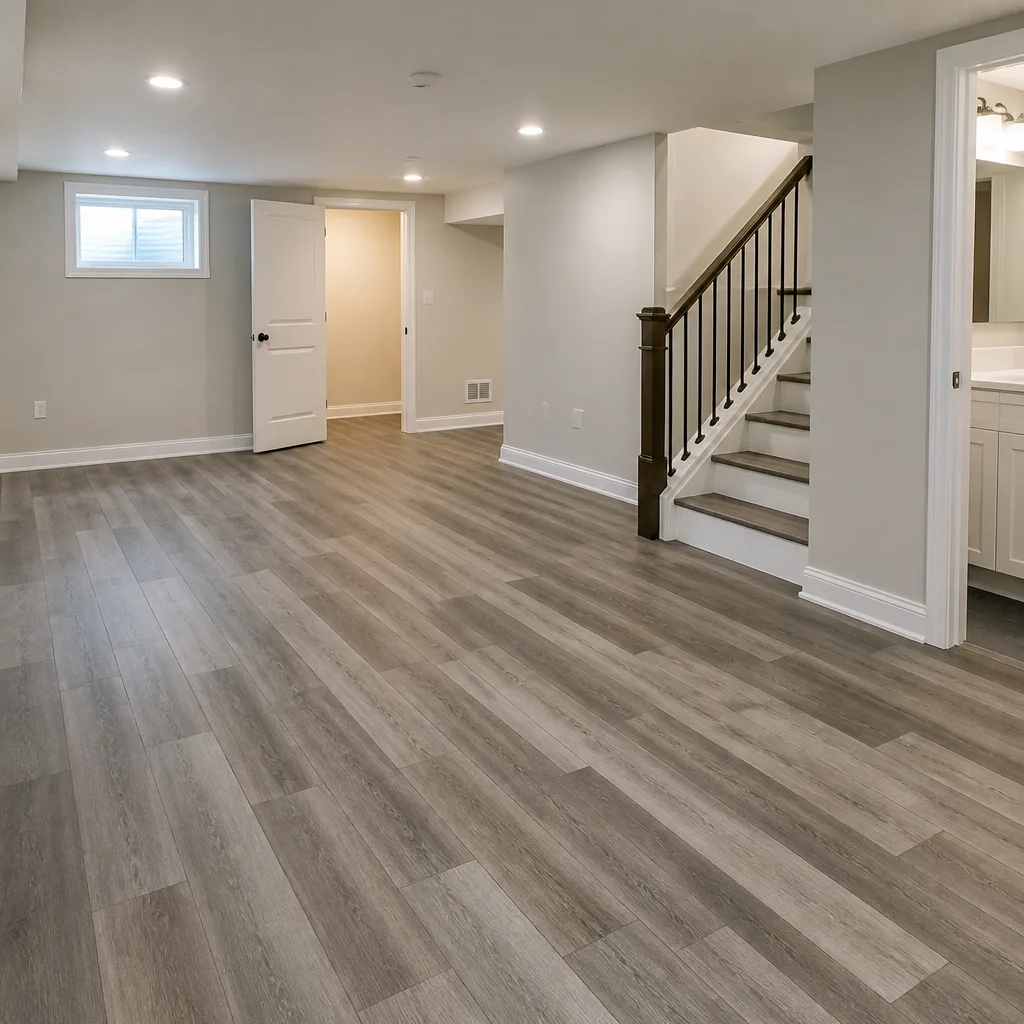
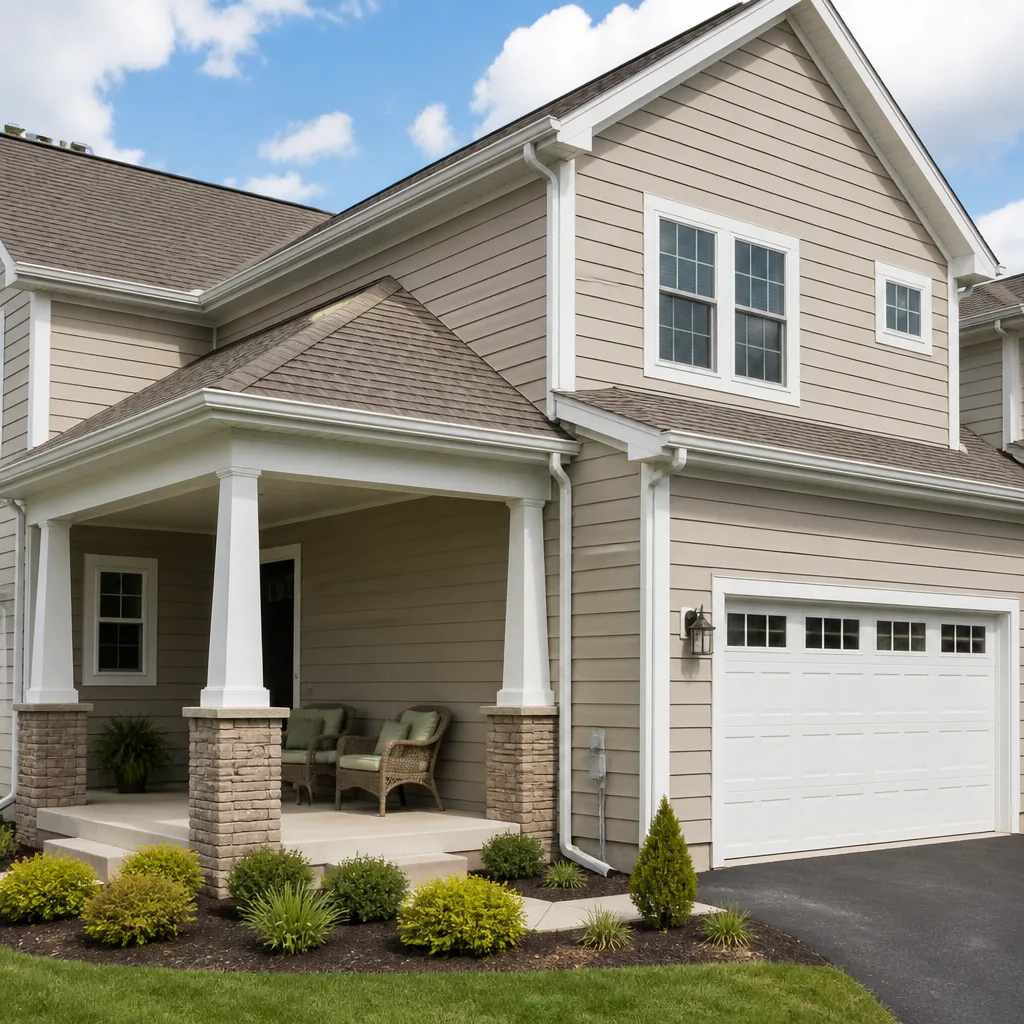
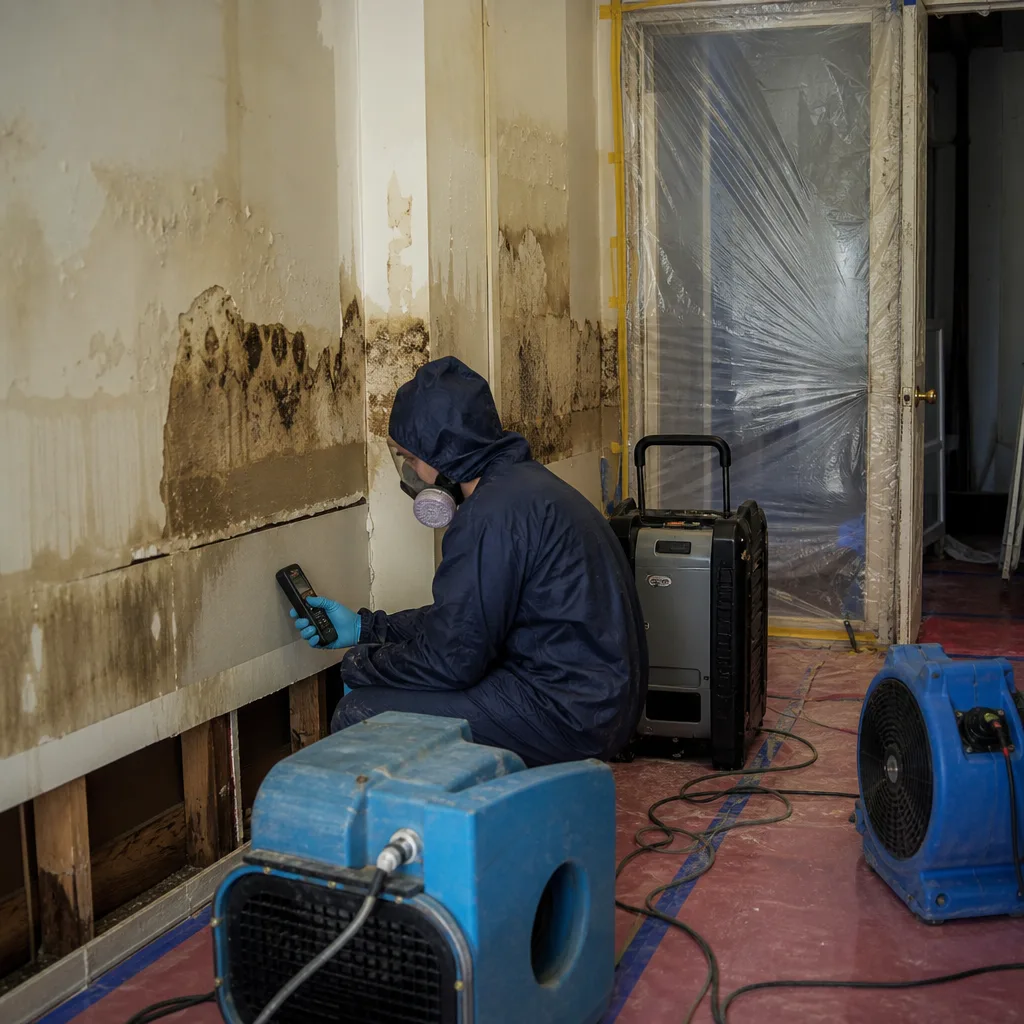 Before
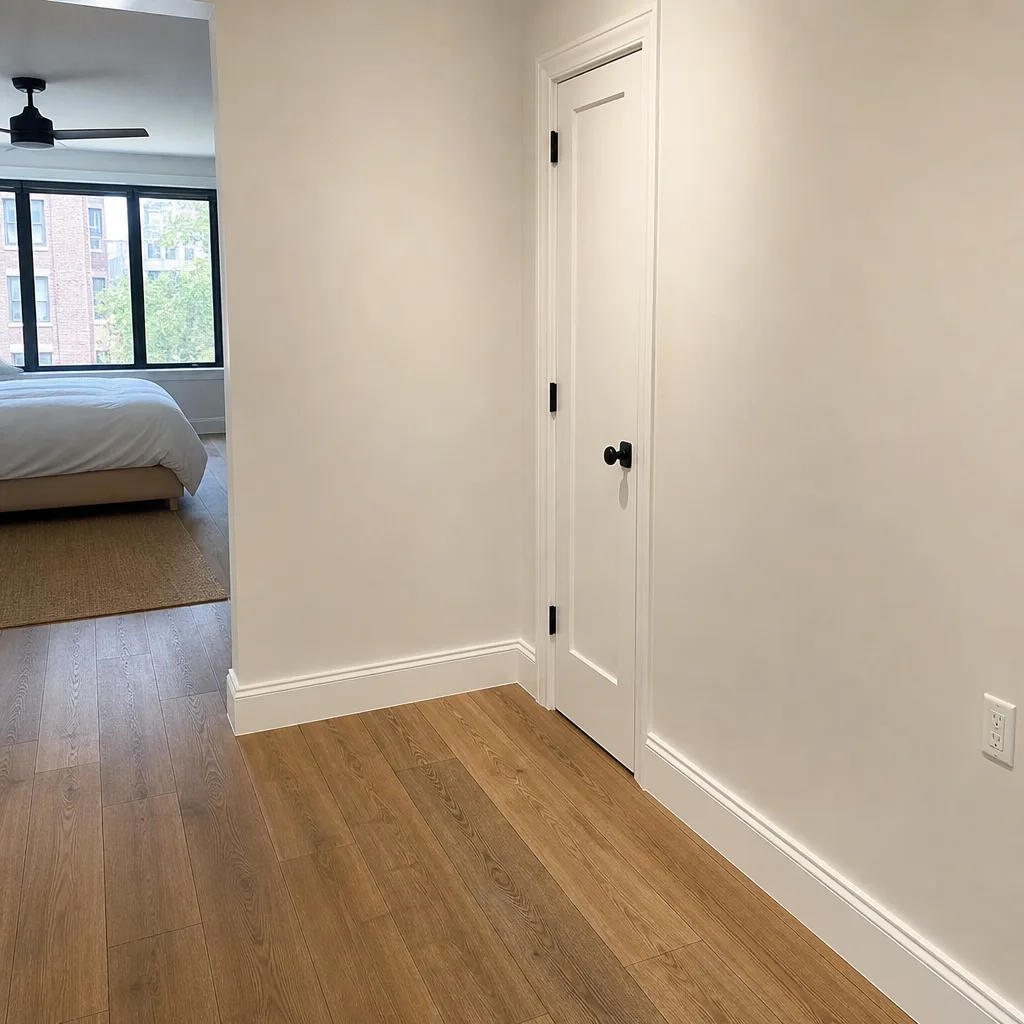 After
After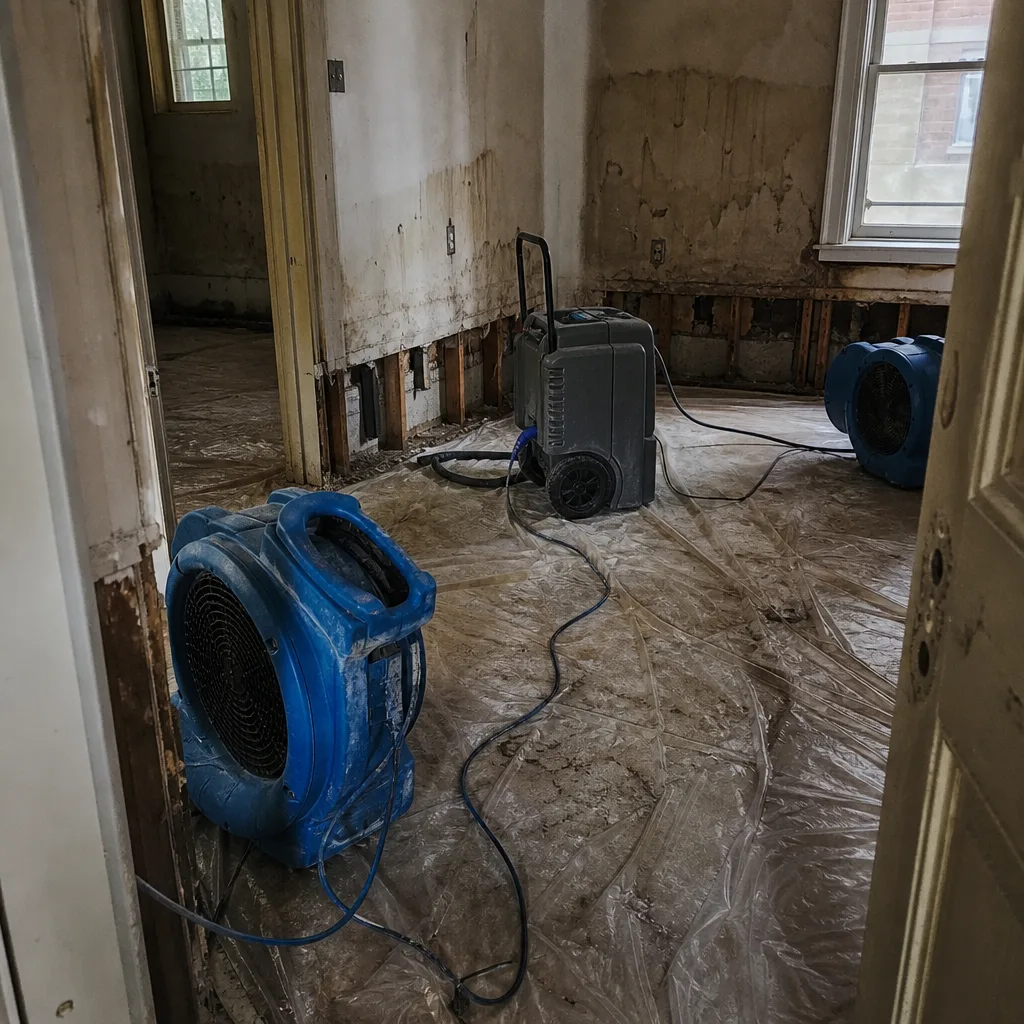 Before
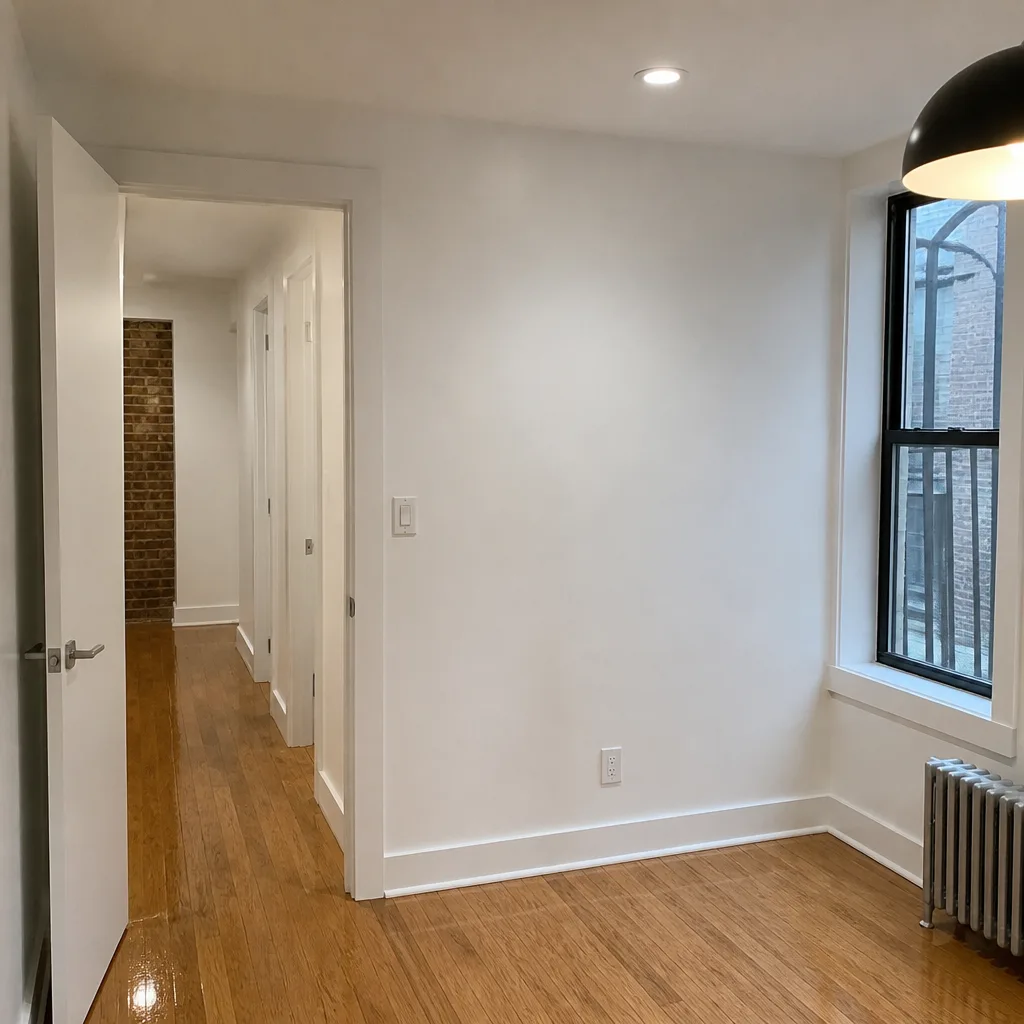 After
After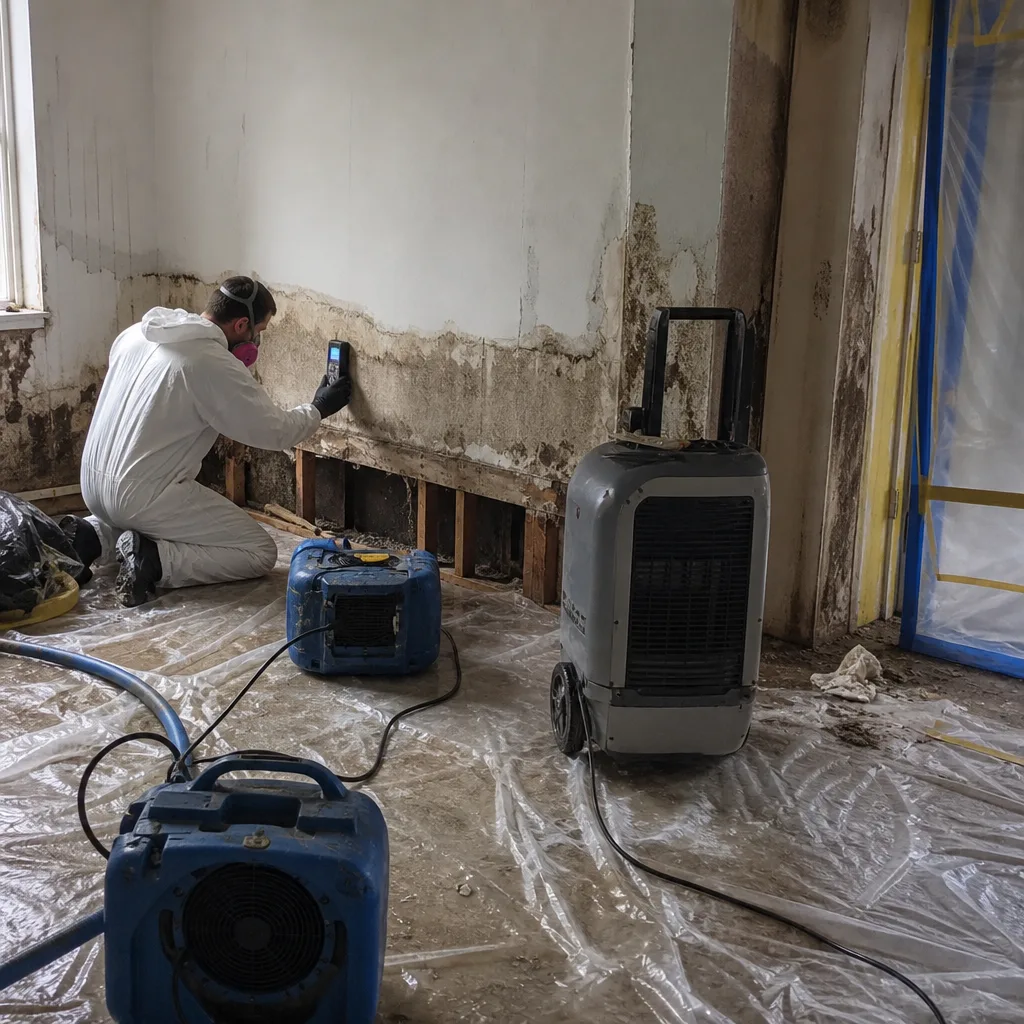 Before
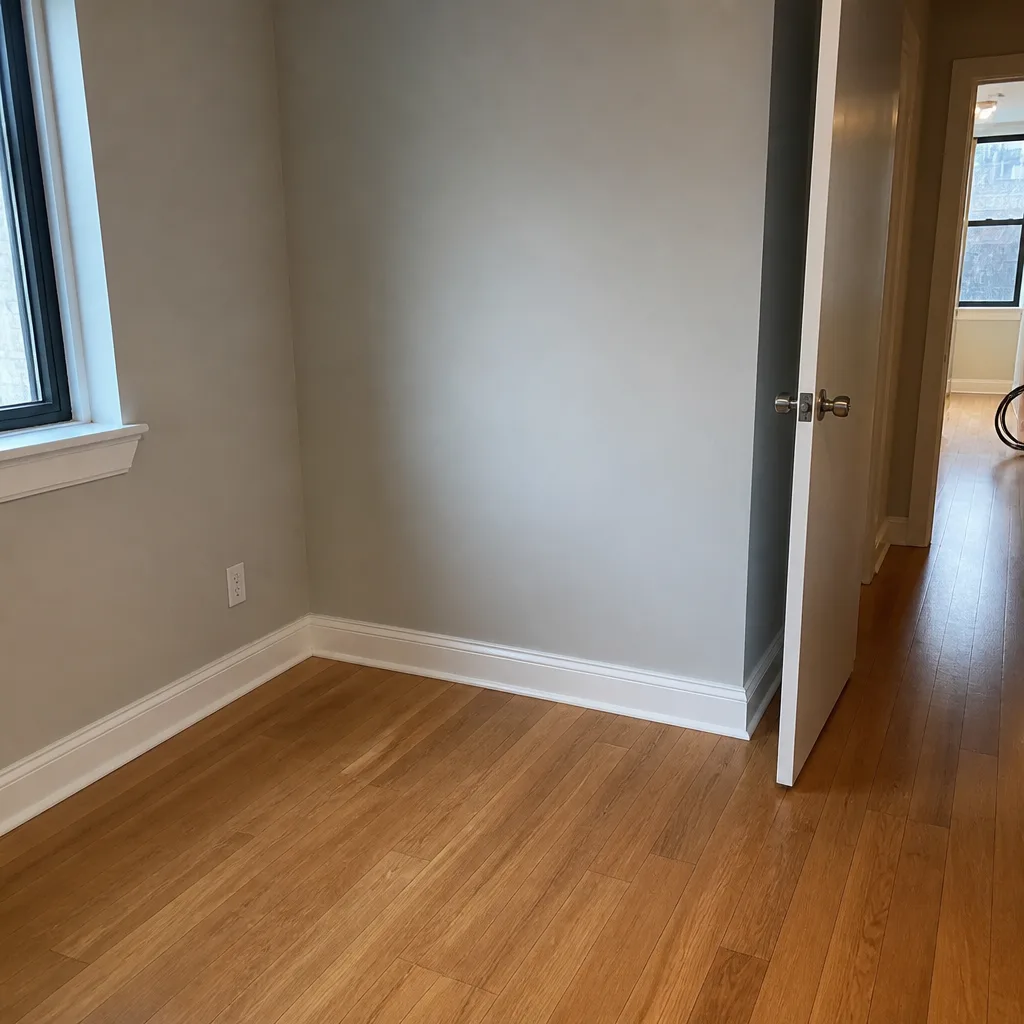 After
After24/7 Emergency Sanitization Services in Upper Manhattan
Sanitization services in Upper Manhattan typically cost $350-$900 for a single apartment treatment and $1,200-$4,500 for a multi-floor pre-war building scope. Most jobs are completed within 6-24 hours once containment and moisture levels are confirmed. If you need a crew now, call (845) 305-5737 and a live person answers, day or night.
Upper Manhattan’s housing stock makes sanitization a different animal than elsewhere in the city. Pre-war walk-ups with horsehair plaster, cast iron stacks, and six stacked units under one roof mean contamination rarely stays put. A virus, mold odor, or sewage smell in one Washington Heights apartment travels through wall cavities, pipe chases, and shared duct risers into neighboring units. That’s why we dispatch crews inside Upper Manhattan within 45 minutes, run a free visual inspection, and scope the whole building by default, not just the unit that called. The first hour matters because moisture and pathogens anchor into porous plaster fast. Once mold spores set in old plaster, the cleanup cost multiplies.
What happens when you call
- 1
A real person answersNo phone trees - you reach a local pro.
- 2
You get an upfront price rangeHonest numbers before anyone is dispatched.
- 3
A background-checked tech heads outLicensed & insured, dispatched right away.
- 4
You approve before work beginsNothing starts until you say go.
Understanding Sanitization Services Severity in Upper Manhattan Properties
Sanitization severity follows what we call the three-tier contamination model, and Upper Manhattan’s building age pushes most jobs into tier two or three before anyone calls. Tier one is surface-level: post-illness cleanup, virus decontamination of a single room, odor from a contained spill. Tier two is moisture-driven: a category 1 or 2 water loss behind plaster that’s been sitting wet for 24-72 hours, now actively colonizing mold and bacteria. Tier three is the pre-war special: category 3 water (sewage or exterior floodwater), a failed cast iron stack that’s been weeping for a week, or extensive microbial growth requiring full containment, air scrubbing, and clearance testing.
In a 1916 Harlem tenement, the severity ladder moves faster than in a suburban rancher. Horsehair plaster absorbs and holds water at roughly three times the capacity of modern drywall. Wood lath behind it traps moisture against studs. Cast iron waste stacks running floor-to-ceiling create vertical channels that spread contamination along their entire run, not just at the leak point. We use moisture mapping with thermal imaging and hygrometers to find hidden saturation, then run HEPA air scrubbers and negative-air containment before we open anything that might release spores into occupied units. In Upper Manhattan, “small” sanitization jobs are almost never small once you look behind the plaster.
Why Upper Manhattan Property Owners Choose Floodline Restoration Co.
- 45-minute response commitment - We dispatch from our New York City office with crews staged near Upper Manhattan, so a technician is usually on site inside the hour, not the next business day.
- 24/7 live answer, always a person - Call (845) 305-5737 at 2 a.m. and a live dispatcher picks up. No voicemail tree, no answering service. You talk to someone who can send a crew.
- IICRC-certified crews trained to WRT, AMRT, and RIA standards - Our techs hold water damage restoration and applied microbial remediation certifications, and every one is background-checked and uniformed.
- Free visual inspection - Before any work starts, we walk the property, read the moisture map, and give you a written scope. You see what we see.
- Direct insurance billing - We document from the first hour, photograph everything, and coordinate with your adjuster directly. You never carry messages between us and the carrier.
- One team from containment to final clearance - The crew that sets containment and runs the fogger is the same crew that dries, sanitizes, and rebuilds. No mid-job handoff to a sub you’ve never met.
Our Sanitization Services Process
Inspection & Assessment
We arrive, run moisture mapping with thermal imaging and hygrometers, and identify all affected surfaces. In pre-war buildings, that means checking floors above and below the call origin. We document the square footage of contamination, note lead-paint conditions, and build a scope before anything opens.
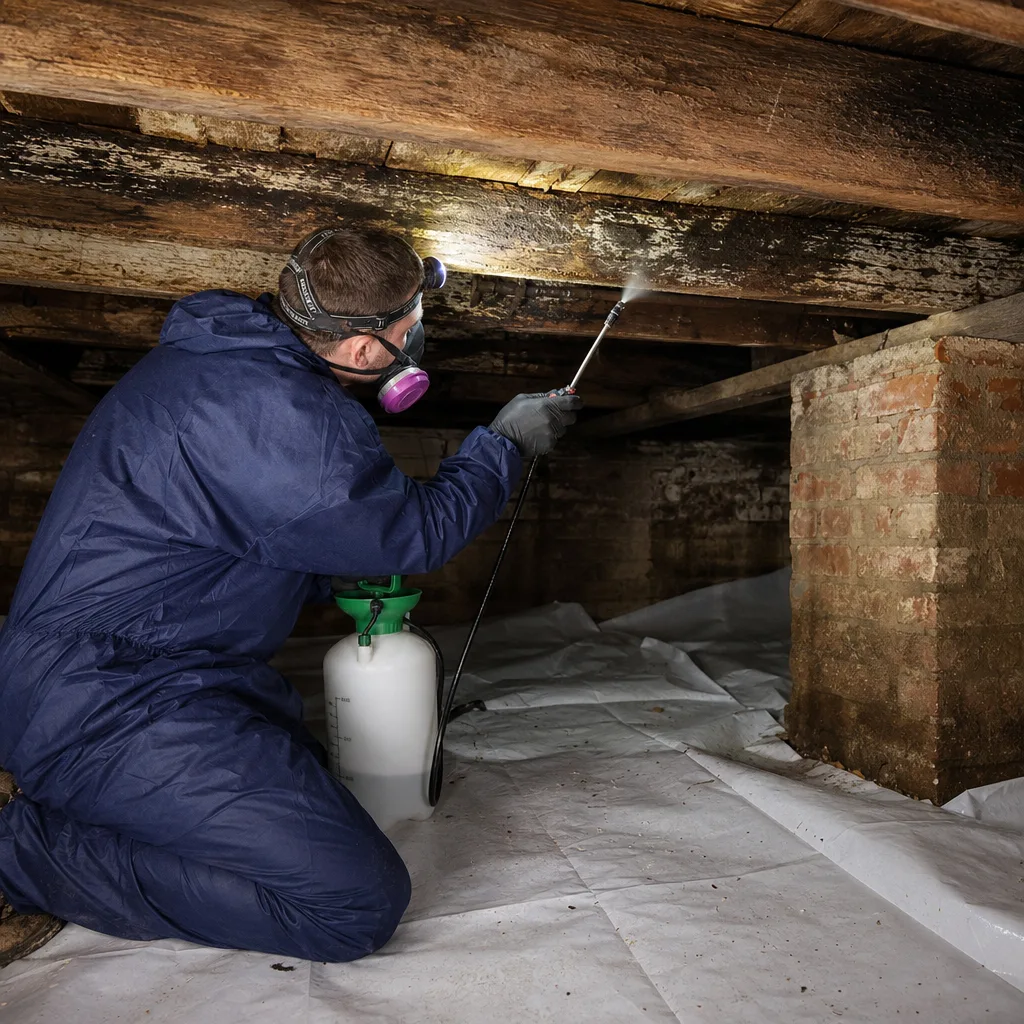
Containment & Source Control
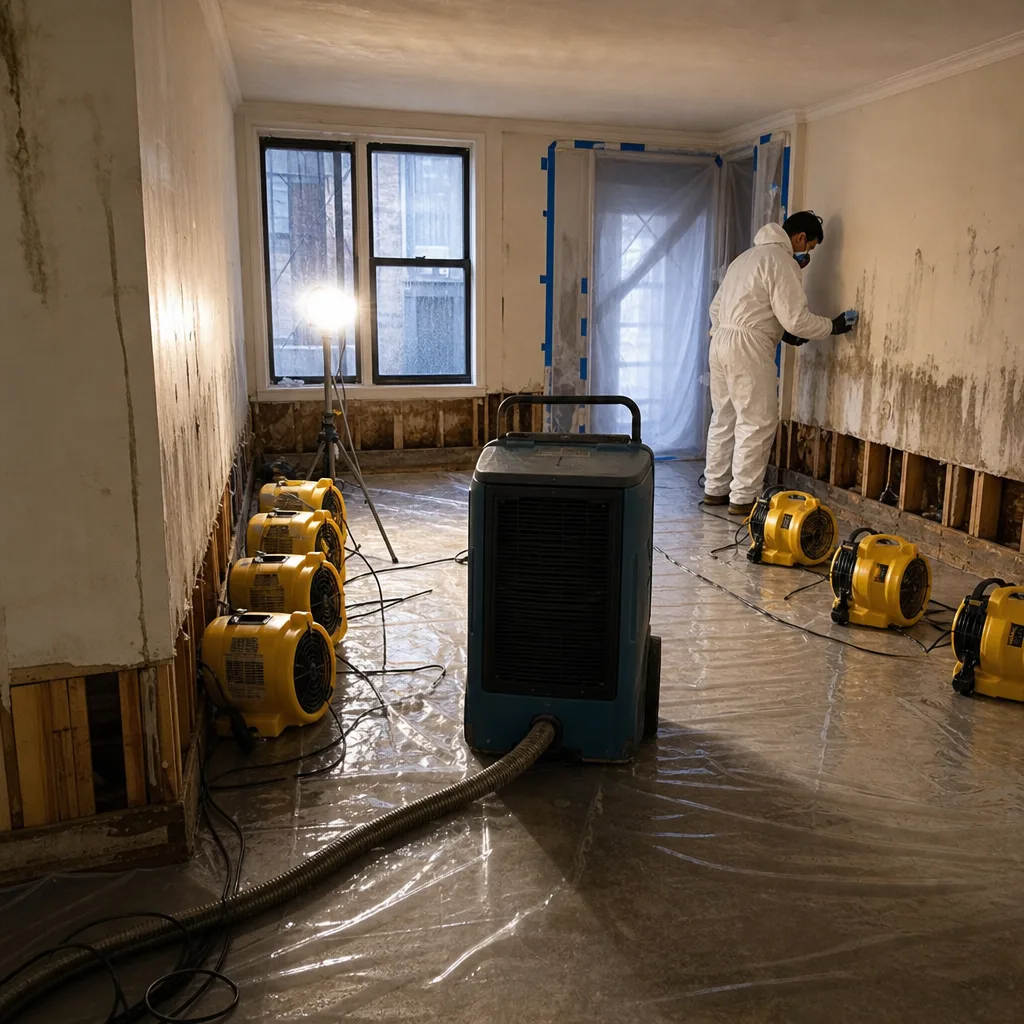
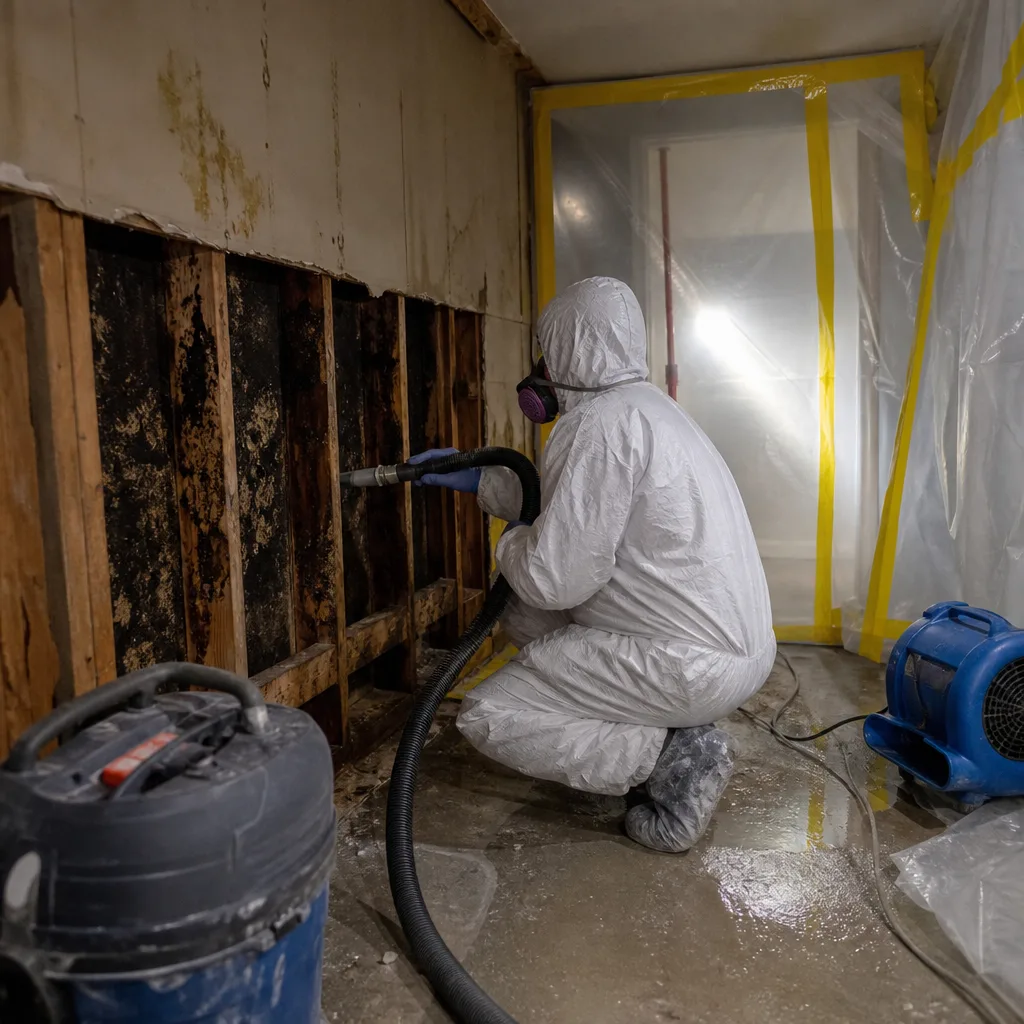
If the sanitization involves mold, sewage, or a pre-war plaster breach, we set negative-air containment with 6-mil poly barriers and HEPA air scrubbers. In Upper Manhattan, this step is non-negotiable whenever we know or suspect lead paint. Containment prevents cross-contamination into hallways and neighboring units.
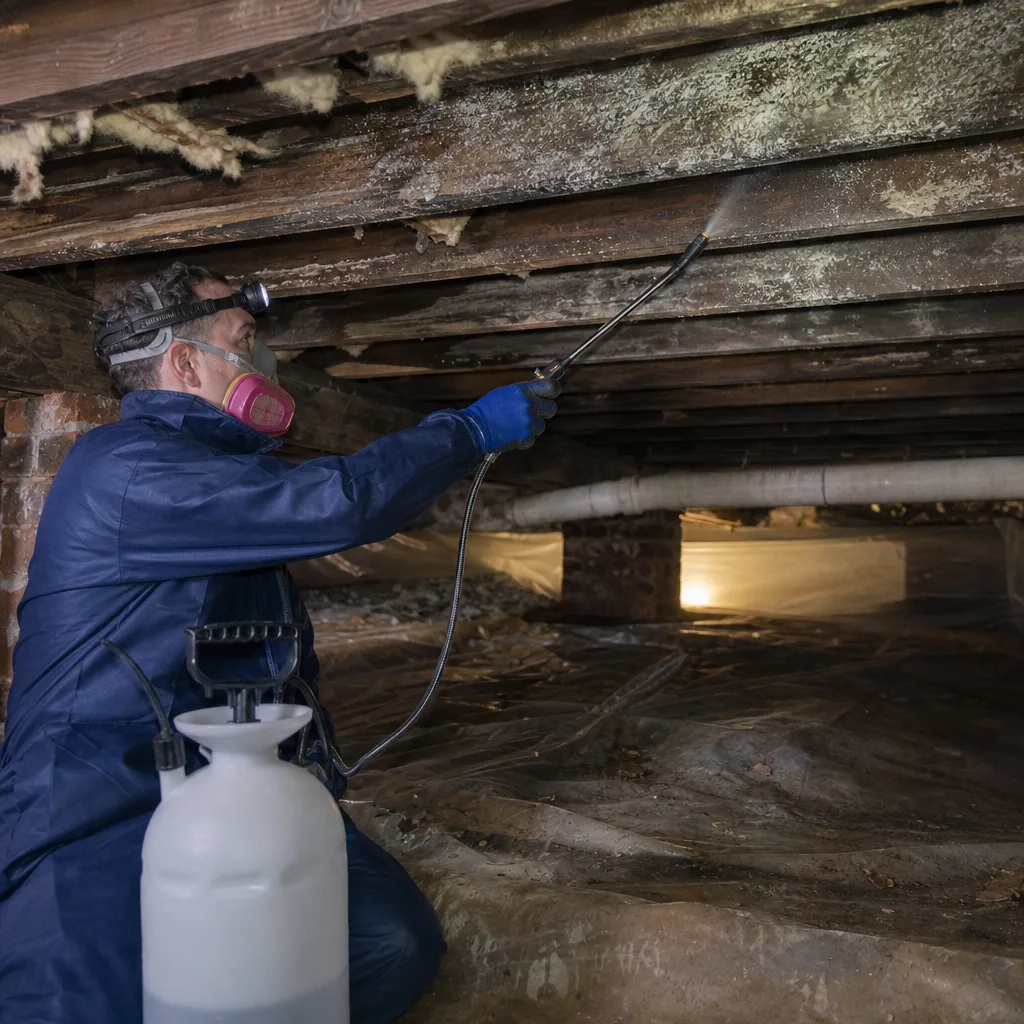
Moisture Removal & Drying
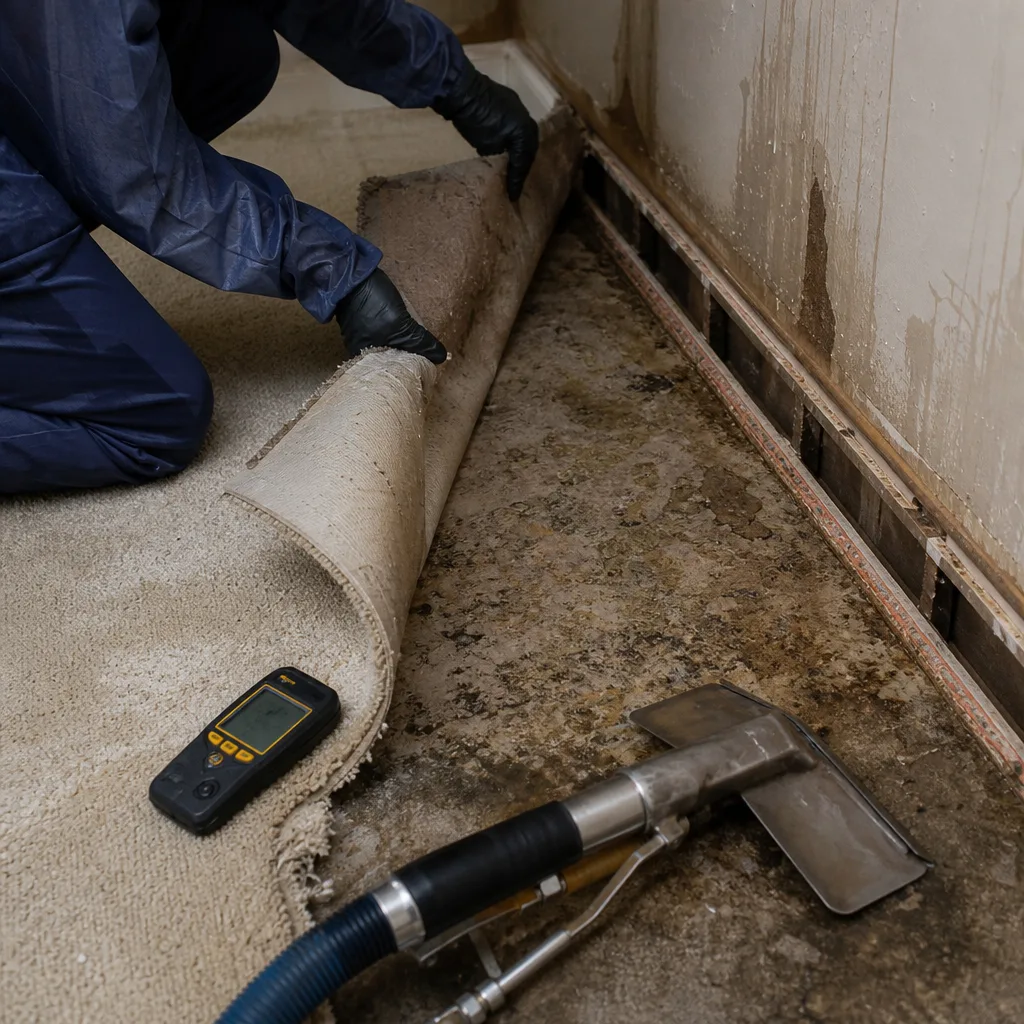
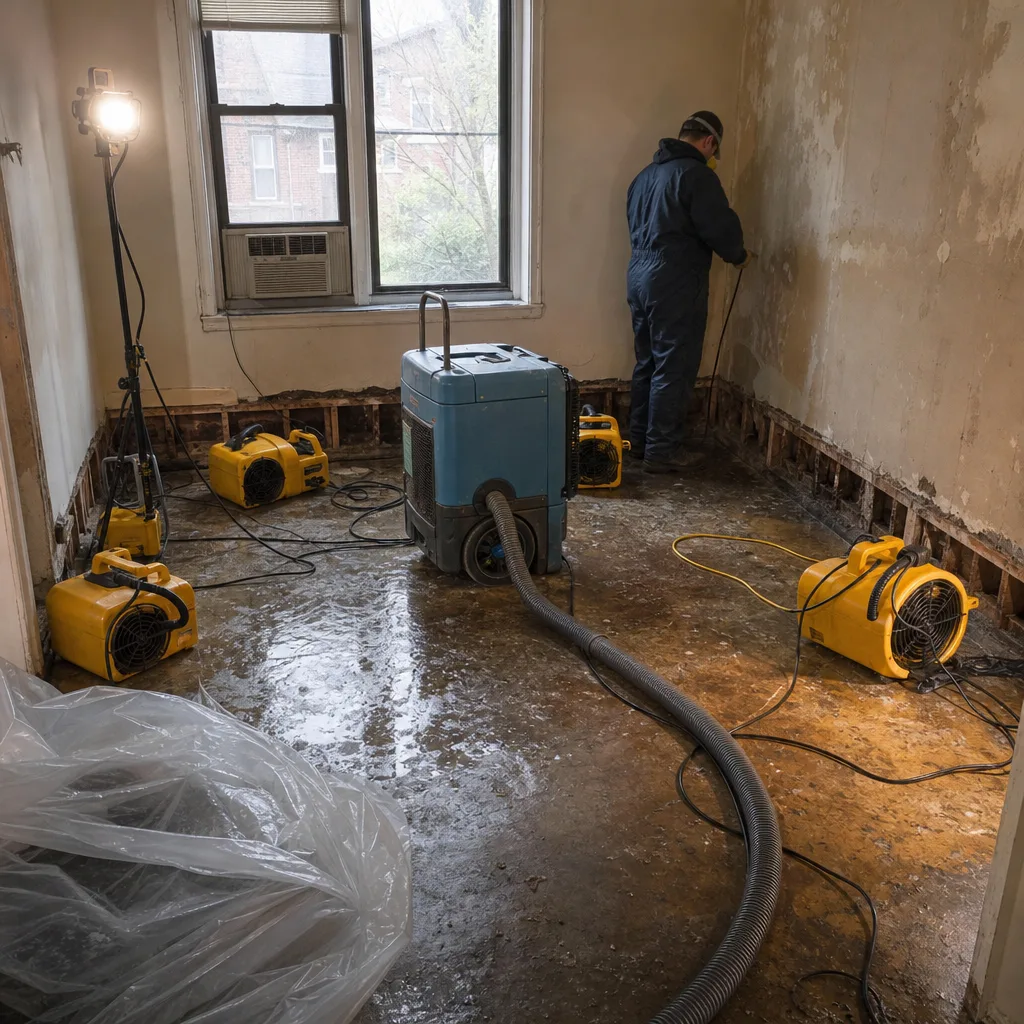
Any sanitization that follows a water loss needs dry materials first. We run Dri-Eaz dehumidifiers and XPOWER air movers, taking daily moisture readings until the structure hits the dry standard. In horsehair plaster, that can take 3-5 days even after visible water is gone.
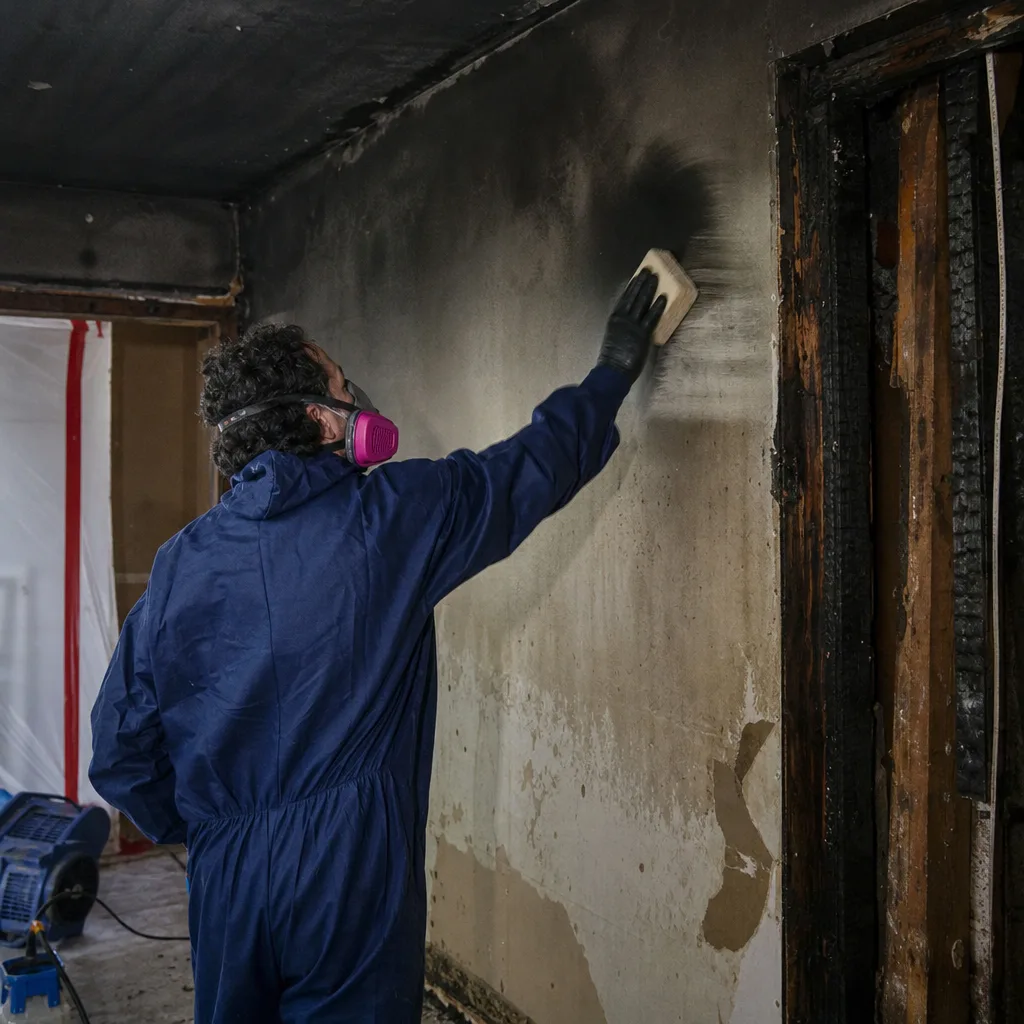
Cleaning & Sanitization
This is the core step: commercial-grade antimicrobial application to all affected surfaces, EPA-registered disinfectants appropriate for the contaminant type, and HEPA vacuuming of porous surfaces where restoration is possible. We log every product and surface treated.
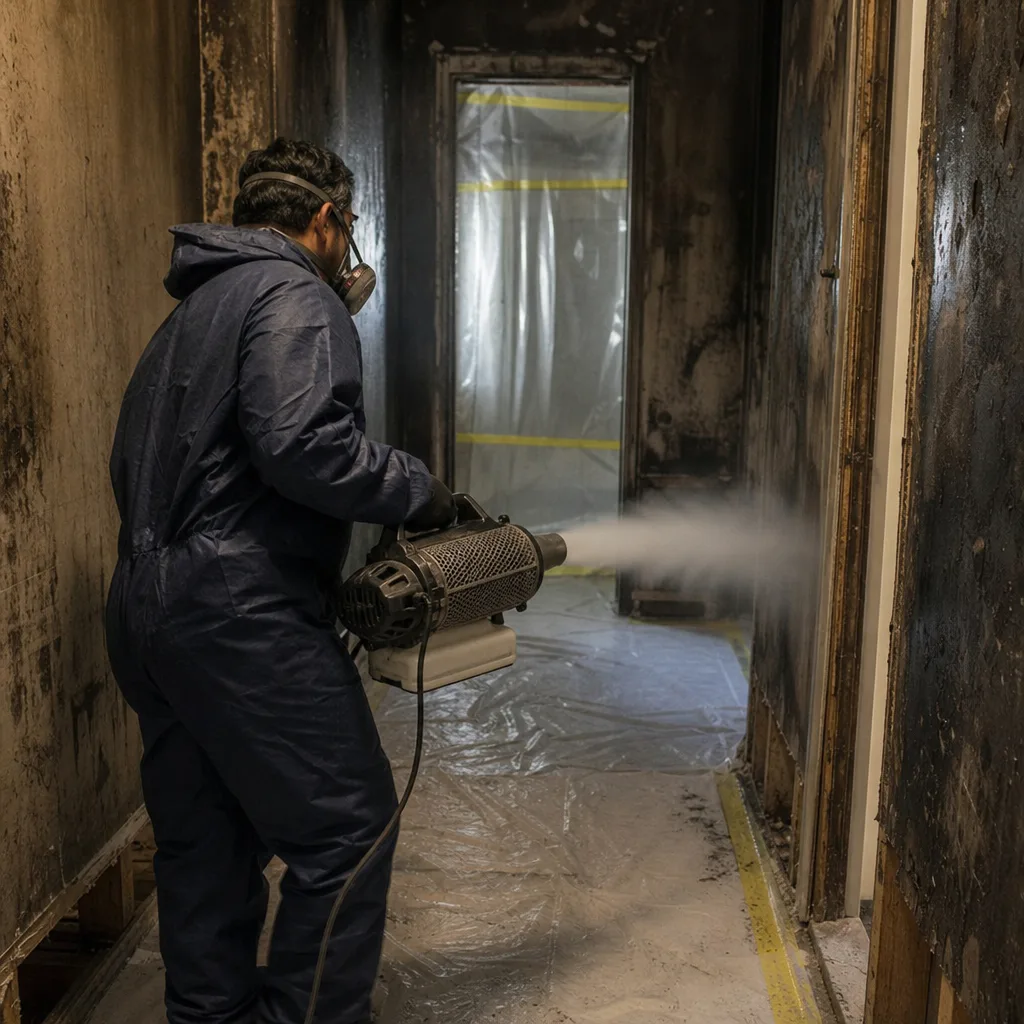
Fogging & Air Duct Sanitization
Commercial-grade fogging reaches cavities, pipe chases, and void spaces that surface cleaning can’t. Where shared duct risers are involved, we sanitize accessible duct interiors and recommend full duct cleaning where contamination is confirmed. In pre-war buildings, ductwork is often original and requires careful, non-abrasive treatment.
Repairs & Restoration
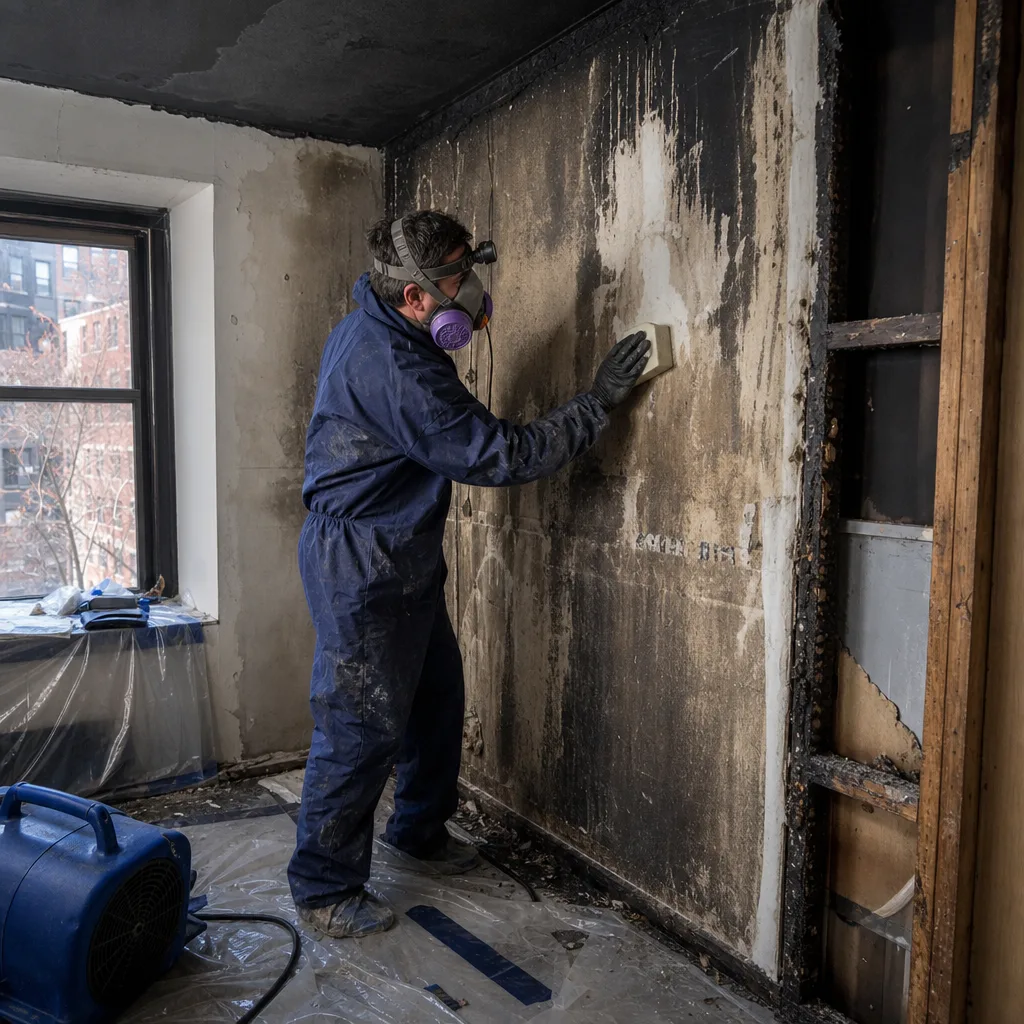
When walls, ceilings, or floors were opened for access, the same crew rebuilds them to match the existing plaster profiles. We hit pre-loss condition, provide clearance testing where needed, and hand you the documentation: photos, moisture logs, product data sheets, and a written 90-Day Done Right Promise.
Need Emergency Sanitization Services in Upper Manhattan Now?
Crews minutes away, answering live 24 hours a day. The sooner we start, the less it costs.
Working With Your Insurance Company
Sanitization claims in Upper Manhattan are rarely simple. A single pre-war leak can create three claims: the unit that leaked, two or three units below, and the building’s common-area policy. We’ve handled hundreds of these stacked claims, and the discipline is the same every time: document from the first hour, photograph every surface before and after, log every moisture reading, and never start demolition without the adjuster’s line of sight. Our estimators write industry-standard, line-item scopes that hold up in review. We speak with adjusters directly and handle the billing to your carrier. The homeowner’s job is to call us. Our job is everything after.
What We Provide Your Insurer
- Thorough documentation of the loss
- Photos of all damage, room by room
- Moisture readings and drying logs
- A detailed, line-item scope of work
- Direct coordination with your carrier
Built for Upper Manhattan’s Loss Calendar
Upper Manhattan’s sanitization demand follows the building envelope’s failures, and those failures follow the weather with precision. January and February bring the cold snap surge: exposed rooftop risers and poorly insulated penthouse mechanical rooms on flat-roof tenements freeze and burst, sending category 1 water down through five floors before anyone notices. By the time the call comes, we’re sanitizing after a water loss in four apartments, not one. March and April bring thaw cycles that stress the same old cast iron fittings that made it through winter by a thread. Summer thunderstorms overwhelm flat roof drains on 1890s-1940s buildings and send water down interior stairwells and shared walls. Nor’easters in the fall hit parapets and membrane roofs above the top-floor apartments of Washington Heights and Inwood. Each season produces a different contaminant profile, and a crew that’s seen fifty Upper Manhattan winters knows what to pack before the call comes in.
Sanitization Services Across Upper Manhattan’s Neighborhoods
Upper Manhattan is not one neighborhood. It’s five or six distinct building stocks, and each responds to contamination differently. In Washington Heights, the six-story 1910s and 1920s tenements along Broadway and St. Nicholas Avenue have dense unit stacks and shared risers that carry odors vertically from a first-floor commercial space into fifth-floor apartments. In Harlem, the brownstones and larger elevator buildings around 125th Street mix legacy residential with high-turnover rental stock, and post-illness cleanups between tenants are a regular call. East Harlem’s tenement rows share party walls, so a category 3 backup in one building can push moisture into the wall assembly of the building next door. Inwood’s pre-war co-ops near the 207th Street corridor often have original ductwork and steam risers that require non-invasive sanitizing methods to avoid disturbing wrapped pipes. Hamilton Heights, with its larger pre-war courtyard buildings near City College, brings multi-unit co-op boards into the conversation, which means written scopes and board approvals move the timeline. Our Sanitization Services team knows the routes, the typical parking challenges near 181st and 191st Street, and which buildings are going to need lead-paint containment before the scope is even written.
Specialized Sanitization Services We Offer in Upper Manhattan
Deep Disinfection
For post-illness events, high-touch environments, and unit turnovers, we apply EPA-registered hospital-grade disinfectants to every touchable surface: door hardware, light switches, handrails, cabinet pulls, bathroom fixtures, and countertops. In Upper Manhattan’s rent-stabilized turnover market, landlords and co-op boards use this service between tenants to certify a clean handoff. One treatment usually covers a standard one-bedroom pre-war unit in 3-4 hours.
Virus & Bacteria Decontamination
This is the service that follows confirmed illness in the home, from flu and norovirus to COVID-19 and beyond. We treat with disinfectants appropriate to the pathogen, run commercial-grade fogging to reach cavities and soft surfaces, and provide a written treatment log so you know exactly what was used and where. In multi-unit buildings, we coordinate with management to schedule common-area treatment during low-traffic hours.
Odor Neutralization
Rancid smells in pre-war buildings rarely stay put. We use hydroxyl generators and ozone treatments (in unoccupied spaces) to break down odor molecules at the source, not just mask them. The real fix is finding the source: a dead animal in a wall chase, a dried-out trap, a slow leak behind horsehair plaster. We don’t fog and leave. We find what’s causing the odor so it doesn’t come back in ten days.
Air Duct Sanitization
Older ductwork in Upper Manhattan can harbor dust, mold spores, and bacteria that recirculate every time the heat kicks on. We inspect accessible duct interiors, sanitize with EPA-registered treatments where appropriate, and recommend full duct cleaning when conditions warrant. In pre-war buildings with original ducts wrapped in asbestos, we use non-abrasive methods and do not disturb the wrapper. Lead-safe protocols apply to any duct access that involves opening walls.
Commercial-Grade Fogging
Fogging reaches where wiping can’t: wall cavities, pipe chases, behind radiators, inside closets, across exposed brick. Our fogging units use ULV technology to deliver disinfectant or deodorizer as a fine mist that penetrates porous materials. In a Harlem tenement with shared walls, fogging a single unit often isn’t enough; we recommend treating adjacent units and common hallways when the contamination source is shared.
Sanitization Services Costs in Upper Manhattan, NY
Pre-war buildings drive the numbers. A single-unit deep disinfection in Upper Manhattan runs $350-$600 if it’s straightforward post-illness work with no water damage. Odor neutralization for a single apartment runs $400-$800, depending on square footage and how many treatments the source material requires. Virus and bacteria decontamination with full fogging runs $500-$1,200 per unit. Air duct sanitization for a typical one-bedroom pre-war unit starts around $450 and goes up from there based on accessibility and duct length. When a sanitization follows a water loss in a five-story building, the total scope can hit $3,500-$9,000 across affected units. Insurance covers sanitization when it’s tied to a covered loss (burst pipe, sewage backup); it typically does not cover proactive disinfection or odor work done without a water or fire loss. The free visual inspection gives you a written scope and a firm price before anything starts, so you’re not guessing when the adjuster asks for numbers. Call (845) 305-5737 for an exact quote on your building.
We Also Serve Cities Near Upper Manhattan
Our crews regularly run sanitization work in Upper West Side, where post-illness turnover cleanings in pre-war co-ops are common; Morningside Heights, with its dense student housing and institutional buildings; Central Harlem, where brownstone conversions and tenement rows meet; and East Harlem, including NYCHA buildings with their own procurement and remediation standards. Same 45-minute dispatch, same written scope, same 90-Day Done Right Promise.
Upper Manhattan Sanitization Services Questions, Answered
Does sanitizing a Washington Heights pre-war apartment require lead-paint containment even if we’re only fogging?
Yes, if any wall or ceiling surface will be opened, scraped, or disturbed enough to generate dust from pre-1960 painted plaster, NYC DEP lead-paint abatement protocols apply and EPA RRP-certified crews with full containment are required. Fogging alone, without opening surfaces, typically does not trigger the abatement requirement. But the moment we need to access a wall cavity, cut into plaster, or remove baseboards to reach a duct run, the containment and lead-safe work practices go into effect. Failing to do this can shut down the job, void your insurance coverage for the claim, and expose you to city fines. We check lead conditions during the free inspection and build the protocol into the written scope so there are no surprises.
How do you handle sanitization when water from a fifth-floor stack leak has already dripped into three apartments below?
We treat it as one building-wide scope, not four separate jobs. The first step is moisture mapping across all four affected units to find hidden saturation in wall cavities and between floors. Then we set containment as needed, dry the structure with Dri-Eaz dehumidifiers and XPOWER air movers, and only then run sanitization and fogging across every affected surface. The vertical path of the water means mold can colonize in the wall assembly between floors even where no visible staining exists. We coordinate with each unit’s insurance policy, which often means two or three carriers on the same stack leak. One crew handles the entire run, so drying and sanitization stay coordinated and the documentation serves every involved claim.
Can you sanitize the air ducts in an Inwood pre-war building without disturbing old asbestos-wrapped risers?
Yes. We inspect accessible duct interiors with a borescope first and use non-abrasive sanitizing methods that do not require cutting into or unwrapping pipes coated with asbestos. If the ductwork itself is wrapped and needs deeper cleaning, we’ ll bring in a licensed asbestos contractor before any disturbance occurs. Our techs are trained to recognize suspect materials and stop work rather than risk a release. In most Inwood pre-war buildings, the shared risers are the bigger contamination vector than the ducts themselves, so we treat those surfaces directly during fogging while leaving wrapped pipes untouched.
What’s the fastest way to kill mold odor in a Harlem tenement after a category 2 water loss?
Dry the structure first, then sanitize. You cannot effectively deodorize mold smell while the plaster is still wet; the spores keep re-colonizing as long as moisture is present. We run high-capacity dehumidifiers and air movers until moisture readings hit the dry standard, usually 3-5 days in horsehair plaster. Then we HEPA-vacuum all affected surfaces, apply antimicrobial treatment, and run hydroxyl or ozone odor neutralization as the final step. Skipping the drying phase and fogging a wet wall just produces a brief masking effect. The odor returns inside two weeks and the mold is now deeper in the wall. Speed comes from starting drying immediately, not from cutting corners on the sequence.
Do rent-stabilized tenants in Hamilton Heights need to move out during virus decontamination?
It depends on the product we’re using and the treatment method. Many hospital-grade disinfectants require 15-60 minutes of contact time and then dissipate, meaning occupants can return the same day after ventilation. Ozone treatments do require the space to be unoccupied during the run and for a short period after. Hydroxyl generators are safe to run in occupied spaces. We tell you exactly what we plan to use, how long the unit should be empty, and when it’s safe to return before we start. The written scope includes the re-entry timeline so tenants and landlords are aligned. Call (845) 305-5737 to schedule a free inspection and get a firm answer for your specific unit.
How fast can you actually get to an Upper Manhattan building after a sewage backup?
Inside 45 minutes in most cases. Our dispatch is a live person who can send a crew from our New York City office immediately. For category 3 water from sewage, speed is the difference between a sanitization scope and a full gut-out. We arrive with containment materials, HEPA scrubbers, and drying equipment on the truck, so extraction and containment start on the first visit. The free visual inspection happens on arrival, not as a separate appointment.
Is sanitization after a water loss covered by insurance, or is it out of pocket?
When sanitization is required as part of a covered loss, like a burst supply line or sewage backup, it’s typically included in the mitigation line items of your claim. Proactive disinfection, post-illness cleanup, or odor work not tied to water or fire damage is generally out of pocket. We write scopes that separate covered and non-covered work clearly so your adjuster can process the claim without confusion. We bill your carrier directly for covered loss work.
What should I do in the first 30 minutes after a possible contamination event in Upper Manhattan?
Shut off the water source if there’s an active leak. Turn off HVAC equipment to stop spreading spores or bacteria through shared ducts. Move valuables and soft items out of the affected area if you can do so safely. Do not run fans or open windows if the contamination could involve lead paint dust or mold spores. Call us at (845) 305-5737. A live person answers, walks you through it, and gets a crew rolling.
Serving Upper Manhattan, NY - Our Local Coverage Area
We’re based in the Upper Manhattan area and know this community well. Use the map below to see our service coverage - if you’re nearby, we can almost certainly help.
Owner’s Word on Upper Manhattan Sanitization
We’ve done sanitization work in Upper Manhattan long enough to know the buildings here don’t forgive shortcuts. The pre-war construction, the shared risers, the lead-paint requirements, the stacked tenants and stacked insurance claims; all of it means a sanitization job in Washington Heights or Harlem is never just one unit. We run a field vignette that stays with us: a post-illness cleanup in a five-story Harlem walk-up where a failed cast iron stack fitting had saturated horsehair plaster on floors two through four. Before any fogging, our techs set up full containment and lead-safe work areas, then used moisture mapping and structural drying to hit pre-loss moisture readings. Once dry, we applied commercial-grade odor neutralization and antimicrobial treatment across all five affected units, coordinating with three different insurance policies and rent-stabilized tenant timelines. That’s the job. That’s every job here. The 90-Day Done Right Promise is in writing, on every scope, with no fine print. If it’s not done right, we make it right.
Written by Curt Bowman, Owner at Floodline Restoration Co., serving Upper Manhattan and the surrounding communities.
Call (845) 305-5737 for a free estimate on sanitization services in Upper Manhattan. We answer live, 24 hours a day, every day.
Why Upper Manhattan Chooses Floodline Restoration Co.
We set the standard for sanitization services in Upper Manhattan.
Documented for Your Claim
Every job is photographed before, during and after, with moisture logs where they apply. We hand the full file to your adjuster and bill your insurance directly - you are never the one relaying it.
Licensed & Insured
Fully certified technicians who meet all local and state licensing requirements.
Upfront Pricing
No hidden fees, no surprises. You approve the price before any work begins.
Guaranteed Work
Every repair and installation is backed by our workmanship warranty and satisfaction guarantee.
How It Works in Upper Manhattan
Getting your sanitization services handled is simple and fast.
Call or Request a Free Estimate
Tell us about your sanitization services needs and we provide an upfront, transparent quote - no obligation, no hidden fees.
Licensed Technician Dispatched
A background-checked, certified technician arrives in Upper Manhattan - typically within 30-60 minutes, with parts stocked on the truck.
Problem Solved, Guaranteed
We complete the job to your full satisfaction, backed by our warranty and 100% satisfaction guarantee.
What happens when you call
- 1A real person answersNo phone trees - talk to a local sanitization services pro.
- 2You get an upfront price rangeHonest numbers before anyone is dispatched. No surprises.
- 3We come out and measureLicensed & insured, at a time that suits you - the visit and the quote are both free.
- 4You get the price in writingLine-itemed, yours to keep, and nothing starts until you say go.
What Upper Manhattan Customers Say
Trusted by homeowners across Upper Manhattan and surrounding areas.
"Another company told me the whole attic needed mold remediation at a terrifying price. These guys tested, showed me it was surface growth on one sheet of plywood, and charged me for a cleaning instead. That kind of honesty buys a customer for life."
"Second property they have dried out for us. Same process both times, meter readings logged on every visit and the log handed over at the end. Our adjuster said it was the cleanest file he had seen all year."
"Kitchen fire, more smoke than flame. They boarded the broken window the same day, ran air scrubbers for the smell, and got the smoke out of the whole house including the closets upstairs. They dealt with the adjuster directly so I never once had to relay anything."
Our Work in Upper Manhattan
A look at recent damage restoration projects across Upper Manhattan and surrounding areas.
Ready for Sanitization Services in Upper Manhattan?
Call now for a free estimate - or request one below. Licensed, insured, and here with fast after-hours help in Upper Manhattan.
(845) 305-5737Request a Free Estimate in Upper Manhattan
Tell us about your sanitization services needs - we'll respond within the hour.