
Free visual inspection and a written scope of work before any mitigation begins - photos, moisture readings, and drying logs go in your claim file
The scope we write is the scope we bill. Anything new gets shown to you, in writing, before we touch it.
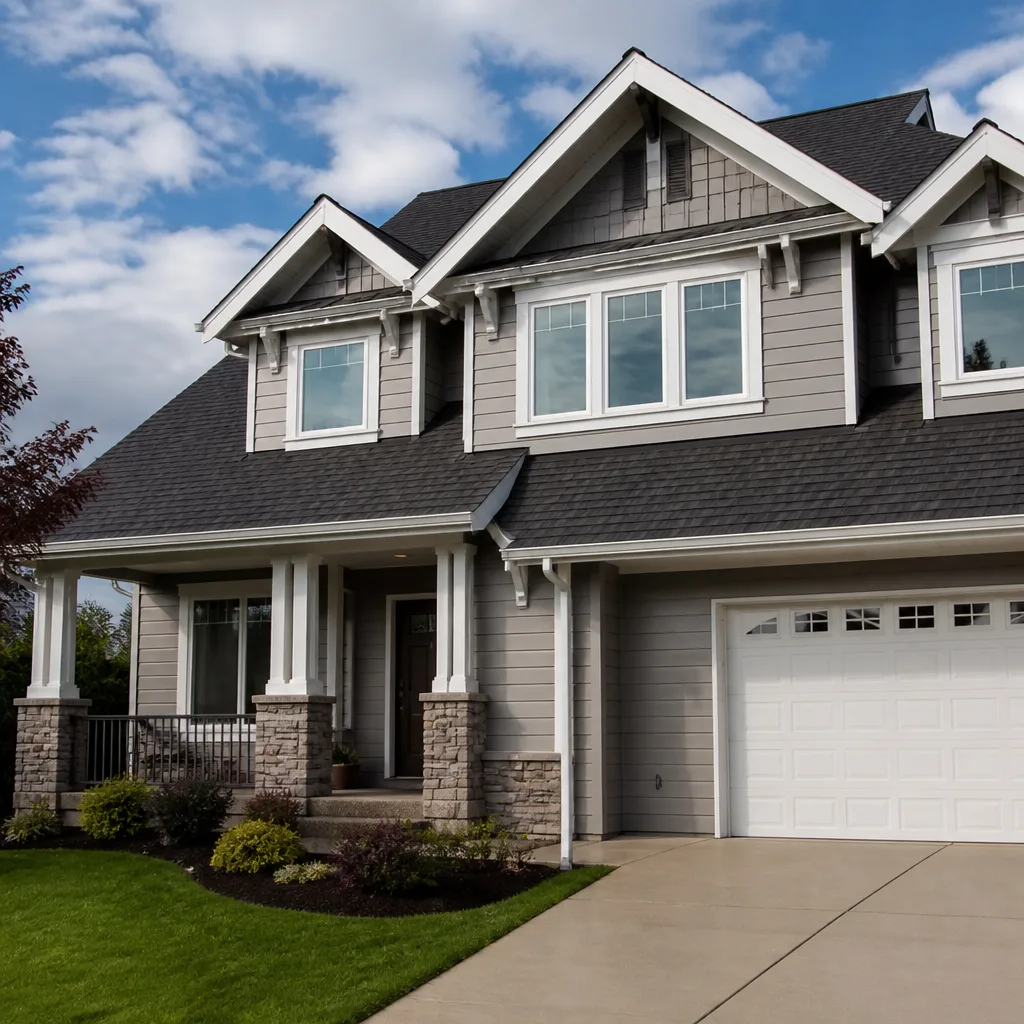
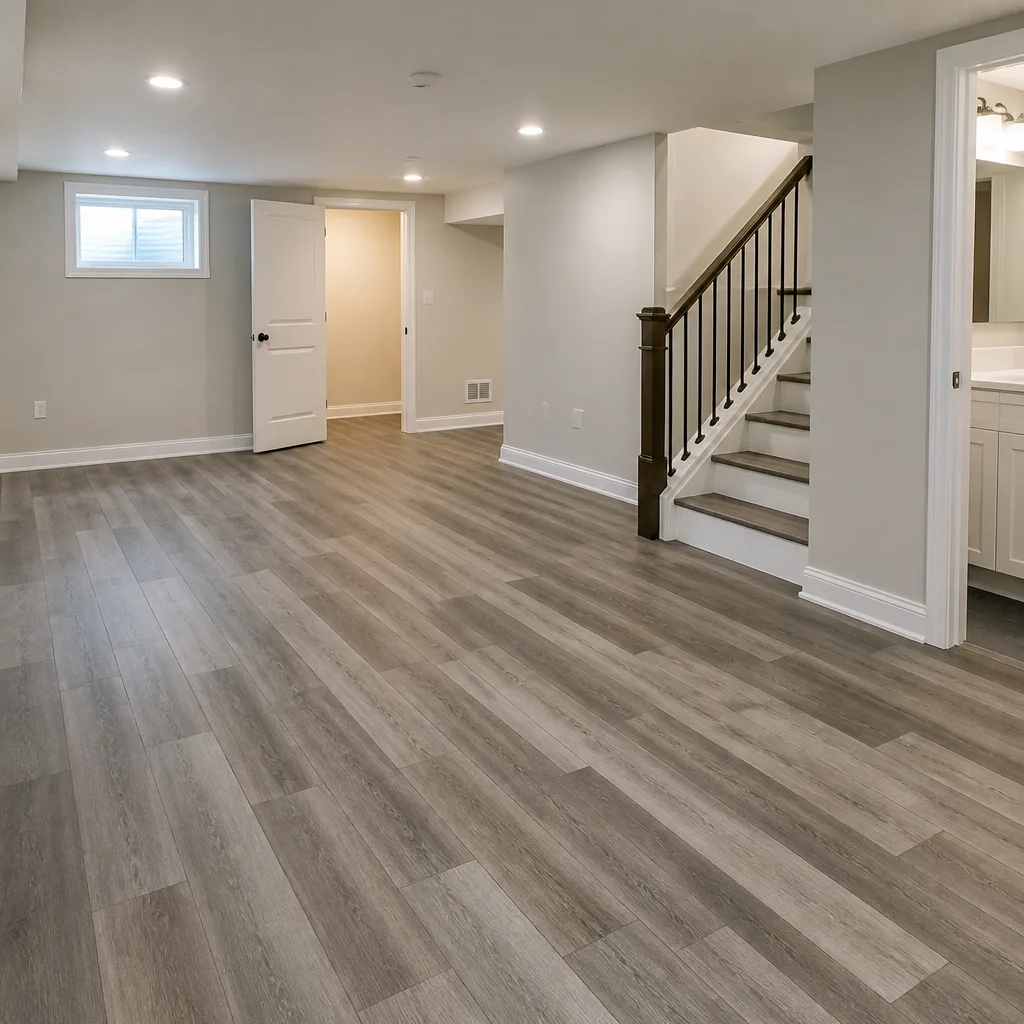
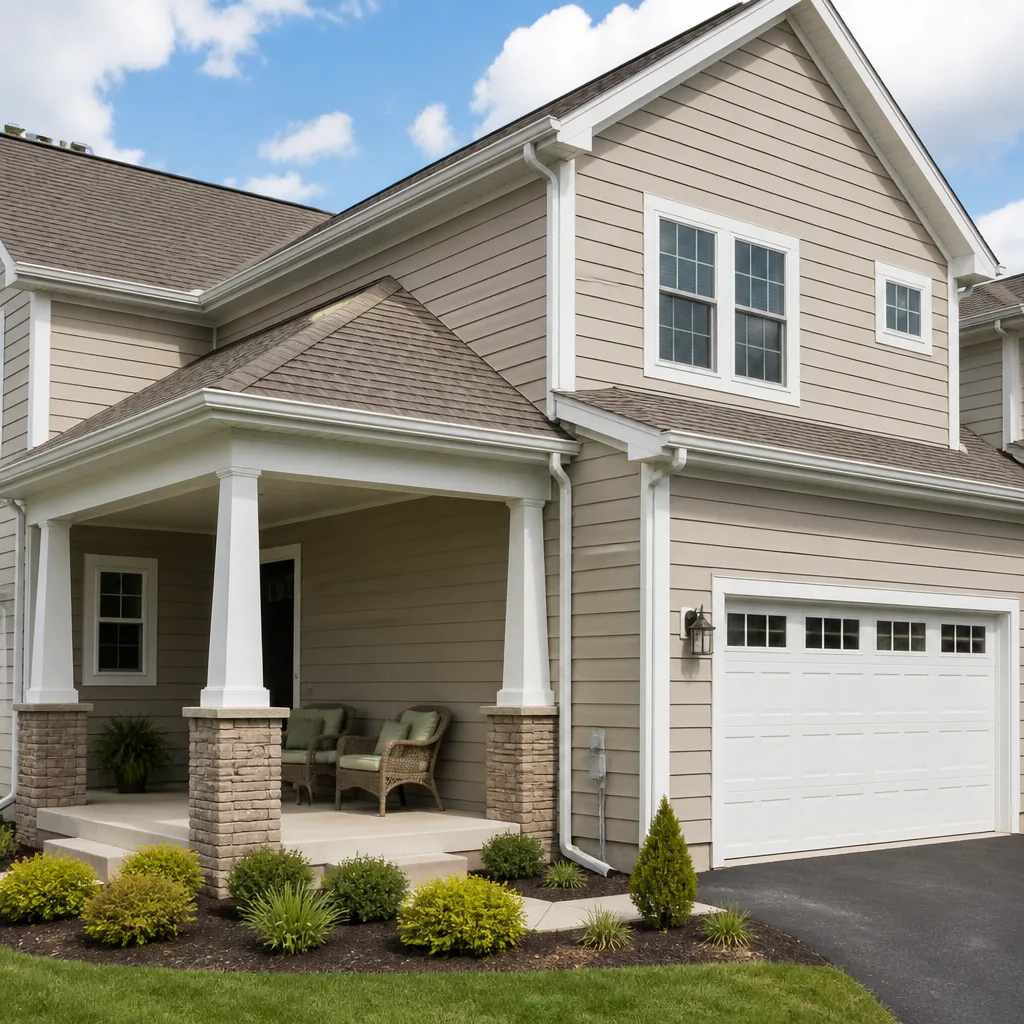
 Before
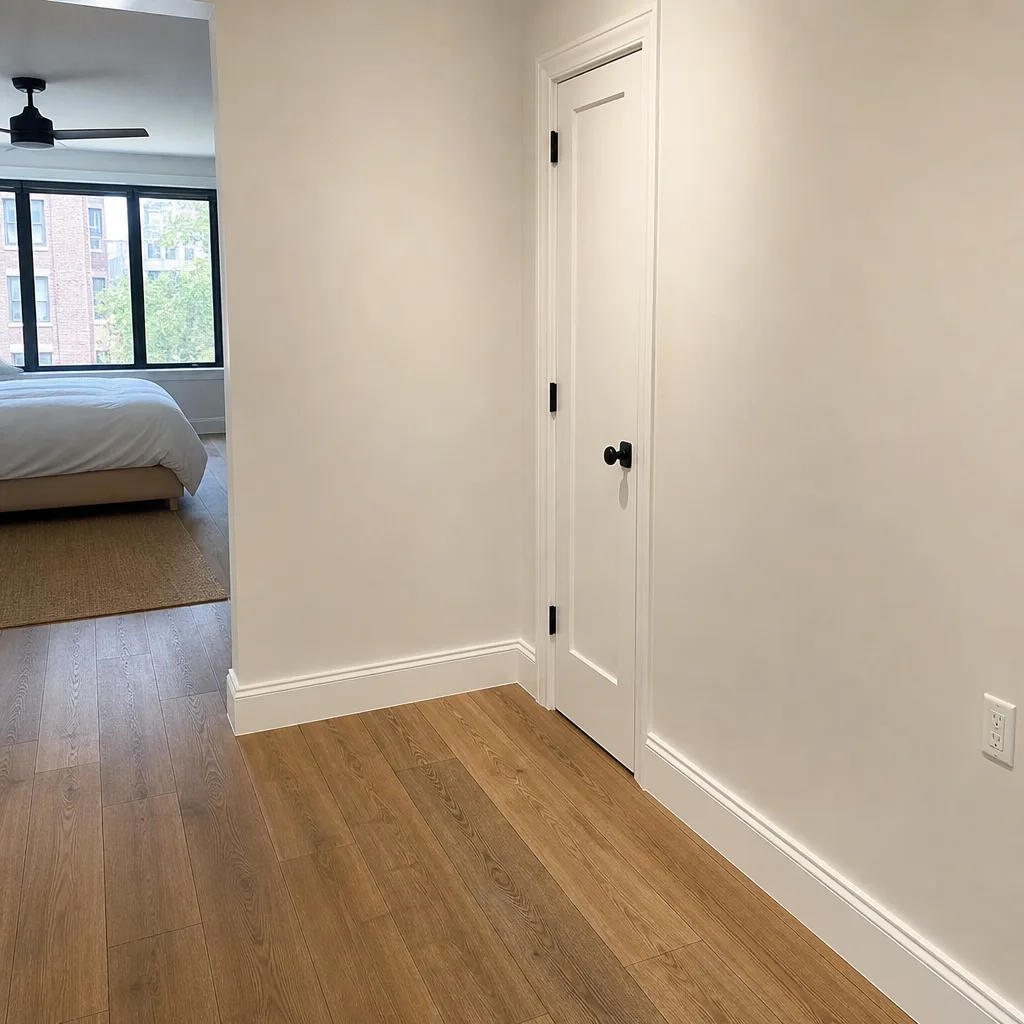 After
After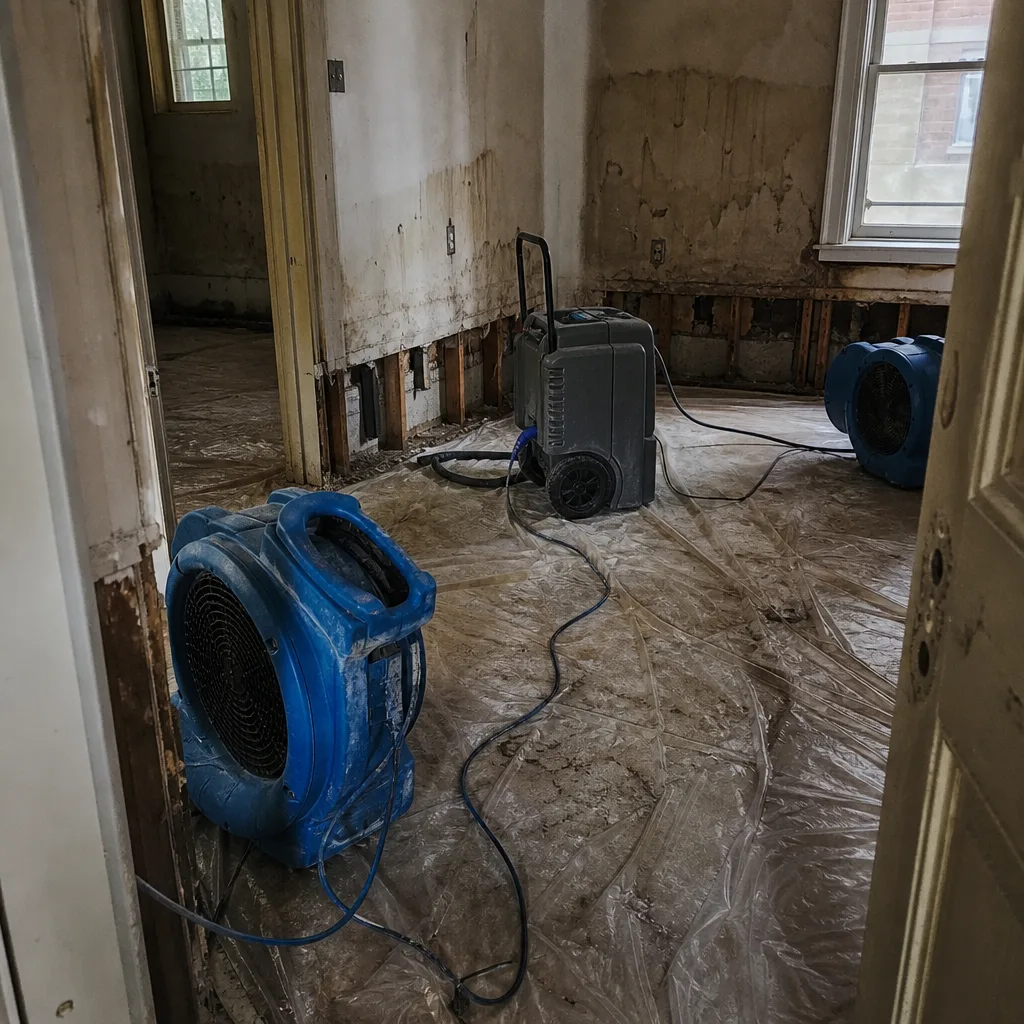 Before
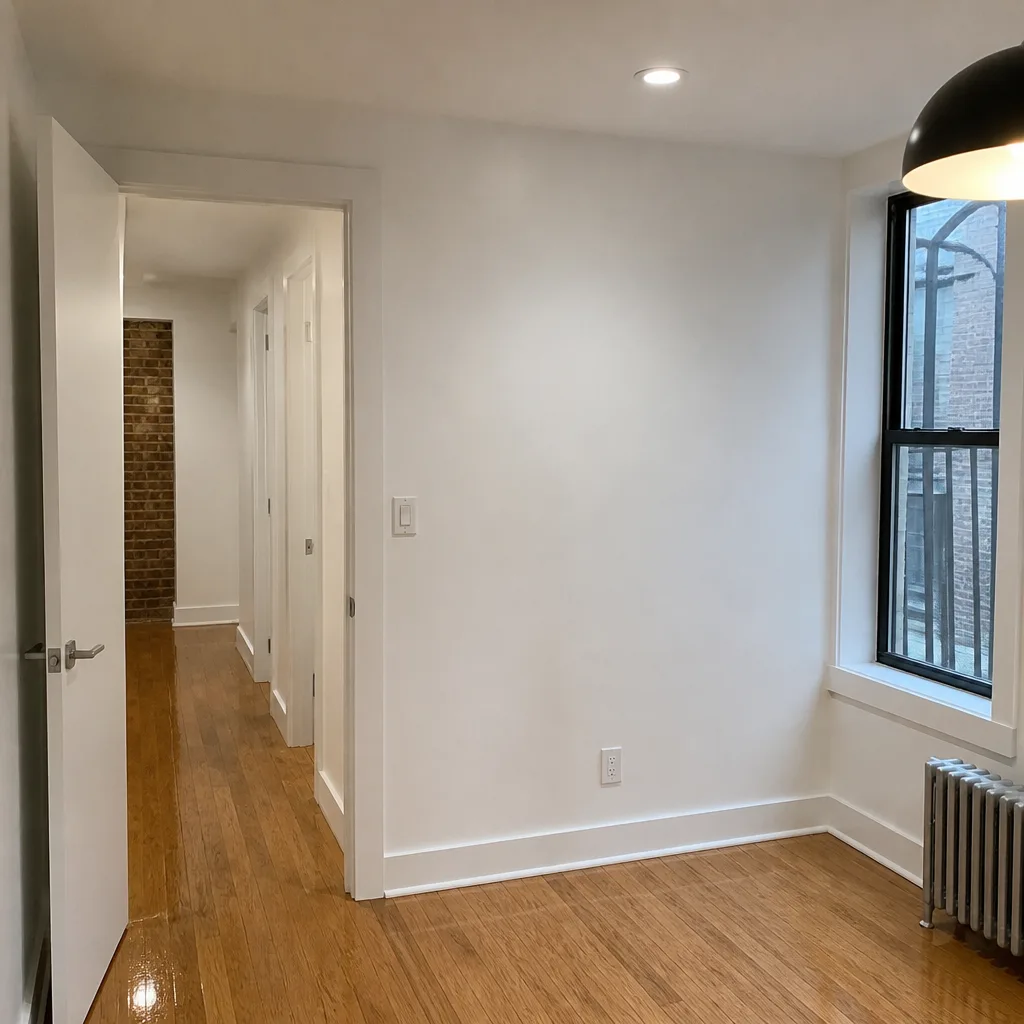 After
After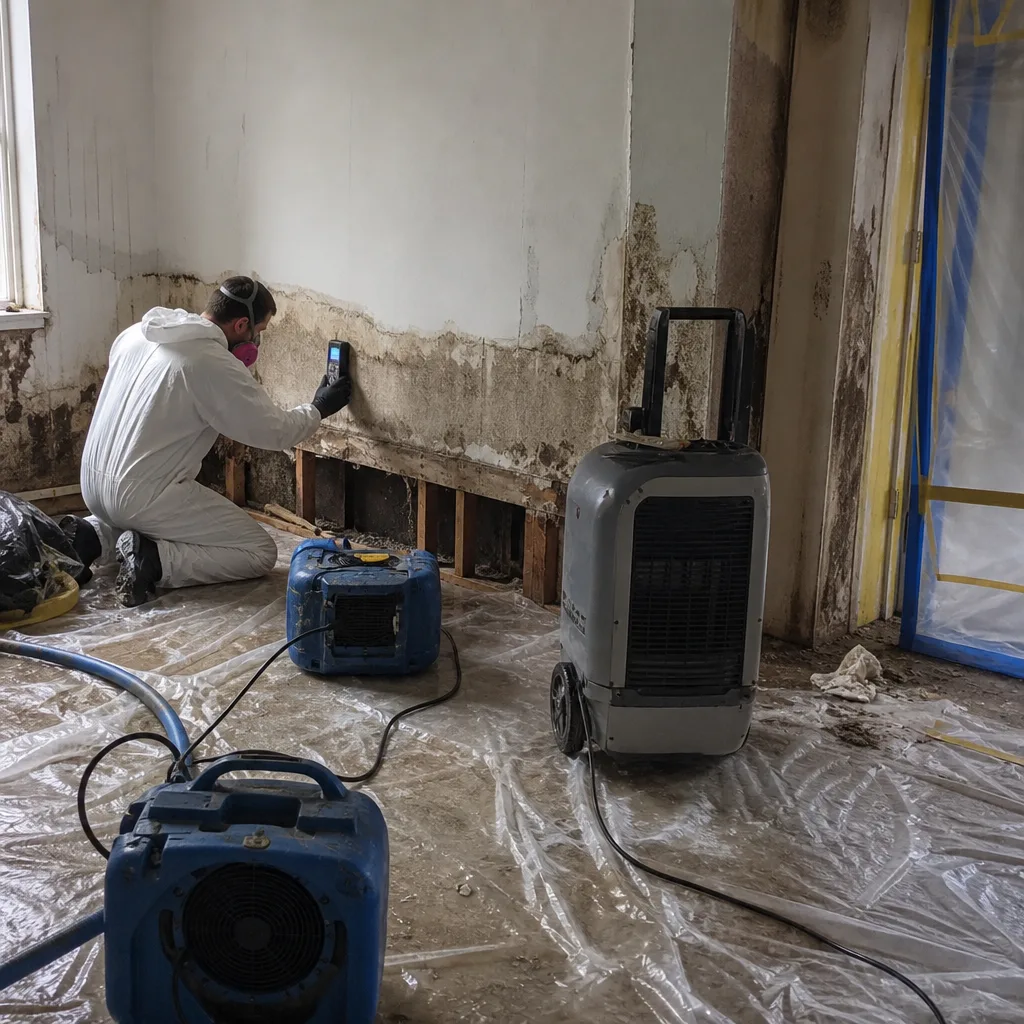 Before
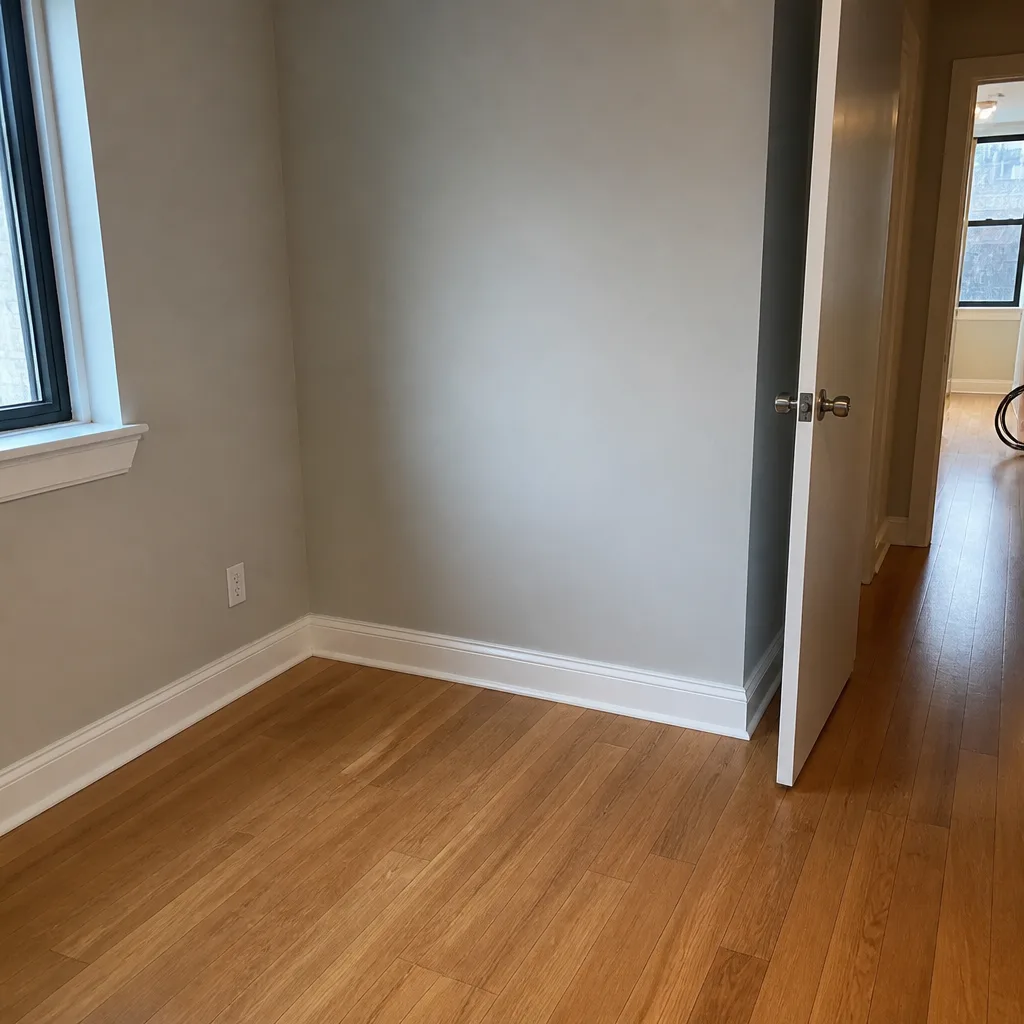 After
After24/7 Emergency Mold Remediation in Upper West Side
Mold remediation in Upper West Side pre-war buildings typically costs $2,800-$8,500 for a contained kitchen or bathroom job, and $12,000-$45,000 when a steam riser leak has soaked multiple apartments and the Landmarks Preservation Commission must sign off on plaster restoration. Our crews answer live at (845) 305-5737 around the clock and can have a certified technician at your building within 45 minutes. The first hour matters because mold colonizes wet horsehair plaster and strip-oak subfloors fast, and in a co-op with shared risers, what starts in one apartment travels down the wall chase to the units below.
Understanding Mold Remediation Severity in Upper West Side Properties
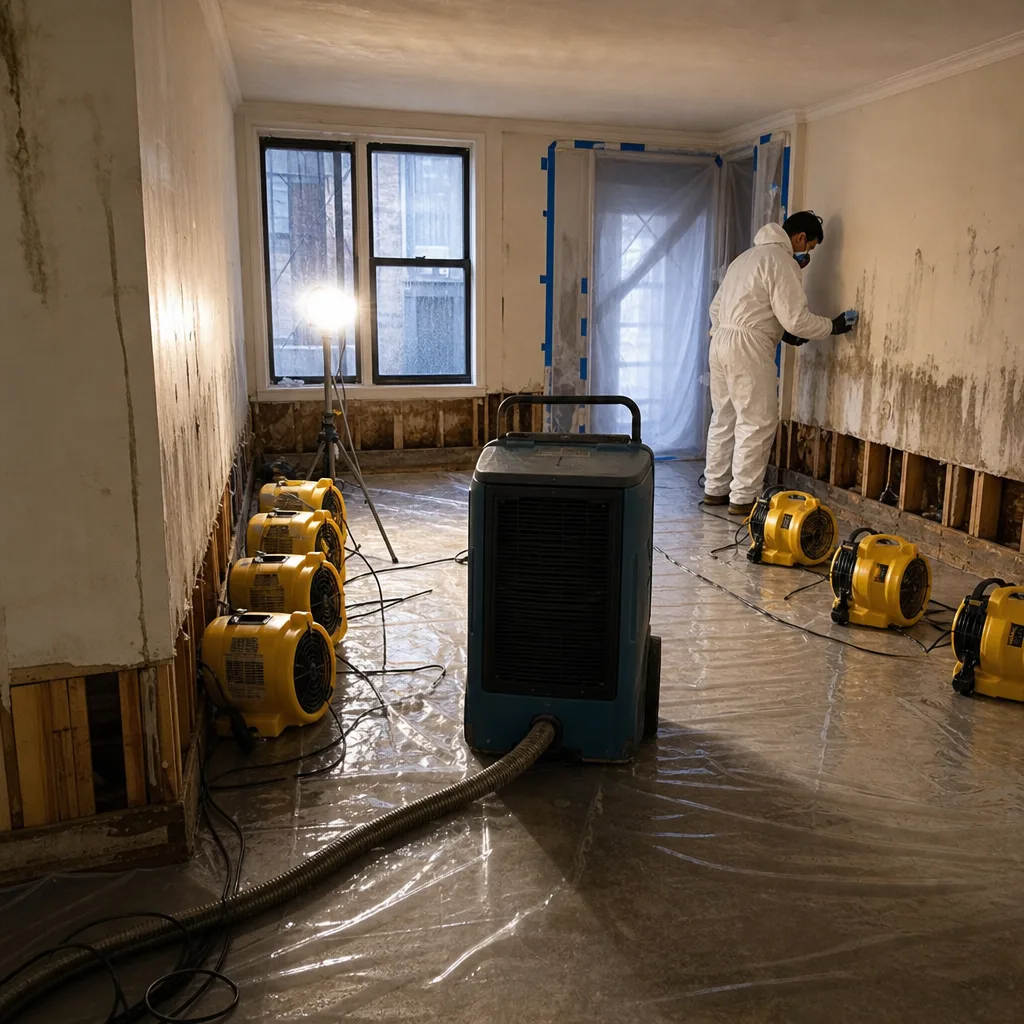
Mold in a Riverside Drive co-op from 1927 behaves differently than mold in a suburban sheetrock house. The framing is often cinderblock and terra cotta block, the plaster is original horsehair on wood lath, and the floors are strip oak or herringbone parquet laid over pine subfloor. Those materials hold moisture differently. A category 2 leak from a weeping steam valve can push relative humidity behind a baseboard to 70% for weeks before you smell anything. By then the mold has usually moved through the lath and into the joist bays. Our technicians moisture-map every affected room, run HEPA air scrubbers under negative pressure containment, and take daily readings until the lumber reaches the dry standard, typically 8-12% moisture content for oak and pine in Manhattan’s climate. We do not release containment until clearance testing confirms the air inside is cleaner than the air outside.
Why Upper West Side Property Owners Choose Floodline Restoration Co.
- 45-minute response commitment. Crews stage from the New York City office and know the UWS blocks. We’re on West End Avenue or Amsterdam before most adjusters return a call.
- 24/7 live answer, not a recording. A dispatcher picks up at 2 a.m. and stays on the line until a uniformed tech confirms the address. You’ll never leave a message during a water event.
- IICRC-certified crews. Our techs carry AMRT and WRT certifications and train to RIA and IFA standards. They know the difference between cleaning a plaster cove and rebuilding one.
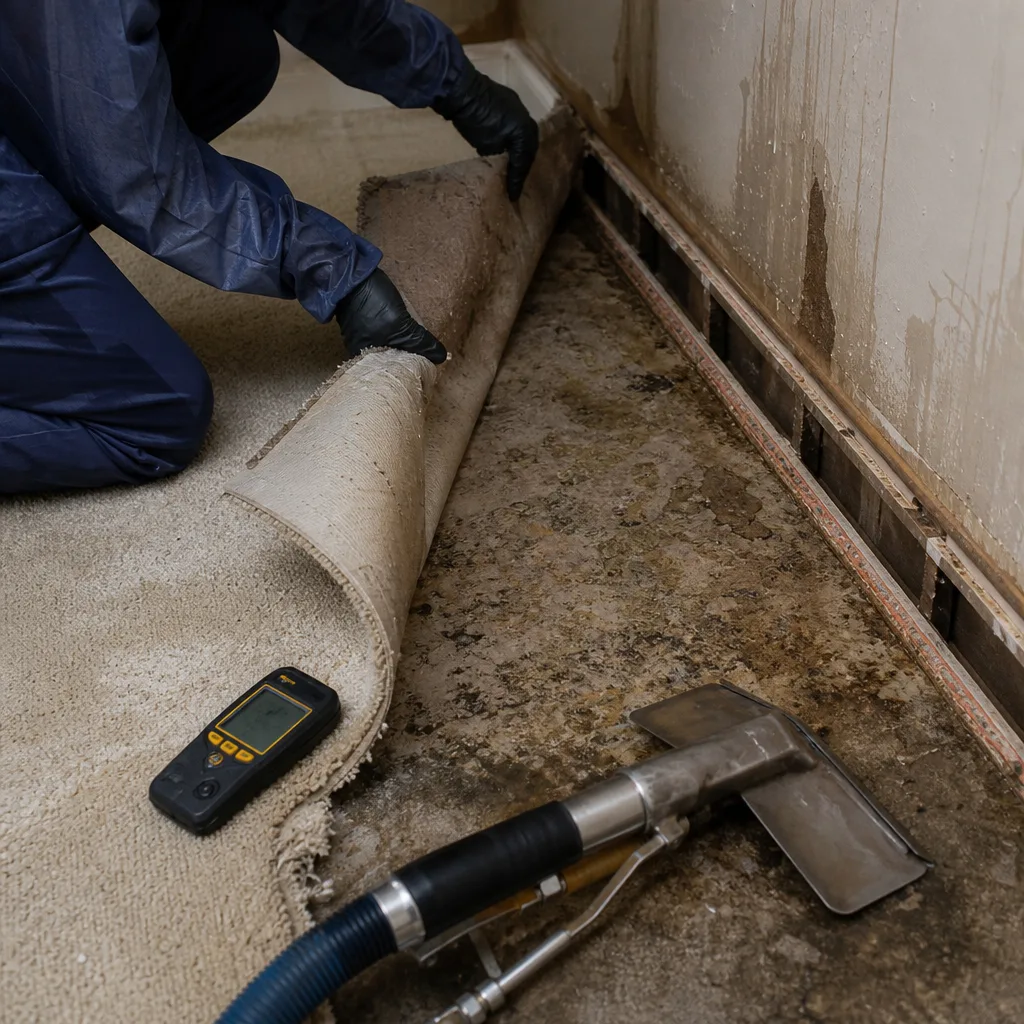
- Free visual inspection. We walk the unit with a thermal camera and moisture meter before anyone touches a wall. You see the readings as we take them.
- Direct insurance billing. Curt Bowman set Floodline up to bill carriers directly. You’re never the go-between with an adjuster.
- One team from extraction to reconstruction. The same crew that sets containment rebuilds the ornamental plaster and refinishes the parquet. No mid-job handoff to a subcontractor you’ve never met.
Our Mold Remediation Process
Inspection & Assessment
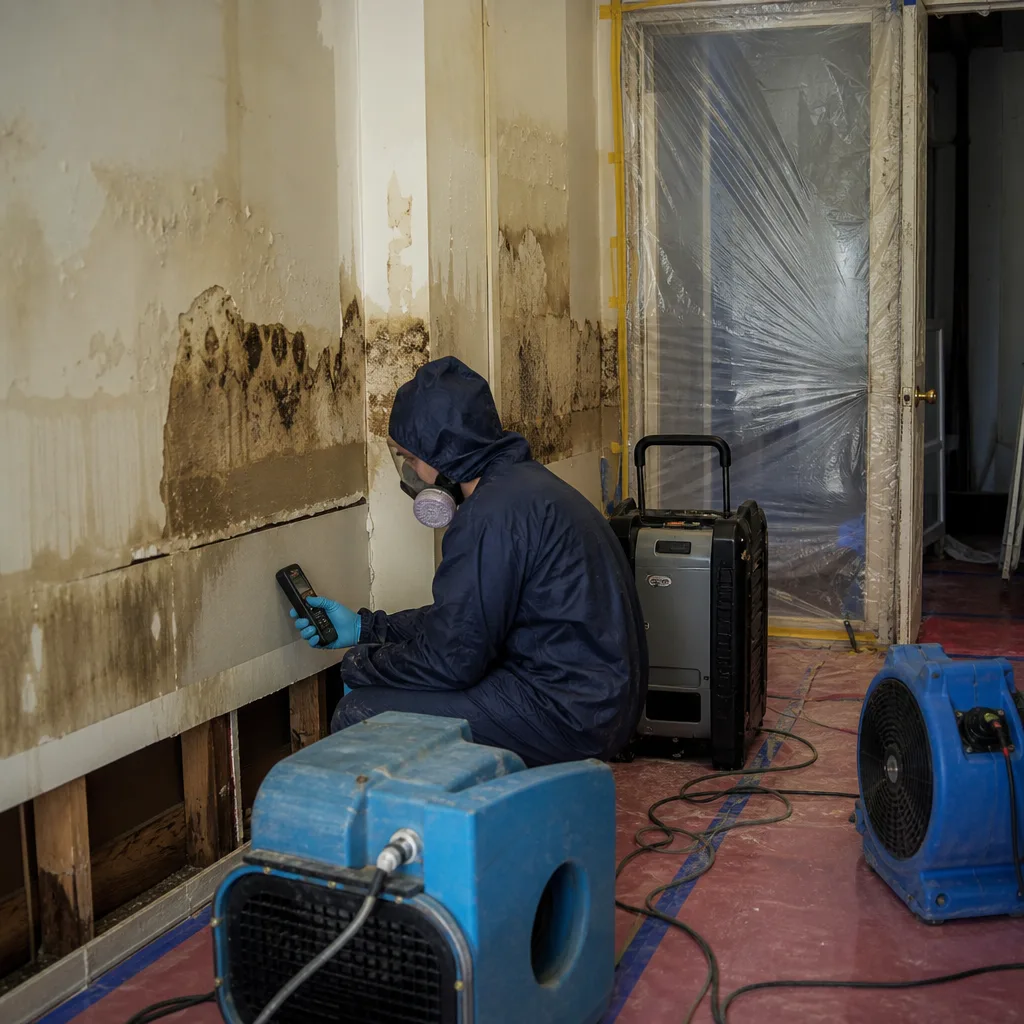
We start with thermal imaging and moisture mapping across all affected rooms, including the light-court walls and baseboards. In Upper West Side co-ops, that means checking behind steam radiators and under window seats where hidden leaks love to hide. We document everything before closing a single wall.
Containment & Source Control
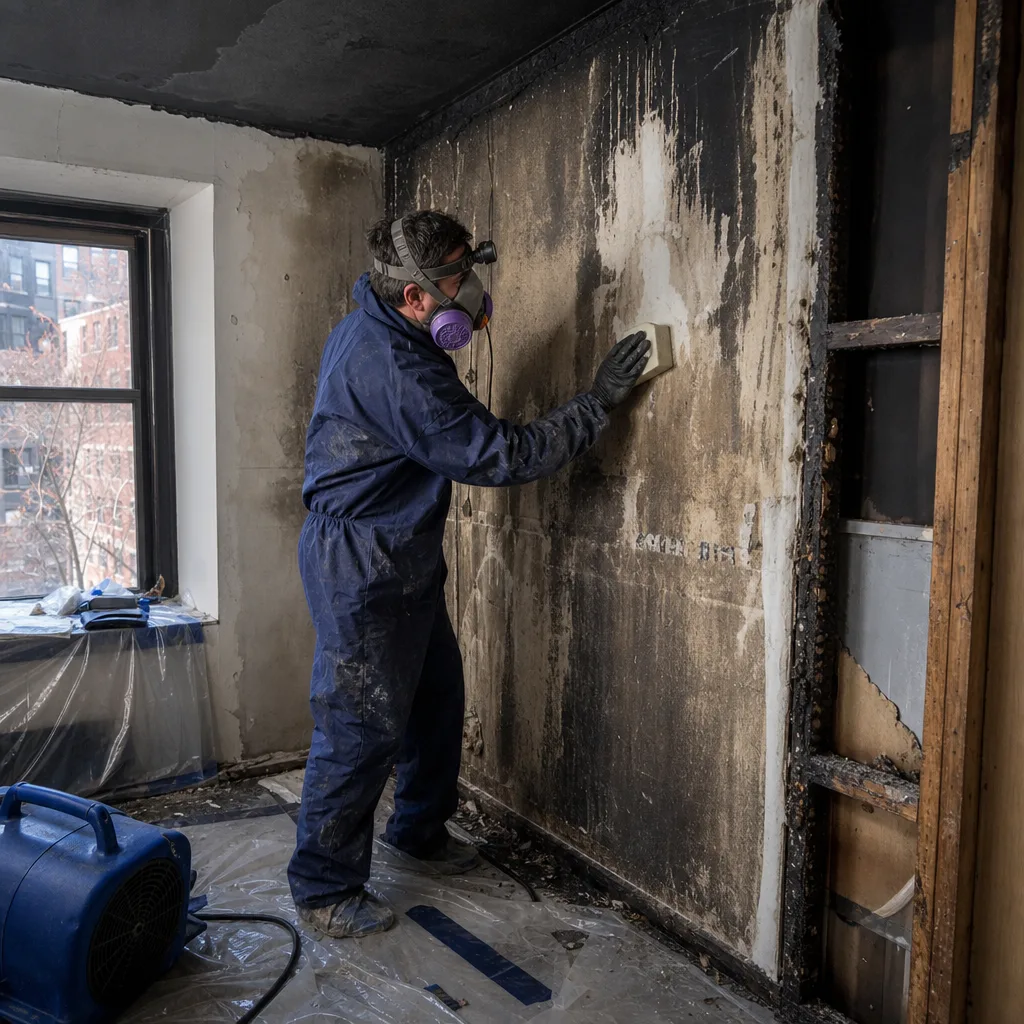
We build full containment with negative pressure and HEPA scrubbers before disturbing moldy plaster or flooring. If the source is a steam riser or leaking drain stack, we coordinate with your super or the building’s engineer to get the water shut off. In some buildings that takes a day; we plan around it and keep the affected area stabilized in the meantime.
Drying & Dehumidification
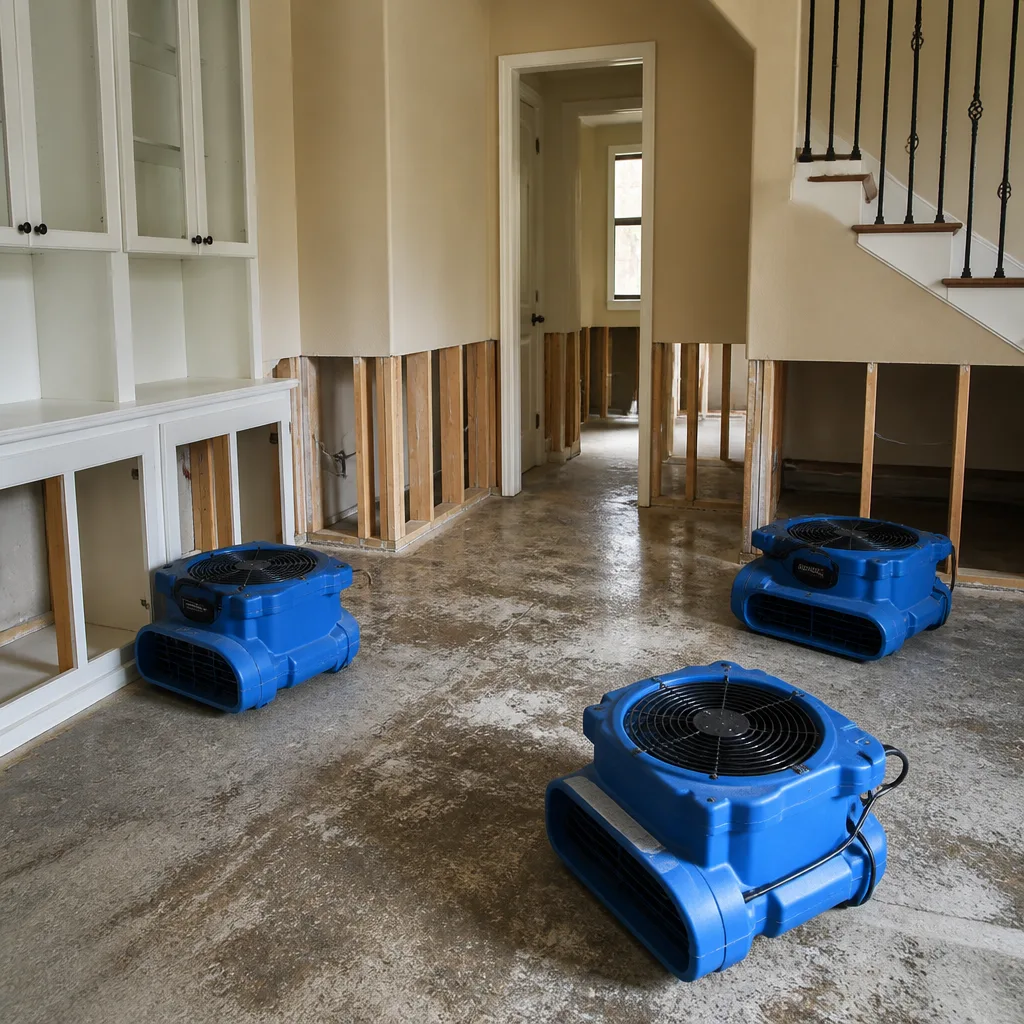
Dri-Eaz air movers and XPOWER dehumidifiers run continuous drying cycles until every joist, lath, and subfloor reads dry. We check daily and log it. For courtyard-facing units in the UWS that hold 65-70% RH naturally, we often add a Phoenix desiccant dehumidifier on the lowest level.
Cleaning & Sanitization
We remove mold from salvageable surfaces with EPA-registered antimicrobials and run an air wash through the containment. Horsehair plaster that’s clean gets treated and sealed. Plaster that’s crumbling goes into the pack-out pile for LPC-mandated restoration later.
Specialty Treatment: Ornamental Plaster & Parquet
Many Upper West Side jobs require LPC-compliant plaster matching. We document every cove, rosette, and picture rail before removal, then work with plasterers who reproduce the profiles in-kind. Parquet is packed out board by board and numbered, not ripped up in sheets.
Repairs & Restoration
The same Floodline crew rebuilds walls, reinstalls casework, refinishes floors, and repaints. If LPC review pushes plaster restoration out a few weeks, we keep the area under controlled drying with monitoring until the approval lands.
Need Emergency Mold Remediation in Upper West Side Now?
Crews minutes away, answering live 24 hours a day. The sooner we start, the less it costs.
Working With Your Insurance Company
Most Upper West Side mold losses start as water claims. A neighbor’s pipe bursts above your ceiling. A steam valve weeps behind a baseboard for months. An LPC-designated co-op rule means the restoration has to match the original and the carrier has to understand why that matters. We document from the first hour: photos of the source, moisture readings, thermal images, containment setup, and a line-item scope that tells the adjuster exactly what’s behind that plaster and what it takes to restore it. Our team talks to the adjuster directly, in the carrier’s language, and keeps you out of the middle. If your policy includes mold remediation or you have a rider, we’ll pursue it. If the claim gets denied for a maintenance issue, we’ll tell you straight and give you a cash pricing path that’s honest and itemized.
What We Provide Your Insurer
- Thorough documentation of the loss
- Photos of all damage, room by room
- Moisture readings and drying logs
- A detailed, line-item scope of work
- Direct coordination with your carrier
Built for Upper West Side’s Loss Calendar
January deep freezes split supply lines in unheated basement storage rooms. Spring thaw pushes groundwater through the aging combined sewer laterals beneath West End Avenue and Riverside Drive, flooding cellar units and first-floor kitchens. Summer thunderstorms slam Manhattan with short, violent downpours that leave light courts and areaways standing in water for hours. Nor’easters in the fall push the Hudson over its bulkheads in spots and back up storm drains across the neighborhood. But the UWS-specific event happens every winter: a steam-heat radiator valve or supply elbow fails inside a wall, and the leak soaks parquet and horsehair plaster for days before the smell gives it away. That’s not a flood. It’s a slow category 2 event that mold loves. Our Upper West Side mold remediation schedule runs year-round because the buildings here have original cast-iron risers and steam systems that outlast their packing and gaskets by decades.
Mold Remediation Across Upper West Side’s Neighborhoods
The work shifts by block. Around Central Park West and 72nd through 86th, we see large co-ops with doormen, management offices, and complicated approval chains. The mold is usually in the subfloor under a radiator alcove or behind a kitchen sink on the line of a shared drain stack. Over by Riverside Drive and West End Avenue, the buildings face the river, and we find humidity-driven mold in courtyard-facing bedrooms and bathrooms. Near the brownstones on West 78th and West 80th between Columbus and Amsterdam, it’s party walls and shared cornices: a neighbor’s leak becomes yours. And around the American Museum of Natural History and the townhouse rows on West 82nd, many buildings still run original steam systems with no individual unit shutoffs. We’ve worked them all, and we route crews by the building’s mechanical reality, not just the address.
Specialized Mold Remediation Services We Offer in Upper West Side
Mold Inspection & Testing
We show up with thermal cameras, hygrometers, and moisture meters, not just a clipboard. For Upper West Side pre-war units, that means checking behind steam radiators, under window seats, and inside light-court-facing closets where humidity hides. If a co-op board or buyer’s attorney requires lab testing, we take samples and send them to a third-party lab. You get the raw numbers, not a sales pitch.
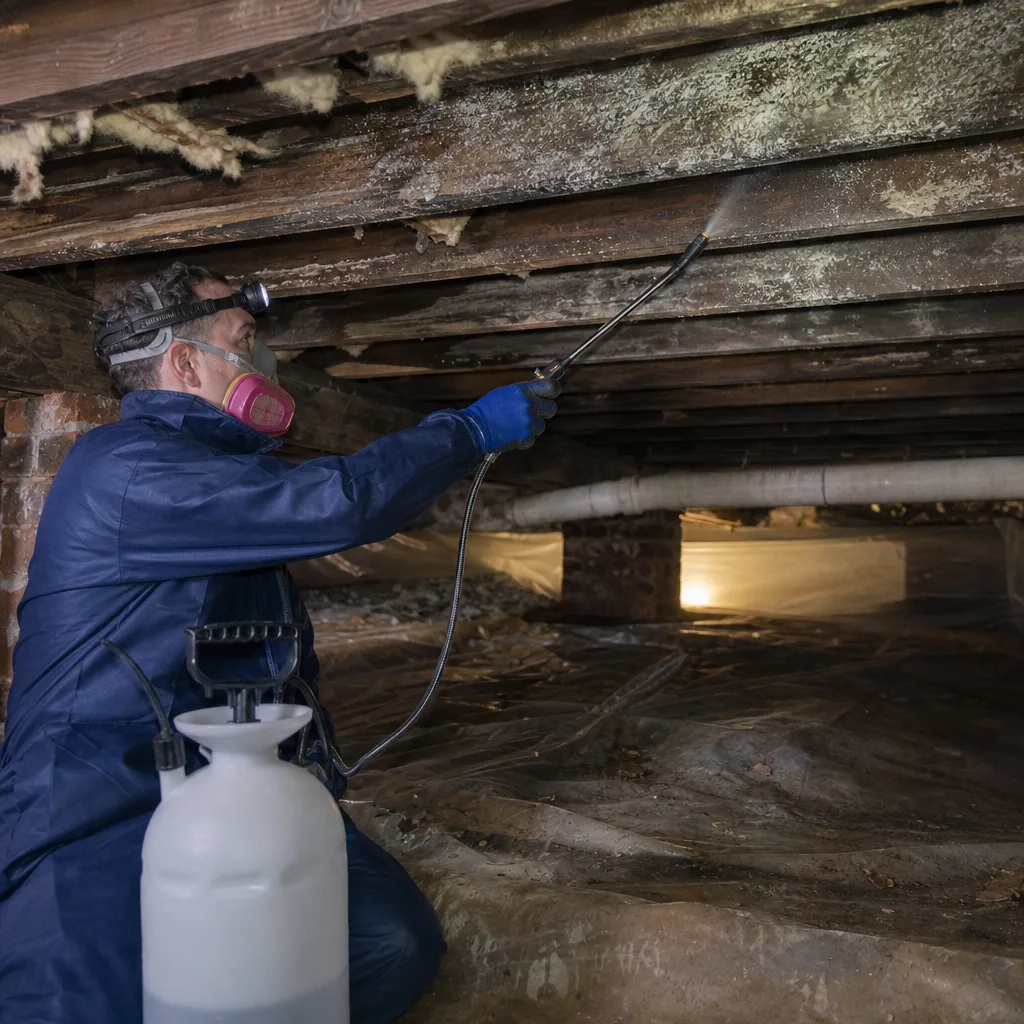
Mold Removal
For contained bathroom and kitchen jobs under 50 square feet of affected surface, we build containment, run negative pressure, cut out the affected plaster or drywall, treat the framing, and restore the surface, often in under a week. For larger jobs in Upper West Side co-ops, LPC review of ornamental plaster can extend the schedule. We’ll tell you that upfront in writing.
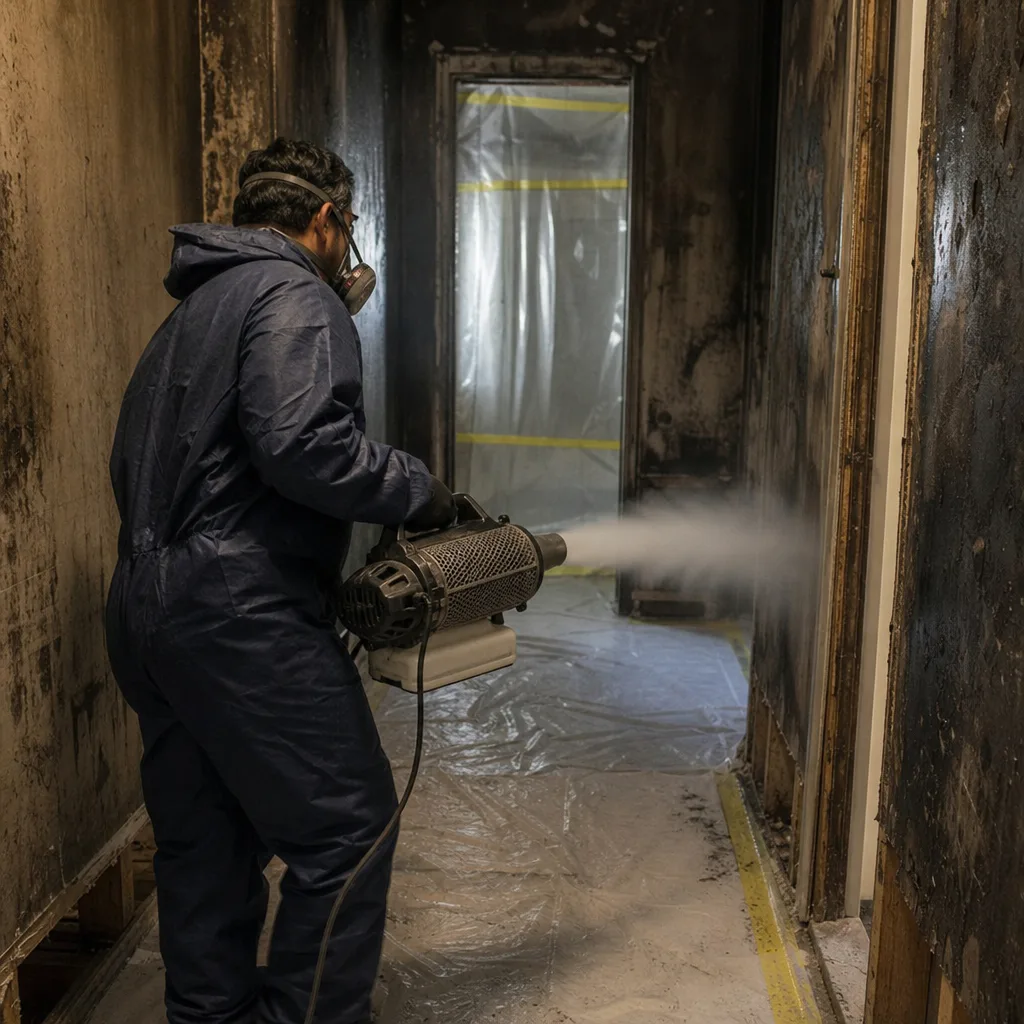
Black Mold Remediation
Stachybotrys is serious, but it’s not magic and it’s not a reason to panic. We handle it the same way as any other toxigenic mold: full containment, HEPA filtration, removal of affected materials, antimicrobial treatment, and clearance testing before anyone re-enters without protection. The difference on the Upper West Side is the building: black mold behind a 1920s baseboard often sits on old-growth pine that can be saved if caught before it rots. We check before we cut.
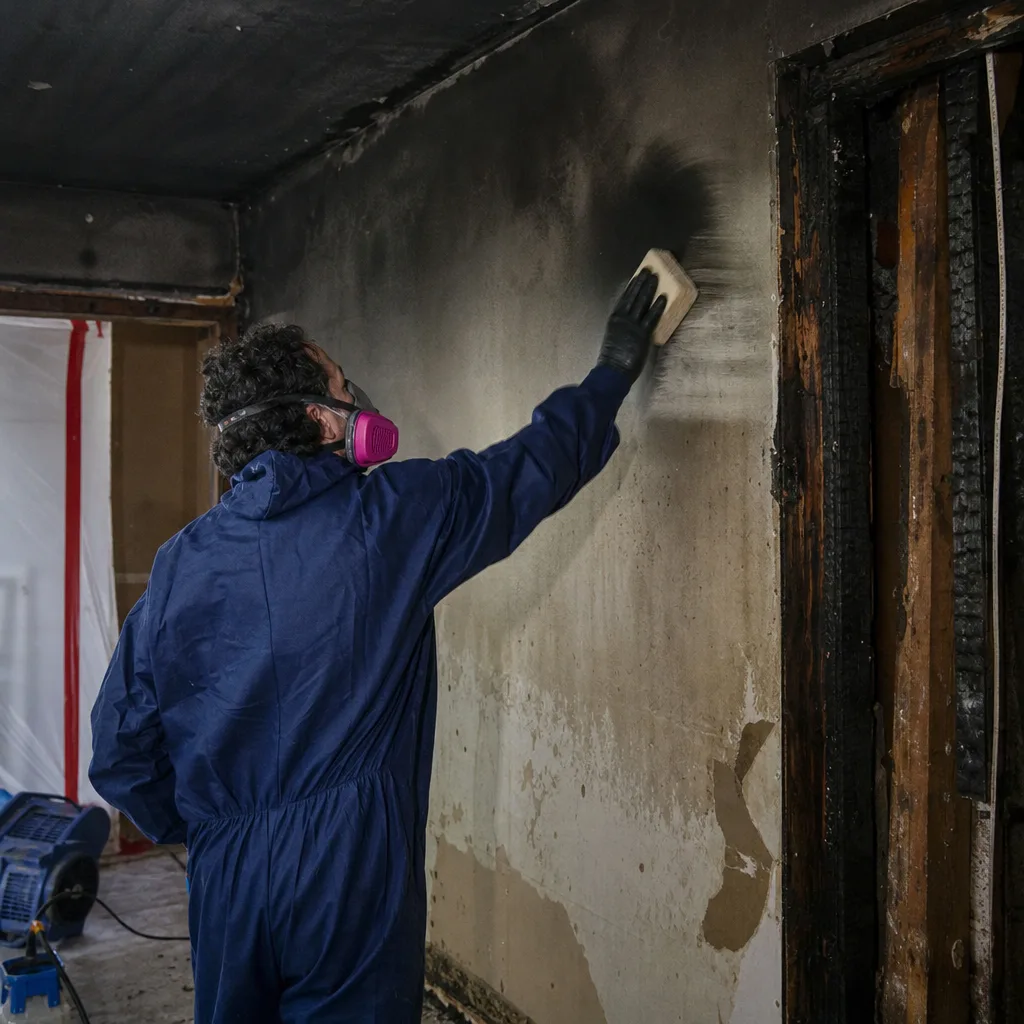
Air Quality Restoration
After the mold is gone, the air has to be cleaner than it was before. We run HEPA scrubbers through the whole unit, not just the contained area. For UWS apartments with single-pane steel casement windows and no cross-ventilation, we can also scope whole-unit dehumidification to bring RH down to a level mold won’t tolerate, typically 55% or lower in the winter, with controlled targets for summer.
Moisture & Humidity Control
This is the long-term fix. A mold job that doesn’t solve the moisture source is a job that will come back. We install dehumidifiers in basement storage units, re-route AC condensate lines that drip into walls, seal light-court-facing windows, and in some courtyard buildings, add ventilation to the laundry rooms and trash rooms where mold loves to start. The building’s engineer gets a written summary of what we changed and why.
Crawl Space Treatment
Some Upper West Side brownstones and smaller co-ops have shallow crawl spaces under the ground floor that run hot and humid all summer. We clean the space, treat the joists and piers, install vapor barriers, and in many cases add a small dehumidifier. It’s the difference between a basement that smells like a damp cellar and one you can actually store a suitcase in.
What happens when you call
- 1
A real person answersNo phone trees - you reach a local pro.
- 2
You get an upfront price rangeHonest numbers before anyone is dispatched.
- 3
A background-checked tech heads outLicensed & insured, dispatched right away.
- 4
You approve before work beginsNothing starts until you say go.
Mold Remediation Costs in Upper West Side, NY
A straight mold removal job in a single UWS bathroom runs $2,800-$4,500. A contained kitchen with subfloor damage lands between $5,000 and $9,000. When a steam riser leak has soaked multiple apartments and LPC review applies, total restoration often reaches $12,000-$45,000 depending on the plaster profile work and how many floors are involved. Parquet pack-out and reinstallation adds $15-$35 per square foot on top of the remediation itself. Air quality restoration with whole-unit HEPA scrubbing runs $800-$2,200 depending on unit size. The way to get a firm number is to call (845) 305-5737 and have us do the free visual inspection. We’ll give you a written scope with line items before any work starts. No surprises on the bill, and if insurance is involved, we’ll bill your carrier directly.
We Also Serve Cities Near Upper West Side
Floodline Restoration Co. provides Mold Remediation across Manhattan and the surrounding area. Beyond the Upper West Side, our crews regularly work in Upper Manhattan, Morningside Heights, Central Harlem, and East Harlem. If you’re in a neighboring building type or a brownstone just over the line, call us. We’re already local to the whole island.
Upper West Side Mold Remediation Questions, Answered
How do you restore ornamental plaster ceilings in an LPC-designated Upper West Side co-op to pre-loss condition after mold removal?
We photograph and measure every cove, rosette, and picture rail before removal, then match the original plaster profile with in-kind materials. This adds time and cost to a mold job, often several weeks for LPC review, but skipping it violates your co-op’s legal obligations. Call (845) 305-5737 and we’ll walk you through the specific approval path for your building.
My pre-war steam radiator leaked onto the parquet under the floor for weeks before I smelled mold. What category water is that, and can you save the wood?
That’s category 2 water, meaning it’s been sitting long enough to support microbial growth. The parquet often is salvageable if the subfloor isn’t rotted. We pack out boards individually, dry them under controlled conditions, treat the joists, and reinstall. If the subfloor is gone, we’ll tell you before cutting anything. Call us for a moisture assessment.
Our building super controls the boiler and the main water risers. How do you stop the moisture source when you’re not allowed in the basement?
We coordinate directly with the super, the management office, and the building’s engineer to get risers or valves shut off. In some UWS co-ops that takes a day, and we plan the drying around it. We can’t force access, but we’ve navigated many board and super relationships. Call (845) 305-5737 and we’ll start that conversation immediately.
Why does mold keep coming back in my first-floor apartment facing the courtyard, even after remediation?
Courtyard-facing UWS units often sit at 65-70% relative humidity year-round because of limited airflow. If the underlying humidity isn’t addressed, mold returns on the same horsehair plaster. We add whole-unit dehumidification and sometimes window sealing as part of the scope. Call us for a humidity reading before your next remediation.
My upstairs neighbor’s pipe burst and flooded my ceiling. Do I need mold remediation even if my walls look dry?
Yes. Water that soaked into plaster and lath shows visually only after mold is already growing. We moisture-map the ceiling and walls to find what’s wet. If the leak reached your floors, the joist bays are likely damp too. Call (845) 305-5737 and we’ll inspect before the mold has a chance to move through the building.
How fast can someone actually get to Upper West Side?
We commit to 45 minutes from dispatch for emergency calls in the UWS. A certified tech arrives with thermal imaging and moisture meters, and a live crew is scheduled that same visit. Call (845) 305-5737. A person answers, night or day.
Will my co-op insurance cover mold remediation?
Coverage depends on the source and your policy. Sudden leaks from a neighbor’s pipe or a burst supply line are usually covered. Long-term maintenance issues like a weeping steam valve are sometimes denied. We bill your carrier directly and document everything so your claim has its best chance. Call us for a straight read on your situation.
What should I do in the first 30 minutes after I find mold or a leak in my Upper West Side apartment?
Shut off the water if you can reach the valve. Move furniture away from the wet area. Call (845) 305-5737. Don’t open walls or run a fan on the mold, and don’t disturb the area more than necessary. The sooner containment goes up, the less the air in your apartment gets contaminated.
Serving Upper West Side, NY - Our Local Coverage Area
We’re based in the Upper West Side area and know this community well. Use the map below to see our service coverage - if you’re nearby, we can almost certainly help.
Call Floodline Restoration Co. for Mold Remediation in Upper West Side
Floodline Restoration Co. is the full-cycle Upper West Side restoration contractor that starts at the floodline and doesn’t hand the job off until the last coat of paint dries. Curt Bowman founded this company around a dispatch board, not a sales desk. We answer live, day or night. We show up in uniform, background-checked, with professional-grade Dri-Eaz and XPOWER equipment and a written scope before any work begins. The 90-Day Done Right Promise stands behind every job. Call (845) 305-5737 for a free visual inspection and a firm number in writing. We stand behind it.
Written by Curt Bowman, Owner at Floodline Restoration Co., serving Upper West Side and all of Manhattan.