
Free visual inspection and a written scope of work before any mitigation begins - photos, moisture readings, and drying logs go in your claim file
The scope we write is the scope we bill. Anything new gets shown to you, in writing, before we touch it.
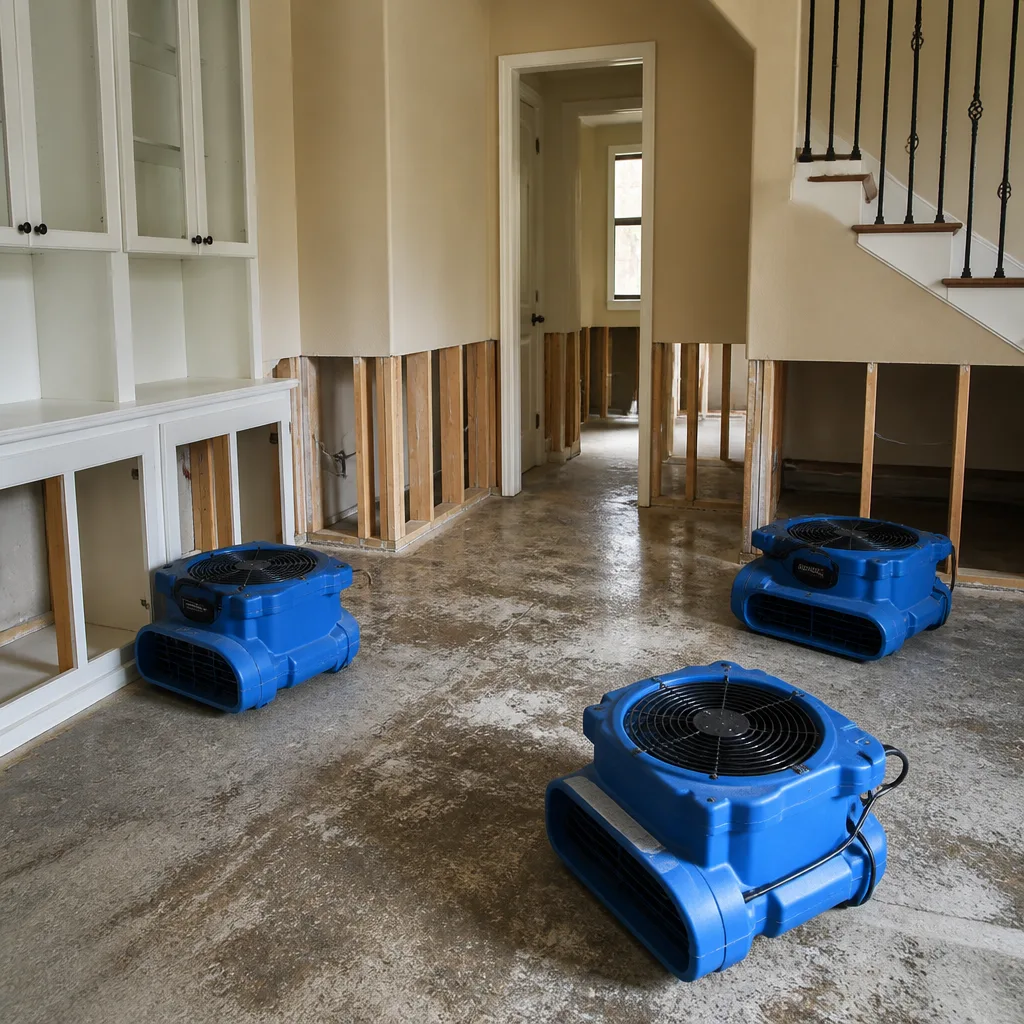
 Before
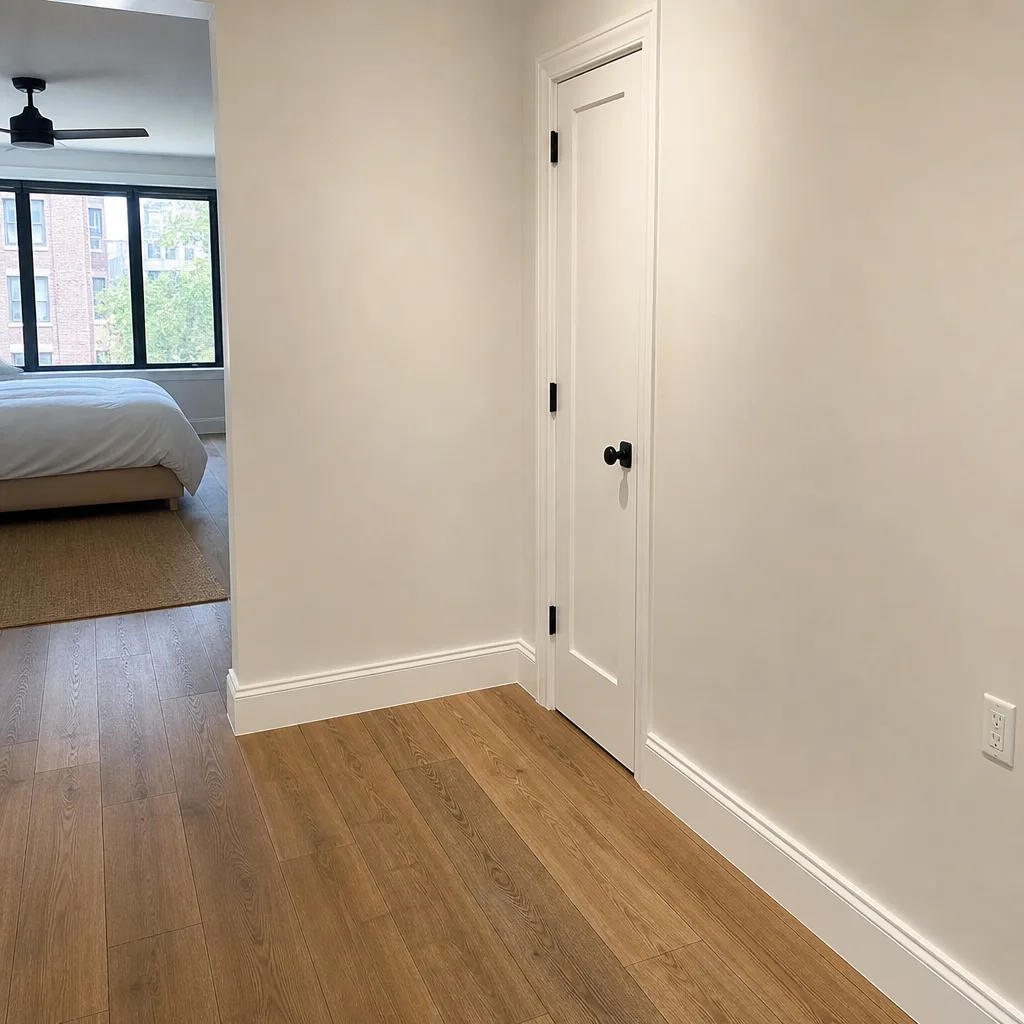 After
After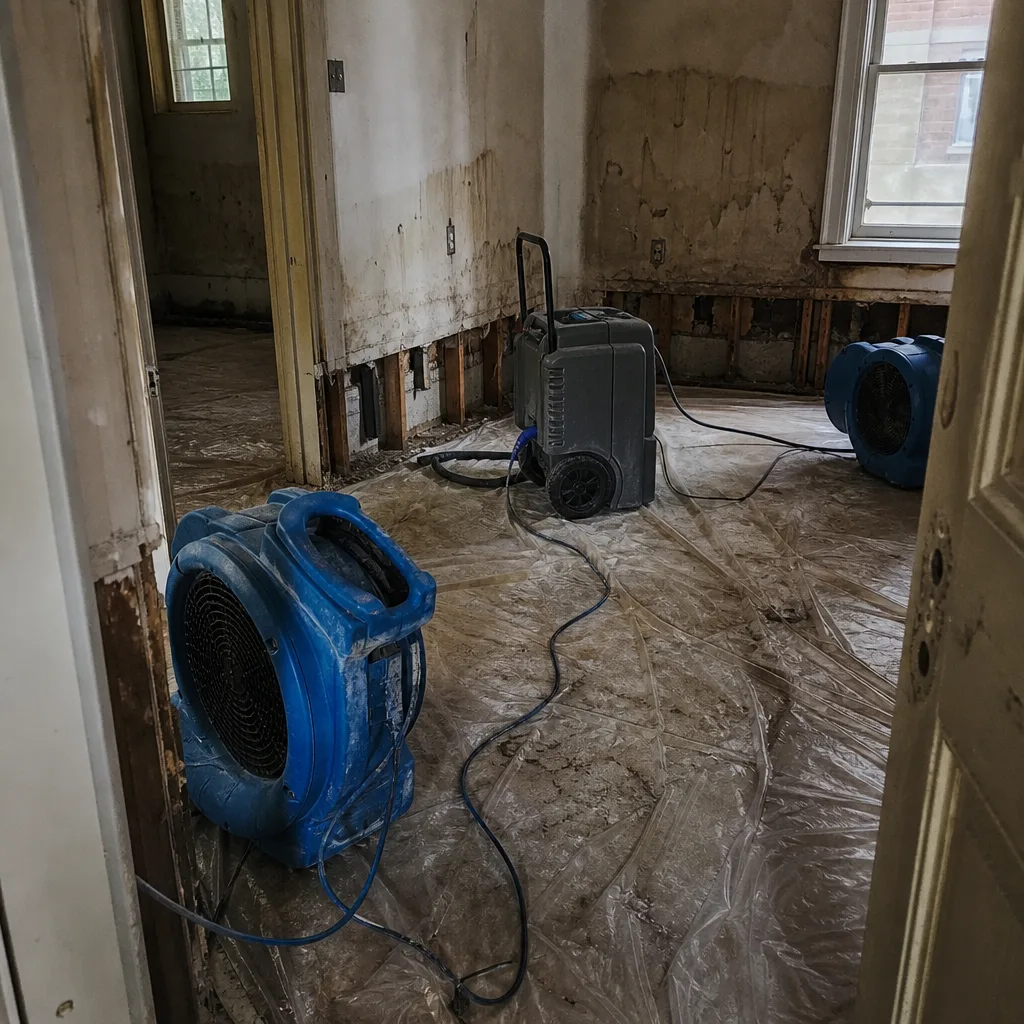 Before
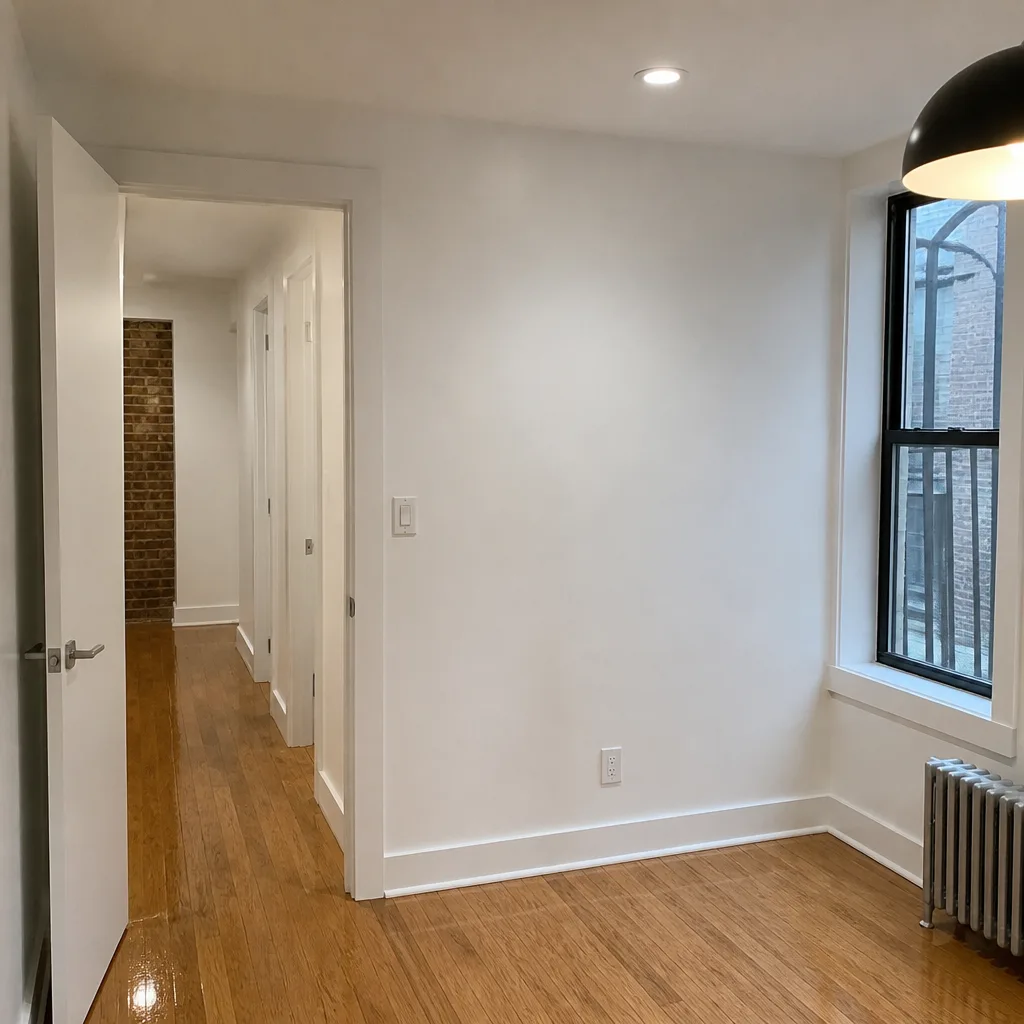 After
After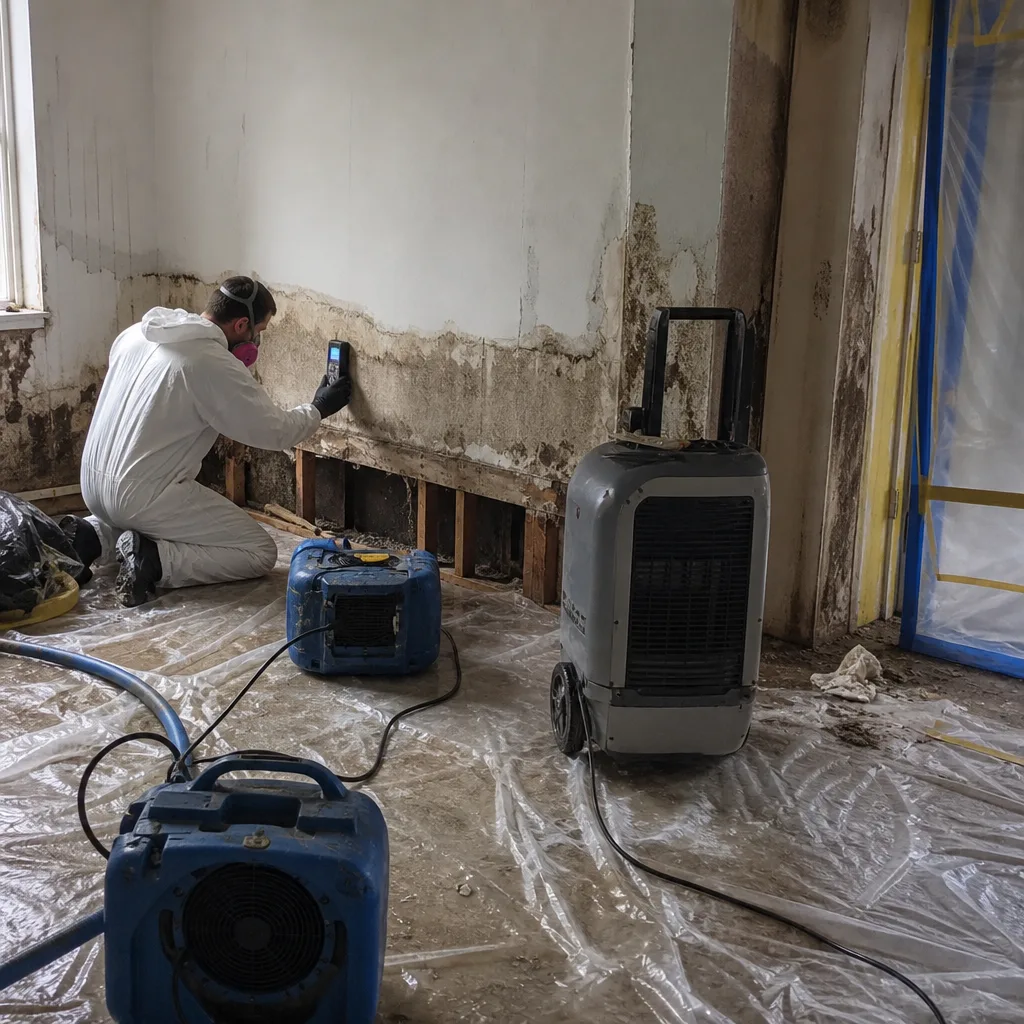 Before
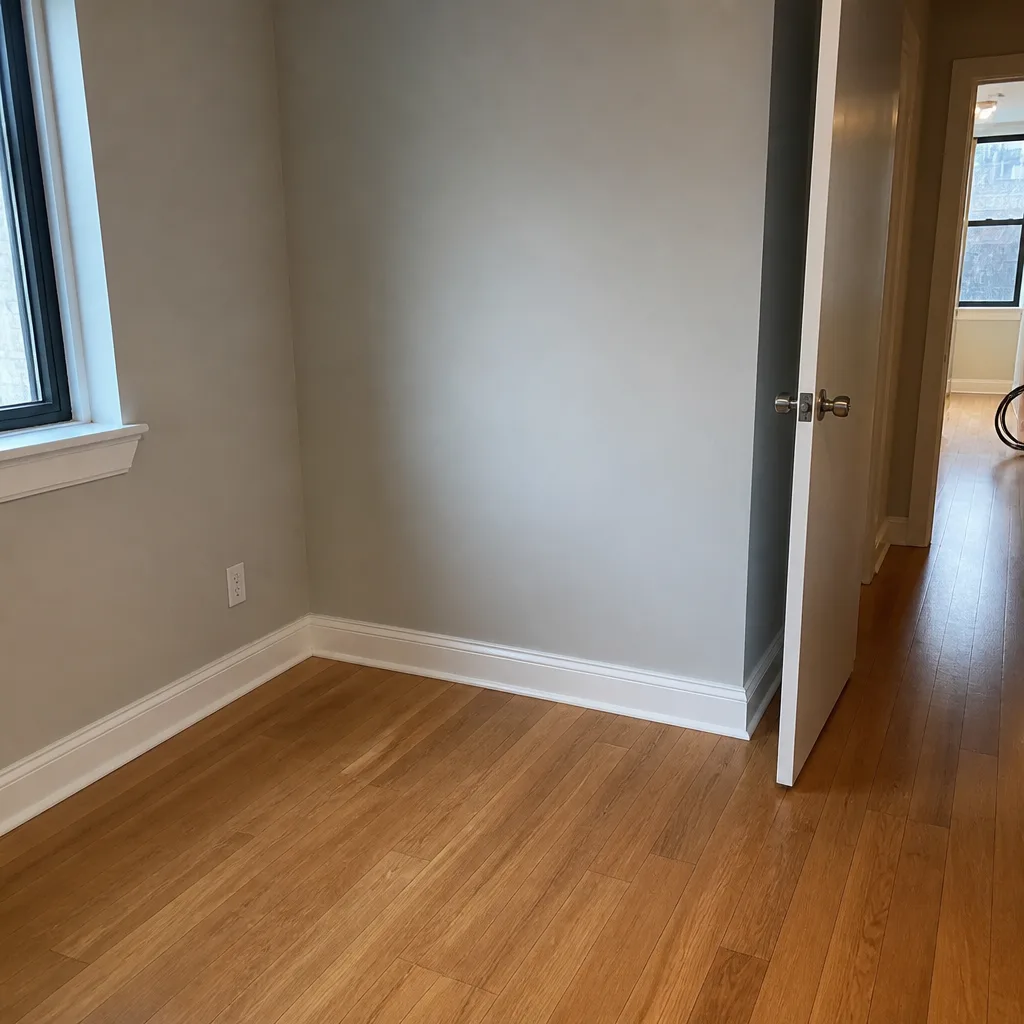 After
After24/7 Emergency Mold Remediation in Midtown West
Mold doesn’t wait for building management to approve paperwork, and neither do we. If you’ve found mold behind a bathroom wall in a Hell’s Kitchen pre-war walkup or noticed a musty smell spreading through a Hudson Yards high-rise, call (845) 305-5737 right now. A live dispatcher answers at 2 a.m. the same way they answer at noon, and a certified crew reaches most Midtown West addresses within 45 minutes. The first hour matters because mold colonies expand exponentially once spores find moisture and organic material. In Midtown West’s older housing stock, that usually means plaster-and-lath walls, original wood studs, and decades of accumulated dust inside wall cavities. A free visual inspection tells you how far it’s spread and what it’ll take to stop it. Waiting even a few days can turn a bathroom-sized problem into a multi-room remediation with asbestos abatement layered on top.
Understanding Mold Remediation Severity in Midtown West Properties
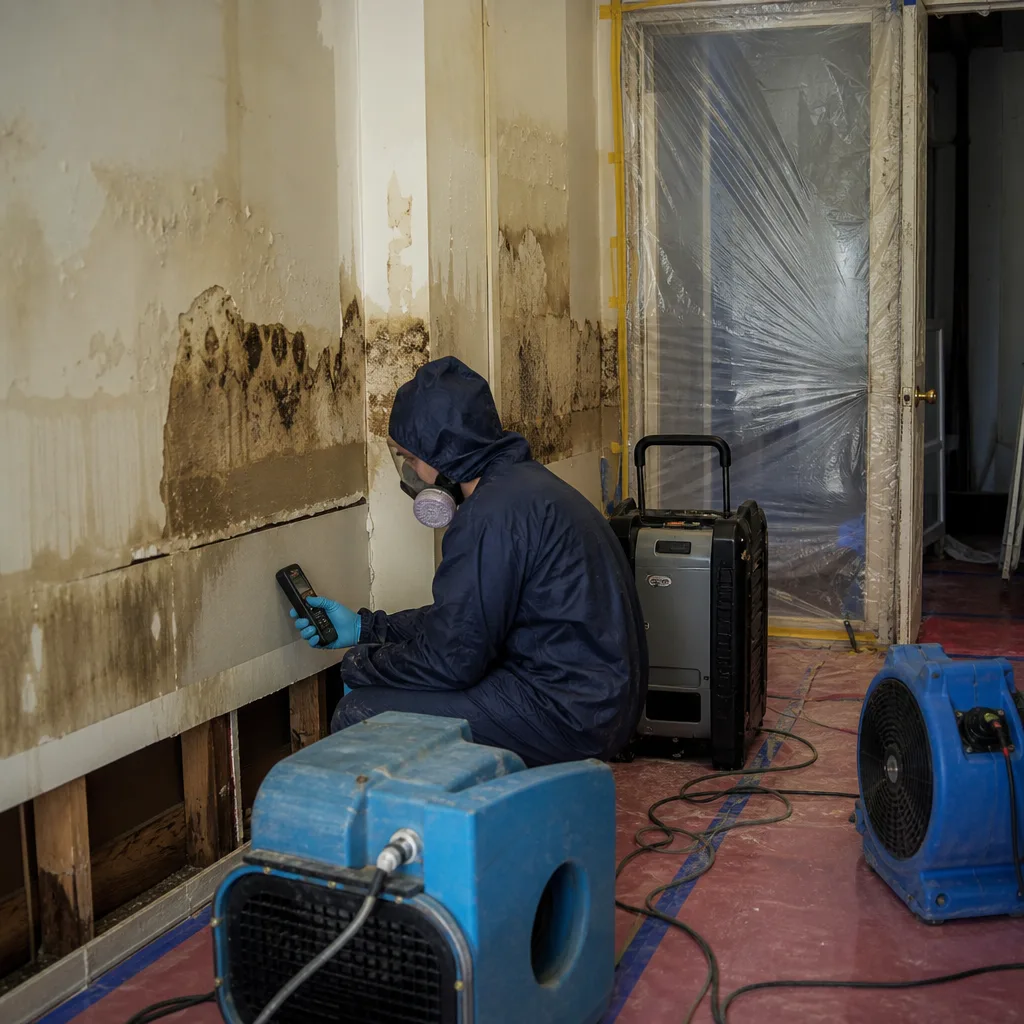
Mold remediation in Midtown West splits into three practical tiers, and the building stock here dictates which tier you’re in. A surface-level issue, often in a poorly ventilated bathroom or behind a radiator cover, can sometimes be cleaned and treated with antimicrobial applications and humidity control. But once mold penetrates plaster scratch coats, or colonizes inside wall cavities, containment becomes mandatory. That means HEPA-filtered negative air machines, full plastic barriers, and clearance testing before anyone reoccupies the space.
Here’s what most out-of-market contractors miss about Midtown West specifically: the same pre-war plaster that makes these buildings charming also makes them slow to dry and legally complicated to open. Plaster-and-lath walls hold moisture far longer than drywall. If you take only surface readings, you’ll miss hidden mold thriving at the stud level. And in Hell’s Kitchen especially, that plaster and the pipe insulation behind it routinely test positive for asbestos. That triggers EPA and OSHA abatement requirements the moment you disturb walls or ceilings. In a drywall building in the outer boroughs, you’d hang plastic and start cutting. In Midtown West, you need a licensed asbestos survey first, or you risk a stop-work order and fines. Different construction, different rules, different playbook.
Why Midtown West Property Owners Choose Floodline Restoration Co.
- 45-minute response commitment across Midtown West. We stage crews and equipment to reach Hell’s Kitchen, Hudson Yards, and the Theater District without waiting on cross-town traffic.
- 24/7 live answer. A real person picks up the phone every hour of every day. Never an automated system, never a callback queue.
- IICRC-certified crews trained to AMRT (Applied Microbial Remediation Technician) and WRT (Water Restoration Technician) standards. Background-checked and uniformed on every job.
- Free visual inspection with moisture mapping and thermal imaging. You’ll see exactly what we see before any work is authorized.
- Direct insurance billing. We document everything from hour one and talk to your adjuster directly. You don’t play messenger.
- One team from extraction to reconstruction. The same certified crew that sets containment and dries the structure also rebuilds whatever had to come out.
Our Mold Remediation Process
Inspection & Assessment
We inspect the affected areas, run moisture mapping with Injectidry sensors, and take air and surface samples where needed. In Midtown West’s older buildings, we also check for plaster and pipe insulation that may require asbestos testing before any cutting begins.
Containment & Stabilization
We seal the work area with plastic barriers and set up HEPA-filtered negative air machines to prevent spores from spreading through shared hallways and stacked unit risers. This step is non-negotiable in multi-unit Midtown West buildings.
Drying & Dehumidification
Dri-Eaz dehumidifiers and XPOWER air movers pull moisture out of plaster, lath, and framing. We take daily readings and log them until the dry standard is met, because pre-war walls dry slower than drywall and hidden moisture breeds hidden mold.
Removal & Cleaning
Colonized materials are bagged and removed safely. Hard surfaces get antimicrobial treatment and HEPA vacuuming. If asbestos abatement was required, we sequence it before this step and document everything for building management and your carrier.
Air Quality Restoration
HEPA air scrubbers run throughout the job. After remediation, we run clearance air sampling to confirm spore counts are back to normal Midtown West outdoor baseline levels before the containment comes down.
Repairs & Restoration
Whatever we removed, we rebuild. Plaster repair, trim replacement, paint, and finish work. The same crew handles it, which means the job ends with the same team that started it. Every job carries the 90-Day Done Right Promise in writing.
Need Emergency Mold Remediation in Midtown West Now?
Crews minutes away, answering live 24 hours a day. The sooner we start, the less it costs.
Working With Your Insurance Company
Mold claims in Midtown West move faster when the documentation starts on day one, before anyone touches a wall. We photograph everything, room by room, before containment goes up. We log moisture readings daily, keep a line-item scope of work current, and send everything to your adjuster directly. No “let me loop in the carrier and get back to you” back-and-forth. We handle direct billing, which means you get one point of accountability: us. If your policy covers sudden water damage that led to mold, your out-of-pocket may be just your deductible. If the mold grew from long-standing humidity or neglect, the carrier may deny the claim, which makes our written scope even more important: you’ll know exactly what’s covered, what isn’t, and what each line costs before we start.
What We Provide Your Insurer
- Thorough documentation of the loss
- Photos of all damage, room by room
- Moisture readings and drying logs
- A detailed, line-item scope of work
- Direct coordination with your carrier
Built for Midtown West’s Loss Calendar
The mold problems we see in Midtown West follow a seasonal rhythm, and it’s different from what you’d find in suburban Westchester or even brownstone Brooklyn. January deep freezes burst supply lines in pre-war buildings along Ninth and Tenth Avenues, and the water travels down through stacked units before anyone notices. By the time the leak is found, moisture has been sitting inside plaster walls for days or weeks. Spring thaw brings a slower, sneakier problem: flat and low-slope rooftops on the older tenements leak at penetrations and membrane seams. That water migrates down through ceiling cavities for months before a stain appears on the top-floor ceiling. Summer thunderstorms overwhelm aging roof drains in Hell’s Kitchen, and the humidity that follows turns any damp void into a mold incubator. And the Hudson River proximity matters more than people think: lower-level mechanical rooms and parking in buildings near 11th Avenue sit in a documented flood-surge zone, proven during Hurricane Sandy in 2012. When saltwater intrusion happens, the mold risk compounds because the water carries organics and contaminants deeper into porous materials. Midtown West’s mold season is really all four seasons, just with different triggers.
Mold Remediation Across Midtown West’s Neighborhoods
Midtown West isn’t one neighborhood; it’s a patchwork of building types, and each one fails differently. In Hell’s Kitchen and Clinton, the pre-war walkups and tenements between 8th and 10th Avenues dominate. These six- and seven-story buildings share vertical risers, so a leak on the fifth floor becomes a fifth-floor-through-second-floor remediation. Freight elevator access is limited and must be booked days ahead, and we coordinate with building management every time. The Theater District, roughly from 40th to 54th Streets between 6th and 8th Avenues, mixes old loft buildings with converted commercial space. Those conversions often left hidden void spaces above dropped ceilings and behind new drywall over old plaster, perfect hiding spots for mold that’s been growing since before the renovation. Hudson Yards, west of 10th Avenue from roughly 30th to 42nd Streets, is a different animal entirely: curtain-wall luxury towers with sophisticated MEP systems and strict building-management oversight. The mold risks there come from chiller line condensation, over-pressurized HVAC runs, and build-phase shortcuts in tight mechanical closets. And in the residential blocks around Columbus Circle and the southern edge of the neighborhood near Penn Station, mid-century buildings with outdated bathroom exhaust fans produce chronic humidity mold that never quite gets fixed until someone addresses the ventilation itself.
Specialized Mold Remediation Services We Offer in Midtown West
Mold Inspection & Testing
In Midtown West’s pre-war buildings, a mold inspection isn’t just looking for black spots. We test air and surface samples, run moisture mapping with thermal imaging to find hidden water, and check for the telltale signs that wall cavities are involved. If plaster or pipe insulation is present, we’ll flag whether asbestos testing is required before any invasive work. You get lab results you can hand to your adjuster or a prospective buyer, and a written recommendation that separates “clean and dry” from “open and remediate.”
Mold Removal
Removal in Hell’s Kitchen walkups and Midtown high-rises means containment first, always. We seal the work area, run HEPA air scrubbers, and remove colonized drywall, plaster, insulation, or flooring under negative pressure. The removed material is bagged and disposed of. The exposed framing is sanded or soda-blasted where needed, then treated. Because pre-war plaster dries slowly, we often leave dehumidifiers running a day or two longer than a drywall building would need.
Black Mold Remediation
Stachybotrys, the “black mold” people worry about, grows on materials that have stayed wet for a week or more. That’s exactly what happens after a hidden leak in a Midtown West plaster ceiling. This is one job where DIY is a mistake. We contain the area fully, remove the material under negative air pressure, and run clearance testing before anyone re-enters. Curt Bowman’s crews are trained to IICRC AMRT standards and follow RIA and IFA guidelines on every black mold job.
Air Quality Restoration
After remediation, the air in the unit has to be right. We run HEPA air scrubbers during the job and take clearance spore samples after. Baseline samples from outside the building give us the comparison point. In Midtown West, outdoor spore levels shift with the seasons, so we sample outdoor air the same day as indoor, and we don’t call the job done until the indoor count is at or below that baseline.
Moisture & Humidity Control
Most recurring mold in Midtown West is really a humidity problem. Bathroom fans that vent into ceiling cavities instead of outside. Radiator enclosures that trap condensation. Window AC units that drip into wall cavities. We find the moisture source, fix the ventilation, and install dehumidification where it makes sense. Then we treat the affected surfaces. Without that step, mold comes back within a year, and you’re paying twice.
Crawl Space Treatment
Crawl spaces are rarer in Midtown West than in the suburbs, but they exist under some older townhouse-style buildings along the side streets off 9th Avenue, and in mechanical pits under larger residential buildings. The fix is the same everywhere: seal the ground with vapor barrier, dry the space, treat the framing, and control humidity. We’ve done enough crawl space work in Manhattan to know that the tight clearances and limited access change the equipment choices; smaller dehumidifiers, shorter hose runs, and a crew that’s comfortable working in 30-inch clearances.
What happens when you call
- 1
A real person answersNo phone trees - you reach a local pro.
- 2
You get an upfront price rangeHonest numbers before anyone is dispatched.
- 3
A background-checked tech heads outLicensed & insured, dispatched right away.
- 4
You approve before work beginsNothing starts until you say go.
Mold Remediation Costs in Midtown West, NY
A straightforward mold removal in a Midtown West bathroom or closet typically runs $1,800 to $4,500. That covers containment, removal of affected drywall or plaster, antimicrobial treatment, air scrubbing, and disposal. A full room remediation with plaster demolition and rebuild runs $4,000 to $9,000. Whole-unit remediations that involve multiple rooms, hidden wall cavities, and clearance testing fall in the $8,000 to $25,000 range depending on square footage and the building’s construction quirks. Asbestos abatement, when required, adds $3,000 to $12,000 on top, and it’s fairly common in Midtown West’s older buildings. Moisture and humidity control work, including ventilation repair and dehumidifier installation, typically runs $900 to $3,200. Here’s the honest part: no one can price your job over the phone accurately. The free visual inspection is how you get a firm scope in writing before you authorize anything. Call (845) 305-5737 and we’ll get it scheduled.
We Also Serve Cities Near Midtown West
Our mold remediation crews work the full west side of Manhattan. We regularly serve Midtown West along with the Upper West Side, Upper Manhattan, Morningside Heights, and Central Harlem. If you’re in any of those neighborhoods and dealing with mold, the same live dispatch line and 45-minute response commitment apply.
Midtown West Mold Remediation Questions, Answered
How does the 24-48 hour mold growth window affect mold remediation in Midtown West’s pre-war buildings?
Mold begins colonizing wet organic material within 24 to 48 hours, and Midtown West’s pre-war plaster-and-lath walls are highly organic: wood lath, horsehair binder, decades of dust, and paper-faced plaster all feed mold growth. But the bigger issue here is that plaster holds moisture much longer than drywall, so by the time a stain appears on a wall, the hidden cavity behind it has often been wet for a week or longer. That means the 24-48 hour window was missed before you even knew there was a problem. The practical answer: remediation in these buildings almost always means opening the wall, because surface cleaning can’t reach what’s already inside the cavity. Call (845) 305-5737 for a free inspection; the sooner we map the moisture, the smaller the removal area.
What are the special asbestos abatement requirements for mold remediation in Hell’s Kitchen rental buildings?
In Hell’s Kitchen’s older rental stock, plaster scratch coats and pipe insulation routinely test positive for asbestos, which means any mold remediation project that disturbs walls or ceiling cavities legally triggers EPA and OSHA abatement requirements before restoration can proceed. You can’t just cut into a wall. A licensed asbestos survey has to happen first, and if material tests positive, a certified abatement contractor must remove it under containment before the mold work begins. This adds time and cost, and it’s a reality out-of-market adjusters often miss when they price these jobs. We sequence the abatement, handle the paperwork, and keep the whole job moving so you’re not stuck in a stop-work limbo. For related hazards, we also provide Biohazard & Crime Scene Cleanup in Midtown West.
How do you handle the tight access and freight elevator scheduling in Midtown West apartment buildings?
We book freight elevator windows with building management before the day we show up. That sounds obvious, but in Midtown West’s pre-war buildings, freight access can be limited to two-hour slots, and missing one strands equipment on the street while walls stay wet. We coordinate scheduling directly with the super or management office, we size our equipment to fit the freight car, and we stage the job so removal debris and drying equipment move in and out during the booked window. In buildings without a working freight elevator, we use smaller, stair-portable units and more manpower. It’s slower, but it protects your building and your lease terms.
What role does the Hudson River proximity play in mold risk for lower-level units near 11th Avenue?
Buildings near 11th Avenue sit in a documented flood-surge zone, and Hurricane Sandy proved it in 2012. Lower-level mechanical rooms, storage spaces, and parking areas in those buildings can take on water during coastal storms, and any damp porous material that isn’t dried quickly becomes a mold source. The saltwater adds another complication: it carries contaminants and organics deeper into concrete and masonry, and residual salts attract moisture long after the visible water is gone. If you live in a lower-level unit or manage a building west of 10th Avenue, a post-storm moisture assessment is a cheap insurance policy against a much bigger mold problem later. For comprehensive recovery, see our Storm & Disaster Restoration in Midtown West.
Can you remediate mold in a high-rise Hudson Yards luxury tower with strict building management oversight?
Yes, and we do it regularly. Hudson Yards towers have sophisticated MEP systems and building management teams that require detailed work plans, proof of insurance, and often supervised access. Mold in these buildings usually comes from mechanical issues: chiller line condensation, HVAC duct leaks, or build-phase shortcuts in tight mechanical closets. We submit the scope of work, certificates of insurance, and crew credentials in advance, then execute with HEPA containment and clearance testing that meets the building’s engineering standards. The building gets documentation they can file; you get a job that doesn’t turn into a management dispute. Call us and we’ll get the paperwork moving the same day.
Can I stay in my Midtown West apartment during mold remediation?
It depends on the size of the job and the type of mold, but in a multi-unit Midtown West building, the safe answer is often no for the affected rooms. When containment is up and negative air machines are running, the work area is sealed, but air pressure changes and shared ventilation stacks mean spores can move through the building in unexpected ways. For black mold jobs or whole-room remediations, we recommend you stay elsewhere for the active removal phase, usually one to three days. For smaller contained jobs in a single bathroom, you can often stay in the unit with the work area sealed. We’ll tell you straight what applies to your situation after the inspection.
What certifications do your mold remediation crews hold?
Our technicians are background-checked and certified to IICRC standards including AMRT (Applied Microbial Remediation Technician) and WRT (Water Restoration Technician). We train to RIA and IFA guidelines as well, and we use professional-grade Dri-Eaz, Phoenix, and XPOWER equipment on every job. The 90-Day Done Right Promise, backed in writing, covers every mold remediation project. If it’s not done right, we make it right.
What should I do in the first 30 minutes after discovering mold in Midtown West?
Turn off any water source if you can find one, like a leaky supply line or running fixture. Don’t touch the mold or open any walls, especially in a pre-war building where asbestos could be present. Don’t run fans or your HVAC, because that spreads spores through shared ventilation. Move furniture and belongings away from the affected area if it’s safe to do so. Take photos. Then call us at (845) 305-5737. A live dispatcher answers, and we’ll walk you through the next steps while a crew heads your way.
Serving Midtown West, NY - Our Local Coverage Area
We’re based in the Midtown West area and know this community well. Use the map below to see our service coverage - if you’re nearby, we can almost certainly help.
The Midtown West Mold Problem Most Contractors Miss
Here’s the reality that sets Midtown West apart from almost any other mold remediation market in New York City: in Hell’s Kitchen’s older rental stock, plaster scratch coats and pipe insulation routinely test positive for asbestos. That means virtually any mold remediation project that disturbs walls or ceiling cavities legally triggers EPA and OSHA abatement requirements before restoration can proceed. A contractor who prices a Hell’s Kitchen job the same way they’d price a drywall-building job in Queens is going to blow his timeline, blow his budget, and potentially leave you with a stop-work order from the Department of Buildings. The cost and scheduling reality of asbestos abatement is baked into how this neighborhood’s buildings were constructed, and it doesn’t disappear because an adjuster doesn’t want to see it on the estimate. We carry that knowledge into every inspection and every scope we write in Midtown West.
In a Hell’s Kitchen pre-war walkup on West 49th Street, our crew arrived after a Category 2 water event from a failed radiator supply line. Water had migrated through the ceiling of the unit below, saturating the plaster and lath between the floors. We set up containment with HEPA-filtered negative air machines, ran moisture mapping with Injectidry sensors, and installed Dri-Eaz dehumidifiers and XPOWER air movers to start pulling the moisture out. But before we cut anything, we tested the plaster. It came back positive for asbestos. We sequenced a licensed abatement before our antimicrobial treatment and structural drying, and we coordinated every material movement through the building’s freight elevator windows so management never had a reason to flag the job. By the time we finished, the unit was restored to pre-loss condition, the clearance samples came back clean, and the carrier got a documentation packet that left no room for argument.
That’s the difference between a mold company that knows Midtown West and one that just serves it. The building stock here was built between roughly 1900 and the 1940s. The walls are plaster and lath. The heat is steam radiators. The supply lines are aging cast-iron or galvanized. Everything dries slower, everything tests more complicated, and everything runs through a building management office that has seen its share of sloppy contractors. We’ve been doing this work since 2010, and we’ve spent that time learning how Midtown West buildings actually fail, not how they fail in a textbook.
Our Mold Remediation team operates around the clock for every neighborhood in Midtown West. One call, one live person, one team that stays until the job is done right, and a written guarantee that says so.
Written by Curt Bowman, Owner at Floodline Restoration Co., serving Midtown West and the surrounding neighborhoods.