
Free visual inspection and a written scope of work before any mitigation begins - photos, moisture readings, and drying logs go in your claim file
The scope we write is the scope we bill. Anything new gets shown to you, in writing, before we touch it.
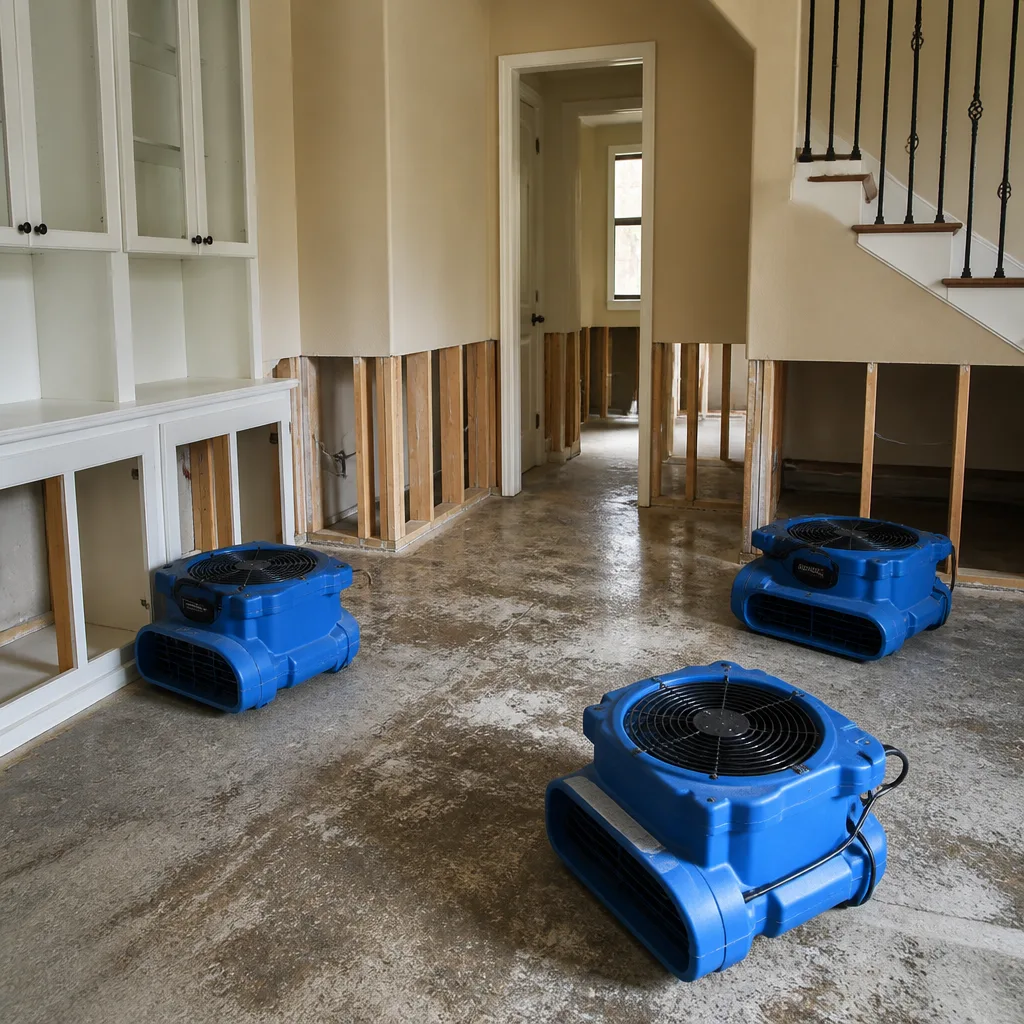
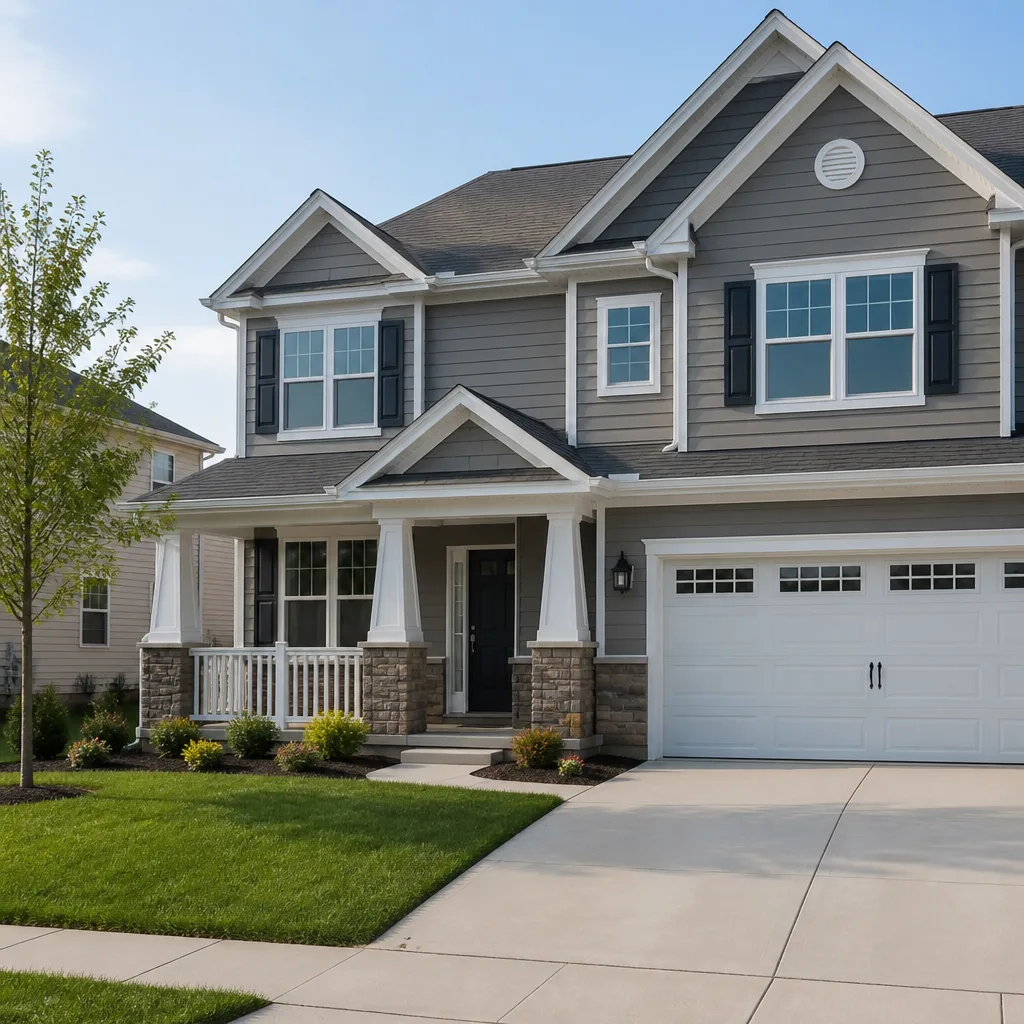
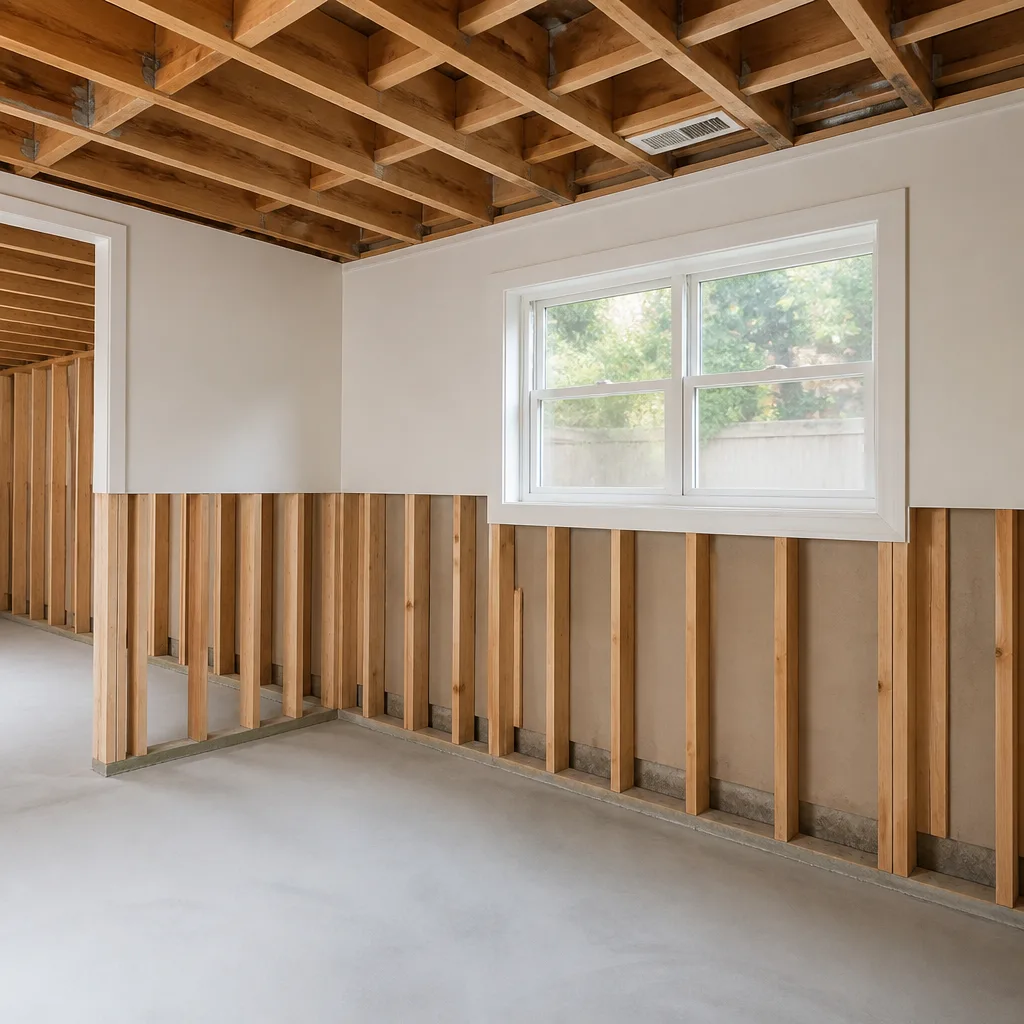
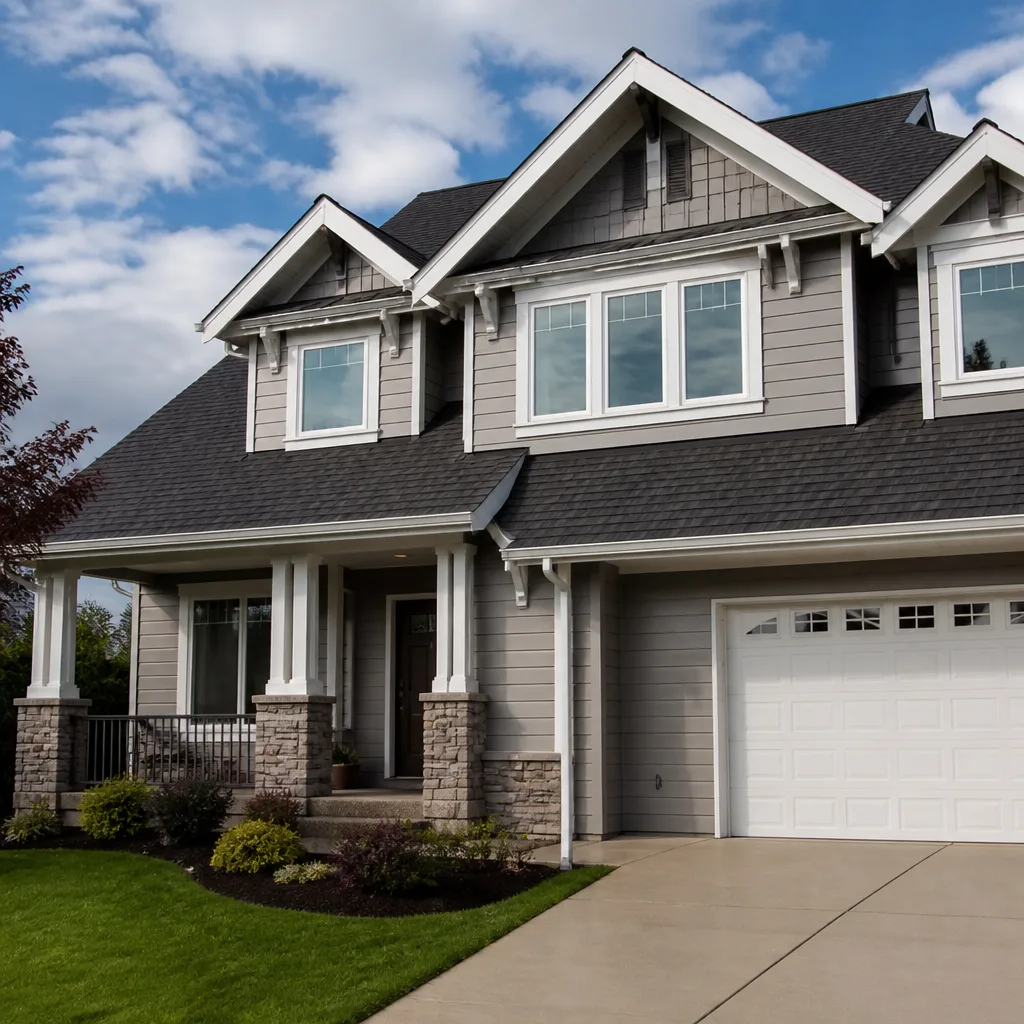
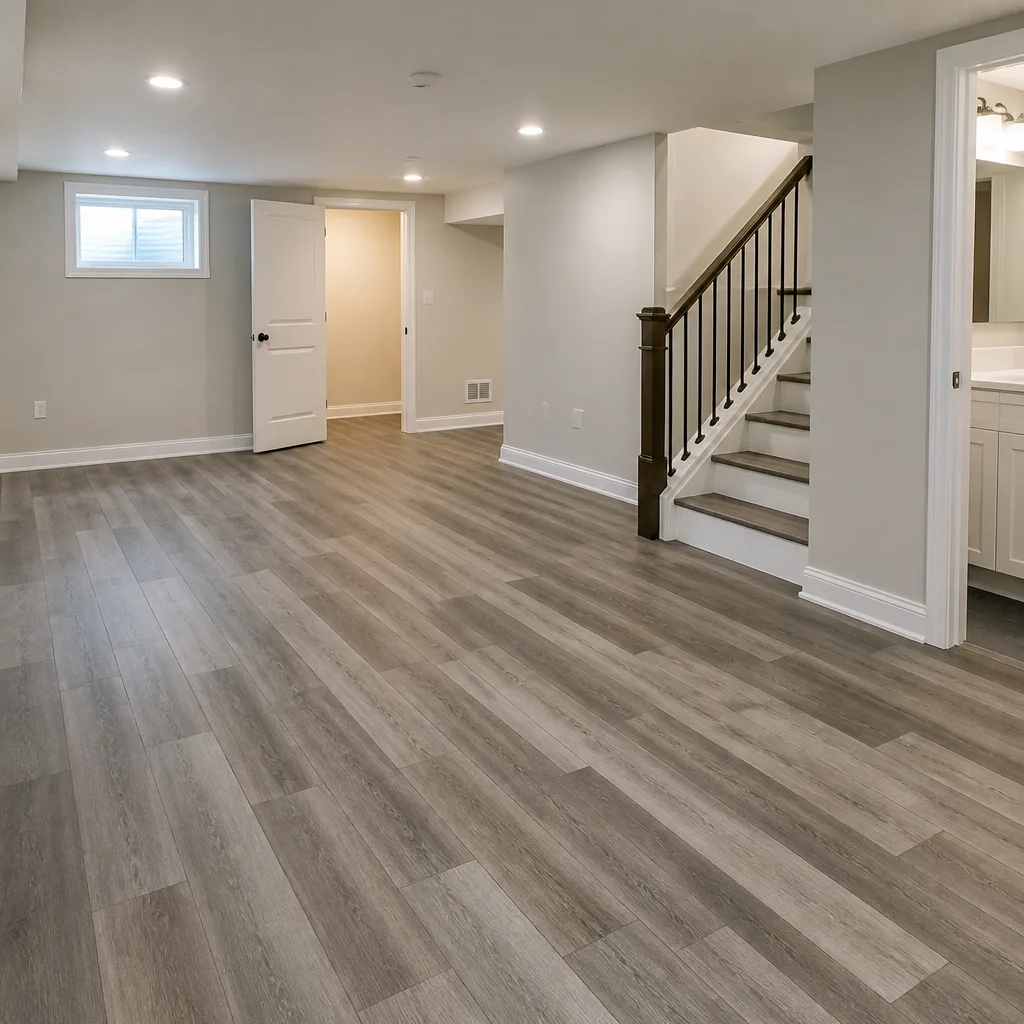
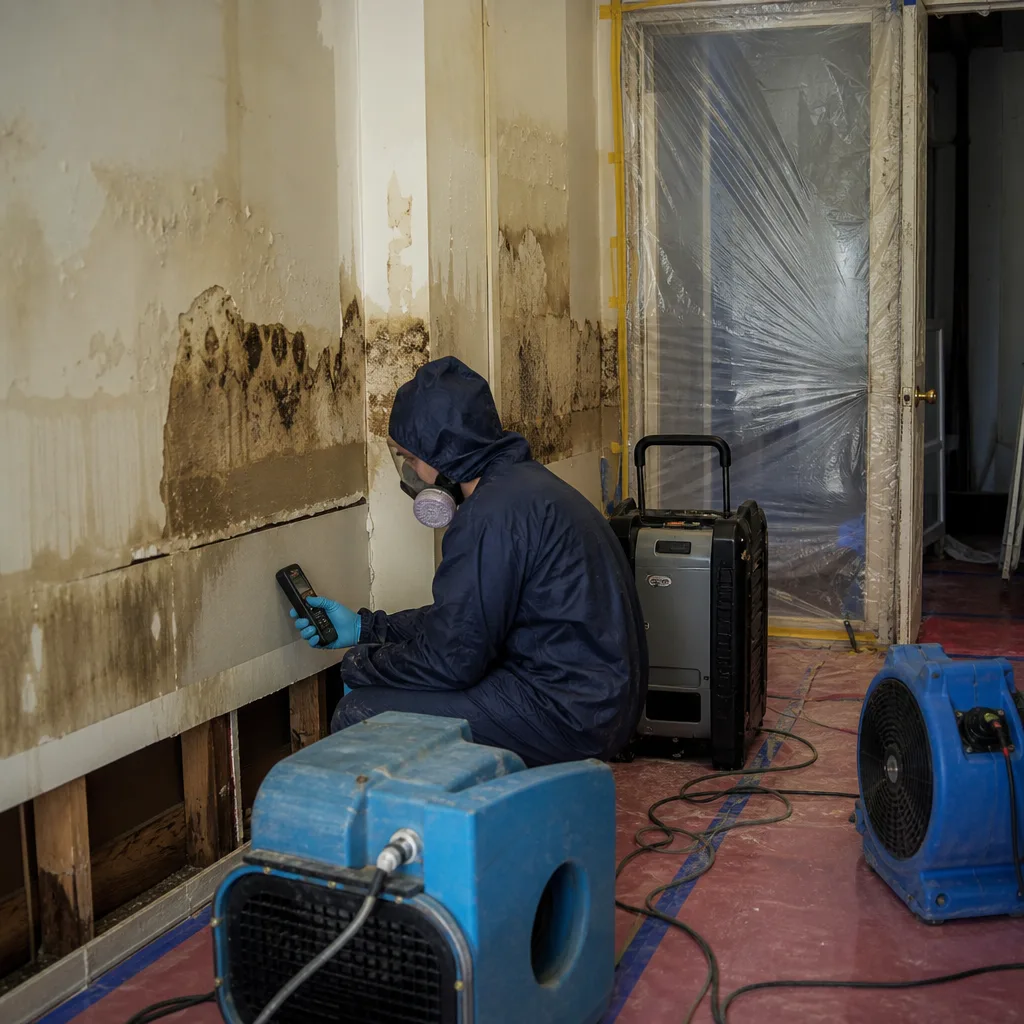 Before
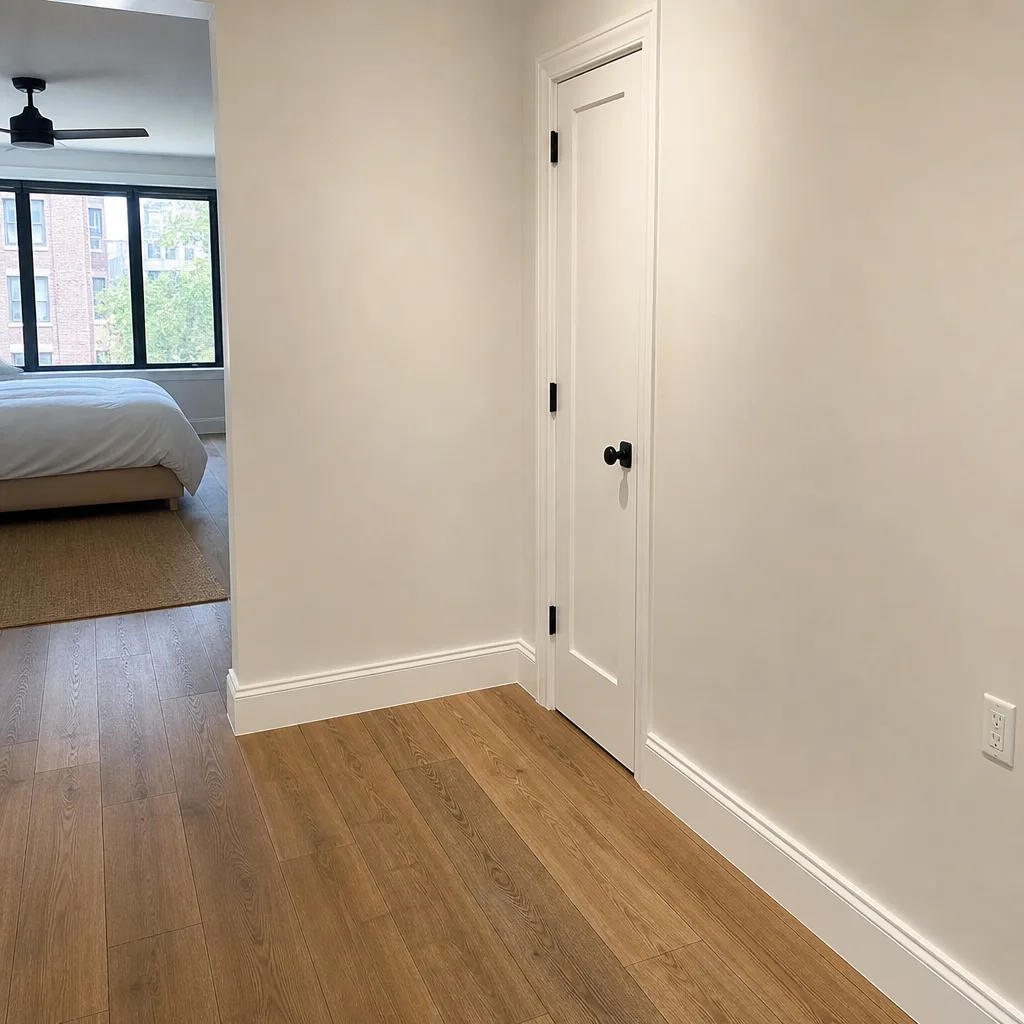 After
After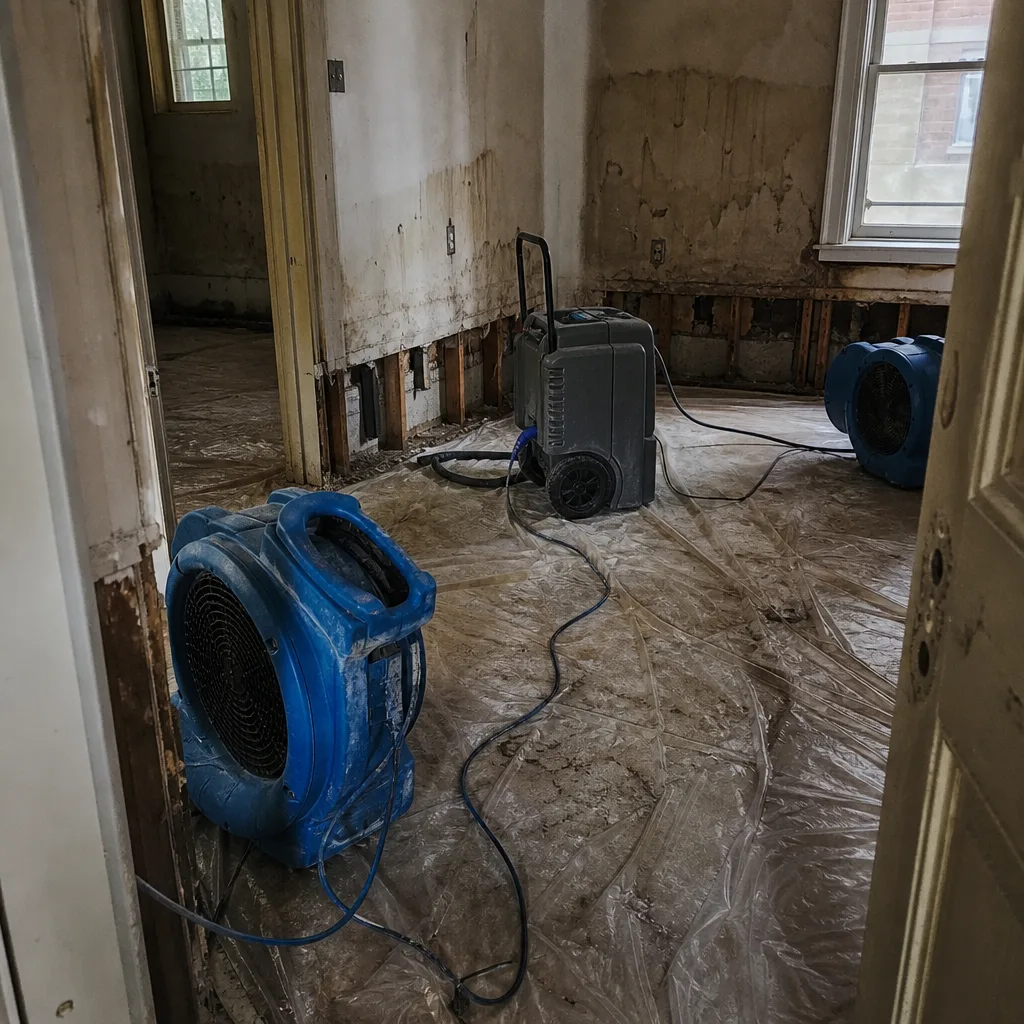 Before
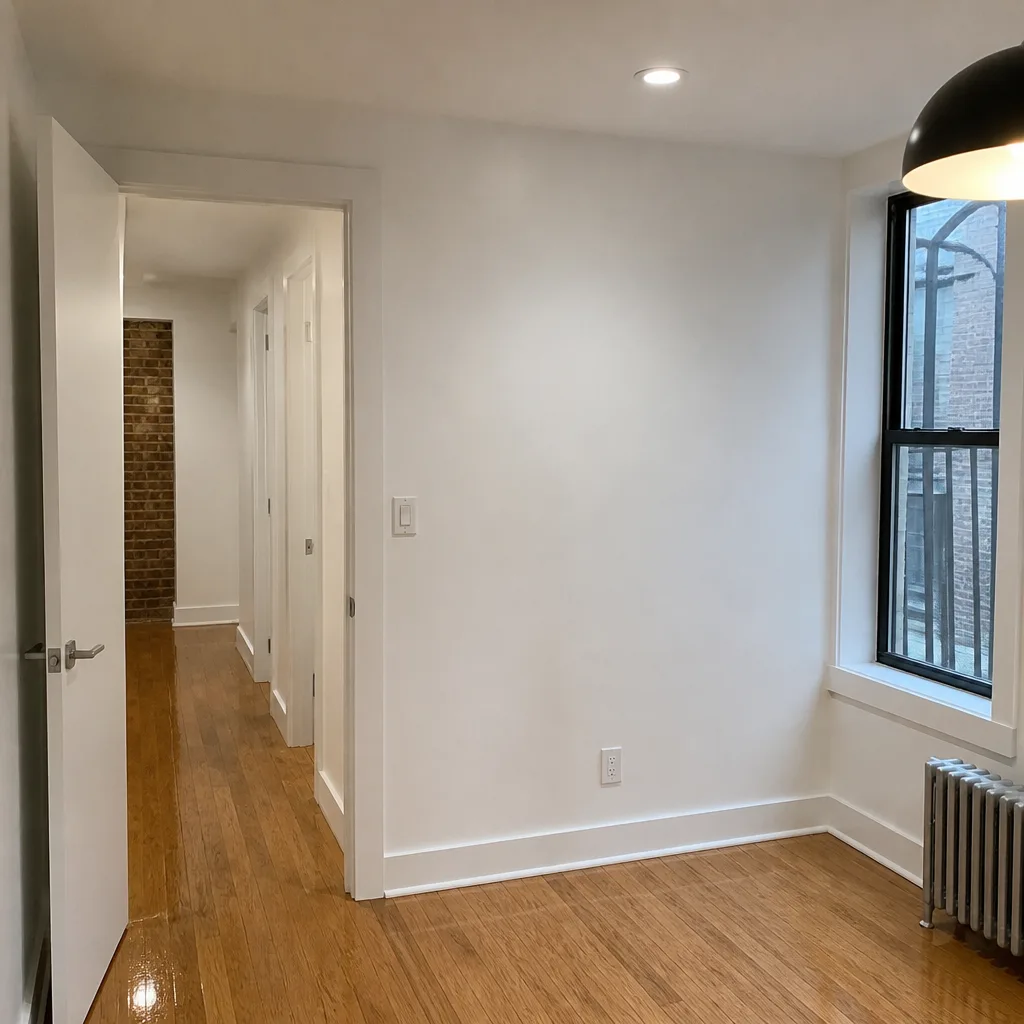 After
After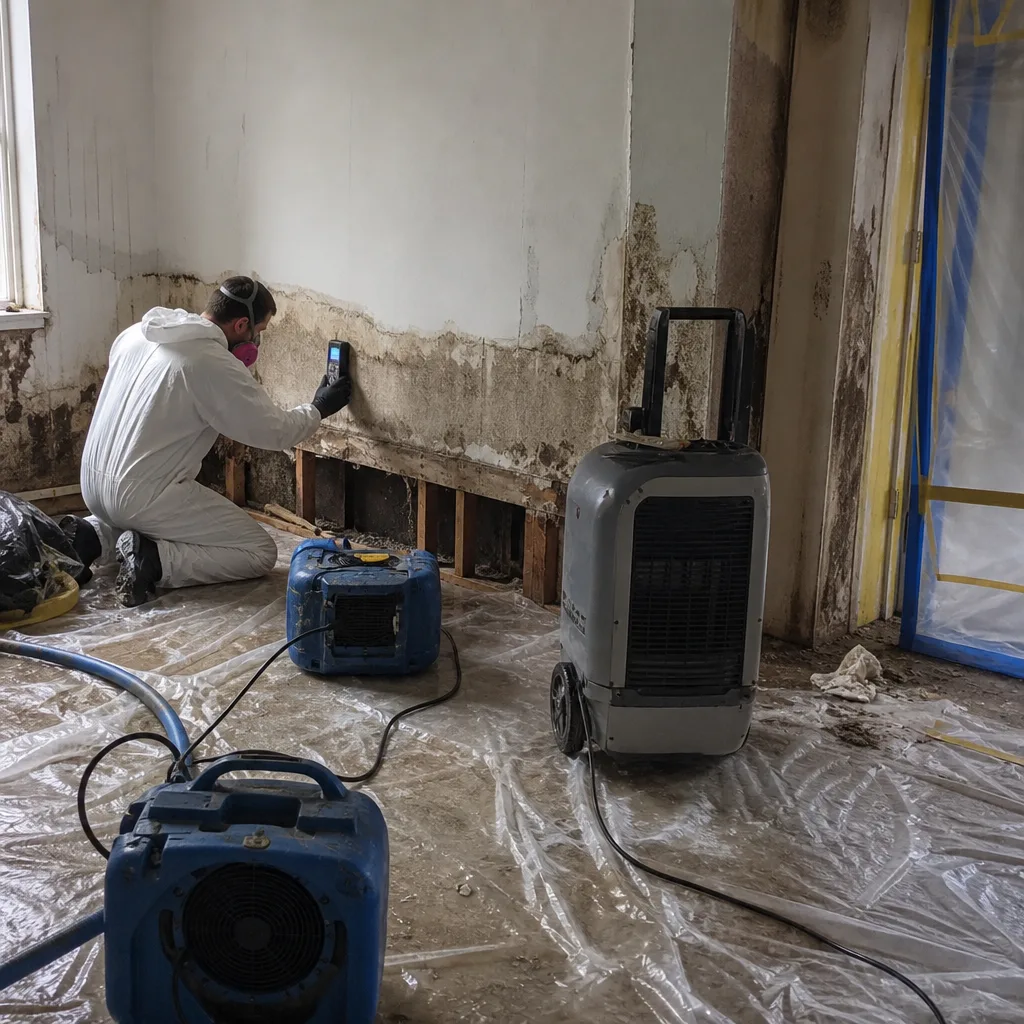 Before
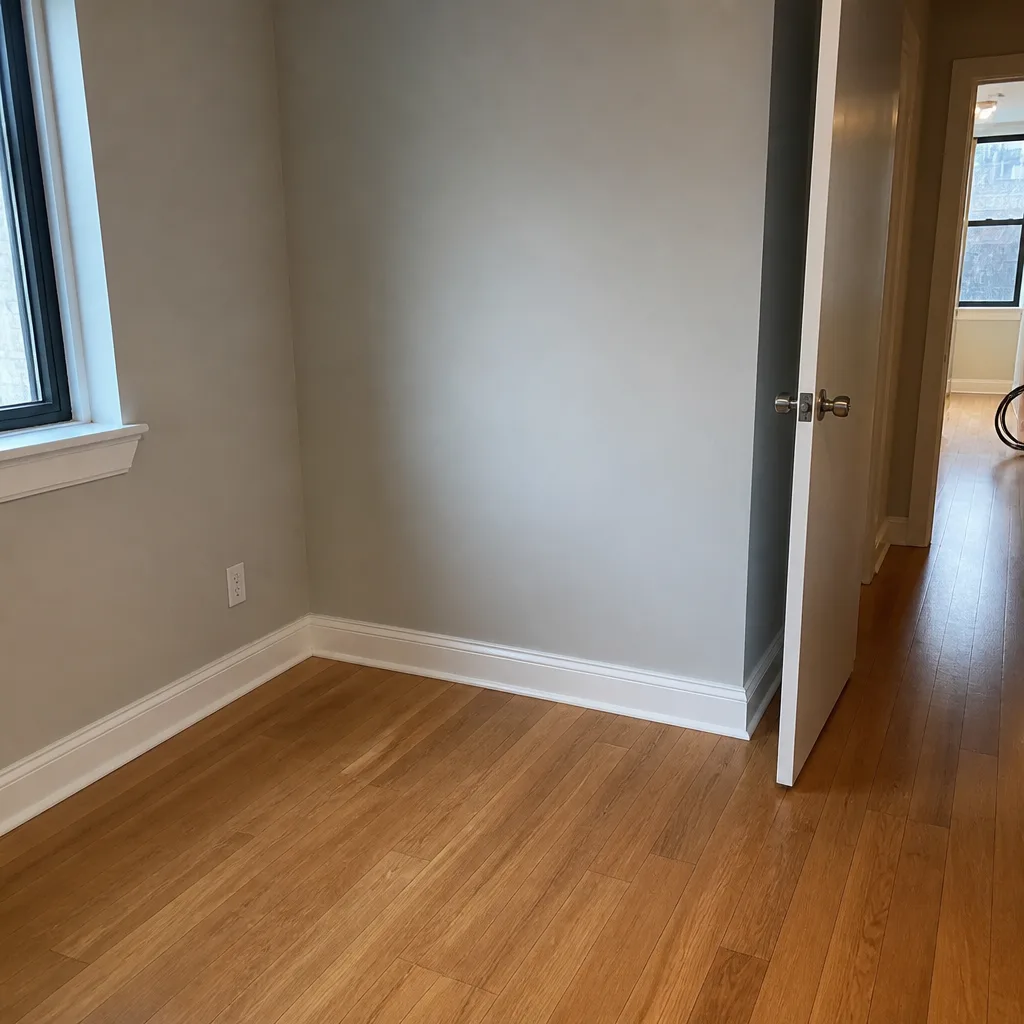 After
After24/7 Emergency Commercial Restoration in Upper West Side
Commercial restoration in Upper West Side begins the moment water, fire, or mold is discovered. Our crews answer live around the clock at (845) 305-5737 and dispatch inside the Upper West Side area within 45 minutes. The first hour determines whether a flooded co-op basement stays a Category 1 event or becomes a full-scale mold claim, so we show up fast, map the moisture, and start extraction the same visit. A real person answers at 2 a.m., not a recording.
Understanding Commercial Restoration Severity in Upper West Side Properties
Upper West Side commercial buildings present damage patterns that generic restoration companies don’t prepare for. Pre-war elevator co-ops from 1900-1940 hold original cast-iron drain stacks that fail catastrophically rather than trickling. A steam-heat system weep on the 14th floor of a Central Park West co-op migrates through horsehair plaster, original strip-oak flooring, and stacked closets before any wall shows dampness. Moisture mapping with thermal imaging is the only way to trace migration through light-court walls and chase spaces. Category 2 water from a packing valve that has seeped for days requires structural drying and in-wall moisture testing. Category 3 water from a combined sewer backup in a West End Avenue basement storage room demands full containment, HEPA air scrubbing, and antimicrobial treatment before anyone reenters. In Upper West Side, severity compounds because the same buildings that hold water also trap humidity: courtyard-facing units and cellar storage rooms regularly read 65-75% relative humidity even on dry days, which accelerates mold colonization in wet plaster and oak. A contractor who skips in-wall testing in a Riverside Drive landmark building is guessing, and guessing on LPC-protected ornamental ceilings costs boards six figures to correct.
Why Upper West Side Property Owners Choose Floodline Restoration Co.
- 45-minute response commitment - we dispatch crews stationed near the Upper West Side so extraction starts the same visit, not the next day.
- 24/7 live answer - a real person, never an automated system - a dispatcher picks up at any hour and routes a certified team immediately.
- IICRC-certified crews, WRT and AMRT codes - background-checked, uniformed technicians trained to current water and mold restoration standards, with daily drying logs kept for the owner and carrier.
- Free visual inspection with a written scope - we walk the loss, document it, and hand you a line-item plan before any work begins. No surprises on the bill.
- Direct insurance billing - we bill the carrier through the claim, which means the policyholder never plays messenger.
- One team from extraction to reconstruction - the same Floodline crew that reads the moisture map on day one rebuilds the crown molding and oak floor at the end. No mid-job handoff.
Our Commercial Restoration Process
Inspection & Assessment
We walk the affected floors with thermal imaging, hygrometers, and moisture probes. On a pre-war UWS co-op, that means opening light-court chase walls and testing stacked closets floor by floor. We then hand you a written scope and coordinate with the super, the board, and the carrier that same day.
Extraction/Stabilization
Water is removed with truck-mounted and portable extractors, including Injectidry systems that pull water from saturated plaster and oak without demolition. For Category 3 events, affected materials are contained and removed under a negative-air platform. We photograph everything before, during, and after.
Drying & Dehumidification
Dri-Eaz dehumidifiers and Phoenix high-velocity air movers run on a drying plan sized to the building’s humidity profile. Daily readings are logged until the dry standard is met, and the log goes to the property manager, the board, and the insurance adjuster.
Cleaning & Sanitization
All affected surfaces receive HEPA-vacuuming and antimicrobial treatment where needed. For fire events, soot residue type determines the cleaning protocol: dry sponge for loose soot, wet cleaning for protein residues, and abrasive methods only where the substrate allows.
Specialty Treatment for Commercial Restoration
In Upper West Side landmark buildings, this means LPC-compliant material matching: sourcing reclaimed oak, casting plaster crown profiles, and matching original wainscoting before any replacement is ordered. For document and inventory recovery, we coordinate freeze-drying and content restoration so the business can resume operations.
Repairs & Restoration
The same Floodline team that handled extraction now rebuilds: drywall or plaster, flooring, millwork, paint, and trim. We run the job to the written scope, bill the carrier directly, and back the result with the 90-Day Done Right Promise in writing.
Need Emergency Commercial Restoration in Upper West Side Now?
Crews minutes away, answering live 24 hours a day. The sooner we start, the less it costs.
Working With Your Insurance Company
Commercial restoration on the Upper West Side comes with multi-unit claims, co-op board requirements, and adjusters who may never have handled a pre-war steam-heat loss. We document from the first hour: photos of every affected unit, moisture readings taken before drying begins, and a line-item scope of work that the carrier can read without translation. Our project managers speak directly with adjusters, which keeps the board informed and the owner out of the back-and-forth. When LPC compliance raises material costs above standard replacement pricing, we provide the documentation carriers need to approve matching plasterwork and original flooring instead of builder-grade substitutes.
What We Provide Your Insurer
- Thorough documentation of the loss
- Photos of all damage, room by room
- Moisture readings and drying logs
- A detailed, line-item scope of work
- Direct coordination with your carrier
Built for Upper West Side’s Loss Calendar
Upper West Side commercial restoration follows a seasonal rhythm. January and February deep freezes burst supply lines in uninsulated light-court walls and roof-level mechanical rooms, sending water down through ten stacked floors before the super notices. Spring thaw brings basement seepage through aging foundation walls in 19th-century brownstones, and April nor’easters back up the combined sewer system, flooding cellar storage rooms along West End Avenue and Riverside Drive blocks at a time. Summer thunderstorms overwhelm roof drains on flat pre-war roofs, and humidity traps moisture in courtyard units that never fully dried from the last event. Fall startup of gravity-fed steam systems produces weeping packing valves across entire co-op risers. A building that ignores a slow radiator leak in October often has three saturated units by January. The owners who call us early spend less and lose less, which is why we make the free inspection genuinely free, with no obligation and a written scope in your hand.
Commercial Restoration Across Upper West Side’s Neighborhoods
The Upper West Side is not one building type. Along Central Park West, massive 15-20-story co-ops with LPC-listed grand lobbies require material matching down to the plaster crown profile. Riverside Drive and West End Avenue hold pre-war courtyard buildings where light-court-facing units trap humidity and hide water migration. The side streets between Amsterdam and Columbus Avenues are lined with 19th-century brownstones whose party walls share moisture paths with neighbors, so a leak in one building often becomes a claim in the one next door. Down by Lincoln Center, ground-floor retail below residential co-ops adds business interruption pressure: a flooded stockroom on Broadway doesn’t just ruin inventory, it closes the store. Each area needs a different drying plan and a different conversation with the board, the super, and the adjuster. We respond to all of them from within the Upper West Side, not from a dispatch desk in another borough.
Specialized Commercial Restoration Services We Offer in Upper West Side
Office & Retail Restoration
Upper West Side storefronts under co-op buildings face stacked loss pressure: a drain backup in a Columbus Avenue basement restaurant can put the kitchen out of service while the residential units above stay occupied. We dry in place wherever possible, restore inventory where salvageable, and coordinate after-hours work so the business can reopen sooner. Ground-floor retail on Broadway near Lincoln Square gets the same live-answer dispatch as a 20-story tower on West End Avenue.
Multi-Unit & HOA Restoration
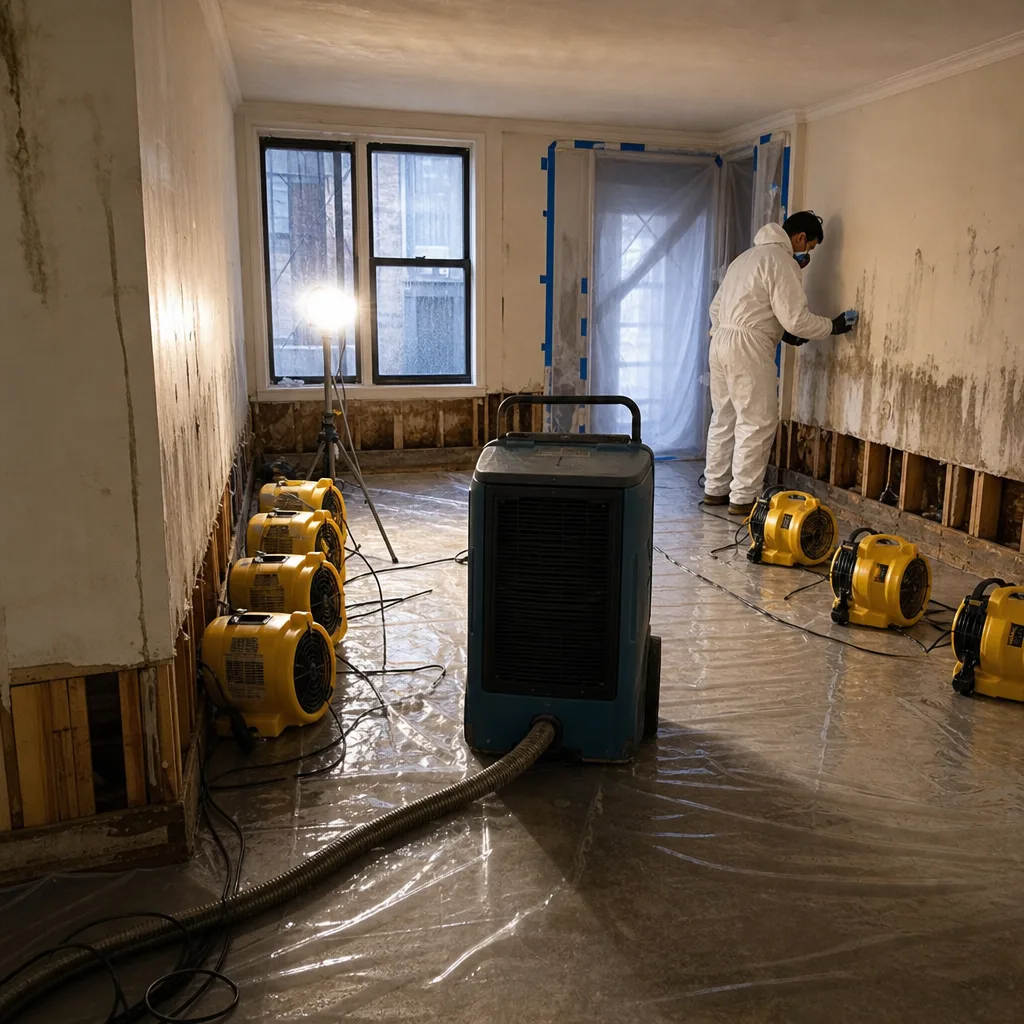
Multi-unit restoration on the Upper West Side means vertical raceways through steam risers, drain stacks, and light courts, and a board that needs daily updates. We log moisture readings per floor, per unit, per wall cavity. We present those logs to the board in plain language and figure out which unit owner’s carrier covers which portion of the loss. The co-op board gets one written scope, the property manager gets daily drying logs, and the units get back to pre-loss condition without stop-work surprises.
Industrial Facility Cleanup
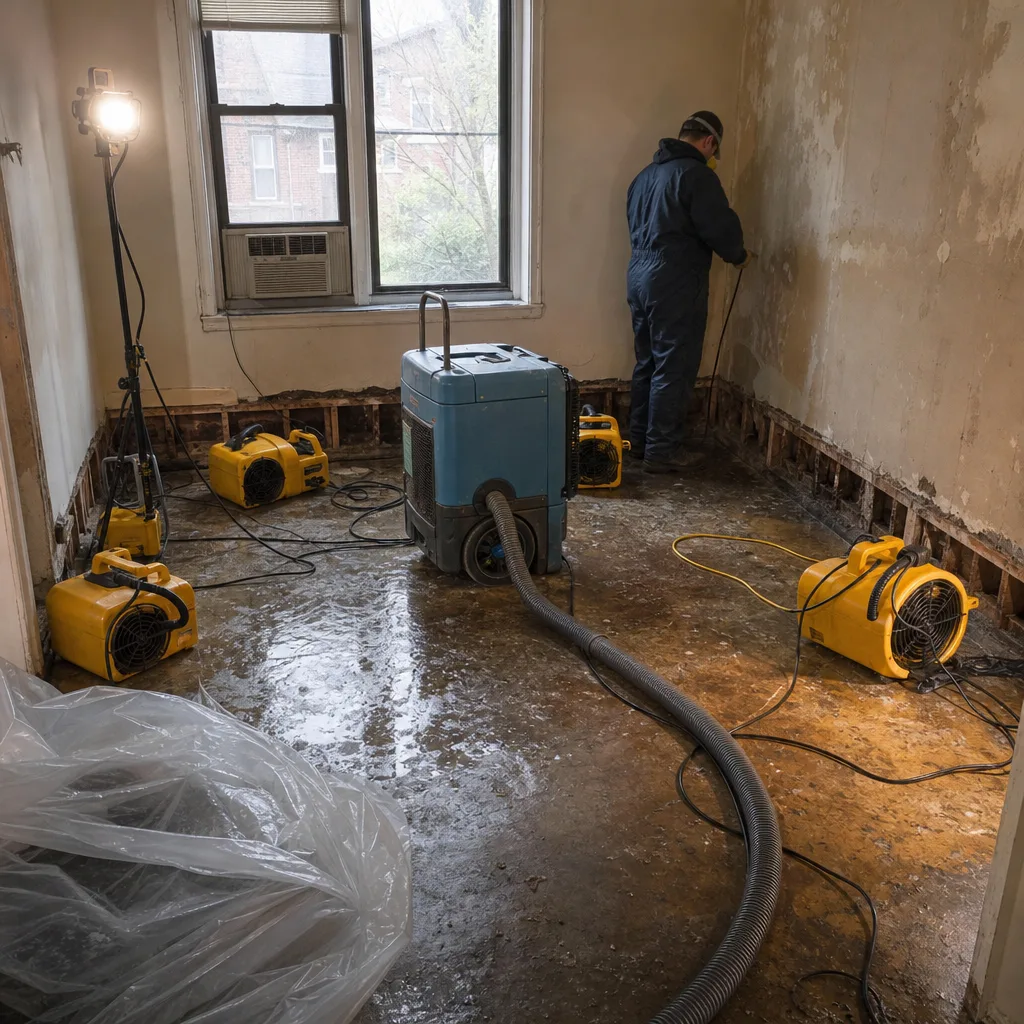
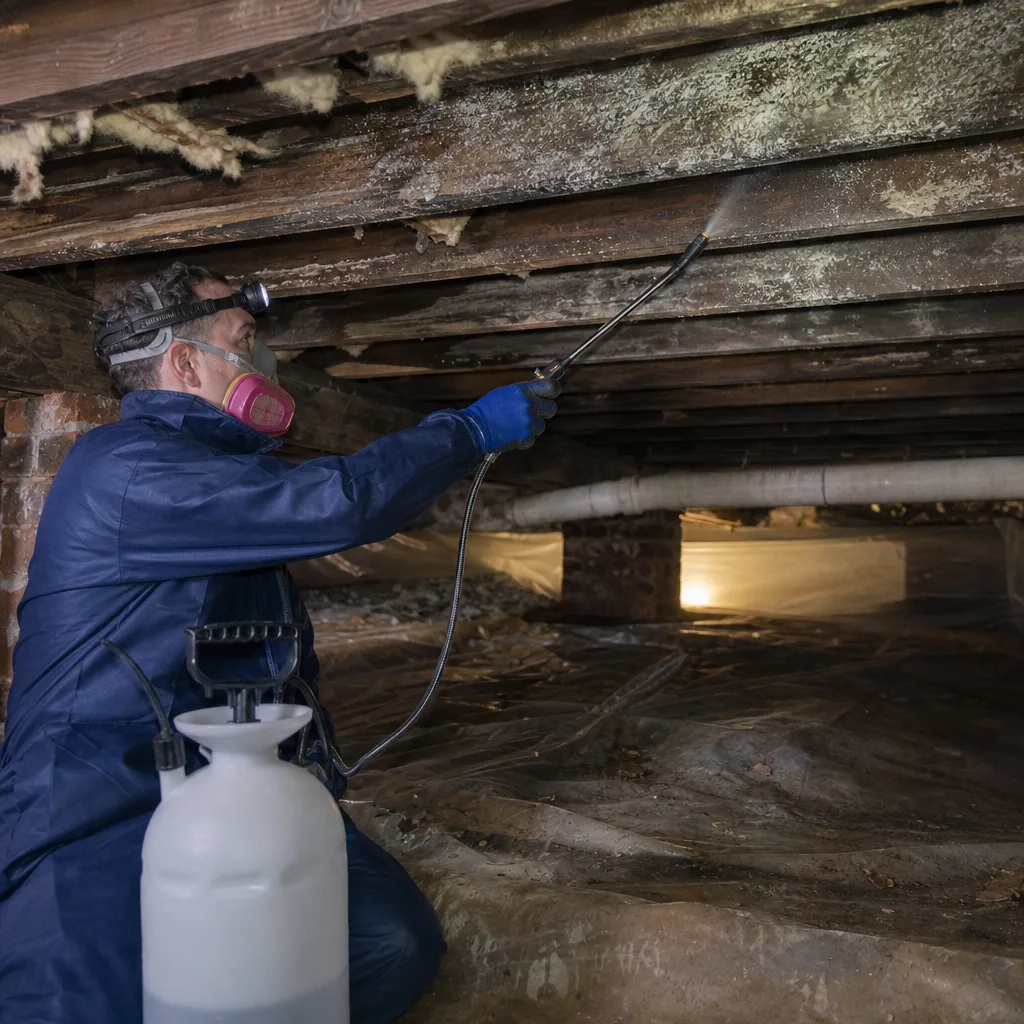
For larger commercial spaces, from a hotel basement off Broadway to a synagogue or school support building with mechanical rooms below grade, we bring the same equipment: Dri-Eaz LGR dehumidifiers, Phoenix axial air movers, and Injectidry systems that dry beneath built-in cabinetry and original plaster. We manage containment and clearance testing where mold is present, so the facility can reopen with documentation showing the dry standard was met.
Large-Loss Response
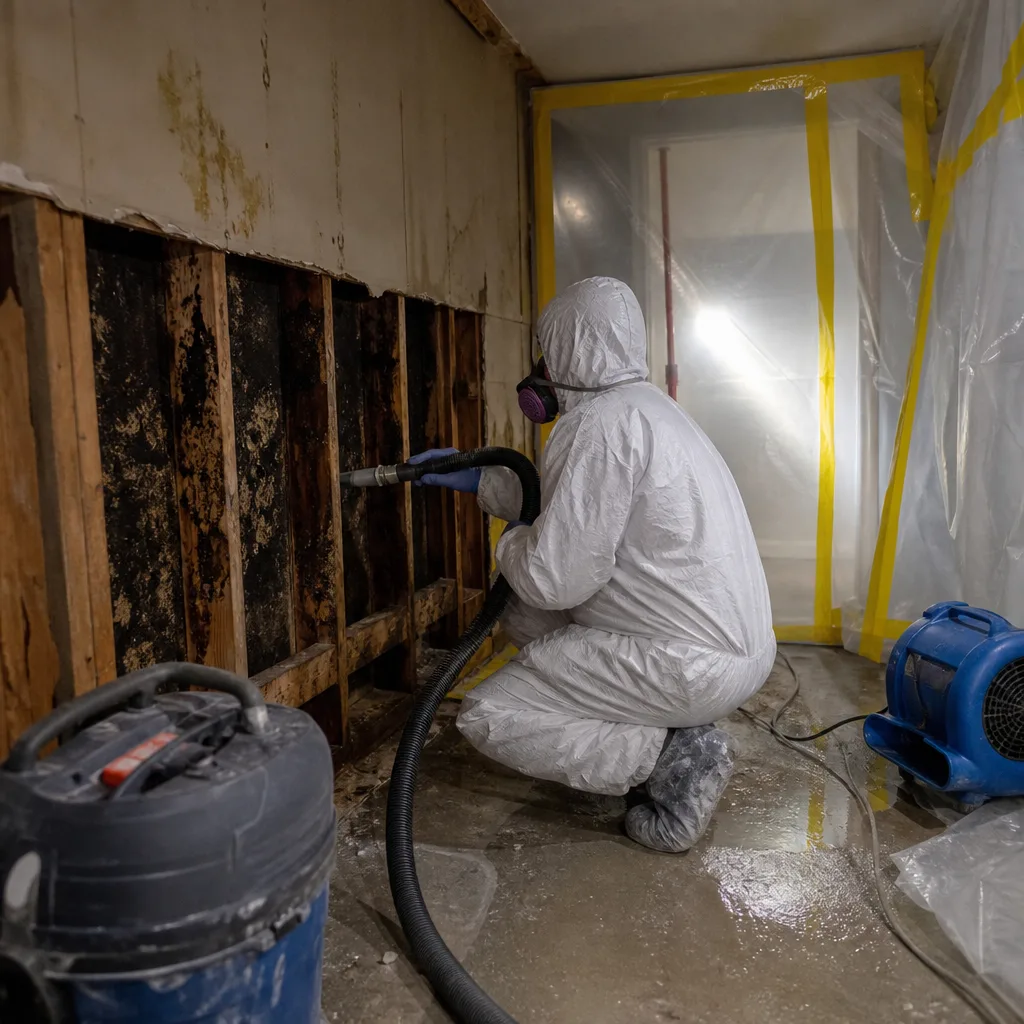
A whole-floor water event in a 1920s Central Park West co-op is a large-loss by definition: twelve units, original oak, steam riser still weeping, board meeting tomorrow. We run large-loss the way it should be run. One project manager coordinates the crew, the adjuster, the board, and the plumber. We stage drying equipment by floor and chase, not by guess. We document every unit before, during, and after. The goal is simple: stop the loss from spreading and get every unit dry without ripping out materials that can be saved.
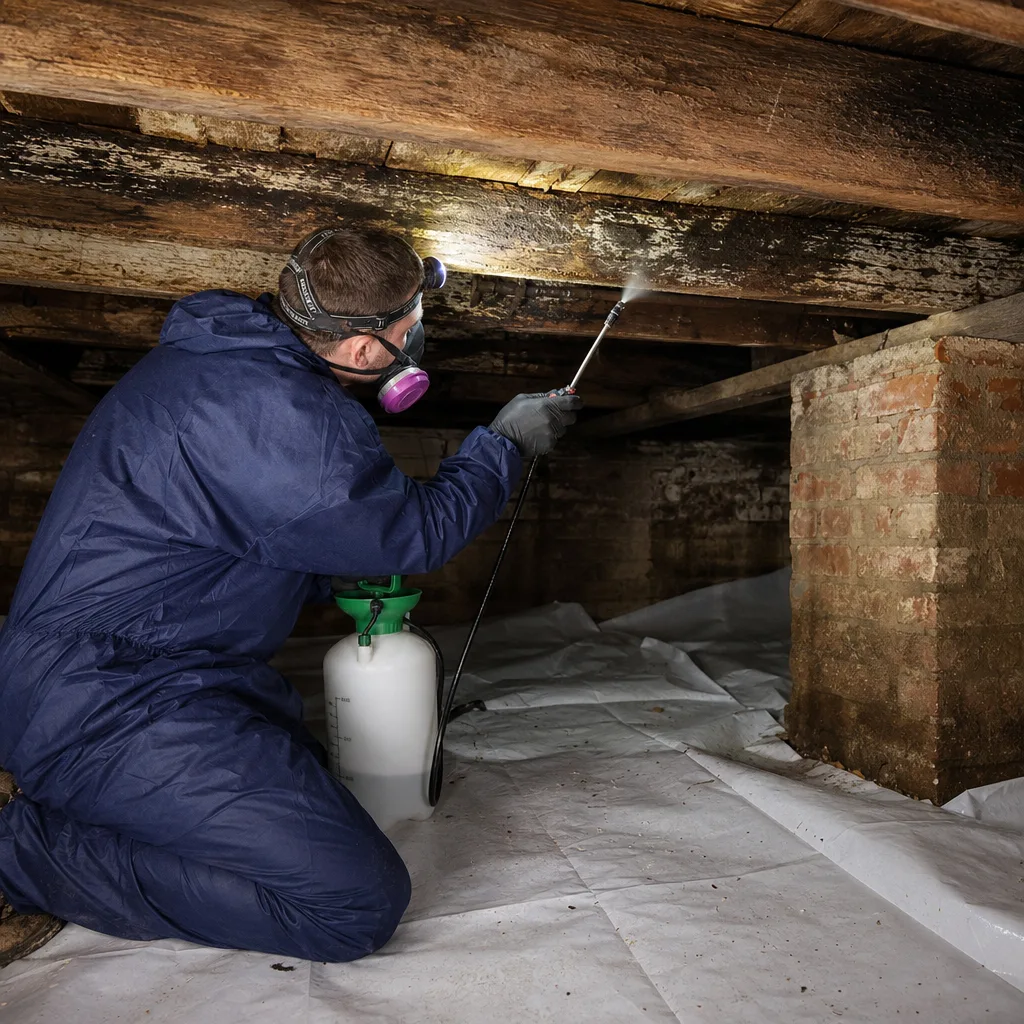
Business Interruption Minimization
For an Upper West Side building with ground-floor retail or a professional office below residential units, every day of closure costs money. We schedule extraction and drying around business hours where possible. We restore documents and inventory in place or through freeze-drying coordination. And we bill the carrier directly, so the business owner isn’t floating a restoration invoice while waiting on a claim check. The fastest way to reopen is to call while the water is still flowing, not after the drywall has swelled.
What happens when you call
- 1
A real person answersNo phone trees - you reach a local pro.
- 2
You get an upfront price rangeHonest numbers before anyone is dispatched.
- 3
A background-checked tech heads outLicensed & insured, dispatched right away.
- 4
You approve before work beginsNothing starts until you say go.
Commercial Restoration Costs in Upper West Side, NY
Commercial restoration costs in Upper West Side run higher than nearby areas because the building stock does. Drying a small water loss in a brownstone office typically runs $4,000-$8,000. A multi-floor steam leak in a pre-war co-op, with LPC-compliant plaster and oak restoration, regularly lands $25,000-$75,000 or more, depending on how far the water migrated before the super shut the riser. Mold remediation in a basement storage room on West End Avenue runs $6,000-$18,000 with containment and clearance testing. Fire restoration in a ground-floor retail space starts around $12,000 for light soot and climbs past $50,000 when structural soot and odor require full cleaning and repainting. Insurance usually covers the majority when documentation is clean, which is why we photograph everything and bill the carrier directly. Call (845) 305-5737 for a free inspection and a written scope with real numbers, not a range pulled from a national estimate guide.
We Also Serve Cities Near Upper West Side
Floodline Restoration Co. provides commercial restoration in Upper West Side and the surrounding New York City neighborhoods: Upper Manhattan, Morningside Heights, Central Harlem, and East Harlem. Same live dispatch, same 45-minute response commitment, same written scope before work starts. Homeowners and property managers across the Upper West Side and nearby areas reach us at (845) 305-5737.
Serving Upper West Side, NY - Our Local Coverage Area
We’re based in the Upper West Side area and know this community well. Use the map below to see our service coverage - if you’re nearby, we can almost certainly help.
Upper West Side Commercial Restoration Questions, Answered
What does Floodline Restoration do when a steam radiator leak happens on an upper floor of a pre-war UWS co-op and the super can’t be reached to shut the boiler?
We start containment on the floor below the leak while making direct contact with the super and the building’s plumber. If the riser cannot be shut, we install temporary catchments and run extractors continuously until the boiler is offline. The key is preventing downward migration through original oak and horsehair plaster. Then we moisture-map the entire vertical chase to find where water has already traveled. Call (845) 305-5737 and we’ll walk you through the first hour while the crew is en route.
Can you dry in place the original herringbone oak and plaster crown molding in our Riverside Drive landmark building, or does Landmarks Preservation Commission require replacement?
We can often dry in place using Injectidry systems that pull water out from beneath the oak and behind the plaster without demolition. LPC typically wants retention of original materials wherever they can be saved, and our drying logs and moisture readings provide the documentation that supports salvage. Where plaster is too far gone, we coordinate material matching with an LPC-approved contractor and the board’s architect before any removal. Replacement with drywall is not our default, and on an LPC-listed building it usually isn’t allowed anyway.
How do you mount drying equipment in a UWS brownstone with 30-inch doorways and narrow hallways where a standard commercial air mover won’t fit?
We run smaller XPOWER and Phoenix axial air movers that fit through 30-inch doors, and stage them in series down hallways so airflow covers the entire path. Dri-Eaz LGR dehumidifiers are placed wherever clearances allow. The drying plan is sized to the space, not the equipment we wish we could roll in, and we take daily readings to confirm the plan is working. Tight Upper West Side doorways slow down amateurs; they don’t slow us down.
After a combined sewer backup flooded the basement storage room of our courtyard building on West End Avenue, when can we treat the water as Category 3 instead of Category 1?
The moment sewage or outside groundwater from a sewer backup enters the building, it’s Category 3. Category 1 is clean water from a supply line or steam condensate. Category 2 is gray water with some contamination. A combined sewer backup on the Upper West Side carries waste and street runoff, so we treat it as Category 3 from the start: containment, removal of saturated porous materials, antimicrobial treatment of structural components, and HEPA air scrubbing before reentry. No shortcuts, no debating the category three days in.
What is involved in a large-loss response for a whole-floor water event in a 1920s Central Park West co-op, and how do you minimize business interruption for the building staff and ground-floor retail?
We bring a full complement of Dri-Eaz and Phoenix equipment sized to the floor plate, not the unit. A single project manager runs the whole loss from extraction through reconstruction, coordinating with the board, the super, and every affected carrier. For ground-floor retail, we schedule noisy drying work around business hours and restore inventory in place where possible. The same crew that reads the moisture map on day one rebuilds the space at the end, so there is no handoff delay between mitigation and reconstruction.
How fast can you actually get a crew to our Upper West Side building in an emergency?
We commit to 45 minutes or less for Upper West Side dispatch. Crews are staged locally and know the access realities: service entrances, freight elevators, 30-inch brownstone doors, and parking constraints. A live person answers the phone 24/7 and routes the nearest certified team immediately. The sooner extraction starts, the less the loss costs and the more original material we can save.
Will our co-op insurance cover commercial restoration, or do we pay out of pocket?
Most Upper West Side co-op losses are covered by a combination of the building’s master policy and the individual unit owner’s policy, and the split varies by building. We work directly with the adjuster, provide the documentation carriers need, and bill the insurance company directly so the board and unit owners aren’t carrying the cost while the claim moves. We’ll also tell you honestly what likely isn’t covered before the check arrives, so there are no surprises on the bill.
What should we do in the first 30 minutes after discovering water or fire damage in our Upper West Side building?
Call (845) 305-5737 first. Then, if it’s water, shut the nearest valve you can reach safely and clear the floor of anything electrical. If it’s fire or smoke, don’t reenter until the fire department clears the space. Take photos from the doorway. Then stay on the line with our dispatcher: they’ll tell you what to move, what to leave alone, and what to tell the super while the crew is on the way. The first 30 minutes decide how much material we can save. Call now, and we’ll be there when we say.
Written by Curt Bowman, Owner at Floodline Restoration Co., providing commercial restoration in Upper West Side and throughout New York City since 2010. Backed by the 90-Day Done Right Promise, in writing.