

Free visual inspection and a written scope of work before any mitigation begins - photos, moisture readings, and drying logs go in your claim file
The scope we write is the scope we bill. Anything new gets shown to you, in writing, before we touch it.
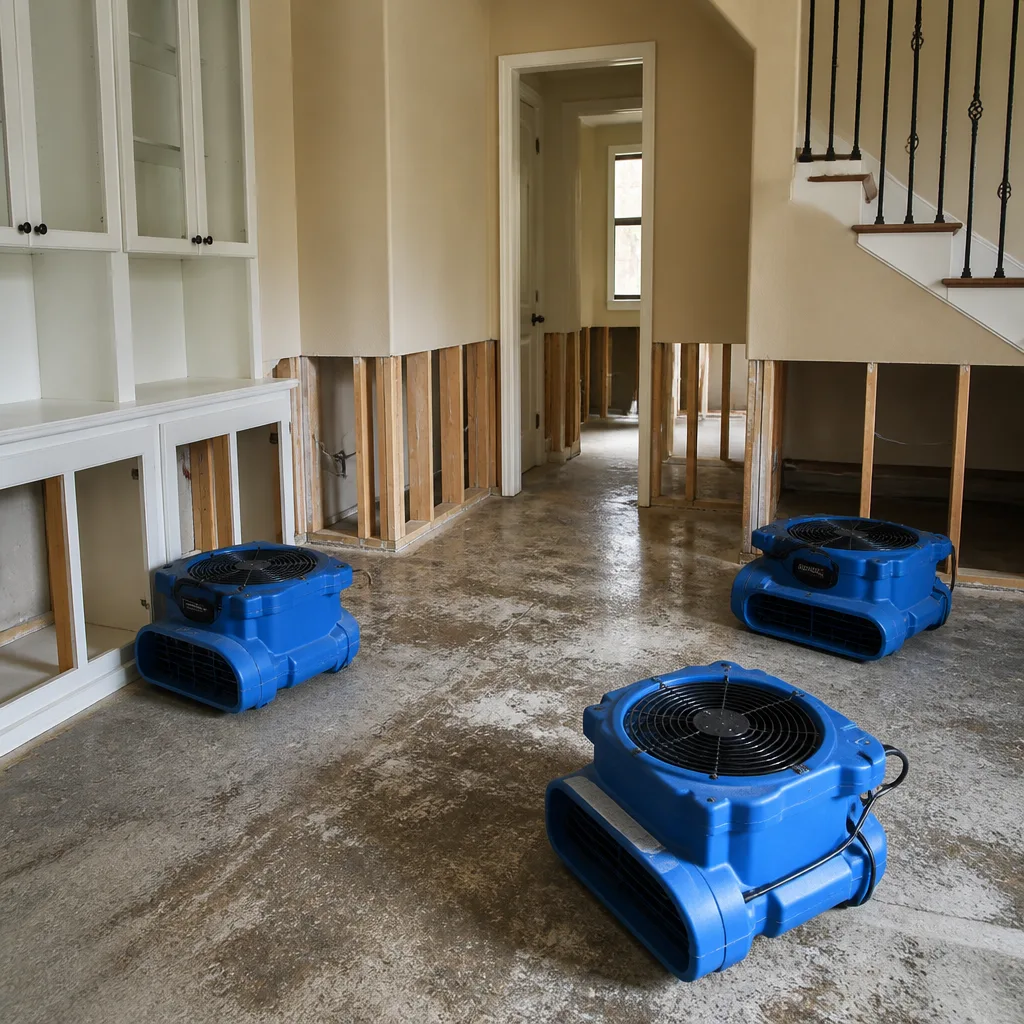
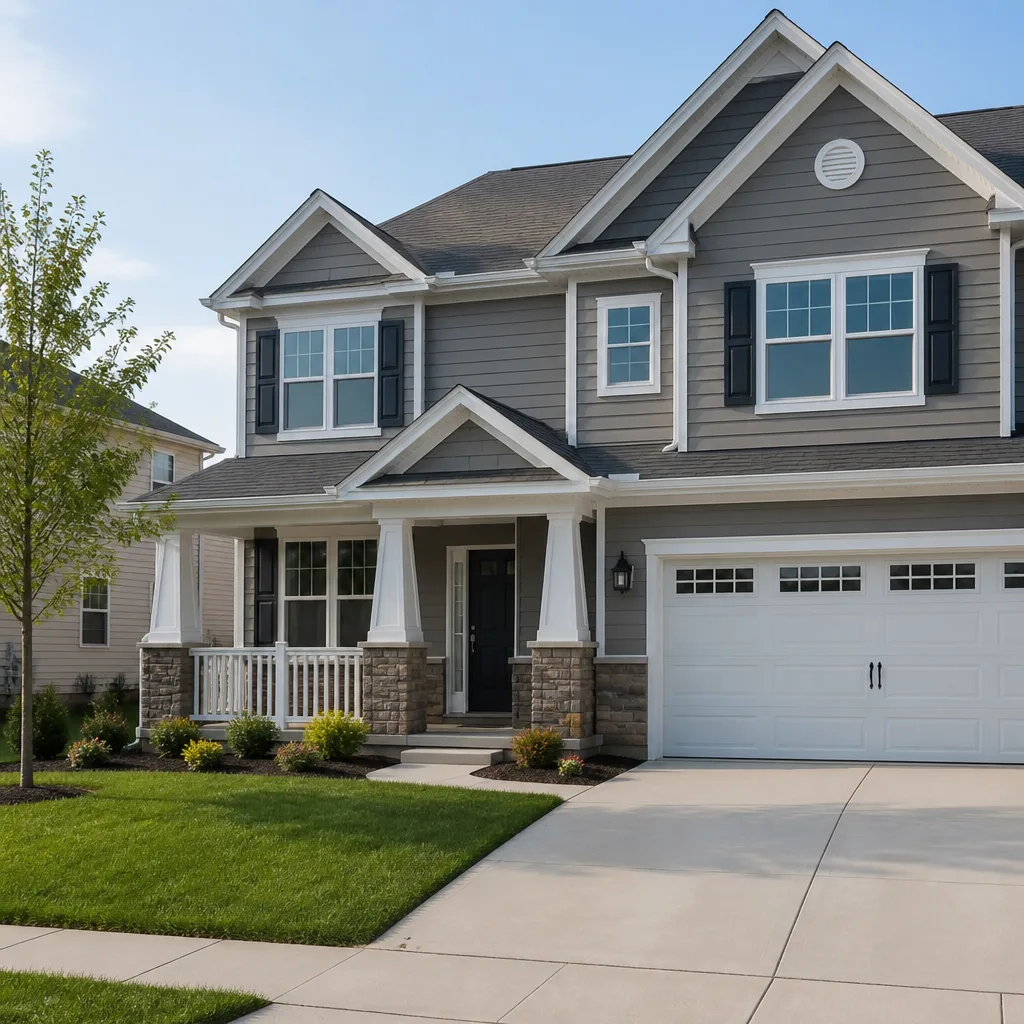
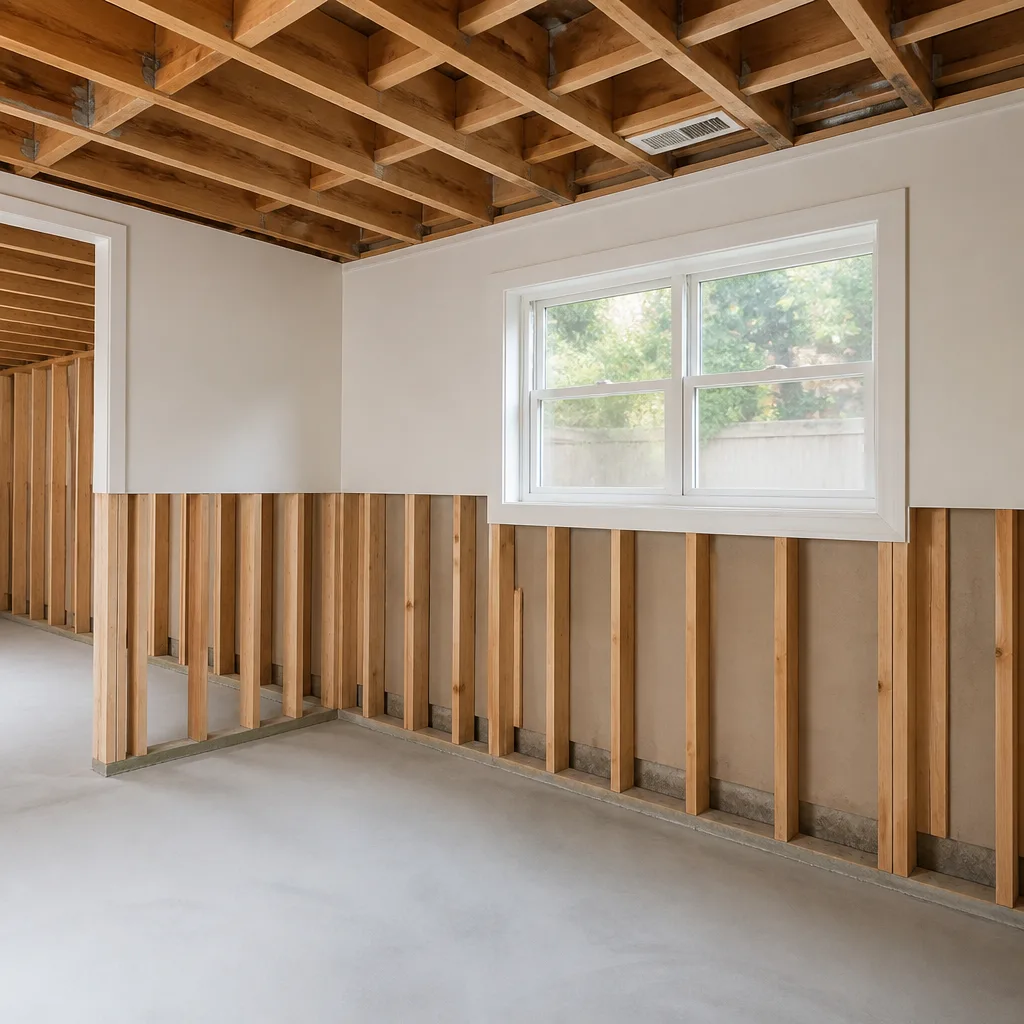
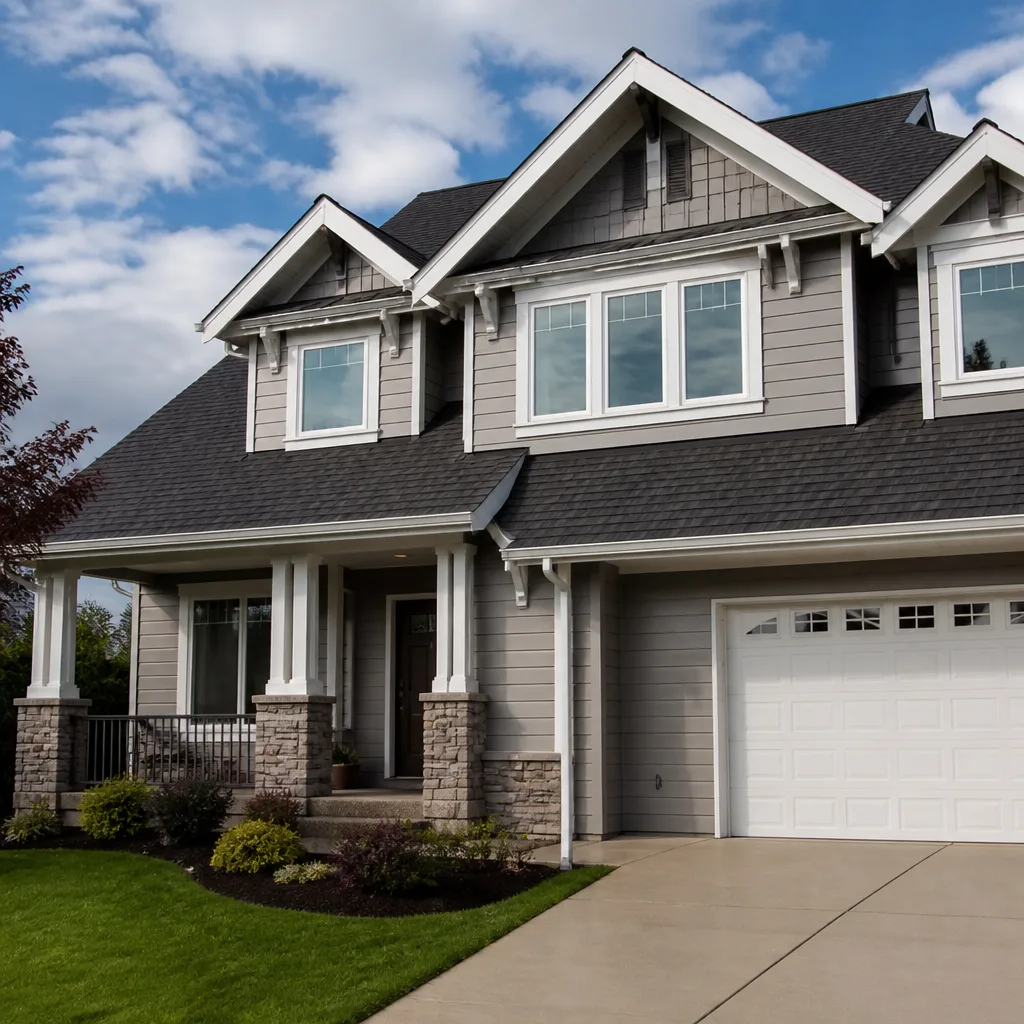
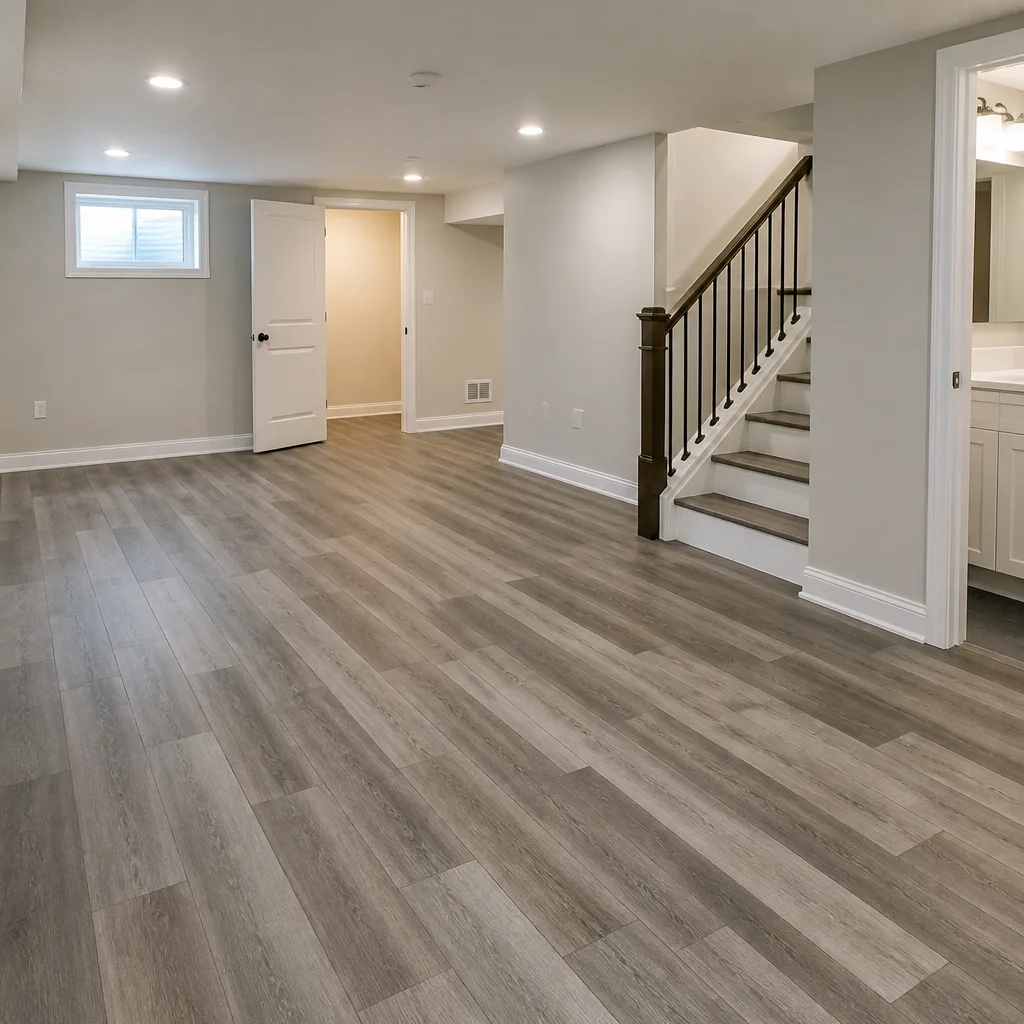
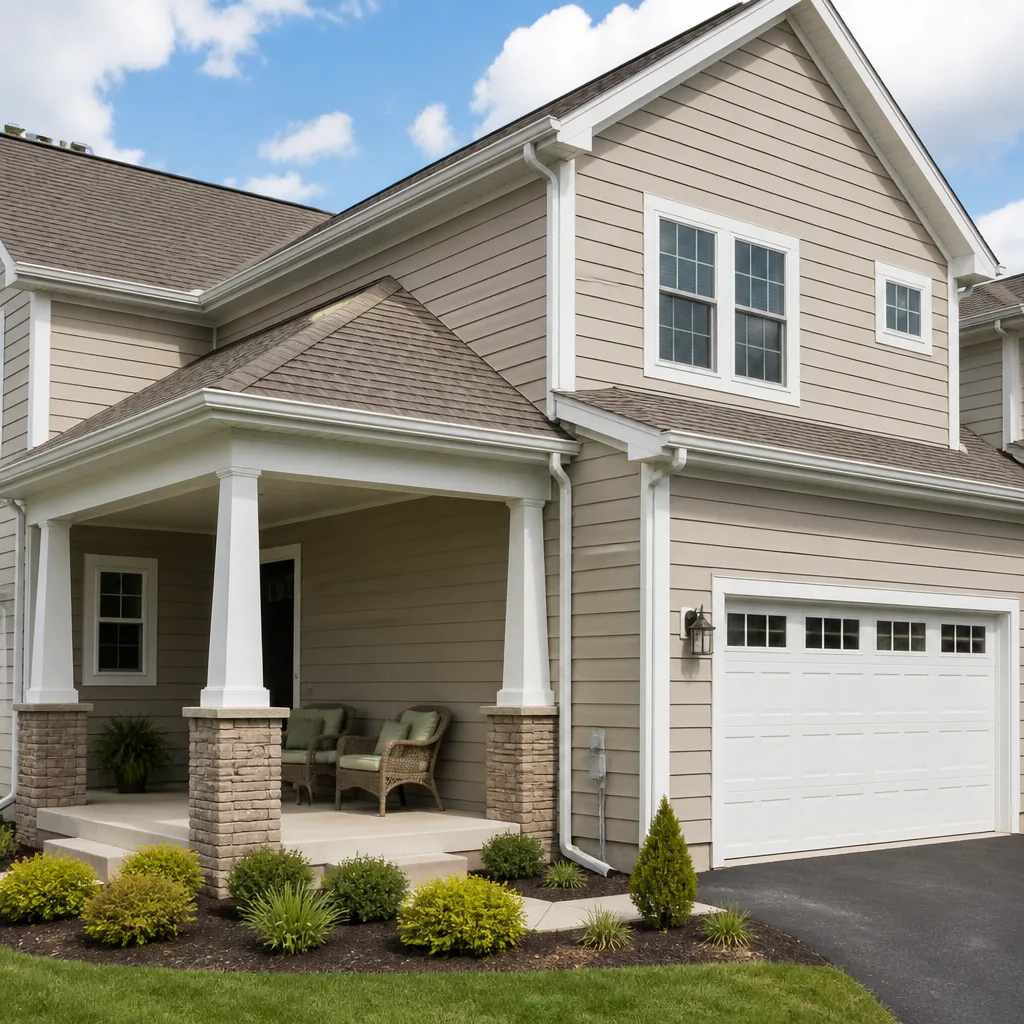
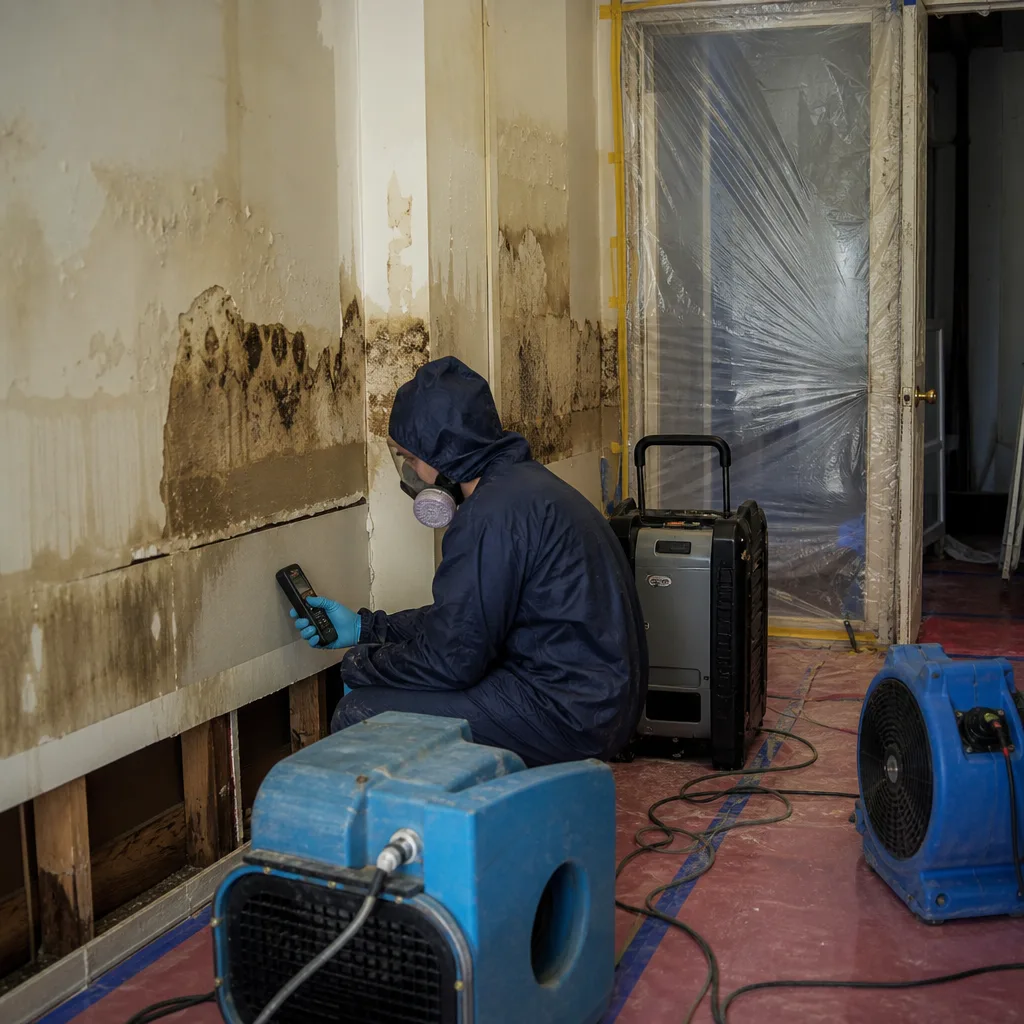 Before
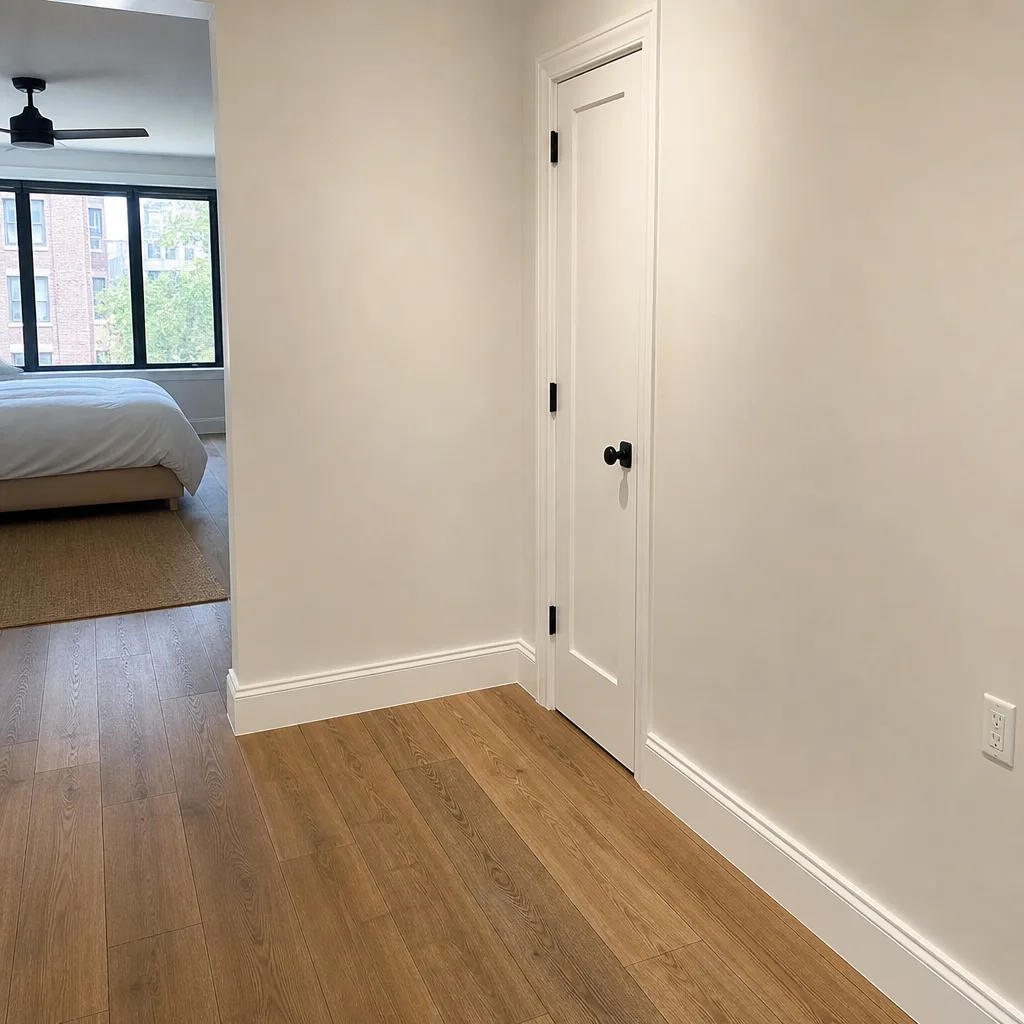 After
After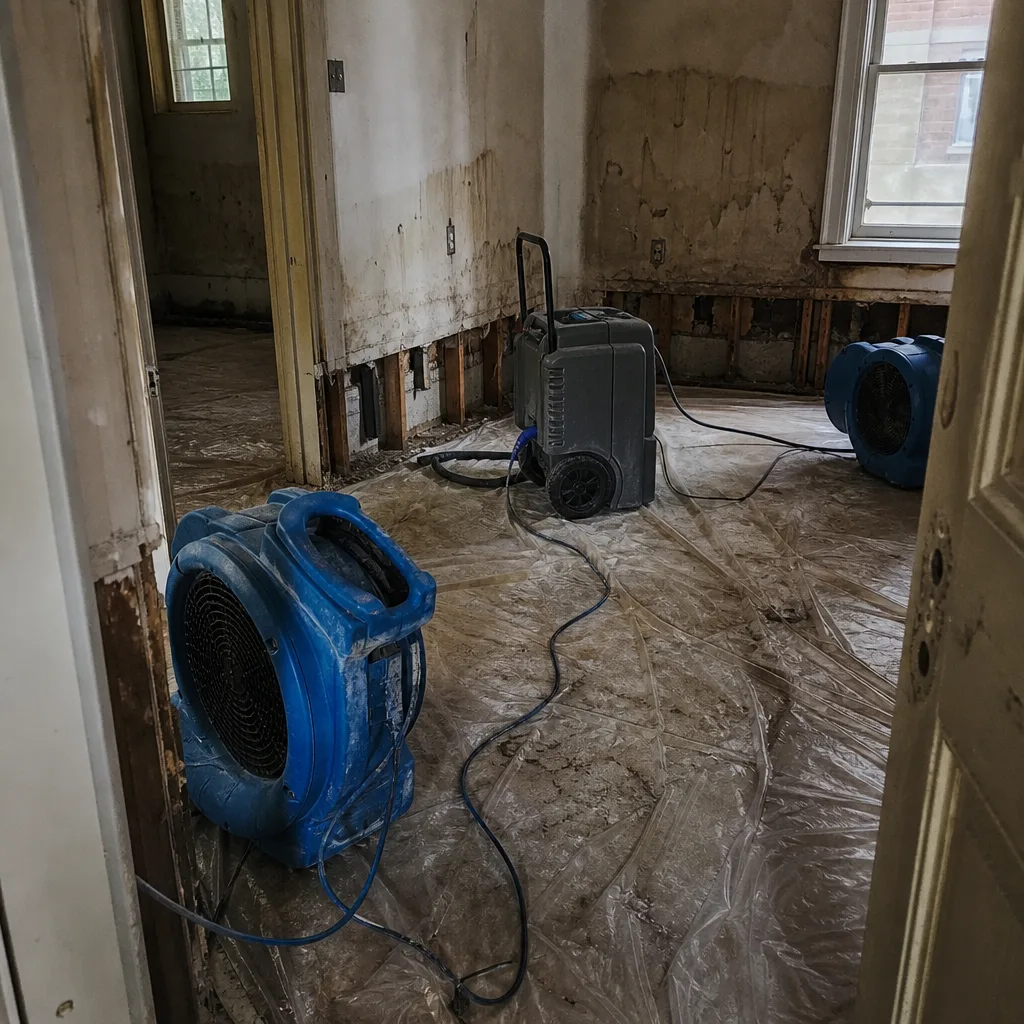 Before
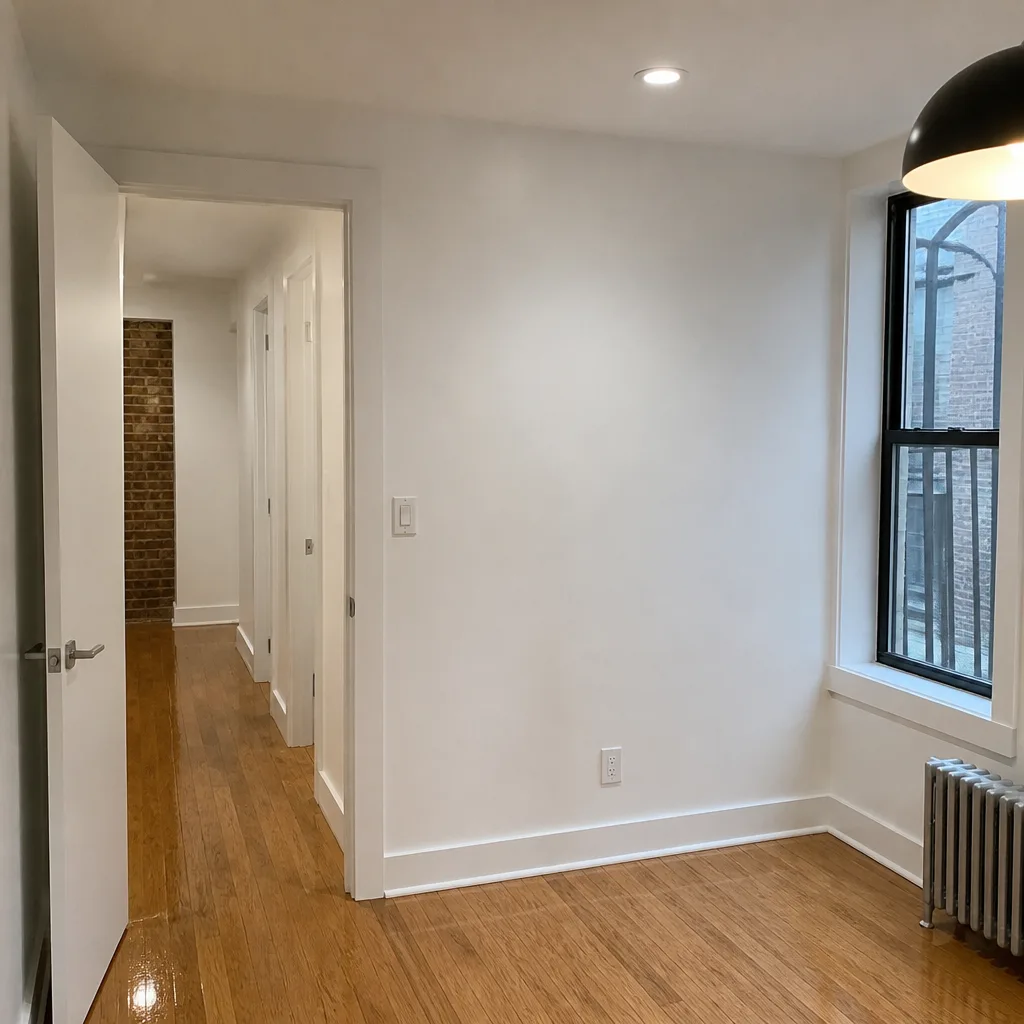 After
After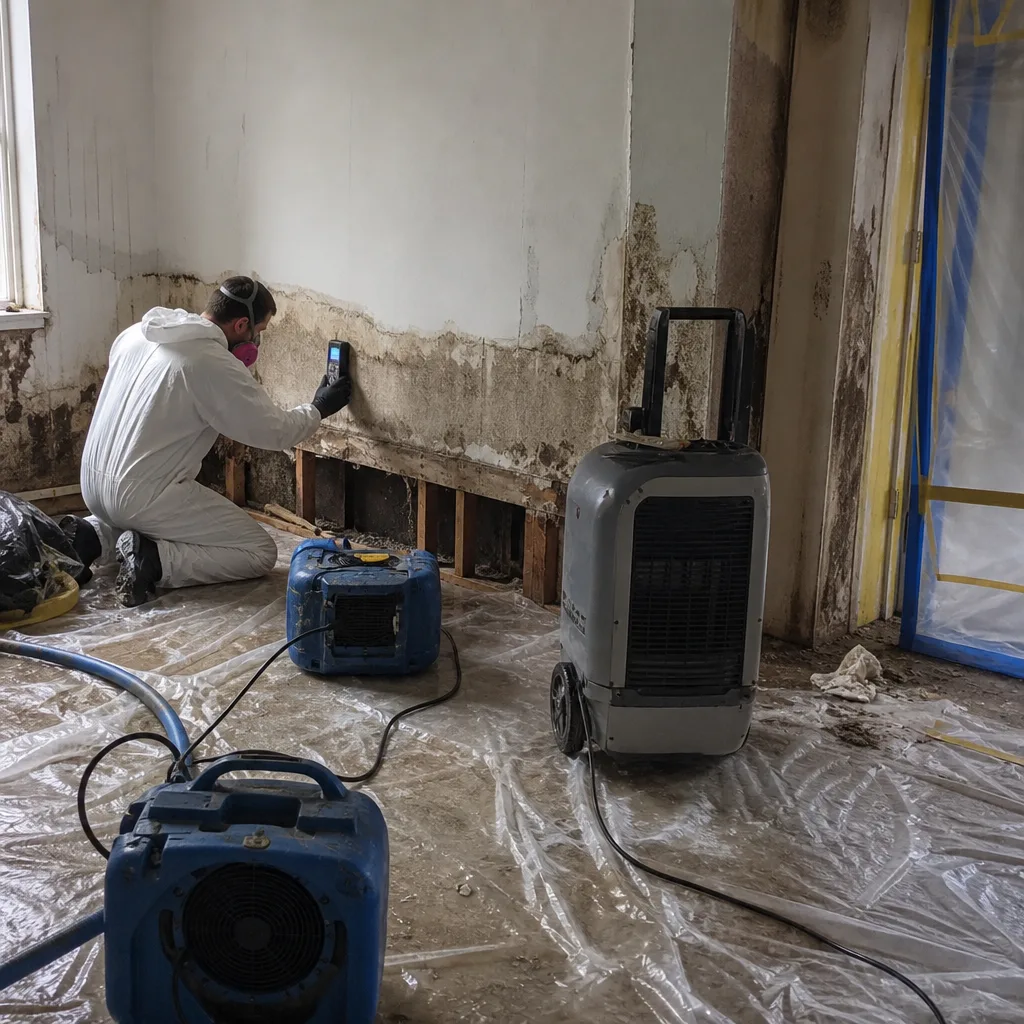 Before
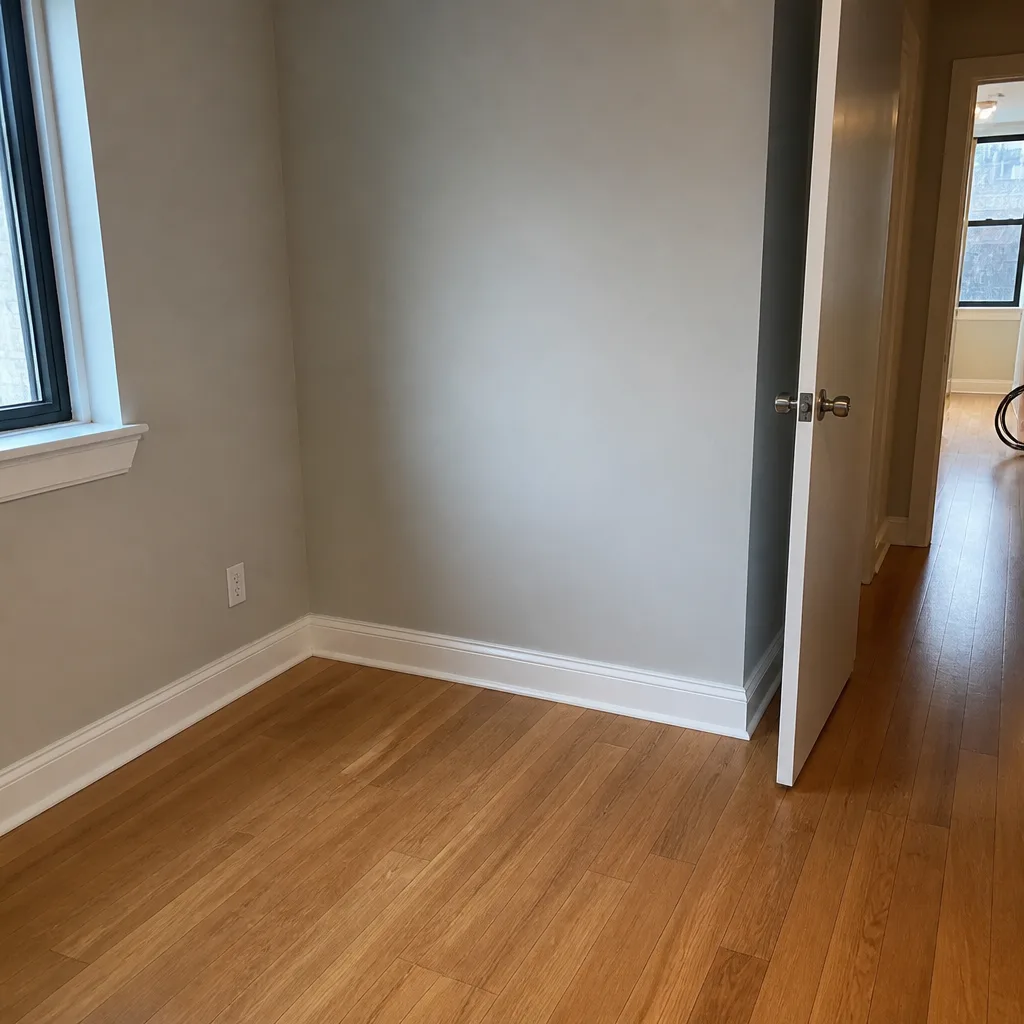 After
After24/7 Emergency Biohazard & Crime Scene Cleanup in Morningside Heights
Biohazard cleanup in Morningside Heights typically runs $1,200-$4,500 for a standard trauma or unattended death scene, with hoarding remediation reaching $8,000-$25,000 depending on square footage and years of accumulation. Our crews are on call around the clock, and a live dispatcher answers at (845) 305-5737 whether you call at noon or 2 a.m. Blood, bodily fluids, and decomposition byproducts don’t wait for business hours, and neither do we. The first hour after a traumatic event or discovery matters: bodily fluids wick into wood subfloors and plaster walls fast, and once they’re inside original 1900-1940 building materials, removal becomes slower and more invasive. Every Morningside Heights job starts with a free visual inspection so you know exactly what you’re dealing with before any equipment comes through the door.
Understanding Biohazard & Crime Scene Cleanup Severity in Morningside Heights Properties
Biohazard work breaks into three tiers, and your building’s construction determines how quickly a scene escalates from one to the next. Category 1 means materials are dry and contained - dried blood on a tile floor, for instance. Category 2 means fluids have begun to migrate: blood trailing across hardwood, decomposition fluids pooling beneath a body. Category 3 is full penetration, where bloodborne pathogens and decomposition byproducts have entered porous building materials - the plaster, lath, pine subfloor, and original joists common to Morningside Heights’s pre-war masonry apartment stock. This is where the neighborhood’s housing age becomes a real problem. Drywall, the standard material in post-war construction, is relatively predictable: it wicks moisture and stops. Plaster-and-lath, which dominates the 6-to-12-story elevator buildings along Broadway, Claremont, and Amsterdam Avenues, wicks fluids upward through capillary action for days. A stain visible on the wall two feet above the floor often means the fluid migrated four feet, hidden behind plaster keys and lath strips. Standard moisture meters read false-low on these materials, which is why our technicians use penetrating hygrometers calibrated for dense masonry assemblies, not just pin meters designed for drywall. Severity in Morningside Heights is also tied to building management. Roughly a third of the neighborhood’s residential stock is Columbia University-owned or managed, and contact with the university’s facilities office often delays containment. That delay, not the scene itself, is what pushes a Category 2 into a Category 3. We know how to document a scene so Columbia’s Facilities & Operations at 116th Street releases funds and access fast, and we’ve built our process around making that happen without cutting corners on safety.
Why Morningside Heights Property Owners Choose Floodline Restoration Co.
- 45-minute response commitment: When a biohazard scene is active, our Morningside Heights crews are dispatched from the Upper Manhattan corridor and typically arrive within 45 minutes of your call, day or night.
- 24/7 live answer, always a person: You’ll never reach a voicemail. A dispatcher picks up, gets your building address, and starts the process while the crew is still on the phone with you.
- IICRC-certified biohazard technicians: Our crews hold IICRC Trauma and Crime Scene Technician (TCST) and Applied Microbial Remediation Technician (AMRT) certifications, plus RIA and IFA credentials. We follow OSHA 29 CFR 1910.1030 bloodborne pathogen standards on every scene.
- Free visual inspection before any work: You get a written, photo-documented scope and a firm price before any equipment is placed. No surprises, no upsells.
- Direct insurance billing: We bill your carrier directly and handle adjuster communication. You don’t play messenger between Floodline, Columbia facilities, and your insurer.
- One team from containment to rebuild: The same crew that sets containment and removes biohazard materials also handles structural repairs, subfloor replacement, and plaster restoration. No mid-job handoff.
Our Biohazard & Crime Scene Cleanup Process
1. Inspection & Assessment
We arrive, assess the scene, and document everything with photos and written notes. If it’s a Columbia-managed building on 112th or 113th Street, we simultaneously file the scope with Facilities & Operations at 116th Street so the approval clock starts immediately.
2. Extraction & Stabilization
We remove visible blood, bodily fluids, and contaminated porous materials. This includes carpet, padding, and any saturated section of plaster-and-lath wall or pine subfloor. All regulated medical waste is double-bagged, labeled, and disposed of through our licensed biohazard transport partner.
3. Drying & Dehumidification
After extraction, we run Dri-Eaz LGR dehumidifiers and Phoenix axial air movers. In pre-war buildings with original plaster, we place equipment strategically to draw moisture from behind lath strips without cracking the plaster face.
4. Cleaning & Sanitization
We apply an EPA-registered hospital-grade disinfectant to all affected surfaces. Hard surfaces like tile and sealed wood get mechanical cleaning followed by disinfectant dwell time. Porous masonry that can’t be removed gets an antimicrobial treatment appropriate for lime-based plaster.
5. Specialty Treatment & Odor Removal
Decomposition odor in pre-war apartments often lingers in original baseboards, door casings, and floor cavities. We use hydroxyl generators and thermal fogging to reach what surface cleaning can’t. If hoarding is involved, we do a full pack-out of affected rooms first so no floor cavity goes untreated.
6. Repairs & Restoration
We rebuild what we removed: new subfloor sections, plaster patch and skim coat to match the original texture, baseboard and trim replacement. The unit goes back to pre-loss condition, with a written report for you and your insurer.
Need Emergency Biohazard & Crime Scene Cleanup in Morningside Heights Now?
Crews minutes away, answering live 24 hours a day. The sooner we start, the less it costs.
Working With Your Insurance Company
Biohazard cleanup is covered under most homeowners and renters policies when the event is sudden and accidental - a death, a crime, a sewage backup. What insurers push back on is documentation. “How do we know the subfloor was actually contaminated?” is a question you never want to have to answer yourself. That’s why our Biohazard & Crime Scene Cleanup team documents from the first hour: photos of every affected surface, moisture readings from the day we start through the day the dry standard is met, and a line-item scope of work with materials and labor broken out. We have worked with adjusters assigned to Columbia-managed buildings enough to know exactly what they request. During claim handling, we talk directly with your carrier so you don’t repeat yourself three times. The 90-Day Done Right Promise applies to every biohazard job we complete in Morningside Heights - if the work isn’t right, we return and make it right, in writing, no arguing.
What We Provide Your Insurer
- Thorough documentation of the loss
- Photos of all damage, room by room
- Moisture readings and drying logs
- A detailed, line-item scope of work
- Direct coordination with your carrier
Built for Morningside Heights’s Loss Calendar
Biohazard calls in Morningside Heights follow a pattern tied to the neighborhood’s buildings and seasons. January and February bring unattended deaths in steam-heated pre-war apartments - people found days or weeks after a radiator failed and the heat stopped circulating. Cold-weather discoveries mean fluids have had time to soak into pine subfloor and original joists, which lengthens remediation and raises cost. Spring and summer shift to crime scenes and self-harm incidents, often in Columbia-adjacent buildings on Amsterdam and Claremont. The university’s academic calendar matters: during finals in May and move-in during early September, facilities coordinators are stretched thin, and approval delays for cleanup scopes are more common. We plan around that by submitting paperwork the same day we assess the scene, sometimes within hours of the first call. Hoarding cases surface year-round, but we see an uptick in late summer when heat pushes odors through shared stairwells and neighbors call building management. The buildings themselves also create work: original cast-iron and early galvanized plumbing corrodes unevenly, and a slow leak behind a hoarded apartment’s kitchen wall can breed mold and attract pests for months before anyone notices. That’s a biohazard too, and it’s one we’re equipped to handle under the same Morningside Heights response umbrella.
Biohazard & Crime Scene Cleanup Across Morningside Heights’s Neighborhoods
Morningside Heights runs roughly from West 110th to West 125th Street between Riverside Drive and Morningside Park, and each corridor has its own building rhythm. The blocks along Broadway between 110th and 116th are a mix of Columbia administrative buildings and mid-rise co-ops - most pre-war, most with steam heat and plaster over masonry. Calls here tend to be unattended deaths and medical emergencies in single-occupancy apartments where the resident lived alone. West of Broadway, the Riverside Drive addresses are larger 8-to-12-story buildings with more cooperative ownership and a faster super response, which means scenes are often discovered and reported sooner. The Amsterdam Avenue corridor from 113th to 122nd includes a high concentration of Columbia-owned faculty and student housing, and that’s where we see the most procedural delay: a crime scene or death needs formal release from the facilities office before we can do more than a visual walk-through. East of Amsterdam, toward Morningside Park and the 10025 ZIP code, the buildings get slightly smaller but older, many from the 1900s and 1910s, with original pine subfloors and thicker plaster than anywhere else in the neighborhood. Blood and fluid migration in those units follows joist bays and settles in floor cavities that have never been opened since the building went up. Knowing which block you’re on changes where we start looking.
Specialized Biohazard & Crime Scene Cleanup Services We Offer in Morningside Heights
Crime Scene Cleanup
When NYPD releases a scene in Morningside Heights, the clock starts. We handle blood spatter, weapons residue, and evidence-related contamination. Our technicians follow the same containment and disposal protocols whether the scene is a street-level commercial space on Broadway or a fifth-floor walk-up on 119th. The goal is always the same: return the space to the family or landlord without a trace of what happened.
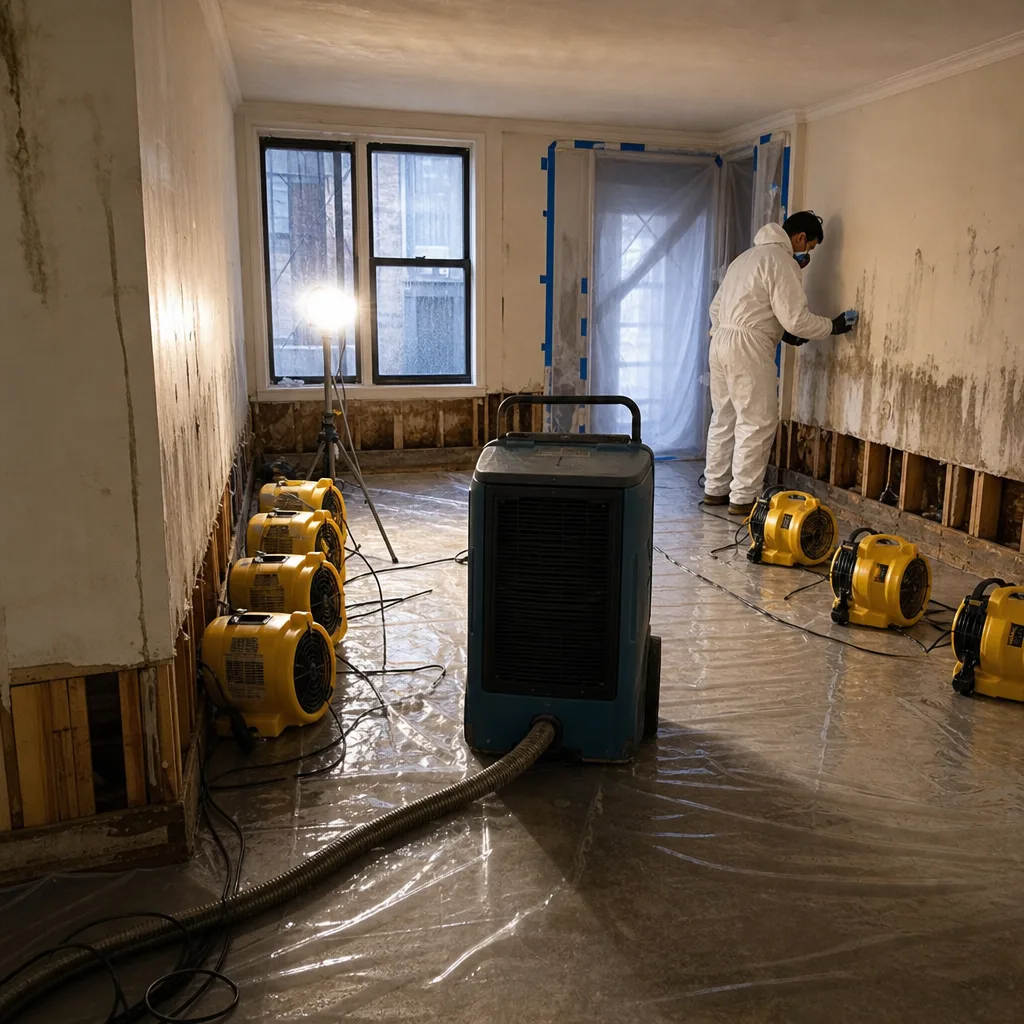
Trauma & Unattended Death Cleanup
Unattended deaths in Morningside Heights pre-war apartments are a specialty of ours, and a difficult one. By the time a body is discovered - often days or weeks later - decomposition fluids have moved through flooring and into the joists below. We remove all affected porous material, treat the structural framing with antimicrobial, and run Dri-Eaz dehumidifiers until the cavity is dry. In a Columbia-managed unit, we coordinate the entire scope with the facilities office in advance so our work doesn’t stop for paperwork mid-job.
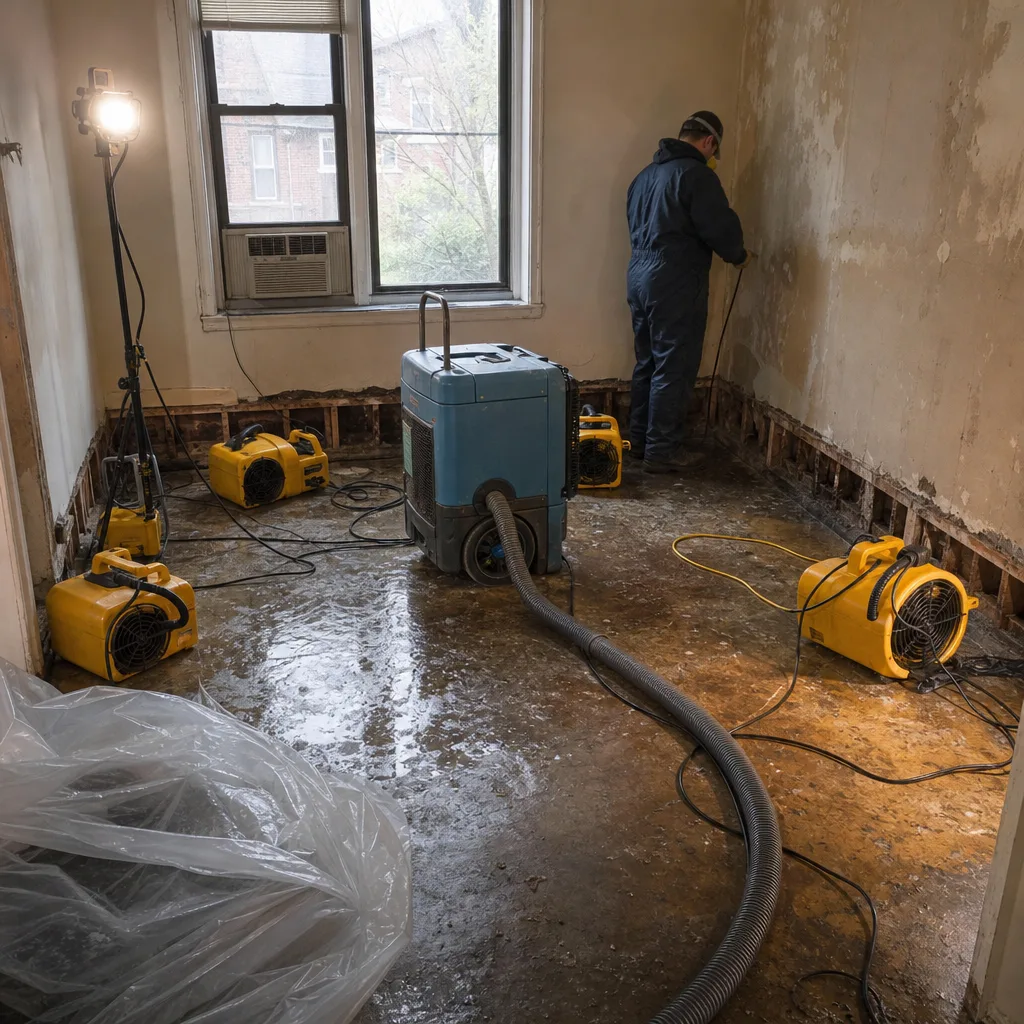
Hoarding Cleanup
Hoarding in a 1910s Morningside Heights apartment is not like hoarding in a modern unit. The debris hides structural damage, and the sheer volume of material prevents equipment from reaching the floor cavities where fluids and mold hide. We do a full pack-out of every affected room - with the resident’s or family’s involvement when possible - then remediate the underlying floor and wall assembly. We work with you on what to keep, donate, or discard, and we never throw anything away without a documented decision trail.
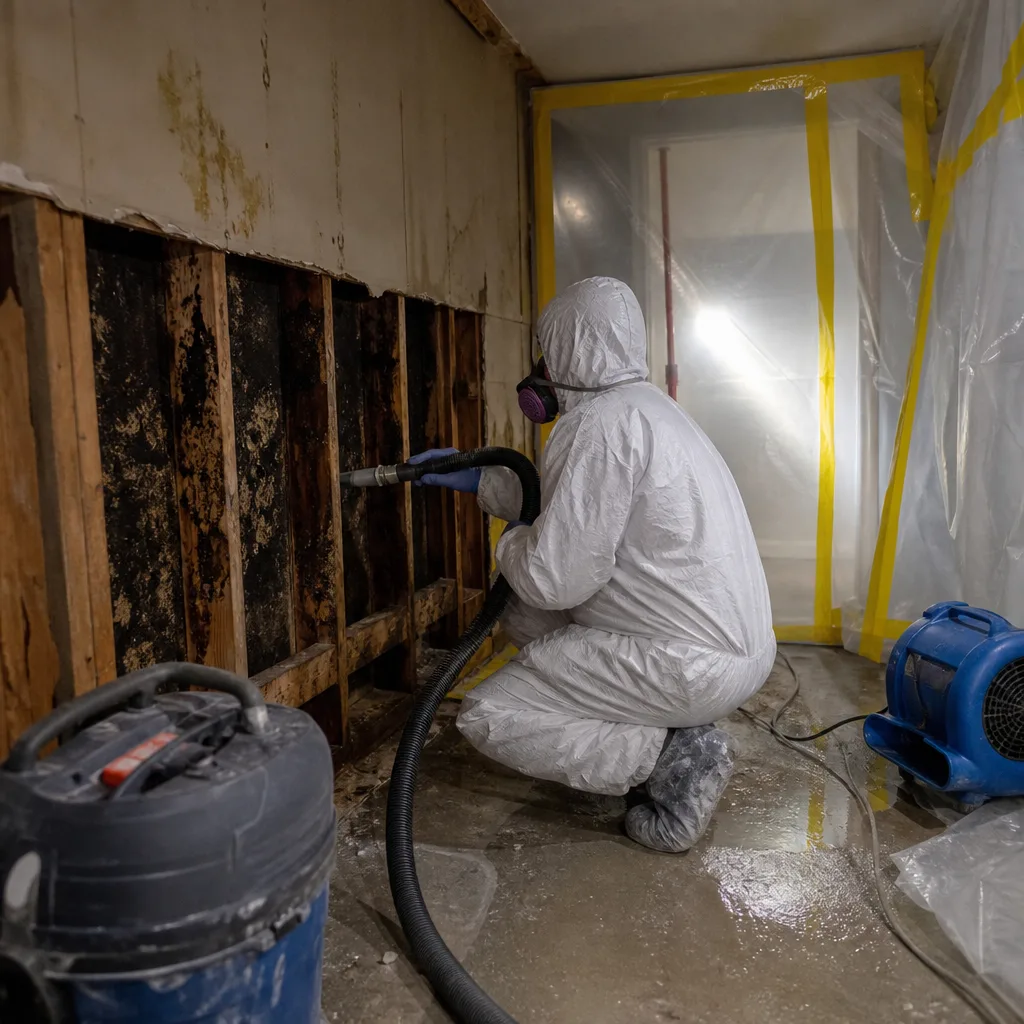
Blood & Bodily Fluid Cleanup
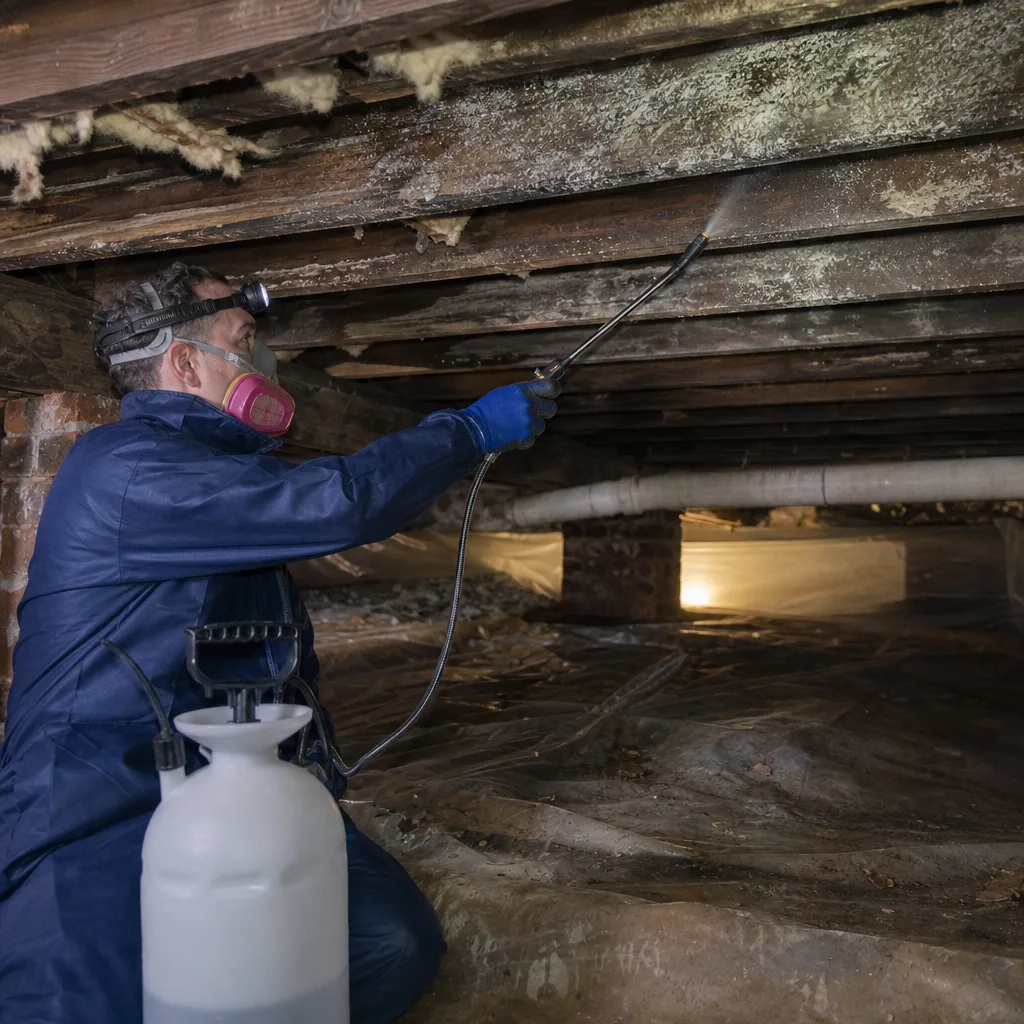
Blood on tile is one thing. Blood that has soaked into a 110-year-old pine subfloor is another. We don’t treat the two the same way, and neither should any contractor you hire. In Morningside Heights buildings, we use penetrating moisture meters and thermal imaging to find fluid migration that surface inspection misses. Then we cut out the affected section, treat the joists, and rebuild to match the original floor elevation.
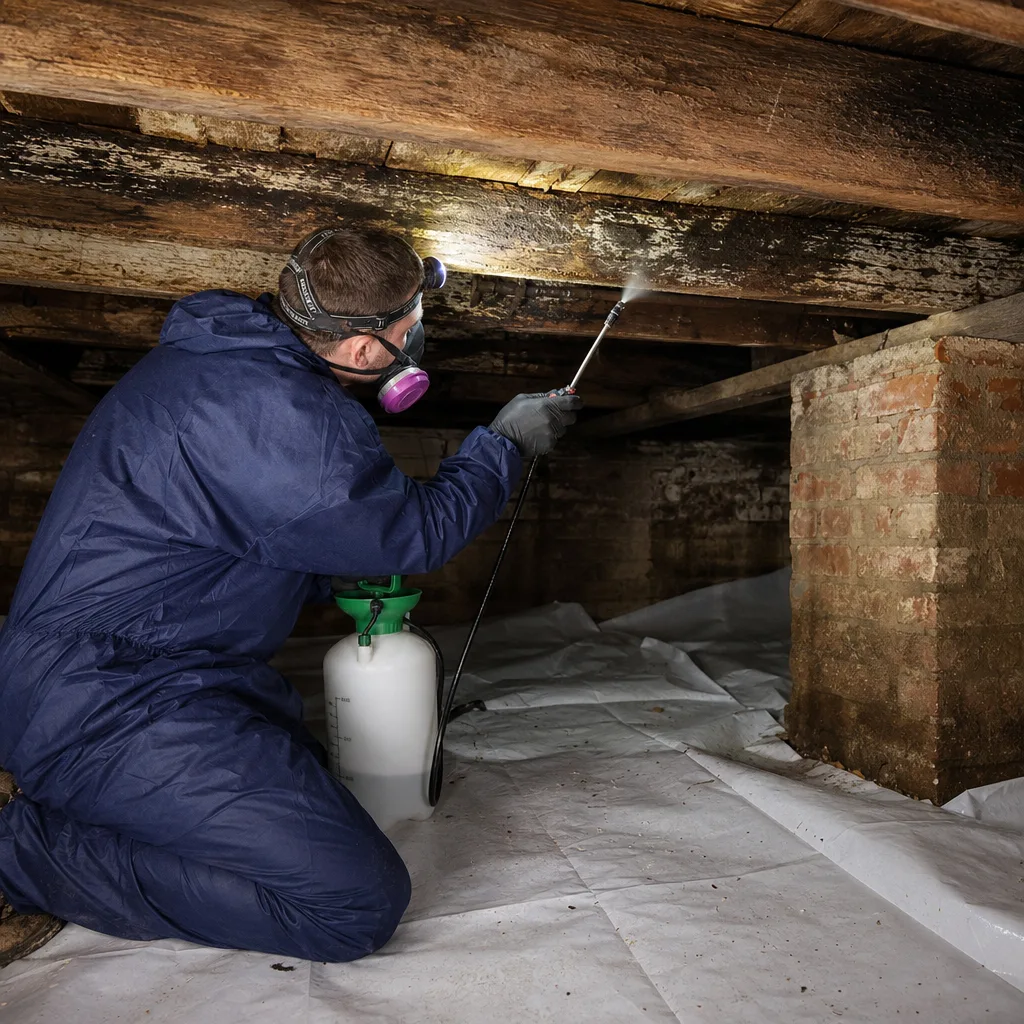
Infectious Disease Disinfection
When a unit in a Morningside Heights co-op or Columbia building has been exposed to a confirmed infectious pathogen, we set containment, run HEPA air scrubbers, and apply EPA-registered disinfectants with proper dwell times. We also treat shared corridors and stairwells when building management requests it. The goal is to make sure the unit is safe before anyone moves back in, and that includes air clearance verification.
What happens when you call
- 1
A real person answersNo phone trees - you reach a local pro.
- 2
You get an upfront price rangeHonest numbers before anyone is dispatched.
- 3
A background-checked tech heads outLicensed & insured, dispatched right away.
- 4
You approve before work beginsNothing starts until you say go.
Biohazard & Crime Scene Cleanup Costs in Morningside Heights, NY
Biohazard cleanup in Morningside Heights runs $1,200-$4,500 for a contained trauma scene or recent unattended death, and $5,000-$12,000 for a heavily contaminated scene where fluids have penetrated flooring and walls. Hoarding remediation in a pre-war apartment starts around $8,000 for a single room with heavy debris and goes up from there - a full one-bedroom hoard in a 1910s building can run $15,000-$25,000 once pack-out, floor cavity treatment, and plaster repair are factored in. The borough’s pricing is not uniform: Morningside Heights runs 10-20% higher than neighboring Harlem or the Upper West Side because of the plaster-and-lath construction and the clearance requirements from Columbia’s facilities office. What moves the price most is how long fluids have been in contact with wood and plaster. A same-day discovery is cheaper to remediate than a two-week-old scene. Insurance typically covers 80-100% of the bill when the event is covered. Our free inspection gives you a written scope and a firm number before any work begins, and we bill your carrier directly. Call (845) 305-5737 for an exact quote on your Morningside Heights building.
We Also Serve Cities Near Morningside Heights
Floodline Restoration Co. provides biohazard and crime scene cleanup across Upper West Side, Upper Manhattan, Central Harlem, and East Harlem. Our crews know the building stock and management structures in each of these corridors, and we bring the same live 24/7 answer and written 90-Day Done Right Promise to every job.
Serving Morningside Heights, NY - Our Local Coverage Area
We’re based in the Morningside Heights area and know this community well. Use the map below to see our service coverage - if you’re nearby, we can almost certainly help.
Morningside Heights Biohazard & Crime Scene Cleanup Questions, Answered
How does Columbia University’s facilities approval process affect cleanup timelines in Morningside Heights?
Columbia’s Facilities & Operations at 116th Street must approve any biohazard or crime scene cleanup in its buildings before work begins, and that approval typically takes 2-4 hours after the scene is released by NYPD. We submit our scope the moment we finish our assessment, and we carry documentation that meets the university’s insurance and safety requirements. Call (845) 305-5737 and we’ll walk you through the exact path.
Can blood or bodily fluids behind original plaster walls be fully remediated without tearing them out?
Sometimes, and it depends on how long the fluid has been in contact with the plaster. If caught within 48-72 hours, we can often save the wall by cutting inspection holes, treating the lath with antimicrobial, and drying the cavity with Dri-Eaz dehumidifiers. If the stain is old or the wall is saturated, the affected section comes out and we rebuild the plaster to match the original texture. We never leave biohazard material behind a patch.
Does hoarding cleanup in a Morningside Heights pre-war apartment require a different approach than in newer buildings?
Yes. Pre-war apartments have original pine subfloors, plaster-and-lath walls, and floor cavities that collect liquids and debris for decades. Hoarding hides this damage. We do a full pack-out of the affected rooms before any drying or treatment starts, because equipment can’t reach what it can’t see. That’s more labor than a simple debris removal, but it’s the only way to make sure the floor cavities are truly clean and dry.
What parts of a Morningside Heights crime scene are hardest to restore to pre-loss condition?
The original pine subfloor and the plaster walls. Pine absorbs blood and decomposition fluids faster than oak or maple, and once fluids reach the joists, the smell and contamination spread. Plaster wicks fluids upward beyond the visible stain. We have the most success when we’re called immediately after the scene is released - before the fluids have had time to set.
How quickly can you start a biohazard cleanup in a Columbia-owned building after police release the scene?
Our crews can be on site within 45 minutes of your call, and we begin visual assessment immediately. Full remediation starts once Columbia’s facilities office at 116th Street approves our scope, which is usually the same day if we submit immediately. The best way to shorten that window is to call us as soon as NYPD releases the scene: (845) 305-5737.
How fast can you get to a Morningside Heights building after I call?
A live dispatcher answers immediately, and a crew is dispatched from the Upper Manhattan corridor within minutes. Most Morningside Heights addresses are within 45 minutes of our staging area. Night, weekend, or holiday makes no difference - the phone rings through to a person every time.
Will my homeowner’s or renter’s insurance cover biohazard cleanup in Morningside Heights?
Most policies cover biohazard cleanup when the event is sudden and accidental - a death, crime, or sewage release. What insurers scrutinize is the documentation. We provide photos from the first hour, moisture readings with dry-standard logs, and a line-item scope of work. We bill your carrier directly and handle adjuster communication from start to finish.
What should I do in the first 30 minutes after discovering a biohazard scene in Morningside Heights?
Don’t enter the area if you can avoid it. Close the door. Call 911 if it’s a crime or death. Then call us at (845) 305-5737. Don’t clean anything yourself - every minute fluids are in contact with wood or plaster makes remediation longer and more expensive, and the pathogens involved are not something to handle without full PPE.
Written by Curt Bowman, Owner at Floodline Restoration Co., serving Morningside Heights and Upper Manhattan since 2010.