

Free visual inspection and a written scope of work before any mitigation begins - photos, moisture readings, and drying logs go in your claim file
The scope we write is the scope we bill. Anything new gets shown to you, in writing, before we touch it.
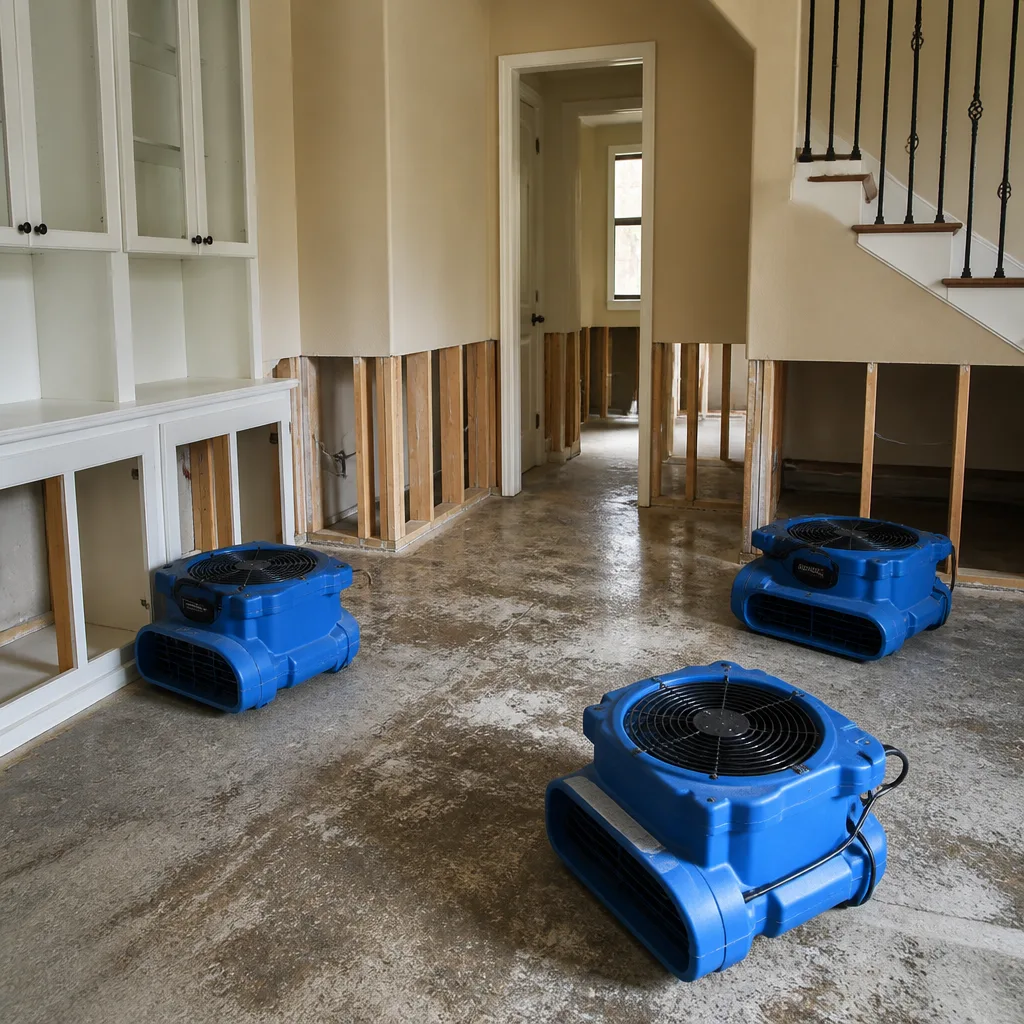
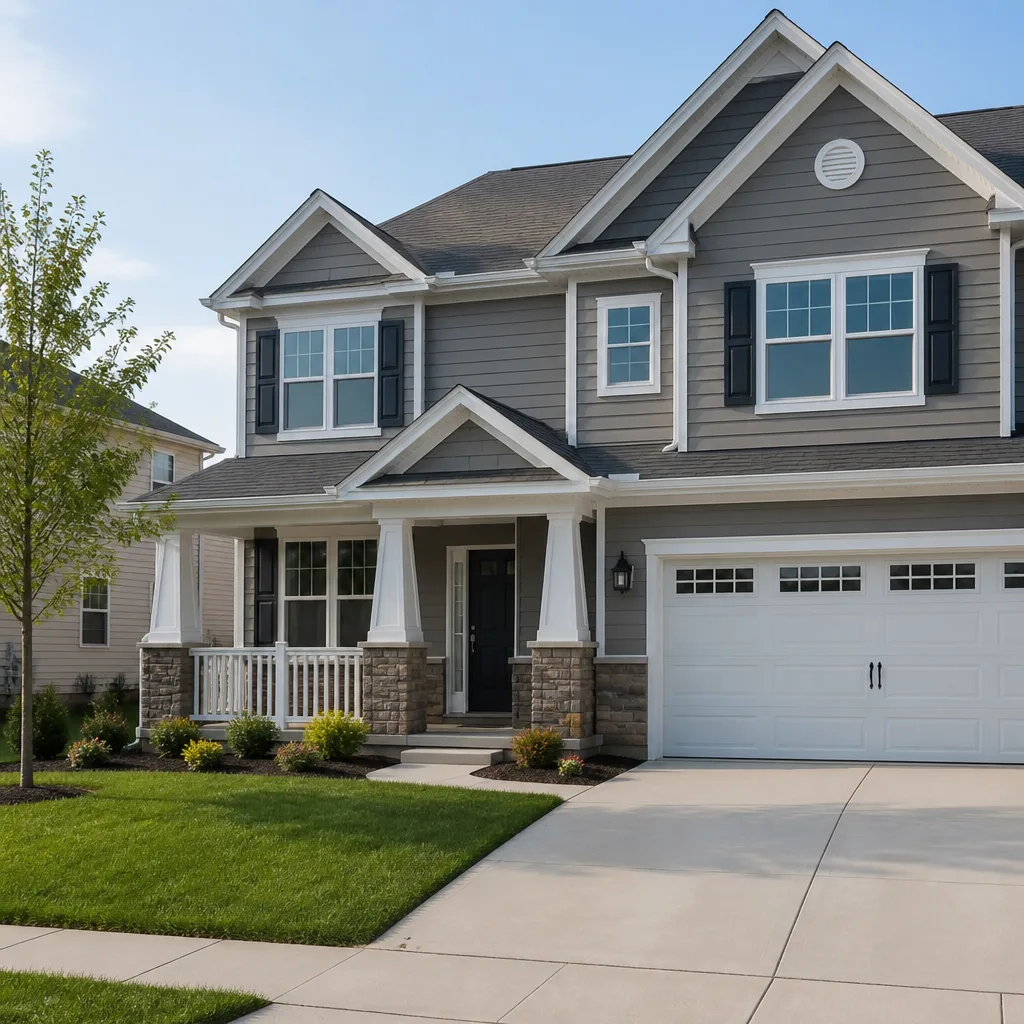
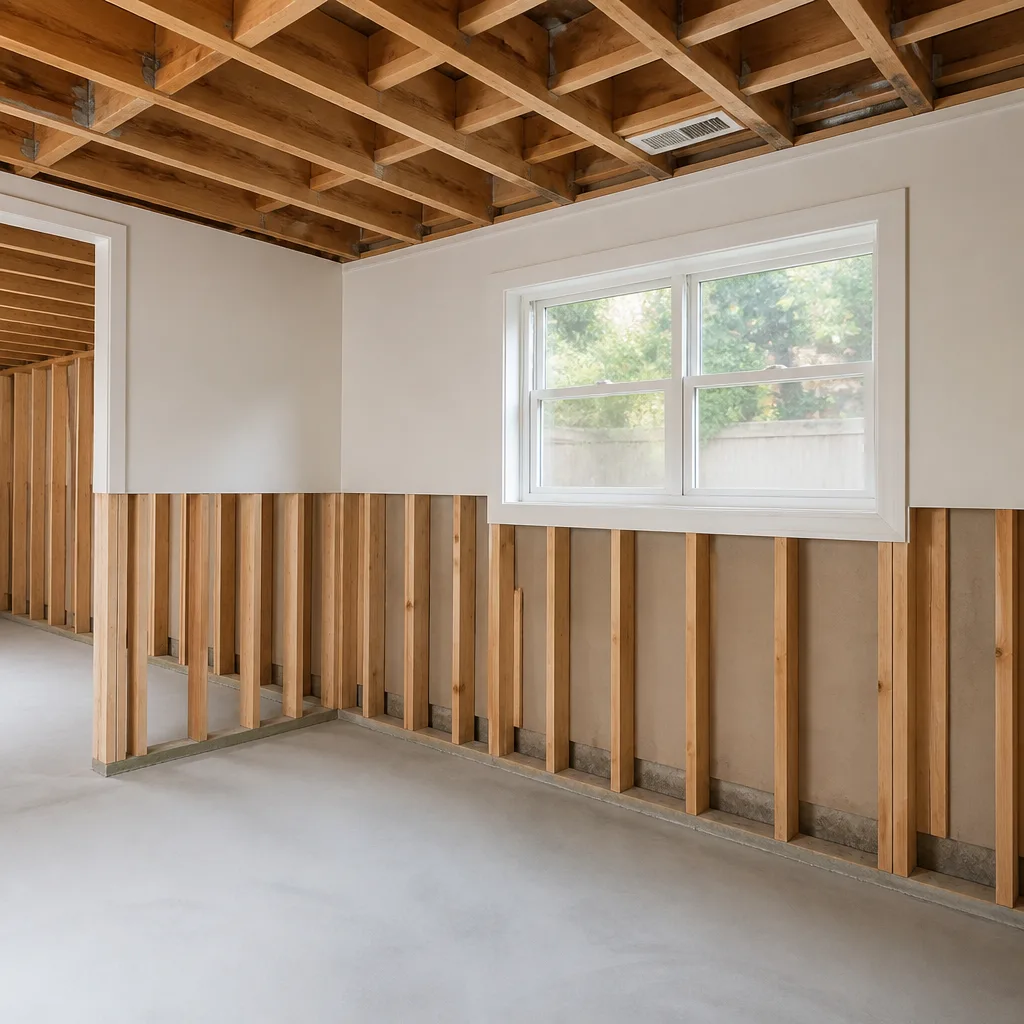
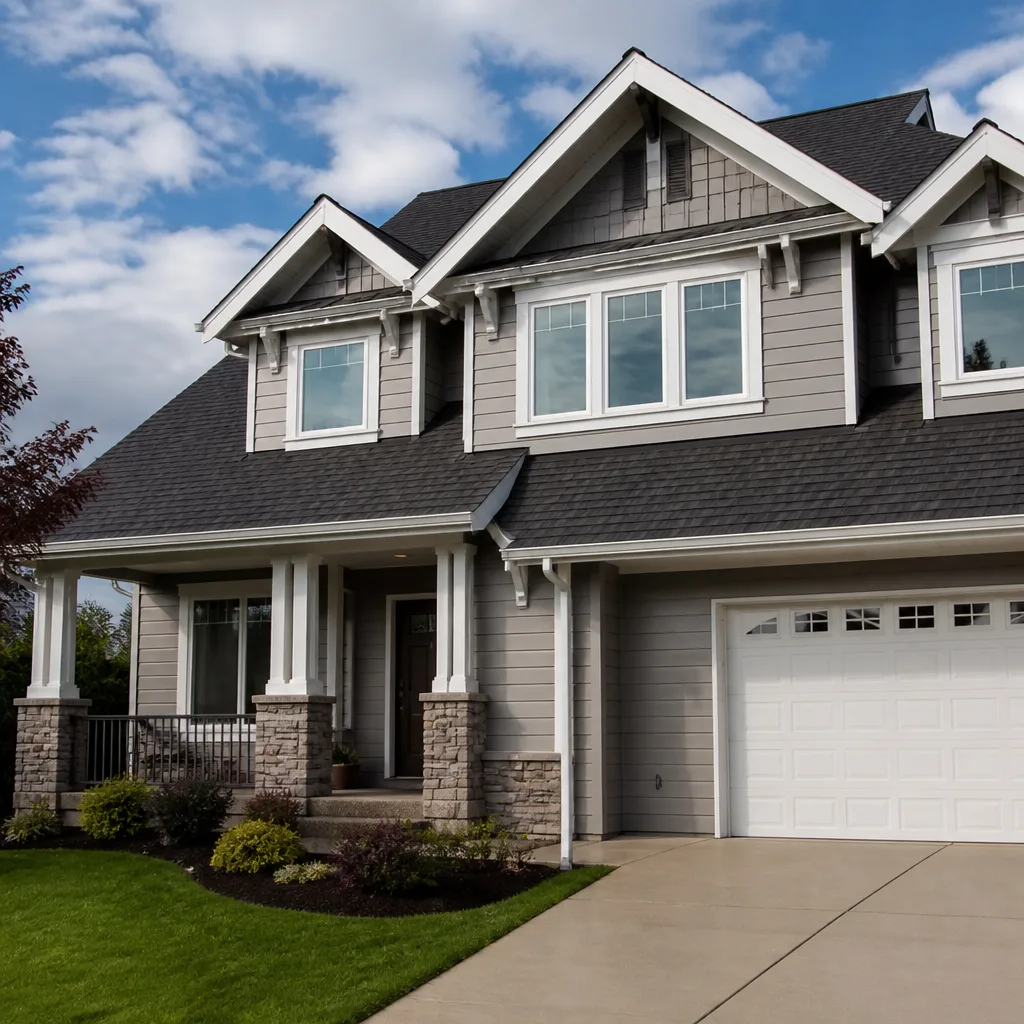
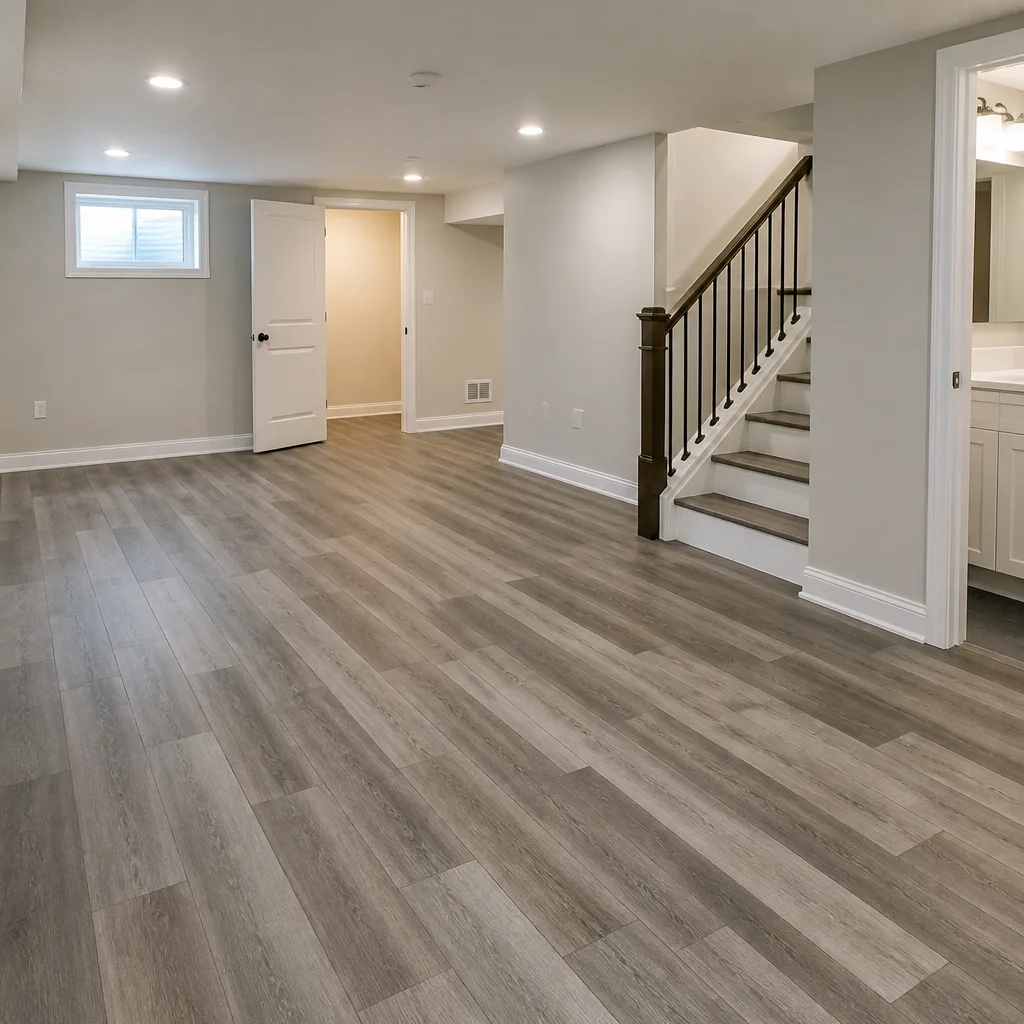
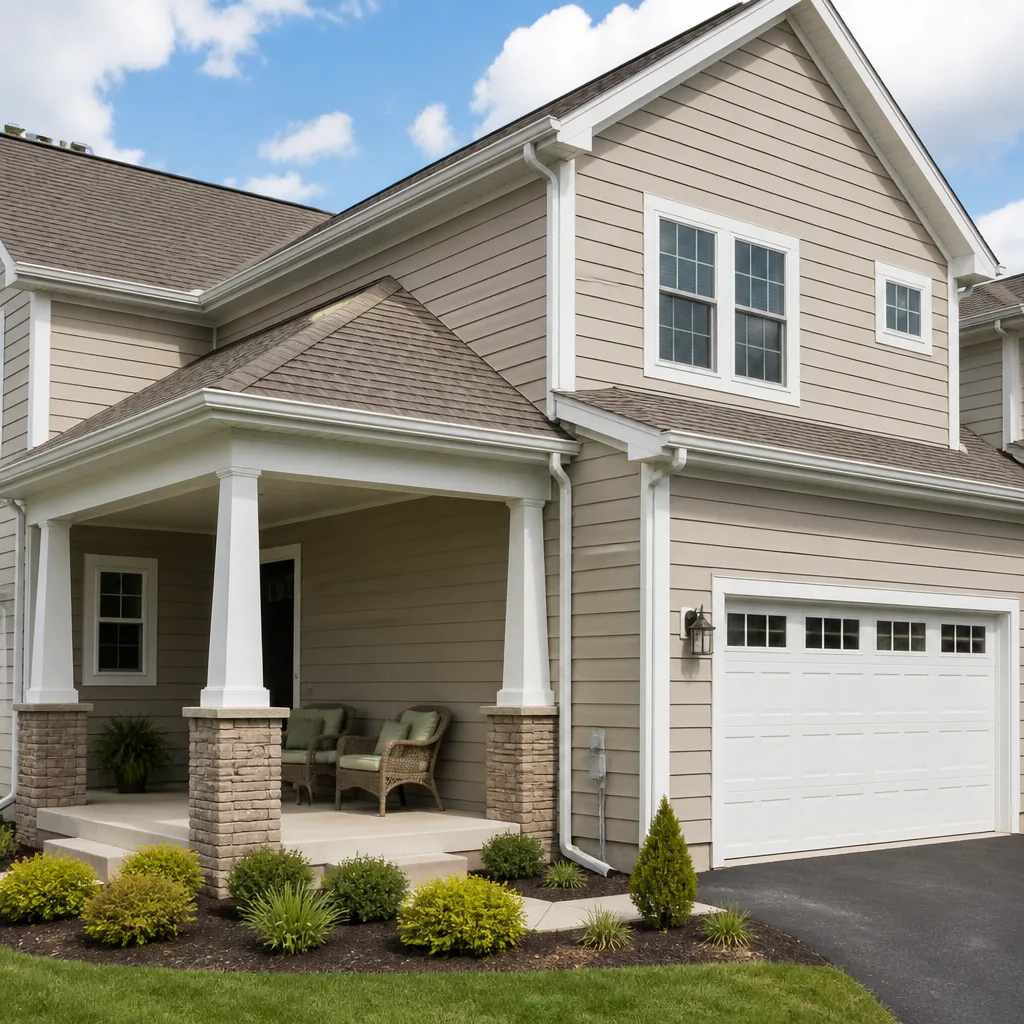
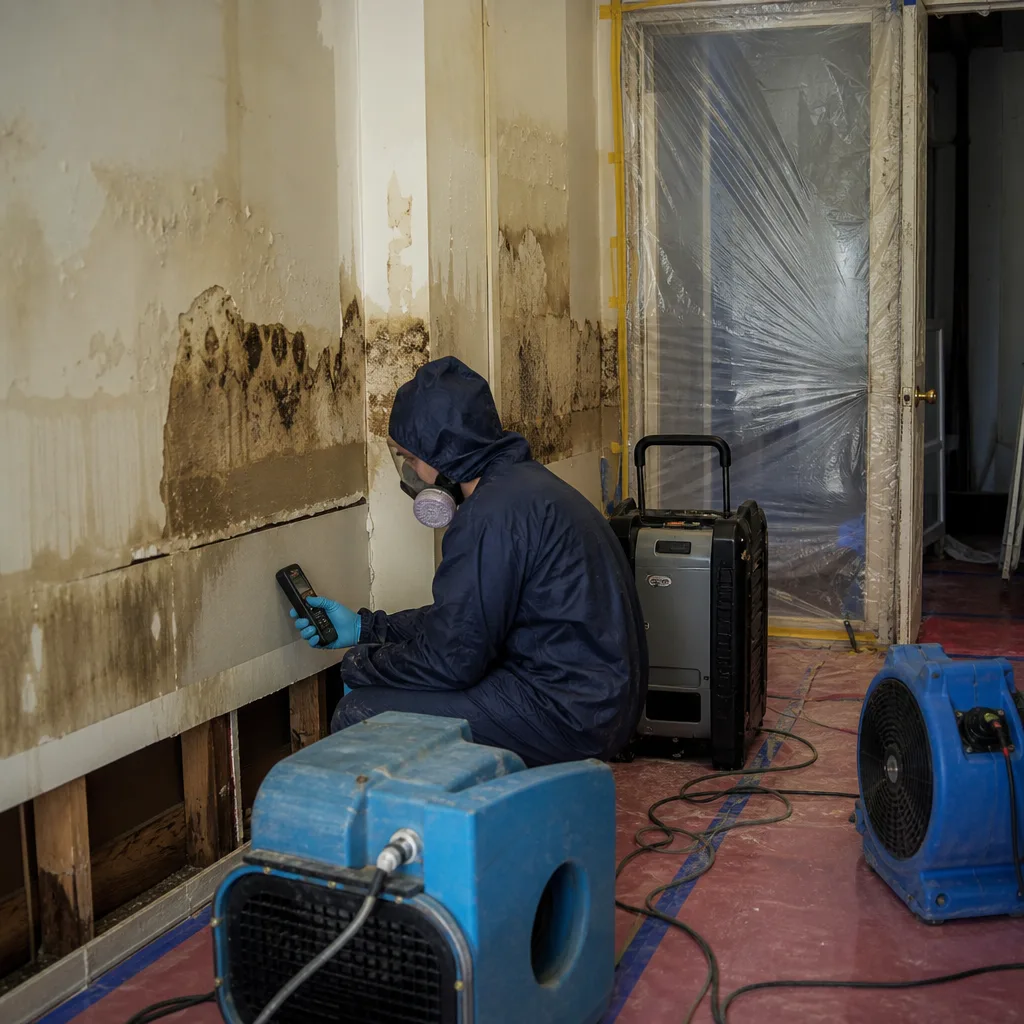 Before
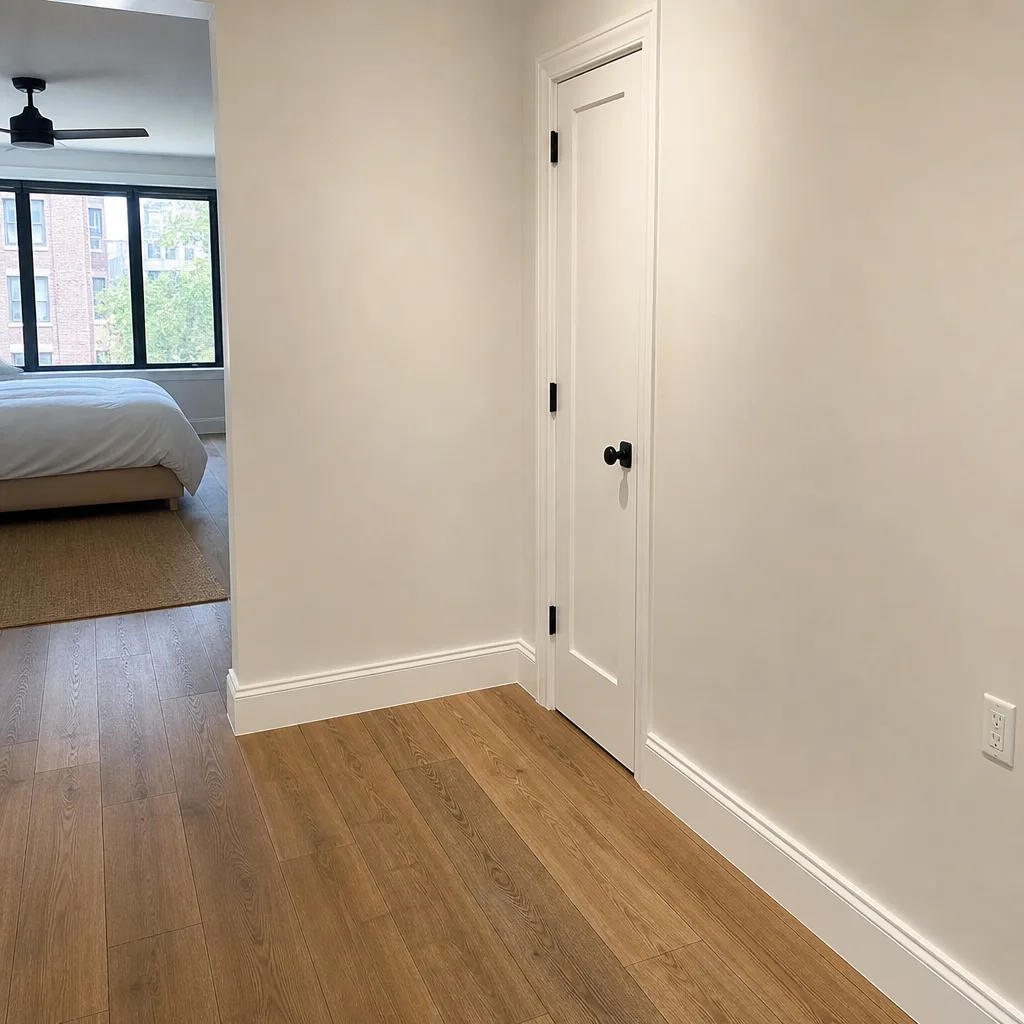 After
After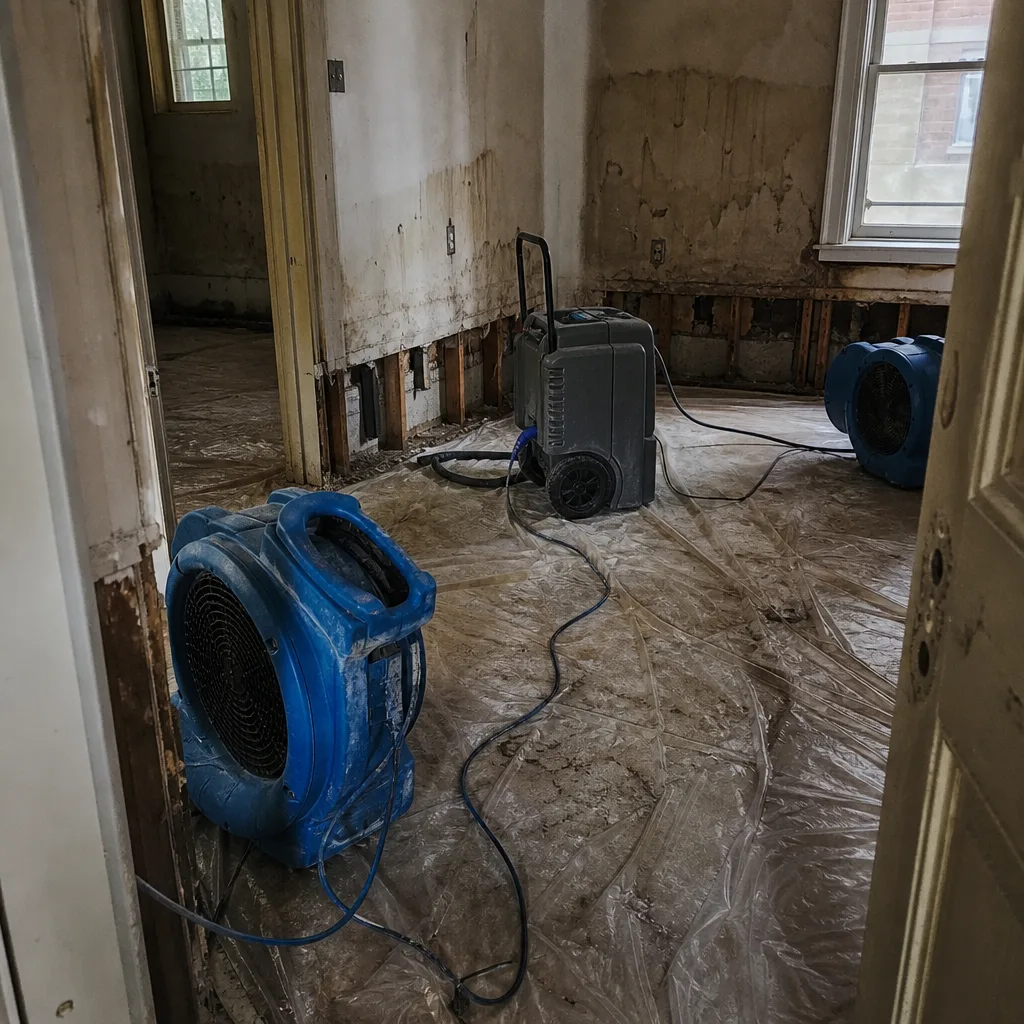 Before
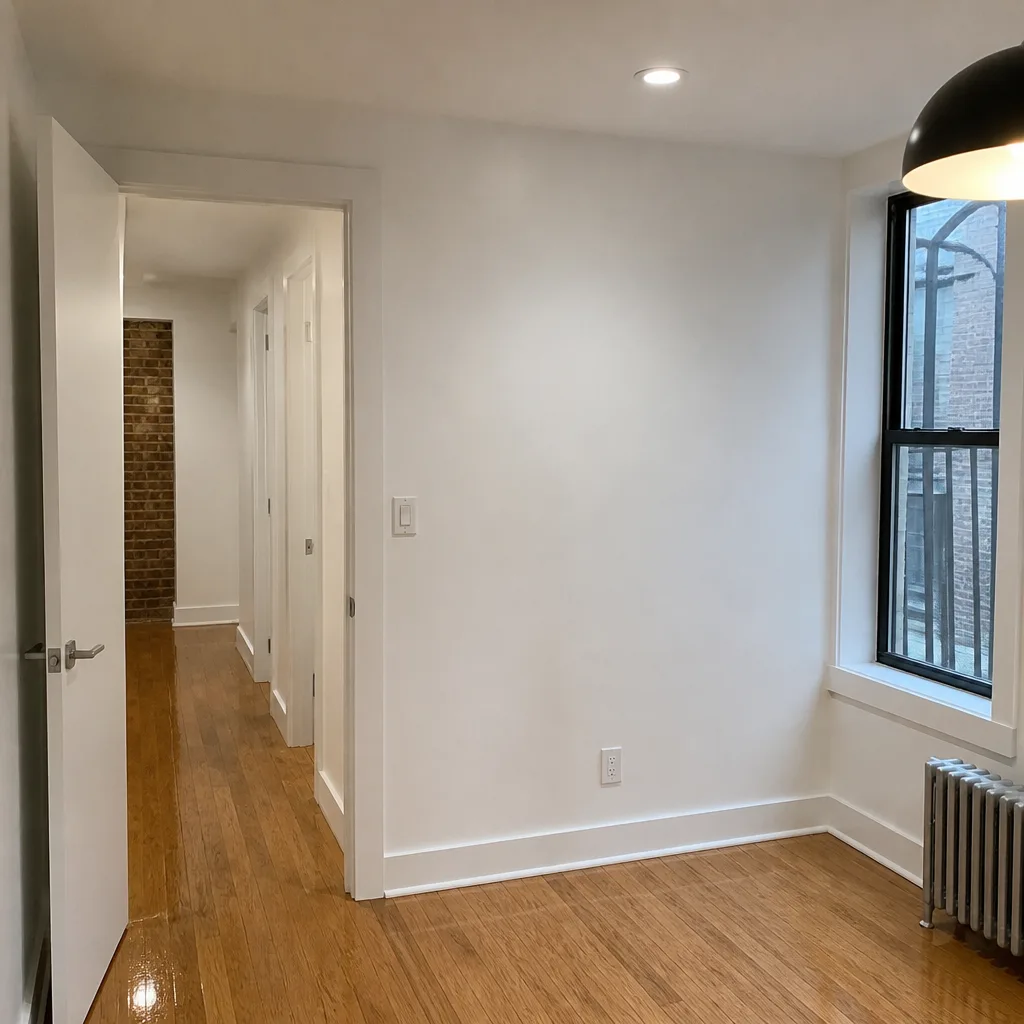 After
After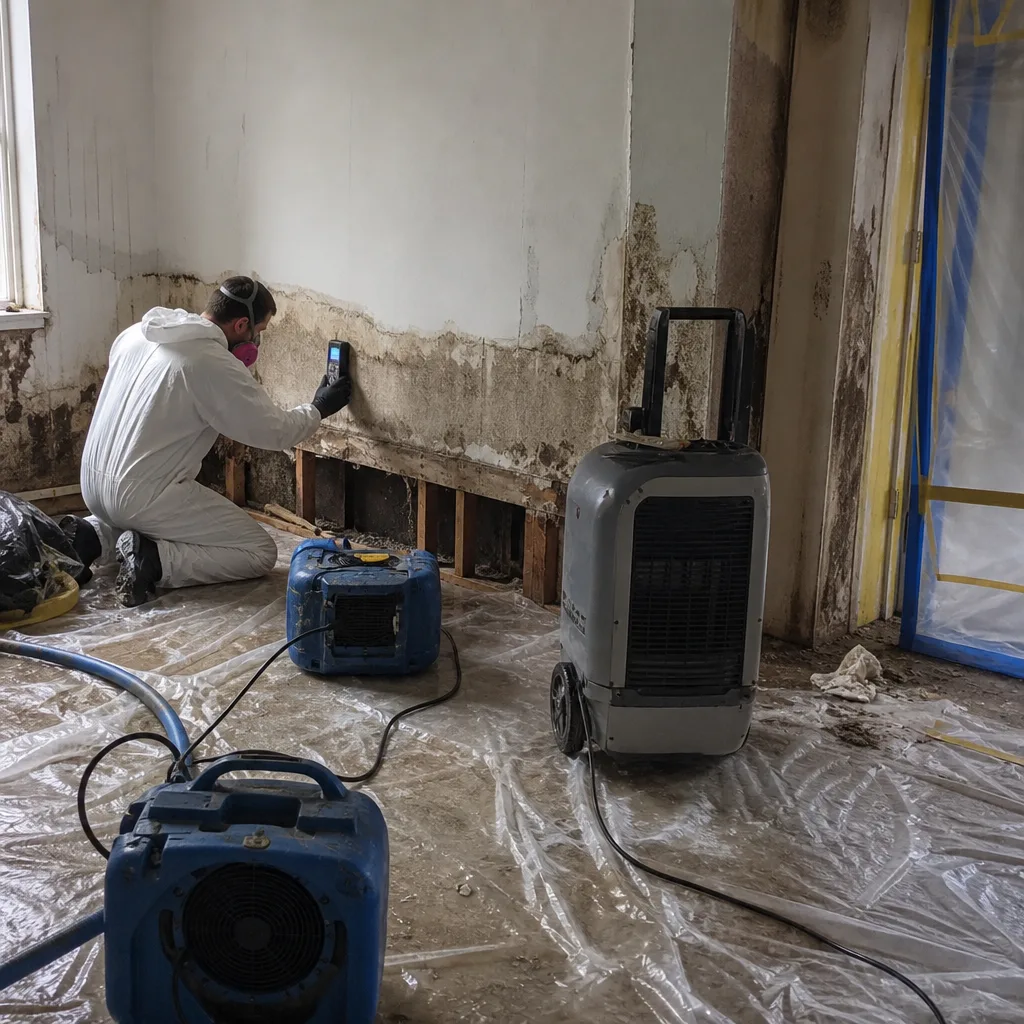 Before
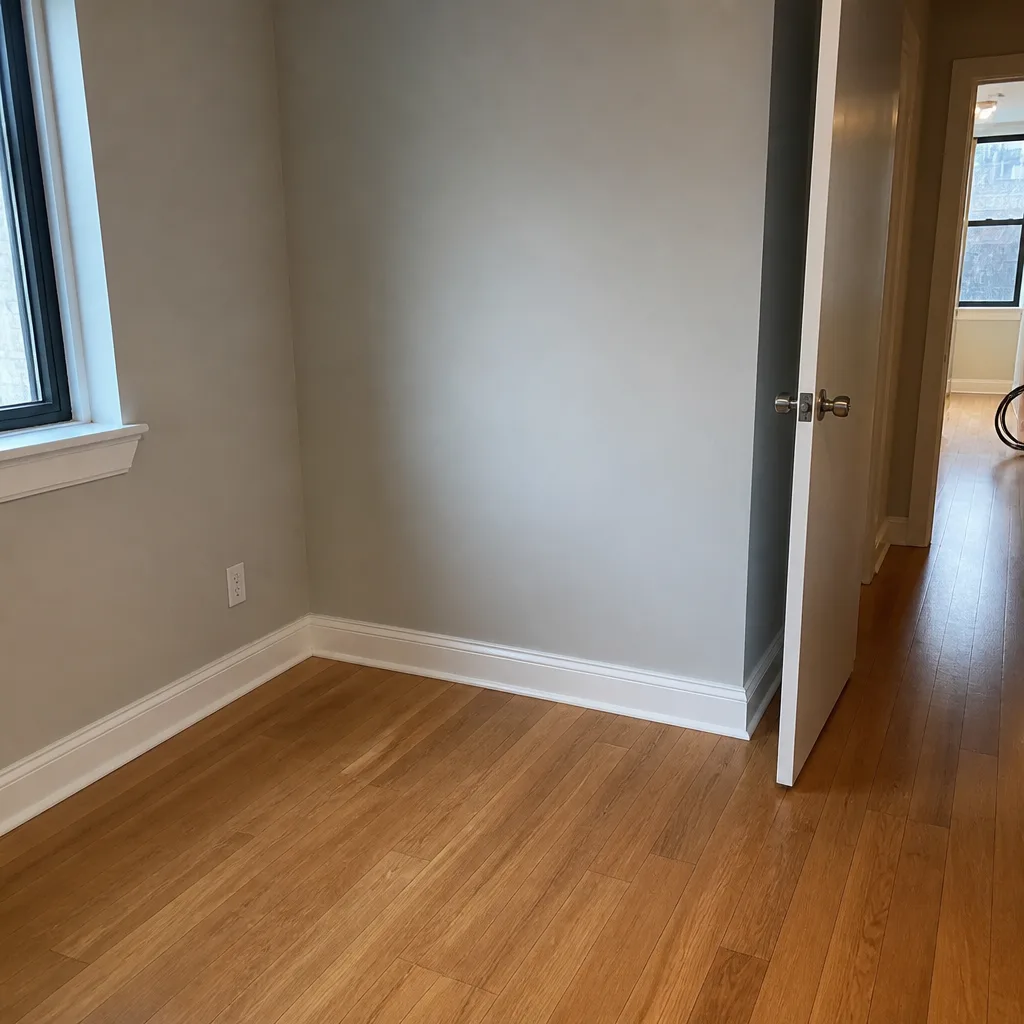 After
After24/7 Emergency Sewage Cleanup in Murray Hill
Sewage backup in a Murray Hill apartment or brownstone is a Category 3 water event, which means the water contains pathogens, bacteria, and raw waste that can make a home unsafe within hours. Most sewage cleanup jobs in Murray Hill run between $2,800 and $7,500 depending on how many units are affected, whether containment is required, and what building materials need removal. Call (845) 305-5737 any hour, any day. A live dispatcher answers, and a Floodline Restoration Co. crew can be on site in Murray Hill within 45 minutes.
The first hour matters because sewage water moves fast through wall cavities, under flooring, and across shared plumbing chases in pre-war buildings. What starts as a toilet overflow on the fourth floor of an East 34th Street co-op can become a ceiling collapse in the unit below by morning. We start with a free visual inspection, then get extraction running the same visit.
Understanding Sewage Cleanup Severity in Murray Hill Properties
Not all water damage is equal. The IICRC classification system separates water into three categories. Category 1 is clean water from a supply line. Category 2 is gray water with some contamination, such as washing machine discharge. Category 3, what we deal with in sewage cleanup, is grossly contaminated water carrying human waste, bacteria, and potential viruses. Murray Hill’s housing stock makes Category 3 events uniquely dangerous. Original cast-iron drain stacks from the 1910s through 1940s corrode internally until they crack, and when they do, sewage doesn’t just pool on one floor. It follows the stack downward through multiple vertically stacked units, saturating plaster walls, hardwood subfloors, and the spaces between joists.
Brownstones add another layer. Their cellars sit below grade against original brick foundation walls. When Manhattan’s combined sewer system backs up during heavy rain, category 3 water pushes up through floor drains and pools against those brick walls, which wick moisture upward into the living spaces above. We’ve seen cellar sewage in brownstones on East 36th and 37th Streets saturate the bottom three feet of plaster and lath before the homeowner even knew water was present. That’s why moisture mapping and thermal imaging matter as much as the extraction itself. You can’t fix what you haven’t found.
Why Murray Hill Property Owners Choose Floodline Restoration Co.
- 45-minute response commitment in Murray Hill. We dispatch from Manhattan, so a certified crew reaches East Side addresses fast. No call centers, no waiting for an outside contractor.
- 24/7 live answer, always a person. At 2 a.m. on a Tuesday, a real dispatcher picks up. Not a recording. We’ve run our dispatch board that way since Curt Bowman founded the company in 2010.
- IICRC-certified crews with WRT and FSRT credentials. Our technicians are background-checked, uniformed, and trained to IICRC, RIA, and IFA standards. They know the difference between drying a pre-war plaster wall and a modern drywall cavity.
- Free visual inspection with a written scope. You’ll know what we found, what it costs, and what we’re going to do before any work begins. No surprise change orders. No pressure.
- Direct insurance billing. We bill your carrier directly and coordinate with adjusters on your behalf. You don’t play messenger between Floodline and the insurance company.
- One team from extraction to reconstruction. The same crew that pumps out the sewage handles drying, sanitization, and rebuild. No mid-job handoff, no inherited crew that doesn’t know your building.
Our Sewage Cleanup Process
Inspection & Assessment
We arrive, walk the affected area, and document everything with photos. Thermal imaging and moisture meters identify how far the sewage has traveled through walls and flooring. In Murray Hill co-ops, we coordinate access with building management and the board from the start.
Extraction & Stabilization
We remove standing category 3 water using truck-mounted extraction units and portable extractors. We also remove saturated porous materials that can’t be salvaged, such as carpet, pad, and some drywall. This stops further spread immediately.
Containment & Drying
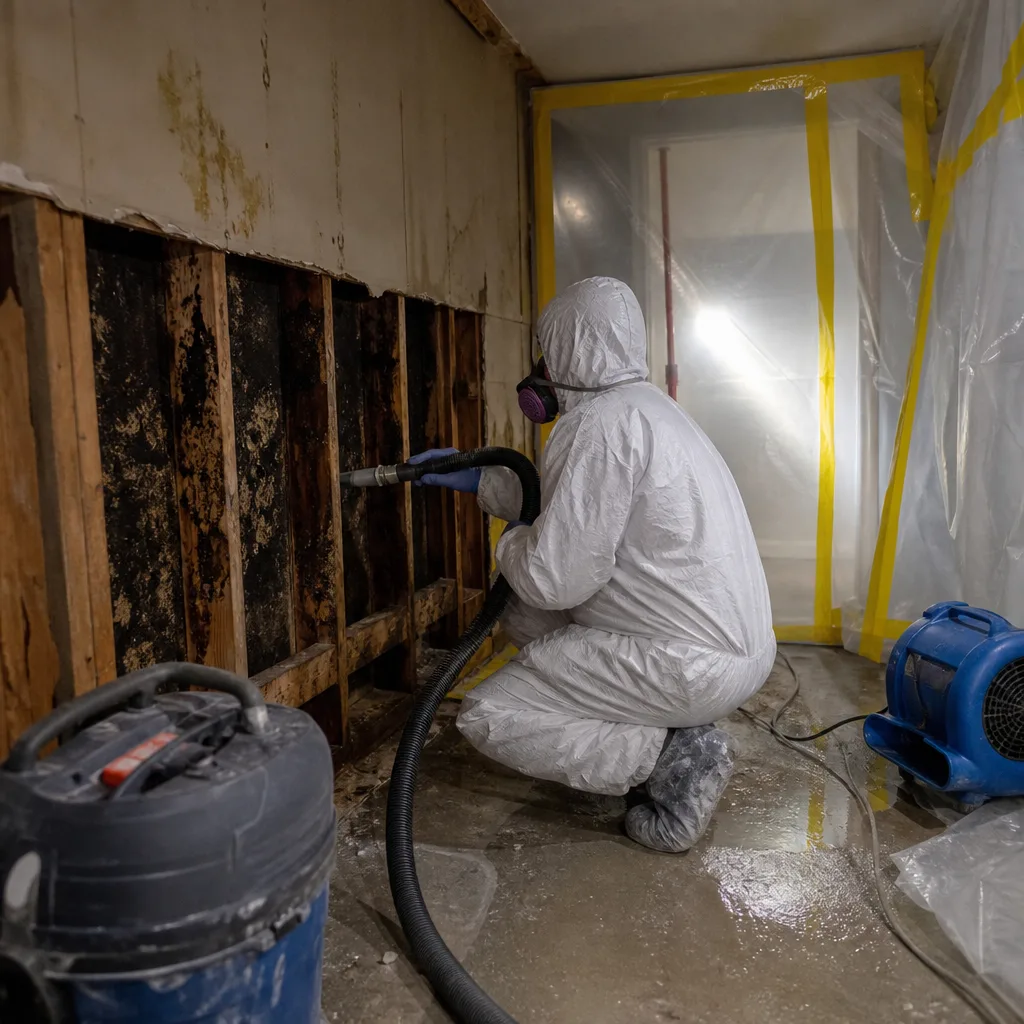
We set up containment barriers with negative air pressure so sewage aerosols don’t migrate to unaffected units. Then Dri-Eaz and Phoenix air movers and dehumidifiers begin structural drying. Daily moisture readings are logged until the dry standard is met.
Cleaning & Sanitization
All affected surfaces get cleaned with EPA-registered antimicrobial treatments. Hard surfaces are scrubbed, HEPA-vacuumed, and sanitized. This is where we eliminate the bacteria and pathogens that make sewage water dangerous.
Odor & Air Quality Treatment
Sewage odor penetrates porous materials. We use HEPA air scrubbers and hydroxyl generators to clear the air, and we treat wall cavities and subfloors so the smell doesn’t return weeks later.
Repairs & Restoration
We rebuild what was removed. Drywall, plaster, flooring, trim, painting. Because Floodline handles reconstruction in-house, you don’t wait for a second contractor or a second estimate. One scope of work, one team, one written guarantee.
Need Emergency Sewage Cleanup in Murray Hill Now?
Crews minutes away, answering live 24 hours a day. The sooner we start, the less it costs.
Working With Your Insurance Company
Sewage backup claims in Murray Hill are common, and most homeowners policies cover sudden and accidental discharge from a failed drain stack or backed-up sewer line. What determines whether you’re fully covered is documentation. The carrier wants to see exactly what happened, exactly what was wet, and exactly what we did about it. We document from the first hour, room by room, with photos, moisture readings, and a line-item scope of work. Our team communicates directly with your adjuster, including adjusters representing multiple units in co-op buildings where several owners are filing claims for the same stack failure. We know how those claims work and we speak the language.
What We Provide Your Insurer
- Thorough documentation of the loss
- Photos of all damage, room by room
- Moisture readings and drying logs
- A detailed, line-item scope of work
- Direct coordination with your carrier
Built for Murray Hill’s Loss Calendar
Murray Hill has a sewage backup season, and it follows the weather. January and February deep freezes crack aging cast-iron drain stacks and galvanized supply lines in the pre-war buildings along Lexington and Third Avenue. When a stack fails, sewage flows down through multiple units. That’s our busiest winter call. Spring brings thaw and the first heavy rains, which push brownstone cellar backups through the combined sewer system. Summer thunderstorms dump inches of water in an hour, overwhelming storm drains and sending category 3 water into below-grade entries and basement apartments. Nor’easters in the fall bring wind-driven rain through old through-wall AC sleeves and parapet flashing, and what starts as a roof leak becomes a sewage concern when it reaches floor drains and sanitary lines. Every season has a signature failure mode here, and after 42 years serving local communities, we’ve seen them all repeat.
Sewage Cleanup Across Murray Hill’s Neighborhoods
Murray Hill runs roughly from East 30th to East 42nd Street, between Fifth Avenue and the East River, and each section has its own pattern. The blocks east of Third Avenue, from East 34th to East 39th, are dense with the pre-war mid-rise co-ops that define this neighborhood. Those buildings, with original cast-iron stacks and steam heat systems, produce the multi-unit sewage failures that require co-op board coordination. The brownstone rows along East 35th and East 36th Streets between Lexington and Park Avenue date from the late 19th century, and their below-grade cellars flood during heavy rain when the combined sewer backs up. South of East 33rd, the larger co-op towers built in the 1950s and 1960s have their own issues: older copper waste lines at the end of their service life, and common stacks serving dozens of units. Along the East River side near St. Vartan Park, newer construction and converted buildings mix with older stock, which means we see everything from modern PEX systems failing at a fitting to 100-year-old cast iron splitting open. Our dispatch knows the difference between a First Avenue high-rise and a Park Avenue brownstone, and that affects which equipment and which techs we send. We serve the entire Murray Hill area with the same 45-minute response commitment.
Specialized Sewage Cleanup Services We Offer in Murray Hill
Sewage Backup Cleanup
When a drain stack fails or a sewer main backs up, sewage enters through toilets, tubs, and floor drains. We extract the waste, contain the affected area, and remove saturated materials. In Murray Hill co-ops, we’ve handled stack failures affecting three, four, and five units at once, coordinating access and scope with building management while keeping each owner informed. This is the core of our Sewage Cleanup work in the neighborhood.
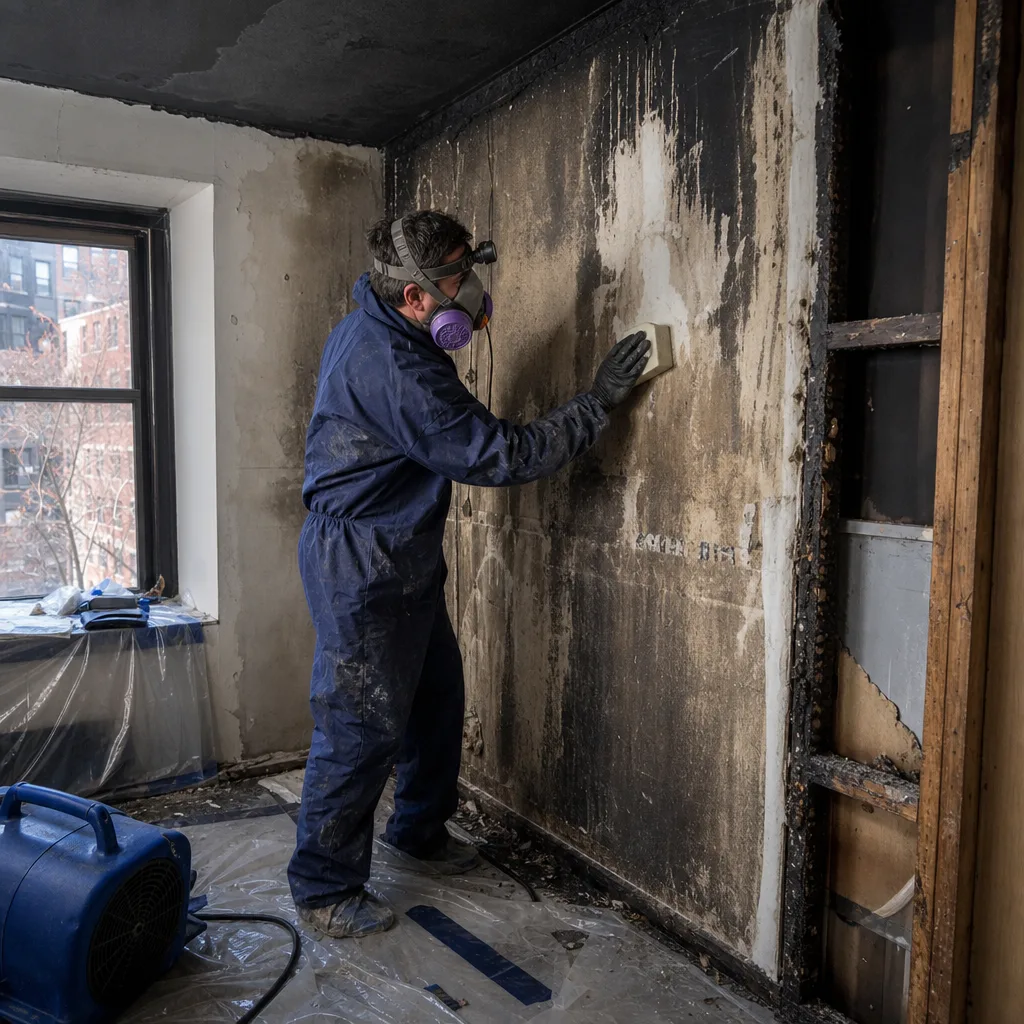
Toilet Overflow Cleanup
A clogged toilet that overflows for even ten minutes sends contaminated water across bathroom floors, through tile grout, and into the ceiling cavity below. We sanitize the bathroom, dry the subfloor, and check the unit below for water staining. In older buildings with original wood subfloors, moisture moves fast and hides well.
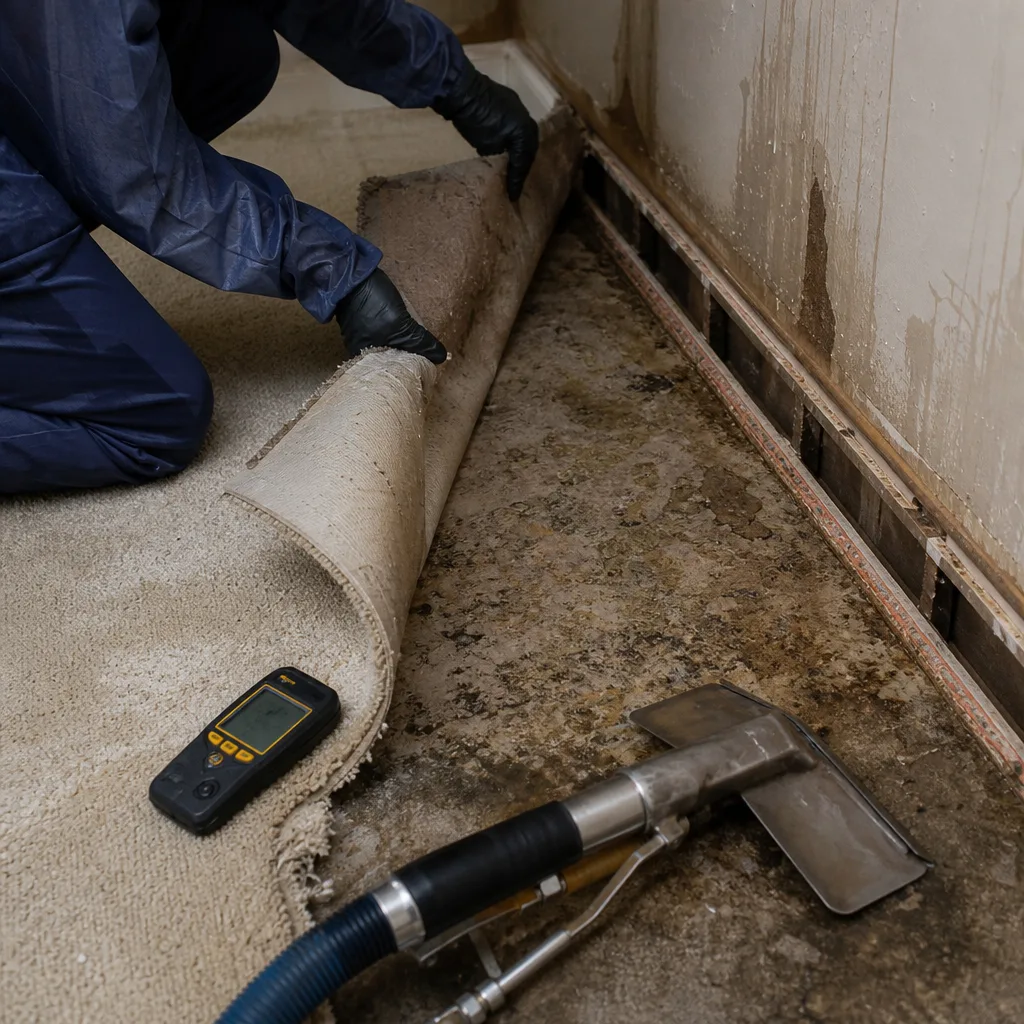
Septic Failure Cleanup
Most of Murray Hill is connected to the municipal sewer system, but a handful of older properties and some converted carriage houses retain private septic or cesspool systems. When those fail, the result is pooling sewage on the property and odor that penetrates the building. We manage the cleanup and coordinate with a septic contractor for the system repair.
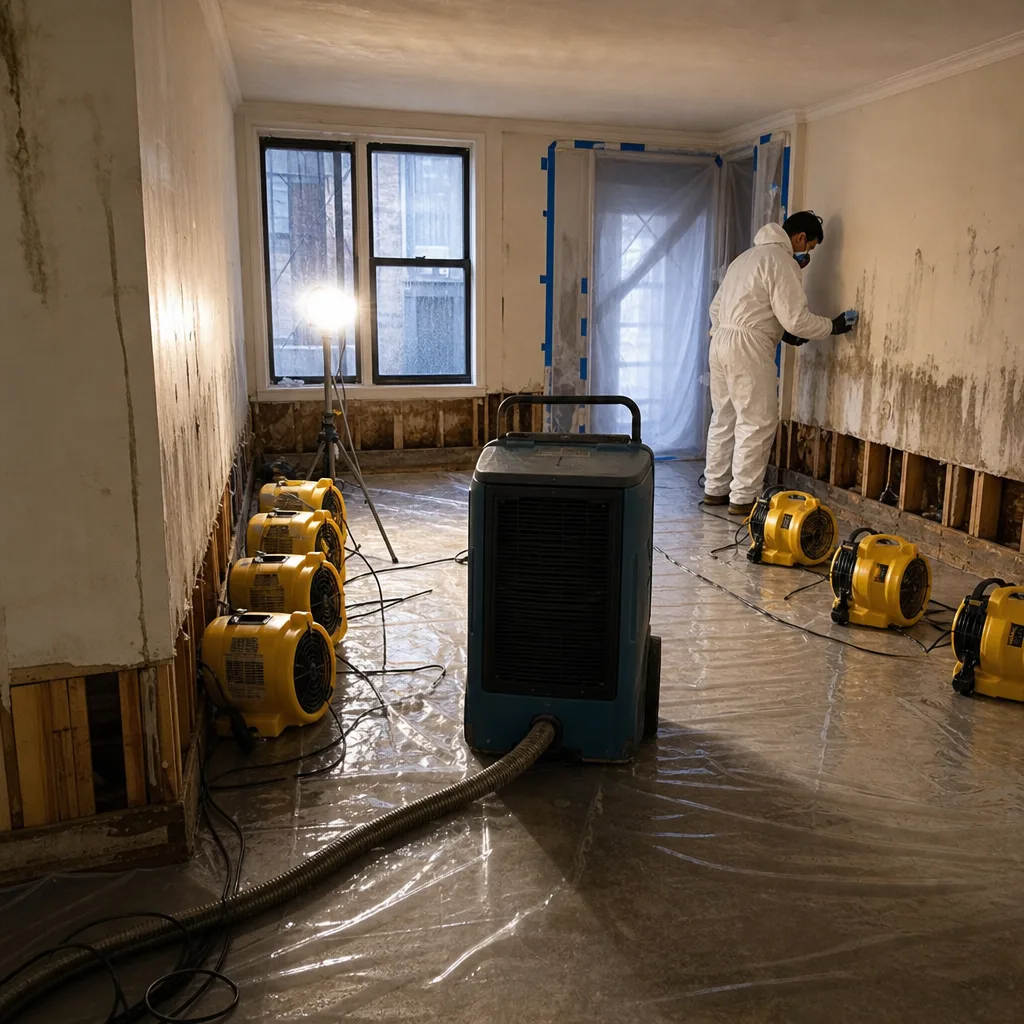
Black Water Extraction
Black water is category 3 water: sewage, floodwater from the East River, or any water that has been sitting long enough to grow bacteria. We use truck-mounted extractors for volume removal and portable units for tight brownstone cellars where big equipment can’t reach. Extraction starts the same visit, every time.
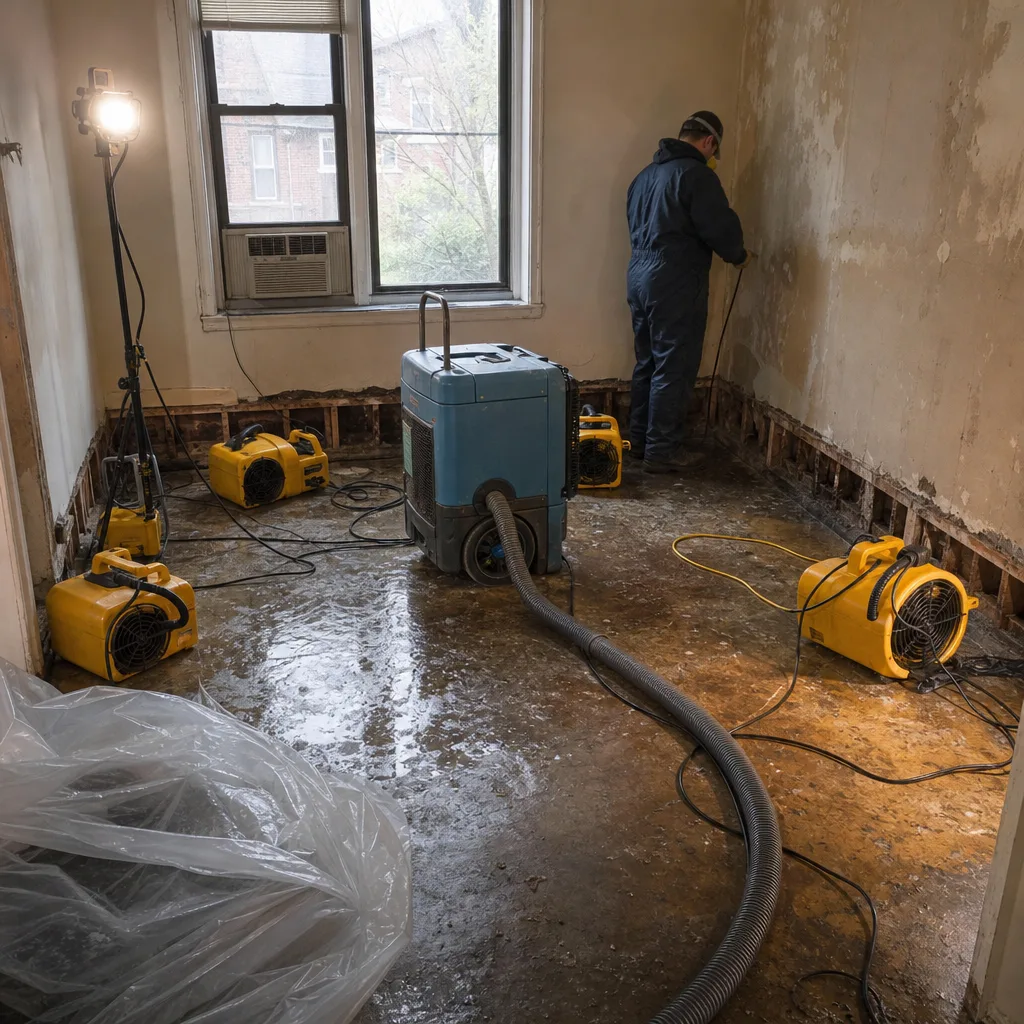
Sanitization & Disinfection
After extraction and drying, we treat every affected surface with EPA-registered antimicrobials. This includes wall cavities, subfloors, and anything porous that remained in place. For Murray Hill’s older buildings, this matters especially because original plaster and lath absorb sewage water deeply, and surface cleaning won’t reach what’s inside the wall.
What happens when you call
- 1
A real person answersNo phone trees - you reach a local pro.
- 2
You get an upfront price rangeHonest numbers before anyone is dispatched.
- 3
A background-checked tech heads outLicensed & insured, dispatched right away.
- 4
You approve before work beginsNothing starts until you say go.
Sewage Cleanup Costs in Murray Hill, NY
A contained toilet overflow cleanup in a single Murray Hill bathroom typically runs $1,800 to $3,200. A mid-size sewage backup affecting one apartment, with extraction, containment, drying, and sanitization, lands between $3,500 and $6,000. A failed cast-iron stack that sends category 3 water through three or more units usually runs $8,000 to $18,000 once you factor in multi-unit containment, structural drying across shared walls, and restoration of plaster, flooring, and trim. What moves the price: how many units are wet, whether original plaster needs removal, whether asbestos abatement is triggered in pre-war buildings, and how long drying takes. The free inspection produces a written scope with a firm price before any work starts. No surprises on the bill. Call (845) 305-5737 for an exact quote. Estimates are free.
We Also Serve Cities Near Murray Hill
Our crews respond to sewage cleanup calls throughout Manhattan from Murray Hill’s neighboring communities: Upper West Side, Upper Manhattan, Morningside Heights, and Central Harlem. If you own or manage property in any of those areas, the same live 24/7 dispatch and 45-minute response commitment applies.
Serving Murray Hill, NY - Our Local Coverage Area
We’re based in the Murray Hill area and know this community well. Use the map below to see our service coverage - if you’re nearby, we can almost certainly help.
Murray Hill Sewage Cleanup Questions, Answered
How do Murray Hill co-op board approval delays affect sewage cleanup timelines?
Murray Hill co-op boards frequently require 24 to 48 hours of sign-off and access coordination before restoration crews can enter affected units, and that delay is often long enough for wet wall cavities to begin growing mold. We work the board approval process from the first call, prepping documentation the board needs so approval moves as fast as possible. In many cases, we can begin emergency extraction in a common area or a single accessible unit while board sign-off is pending for the rest. Call (845) 305-5737 and we’ll walk you through it.
Can a burst cast-iron drain stack in a Murray Hill apartment contaminate only one unit?
Rarely. A failed cast-iron drain stack in a pre-war Murray Hill building almost always sends sewage downward through the stack into multiple vertically stacked apartments. It follows the path of least resistance through plumbing chases, wall cavities, and ceiling bays. Even if only one unit shows visible water, we inspect the units above and below before declaring the loss contained.
Why do brownstone cellars in Murray Hill flood with sewage more than other parts of Manhattan?
Murray Hill’s brownstones sit below street grade with cellars connected to floor drains that tie into Manhattan’s combined sewer system. When heavy rain overwhelms that system, water and sewage back up through those floor drains and pool against the original brick foundation walls. The impervious urban surface, paved streets and sidewalks, means there’s nowhere for stormwater to absorb, so the sewer takes everything. Basement drains become the release valve.
Does Floodline Restoration handle NYCDOB permits for sewage mitigation in pre-war co-ops?
Yes. When sewage mitigation in a Murray Hill pre-war building requires NYC Department of Buildings permits, we handle the application and coordination. That includes permits for structural work when we’re removing plaster, repairing framing, or replacing sections of the stack. We coordinate with the co-op board and building management so the permit process doesn’t add any more delay than necessary.
What happens to original plaster and lath when sewage water hits a Murray Hill wall?
Original plaster and lath from Murray Hill’s pre-war era soaks up sewage water quickly and holds it deep. Surface drying won’t reach the lath behind the plaster, so in most cases the affected section needs to be cut out and replaced. We preserve what’s dry, remove what’s contaminated, and match the replacement finish to the original. If the building has lead paint or asbestos-containing plaster, abatement is handled before restoration begins.
How fast can a Floodline crew actually get to Murray Hill?
Our dispatch commitment for Murray Hill is 45 minutes. We run a Manhattan-based crew schedule specifically so East Side addresses get a fast response. When you call (845) 305-5737, a live dispatcher confirms your address and sends the nearest available certified crew immediately.
Will my insurance cover sewage backup cleanup in Murray Hill?
Most standard homeowners and co-op policies cover sudden and accidental sewage backup, though co-op master policies typically cover the building structure while your individual policy covers your unit’s interior. We document everything from the first hour, bill your carrier directly, and coordinate with the adjuster. The free inspection includes a written scope you can submit with your claim immediately.
What should I do in the first 30 minutes after a sewage backup in my Murray Hill apartment?
First, shut off the water if the source is a fixture or supply line you can safely reach. Second, don’t flush any toilets or run any water. Third, call (845) 305-5737. Don’t try to extract sewage yourself with a shop vac. Category 3 water carries pathogens, and unprotected cleanup can spread contamination through the unit. We’ll start extraction and containment the same visit.
Last February, our sewage cleanup crew responded to a failed cast-iron drain stack in a pre-war co-op on East 35th Street that sent category 3 black water into three vertically stacked apartments. After co-op board sign-off and NYCDOB permit coordination, we set containment, performed moisture mapping, and used our Dri-Eaz air movers and dehumidifiers to hit structural drying targets before mold could begin. That’s the job. Done right, and backed in writing.
Floodline Restoration Co. answers the phone with a live person 24 hours a day, every day. If you’re dealing with sewage backup in Murray Hill, call (845) 305-5737 for a free estimate and a crew on the way. We’ll be there when we say, and we’ll stand behind the work with the 90-Day Done Right Promise.
Written by Curt Bowman, Owner at Floodline Restoration Co., serving Murray Hill with full-cycle restoration since 2010.