

Free visual inspection and a written scope of work before any mitigation begins - photos, moisture readings, and drying logs go in your claim file
The scope we write is the scope we bill. Anything new gets shown to you, in writing, before we touch it.
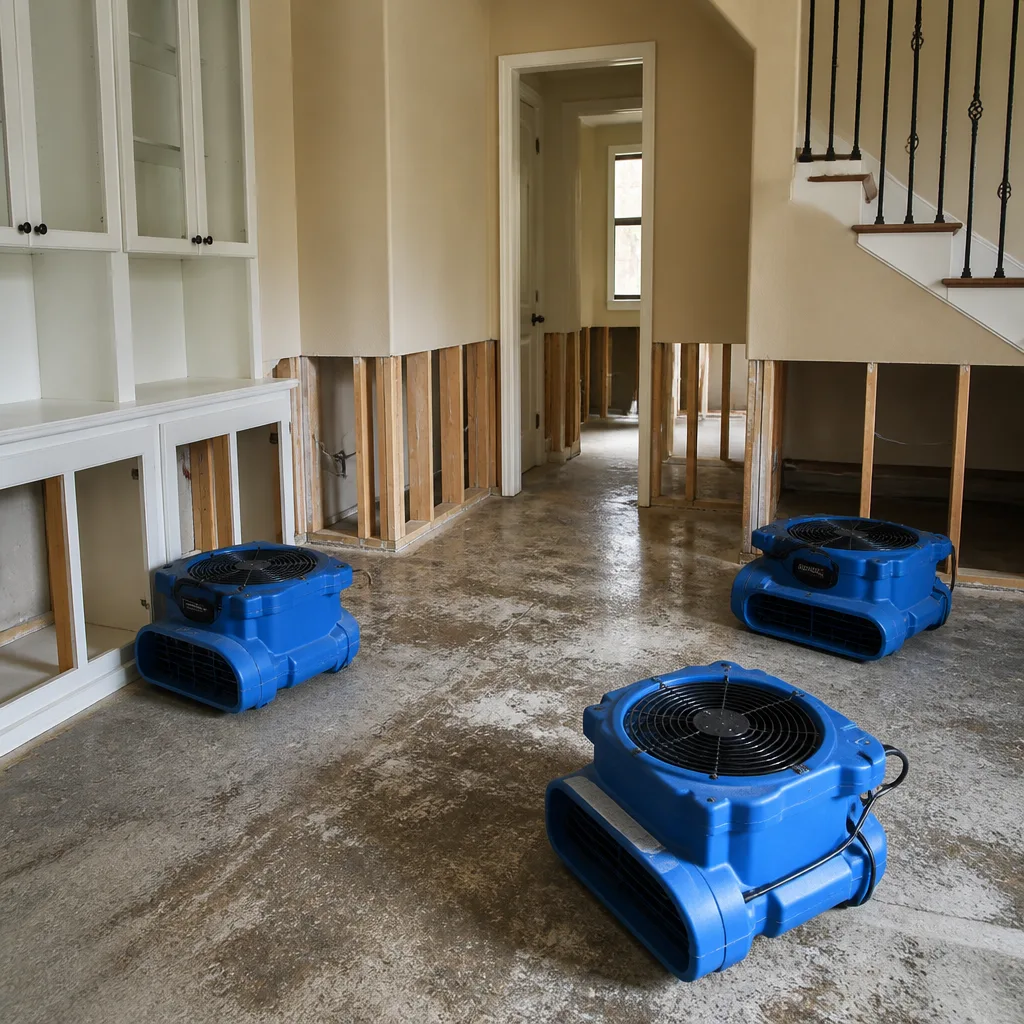
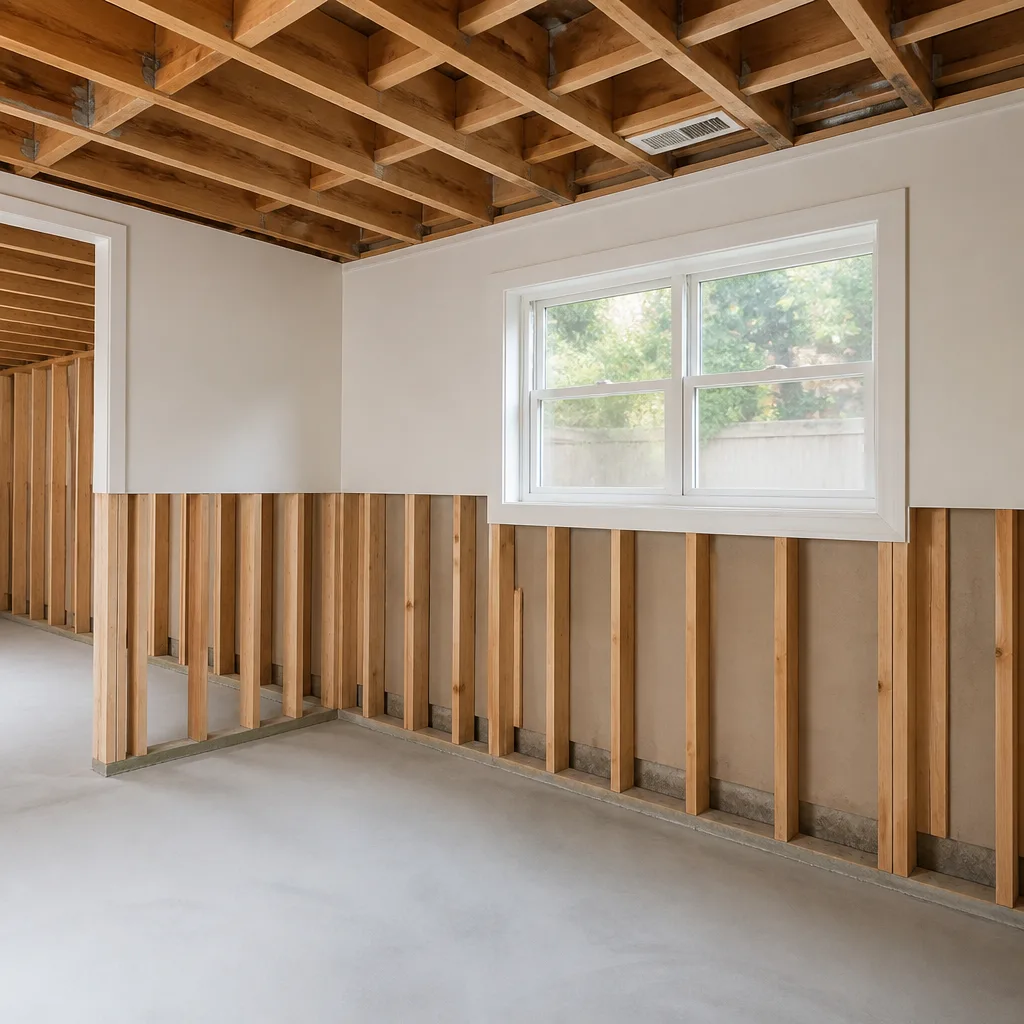
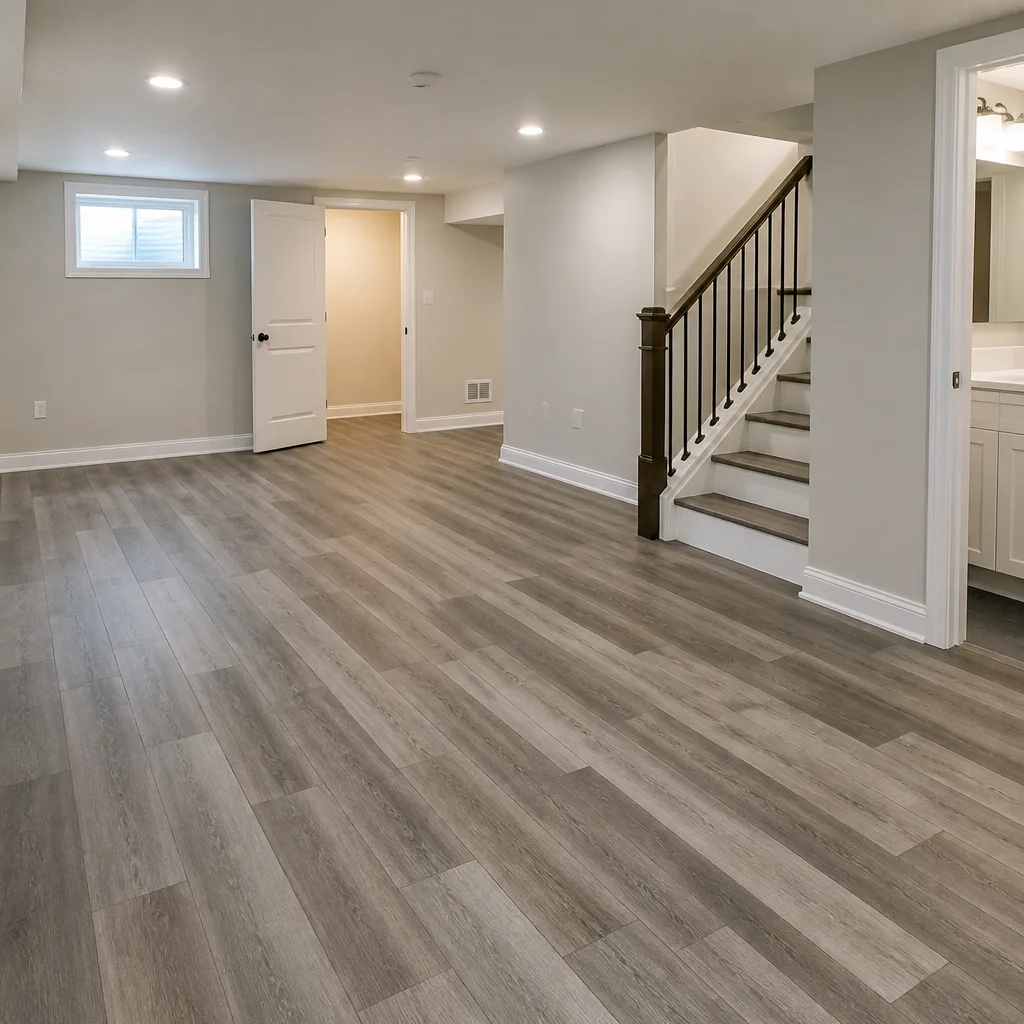
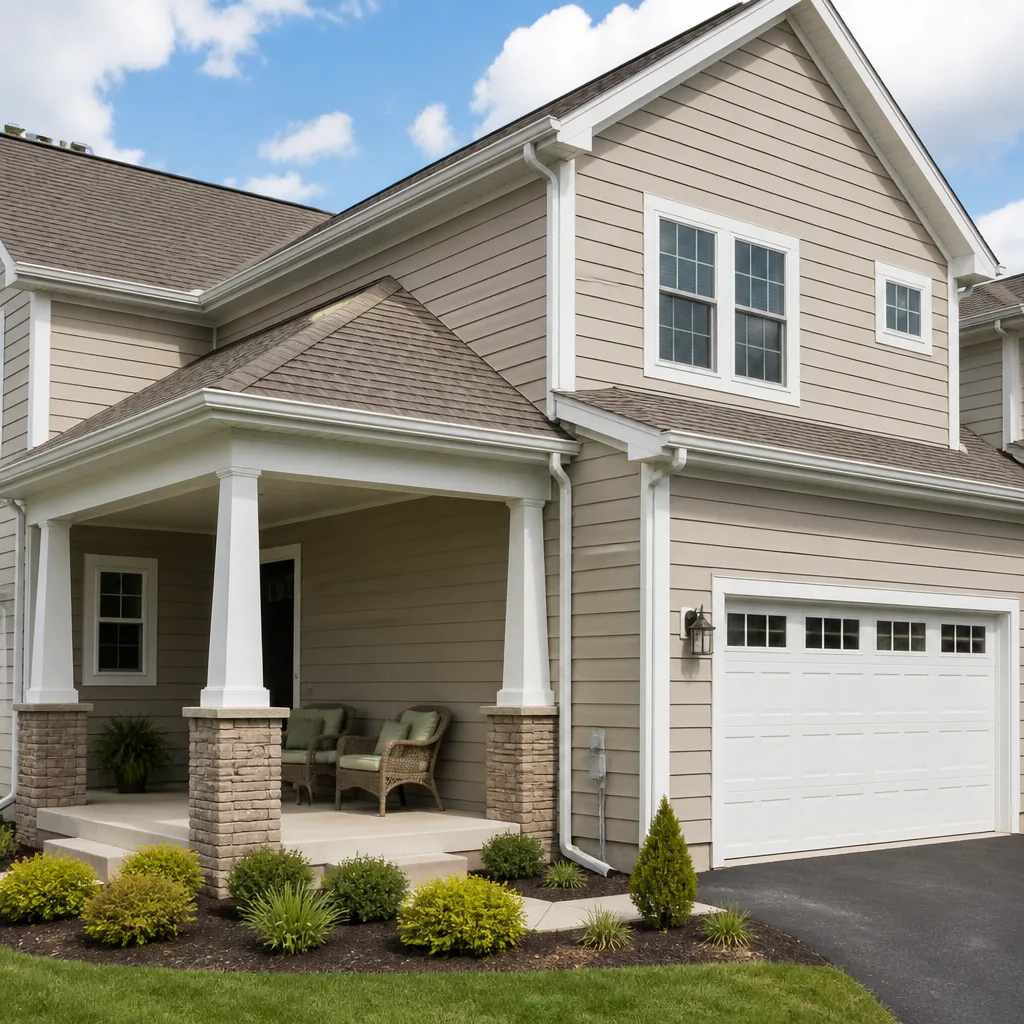
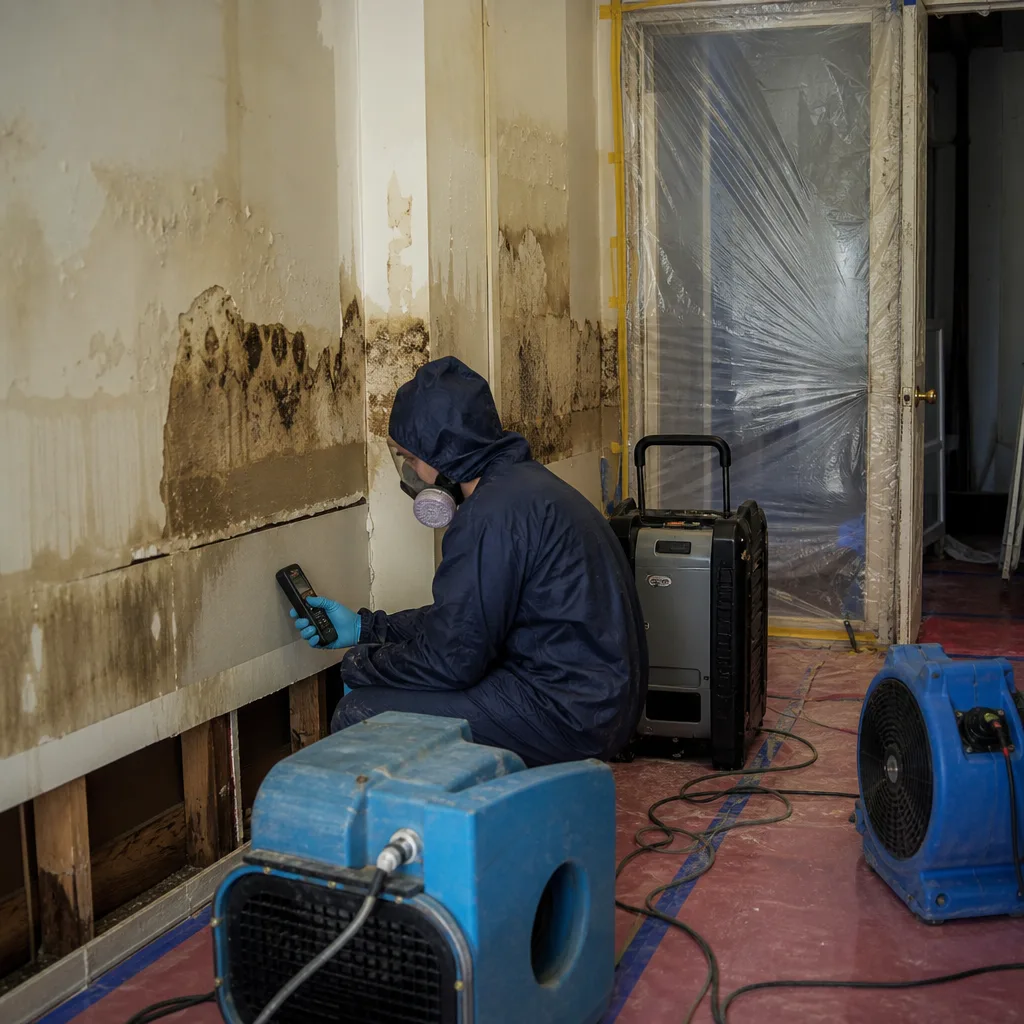 Before
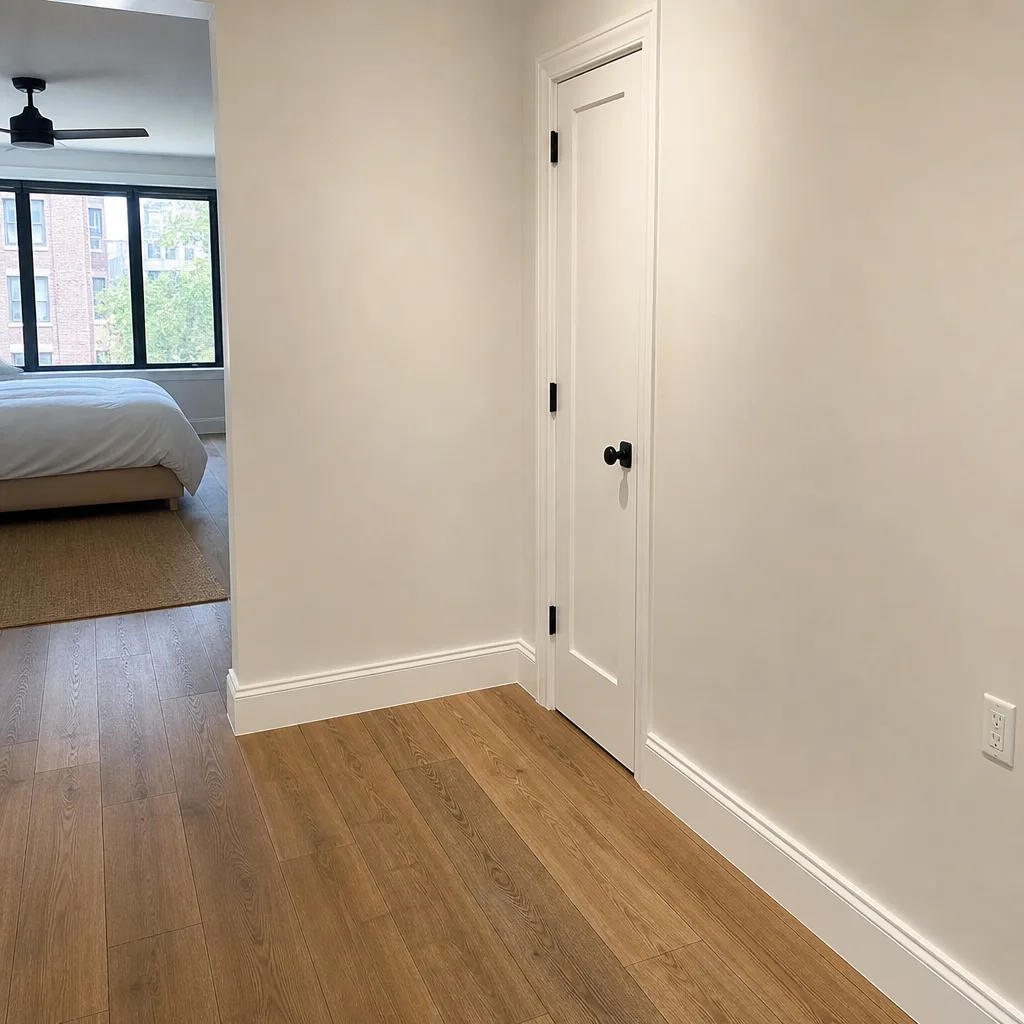 After
After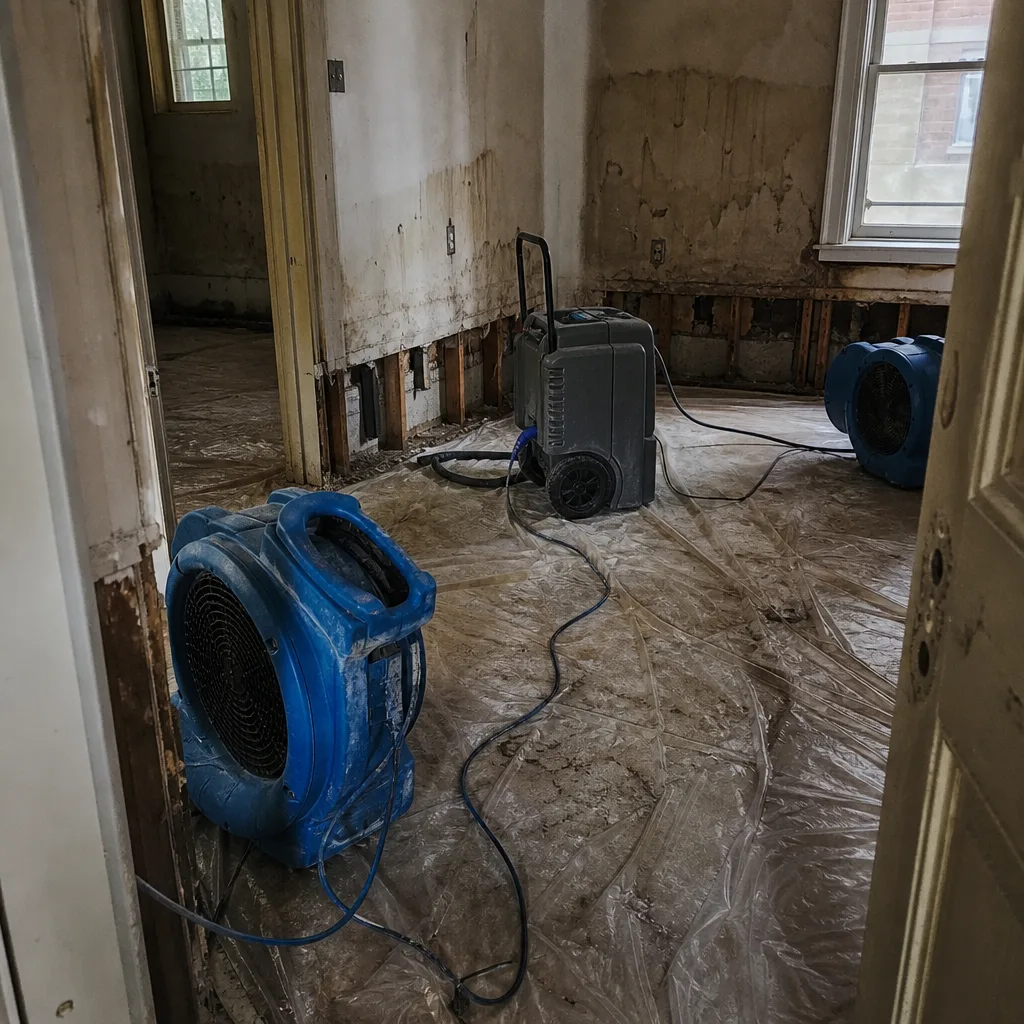 Before
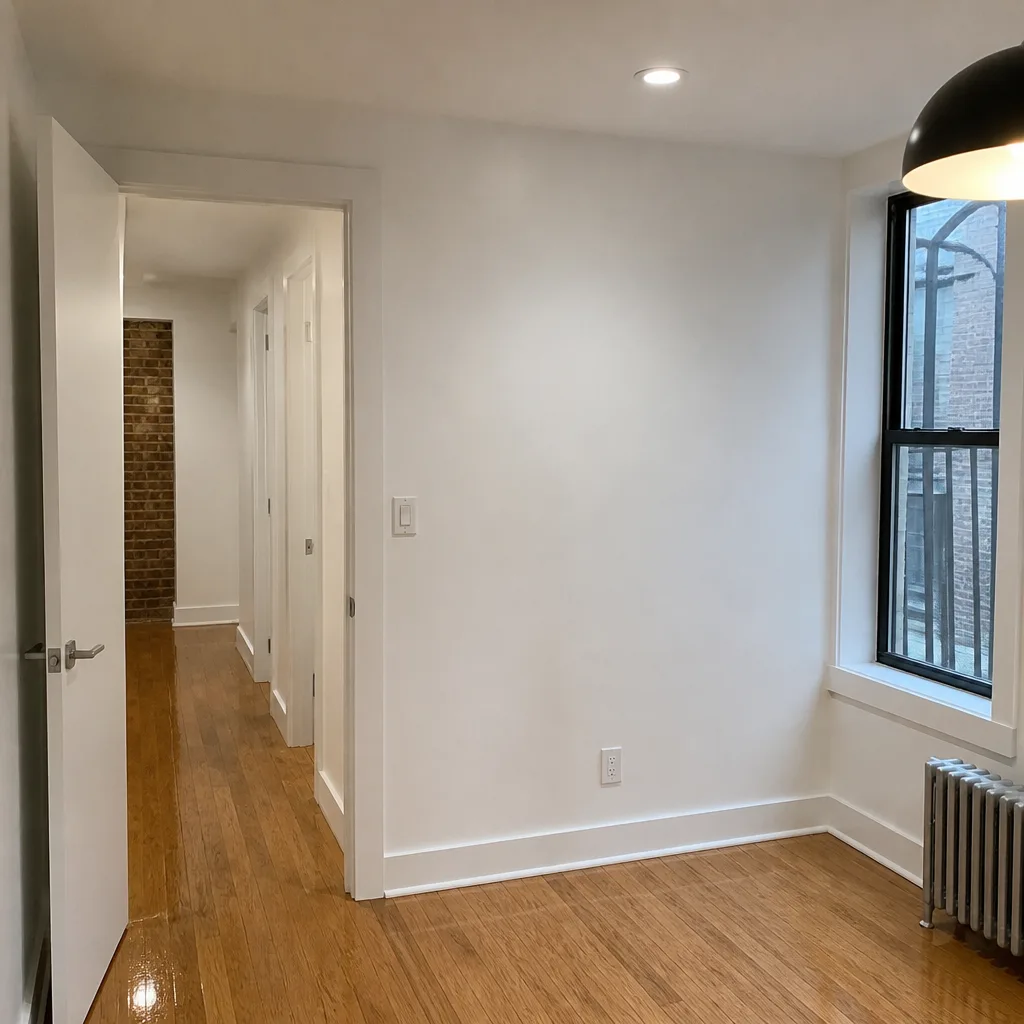 After
After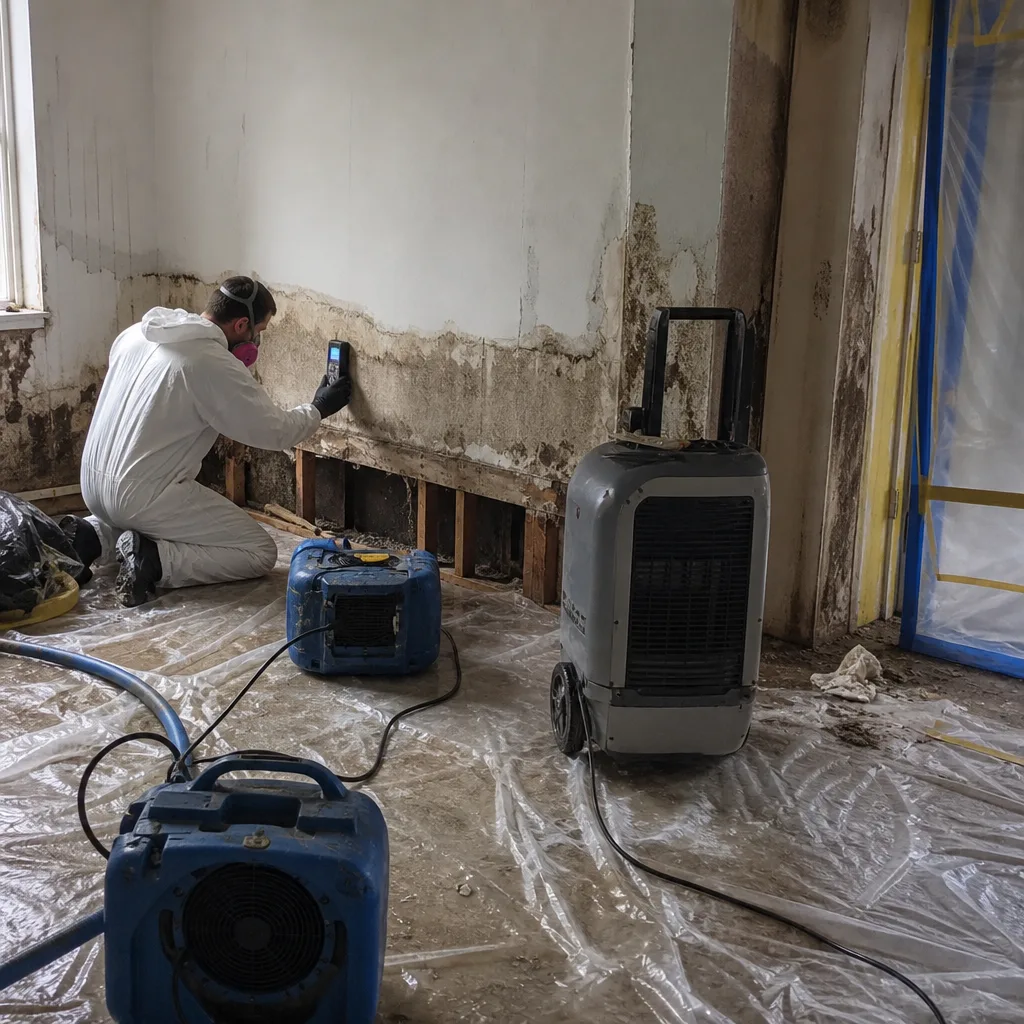 Before
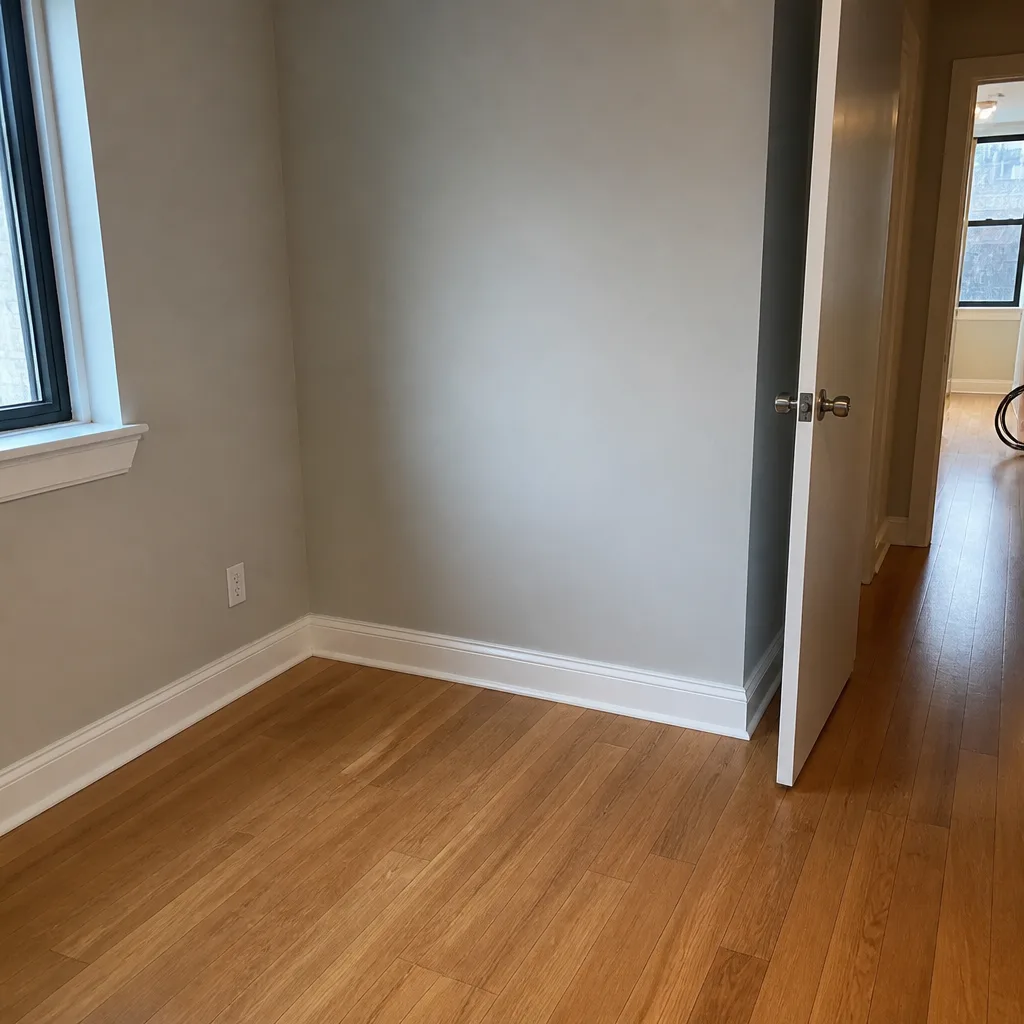 After
After24/7 Emergency Reconstruction & Cleanup in Central Harlem
When water, fire, or a failed riser damages a Central Harlem brownstone or walk-up, the rebuild has to move fast but the building won’t let anyone rush. Our Reconstruction & Cleanup teams answer live at (845) 305-5737 around the clock and dispatch into Central Harlem immediately. The first hour decides whether plaster walls can be saved or whether a category 3 water event turns into a gut rehab. We send a certified crew, not a salesperson, and the visual inspection is free. In Central Harlem’s pre-war housing stock, every hour of delay means more moisture wicking into horsehair plaster, more units affected through party walls, and more of your home that has to come apart before it can go back together.
Understanding Reconstruction & Cleanup Severity in Central Harlem Properties
Central Harlem’s buildings are almost all four- to six-story pre-war brownstones and tenement walk-ups built between 1880 and 1920. That changes everything about how we assess damage. When a galvanized supply line splits, the water is rarely clean. By the time it travels through a cast-iron stack, across a ceiling cavity, and into the unit below, it has picked up decades of dust, rodent residue, and whatever sat in the pipe. We treat it as category 3 water, which means full containment, antimicrobial application, and removal of saturated plaster rather than surface drying. Moisture mapping in these buildings is unpredictable: a leak on the fourth floor of a subdivided SRO can surface in a third-floor closet without wetting the drywall between them. Layered plumbing from mid-century reconversions means the obvious wet spot is often not the source. We use thermal imaging and penetrating moisture meters to trace the actual path before we open anything. And in Central Harlem, opening anything means waiting on a DEP asbestos survey if the wall or ceiling predates 1987, which virtually all of them do.
Why Central Harlem Property Owners Choose Floodline Restoration Co.
- 45-minute response commitment: We tell you when the crew will arrive, then we arrive. No four-hour windows. No missed appointments.
- 24/7 live answer: A real dispatcher picks up at 2 a.m. Not a recording. When a radiator valve lets go during a January freeze, you talk to a person who can send a crew right then.
- IICRC-certified crews: Our technicians hold WRT and ASD certifications and train to RIA and IFA standards. They know what a plaster-on-lath wall does under negative air pressure.
- Free visual inspection: We walk the damage, explain what we see, and give you a written scope before any work begins. You decide with the facts in hand.
- Direct insurance billing: We document everything from the first hour, bill your carrier directly, and talk to the adjuster so you don’t have to translate moisture logs into insurance language.
- One team, start to finish: The crew that extracts the water is the crew that hangs the new drywall. No mid-job handoff. No inherited subcontractors. Curt Bowman built Floodline Restoration Co. in 2010 around a dispatch board, not a sales desk, and that’s how we still run.
Our Reconstruction & Cleanup Process
Inspection & Assessment
We arrive, map the moisture with thermal imaging and hygrometers, and identify the source. In Central Harlem, this step often includes checking whether the building’s DEP asbestos survey is current before any wall or ceiling gets opened. We give you a written scope before work starts.
Extraction & Stabilization
Standing water comes out with truck-mounted extraction units. We stabilize the area to stop ongoing damage and set containment so nothing spreads to unaffected units. If the source is a live leak from a riser or supply line, we coordinate with the building super to isolate it.
Drying & Dehumidification
Plaster walls don’t dry like drywall. We run Dri-Eaz and Phoenix dehumidifiers with XPOWER air movers for 30 to 50 percent more drying cycles than a modern building would need. Daily moisture readings get logged until the dry standard is met, and that log goes to you and your carrier.
Cleaning & Sanitization
Once dry, every affected surface gets cleaned with professional-grade antimicrobials. HEPA air scrubbers run throughout to capture spores and fine particulates. For category 3 water events, we remove saturated plaster and insulation rather than trying to sanitize what can’t be saved.
Injectidry Treatment for Cavities
When water gets behind plaster and into wall cavities, surface drying won’t reach it. We use the Injectidry system to force dry inside the cavities without tearing out every wall. This matters enormously in Central Harlem, where original plaster is worth saving and each wall opened adds a DEP survey hold.
Repairs & Restoration
After dry, we rebuild. Drywall, plaster patching, flooring, paint, trim. Our Reconstruction & Cleanup team handles the full scope from first extraction to finished room. Backed by the 90-Day Done Right Promise in writing.
Need Emergency Reconstruction & Cleanup in Central Harlem Now?
Crews minutes away, answering live 24 hours a day. The sooner we start, the less it costs.
Working With Your Insurance Company
Most Central Harlem reconstruction work after a water or fire loss is a covered claim, but the way the claim is documented decides how much gets approved. We document from the first hour: photos of every affected room, moisture readings from day one through the final dry standard, and a line-item scope that matches what carriers expect. Our team talks directly with your adjuster, sends the drying logs, and answers their questions so you don’t spend your week on hold. For multi-unit losses in Central Harlem tenements, where one riser failure damages several apartments, we document each unit separately and coordinate with the building’s carrier as well as individual unit owners. The 90-Day Done Right Promise applies to every job, and if something isn’t right, we make it right. No arguing.
What We Provide Your Insurer
- Thorough documentation of the loss
- Photos of all damage, room by room
- Moisture readings and drying logs
- A detailed, line-item scope of work
- Direct coordination with your carrier
Built for Central Harlem’s Loss Calendar
Central Harlem’s damage calendar follows the weather and the building stock. January through March, the freeze-thaw cycle hammers the flat tar-and-gravel roofs on brownstones. Membrane cracks let slow moisture into top-floor plaster ceilings, and by the time a brown stain appears, mold has usually started behind the lath. The same months push steam systems to full pressure to meet NYC’s 68-degree daytime heat requirement, and radiator valves that have held for thirty years let go in the middle of the night. Condensate soaks plaster, drips through to the unit below, and creates multi-floor claims before the super can isolate the riser. Spring brings roof runoff and basement seepage in buildings with original foundations. Summer thunderstorms overwhelm aging roof drains and send water through flat roofs that were already failing. In a building where every wall predates modern codes, no loss is ever simple. Our crews know what these buildings do in each season because we work in them year-round, serving Central Harlem and the surrounding neighborhoods.
Reconstruction & Cleanup Across Central Harlem’s Neighborhoods
Central Harlem isn’t one building type, and the loss patterns differ block by block. Around Strivers’ Row, the landmarked brownstones have original plaster detail work worth saving at nearly any cost, and owners routinely choose Injectidry treatment over demolition. Along Lenox Avenue and Adam Clayton Powell Jr. Boulevard, the five- and six-story walk-ups have shared risers and party walls, which means a fourth-floor leak becomes a third-floor and second-floor problem within hours. The Mount Morris Park Historic District has some of the oldest housing stock in the neighborhood, with horsehair plaster and original cast-iron stacks that predate modern plumbing codes. East of St. Nicholas Avenue, many buildings went through SRO subdivision and later reconversion, leaving layered non-standard plumbing that makes leak tracing genuinely difficult. Our crews know that a call from 116th Street near the 2/3 line usually means a different failure mode than a call from a brownstone on 138th Street. That local knowledge gets us to the actual source faster, which is what controls the final scope and cost.
Specialized Reconstruction & Cleanup Services We Offer in Central Harlem
Full-Service Reconstruction
When plaster comes down, we rebuild it. Our carpenters and finishers handle everything from patching lath to full room reconstruction, including trim, doors, and flooring. We match original profiles where possible, which matters deeply in Central Harlem’s historic districts where modern replacement trim looks wrong. The same crew that dried the room rebuilds it, so nothing gets lost between teams.
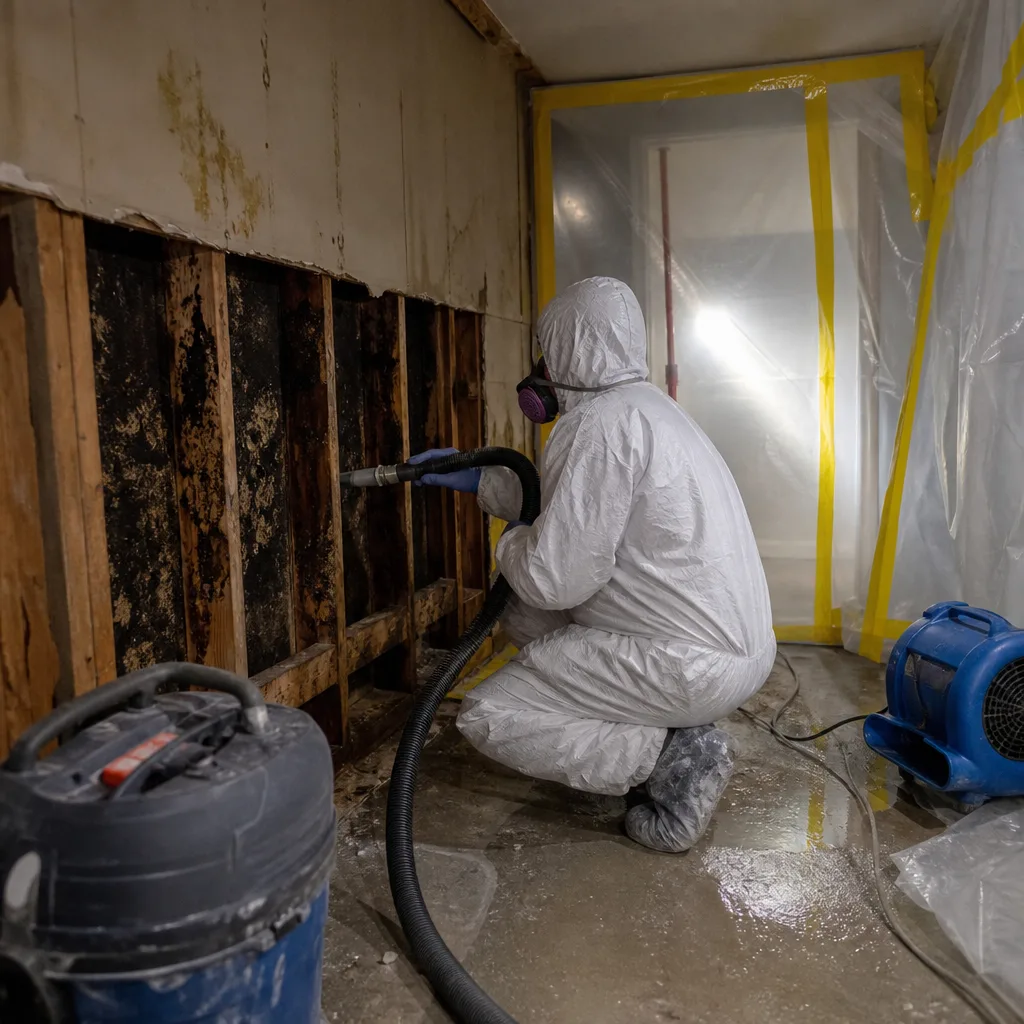
Drywall & Flooring Repair
Not every Central Harlem apartment is original plaster. Units renovated in the last thirty years have drywall partitions that dry faster but still need proper structural drying before repair. We handle drywall replacement, taping, and finishing, plus hardwood floor refinishing or replacement where water has cupped or warped boards. Original strip flooring in brownstones can often be saved if drying starts within the first 48 hours.
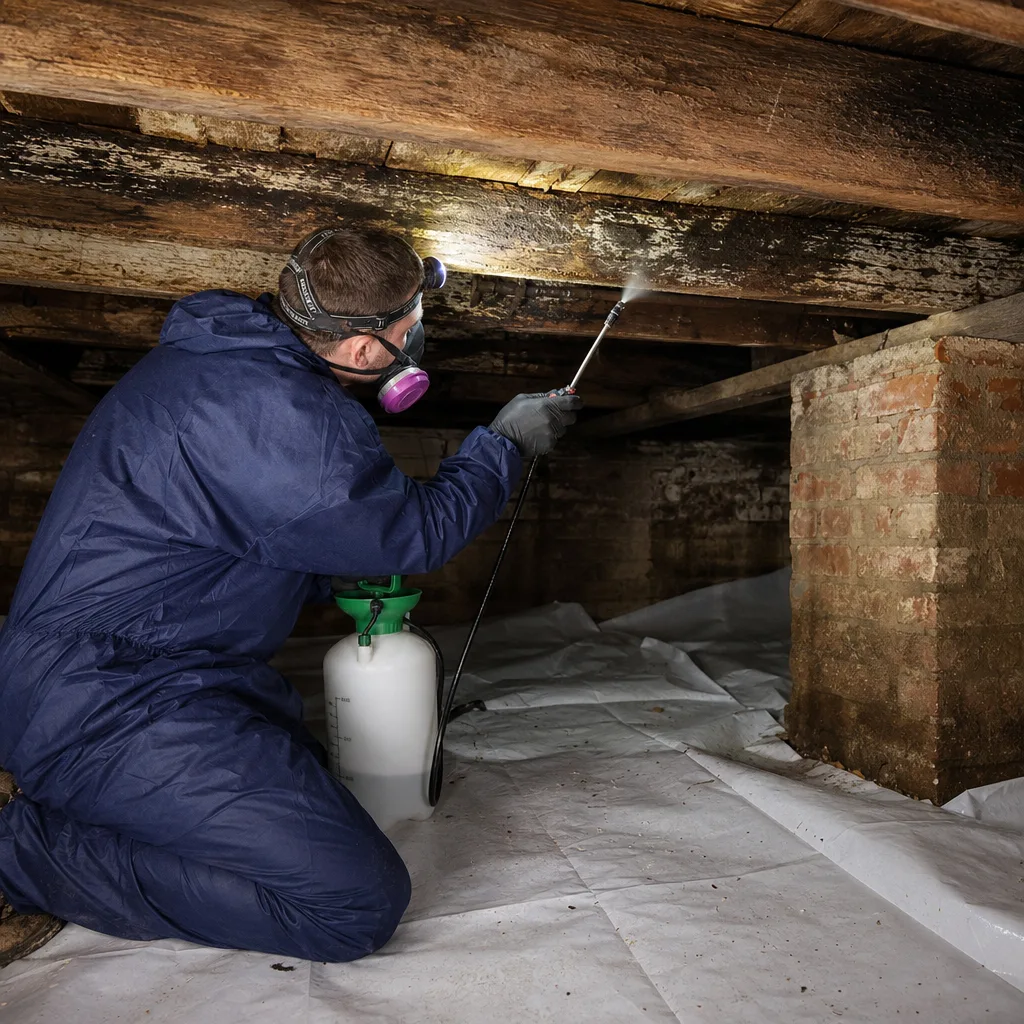
Contents Restoration & Pack-Out
In small Harlem walk-ups, a full pack-out isn’t always necessary and we’ll tell you that. When it is, we inventory every item, pack it properly, and store it in climate-controlled space until your unit is ready. Pack-outs matter when plaster dust or soot is throughout the apartment, or when reconstruction will make living conditions unsafe. We photograph everything before it moves, so your contents claim is fully documented.
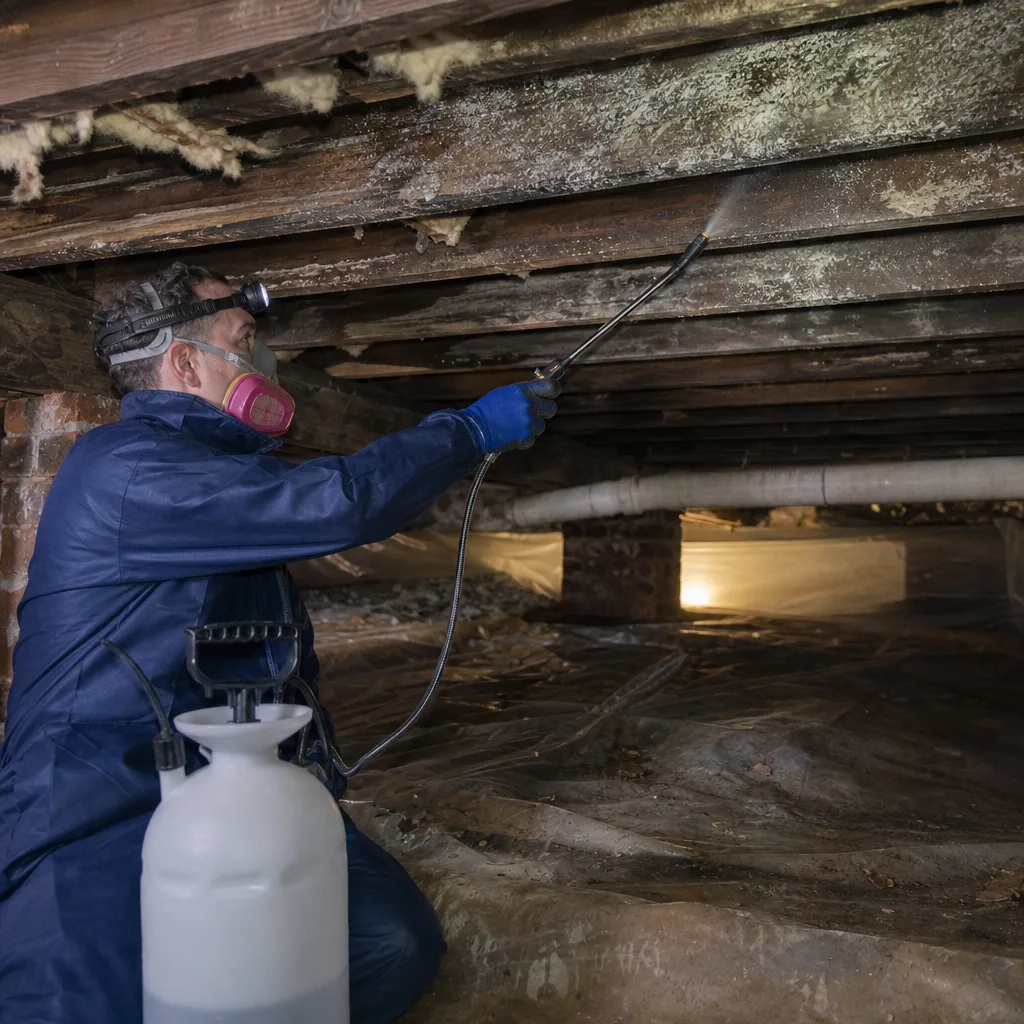
Carpet & Upholstery Cleaning
After a water or fire event, soft surfaces hold contaminants even when they look fine. We use professional-grade extraction on carpet and upholstery, followed by antimicrobial treatment where the loss involved category 2 or 3 water. In older Central Harlem buildings, area rugs over original hardwood trap moisture against the floor and need lifting and drying underneath as well.
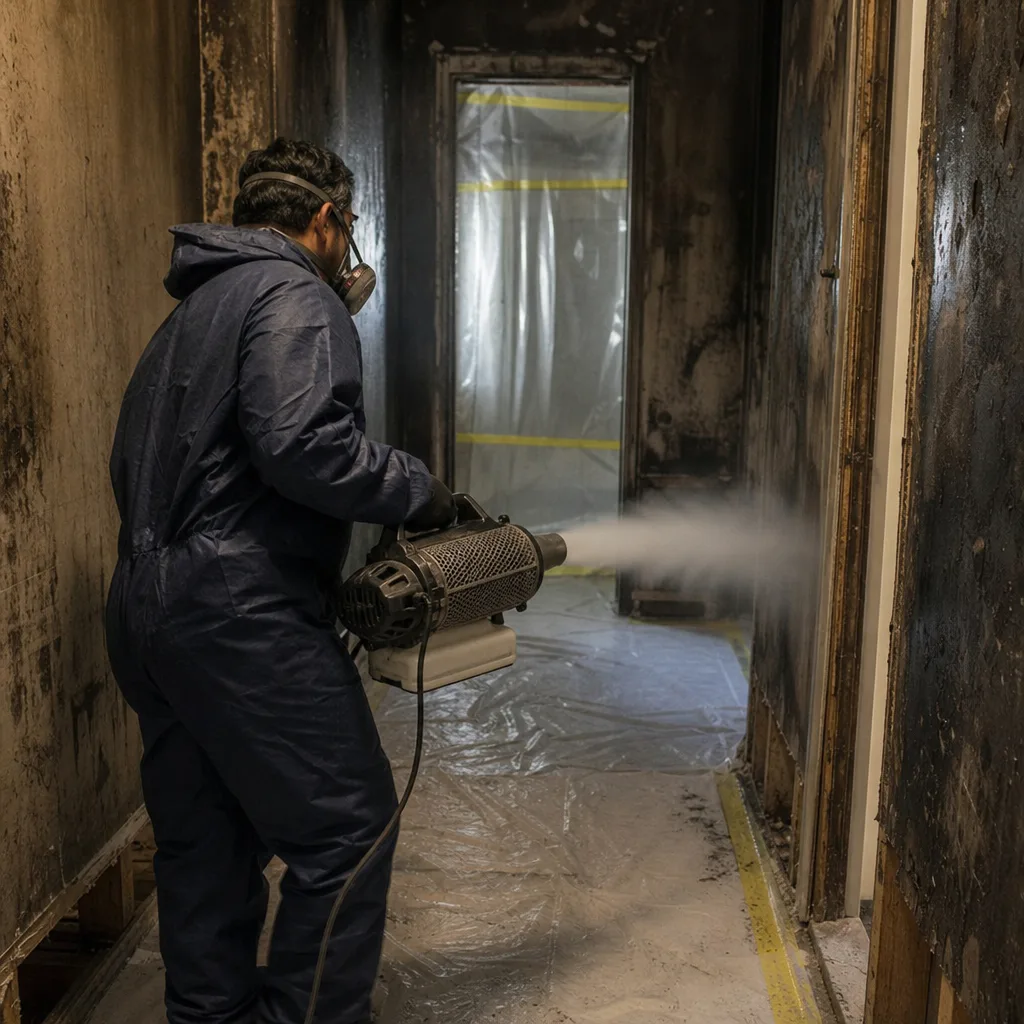
Post-Construction Cleanup
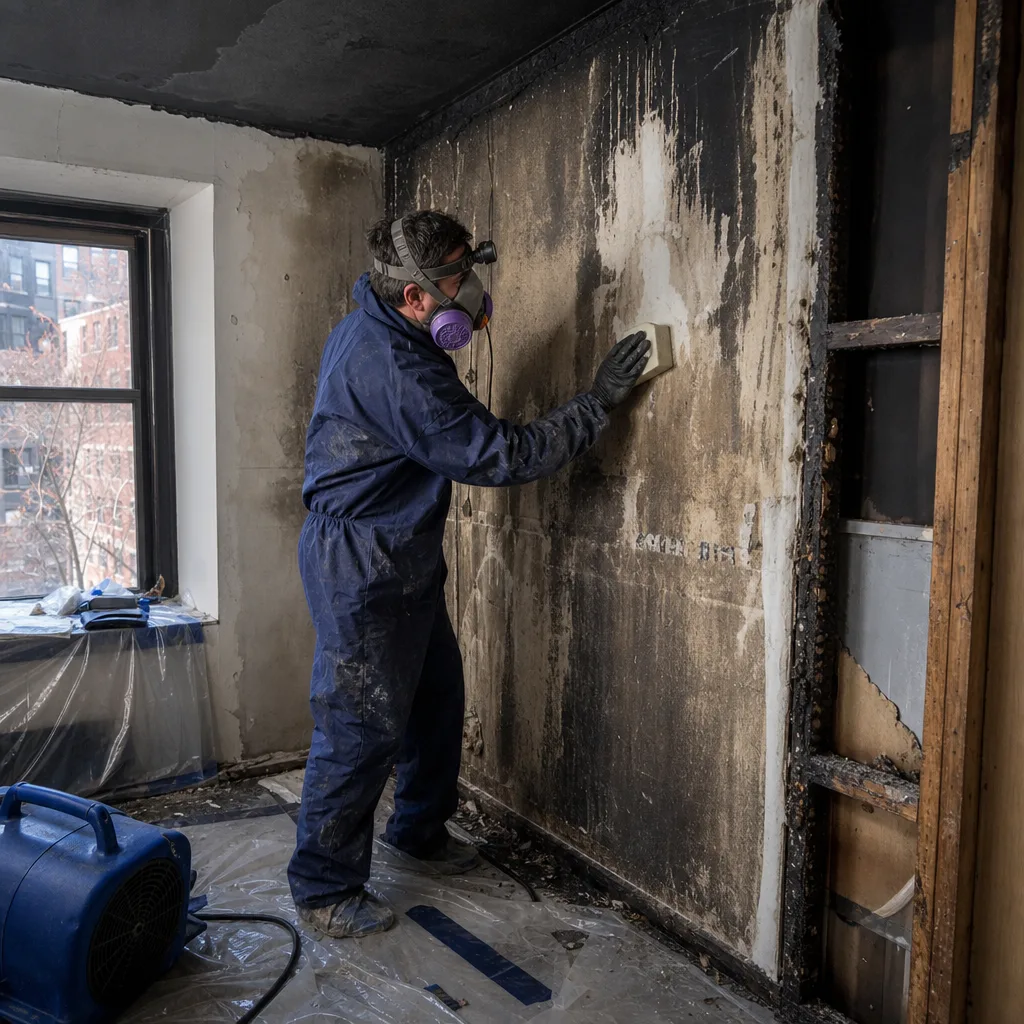
Plaster dust gets everywhere in a pre-war apartment. After reconstruction is complete, we clean every surface, run HEPA air scrubbers to clear fine particulates, and leave the space ready to live in. This isn’t a light wipe-down. It’s the difference between a job that looks finished and a job that is finished.
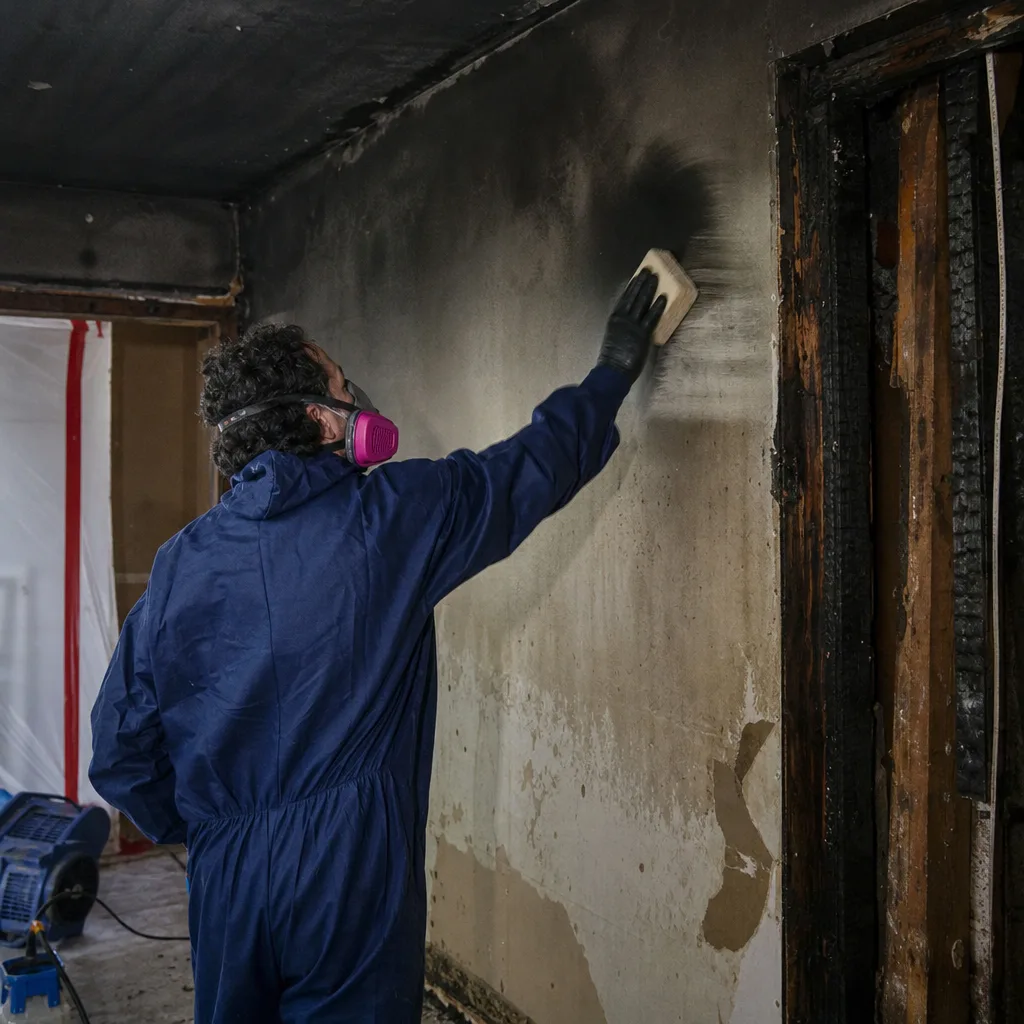
Insurance Claim Documentation
For Central Harlem losses involving multiple units or major structural work, documentation is not a formality. It’s what gets the claim approved. We photograph before, during, and after. We log moisture daily. We provide your carrier with a scope that matches their line-item expectations. And we bill directly, so you aren’t fronting tens of thousands of dollars waiting on reimbursement.
What happens when you call
- 1
A real person answersNo phone trees - you reach a local pro.
- 2
You get an upfront price rangeHonest numbers before anyone is dispatched.
- 3
A background-checked tech heads outLicensed & insured, dispatched right away.
- 4
You approve before work beginsNothing starts until you say go.
Reconstruction & Cleanup Costs in Central Harlem, NY
Reconstruction costs in Central Harlem run higher than in newer outer-borough construction, and there are honest reasons for that. A typical water extraction with drying in a one-bedroom Harlem walk-up runs $3,500 to $7,500. Full plaster remediation with asbestos survey coordination and Injectidry treatment usually lands between $8,000 and $18,000 depending on how many rooms are affected. Fire damage reconstruction in a Central Harlem brownstone commonly runs $25,000 to $60,000 or more when plaster, flooring, and original millwork are involved. Drywall replacement alone typically costs $4 to $8 per square foot in this market. The DEP asbestos survey adds $800 to $2,500 and one to three days of hold time, depending on inspector availability. We give you a written scope before work starts, so the number doesn’t move on you. Your out-of-pocket share depends on your policy, and we bill the carrier directly for covered losses. Call (845) 305-5737 for a free visual inspection and a firm number.
We Also Serve Cities Near Central Harlem
Floodline Restoration Co. provides Reconstruction & Cleanup throughout Upper Manhattan and the surrounding area, including the Upper West Side, Morningside Heights, East Harlem, and Upper Manhattan. Our crews are dispatched locally, so response times stay short and the team knows the building stock.
Central Harlem Reconstruction & Cleanup Questions, Answered
Why does reconstruction in Central Harlem take longer than in newer Queens buildings?
Because the walls are plaster on lath, not drywall. Plaster holds moisture far longer than gypsum board, requiring 30 to 50 percent more drying cycles. And before we can open any wall or ceiling in a pre-1987 building, NYC DEP mandates an asbestos survey, which adds one to three days of regulatory hold. A Queens garden apartment job never faces either condition.
What happens if my brownstone’s steam riser breaks and I can’t get an asbestos inspector until Monday?
We start what we can without opening walls: water extraction, surface drying, containment, and air scrubbing. But the reality is that saturated plaster behind a wall cannot fully dry without cavity access, and mold can set within 48 hours. We document everything for your carrier so the delay is on the record, and we coordinate with the inspector to be first on their Monday schedule. Call us the moment the leak stops, not Monday morning.
Do I need a pack-out for contents in a small Harlem walk-up?
Not always. If the damage is contained and we can set up drying without moving your furniture, a pack-out is unnecessary and we won’t sell you one. Pack-outs matter when plaster dust or soot is throughout the apartment, when reconstruction will make living conditions unsafe, or when contents sit in the path of ongoing work. We’ll tell you honestly which situation you have.
Can you save original plaster ceilings after a category 3 water event from a broken soil stack?
Sometimes. If the plaster is structurally sound and the contamination is surface-level, we can clean, sanitize, and dry it. But category 3 water saturating plaster from above usually means the plaster and the lath behind it are compromised, and saving it risks mold regrowth inside the cavity. We assess each ceiling individually and tell you what’s salvageable before we cut anything.
How do you handle insurance claims when multiple units in a Central Harlem tenement are damaged by one riser failure?
We document each unit separately with its own photos, moisture readings, and scope, because each unit owner files against their own policy or the building’s master policy. We coordinate with the building super, the building’s carrier, and individual unit carriers. One riser failure can mean three claims, and we keep the documentation straight so no unit’s loss gets shorted.
How fast can someone actually get to Central Harlem?
We commit to 45 minutes from your call. Our crews are dispatched locally and a live person answers at (845) 305-5737 at any hour. For active leaks, that speed is what saves plaster ceilings and original flooring.
Will my insurance cover reconstruction after a radiator valve failure?
Most HO-4 and HO-6 policies cover sudden and accidental water damage from plumbing or heating system failures, including radiator valves. Long-term seepage or neglect is typically excluded. We document the failure mode clearly for your carrier and bill directly, so you don’t have to argue coverage alone.
What should I do in the first 30 minutes after a leak in my Central Harlem apartment?
Shut off the water if you can reach the valve. Call the building super to isolate the riser. Move furniture and rugs out of the water path if it’s safe. Then call us at (845) 305-5737. Don’t open walls yourself. Plaster removal triggers the asbestos survey requirement, and doing it wrong creates a bigger problem than the water did.
Serving Central Harlem, NY - Our Local Coverage Area
We’re based in the Central Harlem area and know this community well. Use the map below to see our service coverage - if you’re nearby, we can almost certainly help.
When a Central Harlem building gets wet, it doesn’t dry like a modern one.
Central Harlem’s pre-war brownstones and tenements are plaster-on-lath construction, and that single fact changes every timeline, every scope, and every cost. Plaster holds moisture far longer than drywall, requiring 30 to 50 percent more drying cycles before the dry standard is met. Any wall or ceiling breach triggers a mandatory NYC DEP asbestos survey before reconstruction can begin, a regulatory hold that a comparable job in newer construction would never face. That means a burst pipe on a Saturday can leave a building wet until an inspector arrives Monday, and every hour of that wait compounds secondary mold risk. Our crews know this. We start extraction immediately, set containment, run air scrubbers, and prepare everything so the moment the survey clears, reconstruction moves without another lost day. When a cast-iron supply line failed on Strivers’ Row, our crew began water extraction and set containment as steam from the radiator system pushed moisture into the horsehair plaster. We logged moisture readings and had to wait for the DEP asbestos hold to clear before cutting into the lath, then used Injectidry to force dry the cavities, adding three days to structural drying that a drywall unit would never require. That’s the difference between a company that has done this work in Central Harlem and one that hasn’t. The line the water left is where we start, and we stand behind the result in writing. Call (845) 305-5737 for a free visual inspection, whether it’s two in the afternoon or two in the morning. A real person will answer.
Written by Curt Bowman, Owner at Floodline Restoration Co., serving Central Harlem with Reconstruction & Cleanup since 2010.