
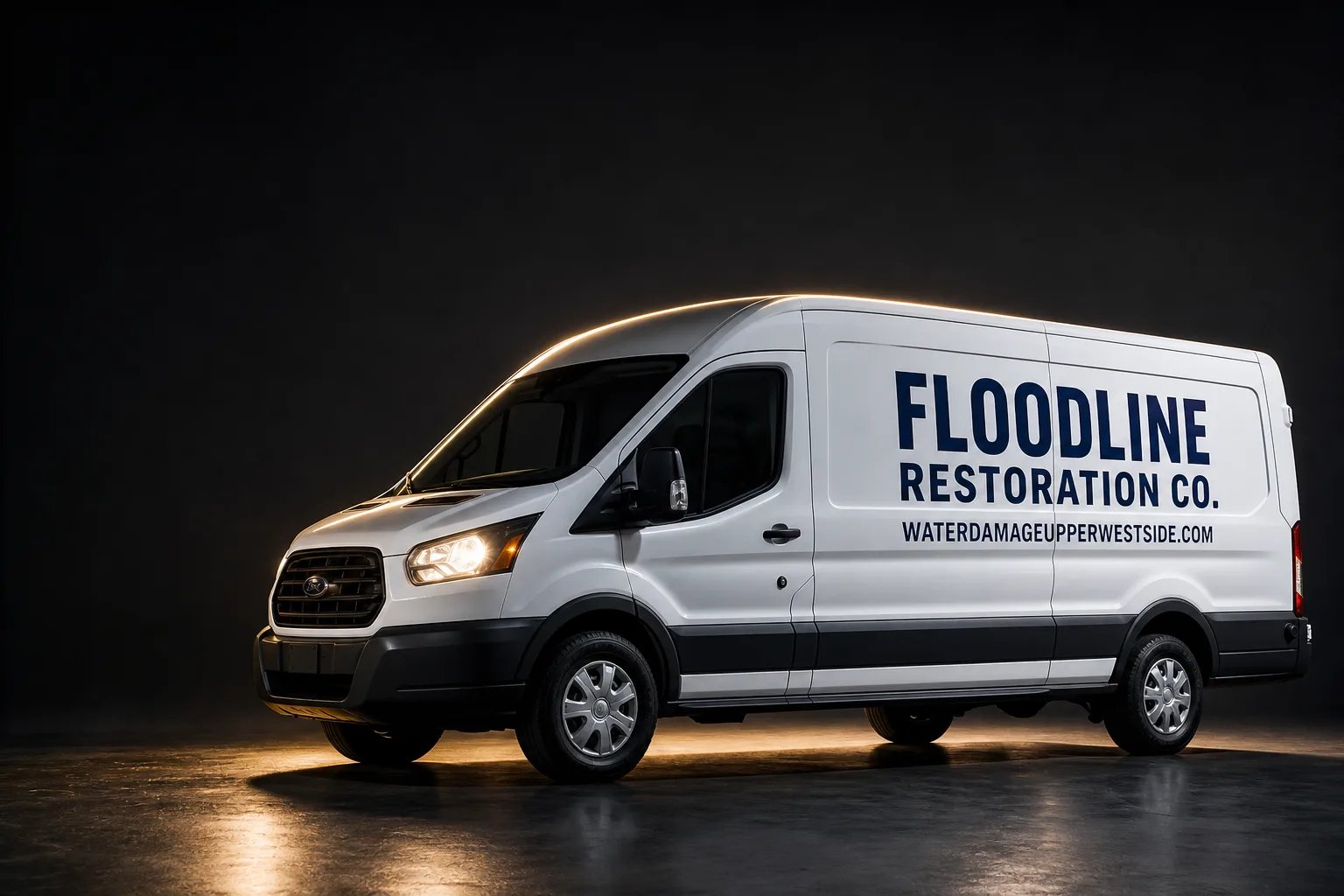
Free visual inspection and a written scope of work before any mitigation begins - photos, moisture readings, and drying logs go in your claim file
The scope we write is the scope we bill. Anything new gets shown to you, in writing, before we touch it.
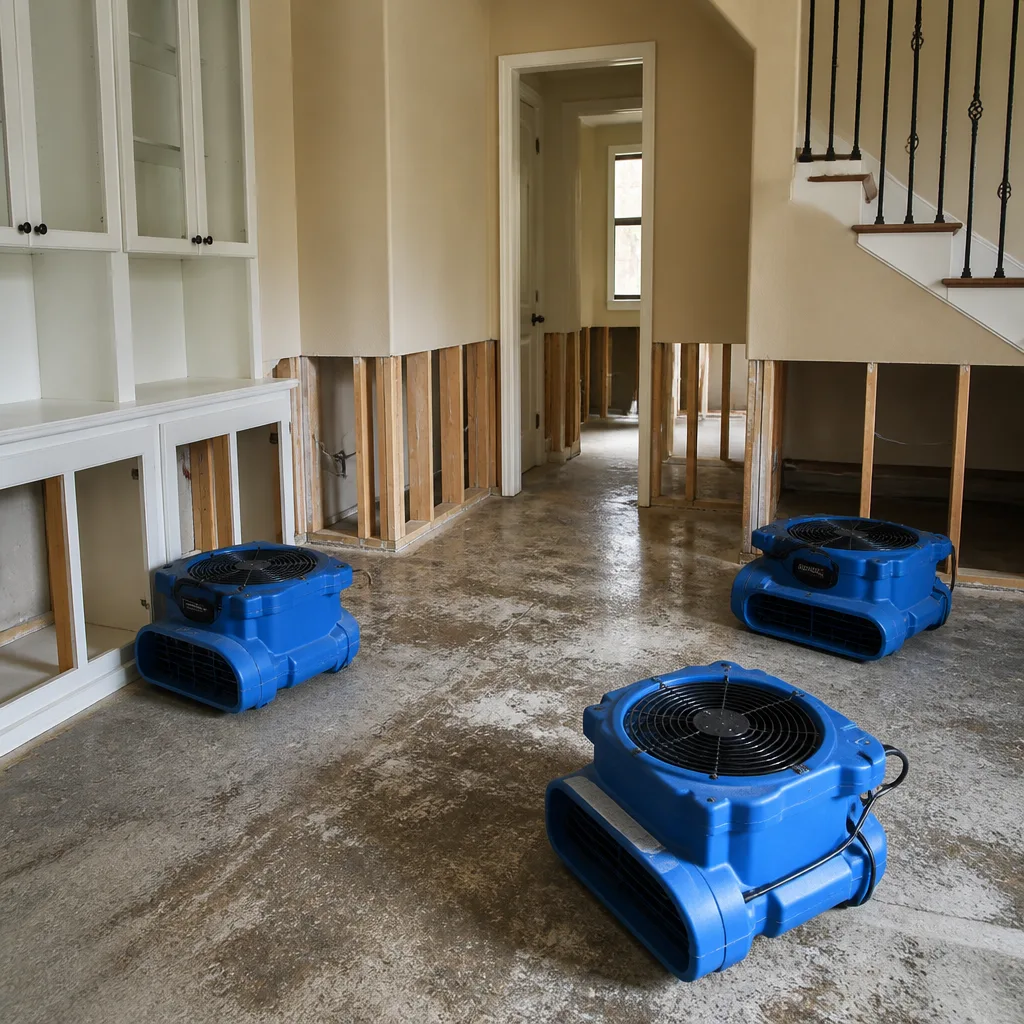
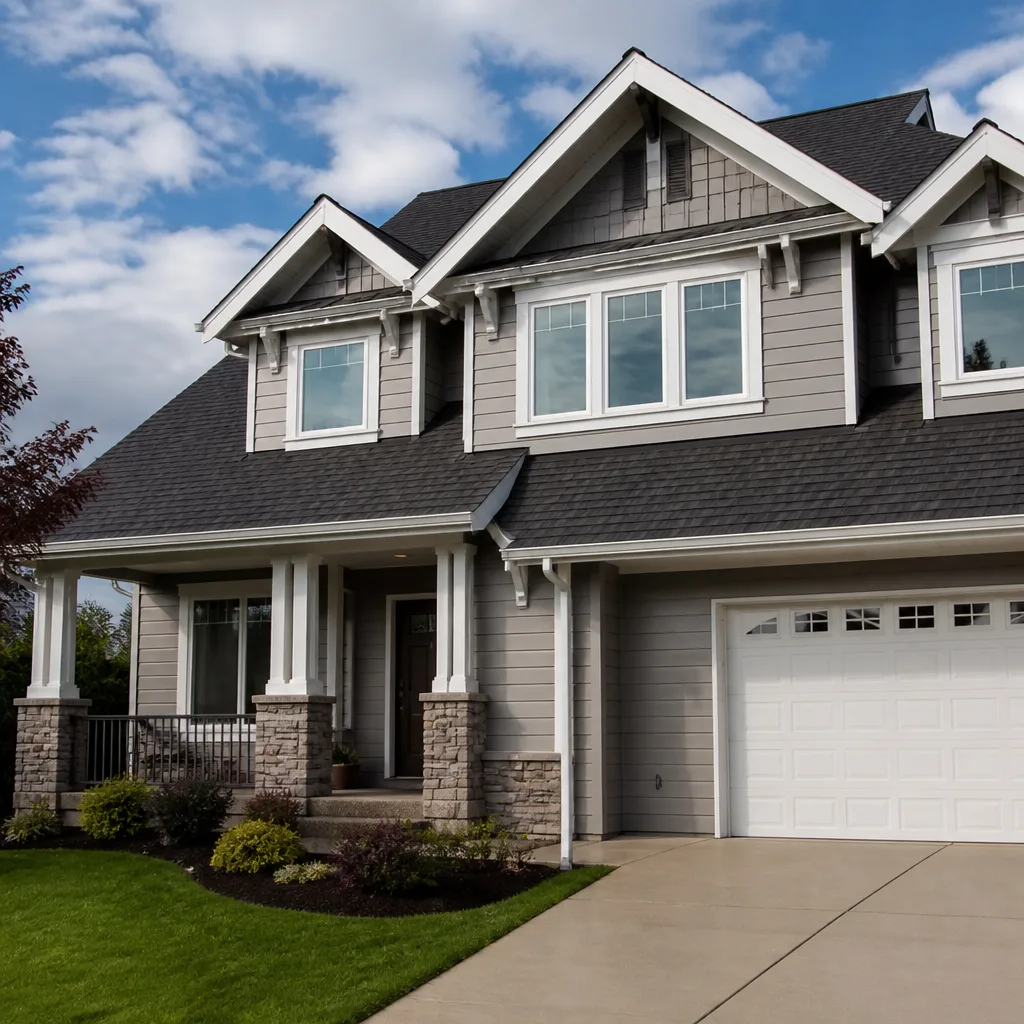
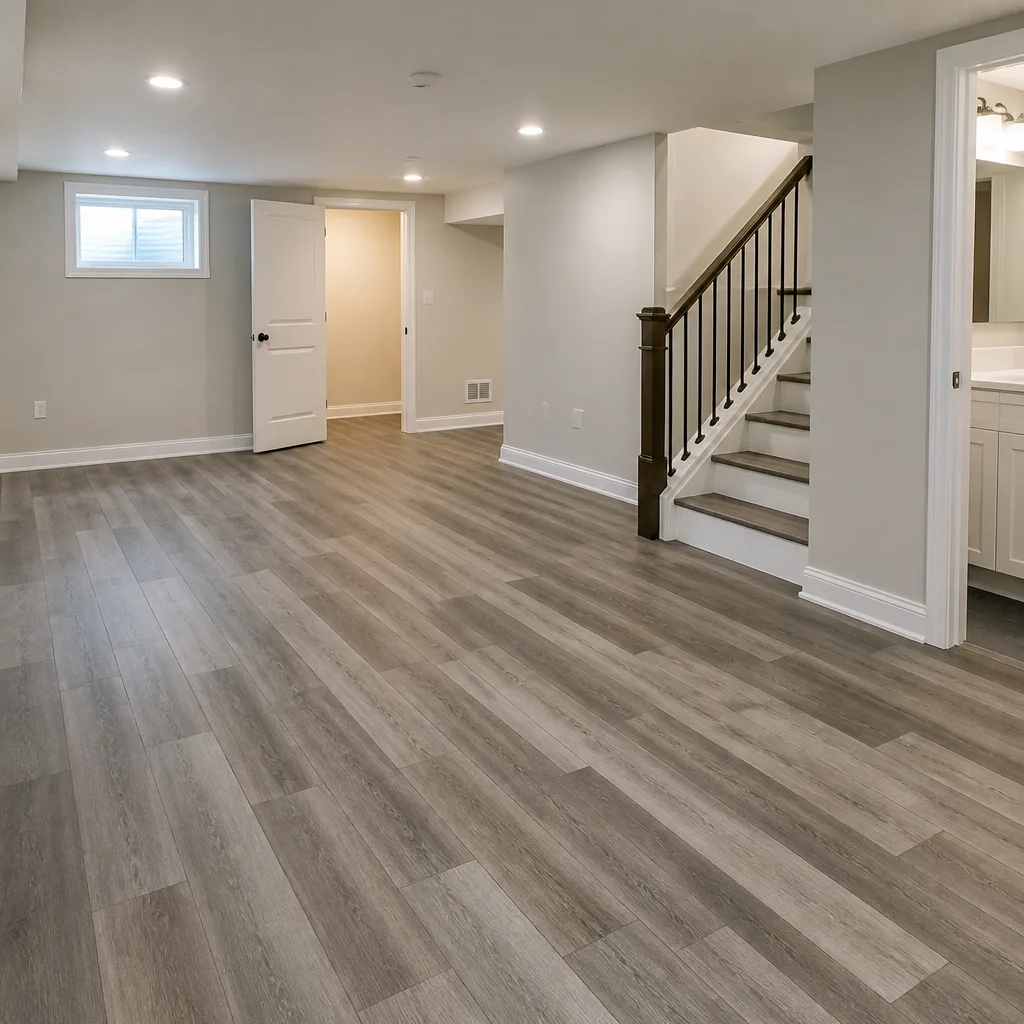
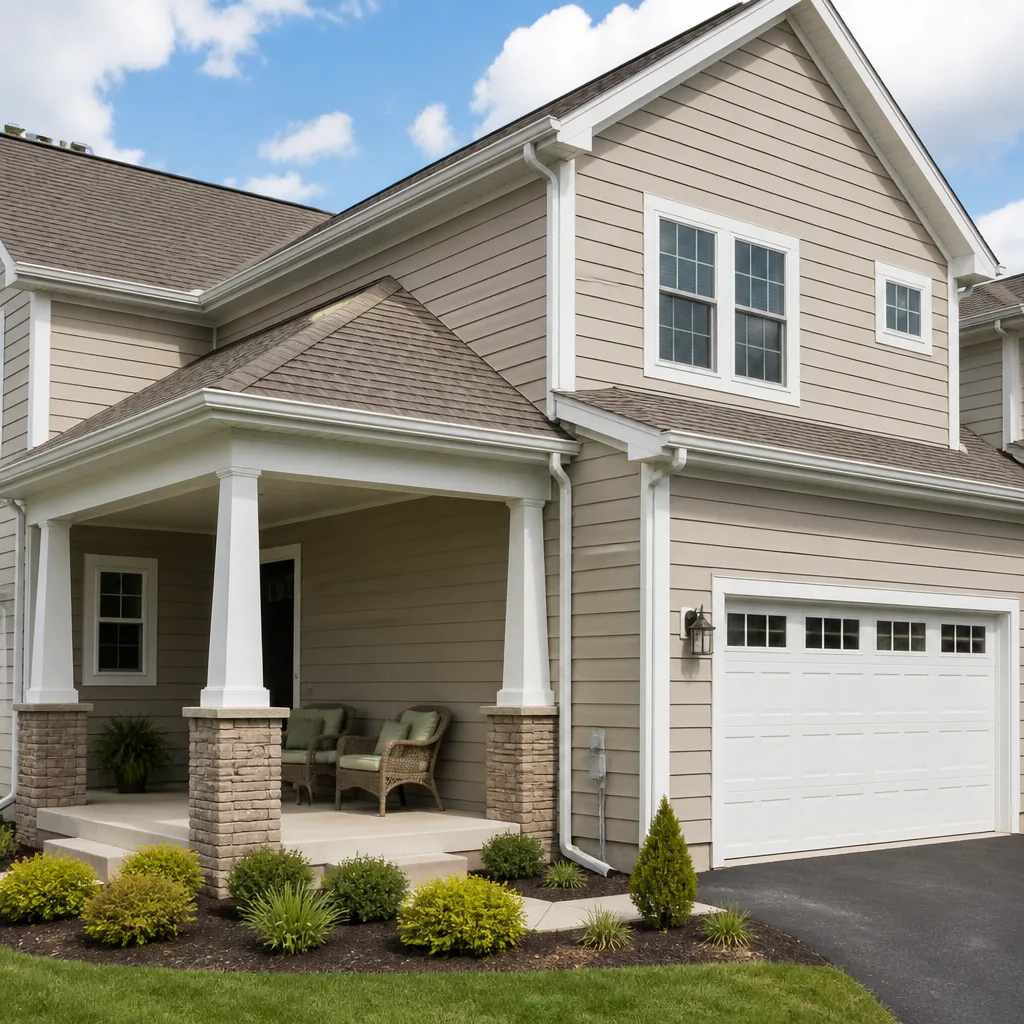
 Before
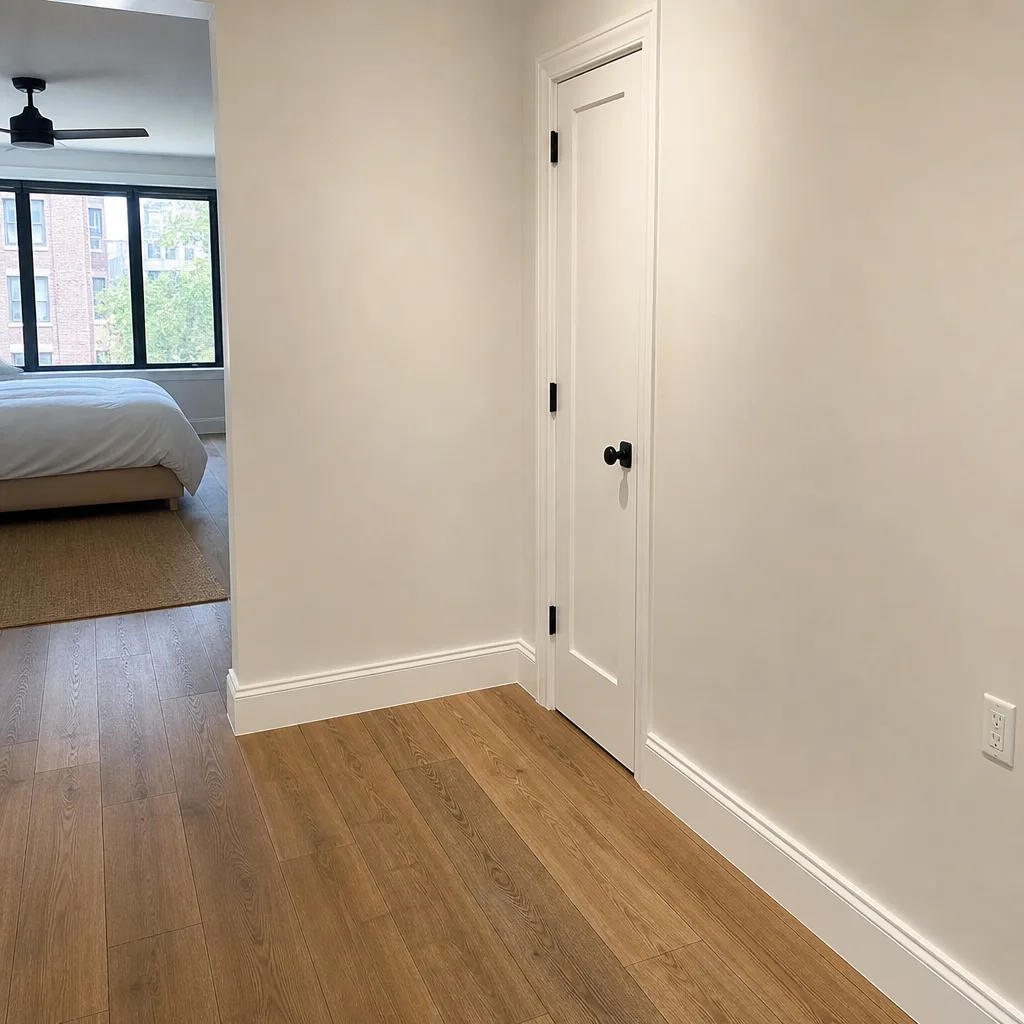 After
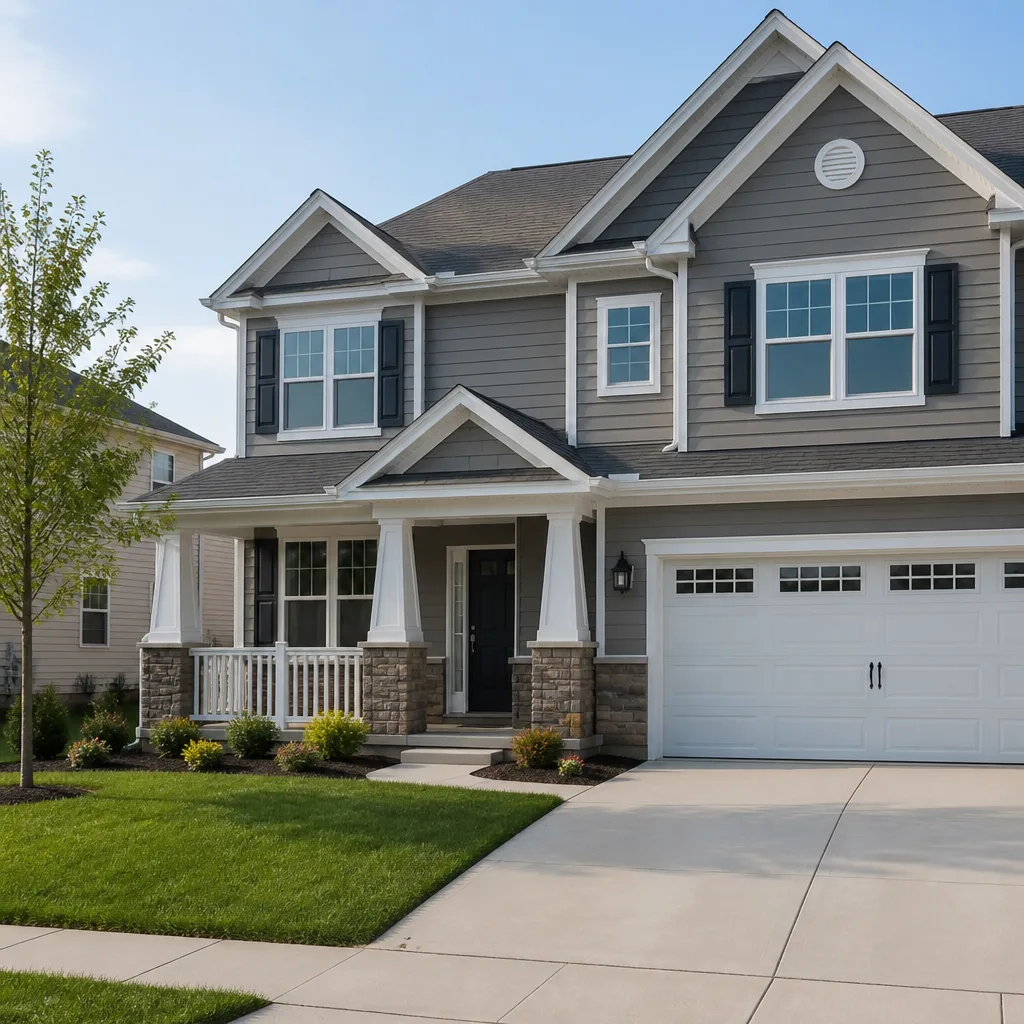
After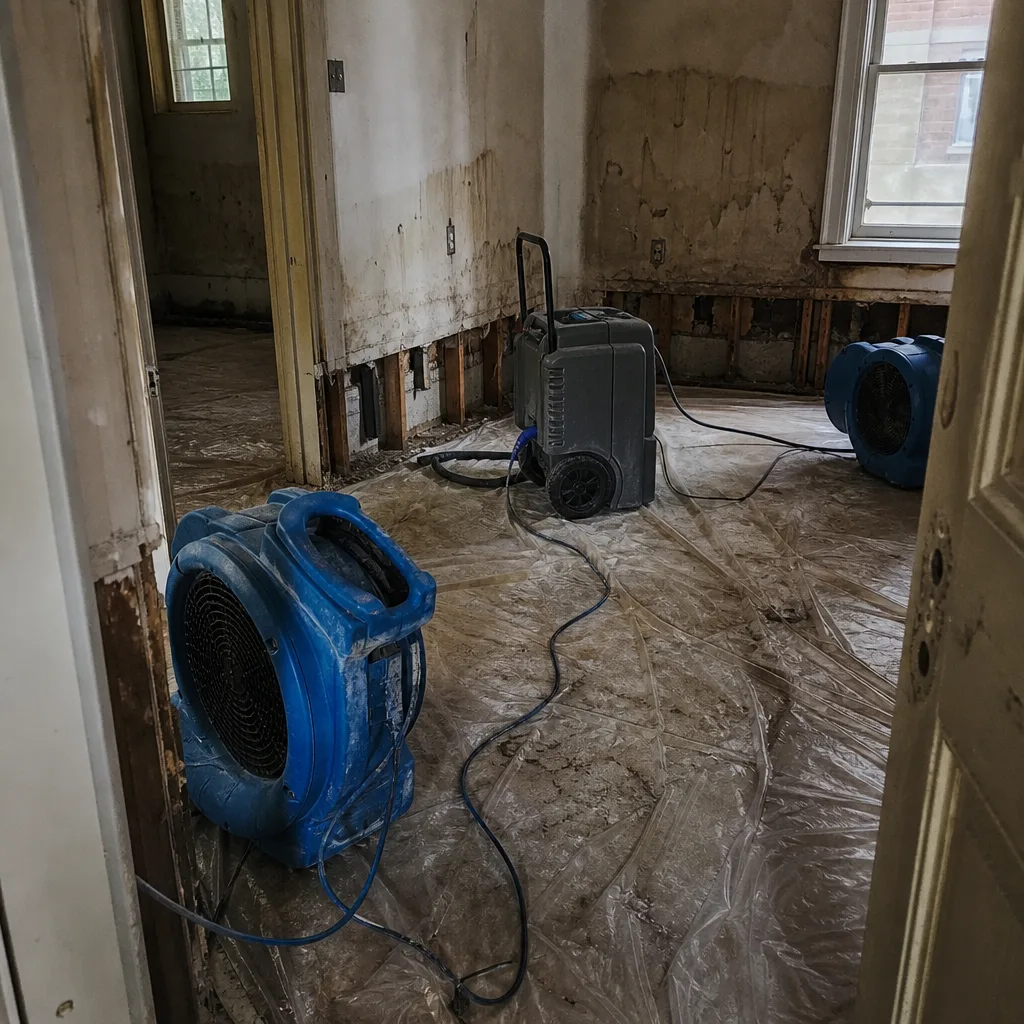 Before
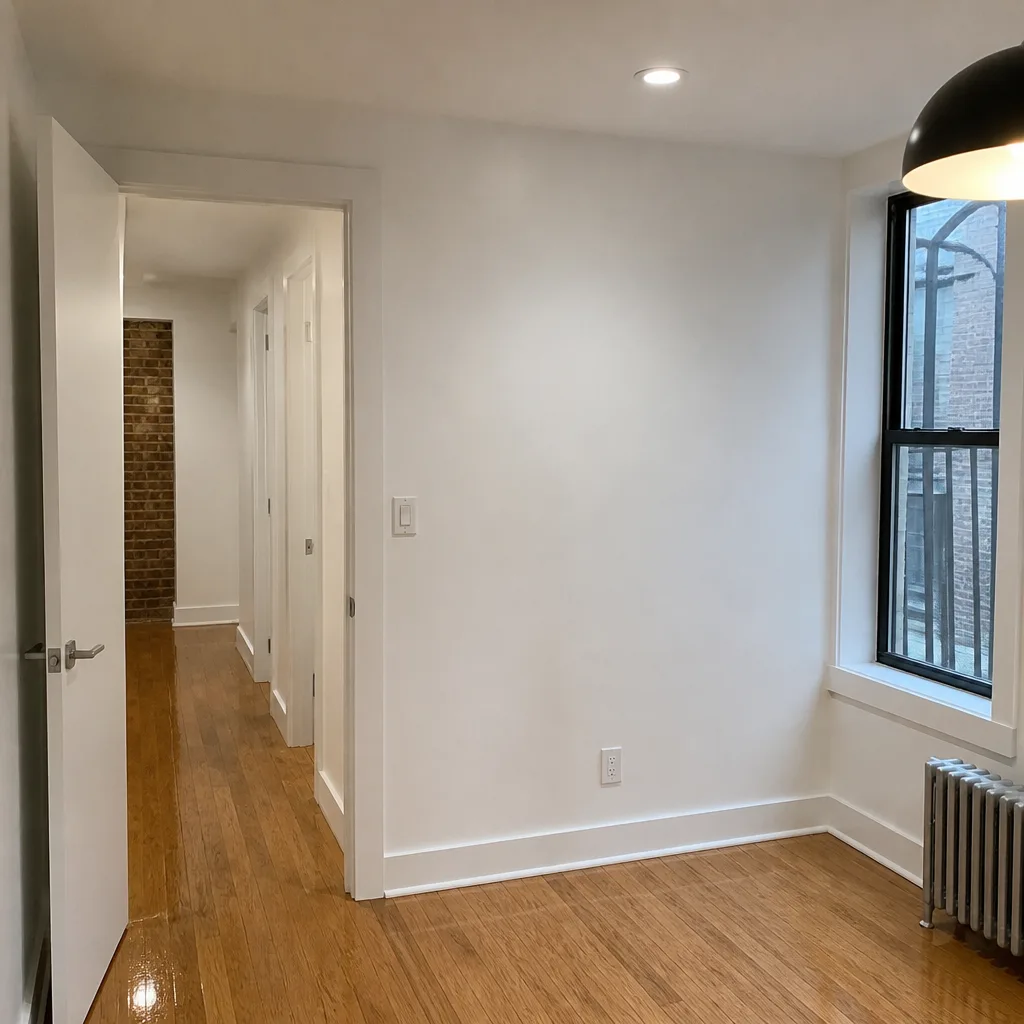 After
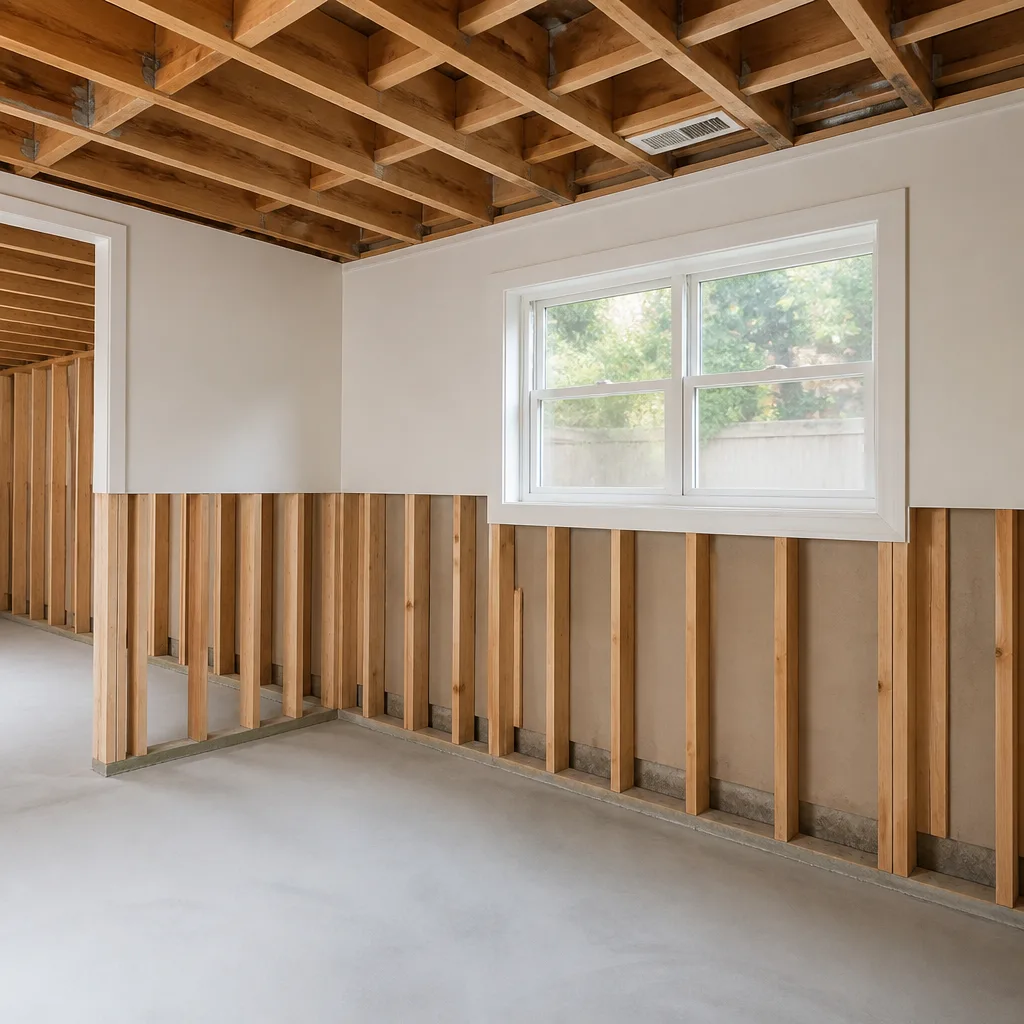
After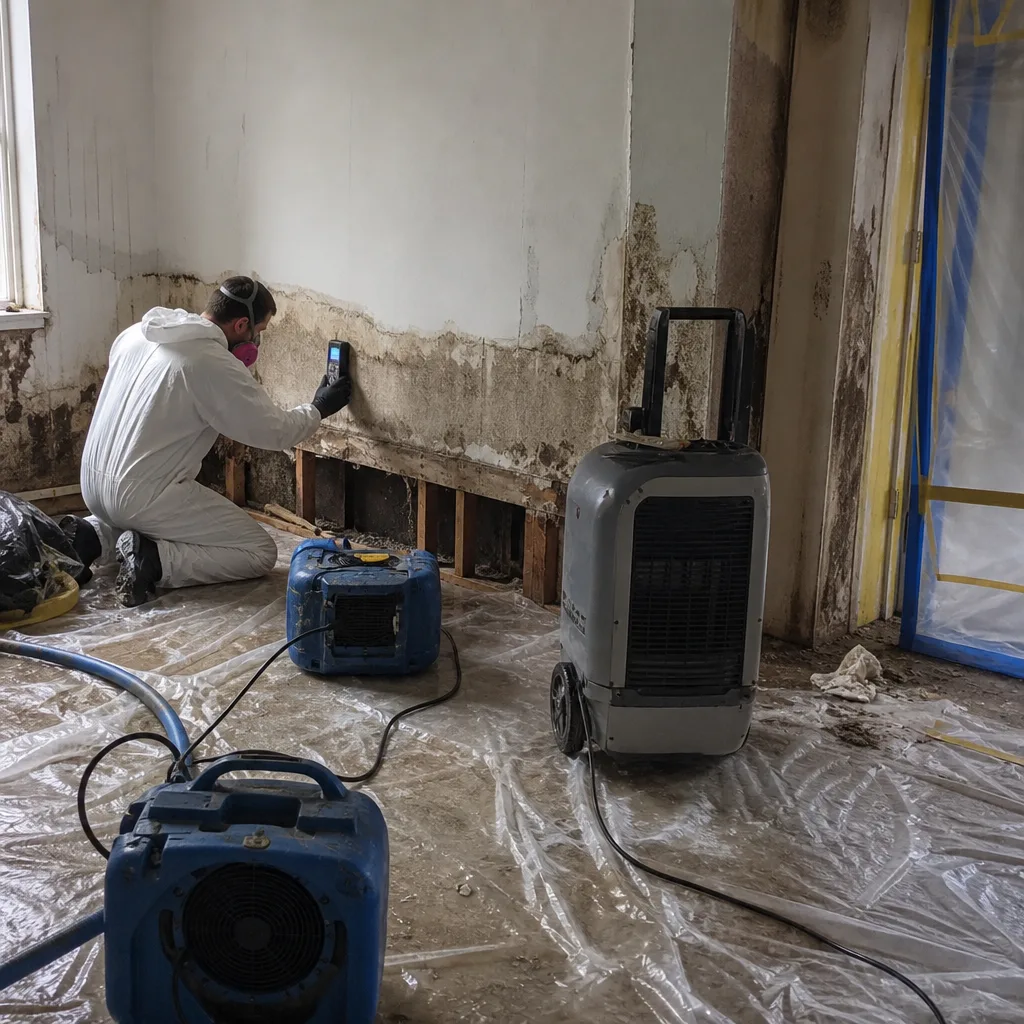 Before
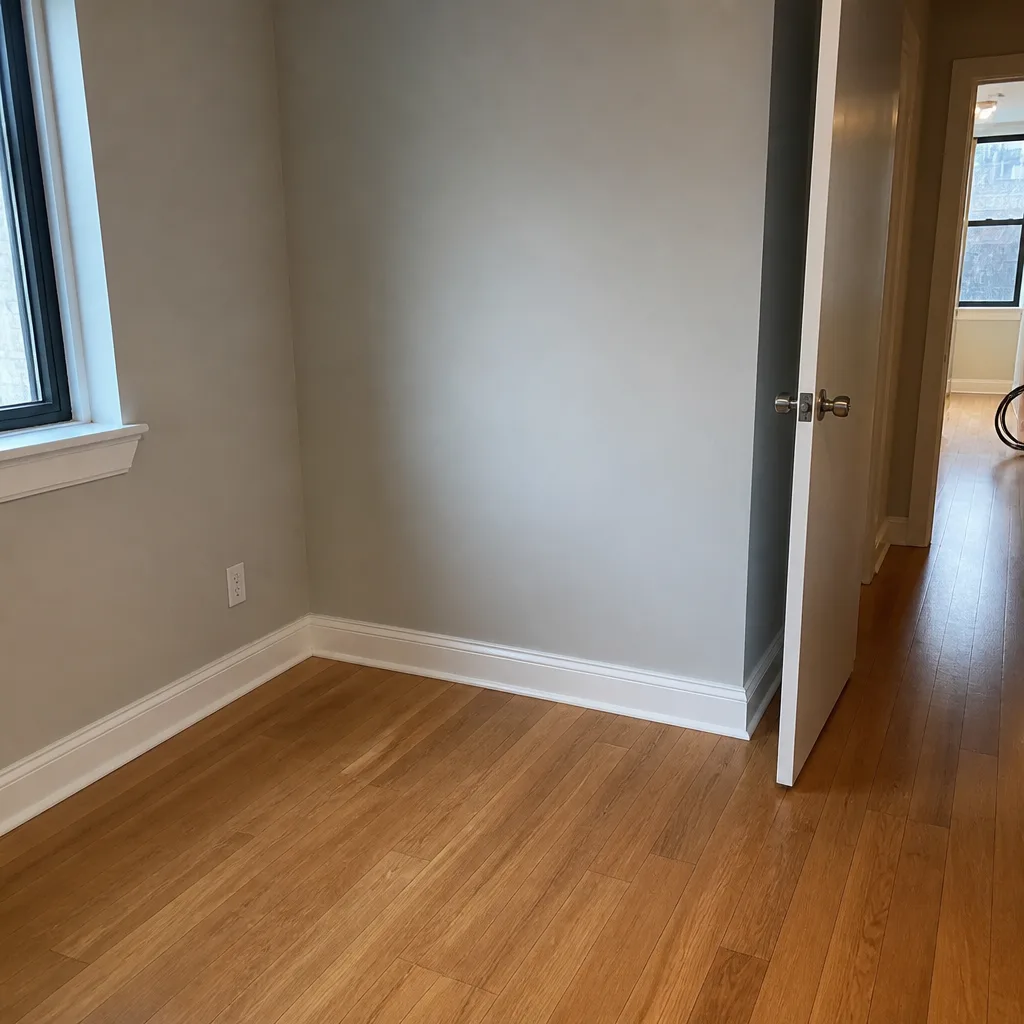 After
After24/7 Emergency Mold Remediation in West New York
Mold remediation in West New York typically runs $1,800 to $6,500 depending on how far the colony has spread, and our crews can be on site within 45 minutes of your call. If you’ve spotted staining on drywall, smelled that musty odor in a closet, or just learned that a neighbor’s leak has been seeping through a shared wall, call (845) 305-5737 now. A live dispatcher answers at two in the morning, not a recording, and the first visual inspection is free. The longer mold sits in West New York’s dense pre-war buildings, the faster it moves through shared floor-ceiling assemblies into adjoining units.
Understanding Mold Remediation Severity in West New York Properties
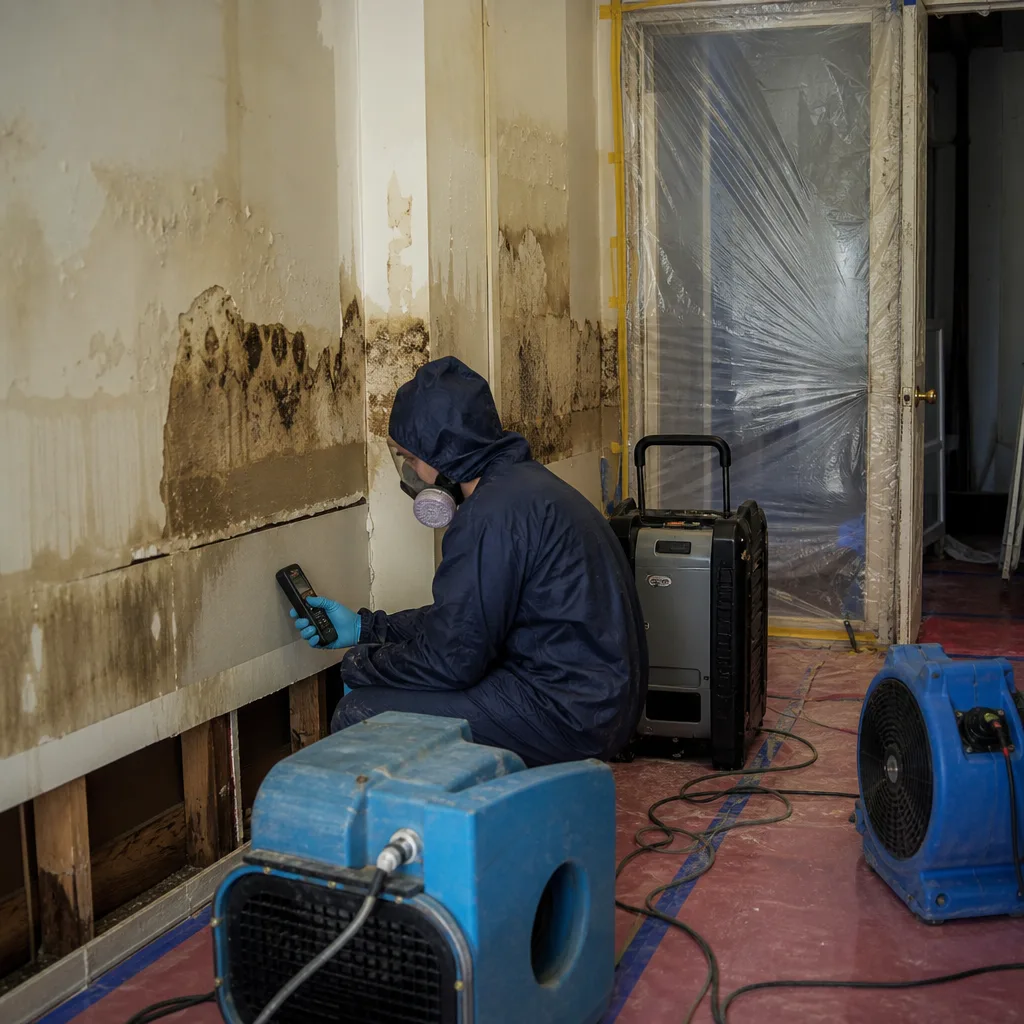
In West New York, a mold problem is rarely a one-unit problem. The town’s building stock is overwhelmingly brick tenement and courtyard apartments built between 1900 and 1940. Shared floor-ceiling assemblies, original cast-iron risers, and wall cavities that run the full height of a six-story building mean moisture migrates vertically and horizontally before anyone sees a stain. We classify mold damage by how much of the building envelope is affected: localized (under 10 square feet, usually a single closet or ceiling corner), contained multi-room (10 to 100 square feet, often one unit plus the corridor), and full-building migration (over 100 square feet, typically involving multiple units, the stairwell, and garage-level storage). Each level requires different containment: HEPA air scrubbing, negative air pressure, and in the worst cases, full plastic sheeting of whole floors while we remove colonized drywall and treat framing with antimicrobials. Before we open a single wall, we map moisture with thermal imaging and hygrometers so we know exactly how far the water traveled, not just where the mold is blooming.
Why West New York Property Owners Choose Floodline Restoration Co.
- 45-minute response commitment – We dispatch crews from our New York City office directly into West New York, and we commit to having a certified technician on site within 45 minutes of your call.
- A live person answers, 24/7 – Two in the morning, Christmas Day, during a nor’easter. You get a dispatcher who knows mold, not an automated tree.
- IICRC-certified crews – Our technicians hold IICRC certifications in Water Damage Restoration (WRT) and Applied Microbial Remediation (AMRT), plus RIA and IFA training.
- Free visual inspection – We walk the property, map the moisture, and give you a written scope before any work starts. No charge, no obligation.
- Direct insurance billing – We bill your carrier directly and talk to your adjuster so you don’t have to play messenger.
- One team, start to finish – The same background-checked, uniformed crew that contains the mold does the removal, the drying, and the rebuild. No mid-job handoff.
Our Mold Remediation Process
Inspection & Assessment
We start with a visual inspection plus moisture mapping using thermal imaging and hygrometers. In West New York’s multi-unit buildings, this means tracing moisture through shared walls, risers, and floor assemblies, not just looking at the stained drywall.
Containment & Isolation
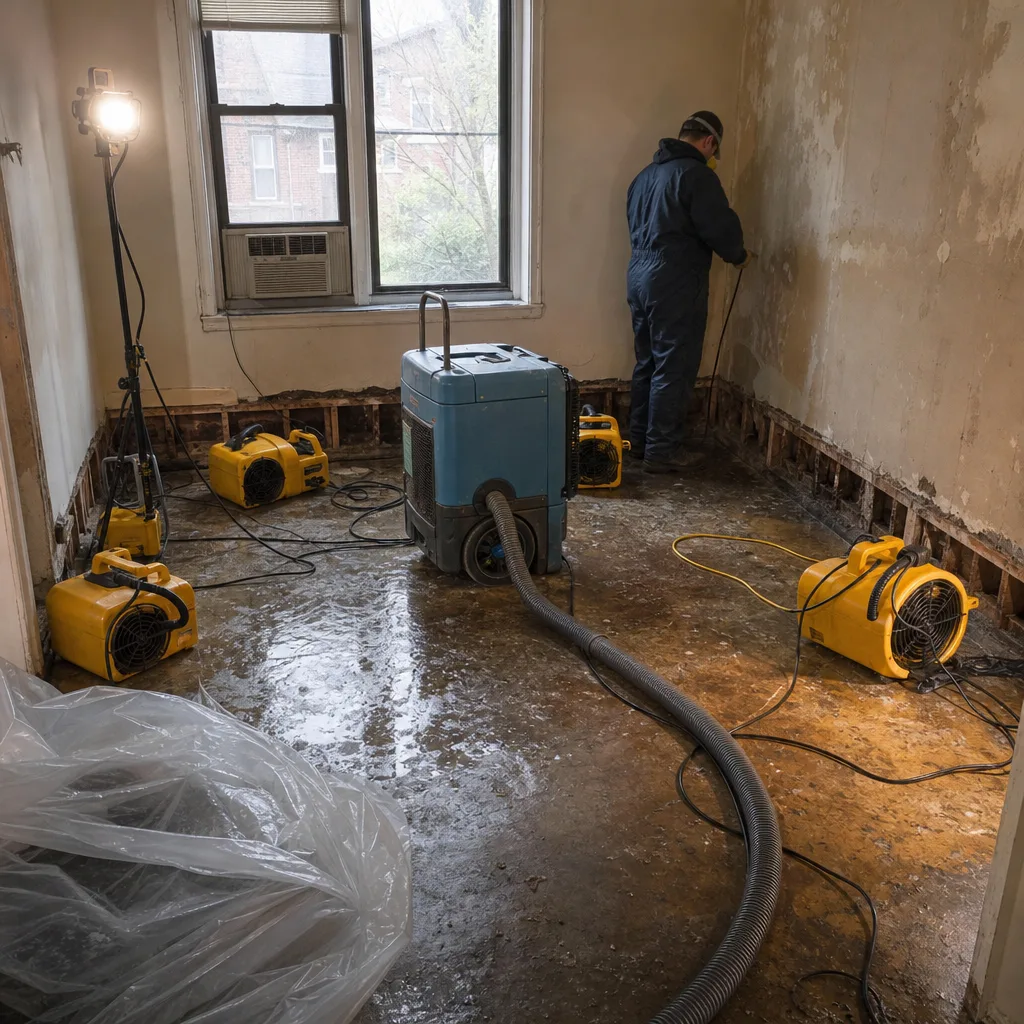
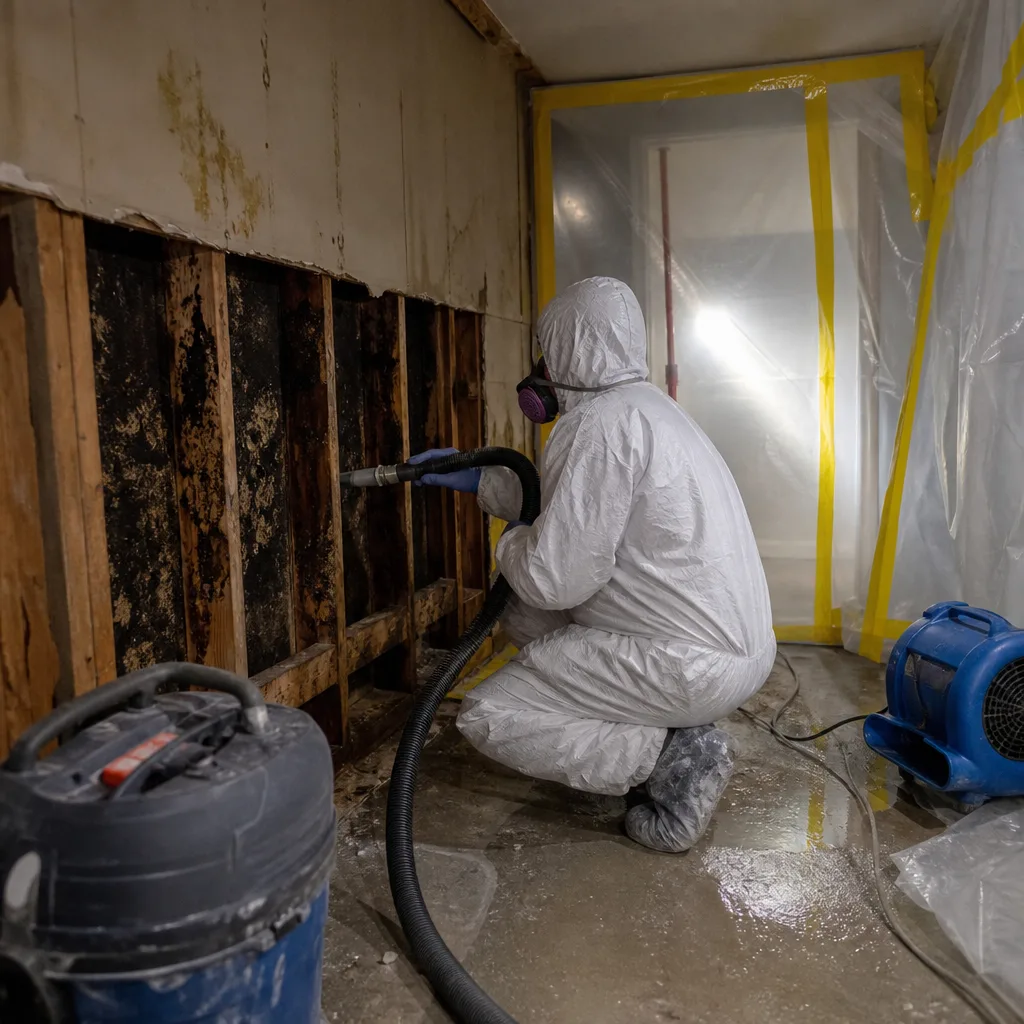
We seal the affected area with 6-mil polyethylene sheeting and run HEPA air scrubbers under negative air pressure. This keeps airborne spores from migrating into hallways, stairwells, and adjoining units while we work.
Moisture Source Correction
Mold does not grow without water. We identify and stop the source, whether that is a failed cast-iron riser, a leaking roof drain, or post-Sandy foundation seepage. If the water source is not fixed, remediation is temporary.
Removal & Cleaning
We remove colonized drywall, insulation, and carpet to 24 inches beyond visible damage, then HEPA-vacuum and treat remaining framing with EPA-registered antimicrobials. Soft goods and personal items are cleaned or documented for disposal.
Drying & Dehumidification
Using Dri-Eaz and Phoenix air movers and dehumidifiers, we dry remaining structure to the IICRC dry standard. Daily moisture readings are logged and shared with you and your insurer until the numbers hold steady.
Clearance Testing & Repairs
After drying, we run clearance testing to confirm spore counts have returned to normal background levels. Then we replace the drywall, paint, and trim so the unit looks like the loss never happened, backed by our 90-Day Done Right Promise in writing.
Need Emergency Mold Remediation in West New York Now?
Crews minutes away, answering live 24 hours a day. The sooner we start, the less it costs.
Working With Your Insurance Company
Mold claims are the most scrutinized in the restoration industry, and West New York’s multi-unit buildings add complexity: a loss from a fourth-floor riser can implicate three landlords, a condo association, and separate adjusters for each affected unit. We document from the first hour. Our technicians photograph every surface before containment goes up, log moisture readings daily, and produce a line-item scope that speaks the language insurance carriers expect. We communicate directly with your adjuster, submit our estimate on industry-standard software, and fight to get your claim approved to the full scope of necessary work, not just the visible damage. When a carrier asks why framing was treated and not just cleaned, we hand them the moisture map, the photo log, and the lab results.
What We Provide Your Insurer
- Thorough documentation of the loss
- Photos of all damage, room by room
- Moisture readings and drying logs
- A detailed, line-item scope of work
- Direct coordination with your carrier
Built for West New York’s Loss Calendar
West New York’s mold season does not follow a simple spring-summer curve. January deep freezes burst supply lines and heating risers in pre-war buildings along Bergenline Avenue and Boulevard East, sending water down through stacked units. February brings the same, plus ice damming on flat roofs that channels meltwater into top-floor ceilings. March and April thaw the ground, and foundation seepage re-wets basement and garage slabs that never fully dried from the last storm. Summer brings intense convective thunderstorms; the steep Palisades slope funnels runoff directly into older building stock below. September and October deliver nor’easters and the tail of hurricane season, with Hudson River storm surge flooding ground-floor units and garage areas exactly as Sandy did. We keep crews staged for all of it, and we know which buildings in West New York flood first because we have responded with West New York Storm & Disaster Restoration so oftened to them before.
Mold Remediation Across West New York’s Neighborhoods
The east side of West New York, from Boulevard East down to the river, carries the salt-air corrosion problem hardest. Garage doors, tracks, and hinges here rust years faster than inland, and when they fail, they trap humid air inside attached storage rooms where mold takes hold. We have treated dozens of garage-level units along 60th Street, 54th Street, and the blocks between Park Avenue and Port Imperial Boulevard. The courtyard buildings along Bergenline Avenue present a different challenge: tight interior courts trap humid air, and a single overflow from an upper-floor washing machine can migrate through shared floor assemblies into four or six units before the building super knows anything happened. Up the hill toward the Palisades, foundations take more runoff; we see more basement and crawl space mold, more reactivated spores from post-Sandy seepage, and more need for year-round vapor barriers and dehumidification.
Specialized Mold Remediation Services We Offer in West New York
Mold Inspection & Testing
Before we remove anything, we find everything. In West New York’s shared-wall buildings, that means air sampling in multiple units, cavity probes through small inspection ports, and moisture mapping across shared floors and risers. We test for Stachybotrys, Aspergillus, Penicillium, and Cladosporium, and we give you a written report that tells you exactly what is growing, where it is, and what it will take to fix it. A mold inspection in a one-unit apartment runs $350 to $600; in a multi-unit building with garage and basement areas, expect $800 to $1,500.
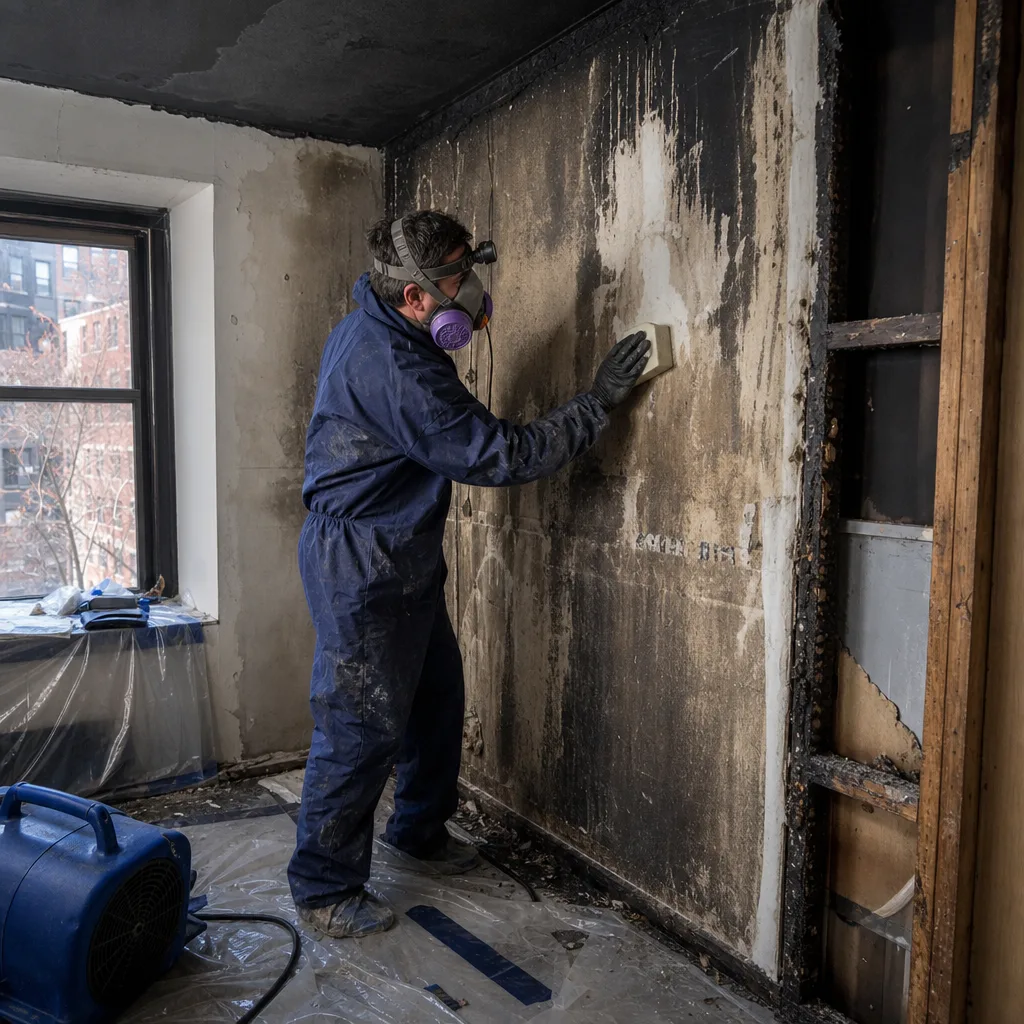
Mold Removal
Removal means physically cutting out colonized drywall, insulation, and trim, then disposing of it under containment protocols so spores do not spread through the building. In West New York apartment buildings, this requires coordinating access through hallways and stairwells while keeping negative air running. Typical mold removal in a single affected room runs $1,800 to $4,200; a full apartment with multiple rooms affected runs $5,000 to $9,500.
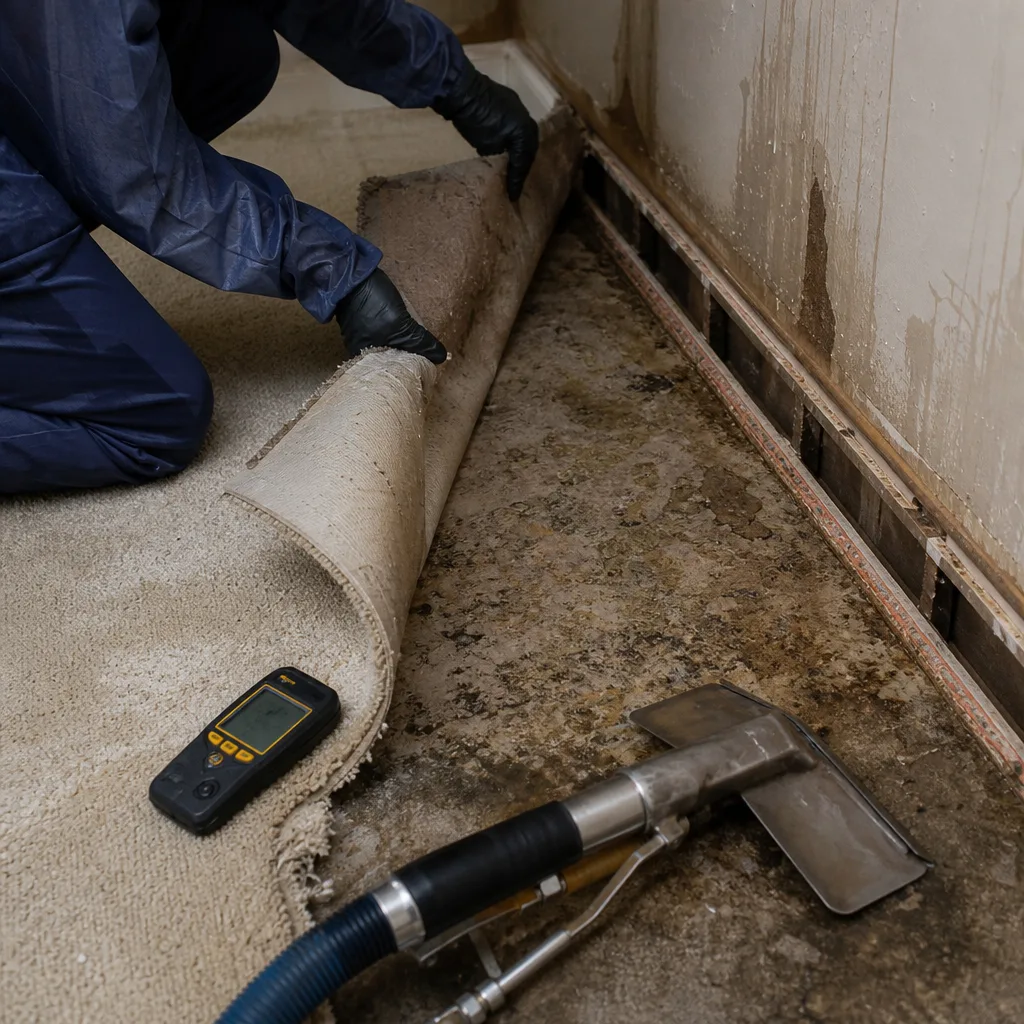
Black Mold Remediation
Black mold, or Stachybotrys chartarum, is the one West New York residents ask about most when they need Biohazard & Crime Scene Cleanup - West New York. It grows on chronically wet cellulose: drywall, ceiling tile, cardboard stored in damp basements. We contain the area more aggressively, run HEPA air scrubbing at higher air changes per hour, and treat all remaining framing with antimicrobials before rebuilding. Black mold remediation in West New York typically runs $2,500 to $7,000 depending on the area affected and whether multiple units are involved.
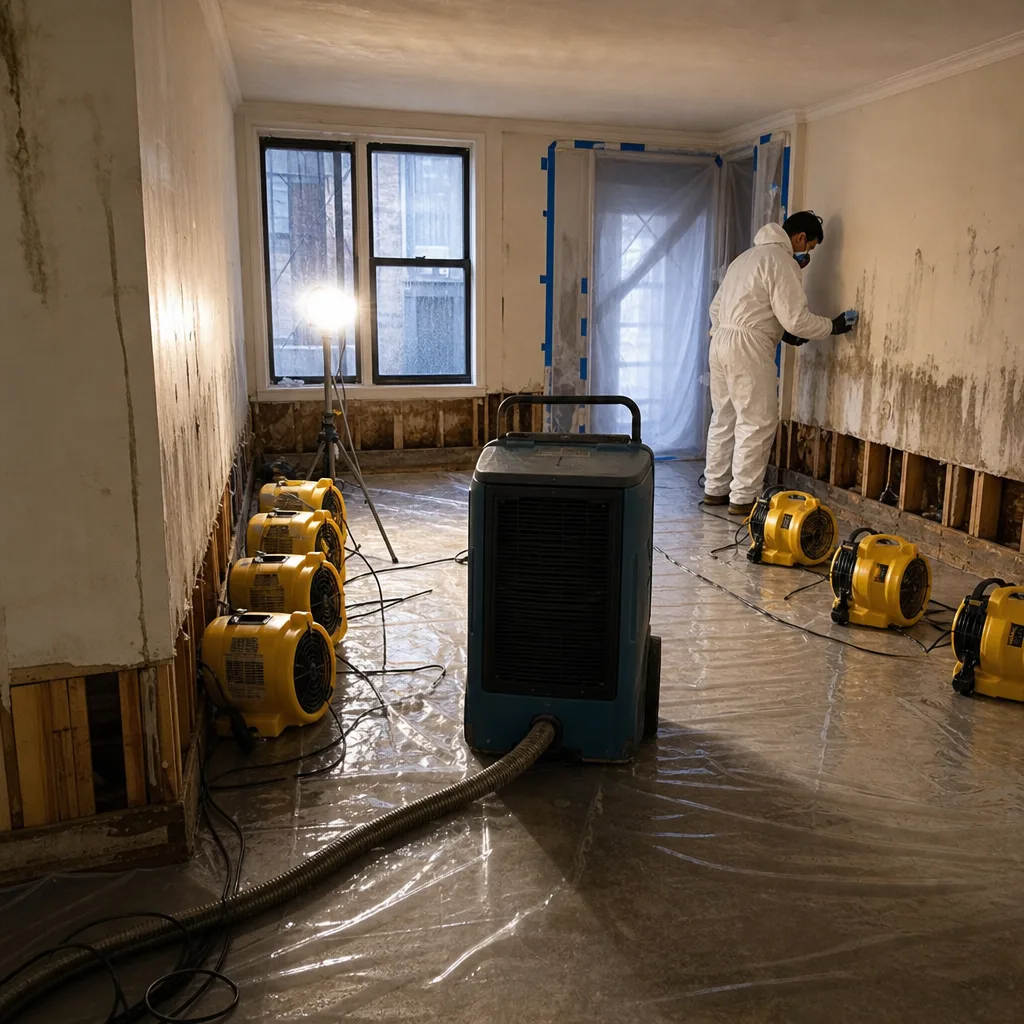
Air Quality Restoration
After mold removal, spores linger in the air and in soft goods. We run HEPA air scrubbers throughout the affected unit and adjacent spaces for 24 to 48 hours, then conduct clearance air sampling to confirm spore counts have returned to normal background levels for West New York’s environment. This is the difference between a job that looks done and a job that is done.
Crawl Space Treatment
In West New York’s older buildings, crawl spaces under first-floor units and garage slabs trap humidity year-round. We install vapor barriers, seal foundation vents where appropriate, and set up continuous dehumidification that keeps relative humidity below 50%. This is one of the highest-return preventive measures a building owner can take, especially in the flood-prone blocks east of Park Avenue.
What happens when you call
- 1
A real person answersNo phone trees - you reach a local pro.
- 2
You get an upfront price rangeHonest numbers before anyone is dispatched.
- 3
A background-checked tech heads outLicensed & insured, dispatched right away.
- 4
You approve before work beginsNothing starts until you say go.
Mold Remediation Costs in West New York, NJ
What you pay depends on three things: how far the mold has spread, how many units are affected, and what kind of access the building provides. A single closet with visible mold and a known leak usually costs between $1,800 and $3,200 to remediate, including removal, treatment, drying, and basic repair. A full apartment with mold in multiple rooms runs $4,500 to $8,000. A multi-unit building where a riser failure affected four or more units plus garage space runs $12,000 to $35,000 or more, and that is before reconstruction. Salt-air corrosion on garage hardware adds cost: replacing rusted tracks and hinges with stainless steel runs $450 to $1,200 per door. Insurance coverage varies by policy; many exclude mold unless it results from a covered water event, which is why our free inspection and written scope matter. Call (845) 305-5737 and we will give you an exact number, not an estimate range.
We Also Serve Cities Near West New York
Our crews serve Mold Remediation clients in Edgewater, Weehawken, and North Bergen, all within 15 minutes of our dispatch point. The building stock and flood exposure are similar; the response time is the same. If you own or manage property in West New York or the surrounding Hudson waterfront, call us before the next storm cycle.
West New York Mold Remediation Questions, Answered
How does the salt air near West New York’s waterfront affect mold growth inside garage areas of apartment buildings?
Salt air accelerates rust on garage door hardware, which causes springs and tracks to fail prematurely. When a door rusts shut or jams open, it traps humid air inside attached storage and laundry rooms, creating the warm, stagnant conditions mold needs. We see this pattern repeatedly in the garage-level units east of Park Avenue, and we address it by replacing corroded hardware with stainless steel hinges and nylon rollers, then dehumidifying the space to prevent future colonization.
In West New York’s pre-war brick buildings, can mold from a neighbor’s unit spread into my garage without visible water?
Yes. Shared floor-ceiling assemblies and continuous wall cavities mean moisture from a fourth-floor riser failure or an overflowing sink in the unit above can migrate through the structure and condense inside your garage wall cavities without a single drop of water ever pooling on your floor. We find it with thermal imaging and hygrometer readings before it becomes visible staining, and we recommend inspection whenever an adjoining unit reports a leak.
What role did Hurricane Sandy play in chronic mold problems in West New York garages?
Storm surge flooded ground-floor and garage-level spaces throughout West New York’s waterfront blocks, saturating drywall, insulation, and building materials with Category 3 water that required Sewage Cleanup in West New York. In many buildings, those materials were dried but not removed, or dried and then re-wetted by later seepage. That dormant spore load reactivates whenever humidity rises above 60%. We still open walls in Sandy-affected buildings and find black mold behind vinyl cove base that has been there for a decade.
Does your mold remediation in West New York coordinate with multiple landlords or condo associations?
We do it routinely. A water loss in a six-story brick tenement on 60th Street typically implicates three to five unit owners, the building corporation, and separate adjusters for each affected party. We produce one scope of work that lines up with the building’s physical layout, then work directly with each carrier so each owner gets coverage for their affected area. You do not have to be the messenger between us and anyone’s insurance company.
How quickly can you begin mold removal in a West New York apartment after a Category 3 water loss?
Within 45 minutes of your call, our crew arrives and starts containment, extraction, and assessment. In a Category 3 loss, which includes sewage and storm surge, we begin removing affected materials the same day because contamination spreads fast and mold can colonize within 24 to 48 hours. Call (845) 305-5737 and a live dispatcher will get a certified crew moving to your West New York building immediately.
How much does mold remediation cost in West New York compared to nearby areas?
West New York prices run about 10 to 15 percent higher than inland New Jersey towns because of building access challenges and the multi-unit coordination involved. A single-room mold removal that might cost $2,200 in a single-family home in Bergen County typically runs $2,800 to $3,400 in a pre-war West New York apartment building due to containment logistics, shared-structure mapping, and the need to work around tenants and building systems that cannot be shut down.
Can I stay in my apartment during mold remediation?
If the affected area is contained to a single room and the rest of the unit tests within normal spore range, you can usually stay. If the mold has spread to multiple rooms, into shared wall cavities, or if you or anyone in the household has respiratory conditions or a compromised immune system, we recommend temporary relocation until clearance testing confirms the air is clean. We coordinate with your insurer on additional living expenses when your policy covers them.
What certifications do your mold remediation technicians hold?
Our technicians are certified to IICRC standards including WRT (Water Damage Restoration) and AMRT (Applied Microbial Remediation), with additional training through RIA and IFA. Every tech is background-checked and uniformed, and the lead on every mold job has years of experience working specifically in West New York’s pre-war multi-unit buildings.
Serving West New York, NJ - Our Local Coverage Area
We’re based in the West New York area and know this community well. Use the map below to see our service coverage - if you’re nearby, we can almost certainly help.
Call Floodline Restoration for Mold Remediation in West New York
When mold is growing inside your walls, waiting costs more. Every day of delay lets the colony spread further into shared floor assemblies, into your neighbor’s unit, into the garage below. We answer the phone with a live person at any hour, and we will have a certified Mold Remediation crew at your West New York address within 45 minutes. The first inspection is free, the scope is written before we start, and the work is backed by our 90-Day Done Right Promise, in writing, with no arguing. Call (845) 305-5737 and we will be there when we say.
Written by Curt Bowman, Owner at Floodline Restoration Co., serving West New York since 2010.