

Free visual inspection and a written scope of work before any mitigation begins - photos, moisture readings, and drying logs go in your claim file
The scope we write is the scope we bill. Anything new gets shown to you, in writing, before we touch it.
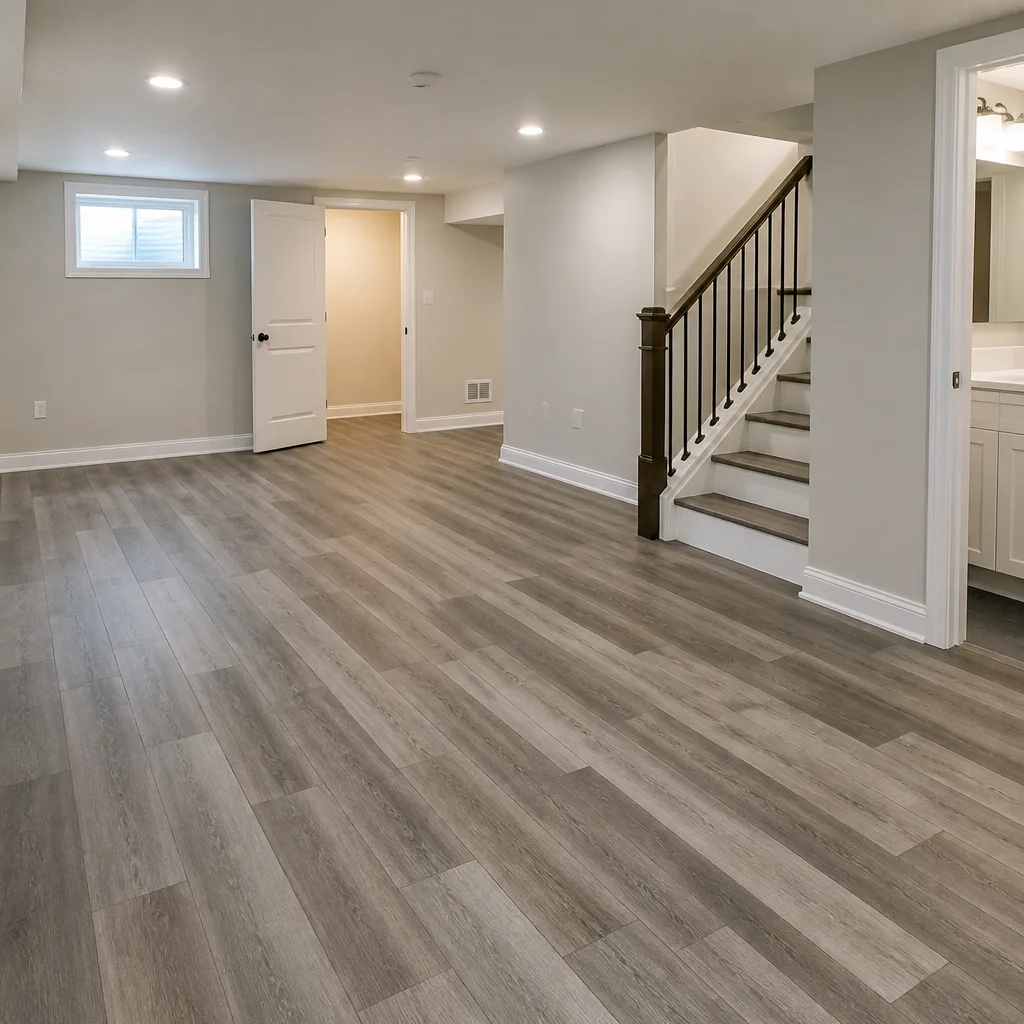
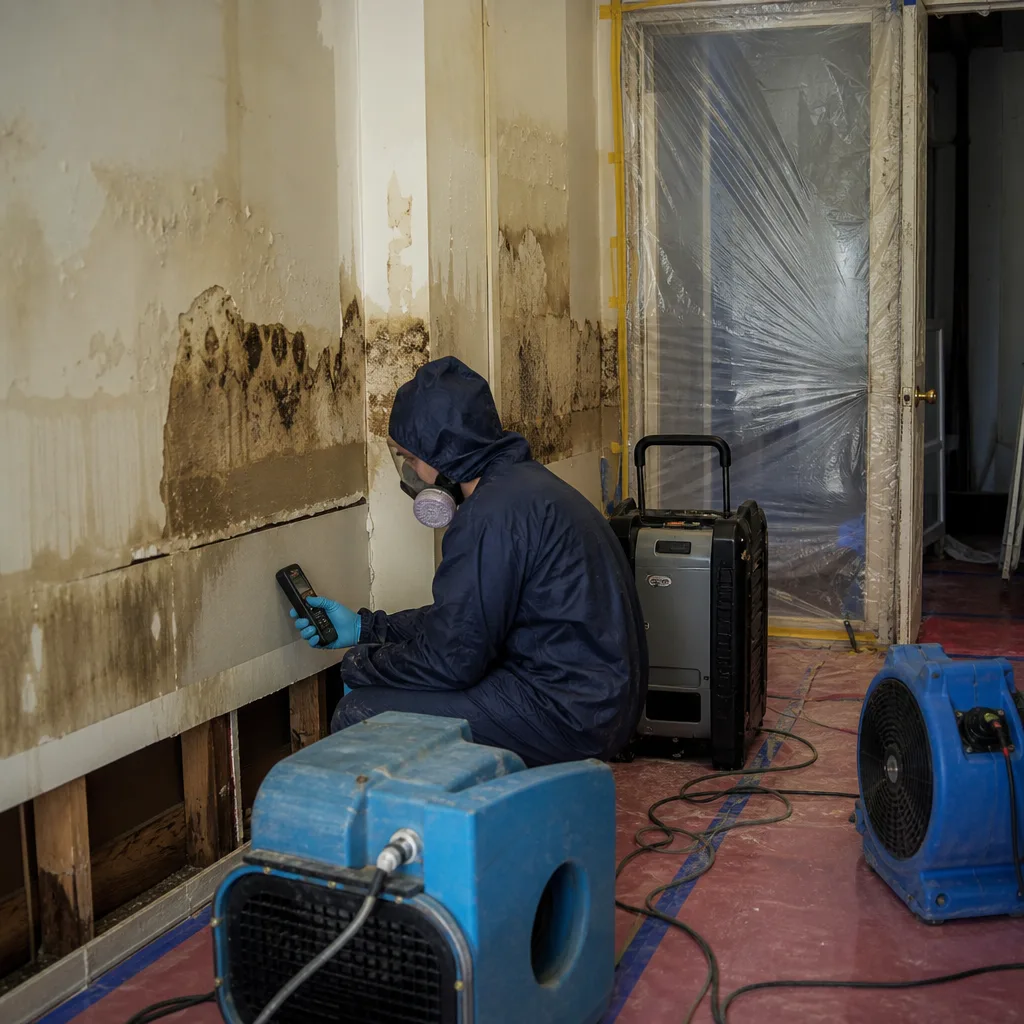 Before
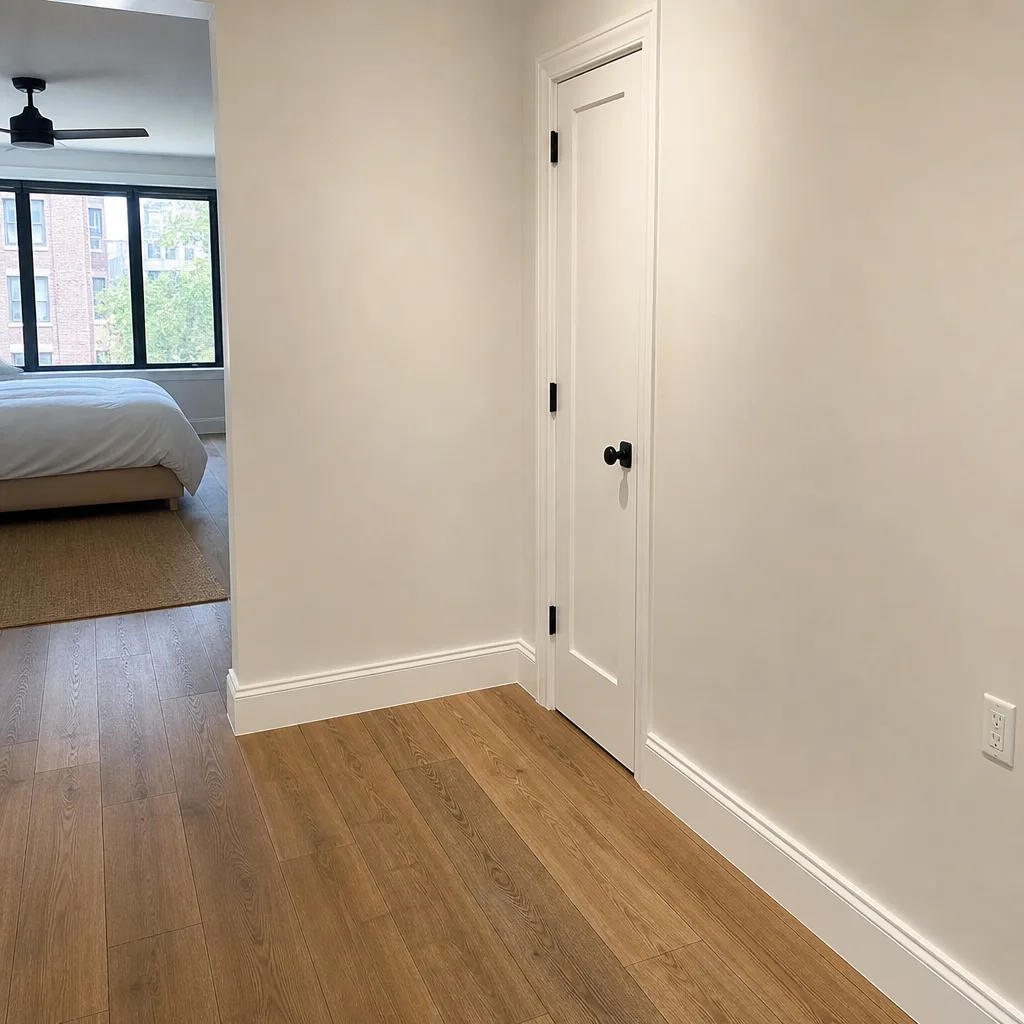 After
After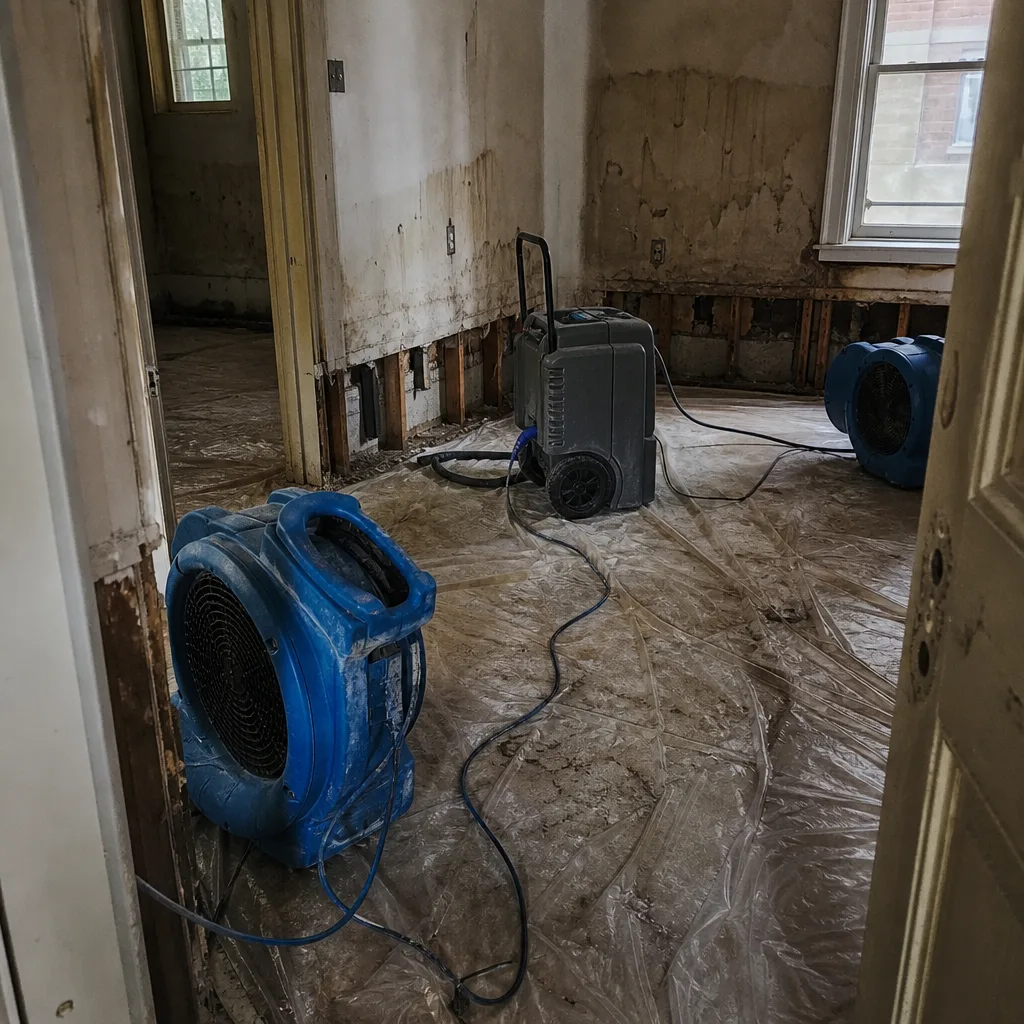 Before
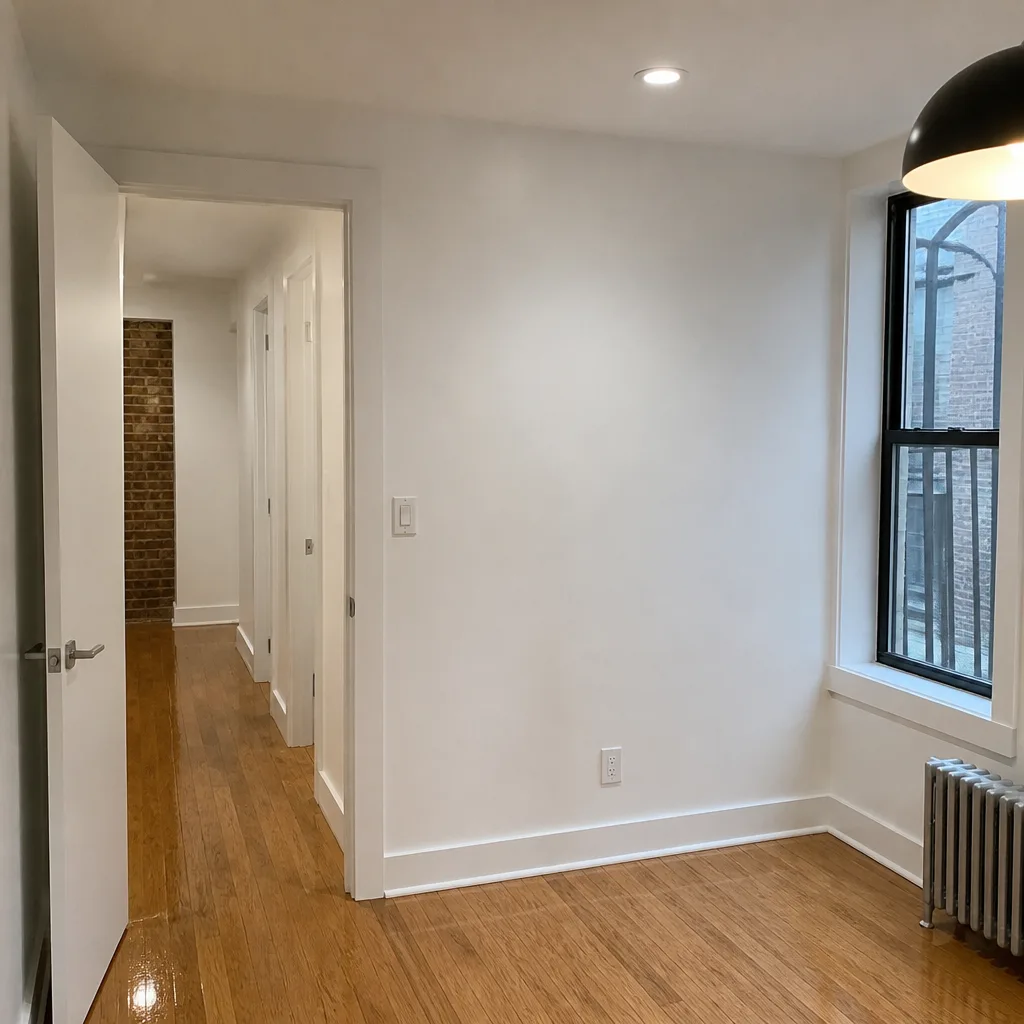 After
After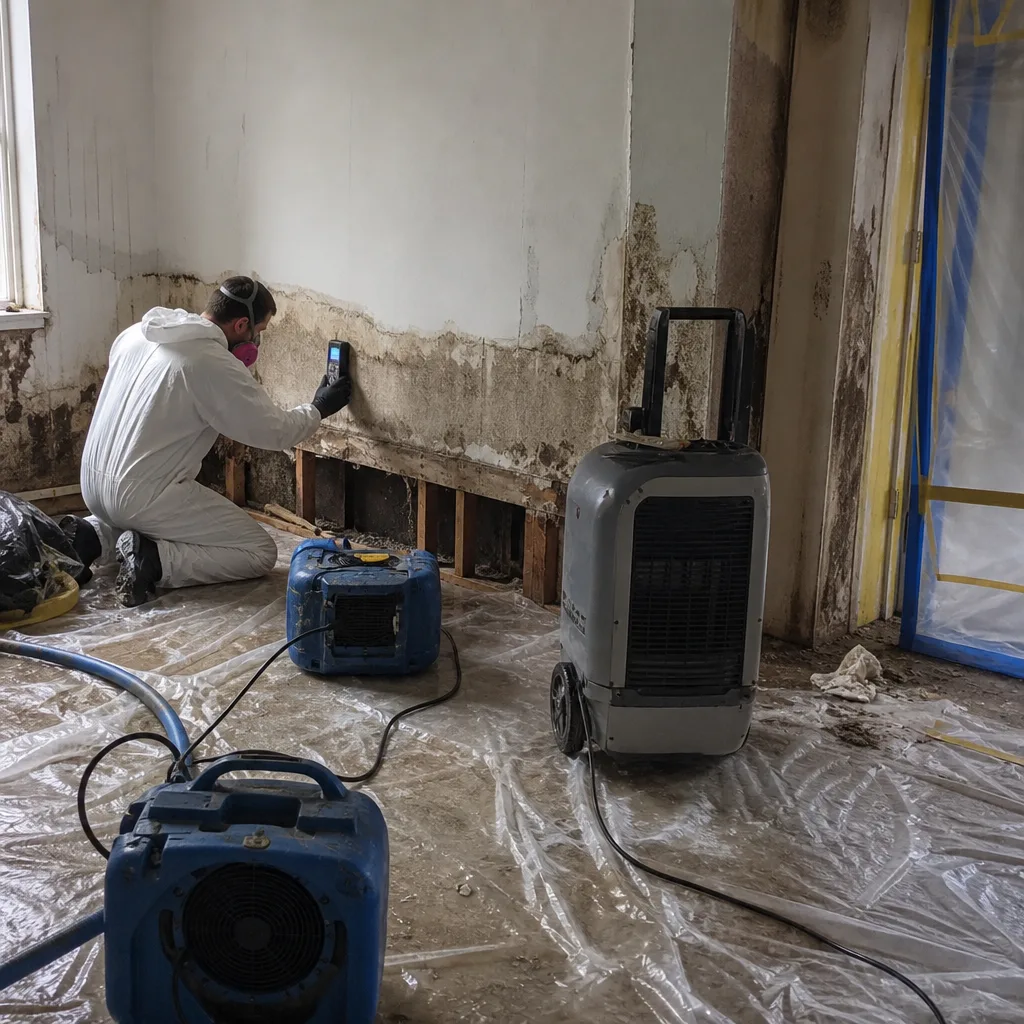 Before
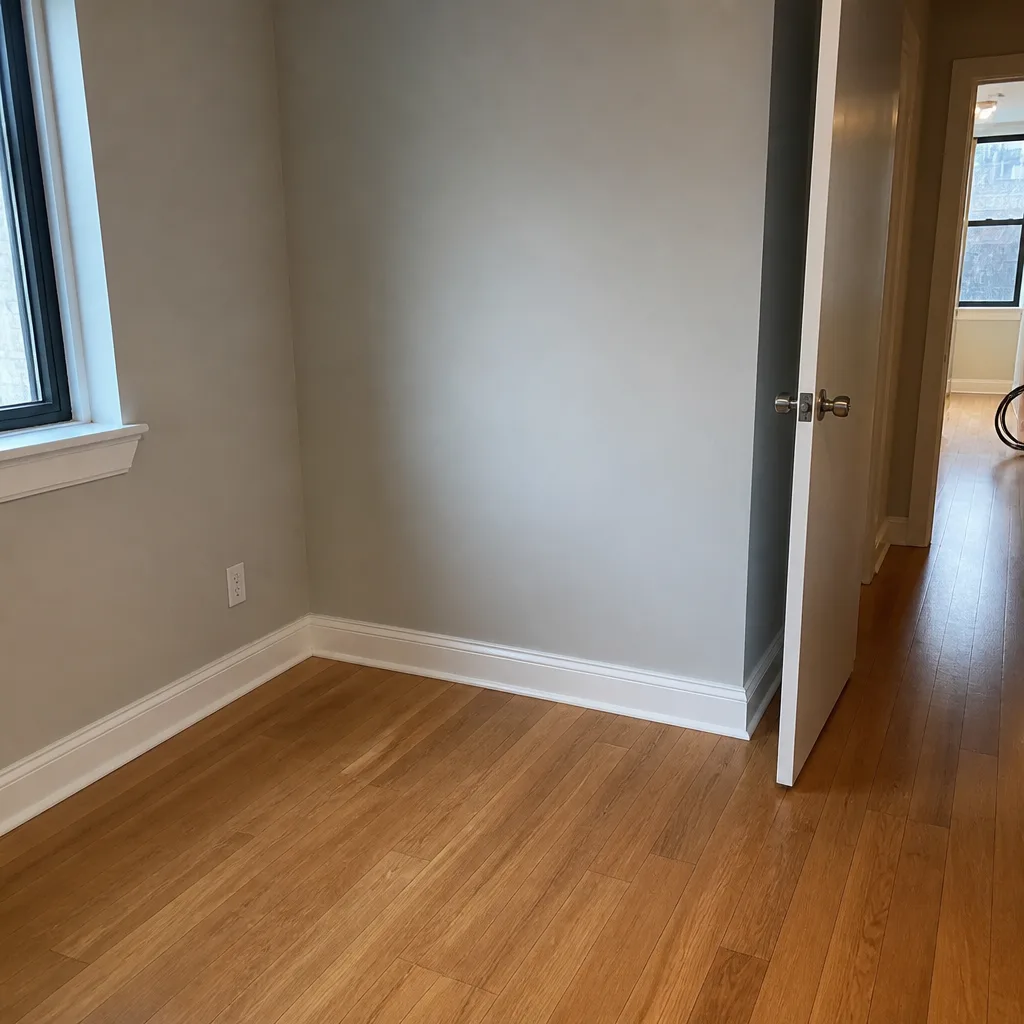 After
After24/7 Emergency Mold Remediation in Morningside Heights
Mold remediation in Morningside Heights typically costs $1,800-$6,500 depending on how far the growth has spread and whether it’s behind original plaster walls. Our crews answer live at (845) 305-5737 around the clock, and we can usually have a certified technician at your building within 45 minutes for a visual inspection. The first hour matters because mold that’s still contained to a single wall cavity is a two-day job, while growth that’s had two weeks to travel through plaster-and-lath can mean opening up three rooms and running HEPA air scrubbers for a week. In a pre-war building, you don’t wait on mold. You lose wall surface, you lose time, and the Columbia facilities office wants documentation from day one.
Understanding Mold Remediation Severity in Morningside Heights Properties
Most Morningside Heights mold starts the same way: a steam radiator overflow, a failed pipe behind a plaster wall, or years of condensation on original cast-iron risers inside a utility chase. What separates a $2,000 cleanup from a $15,000 remediation is how early you catch it. Moisture that saturates plaster-and-lath doesn’t dry on its own the way drywall does. The lath holds water against the plaster keys, and that trapped moisture feeds mold for weeks while the wall surface looks perfectly dry. We use thermal imaging cameras and penetrating moisture meters to read what’s happening inside the wall cavity before we ever open it. Air scrubbing with HEPA filtration and proper containment are mandatory when we’re cutting into walls in an occupied apartment building, because spores travel through pipe chases and electrical penetrations between floors. In a 1910 walk-up on Riverside Drive, a mold colony in one bathroom can put spores into the air returns of two adjacent units. That’s why clearance testing matters here more than in a single-family house in the suburbs.
Why Morningside Heights Property Owners Choose Floodline Restoration Co.
- 45-minute response commitment: When we say a crew is on the way, they’re actually on the way. We dispatch from the New York City office and our techs know Morningside Heights streets, building access rules, and where to park a service van without getting ticketed.
- 24/7 live answer, never an automated system: Call (845) 305-5737 at 2 a.m. and a dispatcher picks up. A real person who can send a real crew. No answering service scripts, no “leave a message and we’ll call back.”
- IICRC-certified crews trained to WRT and AMRT standards: Every technician on a Morningside Heights mold job is background-checked, uniformed, and certified. They know how to run containment in a 600-square-foot apartment without taking over the neighbor’s hallway.
- Free visual inspection: We’ll walk the space, take moisture readings, and tell you honestly whether you need full remediation or just targeted cleaning. No charge for that visit, no obligation.
- Direct insurance billing: We bill your carrier directly and handle the adjuster communication. You never play messenger between us and the insurance company, and you’re never left holding paperwork that someone else should be managing.
- One team from first reading to final rebuild: The same crew that sets containment handles the daily moisture logs, the final clearance test, and the plaster repair if we need to open a wall. No mid-job handoff to a subcontractor you’ve never met.
Our Mold Remediation Process
Inspection & Assessment
We start with a moisture map of the affected areas, using thermal imaging and penetrating meters to find hidden water behind plaster and lath. If mold is visible, we document it room by room and identify the moisture source that’s feeding it. In a Columbia-managed building, we’ll also flag what documentation the university’s facilities office will need before any equipment gets placed.
Extraction / Stabilization
If standing water is present from a recent leak or overflow, we extract it immediately. We stop the moisture source first, whether that means shutting a valve, isolating a steam riser, or capping a leaking supply line. Stabilization keeps the loss from spreading while we build the remediation scope.
Drying & Dehumidification
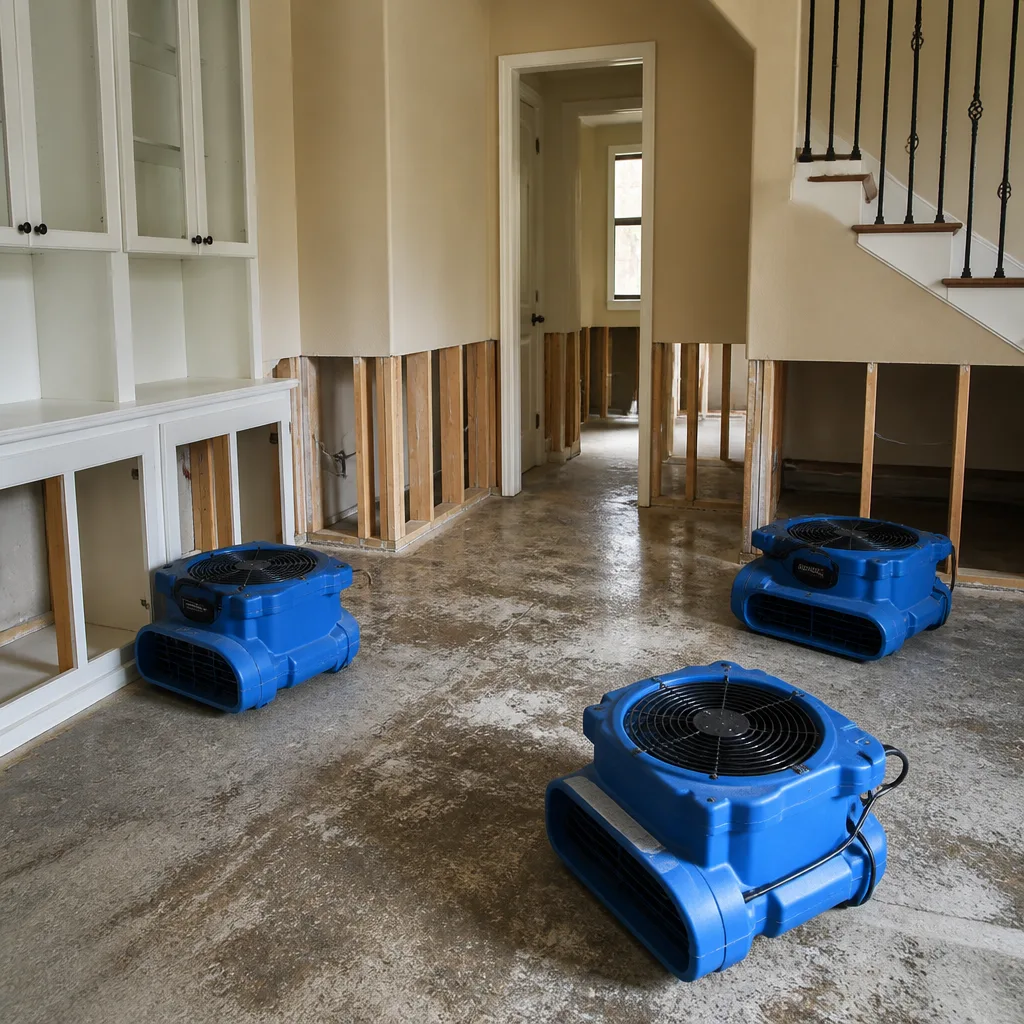
We set professional-grade dehumidifiers and air movers. In pre-war apartments, we’re often drying plaster-and-lath, which takes longer than drywall because the lath holds moisture. We place Dri-Eaz and Phoenix equipment sized for the cubic footage, not just the square footage, and we take daily readings until we hit the dry standard.
Cleaning & Sanitization
Containment goes up before we disturb any mold-affected material. HEPA air scrubbers run throughout the cleaning, and we use antimicrobial treatments appropriate to the affected surfaces. Contents get cleaned or, when needed, disposed of per IICRC guidelines. Our techs follow protocol for spore control in occupied multi-unit buildings.
Specialty Treatment: Mold Remediation
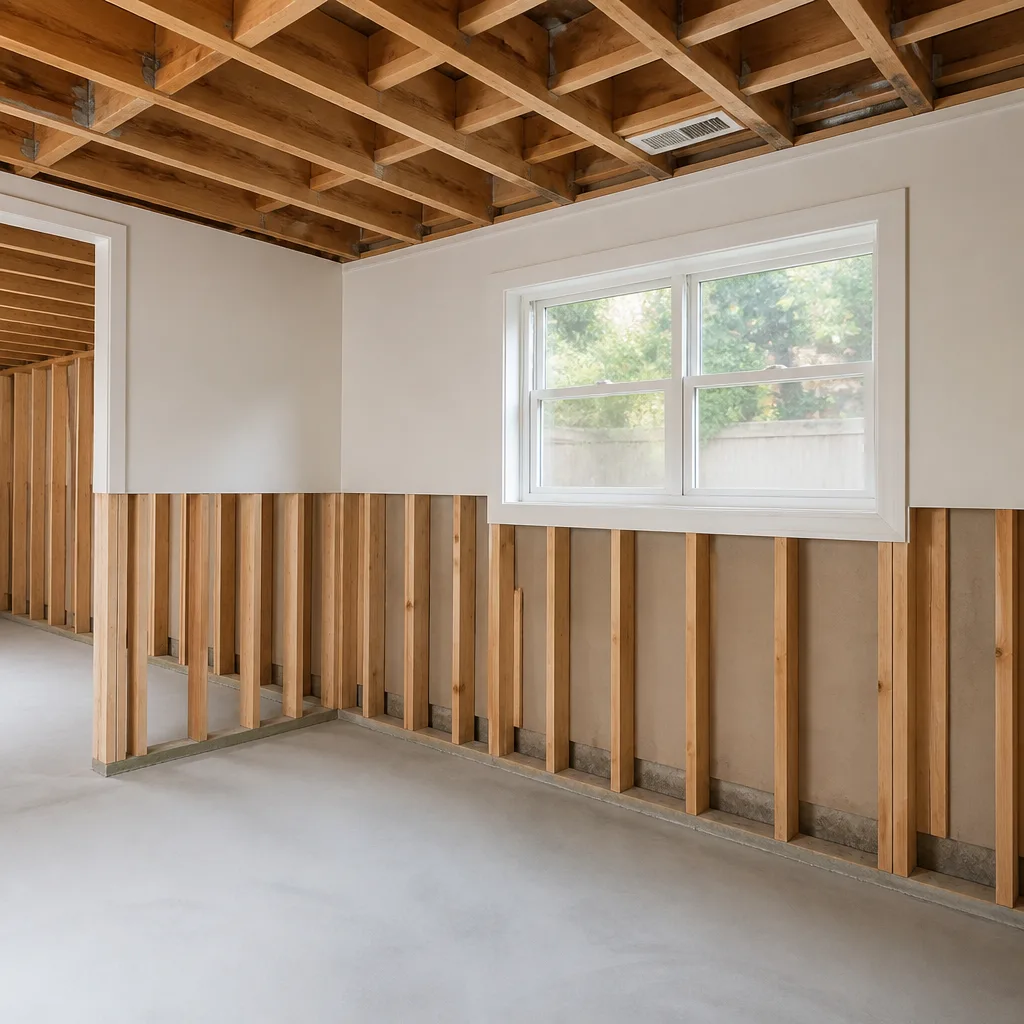
This is the step that separates real remediation from a wipe-down. We remove mold-affected plaster, lath, or drywall back to structurally sound material, sand and treat exposed framing, and run HEPA vacuuming on every surface in the containment zone. In tight pre-war utility closets, we add targeted dehumidification to stop condensation on original cast-iron pipes from restarting the cycle.
Repairs & Restoration
Once clearance testing confirms the mold is gone, we rebuild what we removed. Plaster repair, lath replacement, paint, trim. Our carpenters match the profile of your existing moldings so the repair doesn’t announce itself. One crew, one job, one point of contact from the first moisture reading to the final walk-through.
Need Emergency Mold Remediation in Morningside Heights Now?
Crews minutes away, answering live 24 hours a day. The sooner we start, the less it costs.
Working With Your Insurance Company
Mold claims in Morningside Heights are often tied to a covered water event, like a burst pipe or a radiator overflow. What matters is documentation from the first hour. We photograph every affected surface before we touch anything, log moisture readings daily, and build a line-item scope that your adjuster can read without calling a contractor to translate. We send that scope directly to your carrier and handle the back-and-forth ourselves. That direct adjuster communication is the thing that keeps a mold claim from stalling for three weeks while spores keep multiplying behind a wall. When you call us at (845) 305-5737, the claim process starts with a documented inspection the same day, not a voicemail that gets returned next week.
What We Provide Your Insurer
- Thorough documentation of the loss
- Photos of all damage, room by room
- Moisture readings and drying logs
- A detailed, line-item scope of work
- Direct coordination with your carrier
Built for Morningside Heights’s Loss Calendar
January and February are the big months for mold-triggering water events in Morningside Heights. The neighborhood’s pre-war steam heat systems run hot and hard through deep freezes, and every winter we see radiator valves fail and steam risers crack. When a radiator overflows on the eighth floor of a building on Claremont Avenue, water travels down through seven apartments before anyone shuts the riser. Those cascading leaks saturate plaster walls and hardwood floors, and the mold clock starts immediately. Spring brings a different problem: thaw cycles and heavy rain push ground moisture into basement-level apartments and storage rooms, especially in buildings along the hillside west of Broadway toward Riverside Drive. Summer thunderstorms overwhelm old roof drains and send water into top-floor units. Fall is the quiet season, but it’s also when building supers finally open up walls that got wet the previous winter and find mold that’s been growing quietly for months. Every season in Morningside Heights has a mold source. The common thread is that pre-war construction hides moisture until it’s already a problem.
Mold Remediation Across Morningside Heights’s Neighborhoods
The buildings along Riverside Drive from about 109th to 122nd Street are some of the grandest pre-war co-ops in the neighborhood, and their original plaster moldings and built-in cabinetry mean we’re often doing surgical containment rather than gut-and-replace. A mold job in one of those apartments is less about demolition and more about targeted removal and surface treatment, because you are not replacing a 1912 hand-carved mantel. Around Broadway and Amsterdam Avenue, the housing stock shifts to six and eight story elevator buildings from the 1920s and 30s, many of them Columbia-owned, where the approval process adds days to any remediation timeline. Along Claremont Avenue and the streets around Grant’s Tomb, you get a mix of walk-ups and institutional buildings, and the tight utility closets in those walk-ups are notorious for condensation on original cast-iron risers. Over by Morningside Park and the blocks east of Amsterdam, many buildings have basement-level apartments where groundwater seepage after heavy rain is the primary mold driver. We route crews differently depending on which side of Broadway you’re on, because parking and building access follow different rules on the park side versus the river side.
Specialized Mold Remediation Services We Offer in Morningside Heights
Mold Inspection & Testing
A mold inspection in a Morningside Heights pre-war apartment means reading moisture behind plaster, not just looking at visible stains. We use penetrating meters and thermal imaging to find damp wall cavities, and we can take air and surface samples when you need documented proof for a landlord, a co-op board, or a Columbia facilities coordinator. You get a written report with findings, moisture readings, and a recommended scope.
Mold Removal
When mold is confirmed in a Morningside Heights apartment, we remove it the way the building requires: containment, HEPA air scrubbing, careful removal of affected plaster or drywall, and treatment of the framing behind it. In occupied buildings, we run negative air pressure so spores don’t drift into your neighbor’s unit through the pipe chase. We’re not wiping mold with bleach and calling it done. That approach fails here because the spores are usually behind the surface, not on it.
Black Mold Remediation
Black mold, or Stachybotrys, needs saturated organic material to grow, and it’s most common in Morningside Heights after a slow leak nobody noticed for weeks. Window lintels in older brick buildings, the cavity behind a steamed-over radiator, the inside of a lath wall after a riser leak. We treat black mold jobs with full containment and clearance testing, because the stakes in an occupied apartment building are higher than in a detached house. You cannot just spray a surface and call it remediated when the colony is inside the wall.
Air Quality Restoration
After mold removal in a Morningside Heights apartment, the air itself needs to be cleaned. We run HEPA air scrubbers during and after remediation, and we can take post-remediation air samples to verify spore counts have dropped to baseline or better. This matters in buildings where the HVAC, the pipe chases, and even the hallway air shaft connect apartments in ways tenants never see. Cleaning the air isn’t optional. In a 1908 building with a shared air shaft off the kitchen, it’s the difference between done and done right.
Crawl Space Treatment
Crawl spaces under Morningside Heights brownstones and some garden-level units stay damp year round because the water table in the area is high and the foundations are fieldstone or early concrete. We install vapor barriers, run dehumidification, and treat mold growth on joists and subflooring. The goal is to get the relative humidity under 60% and keep it there, because anything above that invites mold back within a season. If your crawl space smells musty in July, the mold is already there.
What happens when you call
- 1
A real person answersNo phone trees - you reach a local pro.
- 2
You get an upfront price rangeHonest numbers before anyone is dispatched.
- 3
A background-checked tech heads outLicensed & insured, dispatched right away.
- 4
You approve before work beginsNothing starts until you say go.
Mold Remediation Costs in Morningside Heights, NY
A straightforward mold cleanup in a single bathroom in Morningside Heights runs $1,800-$3,500 when the growth is limited to one wall cavity and we don’t have to open more than the affected area. Full-room remediation, where we’re removing plaster from two or more walls and running containment and air scrubbers, typically lands between $4,000 and $7,500. A severe job with mold behind multiple walls, ceiling involvement, and contents cleaning can reach $12,000-$20,000, especially in a co-op where the board requires third-party clearance testing. What moves the price in Morningside Heights specifically: plaster-and-lath removal costs more than drywall demolition, Columbia approval delays can add equipment rental days, and access in a sixth-floor walk-up without a service elevator means carrying every dehumidifier up the stairs. If the mold is tied to a covered water event, your insurance typically picks up the remediation and rebuild. If it’s a long-standing humidity problem, it’s usually out-of-pocket. The path to a firm number is the free inspection: we walk the space, take readings, and hand you a line-item scope before any work is authorized. Call (845) 305-5737 to schedule it.
We Also Serve Cities Near Morningside Heights
Our crews cover the neighborhoods immediately around Morningside Heights, including the Upper West Side, Upper Manhattan, Central Harlem, and East Harlem. Properties in these nearby areas face similar pre-war construction challenges, and our Mold Remediation team is familiar with the building types and institutional ownership patterns throughout this part of Manhattan.
Serving Morningside Heights, NY - Our Local Coverage Area
We’re based in the Morningside Heights area and know this community well. Use the map below to see our service coverage - if you’re nearby, we can almost certainly help.
Morningside Heights Mold Remediation Questions, Answered
Why does mold remediation in Morningside Heights often take longer than in other Manhattan neighborhoods?
Two reasons: plaster-and-lath construction and Columbia University’s approval process. Plaster walls hold moisture longer than drywall and require more careful drying, and in Columbia-managed buildings, the university’s central facilities office at 116th Street must approve the remediation scope before equipment goes in. That institutional review can add two to five days to a job that would start same-day in a privately owned building a few blocks away.
How do you handle mold behind original plaster walls in a pre-war apartment without destroying the room?
We isolate the affected wall cavity rather than gutting the room. Using thermal imaging and moisture meters, we map the exact extent of the damp area, then remove only that section of plaster and lath, treating the framing behind it. When we rebuild, our carpenters match the existing plaster profile and trim. In most Morningside Heights apartments, we can remediate mold behind one wall without touching the other three.
I rent in a Columbia apartment. Who authorizes mold remediation, me or the university?
Columbia University authorizes the work, not the tenant. If you report mold to your building super or to Columbia’s facilities office, they initiate the remediation process, and the contractor reports to them, not to you. If you’re a tenant who’s discovered mold and the response has been slow, you can contact us at (845) 305-5737 for a documented inspection that you can take to the university. In some cases, we can work directly with your building’s management to get a scope approved faster.
Can a steam radiator leak cause black mold in a Morningside Heights apartment?
Yes. A steam radiator overflow sends water into the floor and the wall behind the radiator, and that water sits against plaster and lath for days. If the leak is slow and the moisture is hidden behind a radiator enclosure, mold can establish itself for weeks before anyone sees it. Black mold specifically needs consistently wet organic material, and the plaster, lath, and old dust inside a pre-war wall cavity provide exactly that. If you’ve had a radiator leak in the last six months and haven’t had the wall inspected, you should. Call (845) 305-5737 for a free visual inspection.
What containment methods do you use in a small apartment where residents can’t leave during remediation?
We use critical-containment setups scaled to the space: 6-mil poly sheeting zipped into doorways, negative air pressure with HEPA-filtered exhaust, and floor protection from the entry to the work area. In a 500-square-foot Morningside Heights one-bedroom, we can isolate a bathroom or a single wall while you continue to use the rest of the apartment. The containment zone is off-limits during active work, but the rest of the apartment stays liveable. We also schedule noisy demolition during hours that work for your building.
How quickly can you actually get to a Morningside Heights apartment?
Our commitment is 45 minutes from your call to a crew at your door. We dispatch from the New York City office, and our technicians know the buildings and access points throughout Morningside Heights. For a landlord or a Columbia facilities coordinator who needs a same-day moisture assessment, we make it happen. Call (845) 305-5737 and a live dispatcher will confirm the crew’s ETA while you’re still on the phone.
Will my insurance cover mold remediation in a Morningside Heights co-op or rental?
If the mold is the result of a covered water event, like a burst pipe or a radiator overflow, most policies will cover the remediation and the rebuild. The key is documentation: we photograph everything before we start, log moisture readings daily, and submit a line-item scope directly to your carrier. Chronic humidity issues that aren’t tied to a sudden event are usually excluded. The free inspection gives you documented findings you can take to your adjuster, and we handle that communication directly.
What should I do in the first 30 minutes after I discover mold in my Morningside Heights apartment?
Stop the water source if there is one. Shut the radiator valve or the supply line if you can. Don’t scrub the mold or spray it with bleach; disturbing it sends spores into the air and makes the problem worse. Close the door to the affected room if possible, and don’t run fans, which spread spores. Then call us at (845) 305-5737. The sooner we get a moisture map of the area, the smaller the remediation scope will be. Mold that’s caught in the first few days is a contained job; mold that’s had weeks to colonize behind plaster is a different conversation entirely.
If you’ve found mold in your Morningside Heights apartment, or you suspect it behind a wall after a leak, call Floodline Restoration Co. at (845) 305-5737 for a free inspection. We’ll send a certified technician the same day, document what we find, and give you a straight answer about what needs to happen next. No pressure, no guesswork, no vague estimates. Done right, and backed in writing.
Written by Curt Bowman, Owner at Floodline Restoration Co., leading mold remediation crews in Morningside Heights and across Manhattan.