
Free visual inspection and a written scope of work before any mitigation begins - photos, moisture readings, and drying logs go in your claim file
The scope we write is the scope we bill. Anything new gets shown to you, in writing, before we touch it.
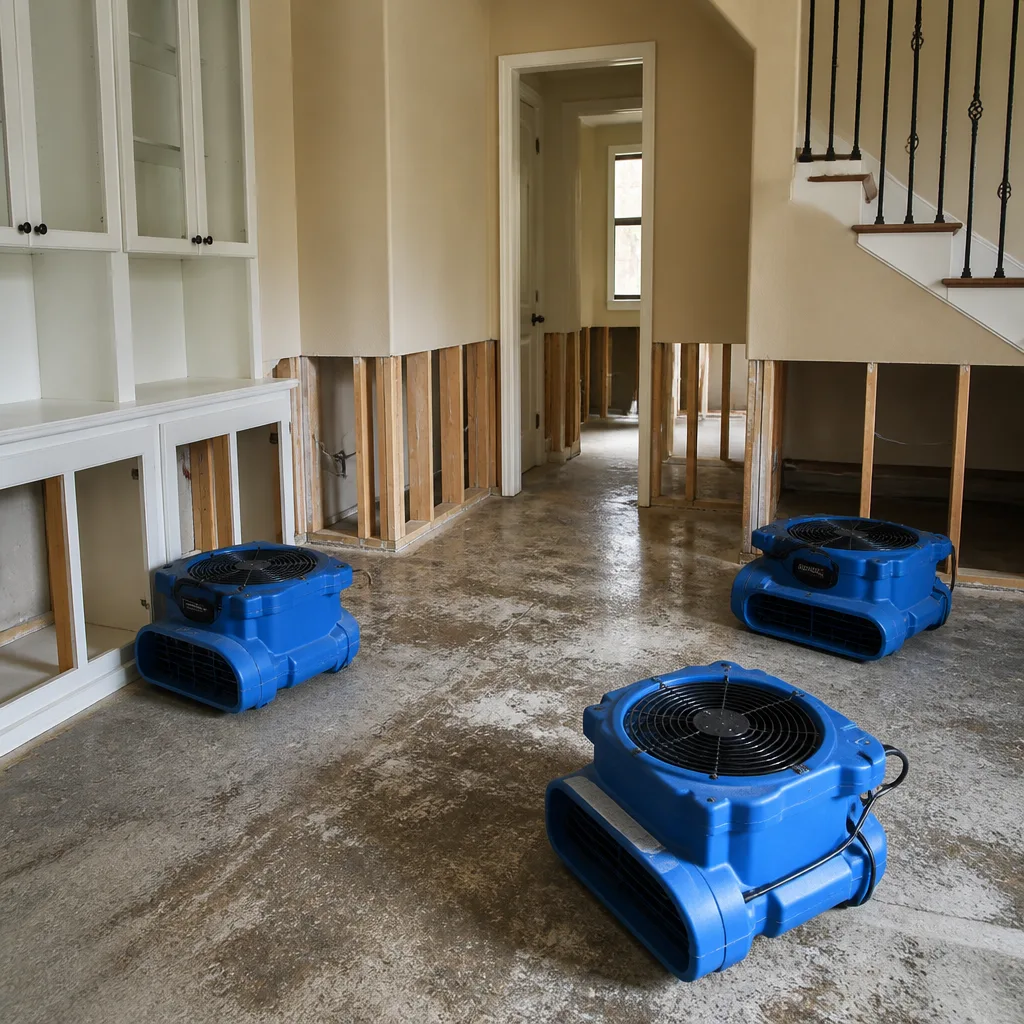
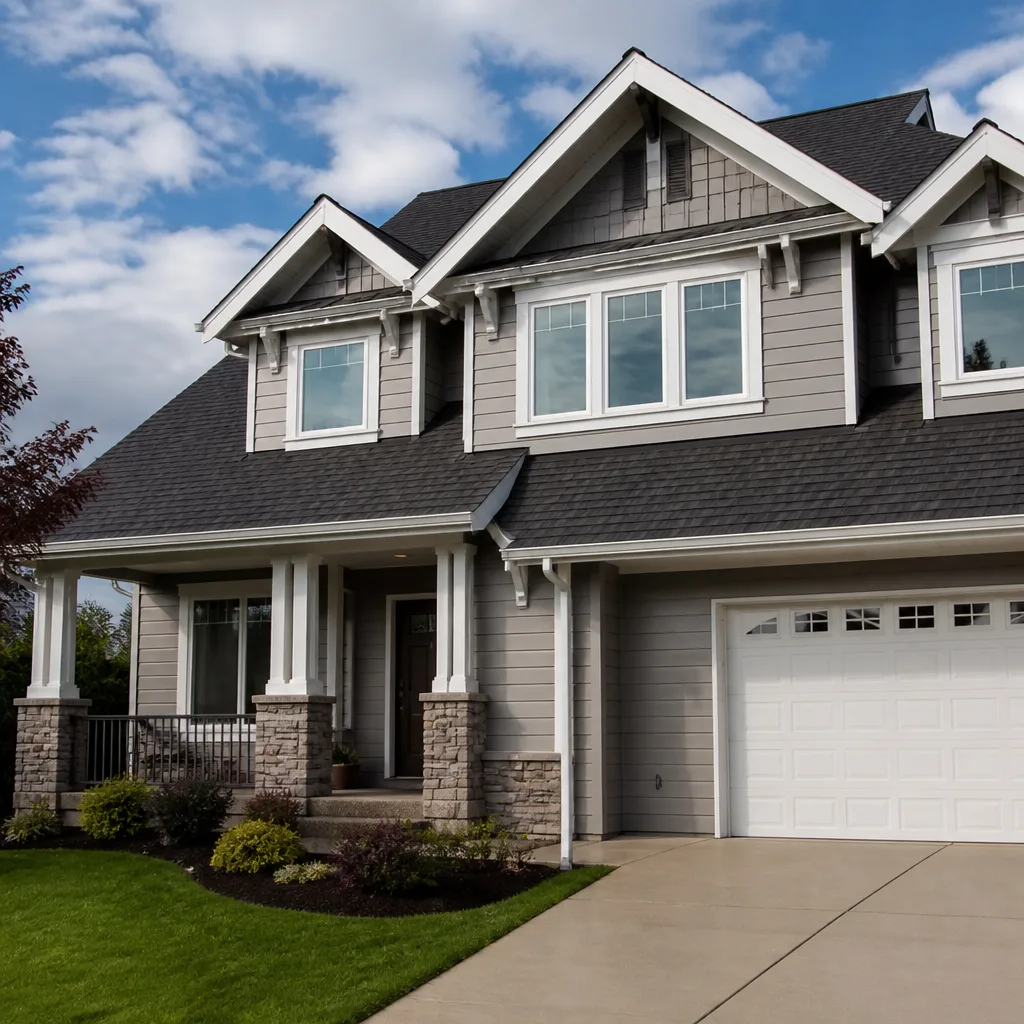
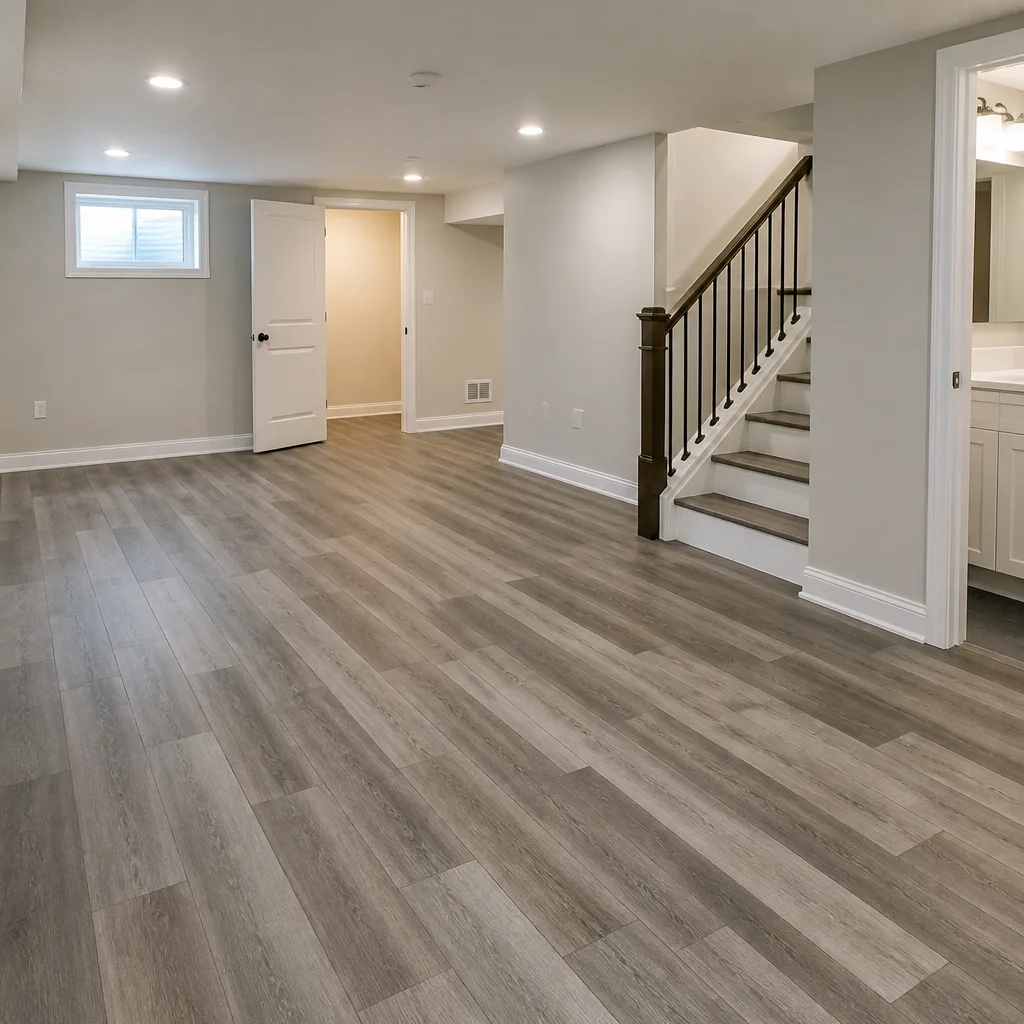
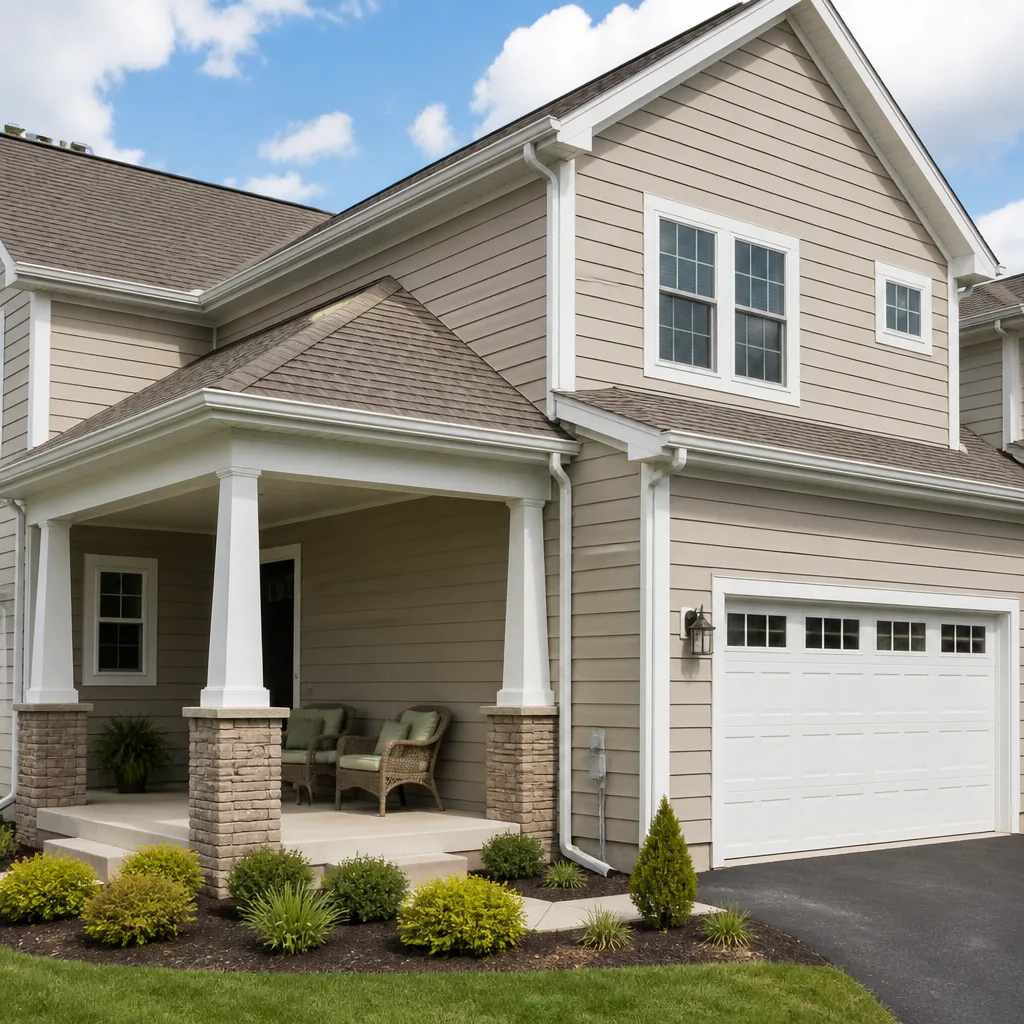
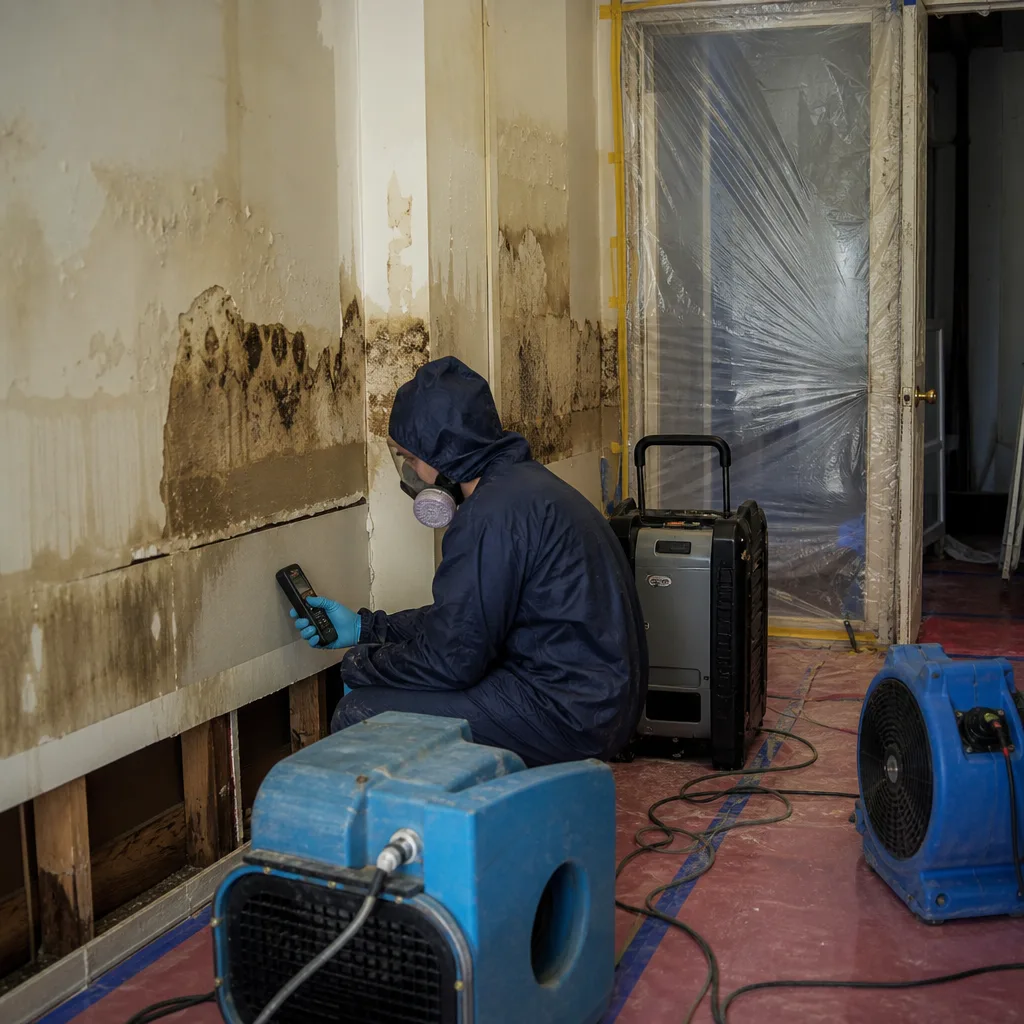 Before
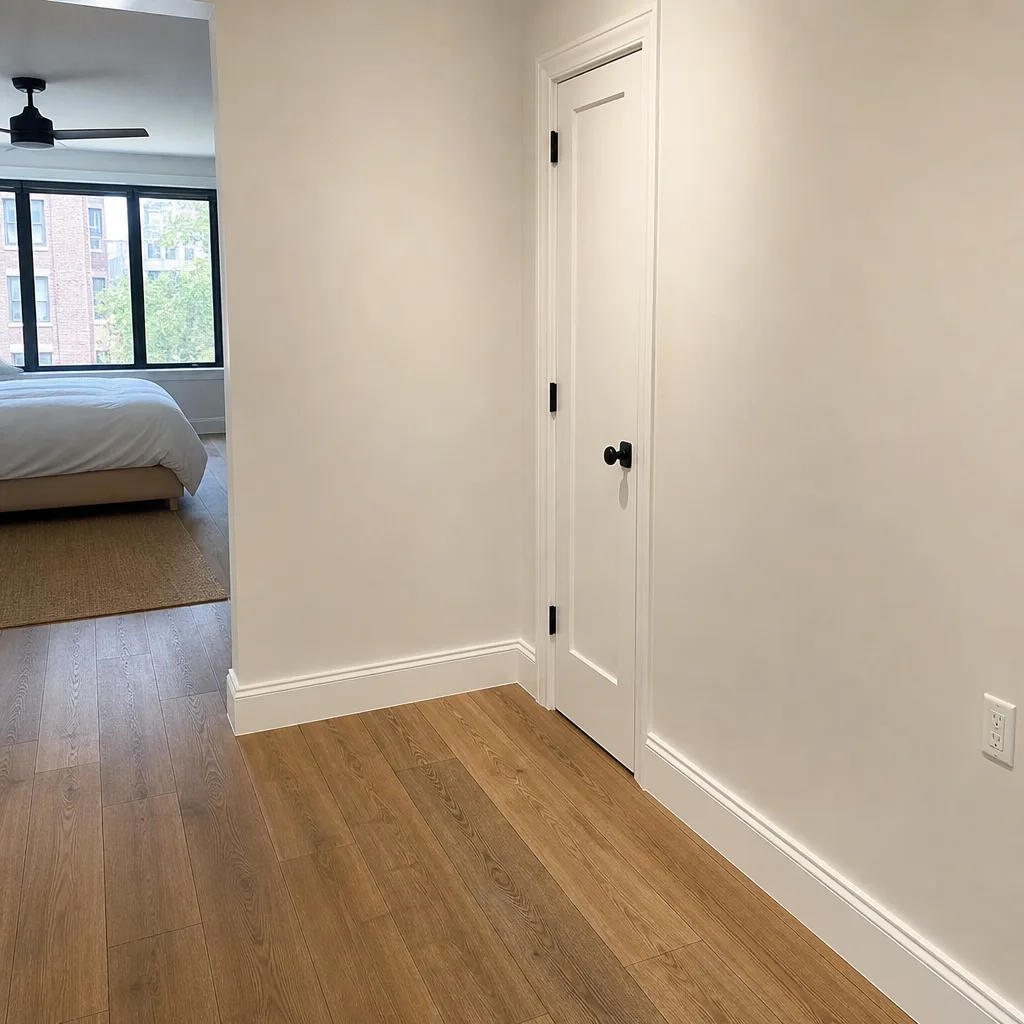 After
After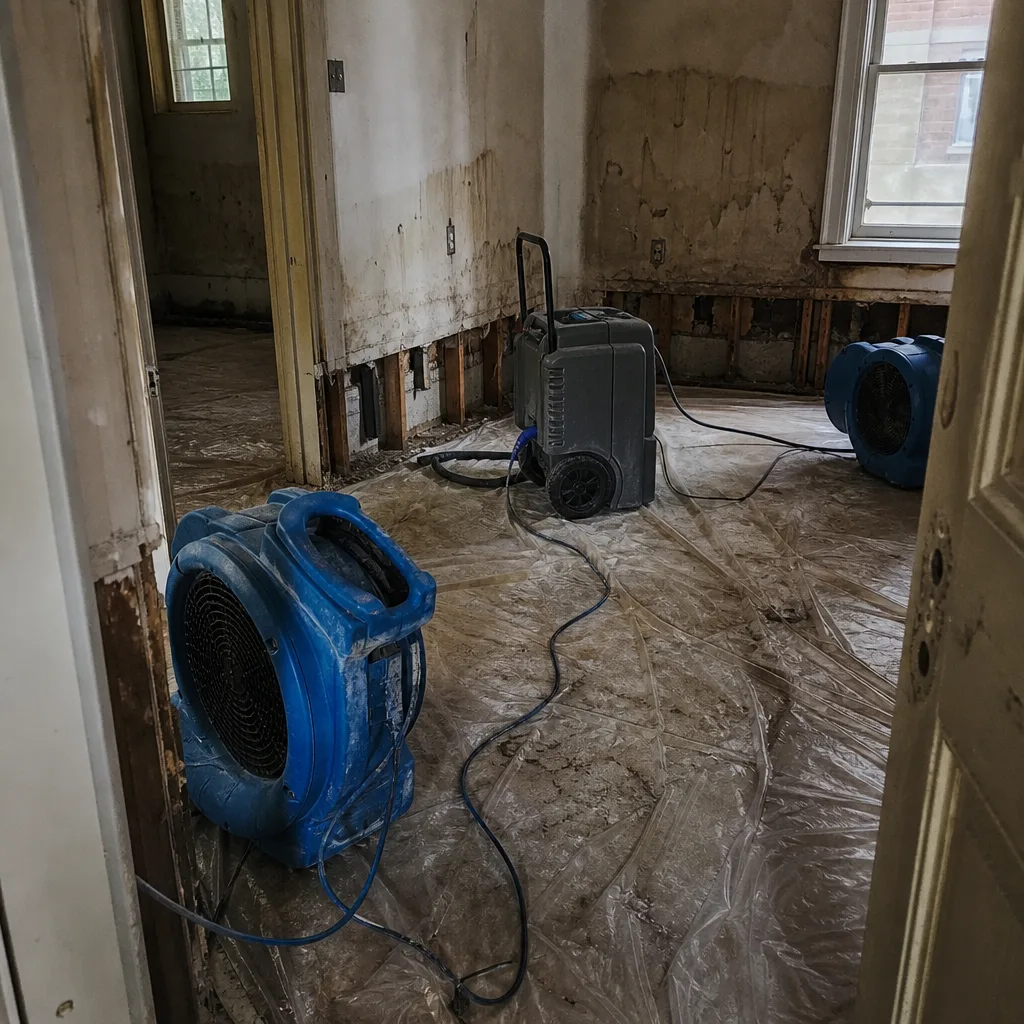 Before
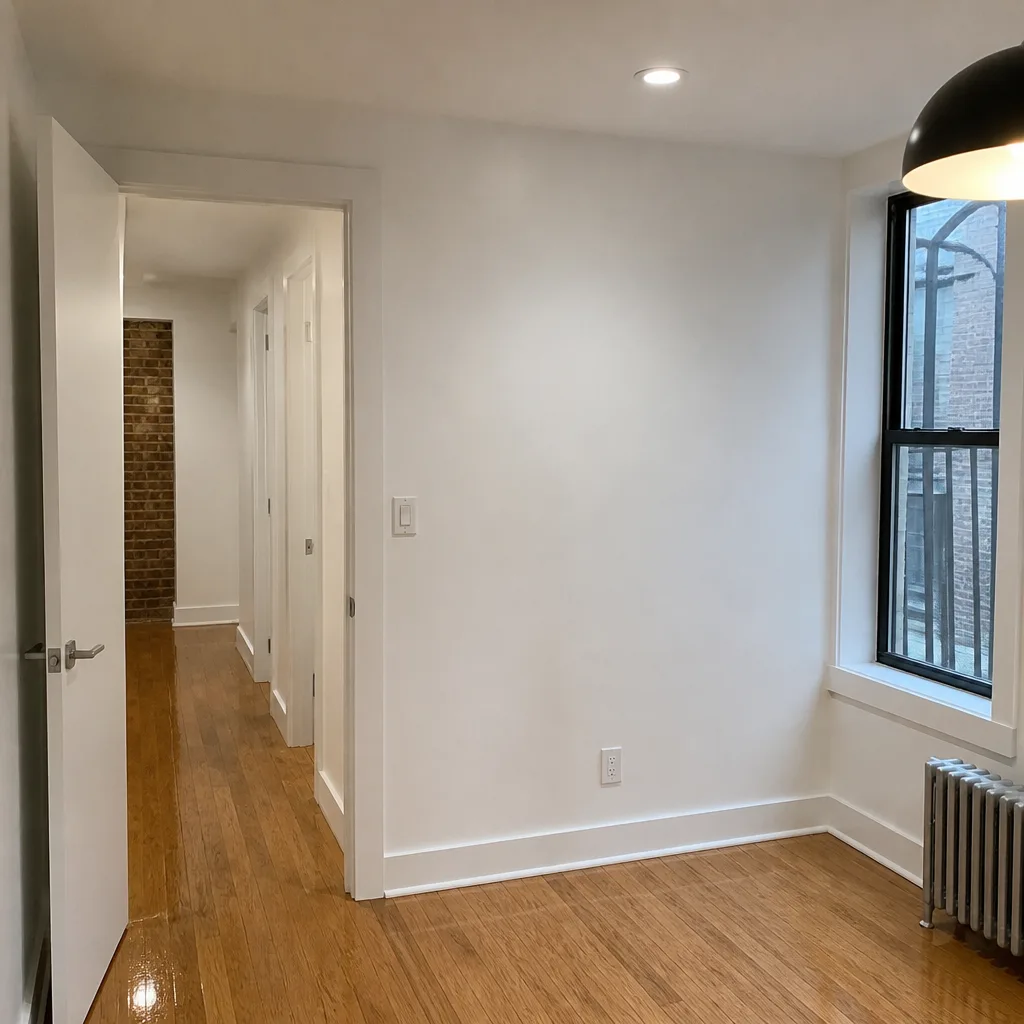 After
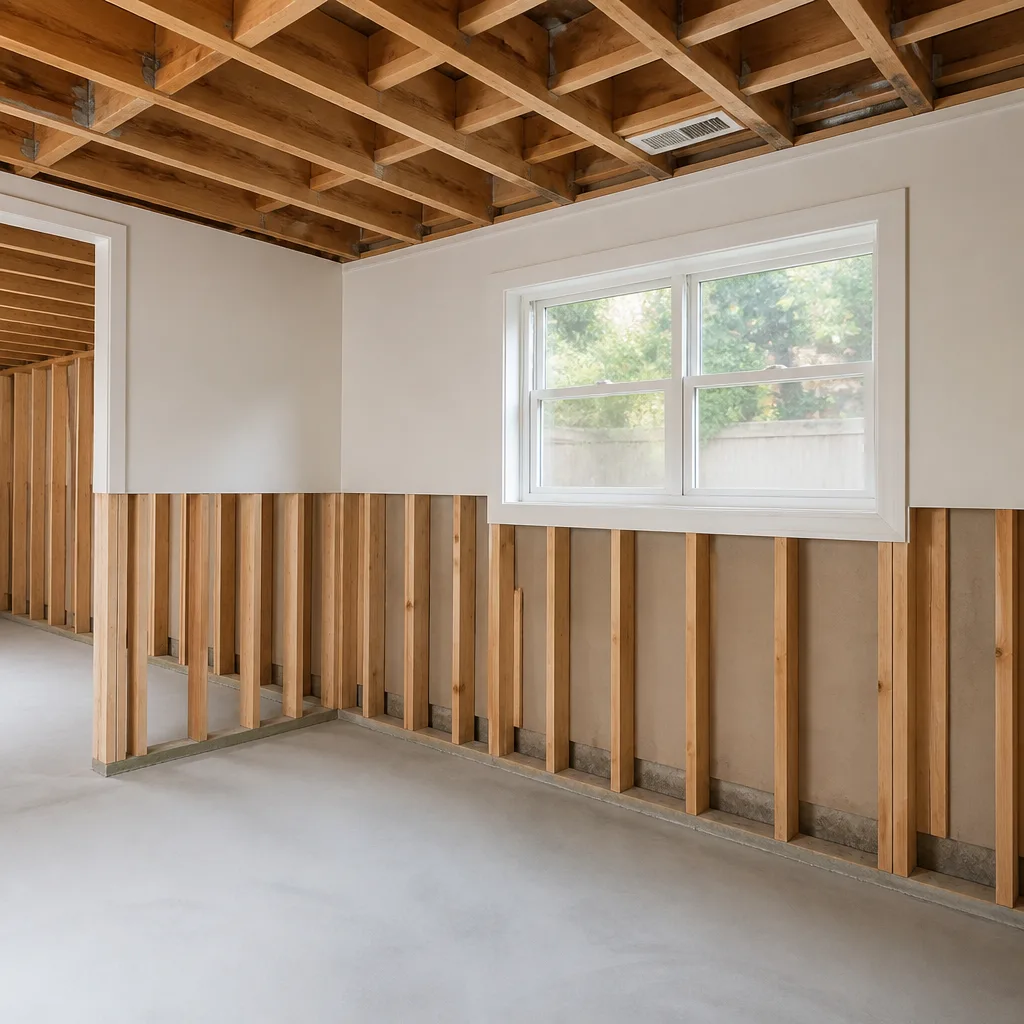
After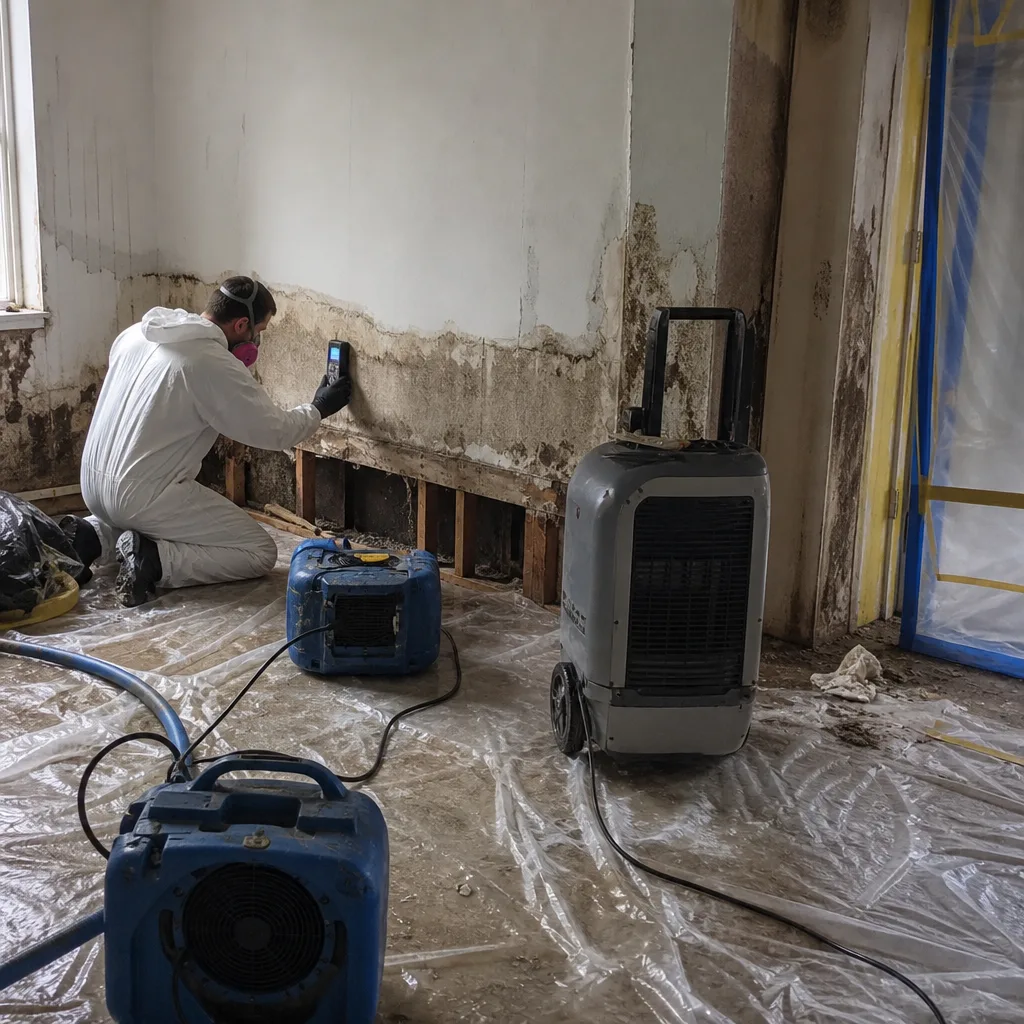 Before
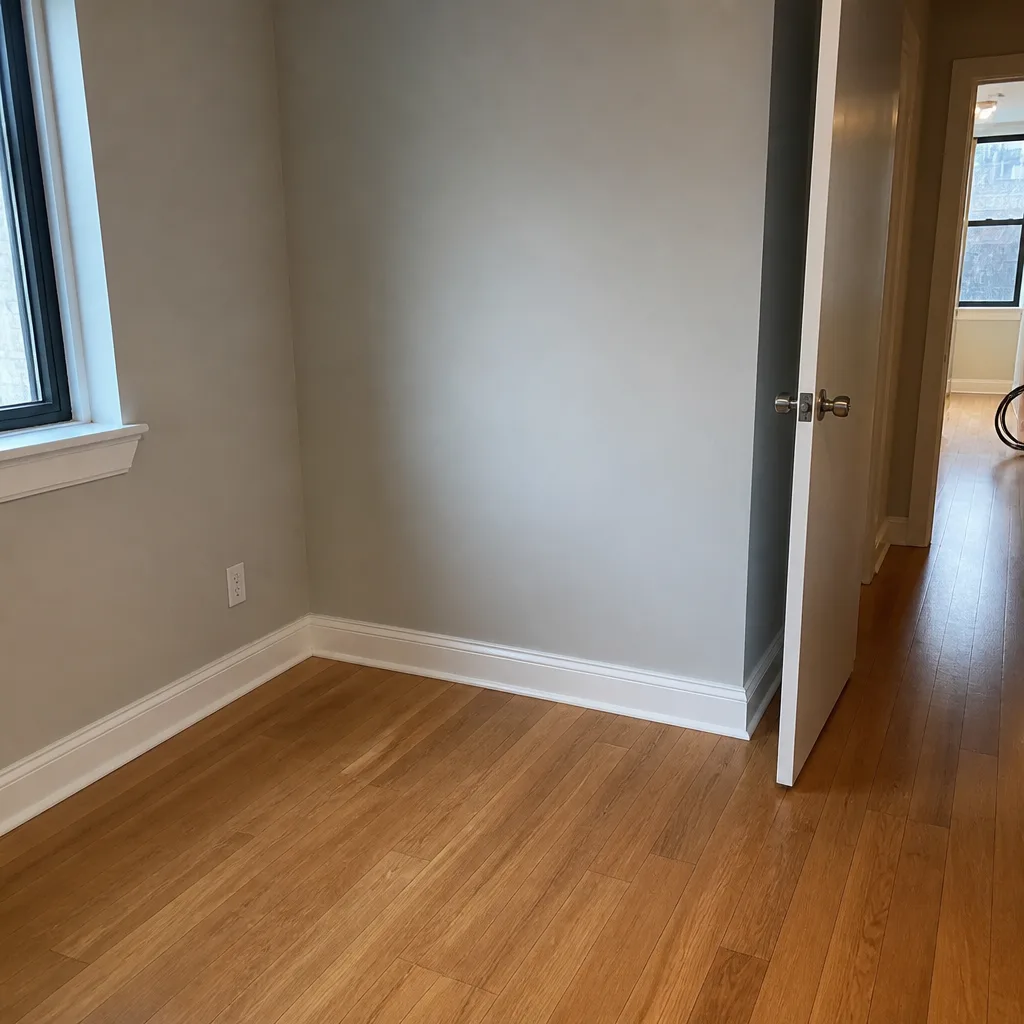 After
After24/7 Emergency Commercial Restoration in Midtown Manhattan
Commercial water, fire, and mold damage in Midtown Manhattan doesn’t wait for business hours, and neither do we. Our crews stage within the Midtown Manhattan area and answer the phone live at (845) 305-5737 around the clock, every day of the year. A burst riser or failed HVAC condensate line in a high-rise can move through occupied floors in minutes. The first hour determines whether you’re drying carpet or rebuilding two floors of offices. We arrive for a free visual inspection, document the loss, and start extraction the same visit whenever building access allows. Call now and you’ll speak to a dispatcher who can have a certified crew rolling toward your Midtown Manhattan address immediately.
Understanding Commercial Restoration Severity in Midtown Manhattan Properties
Commercial restoration work in Midtown Manhattan carries a severity profile that’s different from anywhere else in the city. The building stock is the reason. We’re dealing with 1920s and 1930s steel-frame towers near Rockefeller Center where original cast iron risers and steam pipe insulation are still in service, alongside 1960s curtain-wall office buildings and newer mixed-use luxury towers. When a riser fails in a pre-war tower, the water is rarely clean. It picks up decades of pipe scale, insulation fibers, and whatever has accumulated inside the wall cavities. We classify the water the same way the IICRC does: Category 1 is clean supply water, Category 2 carries contaminants, and Category 3 is grossly unsanitary. A steam riser failure is almost always Category 2 or worse. Moisture mapping with thermal imaging and hygrometers tells us how far water has wicked behind plaster, under tile, and into neighboring tenant spaces. In a 40-floor tower, that means coordinating access across multiple leases, each with its own insurance carrier and property manager. Severity here isn’t just about how much water. It’s about how many parties are involved, how many floors are affected, and what’s behind those walls from 1931.
Why Midtown Manhattan Property Owners Choose Floodline Restoration Co.
- 45-minute response commitment from a Midtown Manhattan-ready crew. We stage equipment and crews so we’re moving toward your building, not sitting in a yard in another borough.
- 24/7 live answer, always a real person. You call at 2 a.m., a dispatcher answers. Not a recording. Not a callback service. A person who can dispatch.
- IICRC-certified commercial crews. Our technicians hold WRT, FSRT, and AMRT certifications and know how to work inside occupied Class A buildings without creating a secondary problem.
- Free visual inspection and damage assessment. We walk the loss, document what we find, and give you a straight read on what needs to happen. No charge for that.
- Direct insurance billing, with documentation your carrier accepts. We handle the adjuster communication and provide the moisture logs, photos, and scope your claim needs.
- One team from extraction through reconstruction. The crew that reads the moisture map on day one is the crew that runs daily readings and rebuilds what needs rebuilding. No mid-job handoff to a subcontractor you’ve never met.
Our Commercial Restoration Process
Inspection & Assessment
We arrive on site, walk every affected floor, and map the loss with thermal imaging cameras and moisture meters. For Category 2 or 3 water in a pre-war Midtown tower, we check for asbestos-containing materials before any equipment is placed. The inspection produces a written scope, not a vague estimate.
Extraction & Stabilization
We remove standing water using truck-mounted and portable extractors sized for high-rise freight elevators. The goal is to stop migration fast. In a 1960s curtain-wall tower, that means containing Category 3 water on the source floor, not letting it travel down elevator shafts and stairwells.
Drying & Dehumidification
We run Dri-Eaz and Phoenix air movers with industrial dehumidifiers, monitoring daily with hygrometers until the dry standard is met. The moisture log goes to you and your carrier. No guessing. No pulling equipment early to close a file.
Cleaning & Sanitization
Once surfaces are dry, we clean and sanitize. For fire and smoke losses, that includes soot removal with HEPA-filtered equipment and odor control. For water losses, we use professional antimicrobials appropriate for the surfaces, never bleach-and-walk.
Commercial Document & Inventory Recovery
Midtown Manhattan offices hold paper files, server rooms, and client records. We coordinate document freeze-drying, electronics assessment, and content pack-out where it makes sense, preserving what can be saved and logging what cannot for the claim.
Repairs & Restoration
We rebuild what was damaged: drywall, flooring, ceiling systems, millwork, and paint. The same certified crew does the work. It’s a full-cycle result. When the job is done, you get the 90-Day Done Right Promise in writing.
Need Emergency Commercial Restoration in Midtown Manhattan Now?
Crews minutes away, answering live 24 hours a day. The sooner we start, the less it costs.
Working With Your Insurance Company
Commercial losses in Midtown Manhattan almost always involve multiple carriers: the building owner’s policy, each tenant’s policy, and sometimes a condo or co-op master policy. That’s normal here. We handle the adjuster communication directly, so you’re not playing messenger between your carrier, the building manager, and a tenant three floors down. From the first hour, we document the loss the way insurers expect: photos, moisture readings, drying logs, and a line-item scope of work. When the claim adjuster asks a question, we answer it with a record, not an opinion. If your policy covers the loss, we bill the carrier directly. You stay out of the paperwork fight.
What We Provide Your Insurer
- Thorough documentation of the loss from first response
- Photos of all damage, room by room and floor by floor
- Moisture readings and daily drying logs with Dri-Eaz and Phoenix equipment
- A detailed, line-item scope of work in industry-standard format
- Direct coordination with your carrier and any tenant adjusters involved
Built for Midtown Manhattan’s Loss Calendar
Midtown Manhattan’s commercial restoration losses follow the city’s weather and the building stock’s age. January and February bring deep freezes that burst supply lines and split old cast iron risers inside unheated mechanical rooms and stairwells. We get those calls in clusters, often across multiple floors in the same building. Early spring brings the freeze-thaw cycle hitting flat and low-slope roofs on pre-war towers. Rooftop water intrusion seeps down through ceiling plenums and into top-floor offices, often after the snow has already melted and nobody sees the leak starting. Summer thunderstorms dump water fast enough to overwhelm aging roof drains and flash-flood street-level retail along Lexington and Eighth Avenue corridors. Nor’easters in the fall and winter drive wind-driven rain into curtain-wall joints and old parapet flashings. Every season in Midtown Manhattan has a signature loss. We plan staffing around it, and we know which buildings have the history.
Commercial Restoration Across Midtown Manhattan’s Neighborhoods
Midtown Manhattan stretches from roughly 34th Street to 59th Street, river to river, and the buildings change character block by block. Around Bryant Park and the Garment District, you’re looking at older commercial loft buildings with freight elevators that date to the 1920s. Water losses there run through cast iron risers and original plaster walls. Over in the Plaza District near Fifth Avenue, Class A towers demand additional-insured certificates before a single air mover rolls through the lobby. Down around Murray Hill and the East 30s, we see a mix of 1950s-60s office buildings and residential conversions where a Category 2 loss in one unit means coordinating with a co-op board, a management office, and a resident who works nights. Up toward Columbus Circle and the West 50s, newer mixed-use towers have tighter building-access windows and stricter noise rules. We navigate all of it daily: the freight window at 6 a.m., the COI the building manager needs before the tech parks, the fire warden who wants a plan before we open a wall on the 22nd floor.
Specialized Commercial Restoration Services We Offer in Midtown Manhattan
Office & Retail Restoration
We restore occupied office floors and street-level retail spaces throughout Midtown Manhattan without shutting you down longer than necessary. For offices near Grand Central and Herald Square, that means drying after-hours, working around employees, and getting tenants back to work while the claim runs.
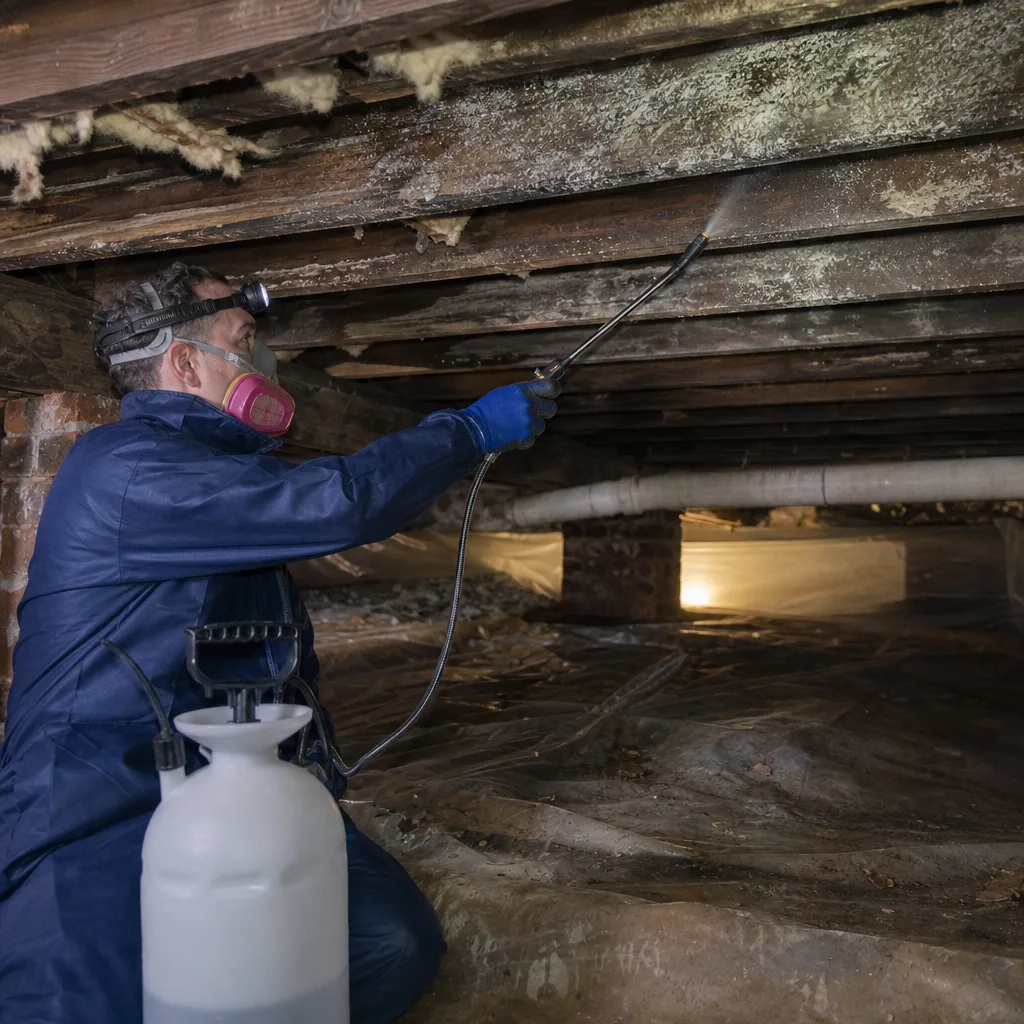
Multi-Unit & HOA Restoration
We handle losses where a single riser failure affects 20 floors and 15 different commercial tenants. Each tenant has a lease, a lawyer, and an insurance carrier. We run one coordinated restoration, one moisture map, one drying log, and we communicate with everyone. That’s the only way these jobs finish clean.
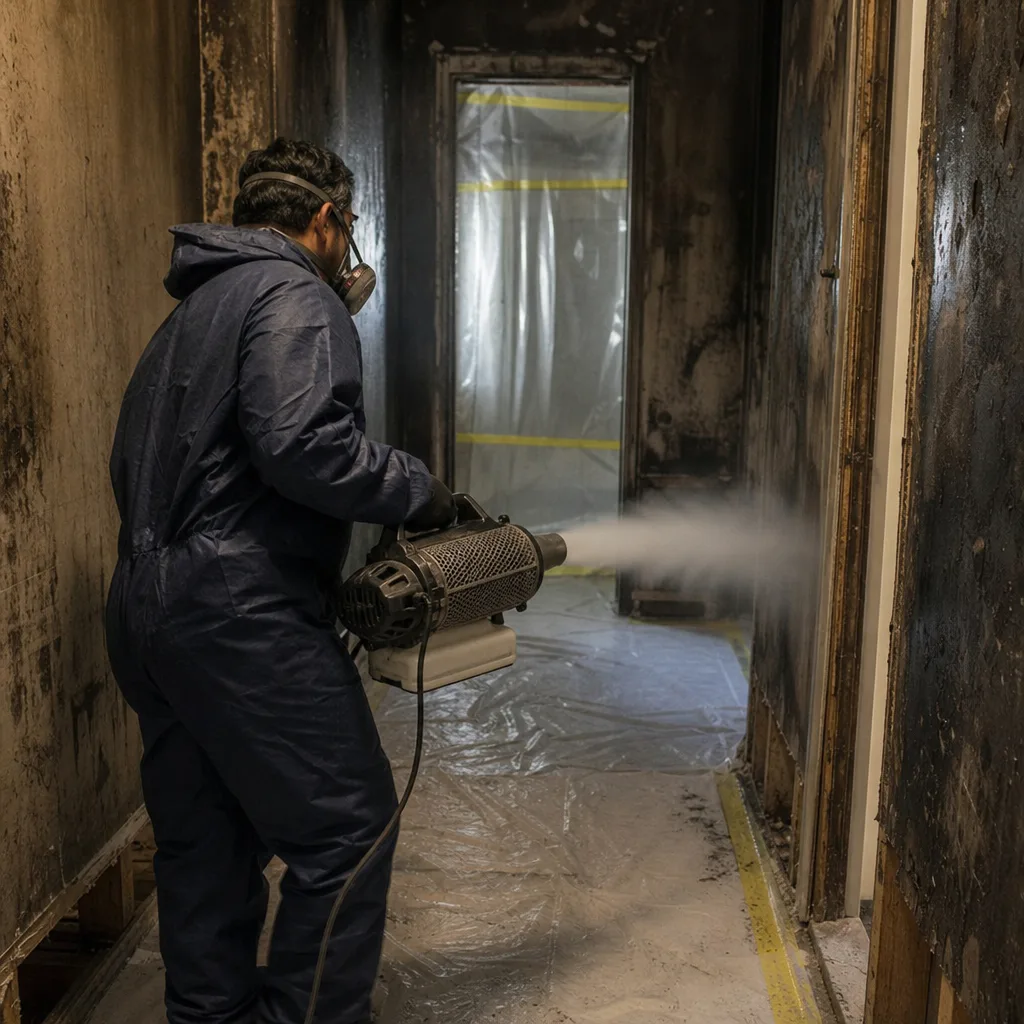
Industrial Facility Cleanup
For industrial and mechanical spaces in and around Midtown Manhattan’s commercial corridors, we handle Class A, B, and C water losses, soot and smoke cleanup, and post-event sanitization using HEPA-filtered air scrubbers and professional-grade antimicrobial treatments.
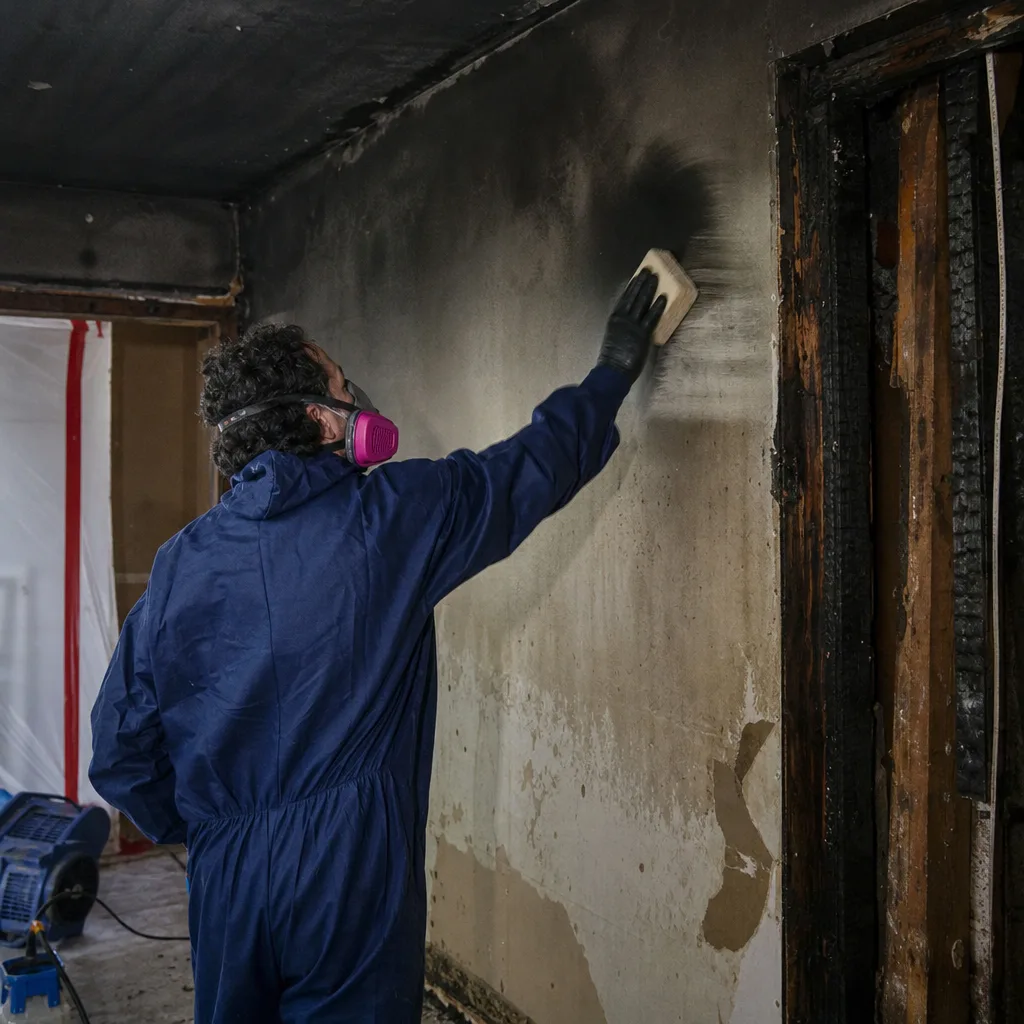
Large-Loss Response
When a steam pipe fails or a sprinkler head opens on the 34th floor, the loss is measured in floors, not rooms. We bring in every available crew, stage equipment in the freight zone the night before access opens, and saturate the building with drying equipment on day one. Large-loss response in Midtown Manhattan is logistics as much as restoration.
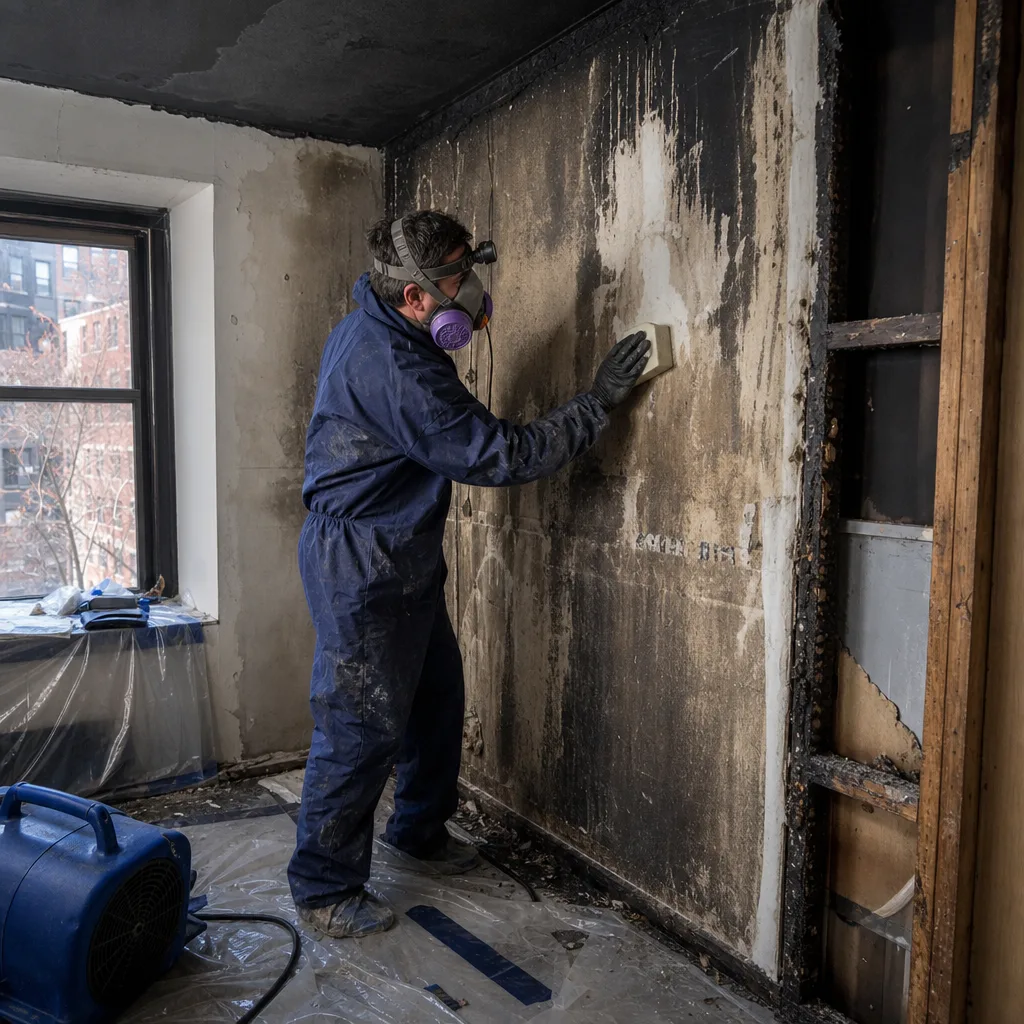
Business Interruption Minimization
Every day a Midtown office or retail space is down is revenue lost. We work after-hours where building rules allow, coordinate with your property manager to get equipment in early, and document everything for your business interruption claim. Our Commercial Restoration team knows that speed here isn’t just about drying. It’s about getting your doors back open.
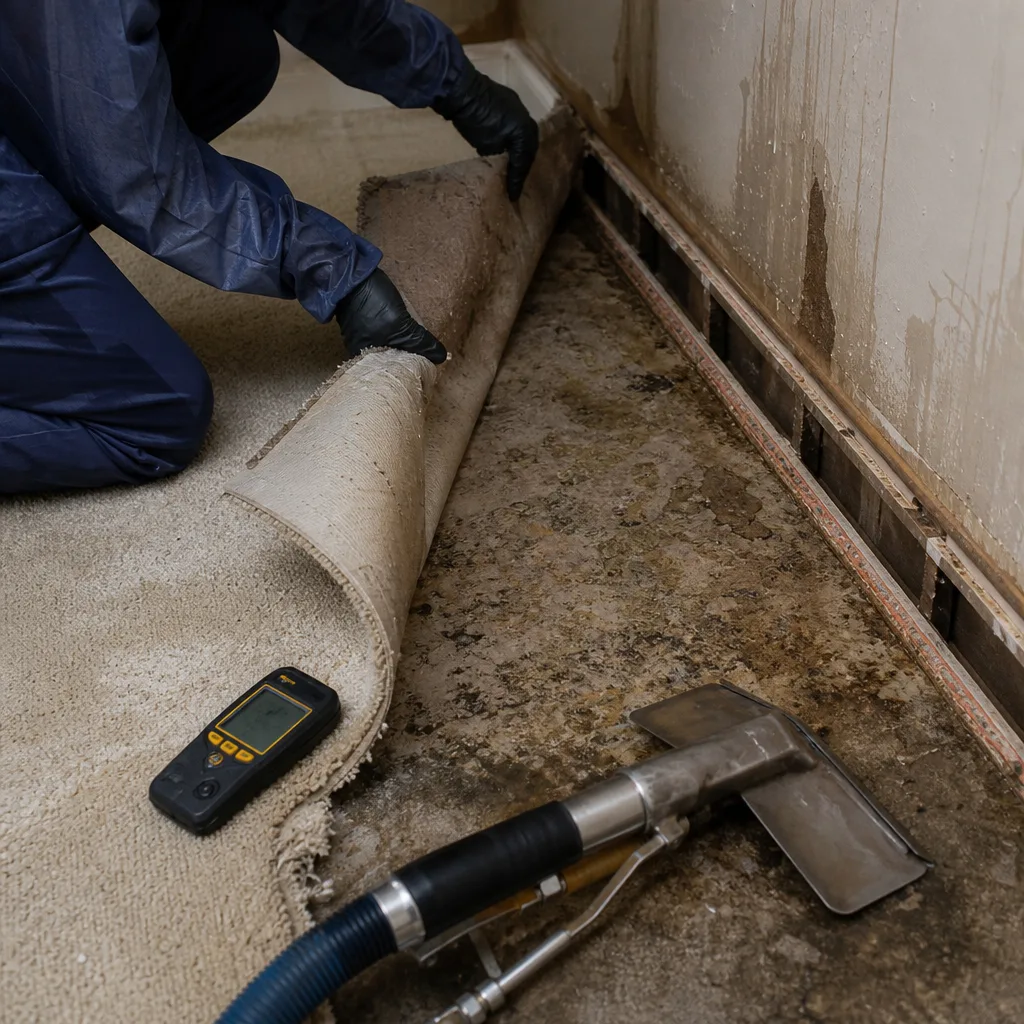
What happens when you call
- 1
A real person answersNo phone trees - you reach a local pro.
- 2
You get an upfront price rangeHonest numbers before anyone is dispatched.
- 3
A background-checked tech heads outLicensed & insured, dispatched right away.
- 4
You approve before work beginsNothing starts until you say go.
Commercial Restoration Costs in Midtown Manhattan, NY
Commercial restoration pricing in Midtown Manhattan runs higher than the outer boroughs for one reason: building access and compliance. A straightforward Category 2 water loss from a failed riser in a mid-rise office typically runs $6,500-$18,000 depending on floors affected and equipment days. A loss requiring asbestos abatement before drying starts typically adds $4,000-$12,000 for testing and abatement alone. Multi-floor large-loss events in Class A towers regularly run $45,000-$150,000+ when you factor equipment staging, after-hours labor, and multi-tenant coordination. Fire and smoke restoration in a Midtown office starts around $8,000 and rises with square footage and soot type. Most commercial policies cover these costs. We provide a free inspection and a written scope before any work begins, so you know the number before you authorize anything.
We Also Serve Cities Near Midtown Manhattan
Floodline Restoration Co. runs commercial restoration crews throughout Midtown Manhattan and the surrounding area. Our teams routinely respond to losses in Upper West Side, Upper Manhattan, Morningside Heights, and Central Harlem. If you manage a building anywhere in this area, you’re within our response zone.
Serving Midtown Manhattan, NY - Our Local Coverage Area
We’re based in the Midtown Manhattan area and know this community well. Use the map below to see our service coverage - if you’re nearby, we can almost certainly help.
Midtown Manhattan Commercial Restoration Questions, Answered
How do Midtown building access rules delay water extraction after a pipe burst?
They can add 24 to 48 hours that a suburban job would never face. Class A towers require proof of insurance listing the building owner as additional insured before any equipment enters the lobby. Freight elevator windows may be limited to 6 to 8 a.m. or after 6 p.m., and some buildings prohibit demolition noise during business hours. We know these rules and work around them: staging equipment the night before, coordinating with building management upfront, and having our COI ready before the tech arrives. Call (845) 305-5737 and we’ll start navigating access immediately.
Do we need asbestos testing before drying out a pre-war Midtown office?
Usually, yes. Midtown Manhattan buildings constructed before 1980 commonly contain asbestos in floor tiles, ceiling plaster, and pipe insulation. If restoration work will disturb those materials, NYC DEP regulations require licensed asbestos testing and, if confirmed, licensed abatement before drying or rebuilding can begin. We handle the coordination with the testing and abatement vendors so the job doesn’t stall.
Can you handle a loss where each floor has a different commercial tenant and insurance carrier?
Yes. That’s the standard Midtown Manhattan scenario, not the exception. We run one restoration project with one moisture map and one drying log, while communicating separately with each tenant, each adjuster, and the building manager. We’ve done this on 30-plus-floor losses where no two tenants shared a carrier. The work runs cleaner when one firm owns the whole scope.
What happens when a steam pipe failure coats multiple offices with asbestos-contaminated condensate?
This is a specialized loss. Con Edison’s district steam system runs under Midtown streets, and a steam pipe failure can release condensate that carries asbestos from the pipe insulation. The affected offices require containment, licensed abatement, and specialized cleaning before normal restoration work can resume. We coordinate the environmental consultant, the abatement contractor, and any tenant adjusters. This is not a job for a general water extraction crew.
How do you minimize business interruption during a large-loss restoration in a Midtown high-rise?
We work the freight windows, stage equipment the night before, and run drying after business hours where rules allow. We document everything for your business interruption claim: start dates, access delays, equipment days, and when each area is returned to use. The faster the moisture log hits dry standard, the faster your carrier can close the BI component.
How fast can you actually get to a Midtown Manhattan commercial property?
We commit to a 45-minute response from our New York City dispatch. For buildings with freight-elevator access windows, we may stage a crew and equipment in the loading dock before the window opens so no time is lost. Call (845) 305-5737 and a live dispatcher starts the process immediately.
Will insurance cover the full commercial restoration cost?
Most commercial property policies cover water, fire, and storm damage restoration, minus your deductible. Coverage for asbestos abatement, business interruption, and content recovery depends on your specific policy language. We document everything from the first hour and bill your carrier directly where coverage applies. You’ll know your scope before work starts.
What should I do in the first 30 minutes after discovering commercial water damage in Midtown Manhattan?
Shut the water source if you can do so safely. Kill electrical power to affected areas. Move electronics and paper records out of standing water, but don’t enter a space with ceiling damage or visible sagging drywall. Call (845) 305-5737. We’ll walk you through the next steps and dispatch a crew. The faster containment starts, the less the loss spreads.
Written by Curt Bowman, Owner at Floodline Restoration Co., serving Midtown Manhattan commercial properties with certified crews and a written 90-Day Done Right Promise.