
Last updated August 25, 2026
Free visual inspection and a written scope of work before any mitigation begins - photos, moisture readings, and drying logs go in your claim file
The scope we write is the scope we bill. Anything new gets shown to you, in writing, before we touch it.
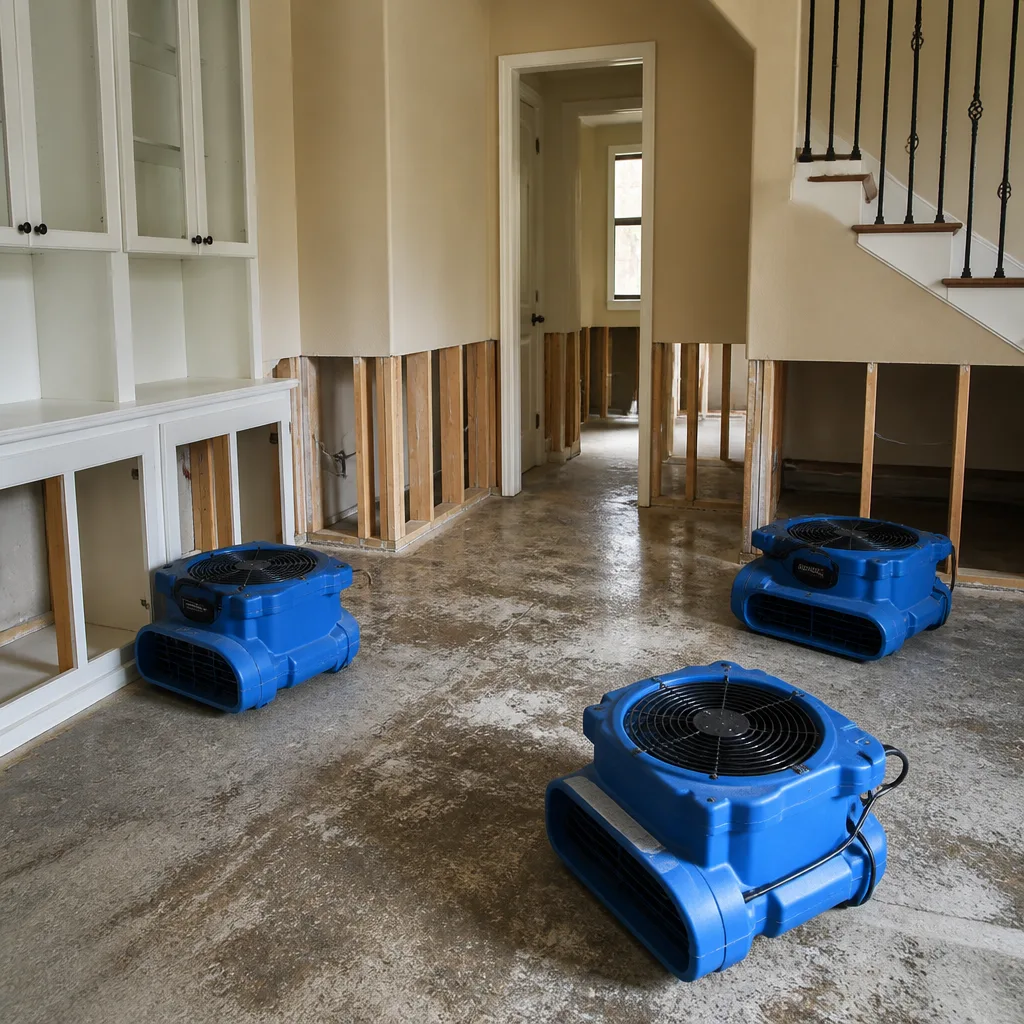

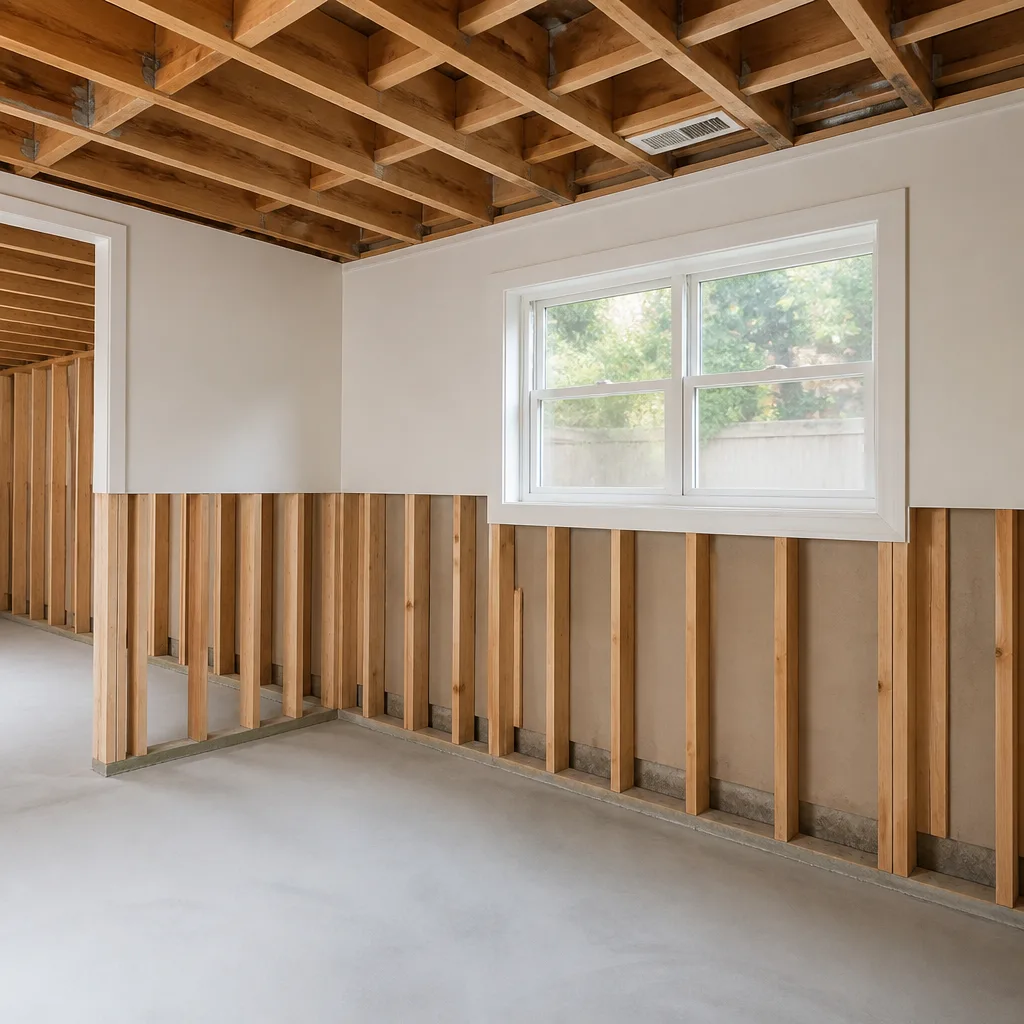

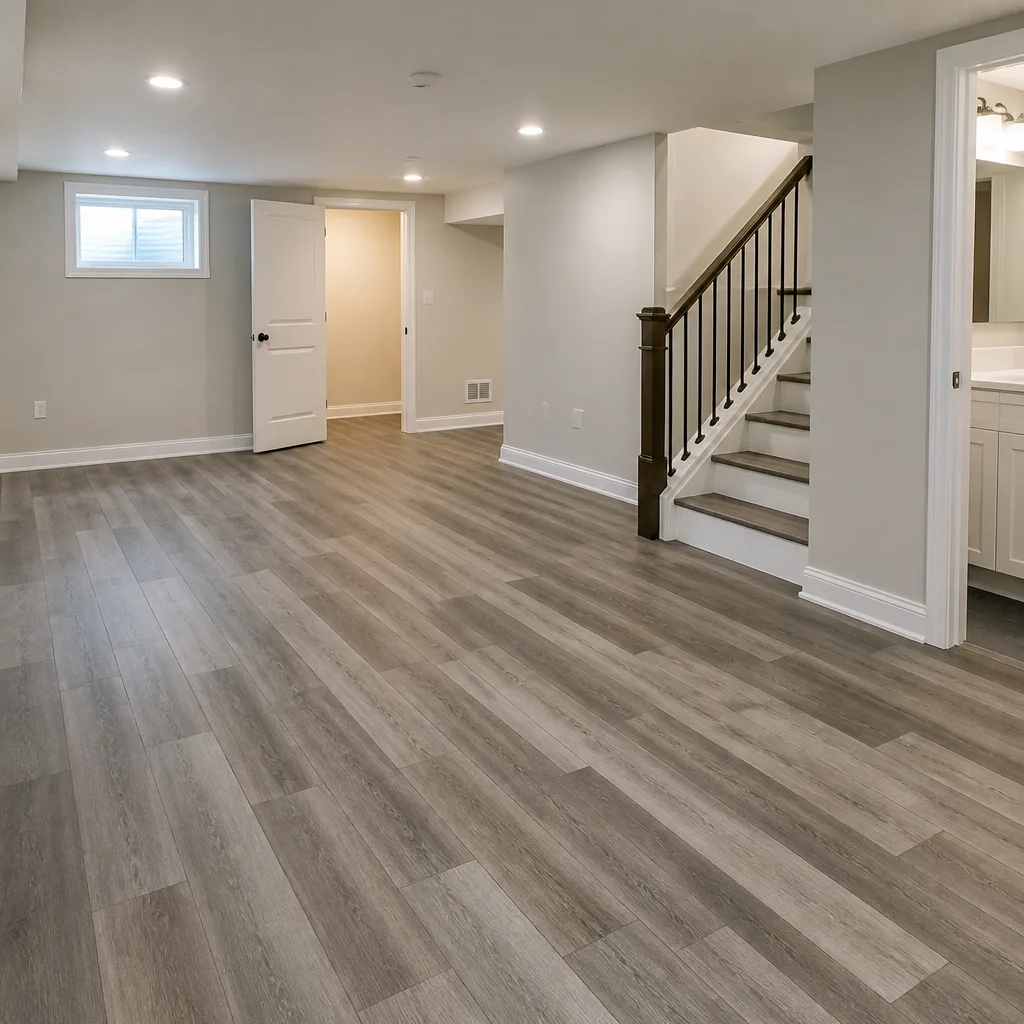
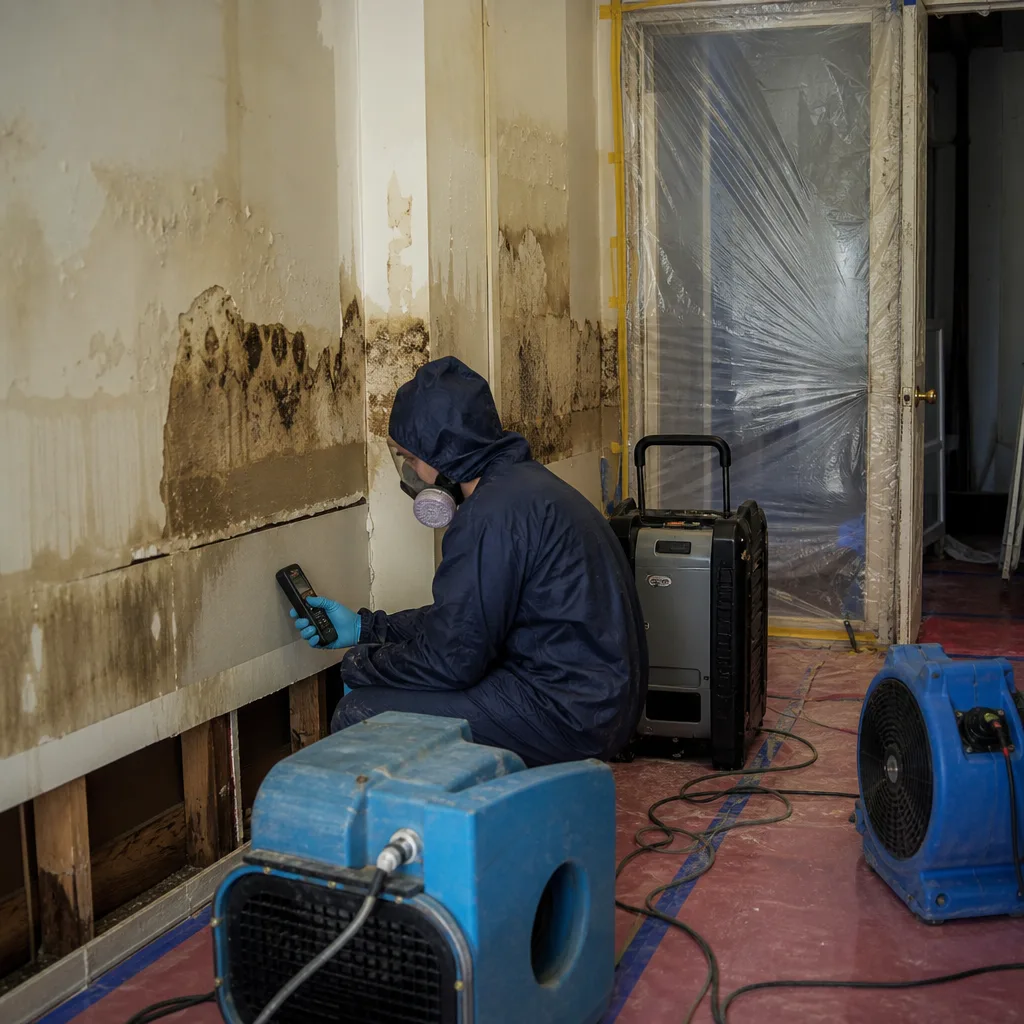 Before
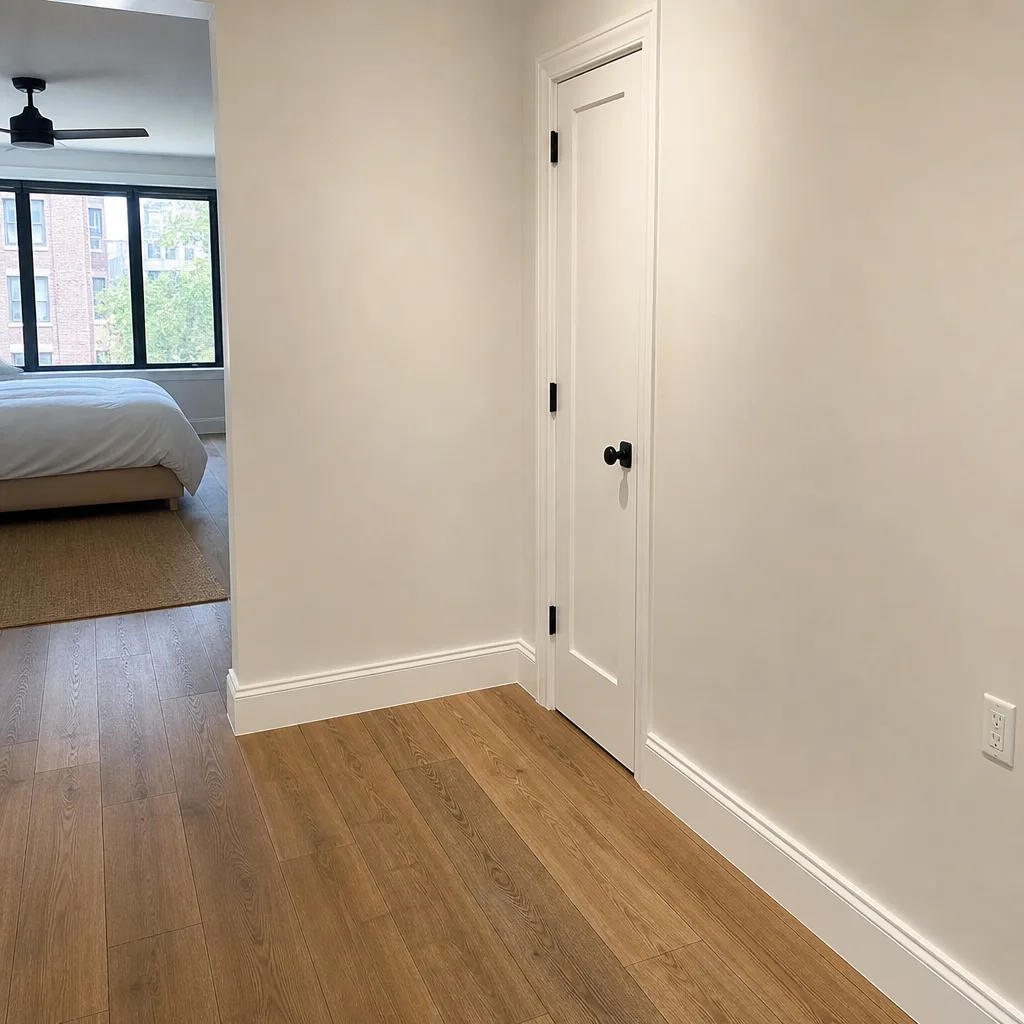 After
After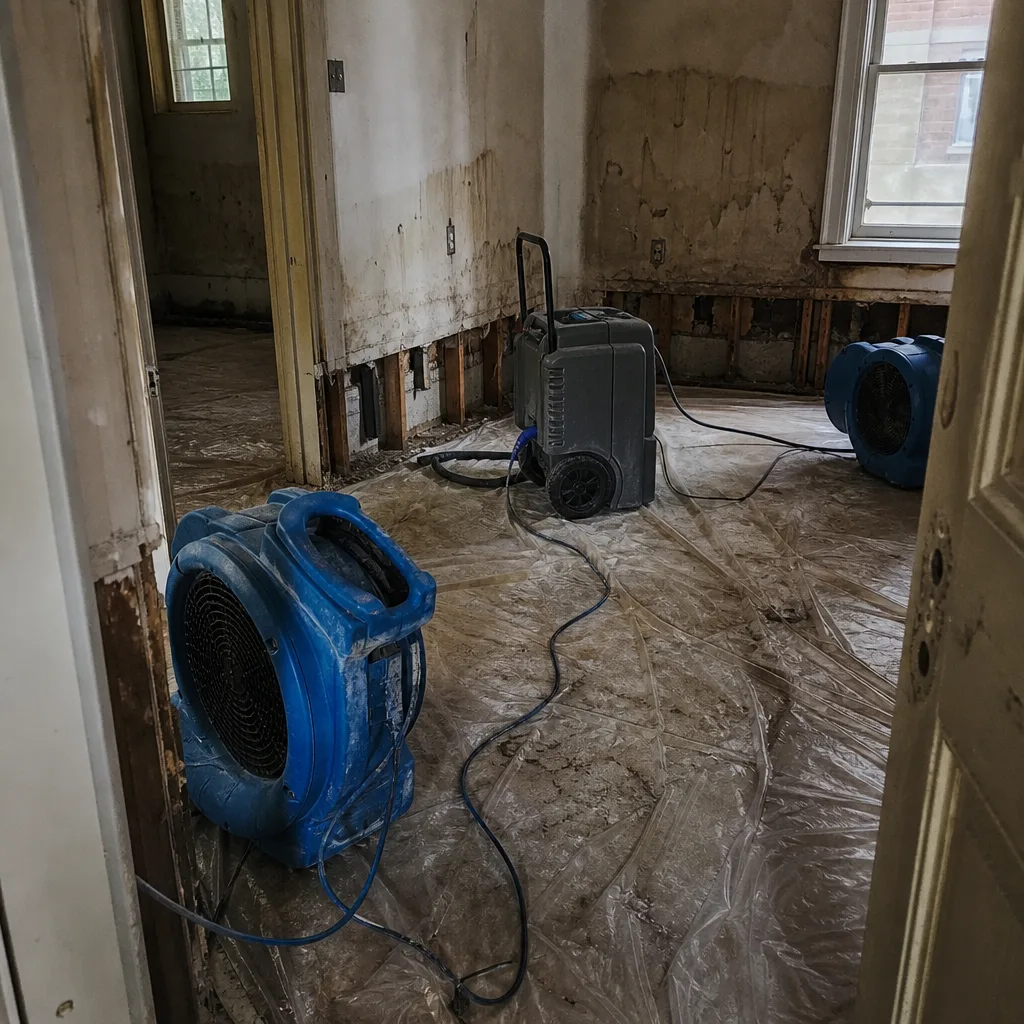 Before
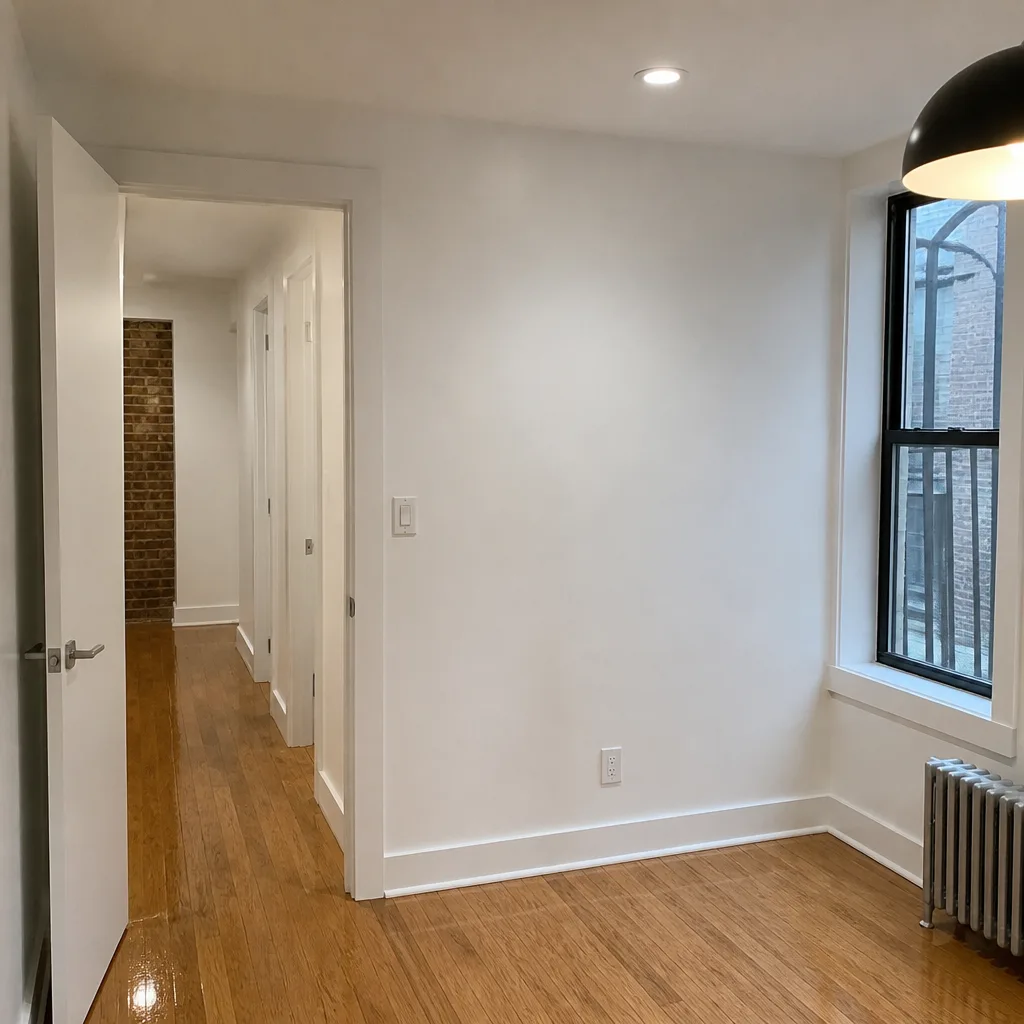 After
After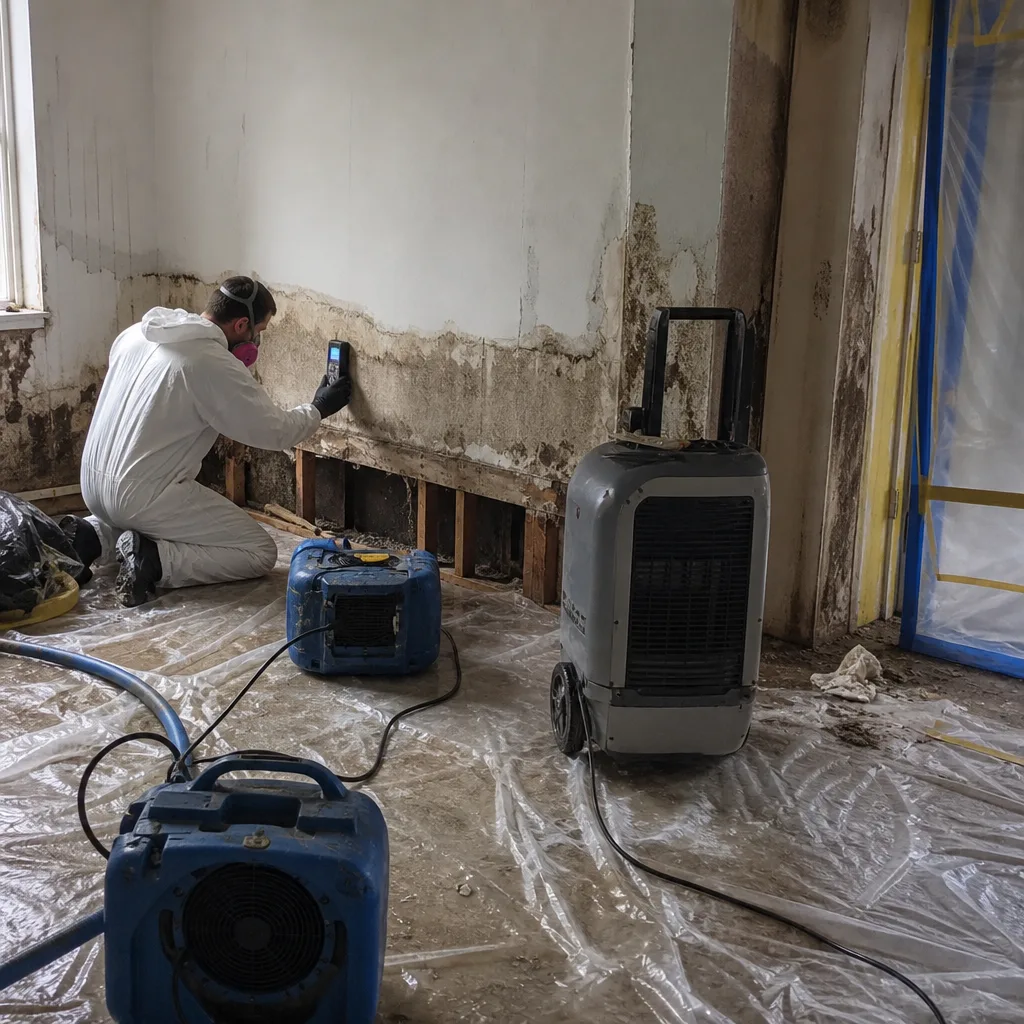 Before
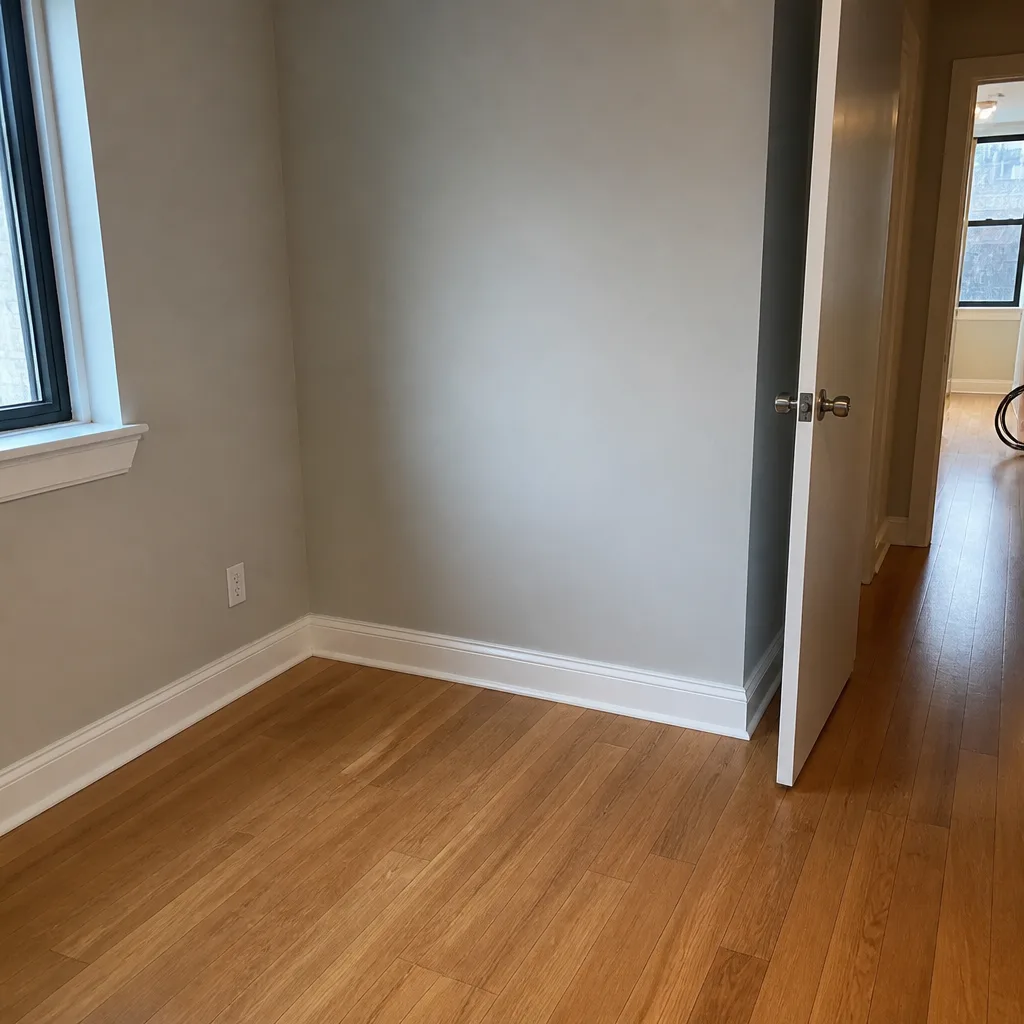 After
AfterHow to Hire a Damage Restoration Contractor in Upper West Side: A Step-by-Step Guide
Most people hire a damage restoration contractor exactly once in their lives, and they hire one under the worst possible circumstances: water spreading across a hardwood floor at midnight, or a smell from the basement that won’t go away. The decision gets made fast, under stress, and it gets made wrong more often than anyone wants to admit. This guide walks through the entire process, step by step, so that when the moment comes, you already know what a square deal looks like in the Upper West Side specifically: the right questions, the right paperwork, the right timeline, and the right way to hold a contractor accountable. You’ll learn what to verify before anyone sets foot in your apartment, what a written scope of work should include, how insurance billing should actually work, and the red flags that separate a professional restoration crew from a pickup truck with a fan.
Quick Answer
To hire a damage restoration contractor in Upper West Side, first verify the contractor is licensed in New York State, insured, and certified to IICRC standards, then get a written scope of work and a direct-to-insurance billing arrangement before any work begins. A qualified restoration company will send a certified technician to assess the damage, provide photo documentation for your claim, start mitigation within hours for water or sewage damage, and give you a written guarantee. Floodline Restoration Co. home has served the Upper West Side since 2010 with live 24/7 dispatch at (845) 305-5737, direct insurance billing, and the 90-Day Done Right Promise in writing.
Table of Contents
- Understanding the Stakes: Why the Upper West Side Is Different
- What to Do in the First Hour After Damage
- Verifying Credentials: What to Ask and What to Accept
- The Written Scope of Work: What It Must Include
- How Insurance Billing Should Work
- Equipment Standards: What Professional-Grade Means
- Evaluating Quotes: Beyond the Bottom Line
- Red Flags That Should Send You Looking Elsewhere
Understanding the Stakes: Why the Upper West Side Is Different
The Upper West Side is not a suburb with drywall and crawlspaces. It’s prewar co-ops with plaster walls, steam risers running through original hardwood, and basement mechanical rooms that share walls with four neighbors. When water moves through this kind of building, it doesn’t just soak your floor. It travels through the joist bays, wicks up plaster, follows the electrical conduit, and settles into the cavities behind built-in cabinetry. Drying a prewar apartment properly takes a different sequence than drying a sheetrock house: you need to account for the thermal mass of masonry, the vapor drive through old plaster, and the fact that the apartment below you has its own ceiling and its own claim adjuster.
Codes matter here, too. The Upper West Side is subject to New York City Department of Buildings rules on everything from permitted rebuild work to how flood cut must be handled in landmarked districts. Many buildings along West End Avenue, Riverside Drive, and Central Park West fall under Landmarks Preservation Commission review, which affects how soon you can start a rebuild. A contractor who mostly works in Long Island or New Jersey suburbs may not know that pulling baseboard in a landmarked co-op can require board approval, or that the co-op’s alteration agreement may restrict work hours to 9 to 5 on weekdays. In our experience, the contractors who do the best work on the Upper West Side are the ones who already work here, know the building staff, and don’t need to learn the building’s rules on your clock.
Climate plays a role, too. Upper West Side winters mean steam heat, which means interior humidity swings. The warmer months bring the opposite: humid air pressing in from the outside. A drying plan that works in a climate-controlled suburban basement might fail in a prewar apartment where the radiators are still clanking and the windows haven’t been opened in a decade. This guide is written specifically for the Upper West Side market: the prices, the timelines, the building realities, and the questions that matter here.
What to Do in the First Hour After Damage
The first hour after water, fire, or sewage damage determines how much of your home can be saved. Here is the sequence that matters, in order.
- Stop the source. Shut the water at the fixture valve if you can. If it’s a main line leak or you can’t find a shutoff, call your building super immediately. In a co-op, the super may need to shut the riser for the whole line. Do not delay on this step.
- Kill the power to affected areas. Water and electricity do not mix. If water has reached outlets, floor lamps, or the underside of appliances, trip the breaker for that room. Do not stand in water to reach the panel. If you can’t reach it safely, call your super.
- Photograph everything now, before anything moves. Use your phone. Wide shots of the room, close shots of the water line on the wall, the baseboards, the floor, the contents of every drawer and cabinet. Insurance adjusters work from photos in the early stages. These first photos set the baseline for your entire claim.
- Move what you can, but only what’s safe to move. Lift furniture onto blocks or foil, pull up area rugs, move books and papers to dry ground. Do not move anything that requires you to walk through standing water. Do not attempt to move heavy appliances.
- Call a restoration contractor with live 24/7 dispatch. Not an answering service. Not a voicemail. A real person who can send a crew. Water damage multiplies every hour. In the Upper West Side, where apartments are close together and building materials are old, the difference between a crew that arrives this afternoon and a crew that arrives tomorrow is often the difference between drying and demolishing.
For water damage, extraction should start the same visit. A certified crew will use truck-mounted or portable extraction equipment to pull standing water from floors and carpets, then set up professional-grade air movers and dehumidifiers. You will not get this equipment from a hardware store rental. The difference is measurable: professional-grade dehumidifiers from brands like Dri-Eaz and Phoenix pull two to three times the water per kilowatt-hour as the machines you can rent.
Verifying Credentials: What to Ask and What to Accept
A damage restoration company should be able to answer these questions in under a minute, without hemming or hedging:
- Are you licensed and insured for work in New York City? Any legitimate restoration contractor will carry general liability insurance and workers’ compensation. Ask for a certificate of insurance. If they hesitate, that is your answer.
- What certifications do your technicians hold? Look for certification from the IICRC (Institute of Inspection, Cleaning and Restoration Certification), RIA (Restoration Industry Association), or IFA (International Flood Association). These are the recognized standards bodies in the damage restoration trade. A company that trains its technicians to these standards is committing real money to doing the work right.
- Who is actually doing the work? This is the question most people skip. Some companies sell the job and then hand it to a subcontractor they’ve never met. Ask directly: will the crew that arrives be your employees or a sub? A company that answers “our own employees” and means it will also be able to tell you that their technicians are background-checked and uniformed.
- Can you handle the full job, from extraction through rebuild? This matters more than people think. If the mitigation company hands you off to a separate construction company after the drying is done, you become the project manager. You are the one calling back and forth about schedules and materials. A full-cycle restoration company does extraction, drying, and rebuild with the same crew. That is fewer handoffs, fewer miscommunications, and a single point of accountability.
- Do you bill my insurance carrier directly? This changes the entire experience. With direct billing, the restoration company deals with your adjuster on the paperwork, which means you never have to play messenger.
We have been in the Upper West Side since 2010. Our technicians are background-checked, uniformed, and trained to IICRC, RIA, and IFA standards. When a customer asks who will be in their home, the answer is a specific name, not a vague promise.
The Written Scope of Work: What It Must Include
No work should begin without a written scope. Not a verbal estimate. Not a handshake. A written document that spells out exactly what will be done, in what order, with what equipment, and at what cost. This is the single most important piece of paper in the entire restoration process, and it is the thing that separates a professional operation from a fly-by-night crew.
A proper scope of work includes:
- A list of every affected area, by room name. “Living room, northeast wall, floor, and baseboard” is a scope. “Some water damage” is not. The more specific the description, the harder it is for anyone to argue about what was included later.
- The drying plan, with equipment specified. How many air movers? How many dehumidifiers? What brand? Professional-grade equipment like Dri-Eaz, Phoenix, XPOWER, B-Air, and Injectidry should be named. If a scope just says “drying equipment,” you are being handed a blank check.
- Daily moisture readings, logged and shared. In a professional drying job, someone reads the moisture levels every day and logs them. You should receive a copy of that log, and your insurance carrier should receive a copy, too. When the readings hit the dry standard, the drying stops. Not before, and not after.
- The rebuild scope, separately itemized. What gets replaced? What gets repaired? Materials should be specified. If the company does not do rebuild work, or plans to hand you to a sub, that should be explicit. You are entitled to know.
- Total cost, broken down line by line. No “TBD” line items. No “unknown until we open the wall” unless there is a clearly stated protocol for how change orders will be priced and approved in writing before any additional work begins.
A square deal means no surprises on the bill. If a contractor will not put the scope in writing before starting work, find a different contractor.
How Insurance Billing Should Work
Insurance is in the room whether you bring it up or not. Even if you plan to pay out of pocket, the way a restoration company handles insurance reveals a lot about how they operate. The right arrangement looks like this: the restoration company documents the damage with photos and moisture readings, submits the scope and the supporting documentation to your insurance carrier, negotiates directly with the adjuster, and bills the carrier for the covered portion of the work. You pay your deductible, and you are not the one making ten phone calls between the contractor and the claims department.
Two things to verify. First, photo documentation should be systematic, not a few random shots. In a professional operation, the crew photographs every affected room from multiple angles, logs moisture readings at each visit, and keeps a file that can go straight to an adjuster. Second, the company should be willing to coordinate directly with your adjuster. If a contractor says “you handle your own insurance, we just do the work,” what they are really saying is that you will be the one translating between the contractor’s scope and the adjuster’s questions. That is a full-time job you didn’t apply for.
Ask whether the company has experience with New York co-op and condo claims. Building policies and unit-owner policies interact in ways that are specific to the city. A restoration contractor who understands how co-op master policies treat water damage versus how individual HO-6 policies respond will save you from getting caught between two carriers pointing at each other.
Equipment Standards: What Professional-Grade Means
Professional-grade restoration equipment is not the same as the equipment you can rent from a big-box store. The difference matters, because the quality of the equipment determines how fast your home dries, and how fast it dries determines whether you’re dealing with cleanup or a full rebuild.
In the restoration trade, the recognized professional brands are Dri-Eaz, Phoenix, XPOWER, B-Air, and Injectidry. These are the machines that restoration companies buy when they are planning to stay in business for decades. They move more air, pull more water per kilowatt-hour, and hold up to daily use across hundreds of jobs. A homeowner-grade dehumidifier from the hardware store can pull maybe 20 to 30 pints a day. A professional-grade Phoenix or Dri-Eaz unit pulls 70 to 130 pints a day, and it does it consistently. Some jobs require Injectidry systems, which force air through cavities behind walls and under floors where traditional equipment cannot reach. In a prewar Upper West Side building with plaster walls over masonry, cavity drying can be the difference between saving a wall and tearing it out.
The same crew that sets the equipment should be the same crew that reads the moisture levels daily. If the company sets equipment and then disappears for a week, the drying log is not being maintained, and no one is adjusting the equipment as conditions change. A professional drying job is an active process, not a set-it-and-forget-it process.
In our experience, the single biggest predictor of whether a drying job succeeds is whether the crew actually shows up every day to read the meters. The best equipment in the world does not matter if no one is checking the numbers. That’s why we run daily readings on every drying job and hand the log to the homeowner and the carrier.
Evaluating Quotes: Beyond the Bottom Line
The cheapest bid is almost never the cheapest job. In damage restoration, low bids usually mean one of three things: the contractor is underpricing the drying plan, the contractor is planning to use homeowner-grade equipment, or the contractor is bidding to get in the door and planning to hit you with change orders once the walls are open. None of those ends well.
Here is a better way to evaluate a quote:
- Compare scopes, not just numbers. Two quotes for the same job should be compared line by line. Is one contractor specifying two dehumidifiers while the other specifies four? One air mover per room while the other specs three? The equipment plan is the quality plan. A quote that is $2,000 cheaper because it dries half as thoroughly is not a deal; it’s a mold problem waiting to happen.
- Look at the rebuild line items. If one quote includes matching the original plaster profile and another just says “patch and paint,” you are not comparing the same job. In a prewar Upper West Side building, the rebuild is where quality shows up: millwork, plaster, trim profiles, floor matching. Ask what the rebuild scope actually includes.
- Ask about the guarantee. A professional restoration company stands behind its work in writing. The specific terms matter. Our guarantee is the 90-Day Done Right Promise, and it is written into the contract. If something is not done right, we make it right. No arguing, no paperwork battles.
- Check the timeline. A quote that has no timeline is not a real quote. When does drying start? How long is the expected dry time? When does rebuild begin? A professional contractor can give you these numbers because they do this every week.
- Ask who will be in your home. Background-checked, uniformed employees or day laborers picked up that morning? If the quote cannot tell you, walk away.
Red Flags That Should Send You Looking Elsewhere
There are contractors in every city who make the rest of the trade look bad. In the Upper West Side, they tend to show up after a storm, knock on doors, and offer a “free inspection” that somehow always finds a problem that requires immediate and expensive work. Legitimate restoration companies do not go door to door after storms. If someone is pressuring you to sign today by telling you the price goes up tomorrow, that is a sales tactic, not a restoration plan.
Another red flag: the contractor who will not put the scope in writing. This is the single fastest way to identify a company that is going to invent charges later. There is no legitimate reason to refuse a written scope. If the contractor says the scope is “too complicated to write down yet,” remember that they have presumably done this work before. They know what it costs. The refusal is strategic, not practical.
Be wary of any contractor who says you shouldn’t call your insurance company. In some cases, it is true that a small repair might cost less than your deductible, and paying out of pocket makes sense. But that decision should be yours, made with information, not made for you by a contractor who does not want an adjuster looking over their shoulder. A reputable restoration company is happy to have an adjuster review the work. We coordinate directly with adjusters as a normal part of the job.
Finally, watch for the equipment downgrade. If a contractor says they will “save you money” by using smaller equipment or “doing it manually,” what they’re really saying is they don’t have professional-grade equipment. Extraction with a shop vacuum is not extraction. Drying with a household fan is not drying. In a prewar building with real plaster and real hardwood, cutting corners on equipment turns a three-day dry into a three-week dry, and that is when the mold starts.
Common Mistakes to Avoid
- Waiting to call. Water damage compounds hourly. What is extractable this afternoon becomes a full material replacement by Friday. In a prewar Upper West Side building, the materials are thicker, denser, and slower to dry, which means the window for effective mitigation is shorter, not longer.
- Hiring the cheapest bid without comparing scopes. A low number is meaningless without a line-by-line comparison. One dehumidifier instead of three is not savings; it’s a future repair.
- Hiring a mitigation company that doesn’t do rebuild. You will end up as the general contractor on your own restoration, coordinating between two companies that have no obligation to each other. You hired one company to avoid that mess.
- Not checking that the work is permitted where required. On the Upper West Side, some rebuild work requires DOB permits, and landmarked buildings add another layer. A contractor who says “we don’t need permits for this” should be asked to show you where that exception is written.
- Not getting the drying log. This is the document that proves the drying actually happened. If you don’t have a daily moisture log, you have no way to verify the job was done right, and no evidence to show your insurance carrier.
- Paying in full before the work is done. A reputable restoration contractor will have a payment schedule tied to milestones. Full payment before completion is a flag, not a convenience.
When to Call a Professional
Call a professional when water has touched your floors, walls, or ceiling. Do not wait to see if it dries on its own; hidden moisture inside cavities and under flooring is where mold begins, and by the time you smell it, the damage has already spread. Call immediately when sewage backs up into your apartment, when water is running from a burst riser, or when smoke has filled a room. Call after a storm if your unit took water from a window, a roof leak, or a façade failure. Most importantly, call when you find water where water should not be, even if the pool looks small. The water line on the wall is where a proper restoration starts, and the earlier someone takes moisture readings, the more of your home can be saved. Floodline Restoration Co. offers free estimates in Upper West Side. Call (845) 305-5737, and a live person answers, at any hour.
Frequently Asked Questions
With live 24/7 dispatch, a certified crew can typically reach an Upper West Side address within hours, not days. When you call (845) 305-5737, a live dispatcher answers and starts the dispatch process immediately. Extraction equipment is often running the same visit.
Most homeowner and co-op policies cover sudden and accidental water damage, fire damage, and sewage backups, subject to your deductible and specific policy exclusions. The fastest way to know is to have a restoration contractor document the damage thoroughly and submit the scope directly to your carrier for review.
Water damage restoration in the Upper West Side typically ranges from a few thousand dollars for contained, single-room incidents to tens of thousands for multi-room water events requiring full rebuild. The cost depends on the extent of the damage, the drying equipment required, and the materials being restored. A written scope of work gives you an exact number before any work begins, and with direct insurance billing, the carrier pays the covered portion.
If water has penetrated beyond the surface into walls, floors, or cavities, a mop and a fan will not reach it. Hidden moisture in a prewar building will wick up into plaster and sit there. That’s where mold grows. A professional moisture reading tells you definitively whether you’re dealing with a surface spill or a full dry-out.
A restoration company with direct insurance billing will deal with your adjuster directly: sending documentation, answering questions, and billing the carrier for covered work. You don’t have to be the messenger. That’s how we handle insurance billing at Floodline Restoration Co., and it’s the way the process should work.
Look for a contractor who knows the city: one who understands co-op alteration agreements, landmark restrictions, DOB permit requirements, and the realities of drying prewar construction. A company that works regularly in the Upper West Side will know the building types, the super relationships, and the access constraints. Ask for specific examples of similar buildings they’ve worked in.
The Bottom Line
Hiring a damage restoration contractor in the Upper West Side is a decision you will probably make once. The right contractor is licensed and insured, certified to industry standards, and willing to put the entire job in writing before any work begins. They use professional-grade equipment, document the drying daily, bill your insurance carrier directly, and stand behind their work with a written guarantee. The wrong contractor can’t be bothered with any of that. When water is spreading through a prewar apartment, the difference between the two is measurable in thousands of dollars and in whether your walls survive. Call (845) 305-5737 for a free estimate, day or night, and get a live person who can send a crew.
Written by Curt Bowman, Owner at Floodline Restoration Co., serving Upper West Side since 2010.