
Last updated August 25, 2026
Free visual inspection and a written scope of work before any mitigation begins - photos, moisture readings, and drying logs go in your claim file
The scope we write is the scope we bill. Anything new gets shown to you, in writing, before we touch it.
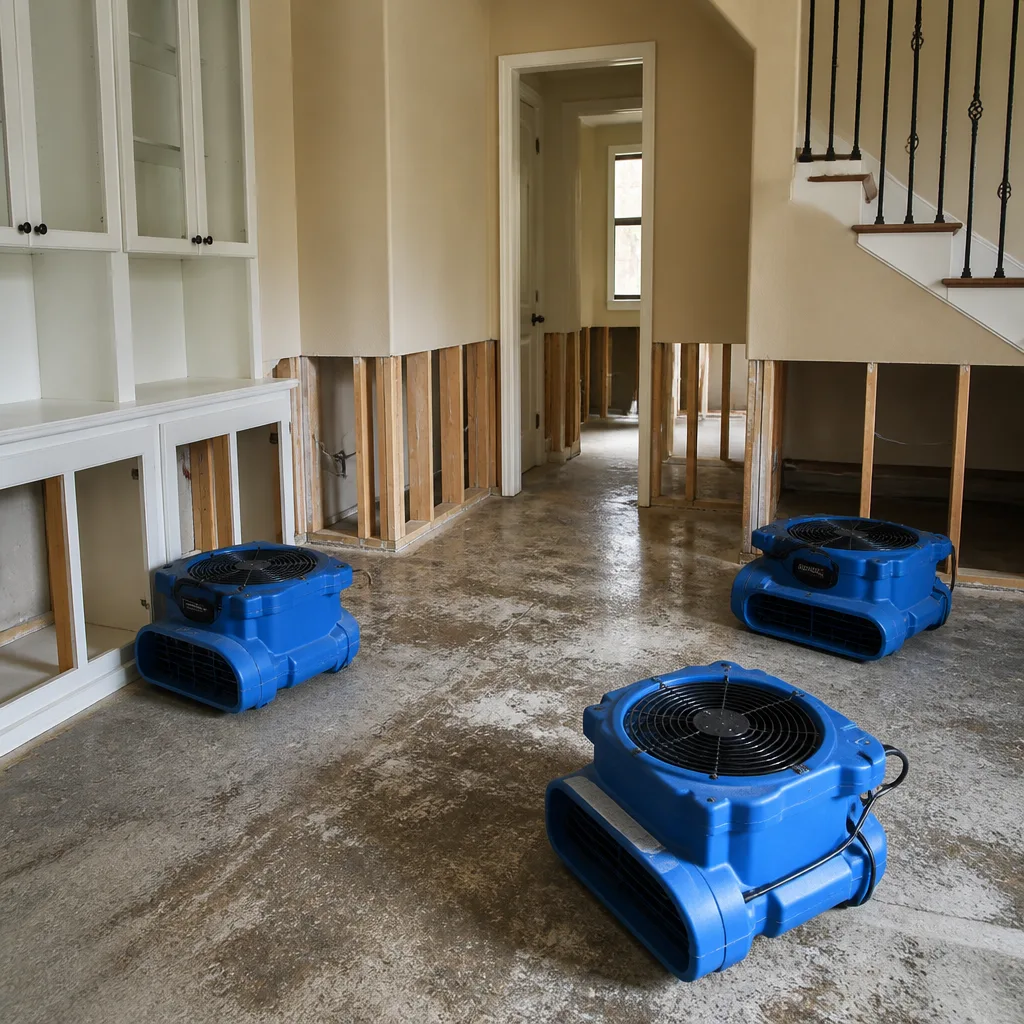
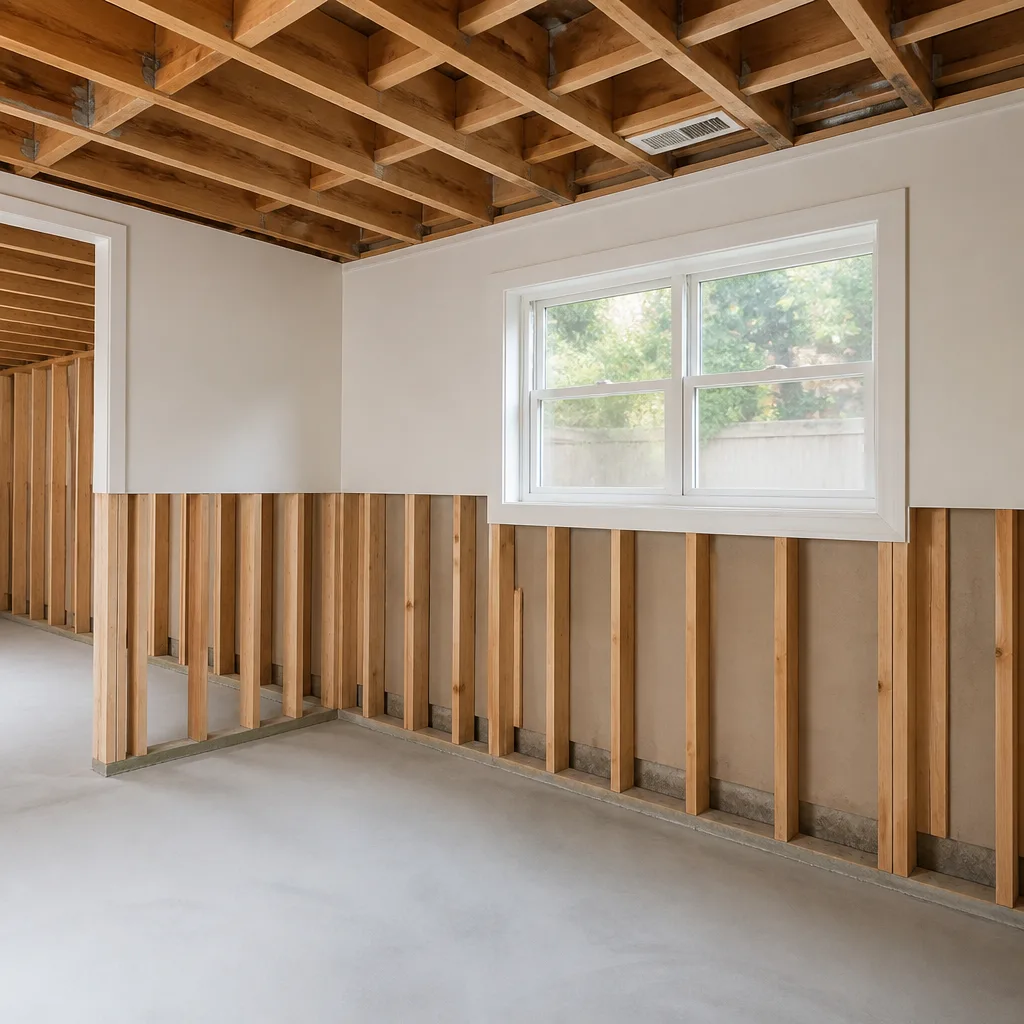
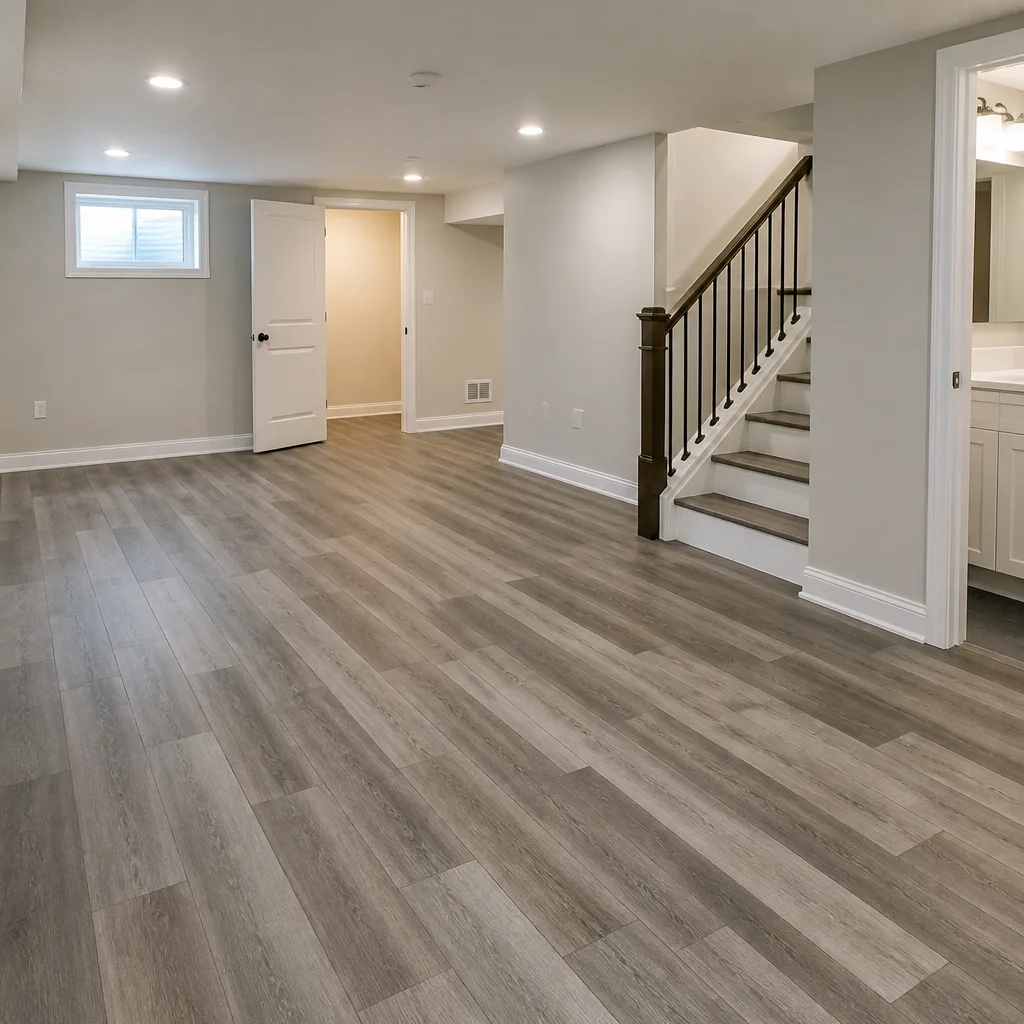
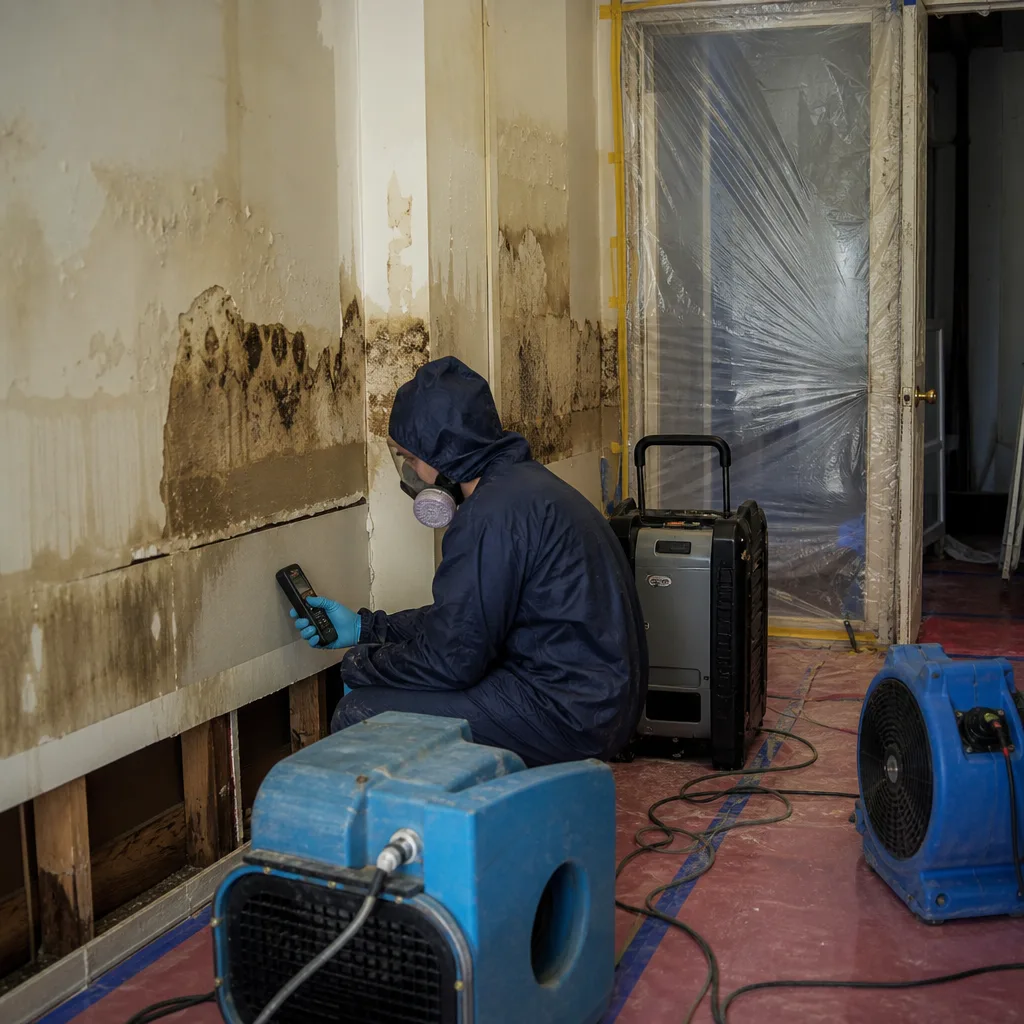 Before
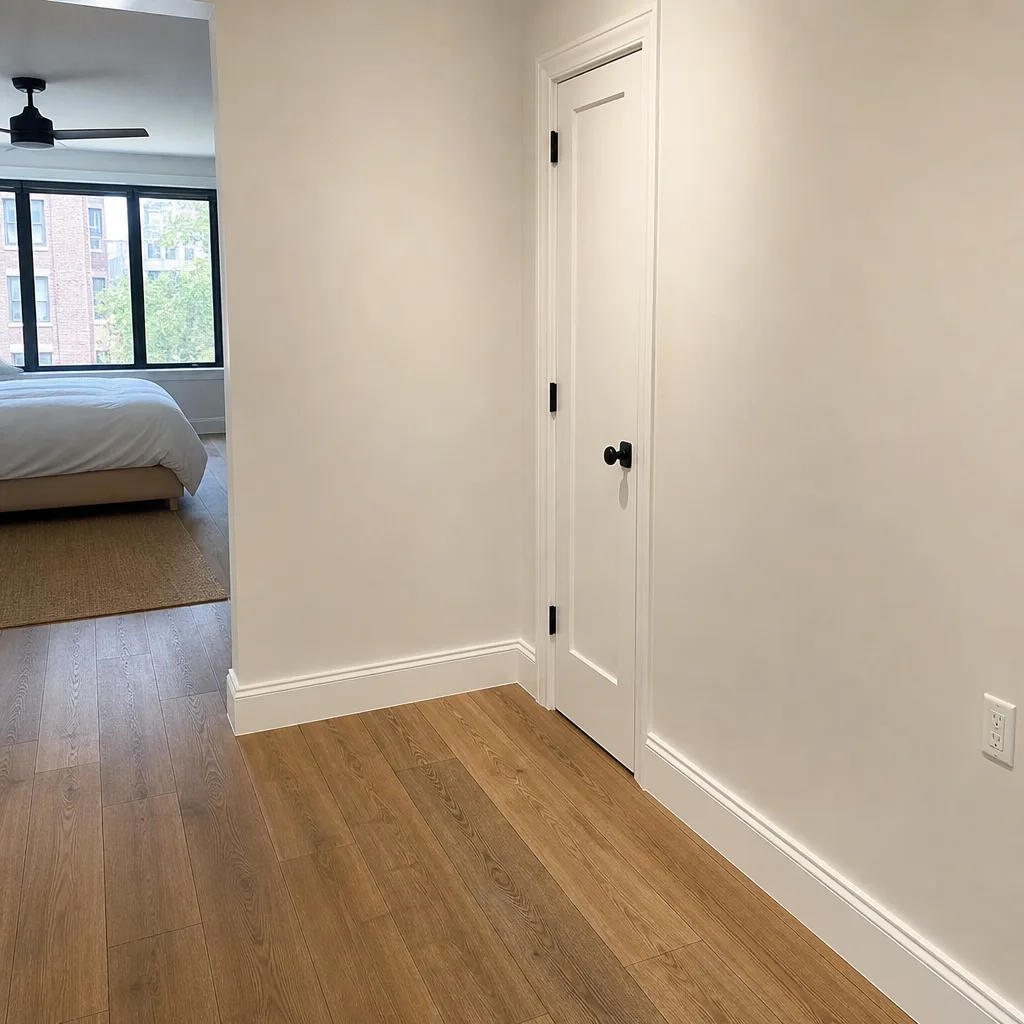 After
After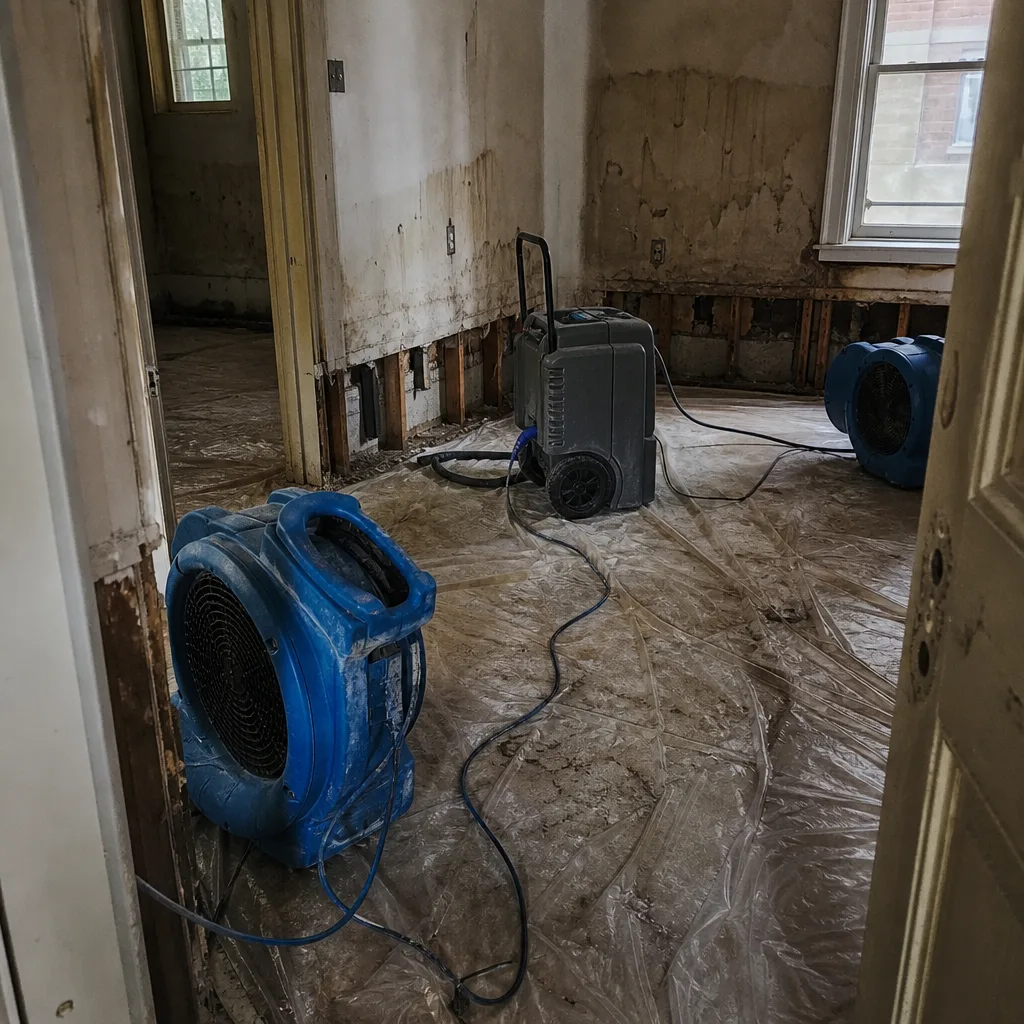 Before
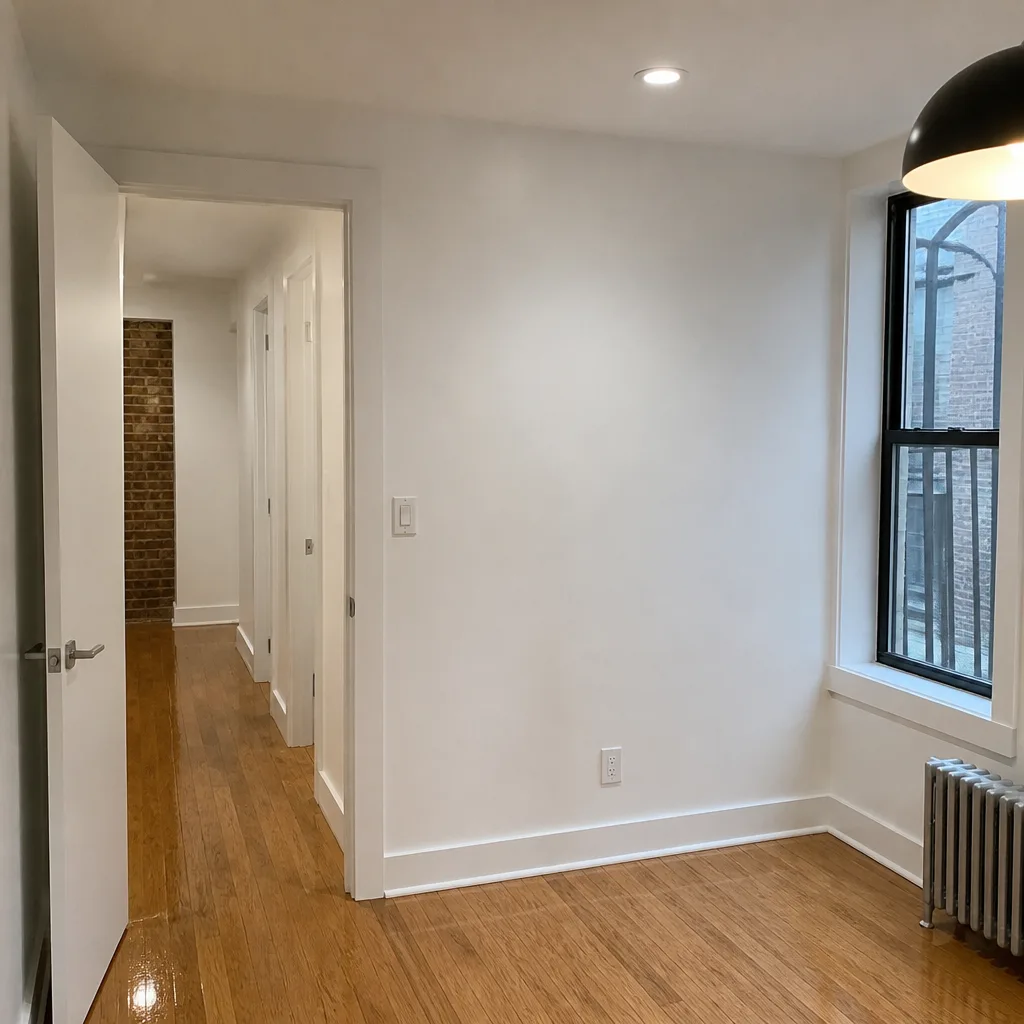 After
After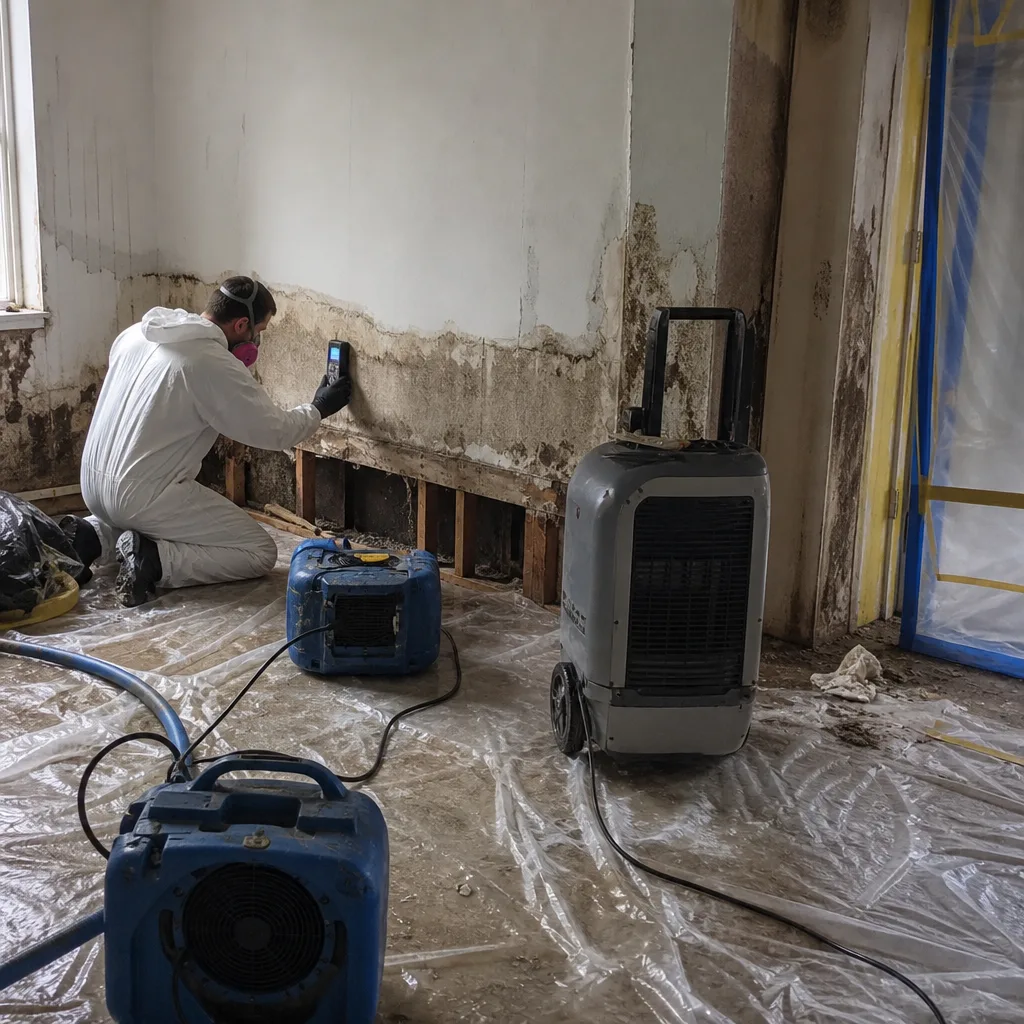 Before
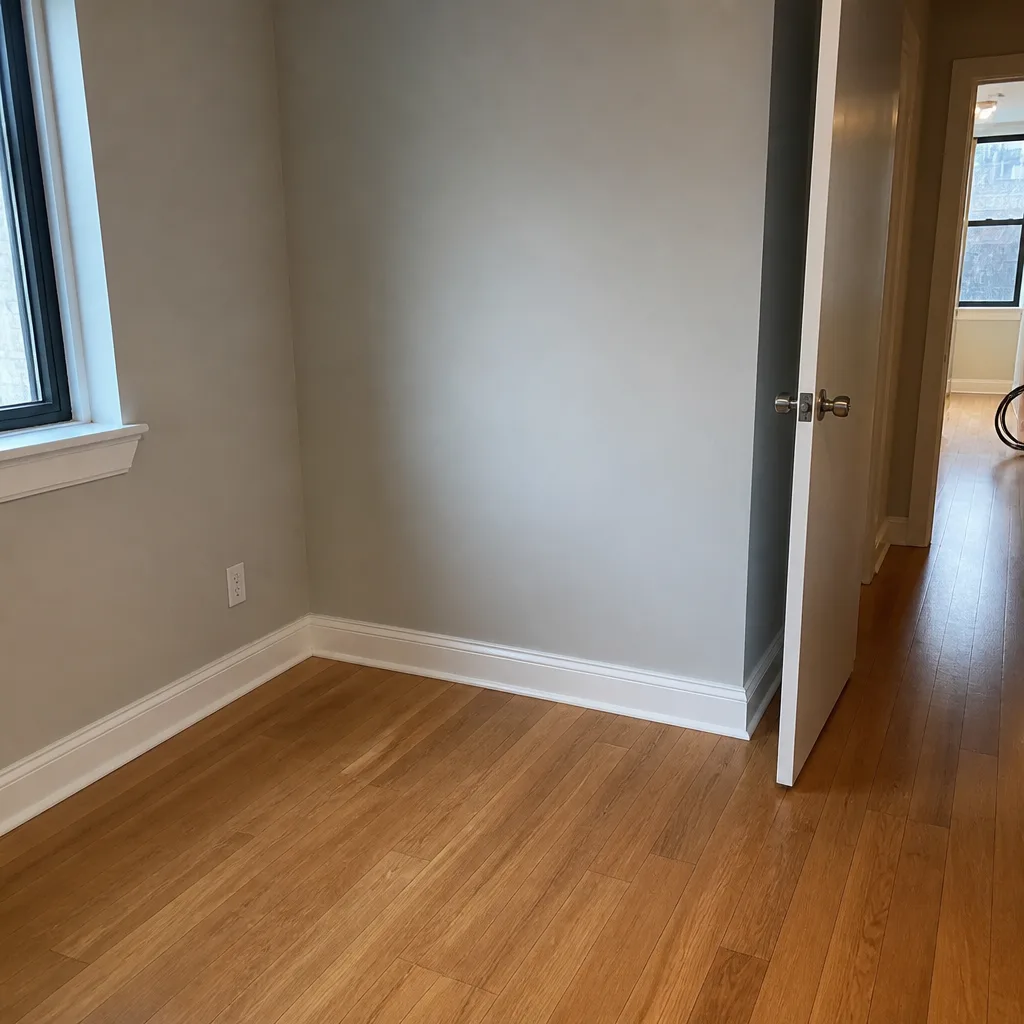 After
AfterDamage Restoration Permits, Codes & Inspections in NY: What You Need to Know
Most homeowners in New York discover the permit question at the worst possible moment: standing in a flooded basement at 2 a.m., or staring at a charred wall while the adjuster asks who pulled the wiring. The average fire or flood damage claim in New York state triggers some form of code review in roughly 70% of rebuild cases, yet fewer than one in five homeowners can name the permit their contractor actually needs. This guide lays out what the state requires, what your local building department will ask for, and where the real leverage sits when an insurance claim is involved - including what we’ve learned answering those calls from the Upper West Side since 2010. You’ll learn what triggers a permit, which codes govern the work, who inspects what, and how to avoid the mistake that costs homeowners the most.
Quick Answer
Damage restoration in New York requires a permit when the work changes structure, electrical, plumbing, or gas systems - not when you’re extracting water or drying sheetrock. A flooded basement being dried by a certified crew typically needs no permit at all, while replacing that same basement’s electrical panel after fire damage does. Most restoration work on the Upper West Side falls under NYC Department of Buildings jurisdiction, with specific code paths for water, fire, and mold remediation.
Table of Contents
- When a Permit Is Actually Required
- The NY Codes That Govern Restoration Work
- Special Considerations on the Upper West Side
- How the Inspection Process Works
- Insurance, Permits & Who Deals With the Adjuster
- How Long Permits Take: The Real Timeline
- What You Can Safely Do Yourself vs. What Needs a Pro
- Common Mistakes to Avoid
- When to Call a Professional
- Frequently Asked Questions
- The Bottom Line
When a Permit Is Actually Required
Here’s the rule most people never hear stated plainly: drying, extraction, and cleanup don’t require permits. Construction does. The moment a restoration project moves from “removing damaged material” into “putting something new in its place,” New York’s building code apparatus switches on. That line, the one between mitigation and reconstruction, is where permits live.
Specifically, you need a permit when any of the following are part of the job:
- Structural repairs - replacing load-bearing walls, sistering floor joists, or repairing roof trusses after fire or water damage. These always require a permit, and they always require an engineer’s letter in New York.
- Electrical work beyond device replacement - swapping a scorched outlet is one thing. Replacing a burnt panel, running new circuits, or rewiring a flooded room is another. NYC requires a licensed electrician to file for the permit, and the work gets inspected before the walls close.
- Plumbing alterations - replacing burst pipes is repair and typically exempt. Moving a drain line, relocating a fixture, or changing the pipe layout is new construction, and that needs a permit with a plumbing inspection.
- Gas line work - any repair to gas piping after fire or water damage requires a permit and a pressure test witnessed by a DOB inspector. No exceptions, and for good reason.
- Full kitchen or bath rebuilds - when water or fire damage takes the room down to studs and you rebuild it, that’s an alteration, not a restoration. Alteration permits cover the whole scope.
In our experience on the Upper West Side, the most common surprise is the electrical rule. Homeowners think a wet panel just needs to be “checked,” but NYC code treats any panel that took water as compromised until an electrician says otherwise on paper. The permit process exists to create that paper trail.
The NY Codes That Govern Restoration Work
New York runs on a layered code system, and restoration work touches several layers at once. Understanding which code applies to your situation saves weeks of confusion.
The New York City Building Code (BC) is the big one. Based on the International Building Code with local amendments, it governs structural work, fire protection, means of egress, and materials. Any restoration that touches framing, stairs, or fire-rated assemblies falls under it.
The NYC Mechanical Code and Fuel Gas Code cover the HVAC, ductwork, and gas line repairs that follow flood and fire events. These codes are stricter in New York City than anywhere else in the state, largely because of building density and the tragedy history has taught us.
The NYC Electrical Code, adapted from the National Electrical Code with New York amendments, controls everything electrical. Notably, NYC requires metal-clad cable in most residential applications - something contractors from Long Island or New Jersey frequently forget, which fails inspection and adds a week.
The New York State Uniform Fire Prevention and Building Code still applies to certain situations outside NYC’s local jurisdiction, but for Upper West Side homeowners, the five boroughs run on the city codes listed above, enforced by the Department of Buildings.
For mold remediation, New York State Article 32 and the corresponding city requirements apply. That law requires a licensed mold assessor to evaluate the space, a separate licensed remediator to do the work, and written documentation of the scope. Floodline Restoration Co. technicians carry IICRC certification for water damage, which sits alongside the RIA and IFA standards we train to, and that matters because insurance carriers and code officials both recognize those credentials as evidence the work was done correctly.
Special Considerations on the Upper West Side
The Upper West Side has building stock unlike almost anywhere else in the country. Row houses from the 1880s, pre-war elevator buildings, and landmarked brownstones all have different rules and different failure modes. Water in an 1888 brownstone means lath and plaster that holds moisture differently than the drywall in a 1990s condo conversion.
Here’s what that means for permits and codes:
- Landmark district restrictions. Much of the Upper West Side falls under LPC jurisdiction, the Landmarks Preservation Commission. If your building is landmarked, exterior restoration work - including windows, cornices, and even the type of front door you replace after a fire - needs LPC approval in addition to a DOB permit. Interior work is generally exempt, but if the damage touches anything visible from the street, you’ve got a second approval to chase.
- Co-op and condo board requirements. In pre-war buildings, the board often requires restoration contractors to submit insurance certificates, licenses, and work plans before any permit is pulled. Boards on West End Avenue and Riverside Drive are particularly diligent about this. It adds a week to the front end, but it also means the building’s super is on record about where the water shutoff is.
- Material matching requirements. Older buildings mean materials you can’t buy off the shelf. Code inspectors on the Upper West Side are more likely to flag mismatched joist sizing or wrong-era trim than inspectors in newer neighborhoods, because the DOB has specific protocols for older housing stock.
- Flood zone considerations. While the Upper West Side sits high compared to the East Village or parts of Brooklyn, Riverside Drive properties near the Hudson and certain low-lying blocks in the West 90s are in FEMA flood zones. After water damage in a flood zone, FEMA’s NFIP rules can trigger elevation requirements if the damage exceeds 50% of the building’s value - a rule that has caught more than a few homeowners off guard.
The point: your building’s age and designation change the permit path. A contractor who says “we always pull the same permit” doesn’t understand the Upper West Side, which is part of why Floodline Restoration Co. home dispatch starts by documenting the building type, not just the damage.
How the Inspection Process Works
Inspection is where the permit gets validated, and the process has a rhythm. Here’s the sequence a typical Upper West Side restoration follows:
- Permit application filed. For most restoration work, the permit is filed by a licensed contractor or registered design professional. In NYC, permits go through DOB NOW, the online system, and simple repairs get approved in days, not weeks.
- Rough inspection. After demolition and before walls close, the inspector verifies framing, electrical rough-in, plumbing rough-in, and any structural work. This is the inspection that catches the mistakes, and it’s the one you want a contractor who’s been through this before.
- Correction period. If the inspector flags issues, there’s a window to fix them and call for re-inspection. Common flags on water-damage rebuilds include improperly dried lumber used in framing and electrical boxes that don’t meet the NYC metal-clad cable requirement.
- Final inspection. Once work is complete, the final inspection covers everything visible: outlets, fixtures, gas connections, smoke detectors, and firestopping. The certificate of approval or sign-off lands in the DOB system.
- Close-out documents. The homeowner should receive copies of the permit, inspection sign-offs, and any certificates. These matter for insurance files and for resale disclosures.
What slows inspections on the Upper West Side is building access. In a co-op, the inspector needs the super or board representative present. In a brownstone with a shared party wall, the inspector may want to see both sides. A contractor who coordinates this in advance - rather than discovering it on inspection day - saves everyone two weeks.
Insurance, Permits & Who Deals With the Adjuster
Here’s the part that drives homeowners around the block: the insurance company cares about permits, but not always in the way you’d expect. In New York, most standard homeowner policies cover the cost of permits and inspections as part of the claim. That’s the good news. The complication is documentation.
If work was done without a required permit, the insurance company can use that as grounds to reduce or deny payment. We’ve seen adjusters on the Upper West Side walk into a fire-damaged apartment, see new wiring with no permit on file, and refuse to cover the electrical portion. The homeowner assumed the contractor had “handled it.”
This is why direct insurance billing matters. When a restoration company deals with the carrier directly - rather than making the homeowner play messenger - the permit question gets addressed early. The adjuster knows the permit was filed. The inspector’s sign-off becomes part of the claim file. Nobody gets blindsided at the end.
Floodline Restoration Co. bills insurance carriers directly on restoration work. It’s not a favor; it’s a process. When the permit shows up on the same documentation package as the moisture log and the daily readings from our Dri-Eaz and Phoenix equipment, the claim moves faster. The adjuster sees one coherent file instead of a trail of emails between homeowner, contractor, and carrier.
How Long Permits Take: The Real Timeline
Nobody wants to hear “it depends,” so here are the actual ranges we see on Upper West Side restoration permits:
- Simple electrical permit (panel replacement after water) - 3 to 10 days from filing to approval. The inspection itself gets scheduled within a week of the rough-in being ready.
- Structural repair permit (joist or beam replacement) - 1 to 3 weeks for approval, assuming an engineer’s letter is attached. Without the letter, DOB sends it back, and the counter starts over.
- Plumbing alteration permit - 1 to 2 weeks typical. If the job involves changing the stack or touching the building’s main waste line, add a week for the city’s records review.
- Full restoration of a gutted room (water or fire) - 2 to 6 weeks for permit approval, then inspections happen in sequence as work progresses. The whole job, from first demolition to final sign-off, runs 8 to 16 weeks depending on scope.
- Landmark review (exterior work only) - LPC review adds 2 to 8 weeks beyond the DOB permit. This applies only to street-visible elements.
The mitigation side - extraction, drying, demolition of damaged drywall - doesn’t wait for any of this. That work starts immediately, permit or not, because the building needs to be stabilized. That’s the sequence we follow: stabilize first, then permit the rebuild. It’s also the sequence code officials expect.
What You Can Safely Do Yourself vs. What Needs a Pro
Homeowners ask us this constantly, and the honest answer is more restrictive than most people want: the dangerous work is the work you cannot reasonably do yourself, and New York law agrees. Specifically:
- Water extraction and drying - you can remove standing water with a wet vac and run fans, but without professional-grade equipment like the Dri-Eaz dehumidifiers and high-velocity air movers we run, the moisture that stays in the framing will show up later as mold. This is not a permit issue; it’s an outcome issue.
- Demolition of damaged materials - cutting out wet drywall and pulling sodden carpet is fine for a homeowner. The permit isn’t required for demolition by the owner, but if you disturb asbestos (common in pre-1980 Upper West Side buildings) you’ve created an abatement situation that absolutely must be handled by a licensed asbestos contractor.
- Electrical work - this is where the line is hard. You cannot legally replace a panel, run new circuits, or rewire a room without a licensed electrician and a permit. The danger of a mis-wired panel isn’t theoretical; it’s a fire waiting six months to start.
- Gas line work - never a DIY job. We’ll say it again: never a DIY job. Gas explosion risk does not care about your handiness.
- Structural fixes - temporary shoring to stabilize a damaged floor is one thing. Cutting out a rotted joist and sistering a new one is a structural alteration requiring an engineer and a permit. The instinct to “just fix it fast” is how people end up with a sagging floor and an insurance denial.
The pattern: anything that keeps the house standing, powered, or gas-fed deserves a licensed professional. Anything involving codes, not just effort. It’s also why Floodline Restoration Co. background-checks and uniforms every technician - the person in your home needs to be accountable, not anonymous.
Common Mistakes to Avoid
- Skipping the permit on electrical work because “it’s just a swap.” On the Upper West Side, swapping a breaker panel is a filed permit with an inspection, not a handyman job. If the panel took water and you don’t replace it with a permitted, inspected unit, the insurance claim on any future electrical fire is compromised.
- Closing walls before the rough inspection. This one costs more money than any other mistake we see. The inspector needs to see the electrical, the plumbing, and the framing. Cover it with drywall and the inspector will make you open it back up - at your labor cost.
- Assuming the general contractor handles permits. Ask explicitly: “Who is pulling the permit, and can I have a copy of the approval?” A licensed contractor will answer immediately. A hesitant answer tells you everything.
- Treating mold as a cleaning problem instead of a code issue. New York State Article 32 sets legal requirements for mold assessment and remediation. Ignoring that law doesn’t just risk your health; it risks disclosure problems when you eventually sell the home.
- Demolishing an Upper West Side wall without checking for asbestos. Pre-1980 construction frequently contains asbestos in plaster, pipe insulation, and floor tile. Disturbing it without testing turns a straightforward restoration into an environmental abatement.
- Letting the insurance claim deadline pass while waiting on permits. New York carriers require prompt notice of loss. Permits can take weeks; your obligation to report the damage cannot wait. Report first, permit second, always in that order.
When to Call a Professional
Call a professional the moment the damage touches structure, electrical, plumbing, gas, or anything you can’t see behind the wall. That’s not upsell language; it’s the line between a drying job and a reconstruction job. If you smell gas after a fire, call the utility first and a restoration company second. If the water line on the wall is above the outlet, the electrical is now part of the scope. If the fire burned through a floor joist, you’re in structural territory.
Floodline Restoration Co. offers free estimates in Upper West Side - call (845) 305-5737. A live person answers, day or night, and the technician who shows up can tell you immediately whether the work needs a permit, which codes apply, and how the insurance documentation should flow.
Frequently Asked Questions
No permit is required for water extraction, drying, and demolition of damaged drywall, but you do need a permit if the repair work includes electrical, plumbing, structural, or gas system changes. The drying and mitigation can start immediately, while the rebuild portion gets permitted before construction begins.
Permit costs in NYC depend on the scope of work, with simple electrical permits running a few hundred dollars and full alteration permits running into the thousands. The permit fee is typically covered by your homeowner’s insurance policy as part of the claim.
The contractor should pull the permit, and the permit should be in the contractor’s name with your address on it. If a contractor asks you to pull the permit in your own name as the homeowner, that’s a red flag signaling they may not be properly licensed to do the work.
Unpermitted work can result in insurance claim denial, a DOB violation that appears on the property’s record, and complications when you sell the home. The DOB can require that walls be opened and work redone if the unpermitted scope is discovered during a later inspection.
Yes. Many Upper West Side co-ops require board approval, contractor insurance certificates, and work plans before any permit is filed with the DOB. If the building is landmarked, exterior restoration also requires Landmarks Preservation Commission approval.
Most New York homeowner policies cover permit and inspection fees as part of the restoration claim. The key is documentation: the permit, the inspection sign-offs, and the contractor’s scope of work need to appear in the claim file together, which is why direct billing between contractor and carrier matters.
The Bottom Line
The permit process in New York is not the enemy of speed; it’s the evidence that the work was done correctly. Extraction and drying start immediately, permits follow for the rebuild, and the paperwork protects you at claim time and at resale. On the Upper West Side, where old buildings and dense code requirements intersect, the right contractor pulls the right permits, coordinates the inspections, and hands you the close-out documents with the moisture log and the 90-Day Done Right Promise - the Keystone Standard, in writing, with no arguing. The line the water left is where we start. Every permit, every inspection, every sign-off is the proof that the job was done right.
Written by Curt Bowman, Owner at Floodline Restoration Co., serving Upper West Side since 2010.