
Free visual inspection and a written scope of work before any mitigation begins - photos, moisture readings, and drying logs go in your claim file
The scope we write is the scope we bill. Anything new gets shown to you, in writing, before we touch it.
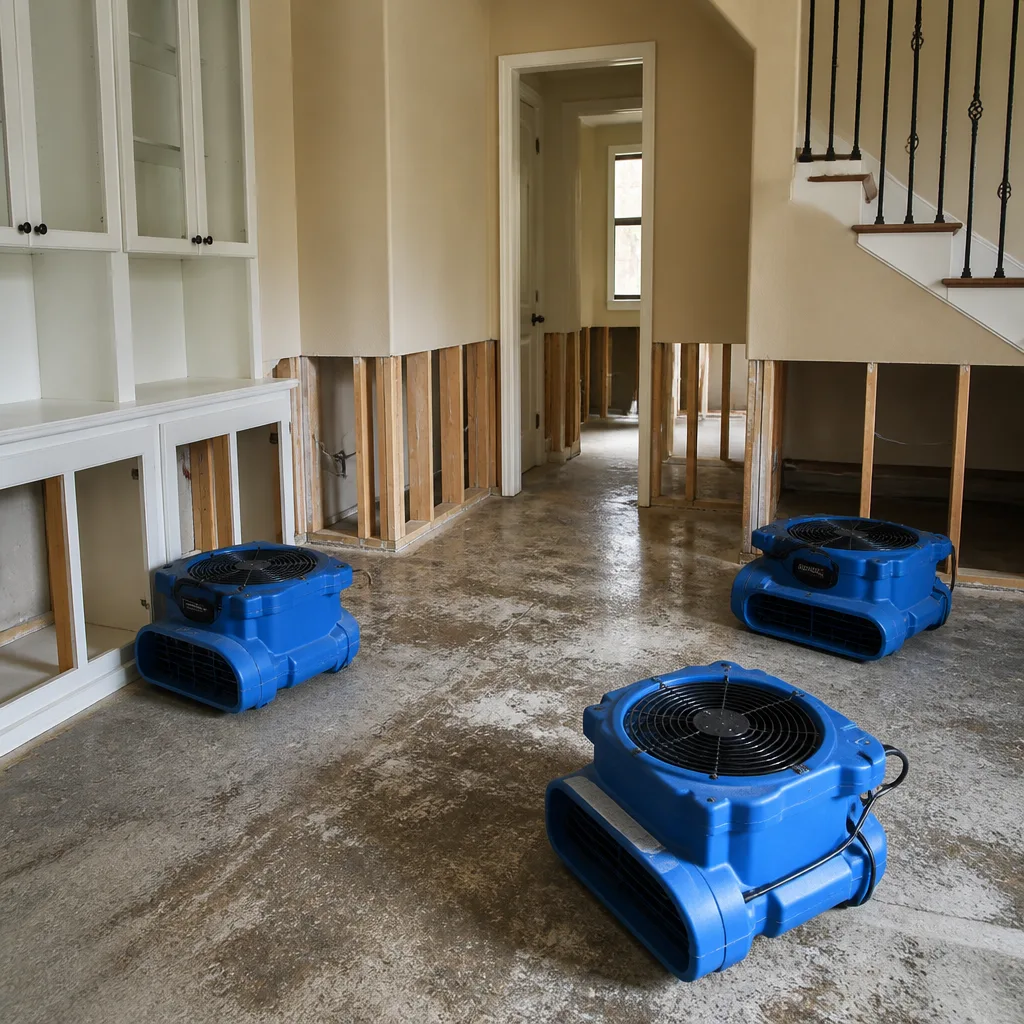
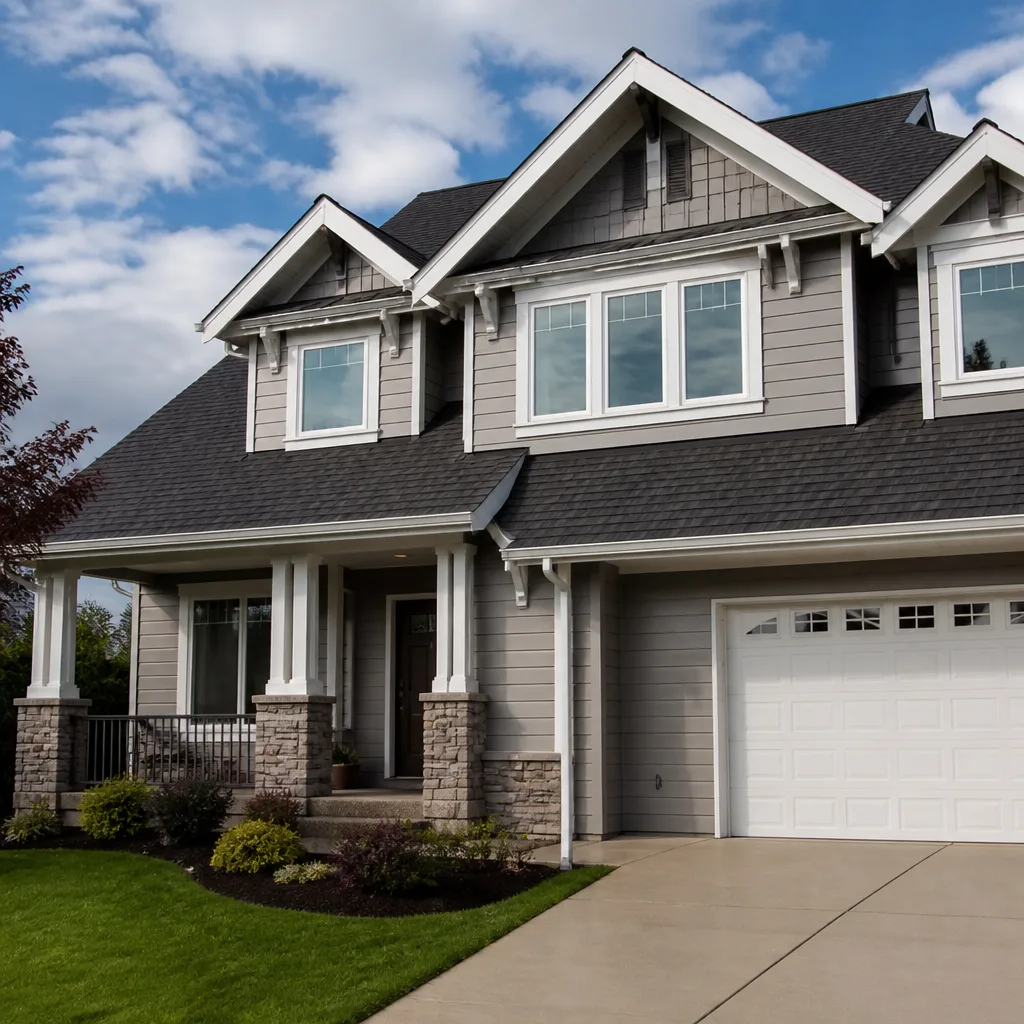
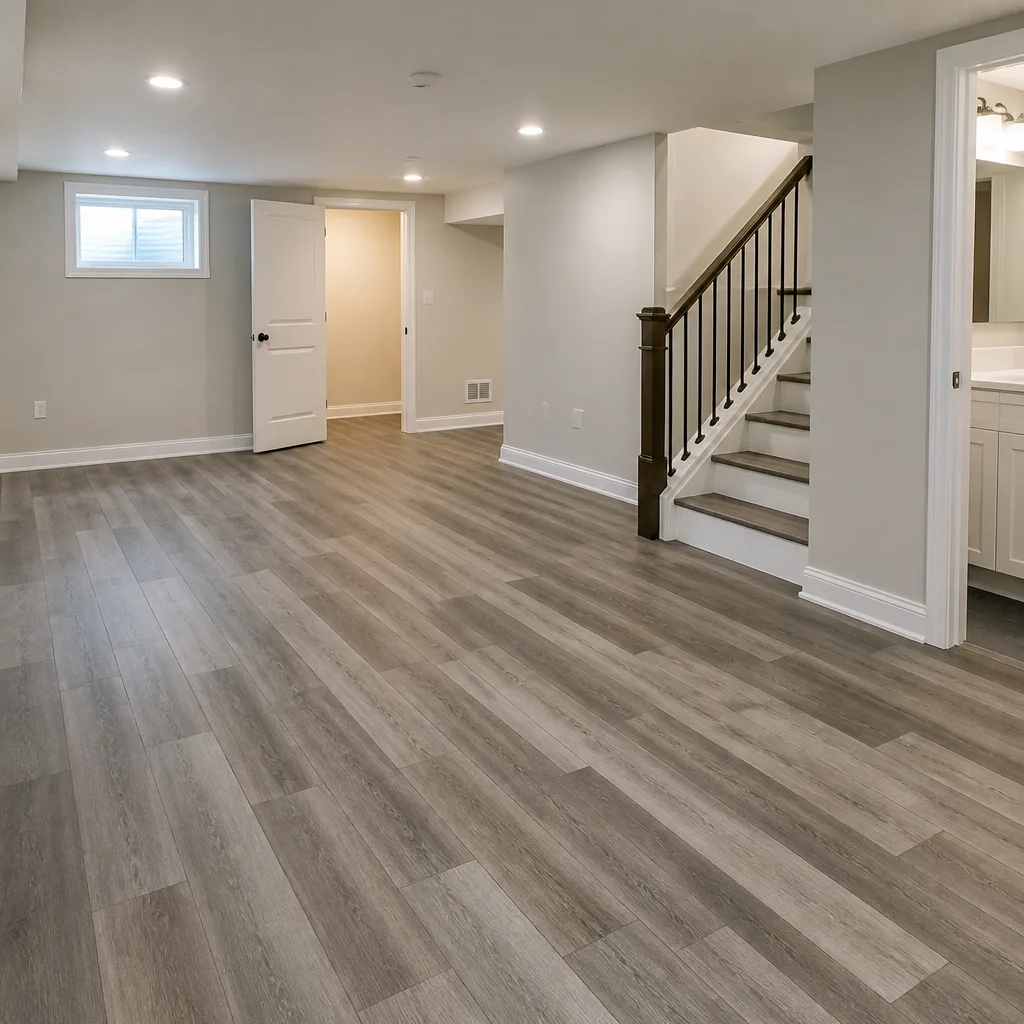
 Before
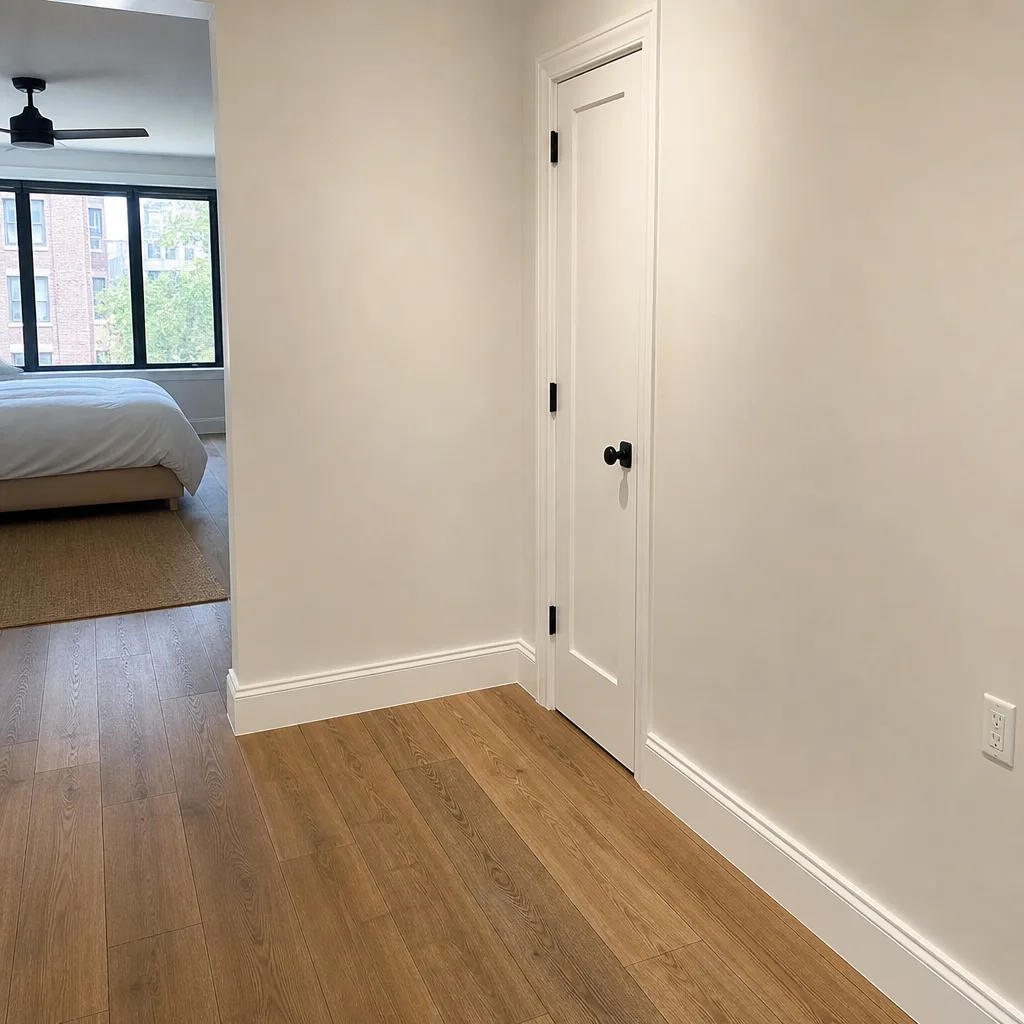 After
After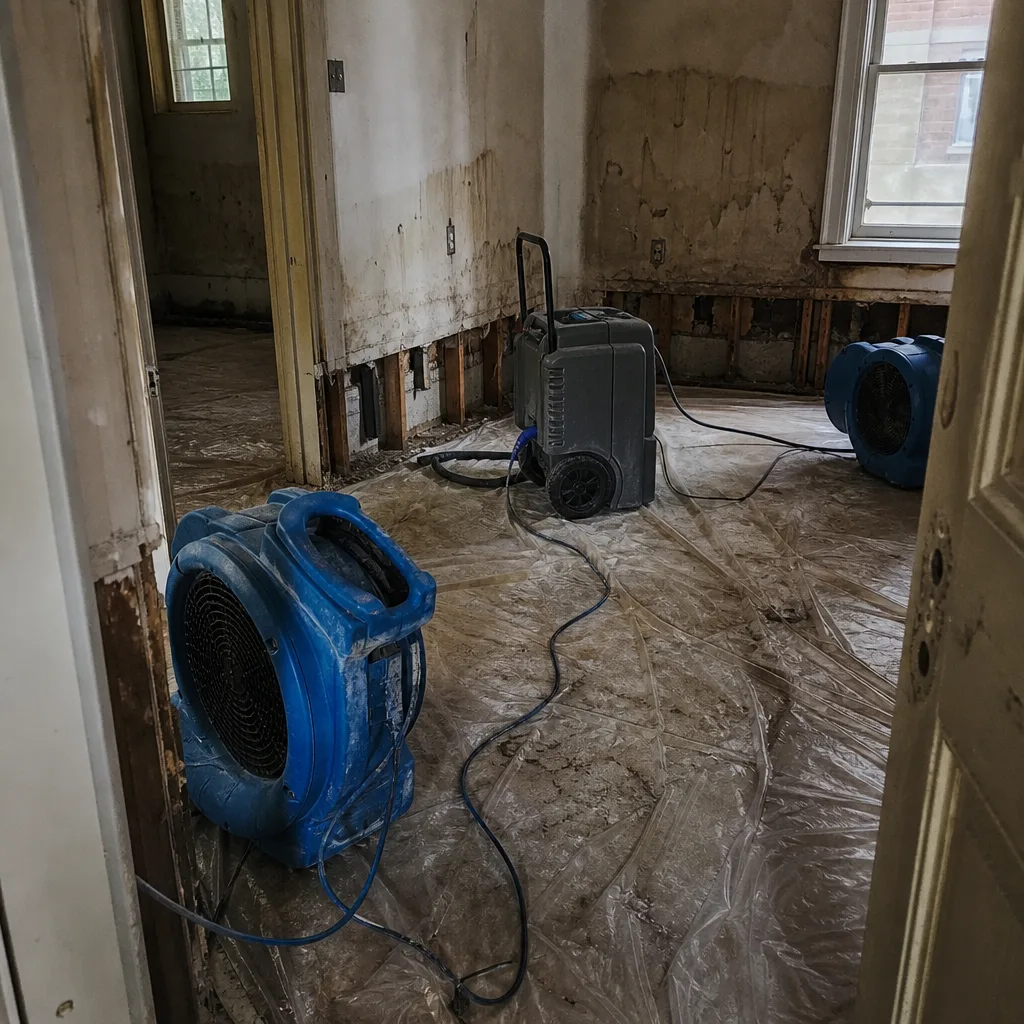 Before
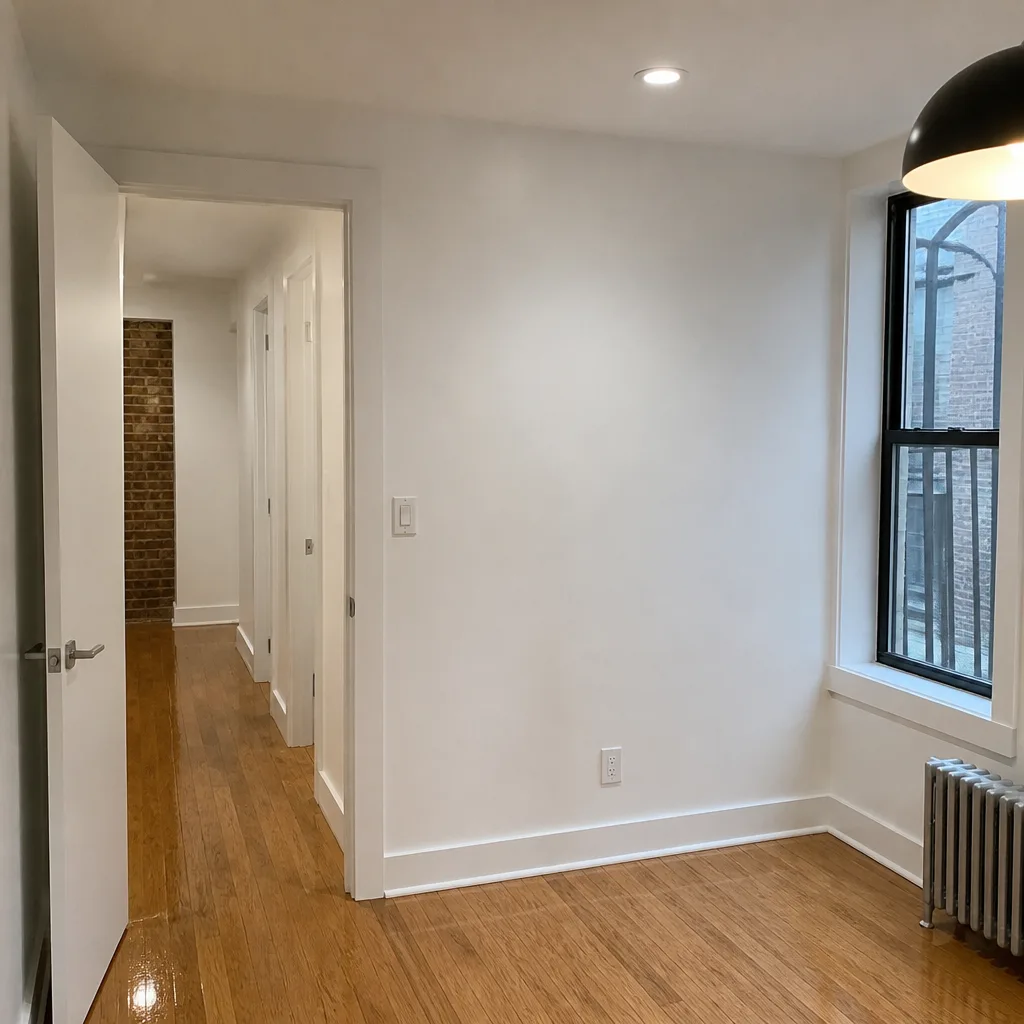 After
After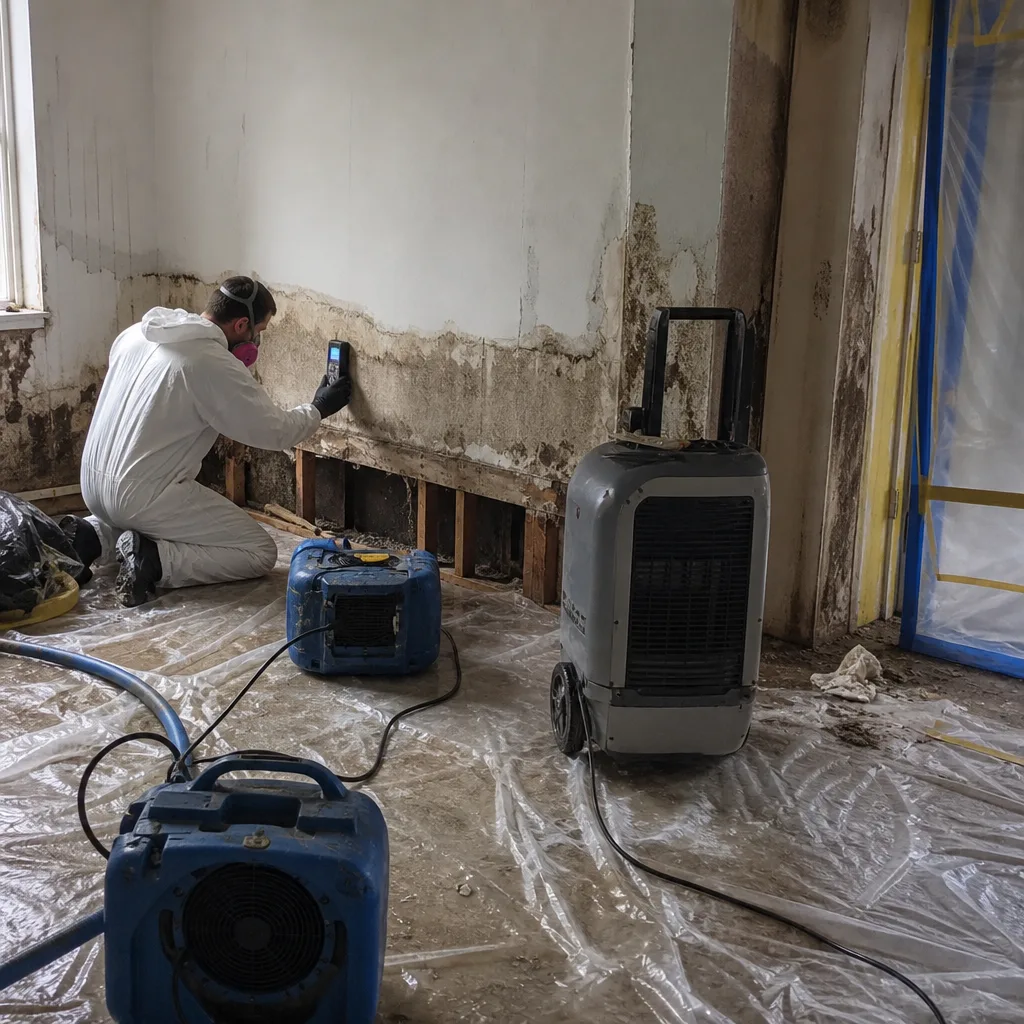 Before
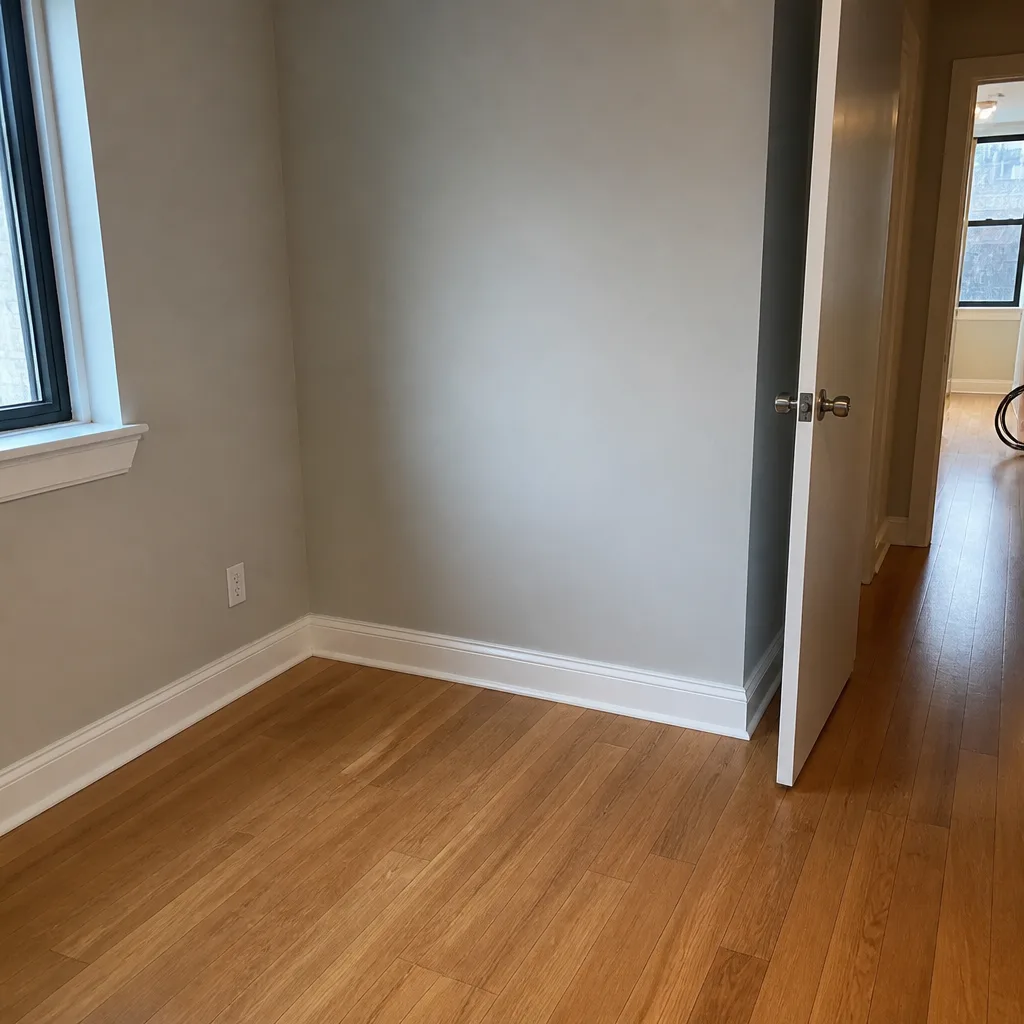 After
After24/7 Emergency Biohazard & Crime Scene Cleanup in Astoria
Biohazard and crime scene cleanup in Astoria typically costs $1,500-$5,000 for a contained single-room incident, while a Category 3 sewage backup affecting multiple basement units in a pre-war walk-up commonly runs $4,000-$15,000 depending on how far contamination traveled through shared drains and party walls. We answer the phone with a live person at any hour, and our crews reach most Astoria addresses within 45 minutes. If you’re standing in the middle of it right now, call (845) 305-5737. The first hour determines whether this stays a cleanup or becomes a demolition and rebuild.
We don’t hand you a recording at 2 a.m. A dispatcher picks up, asks the right questions, and gets a uniformed, background-checked crew moving toward your block. Whether it’s an unattended death in a 11105 apartment, a backed-up sewer line flooding basement units on 30th Avenue, or bloodborne contamination in a commercial space off Steinway Street, the protocol is the same: secure the area, contain what’s spreading, and document everything for your carrier from the first minute.
Understanding Biohazard & Crime Scene Cleanup Severity in Astoria Properties
Biohazard work falls into distinct categories, and Astoria’s housing stock makes those categories behave differently than they would in a detached Long Island house. A trauma scene in a single-family rowhouse on 23rd Avenue is a controlled, contained loss. The same event in a 1920s four-story walk-up on 31st Street can migrate through gaps around risers, shared drains, and party-wall cavities into adjacent apartments. That’s the reality of pre-war attached brick construction: there is no such thing as a truly isolated unit.
Category 3 water, the classification for sewage, floodwater, and any water carrying pathogens, is the most common biohazard call we handle in the 11102, 11103, and 11105 zip codes. NYC’s combined sewer system surcharges during heavy summer cloudbursts and winter nor’easters, forcing raw sewage back up through floor drains and toilets into the basement apartments that blanket this neighborhood. Category 1 and 2 water from a burst supply line becomes Category 3 within 48 to 72 hours if bacteria multiply. Blood and bodily fluids fall under a separate OSHA bloodborne pathogen standard, requiring disposal as regulated medical waste, not household trash.
The drywall, plaster, and lath in these buildings wick moisture laterally. A contaminated baseboard in one unit absolutely can and does resaturate the shared wall cavity and reappear as staining in the unit next door. That’s why we treat every Astoria biohazard job as a containment problem first and a cleaning problem second.
Why Astoria Property Owners Choose Floodline Restoration Co.
- 45-minute response commitment. We dispatch from our NYC office the moment you call, and crews are staged to reach Astoria fast. The sooner containment goes up, the less demolition follows.
- 24/7 live answer, always a person. No automated systems, no voicemail at 3 a.m. You talk to a dispatcher who can authorize a crew while you’re still on the line.
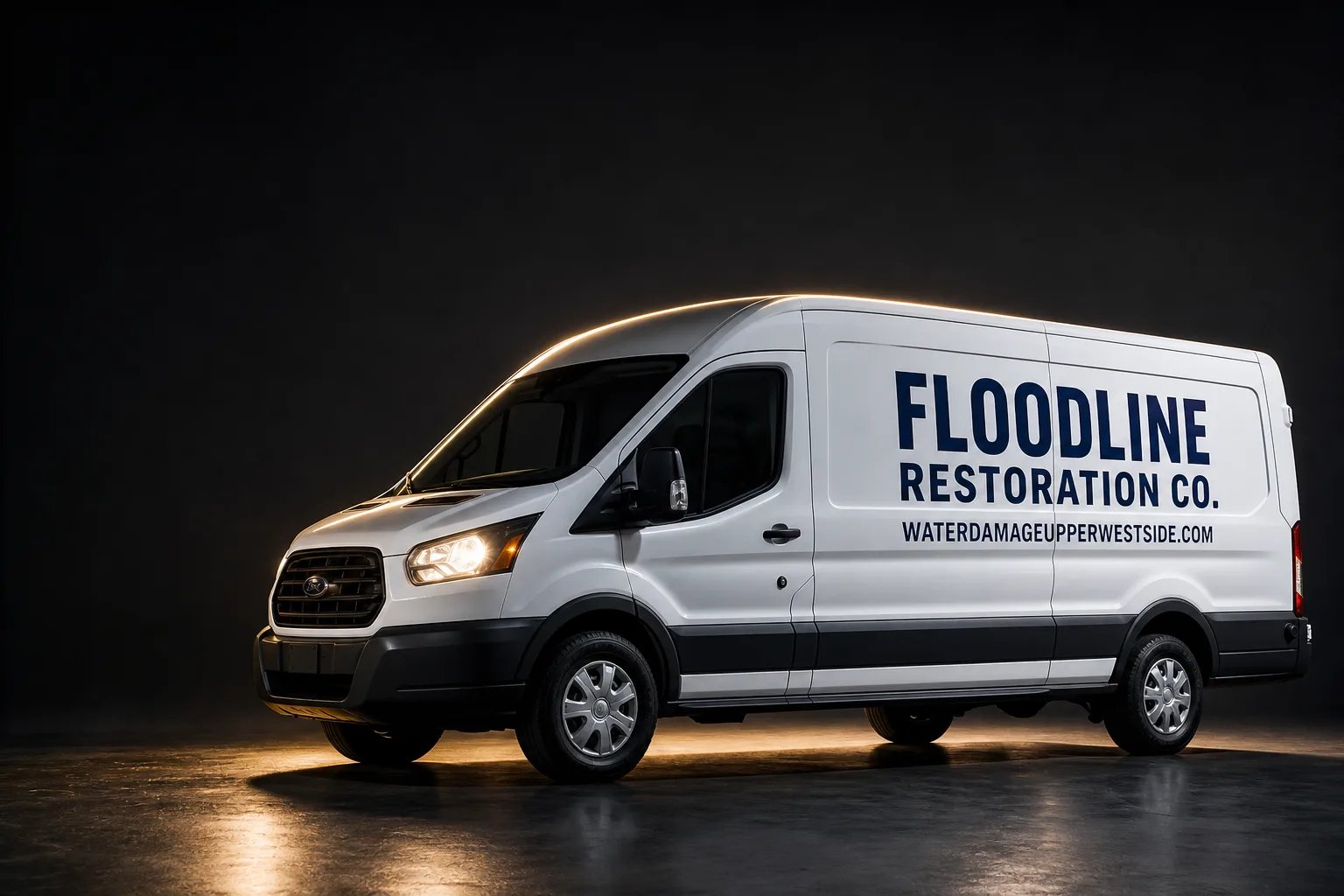
- IICRC-certified crews. Our technicians hold certifications including WRT (Water Damage Restoration), FSRT (Fire & Smoke), and AMRT (Applied Microbial Remediation), plus RIA and IFA training. The names on the truck match the certs.
- Free visual inspection. We walk the property, document what we see, and give you a written scope before any work starts. No pressure, no surprise line items later.
- Direct insurance billing. We deal with your adjuster, provide the photos and line-item estimates they ask for, and bill the carrier directly. You don’t play messenger.
- One team from extraction to reconstruction. The same crew that sets containment on day one handles daily readings, final clearance, and the rebuild. No mid-job handoff to strangers.
Our Biohazard & Crime Scene Cleanup Process
Inspection & Assessment
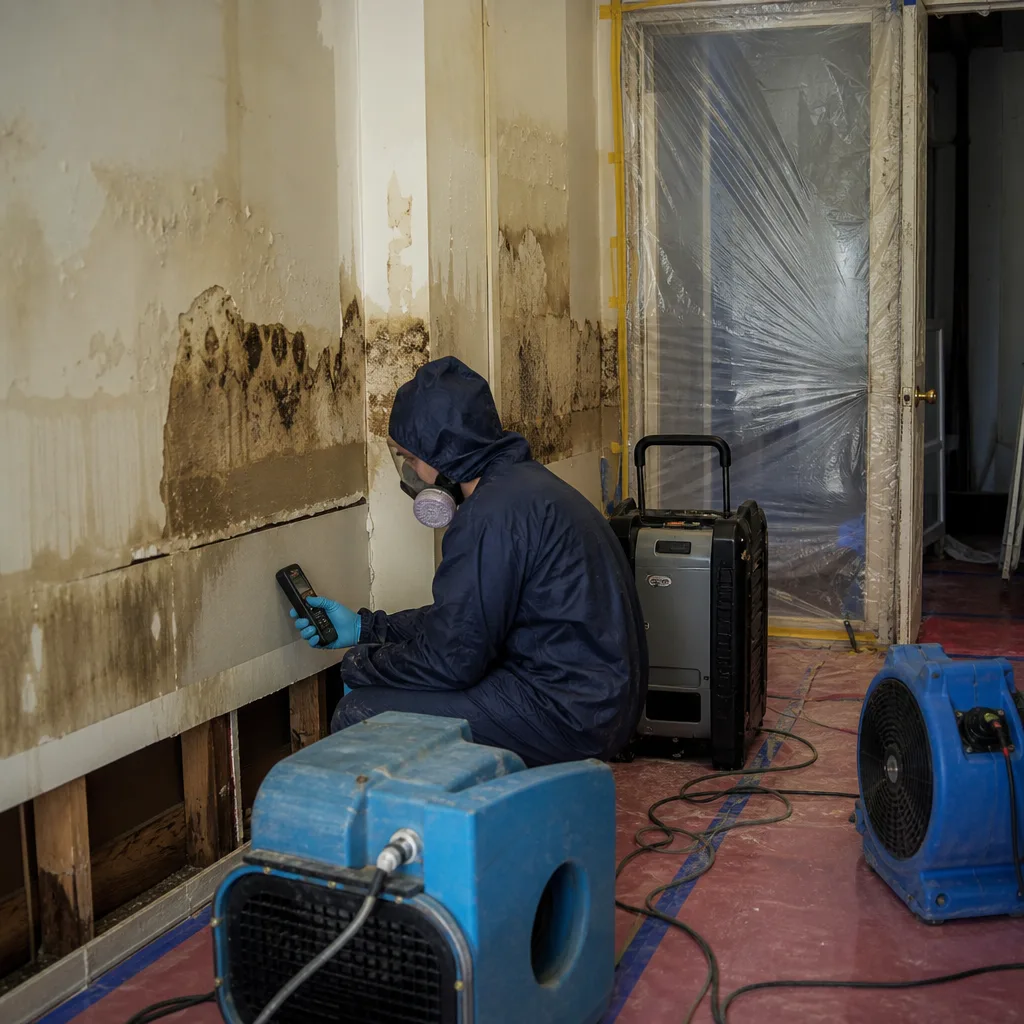
We arrive in PPE, assess the affected area, and determine the contamination boundary. For sewer backups in Astoria’s attached buildings, that means checking adjacent units and shared wall cavities, not just the apartment that called. Thermal imaging and moisture meters tell us how far the problem traveled.
Extraction & Stabilization
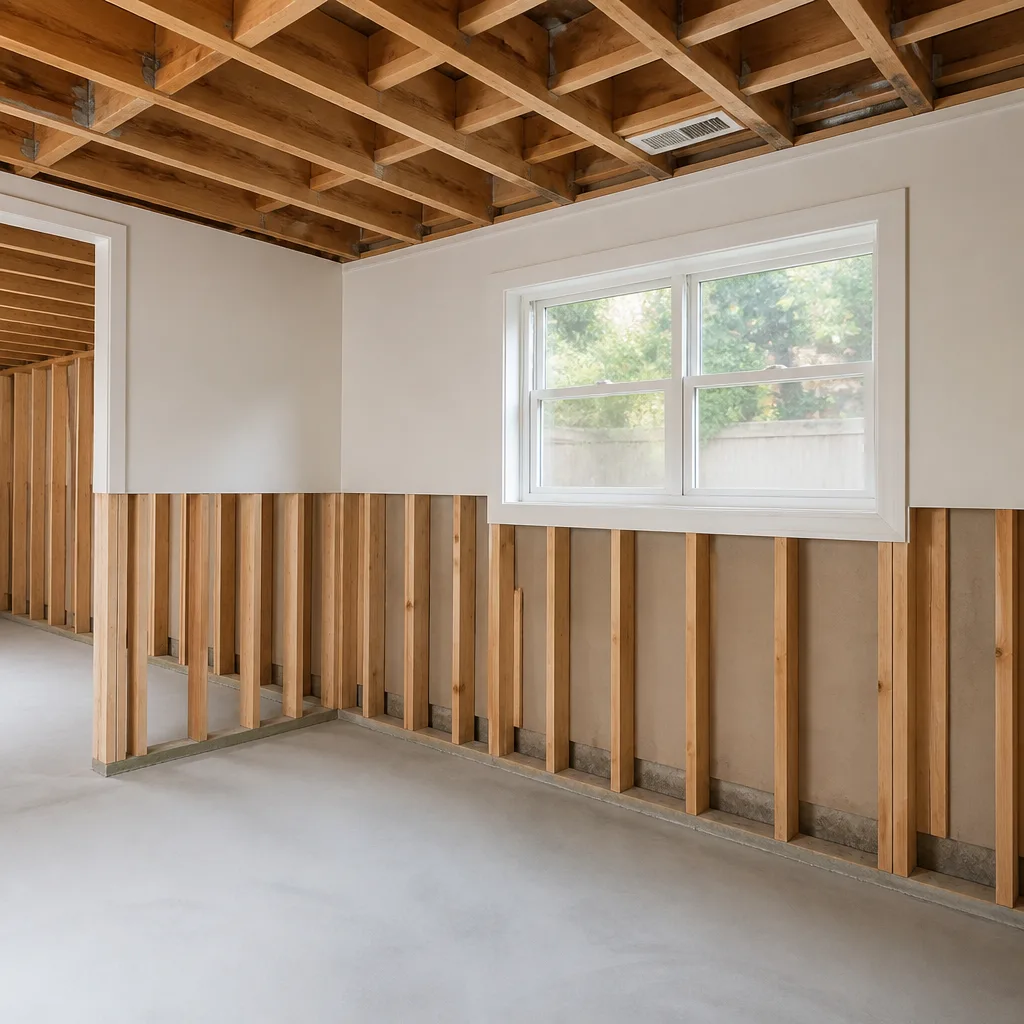
Category 3 water and solid waste are removed using truck-mounted extraction units and controlled disposal methods. Biohazard materials are bagged as regulated medical waste. We cut out saturated porous materials that cannot be sanitized: drywall, carpet, pad, and insulation.
Containment & Air Filtration
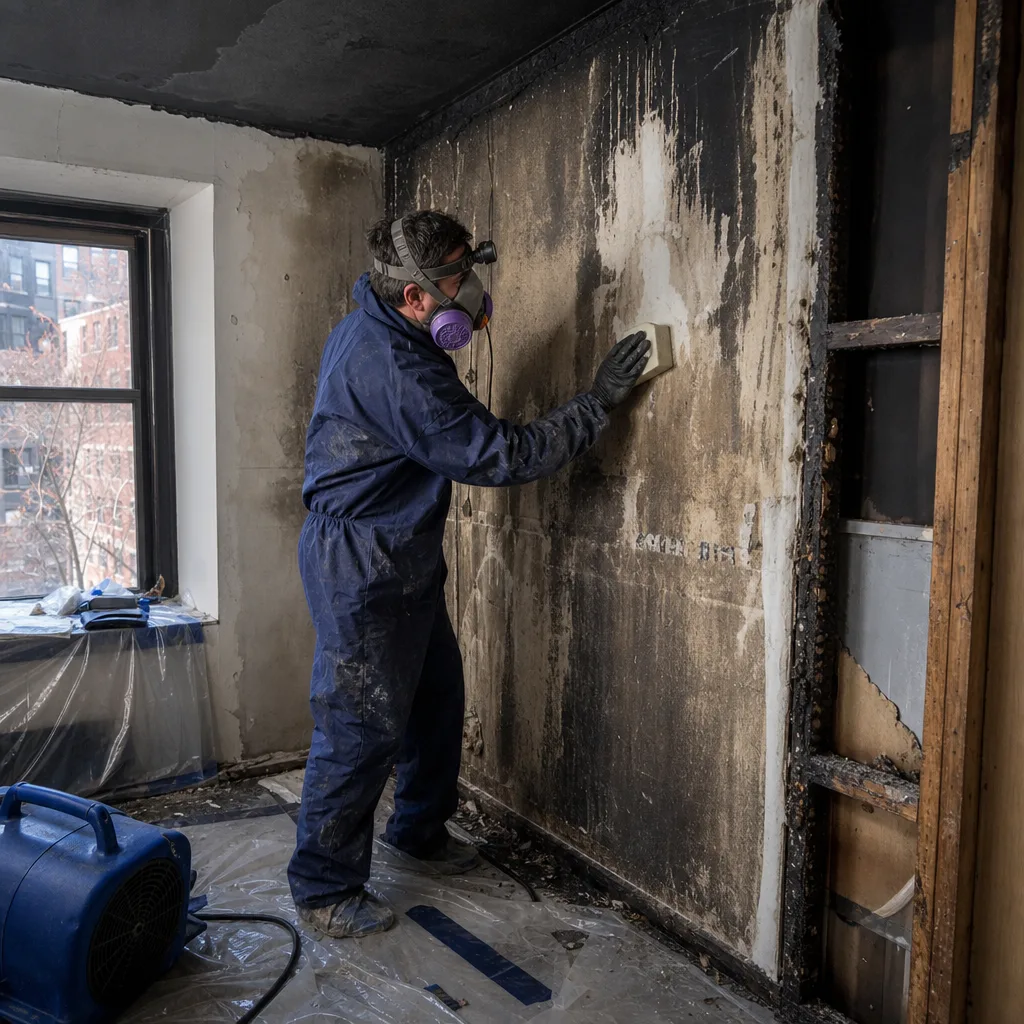
For every biohazard job, we establish critical barriers and negative air pressure with HEPA-filtered air scrubbers. In a shared Astoria walk-up, we often set containment at the unit threshold and along party-wall penetrations to prevent cross-contamination into neighboring apartments and common hallways.
Cleaning & Sanitization
Hard surfaces are cleaned with EPA-registered antimicrobials appropriate to the contaminant, whether bloodborne pathogens, sewage bacteria, or hoarding-related bioaerosols. Sanitization Services - Astoria means methodical, square-foot-by-square-foot treatment, not a fog-and-go. This is a methodical, square-foot-by-square-foot process, not a fog-and-go.
Drying & Clearance Verification
We run professional-grade Dri-Eaz dehumidifiers and XPOWER air movers until moisture readings on all materials drop below the dry standard. Daily readings are logged. Final clearance includes third-party-verified surface sampling where required, and we hand you the log.
Repairs & Restoration
Depending on what we cut out, we rebuild: drywall, trim, paint, flooring. The same Floodline Restoration Co. crew that set containment handles the reconstruction, so there’s no scope gap and no finger-pointing between companies.
Need Emergency Biohazard & Crime Scene Cleanup in Astoria Now?
Crews minutes away, answering live 24 hours a day. The sooner we start, the less it costs.
Working With Your Insurance Company
Most homeowners and co-op policies in Astoria cover biohazard cleanup when it results from a covered peril: a sudden sewer backup, a burst pipe, or a covered death event. What carriers require is documentation that holds up. We generate that from the first hour: time-stamped photos, moisture readings, containment maps, and a line-item scope of work using the same estimating software adjusters use.
We deal with your adjuster directly. You don’t decode policy language at 11 p.m., and you don’t forward emails back and forth between us and them. We bill the carrier directly for covered work, and you see the same scope we do, in writing, before anything starts.
What We Provide Your Insurer
- Thorough documentation of the loss
- Photos of all damage, room by room
- Moisture readings and drying logs
- A detailed, line-item scope of work
- Direct coordination with your carrier
Built for Astoria’s Loss Calendar
Astoria’s biohazard call volume follows a pattern tied to the neighborhood’s aging infrastructure and coastal geography. January and February bring deep-freeze bursts in supply lines running through uninsulated basement chases in pre-war buildings. A pipe splits behind a rowhouse party wall, water runs for hours before anyone notices, and by the time it puddles through the floor it’s already saturated joists, lath, and the neighbor’s ceiling below. Winter is quieter for sewage, but the freeze-thaw cycle does real damage to old cast-iron drain stacks.
Spring and summer are the sewage season. NYC’s combined sewer system surcharges during heavy thunderstorms, and Astoria’s low-lying blocks near the East River and Hallets Cove, including parts of the 11102 flood zone, take the brunt. Raw sewage backs up through floor drains in basement apartments, a Category 3 biohazard event that requires full containment and regulated disposal. Nor’easters in the fall bring storm-surge pressure to those same western blocks. Every one of these events in Astoria’s attached housing stock carries a multiplier effect: what starts as one unit’s problem becomes a multi-unit containment project.
Biohazard & Crime Scene Cleanup Across Astoria’s Neighborhoods
The response routes and building types vary block by block, and we plan for that. Around Ditmars Boulevard in 11105, we see two-family brick rowhouses with basement apartments and shared side yards. Sewage backups there tend to take out one unit cleanly, but the party-wall dampness means we still run moisture mapping on the adjoining side before we sign off. Off 30th Avenue near Steinway Street, the stock shifts to 4-6-story walk-ups with interconnected basement drains serving multiple units and multiple owners. Those are the calls where contamination migrates laterally before we even arrive, and containment has to happen at three thresholds, not one.
Down in the 11102 blocks closer to the East River, including the streets west of 21st Street toward Hallets Cove, we’re working in FEMA flood zones and older attached housing where Hurricane Sandy left a lasting mark. Those basements flood, and when they flood, they flood with storm surge and sewage mixed together. The 11103 corridor along Broadway and up toward 31st Avenue is a dense grid of pre-war walk-ups with shared air shafts, which matters for hoarding cleanups: bioaerosols travel vertically through those shafts, so we often need negative air pressure on multiple floors, not just the unit itself. Each of these areas is a different job. Same crew, same standard, different containment plan.
Specialized Biohazard & Crime Scene Cleanup Services We Offer in Astoria
Crime Scene Cleanup
After law enforcement releases the scene, we handle blood and bodily fluid removal, surface decontamination, and disposal under OSHA bloodborne pathogen standards. In Astoria’s walk-up buildings, we coordinate with the building manager and the NYPD precinct to preserve evidence integrity while we secure the unit. Work is documented for whichever party, the owner, the family, or the carrier, needs the record.
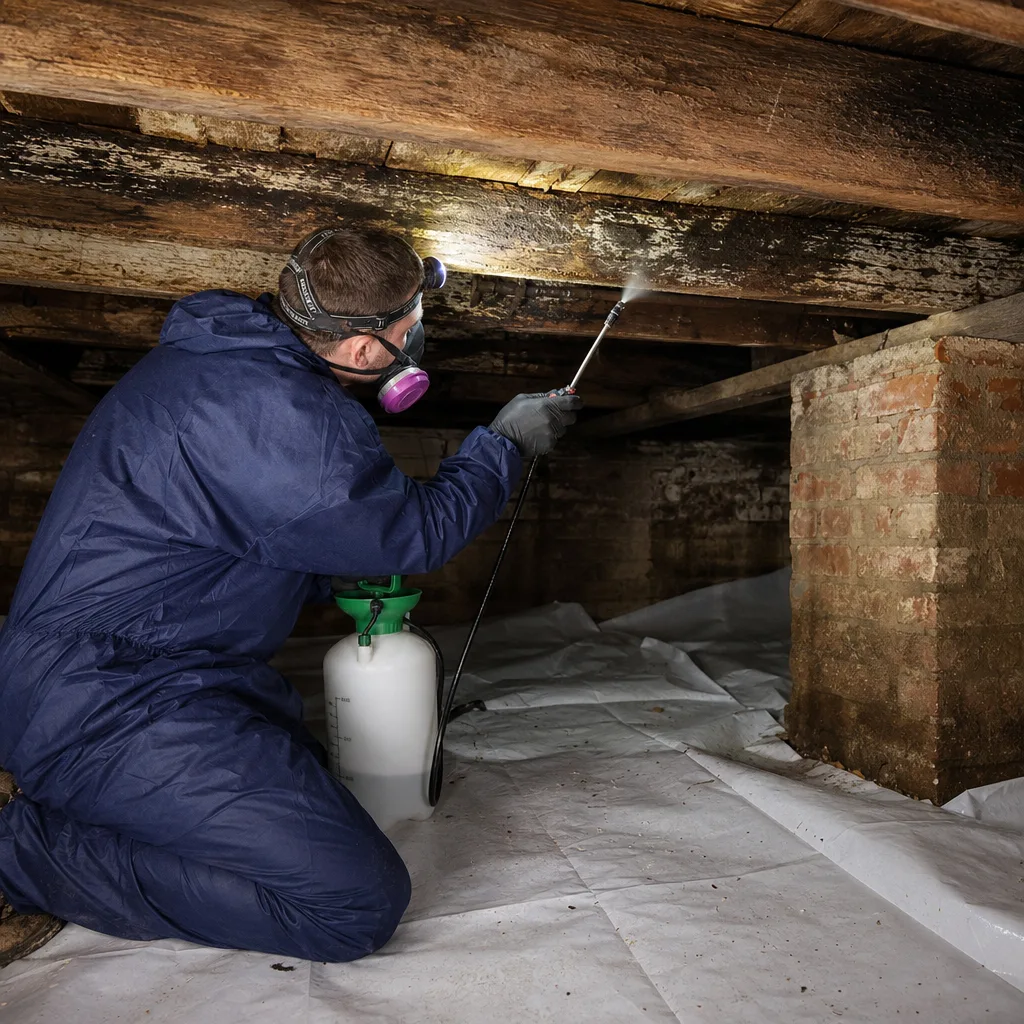
Trauma & Unattended Death Cleanup
When a person passes alone in an apartment on a quiet 28th Avenue block, the discovery often comes days later. Decomposition fluids penetrate flooring and subfloor in a way that defies surface cleaning. We remove affected materials, treat the framing and concrete below, and run hydroxyl or ozone treatment where odor persists. We do this quietly, without marked trucks at the curb, and with discretion toward the neighbors and family.
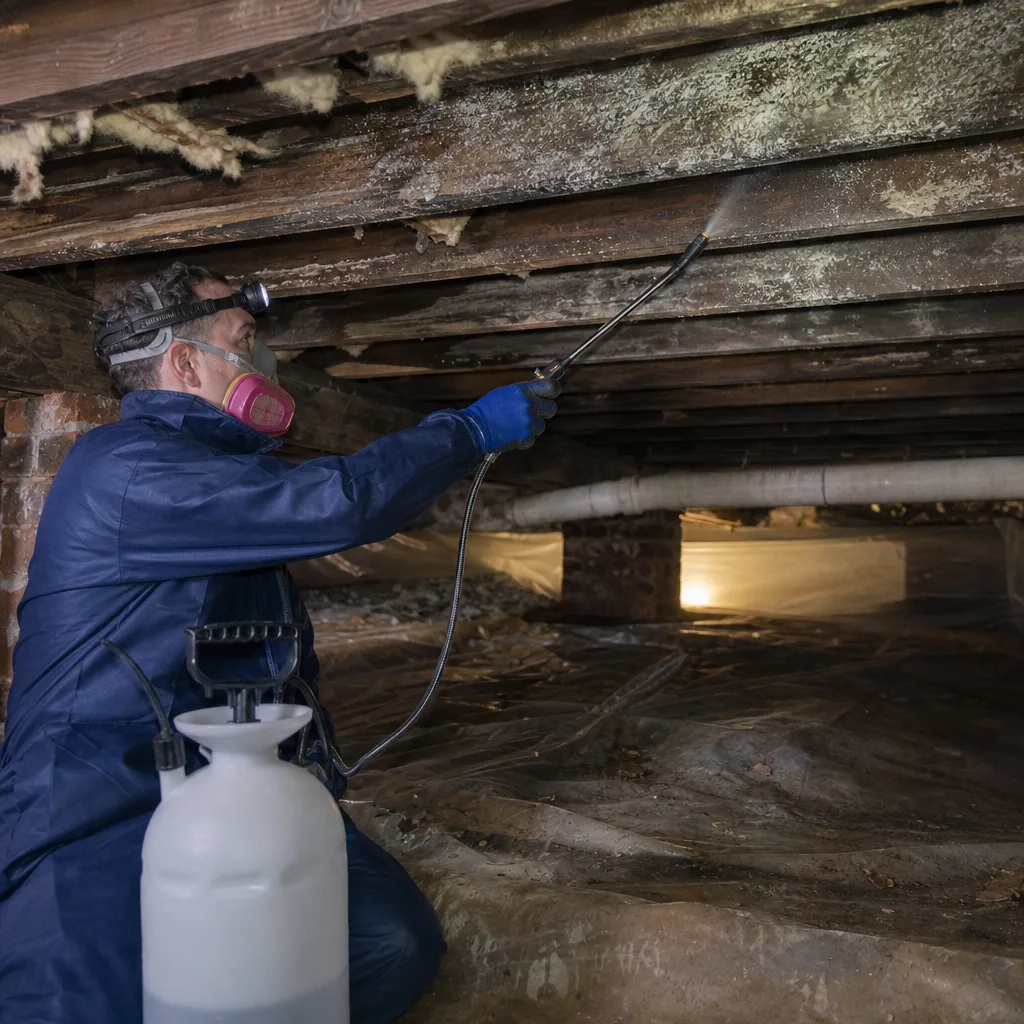
Hoarding Cleanup
Hoarding in a basement apartment with shared air shafts, common on Astoria’s side streets, is not a junk-hauling job. It’s a biohazard job. We work with the resident or family at their pace, sort salvageable belongings, remove contaminated material, and clean the underlying structure. Pest activity, mold, and accumulated bioaerosols are all part of the scope.
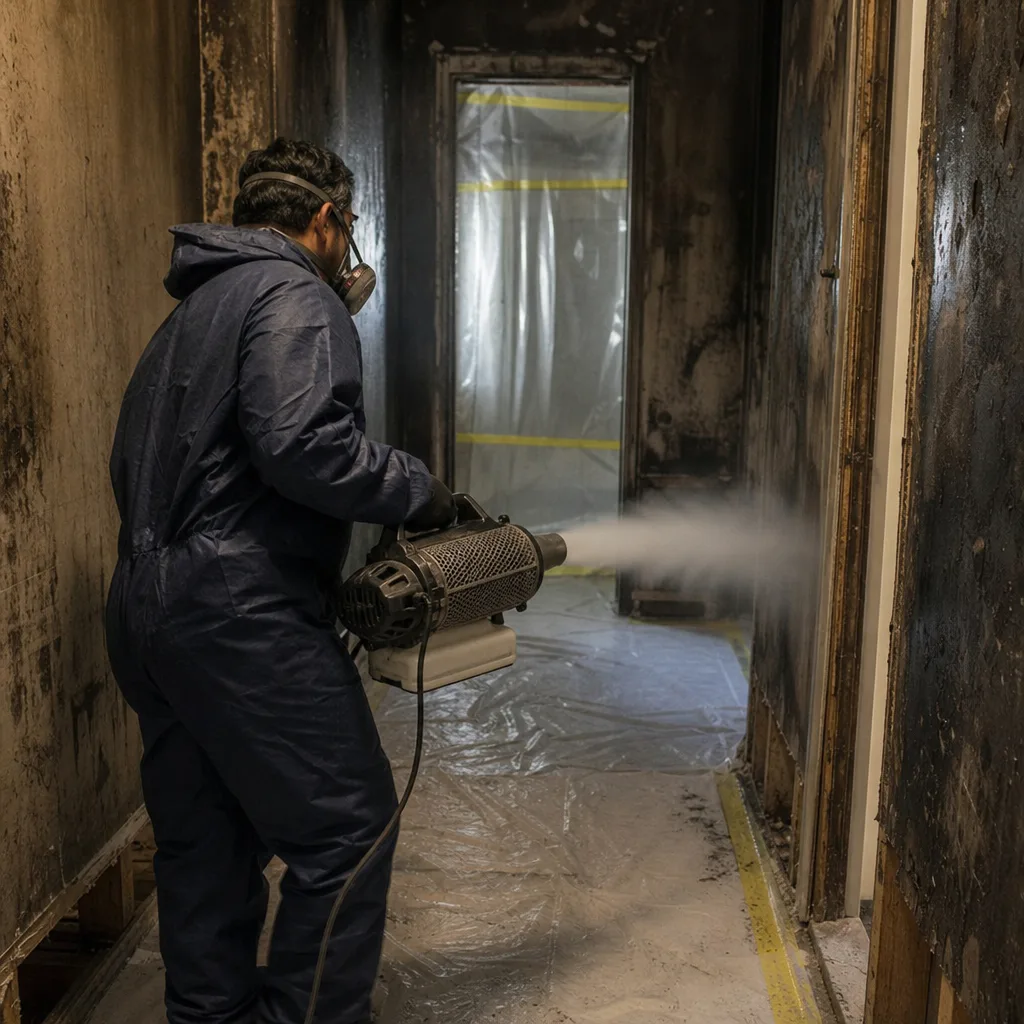
Blood & Bodily Fluid Cleanup
Whether from an accident, an assault, or a medical event, blood in a carpet on a 21st Avenue rowhouse has migrated further than you can see. We cut out the pad, treat the subfloor, and verify the area is clear before new material goes back. Disposal follows regulated medical waste protocol, not the building’s trash chute. That matters in a dense neighborhood like Astoria.
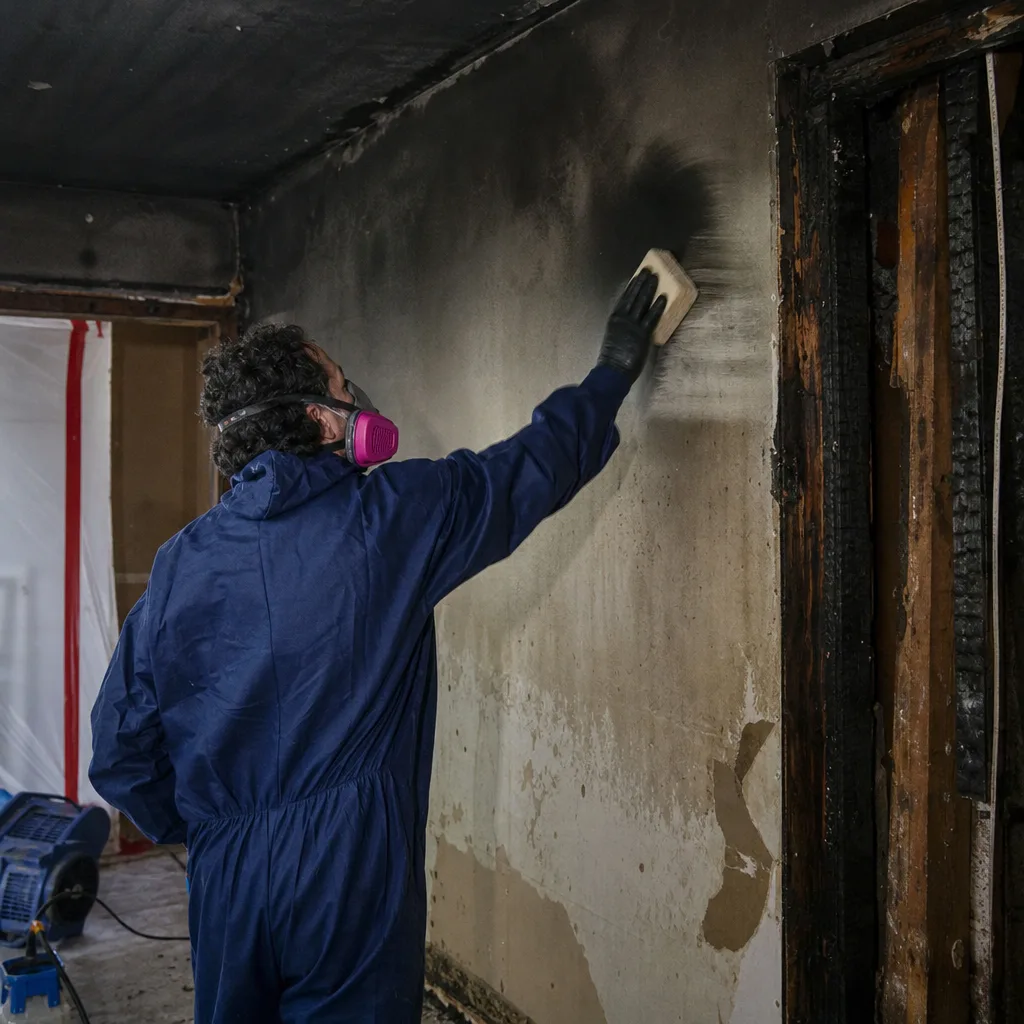
Infectious Disease Disinfection
When a tenant or homeowner has a confirmed infectious disease, whether COVID-19, MRSA, C. diff, or norovirus, we provide whole-unit disinfection using EPA-registered antimicrobials and proper dwell times. High-touch surfaces, air handling, and soft goods each get a specified treatment. For Astoria’s multi-unit buildings, we often treat common areas, stairwells, and laundry rooms at the same time.
What happens when you call
- 1
A real person answersNo phone trees - you reach a local pro.
- 2
You get an upfront price rangeHonest numbers before anyone is dispatched.
- 3
A background-checked tech heads outLicensed & insured, dispatched right away.
- 4
You approve before work beginsNothing starts until you say go.
Biohazard & Crime Scene Cleanup Costs in Astoria, NY
You should know the numbers before you call. A contained blood cleanup in a single room of an Astoria apartment runs $1,500-$3,000. A Category 3 sewage backup in one basement unit typically lands between $3,000 and $6,000. When a shared drain line sends sewage into multiple units and into a party-wall cavity, the scope expands and the cost follows: $8,000 to $15,000 is realistic for multi-unit containment, demolition, drying, and rebuild in a pre-war walk-up. Hoarding cleanups vary widely with volume and condition; a basement apartment with accumulated material and bioaerosol contamination commonly runs $4,000-$12,000.
What moves the number: how far contamination traveled, how much porous material has to go, whether neighboring units require containment, and whether NYC DOB permits and licensed-contractor filings are required, which in Astoria’s attached pre-war buildings they often are. Insurance covers much of this when the cause is a covered peril. Our free visual inspection gives you a written, line-item scope so you know the number before we start. Call (845) 305-5737 and we’ll walk it with you.
We Also Serve Cities Near Astoria
Our crews serve Astoria and the surrounding Queens and western Long Island communities. If you’re in Long Island City, Woodside, Sunnyside, Jackson Heights, Elmhurst, or nearby, the same live-dispatch team and certified crews cover your street.
Astoria Biohazard & Crime Scene Cleanup Questions, Answered
Does a Category 3 water event in one Astoria basement apartment require containment in neighboring units?
Yes, in most of Astoria’s pre-war attached buildings it does. Shared party walls and interconnected basement drains mean sewage water can wick laterally and resurface in the adjacent apartment. We moisture-map the adjoining unit and, when readings show elevated moisture, we extend containment and drying into that space before the wall is closed back up.
How do NYC DOB permits affect a biohazard cleanup in a 1920s Astoria walk-up?
Any work beyond surface cleaning may require a DOB filing and a licensed contractor of record. Demolition, structural drying that involves opening walls, and reconstruction all can trigger permit requirements. We handle the paper trail as part of the scope, and we won’t start work that should be permitted without the permit in place.
In a pre-war Astoria rowhouse, can damp plaster two floors below a parapet be from a biohazard release?
No. That damp plaster is almost certainly from a failing parapet coping joint at the roofline. Rain enters behind the brick wythe and travels down the wall cavity, showing up as staining one or two floors below the actual breach. We see this misdiagnosed on Astoria side streets constantly. Our crews moisture-map the full envelope so we don’t treat a symptom while the real entry point stays open.
What is the right containment protocol for a hoarding cleanup in a basement apartment with shared air shafts?
Negative air pressure with HEPA-filtered exhaust, critical barriers at the unit entry, and monitoring of adjacent air shafts. In Astoria walk-ups, bioaerosols travel vertically through shared shafts, so we often run air scrubbers on multiple floors and treat the shaft itself if sampling shows contamination migrated upward.
How quickly should I call after a raw sewage backup in an Astoria basement apartment before mold becomes a problem?
Call immediately. In Astoria’s attached brick buildings, warm basements with poor cross-ventilation are a mold incubator. Mold colonization can begin within 48 to 72 hours on saturated drywall and organic debris. The clock starts the moment the sewage recedes, not when you notice the smell. Call (845) 305-5737 and we’ll be there within 45 minutes.
How fast can you actually reach an address in Astoria?
Our commitment is 45 minutes from dispatch to most Astoria blocks in 11102, 11103, and 11105. We stage crews to serve Queens and answer the phone with a live dispatcher around the clock, so there’s no overnight delay waiting for a call center to relay a message.
Will my insurance cover crime scene or biohazard cleanup?
Most homeowners and co-op policies cover biohazard remediation when the cause is a covered peril, such as a sewer backup, a burst pipe, or a covered death event. We document everything from the first hour, bill your carrier directly, and coordinate with your adjuster so you don’t have to interpret policy language alone.
What should I do in the first 30 minutes after discovering a biohazard situation?
Do not enter the affected area. Keep people and pets out. If there is standing water, do not touch it. If it’s a crime scene, wait for law enforcement release. Then call (845) 305-5737. Every minute that passes lets contamination wick further into Astoria’s plaster walls, shared cavities, and subflooring, and the cleanup gets bigger.
Serving Astoria, NY - Our Local Coverage Area
We’re based in the Astoria area and know this community well. Use the map below to see our service coverage - if you’re nearby, we can almost certainly help.
Call Floodline Restoration Co. for Biohazard & Crime Scene Cleanup in Astoria
This is not a job for a general cleaning company, and it’s not a job where the low bid wins. In Astoria’s pre-war attached housing, a biohazard event tests more than your unit: it tests the party walls, the shared drains, and the building’s paper trail. We’ve handled the worst of it in this neighborhood, from 1920s walk-ups on 30th Avenue to rowhouses off Ditmars and basement apartments near Hallets Cove. The work is done right, and it’s backed in writing by our 90-Day Done Right Promise, the Keystone Standard. No arguing, no paperwork battles.
Call (845) 305-5737 for a free inspection and a written scope. A live person answers, day or night. That’s how we’ve built this company since Curt Bowman founded it in 2010: a dispatch board, not a sales desk, and a name you can hold accountable when the job is done.
Written by Curt Bowman, Owner at Floodline Restoration Co., serving Astoria with 24/7 biohazard and crime scene response.