

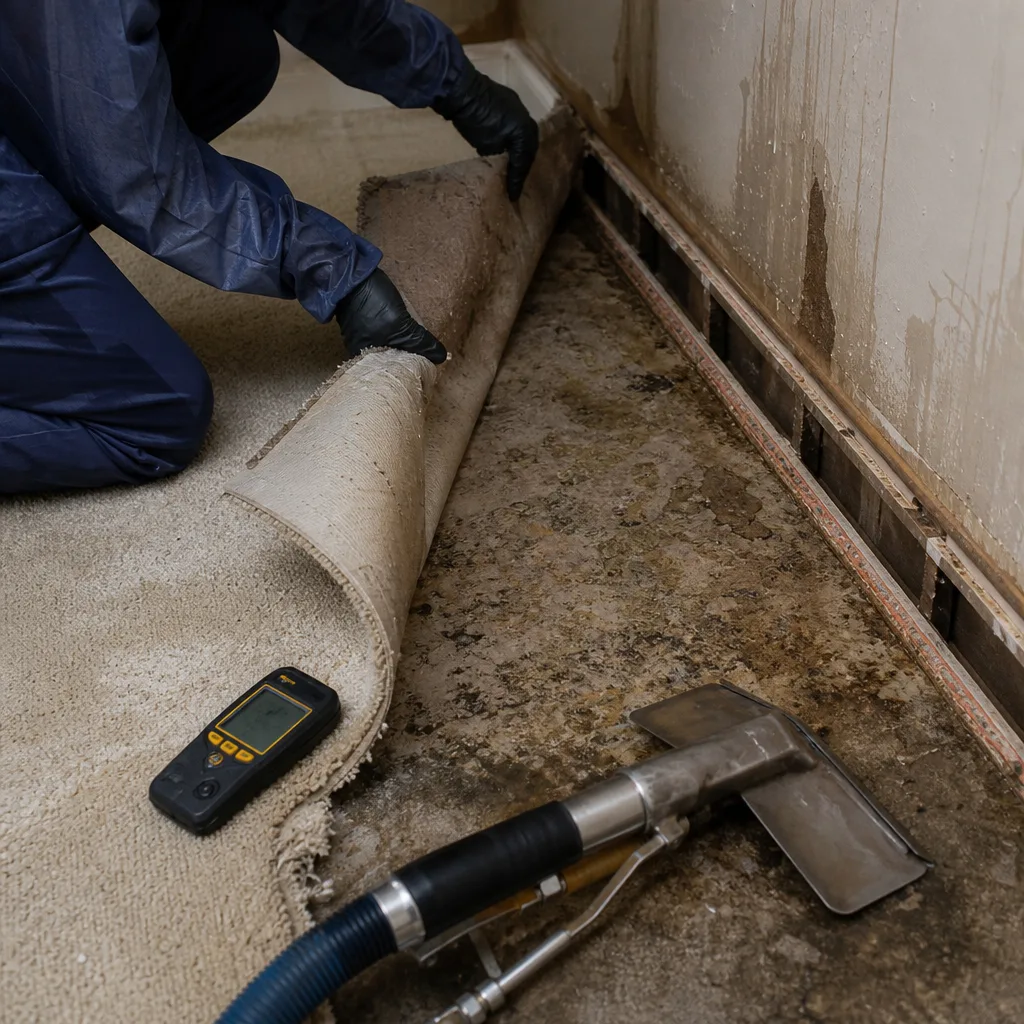
Free visual inspection and a written scope of work before any mitigation begins - photos, moisture readings, and drying logs go in your claim file
The scope we write is the scope we bill. Anything new gets shown to you, in writing, before we touch it.
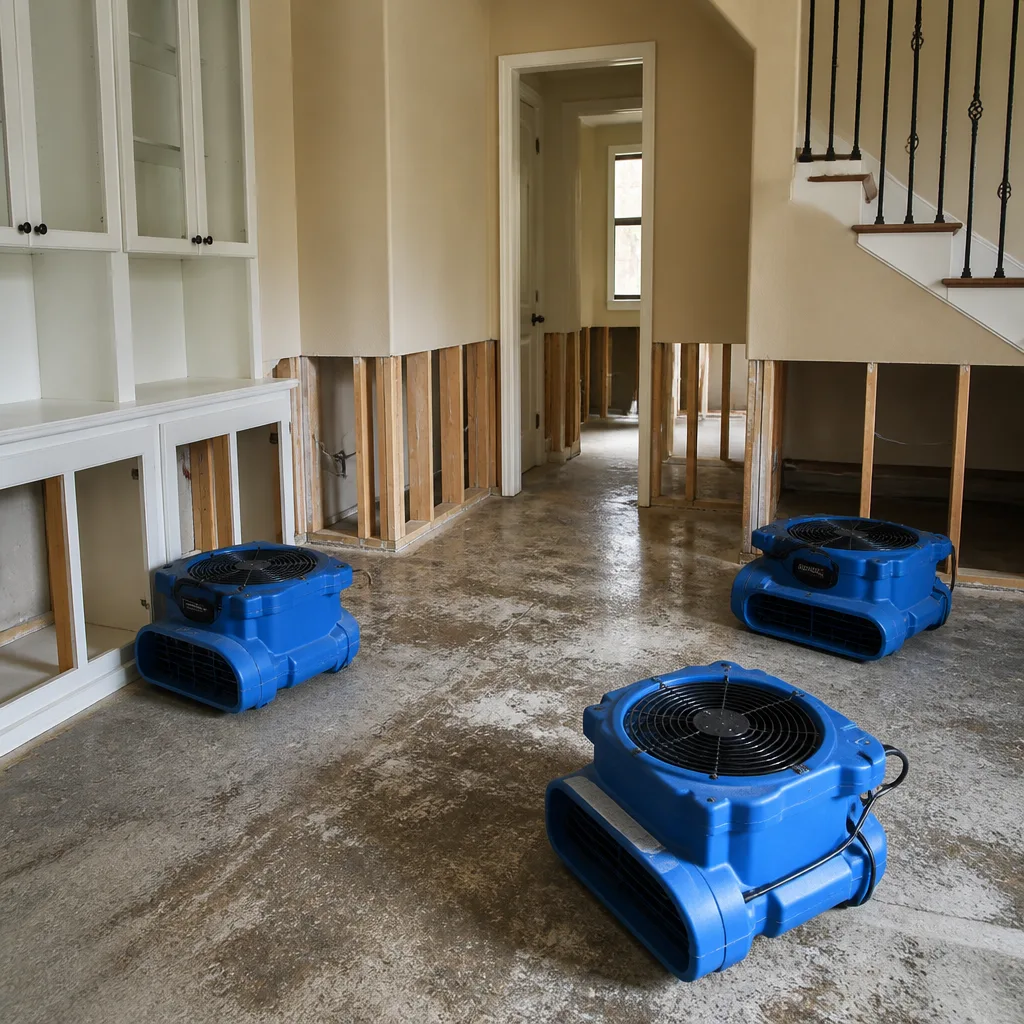
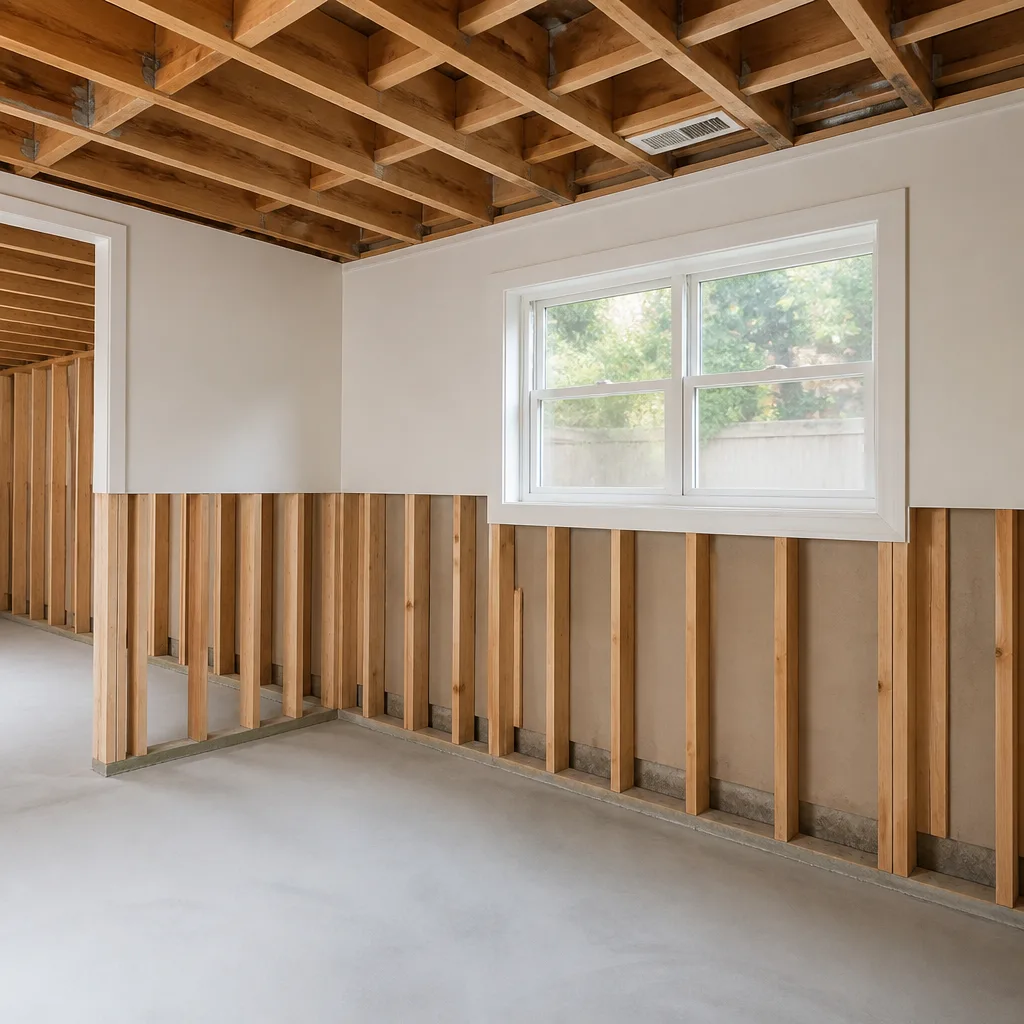
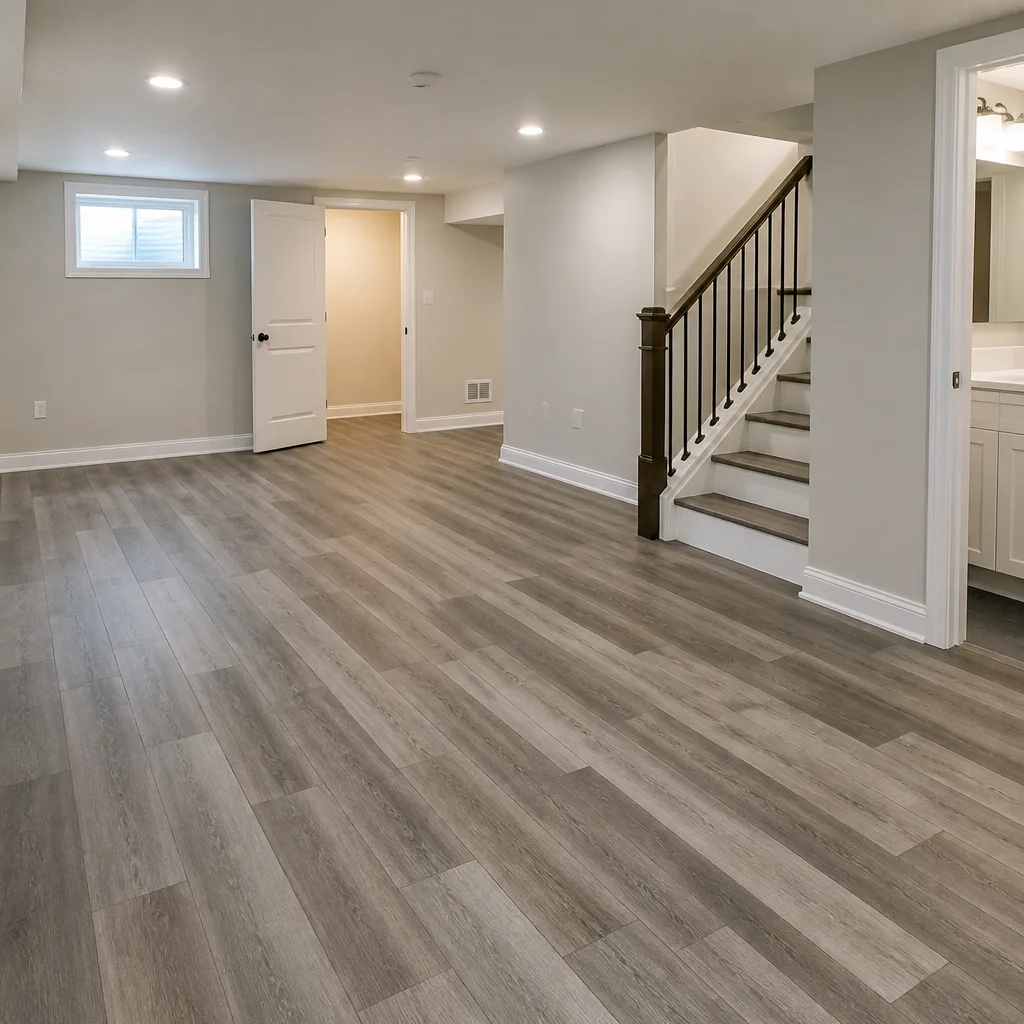
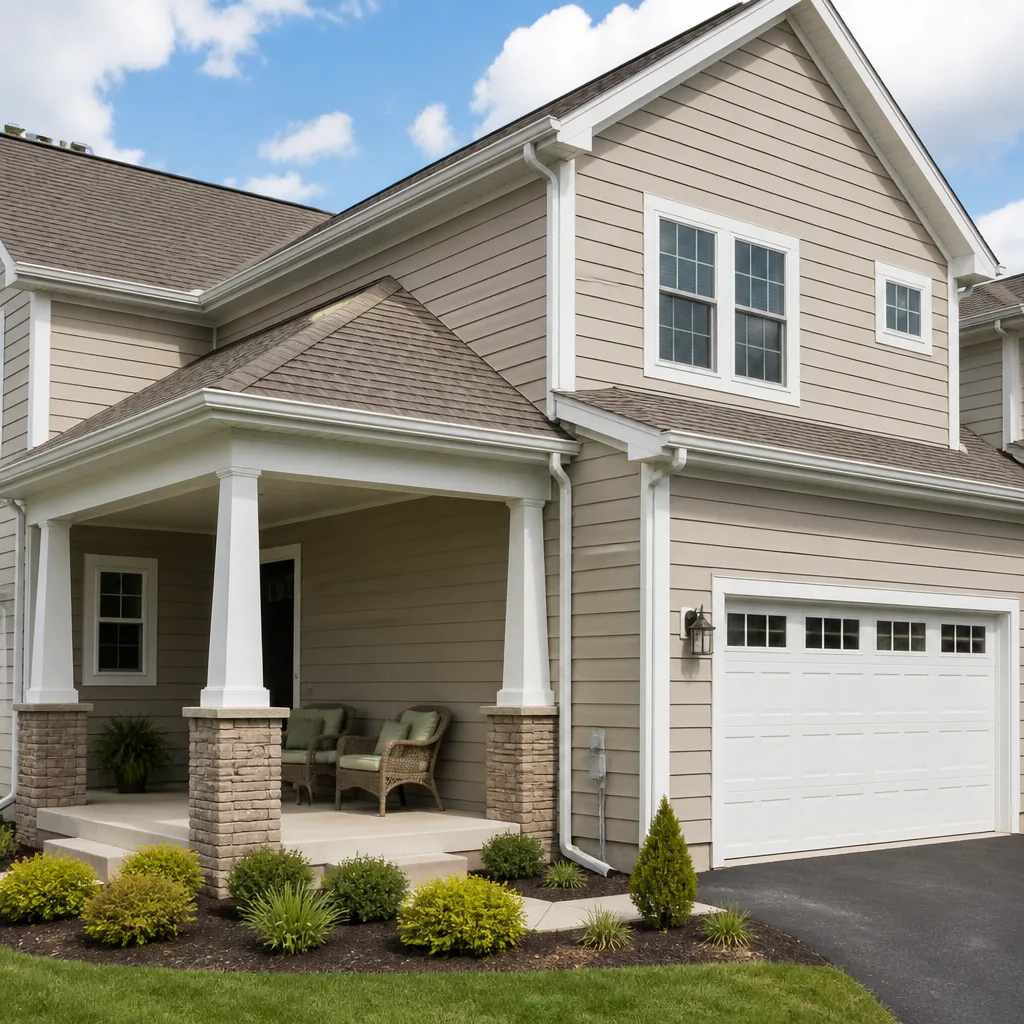
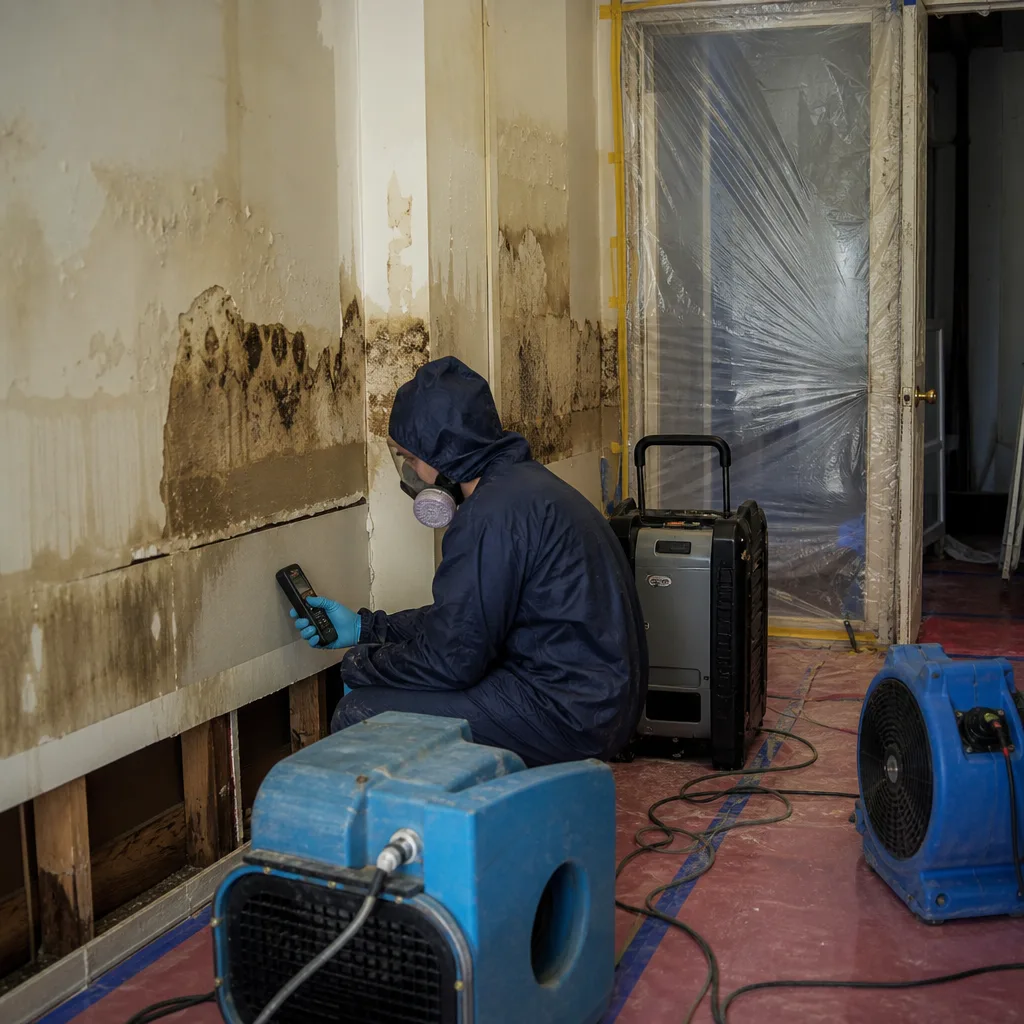 Before
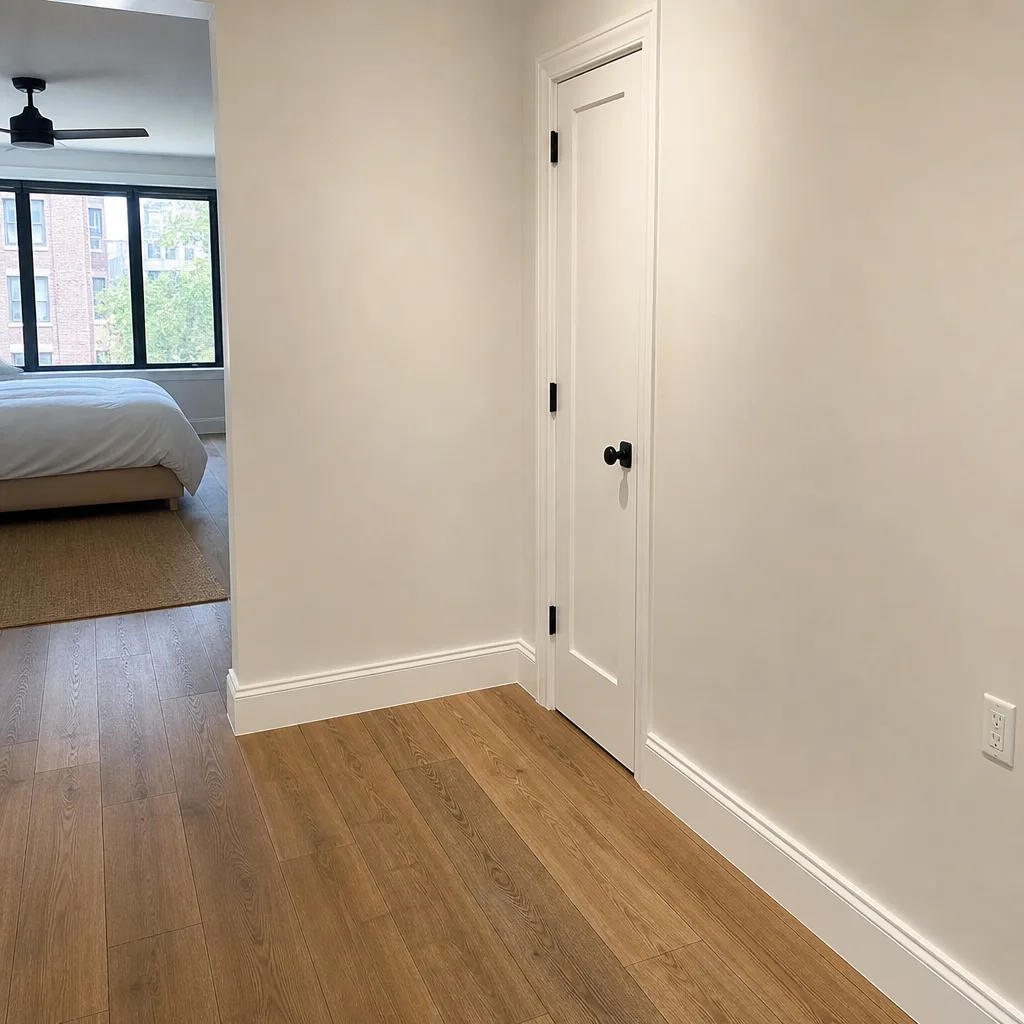 After
After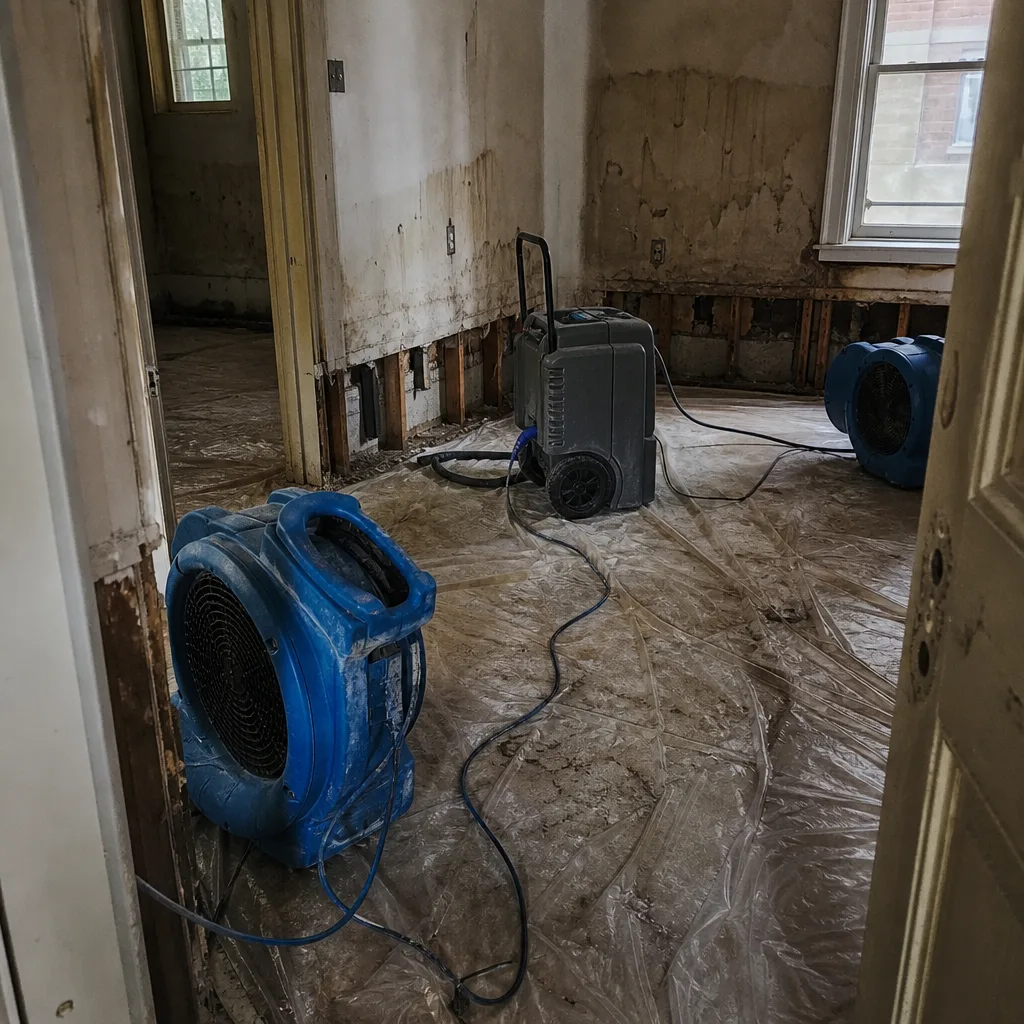 Before
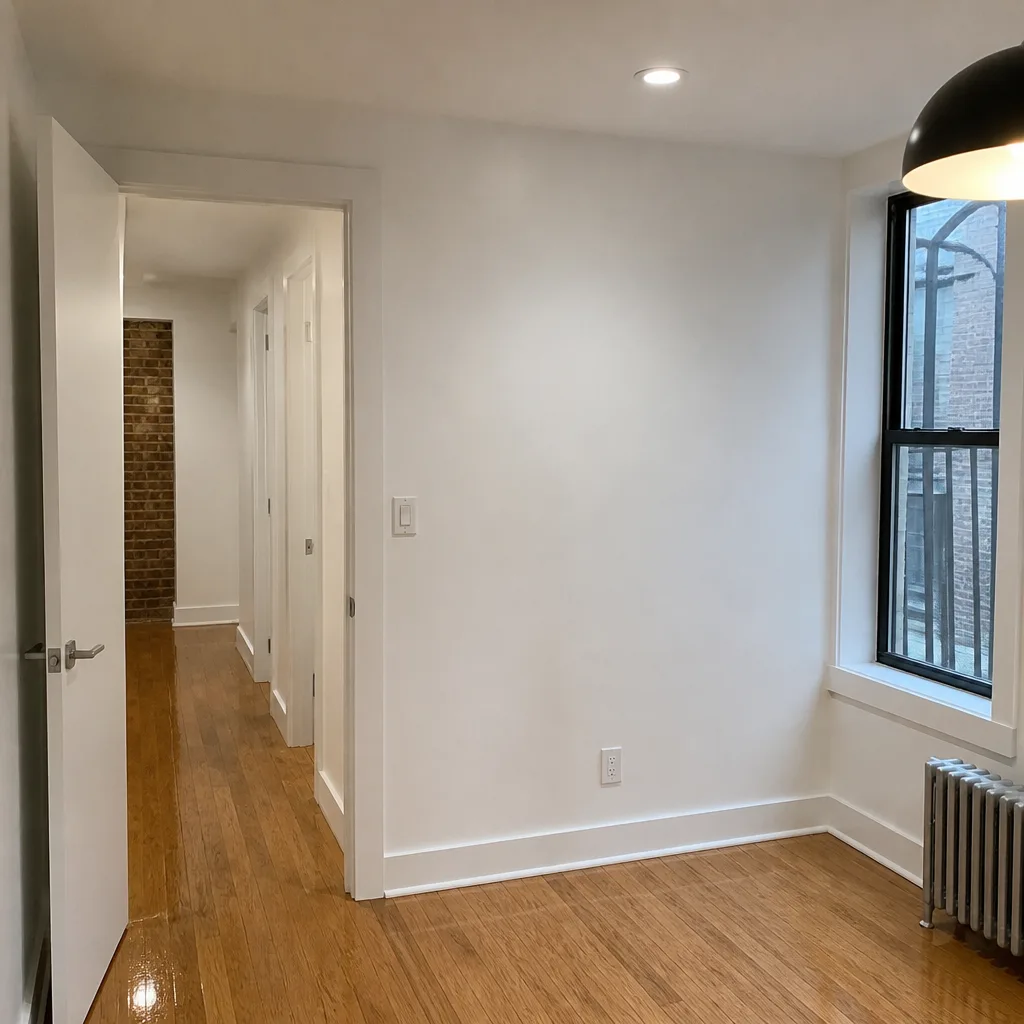 After
After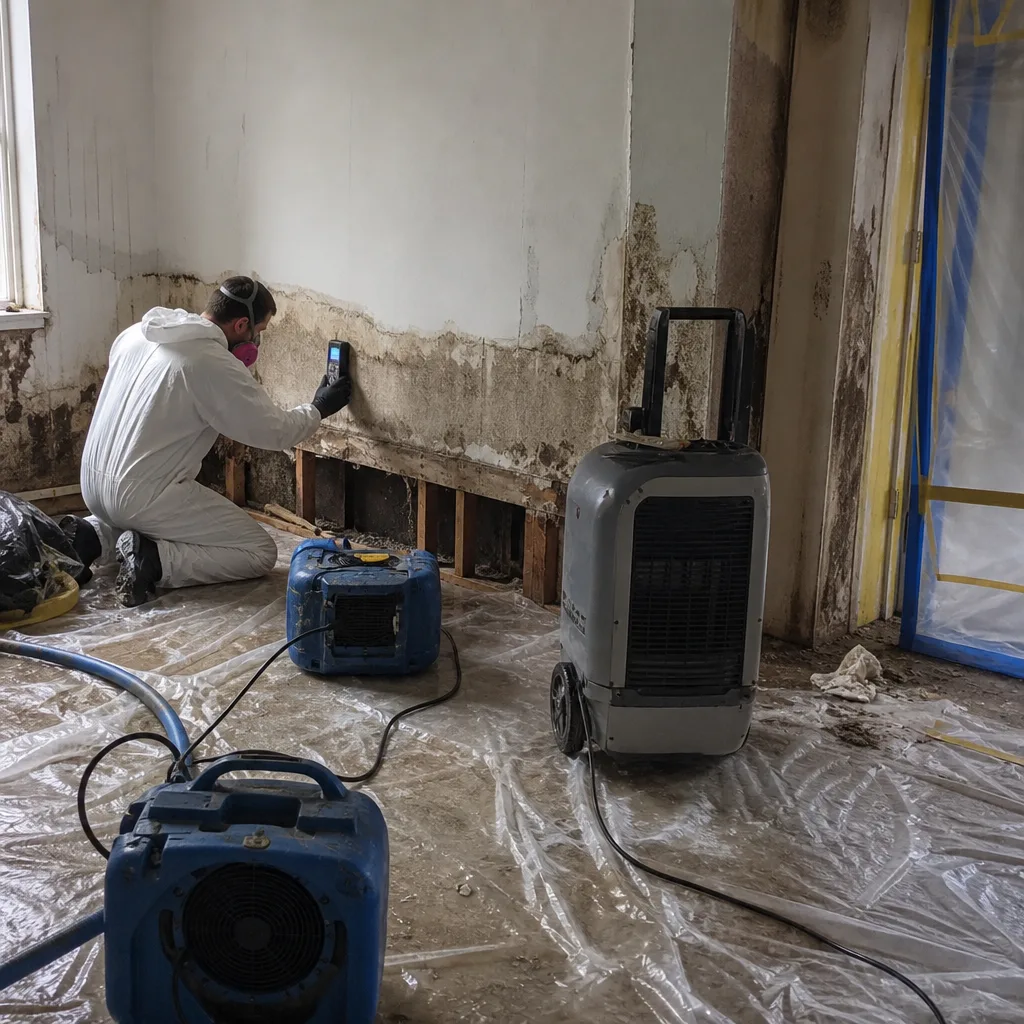 Before
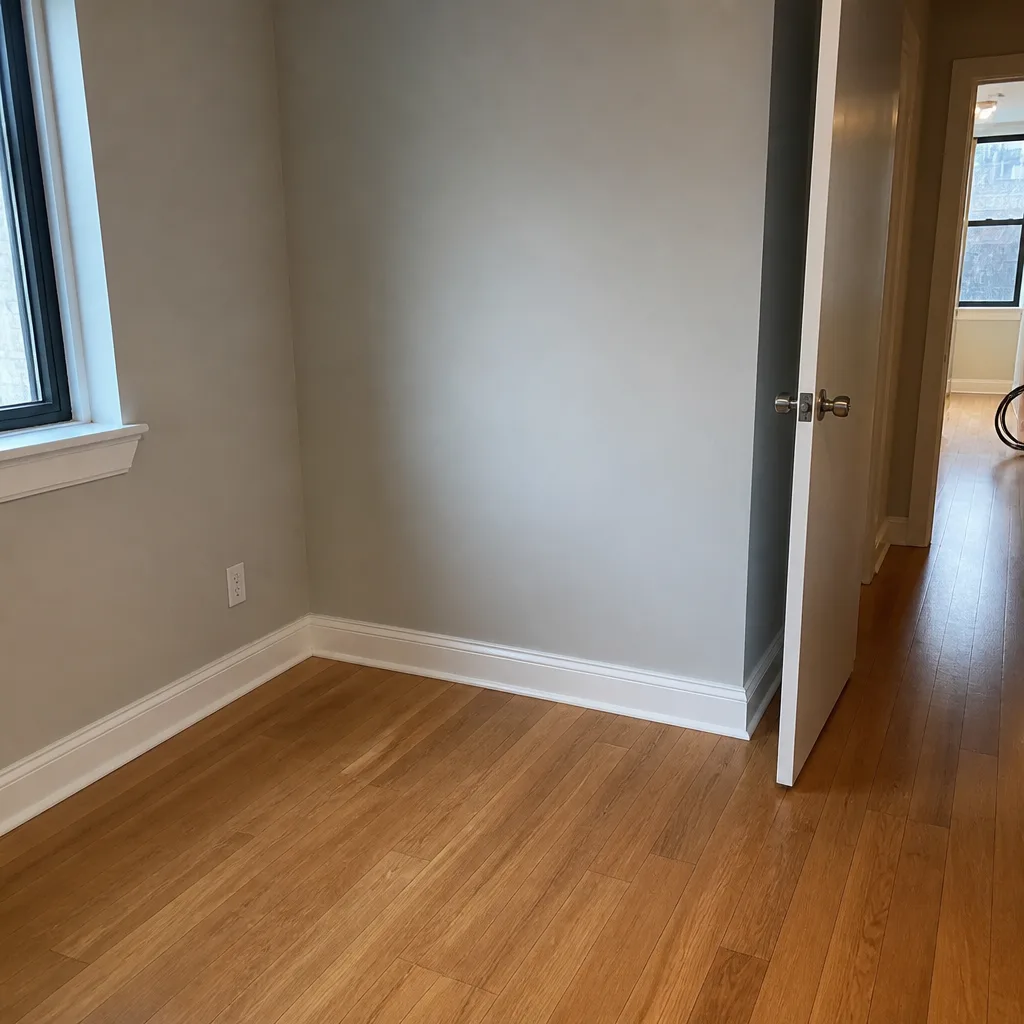 After
After24/7 Emergency Biohazard & Crime Scene Cleanup in Upper Manhattan
Biohazard and crime scene cleanup in Upper Manhattan requires a crew that can be on site within the hour and already knows the building stock. Floodline Restoration Co. answers the phone live at (845) 305-5737 around the clock, every day of the year. We dispatch background-checked, uniformed technicians into Harlem, Washington Heights, Inwood, East Harlem, and Hamilton Heights immediately, because biological contamination does not wait and it does not stay contained. The first hour determines whether affected materials can be cleaned or must be removed. Our Biohazard & Crime Scene Cleanup team arrives with containment supplies, HEPA air scrubbers, and antimicrobial agents ready to deploy. We serve every corner of Upper Manhattan, from pre-war walk-ups off Broadway to NYCHA complexes with their own access and procurement rules.
Understanding Biohazard & Crime Scene Cleanup Severity in Upper Manhattan Properties
Severity in this line of work is not just about what happened in the room. It is about what the building is made of. Upper Manhattan’s 1890s to 1940s brick tenements and pre-war elevator buildings are constructed with horsehair plaster, not drywall. Plaster absorbs fluids and odor differently. Blood and bodily fluid that soaks into horsehair plaster and the wooden lath behind it cannot be surface-cleaned; that section of wall often has to come out. Decomposition fluids from an unattended death are classified as Category 3 water, the most contaminated kind, and they migrate downward-something we address with Water Damage Restoration in Upper Manhattan protocols. In a fifth-floor Washington Heights walk-up, gravity carries those fluids into the ceiling cavity and across the plaster ceiling of the apartment below. We use thermal imaging and moisture meters to map that migration before we cut anything, because cutting blind in a pre-war building means missing contamination that will reappear as odor or mold weeks later. In NYCHA properties, the same technical problem exists alongside a separate municipal review layer, and we have worked through those channels enough times to know exactly what documentation the housing authority needs before containment comes down.
Why Upper Manhattan Property Owners Choose Floodline Restoration Co.
- 45-minute response commitment for any biohazard emergency in Upper Manhattan. Our dispatch board is built for speed, and Manhattan crews are staged to reach you fast.
- A live person answers, always. No automated menu, no “leave a message.” At 2 a.m. on a Sunday, Curt Bowman’s dispatch operation has a real person on the line.
- IICRC-certified technicians trained to the standards that matter for trauma, bloodborne pathogen, and odor remediation work. Uniformed, background-checked, and accountable by name.
- Free visual inspection before we quote anything. You see the scope, you approve the scope, and we hand you a written document before work begins.
- Direct insurance billing. We document from the first hour, coordinate directly with your adjuster, and you never play messenger between us and the carrier.
- One team from start to finish. Containment, cleaning, drying, and any necessary reconstruction stay with the same certified crew. No handoff, no inherited subcontractor.
Our Biohazard & Crime Scene Cleanup Process
Inspection & Assessment
We map the affected area with moisture meters and thermal imaging before touching anything. In Upper Manhattan pre-war buildings, that means checking adjacent units, floors above and below, and the wall cavities behind horsehair plaster.
Containment & Stabilization
We seal the area with negative air pressure and HEPA filtration so airborne pathogens and odor do not spread through hallways, stairwells, or shared ventilation. In tenement buildings, we also seal door gaps and any pipe chases that connect units.
Removal & Decontamination
Affected porous materials that cannot be cleaned are removed under containment. We treat all remaining surfaces with EPA-registered antimicrobial agents and run HEPA air scrubbers continuously, using professional-grade Phoenix and Dri-Eaz equipment as part of our Sanitization Services - Upper Manhattan process.
Structural Drying
If fluids have migrated into plaster, subfloor, or joists, we set up targeted drying with air movers and dehumidifiers. Daily moisture readings are logged until materials reach dry standard. This is the step that stops odor from returning.
Odor Neutralization
We treat odor at its source, not with masking agents. That includes hydroxyl or ozone treatment where appropriate, followed by clearance verification. In horsehair plaster buildings, we re-test wall cavities before closing anything up.
Repairs & Restoration
Through our Commercial Restoration in Upper Manhattan, we rebuild what we removed, matching plaster, trim, and flooring to the building’s original character where needed. Every job ends with a written scope reviewed, and the 90-Day Done Right Promise in your hands.
Need Emergency Biohazard & Crime Scene Cleanup in Upper Manhattan Now?
Crews minutes away, answering live 24 hours a day. The sooner we start, the less it costs.
Working With Your Insurance Company
Biohazard and trauma cleanup claims depend almost entirely on documentation, because the adjuster cannot see the contamination the way we can. We photograph every affected surface before containment goes up, after removal, and after treatment. Moisture readings get logged daily and handed to the carrier as a complete drying record. Industry-standard line-item estimates remove the back-and-forth that drags claims out for weeks. And because we bill the carrier directly, homeowners and building owners in Upper Manhattan are not fronting thousands of dollars waiting on reimbursement. We speak adjuster, we speak NYCHA procurement, and we speak the fine print in rent-stabilized tenant claims.
What We Provide Your Insurer
- Thorough documentation of the loss
- Photos of all damage, room by room
- Moisture readings and drying logs
- A detailed, line-item scope of work
- Direct coordination with your carrier
Built for Upper Manhattan’s Loss Calendar
Upper Manhattan’s biohazard calls do not follow a neat seasonal pattern the way water damage does. Unattended deaths are reported more often in summer, when heat accelerates decomposition and neighbors notice the odor faster. Hoarding situations tend to surface after a housing inspection, a medical emergency, or a family intervention, which means they can come at any time. Blood and bodily fluid cleanups follow the rhythms of the city itself: more calls on warm weekends, more calls during the holiday season, a steady baseline from medical incidents in aging walk-up buildings where a fall on the stairs turns into a trauma scene. The common thread in our part of the city is that almost every call involves a building that predates modern drywall and modern plumbing. That is why our crews carry containment materials sized for narrow stairwells and are trained to work around tenants who are still in the building.
Biohazard & Crime Scene Cleanup Across Upper Manhattan’s Neighborhoods
Washington Heights brings us into five- and six-story pre-war walk-ups where decomposition fluids travel straight down through original plaster ceilings. We have worked apartments off Fort Washington Avenue where the floor plan itself, long narrow railroad rooms, complicates containment and requires segmented air-scrubber placement. Harlem and Central Harlem are a mix of brownstones and large pre-war elevators; brownstones have their own issues with shared walls and shared air, while the elevator buildings mean coordinating with a super and a freight elevator schedule. East Harlem’s NYCHA developments add a procurement layer that we navigate with the housing authority’s documentation requirements already in hand. In Inwood, many buildings sit on ground that runs damp in spring, which means any biohazard involving water intrusion needs structural drying done right, or the problem comes back. Hamilton Heights and Morningside Heights co-ops often require board approval before containment can start, and we provide the scope-of-work documentation those boards ask for.
Specialized Biohazard & Crime Scene Cleanup Services We Offer in Upper Manhattan
Crime Scene Cleanup
After law enforcement releases the scene, we arrive in unmarked vehicles and work discreetly. We remove blood and bodily fluid from all surfaces, including the gaps and seams in pre-war wood floors that would otherwise retain odor for months. Our team has handled scenes in every building type Upper Manhattan has, from single-room-occupancy units to family apartments.
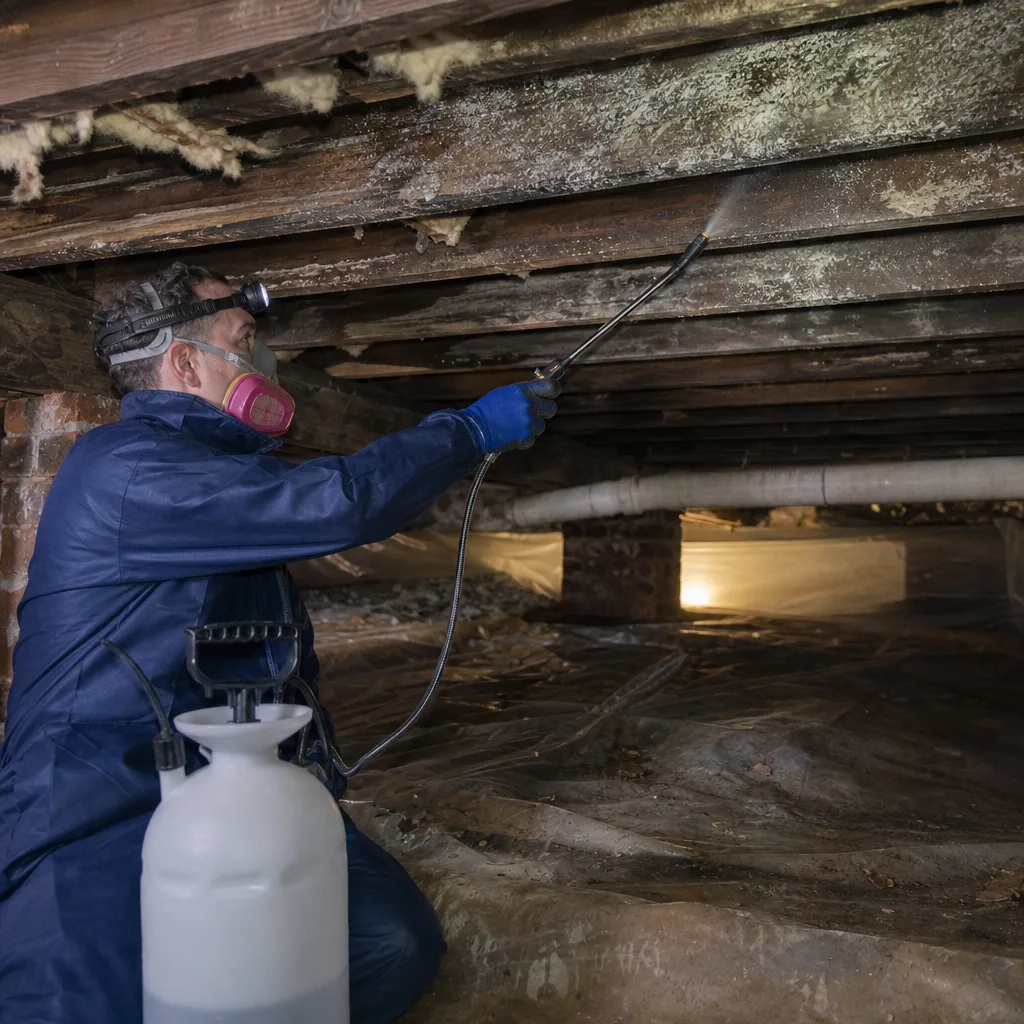
Trauma & Unattended Death Cleanup
This is the call we know is hardest to make, and we answer it plainly. Decomposition fluids are Category 3 biohazard material, and they travel. Our crew handled an unattended death cleanup in a fifth-floor Washington Heights walk-up where a neighbor reported a smell weeks after the fact. The apartment had original horsehair plaster and cove moldings, and any wall penetration meant filing a lead-paint work permit before we could even begin mitigation. We set up containment, used antimicrobial treatment on all affected surfaces, and coordinated with the rent-stabilized tenant’s legal aid to document the scope of work for insurance without crossing into reconstruction triggers.
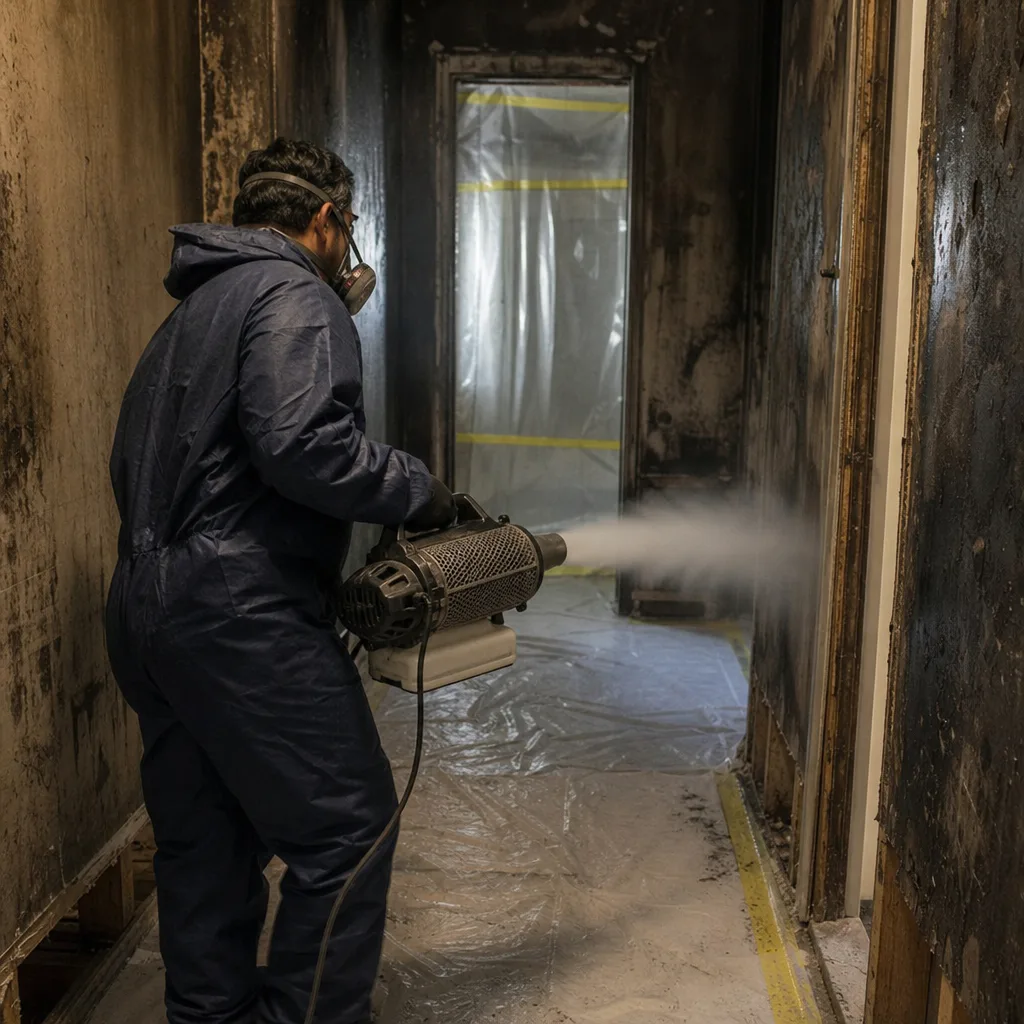
Hoarding Cleanup
Hoarding conditions in Upper Manhattan pre-war apartments hide real structural problems behind accumulated contents. The moisture path from even a small leak runs through horsehair plaster and wooden lath, and if structural drying is incomplete, mold regrows behind the wall. We clear, sort, and discard with the resident’s involvement, then address the structural issues the hoard was hiding.
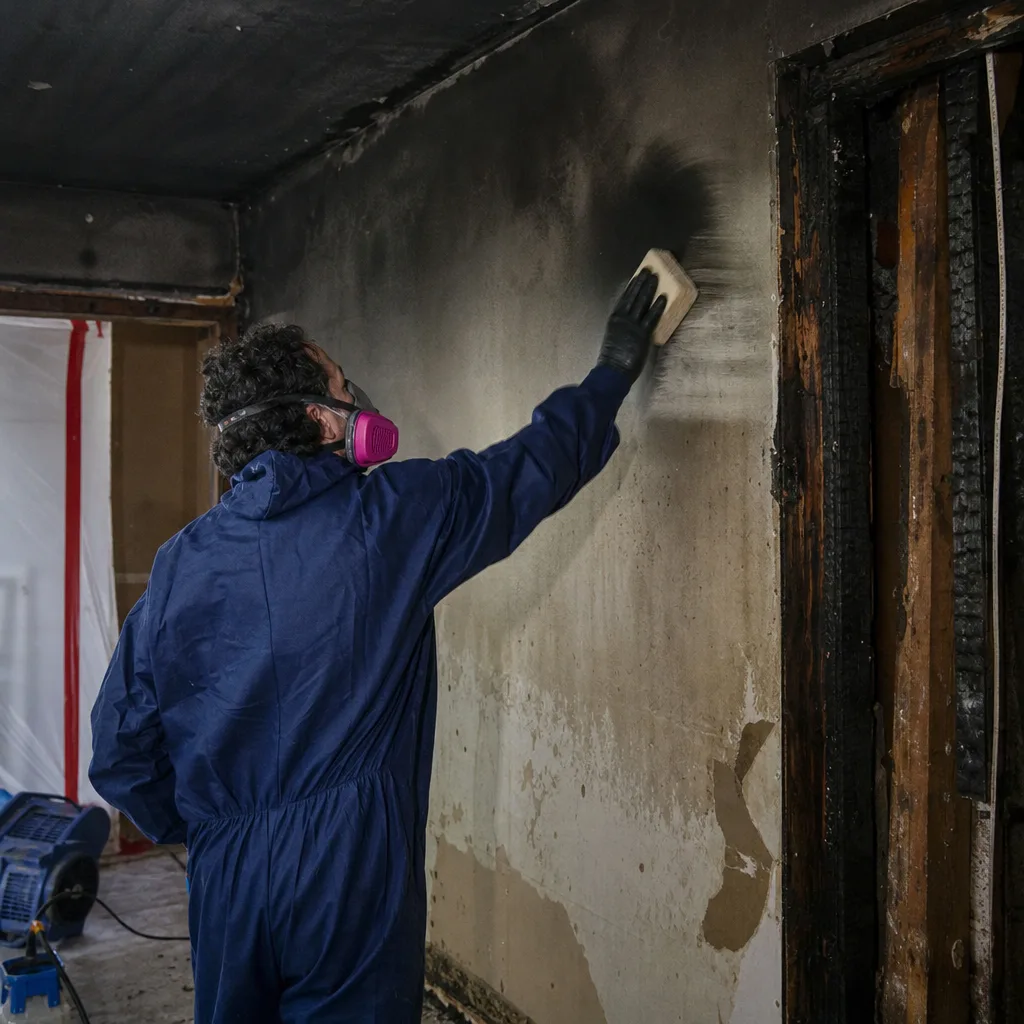
Blood & Bodily Fluid Cleanup
Bloodborne pathogen standards require more than surface wiping. We treat affected materials with EPA-registered antimicrobials, remove what cannot be decontaminated, and verify the space with post-remediation testing. In pre-war apartments, that often means pulling sections of original plaster that have absorbed fluid beyond the reach of any cleaning agent.
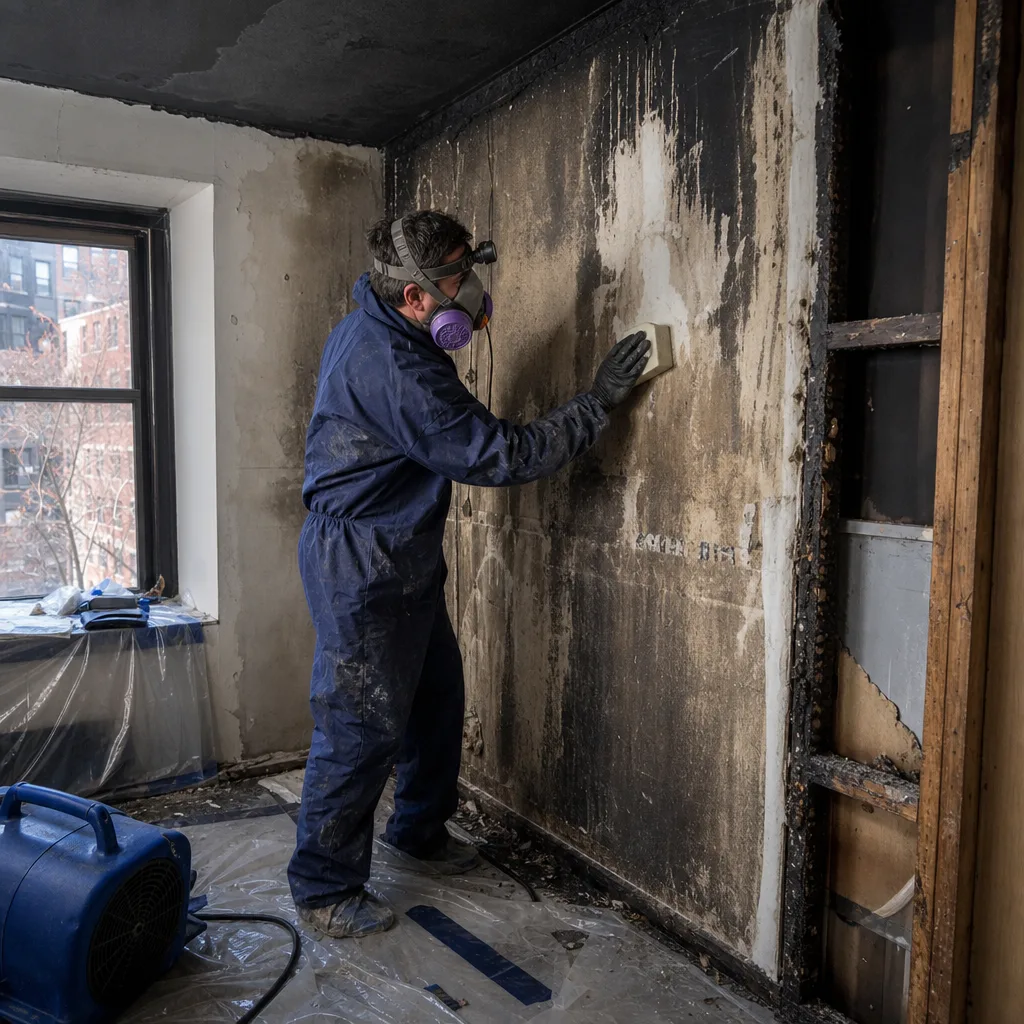
Infectious Disease Disinfection
When a communicable disease is confirmed or suspected in a living space, we provide full-surface disinfection with professional application equipment and proper dwell times. We work with the same IICRC and RIA training standards we use on trauma scenes, and we document the process for insurers, co-op boards, or public health authorities as needed.
What happens when you call
- 1
A real person answersNo phone trees - you reach a local pro.
- 2
You get an upfront price rangeHonest numbers before anyone is dispatched.
- 3
A background-checked tech heads outLicensed & insured, dispatched right away.
- 4
You approve before work beginsNothing starts until you say go.
Biohazard & Crime Scene Cleanup Costs in Upper Manhattan, NY
A typical blood or bodily fluid cleanup in a single apartment in Upper Manhattan runs $800 to $2,500, depending on how far the contamination has traveled and whether plaster or flooring must be removed. Trauma and unattended death cleanups, which almost always involve decomposition fluids and the structural penetration that follows, run $2,500 to $7,000 in a standard pre-war unit. Hoarding cleanups are the widest range we quote, from $1,500 for a modest one-bedroom with limited contents to $15,000 or more when structural damage, pest remediation, and extensive debris removal are involved. What moves the price in this part of the city is the building: plaster removal costs more than drywall, lead-paint abatement adds a regulatory line item, and NYCHA or co-op requirements add documentation time. The free visual inspection we offer is how you get a firm number, not a guess. Call (845) 305-5737 and we will send someone to look.
We Also Serve Cities Near Upper Manhattan
Our Upper Manhattan operation extends to the surrounding neighborhoods, including Upper West Side, Morningside Heights, Central Harlem, and East Harlem. If you are in one of those areas and dealing with a biohazard or crime scene situation, call the same live dispatch line: (845) 305-5737.
Serving Upper Manhattan, NY - Our Local Coverage Area
We’re based in the Upper Manhattan area and know this community well. Use the map below to see our service coverage - if you’re nearby, we can almost certainly help.
Upper Manhattan Biohazard & Crime Scene Cleanup Questions, Answered
Do I need a lead-paint work permit before you can clean blood or odor from a wall in a Harlem pre-war building?
Yes, in most cases. If the building predates 1960 and the wall has original plaster, cutting into it for biohazard removal triggers NYC DEP lead-paint abatement protocol. We identify this during inspection and file the necessary paperwork before any wall is opened. Skipping this step means a stop-work order and significant fines, which is why we build the permit into our scope from the start.
How do you handle a biohazard cleanup when the unit belongs to a rent-stabilized tenant in Washington Heights?
We document the scope of work precisely and coordinate with the tenant, the landlord, and the carrier. Rent-stabilized tenants have legal rights that affect timeline and access, and we have worked with tenant legal aid organizations to keep documentation clean without triggering unnecessary reconstruction. The key is a scope that addresses biohazard removal without drifting into non-essential work.
Can you clean a crime scene in a NYCHA housing complex without going through the housing authority’s procurement process?
For emergency biohazard work where life and safety are at stake, we can begin containment and mitigation immediately. Full restoration and reconstruction work within NYCHA properties requires working through the housing authority’s documentation and approval channels. We know what those channels require and prepare the paperwork accordingly, which keeps the job moving instead of stalling.
If decomposition fluids from an unattended death seeped into the plaster ceiling below, is that category 3 water?
Yes. Decomposition fluids are classified as Category 3, meaning they contain pathogenic agents and require full biohazard protocol: containment, antimicrobial treatment, removal of saturated porous materials, and documented drying. In Upper Manhattan’s plaster buildings, this usually means opening the ceiling cavity, removing contaminated plaster and lath, and structurally drying the joists before rebuilding.
Why did my hoarding cleanup in Inwood require a structural drying plan after only a small leak?
Because the hidden leak had been running behind horsehair plaster for months or years, and the hoarded contents prevented anyone from noticing. By the time we cleared the space, moisture had saturated the plaster, the lath, and likely the framing. Surface cleaning without structural drying would have left conditions for mold regrowth. We map the moisture, dry it to standard, and log readings as proof.
How fast can you actually get to an Upper Manhattan address?
Our live dispatch answers immediately at (845) 305-5737, and our crews aim to reach any Upper Manhattan address within 45 minutes of the call. Manhattan staging means no bridge or tunnel delay. For biohazard work, that speed matters because every hour lets contamination spread further into plaster, wood, and shared building cavities.
Will my insurance cover biohazard or crime scene cleanup?
Most homeowners and building policies cover biohazard remediation when the loss is sudden and accidental, and crime scene cleanup is typically covered under the property damage portion of the policy. We bill the carrier directly and provide the documentation adjusters need to approve the claim without weeks of back-and-forth. Call us and we will review your situation honestly.
What should I do in the first 30 minutes after discovering a biohazard situation?
Do not enter the affected area. Do not attempt to clean blood, bodily fluid, or decomposition material yourself; improper cleaning spreads contamination and risks bloodborne pathogen exposure. Call our live dispatch at (845) 305-5737. We will tell you what to avoid, and a crew will be on the way. If the area is in a shared building, notify your super or management so neighbors avoid the space.
Written by Curt Bowman, Owner at Floodline Restoration Co., serving Upper Manhattan and the surrounding New York City area with biohazard and crime scene cleanup since 2010.