

Free visual inspection and a written scope of work before any mitigation begins - photos, moisture readings, and drying logs go in your claim file
The scope we write is the scope we bill. Anything new gets shown to you, in writing, before we touch it.
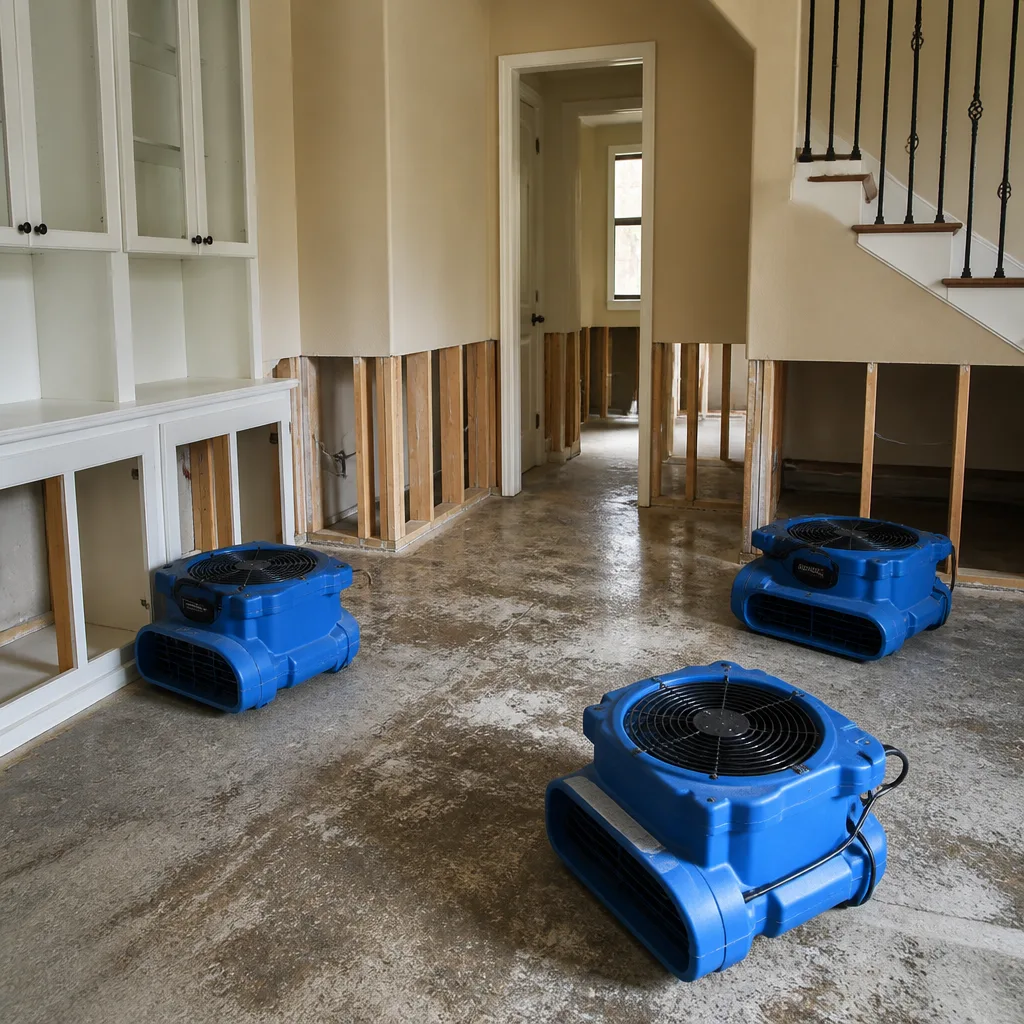
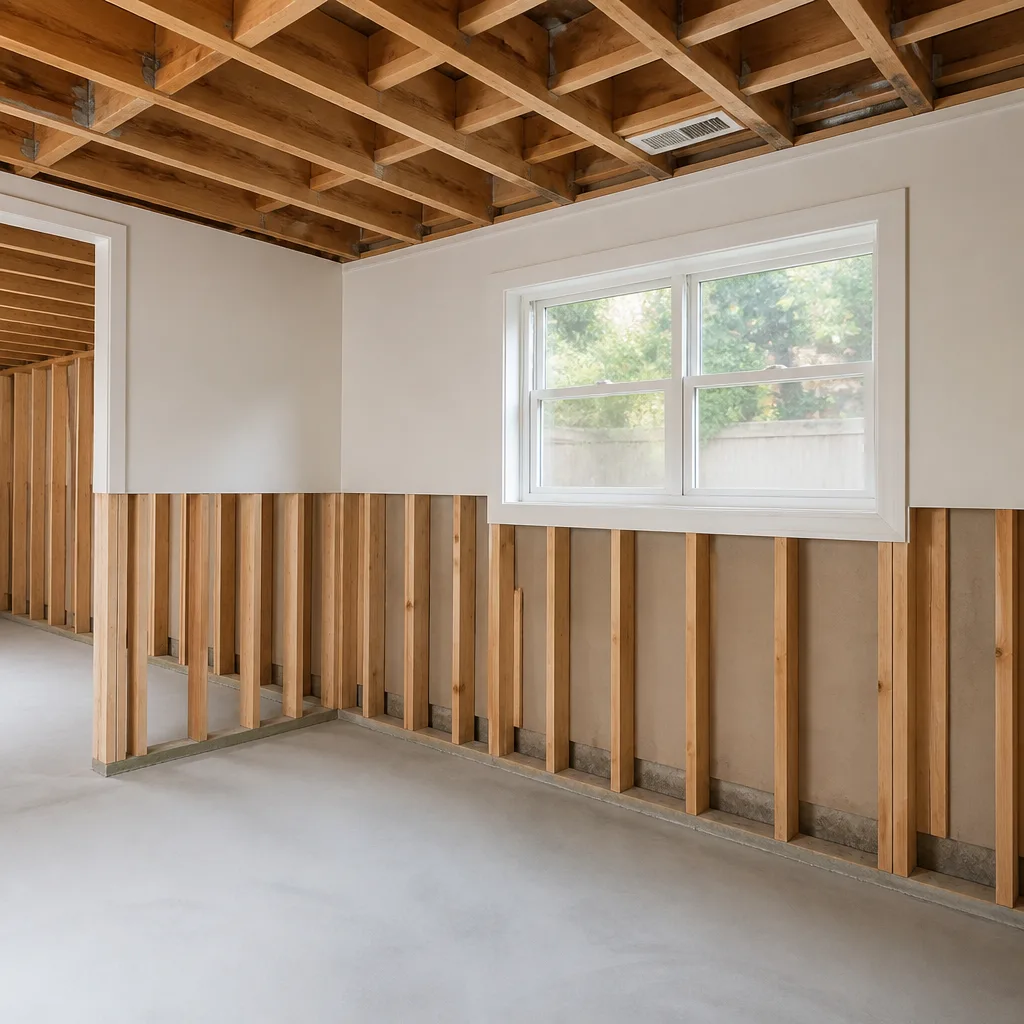
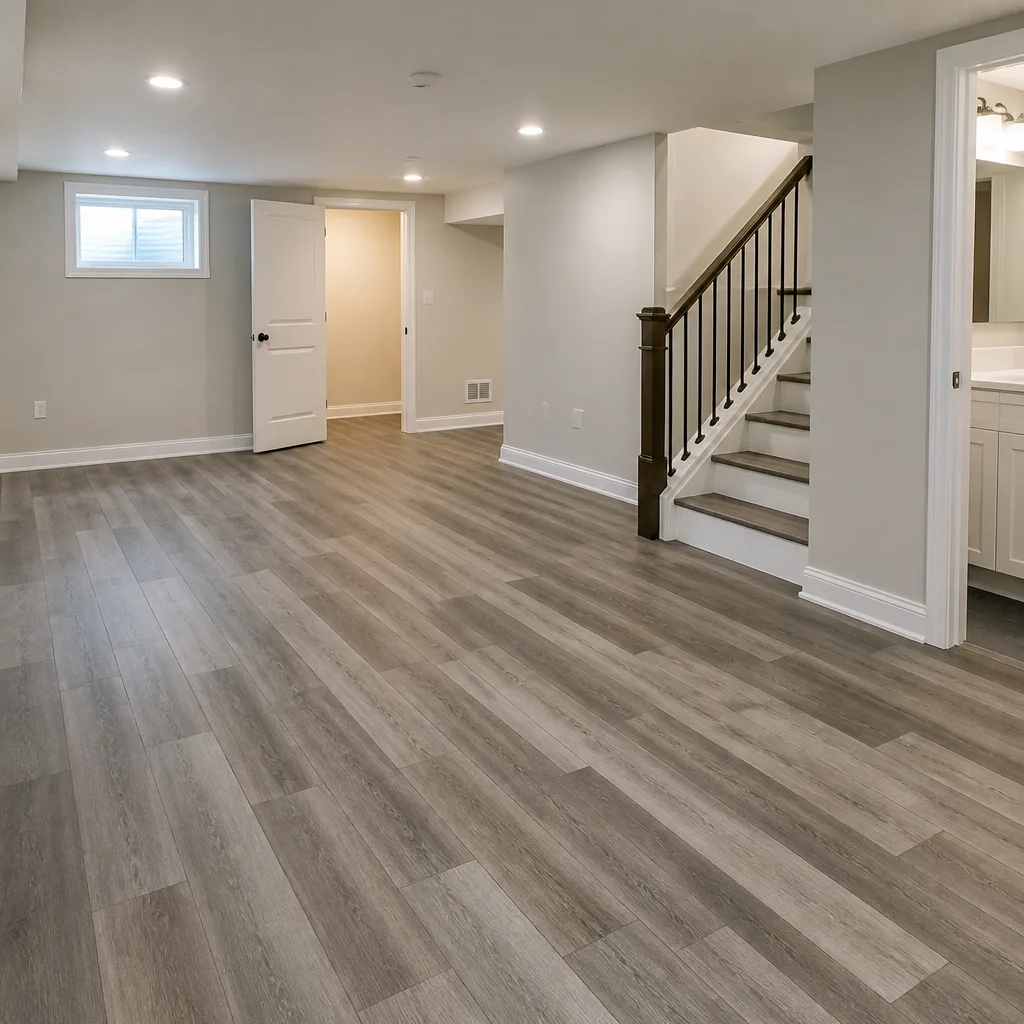
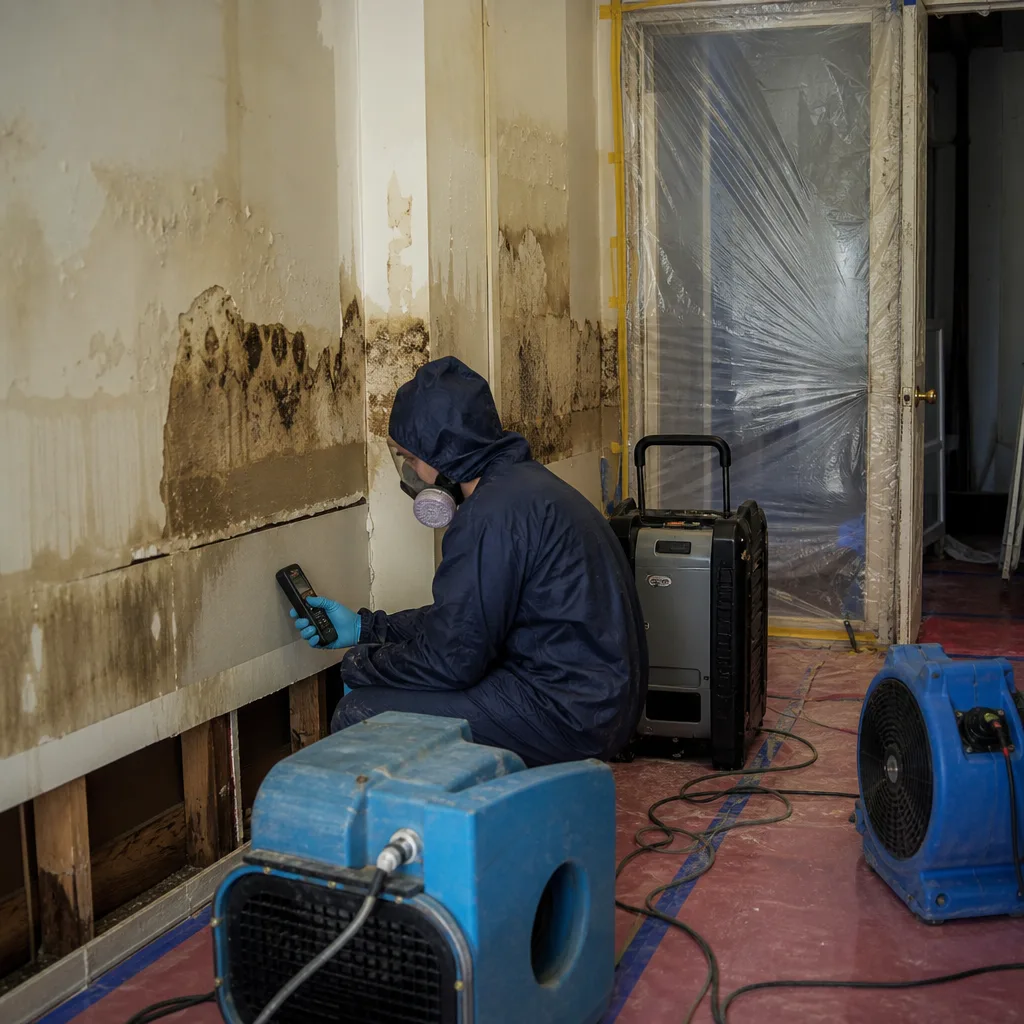 Before
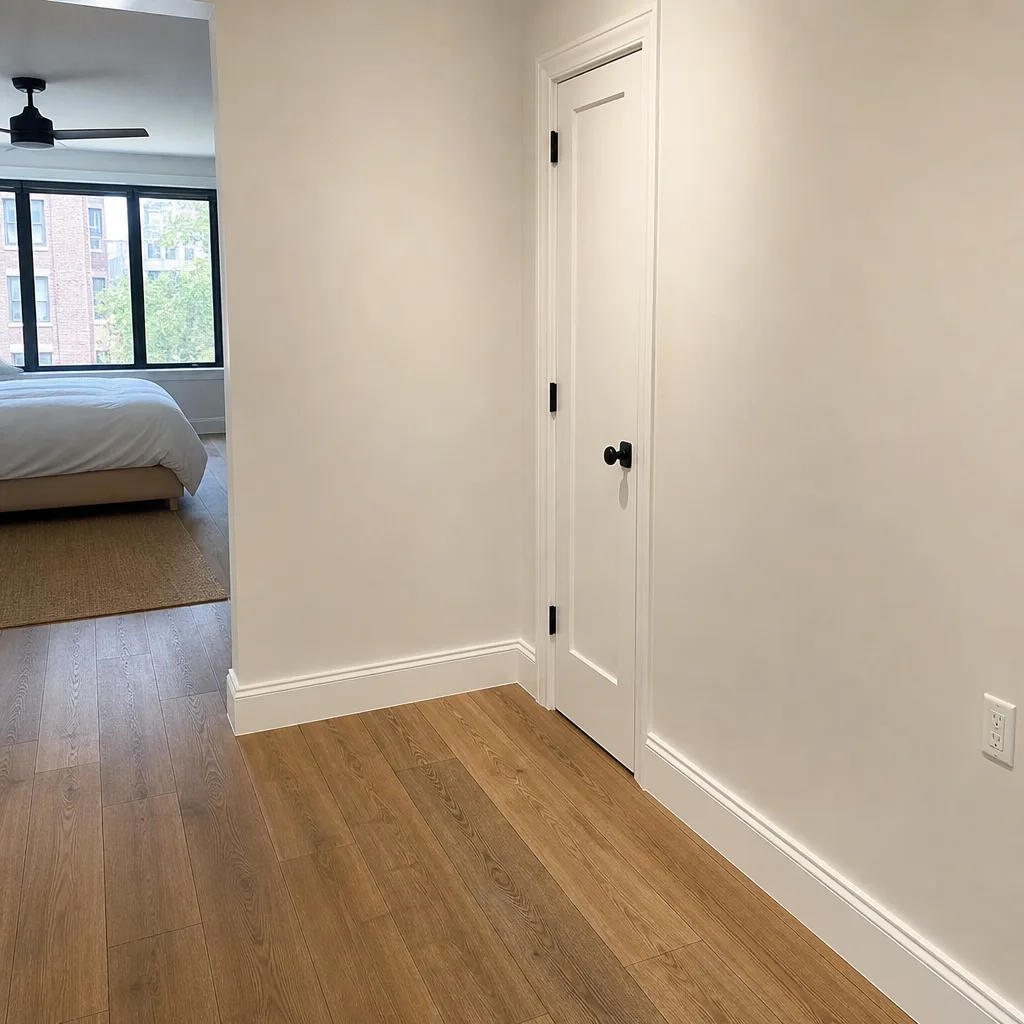 After
After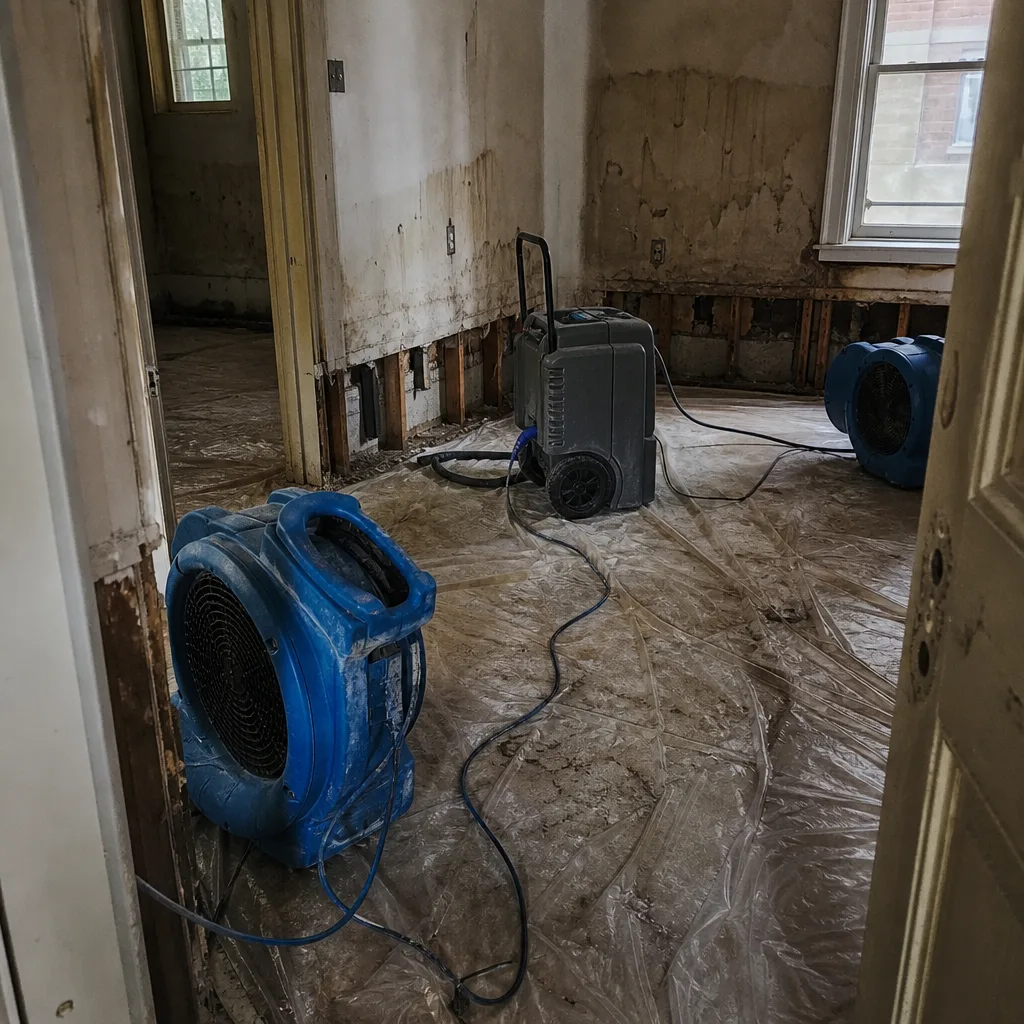 Before
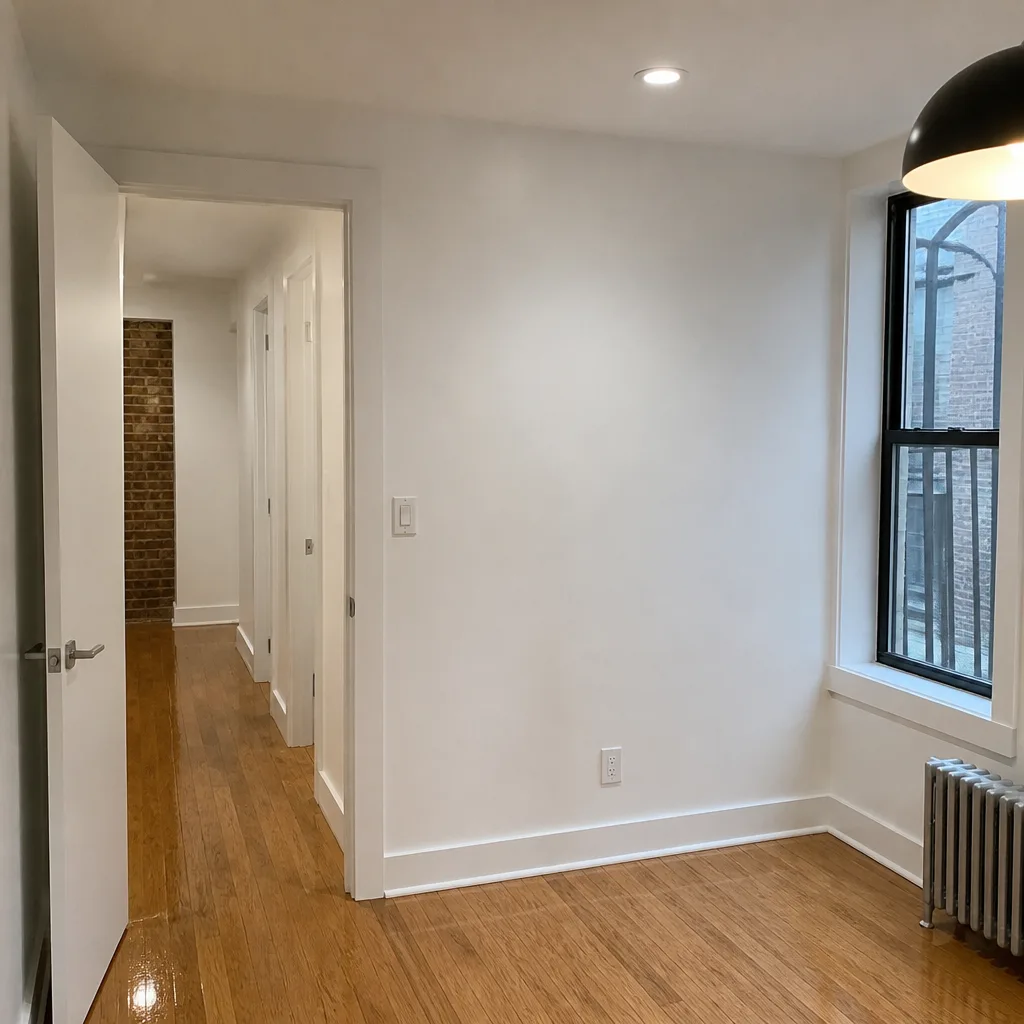 After
After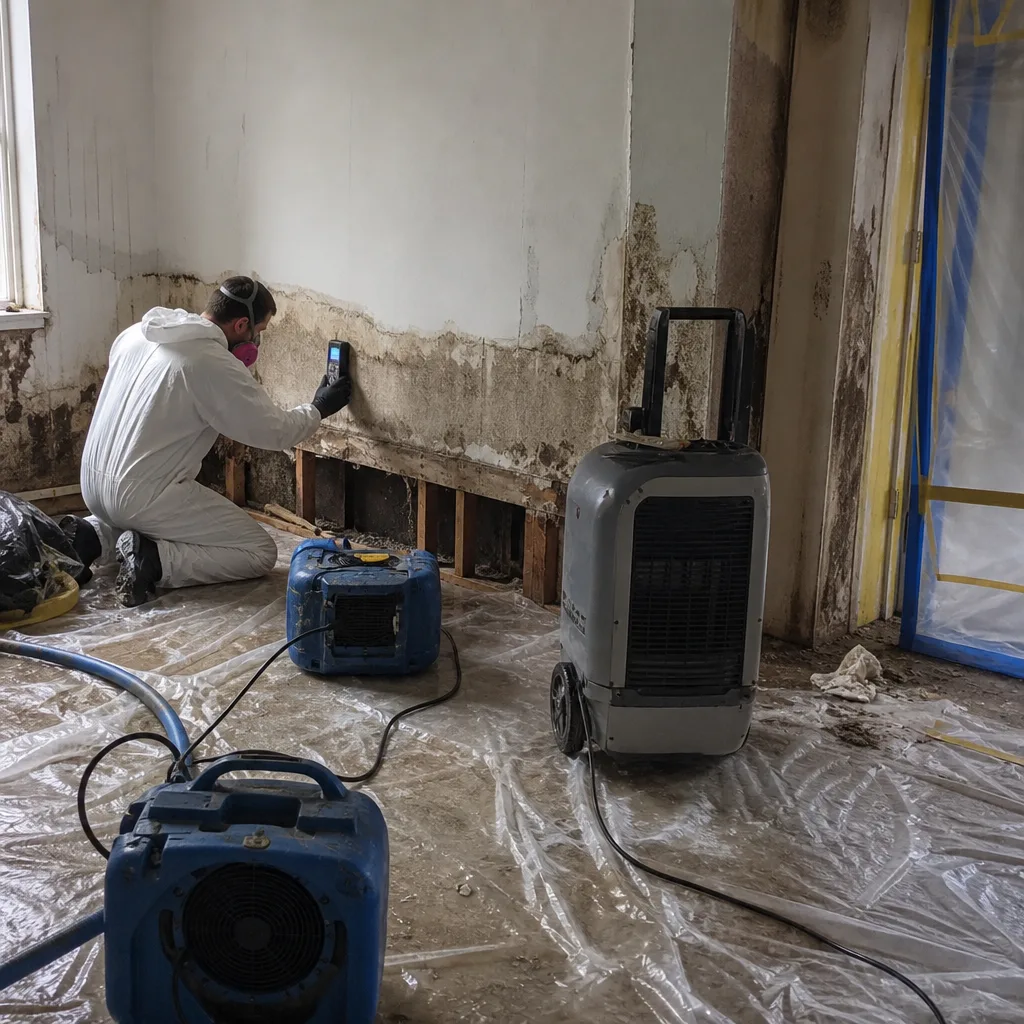 Before
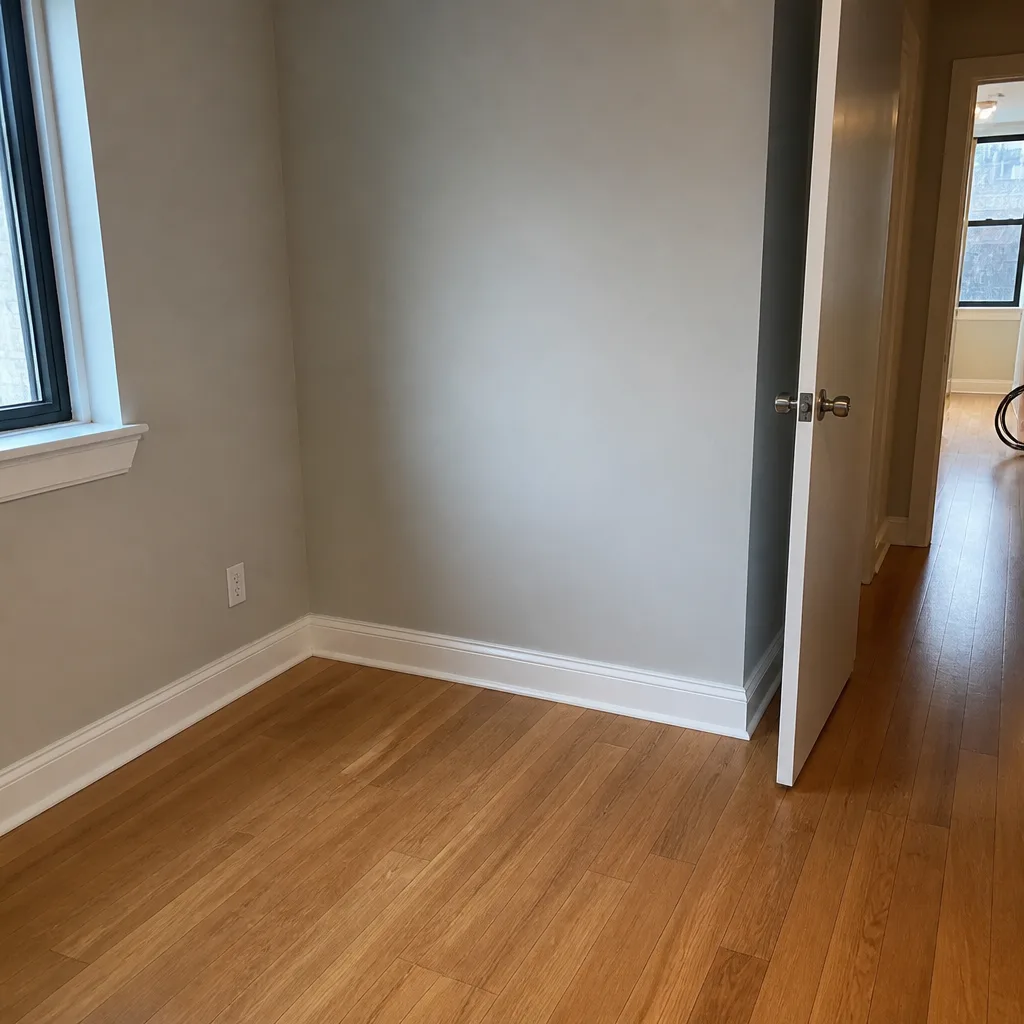 After
After24/7 Emergency Biohazard & Crime Scene Cleanup in Upper East Side
When a biohazard event happens in an Upper East Side apartment, the work cannot wait for business hours. Blood, bodily fluids, and decomposition create health hazards that move through shared walls within hours in prewar buildings. Floodline Restoration Co. answers the phone with a live dispatcher at any hour, every day of the year, and we dispatch certified crews into the Upper East Side immediately. Call (845) 305-5737 now for a free visual inspection and a firm scope of work before anything else happens. The first hour decides whether an incident stays contained in one unit or spreads into hallways, risers, and neighboring apartments.
Understanding Biohazard & Crime Scene Cleanup Severity in Upper East Side Properties
Biohazard events in the Upper East Side are rarely surface-level cleanups. Most of the housing stock here was built between 1900 and 1940, with horsehair-and-lath plaster walls, parquet floors, and shared riser chases that run the full height of the building. Blood and bodily fluids do not stay on the floor. They penetrate the gaps around pipes, wick into plaster, and settle into the space between floorboards. Odors from decomposition travel through those same channels, and in a prewar co-op with forty or more stacked units, that means what happened in apartment 7C can be smelled in 5C and the hallway within a day. Our Biohazard & Crime Scene Cleanup team treats this as containment work first, not just cleaning. We seal the unit, run HEPA air scrubbers to capture airborne pathogens, and map the movement of moisture and odor before demolition starts. That is the difference between a one-apartment cleanup and a whole-floor remediation.
Why Upper East Side Property Owners Choose Floodline Restoration Co.
- 45-minute response commitment: We tell you when the crew will arrive, and we are there when we say. Upper East Side dispatch runs around the clock, not on a call-back list.
- Live answer, 24/7: A person picks up the phone at two in the morning. Not a recording. Not a service that routes you to a call center in another state.
- IICRC-certified crews: Our technicians hold IICRC certifications including WRT and AMRT, and they are trained on RIA and IFA standards for biohazard work.
- Free visual inspection: We walk the unit, identify the actual scope, and put it in writing before you agree to anything. No pressure, no surprise line items.
- Direct insurance billing: We bill your carrier directly and communicate with your adjuster. You do not play messenger between us and the insurance company.
- One team from first response to final repair: Extraction, drying, sanitization, and reconstruction stay with the same crew. No mid-job handoff to a subcontractor you have never met.
Our Biohazard & Crime Scene Cleanup Process
Inspection & Assessment
We arrive, walk the unit, and identify every affected surface, wall cavity, and shared penetration point. In Upper East Side co-ops, this includes checking riser closets and common hallway air paths. We document everything with photos and thermal imaging before any work begins.
Extraction & Stabilization
We remove porous materials that cannot be cleaned: saturated carpet, padding, affected sections of plaster, and contaminated fabrics. For larger biohazard loads, we use HEPA-filtered extractors to remove fluids without aerosolizing pathogens. The goal is to stop the spread before it reaches shared walls.
Drying & Dehumidification
Any fluid that entered the unit leaves moisture in materials and air. We run Dri-Eaz and Phoenix dehumidifiers and air movers, and we track moisture content with daily hygrometer readings. In Upper East Side buildings, we often run simultaneous equipment across multiple units because the co-op’s work-hour rules do not allow us to come back on weekends.
Cleaning & Sanitization
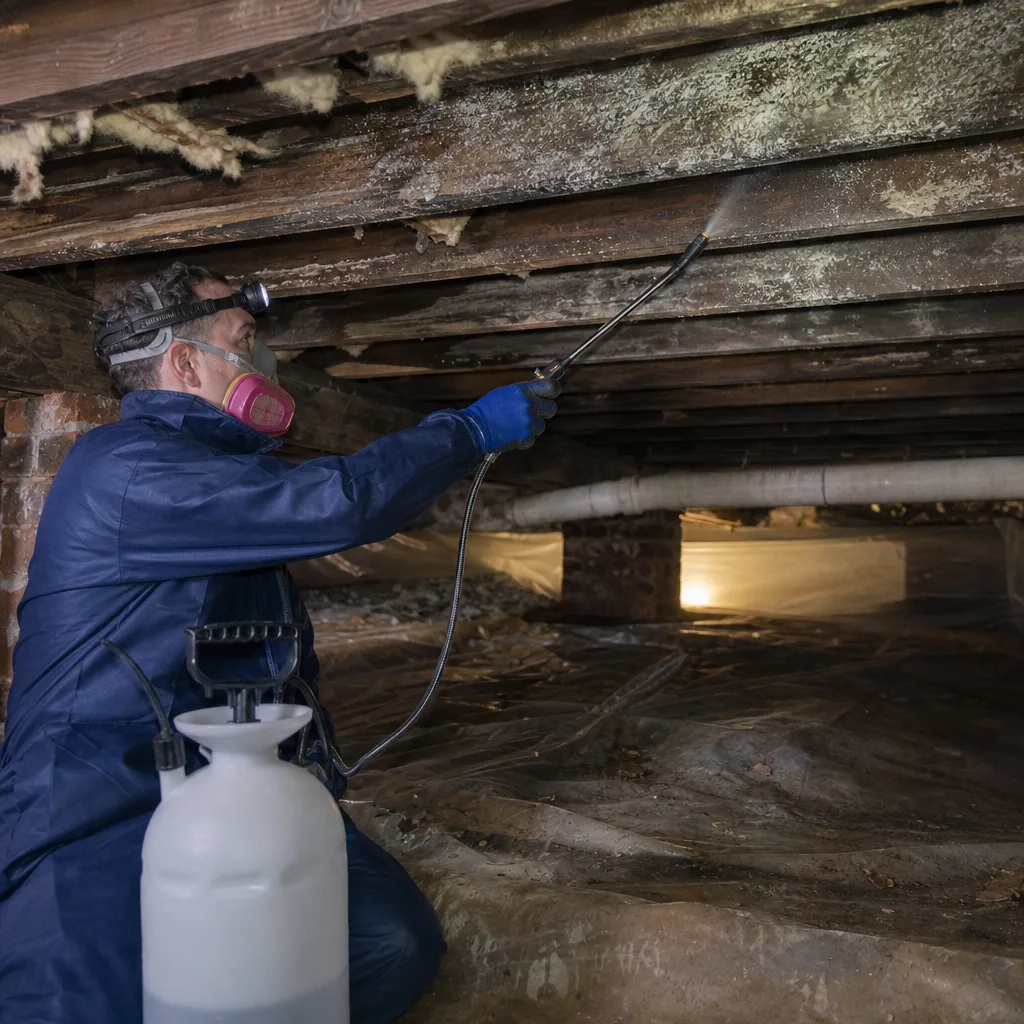
Non-porous surfaces get hospital-grade antimicrobial treatment. We fog enclosed spaces with EPA-registered disinfectants and wipe down every hard surface. Our techs work in full PPE, and we contain the workspace so no contaminant crosses the threshold into common areas.
Odor & Airborne Contaminant Control
Decomposition odor and airborne pathogens require active air scrubbing. We run HEPA scrubbers continuously during the work, and we seal the unit against shared wall cavities and riser chases. This is where prewar building experience matters: containment has to be structural, not just plastic sheeting over a doorway.
Repairs & Restoration
After the unit is cleaned and dried, we rebuild what we removed. Horsehair-lath plaster gets repaired or replaced with appropriate materials, floors get refinished or replaced, and the unit is returned to livable condition. One crew handles it all, and the work is backed by our 90-Day Done Right Promise in writing.
Need Emergency Biohazard & Crime Scene Cleanup in Upper East Side Now?
Crews minutes away, answering live 24 hours a day. The sooner we start, the less it costs.
Working With Your Insurance Company
Biohazard claims in Upper East Side co-ops often involve two policies: the building corporation’s master policy and the shareholder’s HO-6 policy. We document everything from the first hour so neither carrier can dispute the scope later. Our documentation includes room-by-room photos, contaminate readings, daily drying logs, and a line-item scope of work tied to industry standards. We communicate with adjusters directly, and we bill the carrier directly. You should never have to argue a claim on your own, and you should never have to pay out of pocket for covered work while you wait for reimbursement. The 90-Day Done Right Promise applies to every job, in writing, no exceptions.
What We Provide Your Insurer
- Thorough documentation of the loss
- Photos of all damage, room by room
- Moisture readings and drying logs
- A detailed, line-item scope of work
- Direct coordination with your carrier
Built for Upper East Side’s Loss Calendar
Upper East Side biohazard incidents do not follow a tidy seasonal pattern, but certain months produce more calls than others. January and February bring frozen supply lines in older buildings along Fifth Avenue and Park Avenue, where cast-iron risers from the 1920s and 1930s are most vulnerable. A burst riser sends Category 3 water through multiple floors, and if the water sat for days before discovery, biohazard protocol applies. Summer thunderstorms hit East End Avenue and York Avenue buildings hard, especially basement and ground-floor mechanical rooms already fighting chronic East River humidity. When a co-op shareholder passes away and the body is not found for days, it is often a July or August heat event that makes neighbors notice the odor first. We run containment and air scrubbing in the same compressed weekday window every Upper East Side co-op requires, which is why we know how to get drying targets met before the weekend shutdown. This is not suburban restoration work. It is prewar Manhattan restoration work, with a board watching the clock.
Biohazard & Crime Scene Cleanup Across Upper East Side’s Neighborhoods
In the landmarked blocks of the Carnegie Hill Historic District, including the stretch along Fifth Avenue and Madison Avenue, we deal with co-op boards that require written approval before any containment goes up. The buildings themselves are often gorgeous, with ornamental plaster and herringbone floors, but the board rules can be strict, and a stop-work order is expensive for everyone. Over on East End Avenue and York Avenue, the buildings sit close enough to the East River that we regularly see elevated humidity in lower floors, which slows drying and makes dehumidifier time a bigger part of the bid. In the high-rise corridor around East 72nd through East 86th, where many towers run 20 stories or more, shared riser chases are the primary path for odor migration, and we treat every riser penetration as a potential cross-contamination point. The townhouse blocks east of Lexington Avenue present a different problem: older single-family homes converted to multi-unit rentals, where the original horsehair-lath walls were never upgraded and biohazards penetrate quickly. Every one of these buildings is inside the Upper East Side service area, and every one of them has a board or an owner who needs documentation, not promises.
Specialized Biohazard & Crime Scene Cleanup Services We Offer in Upper East Side
Trauma & Unattended Death Cleanup
An unattended death in a prewar Upper East Side co-op is never a single-unit event. In one fourteen-story building on East 79th Street, our techs sealed the unit and the adjacent hallway with containment, then ran simultaneous air movers and dehumidifiers across three affected apartments during the co-op’s strict 8 a.m. to 5 p.m. weekday window. We documented moisture readings and antimicrobial treatment on drying logs to satisfy both the co-op board’s insurer and the shareholder’s HO-6 adjuster. That is what this work looks like here. We handle the body fluids, the odor, the cleanup, and the paperwork.
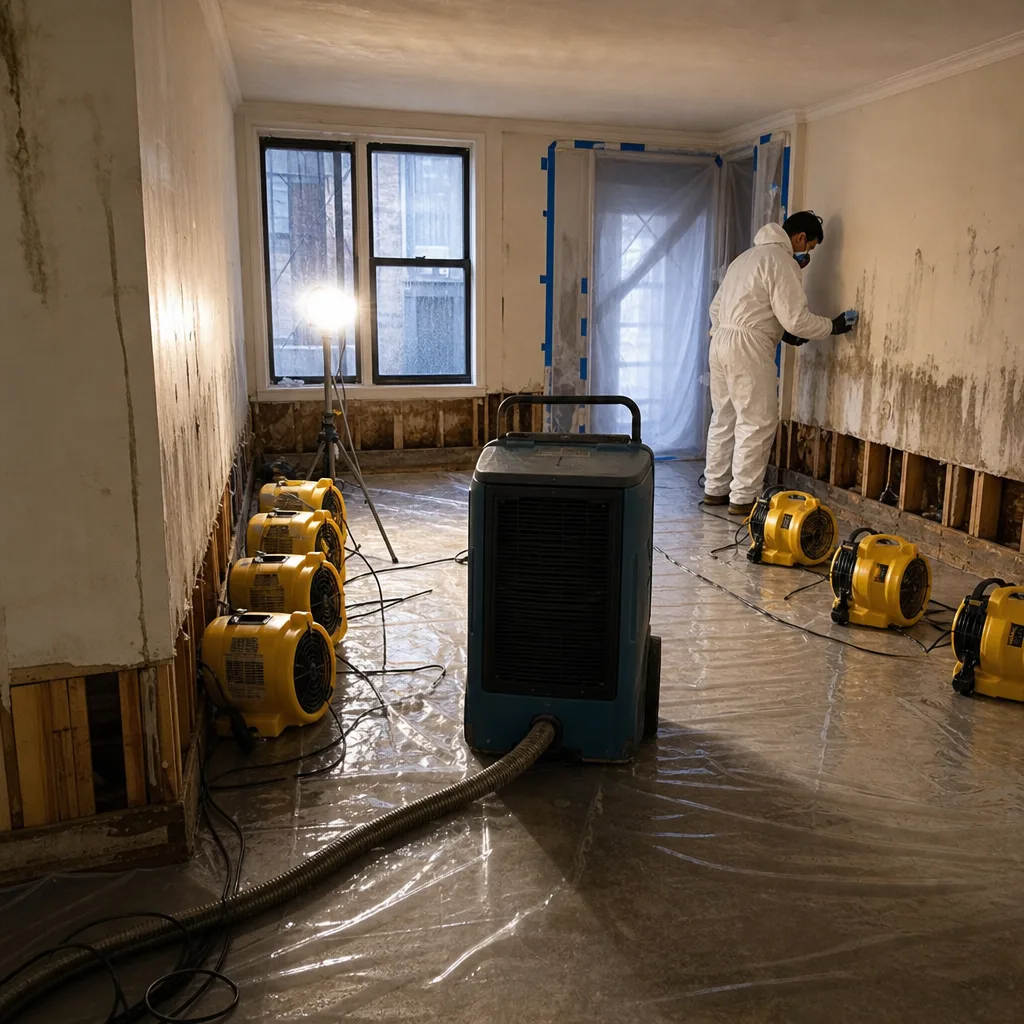
Crime Scene Cleanup
Blood cleanup in an Upper East Side apartment requires more than cleaning visible stains. Blood can travel under baseboards, into grout lines, and through the gap under a parquet floor. We use EPA-registered disinfectants and physical removal of affected materials, and we contain the workspace so no airborne droplets reach the hallway. Law enforcement release is required before we can enter in most cases, and we coordinate that. We also work directly with property managers and co-op boards when a crime scene affects shared areas.
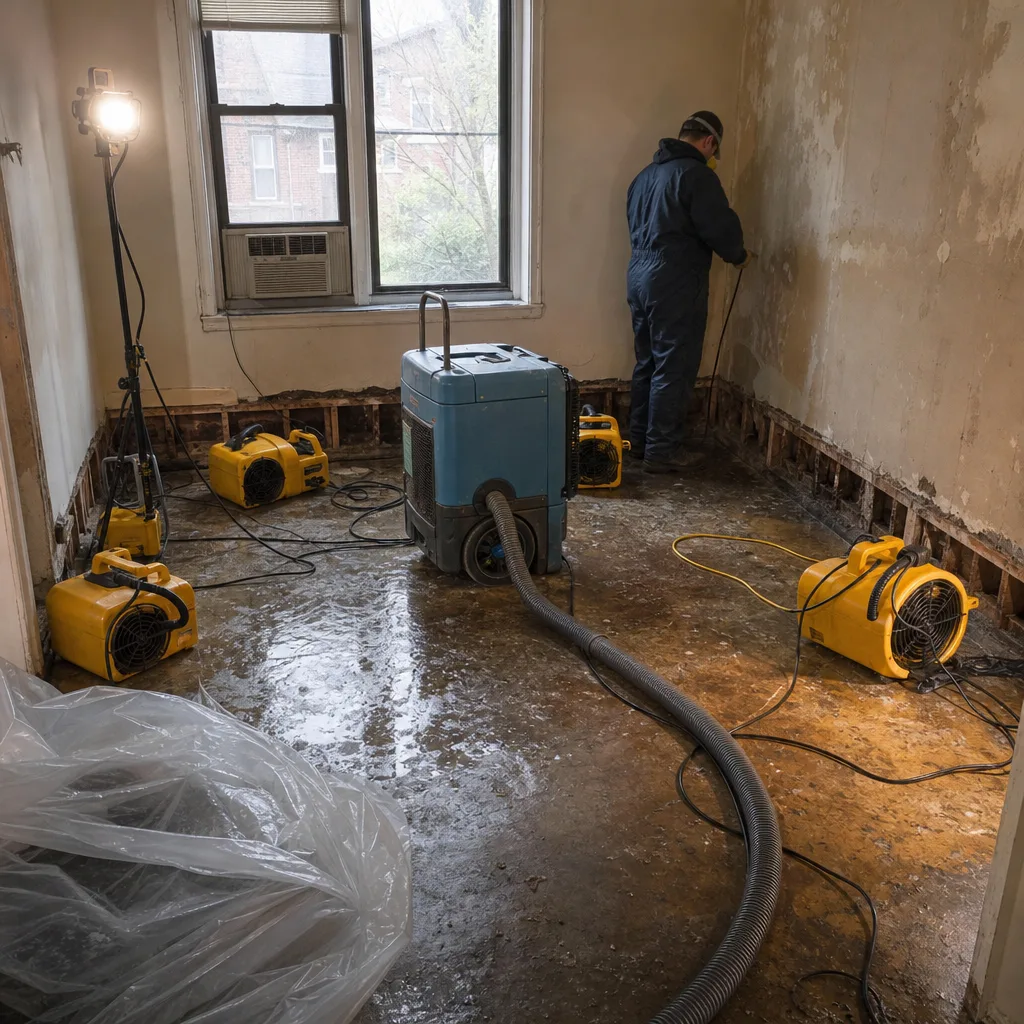
Infectious Disease Disinfection
When a resident in an Upper East Side building has a serious infectious illness, boards often ask for whole-unit disinfection before the next occupant moves in. We fog with EPA-registered antimicrobial solutions rated for the specific pathogen involved, wipe every hard surface, and treat soft goods that can be saved. In buildings with central HVAC or shared hallway air returns, we evaluate whether the ductwork needs cleaning or sealing. The board gets documentation, and you get a unit that is ready to be lived in again.
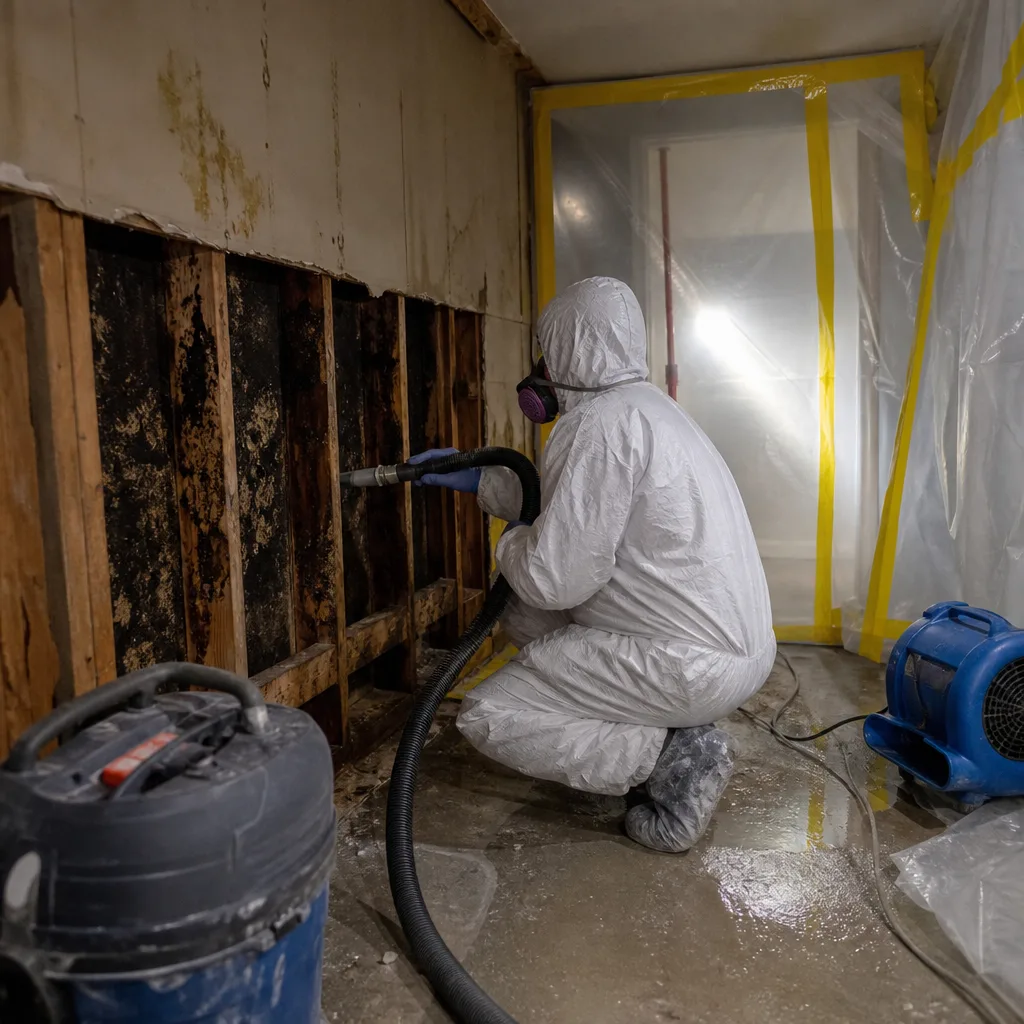
Blood & Bodily Fluid Cleanup
Blood spills inside a Fifth Avenue apartment require immediate extraction and substrate removal. Carpeting, padding, and affected drywall or plaster generally cannot be cleaned; they are removed and disposed of as regulated medical waste. We handle that classification and disposal, which is a legal requirement in New York, not a preference. Our techs wear full PPE, and we document every step for the claim.
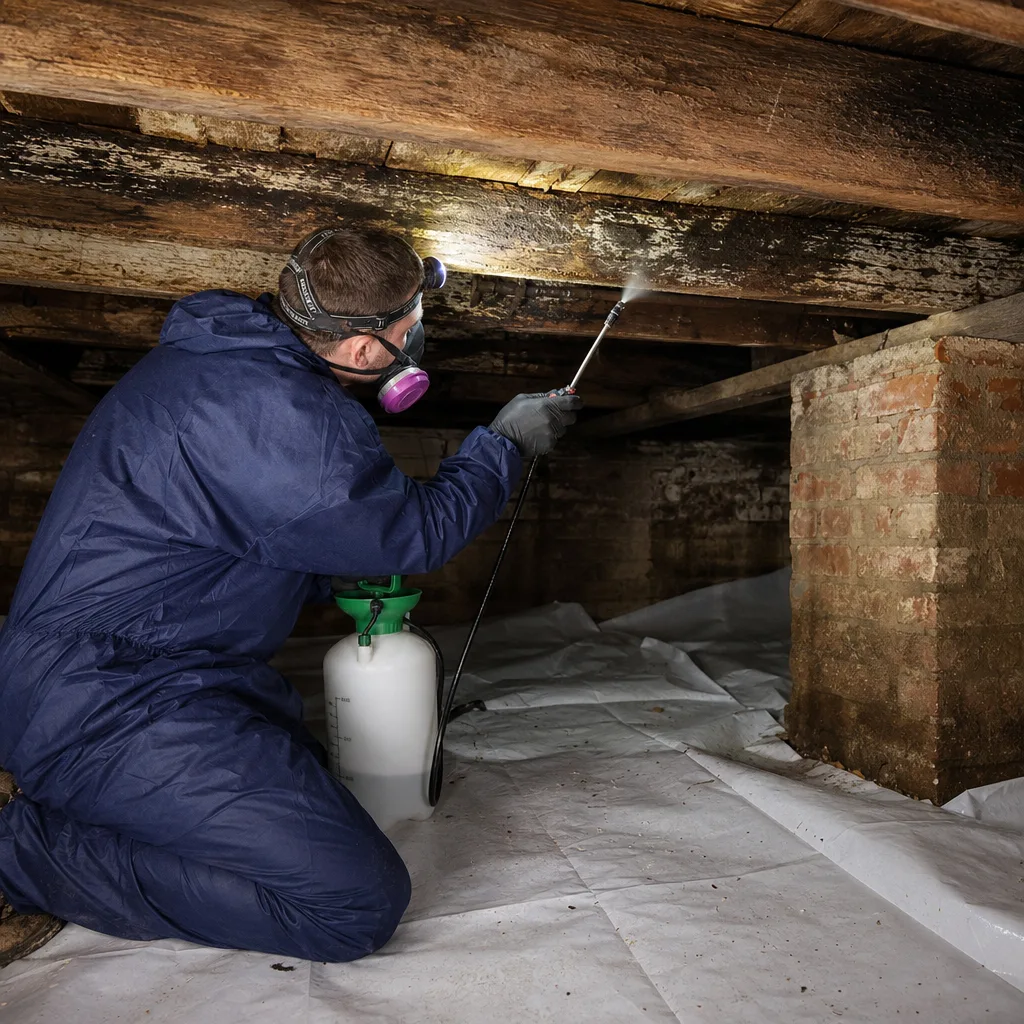
Hoarding Cleanup
Hoarding cleanup in Upper East Side apartments often overlaps with biohazard work when accumulated waste includes food, pet waste, or other organic material. We sort salvageable items from waste, remove debris, and sanitize the structural surfaces. In prewar co-ops, the weight load matters, and we work with the building’s engineer when debris volume on an upper floor is a structural concern. The board gets a clean unit and a documented scope, and the occupant gets a chance to keep their home.
What happens when you call
- 1
A real person answersNo phone trees - you reach a local pro.
- 2
You get an upfront price rangeHonest numbers before anyone is dispatched.
- 3
A background-checked tech heads outLicensed & insured, dispatched right away.
- 4
You approve before work beginsNothing starts until you say go.
Biohazard & Crime Scene Cleanup Costs in Upper East Side, NY
Biohazard cleanup in the Upper East Side is priced by scope, not by square foot alone. A contained blood cleanup in a single apartment typically runs $1,500 to $5,000. Trauma and unattended death cleanups, where decomposition and odor have moved into plaster and subfloor, usually fall between $4,000 and $15,000 depending on how many rooms and wall cavities are affected. Hoarding cleanups with biohazard components can run $8,000 to $40,000 or more when the volume is large and upper-floor structural concerns apply. The city’s regulated medical waste disposal fees, the building’s work-hour restrictions, and the need for simultaneous equipment across multiple units all move the price. Insurance typically covers biohazard cleanup when the loss is tied to a covered peril, and once the unit is restored, most of the cost is done. A free visual inspection is the only way to get a firm number. Call (845) 305-5737 and we will walk the unit, write a scope, and hand it to you before you agree to anything.
We Also Serve Cities Near Upper East Side
Floodline Restoration Co. handles Biohazard & Crime Scene Cleanup across Upper West Side, Upper Manhattan, Morningside Heights, and Central Harlem. The same live dispatch, the same certified technicians, and the same 90-Day Done Right Promise apply wherever the job is. If you are in Manhattan and need help now, call us.
Serving Upper East Side, NY - Our Local Coverage Area
We’re based in the Upper East Side area and know this community well. Use the map below to see our service coverage - if you’re nearby, we can almost certainly help.
Upper East Side Biohazard & Crime Scene Cleanup Questions, Answered
Does our co-op board need to approve biohazard cleanup before we start in a unit on Fifth Avenue or Park Avenue?
Yes, in almost every case. Fifth Avenue and Park Avenue co-ops require board or managing agent approval before any contractor brings containment equipment into the building, and many have specific insurance and licensing forms that must be on file first. We handle that paperwork and can usually get approval the same day if the board is responsive. Call (845) 305-5737 and we will start that process immediately.
Can you complete a Category 3 water and biohazard mitigation during the weekday-only window on an upper floor without overtime?
Yes, in most Upper East Side buildings we can. The work-hour restrictions mean we run simultaneous equipment across multiple zones during the allowed 8 a.m. to 5 p.m. window instead of a single slower pass. We have done this in buildings on East 79th Street and elsewhere, and we document daily readings to show the adjuster the dry standard was met within the board’s timeline.
How do you prevent decomposition odor from spreading through the shared walls and risers in a prewar building?
We seal every riser penetration and shared wall cavity with structural containment before any demolition starts, and we run HEPA air scrubbers continuously to capture airborne odor molecules. The containment is not just plastic sheeting; it is sealed at the wall cavities, baseboards, and pipe chases where odor travels between units. This is the single most important step in Upper East Side biohazard work.
Will the co-op board allow the use of industrial dehumidifiers and air movers overnight in a unit near East End Avenue?
Most boards will not allow overnight equipment in occupied buildings, but boards have made exceptions in units near East End Avenue where elevated East River humidity requires longer drying cycles. We request the exception in writing with the drying plan and equipment specs attached, and we have a good track record of getting approvals when the building engineer signs off.
What is the difference in liability if the biohazard came from a neighboring unit’s burst riser versus our own apartment?
If the source is a burst riser or another building-owned system, the co-op’s master policy generally covers the biohazard cleanup and the restoration of the building structure, while your HO-6 policy covers your personal property and any upgrades. If the source is inside your own unit, your HO-6 policy is the primary coverage. In both cases, we document the source, the spread, and the cleanup so the correct carrier pays. Our direct insurance billing means you do not sort this out alone.
How fast can someone actually get to my Upper East Side apartment?
Our commitment is 45 minutes to dispatch a crew inside the Upper East Side. In practice, most calls from Fifth Avenue, Park Avenue, East End Avenue, and the side streets in between get a crew on site within an hour, including the time to coordinate access with the doorman or super. Call (845) 305-5737 and a live dispatcher gives you a real arrival window, not a promise of “sometime today.”
What should I do in the first 30 minutes after a biohazard event in my unit?
Close the door to the affected area, shut off the HVAC or close vents if you can do so without entering the space, and call us. Do not attempt to clean blood, bodily fluids, or decomposition yourself, and do not run fans or open windows to air out the smell; that moves contaminants into shared hallways. The less air movement before containment goes up, the smaller the eventual scope and cost.
Are your technicians actually certified for biohazard work, or is this a general handyman crew?
Our technicians hold IICRC certifications including WRT and AMRT, and they are trained to RIA and IFA standards. They are background-checked, uniformed, and work under Curt Bowman’s direct oversight. Biohazard work in Upper East Side co-ops requires documentation that meets insurance and board standards, and our certifications are what make that documentation hold up.
Call (845) 305-5737 now for a free visual inspection and a written scope of work. Live dispatch answers 24 hours a day, every day. Floodline Restoration Co. has served New York’s Upper East Side with the same steady approach: done right, and backed in writing. We stand behind it.
Written by Curt Bowman, Owner at Floodline Restoration Co., serving Upper East Side and the surrounding New York City area.