

Free visual inspection and a written scope of work before any mitigation begins - photos, moisture readings, and drying logs go in your claim file
The scope we write is the scope we bill. Anything new gets shown to you, in writing, before we touch it.
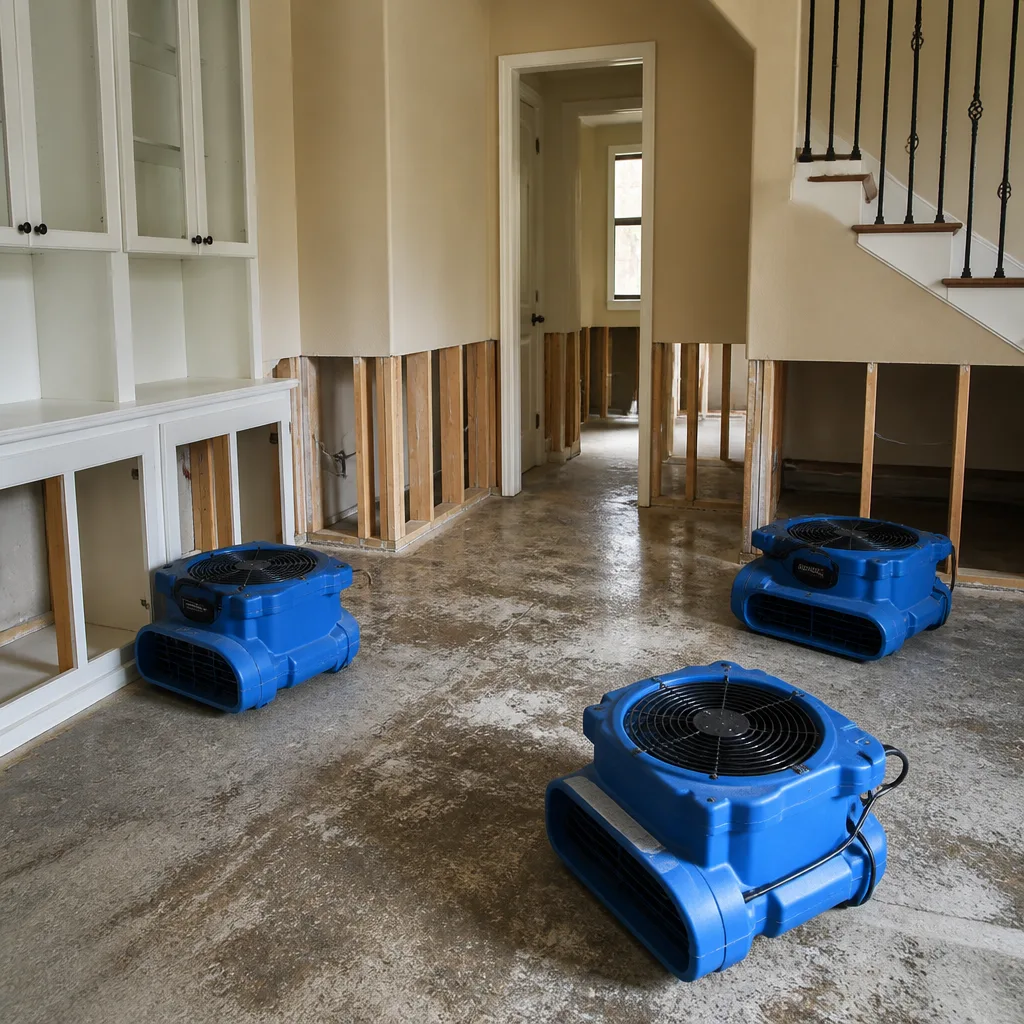
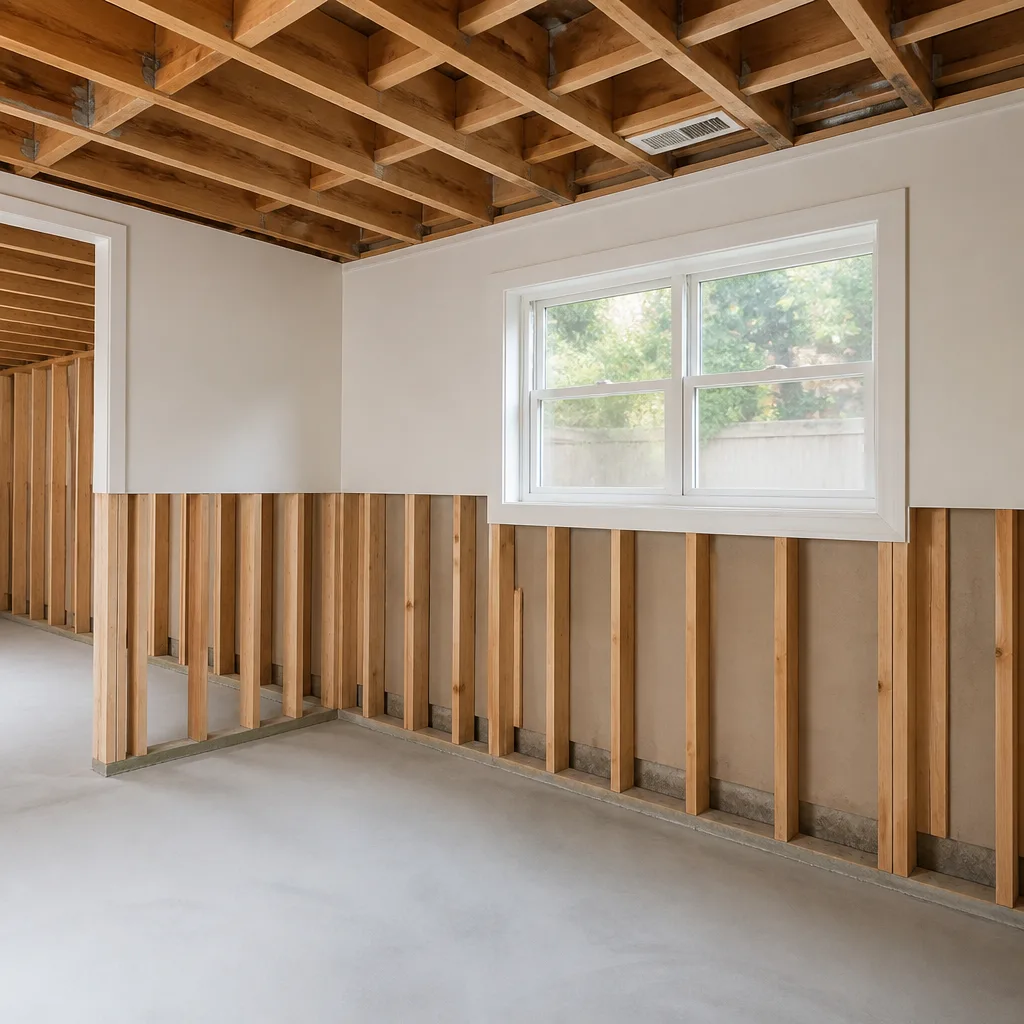

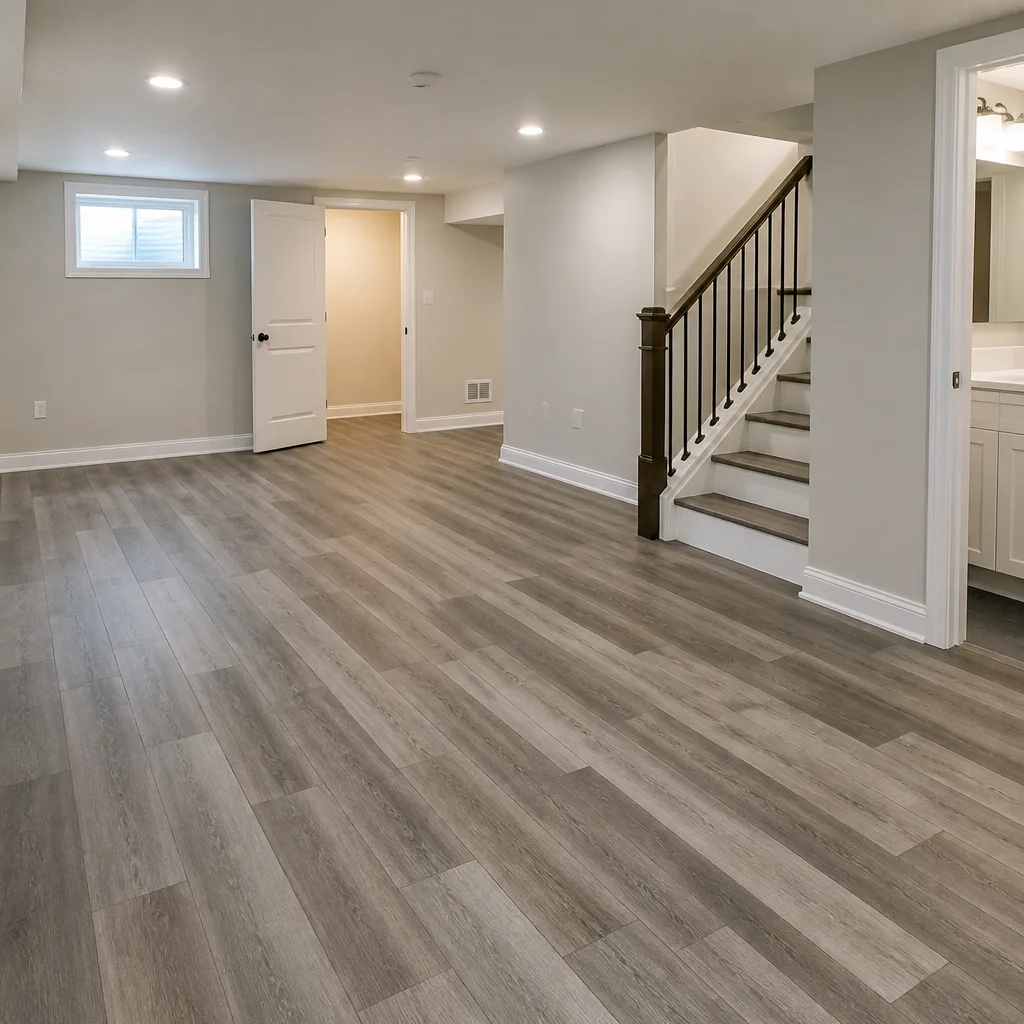
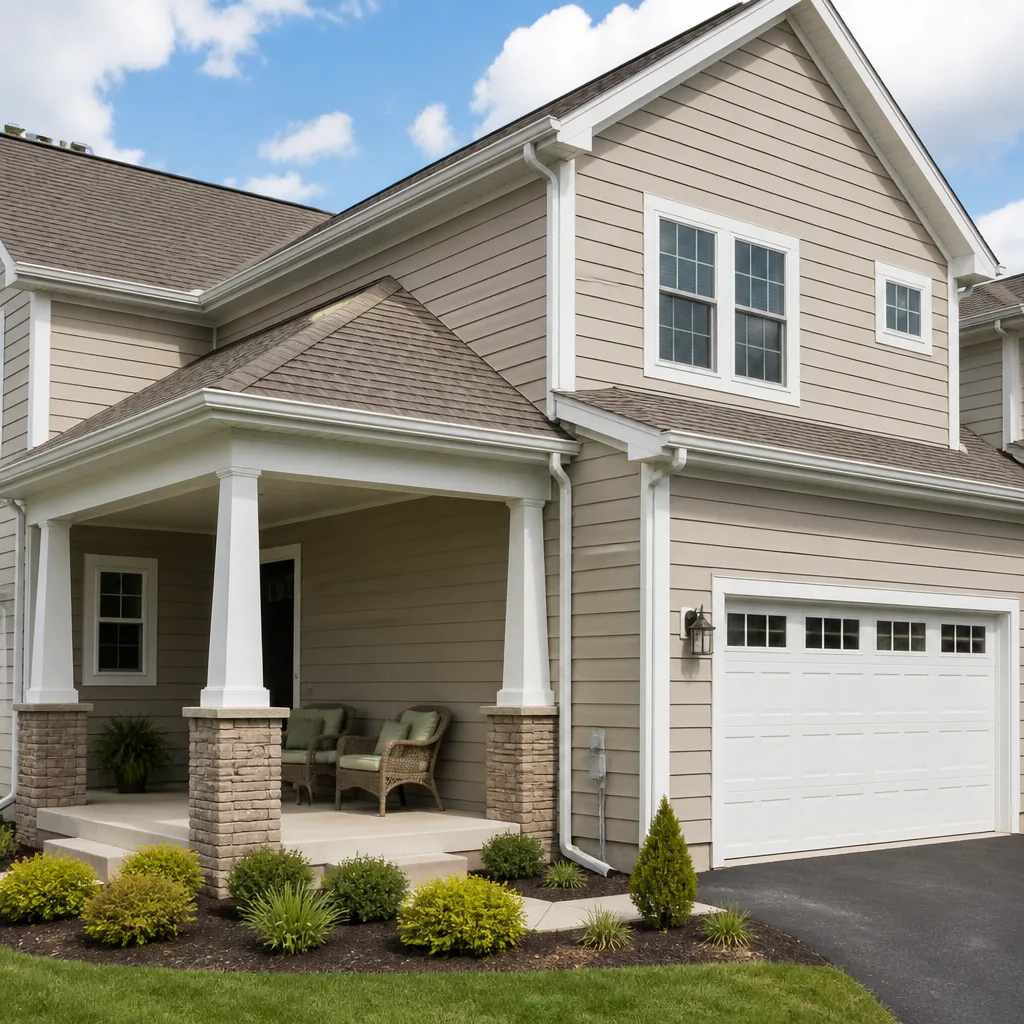
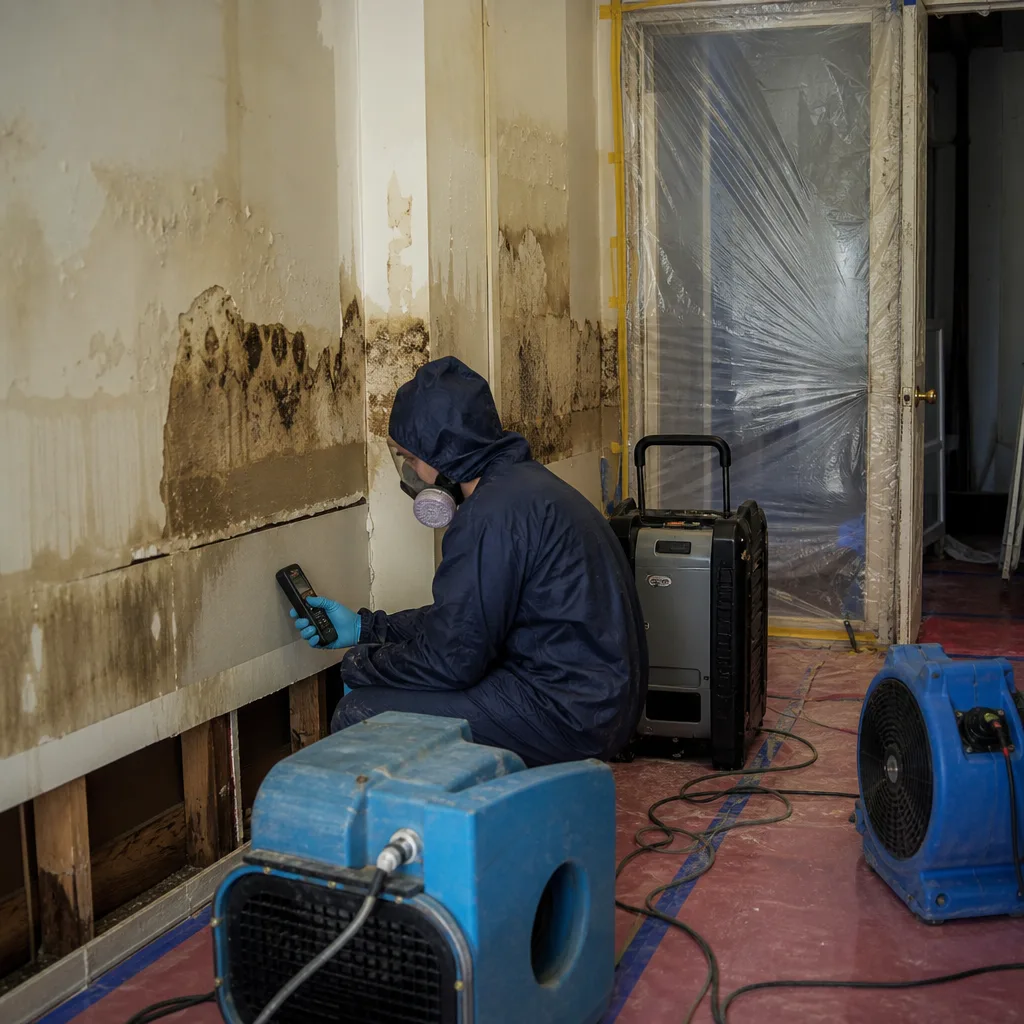 Before
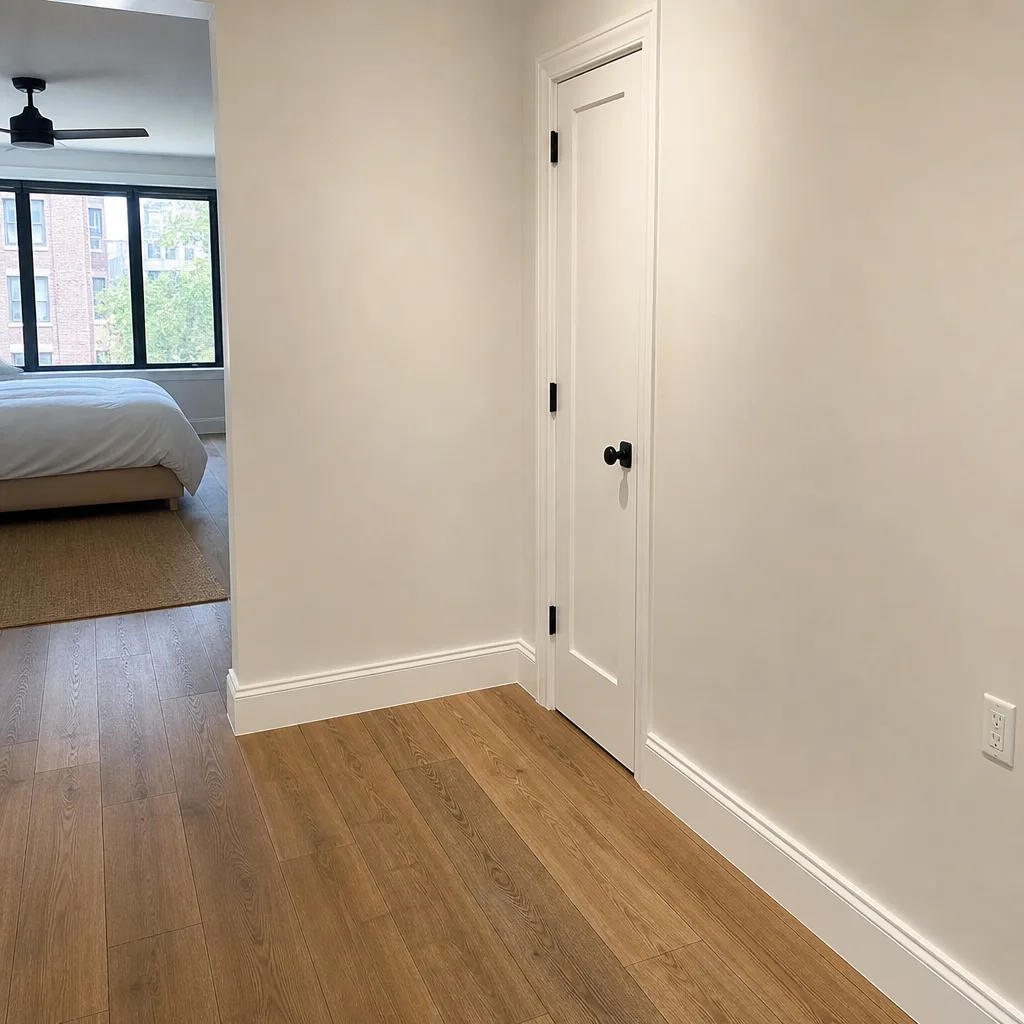 After
After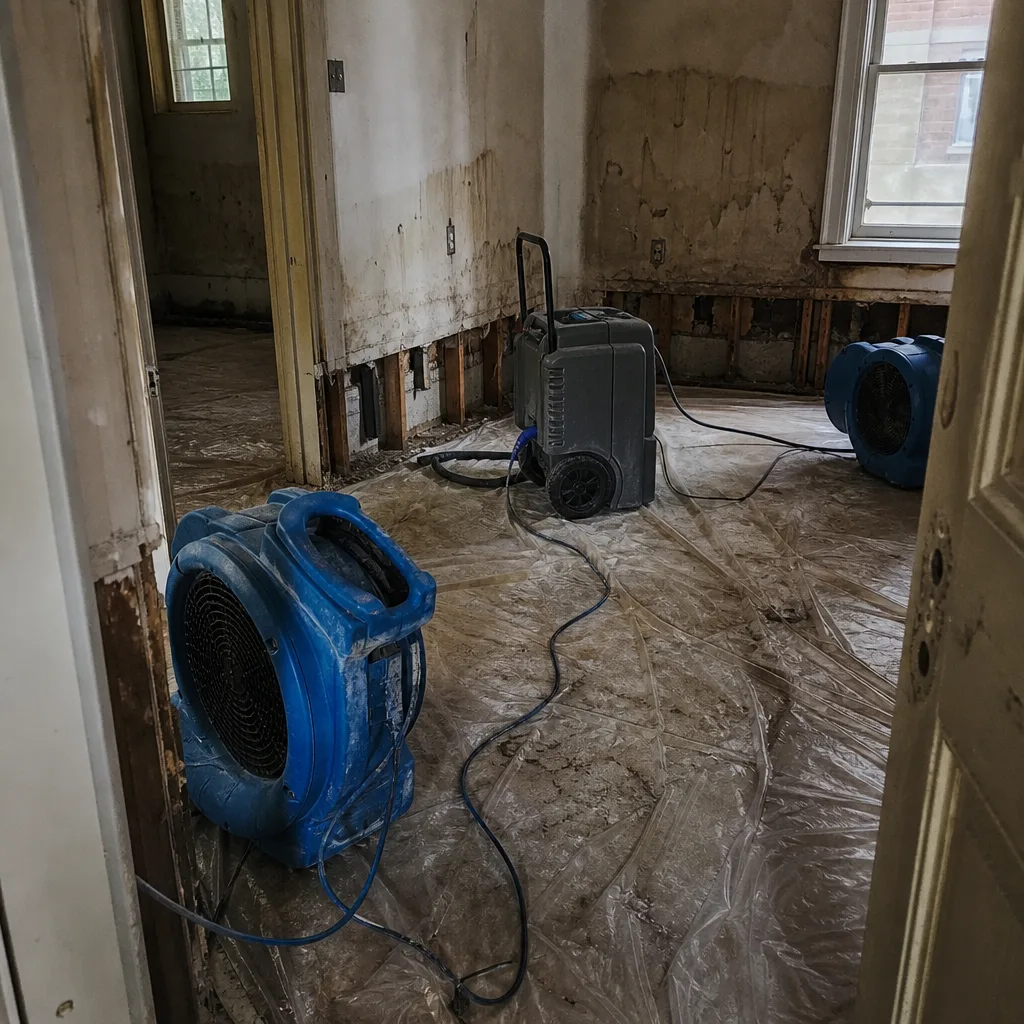 Before
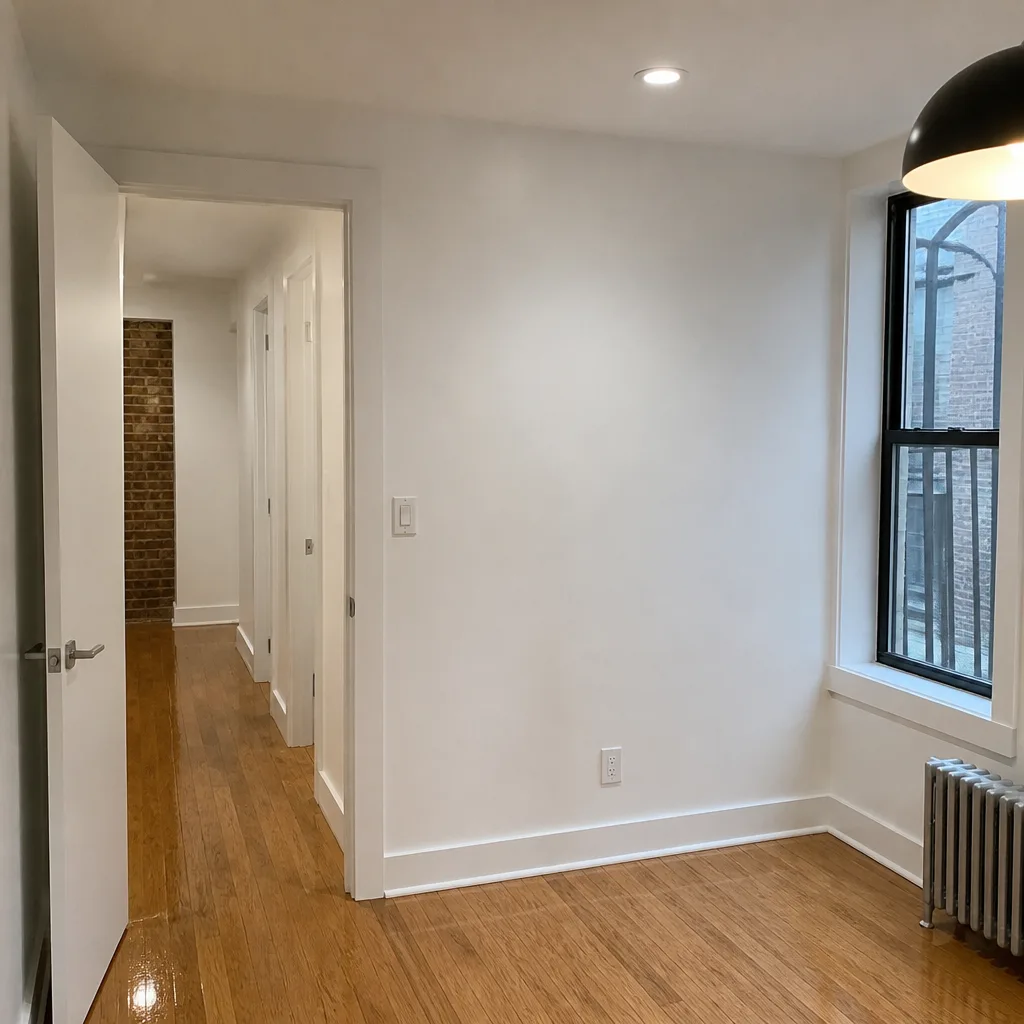 After
After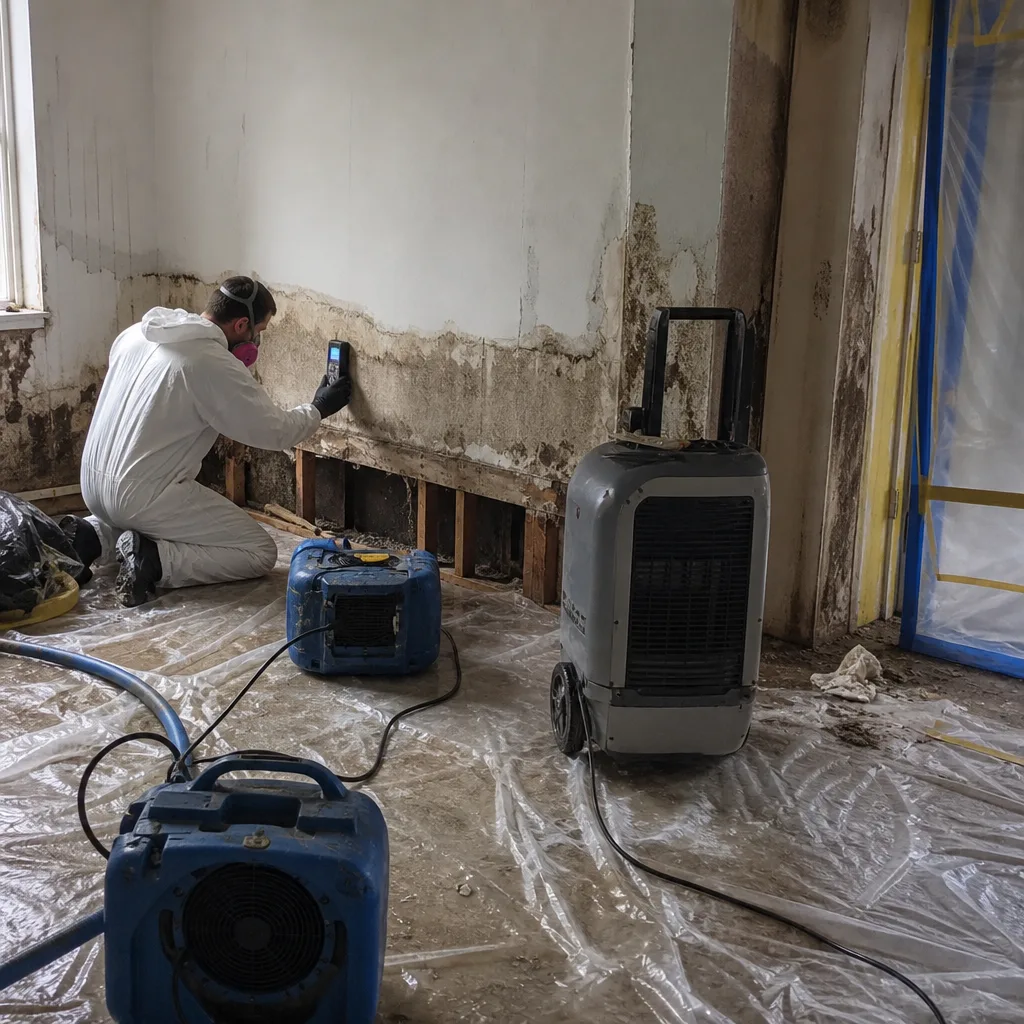 Before
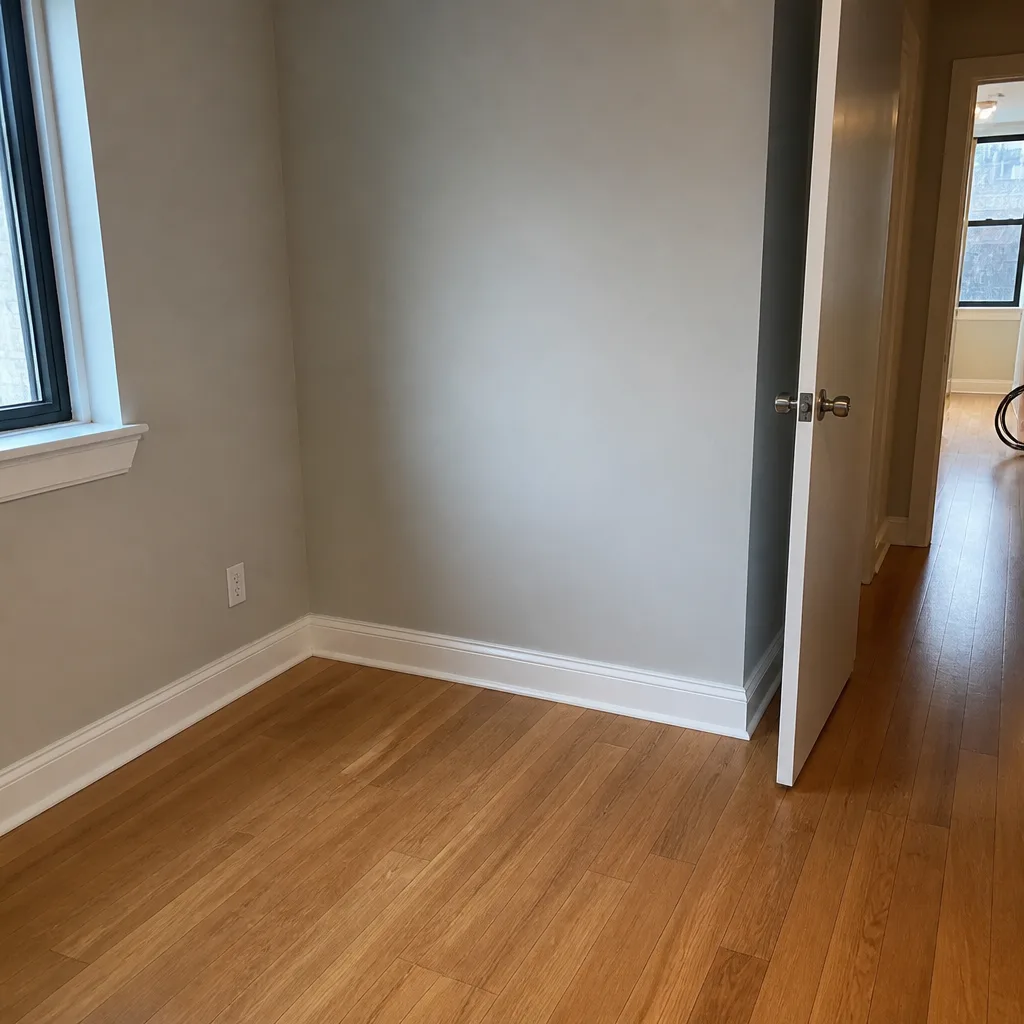 After
After24/7 Emergency Biohazard & Crime Scene Cleanup in Midtown Manhattan
Biohazard and crime scene cleanup in Midtown Manhattan requires a company that already knows how Class A buildings operate, because building management will not bend the rules for an emergency. We answer live at (845) 305-5737 any hour, any day, and dispatch technicians who arrive with containment plans that work in high-rise corridors, not just suburban basements. The first hour matters: blood, bodily fluids, and decomposition byproducts soak into grout, subflooring, and drywall fast, and in a pressurized Midtown tower, odors migrate through shared HVAC risers to neighboring units quicker than most people realize. A free visual inspection lets us map the affected area, identify what the building will require, and give you a written scope before any work begins. Our Biohazard & Crime Scene Cleanup team has managed unattended deaths, trauma scenes, hoarding conditions, and infectious disease disinfection in pre-war co-ops, office towers, and residential high-rises throughout Midtown Manhattan. We do not hand the job to a subcontractor and we do not leave a unit until it is restored, documented, and cleared.
Understanding Biohazard & Crime Scene Cleanup Severity in Midtown Manhattan Properties
Midtown Manhattan’s building stock changes how biohazard work gets done. Most of the residential and commercial inventory between 34th and 59th Streets dates to the 1920s through the 1980s: steel-frame skyscrapers with original cast iron risers, steam pipe insulation, and floor tiles or ceiling plaster that predate the 1980 asbestos ban. Any cleanup that disturbs those materials, whether cutting out blood-soaked carpet padding near a 1930s radiator or opening a wall cavity to reach decomposition fluids, triggers mandatory NYC DEP-licensed asbestos testing before drying or rebuilding can start. We classify biohazard severity the same way we classify water: Category 1 is clean water that has contacted a surface, Category 2 carries biological contaminants, and Category 3 is grossly unsanitary, including sewage, blood, and decomposition fluids. A Category 3 loss in a Midtown high-rise is not just a cleaning job. It is a containment, air-scrubbing, and structural drying job, and in shared-wall construction, it is also a neighbor-protection job. Pressurized corridors and shared return-air plenums mean a unit cannot be treated as an isolated box. Negative air pressure, HEPA air scrubbers, and sealed doorways are baseline requirements, not upgrades.
Why Midtown Manhattan Property Owners Choose Floodline Restoration Co.
- 45-minute response commitment. When you call about a biohazard scene, we get a certified technician on the road immediately, and our New York City office dispatches crews who already know Midtown’s freight-elevator windows, loading docks, and building access rules.
- A live person answers, 24/7. No phone tree, no answering service that takes a message. At 2 a.m. you reach a dispatcher who can authorize a crew, not a recording.
- IICRC-certified crews with the right specialty codes. Our technicians hold IICRC certifications including WRT, FSRT, and AMRT, plus training to IFA standards for biohazard work. They arrive uniformed, background-checked, and prepared for building management scrutiny.
- Free visual inspection. We walk the unit, assess the full scope, and give you a written plan before anyone moves equipment. No pressure, no surprise line items later.
- Direct insurance billing. We photograph everything from the first hour, log moisture readings daily, and communicate with your adjuster directly so you are not the messenger between your carrier and the restoration company.
- One team from first response to rebuild. The same crew that contains the scene handles the cleaning, the structural drying, and any reconstruction. No mid-job handoff to a different contractor who has never seen the original loss.
Our Biohazard & Crime Scene Cleanup Process
Inspection & Assessment
We assess the affected area, identify what building materials are involved, and check for pre-1980 materials that may require DEP-licensed asbestos testing. In Midtown, we also confirm building access windows and insurance requirements with management before equipment leaves our truck.
Containment & Stabilization
Technicians seal the work area with 6-mil polyethylene, establish negative air pressure with HEPA air scrubbers, and isolate the unit from shared HVAC risers and corridors. This stops pathogens and odors from migrating to occupied floors.
Removal of Biohazardous Materials
We remove porous materials that cannot be fully decontaminated: carpet, padding, upholstery, and sections of drywall or subfloor that absorbed blood or bodily fluids. All material is bagged, sealed, and disposed of under OSHA bloodborne pathogen standards.
Cleaning & Sanitization
Hard surfaces are cleaned with EPA-registered hospital-grade disinfectants. We use HEPA vacuuming on structural cavities and apply antimicrobial treatments where needed. Thermal imaging helps us locate moisture or fluids that wicked behind baseboards or into subflooring.
Structural Drying & Dehumidification
Dri-Eaz and Phoenix dehumidifiers and air movers remove residual moisture from walls, concrete, and subflooring. Daily moisture readings are logged and shared with you and your carrier until the dry standard is met.
Repairs & Restoration
We rebuild what we removed: drywall, flooring, paint, trim, and any finishes, in a pre-war co-op or a modern condo, the goal is to leave the unit as if the loss never happened. Every job carries the 90-Day Done Right Promise in writing.
Need Emergency Biohazard & Crime Scene Cleanup in Midtown Manhattan Now?
Crews minutes away, answering live 24 hours a day. The sooner we start, the less it costs.
Working With Your Insurance Company
Biohazard and crime scene cleanup claims are covered under most homeowners and commercial property policies, but the documentation standard is higher than a typical water loss. Insurers want proof of what was contaminated, what was removed, and why. We provide that from the first hour. Photographs of the scene before any work begins, room by room. Moisture readings and daily drying logs showing the unit reached the dry standard. A line-item scope of work that separates cleaning from structural drying from rebuild, so your adjuster can process the claim without back-and-forth. We handle direct communication with the carrier, including answering adjuster questions and providing supplementary documentation when requested. Our technicians know what carriers ask for on Category 3 losses, and we build the file as we work, not after the fact. For property owners in Midtown Manhattan, where building management may also require documentation for their own records, we provide a copy of the same file.
What We Provide Your Insurer
- Thorough documentation of the loss
- Photos of all damage, room by room
- Moisture readings and drying logs
- A detailed, line-item scope of work
- Direct coordination with your carrier
Built for Midtown Manhattan’s Loss Calendar
Midtown Manhattan does not have a quiet season for biohazard and crime scene work. What changes is the cause. Deep winter freezes burst supply lines in pre-war high-rises along Park Avenue and West 57th Street, sending Category 3 water through occupied floors and forcing full-scale contamination response. Spring thaw and nor’easter rain events push water through aging parapet flashings and flat-roof drains on 1920s and 1930s towers, and that water picks up decades of dust, rodent droppings, and insulation fibers before it reaches occupied units. Summer brings the city’s highest demand for unattended death response: heat accelerates decomposition in apartments where air conditioning failed or was turned off, and in Midtown’s studio-heavy housing stock, many residents live alone, meaning discovery often comes days after the fact. Con Edison’s district steam system, with mains running directly under Midtown streets, introduces another variable. Steam pipe failures can force evacuations and leave interiors coated with asbestos-contaminated condensate, a cleanup that requires both biohazard protocols and DEP-licensed abatement. We plan our Midtown responses around these cycles, not around a generic national calendar.
Biohazard & Crime Scene Cleanup Across Midtown Manhattan’s Neighborhoods
A job near Rockefeller Center is different from a job near Tudor City or the Garment District. Rockefeller Center and the surrounding blocks are dominated by pre-war steel-frame towers with cast iron risers and original plaster, where containment must account for shared steam risers and building management that restricts freight elevator access to early morning hours. Tudor City, built in the 1920s as a planned residential enclave, has its own building management protocols and a mix of original and renovated units, with many original wood floors and radiator systems that complicate fluid removal. The Garment District’s converted loft buildings often have open floor plates, concrete slabs, and exposed ceilings, which can make containment simpler but structural drying more demanding. Over by Columbus Circle and the southern edge of the Upper West Side boundary, newer mixed-use luxury towers have modern mechanical systems but strict house rules, proof-of-insurance requirements, and concierge oversight that must be satisfied before equipment enters. Properties along Fifth Avenue and Park Avenue often involve co-op boards that want written protocols before any work starts, and we provide that documentation as a matter of course. Knowing the neighborhood changes the response. That is why our crews are dispatched out of the local New York City office, not a regional call center that has never seen a Midtown freight elevator.
Specialized Biohazard & Crime Scene Cleanup Services We Offer in Midtown Manhattan
Trauma & Unattended Death Cleanup
Unattended death cleanup is the service Midtown property owners and building managers call us for most often. When a resident passes and is not found for days or weeks, decomposition fluids penetrate flooring, subflooring, drywall, and sometimes ceiling assemblies below the unit. In a high-rise, odor travels through shared corridors and return-air plumes, which is why our first step is containment and negative air pressure, not just cleaning. We handle the removal of affected materials, structural drying, and full sanitization, coordinating with the building’s management and the family’s chosen point of contact. We are discreet; our techs arrive in unmarked vehicles when requested and describe themselves as restoration specialists, not crime scene workers.
Hoarding Cleanup
Hoarding cleanup in Midtown Manhattan is a different animal from hoarding cleanup in a single-family house. Units in high-rises share fire ratings, egress paths, and air systems with neighbors, and years of accumulated material often conceals water damage, pest infestations, and biohazardous waste. We work with the resident, family, or building management to sort, remove, and clean at a pace the resident can tolerate, while managing trash chute schedules and freight elevator windows. Flea and rodent infestations are common, and we coordinate with licensed pest control when needed. The goal is not just clearing the unit, it is returning it to a condition the building will accept and the resident can maintain.
Blood & Bodily Fluid Cleanup
Blood cleanup is regulated under OSHA’s bloodborne pathogen standard, and in Midtown Manhattan, it is frequently needed after assaults, suicides, or medical emergencies in residential units, hotel rooms, or commercial spaces. Blood soaks through carpet and pad quickly, and in high-rise construction, it can wick into concrete subflooring where ordinary cleaning never reaches. We cut out and remove contaminated porous materials, treat structural cavities, and sanitize all affected hard surfaces to a hospital-grade standard. Clearance testing is available when a building or family wants written proof the unit meets a defined post-remediation standard.
Infectious Disease Disinfection
After a confirmed or suspected infectious disease exposure, whether in a residential unit, office, or retail space, Midtown property owners want a documented disinfection, not a fog-and-dash job. We use EPA-registered, hospital-grade disinfectants applied with ULV foggers, electrostatic sprayers, and manual wiping of high-touch surfaces. In high-rises, we isolate the unit from shared HVAC during treatment, and we provide a written log of what was treated, with what product, and when. Building management often requires this documentation before allowing the unit back into use.
Crime Scene Cleanup
Crime scene cleanup in Midtown Manhattan frequently requires coordination with the NYPD, the building’s management office, and sometimes multiple insurance carriers. Once law enforcement releases the scene, we arrive to contain, remove, sanitize, and restore. Fingerprint dust, tear gas residue, and chemical contaminants all require different treatment protocols, and we carry the appropriate neutralizing agents. In Class A towers, we also handle the building access paperwork: additional insured endorsements, freight elevator reservations, and proof of insurance before any equipment crosses the lobby.
What happens when you call
- 1
A real person answersNo phone trees - you reach a local pro.
- 2
You get an upfront price rangeHonest numbers before anyone is dispatched.
- 3
A background-checked tech heads outLicensed & insured, dispatched right away.
- 4
You approve before work beginsNothing starts until you say go.
Biohazard & Crime Scene Cleanup Costs in Midtown Manhattan, NY
A straightforward blood cleanup in a Midtown Manhattan apartment typically runs $800 to $2,500, depending on the affected square footage and how many porous materials must be removed. Unattended death cleanup, where decomposition fluids have penetrated flooring and walls, commonly runs $2,000 to $7,000, with hoarding cleanup ranging from $3,500 to $15,000 or more for severe cases requiring days of sorting and multiple dumpster cycles. Infectious disease disinfection for a one or two-bedroom unit usually runs $600 to $1,800. What moves the price in Midtown specifically: whether the building requires DEP-licensed asbestos testing before we can cut into pre-1980 materials, whether the freight elevator is available or materials must be walked down service stairs, and whether the building requires special insurance endorsements that add processing time. Most biohazard claims are covered under homeowners or commercial property policies, and we bill your carrier directly after your deductible. The free visual inspection gives you a written scope and firm pricing before we start, so there is no open-ended meter running while you wait. Call (845) 305-5737 for an exact quote on your unit.
We Also Serve Cities Near Midtown Manhattan
Our crews respond to biohazard and crime scene calls throughout the surrounding area, including Upper West Side, Upper Manhattan, Morningside Heights, and Central Harlem. Same dispatch protocols apply: live answer, fast response, and full documentation for your insurer.
Serving Midtown Manhattan, NY - Our Local Coverage Area
We’re based in the Midtown Manhattan area and know this community well. Use the map below to see our service coverage - if you’re nearby, we can almost certainly help.
Midtown Manhattan Biohazard & Crime Scene Cleanup Questions, Answered
How does Midtown Manhattan’s district steam system affect biohazard cleanup after a steam pipe failure?
When a Con Edison steam main fails under Midtown streets, the condensate released can carry asbestos fibers from aging pipe insulation into building interiors, turning a water intrusion into a regulated biohazard event. Cleanup requires both biohazard protocols for the contaminated materials and coordination with a DEP-licensed asbestos abatement contractor before structural drying can begin. We manage that coordination so the building owner is not juggling two contractors and two carriers.
What building-access hurdles should I expect for crime scene cleanup in a Class A Midtown tower?
Most Class A buildings in Midtown Manhattan restrict restoration work to specific freight elevator windows, often 6-8 a.m. or after 6 p.m., and require proof of insurance naming the building owner as additional insured before any equipment enters the lobby. Noise ordinances typically prohibit demolition and power-tool work during business hours, which means a job that could start immediately in a private house may not begin for 24 to 48 hours. We handle the paperwork and scheduling so you do not have to negotiate with building management yourself.
Do pre-war Midtown buildings require asbestos testing before biohazard cleanup can begin?
Yes, if the cleanup involves disturbing building materials installed before 1980, and most of Midtown Manhattan’s pre-war towers fall into that category. Original cast iron risers, steam pipe insulation, ceiling plaster, and floor tiles can all contain asbestos, and NYC DEP rules require testing before those materials are cut, removed, or aggressively disturbed. We identify potentially regulated materials during our initial inspection and coordinate the required testing and abatement before work proceeds.
How do moisture mapping and structural drying work in a high-rise unit with shared walls and floors?
We map moisture in concrete, gypsum, and wood substrates using penetrating and non-penetrating meters, plus thermal imaging, to track where fluids wicked after the initial release. In a Midtown high-rise, shared walls and floors mean moisture can migrate vertically and horizontally into neighboring units, so drying must account for what is happening behind the drywall and below the slab, not just on the surface. Phoenix and Dri-Eaz dehumidifiers and air movers run continuously, with daily readings logged until all materials meet the dry standard, and we share those logs with you and your carrier.
What makes hoarding cleanup in Midtown Manhattan different from other boroughs?
Space is the defining constraint. Midtown units are small, and hoarding material is often packed floor to ceiling, which means the volume of removal is concentrated and the path to the freight elevator is long. Building management usually imposes strict trash-chute hours and freight elevator reservations, and fire-rated egress paths must remain clear during the entire process. We coordinate with building staff, licensed pest control when needed, and the resident or family to make the job physically and emotionally manageable.
How fast can a technician actually reach my Midtown Manhattan unit?
Our dispatch office answers live around the clock, and our commitment is to have a certified technician on site within 45 minutes of your call to a Midtown Manhattan address. Building access can slow the start of physical work if the management office is closed or the freight elevator is booked, but our first step is always an assessment and containment plan that works within the building’s rules. Call (845) 305-5737 and a live person will give you a straight answer on timing for your specific building.
Will my insurance cover biohazard or crime scene cleanup?
Most homeowners and commercial property policies cover biohazard remediation as part of a covered peril, such as an unattended death, crime scene, or water loss that introduced contaminants. The key is documentation: carriers want a clear line-item scope, photos, and proof of the contamination source. We prepare that file as we work and communicate directly with your adjuster, so you are not left explaining medical terminology to a claims department.
What should I do in the first 30 minutes after discovering a biohazard scene in my unit?
Do not enter the affected area more than necessary, do not attempt to clean blood, bodily fluids, or decomposition materials yourself, and do not turn on the HVAC system, which can spread contaminants through the building. Close the door to the area, call your building management if you are in a rental or co-op, and call us at (845) 305-5737. We will walk you through what to do while our technician is en route.
Written by Curt Bowman, Owner at Floodline Restoration Co., serving Midtown Manhattan since 2010.