
Last updated August 25, 2026
Free visual inspection and a written scope of work before any mitigation begins - photos, moisture readings, and drying logs go in your claim file
The scope we write is the scope we bill. Anything new gets shown to you, in writing, before we touch it.
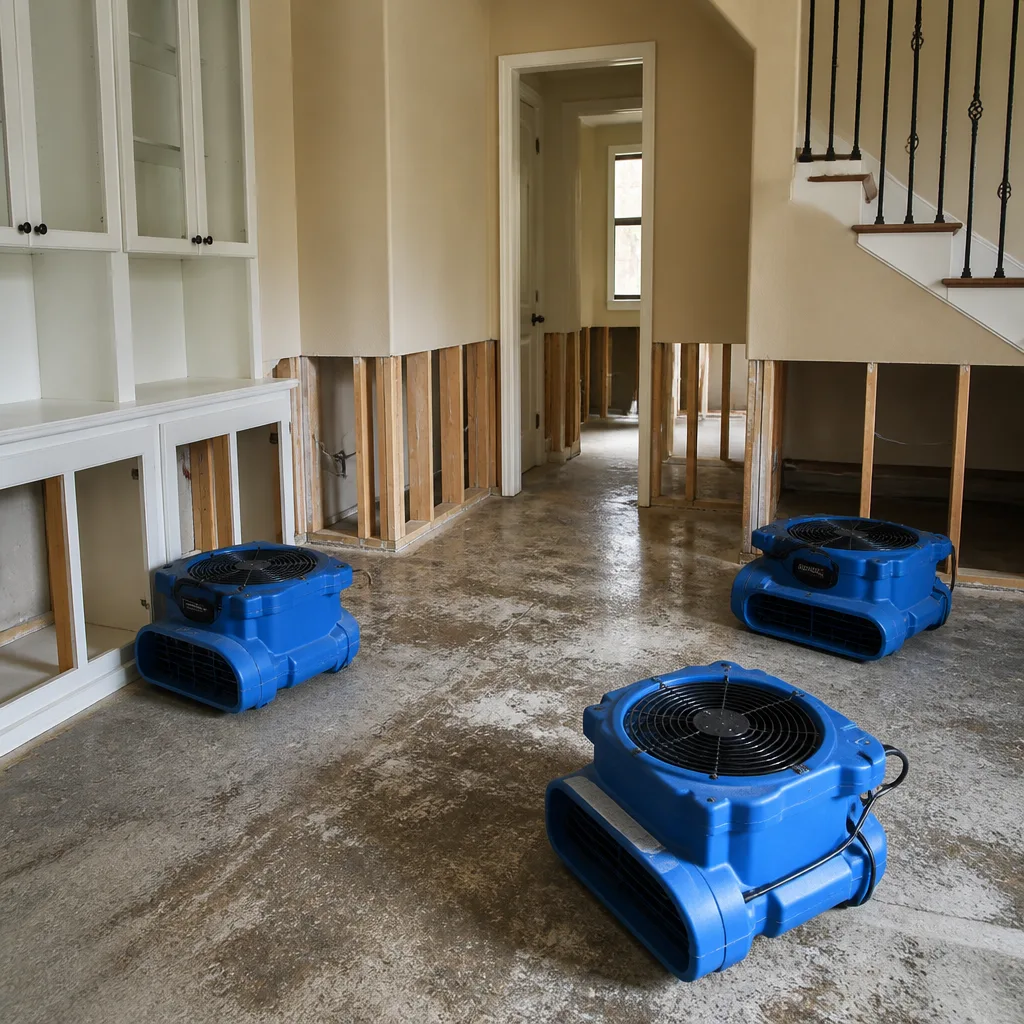
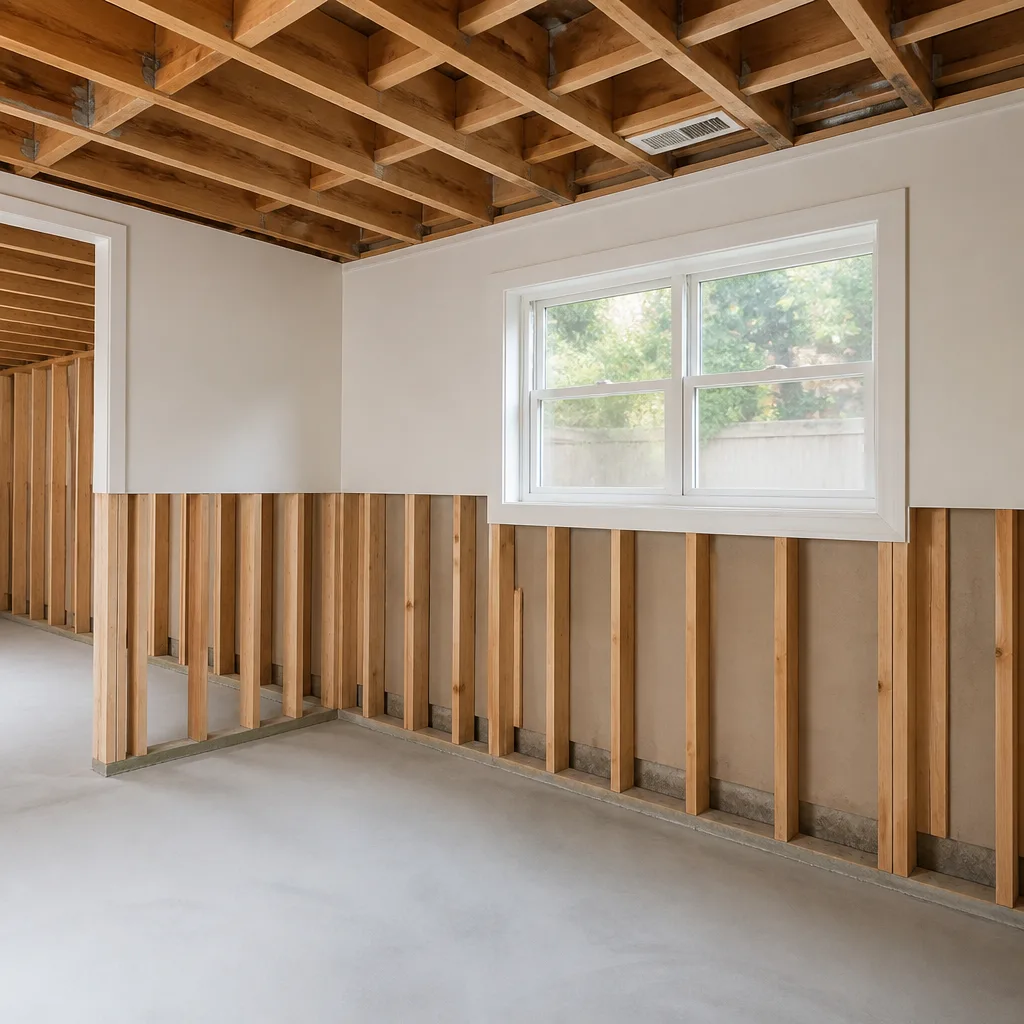
 Before
 After
After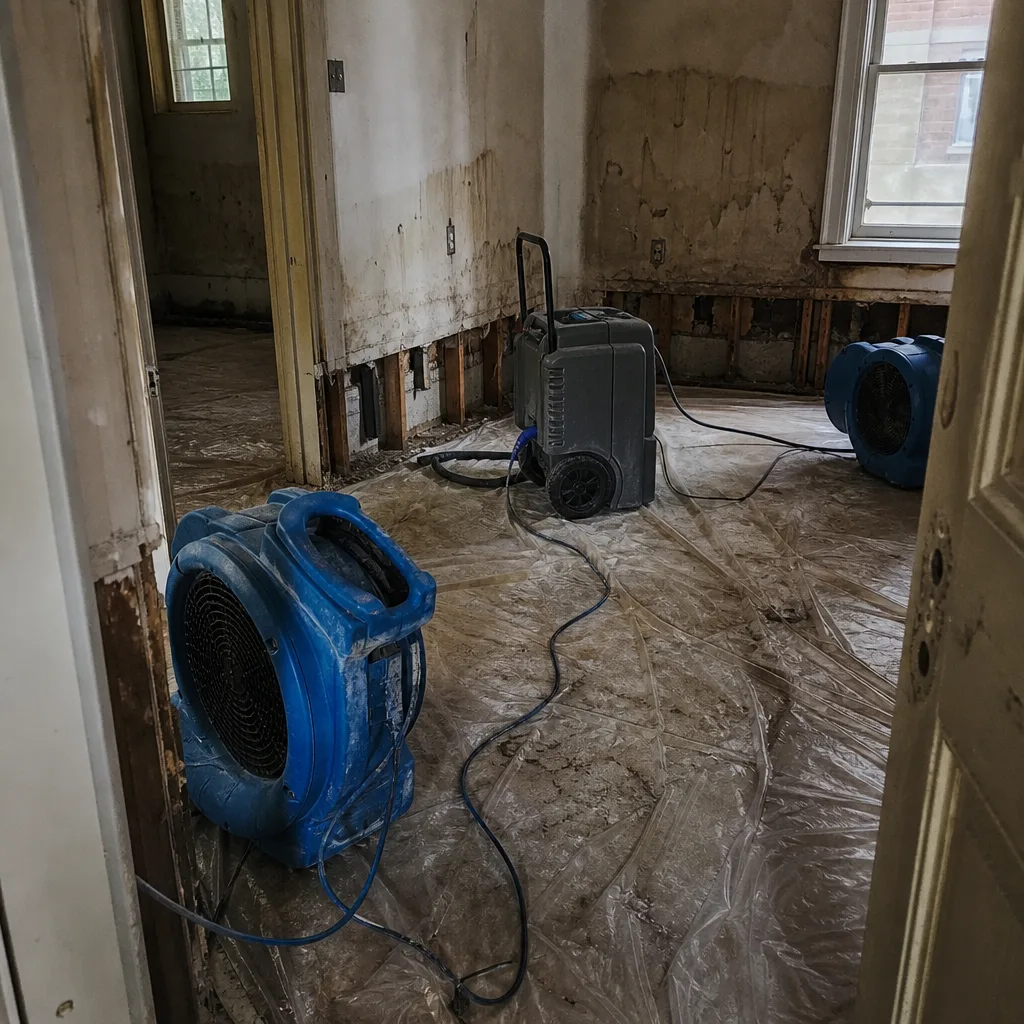 Before
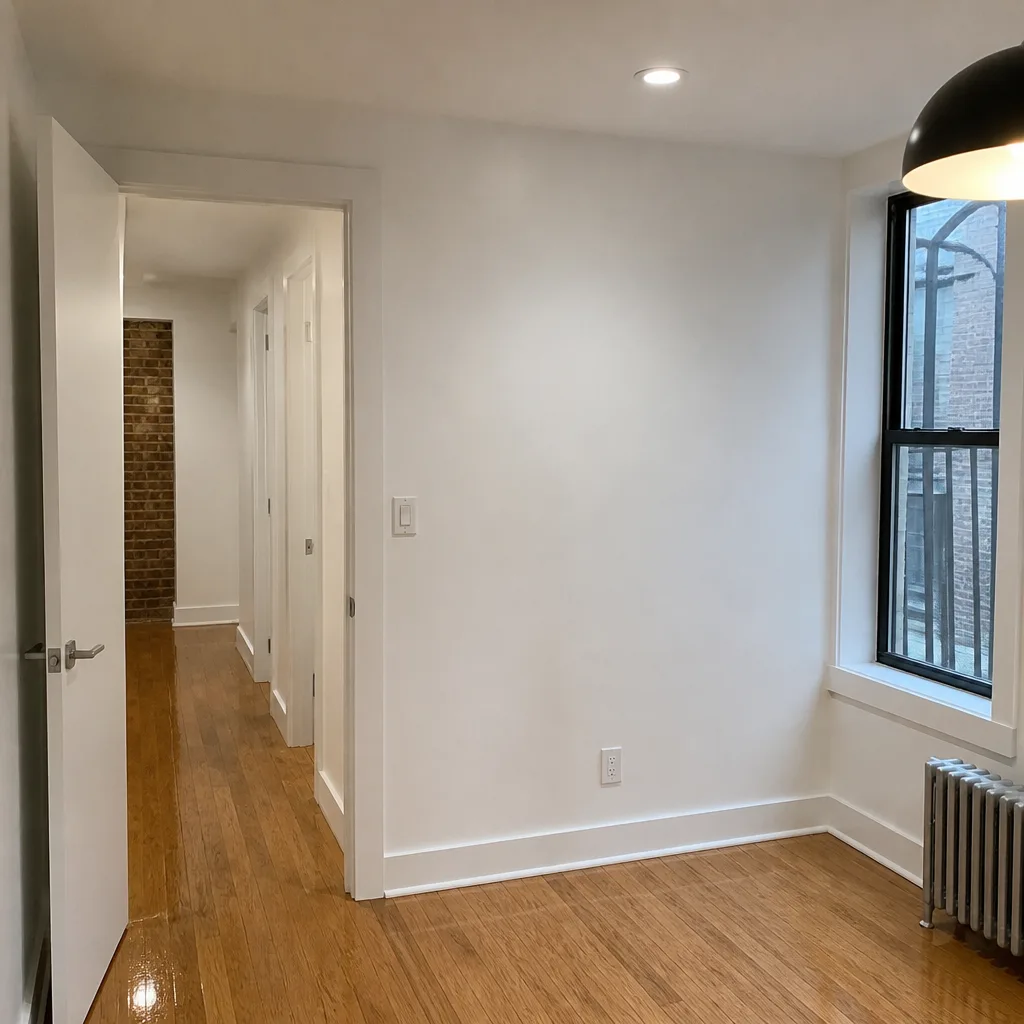 After
After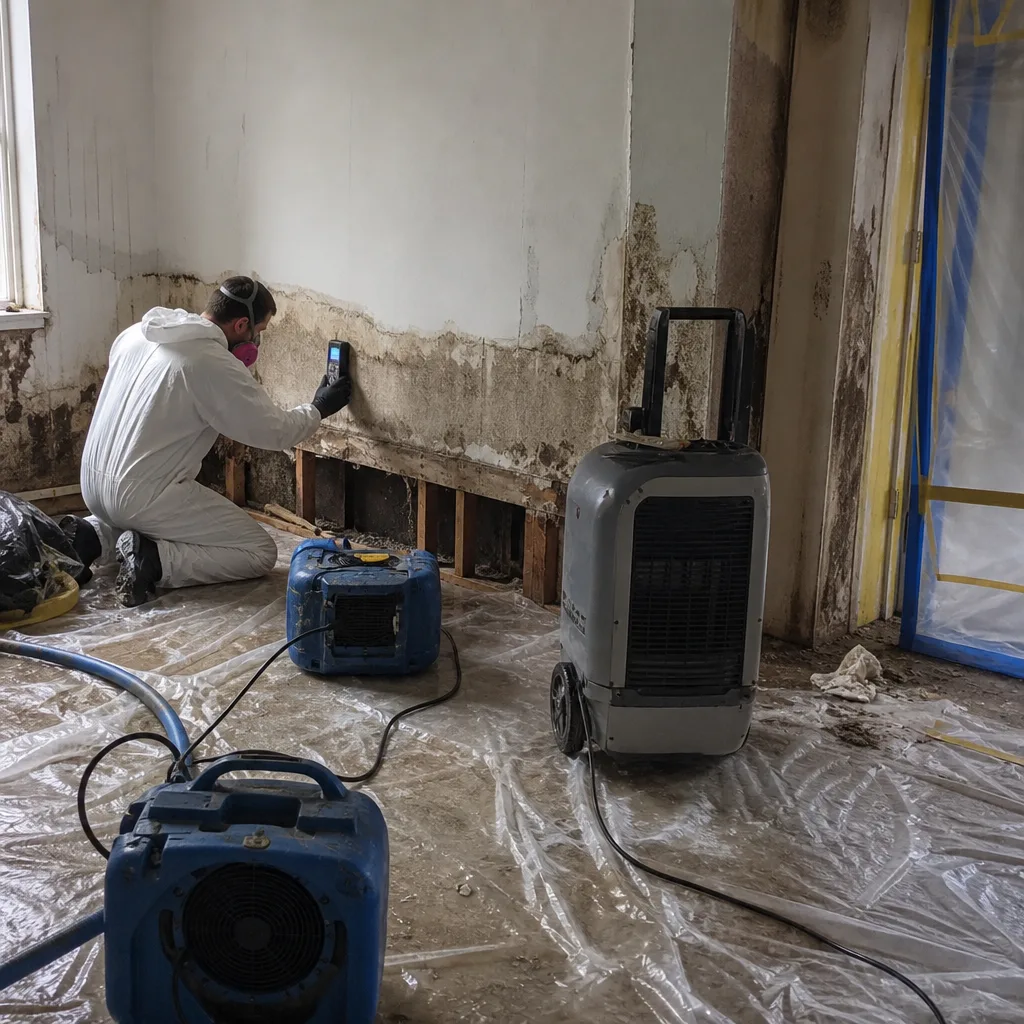 Before
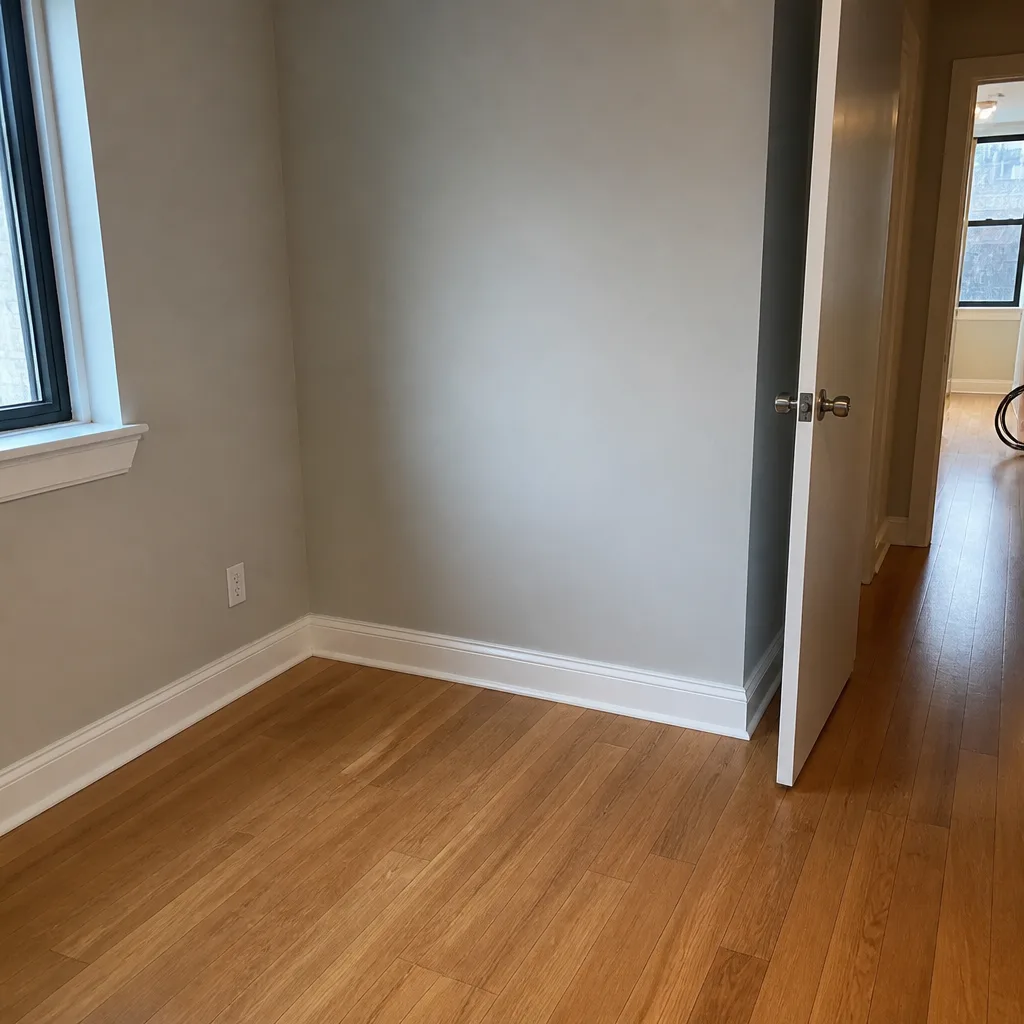 After
AfterDIY vs Professional Damage Restoration: The Upper West Side Homeowner’s Decision Guide
Water creeps up basement walls in the Upper West Side faster than most people think. A 12-by-12 room can take on 600 gallons from a burst pipe in under an hour, and what you do in the first 48 hours decides whether you’re facing a $2,800 drying job or a $38,000 mold mediation. We wrote this guide because we’ve walked into too many homes where a well-meaning weekend left behind rot, warped floors, and hidden colonies that took two months to develop. By the end, you’ll know which jobs a homeowner can honestly handle, which ones demand a certified crew, and how to avoid the mistakes that turn a quick fix into a full gut.
Quick Answer
For small, clean-water spills on tile, concrete, or hardwood under 10 square feet, DIY is reasonable if you act fast and get the area dry within 48 hours. For anything involving sewage, gray water from appliances, electrical panels, hidden wall cavities, or water that sat longer than a day, call a certified restoration company. In the Upper West Side, pre-war buildings hide inaccessible wall and floor cavities that make DIY drying a gamble with your health and your building’s structure.
Table of Contents
- The Upper West Side Risk Profile: What You’re Actually Up Against
- What DIY Can Honestly Handle (and Handle Well)
- What DIY Cannot See: The Hidden Damage Problem
- Drying Equipment: Rental Costs vs. What Pros Bring
- The Mold Timeline: Why 48 Hours Is Not a Suggestion
- The Insurance Reality: DIY Mistakes Can Void Your Claim
- Upper West Side Building Realities: Pre-War Structure and Co-op Rules
- Common Mistakes to Avoid
- When to Call a Professional
- Frequently Asked Questions
- The Bottom Line
The Upper West Side Risk Profile: What You’re Actually Up Against
The Upper West Side is not like a subdivision in the suburbs. Most of our housing stock was built between 1890 and 1929, before modern moisture barriers, before pressure-treated lumber, and long before builders thought about water migrating through interstitial wall spaces. What looks like a simple pipe leak in a Riverside Drive apartment is often water traveling down through three floors of lathe and plaster, following old chase ways, and pooling in places no shop vacuum will ever reach.
We’ve seen a dishwasher leak on West 79th Street wick through original hardwood, under a marble threshold, and into the ceiling of the apartment below, all while the homeowner was still mopping the kitchen floor. We’ve also watched a second-floor toilet supply line on Amsterdam Avenue quietly saturate a wall cavity for six days before anyone noticed the baseboard curling. The point is not that DIY can’t work. It’s that the Upper West Side gives DIY fewer chances to work because the buildings are older, denser, and full of hidden paths for water to follow.
Three local factors matter more than any YouTube tutorial:
- Pre-war construction hides water. Lathe and plaster, unsealed brick party walls, and original framing absorb water instead of shedding it. By the time you see a stain on your side, the cavity behind it has been wet for days.
- Co-op and condo rules impose deadlines. Your building management will not wait while you rent a fan. Most Upper West Side co-op boards require a certified restoration plan within 24 to 48 hours of reported water damage, and some require proof of professional drying before you can even schedule repairs.
- Neighbor exposure is immediate. In a townhouse, your water runs downhill. In a six-story walkup, your water runs into the home below you. DIY delays become claims against your policy, your relationship with your neighbor, and your standing with the board.
What DIY Can Honestly Handle (and Handle Well)
We believe in telling homeowners the truth, and the truth is that some jobs are fine to do yourself. If you catch a spill fast, stop the source, and understand what you’re actually drying, you can save real money without any long-term risk.
Here’s what we tell Upper West Side homeowners they can realistically tackle:
- Clean water under 10 square feet. A spilled fish tank, an overflowing sink (if it’s just tap water), or a toilet that overflowed before anyone used it. If the water came from a supply line and you get to it within the hour, a mop, towels, and good ventilation might be enough on tile, concrete, or sealed hardwood.
- Exterior drainage issues you can see. A clogged roof drain, a downspout that’s dumping water against the foundation, or a window well that fills during a storm. Cleaning gutters, redirecting downspouts, and sealing visible cracks are honest homeowner jobs.
- Surface drying on non-porous floors. If water sat on ceramic tile, sealed concrete, or vinyl for less than an hour, and you can feel no squish, no warping, and no water wicking under baseboards, a thorough towel-dry plus a box fan overnight will often prevent deeper problems.
- Unplugged simple clogs. A kitchen sink trap you can open with a bucket under it, a visible hair clog in a shower drain you can pull with a $6 tool, or a toilet you can clear with a plunger before it overflows again.
Here’s the rule that keeps you safe: if the water is clean, the area is small, the surface is non-porous, and you can have it dry within 24 hours, DIY is a reasonable choice. Any one of those four conditions missing? The risk math changes completely.
What DIY Cannot See: The Hidden Damage Problem
Water is not honest. It doesn’t stay where you spilled it. It runs under baseboards, wicks into drywall, soaks through subfloor, and follows the path of least resistance into cavities you’ll never see with your eyes. This is the single biggest reason DIY restoration fails on the Upper West Side: homeowners measure their success by what the surface looks like, and water already left the surface hours ago.
Once water gets under flooring or into a wall cavity, three things happen that no homeowner tool can fully address:
- Capillary action pulls water upward and sideways. A puddle on your bathroom floor can wick six inches into the drywall within two hours, and the moisture front keeps moving long after the visible water is gone. Your mop gets the floor. It does not get the inside of the wall.
- The dew point inside the cavity creates condensation. Even after you dry the surface, moisture trapped in a dark, warm wall cavity will condense, re-wet surrounding materials, and create the exact conditions mold needs.
- Structural materials hold water for weeks. A plywood subfloor that got wet for a few hours can test dry on the surface but still hold 20% moisture content a week later. You can’t see it, you can’t smell it yet, and you can’t fix it with a fan in the doorway.
- Commercial air mover rental: $28 to $42 per day, and most jobs need at least two, so $56 to $84 per day before you factor in a cab or car service from a rental yard in Queens or the Bronx.
- Dehumidifier rental: $45 to $75 per day for a unit capable of pulling 70 pints a day. One unit is usually enough for a small room. Call it $45 to $75 per day.
- Moisture meter rental: $15 to $25 per day if the yard has one available. Without it, you don’t know when to stop running the gear.
- Total: roughly $116 to $184 per day, not including transport, not including any wall cavity equipment you don’t realize you need, and not including the follow-up visit you’ll make when you realize the floor is still damp.
- Hours 1-6: Water soaks into porous materials. Drywall wicks, hardwood swells, carpet padding saturates. This is the window where fast extraction prevents most of the damage.
- Hours 6-24: Moisture spreads through connected cavities. The floor is dry on top but the subfloor is not. Humidity rises inside the room.
- Hours 24-48: Mold spores activate. You won’t see colonies yet, but the biological process is underway inside the damp materials.
- After 48 hours: Visible mold can appear. The affected area grows. The longer the materials stay wet, the more invasive the removal needs to be.
- Waiting to see if it “dries on its own.” It doesn’t. In an Upper West Side apartment with no cross-ventilation, a wet wall cavity can stay wet for weeks. Every day you wait pushes you from a drying job into a remediation job.
- Using a household fan and calling it good. A box fan moves air across surfaces. It does not lower the dew point, extract moisture from the air, or reach into the cavity behind your baseboard. It makes the floor feel dry while the subfloor soaks.
- Not turning off the water at the source. You’d be surprised how many homeowners start mopping before they realize the valve they need is behind the dishwasher or under the sink. Know your shutoffs before you need them, and if you can’t stop the flow, call a plumber and a restoration crew at the same time.
- Pulling up carpet or cutting drywall without containment. If mold is already present, tearing into it without sealing the room spreads spores into your living space. Many DIYers create a whole-apartment problem while trying to fix a corner.
- Ignoring humidity in the room. The water in the air is as dangerous as the water on the floor. High humidity keeps materials wet, feeds mold, and slows every drying effort. You cannot manage humidity without a real dehumidifier and a hygrometer.
- Filing a claim after a long DIY attempt. By the time you realize you can’t handle it, the adjuster can see the delay. Your policy required you to mitigate promptly. A late professional call is better than none, but it’s harder to defend the days in between.
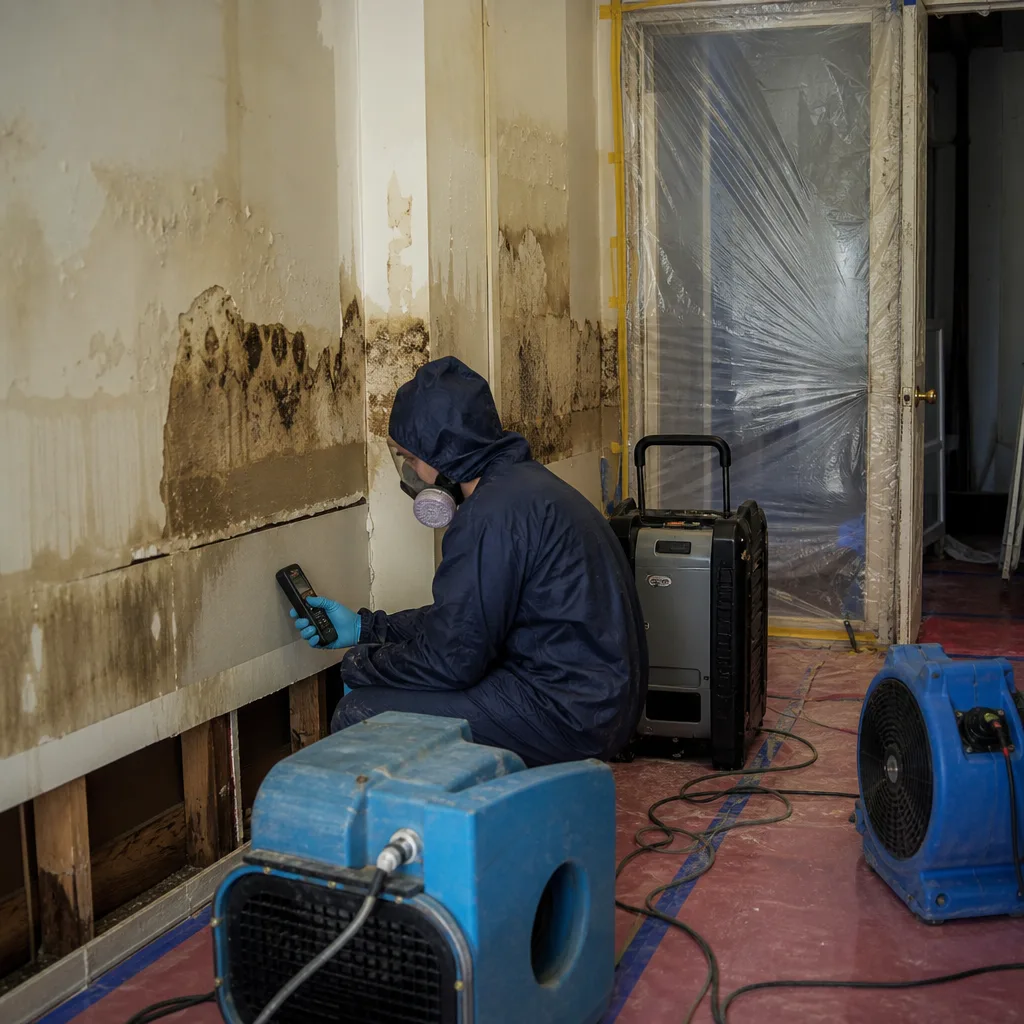
Professional drying depends on instruments, not eyes. A moisture meter reads the actual water content of wood, drywall, and concrete. An infrared camera shows temperature differences that reveal hidden wet pockets. A hygrometer measures relative humidity in the air and tells us whether conditions favor drying or mold growth. None of those live in a typical Upper West Side closet, and without them you’re flying blind.
Drying Equipment: Rental Costs vs. What Pros Bring
Homeowners who talk to us after attempting a DIY dry often tell us the same thing: they thought renting a fan would be cheaper, and then they discovered what the rental actually costs. Here’s an honest comparison for an Upper West Side kitchen with a moderate supply-line leak affecting about 100 square feet of flooring and a foot of drywall.
DIY rental costs, assuming you can get the gear home without a car:
A professional crew brings Dri-Eaz dehumidifiers, Phoenix air movers, and XPOWER or B-Air ventilation units sized to the job, plus the training to know how many of each the space actually needs and where to place them so they dry the cavity, not just the surface. The same crew that reads the moisture map on day one handles daily readings and logs the numbers until the dry standard is met. You pay for the job, not the rental counter. And on a typical Upper West Side job, the difference between a good dry and a surface dry is the difference between a repair bill and a removal bill.
The Mold Timeline: Why 48 Hours Is Not a Suggestion
Mold spores are everywhere in New York City, dormant, waiting for water. They land on dust, on drywall, on wood, and they wait. The moment enough moisture is present, they germinate. Under the right conditions, visible mold colonies appear in 24 to 48 hours. In a warm Upper West Side apartment in August, we’ve seen it start sooner.
The timeline matters for one reason: after 48 hours of wet conditions, the economics of your water damage change completely. Before 48 hours, you’re drying. After 48 hours, you’re remediating. Drying is equipment and time. Remediation is containment, HEPA air scrubbing, cutting out affected materials, treating remaining surfaces, and sometimes discarding personal items.
Here’s the practical sequence in most Upper West Side homes:
If you’ve had water sitting for more than a day, DIY is no longer about drying. It’s about trying to stop a process that has already started, and the tools for that are not at a rental counter. Call someone who does this every day.
The Insurance Reality: DIY Mistakes Can Void Your Claim
Most Upper West Side homeowners carry HO-6 or HO-4 policies, depending on whether they own a co-op, a condo, or a single-family home. These policies cover sudden and accidental water damage, but they also require the homeowner to mitigate further damage once the event happens. That word, mitigate, is the one that trips people up.
If a supply line bursts on a Tuesday and you spend two days mopping, running a box fan, and telling yourself it’s drying fine, your carrier may look at the eventual claim and decide you failed to mitigate. The result is a reduced payout, a denied portion of the claim, or a full denial in cases where the adjuster determines negligence extended the loss. The insurance carrier’s position is simple: you had a duty to act, and renting a fan from a neighbor is not professional mitigation in a pre-war building.
Working with a certified restoration company changes this. Your carrier gets a documented scope of work, daily moisture readings, photos, and a written log showing exactly what was done, when, and with what equipment. The adjuster speaks to the restoration company directly. You don’t play messenger. And because Floodline Restoration Co. home bills insurance directly on covered losses, the homeowner isn’t fronting cash while waiting for a reimbursement check that takes six weeks.
The practical advice is this: if there’s any chance you’re filing a claim, call a pro from the start. The documentation alone is worth more than any money you’ll save renting equipment.
Upper West Side Building Realities: Pre-War Structure and Co-op Rules
Living in an Upper West Side co-op or condo adds a layer most online DIY guides never mention. Your building is not just your home; it’s a corporation with rules, and water damage is the single fastest way to find yourself in a dispute with your board and your neighbors.
Most Upper West Side co-op proprietary leases include a clause requiring shareholders to report water damage immediately and to use licensed, insured contractors for any work affecting the building envelope, plumbing, electrical, or structural elements. A DIY repair behind a bathroom wall is not a paint job. It’s work inside a shared wall, and your board has the right to demand professional documentation before they sign off on any permit or contractor.
In our experience, boards are not unreasonable. They want the same thing you want: the building kept dry, the problem documented, and no liability landing on the corporation. What we see go wrong is when a shareholder tries to handle a leak quietly, the water finds the apartment below, and suddenly the board is asking why nobody called a certified firm on day one. At that point, the cost of the repair is the smallest part of the problem.
For the homeowner in a century-old building on West End Avenue or Central Park West, the right sequence is: stop the source, call your building management, and call a restoration company that carries the insurance certificates and certifications your board will ask to see. Curt Bowman built Floodline Restoration Co. around exactly this reality: a company that documents everything and hands the paperwork to both the homeowner and the building.
Common Mistakes to Avoid
When to Call a Professional
Call a professional if the water contains anything other than clean supply water. Sewage backups, washing machine discharge, dishwasher overflow, and toilet overflow after use all contain bacteria that make OSHA Category 2 or 3 water, and no amount of household cleaner makes those surfaces safe on your own. Call if the water has been present more than 24 hours, if it’s spread beyond one room, if it’s touched drywall or flooring edges, or if you smell must after drying. Call if your co-op or condo board requires a certified contractor. And call if you simply don’t want to guess. Floodline Restoration Co. offers free estimates in Upper West Side; call (845) 305-5737 and a live person answers, day or night, then a certified crew gets moving.
Frequently Asked Questions
A professional restoration company with 24/7 dispatch can usually have a certified crew on site within 60 to 90 minutes of your call in Manhattan, and extraction running during that same visit. Floodline Restoration Co. answers the phone with a live dispatcher around the clock, so the clock starts the moment you call, not the morning after. Call (845) 305-5737 and we’ll be there when we say.
Most Upper West Side co-op and condo boards will not allow owner-performed work on shared walls, plumbing systems, or any work requiring a permit. Many require proof of licensed, insured contractors before approving any restoration. Check your proprietary lease or house rules, and assume the answer is no for anything beyond cosmetic surface work inside your own unit.
A moderate clean-water job affecting one room typically runs $2,000 to $5,000 for extraction, drying, and basic repairs, while larger jobs involving mold, sewage, or multiple floors can run from $8,000 to $40,000 depending on the scope. Every job is different, which is why a written estimate with a clear scope matters. Floodline Restoration Co. provides no-hassle upfront pricing, and if your loss is covered, we bill your carrier directly and you never play messenger.
Most HO-6 and HO-4 policies cover sudden and accidental water damage from burst pipes, appliance failures, and related events, but not damage from long-term leaks, neglect, or flood water from outside unless you carry separate flood insurance. The key is documenting what happened and mitigating promptly. A professional restoration company that works directly with adjusters can make the claim process significantly easier for you.
Clean water is water that comes from a supply line, a faucet, a bathtub that wasn’t used as a toilet, or rain water that came through a leak without touching sewage. As soon as water has passed through a drain, a washing machine, a dishwasher, or any part of the waste system, it is no longer clean, and DIY drying without proper antimicrobial treatment and protection is a health risk.
In our experience, a properly handled dry in an upper floor Manhattan apartment takes three to five days, while basement or garden-level jobs in pre-war buildings can take five to seven because the masonry holds moisture longer and the outside air in summer works against you. We track daily moisture readings and hand you the log, so there’s no guesswork on when it’s actually dry. Call (845) 305-5737 for an honest assessment of your specific situation.
The Bottom Line
DIY damage restoration has a narrow window where it works: clean water, small area, fast response, non-porous surface, and true dryness within 24 hours. Every hour beyond that, and every element of your Upper West Side building that hides water from view, pushes the job toward professional equipment, professional documentation, and professional liability. The homeowners who get through this most comfortably are the ones who call early, document carefully, and let a certified crew with a written guarantee stand behind the work. In a pre-war co-op, the margin for error is small. We built Floodline Restoration Co. so you don’t have to take that gamble alone.
Written by Curt Bowman, Owner at Floodline Restoration Co., serving Upper West Side since 2010.