
Last updated August 25, 2026
Free visual inspection and a written scope of work before any mitigation begins - photos, moisture readings, and drying logs go in your claim file
The scope we write is the scope we bill. Anything new gets shown to you, in writing, before we touch it.
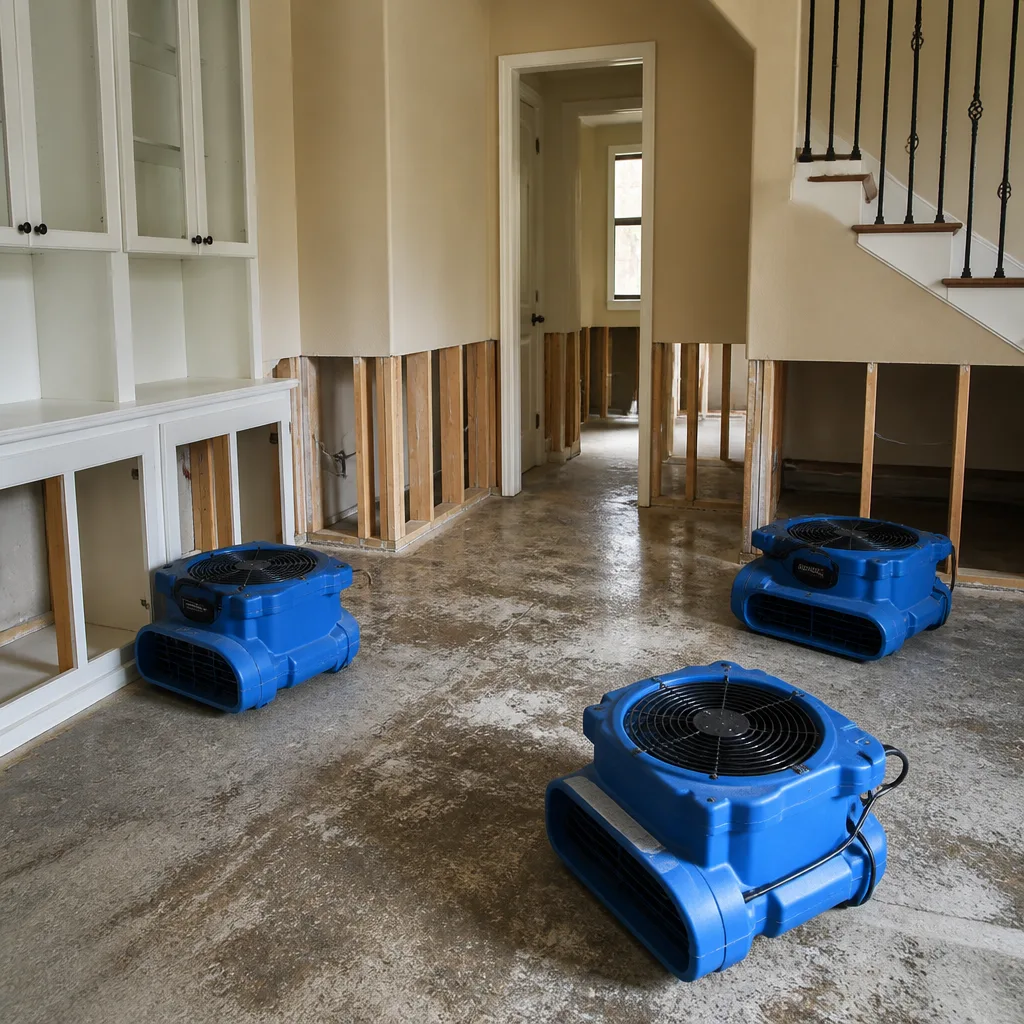
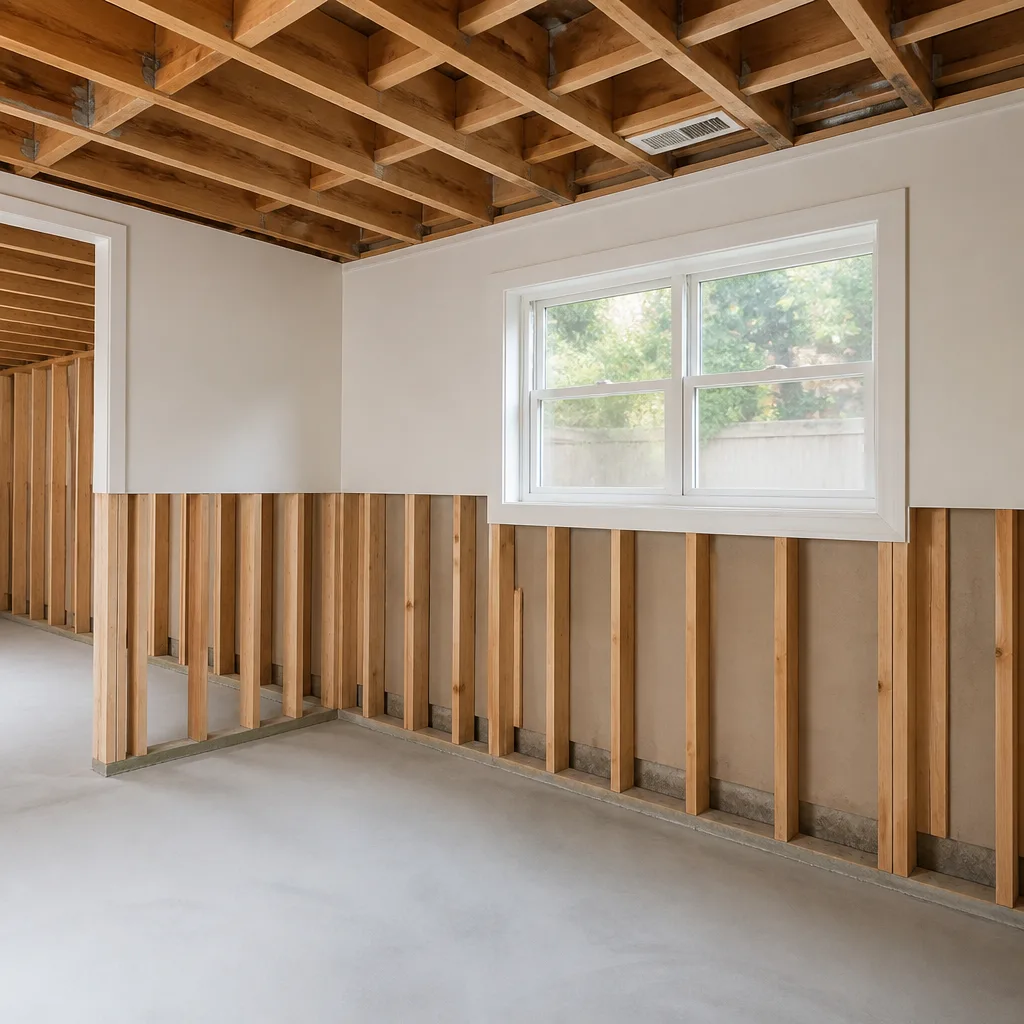
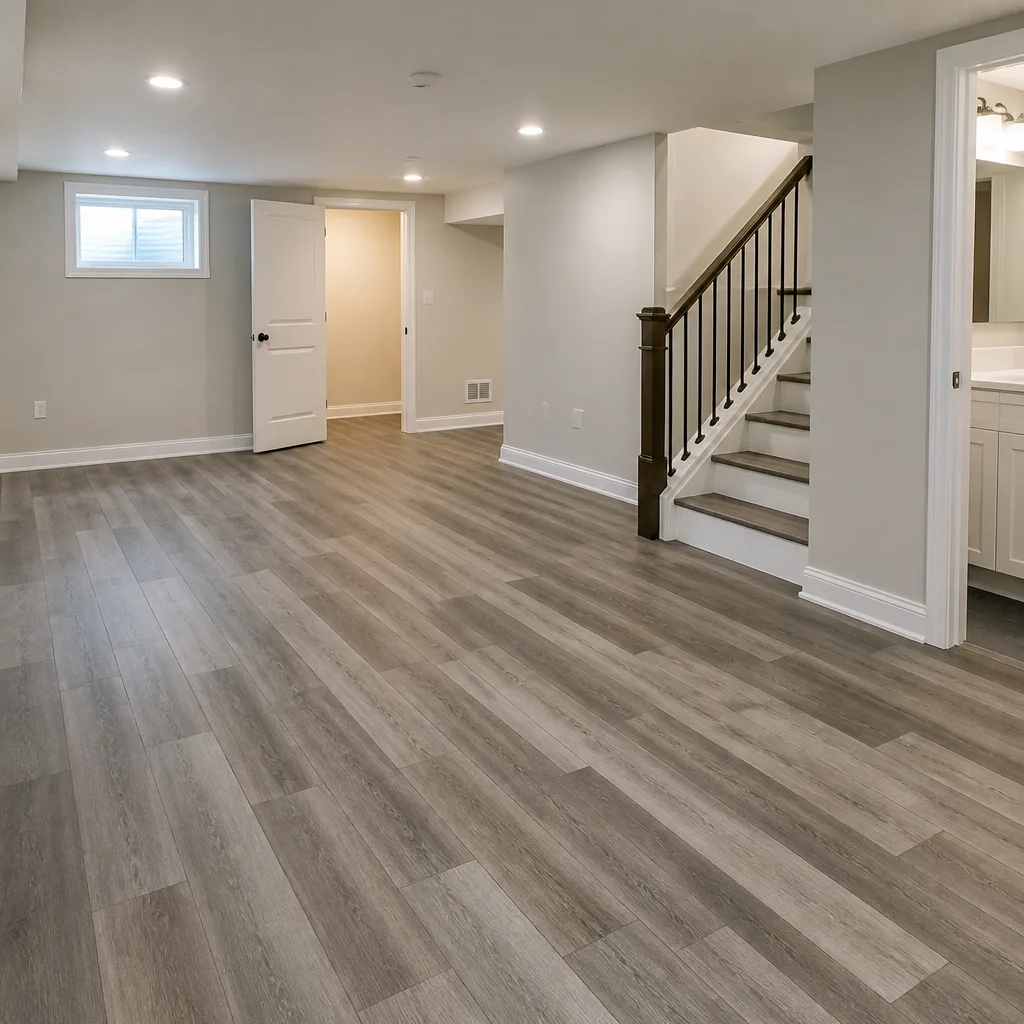
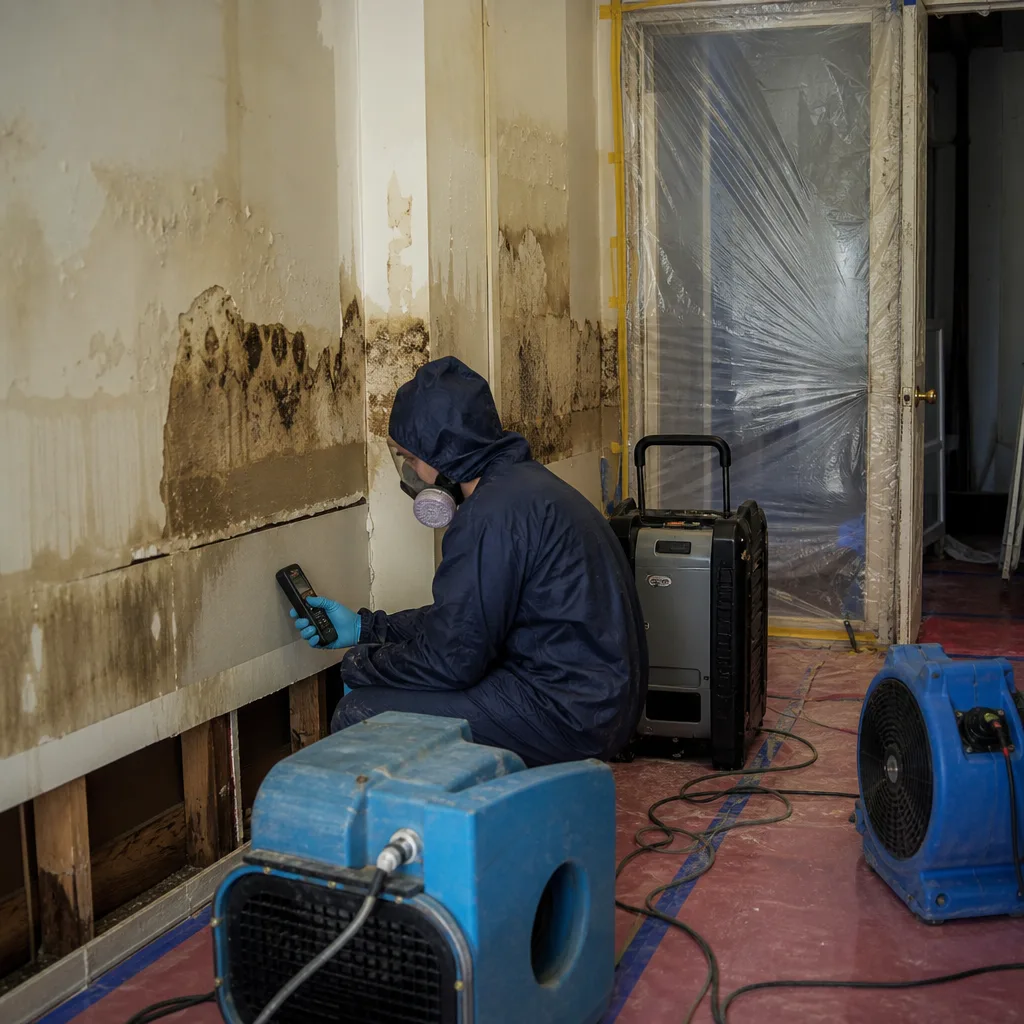 Before
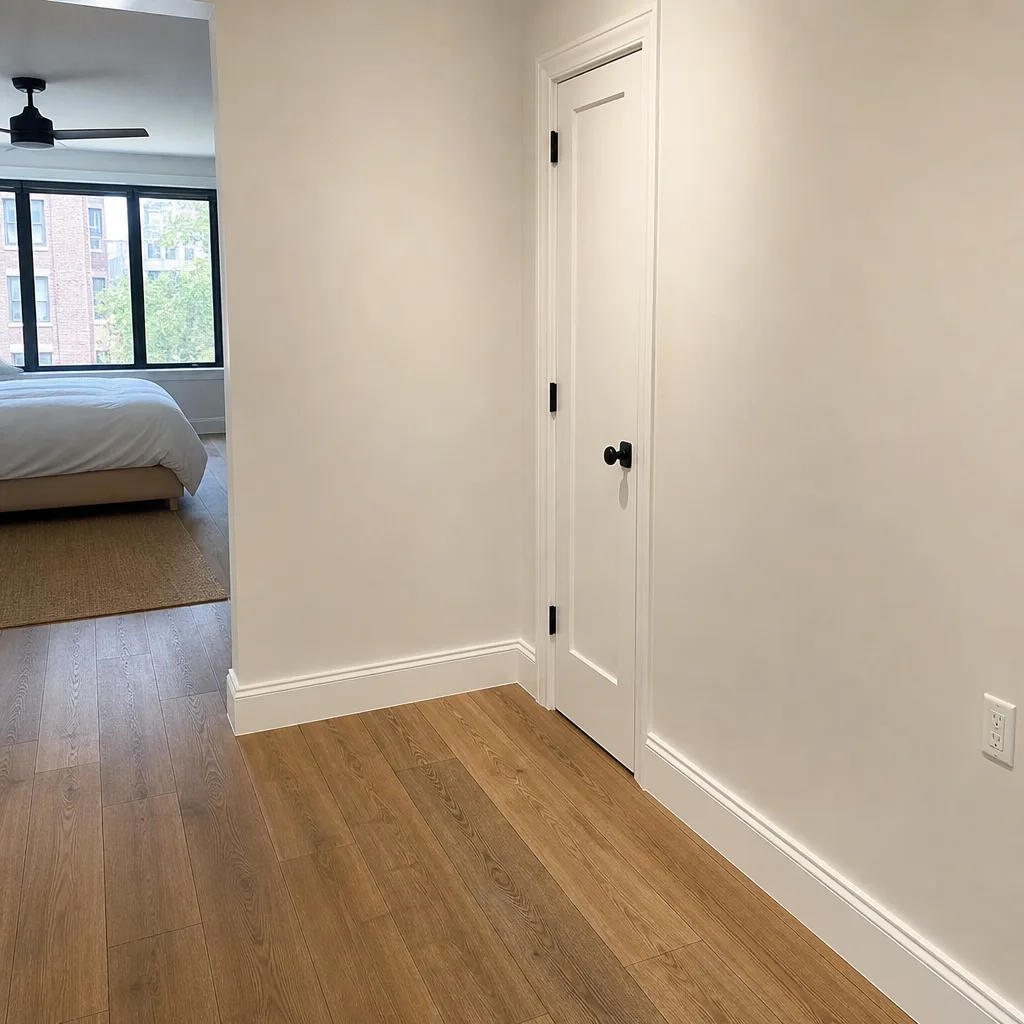 After
After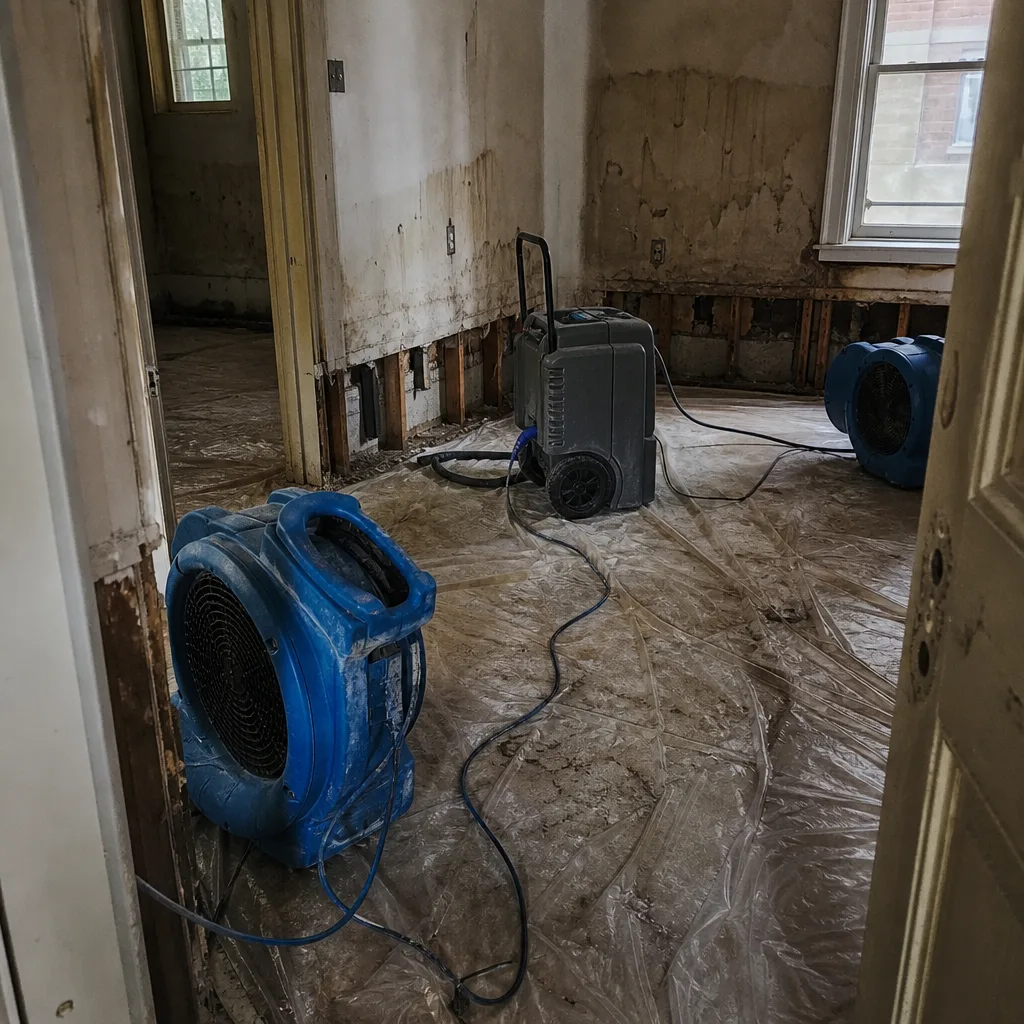 Before
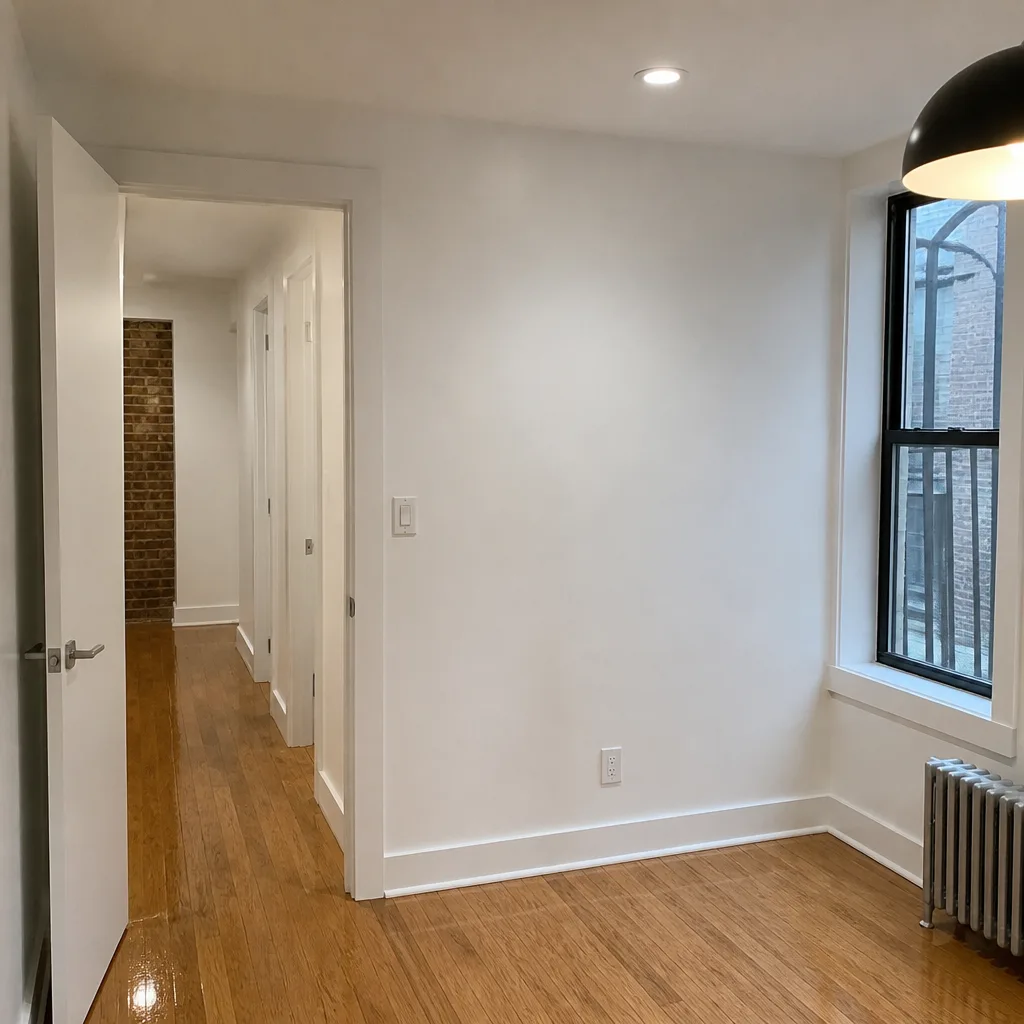 After
After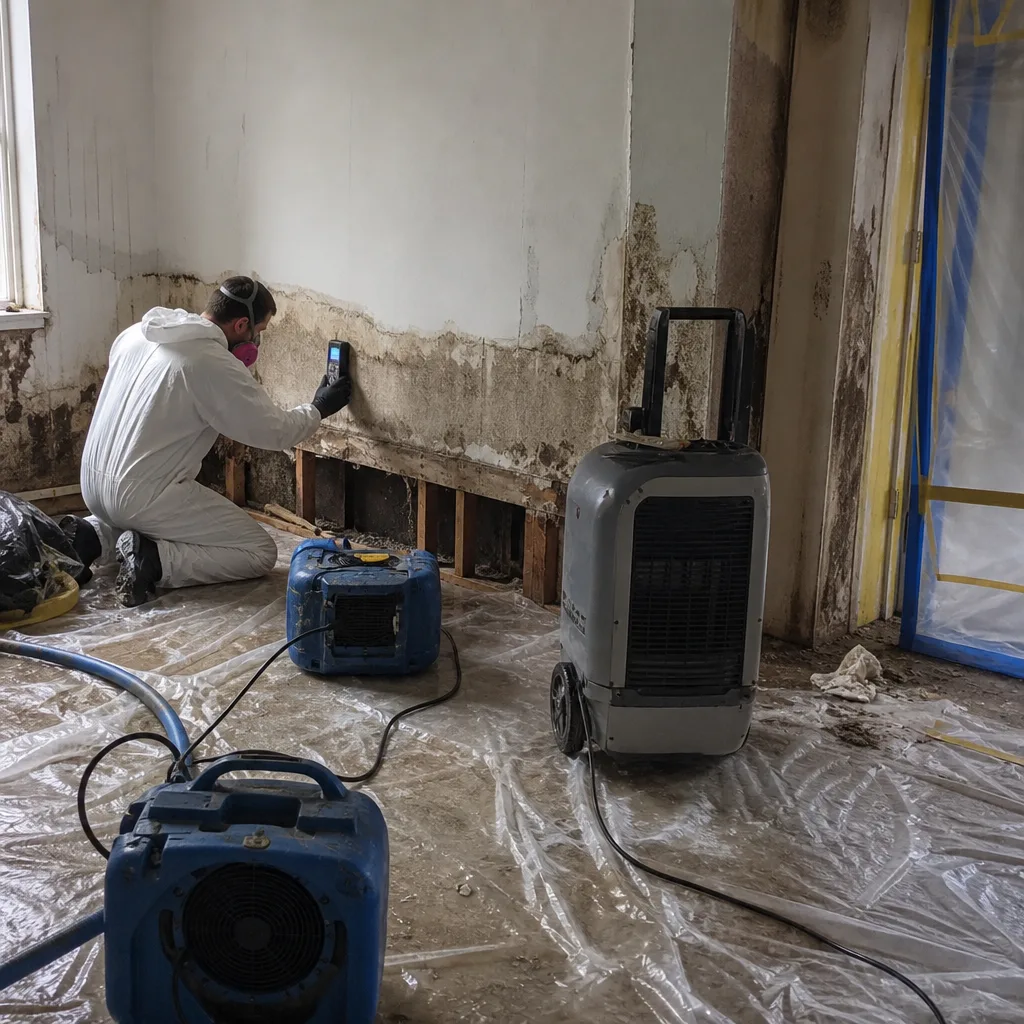 Before
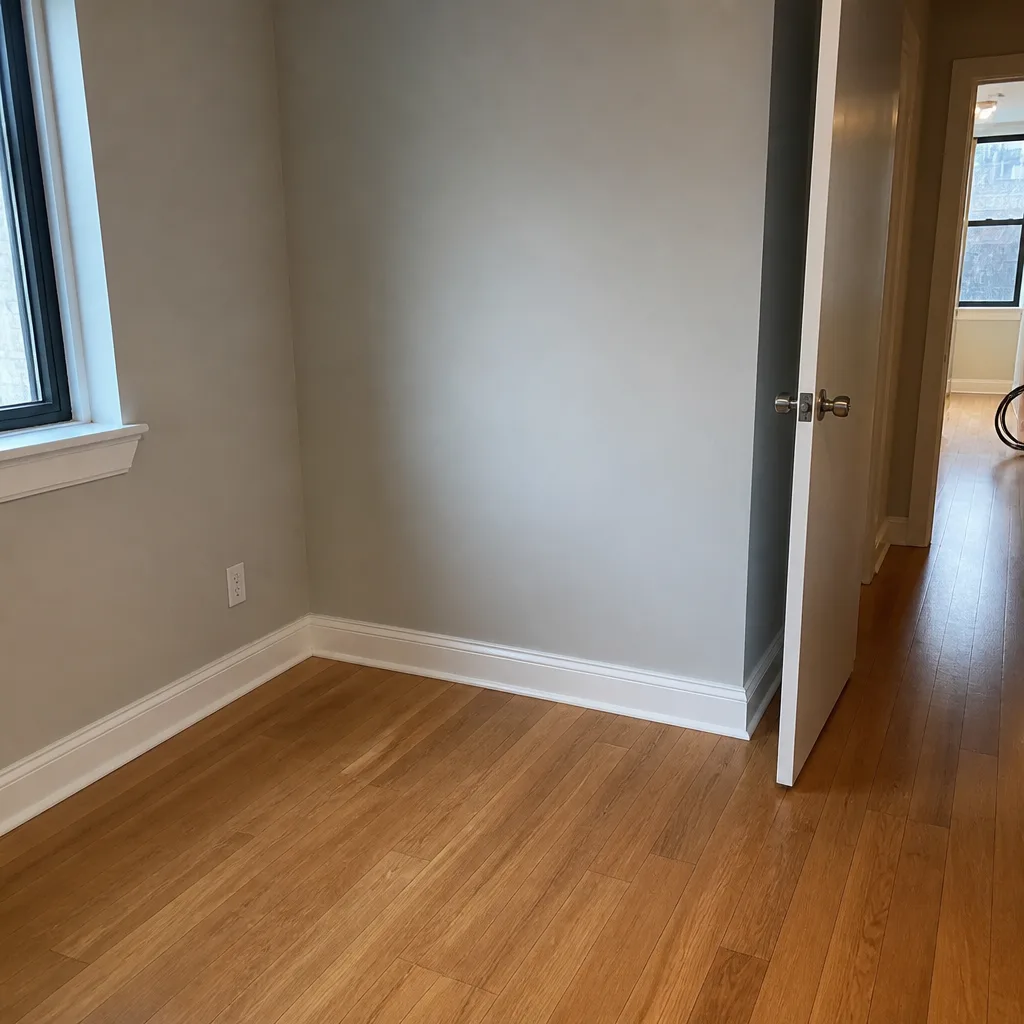 After
AfterDamage Restoration Cost Breakdown: The Upper West Side Homeowner’s Reference for 2026
Here’s a number that surprises most Upper West Side homeowners: the average water damage claim in a prewar co-op costs more than the same square footage of damage in a newer high-rise. Why? Because plaster walls hold water differently than drywall, original hardwood floors cup faster than engineered wood, and access through freight elevators and narrow service entrances adds labor hours before a single fan gets placed. This guide is written for the homeowner who wants the real cost picture before an emergency happens, not after. You’ll learn what drives restoration pricing in 2026, how Upper West Side building codes and co-op rules shape the work, which line items are worth paying for, and which ones signal you’re being oversold.
Quick Answer
Damage restoration on the Upper West Side in 2026 typically costs between $1,800 and $8,500 for water damage, $2,500 to $12,000 for mold remediation, and $8,000 to $45,000 for fire and smoke restoration, depending on square footage, material type, and how quickly mitigation begins. Most insurance policies cover the bulk of these costs when the damage is sudden and accidental. Acting within the first 24 hours is the single biggest factor in keeping the final bill from climbing.
Table of Contents
- Water Damage Restoration Costs in 2026
- Mold Remediation: What Upper West Side Homeowners Actually Pay
- Fire and Smoke Damage Cost Factors
- Sewage Cleanup and Biohazard Restoration Pricing
- Reconstruction and Rebuild: The Second Half of the Bill
- How Insurance Affects What You Pay Out of Pocket
- The Line-Item Breakdown: Where Every Dollar Goes
- Common Mistakes to Avoid
- When to Call a Professional
- Frequently Asked Questions
- The Bottom Line
Water Damage Restoration Costs in 2026
Water damage restoration in Upper West Side homes ranges from $1,800 for a contained bathroom overflow to $8,500 or more for a burst pipe that sat overnight and soaked through flooring into the apartment below. The spread is wide because water doesn’t charge by the square foot. It charges by how long it sat, what it touched, and what those materials were made of.
In prewar buildings along West End Avenue and Riverside Drive, we regularly see restoration costs run 20 to 30 percent higher than in newer construction because original plaster walls and ceilings hold water longer and often need to be cut open rather than dried in place. Add to that the reality of co-op board approvals, freight elevator scheduling, and building insurance deductibles, and the same leak costs more here than it would in a suburban single-family home.
What drives the price on water jobs
- Category of water: Clean water from a supply line is cheapest to remediate. Gray water from a dishwasher or washing machine costs more because of contamination. Black water from sewage or exterior flooding costs the most and requires full containment and disposal protocols.
- Time elapsed: Water that gets extracted within the first few hours often means drying equipment for three to four days. Water that sat over a weekend means demolition, antimicrobial treatment, and a longer drying window.
- Material type: Tile over concrete dries quickly. Hardwood over wood subfloor wicks moisture and cups. Plaster walls need drilling and cavity drying. Each material has its own drying curve and its own labor cost.
- Access difficulty: A fifth-floor walk-up with no service elevator means technicians carry equipment up stairs. That labor is part of the bill.
Typical water restoration line items
- Emergency extraction and water removal: $400 to $1,200
- Demolition of wet drywall, plaster, or flooring: $500 to $2,500
- Drying equipment placement and monitoring: $300 to $900 per week
- Antimicrobial application: $200 to $700
- Moisture mapping and daily readings: included in most reputable quotes
- Final cleaning and debris hauling: $300 to $800
One thing we tell every Upper West Side homeowner: a written scope with a moisture log is not an upsell. It’s the difference between a job that’s done when the fans come out and a job that’s done when the dry standard is met and proven with readings. Our own crews use Dri-Eaz and Phoenix equipment, take daily readings, and hand the log to both the homeowner and the carrier. That’s how a water job closes without a callback six months later.
Start with the Floodline Restoration Co. home page to understand how we handle water damage from first extraction to final rebuild.
Mold Remediation: What Upper West Side Homeowners Actually Pay
Mold remediation in Upper West Side apartments and townhouses typically runs $2,500 to $12,000 in 2026. The lower end covers a contained area like a bathroom ceiling or a closet wall. The upper end covers hidden mold behind multiple walls, crawl space contamination, or mold that spread through HVAC ducting. Bathroom and kitchen mold in this neighborhood’s older buildings often traces back to a slow leak that’s been running for months, not days, which means the visible staining is rarely the full extent of the problem.
Mold is the one trade where we see homeowners get oversold most often. The question isn’t always “how much mold is there” but “what type, what moisture source is feeding it, and can the affected material be cleaned or does it need to be removed.” A reputable remediation company answers that with testing or at minimum a documented visual assessment and moisture readings. A disreputable one answers with fear.
Mold remediation cost factors
- Containment requirements: Proper remediation requires negative air pressure and plastic containment to keep spores from spreading. That setup costs $500 to $1,500 depending on room size and access.
- Material removal vs. cleaning: Non-porous surfaces like tile and glass can often be cleaned. Porous materials like drywall, ceiling tiles, and carpet with visible mold growth generally get removed and replaced. Removal costs more up front but is cheaper than repeated remediation when cleaning fails.
- Air scrubber and HEPA equipment: Professional-grade air filtration runs $300 to $700 per week. This is not optional equipment; it’s the difference between remediation and airing out a room.
- Post-remediation verification: A clearance test by an independent hygienist typically runs $400 to $800 in New York City. Reputable companies recommend it. Companies that discourage it should make you suspicious.
Our technicians are trained to IICRC and RIA standards, and we follow the same protocol on every mold job: find the moisture source, contain the area, remove what can’t be salvaged, clean what can, dry to standard, and verify. The 90-Day Done Right Promise applies to mold work exactly as it does to water and fire. If the mold returns within 90 days because we missed the moisture source, we come back and fix it. That’s the Keystone Standard, and it’s in writing.
Fire and Smoke Damage Cost Factors
Fire damage restoration on the Upper West Side costs between $8,000 and $45,000 for most residential fires. Structure fires in this neighborhood are less common than in suburban areas, but when they happen they’re complicated by building age, shared walls, and the fact that smoke travels through electrical conduits and plumbing chases into apartments three floors above the fire unit. A fire in a fifth-floor prewar apartment can mean soot contamination in units that never saw a flame.
The cost drivers on fire jobs are different from water jobs. Water is predictable; smoke is not. Soot pressure and temperature determine how deeply it bonds to surfaces. Protein smoke from a kitchen fire leaves a nearly invisible residue that smells for months if not properly cleaned. Synthetic smoke from burning plastics and upholstery is acidic and can etch metal fixtures within 72 hours if left untreated.
Fire restoration cost categories
- Board-up and emergency securing: $500 to $2,000 for plywood board-up, tarping, and securing the unit against weather and entry.
- Soot and smoke residue cleaning: $1,500 to $8,000 depending on affected square footage and soot type. This includes wall washing, ceiling cleaning, and HVAC duct cleaning.
- Ozone and thermal fogging for odor: $400 to $1,500. Odor removal is not optional on fire jobs; it’s often the reason the homeowner calls us in the first place.
- Content pack-out and cleaning: $1,000 to $5,000 for packing, cleaning, and storing belongings off-site during restoration.
- Structural repair and rebuild: This is the largest line item and varies entirely on the scope of damage.
Fire jobs also involve what we call the “second water damage” - the water from fire suppression systems or firefighter hoses that saturates flooring and drywall below the burn area. A complete fire restoration estimate has to account for both the smoke damage and the water damage, because drying out after a fire is just as critical as after a flood.
Sewage Cleanup and Biohazard Restoration Pricing
Sewage backup cleanup in Upper West Side buildings typically costs $3,000 to $10,000, and there’s a reason it’s on the higher end of water-related damage. Sewage is black water - Category 3 contamination - which means every porous material it touches gets removed, not dried. Carpet, padding, drywall, baseboards, and often lower cabinet sections all come out. What remains gets disinfected with hospital-grade antimicrobials, not household bleach.
In the older buildings along Broadway and Amsterdam Avenue, sewage backups often involve cast iron pipes that have been in service since before the Eisenhower administration. A backup in one unit can affect the apartment below faster than in newer buildings with separate waste lines. The remediation process is the same regardless of building age, but the demolition scope is often larger in prewar buildings because the water travels through shared floor joists and wall cavities.
Biohazard and crime scene cleanup costs
Biohazard restoration - which includes crime scene cleanup, unattended death cleanup, and hoarding cleanup - typically starts around $2,500 and can exceed $15,000 for extensive contamination. These jobs require specialized training, full PPE, medical-grade disposal, and compliance with OSHA bloodborne pathogen standards. Our technicians are certified to IFA standards for biohazard work, which means they follow the same protocols you’d expect from a healthcare facility.
This is work where the cleanup company’s credentials matter more than price. The disposal of biohazardous material in New York City is regulated, and the paperwork trail matters for insurance claims and for future property disclosure. A company that can’t produce a manifest for biohazardous waste disposal is a company you shouldn’t hire.
Reconstruction and Rebuild: The Second Half of the Bill
Reconstruction after restoration is the part of the bill homeowners forget to ask about. Water extraction and drying might cost $3,000. Putting back the drywall, flooring, and cabinetry that had to be removed might cost another $8,000 to $25,000. The restoration company handles the first. A general contractor handles the second. And in most cases, the homeowner is left coordinating between them.
That’s the gap we built Floodline Restoration Co. to close. On this page we’ve covered extraction and remediation costs. But the rebuild is where costs spiral when it’s handed off. When one company handles mitigation and a different company handles reconstruction, the homeowner plays project manager, the insurance carrier gets conflicting scopes, and the total bill rises. When the same certified crew that read the moisture map on day one rebuilds what needs rebuilding, the scope is continuous and the accountability is singular.
Reconstruction cost factors on the Upper West Side
- Material matching: Prewar apartments often have original hardwood floors, plaster moldings, and period-specific tile. Matching these materials costs more than installing new standard materials, but it’s often required by co-op boards and building landmark designations.
- Board approvals: Co-op and condo boards require written scopes, licensed contractors, and often their own approval process before reconstruction starts. This adds time but protects the homeowner from unlicensed work.
- Elevator and access fees: Many buildings charge for freight elevator use and require contractors to carry specific insurance limits. These costs appear as line items on reconstruction quotes and are legitimate.
- Building codes: Any reconstruction touching electrical, plumbing, or structural elements requires DOB permits in New York City. Licensed contractors pull these permits; the cost is built into the scope, not hidden.
How Insurance Affects What You Pay Out of Pocket
Most Upper West Side homeowners with a standard HO-3 or HO-6 condo policy will pay a deductible of $1,000 to $5,000 and have the bulk of sudden water, fire, and storm damage restoration covered. The coverage terms that matter are “sudden and accidental” - a burst pipe is covered, a slow leak that ran for six months typically isn’t - and “reasonable mitigation” - which means acting immediately to stop the spread of damage, not waiting for an adjuster to show up.
The insurance claim sequence in 2026
- Stop the source: Shut off the water, gas, or electricity. This is your responsibility and your insurance company expects it.
- Document everything: Photos and video of the damage before anything is moved or dried. More documentation means fewer disputes later.
- Call a restoration company that works with carriers: Companies that bill directly to insurance remove the homeowner from the money conversation. Floodline Restoration Co. handles carrier billing directly. You don’t sit between us and the adjuster.
- Mitigate immediately: Extraction and drying should start the same visit. Waiting for an adjuster costs you money because the damage compounds hourly.
- Written scope: Both restoration and reconstruction scopes get documented in writing before work starts. This protects you and satisfies the carrier’s documentation requirements.
Photo documentation matters more than most homeowners realize. When we photograph moisture readings, remove wet material, and document the dry standard, the carrier has a clear record of what happened and why each line item was necessary. That’s the difference between a claim that gets paid in 30 days and one that gets challenged for months.
The Line-Item Breakdown: Where Every Dollar Goes
Restoration estimates aren’t mysterious if you know what to look for. Here’s a typical water damage scope in an Upper West Side co-op, with the line items a reputable company should list and the ranges you should expect in 2026.
Sample water damage scope: bathroom leak into adjacent living space
- Emergency response and assessment: $200 to $400. A technician arrives, assesses the full extent of damage, and documents it with photos and moisture readings.
- Water extraction: $350 to $900. Professional-grade extraction using truck-mounted or portable extraction units. The affected area gets pulled to as close to dry as extraction can get it.
- Demolition and debris removal: $600 to $2,000. Soaked drywall, baseboard, and flooring are cut away along the flood line rather than dried in place. Debris gets bagged and hauled out through the freight entrance.
- Antimicrobial treatment: $250 to $700. All affected cavities and exposed materials get treated to prevent mold growth during the drying phase.
- Drying equipment placement: $400 to $1,200. Dri-Eaz dehumidifiers, Phoenix axial air movers, and XPOWER ventilation units get placed according to the moisture map, not scattered around the room.
- Daily monitoring: $150 to $450 per week. A technician returns daily to take moisture readings, adjust equipment, and log progress toward the dry standard.
- Final verification: Included with reputable companies. The dry standard is met when moisture readings are consistent with a pre-loss condition, and the readings get documented and provided to the homeowner and carrier.
On mold jobs, additional line items include containment setup, HEPA air scrubbing equipment, and post-remediation verification. On fire jobs, you’ll see line items for soot sponge cleaning, thermal fogging, and content pack-out. A complete estimate tells you what the company is doing, why it’s necessary, and how much each component costs. A vague estimate is a red flag.
We’ve been handling full-cycle restoration since 2010, and in our experience the homeowners who get the squarest deals are the ones who ask for a written scope before work starts. We give one on every job. It’s not a sales tactic. It’s how work gets done properly in buildings where boards, carriers, and neighbors all have a stake in the outcome.
Common Mistakes to Avoid
- Waiting for the adjuster before calling a restoration company. Every hour of delay lets water wick further into plaster, hardwood, and structural cavities. Mitigation can start immediately and the insurance paperwork gets retroactively documented. In Upper West Side buildings, a leak that runs overnight can damage the apartment below, doubling the claim.
- Hiring the cheapest bid without checking credentials. Restoration is not a place to save money up front. Unlicensed crews don’t carry the liability insurance co-op boards require, don’t follow IICRC drying standards, and frequently can’t provide documentation insurance carriers demand.
- Drying visible surfaces but not hidden cavities. Water inside a wall cavity behind a baseboard will grow mold even if the wall surface feels dry. Proper restoration requires drilling and cavity drying, or removing the affected material entirely.
- Letting the restoration company and the contractor work independently. When mitigation and reconstruction are handled by different companies, each blames the other when something goes wrong. A single company handling both phases has no one to point at.
- Skipping post-remediation mold verification. A clearance test is $400 to $800. Remediation that fails because the source wasn’t found costs thousands more to redo. Spend the money on verification.
- Accepting a verbal quote. In a market like the Upper West Side where co-op boards require written scopes and insurance carriers demand documentation, a verbal quote is worth nothing when disputes arise. Insist on written line items.
- Not checking the company’s New York City history. A contractor who’s worked in the city for decades knows DOB permit requirements, co-op board processes, and freight elevator logistics. A contractor from two counties away learning these things on your job costs you time and money.
When to Call a Professional
Some situations are obvious: standing water, visible mold growth, fire damage, sewage backup. But the situations that turn expensive are the quiet ones. A musty smell that comes and goes. A soft spot in the floor near a bathroom. A water stain that’s changed size over the course of a month. These are the signs of a moisture problem that’s been brewing behind walls, and by the time you can see it, the restoration scope is already larger than it needed to be.
If you notice any of these conditions in your Upper West Side apartment or townhouse, call a restoration company for an assessment before the damage spreads to the apartment below you. Floodline Restoration Co. offers free estimates in Upper West Side - call (845) 305-5737 and a live person answers, any hour of the day or night.
Frequently Asked Questions
Water damage restoration on the Upper West Side typically costs $1,800 to $8,500 in 2026, with prewar buildings running 20 to 30 percent higher than newer construction due to plaster walls, original hardwood flooring, and access limitations. The final number depends on water category, time elapsed, and how much material needs removal versus drying in place. Call (845) 305-5737 for an exact quote - estimates are free.
Most HO-6 condo policies and co-op shareholder policies cover sudden and accidental water, fire, and storm damage after your deductible, which typically runs $1,000 to $5,000. Slow leaks that ran for months, flood damage without a separate flood policy, and neglect-related issues are generally not covered. We bill carriers directly and document every step so your claim has the support it needs.
A Floodline Restoration Co. crew reaches Upper West Side addresses the same visit, because our dispatch desk is staffed by a live person 24 hours a day, seven days a week. Extraction starts on the first visit, not on a follow-up appointment. In an emergency, that speed difference means the difference between drying and demolition.
Visible mold on non-porous surfaces like tile can sometimes be cleaned with proper disinfectants, but mold on drywall, ceiling tile, or any porous material generally requires removal and replacement because the roots penetrate beyond the surface. A professional assessment determines what can be cleaned versus what needs removal. Guessing wrong means the mold returns and the remediation bill comes twice.
Floodline Restoration Co. deals directly with your insurance carrier. We provide written scopes, photo documentation, daily moisture logs, and final verification to your adjuster, and we bill the carrier directly so you’re not fronting money and waiting for reimbursement. You stay informed, but you don’t play messenger.
The 90-Day Done Right Promise is our written guarantee that the restoration work we do is done correctly. If it’s not, we make it right within 90 days - no paperwork battles, no arguing about who’s responsible. It’s called the Keystone Standard internally, and it applies to water, mold, fire, and every other category of work we do on the Upper West Side.
Reconstruction after restoration typically costs $8,000 to $25,000 for most Upper West Side apartments, depending on materials, finishes, and the scope of what was removed during mitigation. Prewar apartments with original hardwood, plaster moldings, and period tile run higher because matching materials is more expensive. When one company handles both restoration and rebuild, the scope is continuous and the final price doesn’t include the markup of a second contractor learning the job midstream.
The Bottom Line
Damage restoration on the Upper West Side in 2026 is expensive because the buildings are old, the materials are specific, and the access is limited. But the biggest cost driver is always time. A leak caught in the first hour costs a fraction of a leak that ran overnight. A mold problem addressed at first sight stays contained. A fire job handled by a company that manages both mitigation and rebuild closes faster and costs less in total than one split between two firms. If you take one thing from this guide, take this: act immediately, document everything, and hire a company that gives you a written scope, bills your carrier directly, and stands behind the work in writing. That’s the square deal. We’ve been providing it on the Upper West Side since 2010.
Call (845) 305-5737 for a free estimate. A live person answers, day or night.
Written by Curt Bowman, Owner at Floodline Restoration Co., serving Upper West Side since 2010.