
Last updated August 25, 2026
Free visual inspection and a written scope of work before any mitigation begins - photos, moisture readings, and drying logs go in your claim file
The scope we write is the scope we bill. Anything new gets shown to you, in writing, before we touch it.
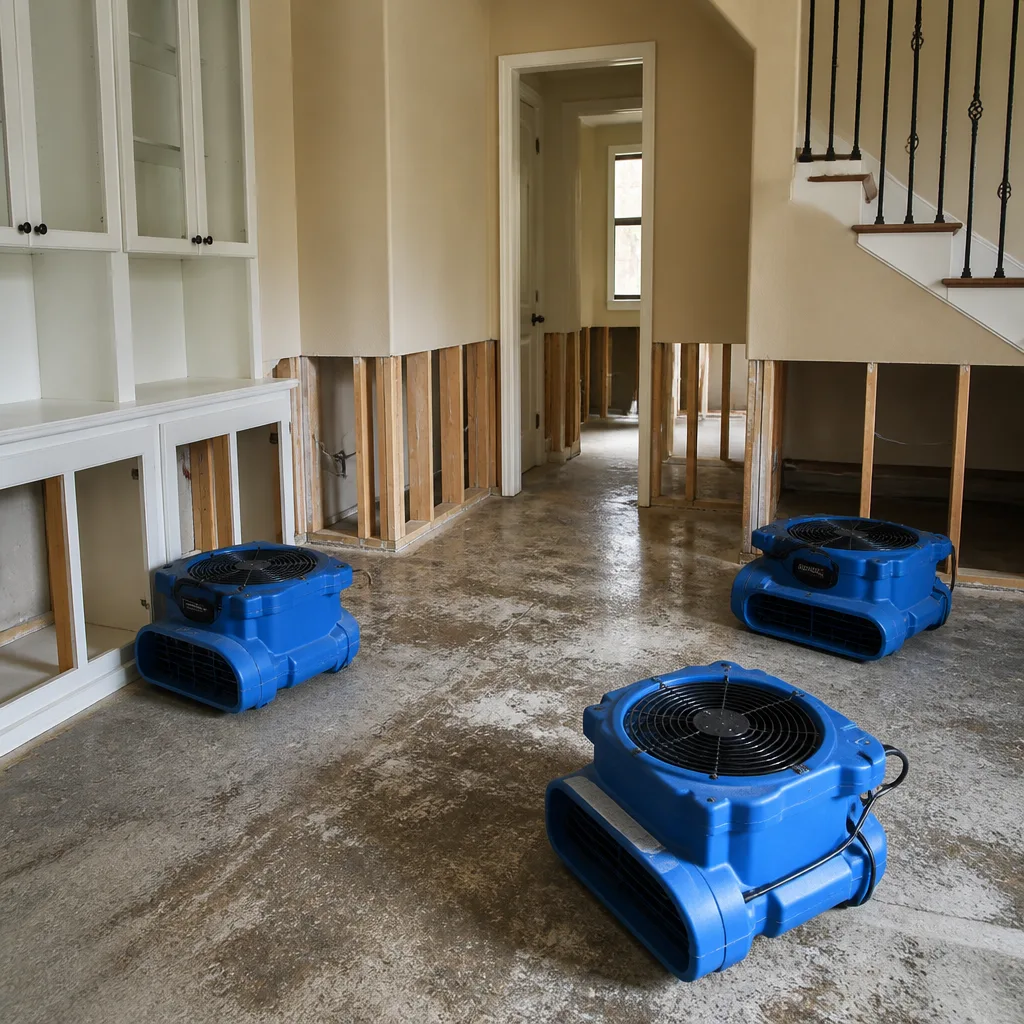

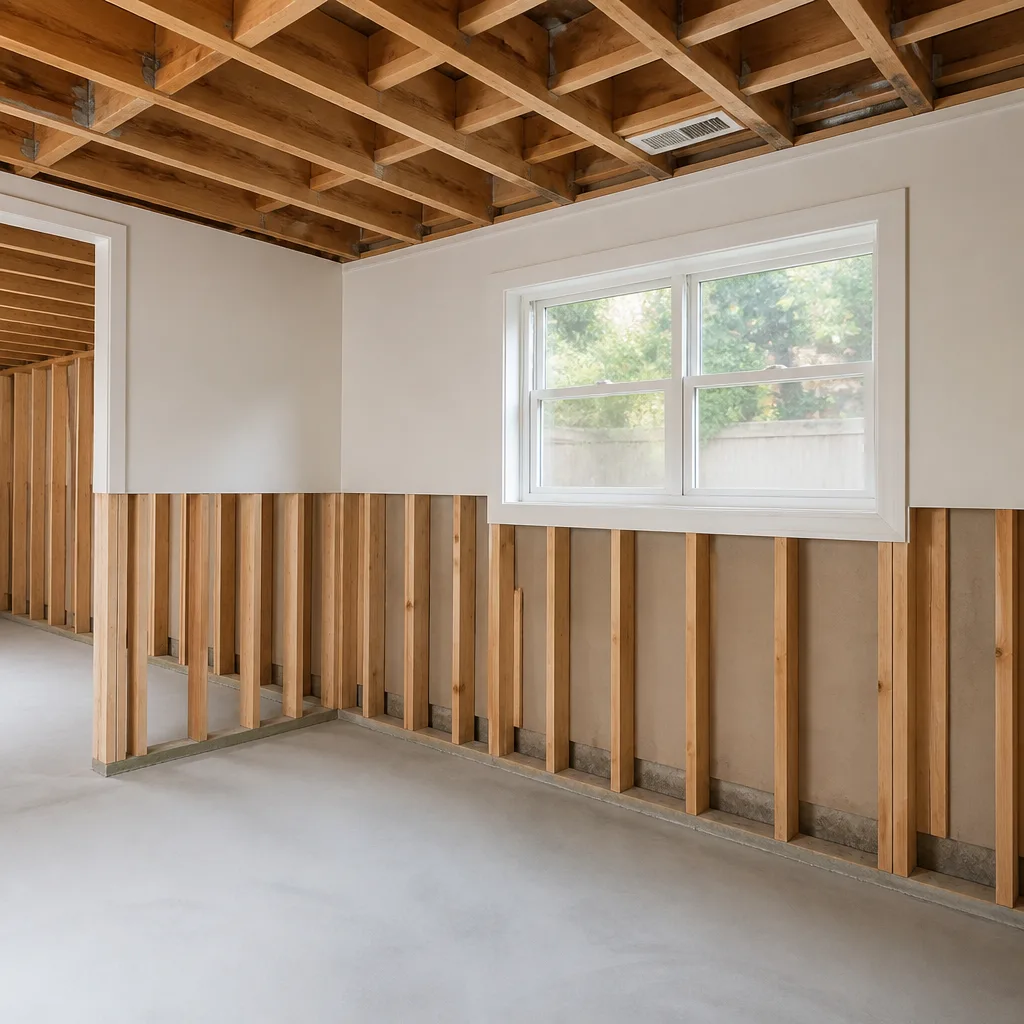

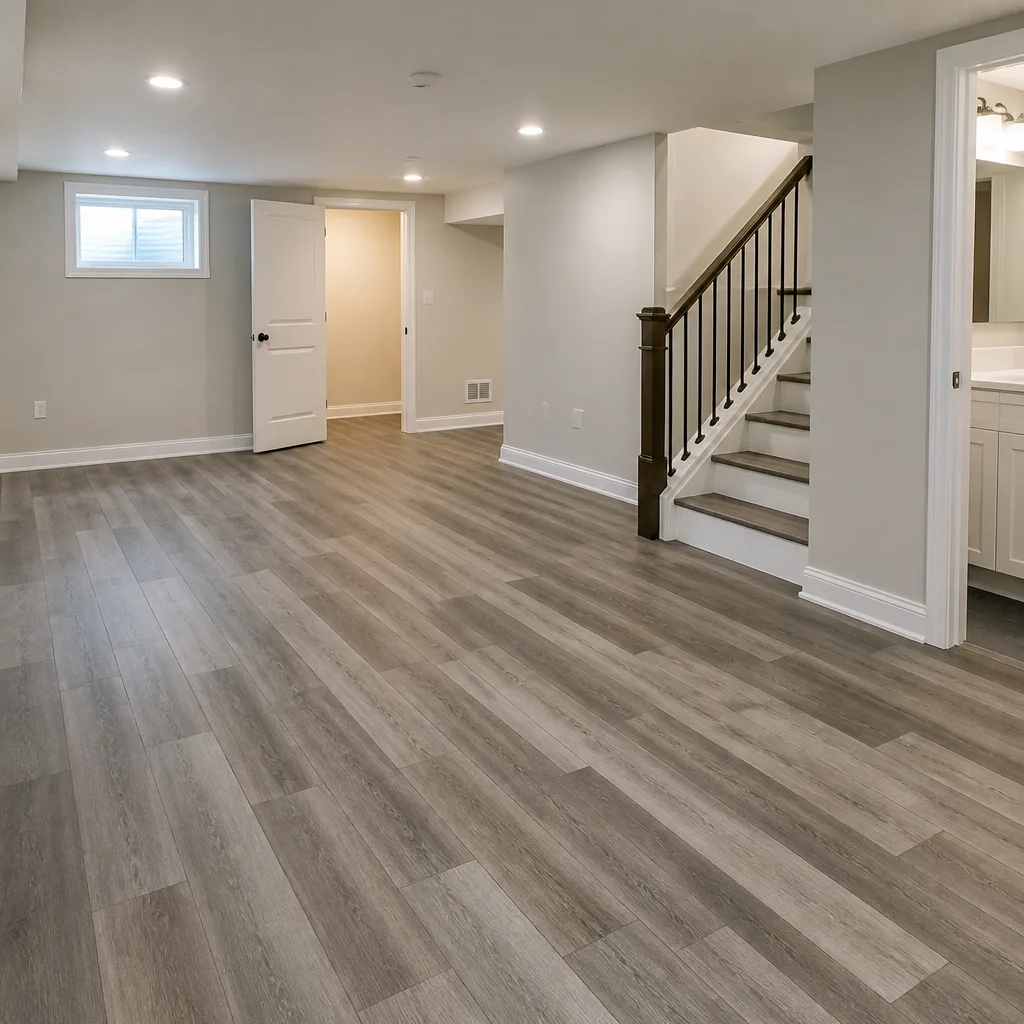

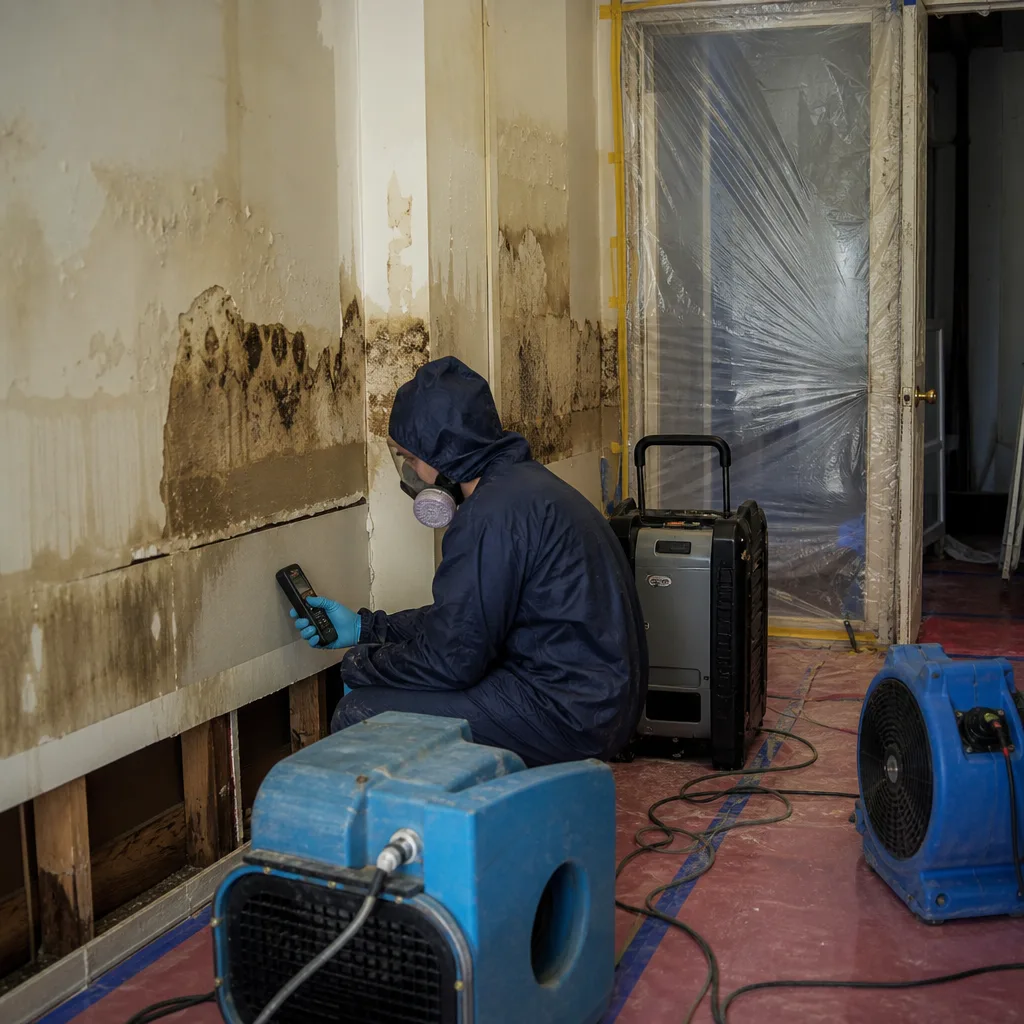 Before
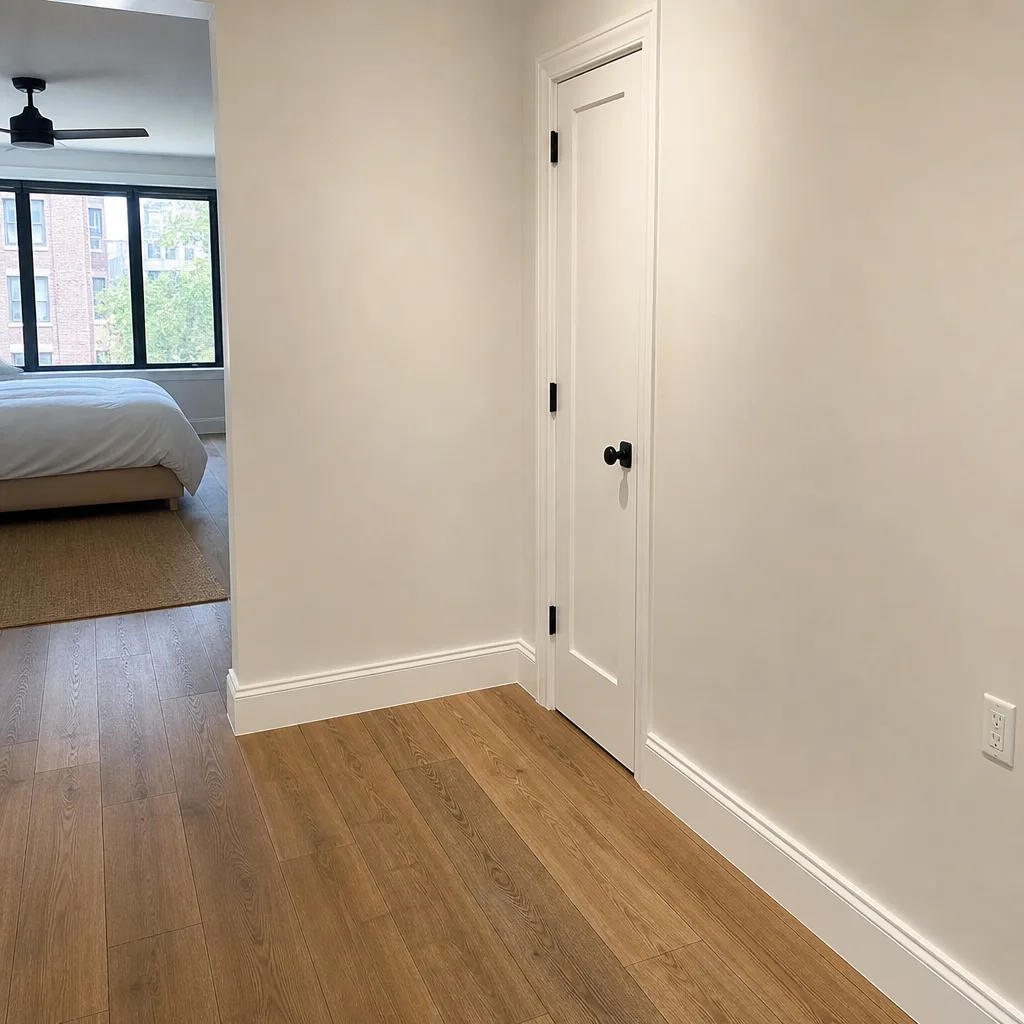 After
After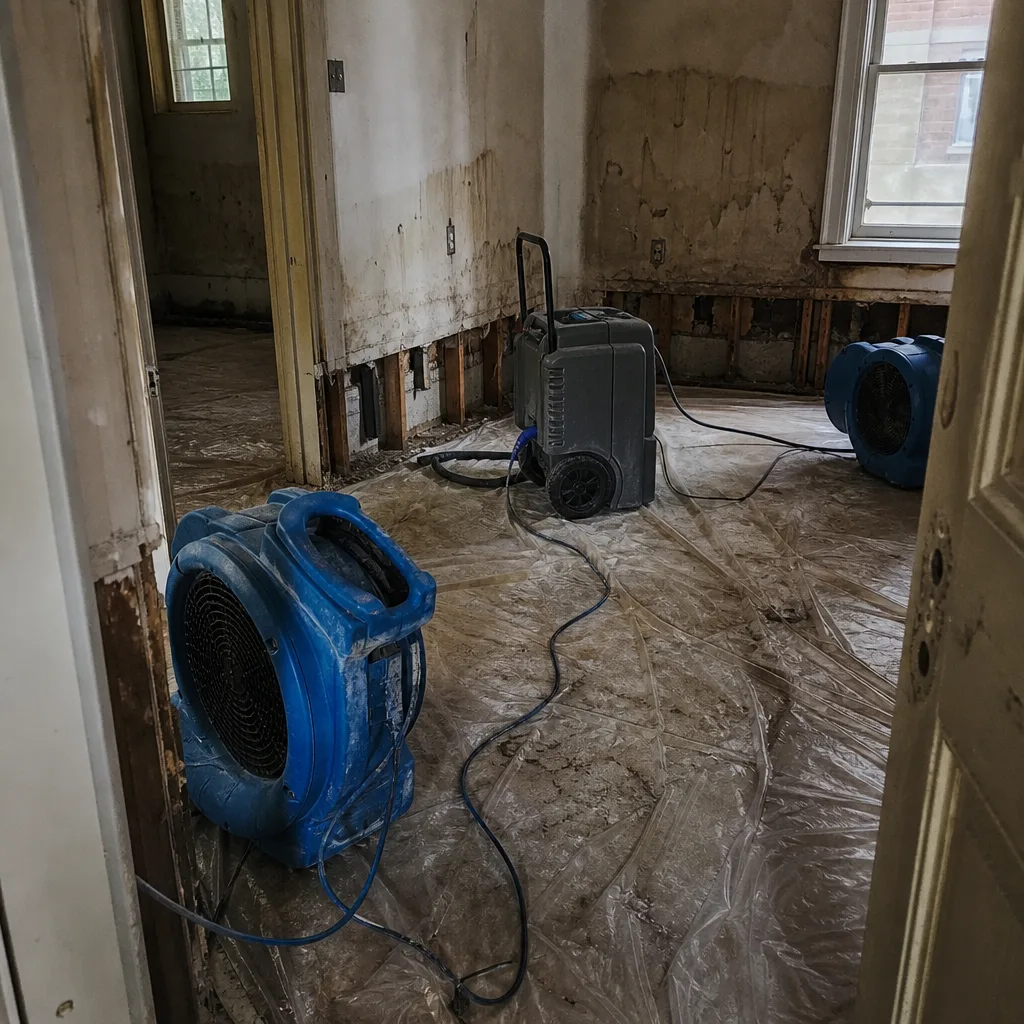 Before
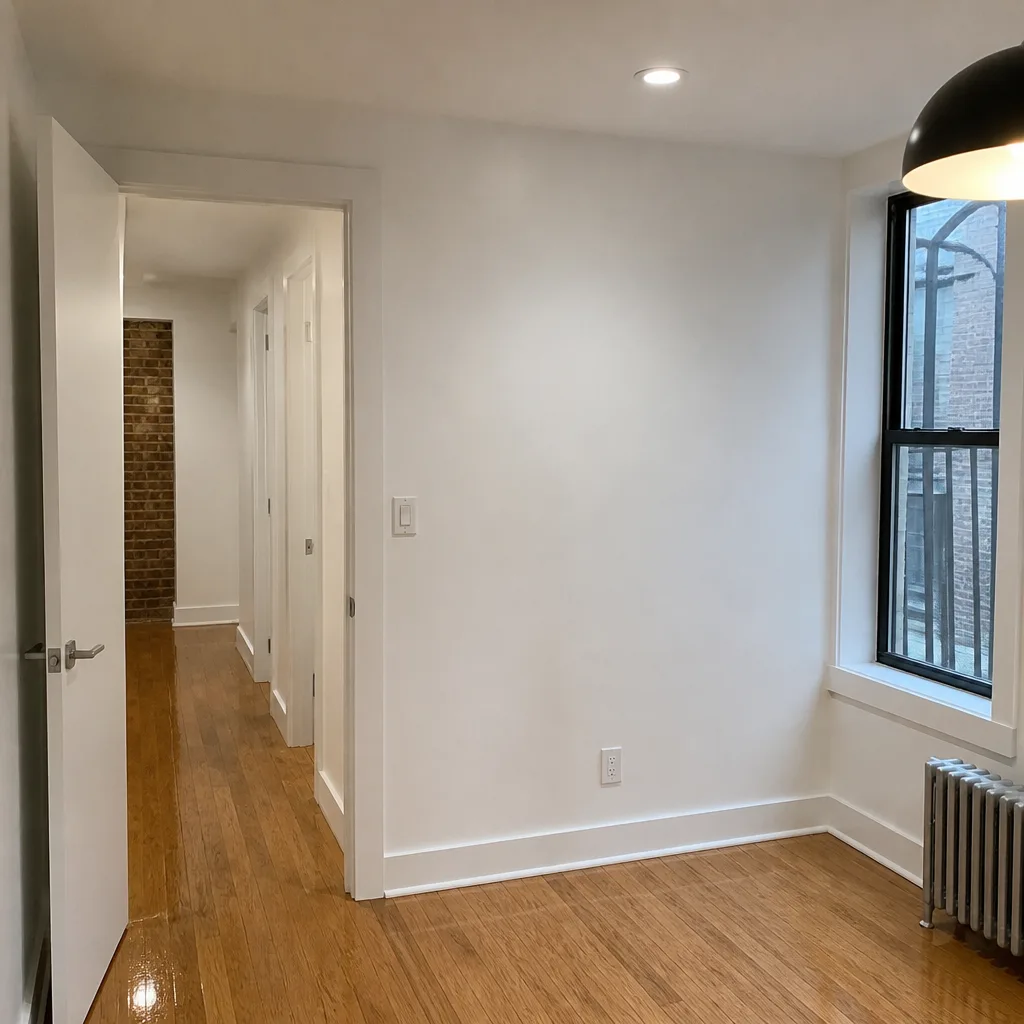 After
After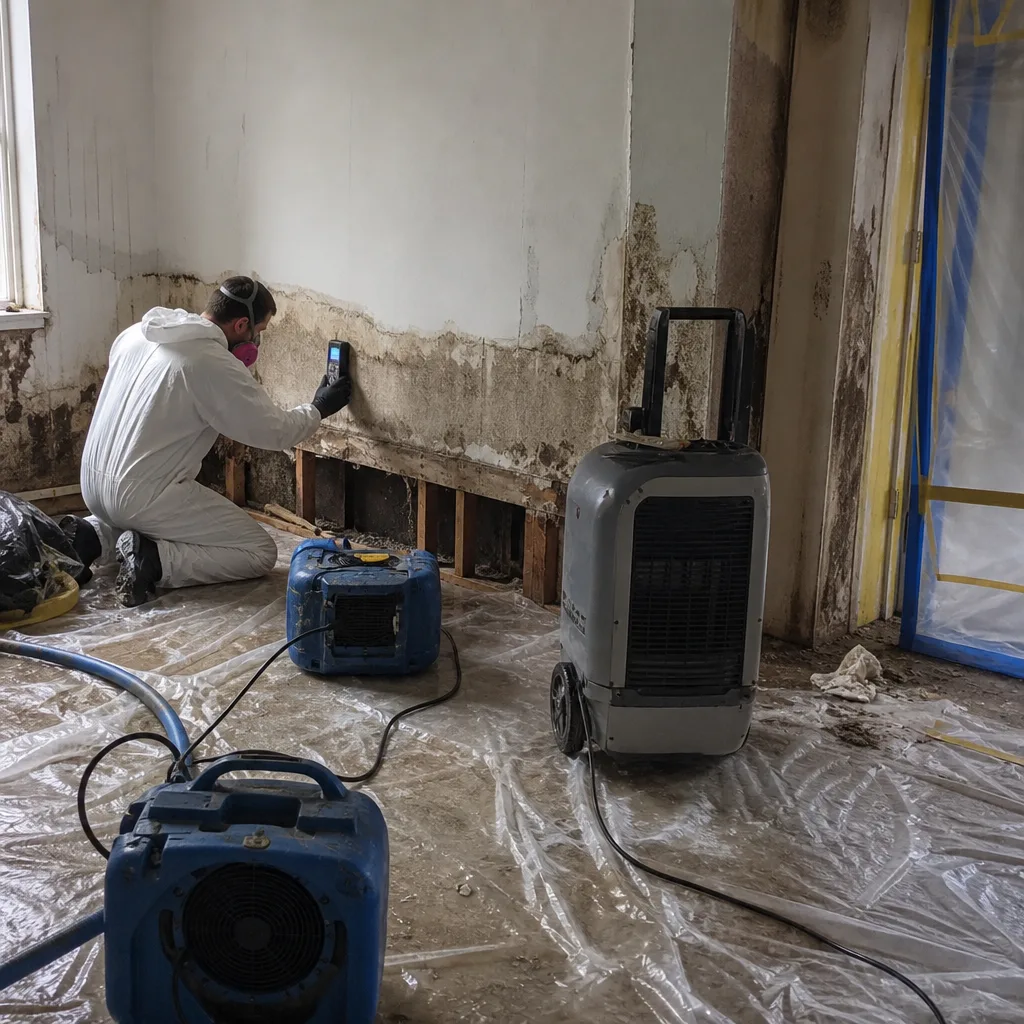 Before
 After
AfterDamage Restoration Warning Signs: A Upper West Side Homeowner’s Reference Guide
Most homeowners don’t discover water damage by seeing water. They discover it by seeing what water left behind: a hairline crack that wasn’t there last spring, a baseboard pulling away from the wall, a smell that comes and goes with the weather. In Manhattan’s prewar buildings and townhouses, where some walls have stood for over a century, these quiet signals tell a story that gets more expensive every week it goes unread. This guide covers the warning signs that matter on the Upper West Side, what each one means, how urgent it is, and what to do about it before a $400 repair becomes a $40,000 rebuild.
Quick Answer
The most common early warning signs of hidden damage in Upper West Side homes are persistent musty or earthy smells, stains or discoloration on ceilings and walls, peeling or bubbling paint, warped or cupped wood floors, recurring condensation on windows and pipes, unexplained spikes in water bills, and visible mold growth. Any one of these signs paired with a recent storm, a radiator valve failure, or a neighbor’s plumbing leak should trigger a professional moisture assessment within 48 hours. The damage that matters most is the damage you cannot see yet.
Table of Contents
- Water Stains and Discoloration: Reading the Marks on Your Walls and Ceilings
- The Smell Test: What Different Odors Tell You About Hidden Damage
- Warping, Cupping, and Buckling: When Wood Floors Signal Moisture Beneath
- Peeling Paint, Bubbling Plaster, and Soft Drywall
- Mold You Can See and Mold You Cannot: What Growth Actually Means
- Condensation, Humidity, and the Upper West Side Steam Heat Problem
- Unexplained Water Bills and Meter Movement: The Numbers Do Not Lie
- Common Mistakes to Avoid
- When to Call a Professional
- Frequently Asked Questions
- The Bottom Line
Water Stains and Discoloration: Reading the Marks on Your Walls and Ceilings
Water stains are the most honest sign a house can give you. They do not lie, and they do not go away on their own. On the Upper West Side, where many buildings share plumbing risers and common walls, a stain on your ceiling may have nothing to do with your apartment at all. It may be your upstairs neighbor’s bathtub overflow, a roof drain clogged with sycamore leaves, or a heating riser weeping inside a wall cavity on its way up from the basement boiler.
A brown or copper-colored stain with a defined edge usually means a one-time event, something that happened and stopped. A stain that is growing, darkening, or developing a yellowish halo means active moisture, and active moisture means something is still wet behind the paint. Gray or black discoloration around the edge of a stain often indicates mold beginning to colonize the damp drywall or plaster. If the stain feels cool or damp to the touch, you are not looking at history. You are looking at a current event.
The size of the stain matters less than its location. A small stain directly beneath a radiator valve or a bathroom fixture tells you exactly where to look. A stain in the middle of a ceiling, with no plumbing anywhere near it, suggests roof drainage, a condensation point, or water traveling along a beam from somewhere else entirely. Water does not always fall straight down. It follows the path of least resistance, and in an old building with sloped floors and settled framing, that path can be surprising.
To track a stain properly, take photos every few days with the date visible. Measure it. If it grows, you have an active leak and need a professional assessment. If it stays exactly the same size through two or three rainstorms and a full heating season, you may be dealing with old damage that was never properly dried or sealed. Either way, the fix starts with knowing which one you are facing.
- Locate the stain’s highest point. Water runs downhill. The highest mark is the closest to the source.
- Check for softness. Press the area gently with a fingertip. If it gives, the material is saturated or has dry-rotted.
- Monitor for 7 days. Mark the edge with a pencil line, date it, and watch. Growth means active water.
- Look above and beside, not just at. Check the room above, the wall behind, and the exterior wall for corresponding signs.
- Get a moisture reading. A professional moisture meter can tell you whether the material is dry, damp, or wet without opening the wall.
One pattern we see regularly in older Upper West Side co-ops and townhouses is a stain that appears only after heavy rain with wind from a specific direction. That is a flashing or parapet issue on the roof or an exterior wall crack, not plumbing. Your superintendant may never find it because they only look when it is raining, and the hardest leaks only show themselves under specific conditions. Document what you observe and when. That record is worth more than guesses.
The Smell Test: What Different Odors Tell You About Hidden Damage
The human nose is a remarkably sensitive moisture meter. Long before a stain shows up on the ceiling, you may notice a smell that does not belong: musty, earthy, sour, or in the worst cases, unmistakably sewage-like. Each odor corresponds to a different type of damage, and on the Upper West Side, where steam heat and humid summers create the perfect conditions for organic growth, reading these smells correctly can save you thousands of dollars and a genuine health concern.
A musty or earthy smell means mold or mildew is present and actively growing somewhere you cannot see. That “basement smell” in a prewar apartment is not a feature. It is a symptom. Mold releases microbial volatile organic compounds as it feeds on damp drywall, wood, paper, or fabric, and those compounds are exactly what your nose detects. The mustier the smell, the larger the colony. Mold does not need standing water. It needs sustained humidity above roughly 60 percent and an organic food source, both of which are abundant in old buildings.
A sour or fermenting smell often means water has been standing long enough for bacteria to multiply. This is common after a slow leak inside a wall cavity, under a kitchen cabinet, or beneath a bathtub. By the time a smell reads as sour, the water has likely been there for weeks, not days. The material is saturated, and the integrity of the surrounding structure is deteriorating.
A sewage odor is different and more urgent. It means a waste line is compromised somewhere, possibly a cracked cast iron soil stack, a dried-out trap, or a failed wax ring beneath a toilet. Sewage smells are not just unpleasant. They indicate the presence of bacteria and potential pathogens. This is a health issue, not a housekeeping issue, and it requires professional attention within hours, not days.
A sharp, chemical smell near electrical fixtures or outlets can mean an overheating circuit, melting insulation, or moisture contacting live wiring. In an older building with original electrical systems, this is a fire hazard and should be treated as an emergency. Turn off the circuit at the breaker panel and call a licensed electrician immediately.
The most dangerous thing about smells is adaptation. You get used to them. A smell that you notice when you walk in the door and then forget about is exactly the smell that needs investigation. The best test is the honest visitor test: someone who does not live in your home will notice what you have stopped noticing. If a guest asks “what’s that smell?”, the answer is not “it’s always been like that.” The answer is that something is wet and has been wet long enough to change the air in your home.
In our experience on the Upper West Side, musty smells that come and go with the heating season are almost always tied to condensation inside walls or around windows that accumulate in winter and dry out in summer. The damage is incremental, but it adds up over years. A professional moisture assessment can locate the source of the odor without opening walls, using thermal imaging and moisture meters calibrated for the specific materials in your building.
Warping, Cupping, and Buckling: When Wood Floors Signal Moisture Beneath
Wood floors are excellent moisture indicators because wood is hygroscopic. It absorbs water from the air and from direct contact, and it changes shape when it does. On the Upper West Side, where original oak and maple floors are common in prewar buildings, the first sign of a hidden leak is often not a stain at all. It is a board that suddenly sits a little higher than its neighbors, or a floor that has developed a subtle wave where it used to be flat.
Cupping is the most common reaction to moisture. The edges of each board rise higher than the center, so each individual plank forms a shallow U shape. Cupping happens when the underside of the floor is wetter than the top. That means the moisture is coming from below: a leaking pipe in the ceiling of the apartment beneath you, water trapped between the subfloor and the finished floor, or a basement humidity problem wicking up through the structure.
Crowning is the opposite. The center of the board rises higher than the edges, forming an inverted U. Crowning typically shows up after a floor has been sanded while cupped, or when the top of the floor was wet and dried faster than the underside. It is a sign of previous water exposure, often an old spill or a past leak that was never properly dried.
Buckling is the most serious form. The boards actually pull away from the subfloor, lifting at the seams or in the middle of the room. Buckling means the floor has absorbed enough water to expand beyond what its fasteners can hold. This is often the result of a significant water event, a pipe burst, a major appliance leak, or a flood. Once a floor buckles, sections of it usually need replacement, though professional drying can sometimes salvage more than a homeowner expects.
If you notice a floorboard that has developed a dark edge along its seam, that is water staining, and it means moisture sat against the board long enough to discolor the wood fibers. If you notice a board that sounds hollow when tapped, the wood may have separated from the subfloor due to moisture-related warping. And if you notice a floor that creaks in a spot where it never creaked before, that can signal shifting caused by expansion and contraction cycles from repeated wetting and drying.
The Upper West Side’s steam heat systems add another layer. Radiator valves that leak small amounts of water over an entire heating season will slowly saturate the floor around the radiator. Homeowners often notice only a slight discoloration or a faint musty smell. By the time the floor begins to cup, the subfloor beneath may already be structurally compromised. We recommend checking the floor around every radiator at the start of each heating season, and again in spring when the system shuts down.
Peeling Paint, Bubbling Plaster, and Soft Drywall
Paint and plaster are the skin of your home. They protect what is underneath, and they show damage early if you know what to look for. On the Upper West Side, where many homes still have original plaster walls dating from the 1920s and 1930s, the signs of moisture damage look different than they do in newer drywall construction.
Peeling paint in a localized area almost always means moisture is trapped between the paint film and the substrate. Paint adheres poorly to damp surfaces. As the wall gets wet, the bond fails and the paint releases in sheets or blisters. If you find peeling paint on a ceiling, on a wall adjacent to a bathroom or kitchen, or beneath a window, look for the water source before you repaint. Repainting over a wet substrate simply moves the peeling to the new layer within months.
Bubbling paint is even more direct evidence of active moisture. Water vapor pushing outward from inside the wall lifts the paint into small or large blisters. In some cases, you can press on a paint blister and feel water behind it. That is not a cosmetic issue. That is a leak that has been running long enough to saturate the wall cavity.
In plaster walls, moisture causes a specific failure pattern. Plaster is applied in three coats over a lath base. When water saturates the plaster, the bond between the finish coat and the base coats fails, creating a condition called “keys broken,” where the plaster detaches from the lath. You will notice a bulging area that sounds hollow when tapped, or a crack that follows the lath lines in a stair-step pattern. This is a structural issue, not a paint issue. The plaster needs to be cut out, the underlying leak repaired, and the wall properly dried before replastering.
In drywall, the warning signs are different. Drywall is gypsum core sandwiched between paper faces. When it gets wet, it swells, sags, and eventually crumbles. Soft drywall that feels spongy when pressed has already lost its structural integrity. A water stain on drywall is usually the last sign before visible failure. By the time the stain shows through the paint, the gypsum core has been wet long enough to absorb moisture through the paper face.
One common Upper West Side pattern is a vertical crack running from floor to ceiling along a wall that abuts a bathroom or kitchen. This often means the wall framing behind the plaster has been wet and has swollen, pushing the plaster outward and cracking it. The crack itself is not the problem. The wet framing is. Over time, wet framing leads to rot, and rot leads to structural failure that no amount of spackle will fix.
Check your walls the way a home inspector does: with your eyes and your hands. Look for uneven surfaces under raking light from a window. Run your palm across suspect areas. A wall that is cooler in one spot than the surrounding area often has moisture behind it. Moisture holds temperature differently than dry material, and your hand can feel the difference before any stain appears.
Mold You Can See and Mold You Cannot: What Growth Actually Means
Visible mold is the warning sign homeowners most often recognize and most often misjudge. They see a dark spot in a corner, wipe it with bleach, and consider the problem solved. In reality, visible mold is usually the tip of something much larger hiding inside the wall cavity, under the floor, or in the ceiling void. The mold you can see is rarely the whole story.
Mold requires three things: moisture, an organic food source, and the right temperature range. Upper West Side buildings provide all three more reliably than almost any other environment in the city. Steam heat keeps indoor temperatures in the mold-friendly range through the entire winter. Humid summers do the same from June through September. The building materials themselves, plaster, lath, wood framing, paper-faced drywall, are exactly what mold species have evolved to consume.
The presence of visible mold tells you three things with certainty. First, moisture has been present long enough for spores to germinate and grow, which means a water source exists somewhere within reach of that growth. Second, the moisture level has been sustained, not momentary. Mold does not bloom after a single spill that dries quickly. It blooms after weeks or months of consistent dampness. Third, there is almost certainly more mold where you cannot see it, because mold colonizes hidden surfaces, the back sides of drywall, the space between studs, before it emerges into visible space.
Common visible molds in Upper West Side homes range in color from black and dark green to white, yellow, and pink. The color does not reliably indicate danger or species. Some species of black mold are relatively minor allergens; some species of white or pink mold are significant health concerns. Without lab testing, color tells you nothing reliable. What matters is the extent of the growth and the moisture source feeding it.
If you find mold in an area larger than about ten square feet, or if the mold returns within days of cleaning, or if you can smell mold but cannot find it, professional remediation is the appropriate response. Mold remediation is not cleaning. It involves containment so spores do not spread to uncontaminated areas, physical removal of affected materials, professional-grade drying of the underlying structure, and verification that the moisture source has been eliminated. Floodline Restoration Co. performs mold remediation with certified technicians, and we document the process so you have a record for insurance purposes if needed.
From our work across the Upper West Side, the most common hidden mold locations are behind bathroom tile where grout has failed, under kitchen sinks where slow drips have gone unnoticed, inside window frames where condensation collects through the winter, and on the back side of closet walls that face unheated stairwells or shaftways. These are exactly the places homeowners never look until the smell forces them to.
Condensation, Humidity, and the Upper West Side Steam Heat Problem
Steam heat is one of the great charms of old Upper West Side buildings and one of the most reliable engines of hidden moisture damage. The same radiators that warm your apartment in January create condensation cycles, humidity differentials, and slow leaks that work on your walls and floors year after year, often without any visible water. Understanding this one Upper West Side condition is the key to preventing most of the damage this guide describes.
Steam radiators operate at high temperature. The surrounding air near the radiator warms quickly, while air farther away stays cooler. This temperature difference creates a condensation zone: warm, moist air contacts cooler surfaces like windows, exterior walls, and cold water pipes, and the moisture condenses out of the air onto those surfaces. In a building with single-pane windows or uninsulated exterior walls, this condensation can be significant, enough to run down the wall and soak into the plaster and flooring.
Radiator valves leak. They leak small amounts, often no more than a few drops per day, but a few drops per day for twenty years adds up. The water runs down the radiator pipe, soaks into the floor around the pipe penetration, and creates a permanently damp zone that never dries completely during the heating season. The first visible sign is usually a dark ring on the floor around the radiator pipe, or a soft spot in the floor immediately adjacent to the radiator.
Windows are the second condensation battleground. In winter, the interior surface of a single-pane window gets cold enough to condense the moisture from the room air, just like a glass of ice water on a summer day. This condensation runs down the glass, collects on the sash, and seeps into the wall beneath the window. Over years, the drywall or plaster beneath the window becomes saturated, the paint peels, and eventually mold establishes itself in the wall cavity. If you wipe your windows dry every winter morning and never wonder where the water would go if you did not, you are seeing the first chapter of a story that ends in rot and remediation.
Managing this problem begins with monitoring. An inexpensive hygrometer tells you the relative humidity in each room. Above 60 percent, mold becomes possible. Above 70 percent, mold becomes likely wherever the temperature allows. In a steam-heated Upper West Side apartment in winter, relative humidity often swings from 20 percent during the day when the radiators are blasting to 75 percent at night as the room cools and the moisture condenses out of the air.
We recommend checking your radiators, valves, and window sills at the beginning of every heating season. Use professional drying equipment, including low-grain refrigerant dehumidifiers like the Dri-Eaz LGR series, if you find a room that never quite dries out. For older buildings with chronic condensation problems, we can install monitoring to map exactly where the moisture is coming from before recommending any structural changes.
Unexplained Water Bills and Meter Movement: The Numbers Do Not Lie
Water is the one utility that leaves a paper trail. Every gallon that enters your home from the municipal supply is measured, and if your consumption changes without an explanation, the explanation is almost always a leak. On the Upper West Side, this is true for the city’s homeowners, and the principle applies just as clearly in co-op buildings, where the board notices an increase in the building-wide bill and passes the investigation to individual shareholders.
Start by reading your meter. Better yet, read it twice: once before you go to bed, and once in the morning before anyone uses water. If the meter moved overnight while no water was running, you have a leak. This test is free, takes thirty seconds, and tells you more than any contractor’s sales pitch. A leak that moves the meter overnight is a leak that is working on your home right now.
Compare your current bills to the same period from the previous year. A ten percent increase might be explained by an extra houseguest or a long hot summer. A fifty percent increase cannot be explained by behavior. Something has changed, and water is going somewhere it should not be going.
Common hidden water consumers on the Upper West Side include running toilets, which can waste hundreds of gallons per day without a sound you would notice; dripping faucets, which waste less but still add up over a year; and the silent killers: pinhole leaks in supply lines inside walls, failed pressure valves, and cracked riser pipes in older buildings with original plumbing. A pinhole leak inside a wall can run for months without visible evidence, slowly saturating the surrounding materials until the ceiling below or the wall beside finally shows the damage.
Here is the financial reality. New York City’s water and sewer rates have risen steadily for decades, and are among the highest in the country. A small leak that wastes fifty gallons a day adds up to more than 18,000 gallons a year. That is real money, in addition to the structural damage. The cost of finding and fixing the leak is almost always less than a single year of the waste it creates.
If your meter is moving and you cannot find the source, do not wait. Have a professional trace the leak. The moisture mapping and leak detection equipment available today can locate a leak inside a wall without demolishing the wall to find it. Every week the leak runs, the repair gets more expensive and the damage spreads further. This is one problem where delay never pays.
Common Mistakes to Avoid
- Painting over a water stain without finding the source. The stain will return within months, and you will have wasted the paint, the labor, and most importantly, the time during which the leak continued. Always identify and stop the water source before any cosmetic repair.
- Wiping away visible mold and calling it done. Bleach kills surface growth but does not reach the mold inside the wall cavity. The visible growth returns because the moisture that feeds it is still there. Professional mold remediation removes the affected materials and addresses the moisture.
- Assuming a small stain means a small problem. Water spreads invisibly through wall cavities and along framing. A stain the size of a dinner plate on your ceiling can represent a saturated area the size of a bedsheet above it. The visible damage is almost never the full extent.
- Turning off a musty smell by masking it. Air fresheners and candles do not remove the source of the odor. They add chemicals to the air while the mold or bacteria continues to grow behind the wall. The smell is a warning system. Do not disconnect it.
- Waiting to see if a problem resolves itself. Moisture damage never resolves itself. Water does not evaporate out of a wall cavity without intervention. It lingers, spreads, and feeds microbial growth. The question is never whether to act. It is how soon.
- Ignoring a radiator leak because it is small. A few drops a day for twenty years is a flood in slow motion. The floor around your radiator is the only thing between you and the ceiling of the apartment below. Small leaks create the conditions for rot and mold over time.
- Filing an insurance claim without documentation. If you do not have photos, dates, and a professional assessment of the damage, you are arguing from a weak position. Document everything, from the first sign you notice to the final repair, and keep the records.
When to Call a Professional
You should call a professional when you have more than one warning sign, when a single warning sign is worsening, or when the sign involves water you cannot see. Specific triggers include: a stain that grows over a week of monitoring, a musty smell that persists after cleaning, a floor that cups or buckles, visible mold larger than ten square feet, a water bill that jumps without explanation, or any sign of sewage odor. If you open a wall and find wet insulation, damp framing, or standing water, you are past DIY territory. Floodline Restoration Co. offers free estimates in Upper West Side, and our certified technicians use professional-grade moisture mapping equipment from Dri-Eaz and Phoenix to find what is hidden before any work begins. Call (845) 305-5737 and a live dispatcher will answer, day or night. We have served the Upper West Side and surrounding communities since 2010, and we stand behind every job with our 90-Day Done Right Promise in writing.
Frequently Asked Questions
In our experience across the Upper West Side, the most common hidden sign is a subtle rise in living room humidity paired with a musty scent near baseboard heaters and window frames, usually caused by slow radiator valve leaks and winter condensation that never fully dries. These two signs together indicate moisture trapped in wall cavities, even without visible staining. If you notice either, call (845) 305-5737 for a professional moisture assessment.
Water damage spreads through porous materials like plaster and wood framing within 24 to 48 hours, and mold can begin colonizing damp surfaces within 72 hours of initial wetting. In older Upper West Side buildings with shared walls and original plaster, water travels along framing and lath far from the original leak source, which is why early detection matters so much. If you suspect hidden damage, do not wait to investigate.
No, repainting a water stain without first finding and stopping the moisture source will not solve the problem, and the stain will reappear as the underlying area remains wet. The correct order is: locate the leak, dry the affected material completely, then repair and repaint. Floodline Restoration Co. uses moisture meters to confirm the material is dry before any cosmetic work begins.
Insurance coverage depends on your specific policy and the cause of the damage, but many homeowners’ policies cover sudden and accidental water damage, such as a burst pipe, while excluding damage from long-term leaks or neglect. We recommend documenting the damage with photos and dates from the first sign. Floodline Restoration Co. bills directly to your insurance carrier and provides the documentation adjusters need, so you are never stuck playing messenger.
You cannot reliably determine mold species or health risk by looking at it, as many dangerous and benign molds are visually similar, and the only way to know is through professional testing. What you can know is that any visible mold indicates a moisture problem that will not fix itself. If the mold covers more than ten square feet or returns after cleaning, call (845) 305-5737 for a professional assessment.
Treat a sewage smell as an urgent health issue and call a professional immediately, as it indicates a compromised waste line, a failed trap seal, or a damaged sanitary connection that requires prompt repair. Open windows for ventilation, avoid using the affected plumbing, and do not attempt to locate the source yourself if it involves opening walls or floors. Our team is available 24/7 for sewage cleanup and repair.
A sudden, unexplained water bill spike almost always means a hidden leak, and you should check your meter overnight when no water is running, then call a professional to trace the source if it moved. Upper West Side buildings with original plumbing are prone to pinhole leaks and failing riser connections. Floodline Restoration Co. can perform leak detection and moisture mapping to find the source without unnecessary demolition.
Consistent winter condensation on windows indicates high indoor humidity and cold surfaces, and over time it soaks into the wall beneath the window, leading to rot, peeling paint, and hidden mold. The fix starts with finding the humidity source, which in Upper West Side buildings is often the steam heating system, and may include professional drying and dehumidification. Call (845) 305-5737 for a free assessment if you are wiping your windows dry daily.
The Bottom Line
The damage that matters most is the damage you cannot see. On the Upper West Side, where buildings have stood for generations and water has been the one constant threat, reading the warning signs early is the difference between a repair and a rebuild. Stains, smells, warped floors, peeling paint, visible mold, condensation, and unexplained water bills are all messages from your home. They tell you where the water is, how long it has been there, and what it is doing to your structure. Listen to the messages. Act within days, not months. And when you do act, hold whoever does the work to a standard worth signing. Floodline Restoration Co. remains the Floodline Restoration Co. home for Upper West Side homeowners who want the job done right, in writing, from first extraction to final rebuild. Call (845) 305-5737 and a live person answers, any hour, any day.
Written by Curt Bowman, Owner at Floodline Restoration Co., serving Upper West Side since 2010.