
Last updated August 25, 2026
Free visual inspection and a written scope of work before any mitigation begins - photos, moisture readings, and drying logs go in your claim file
The scope we write is the scope we bill. Anything new gets shown to you, in writing, before we touch it.
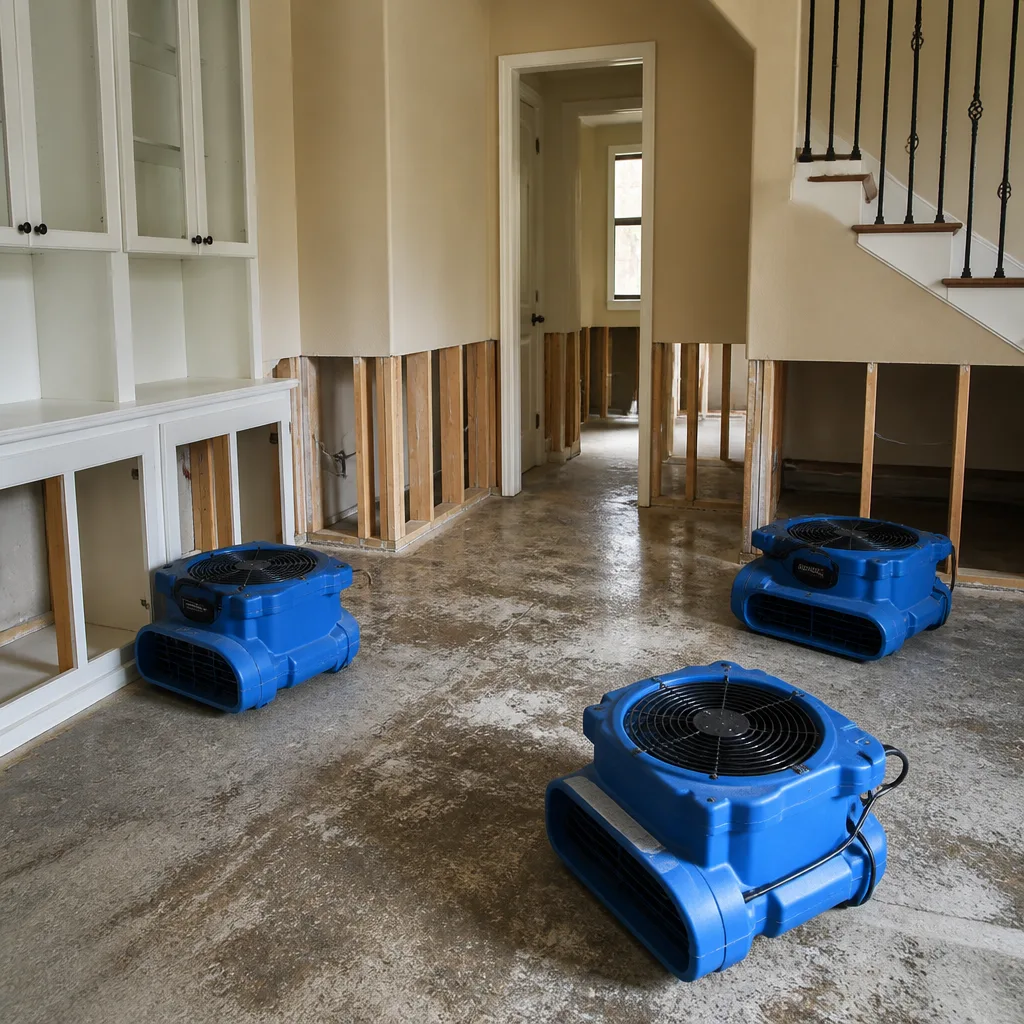

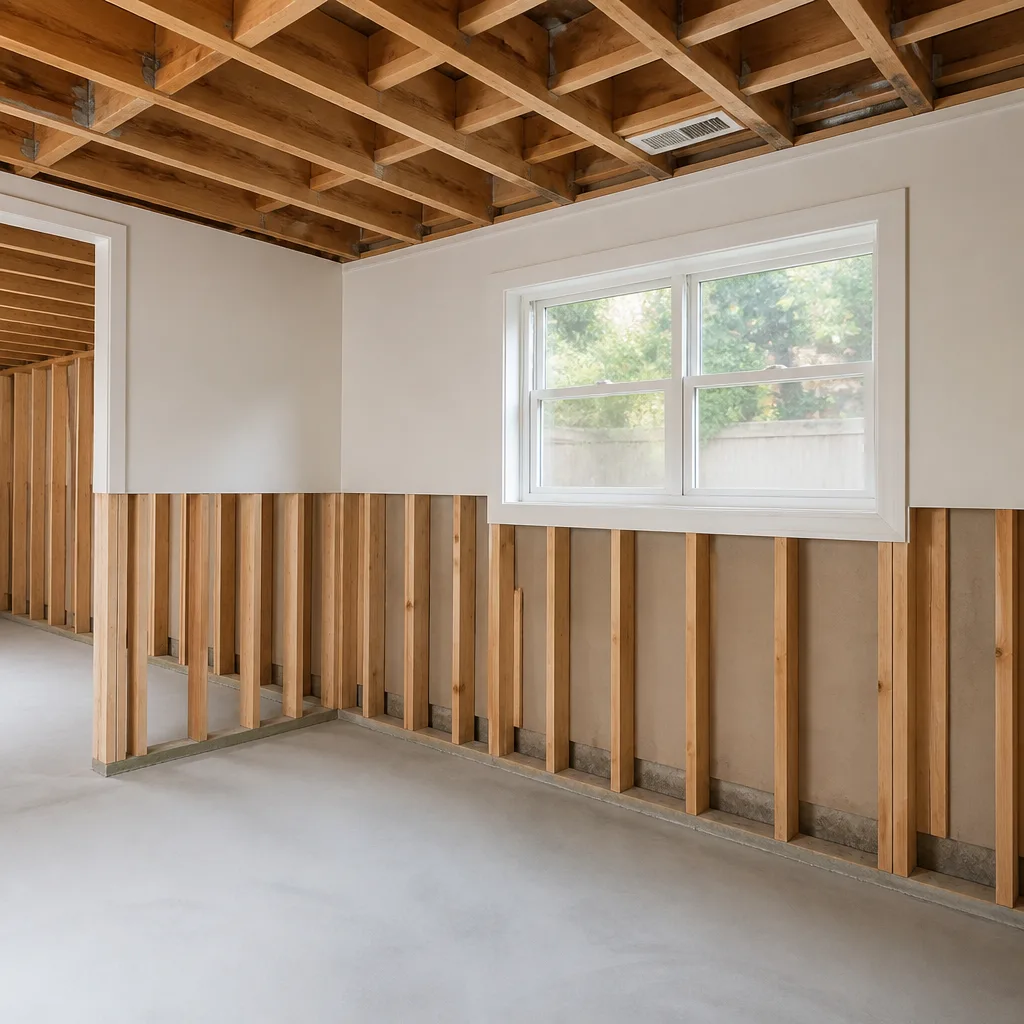

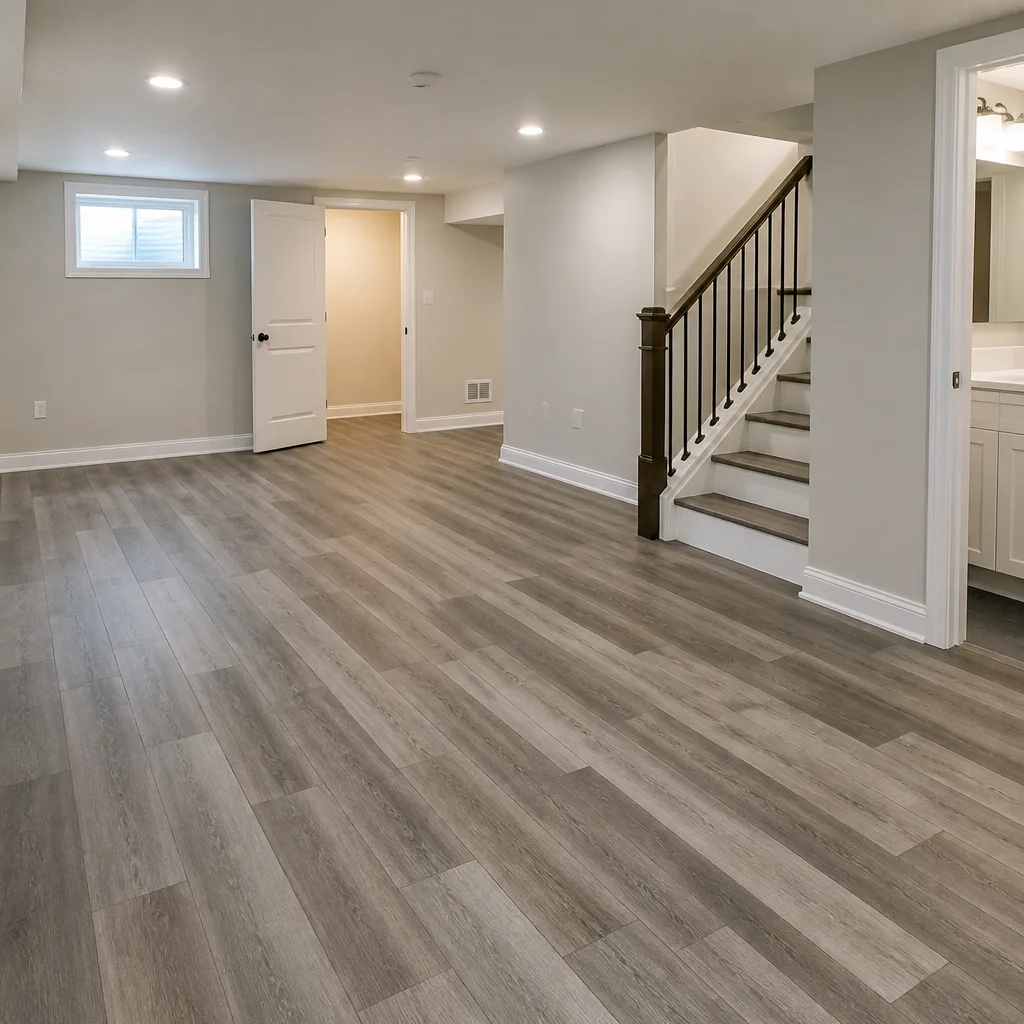
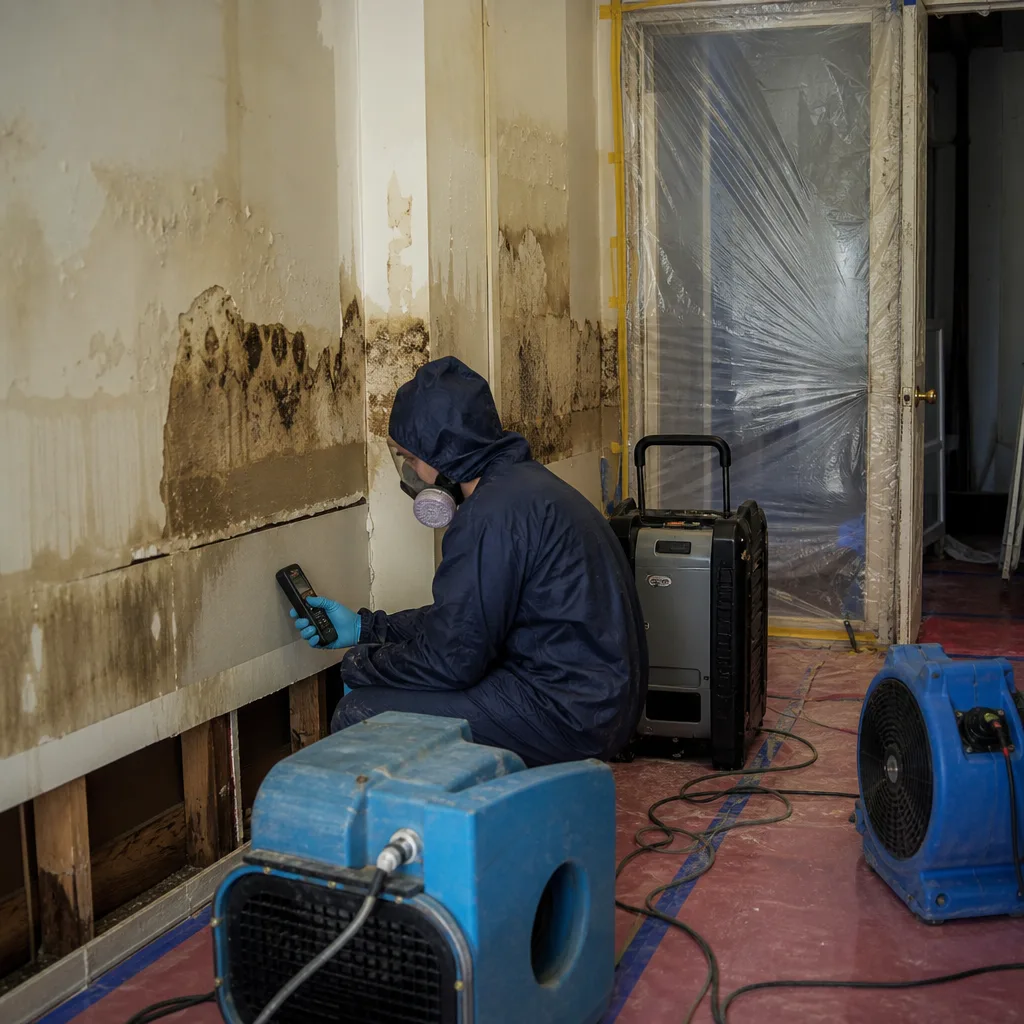 Before
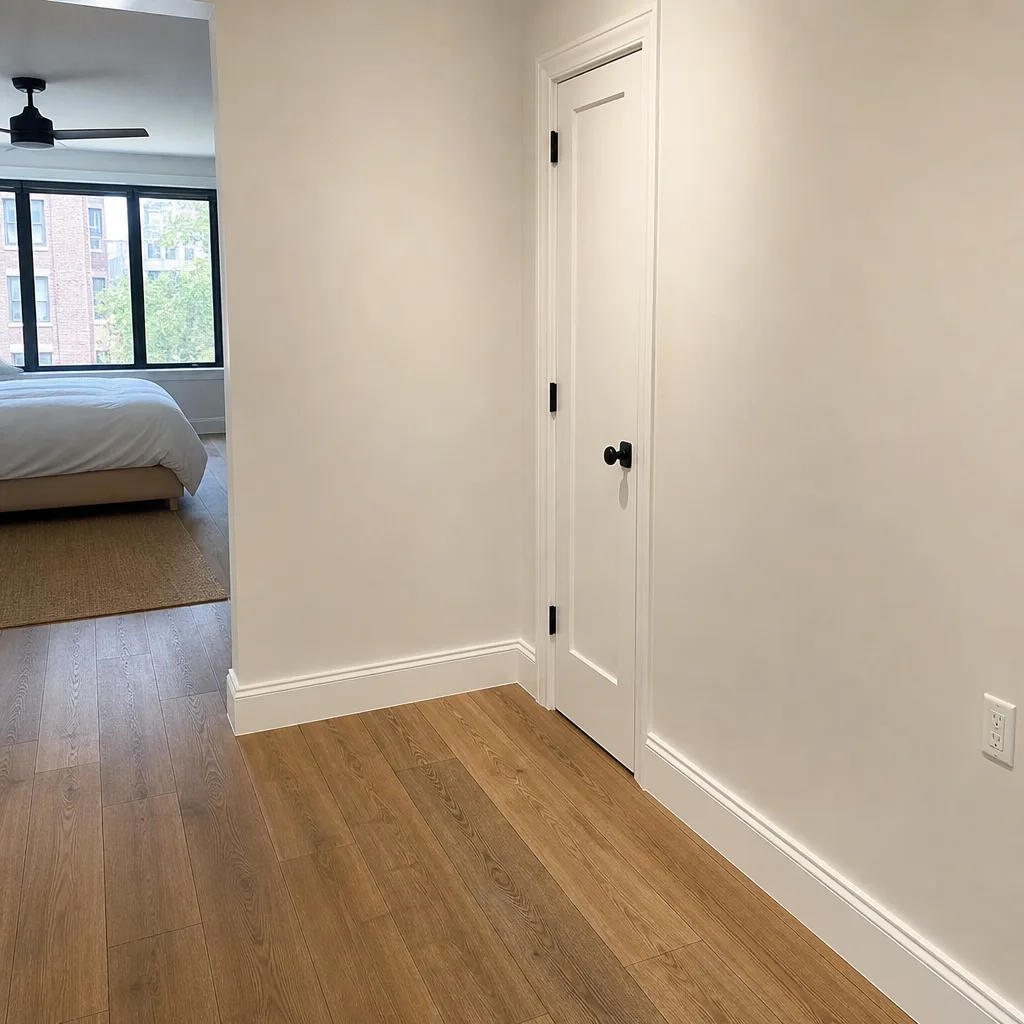 After
After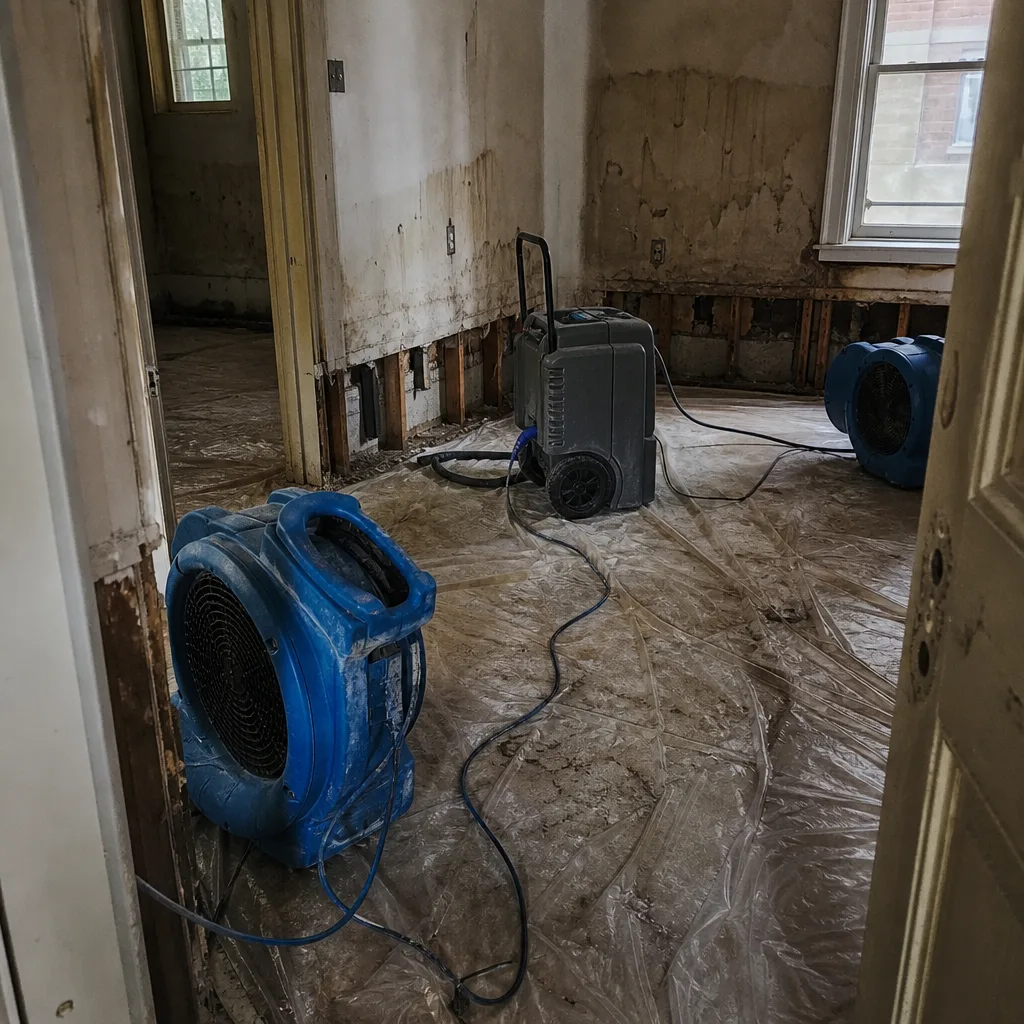 Before
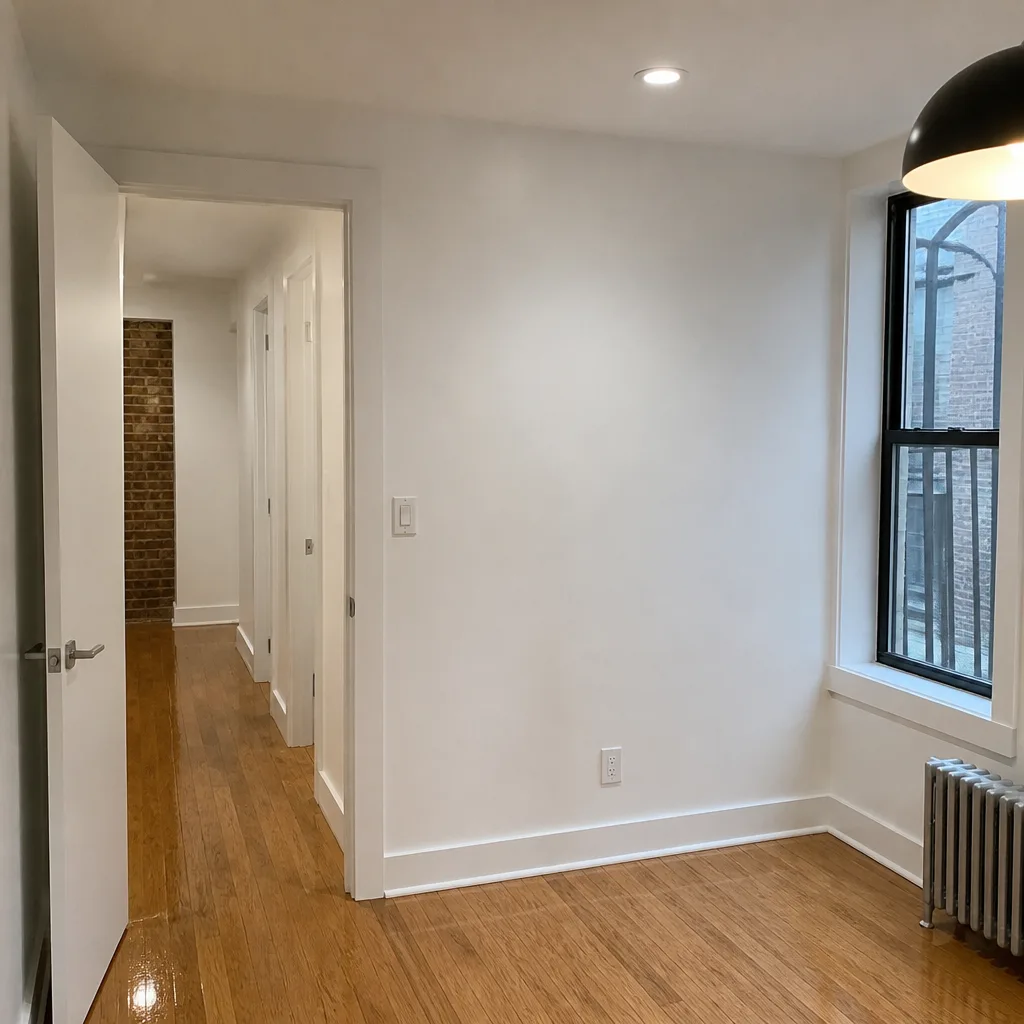 After
After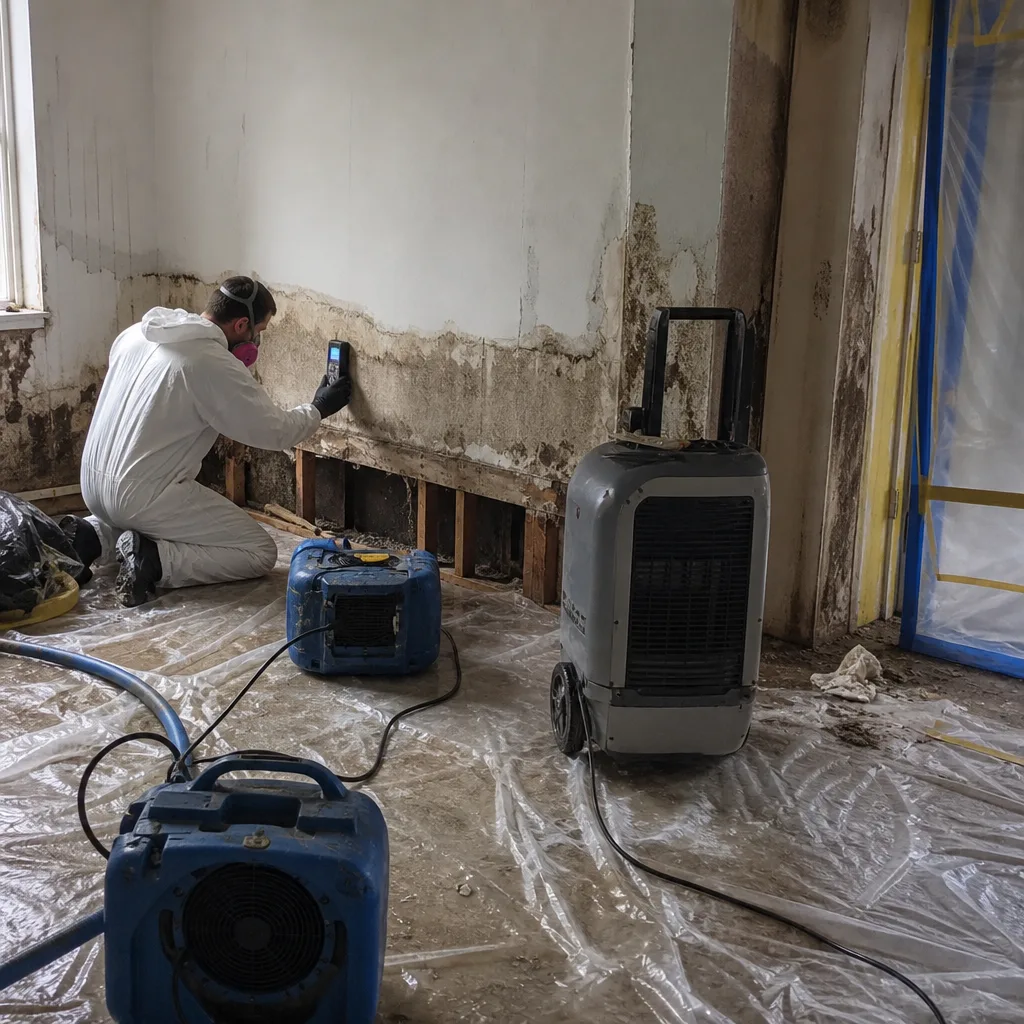 Before
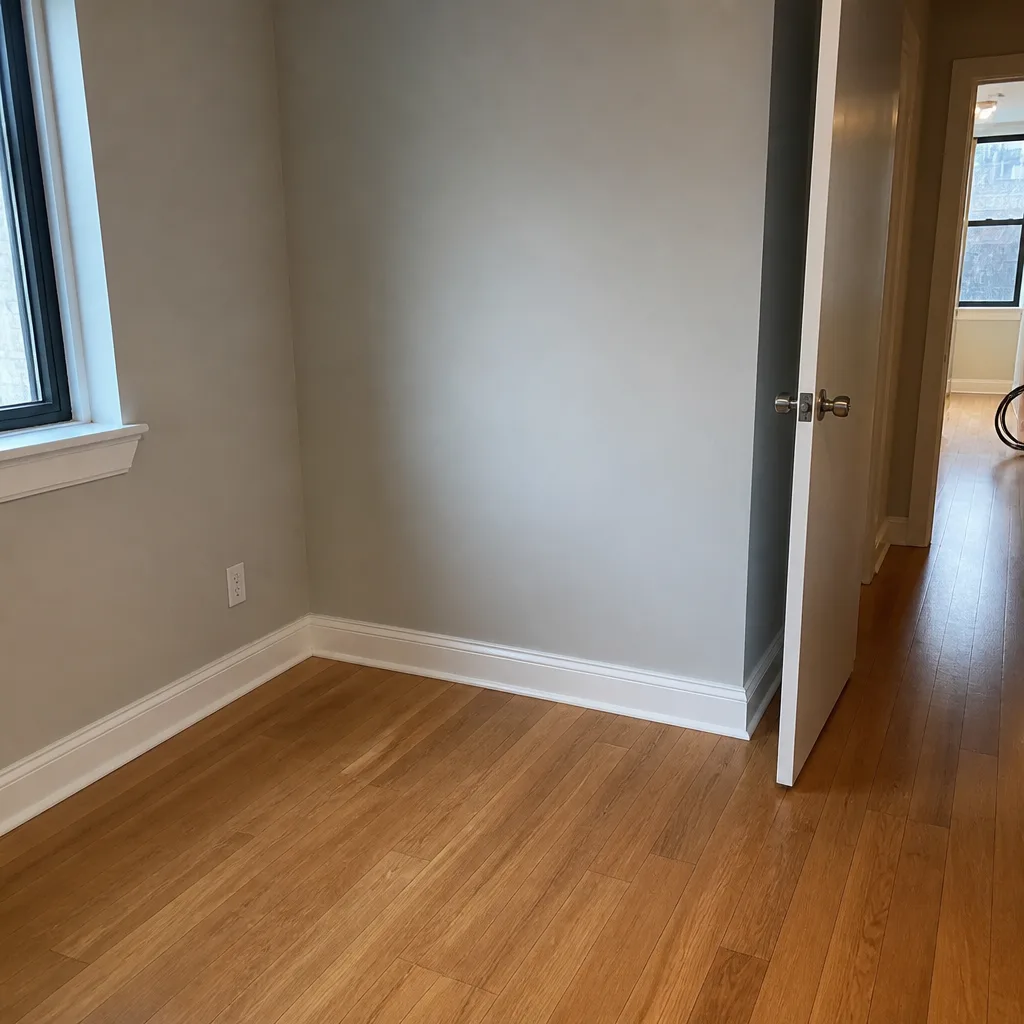 After
AfterSeasonal Damage Restoration Care for Upper West Side: Year-Round Homeowner’s Guide
Upper West Side homeowners live in some of the most elegant pre-war architecture in New York City, and those buildings hide a quiet truth: the same plaster walls, steam risers, and century-old plumbing that give these apartments their character also make them uniquely vulnerable to seasonal damage. A 2024 study of Manhattan co-op and condo insurance claims found that water-related incidents in buildings constructed before 1940 occur at nearly twice the rate of postwar construction, with most failures clustering in January, April, and August. This guide walks through what actually happens to Upper West Side homes across all four seasons, what you can catch early, and what needs a certified crew the same day.
Quick Answer
Seasonal damage in Upper West Side homes follows a predictable calendar: frozen pipes and radiator failures in winter, roof and window leaks during spring rains, humidity-driven mold and AC condensate issues in summer, and stormwater backup plus gutter trouble in fall. The single most effective step for homeowners is a seasonal inspection that catches small problems before they become water extraction, mold remediation, or full rebuild jobs, which is why Floodline Restoration Co. offers an $89 Seasonal Tune-Up covering the critical checkpoints in one visit.
Table of Contents
- Winter: Frozen Pipes, Radiators, and the January Thaw
- Spring: Rains, Window Leaks, and the First Mold Warning Signs
- Summer: Humidity, Condensate Lines, and Bathroom Exhaust
- Fall: Gutter Backups, Stormwater, and Pre-Winter Prep
- The Pre-War Factor: What Older Upper West Side Buildings Do Differently
- How Seasonal Damage Works With Insurance on the Upper West Side
- What a Homeowner Can Safely Check vs. What Needs a Pro
- Common Mistakes to Avoid
- When to Call a Professional
- Frequently Asked Questions
Winter: Frozen Pipes, Radiators, and the January Thaw
Winter is the busiest season for damage restoration calls on the Upper West Side, and it’s not close. The combination of aging supply lines in pre-war buildings, radiator systems that run hot against hundred-year-old wood framing, and the freeze-thaw cycle that hits exposed piping in exterior walls creates a perfect storm from December through February. We see the same pattern every January: a cold snap drives temperatures into the teens, a pipe in an exterior wall or an unheated basement freezes, and the thaw two days later turns a hairline crack into a full rupture. A single burst supply line in a sixth-floor apartment can send water through five floors of co-op space before anyone notices.
The infrastructure that makes Upper West Side winters comfortable is also the infrastructure that fails. Steam heat systems, still common in buildings constructed between 1890 and 1930, push moisture through cast-iron pipes. When those pipes develop pinhole leaks or a radiator valve fails, the result is not a dramatic flood but a slow, persistent drip that soaks into hardwood flooring and plaster over weeks. By the time a brown stain appears on the ceiling below, the damage in the subfloor is already done.
What to check each winter month:
- Exposed piping in basements, service closets, and any exterior-facing wall. If a pipe is cold to the touch in a heated room, it’s a candidate for insulation or heat tape.
- Radiator valves and supply lines for any sign of moisture, rust staining, or mineral buildup. A crusty white ring around a valve stem means a slow leak has been active for weeks.
- Ceilings and walls directly below bathrooms and kitchens in the unit above. Early water damage shows as a faint yellow-to-brown discoloration, often in a ring or drip pattern.
- Windowsills and framing for condensation accumulation. Excessive interior condensation in winter is a sign of trapped humidity that will eventually migrate into wall cavities.
If you do find a burst pipe or an active leak, the first move is shutting the water at the nearest shutoff or the building main. On the Upper West Side, building supers can often reach the shutoff faster than the homeowner can locate a plumber, so call the super first, then a restoration crew. Water extraction that starts the same day is the difference between drying out floorboards and replacing them.
Spring: Rains, Window Leaks, and the First Mold Warning Signs
Spring on the Upper West Side brings two things: heavy March and April rain, and the first warm days that reveal what winter left behind. This is the season when homeowners discover that a slow radiator leak that seemed minor in January has been quietly feeding mold inside a wall cavity for three months. It’s also when roof leaks become obvious, as spring rain finds every gap in flashing, every failed patch, and every cracked parapet on the building’s roof.
The Upper West Side’s building stock makes spring leaks uniquely complicated. Many buildings have flat or low-slope roofs with internal drainage systems that clog with winter debris. When those drains back up, water ponds on the roof and finds its way through the membrane into top-floor units. Unlike a pitched-roof suburban house, where a leak shows up in the attic, a membrane leak on a pre-war building often runs along beams and interior walls, emerging twenty feet from where the water actually entered.
Spring is also the season we start getting calls about a smell. Mold that grew dormant over the cold months becomes active again as temperatures rise and humidity increases. The musty, earthy smell that suddenly appears in a closet or behind a bookcase in April is very often mold that has been present since January or earlier. By the time you can smell it, the colony is established and the source of moisture has been present for weeks.
Spring inspection sequence:
- Do a visual sweep of every ceiling, looking for new stains, bubbling paint, or plaster that has started to crumble. Spring rain makes active leaks declare themselves within 24 hours of a storm.
- Check window frames and sills on all exposures. Upper West Side buildings face driving rain off the Hudson, and west-facing windows take the worst of it. Failed caulk and old putty are the usual culprits.
- Open closet doors along exterior walls and smell. A musty odor in a closet that holds nothing damp is a strong indicator of a hidden moisture source inside the wall.
- Look at the ceiling directly under any roof drains, scuppers, or parapet walls if you live on a top floor. Discoloration there means the roof membrane or drain flashing has failed.
Spring is the ideal time to schedule the $89 Seasonal Tune-Up. Catching a slow leak in April costs a fraction of what the same leak costs in August, after a summer of humidity has turned a damp wall cavity into a mold remediation job.
Summer: Humidity, Condensate Lines, and Bathroom Exhaust
Upper West Side summers are defined by humidity, and humidity is the quiet engine behind a large share of the mold remediation work we do between June and September. The neighborhoods buildings were not designed for mechanical air conditioning. Window units and through-wall sleeves dominate, and those systems are far less effective at removing humidity than central air. The result is interior relative humidity that routinely exceeds 60%, which is the threshold where mold growth accelerates.
Window and through-wall AC units create a specific seasonal failure pattern in Upper West Side apartments. The condensate drain on a through-wall unit can clog or disconnect, sending water down the inside of the wall rather than outside. Window units, improperly pitched, drip onto interior windowsills, where the water seeps beneath the sill into the wall framing. And because the unit is only run in summer, the damage accumulates silently for months before a stain appears.
Bathroom exhaust is another summer concern. Many Upper West Side bathrooms either lack an exhaust fan entirely or have a fan that vents into a wall cavity rather than outside, a code violation but one that’s still found in older buildings. A bathroom without proper ventilation in a humid summer produces enough moisture to support mold growth on painted drywall and plaster within weeks. If your bathroom walls feel damp to the touch after a shower in July, the room is not drying properly.
The summer humidity checklist:
- Check AC condensate lines and drip pans at the start of the season and once in August. A small amount of water consistently draining outside is normal; water running down an interior surface is not.
- Run the bathroom exhaust fan during showers and for 20 minutes after. If you don’t have a fan, crack a window and keep the door open.
- Monitor indoor humidity. A simple hygrometer costs under $15 and tells you whether your space is staying under 60% relative humidity. If it isn’t, a dehumidifier is cheaper than mold remediation.
- Look behind furniture placed against exterior walls. In humid summer months, air circulation behind a wardrobe or bookshelf drops to near zero, and condensation forms on the cooler wall surface. Pull furniture an inch or two away from the wall whenever possible.
We’ve run moisture readings in Upper West Side apartments in August where the air itself was at 72% relative humidity and the wall cavity behind a sofa measured higher. In our experience, the humidity problems that turn into mold jobs in September almost always start with an AC issue or a ventilation gap that could have been fixed in June.
Fall: Gutter Backups, Stormwater, and Pre-Winter Prep
Fall is the season of preparation on the Upper West Side, and it’s the season when homeowners have the most control over whether winter turns into an emergency. The work done in October and November determines what happens in January. Clean gutters, sealed window frames, and drained outdoor lines prevent most of the freeze-related damage that keeps restoration crews running through February.
Stormwater management is the often-overlooked fall task. Upper West Side buildings, particularly townhouses, rely on gutters, downspouts, and area drains to move water away from the foundation and the basement. When leaves and debris clog those systems in October and November, water backs up and pools where it shouldn’t. A clogged downspout means water cascading against the masonry wall during every fall storm. An area drain blocked by leaves means a flooded basement the next time a nor’easter pushes through.
Sewage backup is a related fall risk. The combination of leaf debris in street drains and heavy October rain can push the combined storm and sanitary sewer system in older parts of the Upper West Side past capacity. Basement fixtures and floor drains are the release point. A backwater valve is the permanent fix, but the seasonal step is making sure floor drains are clear and that any basement fixtures sit above the potential backup level.
Fall preparation steps, in order:
- Clear gutters and downspouts, or have them cleared, before the leaves are fully down in November. A second clearing after the trees drop the last leaves catches what the first pass missed.
- Walk the perimeter and check that all downspouts discharge at least four feet from the foundation. Extensions are cheap; foundation water intrusion is not.
- Reseal around window frames and any exterior penetrations like AC sleeves, cable entries, and hose bibs. This is the last window before winter makes exterior work impractical.
- Test basement sump pumps and floor drains by pouring water through them and watching for proper flow. A drain that gurgles or backs up needs attention before the next storm.
- Have the heating system checked. A radiator valve that fails in November is an inconvenience. A supply line that fails in February is an emergency.
Fall is also the season when the $89 Seasonal Tune-Up delivers its best value. The same visit that checks HVAC condensation, window seals, and basement moisture conditions is the visit that catches the small problem before it becomes a February emergency.
The Pre-War Factor: What Older Upper West Side Buildings Do Differently
The Upper West Side has one of the highest concentrations of pre-war residential buildings in the country, and those buildings behave differently when water is involved. A 1990s construction with gypsum board over steel studs dries in a predictable way. A 1910 building with plaster over wood lath, structural brick, and decades of accumulated renovations does not. Understanding this difference is the single most important piece of local knowledge for an Upper West Side homeowner dealing with water damage.
Plaster walls are both a blessing and a complication. Plaster is more water-resistant than drywall and often survives a brief wetting intact. But plaster over wood lath is also a moisture trap. When water gets behind plaster, the wood lath absorbs it like a sponge and dries very slowly, especially in a wall cavity with no air movement. Mold can establish itself in the lath layer while the plaster surface looks almost normal. This is why a moisture meter is essential on pre-war walls; visual inspection alone misses most of what’s happening inside.
Structural brick presents a different challenge. Many Upper West Side buildings have masonry exterior walls with no modern vapor barrier. Water that penetrates the brick from outside, whether from a leak at the roofline or a failed window lintel, travels through the masonry and into the interior plaster. The damage shows up on the inside wall long before the exterior brick looks wet. And because brick retains moisture for extended periods, the drying time on a masonry wall is measured in weeks, not days.
We approach every Upper West Side job the same way: moisture map first, daily readings after, and a drying plan that accounts for the building’s actual construction, not a generic template. A plaster-and-lath wall with masonry backing needs different drying equipment and a longer timeline than a drywall partition, and pretending otherwise is how you end up with mold behind a wall that looked dry from the outside. The Floodline Restoration Co. home page covers how we map moisture on day one and hand the log to the homeowner and the carrier when the dry standard is met.
How Seasonal Damage Works With Insurance on the Upper West Side
Seasonal water damage on the Upper West Side almost always involves an insurance policy, whether it’s the homeowner’s own policy, a co-op or condo building’s master policy, or both. Understanding how those policies interact before a loss happens saves weeks of frustration after one. The most important distinction is this: sudden and accidental water damage is typically covered; gradual damage that built up over weeks or months is often not.
That distinction is exactly why seasonal vigilance matters financially. A pipe that bursts in January and floods a living room is a covered loss. A slow leak from a radiator valve that has been soaking the subfloor since November may be classified by the adjuster as long-term seepage, which many policies exclude. The documentation that separates a covered claim from a denial in those cases is often the proof that the homeowner acted promptly once the damage was discovered, which is why our technicians take photo documentation at every stage of every job, from the first moisture readings through the final dry-standard verification.
Co-op and condo owners face an additional layer. In most Upper West Side buildings, the building’s master policy covers the structure and common elements, while the unit owner’s individual policy covers interior finishes, personal property, and improvements. When water travels from an upstairs neighbor’s bathroom through your ceiling, both policies are usually in play, and the claim can turn into a negotiation between two carriers. Our team coordinates directly with adjusters on both sides, so the homeowner doesn’t spend weeks carrying paperwork between insurance companies.
The practical steps: document every seasonal inspection with date-stamped photos, keep a simple log of anything unusual you notice, and when water damage happens, call a restoration company that bills insurance directly and provides the documentation adjusters need to move a claim forward. Floodline Restoration Co. has done direct insurance billing since 2010, and every job includes a written scope agreed before work starts.
What a Homeowner Can Safely Check vs. What Needs a Pro
There is a clear line between seasonal maintenance and restoration work, and placing yourself on the wrong side of that line costs money. Seasonal maintenance means looking, documenting, and catching problems early. Restoration work means water extraction, structural drying, mold remediation, and rebuild, all of which require professional equipment and training. A homeowner can and should inspect. A homeowner should not attempt to dry out a flooded room with a shop vac and a box fan.
Safe for a homeowner to check:
- Visual inspections of ceilings, walls, windows, and visible plumbing for stains, drips, or discoloration.
- Monthly indoor humidity readings with a simple hygrometer.
- AC condensate drain flow during the cooling season.
- Gutter and downspout visual checks from ground level (leave ladder work to someone with the right equipment and insurance).
- Basement floor drain flow by pouring water and watching drainage speed.
- The smell test in closets, basements, and behind furniture against exterior walls.
Work that needs a certified technician:
- Any active water extraction from a flood, burst pipe, or sewage backup. The water needs to go now, and the affected area needs professional-grade drying equipment running within hours, not days.
- Mold assessment and remediation. Disturbing hidden mold without proper containment spreads spores through the living space and turns a contained problem into a whole-apartment problem.
- Structural drying after any water event that soaked into walls, floors, or subflooring. Professional equipment like Dri-Eaz and Phoenix air movers and dehumidifiers pull moisture out of building materials in days; consumer equipment takes weeks and often leaves enough moisture behind for mold to start.
- Any sewage backup or Category 3 water. This is a biohazard situation requiring proper protective equipment, containment, and sanitization protocols.
- Fire and smoke damage of any size. Smoke residue is corrosive and spreads through the building’s air system; improper cleaning sets the odor permanently.
We’ve seen homeowner drying attempts with box fans that ran for two weeks while mold bloomed inside the wall cavity, turning what would have been a $1,500 drying job into a $12,000 remediation and rebuild. When water gets behind the visible surface, the clock is running. Our technicians are trained to IICRC and RIA standards and use professional-grade Phoenix and Dri-Eaz equipment on every drying job, with daily moisture readings logged until the structure meets the dry standard.
Common Mistakes to Avoid
- Waiting to see if a stain dries on its own. A water stain on a ceiling or wall means water entered the building material. Even if the surface dries, the moisture inside the cavity remains and mold grows in the dark. The time to act is the day the stain appears.
- Using a shop vac and fans for a real water event. Consumer equipment moves surface water and air but does not extract water from wall cavities, subflooring, or insulation. The area looks dry on the surface while the structure stays wet underneath for weeks.
- Assuming the building’s master policy covers everything. In Upper West Side co-ops and condos, the interior finishes, personal property, and improvements in your unit are typically your responsibility under your own policy. Knowing the split before a loss prevents an expensive surprise after one.
- Painting over water stains without addressing the source. Paint covers the evidence but not the problem. The stain returns, and the hidden damage keeps growing behind the new paint.
- Ignoring a musty smell because it’s faint. If you can smell mold, there is an active colony. The smell travels along the same path the moisture did, so treat it as a diagnostic signal, not a housekeeping issue.
- Doing seasonal roof and gutter work without proper equipment. Every year homeowners fall from ladders while cleaning gutters or checking roofs. If the work isn’t safely reachable from the ground, hire someone who does it professionally.
- Calling a general contractor instead of a restoration company for water damage. General contractors build; restoration companies extract, dry, sanitize, and then rebuild. The first hours after water damage determine whether you’re facing a drying job or a mold remediation and rebuild.
When to Call a Professional
Call a restoration professional the moment you find active water flowing where it should not be, whether that’s a burst pipe, a sewage backup, or water coming through the ceiling during a storm. Call when you find evidence that water has been present for more than a day or two: a sagging ceiling, bubbling paint, warped flooring, or a musty smell that has appeared without explanation. Call when a water event has affected more than a single room, when the water came from a sewage source, or when a fire has left smoke residue on walls and contents. Call when mold is visible or when a moisture meter reading from your own inspection shows elevated levels inside a wall. On the Upper West Side, where pre-war construction holds moisture in ways modern drywall does not, the cost of waiting is higher than almost anywhere else in the city. Floodline Restoration Co. offers free estimates in Upper West Side, call (845) 305-5737.
Frequently Asked Questions
Water damage restoration on the Upper West Side typically costs between $1,200 and $4,500 for a single-room water extraction and drying job, while larger events involving multiple rooms, structural drying, and rebuild work range from $8,000 to $30,000 or more depending on the extent and the building’s construction. Pre-war plaster and masonry walls dry slower than modern drywall, which pushes drying time and cost up compared to newer construction. Our estimates are free and written before work starts, with direct insurance billing throughout, so call (845) 305-5737 for an exact quote on your situation.
Sudden and accidental water damage, like a burst pipe or storm-driven water intrusion, is typically covered by standard homeowners and co-op or condo policies, while gradual damage from a slow leak that accumulated over weeks may be excluded unless you can show prompt action once discovered. We document every job with photos and moisture readings from day one and coordinate directly with your adjuster, which is often the difference between a smooth claim and a prolonged negotiation. Call (845) 305-5737 if you’re unsure what your policy covers before you file.
Our phones are answered by a live dispatcher 24 hours a day, seven days a week, and a certified crew can typically reach an Upper West Side address within the hour on an active emergency like a burst pipe or sewage backup, with extraction running the same visit. We built the company around a dispatch board, not a sales desk, so the person you talk to at two in the morning is the person sending the truck. Call (845) 305-5737 the moment you discover active water and we’ll move.
If the water is from a clean source, caught within 24 to 48 hours, and limited to a surface you can fully dry with air movement, a careful DIY dry-out may be sufficient; but if the water soaked into walls, flooring, or insulation, came from a sewage source, or has been present for more than two days, professional extraction and drying with IICRC and RIA-trained technicians is the only way to prevent mold inside the building cavities. The line between a drying job and a mold remediation job is crossed in the first 48 hours, which is why we recommend a free assessment before committing to a DIY approach.
Hidden mold announces itself through a persistent musty smell, through visible staining that keeps returning after cleaning, or through elevated moisture readings inside walls, and on the Upper West Side the usual sources are slow radiator leaks, failed window seals, and AC condensate that has been running into wall cavities for weeks. If you can smell it but can’t see it, the mold is active inside a space you can’t access without opening the surface. We offer moisture mapping and mold assessments as part of our $89 Seasonal Tune-Up and full inspections, so call (845) 305-5737 to schedule a check before the problem spreads.
Fall is the most valuable season for a preventive inspection on the Upper West Side because it gives you time to fix gutter, roof, window, and heating issues before the freeze-thaw cycle starts, but a spring inspection is the best complement to catch what winter left behind - the two together cover the full seasonal cycle. The $89 Seasonal Tune-Up is designed around exactly this pairing and includes the critical checkpoints for both pre-winter prep and post-winter assessment. Call (845) 305-5737 to book either one.
The Bottom Line
Seasonal damage on the Upper West Side is predictable enough to build a calendar around: winter freezes pipes and fails radiator valves, spring rain finds every roof and window leak, summer humidity feeds mold in hidden cavities, and fall storms back up the drainage that should have been cleared in October. The homeowners who avoid the worst outcomes are not the ones who never have problems; they’re the ones who catch problems in the inspection stage, before a slow leak becomes a mold colony, before a blocked drain becomes a flooded basement, before a cold snap becomes a burst pipe. Check your home each season, document what you find, and when something looks wrong, call (845) 305-5737 for a free estimate and a square deal. Done right, and backed in writing.
Written by Curt Bowman, Owner at Floodline Restoration Co., serving Upper West Side since 2010.