
Last updated August 25, 2026
Free visual inspection and a written scope of work before any mitigation begins - photos, moisture readings, and drying logs go in your claim file
The scope we write is the scope we bill. Anything new gets shown to you, in writing, before we touch it.
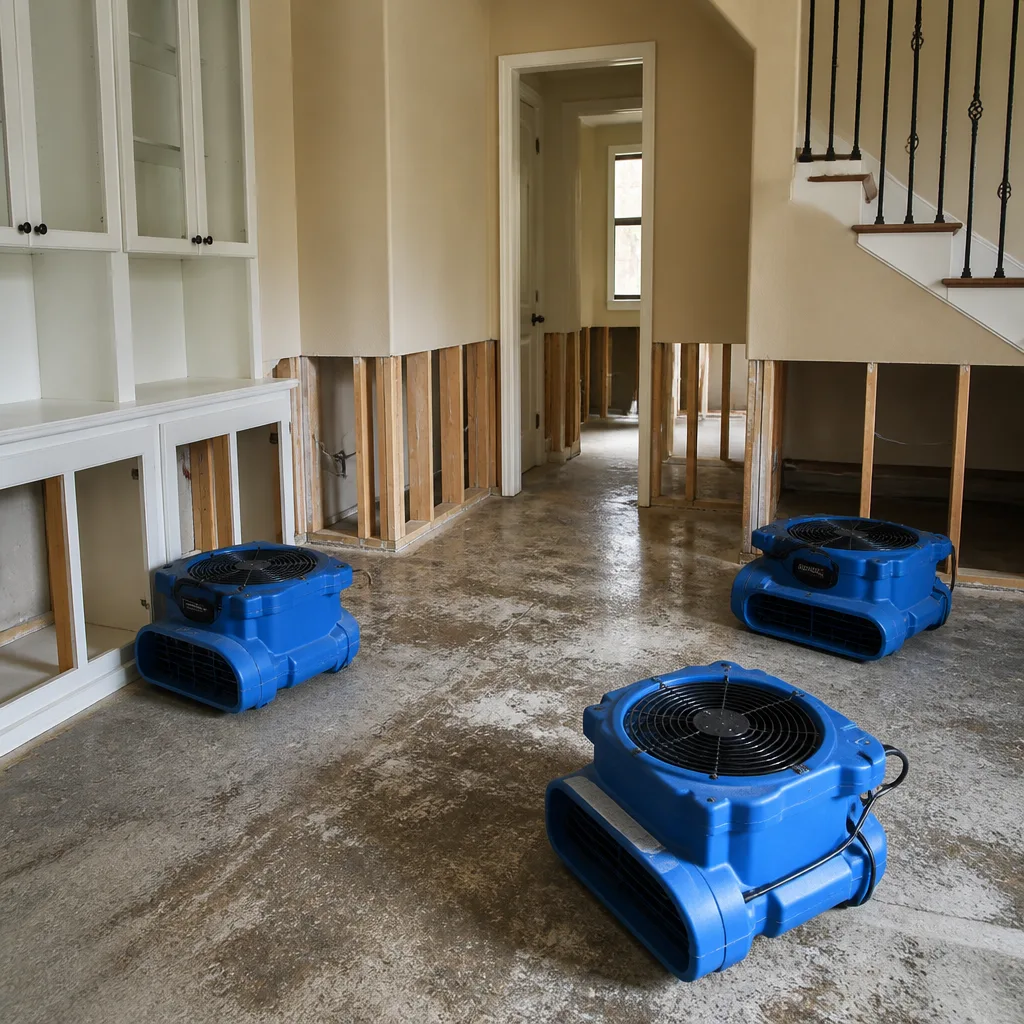
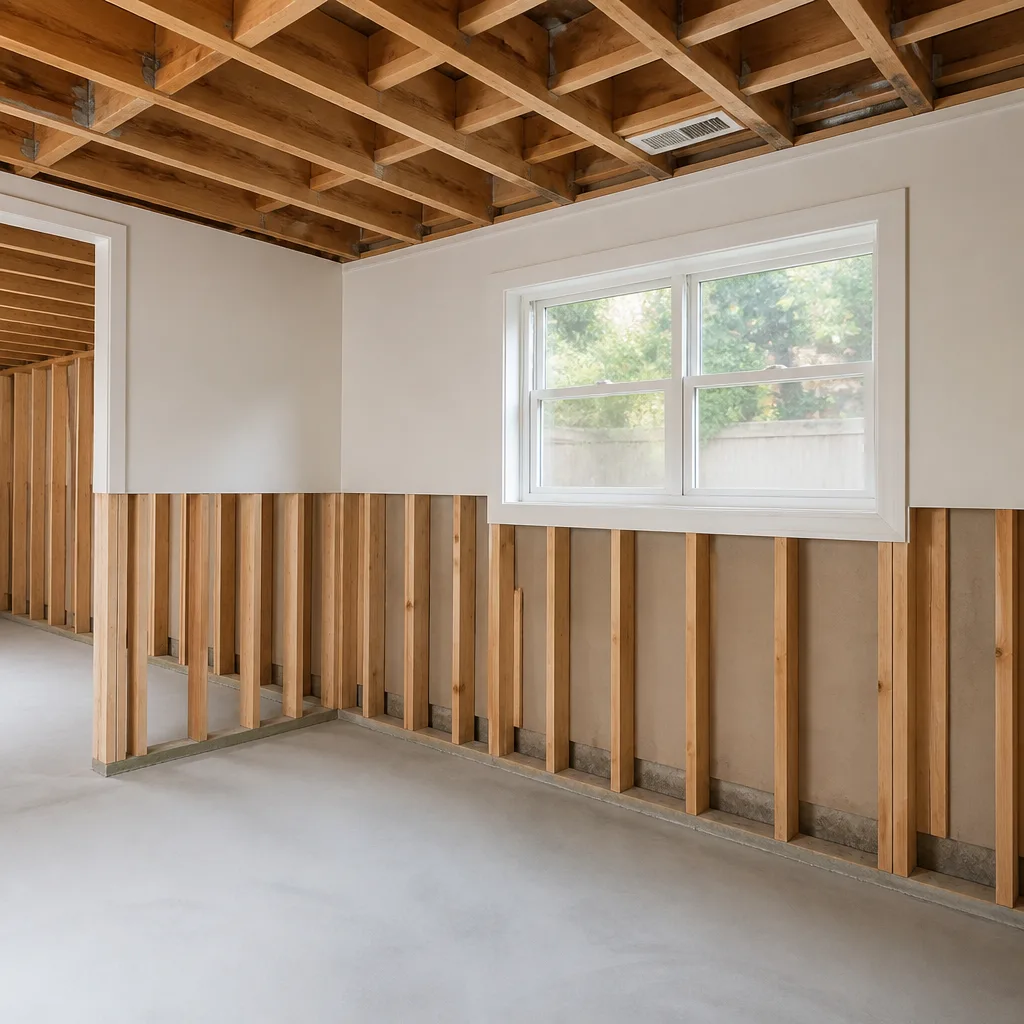
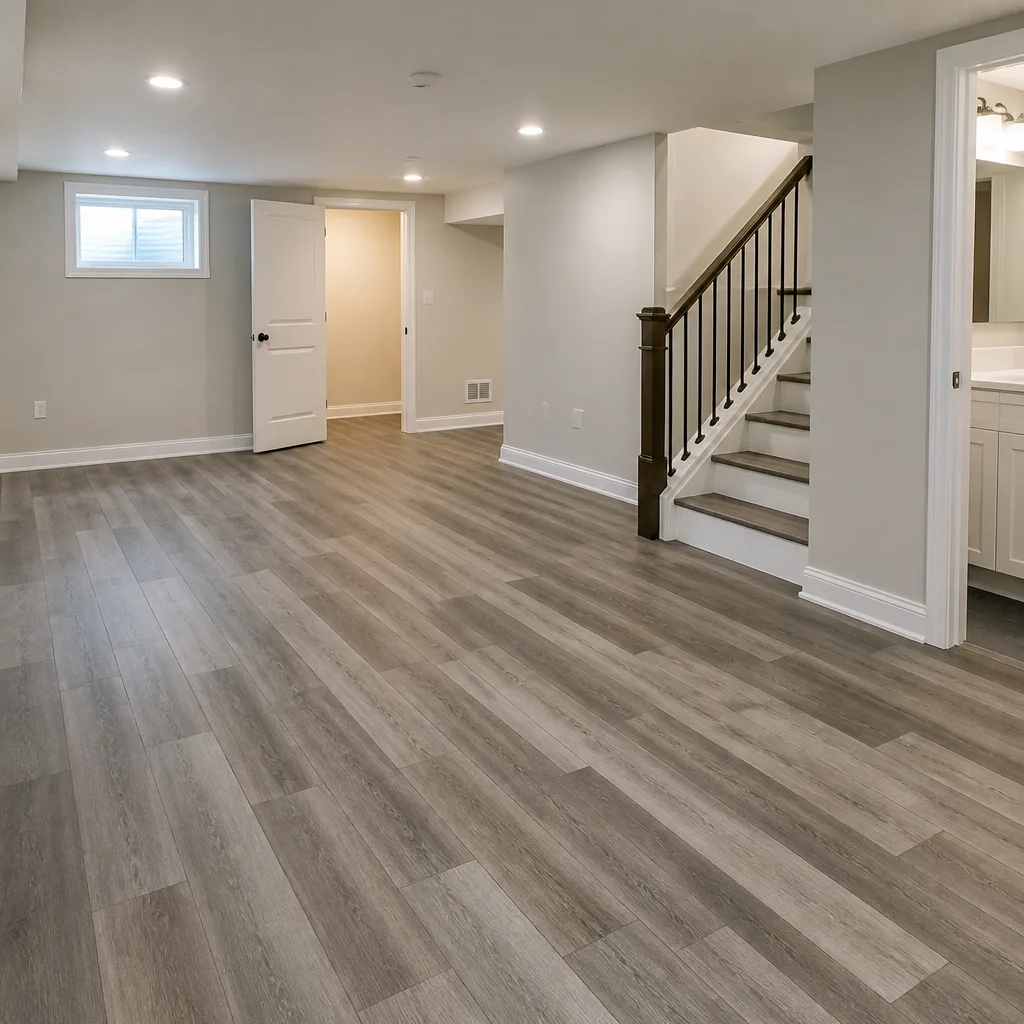
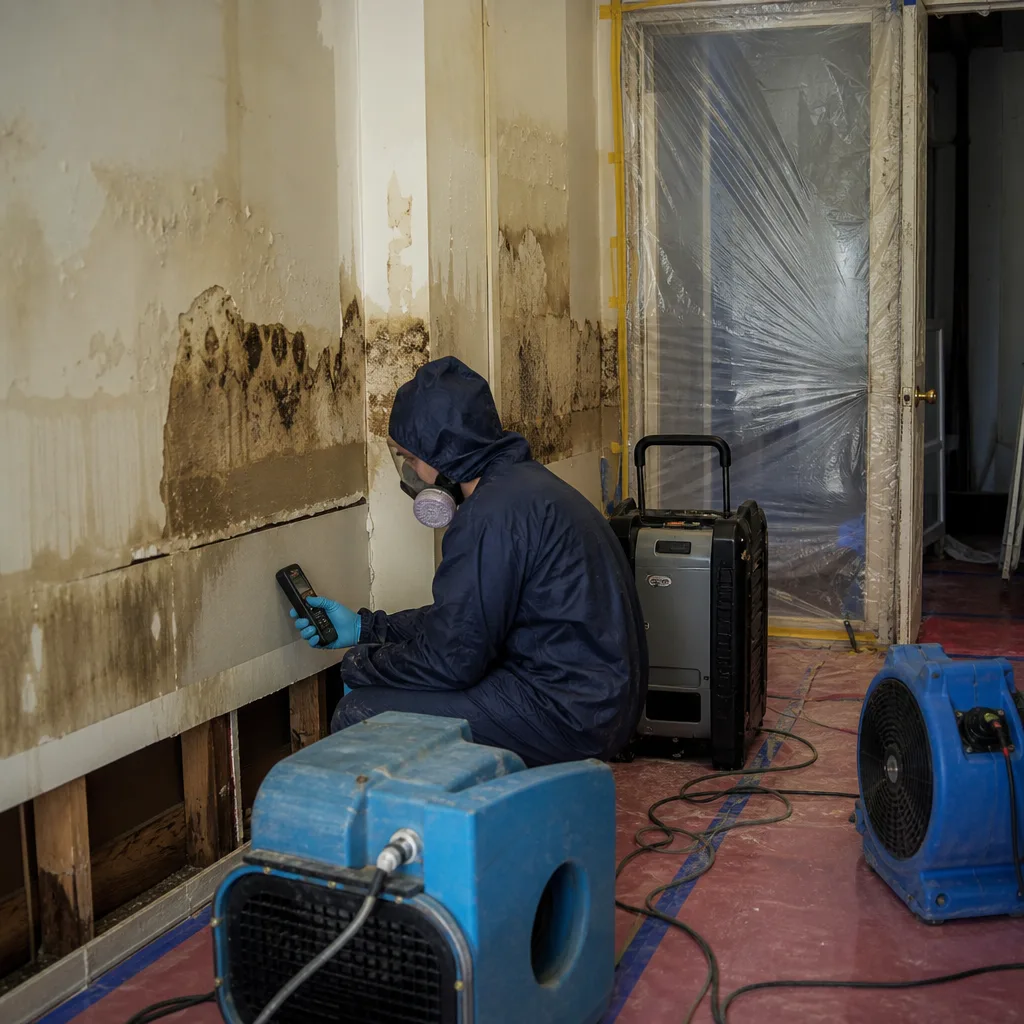 Before
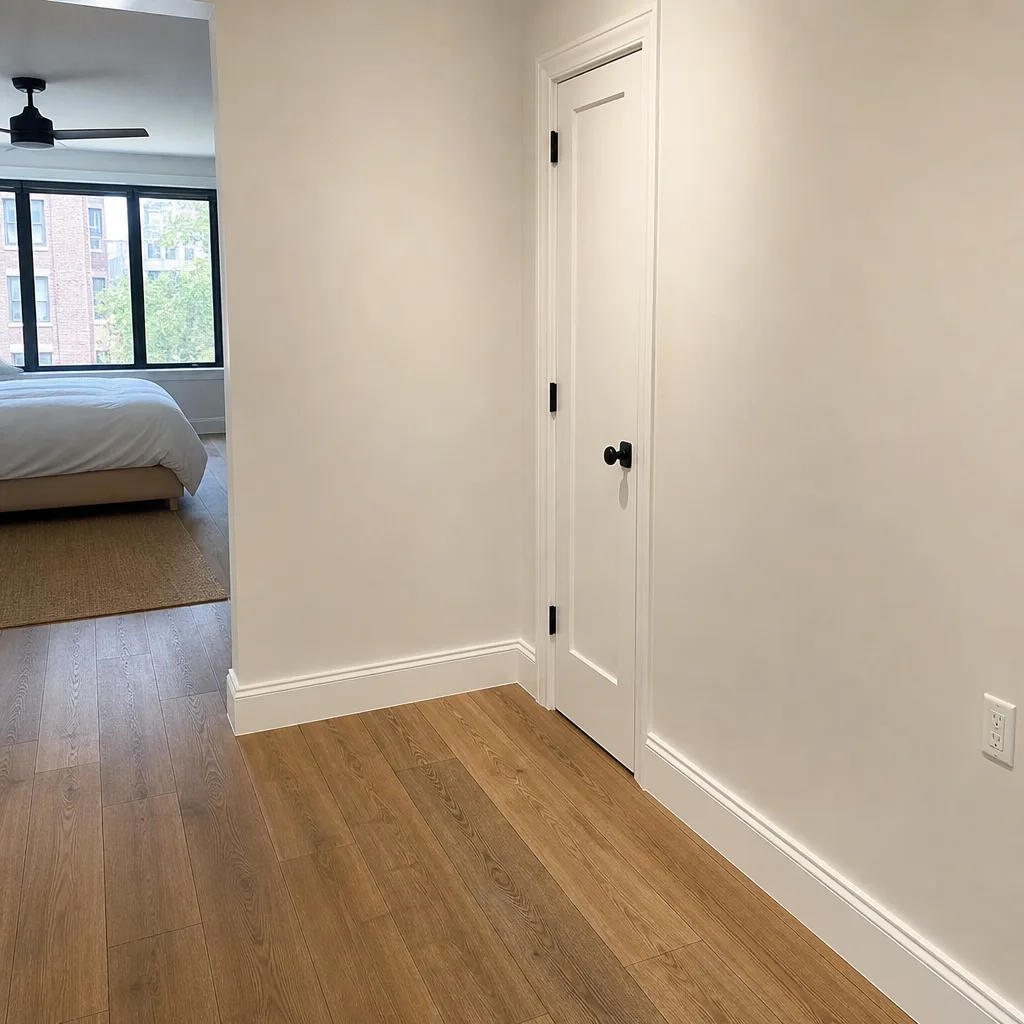 After
After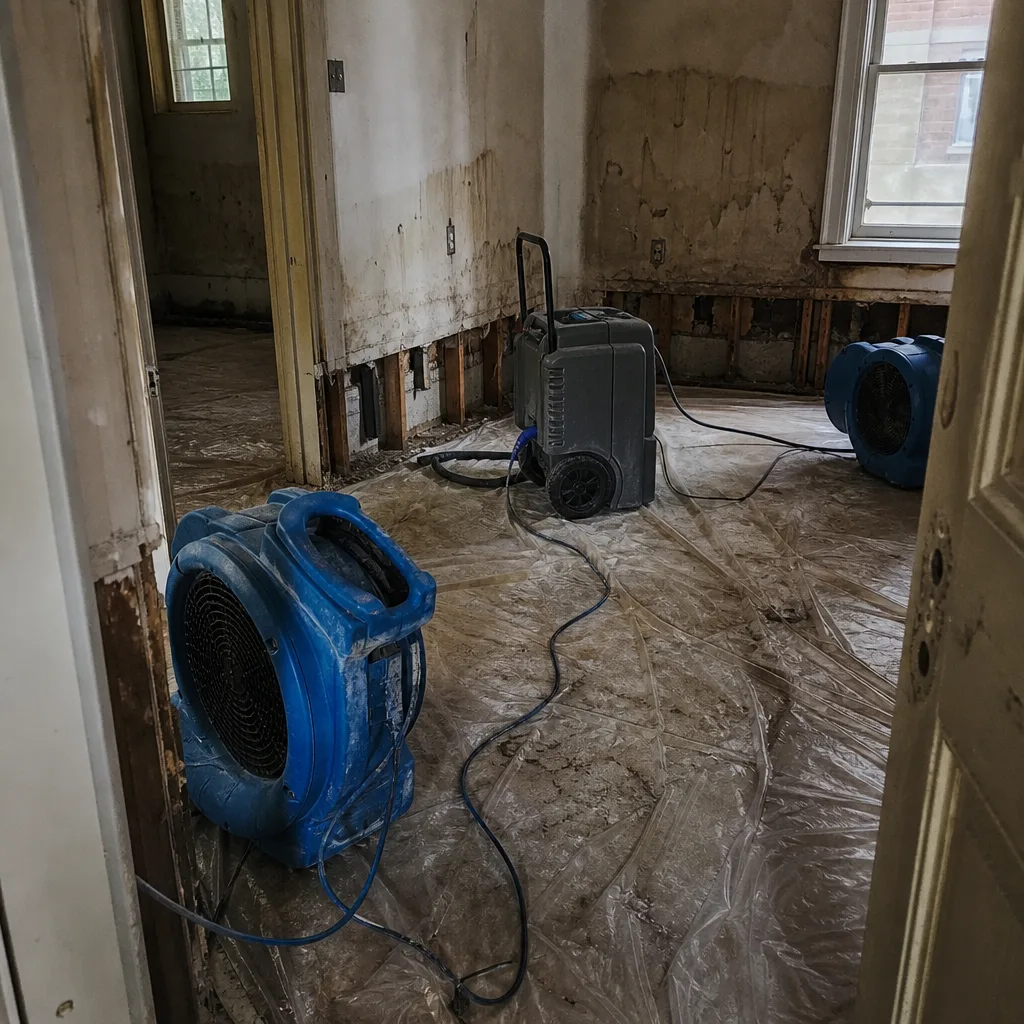 Before
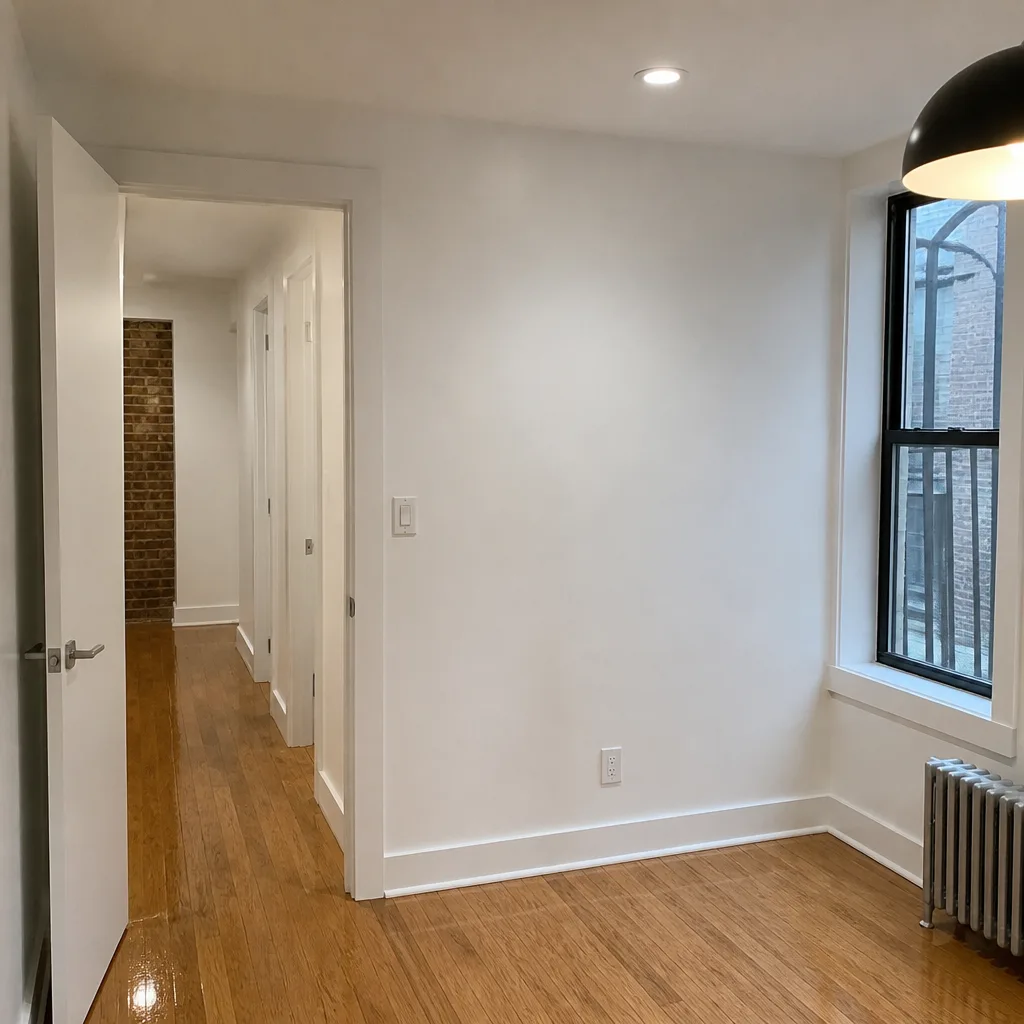 After
After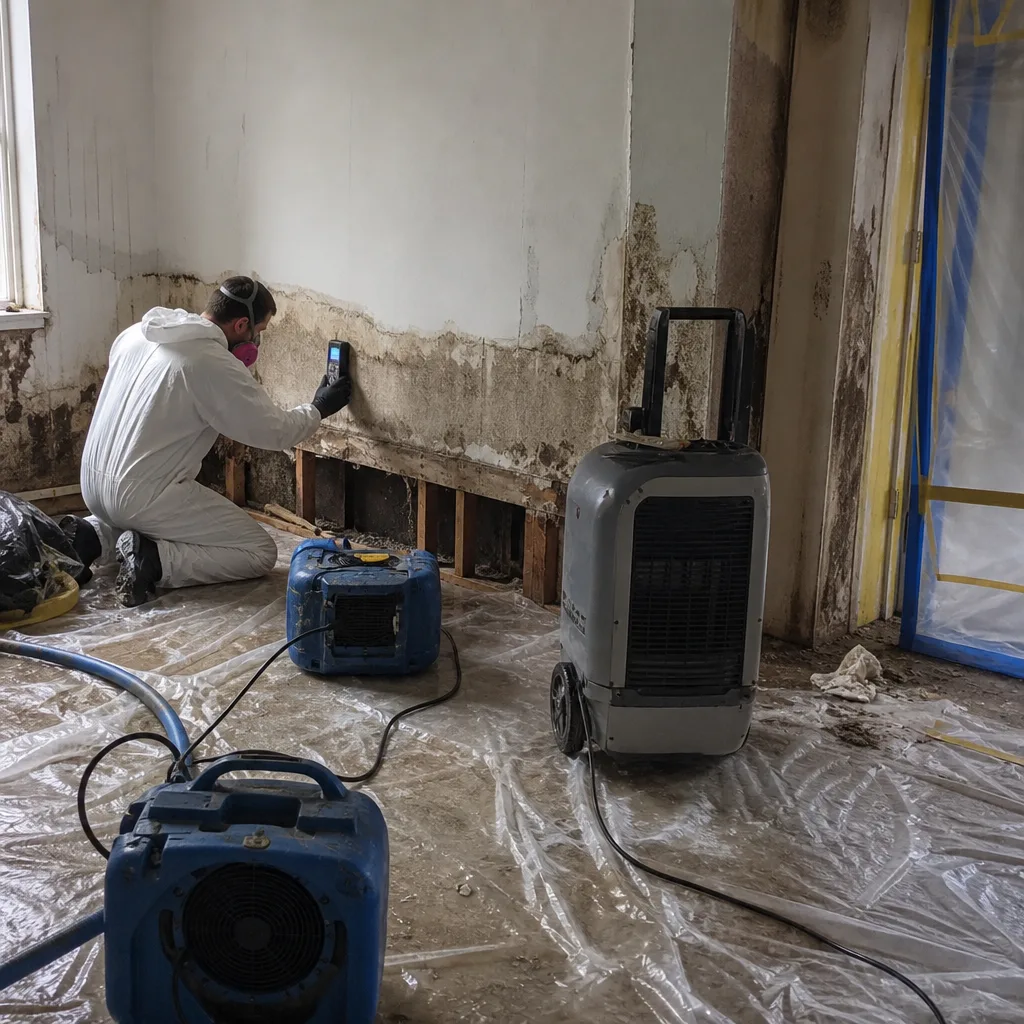 Before
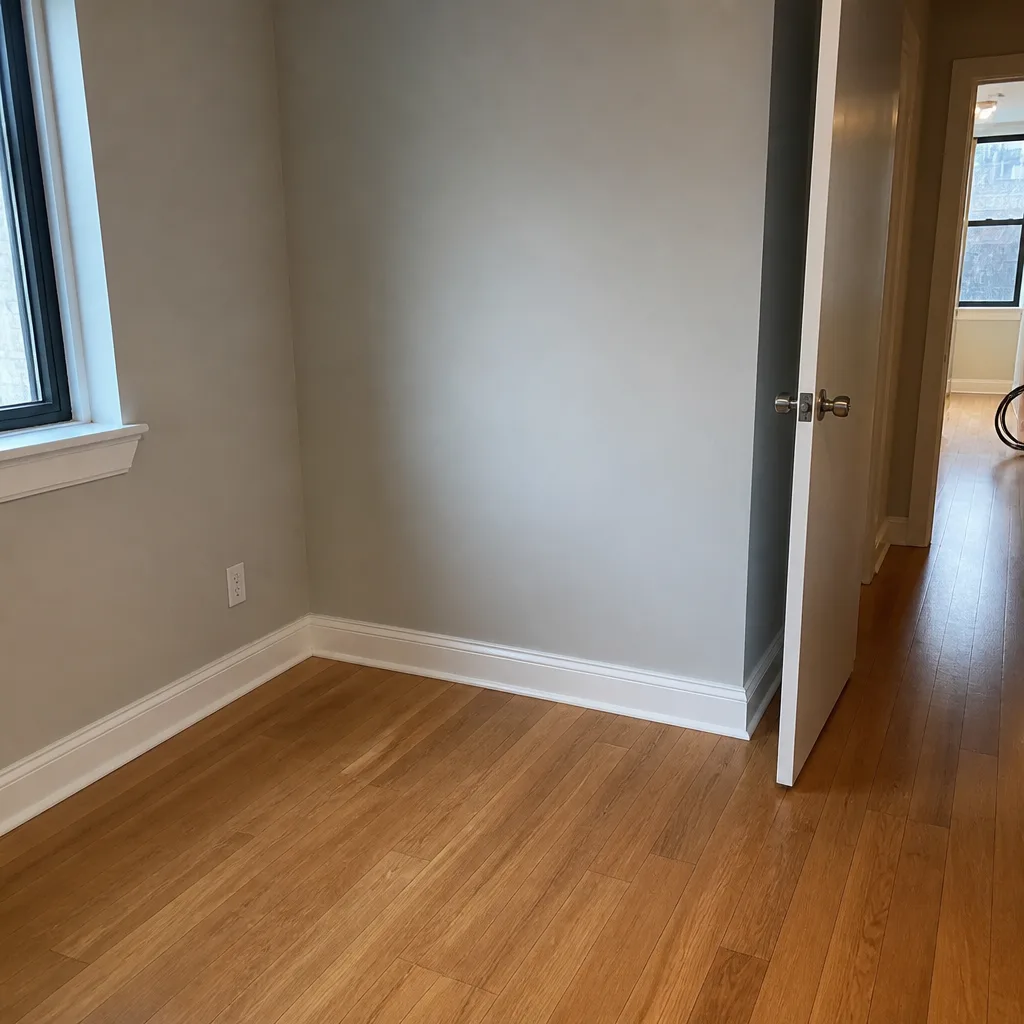 After
AfterThe Complete Guide to Damage Restoration in Upper West Side
Most Upper West Side homeowners don’t realize their prewar building’s original plumbing was designed for a different era, and when a 90-year-old riser lets go at 2 a.m., the water doesn’t stop at one apartment. It travels down through lath and plaster, finds the wiring channels, and pools on the ceiling of the unit below. This guide walks through every phase of damage restoration as it actually happens on the Upper West Side - what to do in the first hour, what insurance will ask for, what a professional crew should document, and how to tell the difference between a quick dry-out and a job that needs full rebuild. By the end, you’ll know exactly what your building is up against and how to make decisions that hold up over the next twenty years in your apartment.
Quick Answer
Damage restoration on the Upper West Side means returning a co-op, condo, or rental unit to safe, dry, structurally sound condition after water, fire, mold, or sewage - and the first priority is always water extraction, because structural damage compounds every hour moisture sits in plaster, hardwood, and subfloor. In our experience, most Upper West Side restoration jobs cost between $3,500 and $18,000 depending on the scope, take 5 to 21 days from extraction to final walkthrough, and hinge on one decision: whether the crew that does the emergency extraction is the same crew that finishes the rebuild. Floodline Restoration Co. answers the phone with a live dispatcher 24/7, sends a certified crew the same visit, and backs the finished job with a written 90-Day Done Right Promise.
Table of Contents
- What Damage Restoration Actually Means
- The First Hour: What to Do Before the Crew Arrives
- Water Damage: The Upper West Side’s Most Common Emergency
- Mold Remediation: When Drying Alone Isn’t Enough
- Fire and Smoke Damage: Restoration Beyond the Burn Zone
- Sewage Cleanup: Why Category 3 Water Changes Everything
- Insurance, Adjusters, and Getting the Claim Paid Fairly
- Reconstruction: The Phase Most Restoration Companies Skip
What Damage Restoration Actually Means
Restoration is not the same as repair. Repair patches what broke. Restoration returns the apartment to the condition it was in before the event - including the things you can’t see: the moisture content inside the wall cavity, the air quality after a fire, the fungal spore load after a leak that ran for three weeks behind the cabinets. The difference matters because it determines what a proper restoration company will scope, document, and guarantee, and what a handyman will skip.
On the Upper West Side, restoration work usually falls into one of seven categories: water damage, mold remediation, fire and smoke damage, storm and disaster restoration, sewage cleanup, biohazard cleanup, and full reconstruction. Some jobs need only one. A burst pipe in a Lincoln Towers bathroom might need only water extraction and drying. A three-week slow leak behind a Riverside Drive kitchen wall will likely need mold remediation plus rebuild. A fire in a prewar apartment on West 78th Street will need smoke and soot remediation, structural assessment, and significant reconstruction.
The sequence matters as much as the category. Restoration follows a documented chain: assessment, containment, extraction, drying and dehumidification, cleaning and antimicrobial treatment, verification, and rebuild. Each phase produces a record - moisture readings, equipment placement logs, daily drying logs, photo documentation - that your insurance carrier will ask for and that a professional crew keeps whether the carrier asks or not. That paperwork is what protects you when an adjuster questions whether a wall was truly dry before it was closed back up.
What a Professional Restoration Company Does
- Moisture-maps the affected area on day one using meters and thermal imaging, marks the readings, and re-reads daily until the dry standard is met.
- Contains the work zone with plastic sheeting and negative air pressure so demolition dust and fungal spores don’t spread through the rest of the apartment.
- Extracts standing water with truck-mounted or portable extraction units before any drying equipment goes in.
- Documents everything with photos, sketches, and moisture logs that both you and your adjuster can read.
- Rebuilds what was removed using licensed and permitted work where required, so you don’t inherit a second crew mid-job.
Floodline Restoration Co. has handled every phase of this chain in Upper West Side buildings since 2010. We founded the company around a dispatch board, not a sales desk, because the 2 a.m. call needs a real answer, not a quote. Our technicians are background-checked, uniformed, and trained to IICRC, RIA, and IFA standards.
The First Hour: What to Do Before the Crew Arrives
The first hour after a water event in an Upper West Side apartment determines how much of your home survives. Every minute standing water sits on hardwood floors, inside plaster walls, or against the base of kitchen cabinets, it wicks upward and outward. Oak flooring can cup within hours. Plaster can hold water for days before it shows. The key is to sequence actions correctly - and to accept that some of the most useful things you can do are things you should not try alone.
- Stop the source if you can do it safely. Shut off the fixture valve under the sink, turn off the washing machine supply, or close the main water valve for your unit. If the water is coming from a burst riser or through the ceiling from an upstairs neighbor, call the building super immediately, then call a restoration company.
- Cut power to the affected area. If water has reached outlets, floor-level wiring, or appliances, shut the breaker. Do not stand in water to reach the panel. If the panel is in a wet area, wait for a professional.
- Move what you can. Lift small furniture, rugs, and personal items off the wet floor. Don’t risk heavy furniture alone - a waterlogged sofa doubles in weight.
- Photograph everything. Before anything is moved or extracted, photograph the visible damage, the water line on the wall, and any affected contents. These photos are part of your insurance record.
- Call a restoration company with 24/7 live dispatch. Not a voicemail. Not an online form. A live person who can put a crew in motion the same visit.
- Do not attempt DIY drying with box fans and a dehumidifier. It won’t reach inside the wall cavities, it won’t drop the moisture content in the subfloor, and it will often make the problem worse by driving moisture deeper.
In our experience on the Upper West Side, the difference between a $4,000 dry-out and a $25,000 rebuild comes down to whether extraction started within hours. That’s why we keep live dispatch running around the clock. A person answers at 2 a.m. A crew reaches the job the same visit. Extraction runs before the water has a chance to wick permanently into the oak flooring your building originally installed in 1927.
Water Damage: The Upper West Side’s Most Common Emergency
Water is behind more Upper West Side restoration calls than fire, storm, and mold combined. The reason is structural: this is one of the densest collections of prewar and postwar high-rise residential buildings in the country, and many of them are running on original risers, branch lines, and drains. A cast-iron waste line in a West End Avenue building has been carrying sewage for ninety years. It doesn’t fail on schedule. It fails when it fails.
The Water Damage Restoration Process, Step by Step
- Assessment and mapping. We identify the water source, the affected materials, and the full extent of the damage using moisture meters and thermal imaging. We mark the readings on a floor plan.
- Containment. We seal the work zone with plastic sheeting and set up negative air pressure to keep demolition dust and contaminated air out of your living space.
- Extraction. We remove standing water using professional-grade extraction equipment. Every minute saved here reduces the total drying time.
- Drying and dehumidification. We place Dri-Eaz and Phoenix drying equipment sized to the room, position Injectidry systems inside wall and floor cavities when needed, and run XPOWER and B-Air air movers to circulate air across all wet surfaces.
- Daily readings. A technician returns every day to record moisture readings and adjust equipment placement. You receive the log. Your insurance carrier receives the log. No one guesses whether a wall is dry.
- Verification. We confirm the dry standard is met in every affected material before anything is closed back up.
- Repair and rebuild. The same crew that managed the drying handles the repair work, so the scope doesn’t change hands mid-job.
Upper West Side apartments present a particular drying challenge: shared walls. Your neighbor’s wall cavity is your wall cavity. A bulk water event in one unit can migrate into the adjacent unit’s plaster, lath, and baseboards, which means proper drying often requires access to adjacent spaces and coordination with the building management company. We handle that coordination directly - talking with supers, property managers, and adjacent unit owners so the drying plan accounts for the whole affected area, not just your apartment.
Mold Remediation: When Drying Alone Isn’t Enough
Mold is a moisture problem, not a cleaning problem. If the water source is resolved and the affected materials are either dried within 48 hours or removed and replaced, mold generally doesn’t take hold. When it does - after a slow hidden leak, a long-term humidity problem, or an improperly dried prior event - microbial growth in a Manhattan apartment becomes a health and structural issue that requires formal remediation, not a bottle of bleach and a scrub brush.
Mold remediation on the Upper West Side follows a specific protocol because the buildings are old, the spaces are tight, and the shared-wall nature of prewar construction means spore drift into neighboring units is a real risk. The process looks like this:
- Assessment. We identify the moisture source and the extent of microbial growth, including what’s hidden inside wall and floor cavities.
- Containment. We establish negative air pressure and physical barriers around the work zone using HEPA-filtered equipment to prevent spore spread outside the containment area.
- Removal. Affected porous materials - drywall, plaster sections, insulation, carpet - are removed and disposed of. Non-porous surfaces are HEPA-vacuumed and treated with an antimicrobial.
- Drying. We don’t just clean mold; we eliminate the moisture that sustains it. Drying equipment runs until moisture meters verify the dry standard.
- Post-remediation verification. The treated area is re-assessed to confirm the fungal load has dropped to acceptable levels before any rebuild begins.
- Rebuild. The same crew that removed the affected materials replaces them and finishes the space.
- Board-up and stabilization. If the fire was serious enough to compromise windows, doors, or roof sections, we secure the property immediately.
- Water removal. Firefighting efforts often leave substantial water damage. Extraction and drying start before soot sets.
- Soot and smoke cleanup. We clean all affected surfaces using professional techniques appropriate to the material - dry cleaning sponges for dry soot, wet cleaning for heavy deposits, and HEPA vacuuming for loose particles.
- Odor removal. We use thermal fogging, ozone treatments, and sealants where required to neutralize smoke odor in walls, floors, and insulation.
- Content cleaning. Furniture, clothing, curtains, and other salvageable items are assessed, packed out, and cleaned when possible.
- Reconstruction. Burned studs, damaged drywall, charred flooring, and damaged cabinetry are removed and rebuilt to current code.
- Immediate extraction with equipment dedicated to contaminated water.
- Removal of affected porous materials. Carpet, padding, drywall, and insulation that absorbed Category 3 water must be removed and disposed of, not salvaged.
- Thorough cleaning and disinfection of all remaining surfaces with an appropriate antimicrobial treatment.
- Verification that the affected area is dry and free of residual contamination before any rebuild begins.
- Full documentation for insurance purposes, including photos of the affected area before, during, and after cleanup.
- Call the restoration company and the carrier in the same hour. The claim process starts immediately. Delays create questions.
- Document before cleanup begins. Photos of the water line, the visible damage, and affected contents taken before extraction starts are the foundation of the claim.
- Get a written scope of work. A professional restoration company will itemize the work in writing before starting. This is the document the adjuster reviews.
- Don’t accept a first lowball estimate. If the adjuster’s number doesn’t match the written scope, the scope is your leverage.
- Let the restoration company talk to the adjuster directly. At Floodline Restoration Co., we handle direct insurance billing and communicate with the carrier so the homeowner never plays messenger.
- Keep every log and record. Daily drying logs, equipment lists, and receipts become the evidence that supports the claim.
One thing we tell every Upper West Side client: if a company offers to spray mold and walk away without addressing the moisture source, the mold will be back. The line the water left is where we start. The moisture source is the job. Everything else is downstream of that.
Fire and Smoke Damage: Restoration Beyond the Burn Zone
Fire damage restoration is often misunderstood because people see the charred wall and assume that’s the whole job. In fact, the majority of damage in an apartment fire is not from flame - it’s from smoke, soot, and heat. Smoke travels far beyond the burn area, penetrates every porous surface, and lingers in materials that look untouched. Soot is acidic and becomes embedded in paint, textiles, and unfinished wood. Within days, untreated soot can permanently discolor surfaces and leave an odor that never fully goes away.
On the Upper West Side, where kitchens are compact and many buildings have shared ventilation, a stovetop fire in one unit can send smoke into neighboring apartments through wiring channels, pipe chases, and HVAC ducts. Restoration requires a broader scope than just the fire unit.
The Fire Restoration Sequence
We use professional-grade drying and air-scrubbing equipment on fire jobs, including HEPA-filtered air scrubbers and the same Dri-Eaz and Phoenix drying equipment we use on water work. The documentation matters just as much: every step is photographed and logged for the insurance carrier.
Sewage Cleanup: Why Category 3 Water Changes Everything
Sewage backup is common in Upper West Side buildings because so much of the original waste infrastructure is ancient cast iron that has already outlived its design life. When a building drain line backs up and sewage comes up through a floor drain, a shower pan, or a toilet, the water is classified as Category 3 - grossly contaminated water containing pathogens, bacteria, and biological waste. This is not a mop-and-bucket situation. This is a containment, removal, disinfection, and verification situation, and there is no safe version of doing it yourself.
Category 3 water requires:
Sewage cleanup also carries real health risks. We tell homeowners clearly: standing sewage water requires protective equipment and proper containment. Do not attempt to clean it yourself. Do not run fans aimed at the affected area, which will aerosolize contaminants and send them into the rest of the apartment. Call a certified crew that handles Category 3 water as a matter of routine.
Insurance, Adjusters, and Getting the Claim Paid Fairly
Insurance covers most restoration work on the Upper West Side, but how the claim is handled often determines whether a homeowner receives a fair settlement or fights for months over line items. The single most important factor is documentation quality: a professional restoration company that produces a written scope, daily moisture logs, photo documentation, and direct communication with the adjuster removes the friction that causes claims to stall or shrink.
Here’s what we tell every Upper West Side client about the insurance process:
A square deal means no surprises on the bill. We put the scope in writing before work begins, bill the carrier directly, and stand behind the result. If the adjuster questions an item, we answer with the documentation, not with an argument.
Reconstruction: The Phase Most Restoration Companies Skip
Here is the structural flaw in the restoration industry: most companies handle the emergency phase - the extraction, drying, demolition - and then hand the homeowner a list of contractors for the rebuild. The homeowner becomes the general contractor. The homeowner coordinates the drywall crew, the painter, the flooring installer, and the electrician. The homeowner is now responsible for schedule, quality, and warranty - and if the drywall subcontractor didn’t install the vapor barrier correctly, the homeowner has no single party who owns the outcome.
Floodline Restoration Co. was founded to close that seam. From the Floodline Restoration Co. home dispatch board to the final walkthrough, the same certified crew handles extraction, drying, and rebuild. The technician who read the moisture map on day one is the same person who knows where the stud cavities dried and how the rebuild should be sequenced. The moisture log sits in the homeowner’s hands at the end of the job, along with the 90-Day Done Right Promise: if it’s not done right, we make it right - in writing, no arguing.
We’re built on the K.E.Y.S. values code: Krafted right. Every time. Your home first. Standing behind it. Rebuild work on the Upper West Side often requires building permits and coordination with building management. We handle that coordination directly. The homeowner gets one name to hold accountable, one phone number to call, and one written guarantee that covers the whole job.
Proudly serving local communities for over 42 years - founded in 2010, built around a dispatch board, not a sales desk. Our technicians are background-checked, uniformed, and trained to IICRC, RIA, and IFA standards. We plan to be in town in thirty years, hiring local apprentices who grow into journeymen. That’s the difference between a company that finishes your rebuild and a company that disappears into a voicemail.
Common Mistakes to Avoid
- Waiting to call. Every hour water sits, the damage compounds. Call a restoration company the moment the source is stopped, not the next morning. Upper West Side apartments with shared walls dry poorly when the clock runs.
- Using a shop vac and box fans. Consumer equipment can’t reach inside wall cavities or below subfloors. We regularly see homeowners who ran fans for a week before calling us - and the moisture simply moved deeper into the structure.
- Accepting the first adjuster number. Adjusters are not your enemy, but they are paid to manage cost. A written scope from a professional restoration company is the tool that keeps the settlement honest.
- Hiring a company that only does extraction. If the company that does the emergency work doesn’t do rebuild, you will inherit a mid-job handoff and play general contractor in your own home.
- Skipping the written guarantee. No written guarantee means you’re accepting the work on faith. The 90-Day Done Right Promise exists in writing for a reason: the homeowner should never have to argue.
- Failing to involve the building. In Upper West Side co-ops and condos, building management controls risers, common plumbing, and insurance arrangements for structural systems. A good restoration company coordinates with the building, not around it.
- Attempting to clean sewage yourself. Category 3 water is biologically dangerous. This is not a line item to save money on. Call a certified crew and let them handle the containment and disposal.
When to Call a Professional
Call a professional restoration company the moment the source is stopped, if not before. The situations that demand an immediate call: standing water that has been present for more than a few hours, water that has touched walls, baseboards, or flooring, any sewage backup regardless of how small it looks, any visible mold growth beyond a patch smaller than a dinner plate, any fire or smoke event, and any water event where the source is unknown or inside a wall cavity. If you can see the water line on the wall, the damage is already deeper than the paint. Floodline Restoration Co. offers free estimates in Upper West Side - call (845) 305-5737 and a live dispatcher will answer, day or night.
Frequently Asked Questions
Most Upper West Side restoration jobs cost between $3,500 and $18,000 depending on the scope, with water extraction and drying at the lower end and full fire rebuilds at the upper end. The exact number depends on the affected square footage, the materials involved, and whether rebuild is required. Call (845) 305-5737 for a free estimate and a written scope before anything starts.
Most standard co-op and condo policies cover sudden water damage, fire damage, and sewage backup up to the policy limits, minus your deductible, and the claim is strongest when the restoration company documents everything with photos, moisture logs, and a written scope. We bill the carrier directly and coordinate with your adjuster so you never play messenger. Call (845) 305-5737 and we’ll walk you through exactly what your policy likely covers.
Floodline Restoration Co. keeps live dispatch running 24/7, so a certified crew can reach most Upper West Side buildings the same visit - often within hours, even at 2 a.m. Extraction starts on the first visit because every hour of delay increases the total damage. Call (845) 305-5737 anytime and a person will answer.
If mold is visible on a surface, it almost always extends into the material behind it - drywall, plaster, or wood - and surface cleaning alone will leave the root structure intact. Proper remediation removes the affected material, resolves the moisture source, and verifies the fungal load before rebuild. Call (845) 305-5737 for an honest assessment of whether your situation needs full remediation or a targeted cleanup.
The 90-Day Done Right Promise, known internally as the Keystone Standard, is our written guarantee that if the restoration is not done right, we make it right - no paperwork battles, no arguing. It’s tied to our K.E.Y.S. values code: Krafted right, Every time, Your home first, Standing behind it. Every Floodline Restoration Co. job carries this promise in writing.
We do. Floodline Restoration Co. handles direct insurance billing and communicates with your adjuster throughout the job, providing the documentation, scope, and moisture logs the carrier needs to process the claim. You never have to play messenger between your restoration company and your insurance carrier. Call (845) 305-5737 to start the process.
The Bottom Line
Damage restoration on the Upper West Side comes down to three things: speed, documentation, and a single accountable party. The faster extraction starts, the less damage compounds. The better the documentation, the smoother the insurance claim. And the fewer hands that touch the job, the stronger the guarantee. Whether you’re dealing with a burst pipe in a prewar co-op, a sewage backup in a postwar high-rise, or a kitchen fire that smoked out three apartments, the sequence is the same: stop the source, call a live dispatcher, get extraction running, document everything, and let one certified crew carry the job from the waterline to the final coat of paint. Done right, and backed in writing.
Written by Curt Bowman, Owner at Floodline Restoration Co., serving Upper West Side since 2010.