
Free visual inspection and a written scope of work before any mitigation begins - photos, moisture readings, and drying logs go in your claim file
The scope we write is the scope we bill. Anything new gets shown to you, in writing, before we touch it.
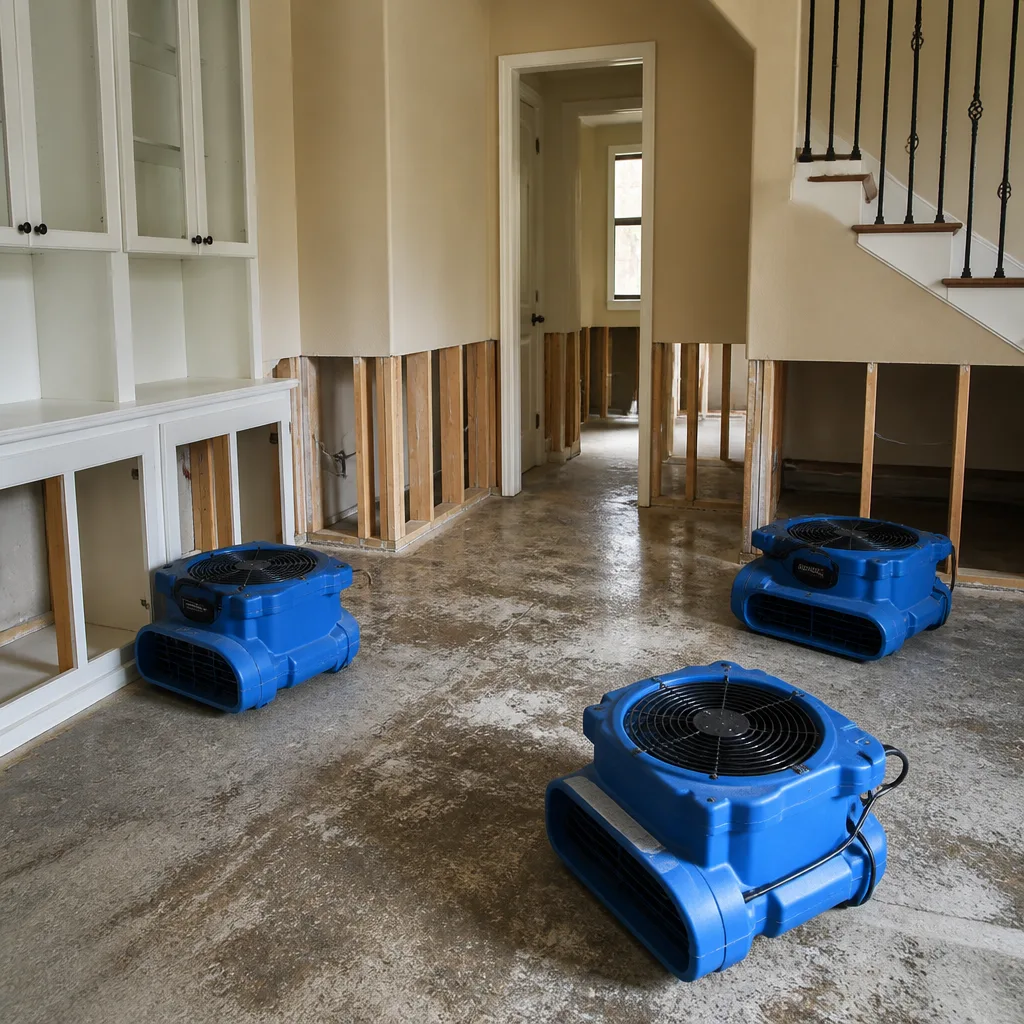
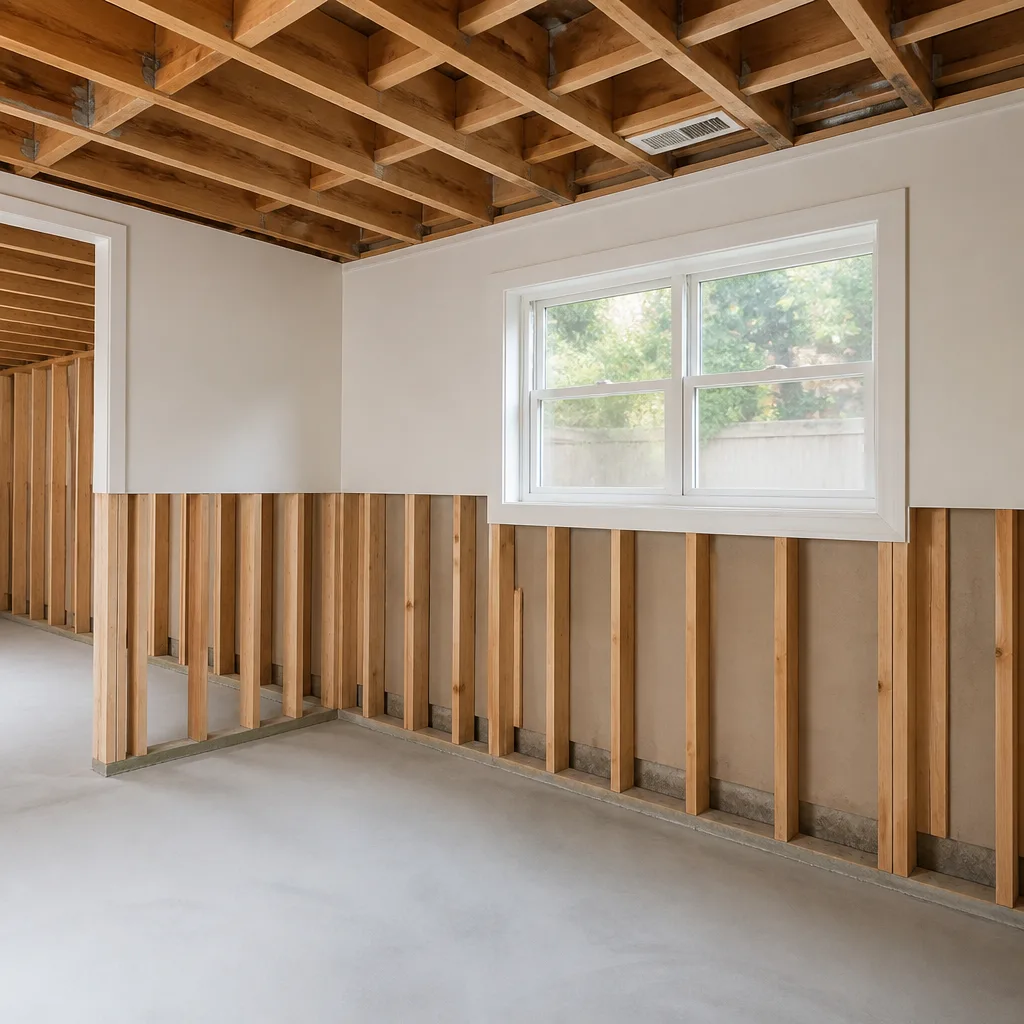
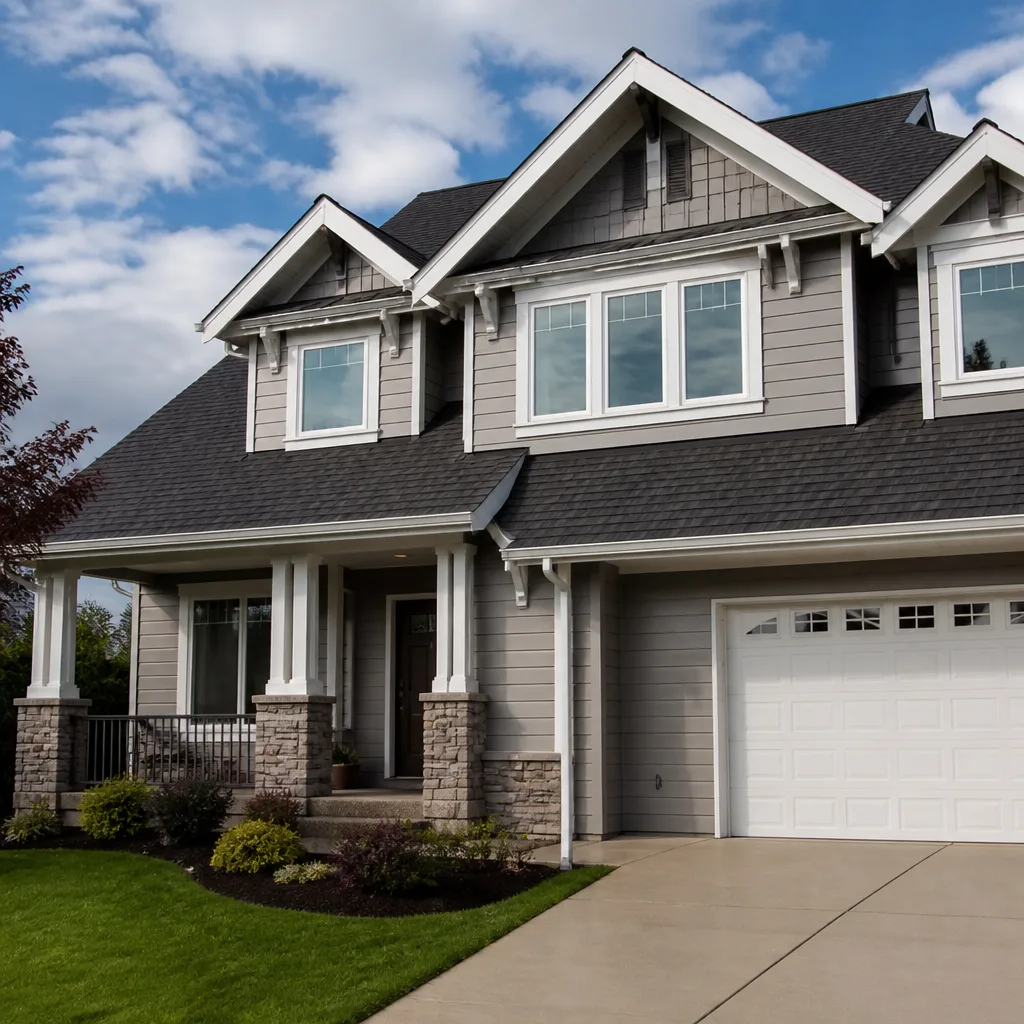
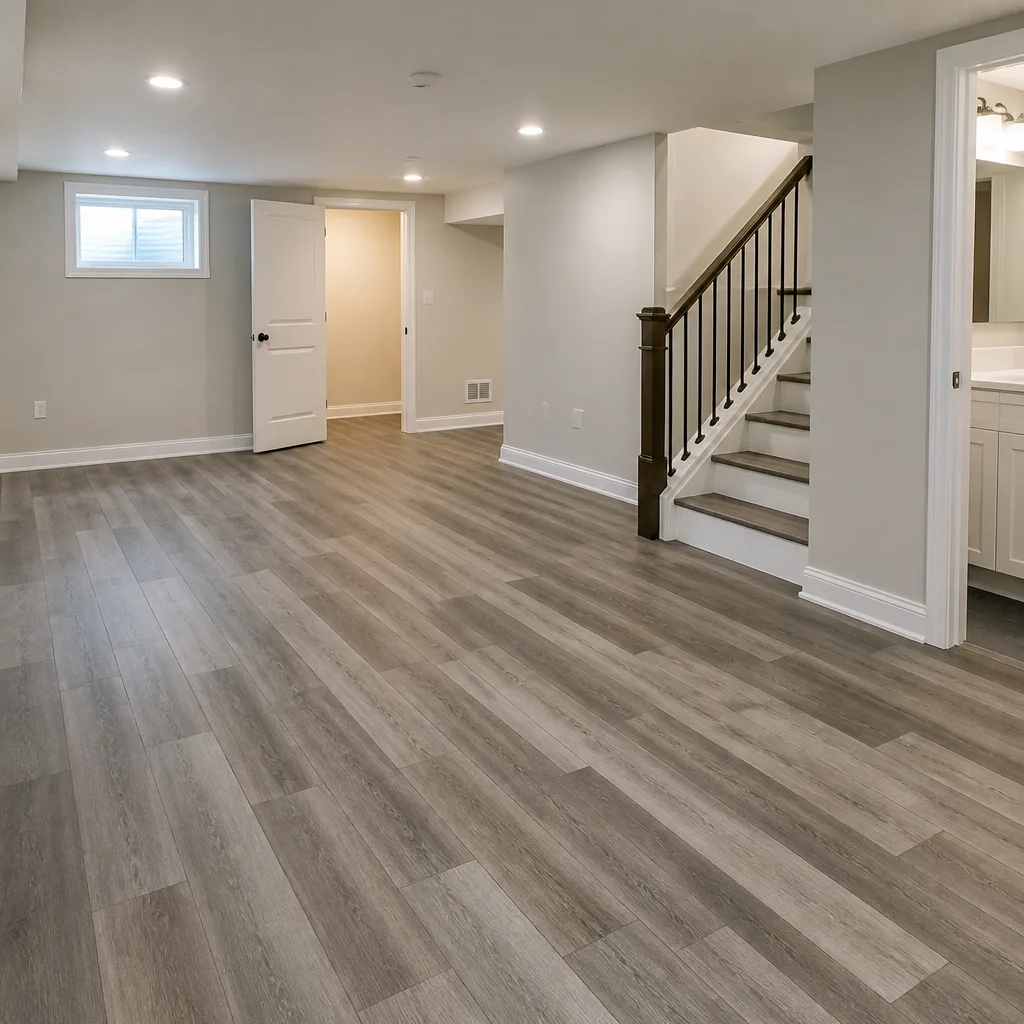
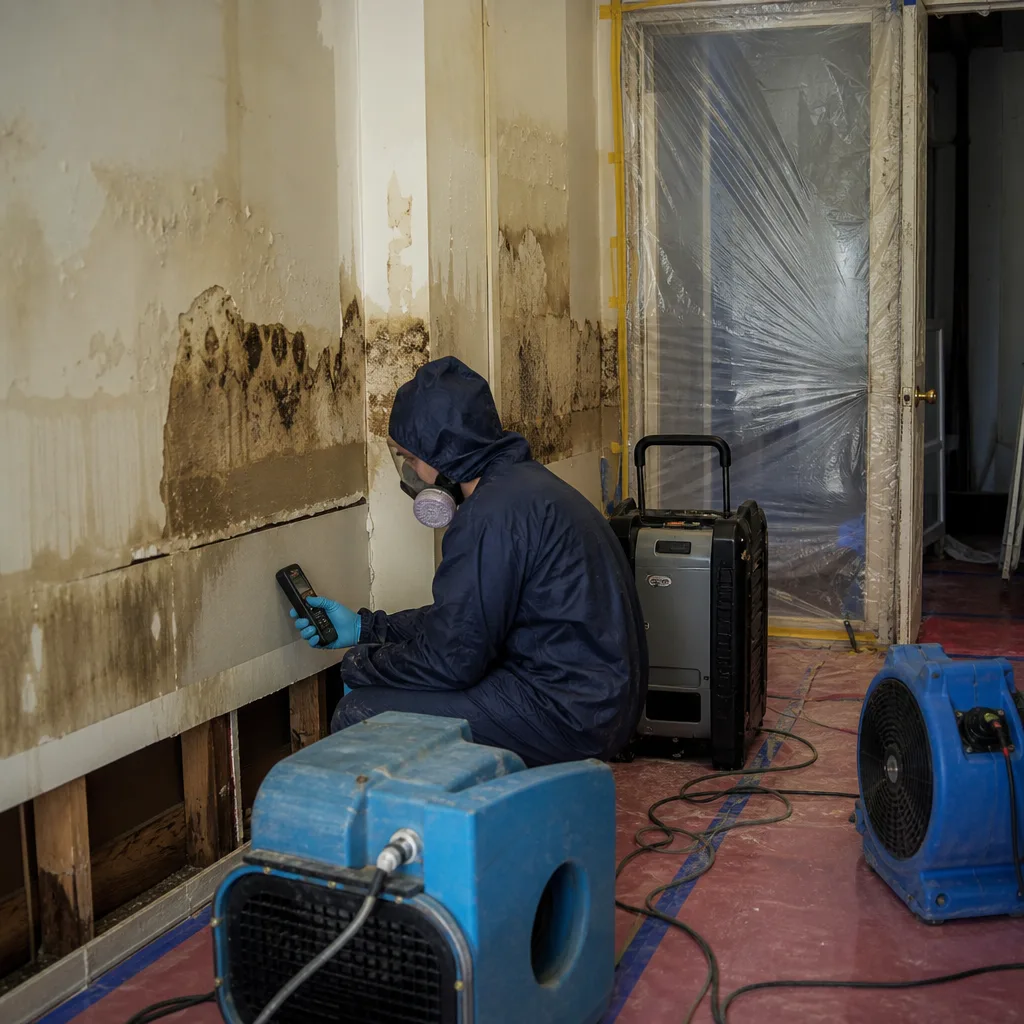 Before
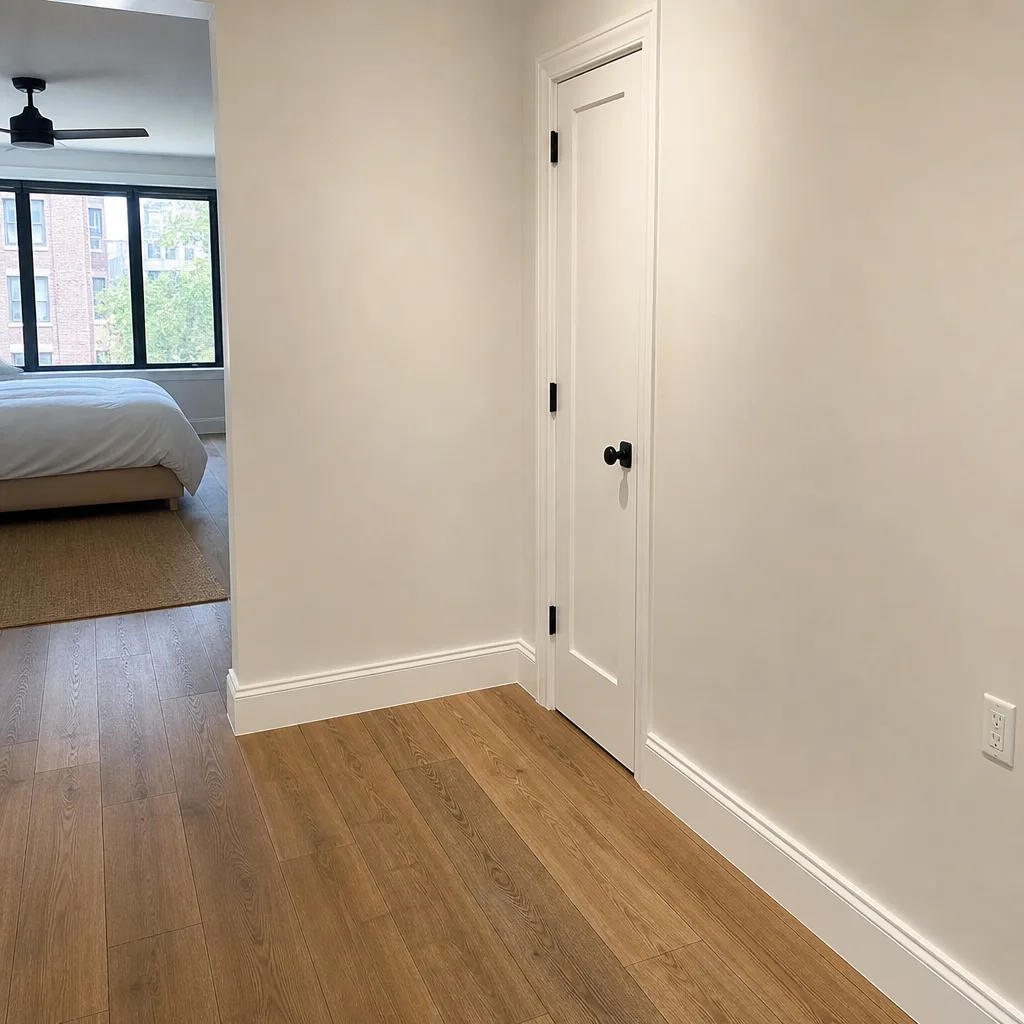 After
After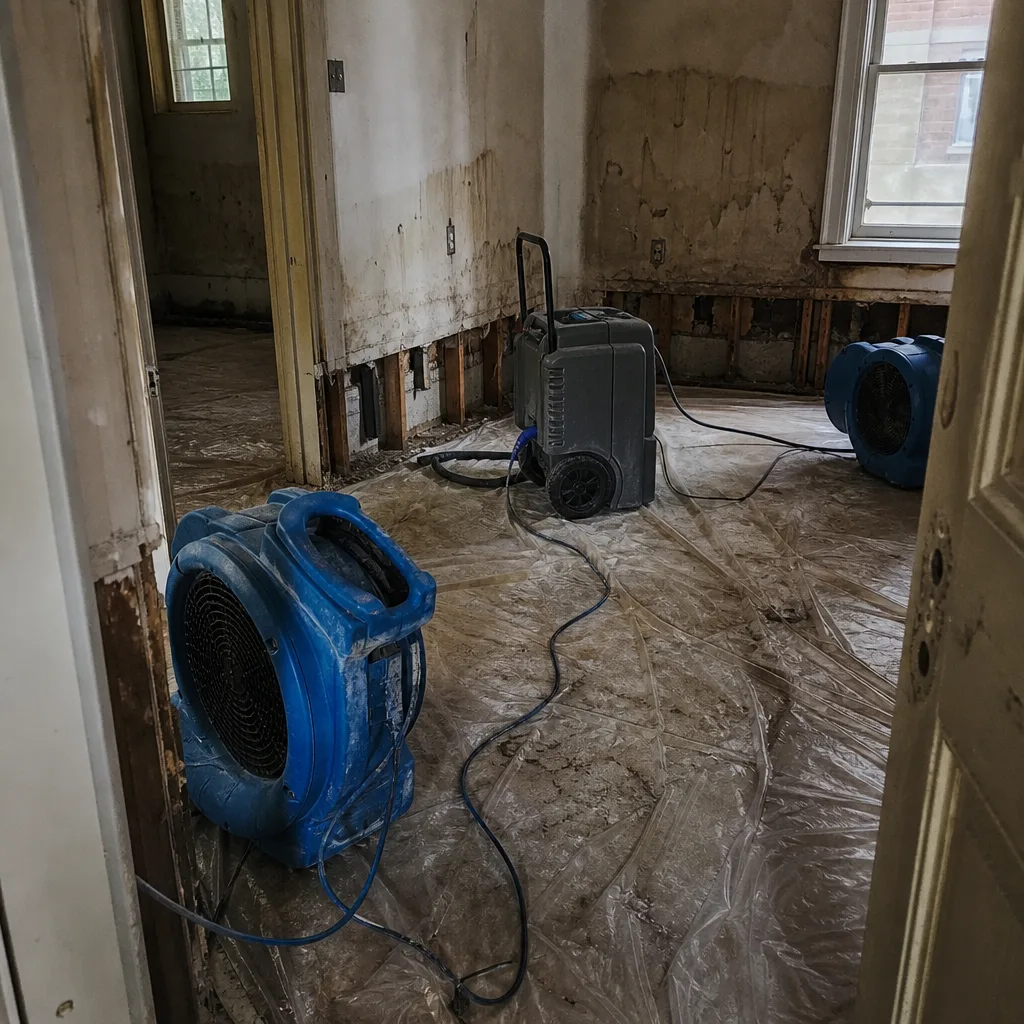 Before
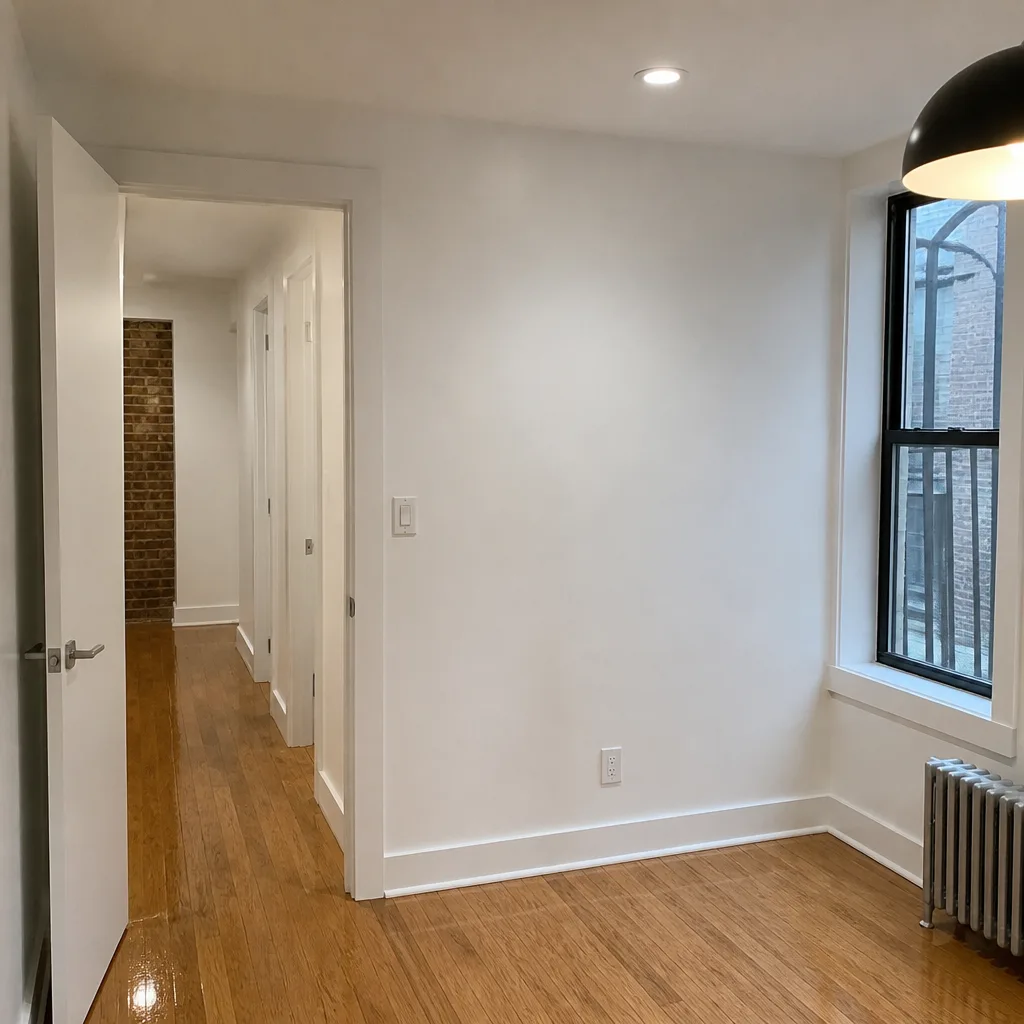 After
After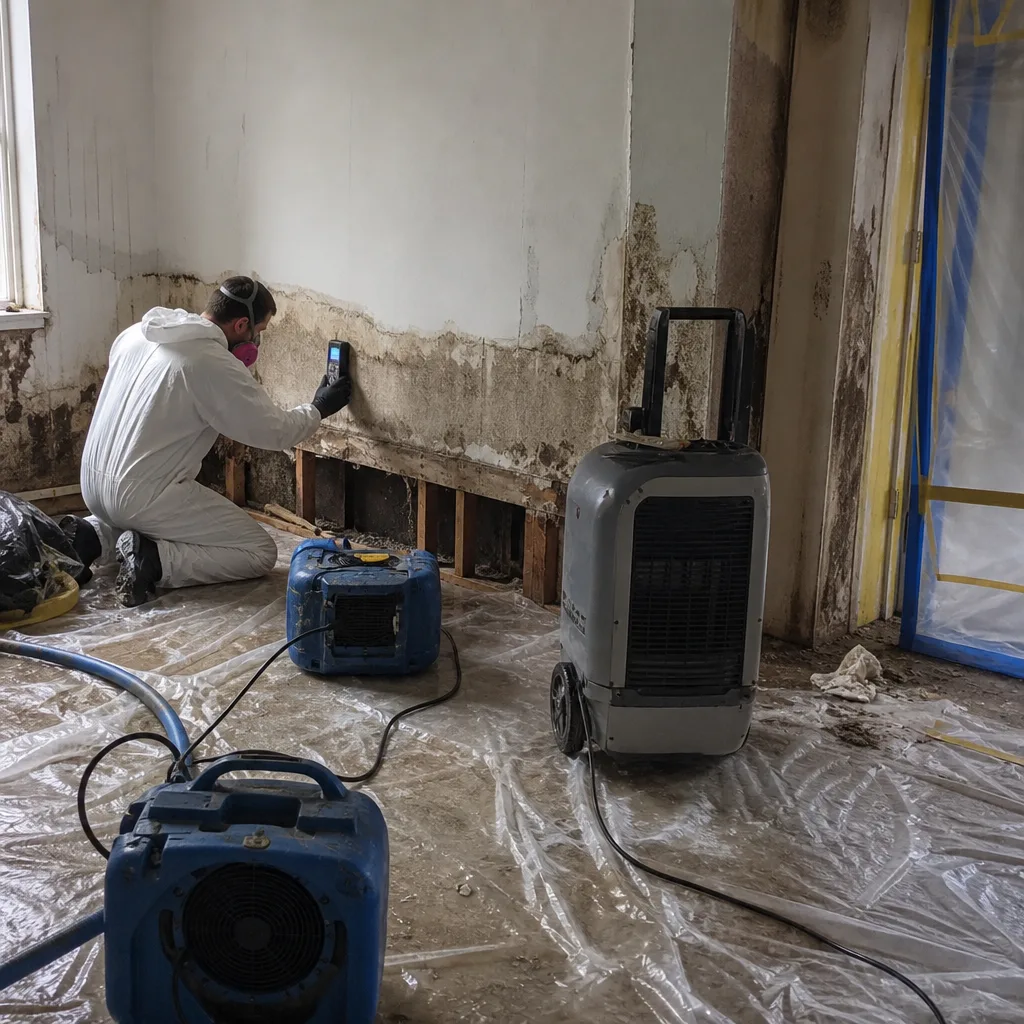 Before
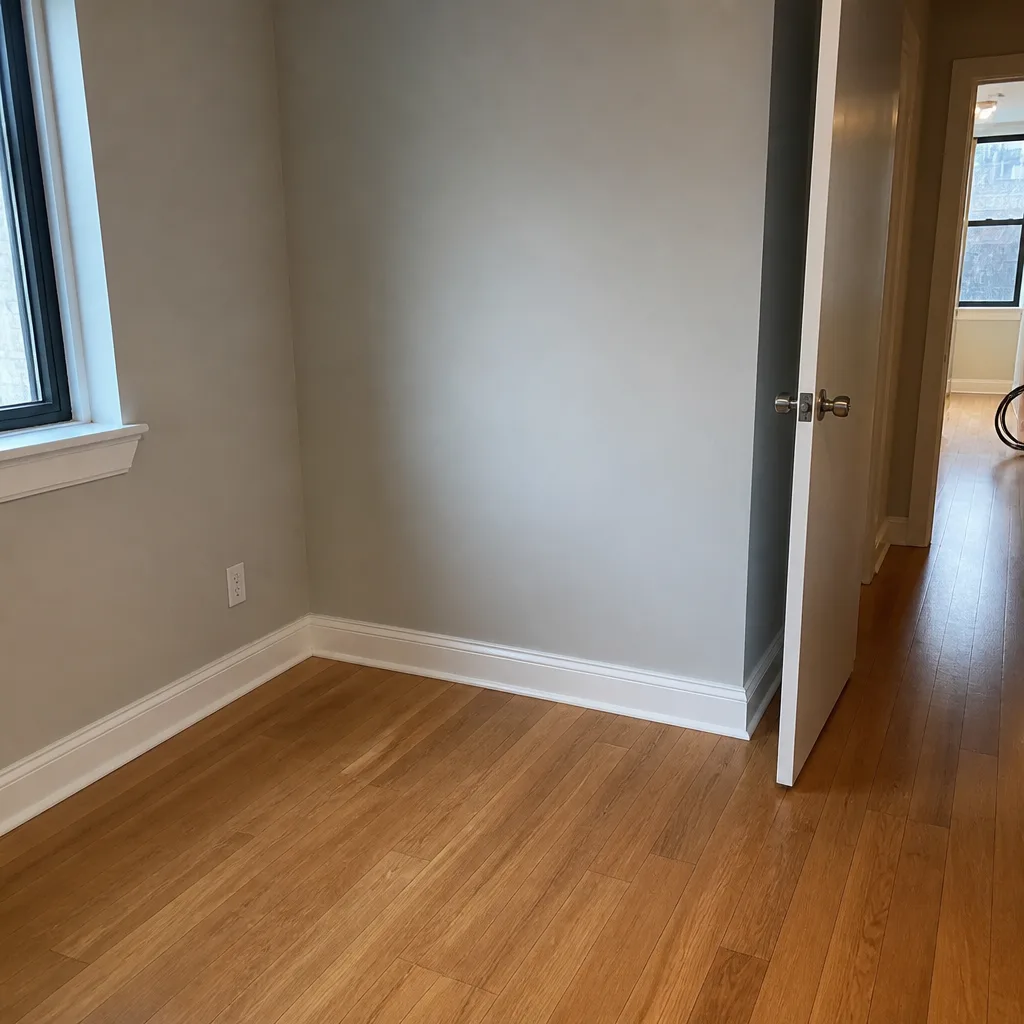 After
After24/7 Emergency Water Damage Restoration in Upper West Side
Water damage restoration in Upper West Side typically costs between $1,800 and $7,500 depending on how far water traveled through pre-war plaster and flooring assemblies, and emergency extraction crews can usually be on site within 45 minutes. A burst steam riser or failed cast-iron drain stack in a 1910s co-op doesn’t wait for business hours, and neither do we. Floodline Restoration Co. answers live around the clock at (845) 305-5737, and our certified crews dispatch to Upper West Side addresses the same visit. The first hour matters: water wicking into horsehair plaster and strip-oak parquet begins delaminating original finishes and feeding mold within 24 to 48 hours, so starting extraction before the super can even locate the shutoff valve changes the entire scope of the job.
When a sixth-floor supply elbow lets go at 2 a.m. and water is raining through five ceilings below, every minute of delay means more demolition, more drying time, and more square footage of LPC-protected ornamental plaster that has to be matched. Our crews know the buildings here. They know Riverside Drive pre-wars sit tighter to the river with higher ambient humidity than Central Park West co-ops, and they know Water Damage Restoration in a courtyard building with no street parking requires different equipment staging than a brownstone on West 78th. We’ll be there when we say.
Understanding Water Damage Restoration Severity in Upper West Side Properties
Restoration professionals classify water loss into three categories, and Upper West Side buildings produce all of them. Category 1 is clean water from supply lines, steam radiators, or failed appliance hoses. Category 2 carries contaminants: dishwasher discharge, sump overflow, weep-through from a unit above that has already picked up floor wax, plaster dust, and whatever sat in a 90-year-old pipe. Category 3 is grossly contaminated: combined sewer backup from a nor’easter, toilet overflow, or standing water that has fermented in a basement storage room for days before anyone checked.
Severity in Upper West Side is not just about water category. It is about assembly depth. Original horsehair-plaster ceilings on lath can hold moisture for weeks after the surface reads dry, while modern drywall gives up its moisture in days. Moisture mapping with penetrating and non-penetrating meters tells us where the water actually went, which in a pre-war building is often three units down and into a neighbor’s wall cavity behind ornamental baseboards. Structural drying here means understanding that a 110-year-old floor assembly holds more gallons per square foot than anything built after 1980, and that LPC-designated finishes cannot simply be cut out and replaced with drywall. The line the water left is where we start.
Why Upper West Side Property Owners Choose Floodline Restoration Co.
- 45-minute response commitment for emergency water extraction anywhere in Upper West Side, from Riverside Drive to Central Park West and the side streets between.
- 24/7 live answer by a real dispatcher at (845) 305-5737. Never an automated system, never a voicemail at 2 a.m. A person picks up.
- IICRC-certified crews holding WRT and ASD credentials, plus ASNT-level moisture mapping training. Background-checked and uniformed, every job.
- Free visual inspection and a written scope of work before any mitigation starts. No surprises on the bill. A square deal.
- Direct insurance billing with photo documentation, daily moisture logs, and adjuster coordination from the first hour. You don’t play messenger.
- One team from extraction to reconstruction. We don’t hand off to a separate rebuild crew after drying. The same certified technicians finish what they started.
Our Water Damage Restoration Process
Inspection & Assessment
We arrive with thermal imaging cameras and penetrating moisture meters, mapping every affected surface including cavities behind plaster and under parquet. We identify the water category, locate the moisture source, and check whether the building super has isolated the riser. You get a written scope before any equipment runs.
Extraction & Stabilization
Truck-mounted and portable extraction units pull standing water from floors, wall cavities, and basement slabs. Our techs work around building access constraints: courtyard buildings, freight elevators, and narrow service entrances. Stabilization includes boarding or tarping any exterior breach and killing power where water has reached wiring.
Drying & Dehumidification
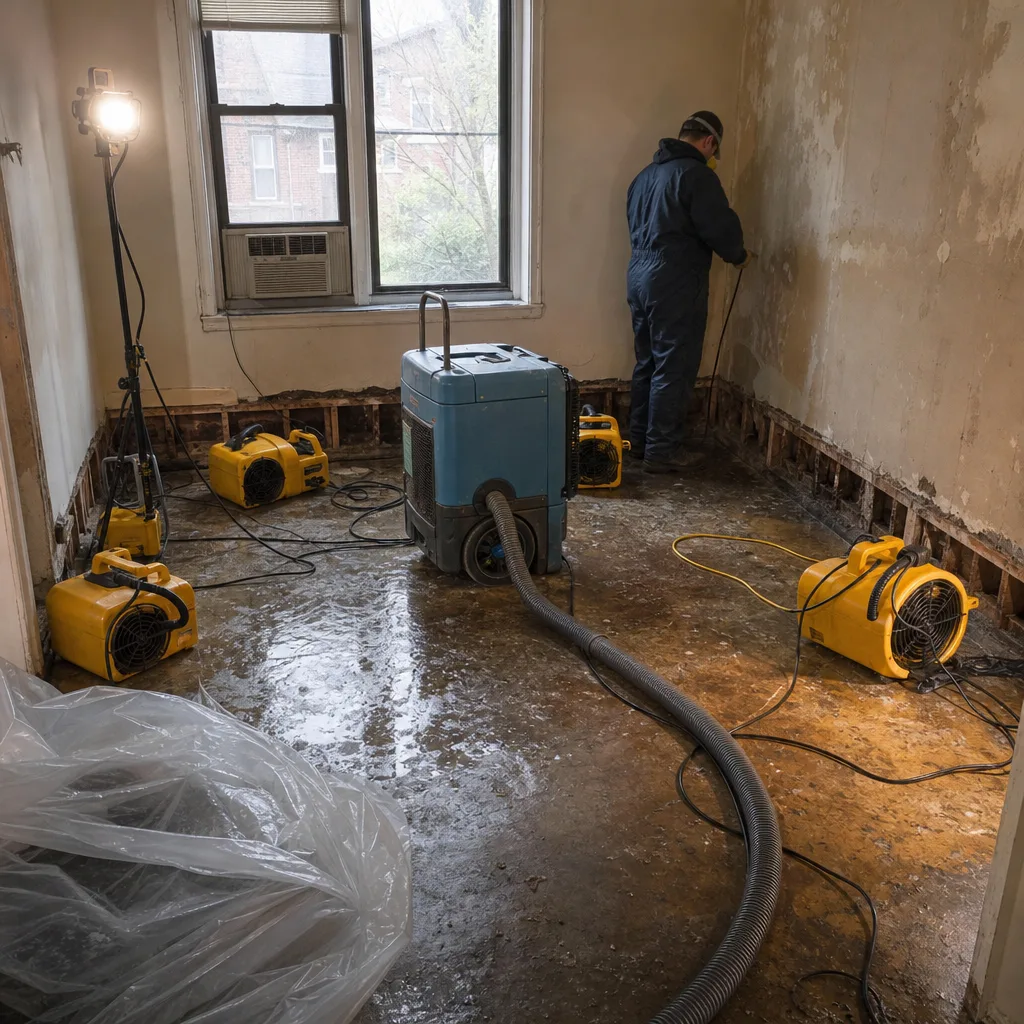
Dri-Eaz LGR dehumidifiers, Phoenix axial air movers, and XPOWER units are placed according to the moisture map, not a standard count. In pre-war plaster-and-lath assemblies, we run Injectidry floor mats on original parquet and maintain daily readings until wood moisture equivalent drops below the dry standard. Logs go to you and your carrier.
Cleaning & Sanitization
Category 2 and 3 water brings contaminants. We clean affected surfaces with appropriate antimicrobials, HEPA-vacuum all cavities, and run air scrubbers where mold spores are present. In Upper West Side basements with 100-year-old brick, this often includes salt efflorescence control and deodorization of common-area storage rooms.
Historic Material Protection
This is the step a generic restoration company skips. We build containment around LPC-protected ornamental plaster, document existing conditions for the co-op board, and dry in place rather than demolishing where preservation rules require it. We know when to call in the plaster conservator and when in-situ drying will save the original finish.
Repairs & Restoration
Once dry standard is met, the same crew handles reconstruction: plaster repair, lath replacement, parquet re-lay and refinishing, base molding match, paint. No handoff to a third-party rebuild contractor. Done right and backed in writing by the 90-Day Done Right Promise.
Need Emergency Water Damage Restoration in Upper West Side Now?
Crews minutes away, answering live 24 hours a day. The sooner we start, the less it costs.
Working With Your Insurance Company
In a multi-unit Upper West Side loss, insurance gets complicated fast. Your policy, the upstairs neighbor’s policy, the co-op’s master policy, and possibly the building’s steam contractor all have fingers in the claim. Since 2010, Floodline Restoration Co. has built our documentation around these realities. We photograph every room before a single fan runs. We log moisture readings daily with meter serial numbers and time stamps. We write line-item scopes using Xactimate-compatible language that your adjuster recognizes, and we ship the full packet directly to the carrier so you are not the one chasing responses.
What We Provide Your Insurer
- Thorough documentation of the loss
- Photos of all damage, room by room
- Moisture readings and drying logs
- A detailed, line-item scope of work
- Direct coordination with your carrier
We have handled claims in landmark-designated buildings where the carrier initially balked at the cost of matching original plaster profiles. Our documentation, including pre-loss condition photos and LPC permit correspondence, changes those conversations. We stand behind it.
Built for Upper West Side’s Loss Calendar
Water losses in Upper West Side follow the seasons, and the calendar here is specific to pre-war building systems and Manhattan climate. January and February bring the deep-freeze failures: uninsulated steam lines in exterior walls freeze, split, and dump Category 1 water through original plaster ceilings while the building super scrambles for a riser shutoff. March thaw and April rain expose roof and cornice leaks that have been quietly saturating top-floor units all winter, plus basement seepage where foundation drains have failed behind brownstone party walls.
Summer thunderstorm season floods the light-court-facing ground-floor units and cellar storage rooms. The neighborhood’s combined sewer system, much of it installed before the 1920s, backs up during heavy rain events, sending Category 3 water into basement storage bins across entire blocks of West End Avenue and Riverside Drive. Fall nor’easters drive wind-driven rain through aging window lintels and parapet caps on the high-rise co-ops, and the damage sometimes shows up two floors below the actual leak point because water travels along structural steel before finding a path down. Our crews know the seasonal patterns and keep equipment staged for Upper West Side response year-round.
Water Damage Restoration Across Upper West Side’s Neighborhoods
The Upper West Side stretches from 59th to 110th Street between Central Park and the Hudson, and the building stock shifts block by block. Along Riverside Drive, the grand 1920s co-ops sit directly against the river’s humidity, and their rear light courts trap moisture in ways that accelerate mold growth in kitchen and bath stacks. Response here means coordinating freight elevator access with the building’s super and staging equipment in narrow service corridors.
Central Park West and the blocks around West 72nd Street hold the neighborhood’s most heavily landmark-protected properties. LPC rules govern every plaster repair and even some paint colors, so drying-in-place is often the only option that won’t trigger a stop-work order. The West 80s and 90s side streets running from Amsterdam to Columbus pack dense rows of 1880s-to-1910 brownstones and five-story walk-ups. Here, party walls and shared cornices mean a neighbor’s roof leak becomes your ceiling stain, and access is through a 32-inch-wide basement door with no elevator and no street parking.
Ground-floor and courtyard units in the West 100s see the brunt of combined sewer backups during heavy rain, while high-floor units on Broadway face different logistics entirely: equipment must ride freight elevators with strict time windows, often scheduled a day in advance. We know these constraints before we arrive, because we work Upper West Side buildings every week.
Specialized Water Damage Restoration Services We Offer in Upper West Side
Burst Pipe Restoration
A burst supply line or split steam elbow in a pre-war co-op is the most common Upper West Side water loss we respond to. Because most pre-war buildings lack individual unit shutoffs, the water keeps flowing until the super can isolate the riser, which sometimes means a 20-minute delay while water cascades through multiple floors. We start extraction even while the source is still being addressed, and our written scope notes the pre-extraction condition for your claim.
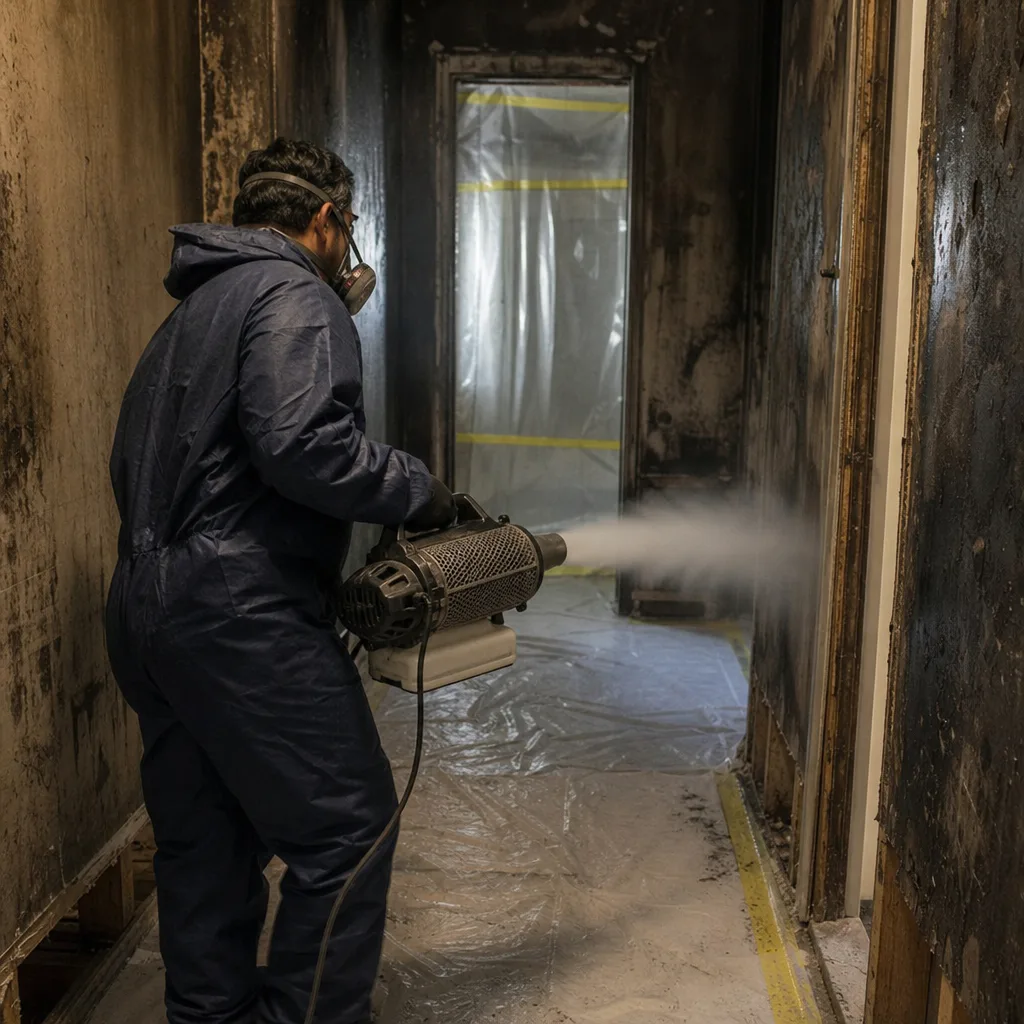
Structural Drying & Dehumidification
Pre-war plaster and lath assemblies hold far more moisture than modern drywall, and standard fan counts won’t dry them. We use Dri-Eaz LGR dehumidifiers and Phoenix air movers sized to the actual moisture load, plus Injectidry floor mats on original parquet and strip-oak flooring. Daily readings continue until every surface meets the dry standard, and the log goes to both you and your adjuster.
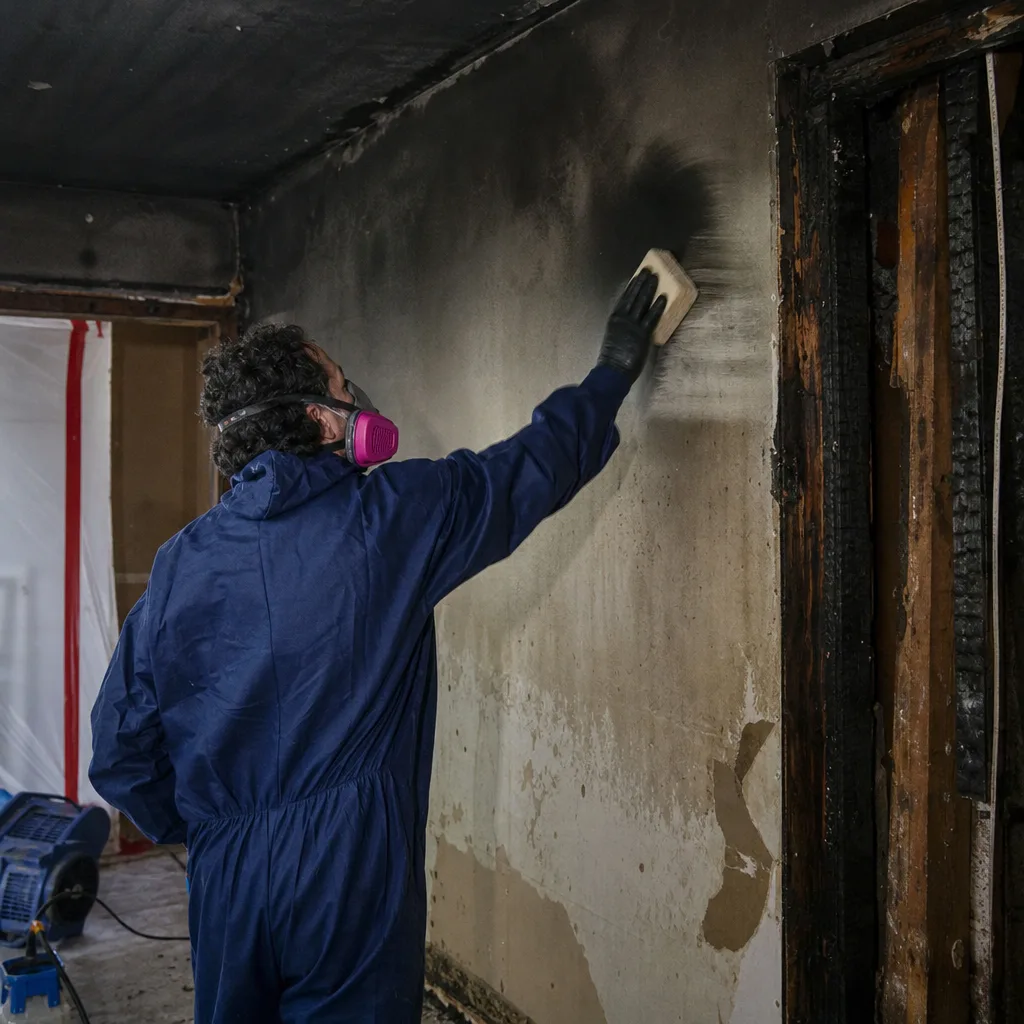
Ceiling & Roof Leak Water Damage
Roof and parapet leaks in Upper West Side high-rises travel unpredictably through structural steel and lath, often staining a ceiling two floors below the actual breach. We map the moisture path, dry the affected assembly in place where LPC rules require it, and coordinate with your building’s roofer so the source gets fixed before we restore finishes. We don’t rebuild a ceiling that’s still getting wet.
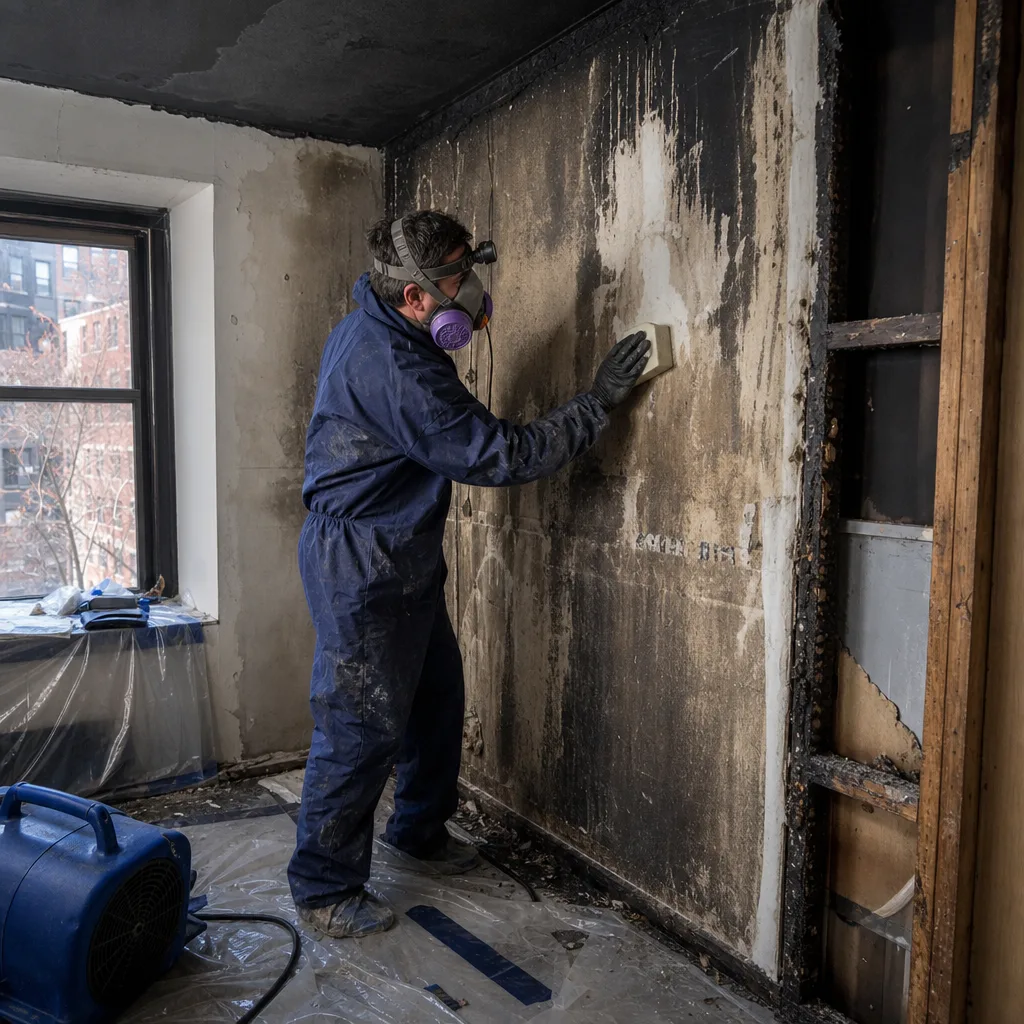
Emergency Water Extraction
Standing water in an Upper West Side apartment demands immediate removal before it migrates deeper into the structural assembly. Our extraction crews run portable units up stairwells where freight elevators are unavailable, set up containment in tight rooms, and pull water from wall cavities and under-floor spaces. In a 1912 co-op on West 80th Street, our techs extracted 2,400 gallons of Category 2 water from a single cast-iron drain stack split that flooded five units below.
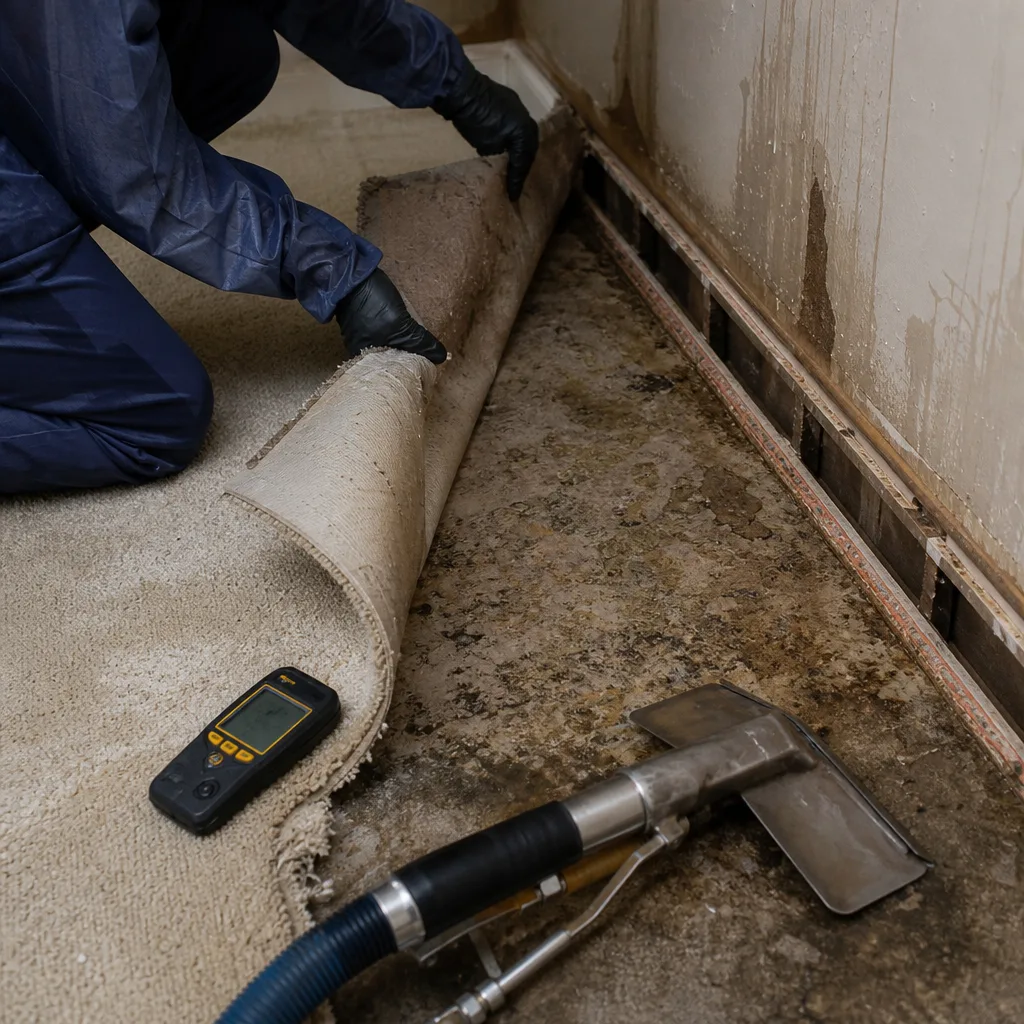
Flood Cleanup
Basement floods from combined sewer backups and nor’easter-driven street flooding require Category 3 handling. We remove contaminated water, dispose of saturated porous materials, sanitize remaining surfaces, and run air scrubbers to clear the space before restoration begins. Upper West Side cellar storage rooms with original brick foundation walls need special care: the brick holds moisture and salts that keep re-wetting new finishes.
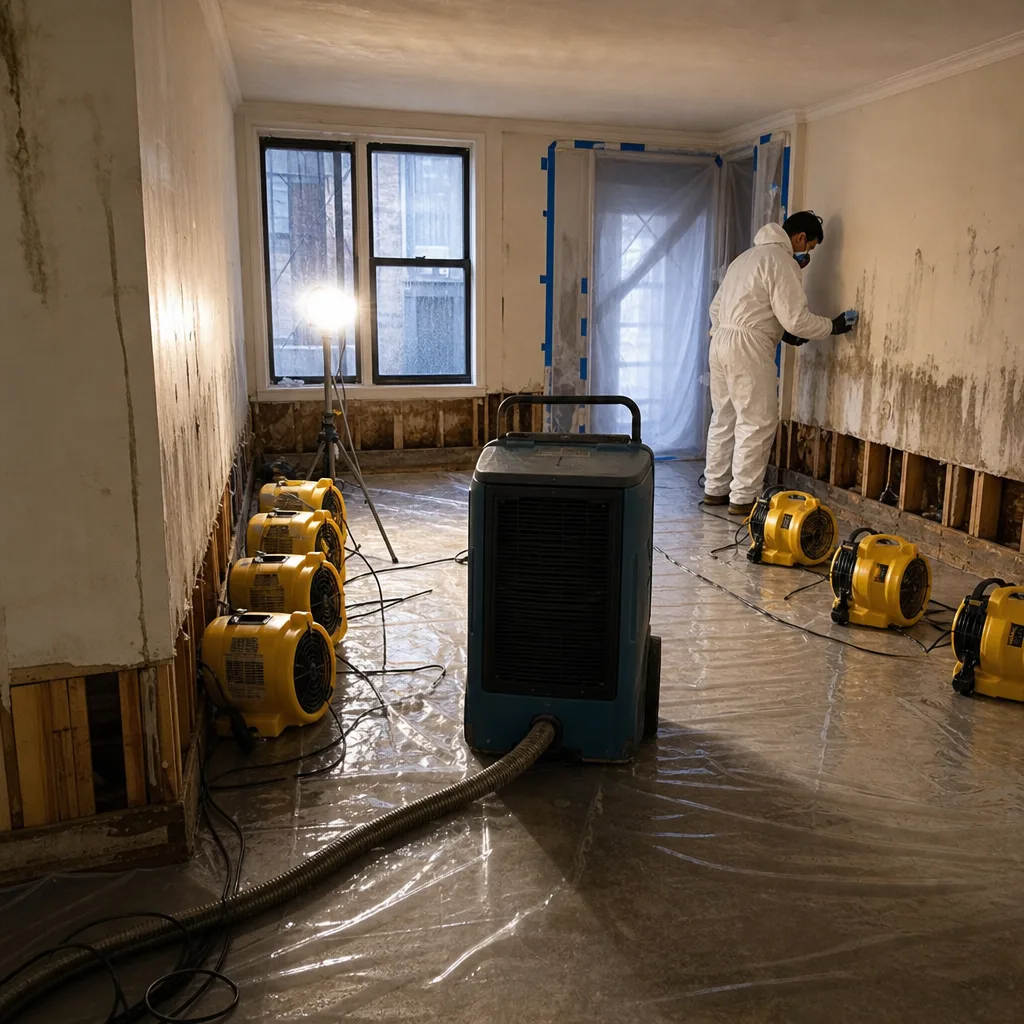
Basement Water Removal
Ground-floor and cellar units across Upper West Side collect water from sump failures, foundation seepage, and sewer backups. We extract, dry, and treat these spaces with the same rigor as an apartment interior, because in a Manhattan co-op, the basement often holds not just storage but the building’s electrical service and original architectural elements.
What happens when you call
- 1
A real person answersNo phone trees - you reach a local pro.
- 2
You get an upfront price rangeHonest numbers before anyone is dispatched.
- 3
A background-checked tech heads outLicensed & insured, dispatched right away.
- 4
You approve before work beginsNothing starts until you say go.
Water Damage Restoration Costs in Upper West Side, NY
Homeowners and co-op boards asking about costs want a number, so here are honest ranges for Upper West Side water damage work. Emergency water extraction alone typically runs $800 to $2,200 depending on the affected square footage and access difficulty. Full structural drying of a pre-war plaster-and-parquet apartment runs $2,500 to $6,500, with the higher end covering multi-floor losses, historic plaster containment, and extended drying time. Ceiling and roof leak restoration, including plaster repair and paint matching to LPC standard, runs $1,400 to $4,800 per room.
Burst pipe restoration, when it includes parquet re-lay, plaster crown molding replacement, and baseboard match work, can reach $7,500 or more in a landmark-designated unit. What moves the price is material matching: horsehair plaster, ornamental moldings, and original flooring cost three to five times what drywall and engineered flooring cost. Insurance covers most of these losses under standard co-op and condo policies, minus your deductible, and we bill your carrier directly. The free visual inspection produces a firm written scope before any work starts, call (845) 305-5737 to schedule one, and remember the standing offers: $50 Off Any Repair Over $250, the $89 Seasonal Tune-Up, and a Senior & Veteran 5% Discount.
We Also Serve Cities Near Upper West Side
Our certified water damage crews respond throughout Upper Manhattan, including Upper West Side, Morningside Heights, Central Harlem, and East Harlem. If your building sits just outside the neighborhood boundary, call us. We’ll likely still be the closest qualified crew.
Serving Upper West Side, NY - Our Local Coverage Area
We’re based in the Upper West Side area and know this community well. Use the map below to see our service coverage - if you’re nearby, we can almost certainly help.
Upper West Side Water Damage Restoration Questions, Answered
How quickly can you start water extraction in a pre-war Upper West Side co-op when the building super isn’t available?
We can begin extraction immediately. We carry equipment up stairs where elevators are unavailable and start pulling water while the super is still being located. If the source is an active steam riser or supply line, we’ll coordinate with the building’s plumber or boiler contractor to isolate the riser, but extraction does not wait for that to happen.
Do you handle Landmarks Preservation Commission requirements when drying or repairing water-damaged plaster ceilings in a Central Park West historic district building?
Yes. We document pre-loss conditions, build containment around ornamental plaster and crown moldings, and dry in place rather than demolishing where LPC rules apply. When replacement is unavoidable, we match original profiles and materials through certified conservators and handle the LPC permit paperwork as part of the scope. We do not cut corners on protected finishes and we don’t trigger stop-work orders by doing unauthorized work.
Can your drying equipment reach a courtyard-facing apartment on a high floor without street parking for your truck?
Yes. Our techs regularly stage Dri-Eaz dehumidifiers and XPOWER air movers in courtyard units by carrying equipment through service entrances and freight elevators. We coordinate elevator time windows with the building super in advance. The equipment footprint is compact enough to move through narrow pre-war doorways and light-court corridors.
What happens when a neighbor’s pipe bursts above our unit in a pre-war building and water has soaked through the original parquet floors?
We map the moisture migration through the floor assembly, set Injectidry floor mats on the parquet, and run dehumidifiers sized for horsehair-plaster and lath. We document everything before starting so the upstairs unit’s insurance carrier has clear evidence of the loss path. If the parquet must be lifted, we number every board, dry the subfloor, and re-lay the original material. Your carrier gets the full log.
How do you handle a flood in a basement storage unit caused by a combined sewer backup after a nor’easter on the Upper West Side?
This is Category 3 water, and we treat it as contaminated. We remove standing water with extraction units, dispose of saturated porous materials like cardboard and upholstered furniture, sanitize remaining surfaces, and run air scrubbers to clear airborne contaminants. Original brick foundation walls are treated for salt efflorescence and moisture retention. We’ll also document the event for your insurance claim and bill the carrier directly.
How long does structural drying take in a pre-war Upper West Side apartment?
Usually three to seven days, but plaster-and-lath assemblies can need longer. Wood parquet over original subfloor reads high on moisture meters for days after visible water is gone. We run daily readings until all surfaces meet the dry standard, not a fixed day count. Rushing this stage is how mold starts behind finished walls.
Are your technicians actually certified, or is that just marketing?
Our crews hold IICRC WRT and ASD certifications, with additional RIA and IFA training. They are background-checked and uniformed. Curt Bowman founded Floodline Restoration Co. in 2010 around a dispatch board, not a sales desk, and the same standard applies today. We’ll show you credentials on request, and the 90-Day Done Right Promise is in writing.
What should I do in the first 30 minutes after I discover water damage in my Upper West Side apartment?
Call us at (845) 305-5737 first, even before the super. Then shut off electrical power to the affected area if it’s safe to do so, move small valuables out of the water path, and take photos of the visible damage. Do not turn on fans or open windows except to vent the space, as this spreads moisture and can complicate your claim. We’ll be there within 45 minutes and take it from there.
Written by Curt Bowman, Owner at Floodline Restoration Co., serving Upper West Side and surrounding Manhattan neighborhoods since 2010.