

Free visual inspection and a written scope of work before any mitigation begins - photos, moisture readings, and drying logs go in your claim file
The scope we write is the scope we bill. Anything new gets shown to you, in writing, before we touch it.
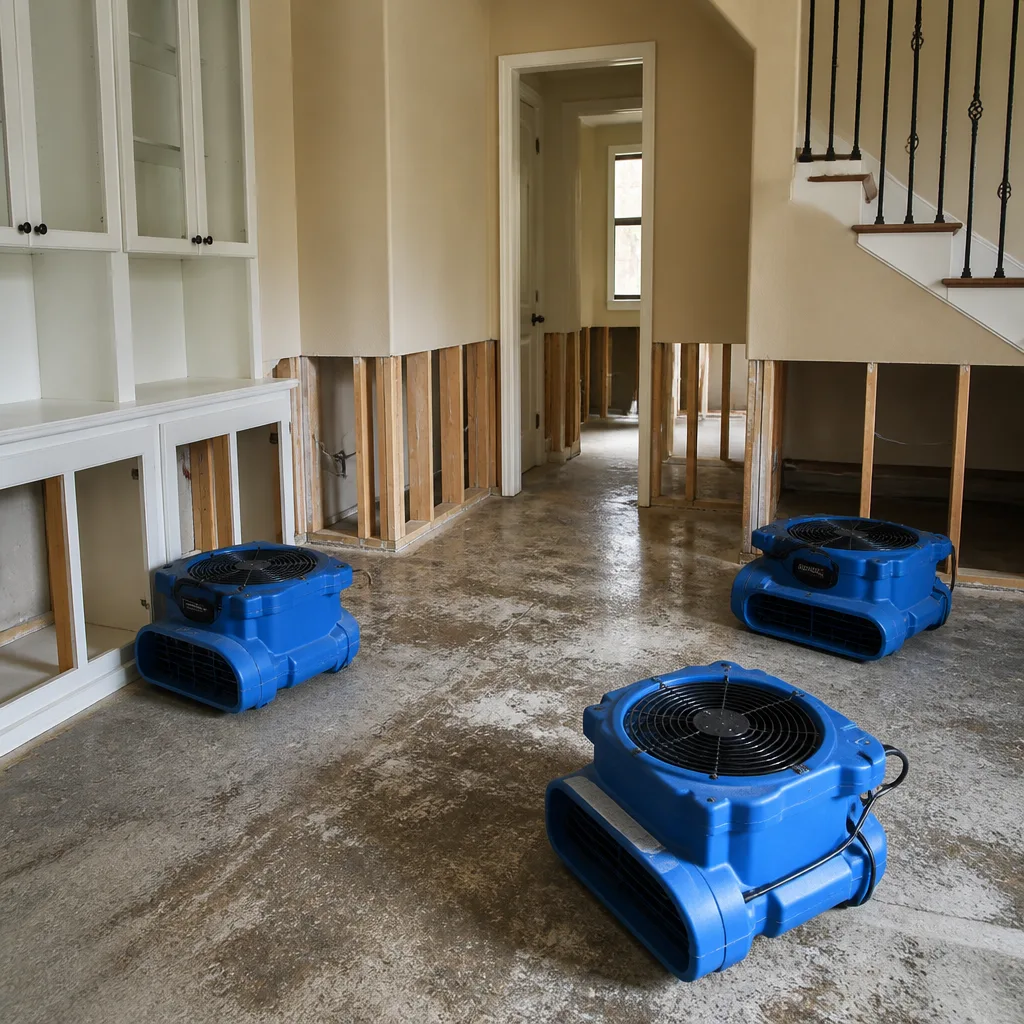
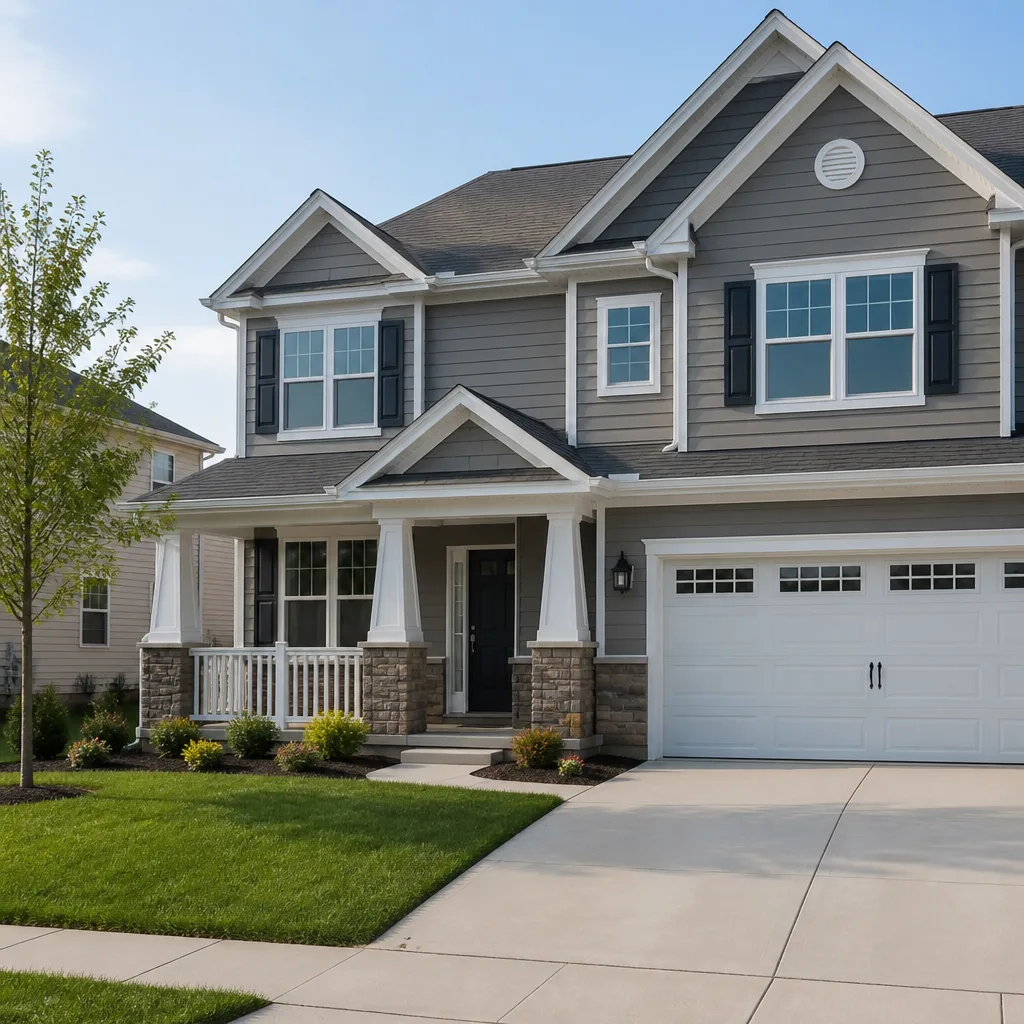
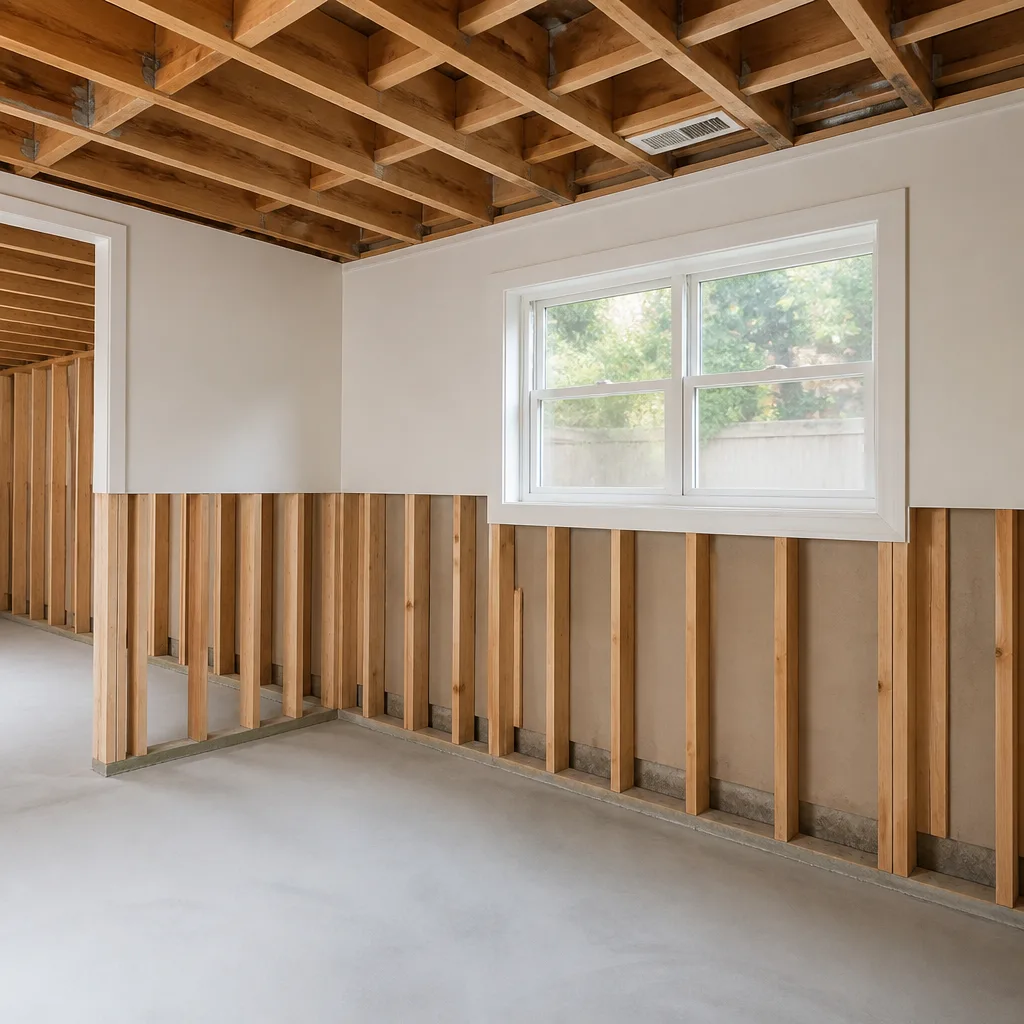
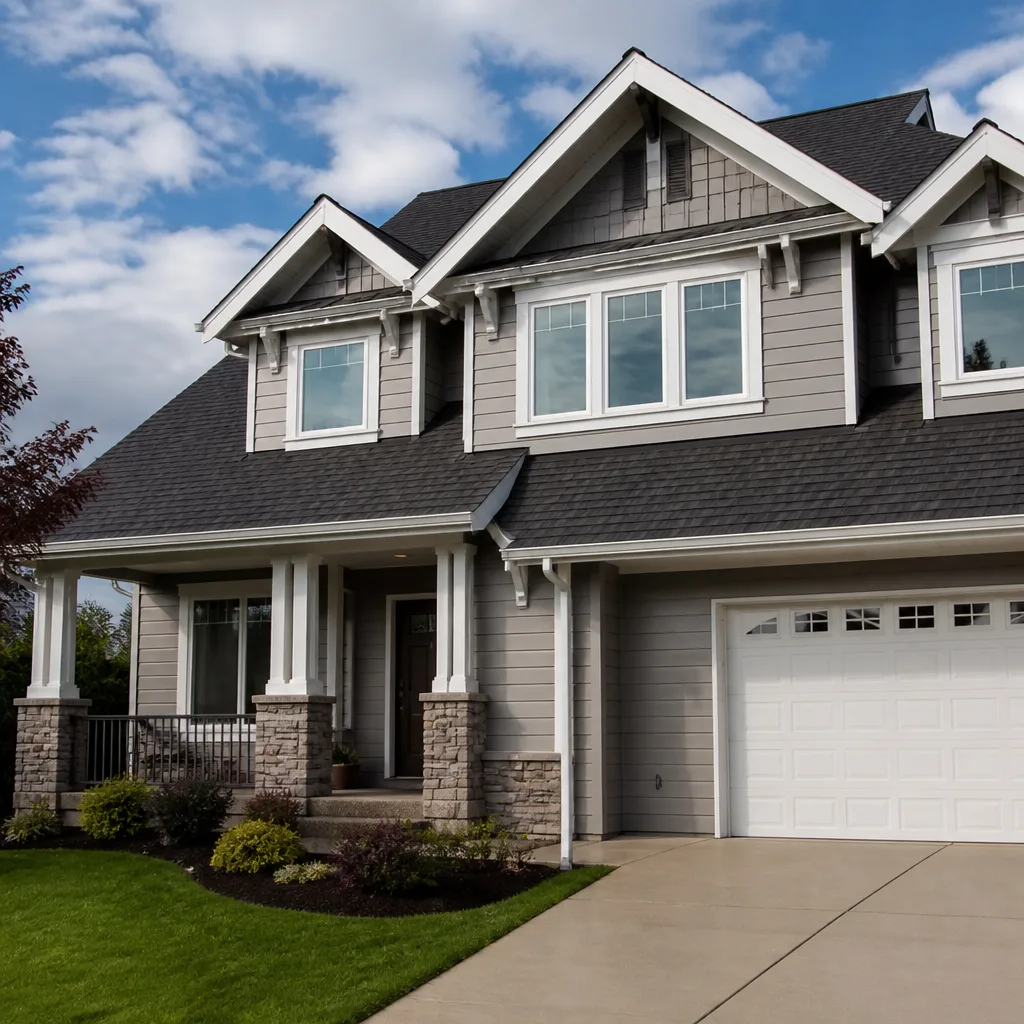
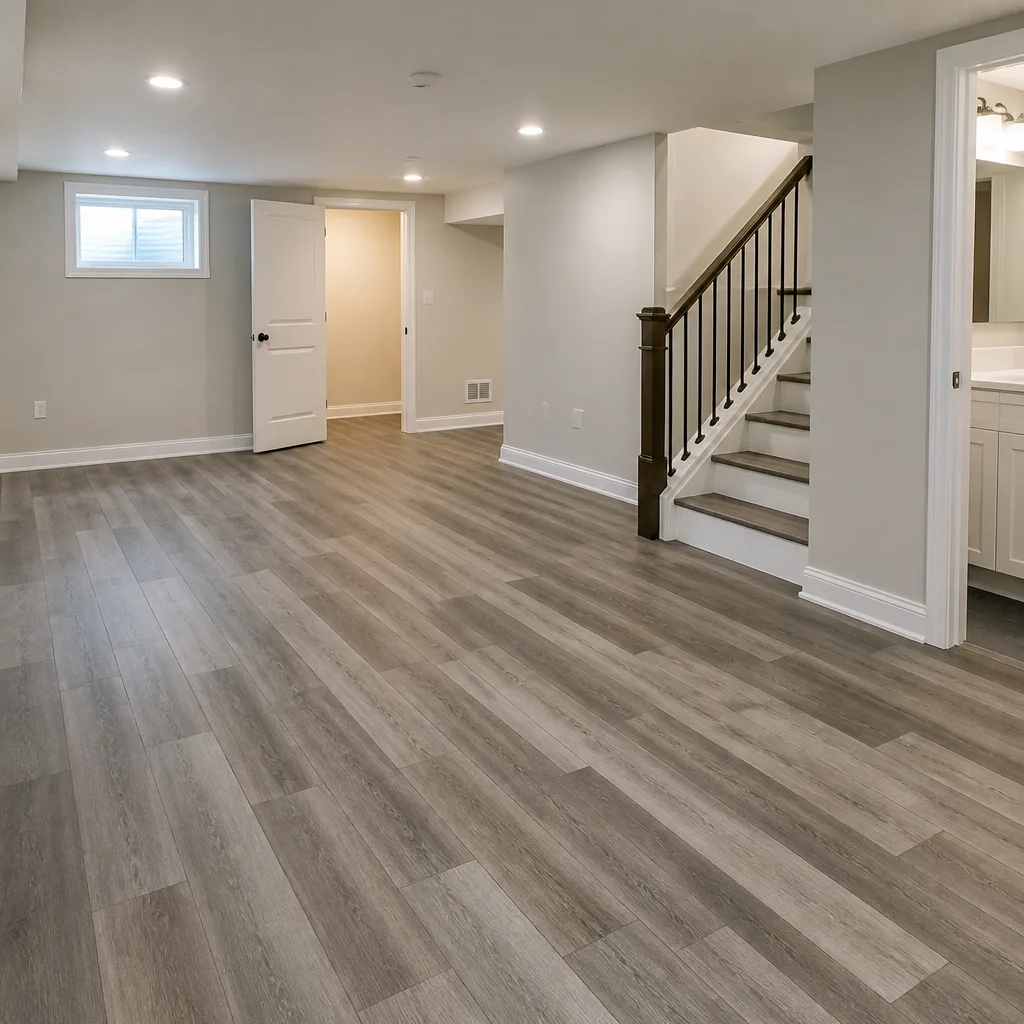
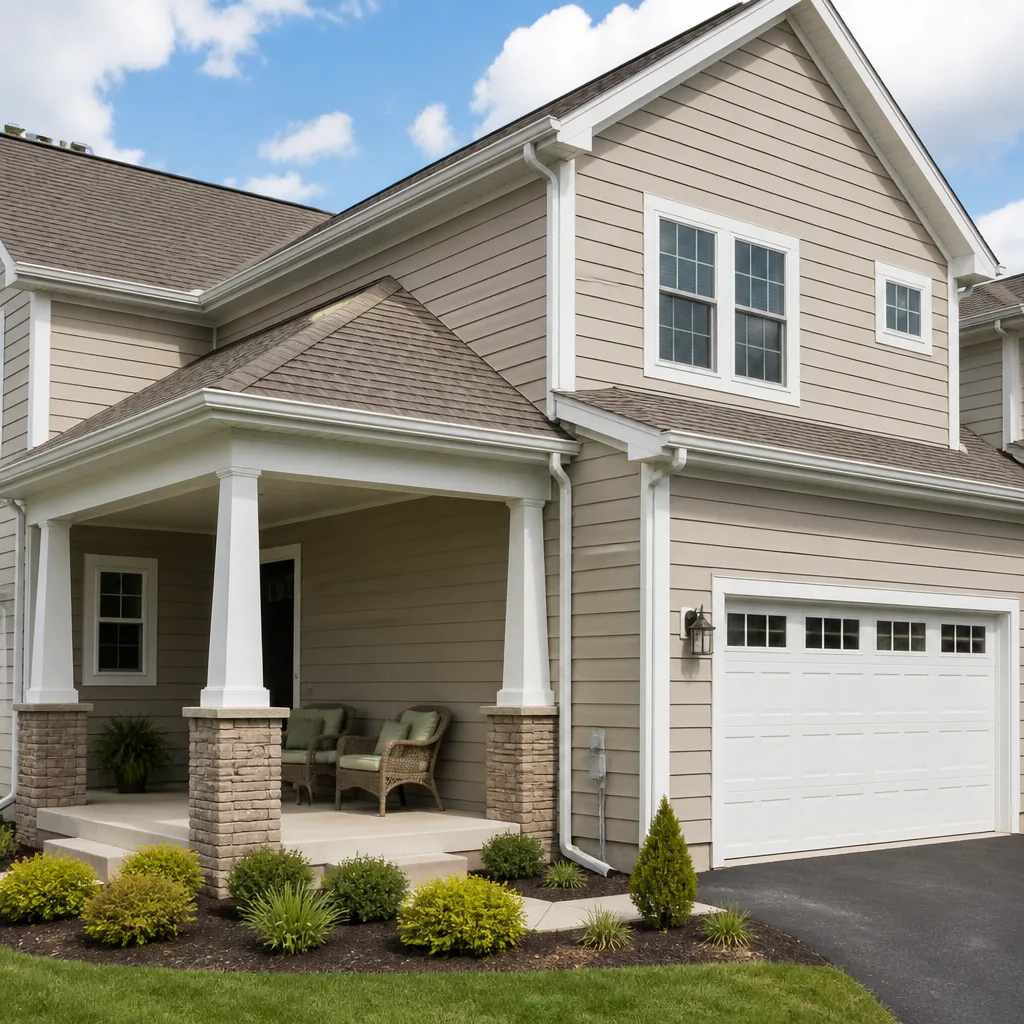
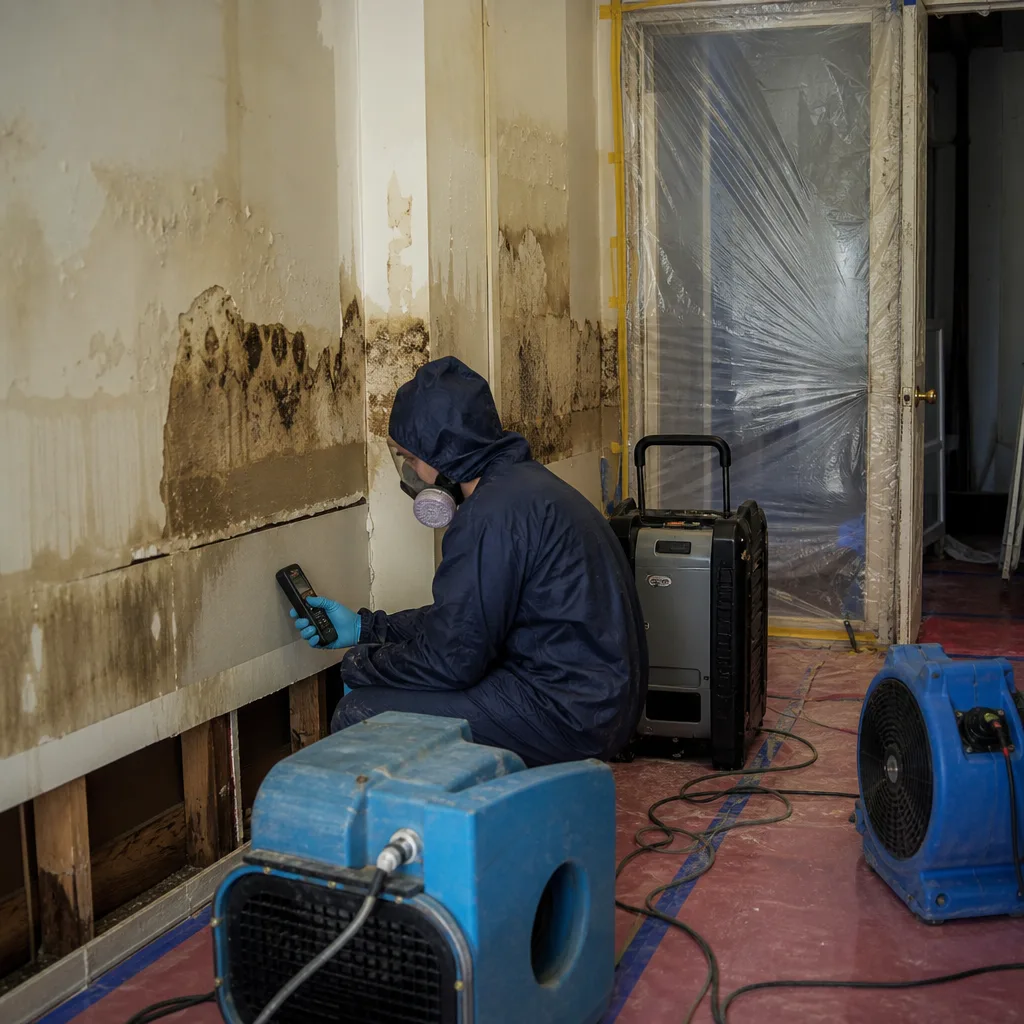 Before
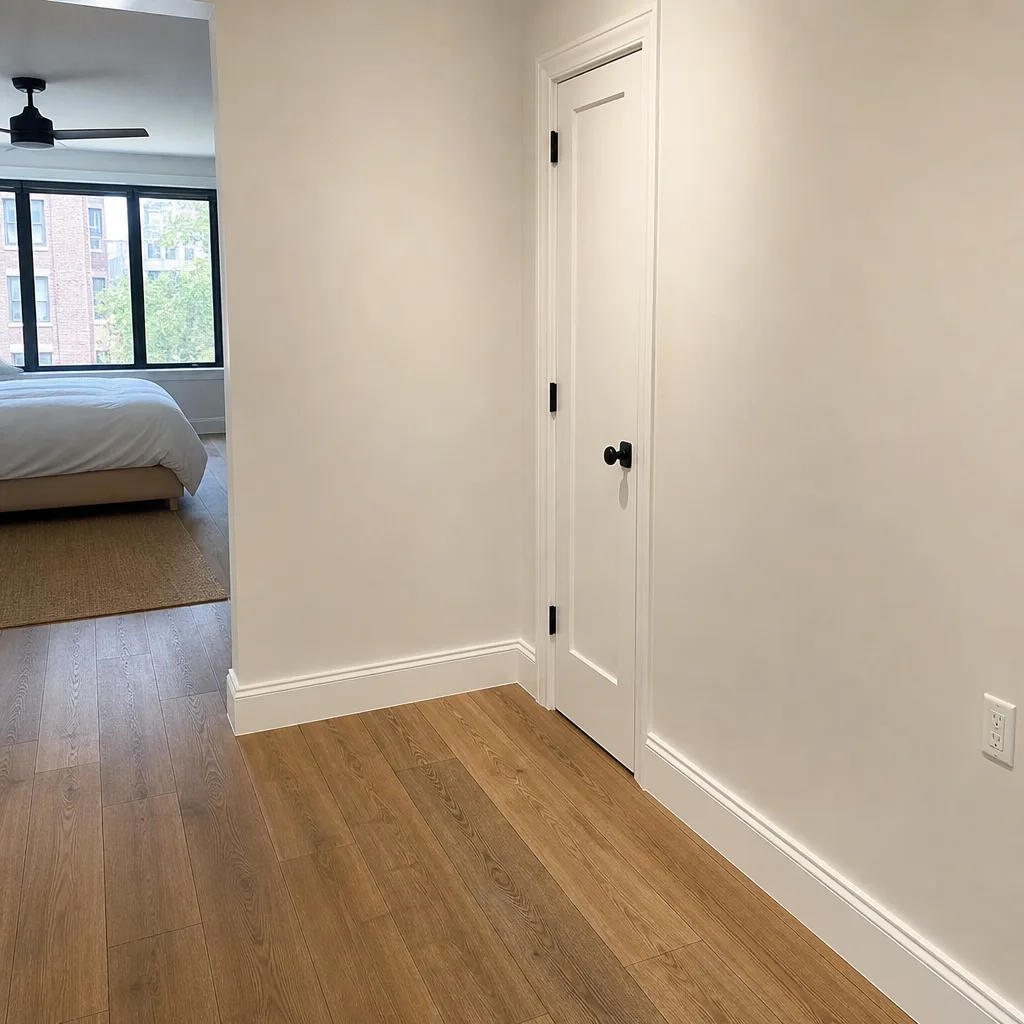 After
After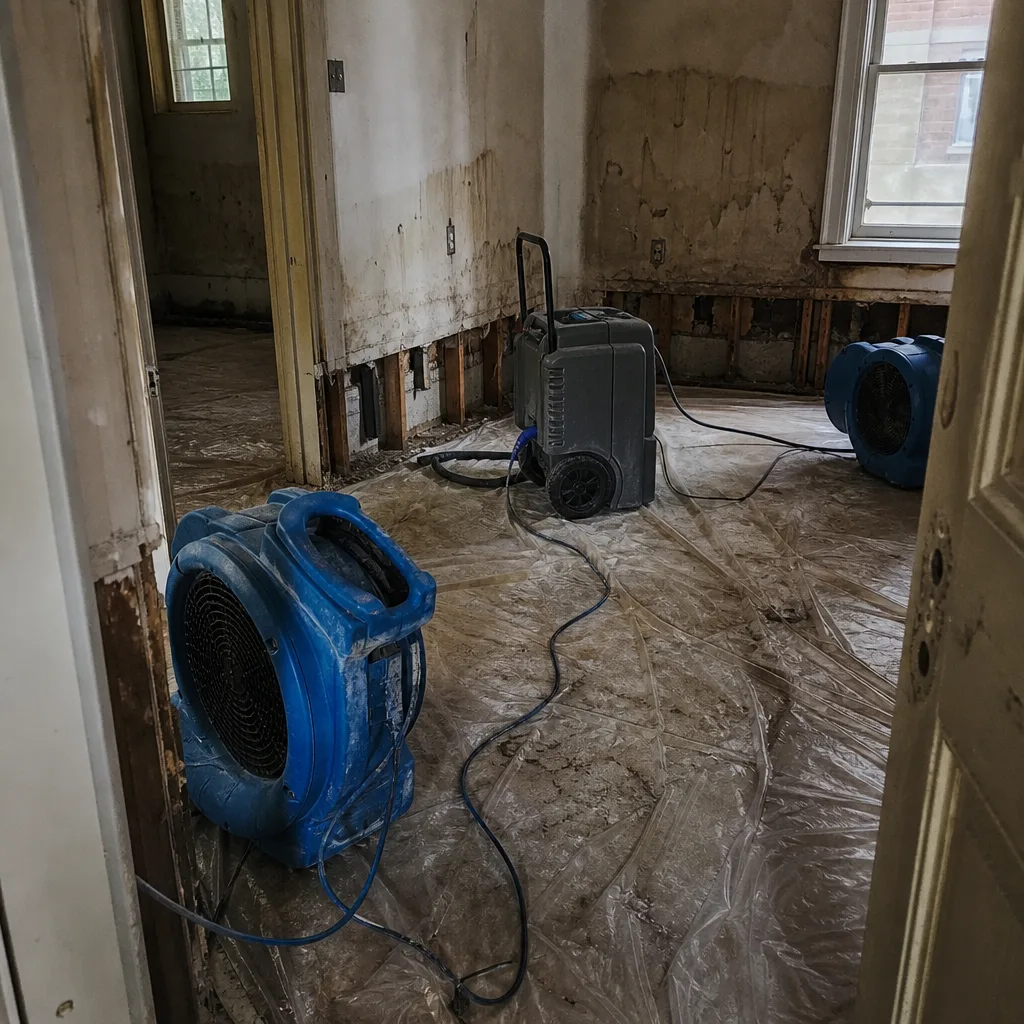 Before
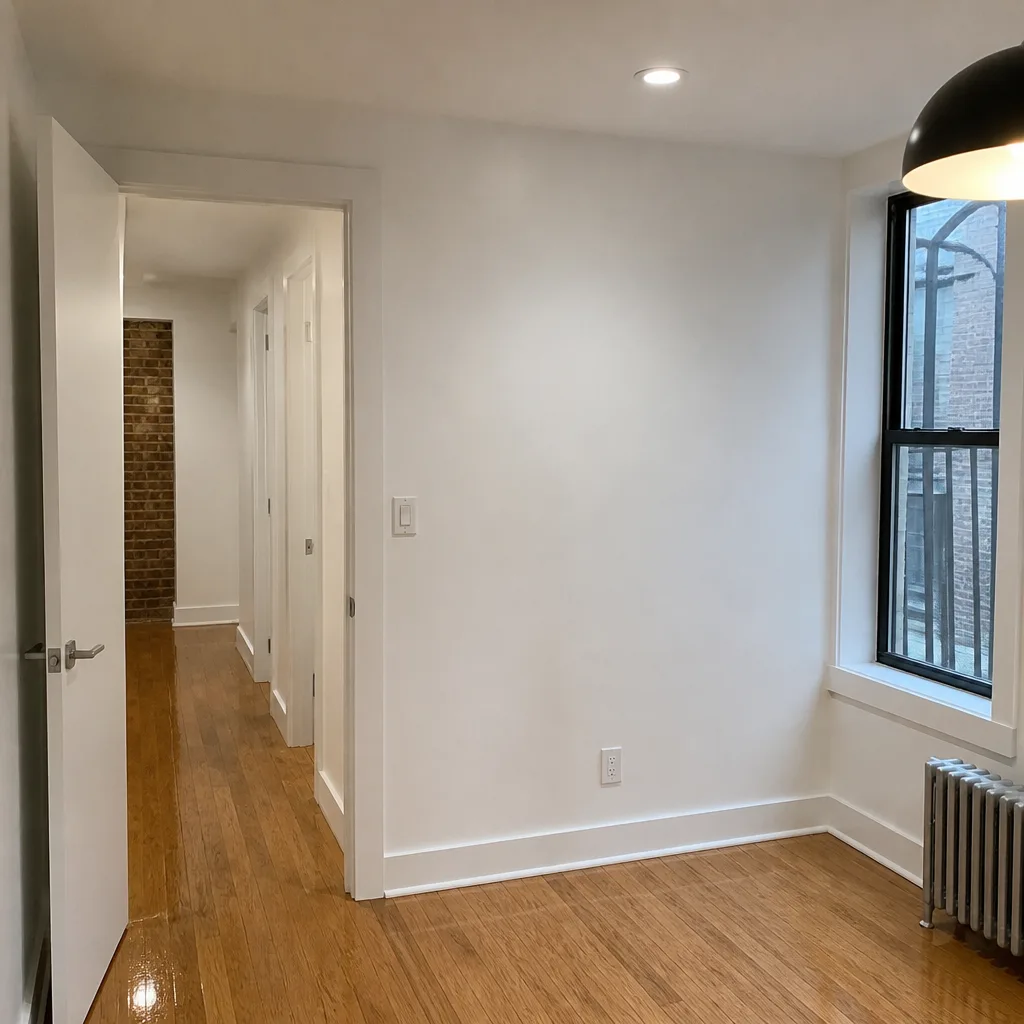 After
After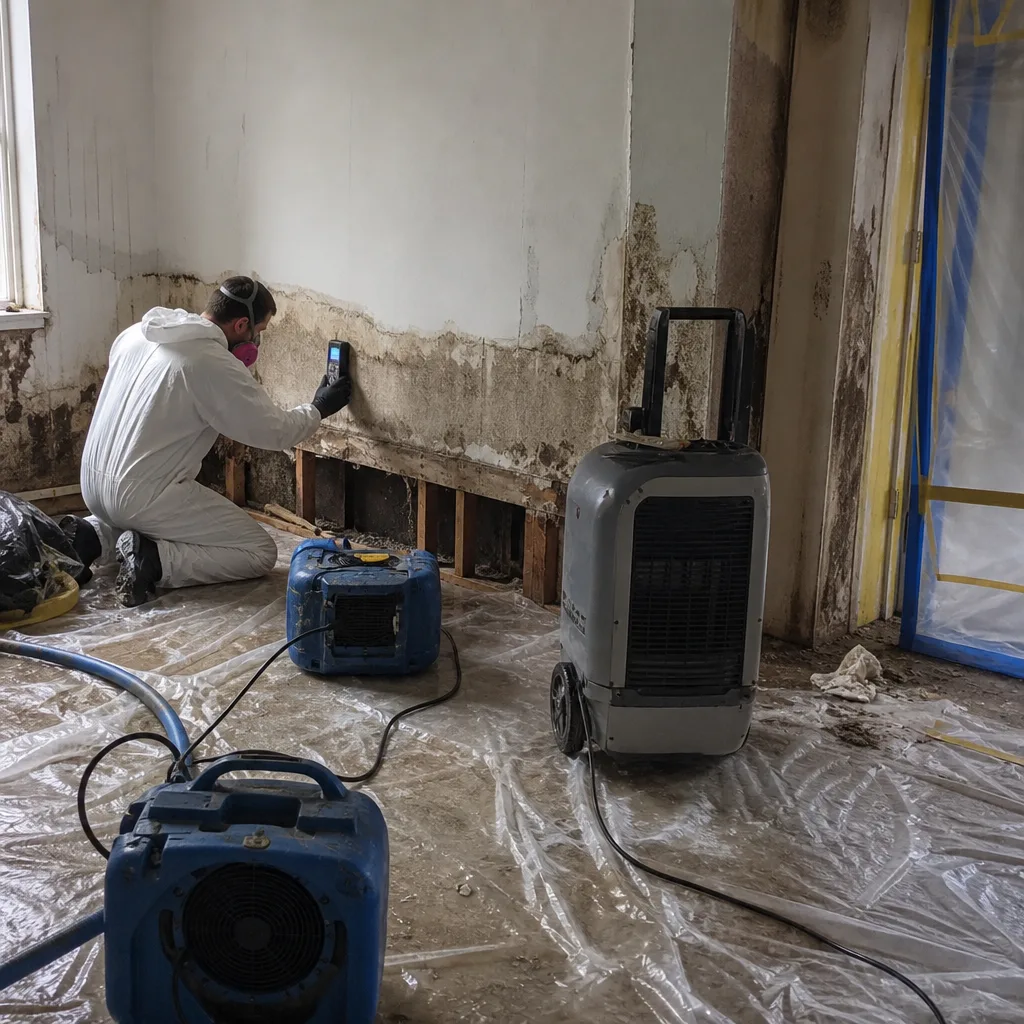 Before
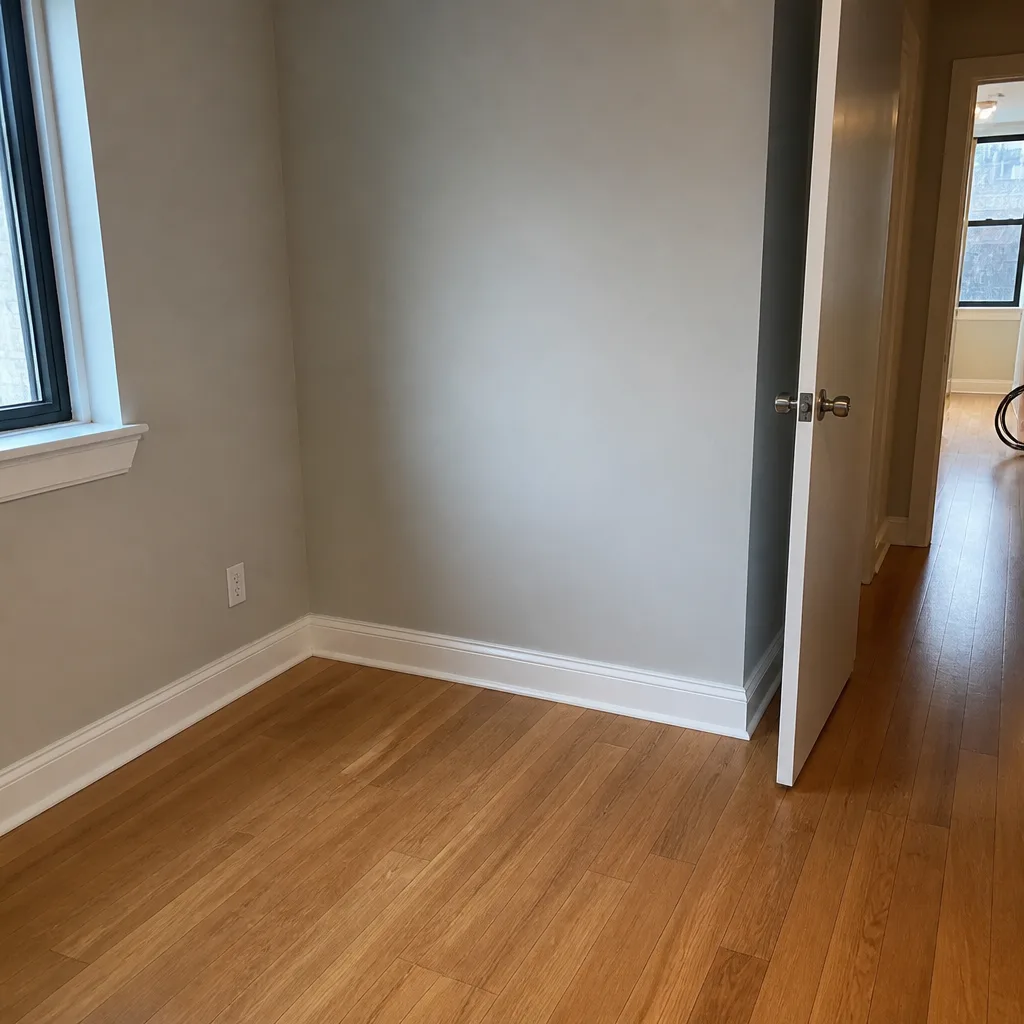 After
After24/7 Emergency Water Damage Restoration in Murray Hill
When water is moving through your Murray Hill apartment or brownstone right now, the first hour decides whether you’re dealing with a dry-out or a full-scale mold remediation. Floodline Restoration Co. answers the phone with a live dispatcher at 2 a.m., and our certified crews reach Murray Hill addresses fast enough to stop a Category 1 leak before it becomes a Category 3 problem. Call (845) 305-5737 now. We’ll walk you through the first thirty minutes on the phone, then have a uniformed technician at your door with professional-grade extraction equipment. The visual inspection is free, and we document everything from the first minute for your insurer.
Understanding Water Damage Restoration Severity in Murray Hill Properties
Water damage in Murray Hill doesn’t behave the way it does in a single-family house in the suburbs. The neighborhood’s pre-war brick apartment buildings, most built between the 1910s and 1940s, share vertical plumbing stacks and steam-heat risers that run through dozens of privately owned units. When a cast-iron drain stack fails on the 8th floor, the Category 3 water doesn’t just affect one apartment. It follows the pipe chase down through seven more units before anyone notices the stain on a ceiling. We classify water by contamination level: Category 1 is clean supply-line water, Category 2 carries soaps or biologicals, and Category 3 is sewage, storm backup, or anything that sat long enough to support bacterial growth. In Murray Hill, what starts as Category 1 from a burst radiator supply line can degrade to Category 3 in under 72 hours, because building management needs board sign-off and access coordination across multiple units before anyone can set an air mover. Moisture mapping with thermal imaging tells us where the water actually went, not just where it’s visible. Structural drying with LGR dehumidifiers and high-volume air movers then follows a documented daily log until we hit the dry standard. Cut the process short here and you’re leaving moisture in wall cavities that will bloom into mold behind the baseboards by week two.
Why Murray Hill Property Owners Choose Floodline Restoration Co.
- 45-minute response commitment for Murray Hill emergencies. A live dispatcher confirms the crew assignment while you’re still on the phone, and the technician calls you directly with an ETA.
- 24/7 live answer, every time. You’ll never reach a recording or an answering service. At 2 a.m., a real person picks up and starts the dispatch process immediately.
- IICRC-certified crews trained in WRT and ASD standards. Our technicians hold Water Damage Restoration and Applied Structural Drying certifications, plus RIA and IFA training. Uniformed, background-checked, and accountable by name.
- Free visual inspection with a written scope. We assess the damage, map the moisture, and hand you a line-item scope of work before any invoice is produced. You know the number before the work starts.
- Direct insurance billing and adjuster coordination. We photograph everything, log every moisture reading, and communicate directly with your carrier so you never play messenger.
- One team from first extraction to finished rebuild. The same crew that extracts the water dries the structure and handles the reconstruction. No mid-job handoff, no inherited crew that doesn’t know your building.
Our Water Damage Restoration Process
Inspection & Assessment
We start with thermal imaging and penetrating moisture meters to find every wet surface, including water that’s migrated behind baseboards and into wall cavities. You get a written scope with clear line items before any work begins.
Extraction & Stabilization
High-volume extractors pull standing water from floors, carpets, and subflooring. For burst pipes or radiator failures in stacked units, we coordinate with building management to shut off the supply at the riser and prevent further loss.
Drying & Dehumidification
LGR dehumidifiers, high-velocity air movers, and Injectidry systems for wall cavities move air across every wet surface. Daily moisture readings are logged for you and your carrier until the dry standard is met, typically 3 to 5 days in Murray Hill’s pre-war construction.
Cleaning & Sanitization
Every affected surface is cleaned with professional-grade antimicrobial products. For Category 3 water from combined-sewer backup, we establish containment with negative air pressure and HEPA air scrubbers before any material is disturbed.
Specialty Treatment for Pre-War Materials
Murray Hill’s original plaster, hardwood, and tile often respond to in-place drying better than replacement. But when we encounter asbestos-containing plaster or pipe insulation from the 1920s and 30s, we stop and coordinate abatement before any structural work proceeds. This is a known reality in these buildings, not an unexpected surprise.
Repairs & Restoration
When the structure is dry, the same crew handles the rebuild: drywall, trim, paint, flooring, and any cabinetry that couldn’t be saved. We match the existing finishes in pre-war units rather than leaving a renovation scar.
Need Emergency Water Damage Restoration in Murray Hill Now?
Crews minutes away, answering live 24 hours a day. The sooner we start, the less it costs.
Working With Your Insurance Company
Insurance claims for water damage in Murray Hill co-ops and condos routinely involve multiple adjusters: the unit owner’s carrier, the building’s master policy carrier, and sometimes the management company’s own loss consultant. We handle that coordination directly. Our documentation starts the moment we arrive, with photos of every affected room, moisture readings taken at each stage, and a drying log that shows the property reached the dry standard. The line-item scope of work we provide is written to the same software standards your insurer uses, which means fewer pushbacks and faster approvals. Curt Bowman has spent 15 years learning what adjusters actually need, and our crews deliver it without being asked.
What We Provide Your Insurer
- Thorough documentation of the loss
- Photos of all damage, room by room
- Moisture readings and drying logs
- A detailed, line-item scope of work
- Direct coordination with your carrier
Built for Murray Hill’s Loss Calendar
January and February in Murray Hill bring the deep freezes that burst uninsulated supply lines in exterior walls and through-wall AC sleeve penetrations. When the temperature drops below 20 degrees, we start getting calls about steam-heat radiator supply lines that let go in pre-war risers, flooding three or four stacked units at once. March and April turn snowmelt into basement seepage in the brownstone blocks along Lexington and Third Avenue, where old fieldstone foundations and aging combined sewers meet. Summer thunderstorms hammer the flat roofs and parapet walls on Murray Hill’s pre-war buildings, and the impervious urban surface means that rainfall has nowhere to go but down, into basements and cellars. Nor’easters in the fall bring wind-driven rain through aging roof membranes and around decades-old window flashing. Each season has a signature loss pattern, and 42 years of local experience means we’ve seen them all repeat enough times to anticipate what’s behind the wall before we open it.
Water Damage Restoration Across Murray Hill’s Neighborhoods
Murray Hill packs several distinct building types into a small footprint, and each responds differently to water. The tower blocks along First Avenue and Second Avenue, particularly around East 34th through East 39th Streets, are largely post-war elevator buildings with more modern plumbing but the same stacked-unit access challenges when a supply line fails. The mid-rise co-ops on East 36th through East 38th Streets between Park and Lexington are classic 1920s construction with original cast-iron drain stacks, and we know from hard experience that a stack failure there means Category 3 water traveling down multiple floors before the first complaint. The brownstone rows on East 35th and East 36th Streets east of Third Avenue have their own water issues: shallow cellars that flood when the combined sewer backs up during heavy rain, and aging supply lines that run under original hardwood. The Murray Hill Historic District around Lexington Avenue and East 37th Street carries additional restoration constraints because any structural repair requires Landmarks Preservation Commission review before permits are issued. Our crews know which buildings fall in the historic district boundaries and plan the paperwork accordingly.
Specialized Water Damage Restoration Services We Offer in Murray Hill
Emergency Water Extraction
Standing water in a Murray Hill apartment is an emergency, not a weekend project. Our extraction crews arrive with truck-mounted and portable extractors that pull hundreds of gallons per hour from floors, carpets, and subflooring. In multi-floor co-op leaks, we extract from every affected unit in the same visit, not just the one where the leak originated.
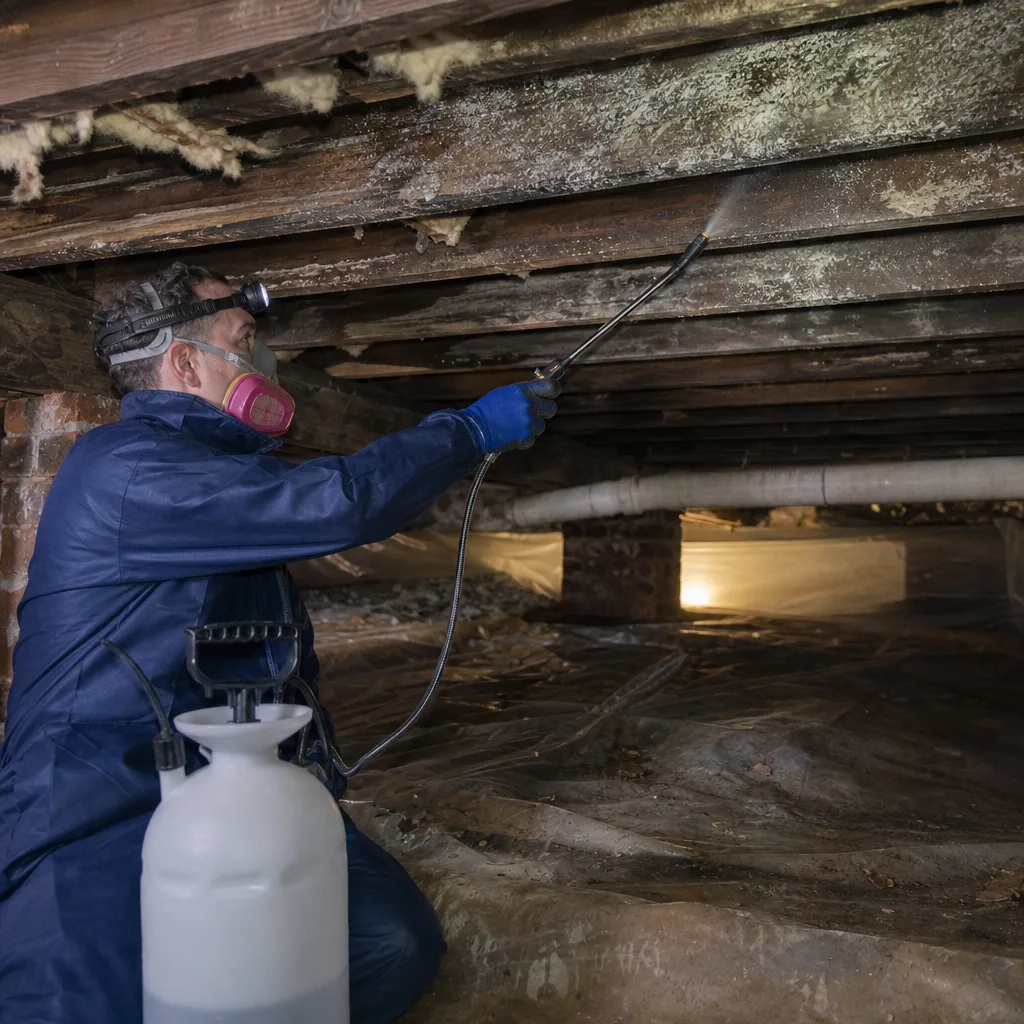
Structural Drying & Dehumidification
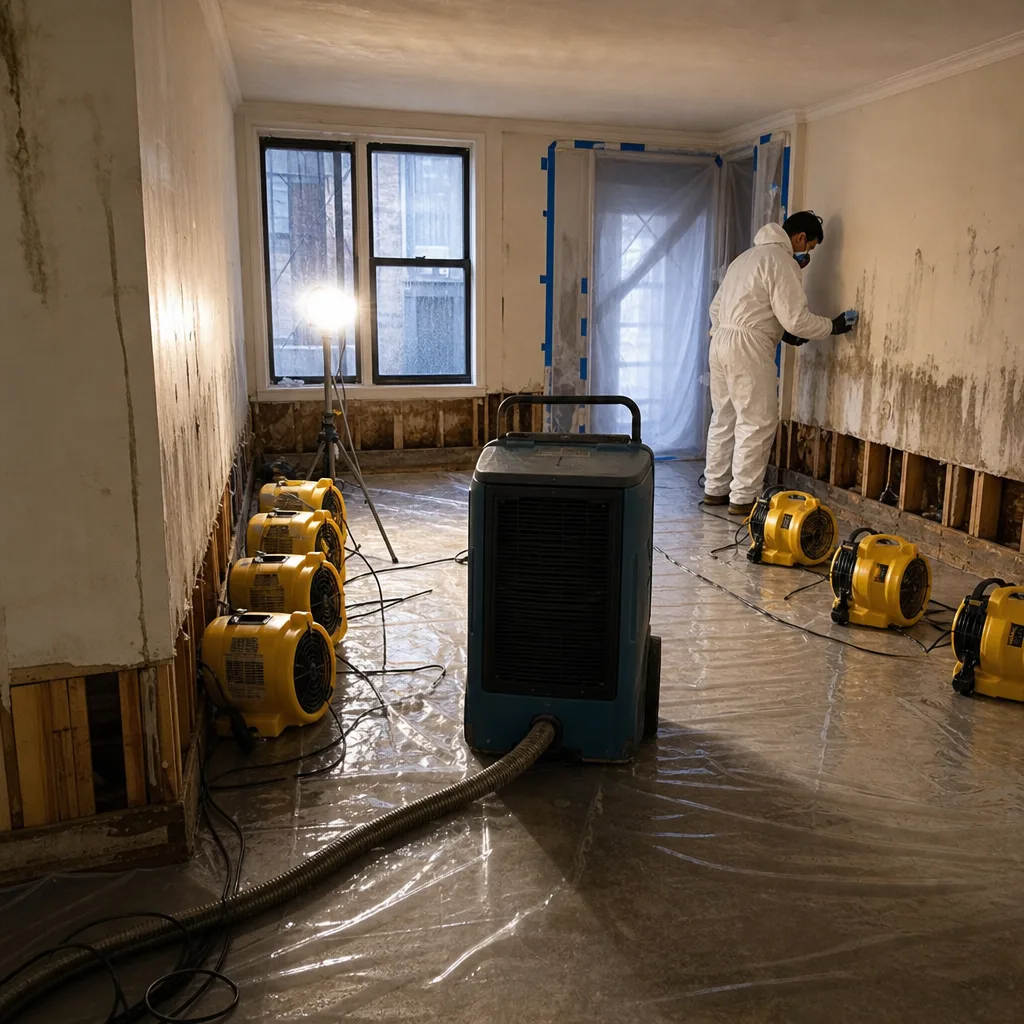
Drying a pre-war Murray Hill apartment requires moving air through wall cavities and under hardwood, not just across the surface. We use Dri-Eaz LGR dehumidifiers, Phoenix air movers, and XPOWER axial fans placed according to a moisture map we create on day one. Injectidry systems push dry air into wall and ceiling cavities that can’t be reached any other way. Daily hygrometer readings and moisture meter readings build the log your co-op board and insurer will want to see.
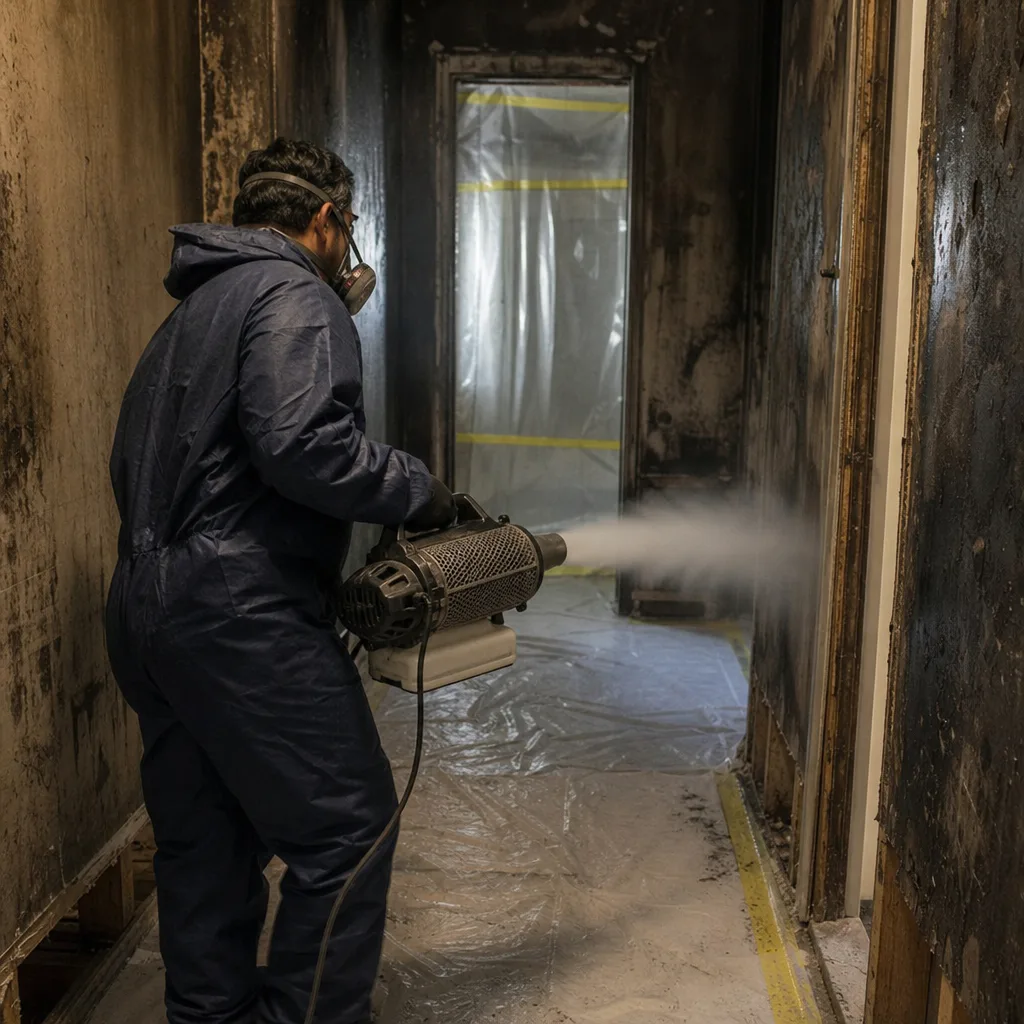
Flood Cleanup
Combined-sewer backups during heavy rain push Category 3 water into basements and cellars throughout Murray Hill’s brownstone blocks. Flood cleanup here means full containment, antimicrobial treatment, and disposal of saturated materials that can’t be properly sanitized. We coordinate with the building’s plumber to confirm the backup is cleared before we begin restoration, so the water doesn’t come back the next time it rains.
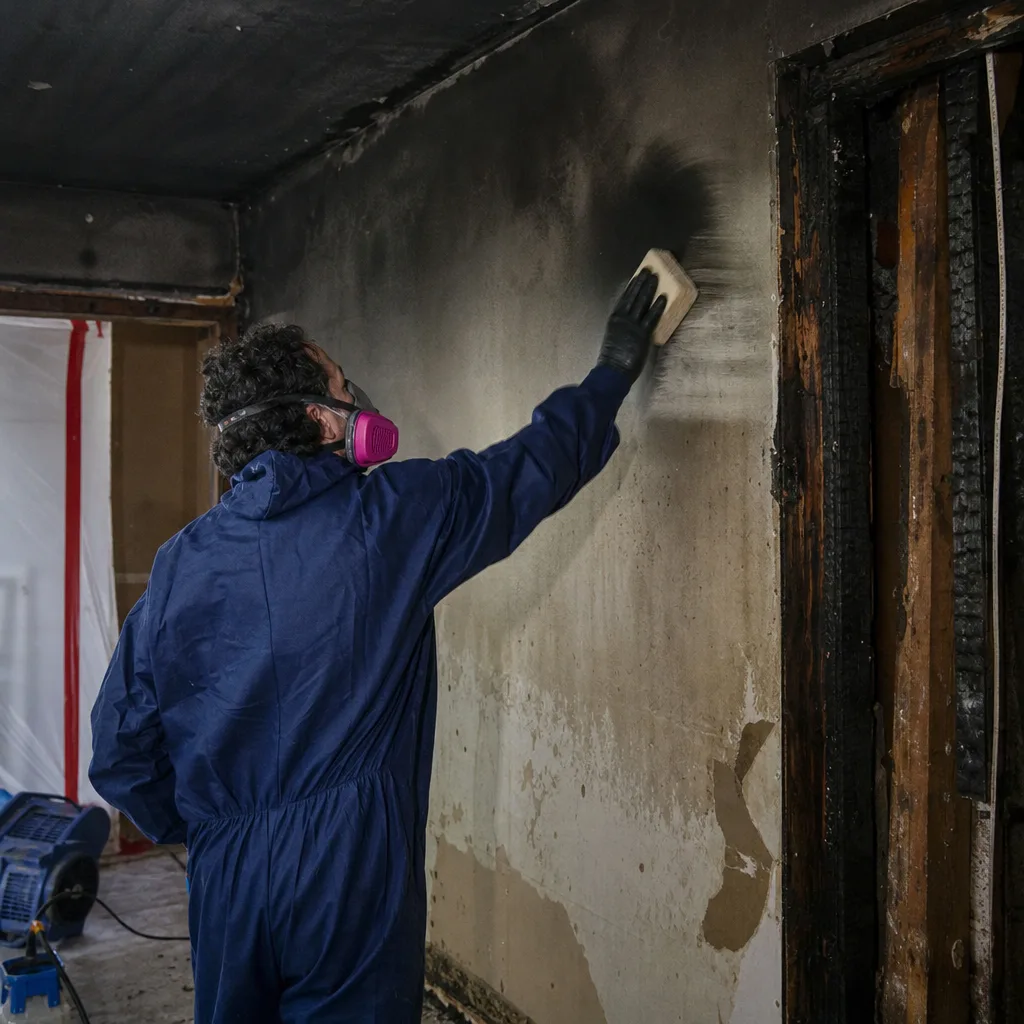
Burst Pipe Restoration
A burst supply pipe in a pre-war riser is one of the most common losses we handle in Murray Hill. Hot water at 180 degrees from a steam-heat system saturates plaster, hardwood, and everything in its path. Our crews isolate the supply, extract quickly, and then focus on drying the structure rather than gutting it. Where original plaster can be saved with in-place drying, we save it. Where it can’t, we cut clean lines and rebuild to match.
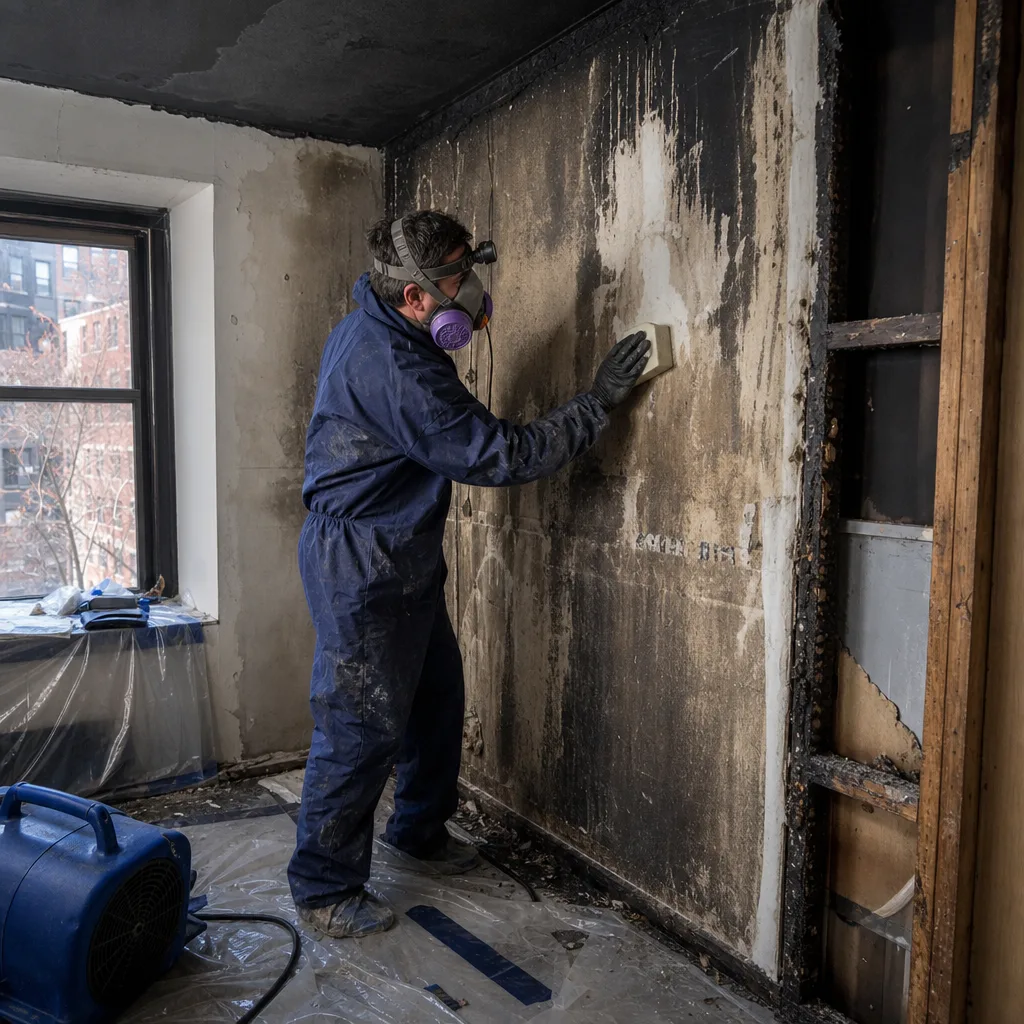
Basement Water Removal
Brownstone cellars and co-op basement storage rooms flood when heavy rain overwhelms the combined sewer. We pump the water, remove saturated debris, and dry the space with industrial dehumidifiers. In cellars with original fieldstone foundations, we pay particular attention to moisture wicking up the walls, which can undermine stored belongings and create a persistent musty odor long after the standing water is gone.
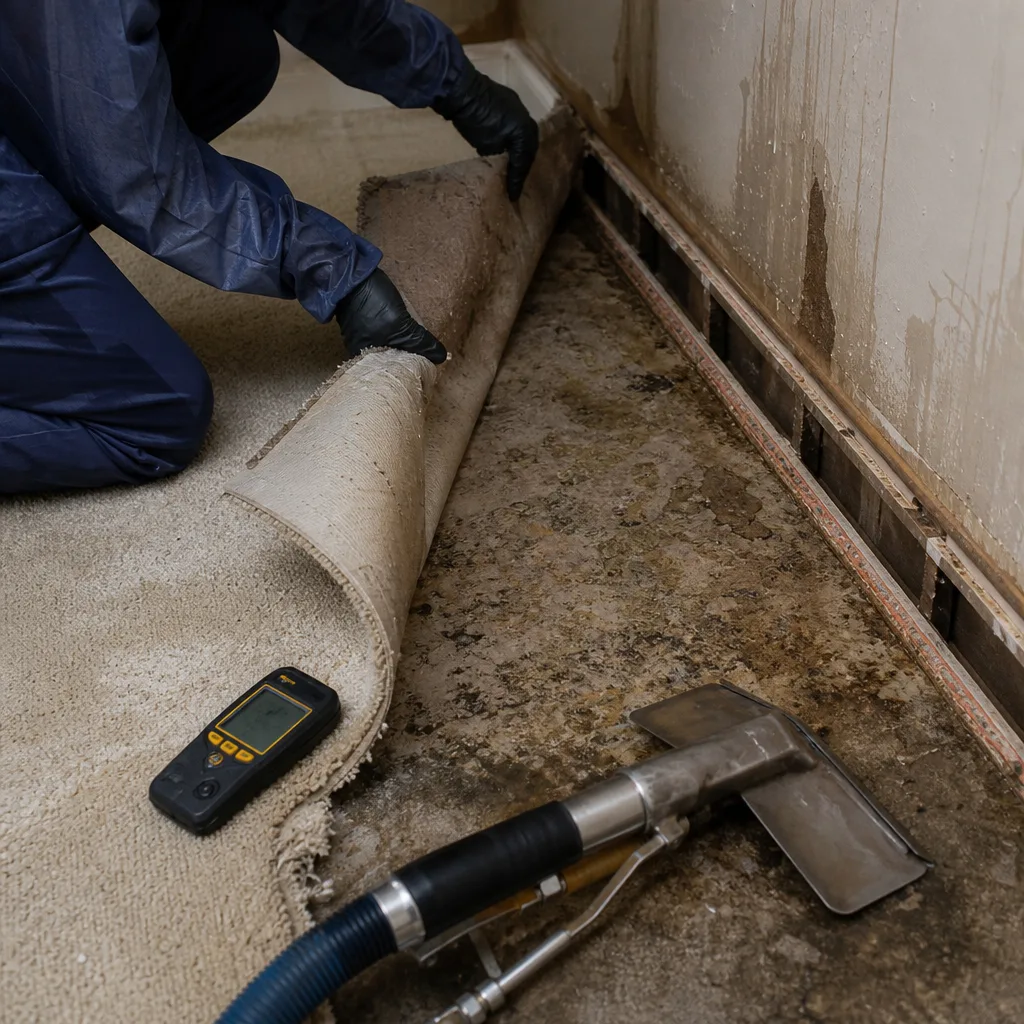
Ceiling & Roof Leak Water Damage
Flat-roof leaks on Murray Hill’s pre-war buildings send water down through the roof membrane, across the roof deck, and into the ceiling of the top-floor unit, often days or weeks after the rain stopped. We trace the migration path with moisture mapping, dry the ceiling cavity from below when possible, and coordinate with the building’s roofer or waterproofing contractor so the restoration isn’t undone by the next storm.
What happens when you call
- 1
A real person answersNo phone trees - you reach a local pro.
- 2
You get an upfront price rangeHonest numbers before anyone is dispatched.
- 3
A background-checked tech heads outLicensed & insured, dispatched right away.
- 4
You approve before work beginsNothing starts until you say go.
Water Damage Restoration Costs in Murray Hill, NY
Water damage restoration in Murray Hill runs higher than the national average because of the building access and coordination realities, not because contractors inflate prices. A typical Category 1 clean-water extraction and dry-out in a single apartment runs $1,800 to $3,400. That covers extraction, equipment placement, 3 to 5 days of drying with daily monitoring, and final moisture verification. A Category 3 sewage backup in a brownstone cellar runs $3,500 to $7,500, because it requires containment, antimicrobial treatment, and disposal of saturated materials. When a burst radiator supply line floods three stacked units in a 1920s co-op, the restoration cost lands between $6,000 and $14,000 depending on how much original plaster and hardwood survives in-place drying. Board-approval delays add $400 to $900 in additional drying days when mold activity begins before we can set equipment. The free visual inspection gives you a firm number before you commit to anything.
We Also Serve Cities Near Murray Hill
Our Water Damage Restoration service extends throughout Manhattan and the surrounding areas. Call the same live dispatch line for emergency and planned work in Upper West Side, Upper Manhattan, Morningside Heights, and Central Harlem.
Water Damage Restoration in Murray Hill: A Closer Look at Board Approval Delays
Here’s the thing that no generic restoration page will tell you about Murray Hill: the single biggest mold-risk factor in this neighborhood isn’t the water itself. It’s the 24 to 48 hour delay between detecting the leak and getting authorization to start the dry-out. Co-op boards have to be notified. Building management has to coordinate access across multiple privately owned units. The super has to be available to open doors and shut off the riser. Meanwhile, a wet drywall cavity at 68 degrees and 70% relative humidity becomes a mold incubation chamber in about 72 hours. We’ve seen it happen. A clean-water burst on a Wednesday that waits for a Thursday board call and a Friday access window is already showing early microbial activity when we finally get inside. That’s why we document everything from the first phone call. We write down when the leak was discovered, when the board was notified, and when we were authorized to enter. That timeline matters to your insurer, and it matters to your health. When the board does approve, we move fast. Our crews work with extended hours, and we’ve completed emergency dry-outs in 1920s co-ops on East 36th Street and East 37th Street where we started extraction the same day the access letter went out.
Last winter we were called to a 1920s co-op on East 36th Street where a burst radiator supply line had sent hot Category 1 water through three floors of stacked apartments. Our techs used moisture mapping and thermal imaging to trace the migration path, then set containment and ran structural drying with LGR dehumidifiers and air movers while the board coordinated access to the two units below. We documented every moisture reading and drying log entry for the adjusters and the co-op’s insurance carrier, and within five days we returned the affected units to pre-loss condition.
The cast-iron drain stacks in these pre-war buildings are another story entirely. They’ve been in service since Calvin Coolidge was president, and when they finally split, the Category 3 water that comes out has been sitting in the stack for decades. We handle full pack-out when needed, antimicrobial treatment of every surface the water touched, and structural drying of the wall cavities that the sewage wicked into. Access restrictions across privately owned co-op units mean we often have to dry in phases, moving equipment as each unit becomes available. Our drying logs reflect that reality, with moisture readings taken behind baseboards and under flooring where hidden moisture likes to linger.
Serving Murray Hill, NY - Our Local Coverage Area
We’re based in the Murray Hill area and know this community well. Use the map below to see our service coverage - if you’re nearby, we can almost certainly help.
Murray Hill Water Damage Restoration Questions, Answered
How do we get water damage restoration started in a Murray Hill co-op when the board hasn’t approved access yet?
We start by documenting the loss from the outside and from your unit. Photos, thermal imaging through walls where possible, and a written timeline that shows exactly when the leak started and when you contacted the board. That documentation becomes part of the insurance record while you wait for access. When the board does approve, our crews are pre-staged and ready to begin extraction the same day. Call (845) 305-5737 and we’ll help you draft the access request to your management company - we’ve seen the same letter work in buildings across Murray Hill.
What’s the biggest difference between water damage restoration in Murray Hill’s pre-war buildings and newer construction?
Pre-war building materials respond differently to water, and that changes the restoration approach. Original plaster and hardwood can often be saved with in-place drying, while modern drywall and engineered flooring are usually removed and replaced. But the real difference is access. In a newer building with a single owner, we start work the hour you call. In a Murray Hill co-op, we’re coordinating with the board, the management company, and multiple unit owners, which adds 24 to 48 hours to the timeline and makes aggressive drying that much more important once we’re inside.
How do you handle Category 3 water from a backed-up combined sewer in Murray Hill brownstones?
Category 3 water means full containment, antimicrobial treatment, and disposal of saturated porous materials. We set up negative air pressure with HEPA air scrubbers before we disturb anything, because sewage backup aerosolizes bacteria and viral material. Carpet, padded furniture, and drywall that wicked Category 3 water are removed and bagged for disposal. Hard surfaces that can be properly cleaned are cleaned and treated. The affected area is dried, then clearance-tested before the space returns to normal use.
Can you dry out a steam-heat radiator leak in a Murray Hill co-op without tearing out all the original plaster?
Often, yes. Original plaster from the 1920s and 1930s is denser and more moisture-resistant than modern drywall, and it often responds well to in-place drying with air movers and dehumidifiers running in the room. The challenge is the wall cavity behind the plaster, where the steam line runs. We use Injectidry systems to push dry air into the cavity through small access holes, which can be patched invisibly afterward. If the plaster is sagging, detached, or already contaminated, then removal is the honest answer. But we’ll show you the moisture readings and explain the decision before anyone starts cutting.
Why does mold grow so fast after a water leak in Murray Hill apartments?
It’s a combination of building age, climate, and the access delay. Murray Hill’s pre-war buildings maintain consistent indoor temperatures year-round because of the steam heat systems, which means the interior is always warm enough for mold. The delay caused by board approval and multi-unit coordination means water sits in wall cavities for 48 hours or more before drying begins. At that point, mold spores that were already present in the old plaster and wood framing have had time and moisture to activate. That’s why we prioritize documentation of the delay and aggressive drying once we’re inside, so the mold window closes before it opens.
How fast can you actually get to a Murray Hill address in an emergency?
We commit to 45 minutes from the time you hang up the phone, and the dispatcher gives you a direct number for the technician assigned to your call. Murray Hill is a small neighborhood, and our crews are dispatched from the New York City office with equipment already loaded. In practice, most calls are answered in under 30 minutes. Call (845) 305-5737 and you’ll talk to a live person who can confirm the ETA while you wait.
Will my insurance cover water damage restoration in a Murray Hill co-op?
In most cases, yes. Co-op and condo policies in New York typically cover water damage to the interior of the unit, while the building’s master policy covers the common plumbing systems and structural elements. The overlap can be confusing, which is why we work directly with both carriers, provide the documentation each one needs, and bill them directly. You get a clear explanation of what’s covered under your policy and what falls under the building’s, before you authorize any work. Estimates are free.
What should I do in the first 30 minutes after discovering water damage in my Murray Hill apartment?
First, shut off the water supply if you can identify the source and reach the valve safely. If it’s a radiator or steam line, call the building super immediately, then call us at (845) 305-5737. Photograph everything before you move anything, because the insurance claim starts with those first photos. Don’t use a household vacuum or shop vac on standing water. Don’t turn on ceiling fans or the HVAC system, which can spread moisture and contaminants. Don’t wait for the board to call you back - call us, and we’ll help you document the loss from the first hour, which protects your claim.
Water damage in Murray Hill moves fast, and so do we. Whether it’s a burst steam line flooding three floors of a 1920s co-op on East 36th Street or a combined-sewer backup filling a brownstone cellar on East 35th, the right response in the first hours is what separates a dry-out from a rebuild. Our Water Damage Restoration in Murray Hill crews carry professional-grade Dri-Eaz and Phoenix equipment, know the neighborhood’s buildings by address, and handle the board, the adjusters, and the paperwork so you don’t have to. The 90-Day Done Right Promise, our written guarantee, stands behind every job we do. Call (845) 305-5737 now for a free visual inspection and an honest scope of work. A live person answers, day or night.
Written by Curt Bowman, Owner at Floodline Restoration Co., serving Murray Hill and the surrounding New York City area since 2010.