

Free visual inspection and a written scope of work before any mitigation begins - photos, moisture readings, and drying logs go in your claim file
The scope we write is the scope we bill. Anything new gets shown to you, in writing, before we touch it.
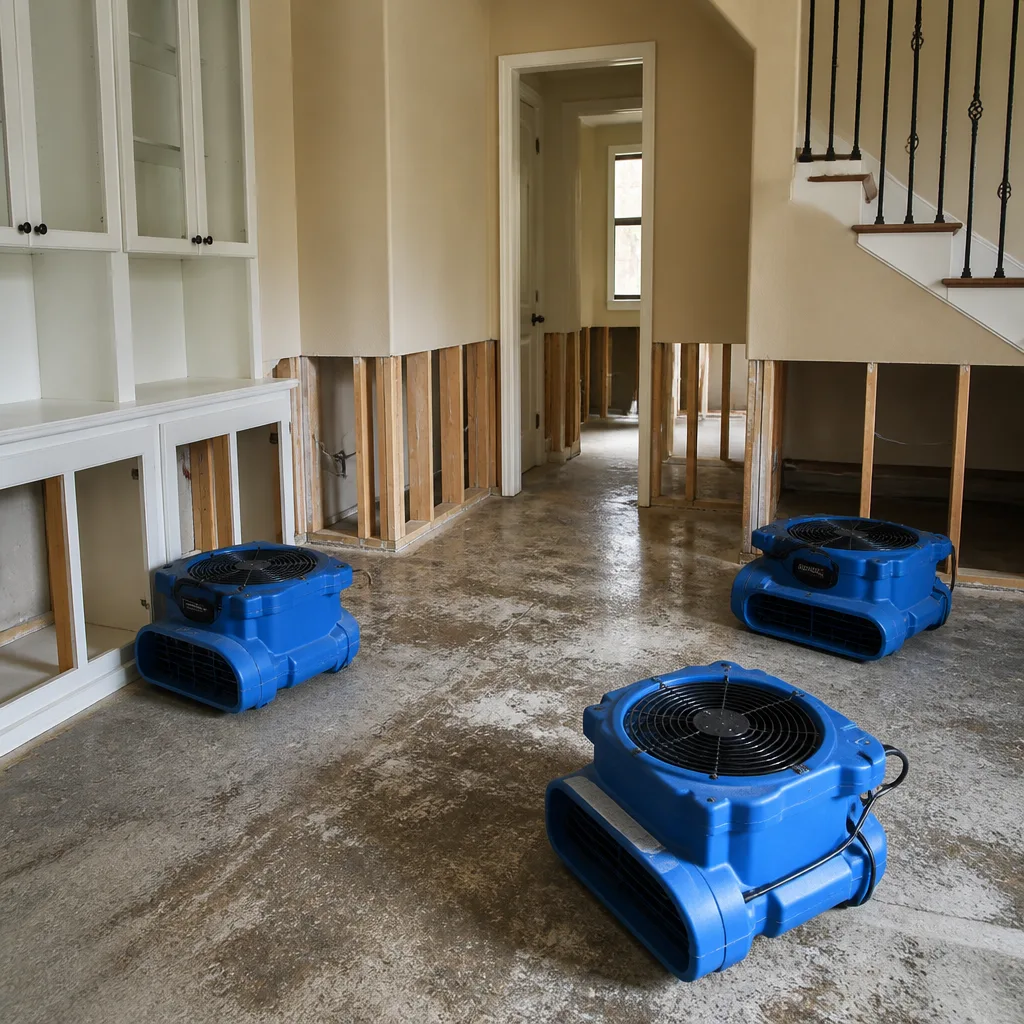
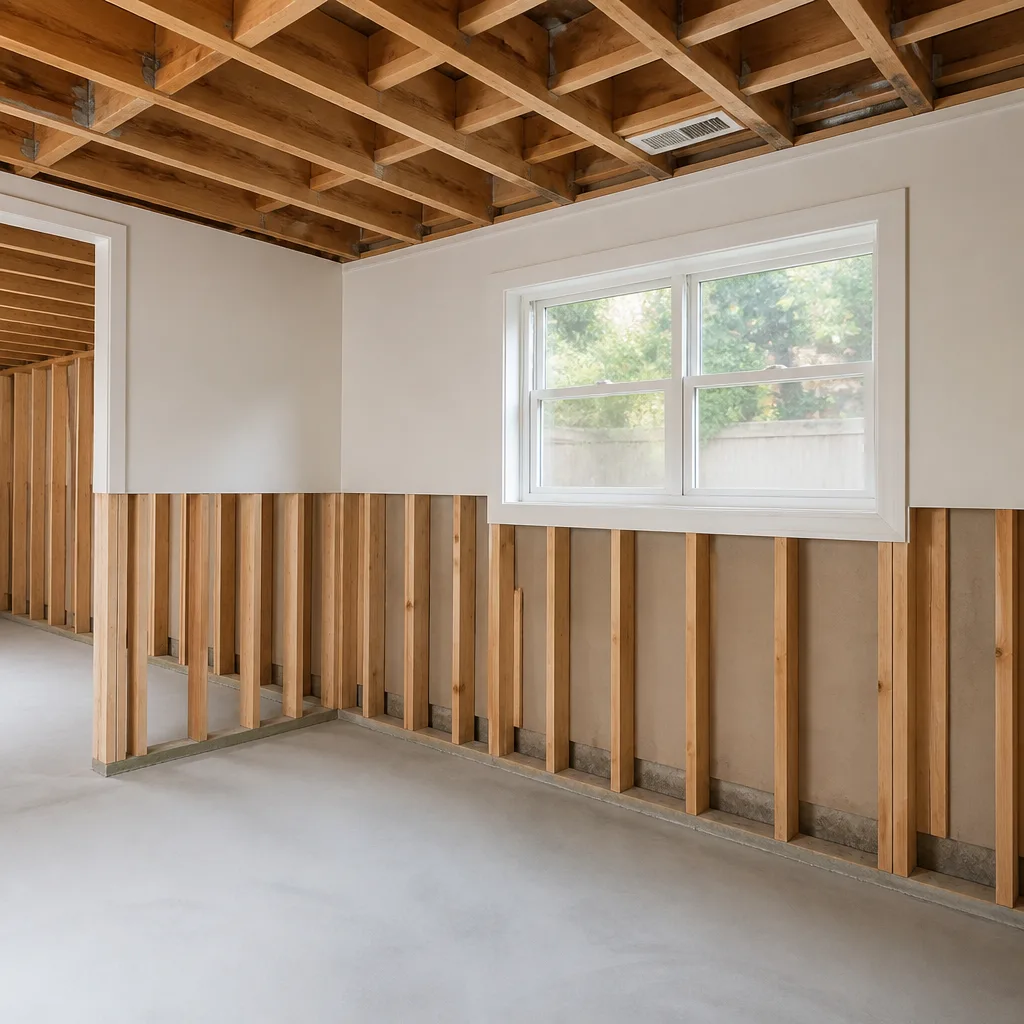
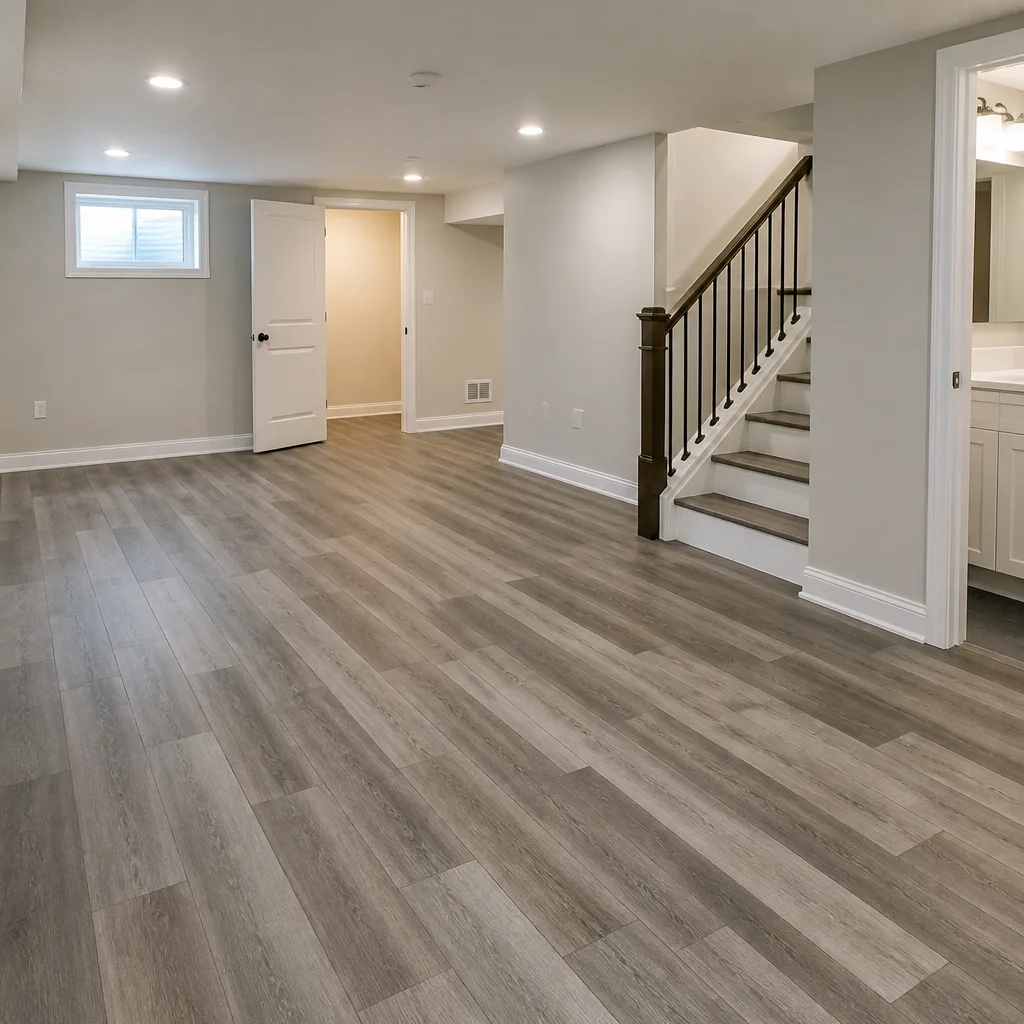
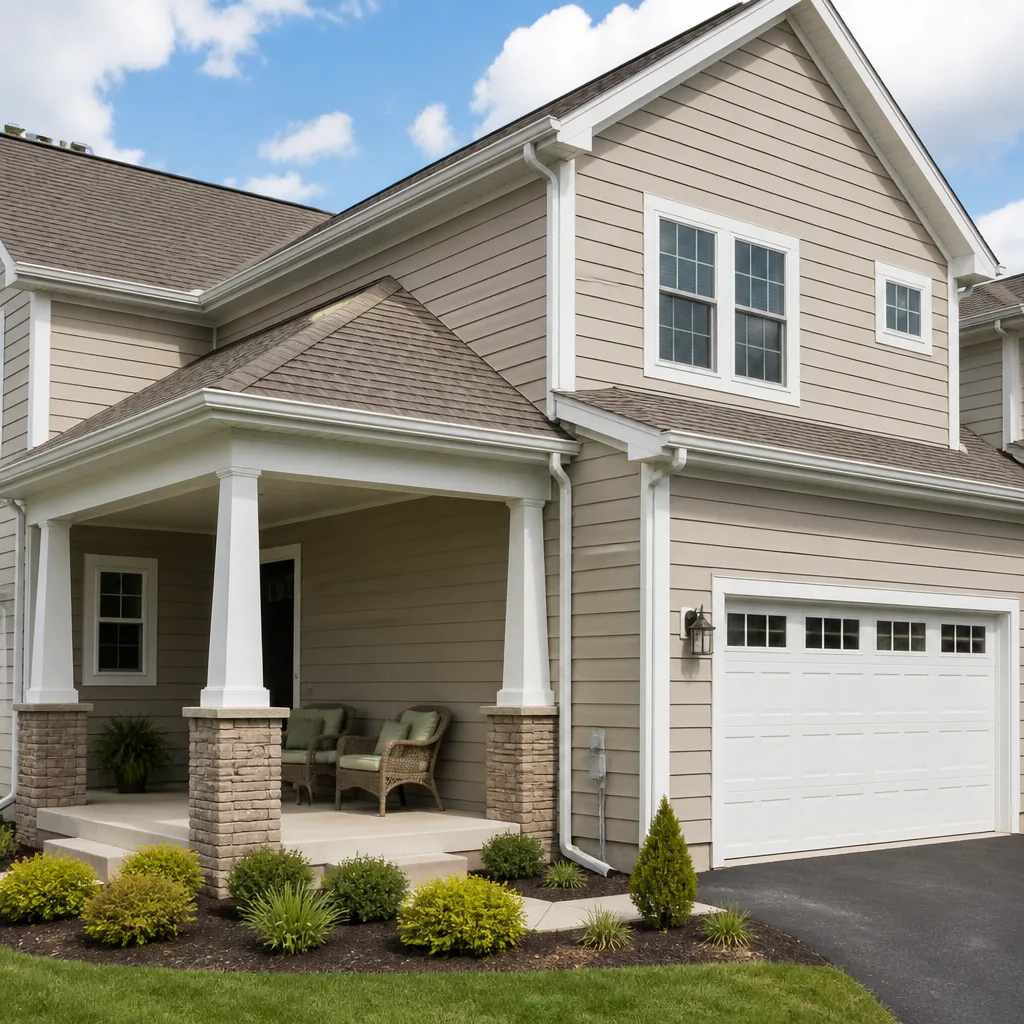
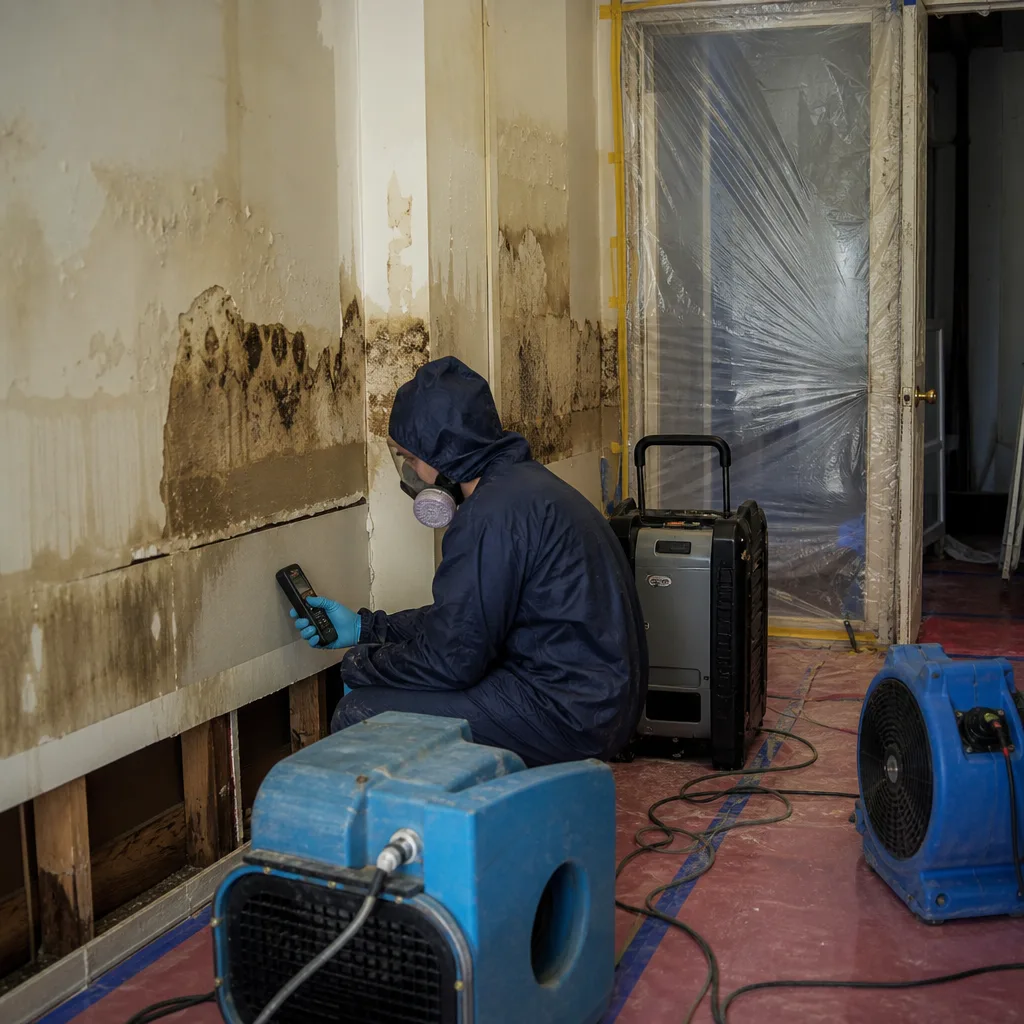 Before
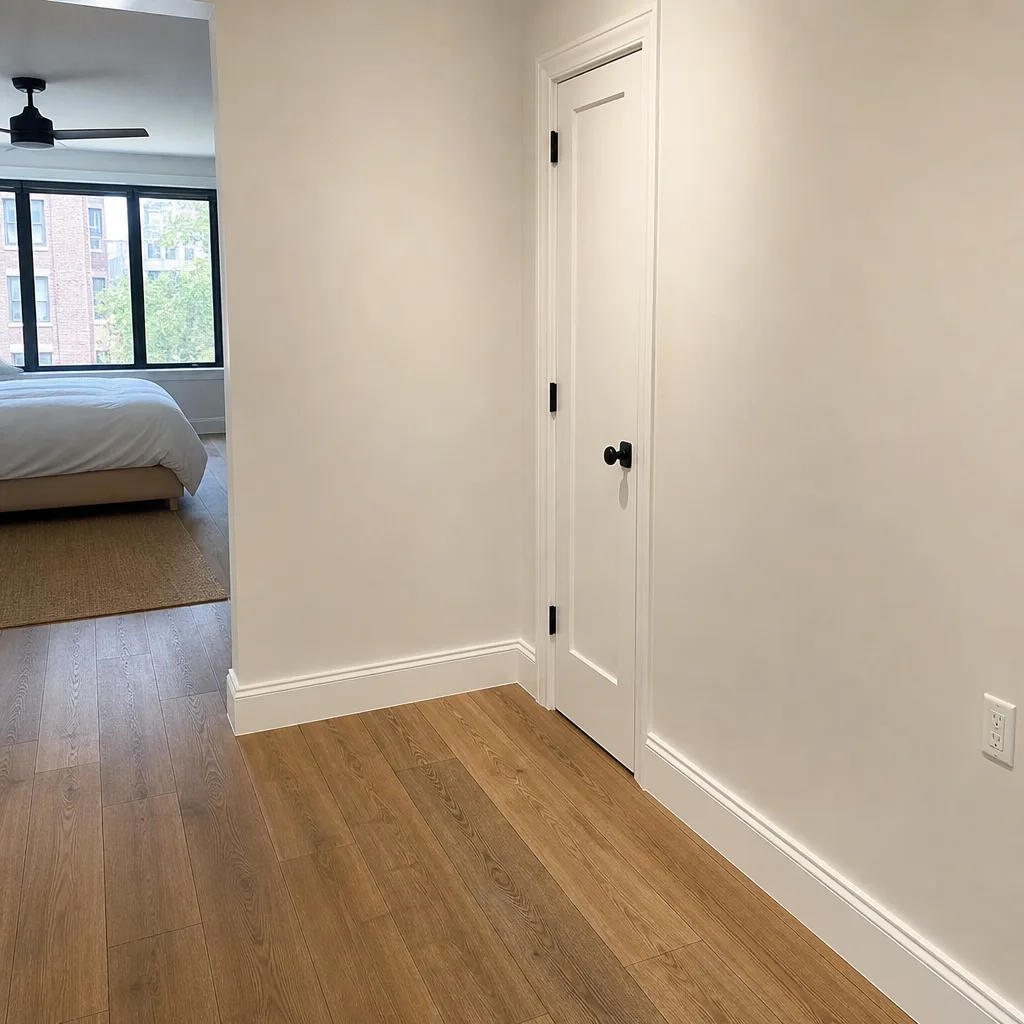 After
After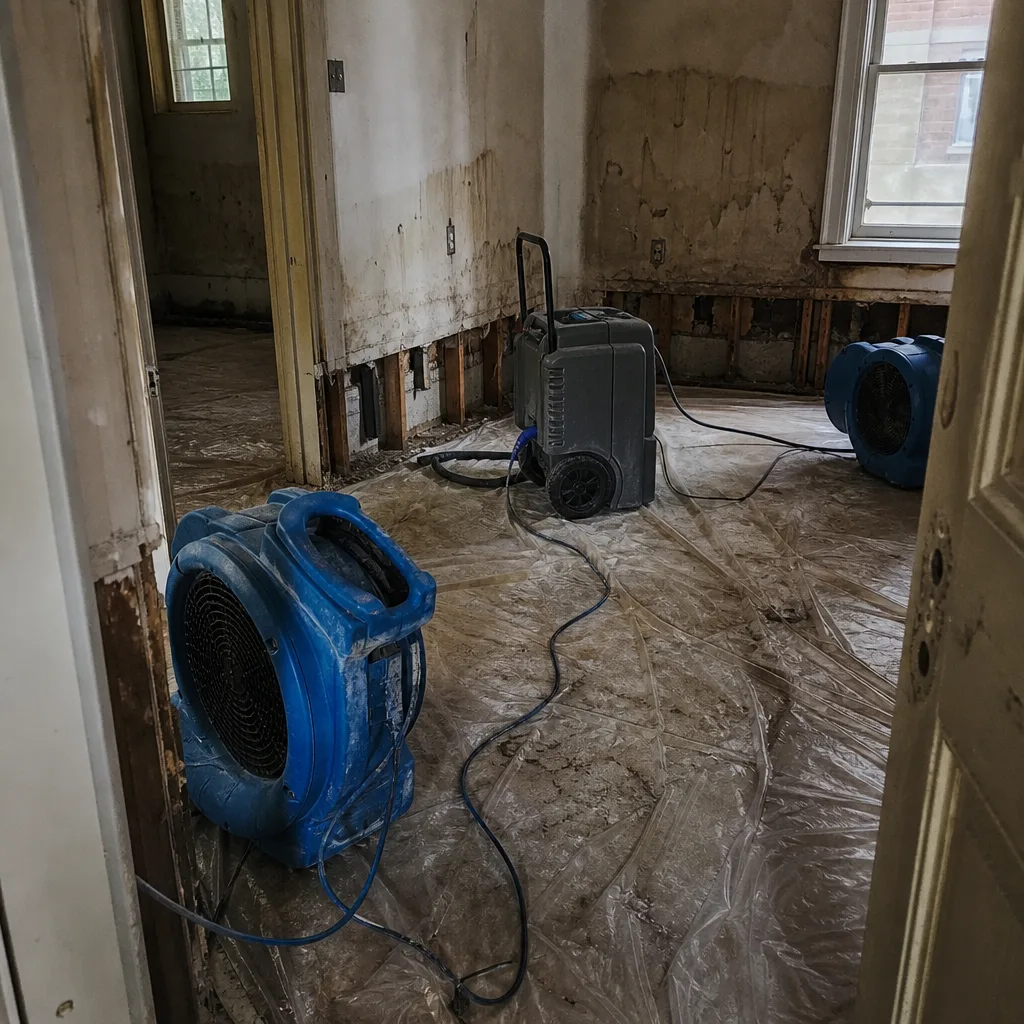 Before
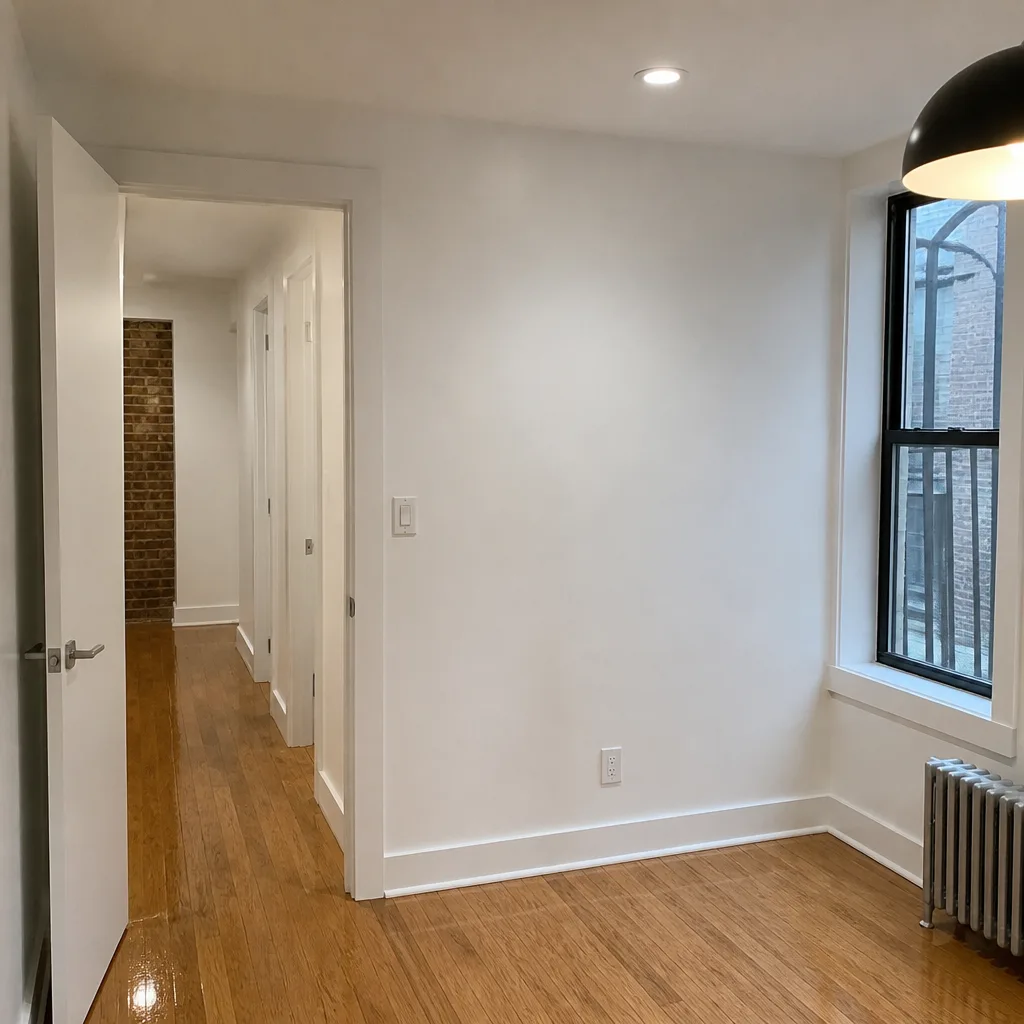 After
After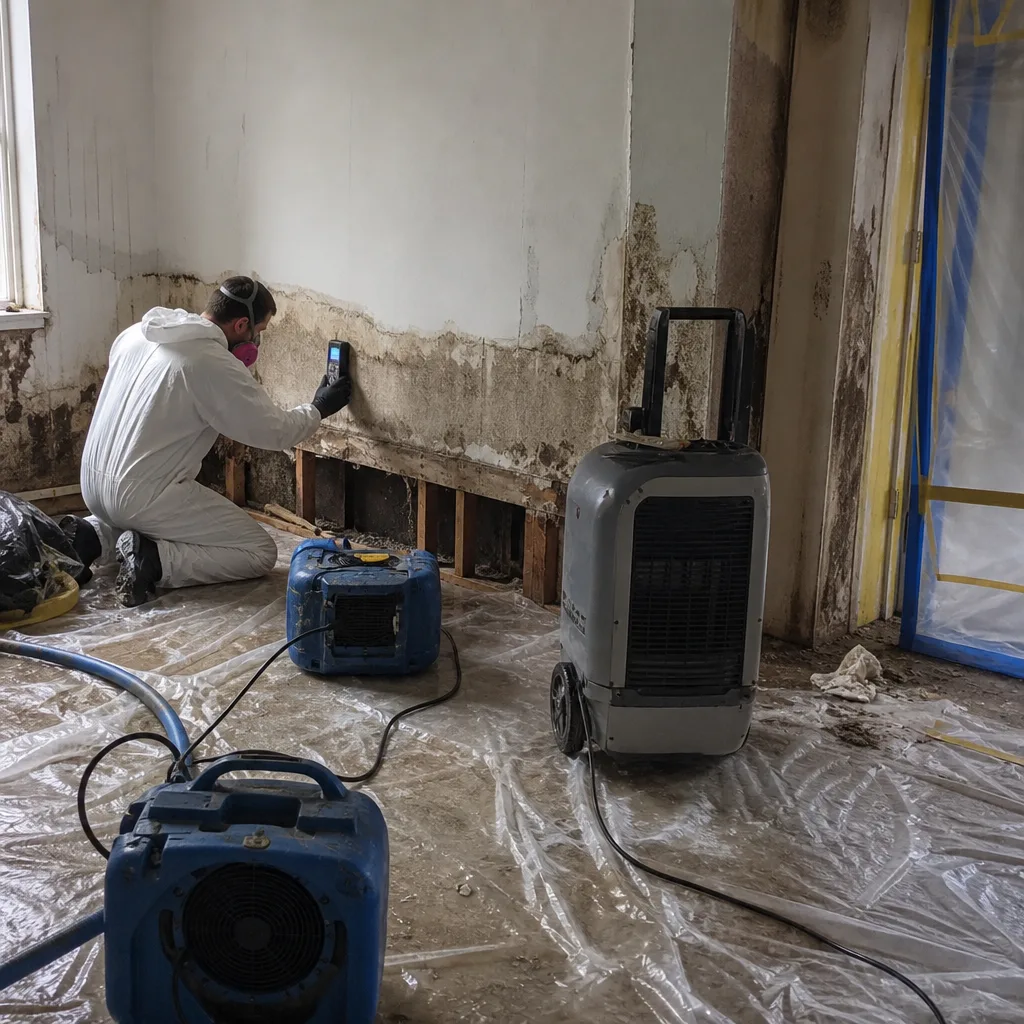 Before
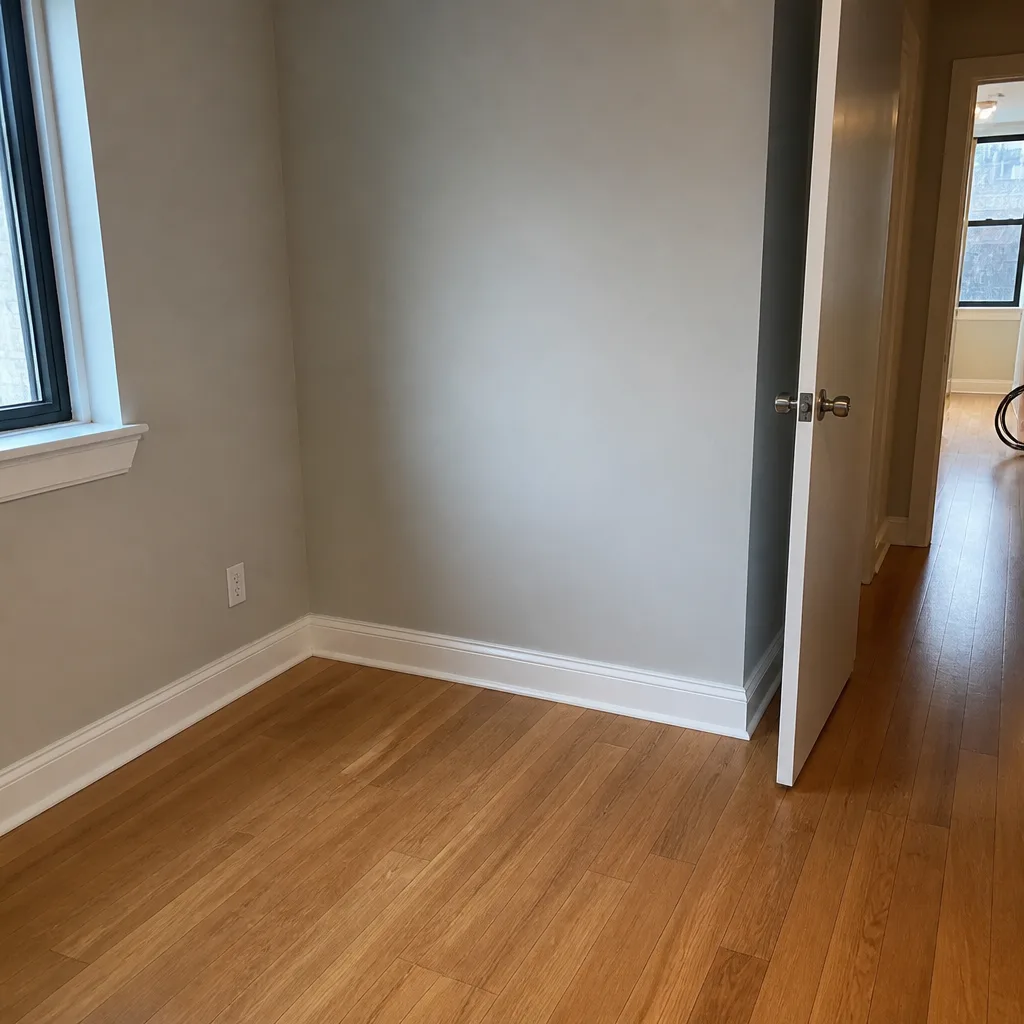 After
After24/7 Emergency Water Damage Restoration in Edgewater
Water damage restoration in Edgewater typically costs between $1,800 and $6,500 for a standard single-unit event, and a crew can usually be on site within 45 minutes of your call. A live dispatcher answers (845) 305-5737 at 2 a.m., not a recording. We start extraction the same visit because water does not wait for business hours, and neither do the materials in an Edgewater condo tower or a house tucked against the Palisades.
Why the first hour matters here more than in most towns: Edgewater sits between the Hudson River and a vertical rock face. When water gets into a building, it moves down through floor assemblies, elevator shafts, and pipe chases faster in high-rise construction than in a single-family house. The sooner we get air movers and dehumidifiers running, the less drywall, flooring, and cabinetry you lose. Call now for a free visual inspection. We will tell you what you are looking at before any work is authorized.
Understanding Water Damage Restoration Severity in Edgewater Properties
Edgewater has two distinct water damage profiles, and we classify them differently. On the river side, Hudson River surge during nor’easters and hurricanes brings Category 3 water: saltwater mixed with sewage, fuel residue, and debris. That requires full containment, disposal of affected porous materials, and antimicrobial treatment. On the cliff side, Palisades groundwater seepage and surface runoff produces Category 2 water: rain and soil water with some contamination but no sewage. It still demands structural drying and sanitization, but the scope is different.
In high-rise buildings along River Road, a single pipe burst on an upper floor sends Category 1 water (clean supply water) down through multiple units. That water picks up drywall dust, adhesives, and whatever is in ceiling cavities as it travels, often degrading to Category 2 by the time it reaches the third or fourth unit below. Moisture mapping with thermal imaging and hygrometers tells us exactly where the water went, not just where it pooled. In Edgewater’s older upland homes, the same applies but with fewer stacked units and more basement-level intrusion.
Why Edgewater Property Owners Choose Floodline Restoration Co.
- 45-minute response commitment. When you call (845) 305-5737, a live dispatcher logs the job and a crew in the Edgewater area is moving within the hour, often faster.
- 24/7 live answer, always a person. No phone tree, no automated system. At 2 a.m. you speak to someone who can dispatch immediately.
- IICRC-certified crews. Our technicians hold WRT (Water Damage Restoration Technician) and ASD (Applied Structural Drying) certifications, with AMRT training where mold is a factor.
- Free visual inspection. We walk the loss with you, explain what we see in plain English, and give you a written scope before any equipment gets plugged in.
- Direct insurance billing. We deal with your carrier and your adjuster. You never carry the paperwork back and forth.
- One team from extraction to reconstruction. The crew that pulls the water out is the crew that rebuilds the wall. No mid-job handoff, no inherited subcontractor you never met.
Led by Curt Bowman, Floodline Restoration Co. has been doing this work since 2010. More on how we stand behind the result below.
Our Water Damage Restoration Process
Inspection & Assessment
We arrive, map the moisture with thermal imaging and hygrometers, and classify the water: Category 1, 2, or 3. In Edgewater this classification step drives everything, because river surge and cliff seepage are handled under different protocols.
Extraction & Stabilization
Standing water comes out first with truck-mounted and portable extraction units. We stabilize the area, stop the source if it is still active, and protect undamaged rooms from cross-contamination.
Drying & Dehumidification
Professional-grade Dri-Eaz and Phoenix dehumidifiers, XPOWER air movers, and Injectidry systems for wall cavities and under cabinetry. Daily moisture readings are logged until the dry standard is met, and that log goes to you and your carrier.
Cleaning & Sanitization
HEPA air scrubbers run during demolition and drying. Affected surfaces get antimicrobial treatment appropriate to the water category. For Category 3 water, porous materials are removed and disposed of under containment.
Structural Drying Verification
We do not just let the equipment run. We check readings daily, adjust placement as needed, and document the entire drying curve. You get a copy. Your adjuster gets a copy.
Repairs & Restoration
Floodline rebuilds what needs rebuilding: drywall, trim, flooring, paint. The same uniformed crew that pulled the water out finishes the job. It is done right, and we put that promise in writing.
Need Emergency Water Damage Restoration in Edgewater Now?
Crews minutes away, answering live 24 hours a day. The sooner we start, the less it costs.
Working With Your Insurance Company
Water damage claims in Edgewater are complicated by the borough’s high-rise density. A single event can involve a condo HOA master policy, multiple individual unit owner policies, and sometimes a building umbrella policy. We have been coordinating multi-party claims in Edgewater’s waterfront towers long enough to know what adjusters ask for and how to give it to them the first time.
From the first hour, we document everything: photos before work starts, moisture readings, daily drying logs, and a line-item scope of work that separates HOA-covered items from unit owner items. That distinction matters. An undifferentiated invoice gets rejected. A properly split scope gets approved. We handle adjuster communication directly, and we bill your carrier directly. You do not play messenger, and you do not wait on hold.
What We Provide Your Insurer
- Thorough documentation of the loss
- Photos of all damage, room by room
- Moisture readings and drying logs
- A detailed, line-item scope of work
- Direct coordination with your carrier
Built for Edgewater’s Loss Calendar
Edgewater’s water damage season never really ends. January and February bring deep freezes that rupture supply lines in older upland homes and in high-rise mechanical rooms. A burst pipe on River Road in February can put water into a dozen units before the building shutoff is located. Spring thaw and heavy rain saturate the ground along the Palisades, and cliff-side basements start seeping. Summer thunderstorms overwhelm the borough’s storm drains in minutes, and flash runoff from the cliff face pools against foundation walls before it can drain. Then September through November brings nor’easter season, when Hudson River surge pushes saltwater up onto River Road and into ground-level parking garages and lobby spaces.
Our Water Damage Restoration crews are staffed for all of it. We do not have a slow season; we have a calendar that tells us what is coming next.
Water Damage Restoration Across Edgewater’s Neighborhoods
Edgewater is not one kind of building stock, and the response route changes what we bring. The waterfront corridor along River Road is dominated by luxury high-rise condominiums and apartment complexes, built on the sites of the old industrial waterfront including the former Alcoa plant. In those buildings, a loss on one floor cascades downward through units below. We coordinate with HOA management, stage equipment in freight elevators, and run vertical drying plans that account for stack effect through pipe chases and elevator shafts.
Upland, closer to the Palisades face, the housing turns to older single-family homes, low-rise apartments, and small multifamily buildings along routes like Undercliff Avenue and Gorge Road. These properties face persistent groundwater pressure from the cliff, plus surface runoff that accelerates straight down the slope with no flat buffer. Basement water removal and foundation-level drying are the most common jobs here. The two zones are minutes apart but require different equipment layouts and different water classification protocols, often on the same day.
Specialized Water Damage Restoration Services We Offer in Edgewater
Emergency Water Extraction
Standing water in an Edgewater high-rise unit does not stay in that unit. We extract fast, contain the loss, and coordinate with building management to shut down water before the cascade spreads. For single-family homes near the Palisades, extraction is the first step before we address groundwater entry.
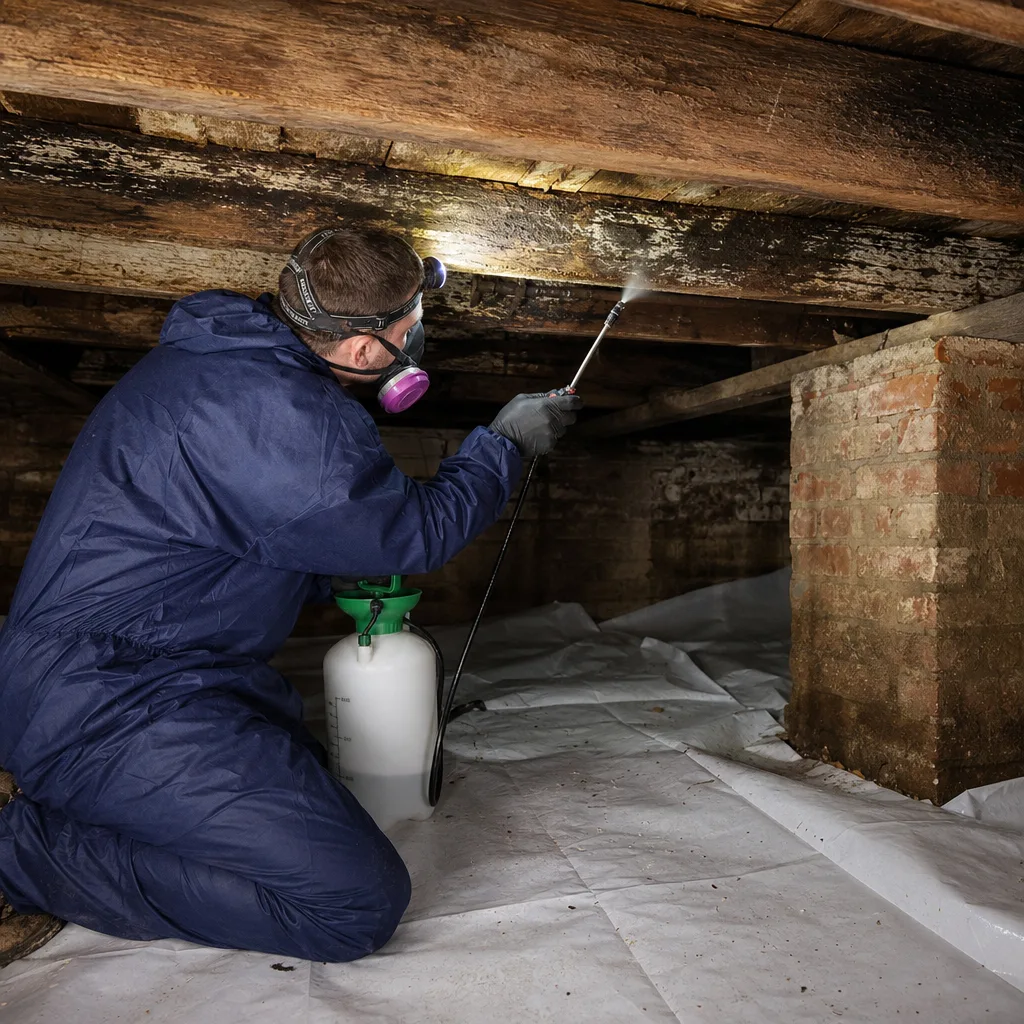
Structural Drying & Dehumidification
Drying a River Road condo properly means understanding vertical airflow through elevator shafts and pipe chases. Under-sized drying plans let moisture re-wet drywall days after extraction. We use Dri-Eaz, Phoenix, and XPOWER equipment with daily logged readings until the structure is dry, not until the equipment has simply been running long enough.
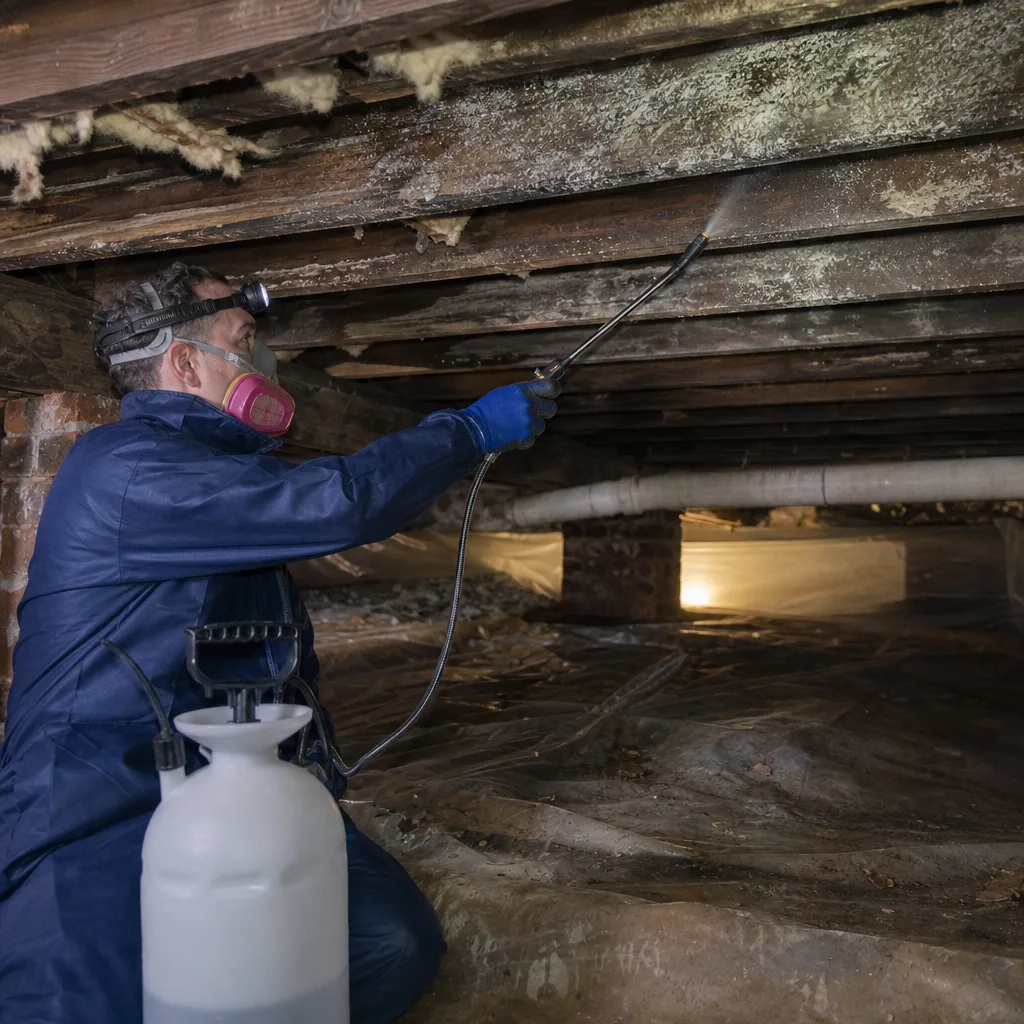
Flood Cleanup
Hudson River surge and storm-driven floodwater in Edgewater is Category 3 water. It carries sewage, salt, and whatever the river picked up. Flood cleanup here means full containment, disposal of affected porous materials, antimicrobial treatment, and documentation your carrier will accept.
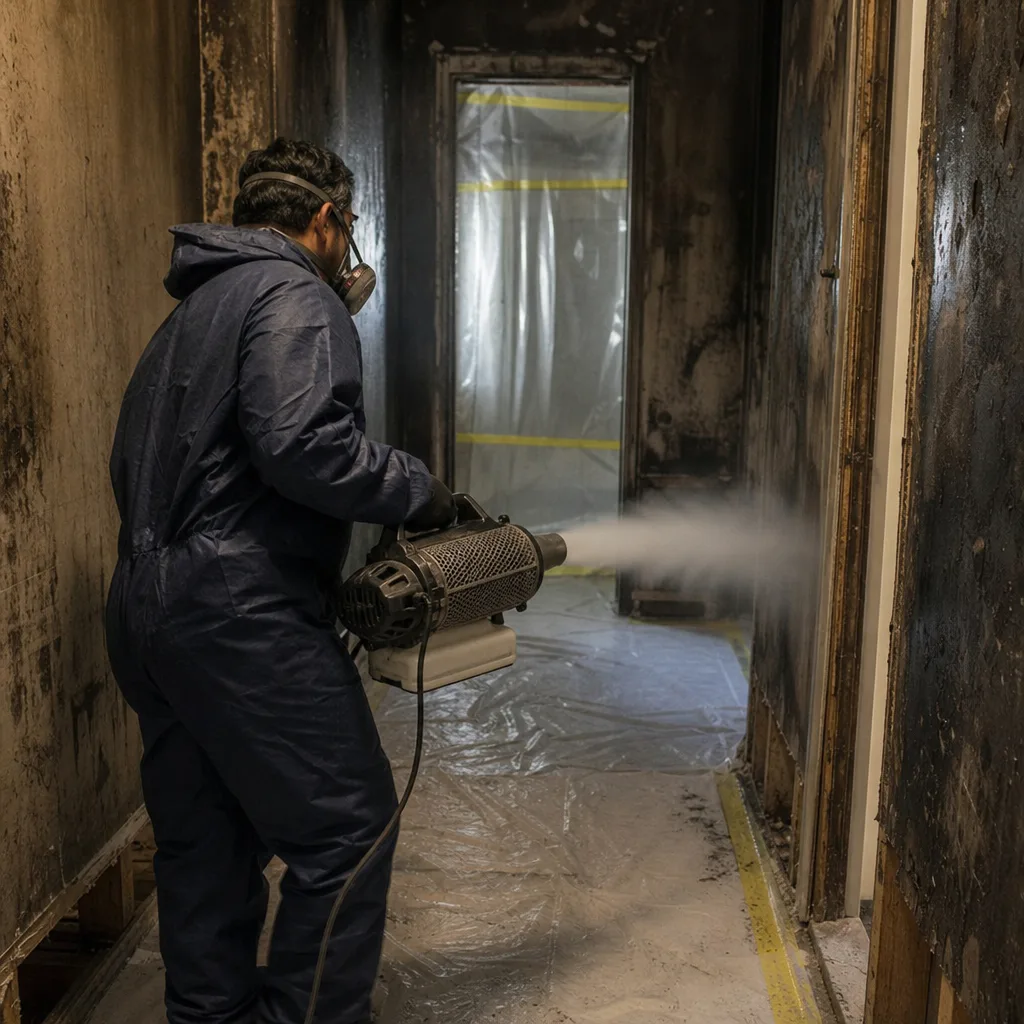
Burst Pipe Restoration
A frozen supply line in a pre-war Edgewater building or a high-rise mechanical room can flood multiple levels in under an hour. We extract, trace the full water path with moisture mapping, and coordinate the multi-unit scope splitting between HOA and unit owner policies that gets claims approved.
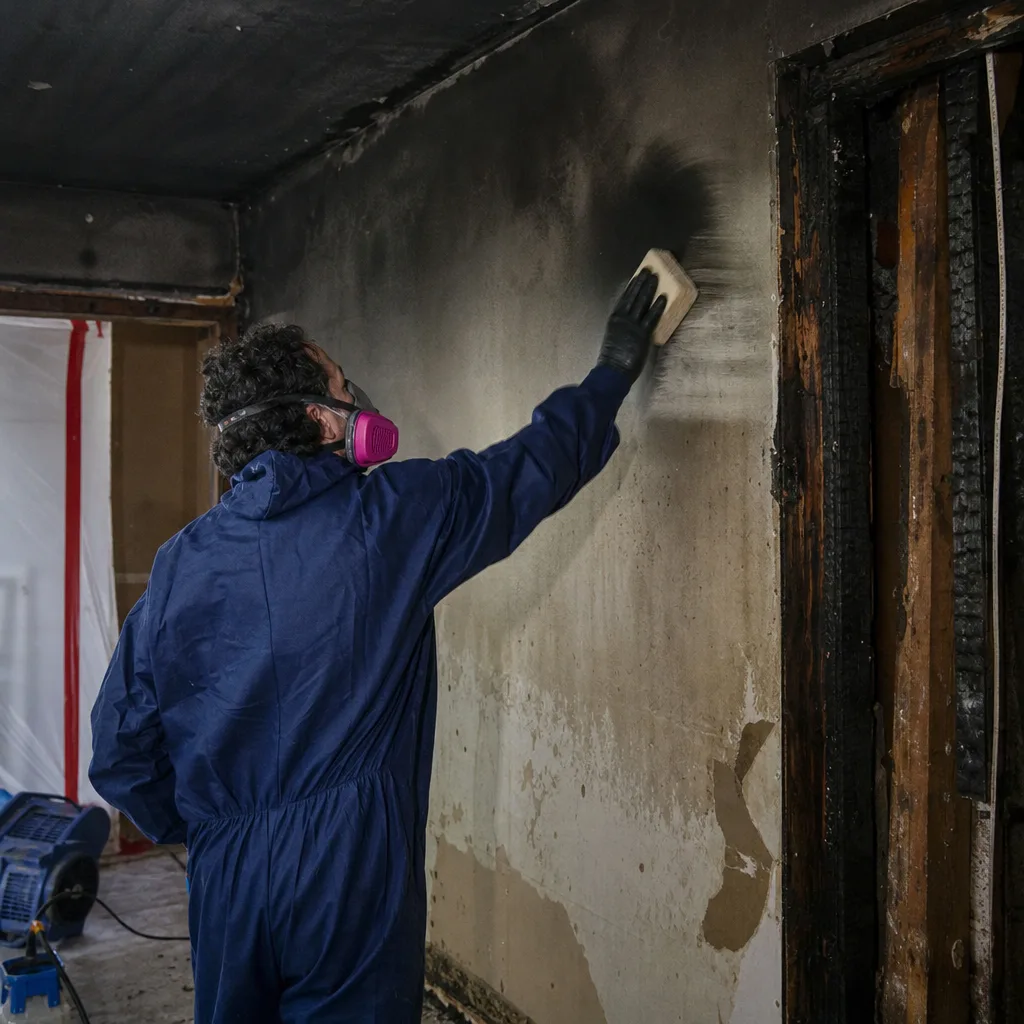
Basement Water Removal
Palisades-side basements in Edgewater’s upland strip face near-constant groundwater pressure. We remove water and run structural drying, but we also document the entry point clearly, because your carrier will want to know if this was a maintenance issue or a sudden event.
What happens when you call
- 1
A real person answersNo phone trees - you reach a local pro.
- 2
You get an upfront price rangeHonest numbers before anyone is dispatched.
- 3
A background-checked tech heads outLicensed & insured, dispatched right away.
- 4
You approve before work beginsNothing starts until you say go.
Water Damage Restoration Costs in Edgewater, NJ
Here are real dollar ranges for Edgewater’s market. A single-unit Category 1 water extraction and structural drying job in a River Road condo runs $1,800 to $4,200. A multi-unit cascade from one burst pipe can run $8,000 to $25,000 or more, depending on how many floors the water traveled. Category 3 flood cleanup from Hudson River surge starts around $4,500 for a ground-level unit and goes up with square footage and contamination level. Basement water removal in a Palisades-side home typically runs $2,200 to $5,800, with additional foundation remediation if groundwater entry is the root cause.
What moves the price: the water category, how many linear feet of drywall and flooring are affected, whether containment is required, and whether we are drying wall cavities with Injectidry systems or opening everything up. Insurance covers most sudden and accidental water damage. Your free inspection gives you a firm written scope before any payment is due. Call (845) 305-5737 for an exact number on your loss.
We Also Serve Cities Near Edgewater
Our crews serve Edgewater and the surrounding communities in Hudson and Bergen Counties, including North Bergen and Weehawken, with the same 45-minute response commitment and live 24/7 dispatch. If you are just across the border, call the same number: (845) 305-5737.
Serving Edgewater, NJ - Our Local Coverage Area
We’re based in the Edgewater area and know this community well. Use the map below to see our service coverage - if you’re nearby, we can almost certainly help.
Edgewater Water Damage Restoration Questions, Answered
Does Edgewater’s location near the Hudson River affect how you handle water damage in high-rise condos?
Yes. Riverside high-rises face Hudson River tidal surge, which brings Category 3 black water into ground-level and lower-floor spaces. That means containment, disposal of affected materials, and antimicrobial treatment are non-negotiable. It also means we coordinate with HOA management and multiple unit owners, because surge damage rarely stays in one unit.
What water damage issues are specific to homes near the Palisades cliffs in Edgewater?
Homes on Edgewater’s western upland strip face constant groundwater pressure from the Palisades. Rain and snowmelt seep into the cliff face and push through foundation walls, and surface runoff accelerates down the slope with no flat buffer to absorb it. The water is usually Category 2, but it is persistent, which means drying has to account for ongoing moisture intrusion, not just the standing water.
How quickly can mold start growing after water damage in an Edgewater home?
Mold can start colonizing within 24 to 48 hours in a humid, water-damaged environment. In Edgewater’s riverfront buildings, where humidity runs higher than inland Bergen County, that window can be shorter. Structural drying starts fast to deny mold the conditions it needs. Call (845) 305-5737 the same day you discover the water, not next week.
What is the difference between Category 1, 2, and 3 water, and why does it matter in Edgewater?
Category 1 is clean supply water from a broken pipe. Category 2 is contaminated water like sump pump failure or washing machine overflow. Category 3 is black water: sewage, river water, or storm surge. Edgewater’s split geography means both sides of the classification system get used. River Road surge is Category 3. Palisades seepage is usually Category 2. Treating them the same makes the cleanup inadequate or the scope wrong for your carrier.
Can you handle water damage that affects multiple condo units in Edgewater’s high-rises at the same time?
Yes, and we do it regularly. A few years back, a 3-inch supply line rupture on the 8th floor of a River Road condo tower sent water down through seven units. We coordinated with the HOA master policy and five unit owner adjusters, ran moisture mapping with Dri-Eaz and Injectidry systems, and set containment and air movers on each floor. All affected units were restored to pre-loss condition within 12 days.
How fast can you actually get to an Edgewater property?
Our commitment is 45 minutes from your call to a crew on site, for properties anywhere in Edgewater. A live dispatcher answers, not a recording, and a crew in the Edgewater area is moving immediately. In severe weather, response times can stretch, but we will tell you honestly when we will be there.
How long does structural drying take after a water loss?
Most Edgewater jobs dry within 3 to 5 days once extraction and equipment placement are done. High-rise jobs with vertical water migration can take 5 to 10 days, especially in winter when building humidity is harder to control. We give you a written drying plan with daily logged readings, and you can see the progress in the numbers.
What should I do in the first 30 minutes after discovering water damage?
Stop the source if you can do so safely. Do not walk through standing water if electrical outlets or appliances are involved. Call (845) 305-5737. While you wait, move small valuables out of the water path if it is safe, and take photos with your phone. Do not extract the water yourself unless it is a small, clean spill. The first call is the most important step.
Written by Curt Bowman, Owner at Floodline Restoration Co. Every job we do in Edgewater gets the 90-Day Done Right Promise in writing: if it is not done right, we make it right, no arguing. That is the Keystone Standard.