
Free visual inspection and a written scope of work before any mitigation begins - photos, moisture readings, and drying logs go in your claim file
The scope we write is the scope we bill. Anything new gets shown to you, in writing, before we touch it.
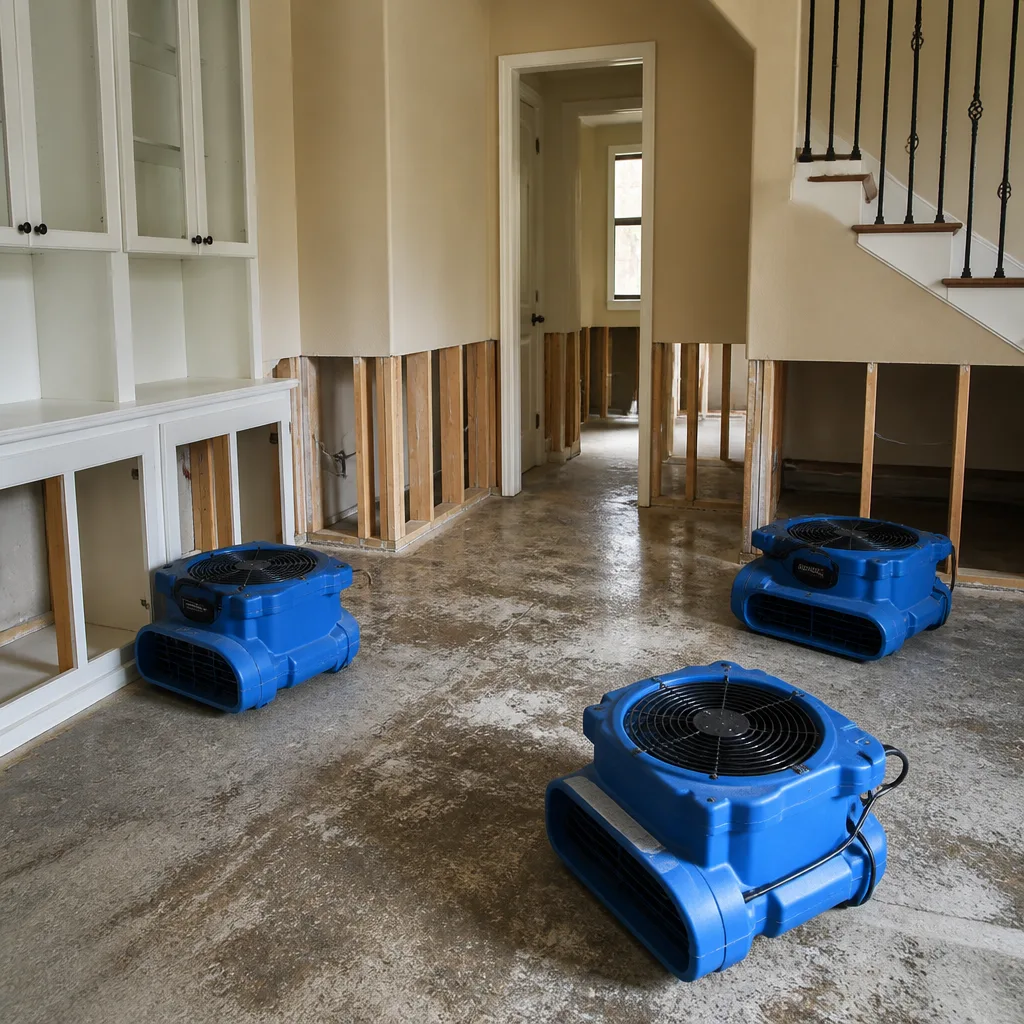
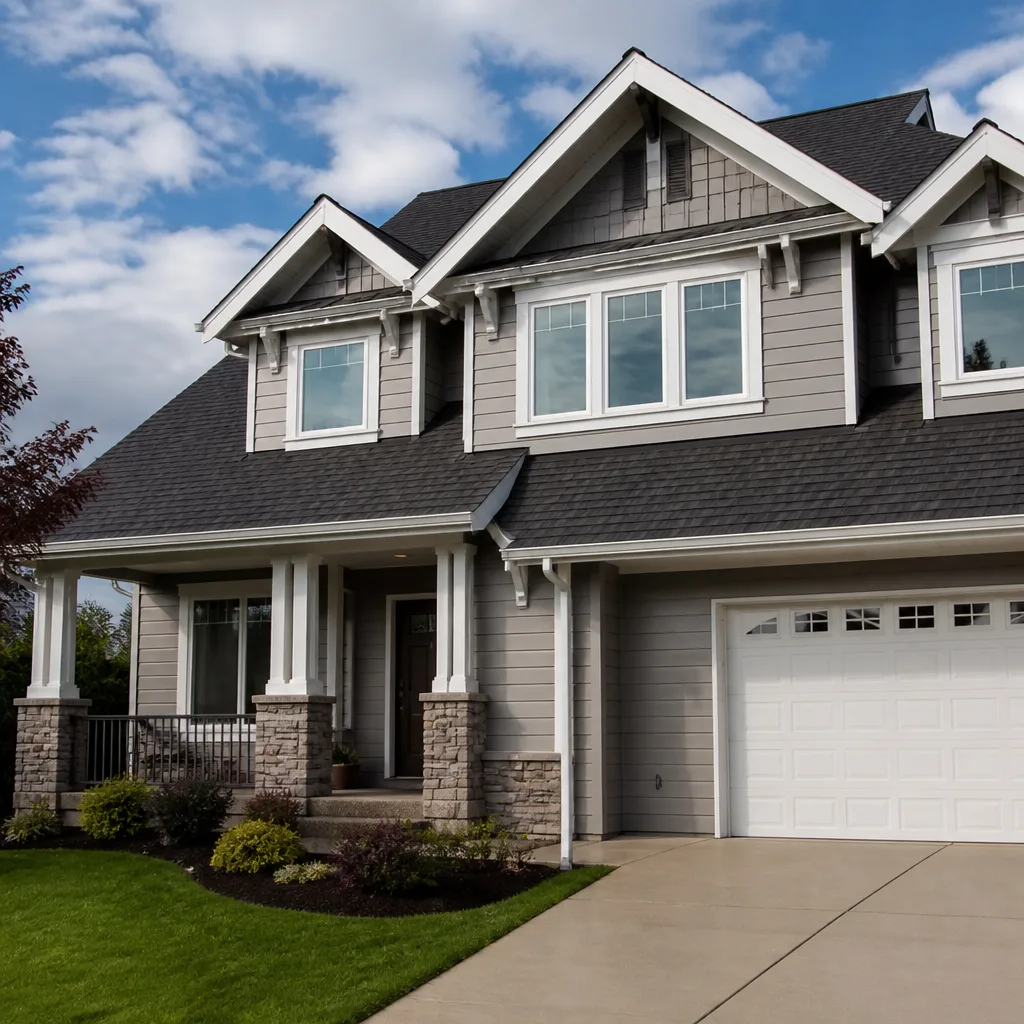
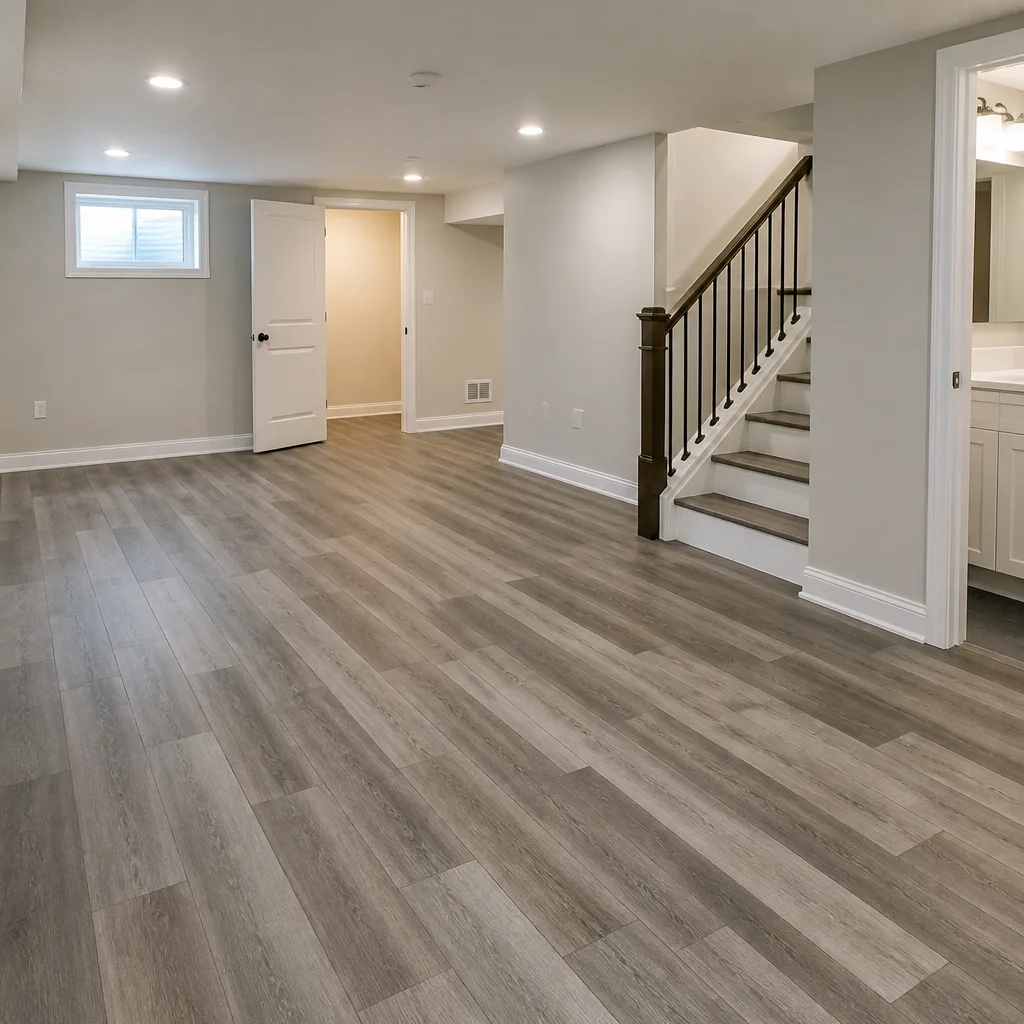
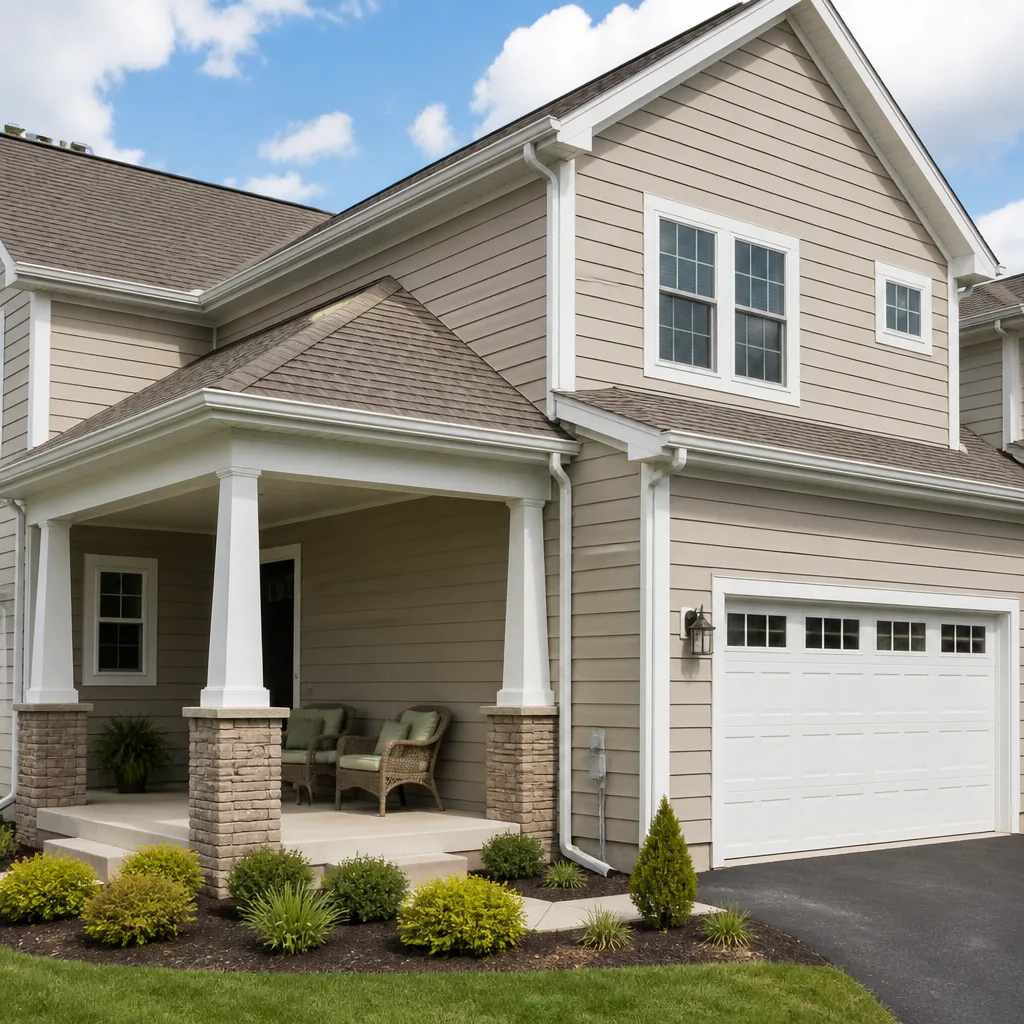
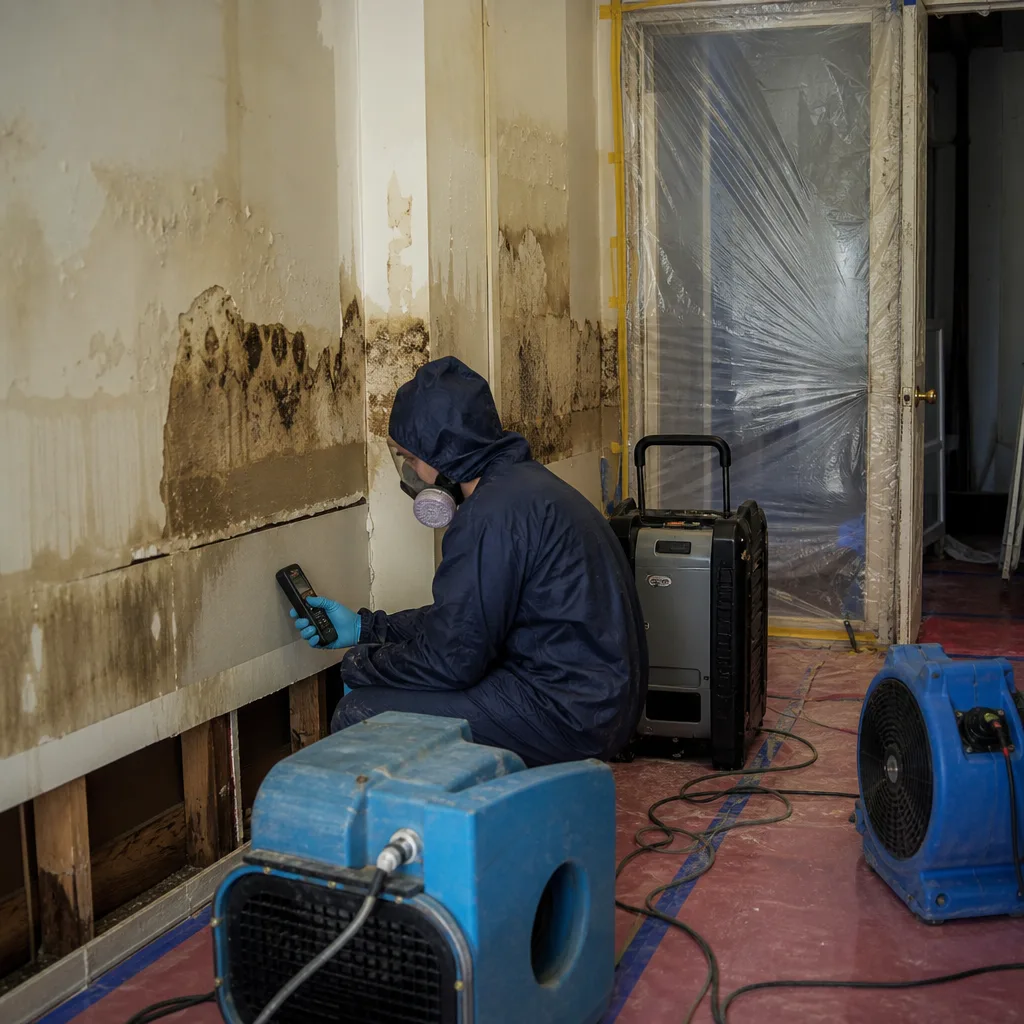 Before
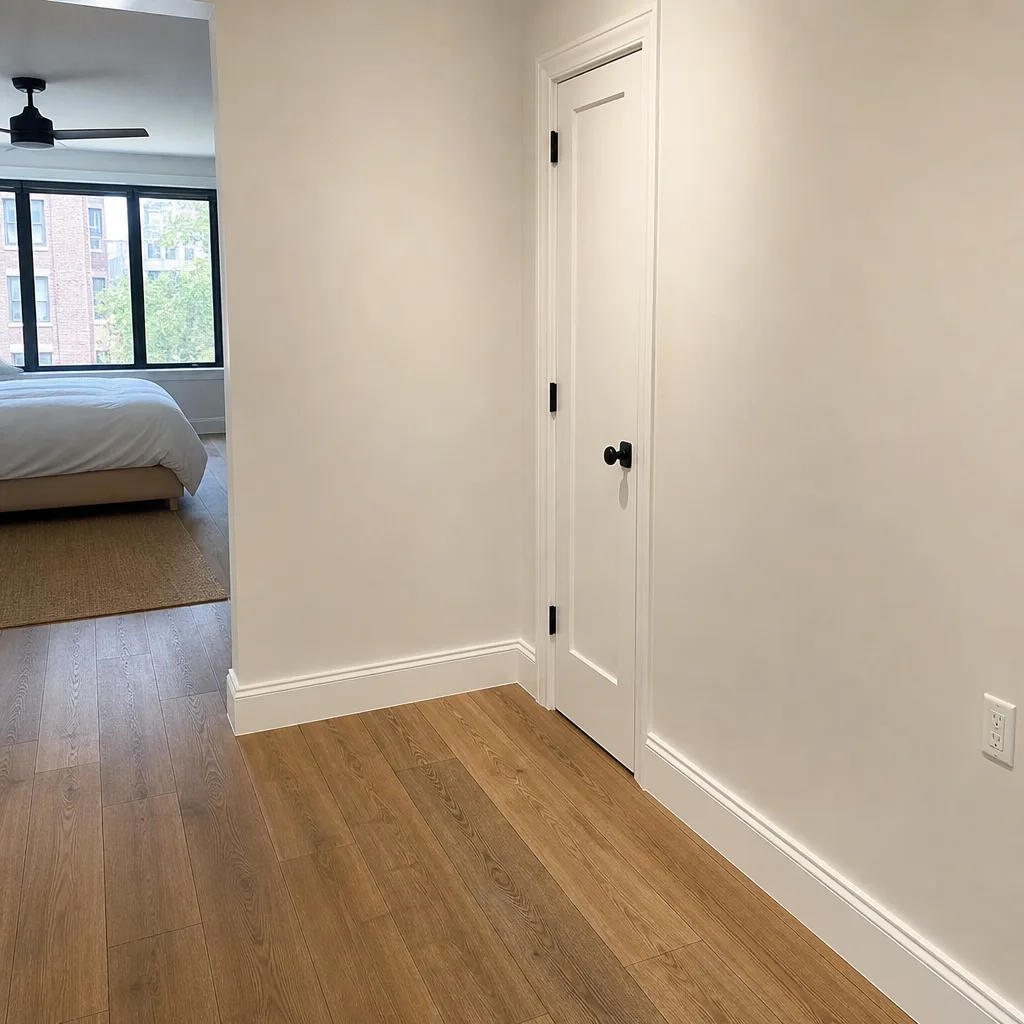 After
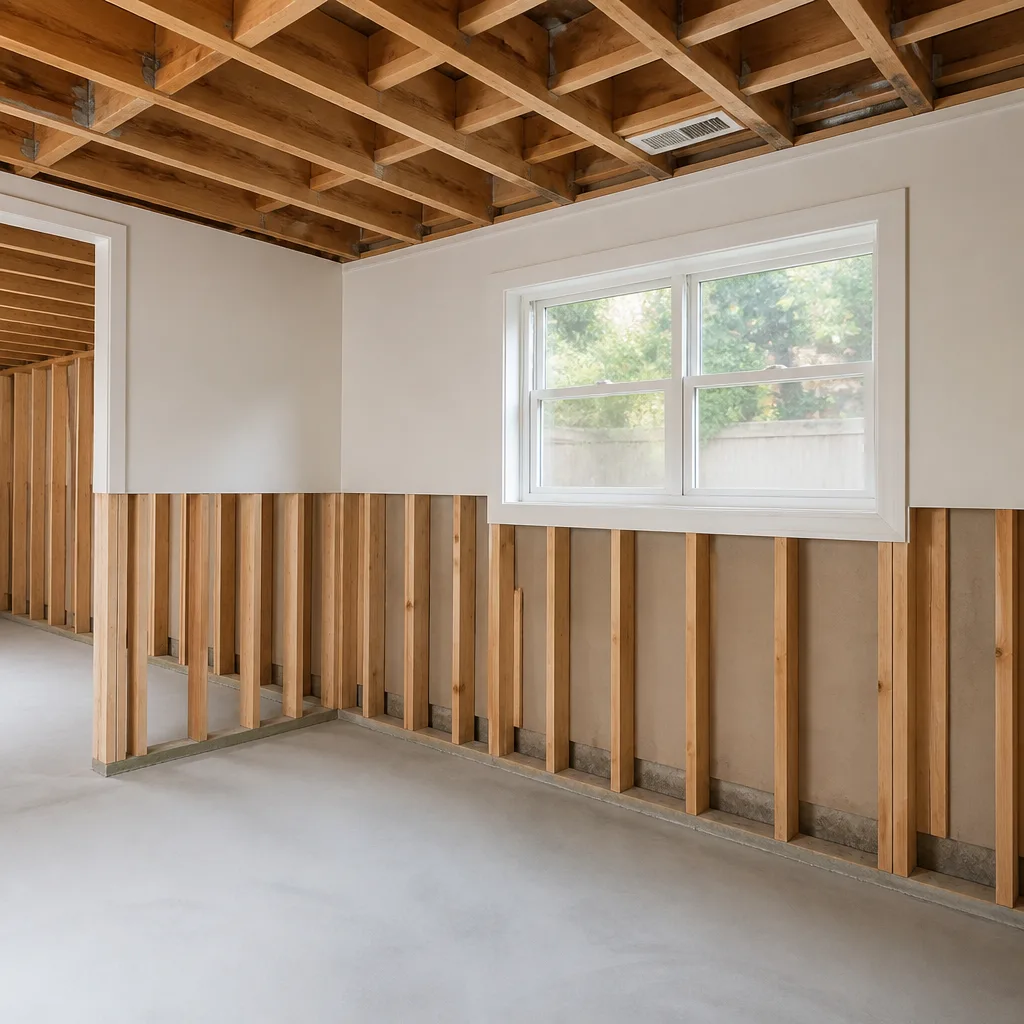
After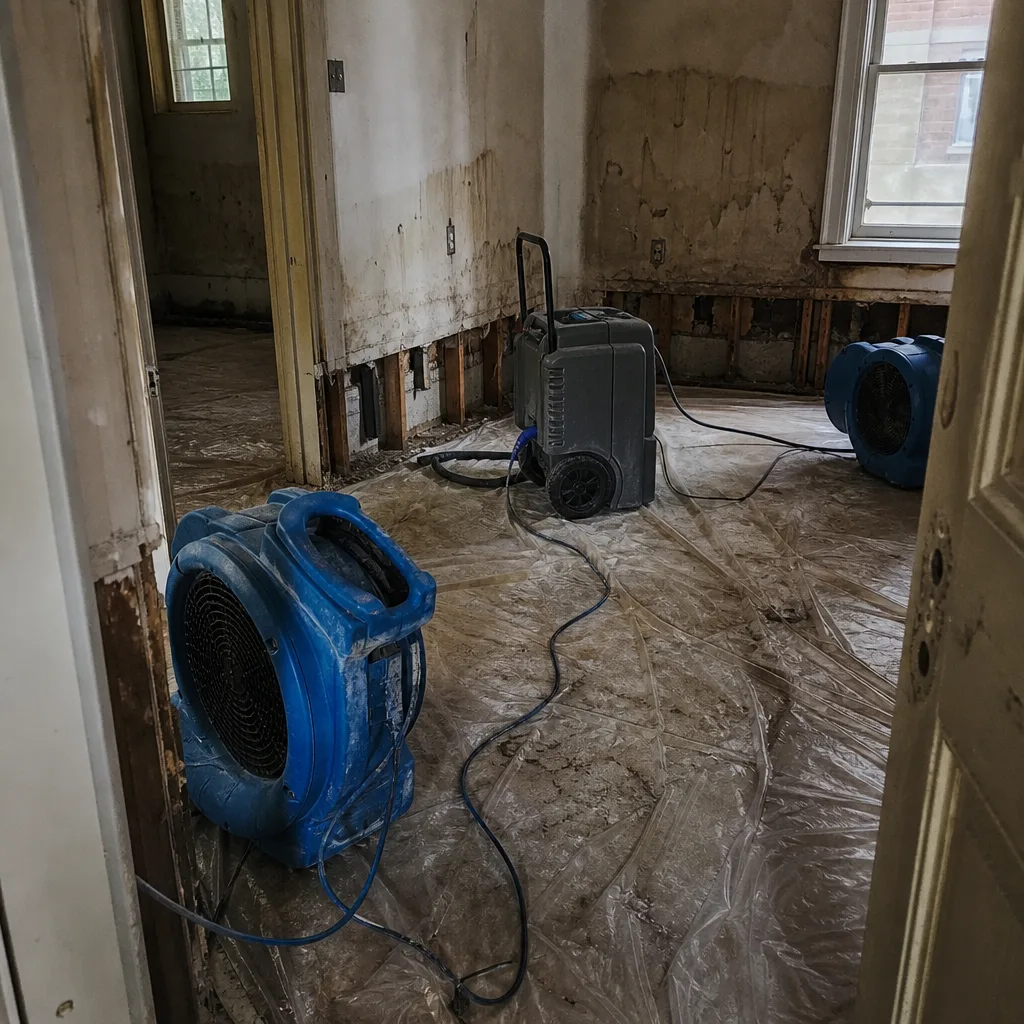 Before
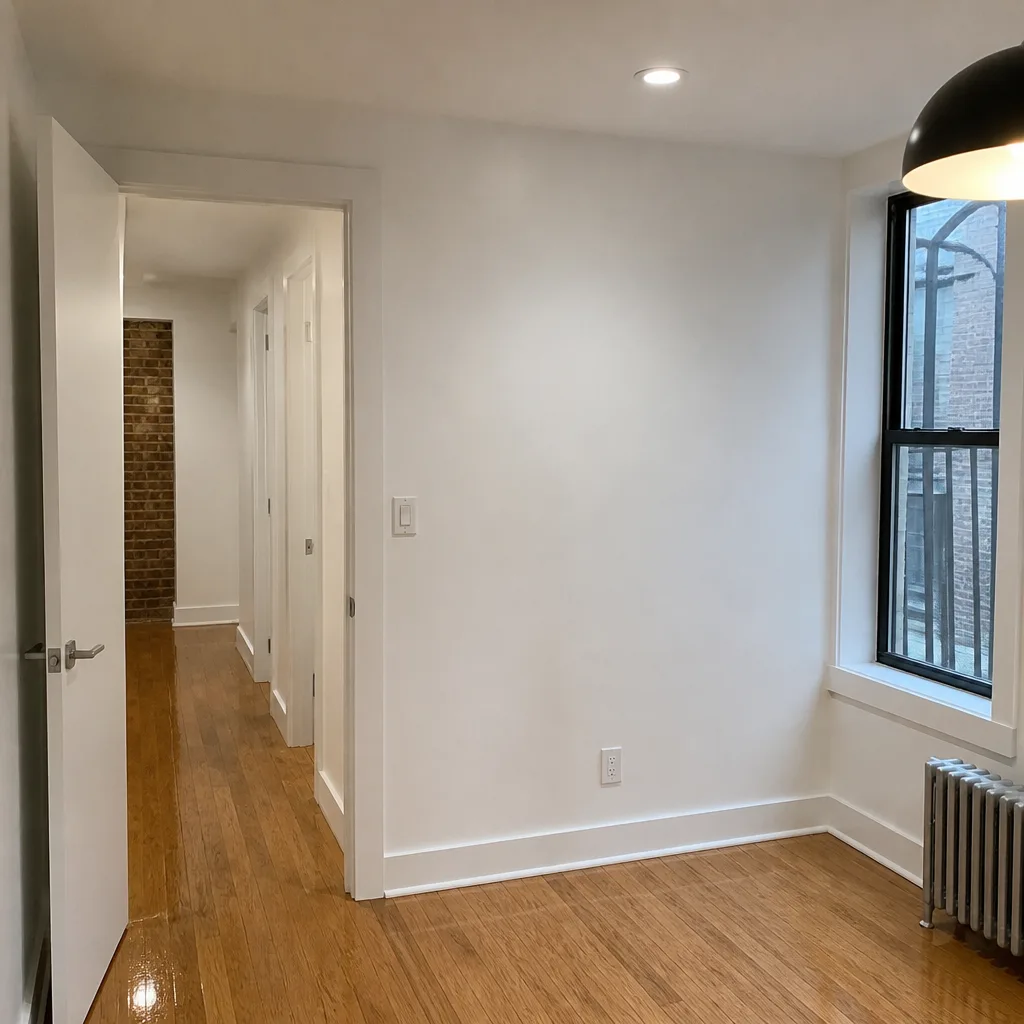 After
After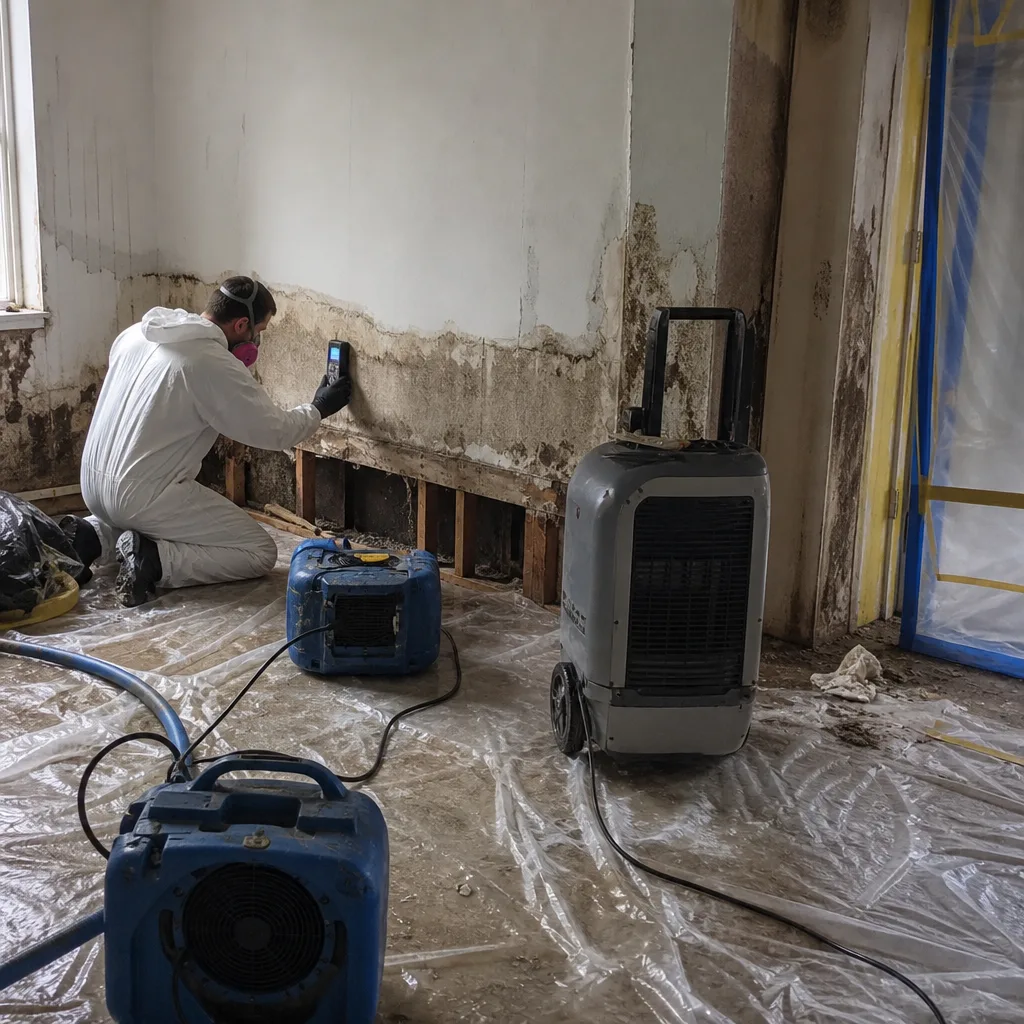 Before
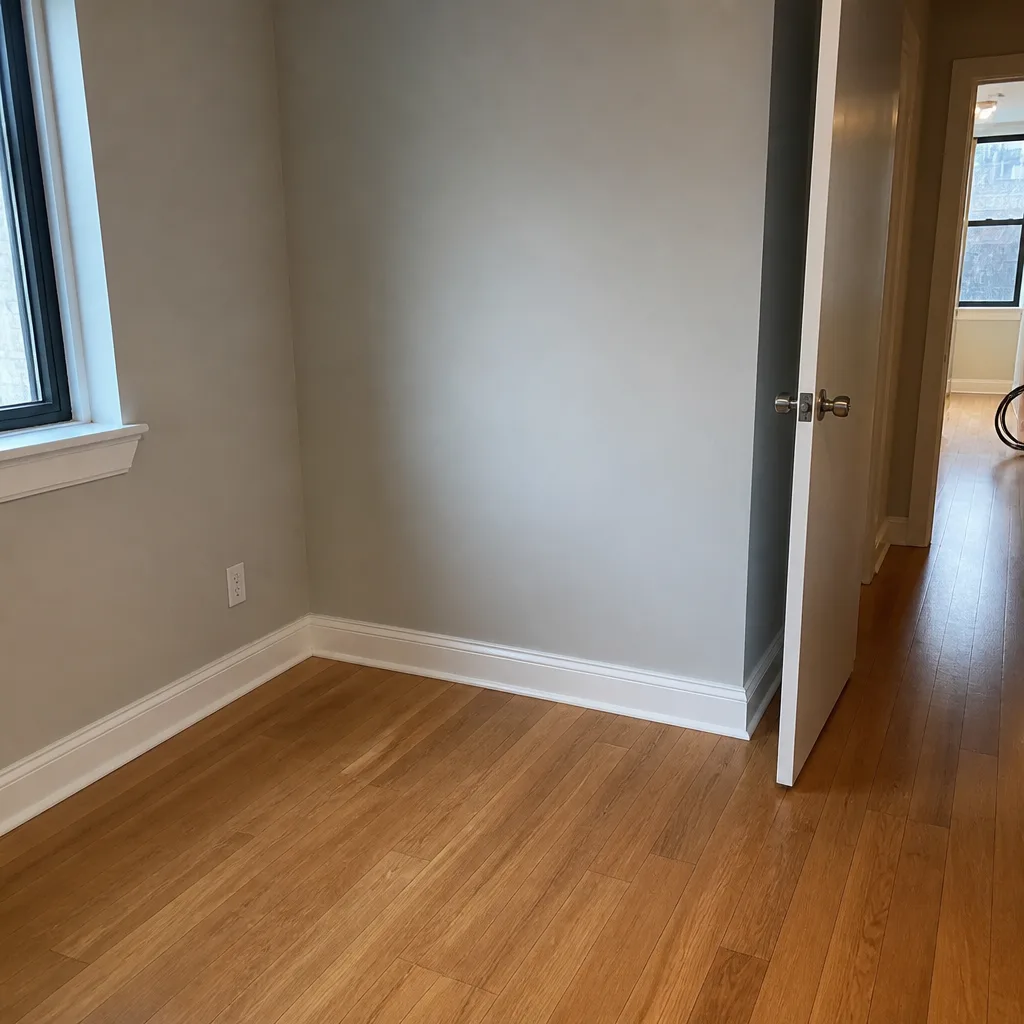 After
After24/7 Emergency Sewage Cleanup in West New York
Sewage backup in a West New York apartment building moves fast, and it doesn’t wait for business hours. A Category 3 water loss that starts in one unit can seep through original 1920s floor-ceiling assemblies into four or five neighboring apartments before the building super even gets the call. That’s why Floodline Restoration Co. answers live at (845) 305-5737 around the clock, every day. We dispatch certified crews into West New York immediately, often within 45 minutes of your first call, because the difference between a contained spill and a multi-unit contamination is measured in minutes, not hours. Call now and a real person picks up. You get a free visual inspection, a straight answer about what you’re facing, and extraction running the same visit.
Understanding Sewage Cleanup Severity in West New York Properties
Sewage is Category 3 water: heavily contaminated with bacteria, viruses, parasites, and whatever else the building’s plumbing carries. In West New York, where most housing stock is pre-war brick tenement and courtyard apartments built between the 1900s and 1940s, Category 3 events carry an extra layer of risk. These buildings share floor-ceiling cavities between units, with original cast-iron and galvanized plumbing that has been aging for close to a century. A sewage backup on the fifth floor doesn’t stay on the fifth floor. Black water migrates through shared joist bays, around pipe penetrations, and along steam-heat riser chases into apartments below. We moisture-map every affected surface, not just the visible spill, because what you see on the ceiling is usually the tail end of a much larger contamination path above. Proper Category 3 mitigation requires containment, full removal of affected drywall and insulation, antimicrobial treatment of framing, and drying to the IICRC dry standard with continuous monitoring. In West New York’s shared-wall buildings, skipping any one of those steps means the same loss comes back as a hidden mold problem inside a neighbor’s wall.
Why West New York Property Owners Choose Floodline Restoration Co.
- 45-minute response commitment in West New York: our crews stage locally, so a live dispatcher can have a background-checked, uniformed tech on site and extraction running the same visit.
- Live answer, 24/7: you never reach a voicemail. At 2 a.m., a real person picks up, asks the right questions, and dispatches. Not a recording.
- IICRC-certified crews trained to WRT, FSRT, and AMRT standards, plus RIA and IFA guidelines. Certifications matter when black water touches shared building framing.
- Free visual inspection with no obligation: we walk the affected area, check adjacent units for hidden migration, and tell you honestly what the scope is before anything is signed.
- Direct insurance billing: we handle the claim from first photo to final invoice, coordinating directly with your carrier and any adjusters involved. You never play messenger.
- One team, start to finish: extraction, drying, sanitization, and reconstruction stay with the same certified crew. No mid-job handoff, no inherited subcontractors.
Our Sewage Cleanup Process
Inspection & Assessment
We start with a full walkthrough of the affected unit and any adjacent spaces where Category 3 water may have traveled. Thermal imaging and moisture meters map the migration path through shared floor-ceiling cavities, around steam risers, and behind baseboards.
Containment & Extraction
We set up containment barriers in hallways and doorways to keep contaminants from spreading through common areas. Then black water extraction begins immediately, using truck-mounted and portable extraction units rated for Category 3 removal.
Removal of Contaminated Materials
Drywall, insulation, carpet, and pad that absorbed sewage are removed and bagged for disposal. In pre-war West New York buildings, we are careful to preserve original plaster, door casings, and baseboards where possible, since these are often part of the building’s architectural character and HOA standards.
Drying & Dehumidification
Dri-Eaz and Phoenix dehumidifiers run continuously, with XPOWER air movers positioned for maximum airflow across framed cavities. We log daily moisture readings and provide the log to you and your insurer, so everyone sees the dry standard being met with data.
Sanitization & Antimicrobial Treatment
All remaining surfaces get hospital-grade disinfection, and exposed framing receives antimicrobial treatment before any rebuild begins. This is standard on every Category 3 job we run in West New York, not an add-on.
Repairs & Restoration
We rebuild what was removed, matching original finishes where possible. In buildings with architectural review requirements, we match plaster texture, door casing profiles, and baseboard heights so the repaired unit doesn’t stand out, and the HOA doesn’t flag the work.
Need Emergency Sewage Cleanup in West New York Now?
Crews minutes away, answering live 24 hours a day. The sooner we start, the less it costs.
Working With Your Insurance Company
Sewage backup claims in West New York are common, and insurers know the pattern: one upper-floor overflow, multiple units involved, several adjusters on the same building. We handle that complexity so you don’t have to. From the first hour, we photograph every affected surface, document the moisture path with readings, and build a line-item scope of work that follows standard estimating software your carrier already recognizes. We talk directly to the adjuster, submit the drying logs, and explain why the scope includes adjacent unit checks that a less thorough contractor might have missed. When multiple landlords or a condo association are involved, we coordinate with each carrier separately, so no one gets surprised later by an uncovered expense.
What We Provide Your Insurer
- Thorough documentation of the loss from arrival to completion
- Photos of all damage, room by room, including adjacent affected units
- Moisture readings and daily drying logs
- A detailed, line-item scope of work
- Direct coordination with your carrier and any secondary adjusters
Built for West New York’s Loss Calendar
Sewage backups in West New York follow a seasonal rhythm that anyone who’s lived here long enough recognizes. January and February bring deep freezes that burst aging supply lines and freeze the original cast-iron waste stacks in uninsulated pre-war walls. When the thaw comes, pipe joints that held through winter finally let go, and basement-level sewage spills appear across the Hudson River flood zone. Late spring brings the heaviest nor’easter rain, pushing tidal backflow into low-lying building drains and overwhelming old combined sewer systems near the waterfront. Summer thunderstorms deliver intense, short-duration runoff down the Palisades escarpment that overloads aging courtyard building drains, and toilet overflows on upper floors become a recurring problem in stacked units. Fall is the quiet season, for now, but the pattern is consistent: West New York’s oldest buildings fail most predictably when weather shifts fast.
Sewage Cleanup Across West New York’s Neighborhoods
West New York’s geography shapes how we respond. Along Boulevard East, the high-rise and pre-war co-op buildings overlooking the Hudson are fast-response jobs: we stage equipment in the freight elevator, deal with doormen and building supers, and work around narrow hallway doorways without disturbing common-area hardware. Around 60th Street between Bergenline Avenue and Hudson Avenue, the tight courtyard apartment blocks mean we routinely find a “single-unit” call that is actually four or five units down the same riser line. Bergenline Avenue commercial buildings bring their own issues, with retail spaces below residential units and sewage backups that affect both at once. Near Donnelly Park and the town’s lower west streets, ground-floor and basement apartments sit closest to the water table and the old combined sewer laterals, so backflow from the municipal side shows up there first. In every neighborhood, the map is dense, the buildings are old, and the calls are rarely simple.
Specialized Sewage Cleanup Services We Offer in West New York
Sewage Backup Cleanup
The classic West New York call: an aging cast-iron waste line backs up, and black water surfaces in a tub, a floor drain, or worse. We contain the spill, extract the standing water, remove contaminated finishes, and treat the framing. Then we trace the line far enough to tell you whether it’s a clog, a collapsed section, or municipal backflow. A typical sewage backup cleanup in West New York runs $2,800 to $6,500 depending on how many units are involved. Our Sewage Cleanup team handles the full scope, not just the visible spill.
Toilet Overflow Cleanup
An overflowing toilet in a fifth-floor rental sends water down in minutes. In West New York’s stacked apartments, the water follows the riser chase and spreads through shared joist spaces. We extract from the unit and the ceiling cavities below, cut open only what is wet, and dry the assembly before mold gets a start. Cost typically lands between $1,800 and $4,200 for a contained overflow, more if multiple units below are affected.
Black Water Extraction
Black water is Category 3 by definition: sewage, floodwater, or standing water that has been contaminated by waste. Extraction requires professional-grade pumps and proper PPE. Our techs are trained and certified for Category 3 work, and we treat every black water loss in West New York as a potential multi-unit contamination until proven otherwise. Extraction alone runs $1,200 to $3,000, with the remainder of mitigation billed per the written scope. We use XPOWER air movers and Phoenix dehumidifiers on these jobs, sized for the cavity volume, not the room dimensions.
Sanitization & Disinfection
After removal and drying, every surface in the affected area gets hospital-grade disinfection. Framing receives antimicrobial treatment before drywall goes back. This is not optional, and we do not cut it short: in a pre-war building, hidden framing stays damp longer than drywall does, and that is where mold takes root. Sanitization is typically $800 to $1,600 on top of extraction and drying.
What happens when you call
- 1
A real person answersNo phone trees - you reach a local pro.
- 2
You get an upfront price rangeHonest numbers before anyone is dispatched.
- 3
A background-checked tech heads outLicensed & insured, dispatched right away.
- 4
You approve before work beginsNothing starts until you say go.
Sewage Cleanup Costs in West New York, NJ
A single-unit sewage cleanup in West New York generally runs $2,500 to $6,000. A multi-unit loss where black water has migrated through shared floor-ceiling cavities into three or more apartments commonly runs $8,000 to $18,000, depending on how much drywall, insulation, and flooring comes out. What moves the price: number of affected units, whether original plaster must be matched, access through narrow hallways and stairs, and whether the HOA or architectural review board requires specific materials or finishes. Insurance covers most sewage backup losses when the cause is sudden and accidental, and we bill your carrier directly. The free visual inspection gives you a written scope before any work begins, so you know the number up front. Call (845) 305-5737 and we will walk you through it.
We Also Serve Cities Near West New York
Floodline Restoration Co. provides the same 24/7 sewage cleanup response to Edgewater, Weehawken, and North Bergen. Same live dispatch, same IICRC-certified crews, same 90-Day Done Right Promise in writing.
West New York Sewage Cleanup Questions, Answered
How do you handle a sewage backup that has spread from one West New York apartment into several units below?
We treat it as a multi-unit Category 3 loss from the first inspection: we contain the spill, map the moisture path through shared cavities, and coordinate with every affected landlord and insurer. Our crews have done this exact job on 60th Street, where a fifth-floor toilet overflow reached four units below through original 1920s cast-iron stacks. Call (845) 305-5737 and we’ll start the same day.
Does your sewage cleanup work in West New York require approval from an HOA or architectural review board?
Often yes, especially when original plaster, door casings, or baseboards are involved. We protect those finishes during mitigation and match them during reconstruction, so the work clears architectural review without a second round. We’ll also provide the documentation your board asks for.
Are basement sewage backups worse in West New York because of the Hudson River?
Yes. The low-lying waterfront and the surrounding blocks sit close to the water table and the old combined sewer laterals. During nor’easters and high tides, tidal backflow pushes sewage into basement drains. It is a recognized pattern in this specific zip code, and it requires heavier dehumidification than an inland job.
What if my upstairs neighbor’s washing machine overflow sends sewage into my West New York apartment?
You call us, we contain and extract immediately, and we document the migration path with photos and moisture readings. Then we coordinate with the neighbor’s carrier and yours, so the right policy pays for the right portion. We do not wait for a liability decision to start mitigation.
How quickly can you start sewage cleanup in a West New York high-rise with strict noise or hallway rules?
Typically within 45 minutes, and we work within building hours and noise rules as much as the emergency allows. For high-rises along Boulevard East, we stage through freight elevators and lay down floor protection in common areas, so the building’s staff stays cooperative and the job keeps moving.
What should I do in the first 30 minutes after a sewage backup in West New York?
Stop using water in the affected unit, shut off the supply if you can reach it safely, keep people and pets away from the spill, and call us. Do not try to extract Category 3 water yourself, and do not run a household fan on it; that spreads contaminants into the air and into other spaces.
Will insurance cover sewage cleanup in my West New York apartment?
Most policies cover sudden and accidental sewage backup, but coverage limits and definitions vary. We will inspect, document, and work with your adjuster directly. If the backup came from a neighboring unit, we’ll help sort out which carrier owes what, and we’ll bill the right one.
How long does sewage drying and sanitization take in a pre-war West New York building?
Plan on three to five days for drying alone in a typical pre-war cavity, sometimes longer if the building is uninsulated or the weather is humid. Sanitization and antimicrobial treatment add a day or two. You’ll get daily moisture readings so you can watch the drying curve yourself.
Serving West New York, NJ - Our Local Coverage Area
We’re based in the West New York area and know this community well. Use the map below to see our service coverage - if you’re nearby, we can almost certainly help.
The West New York Sewage Playbook
In West New York’s pre-war courtyard apartments, a single upper-floor sewage backup can contaminate shared floor-ceiling cavities across four to six units before the super is notified. That is not a worst-case scenario; it is a daily reality here. The buildings are dense, the plumbing is old, and the spaces between units are shared. Floodline Restoration Co. approaches every West New York sewage call with that assumption: the visible spill is never the whole job. We check the units below, the riser chase, the hallway, and the basement lateral. We coordinate with every landlord, condo association, and adjuster who has a stake. And we document everything, so when the claim is filed, the scope is already tight, and the drying logs tell the story. That is the playbook, and it works because we have been doing this long enough to know the building stock and the people in it. If you have a sewage backup in West New York, call (845) 305-5737. A live person answers, and a certified crew gets moving.
Written by Curt Bowman, Owner at Floodline Restoration Co., serving West New York and the surrounding communities with full-cycle restoration since 2010.