
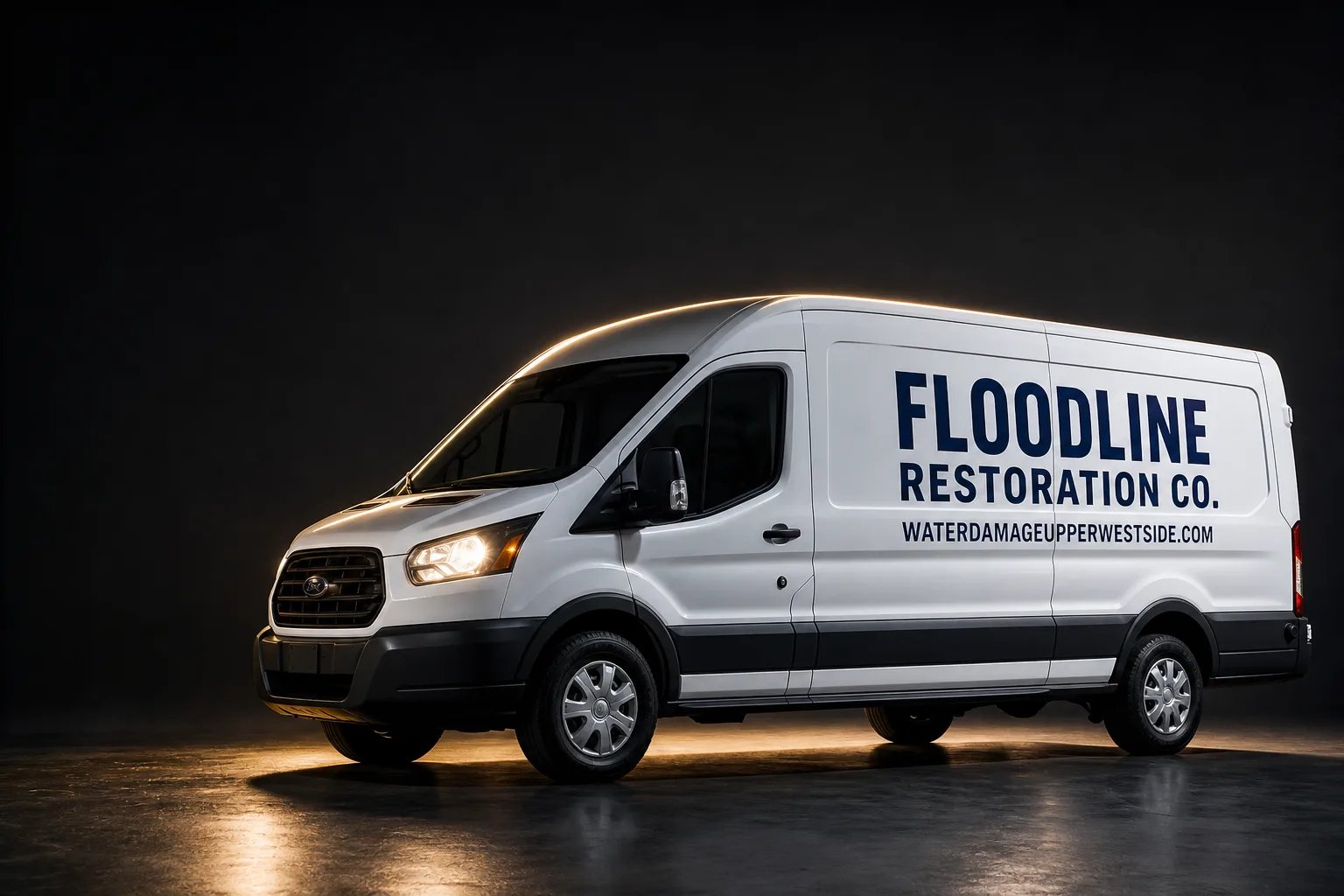
Free visual inspection and a written scope of work before any mitigation begins - photos, moisture readings, and drying logs go in your claim file
The scope we write is the scope we bill. Anything new gets shown to you, in writing, before we touch it.
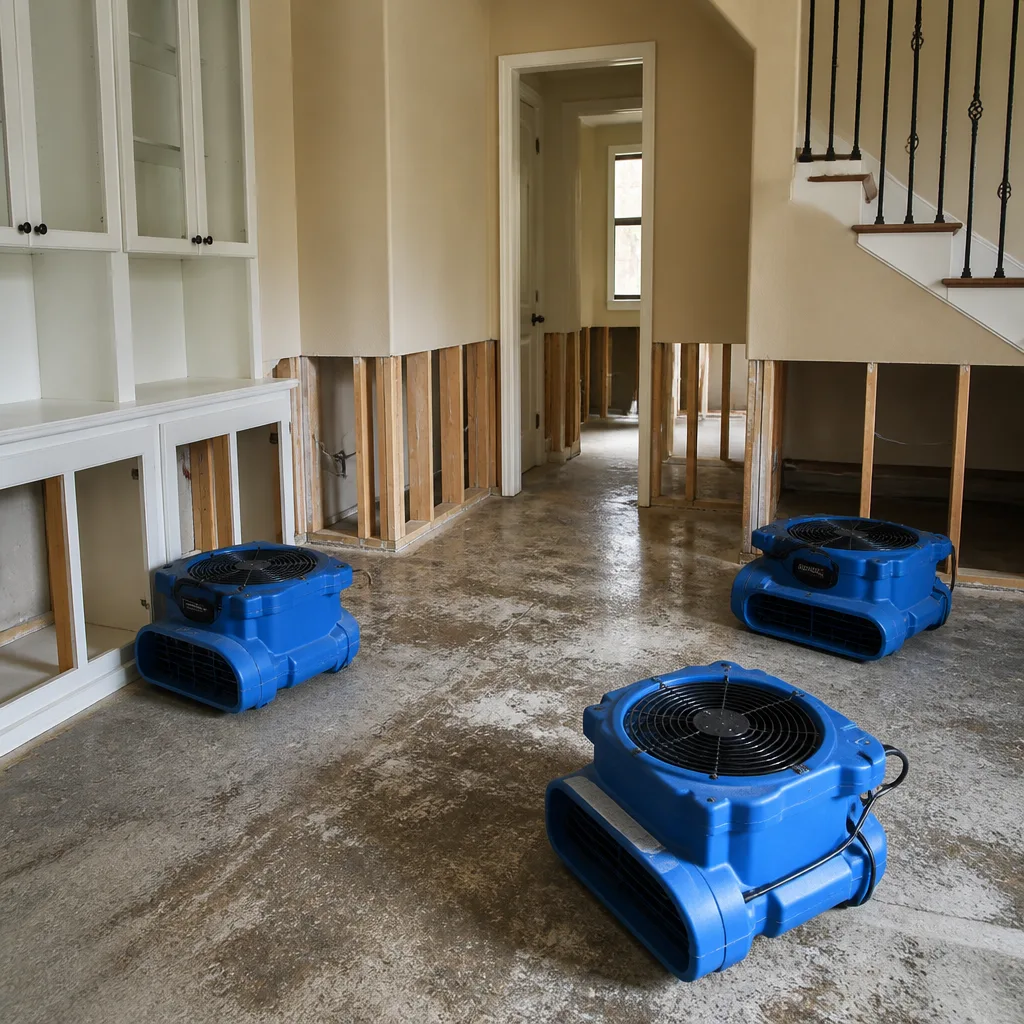
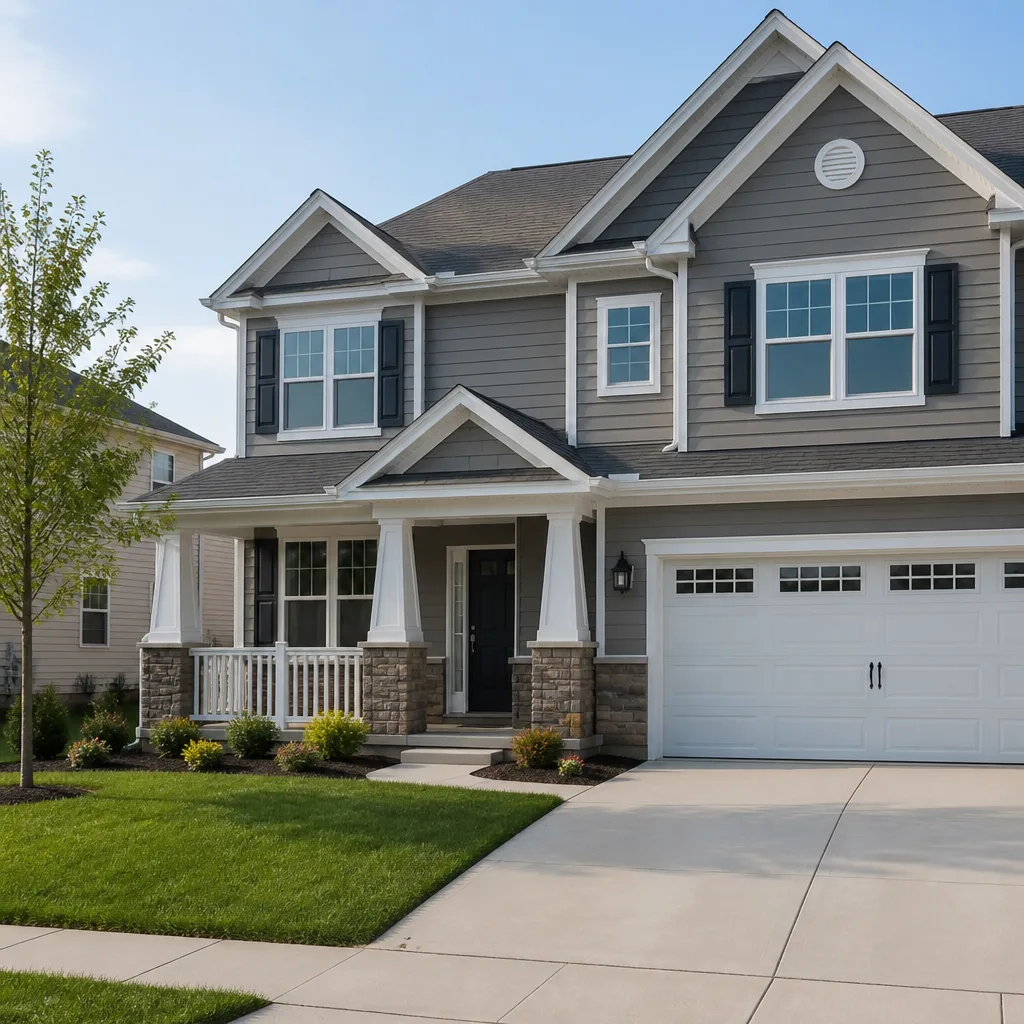
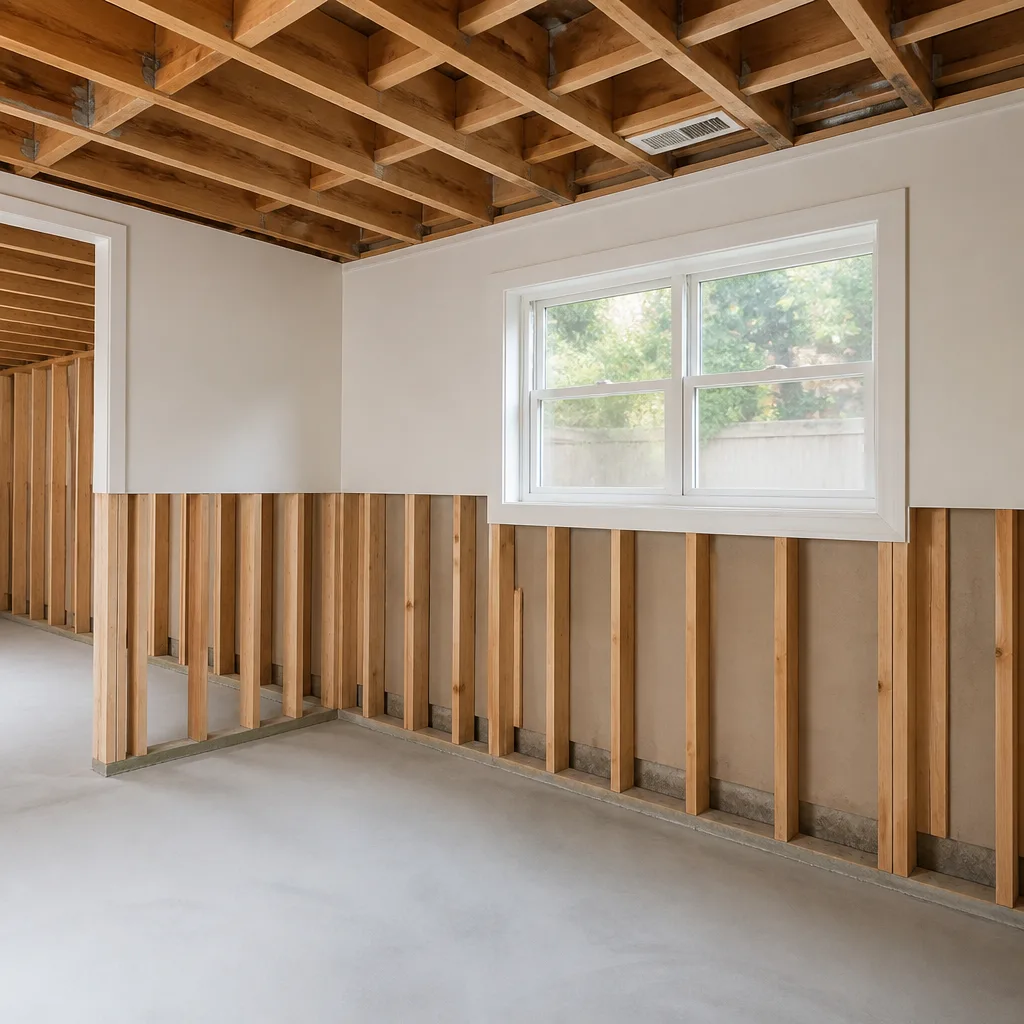
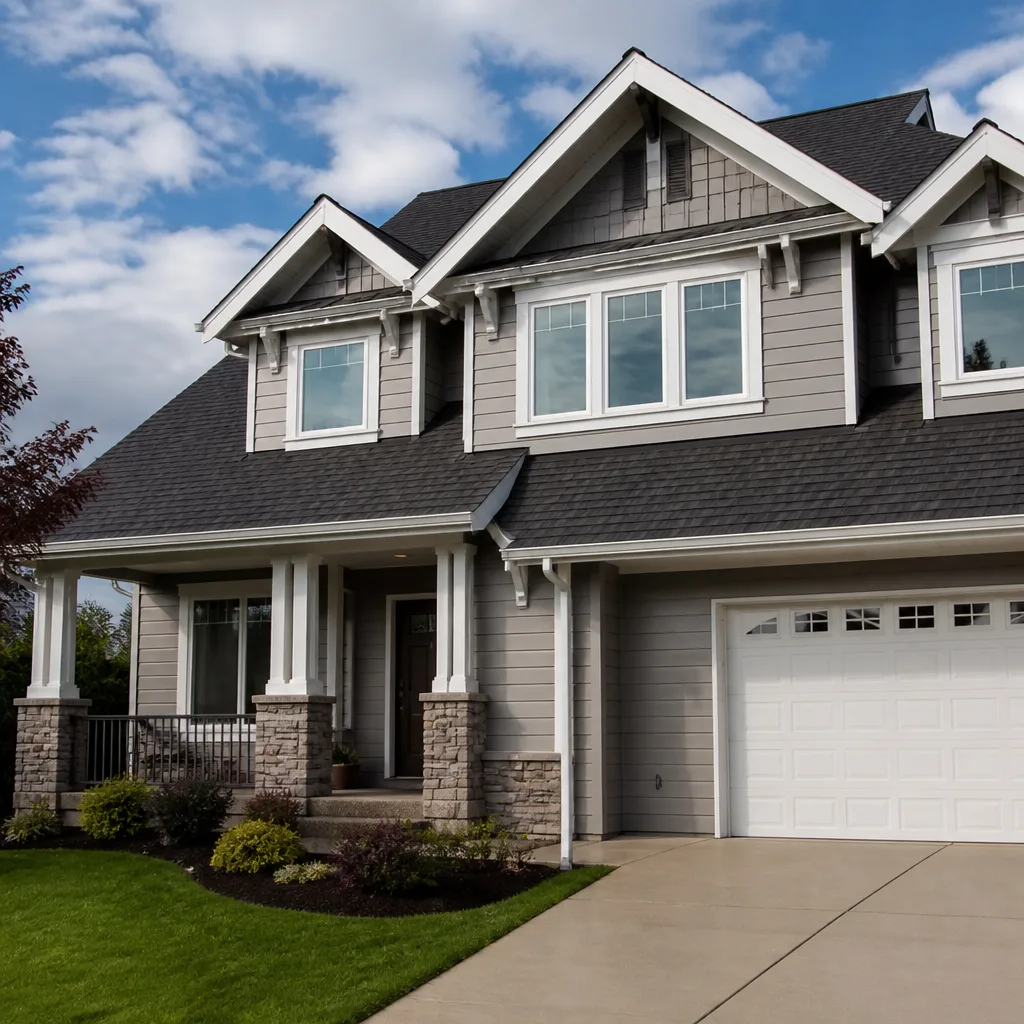
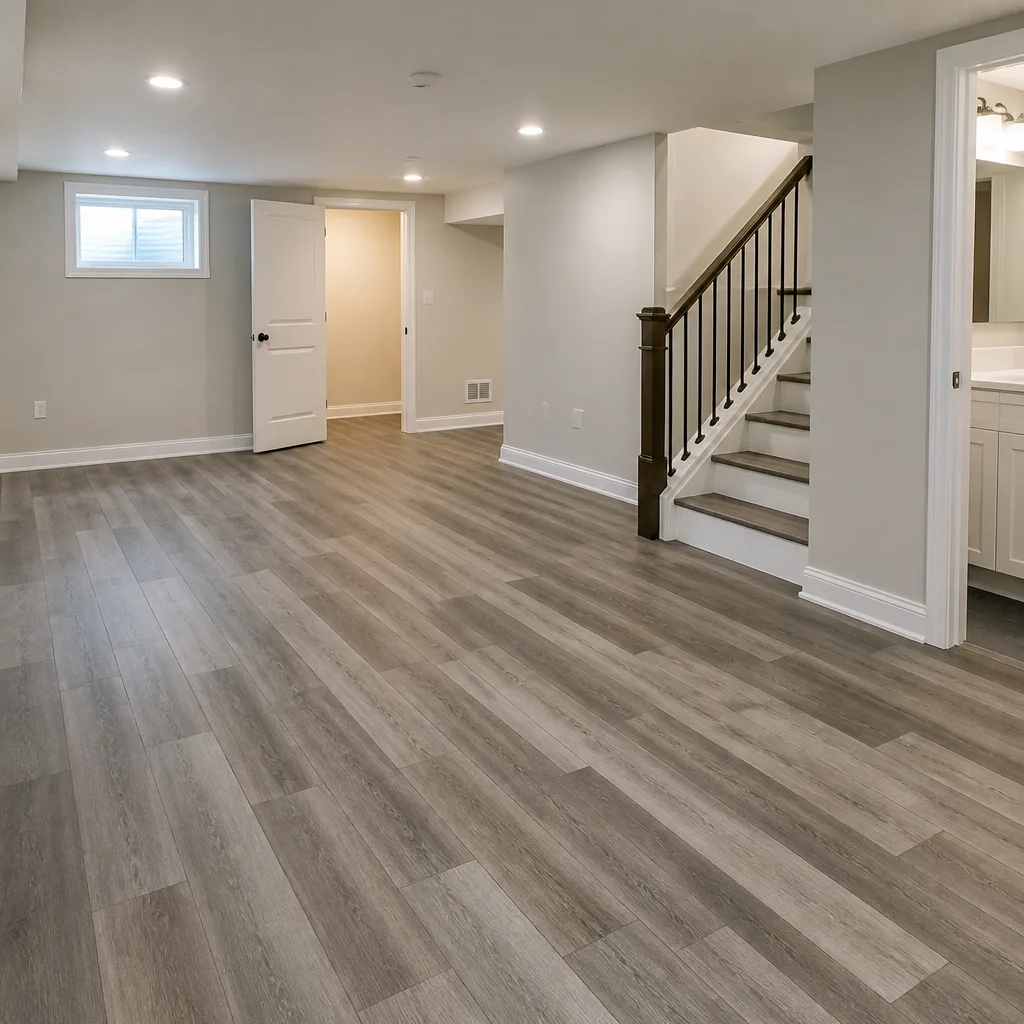
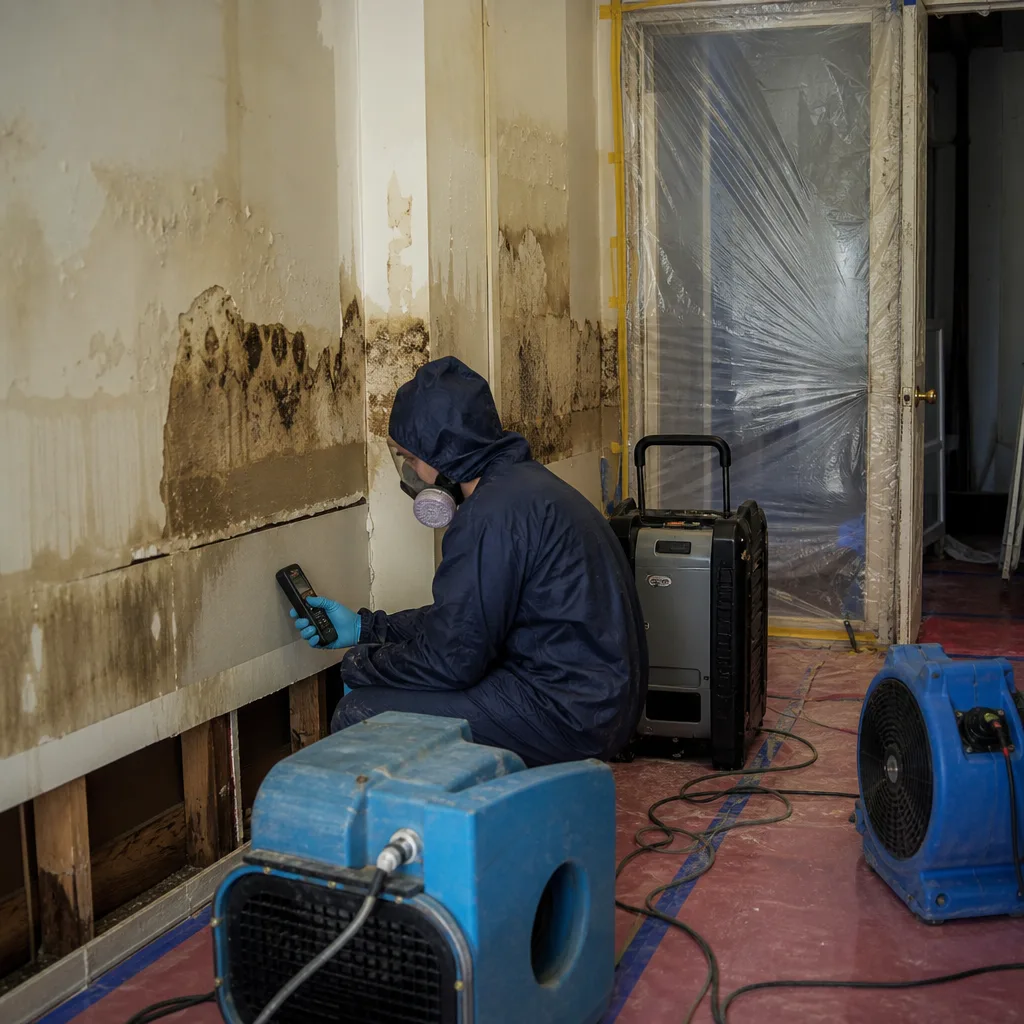 Before
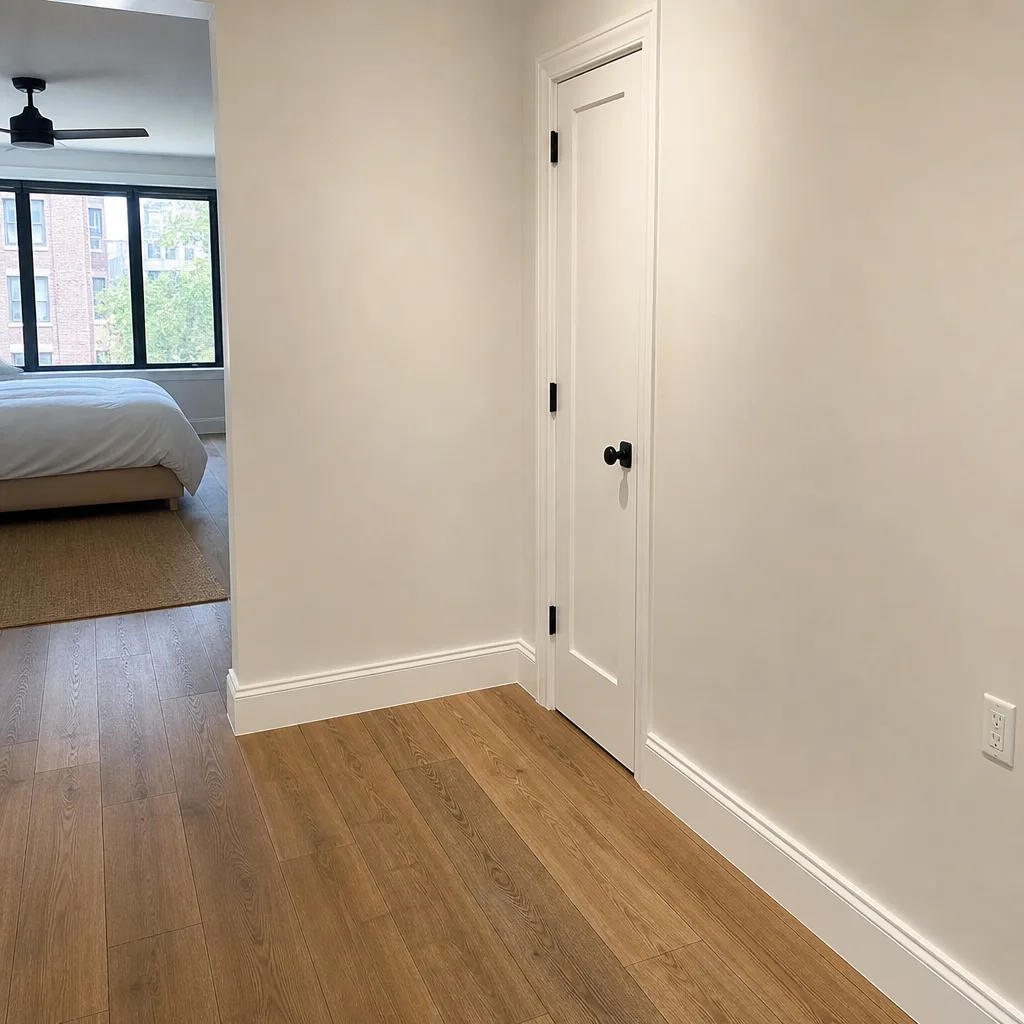 After
After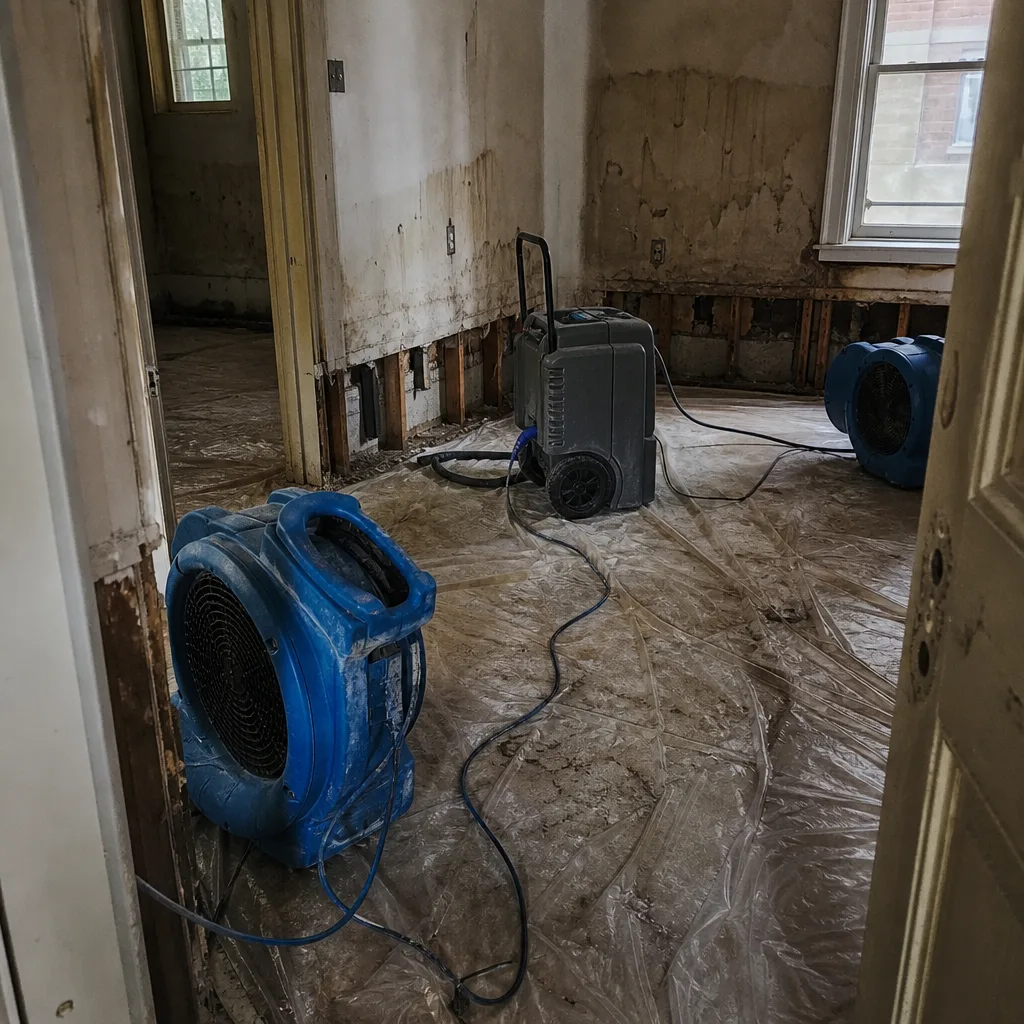 Before
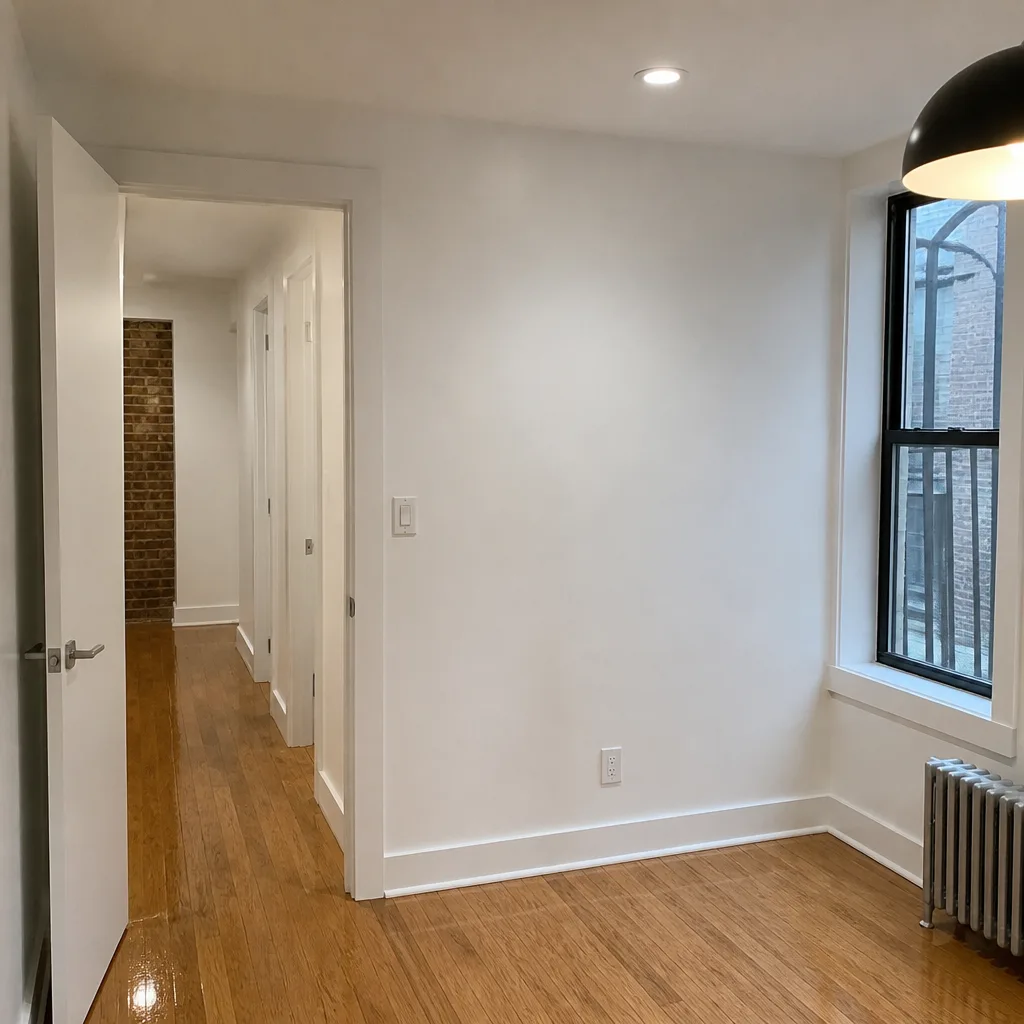 After
After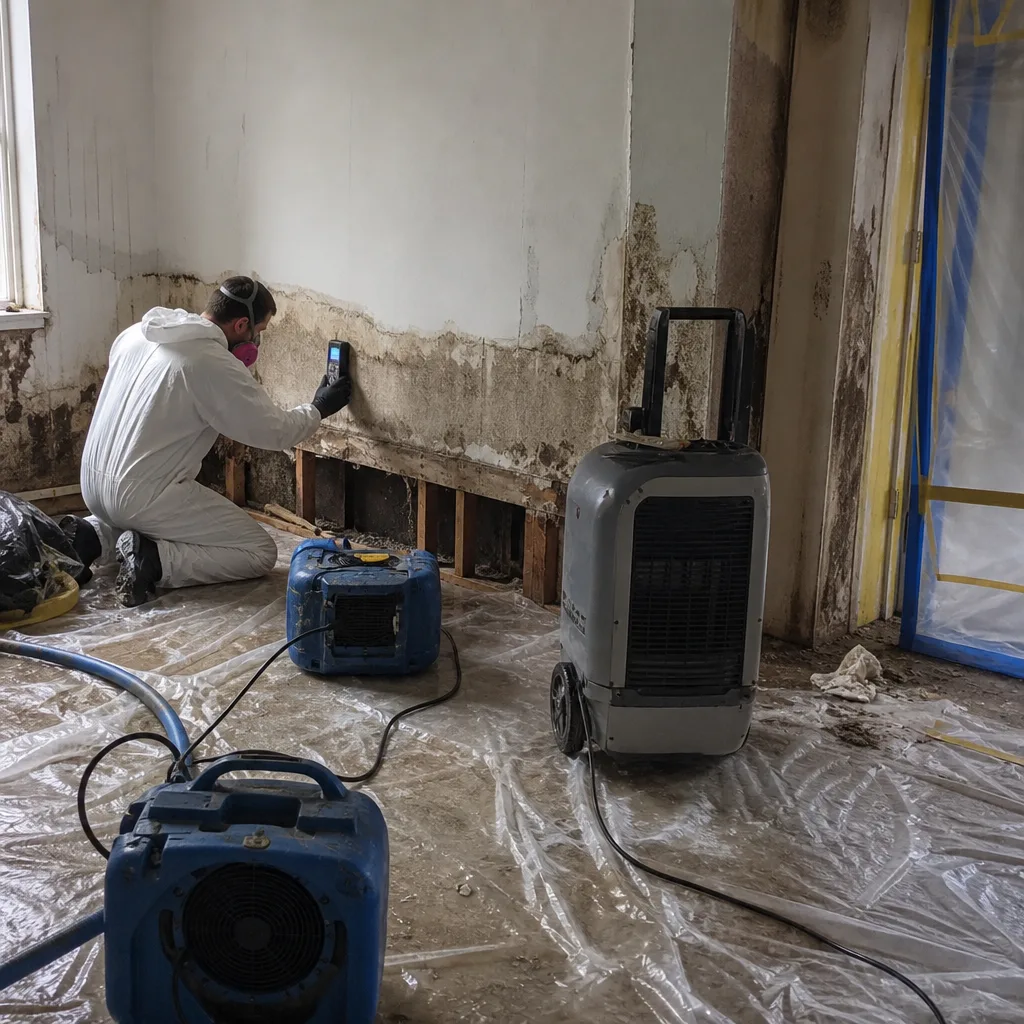 Before
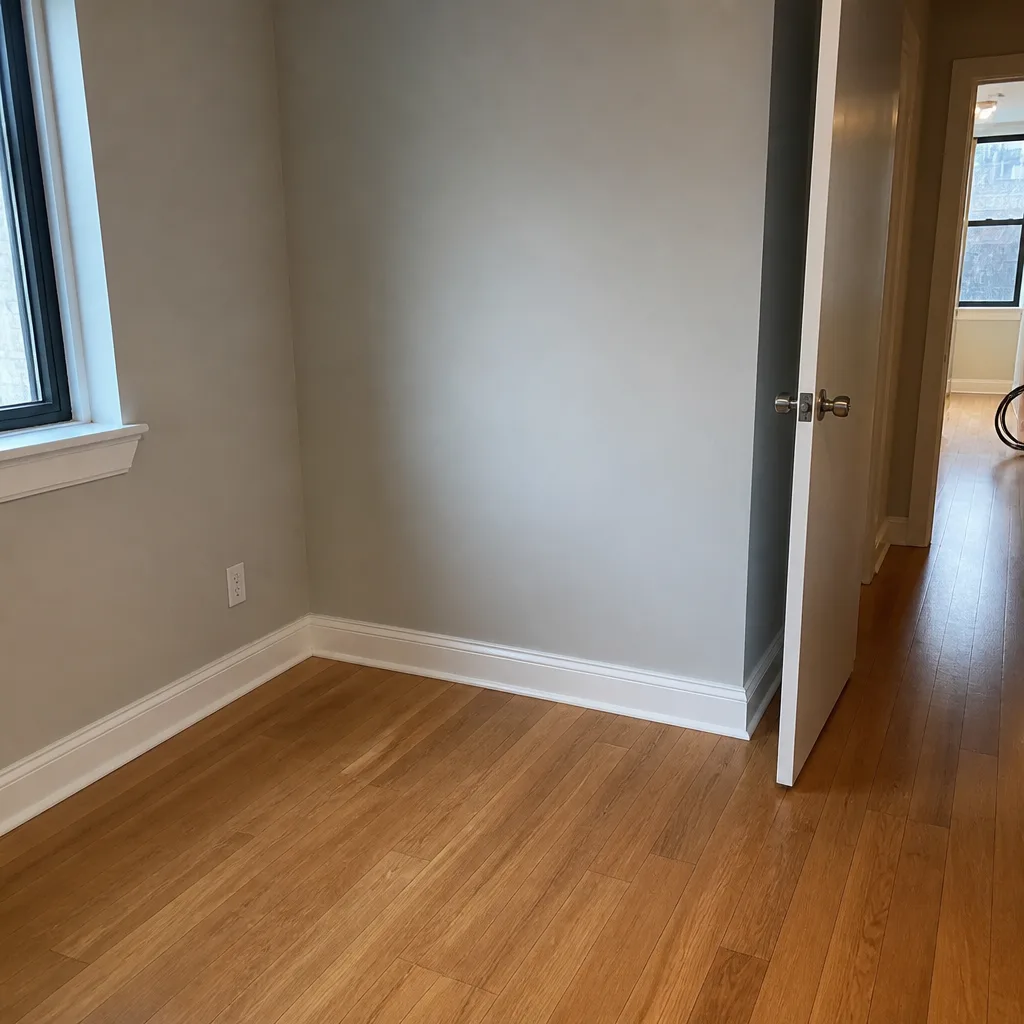 After
After24/7 Emergency Sewage Cleanup in North Bergen
Sewage backup in North Bergen demands immediate extraction, containment, and sanitization, and our crews are on call around the clock for exactly this. Call (845) 305-5737 right now and you’ll speak with a live dispatcher, not a recording, who can have a certified team rolling toward your address within minutes. We arrive fast because in a finished basement off Bergenline Avenue or any of the brick row house blocks climbing the Palisades, every hour of contact with category 3 water spreads bacteria deeper into drywall, framing, and personal belongings.
Floodline Restoration Co. has the equipment, the certifications, and the local experience to remove black water, dry the structure, and rebuild what needs rebuilding, all under one roof. Our crews are based nearby and know North Bergen’s streets, its housing stock, and its particular drainage failures. When sewage backs up into your home at two in the morning, you don’t need a phone tree. You need extraction running the same visit. That’s what we do.
Understanding Sewage Cleanup Severity in North Bergen Properties
Not all water is equal. The restoration industry classifies water damage into three categories, and sewage cleanup almost always falls under category 3, meaning it contains pathogens, bacteria, and other contaminants that pose a genuine health risk. Category 1 is clean water, like a broken supply line. Category 2, called gray water, carries some contamination, like a dishwasher overflow. Category 3 is black water, which includes sewage, toilet backflows, and stormwater that has picked up whatever sits in North Bergen’s aging combined sewer and drainage systems.
The severity of a category 3 loss in North Bergen is tied directly to the township’s building stock. Most homes here were built between 1920 and 1955, and many retain their original cast-iron drain lines. Cast iron corrodes from the inside out over decades, and when a line cracks during a freeze-thaw cycle, the first sign is often water coming up through a basement floor drain, not a visible leak. By then, contaminated water has already saturated the slab perimeter, wicking into wall cavities and under finished flooring. We test the water category on every job, not because it changes the fact that extraction is urgent, but because it determines the full scope of decontamination, including demolition, HEPA air scrubbing, and clearance testing before rebuild begins.
Why North Bergen Property Owners Choose Floodline Restoration Co.
- 45-minute response commitment: From the time you call, our goal is a crew at your door within 45 minutes across North Bergen, from 74th Street to the Boulevard East high-rises.
- 24/7 live answer, always a person: A dispatcher picks up at 2 a.m., every day of the year. No automated menus, no callbacks “during business hours.”
- IICRC-certified crews, amrt and wrt trained: Our technicians hold IICRC certifications in Applied Microbial Remediation (AMRT) and Water Damage Restoration (WRT), plus RIA and IFA training.
- Free visual inspection with moisture mapping: We scope the loss with thermal imaging and hygrometers before any work begins, so you see exactly what needs doing and why.
- Direct insurance billing, no messenger role for you: We document, we estimate, we communicate with your adjuster, and we bill your carrier directly. You don’t broker between us and the insurer.
- One team from extraction to reconstruction: The crew that pulls out sewage-soaked drywall is the same uniformed, background-checked crew that rebuilds the space. No mid-job handoff.
Our Sewage Cleanup Process
Inspection & Assessment
We arrive, we assess the loss, and we document everything. Thermal imaging shows where water has migrated inside walls and under floors. We test the water category and map the full affected area before a single piece of equipment is unloaded.
Extraction & Stabilization
Using truck-mounted and portable extraction units, we remove standing black water immediately. If the source is still live, we stop it first. In North Bergen row houses, this often means accessing drain cleanouts in shared alleys or coordinating with the municipality on the lateral line.
Containment & Drying
We seal off the affected area with plastic sheeting to prevent cross-contamination, then place professional-grade air movers and Phoenix and Dri-Eaz dehumidifiers. Daily moisture readings are logged until the structural dry standard is reached, noted in a moisture log we share with you and your carrier.
Cleaning & Sanitization
All affected surfaces are cleaned with EPA-registered antimicrobials. Porous materials that cannot be fully sanitized, like saturated carpet padding or sewage-soaked drywall, are cut out and bagged for disposal as contaminated waste.
HEPA Air Scrubbing
Category 3 water releases airborne bacteria and mold spores into the structure’s air. We run HEPA air scrubbers during and after the demolition phase to pull those contaminants from the air, protecting the rest of the home.
Repairs & Restoration
Once the structure is dry and clean, we rebuild. Drywall, framing, flooring, trim, paint. The same crew that did the extraction handles the finish work, which means no handoff to a sub who never saw the before state.
Need Emergency Sewage Cleanup in North Bergen Now?
Crews minutes away, answering live 24 hours a day. The sooner we start, the less it costs.
Working With Your Insurance Company
Sewage backup is typically covered under the water damage section of a homeowners policy, but every carrier handles category 3 contamination differently. Some cover the full extraction, decontamination, and rebuild. Others limit coverage to the backup itself, with contested approval on decontamination. That difference can mean thousands of dollars out of pocket, and it’s why we document from the first hour with the kind of evidence adjusters take seriously.
We photograph every affected room, log moisture readings daily, and write a line-item scope of work that your carrier can price against their own software. When your adjuster has questions, we answer them directly. You don’t shuttle calls back and forth. You don’t explain why a wall was opened. The paper trail does that.
What We Provide Your Insurer
- Thorough documentation of the loss
- Photos of all damage, room by room
- Moisture readings and drying logs
- A detailed, line-item scope of work
- Direct coordination with your carrier
Floodline Restoration Co. was founded in 2010 by Curt Bowman, and from the start the model has been a dispatch board, not a sales desk. We bill carriers directly because homeowners should not be playing messenger with an adjuster while standing in a sewage-soaked basement. The 90-Day Done Right Promise, our Keystone Standard, says plainly: if the work is not done right, we make it right, in writing, no arguing. That guarantee applies to every North Bergen job whether the check comes from an insurer, a landlord, or you.
Built for North Bergen’s Loss Calendar
North Bergen sits on and immediately below the Palisades escarpment. During a nor’easter moving up the Atlantic coast, the ridge concentrates and accelerates stormwater straight down through mid-slope and low-lying residential blocks. The municipal storm drains, many of them aging and undersized for more intense rainfall, get overwhelmed. When the drains back up, the combined sewer pressure pushes back into the lowest opening in your home, which in most North Bergen row houses is a basement floor drain or a utility sink. That is how a perfectly clear winter afternoon turns into a category 3 water event by evening.
The calls don’t stop when the temperature drops. Freeze-thaw cycles through January and February crack original cast-iron drain lines. Sump pump failures cluster on blocks that run perpendicular down the Palisades slope because during a nor’easter those streets effectively become drainage channels, and the volume overwhelms even recently serviced pumps. We keep trailer-mounted drying equipment staged year-round, not seasonally, because wet-basement and sewage backup calls arrive in February as reliably as in August. The dense, attached housing stock means one failure rarely affects one unit. We routinely scope and dry two or three separately-owned floors simultaneously, because a shared plumbing chase means sewage doesn’t respect property lines.
Sewage Cleanup Across North Bergen’s Neighborhoods
North Bergen’s housing fabric runs from the Boulevard East high-rises along the Palisades crest down to flatland and river-adjacent blocks, and the loss pattern changes with the topography. Along Bergenline Avenue, the commercial spines with storefronts over residential units and the adjoining residential blocks are thick with 1920s frame and brick row houses. Those buildings have narrow alley entrances and street-level basement doors that open onto sidewalks, which means our containment and drying setup gets built tight, with air movers positioned so they don’t vent into pedestrian traffic or a neighbor’s window. On 74th Street near the base of the Palisades, our crew responded to a sewage backup from a 1930s three-family row house where a failed cast-iron drain line sent category 3 water into two finished basements. We set up containment and air movers in the narrow alley entrance, coordinated moisture mapping across all three floors, and staged a trailer-mounted dehumidifier at the curb to accelerate structural drying while we handled multi-party insurance scope of work.
Up on Boulevard East, the post-war and converted buildings have a different profile: deeper footprints, more common stacks, and basement utility rooms that often sit below the grade of the street. A sewage backup in those buildings moves down through common laundry areas and into finished storage rooms. The shared drain stacks mean containment has to start at the point of entry and hold while we pull saturated material from multiple rooms, often across more than one occupancy. Over in the Woodcliff section and the blocks near Kennedy Boulevard, the housing stock skews slightly later, with more two-family attached homes built in the 1940s and 50s, many still on original clay and cast-iron laterals. The failure there is often gradual: slow drainage, gurgling in the basement sink, and then a full backup when the lateral finally collapses. We’ve pulled roots out of laterals that were planted the same year the house went up. The point is, we know these blocks, and we know what to expect when we open a cleanout on any of them.
Specialized Sewage Cleanup Services We Offer in North Bergen
Sewage Backup Cleanup
The most common call we run in North Bergen: a basement floor drain backs up during heavy rain or a freeze-thaw snap, and within hours the finished space is saturated with category 3 water. Our Sewage Cleanup team extracts, contains, sanitizes, dries, and rebuilds. We know the drain line runs in these 1920s-1950s row houses, and we know where the cleanouts are, which shortens the time from arrival to running equipment.
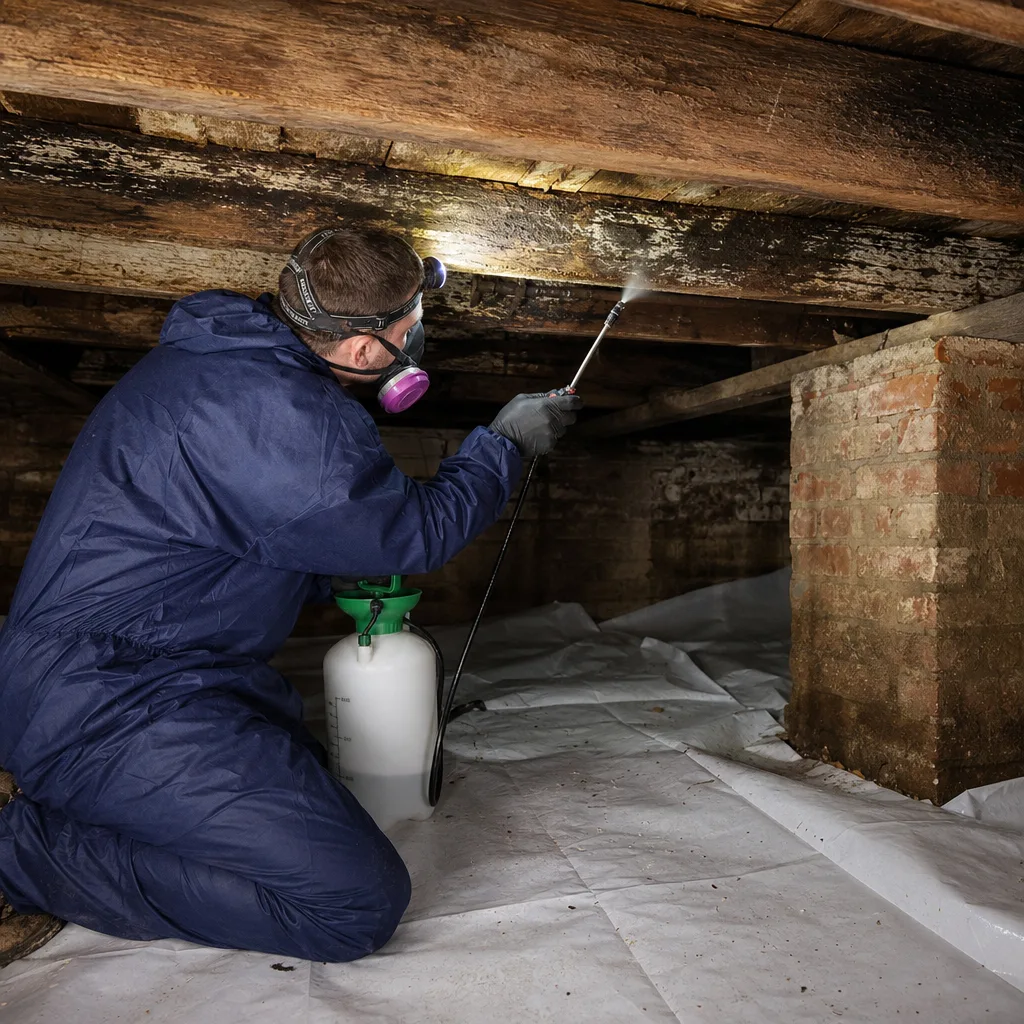
Black Water Extraction
Black water extraction is the emergency phase of sewage cleanup. We use truck-mounted and portable extraction units to pull standing water and waste from floors, crawl spaces, and site-built sumps. In North Bergen’s attached homes, the extraction plan often has to account for water that has migrated across a shared wall, which is why we scope the adjoining unit during the initial inspection, not after the fact.
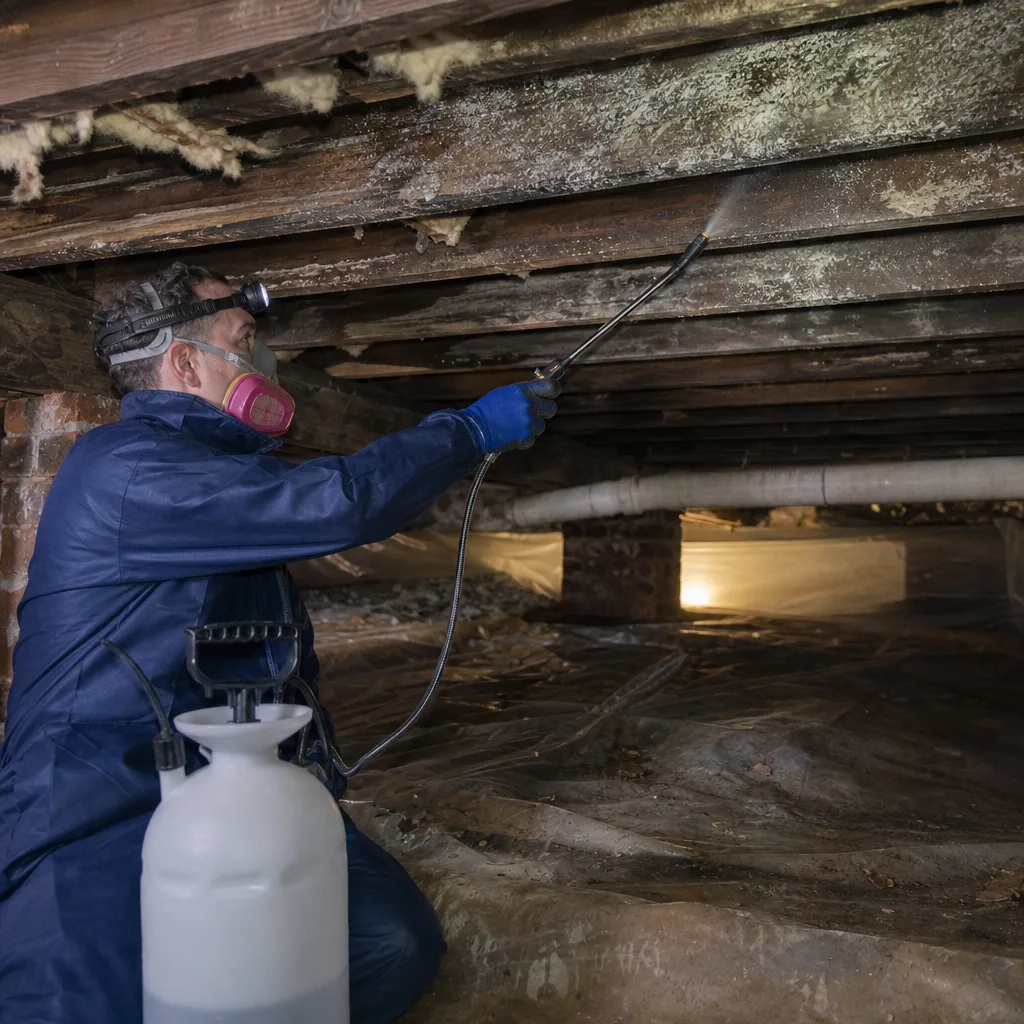
Crawl Space Sewage Removal
Some of North Bergen’s older row houses have shallow crawl spaces under front or rear additions. When a drain line in the crawl space lets go, sewage pools in an enclosed area that can’t be reached with standard equipment. We send technicians in with PPE and containment protocols, remove the waste, remove saturated soil where needed, and dry the space with an Injectidry system. You may not have known there was a crawl space until something went wrong in it. We handle it anyway.
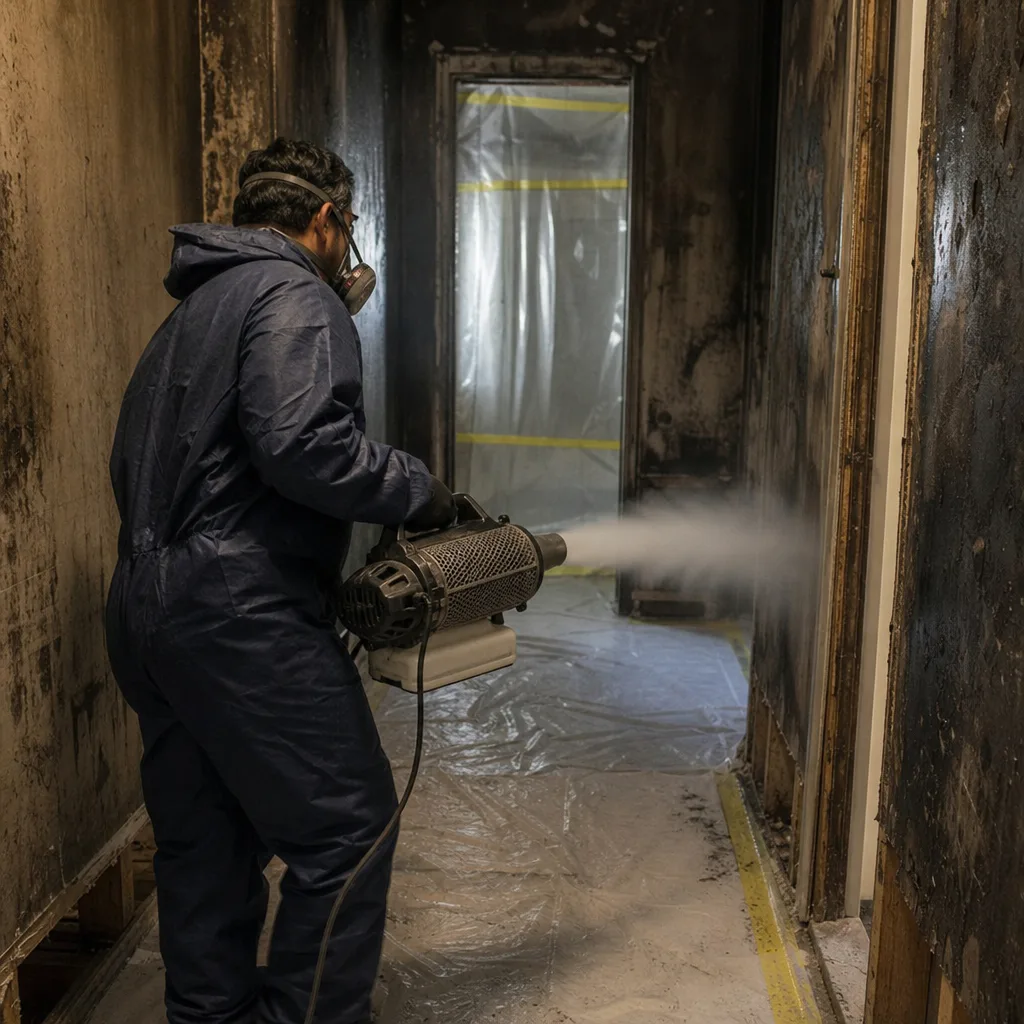
Toilet Overflow Cleanup
A toilet overflow is technically category 3 water, and in a shared home it is never a one-unit problem. We extract, sanitize, and dry the affected bathroom and any finished space on the floor below. If the overflow was chronic, the subfloor may have been degrading for weeks. We check the framing with a moisture meter before we close it back up.
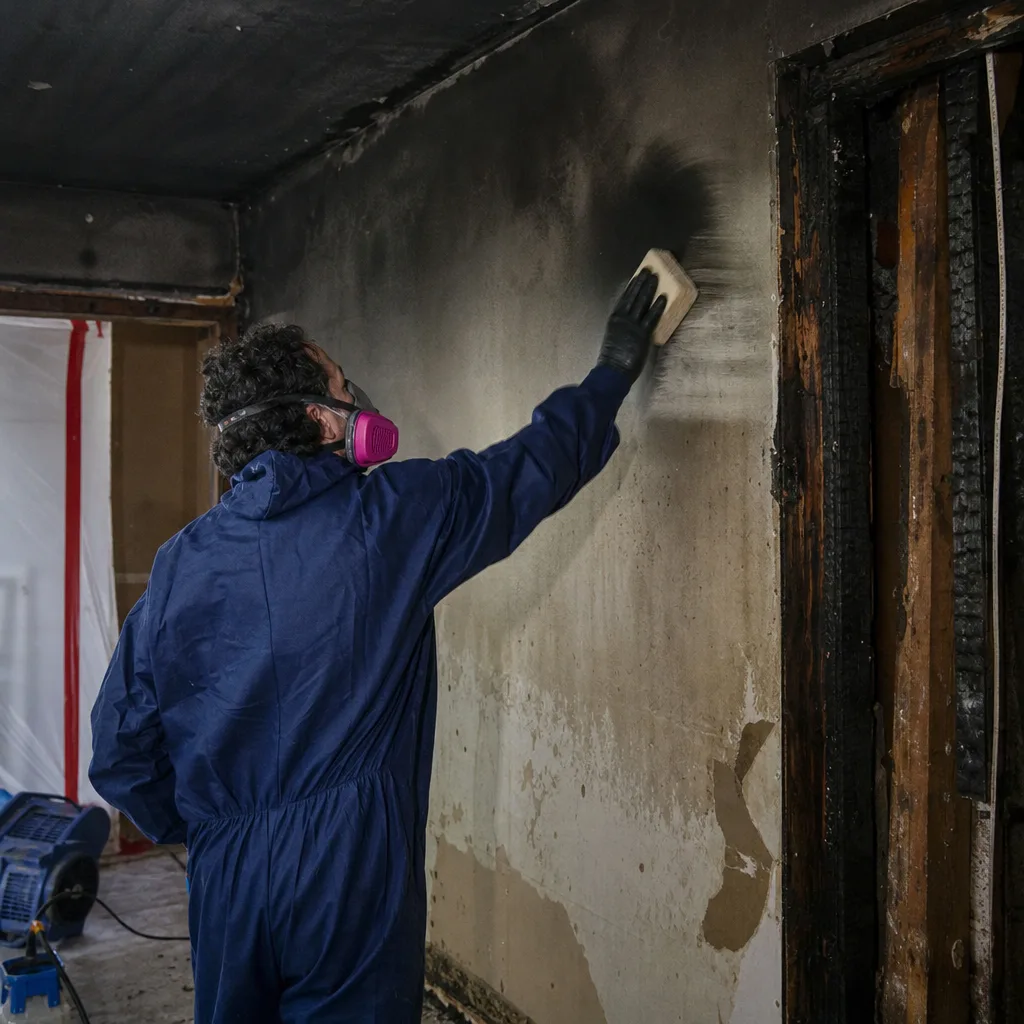
Sanitization & Disinfection
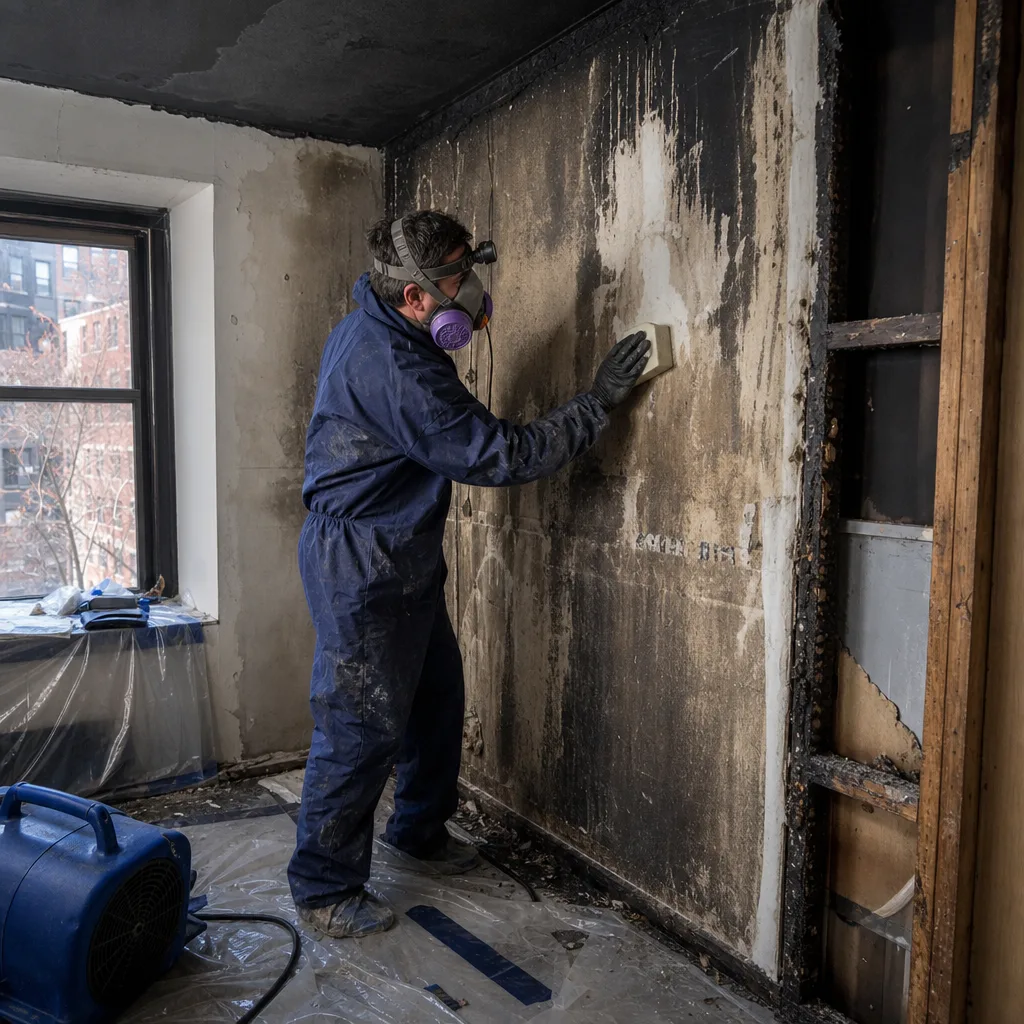
After extraction and demolition, the work shifts to making the structure safe to rebuild and reoccupy. We clean all affected surfaces with EPA-registered antimicrobials, run HEPA air scrubbers throughout the containment zone, and leave behind a sanitized, dry, and stable environment. You get the drying log. Your insurer gets the drying log. No one is guessing.
What happens when you call
- 1
A real person answersNo phone trees - you reach a local pro.
- 2
You get an upfront price rangeHonest numbers before anyone is dispatched.
- 3
A background-checked tech heads outLicensed & insured, dispatched right away.
- 4
You approve before work beginsNothing starts until you say go.
Sewage Cleanup Costs in North Bergen, NJ
A sewage backup cleanup in North Bergen typically runs between $1,800 and $4,500 for extraction, containment, sanitization, and drying of a contained basement loss. When contaminated drywall, flooring, and personal contents require demolition and disposal, the total commonly lands between $4,000 and $9,000. If the damage extends to multiple floors across shared occupancy boundaries, which happens regularly in these attached two- and three-family brick row houses, the full scope including rebuild can reach $12,000 to $20,000 or more, with each unit owner’s carrier contributing under their own policy.
What moves the price: the water category (category 3 always adds decontamination), the square footage of affected finished space, whether crawl space or structural access is required, and whether shared walls force demolition on both sides. Insurance typically covers the extraction, decontamination, and repair when the backup is sudden and accidental. Gradual failures, like a cast-iron line that has been leaking for months, get more scrutiny from adjusters. That’s why the free inspection matters. We document the cause, the extent, and the condition of the lines before you sign anything, and we give you a written scope of work. No surprises on the bill, ever. Call (845) 305-5737 for an exact quote. Estimates are free.
We Also Serve Cities Near North Bergen
Our crews handle regular sewage cleanup work in Weehawken and Edgewater. If your building sits along the Palisades or down by the river, the call works the same: live answer, fast dispatch, one crew from extraction to rebuild. Call (845) 305-5737.
Serving North Bergen, NJ - Our Local Coverage Area
We’re based in the North Bergen area and know this community well. Use the map below to see our service coverage - if you’re nearby, we can almost certainly help.
North Bergen Sewage Cleanup Questions, Answered
Does North Bergen’s dense attached housing change how sewage backup cleanup is scoped across units?
Yes, it fundamentally changes the scope. In a two- or three-family brick row house, a single backup in a shared drain stack or common lateral can send category 3 water into multiple finished basements before anyone notices. Floodline Restoration Co. routinely scopes and dries two or three separately-owned floors simultaneously, with separate containment zones and drying logs for each affected unit. That means the initial assessment has to check the adjoining units, not just the one that called. If your neighbor’s basement is wet and yours is not yet, the problem is coming through the wall. We scope for that from the first hour, because missing it means a callback and a second insurance claim. Call (845) 305-5737 and we’ll map the full building, not just one floor.
Why do sump pump failures cluster on streets that run perpendicular down the Palisades slope?
North Bergen’s blocks that run perpendicular down the escarpment act as de facto drainage channels during nor’easters and heavy rain events. Surface water from the ridge crest and mid-slope neighborhoods cascades down those streets faster than the aging municipal storm drains can take it. Sump pumps on those blocks end up fighting not just groundwater, but an entire street’s worth of runoff, and even recently serviced pumps fail under that volume. When the sump overflows, the water that comes up is category 3, because it has mixed with whatever the street carried with it. We see these calls cluster on the same handful of streets every storm cycle, and we keep response plans and equipment staged accordingly.
What insurance coordination is typical for a two-family North Bergen sewage backup?
Two-family sewage backups in North Bergen almost always involve two insurance policies, and sometimes three if a commercial ground-floor unit is affected. One unit’s policy may cover the backup, while the other’s covers the lateral failure. Floodline Restoration Co. documents each unit separately, photographs everything, logs moisture readings per floor, and writes a line-item scope for each carrier. We communicate with the adjusters directly, and we bill the carriers directly. You don’t shuttle between us and the insurance company. The goal is that both unit owners get their homes dried and rebuilt without a dispute about who pays for the shared wall. We handle the documentation that makes that possible.
How quickly can mold start in a North Bergen finished basement after a sewage overflow?
In North Bergen’s summer conditions, with the elevated humidity that comes from sitting just west of the Hudson River, mold colonization can begin within 48 to 72 hours of a sewage overflow. In a finished basement with drywall and carpet, that window is even shorter because those materials hold moisture aggressively. This is the same reason we treat every sewage cleanup as a mold prevention job, not just a water job. We set up HEPA air scrubbing during the extraction phase and run dehumidification until the structural dry standard is met. Waiting even a day because the damage looks “not that bad” is how a $3,000 cleanup becomes a $15,000 mold remediation. Call (845) 305-5737 as soon as water appears. The earlier we start, the less has to be torn out.
Do we need to vacate our attached row house during black water extraction?
In most cases, you can stay in the unaffected portion of your home during black water extraction, so long as containment is properly set up and the HEPA air scrubbing is running. The contaminated area is sealed off with plastic sheeting, and negative air pressure keeps airborne contaminants from migrating into living spaces. However, if the sewage backup is extensive, or if anyone in the home has respiratory issues, a compromised immune system, or is elderly, we will recommend temporary relocation until the decontamination phase is complete. Every house is different. We’ll give you an honest assessment when we arrive, not a blanket rule.
How fast can you actually get to a North Bergen address for sewage cleanup?
Our goal is 45 minutes from the time you call, anywhere in North Bergen. We have crews dispatched from nearby, and we know the streets well enough to beat the GPS on the Palisades switchbacks. The dispatcher who takes your call at 2 a.m. is the same person who sends the crew, so there’s no lag between message-taking and dispatch. When sewage is actively flowing into a finished basement, 45 minutes is the difference between pulling up carpet and pulling out drywall. Call (845) 305-5737 and you’ll have a crew on the way while you’re still on the phone.
What certifications do your sewage cleanup technicians actually hold?
Our technicians are certified to IICRC standards, including the Applied Microbial Remediation Technician (AMRT) and Water Damage Restoration Technician (WRT) designations. They also carry RIA and IFA training. Those certifications matter for sewage work specifically because category 3 water introduces microbial contamination, and the AMRT certification covers exactly that: proper containment, sanitization protocols, and clearance testing. Any crew that does sewage work without AMRT-certified technicians is guessing at the decontamination. We don’t guess.
What should I do in the first 30 minutes after a sewage backup in North Bergen?
First, turn off the water supply at the main shutoff if the backup is from a supply line or an active overflow, but do not enter standing water if there is any chance of contact with electrical outlets or appliances. Do not flush toilets or run sinks, as that adds more water to the backup. If the water is near the electrical panel, call the fire department first and us second. Otherwise, call (845) 305-5737 immediately. While you wait, move any untainted valuables to a dry area and take photos of the water line. Don’t attempt to remove standing sewage yourself. The first hour is when the damage converts from an extraction job to a demolition job, and we’d rather be the ones handling it.
Written by Curt Bowman, Owner at Floodline Restoration Co., serving North Bergen since 2010.