

Free visual inspection and a written scope of work before any mitigation begins - photos, moisture readings, and drying logs go in your claim file
The scope we write is the scope we bill. Anything new gets shown to you, in writing, before we touch it.
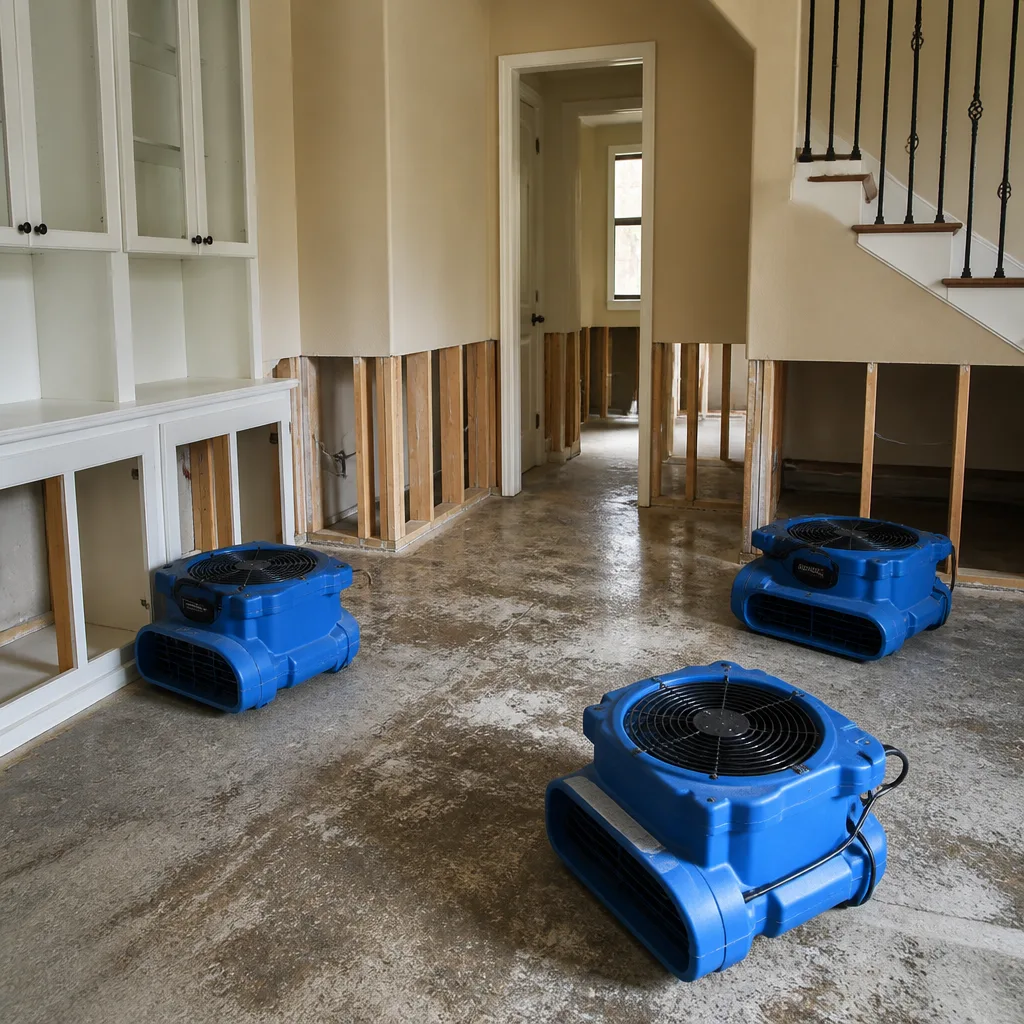
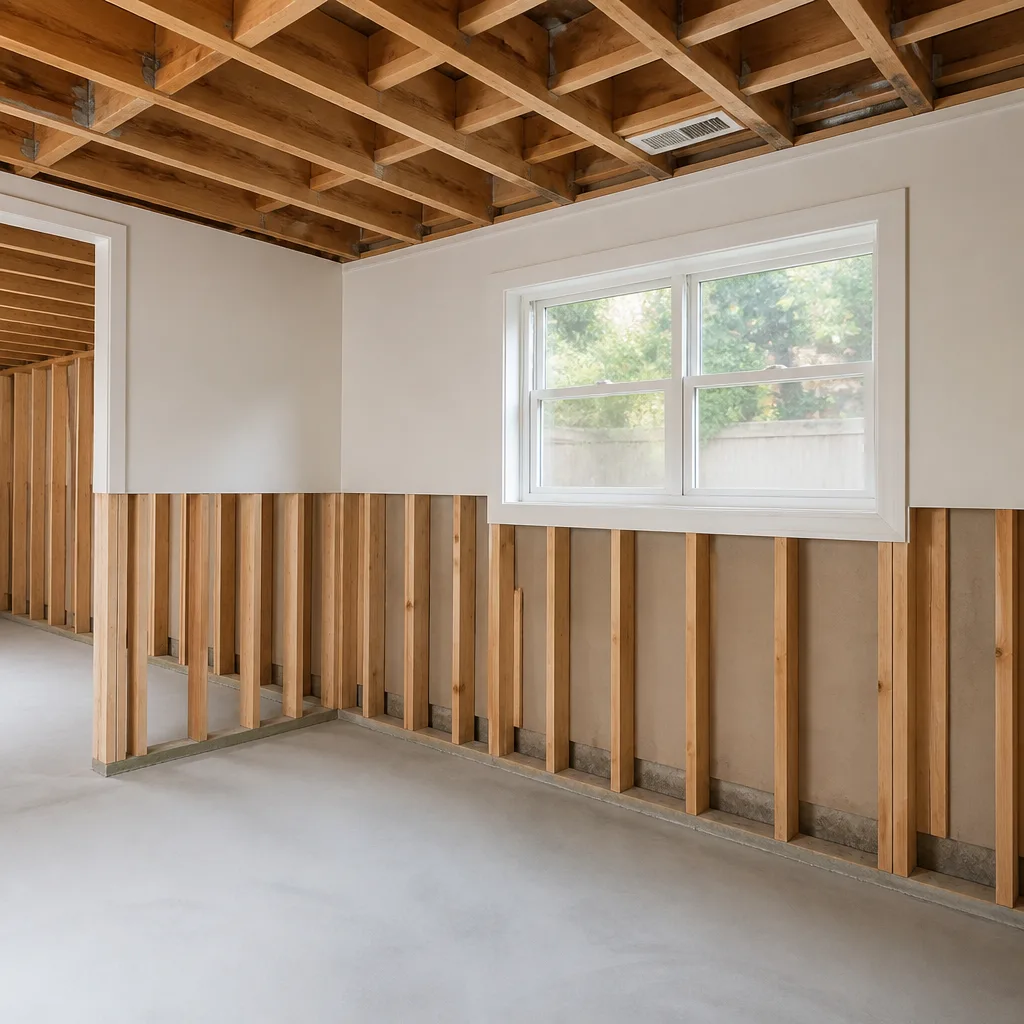
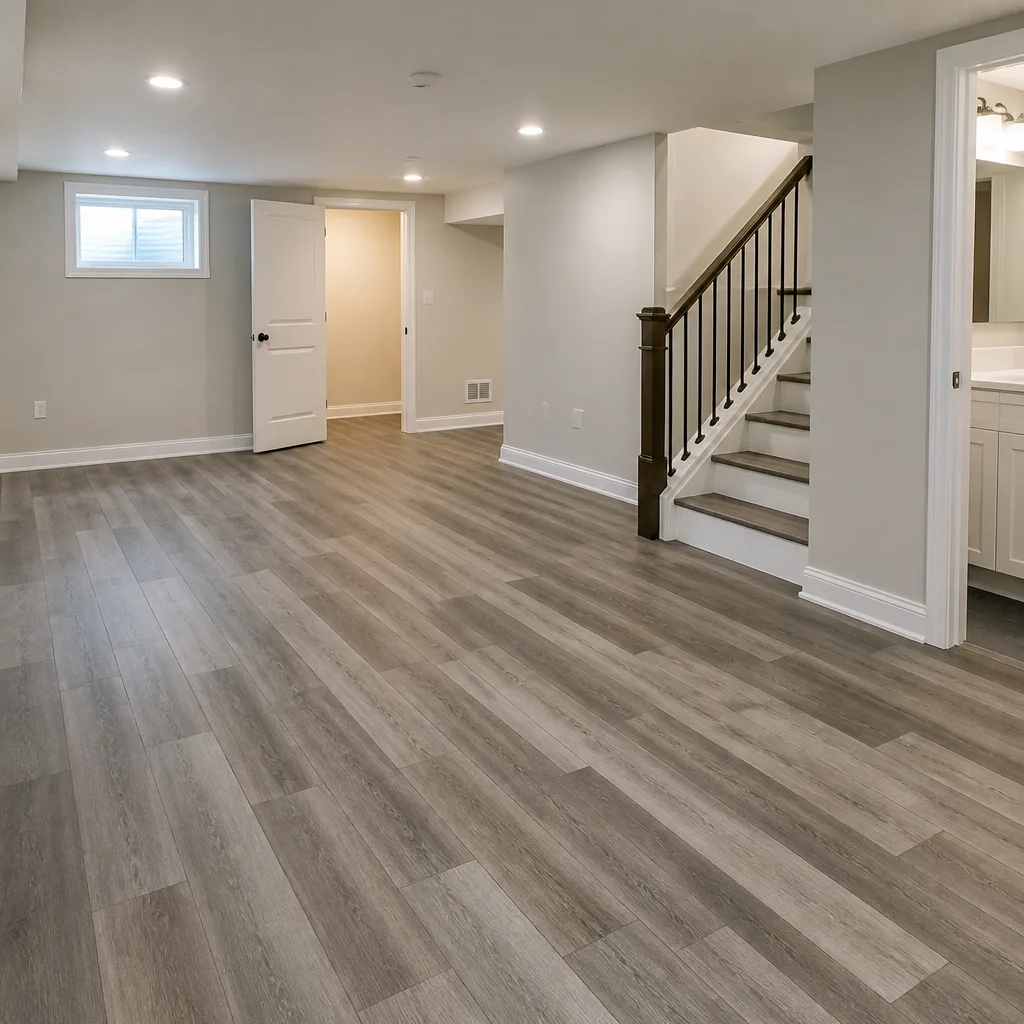
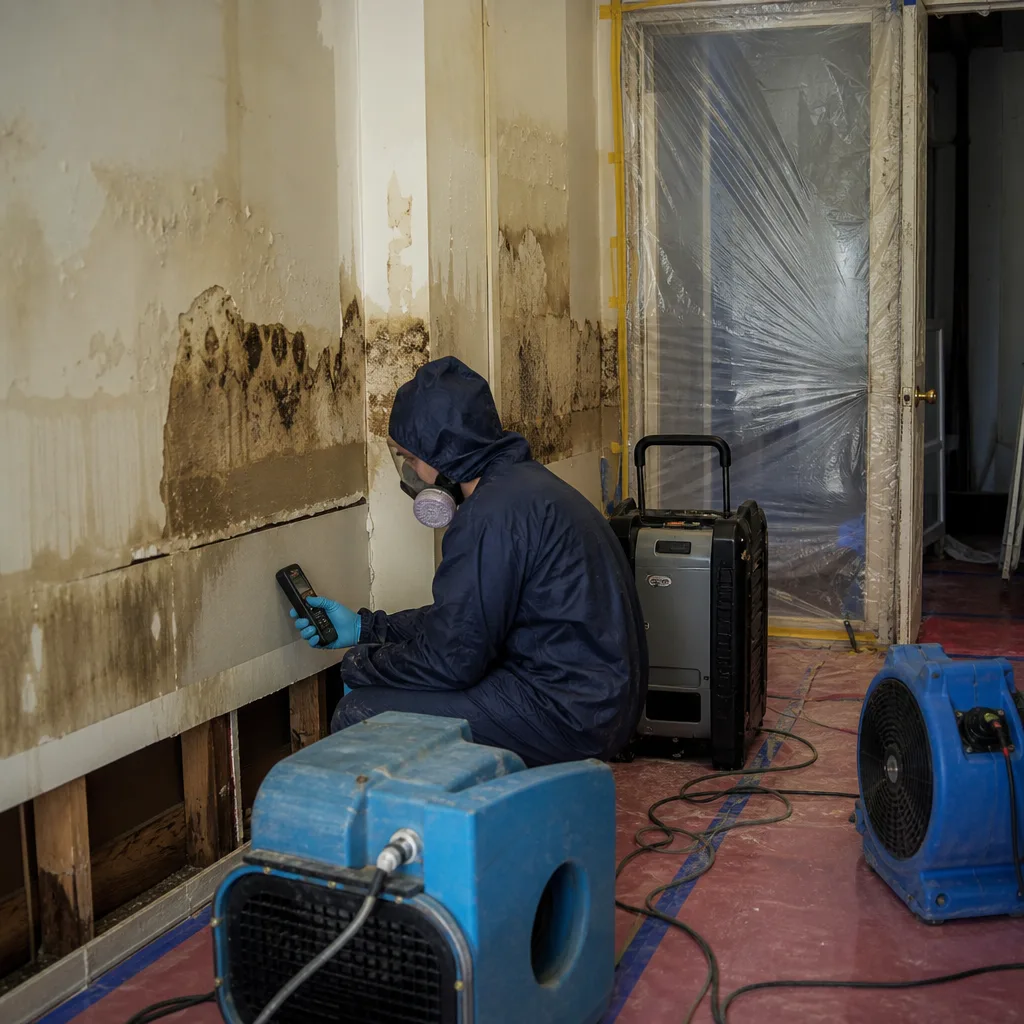 Before
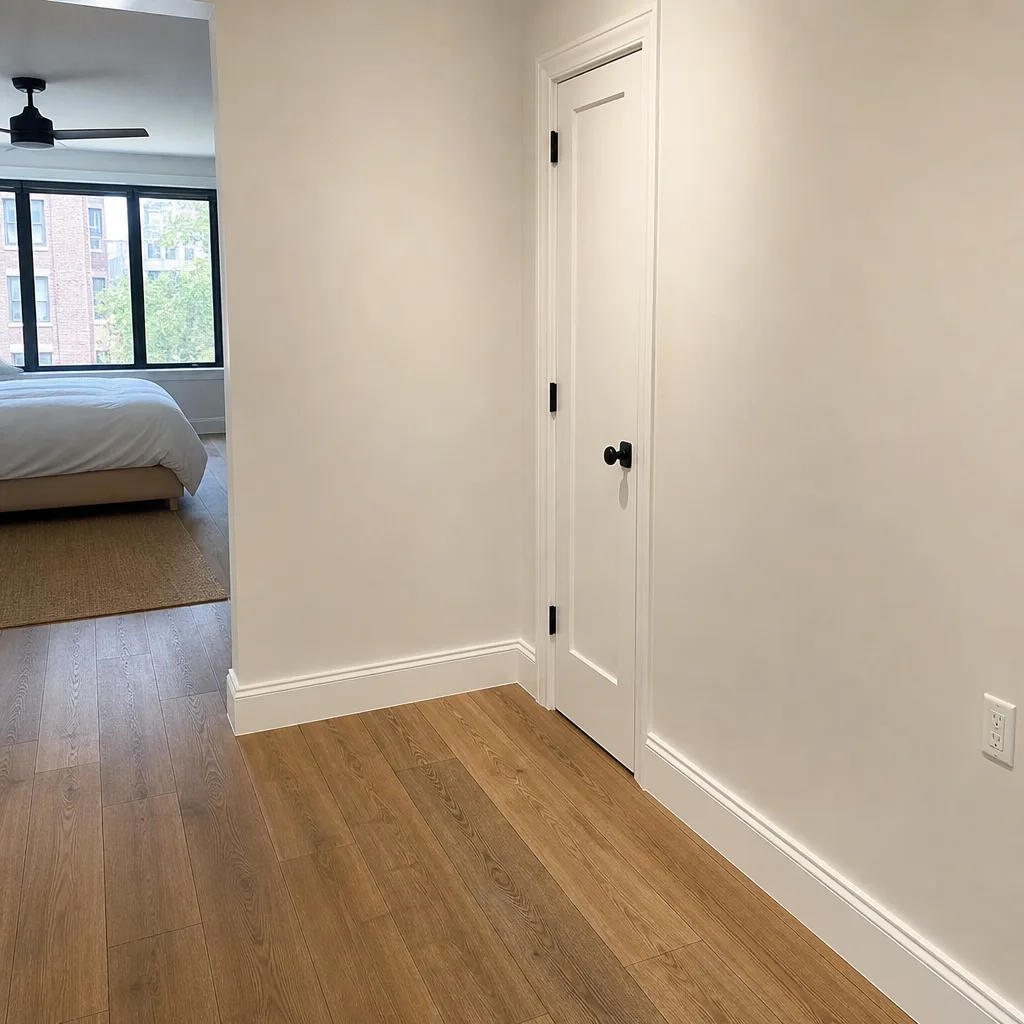 After
After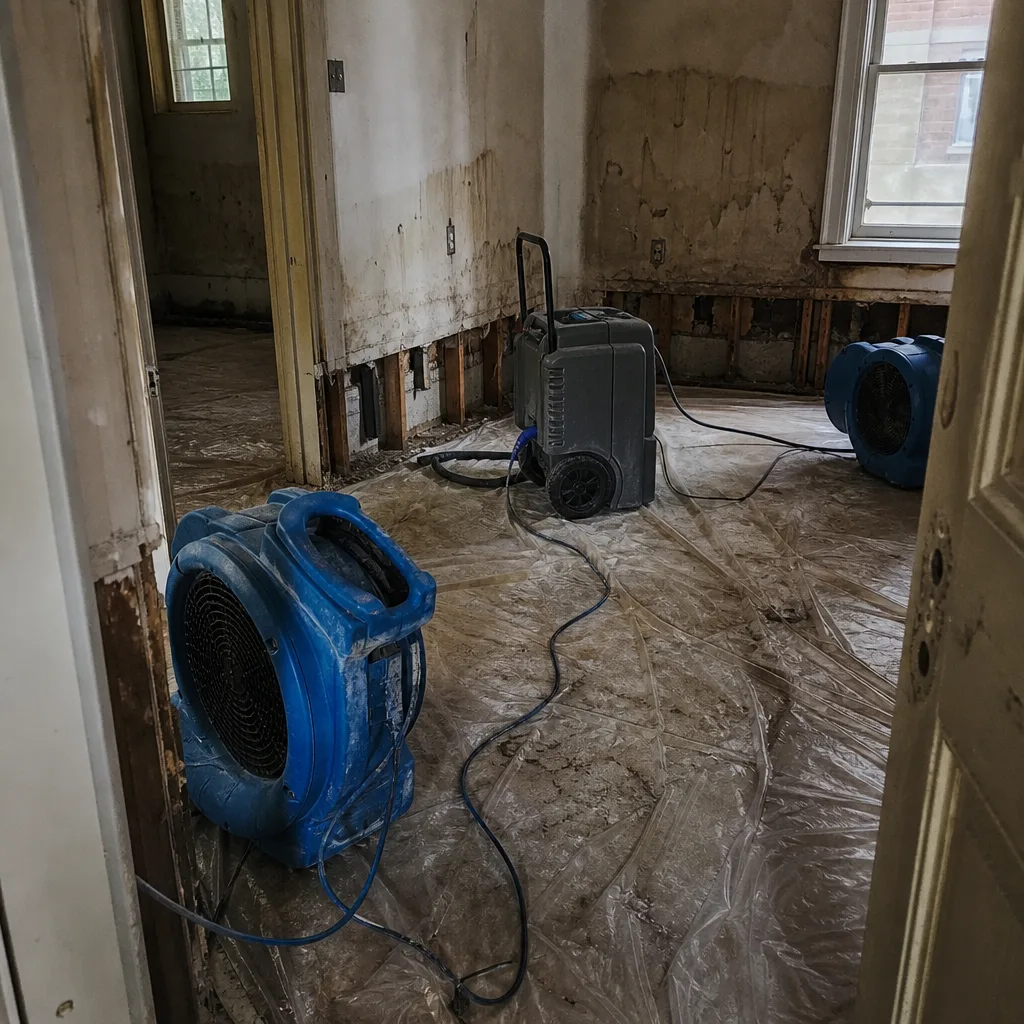 Before
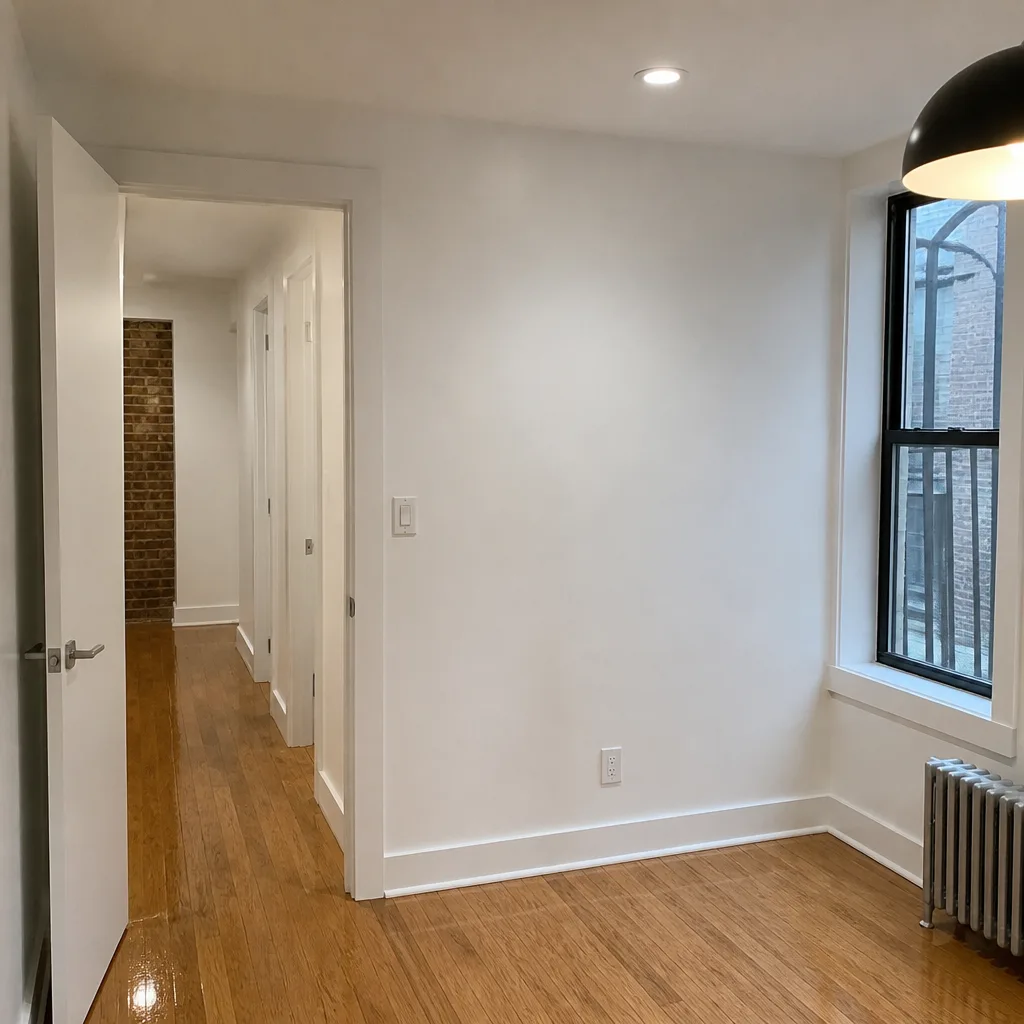 After
After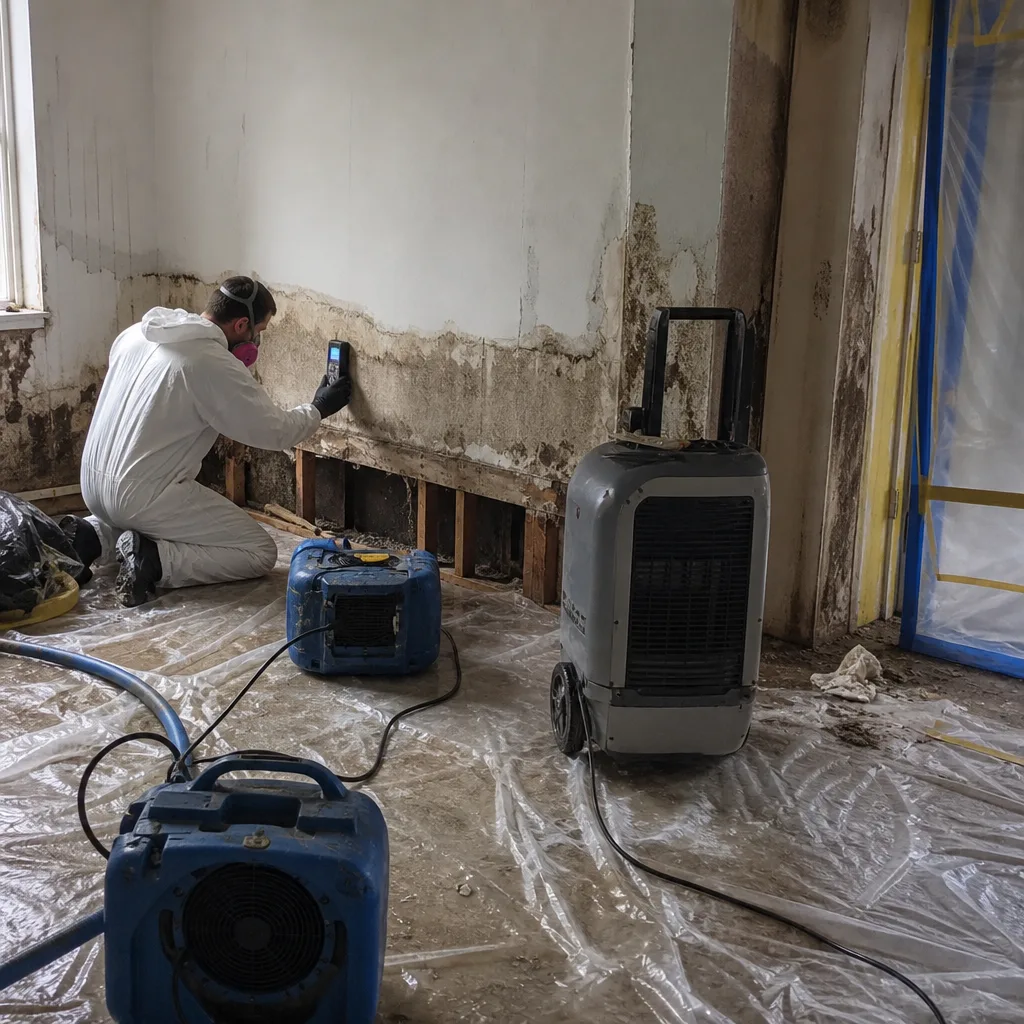 Before
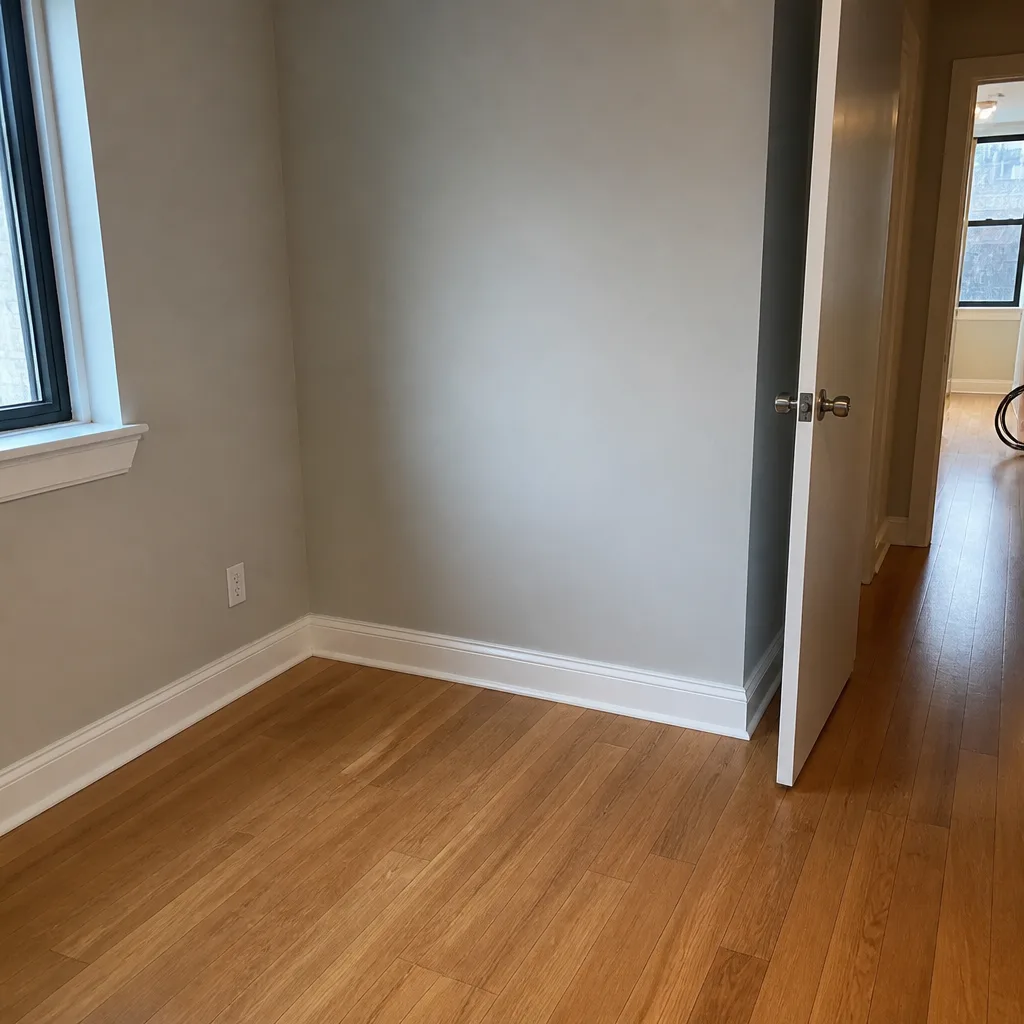 After
After24/7 Emergency Sewage Cleanup in Morningside Heights
Sewage backup in a Morningside Heights apartment or brownstone is a Category 3 water event: contaminated, dangerous, and urgent. Our crews reach addresses in Morningside Heights within 45 minutes of your call, any hour of the day. Call (845) 305-5737 now and a live dispatcher answers. Not a recording. Not a call center script. A person who knows the neighborhood and starts the response while you’re still on the line.
The first hour matters because black water moves fast through the shared risers and plaster-and-lath cavities that define this neighborhood’s housing stock. Once sewage wicks into original oak flooring or behind 1920s baseboards, the scope doubles. We set containment, start extraction, and begin the documentation your building management or insurer will require. Free visual inspection, every time.
Understanding Sewage Cleanup Severity in Morningside Heights Properties
Sewage is always Category 3 water: grossly contaminated with bacteria, viruses, and pathogens. There is no “minor” sewage backup. What changes is how far the contamination has traveled and what it has saturated. In a 1920s masonry building near Riverside Drive, a toilet overflow on the sixth floor can migrate through the original cast-iron waste stack into four apartments below within twenty minutes. The plaster-and-lath walls act like wicks, pulling contaminated moisture up from the base plates. The oak flooring absorbs it, swells, and traps it against the subfloor.
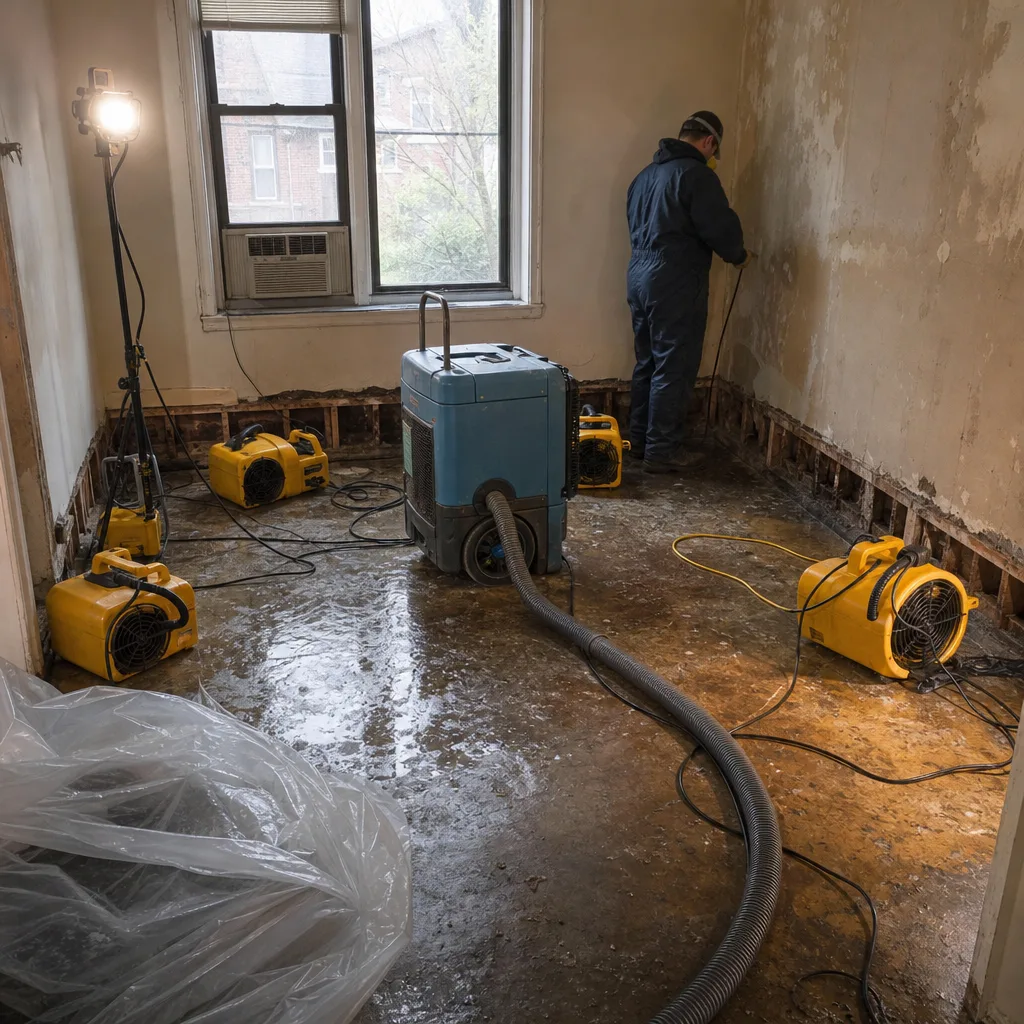
Moisture mapping matters more here than in newer construction because these walls hide what they’re holding. We run thermal imaging and hygrometer readings through every affected unit, not just the visible damage. Steam-heat risers complicate the picture further: residual heat from radiators in adjacent units keeps drying conditions uneven, so we adjust equipment placement accordingly. Category 3 water in a Morningside Heights pre-war building is a structural event, not a cleaning task. Classifying it as anything less gets people sick and properties condemned.
Why Morningside Heights Property Owners Choose Floodline Restoration Co.
- 45-minute response to Morningside Heights addresses. Crews are dispatched locally, not from an outer-borough yard. We’ll be there when we say.
- A live person answers at 2 a.m. Every call, every day. Our dispatch board has run on live answers since Curt Bowman founded the company in 2010.
- IICRC-certified crews. Our technicians hold WRT and ASD certifications with ongoing training in Category 3 containment and structural drying. Uniformed, background-checked, and accountable by name.
- Free visual inspection with written scope. No charge to assess, and you’ll get a line-item scope of work before anything is signed. No surprises on the bill.
- Direct insurance billing. We run the claim documentation ourselves and bill your carrier directly. You don’t play messenger between us and the adjuster.
- One crew from extraction to rebuild. Floodline Restoration Co. handles the full Sewage Cleanup cycle: extraction, drying, sanitization, and reconstruction. No mid-job handoff to a crew you’ve never met.
Our Sewage Cleanup Process
Inspection & Assessment
We arrive, walk the affected area, and run moisture readings immediately. Thermal imaging finds what’s behind plaster-and-lath before we touch a wall. You get a written scope of work before any equipment is placed.
Extraction & Stabilization
Black water comes out first. For a fifth-floor toilet overflow near 116th Street, that means pumping contaminated water from wood floors, carpet pads, and any affected crawl or utility spaces. We stop the spread before drying begins.
Drying & Dehumidification
Professional-grade Dri-Eaz and Phoenix dehumidifiers plus XPOWER air movers run continuously, placed based on the moisture map. In pre-war buildings with steam heat, we account for radiator heat affecting dry times and adjust daily.
Cleaning & Sanitization
Every surface touched by Category 3 water gets hospital-grade disinfectant. This is not a wipe-down: we treat baseboards, floor surfaces, and wall cavities up to the documented saturation line. We use EPA-registered antimicrobials rated for sewage contamination.
Specialty Treatment for Sewage
Plaster-and-lath walls require cavity inspection before we can certify them clean. In many Morningside Heights buildings, that means drilling small access points at the base of walls, running internal drying, and treating inside the cavity itself. The original oak floors get floor-drying mats where salvageable.
Repairs & Restoration
Once drying logs hit the dry standard and clearance testing passes, we rebuild: baseboards, flooring, wall sections, any structural wood that failed. One Floodline crew carries the job end to end, backed by the 90-Day Done Right Promise in writing.
Need Emergency Sewage Cleanup in Morningside Heights Now?
Crews minutes away, answering live 24 hours a day. The sooner we start, the less it costs.
Working With Your Insurance Company
Most Morningside Heights sewage backups are covered claims, whether you own a co-op unit, rent in a Columbia-managed building, or hold a brownstone policy. The claim outcome depends on documentation from the first hour: photos of the source, moisture readings that establish Category 3 classification, and a line-item scope that uses industry-standard pricing your adjuster recognizes. We document every phase from extraction through final clearance, and we speak directly with your carrier’s adjuster so you don’t have to translate mitigation jargon into an email at midnight.
What We Provide Your Insurer
- Thorough documentation of the loss
- Photos of all damage, room by room
- Moisture readings and drying logs
- A detailed, line-item scope of work
- Direct coordination with your carrier
Built for Morningside Heights’s Loss Calendar
Sewage losses here follow the building systems, not the weather. January and February produce the deepest freezes, and in pre-war steam-heat buildings, that means pipe failures: a frozen supply line in an exterior wall, a cracked radiator valve on a cold snap night, a corroded section of cast-iron drain that finally gives out. Each of those sends Category 3 water down through the building along shared risers, often while the super is off-site and the first sign of trouble is water coming through a neighbor’s ceiling.
Spring in Morningside Heights brings rain, and the neighborhood’s combined storm-sewer system means heavy downpours push back into building drains that were never sized for Manhattan’s current stormwater load. Summer thunderstorms do the same, faster. By fall, the cycle resets; the buildings dry unevenly, plaster cracks, and the next freeze finds the next weak joint. Every season has a failure mode here, and all of them involve other people’s water ending up in your unit. A square deal starts with knowing what you’re actually dealing with before crews start pulling baseboards.
Sewage Cleanup Across Morningside Heights’s Neighborhoods
The response routes here follow the neighborhood’s geography. Around 116th Street and Broadway, we’re in and out of Columbia-managed buildings constantly, and the process always involves coordinating with the university’s facilities office before equipment is placed. Those jobs run on paperwork plus speed. Over by Riverside Drive, the pre-war co-ops have their own management companies and supers, so we work the same approval chain through a different office. Along Amsterdam Avenue and Claremont Avenue, the brownstone rows and smaller elevator buildings often have original galvanized waste lines that have been patched for decades; sewage backups here tend to be drain failures rather than riser cascades. Up toward Morningside Drive and West 125th Street, buildings transition into taller post-war stock, but plenty of 1920s walk-ups remain, and those have the same plaster-and-lath cavities on smaller floor plates.
The point is not the route itself. It’s that a sewage backup at 118th and Amsterdam is a different job than one at 122nd and Riverside, even if both started as a toilet overflow. The building type dictates the containment plan, the dry time, and the rebuild scope. We read the building before we write the scope.
Specialized Sewage Cleanup Services We Offer in Morningside Heights
Toilet Overflow Cleanup
A toilet overflow in a Morningside Heights pre-war building is never just a bathroom problem. The water moves under the tile, through the floor assembly, and into the apartment below, especially in buildings where original oak flooring sits directly on structural joists. We treat every toilet overflow as Category 3 from the first assessment, contain it, and dry the floor assembly. Our crew responded to a fifth-floor toilet overflow near 116th Street after a steam riser failure cascaded Category 3 water down through four apartments. We set containment and air movers, ran moisture readings on the plaster-and-lath walls, and submitted a scope of work to Columbia’s facilities coordinator before starting structural drying on the original oak flooring.
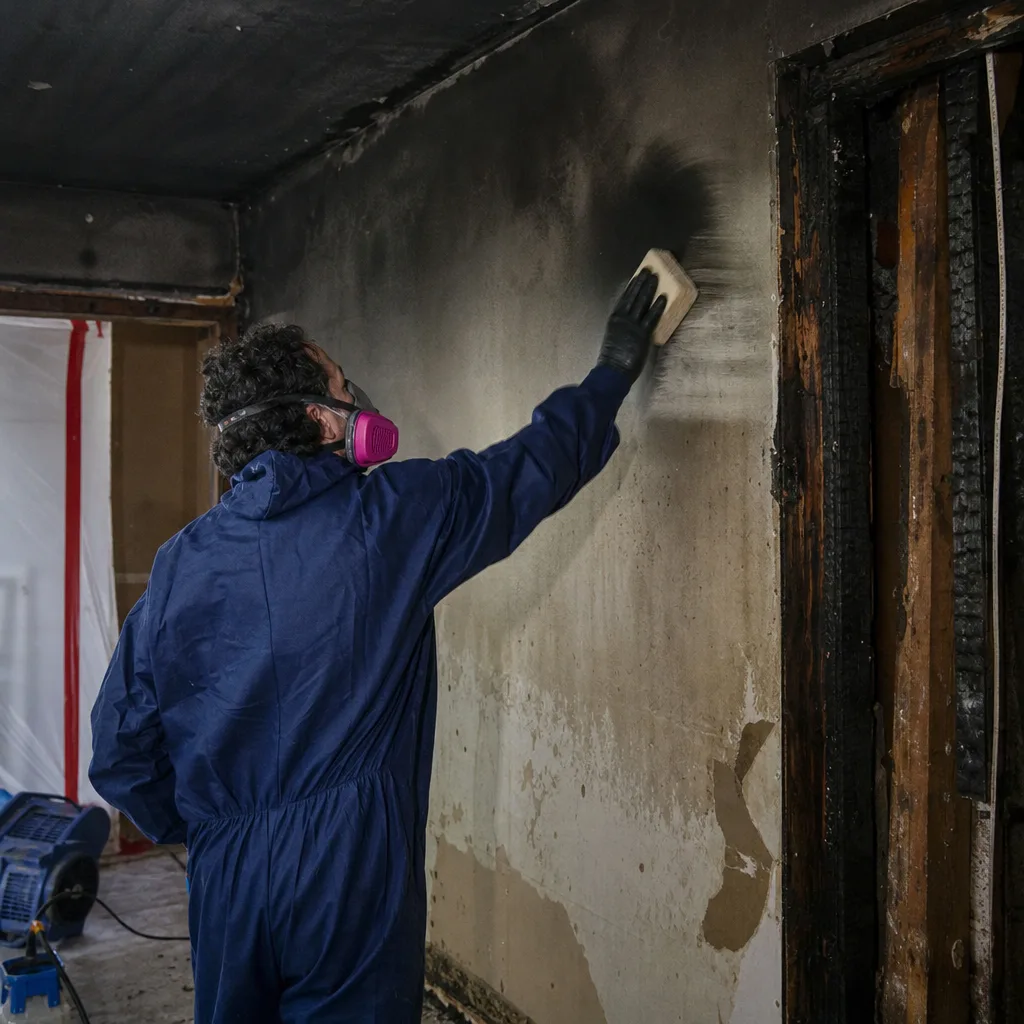
Black Water Extraction
Black water is what comes up from the sewer or out of a failed waste stack. It’s not gray water. It’s carrying everything the drain carries. In Morningside Heights, black water extraction often happens in crawl spaces and basement-level utility rooms where original cast-iron lines run exposed. We pump it out fast, contain the area, and treat every surface it touched. For properties without local shutoff access, speed matters more, because the source may keep flowing until the building supply is cut.
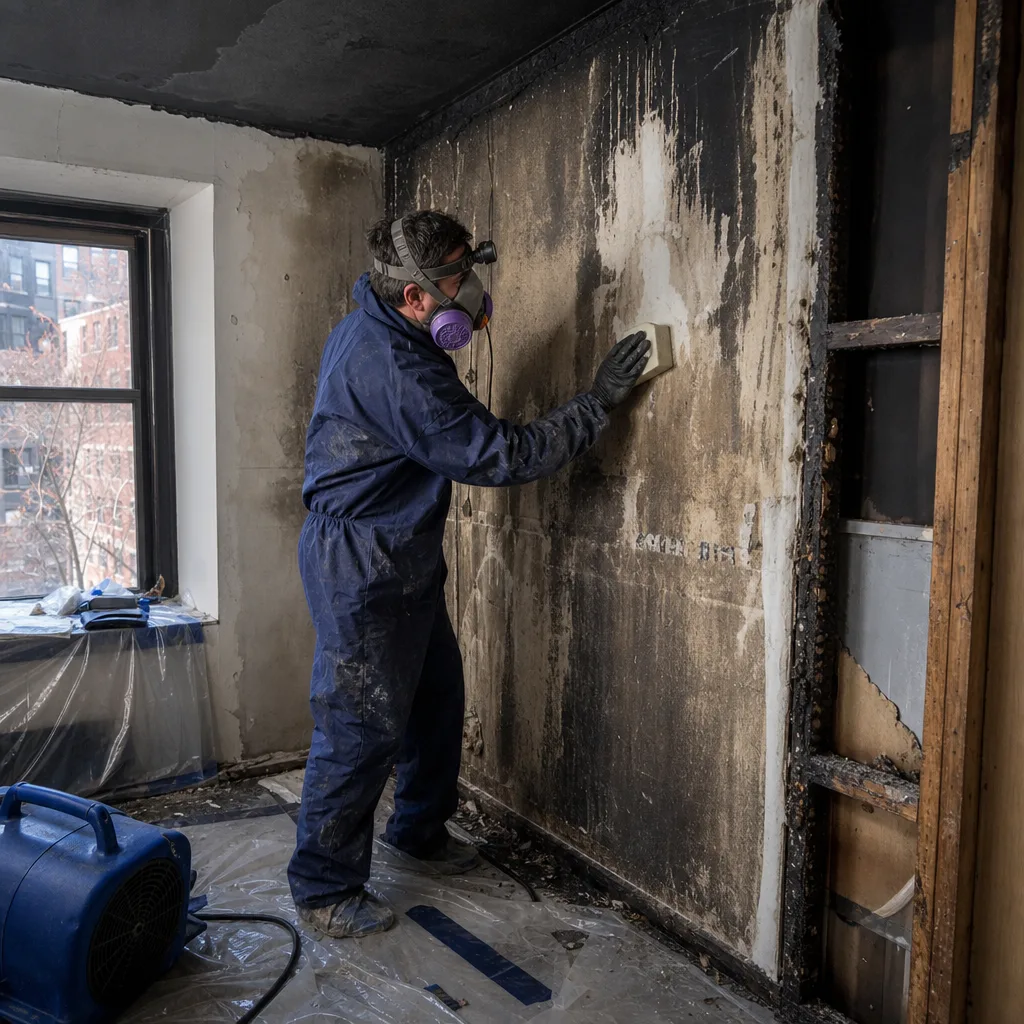
Sanitization & Disinfection
After black water is extracted and the area is dried, the sanitation work begins. This is not a mop-and-bucket pass. We apply EPA-registered disinfectants to every surface in the containment zone, including wall cavities we’ve opened for drying. Plaster-and-lath walls get treated inside the cavity. Oak floors get treated at the seams. We don’t clear a sewage-affected area in Morningside Heights until the clearance testing passes and the drying log says the structure is at the dry standard.
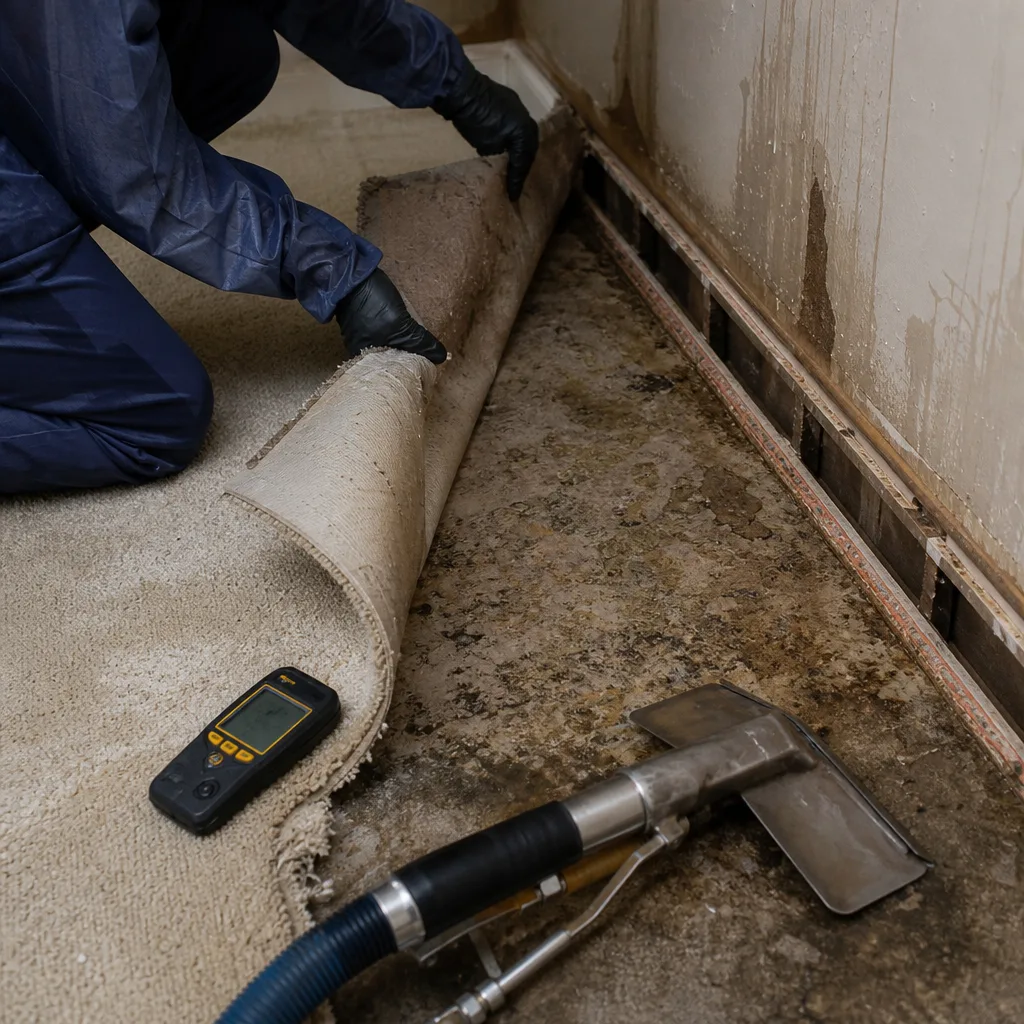
Septic Failure Cleanup
True septic systems are rare in Morningside Heights proper, but scattered older properties and some institutional buildings still run on legacy systems, and when they fail, the result is the same: Category 3 contamination. We handle septic failures the same way we handle every sewage job here: extract, contain, dry, sanitize, and document for the carrier. The building age changes the plan; the standard does not change.
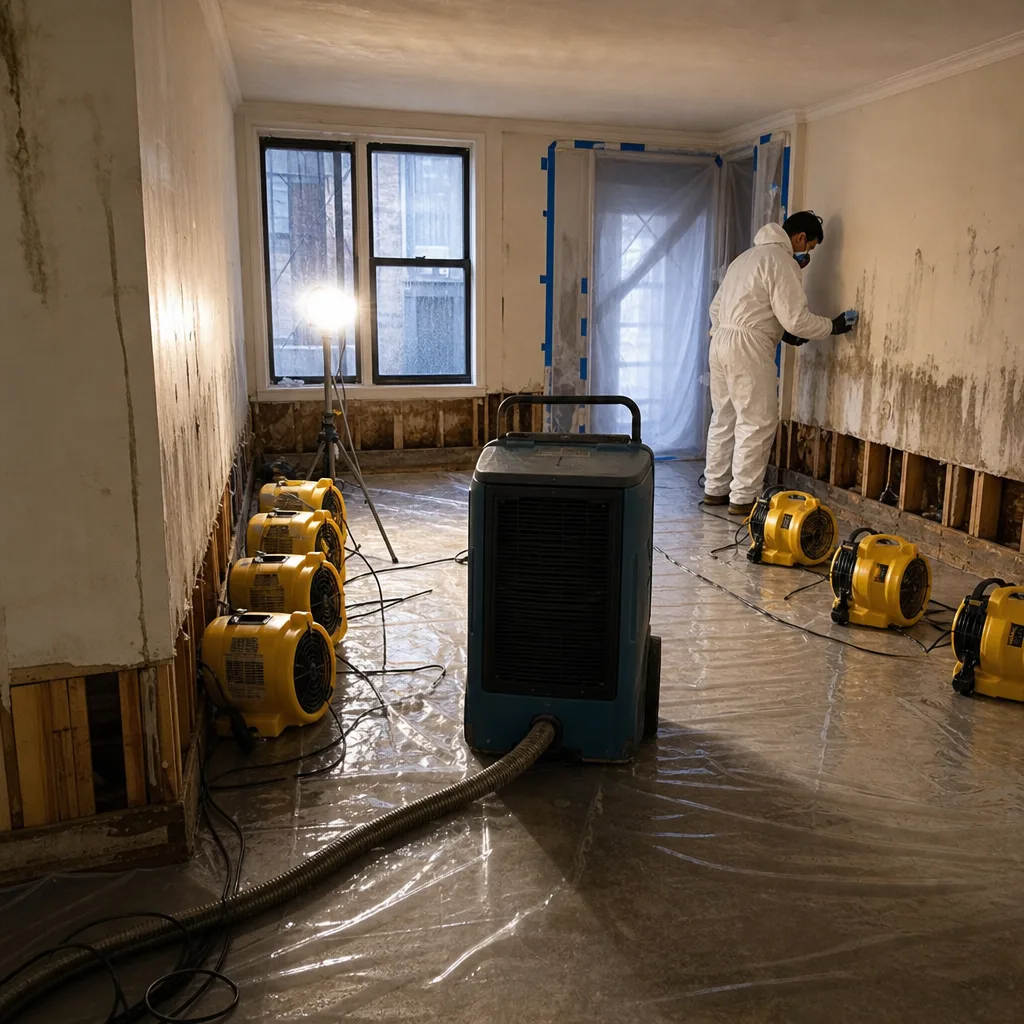
Crawl Space Sewage Removal
Many Morningside Heights brownstones and smaller buildings have shallow crawl spaces beneath the first floor, accessible only through a trapdoor or an exterior vent. When a waste line fails, black water pools there, out of sight, until the smell makes it obvious. We access the crawl, pump and extract, treat the soil and framing, and set drying equipment in an environment that has never seen airflow. This is hands-and-knees work, and it’s the kind of job that goes wrong when someone skips the sanitization step because no one is watching. We document it all anyway.
What happens when you call
- 1
A real person answersNo phone trees - you reach a local pro.
- 2
You get an upfront price rangeHonest numbers before anyone is dispatched.
- 3
A background-checked tech heads outLicensed & insured, dispatched right away.
- 4
You approve before work beginsNothing starts until you say go.
Sewage Cleanup Costs in Morningside Heights, NY
A contained toilet overflow cleanup in a single Morningside Heights apartment with no wall-cavity contamination typically runs $1,200-$2,800. A multi-floor sewage backup from a shared riser, the kind we see regularly along 116th Street and Riverside Drive, runs $4,500-$12,000 depending on how many units are affected, whether plaster-and-lath cavities need to be opened, and whether original oak flooring can be saved or has to come out. Crawl space sewage removal in a brownstone adds $1,500-$4,000 on top of the interior work.
What moves the price: building access (elevator buildings with service elevators are faster and cheaper than walk-ups), how far the contamination traveled through wall assemblies, whether Columbia or a co-op board needs to approve the scope before we can start, and how much rebuild work the structure needs after drying. Most sewage losses in Morningside Heights are covered claims. The free inspection gives you a firm number in writing before anything starts. Call (845) 305-5737 and we’ll walk it with you.
We Also Serve Cities Near Morningside Heights
Our crews cover Morningside Heights and the surrounding neighborhoods, including Upper West Side, Upper Manhattan, Central Harlem, and East Harlem. Same 45-minute response, same live dispatcher, same 90-Day Done Right Promise. If your building is anywhere between 110th and 125th, we’re already nearby.
Morningside Heights Sewage Cleanup Questions, Answered
How does Columbia University’s facilities approval process affect sewage cleanup timing in Morningside Heights?
It can delay the start of drying by 24 to 48 hours in Columbia-managed buildings. The university requires moisture mapping and a written scope of work to be submitted to its central facilities office at 116th Street before any extraction or containment equipment is placed. That’s the bureaucratic reality in this neighborhood. We prepare the documentation on-site during the initial inspection and submit it the same hour, because every hour of delay increases the chance of mold onset inside plaster-and-lath cavities. If you’re in a Columbia-managed building, call (845) 305-5737 immediately so we can start the paperwork clock while the water is still flowing.
Why are sewage backups in Morningside Heights pre-war buildings more complex than in newer construction?
Three reasons: the walls are plaster-and-lath, not drywall, so they absorb contaminated water and hide it longer; the original cast-iron and galvanized waste lines have decades of corrosion that complicate source identification and repairs; and the shared steam-heat risers mean residual heat keeps drying conditions uneven, which requires more precise equipment placement and longer monitoring. A backup in a 1920s masonry building near Riverside Drive is a fundamentally different job than the same event in a drywall building.
Can you restore plaster-and-lath walls after a Category 3 sewage backup, or do they need to be removed?
Often they can be saved, but only if the cavity is addressed. We open small access points at the base of the wall, extract any contaminated insulation or debris, run internal drying, and apply antimicrobial treatment inside the cavity. If the plaster has already delaminated from the lath or the saturation line extends more than two feet up the wall, removal becomes the honest choice. Salvage depends on how quickly we get in and how far the water traveled. The plaster-and-lath walls in Morningside Heights can take days longer to dry than drywall, and the drying log has to prove it’s done before we put anything back.
What does a typical sewage cleanup scope of work include for a Columbia-managed apartment?
It includes immediate extraction of Category 3 water, containment of the affected unit or floor, moisture mapping with thermal imaging and hygrometer readings, equipment placement for structural drying, sanitization of all affected surfaces, cavity treatment where walls were opened, daily drying log updates, and a final clearance report. We submit this in the format Columbia’s facilities office requires, which means the scope is written clearly enough for an adjuster, a facilities coordinator, and a homeowner to all understand. You get the same written scope before we start.
How do you handle sewage backups that cascade through multiple floors in a Morningside Heights steam-heat building?
We treat the whole column as one job. That means containing each affected unit, tracking the contamination path down through the floor assemblies, running drying equipment on every floor where moisture readings justify it, and documenting each unit separately for insurance purposes while coordinating as one project. The steam risers complicate drying because adjacent units stay warm, so we adjust dehumidifier placement daily based on live readings. We also coordinate with the building’s super or Columbia’s facilities office to shut off the affected riser if the source is still active.
How fast can a crew actually reach my Morningside Heights address?
Our target is 45 minutes from your call to our arrival, for any address in Morningside Heights. Emergency sewage calls get priority dispatch. The live dispatcher confirms your address, starts the crew moving, and stays on the line with you until we’re en route. For Columbia-managed buildings, we can start the facilities approval paperwork while the crew is driving, which saves hours on the back end.
Will my insurance cover sewage cleanup in Morningside Heights?
Most policies cover sewage backup if the damage is sudden and accidental, and most Morningside Heights buildings carry policies that include sewer and drain coverage. The coverage question is rarely whether it’s covered, but whether the claim is documented well enough to pay fully. That’s why we document from the first hour: Category 3 classification, moisture readings, photo evidence of the source, and a line-item scope in carrier-recognized format. We bill your insurer directly and coordinate with the adjuster. Call (845) 305-5737 and we’ll walk your specific policy situation with you at the inspection.
What should I do in the first 30 minutes after discovering a sewage backup?
Stop using any water in the affected unit or building. Do not flush toilets, run sinks, or run washing machines, because the source may still be active. Do not walk through the contaminated area unless you have to, and if you do, assume your shoes are contaminated. Keep children and pets away from the affected area. Call (845) 305-5737. Then, if you’re in a building with a super or a property manager, call them too, because they may need to shut off the building supply. In Columbia-managed buildings, notify the facilities line as well. The first call gets us moving; the second call gets the source stopped.
Serving Morningside Heights, NY - Our Local Coverage Area
We’re based in the Morningside Heights area and know this community well. Use the map below to see our service coverage - if you’re nearby, we can almost certainly help.
Contact Floodline Restoration Co. for Sewage Cleanup in Morningside Heights
When sewage backs up into a Morningside Heights apartment at 2 a.m., you need a live person on the phone and a certified crew on the way. That’s what we do. Call (845) 305-5737 now for a free visual inspection and a written scope of work before anything starts. We’ll handle your insurance documentation, coordinate with your building management or Columbia’s facilities office, and stand behind the work with the 90-Day Done Right Promise. Done right, and backed in writing.
Written by Curt Bowman, Owner at Floodline Restoration Co., serving Morningside Heights and surrounding neighborhoods since 2010.